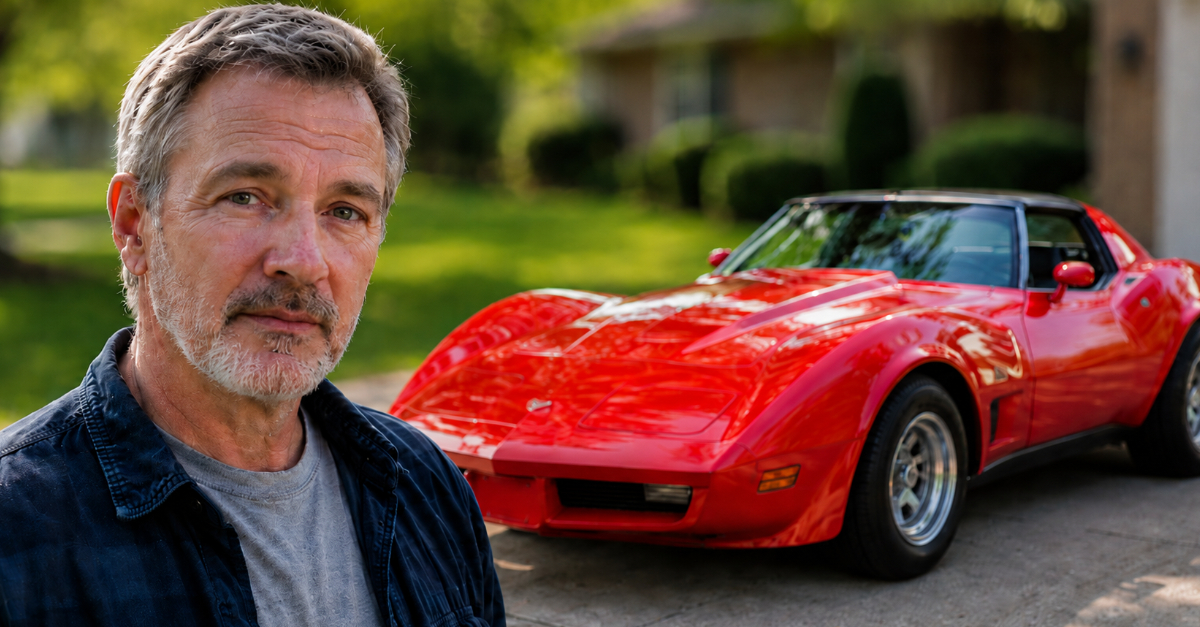
The Fiberglass Honeymoon Is Over
Buying a 1978 Corvette at a bargain price probably felt like the kind of deal people brag about for years. Then the first mysterious drip appeared underneath it and someone casually mentioned something called a “birdcage.”
Now that great deal is beginning to feel slightly less great.
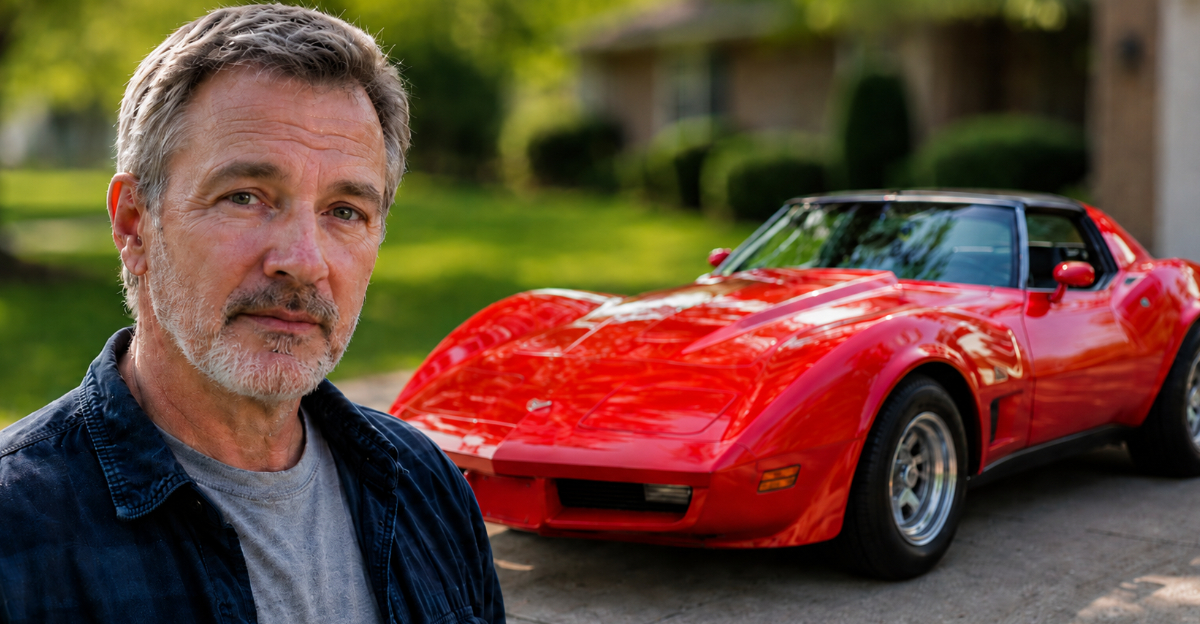
The Price Was Only the Beginning
The Corvette may already be sitting safely in the garage, but that does not mean the buying is over. Insurance, storage, aging parts and nearly five decades of deferred little problems are all waiting for their turn. The question is whether this was a dream purchase—or merely the down payment.
 MercurySable99, Wikimedia Commons
A Surprisingly Attainable Dream Car
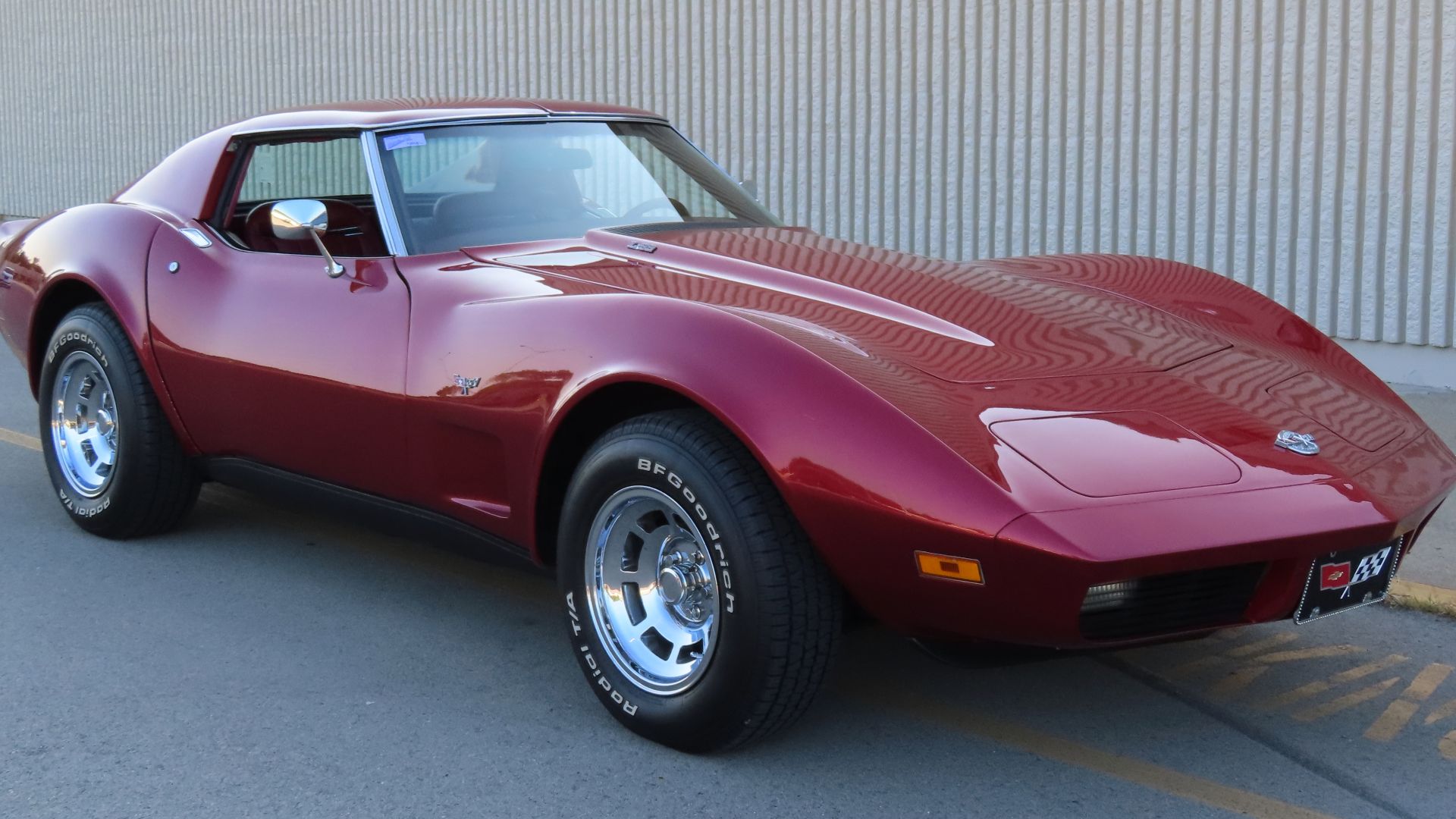
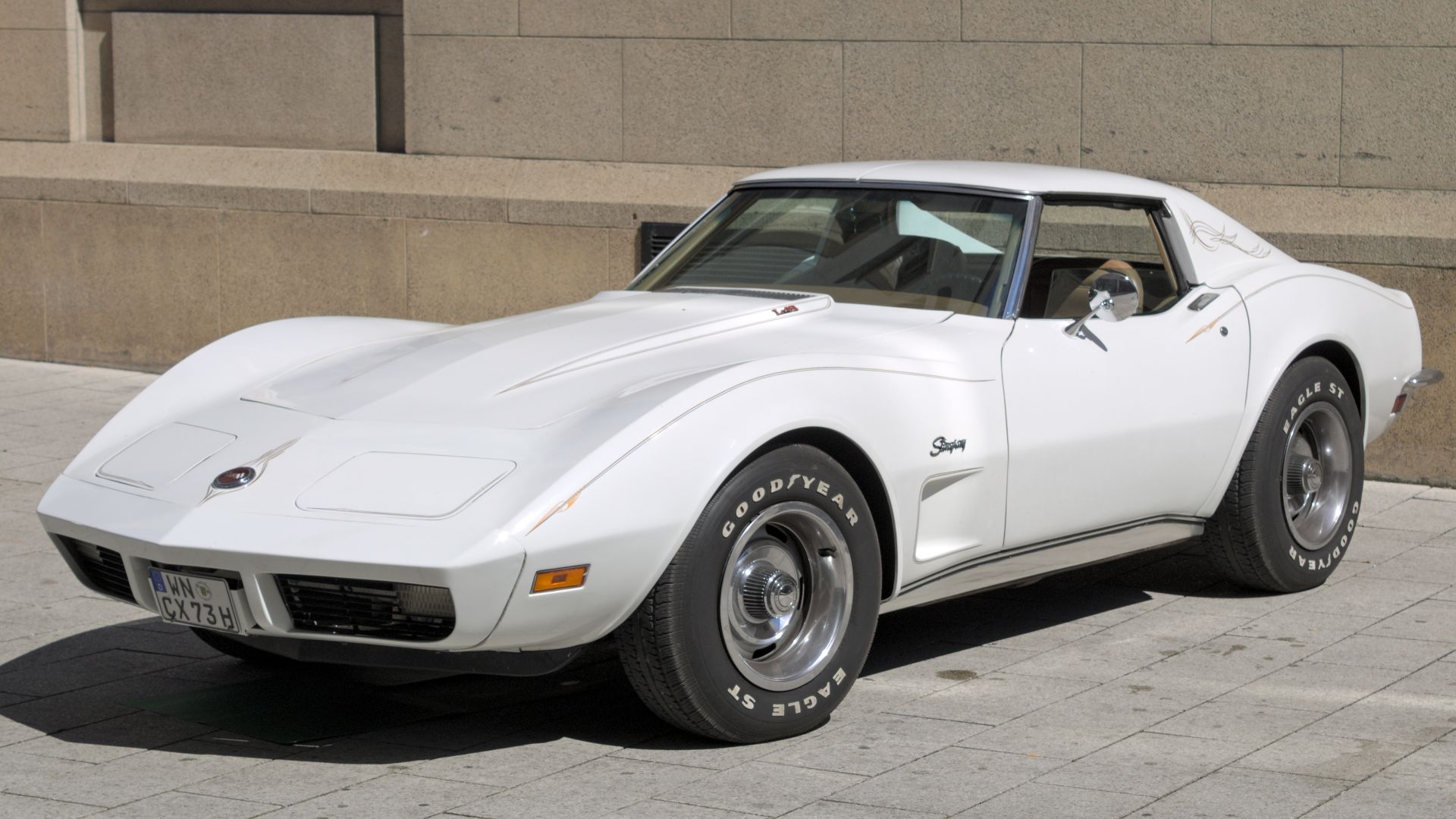
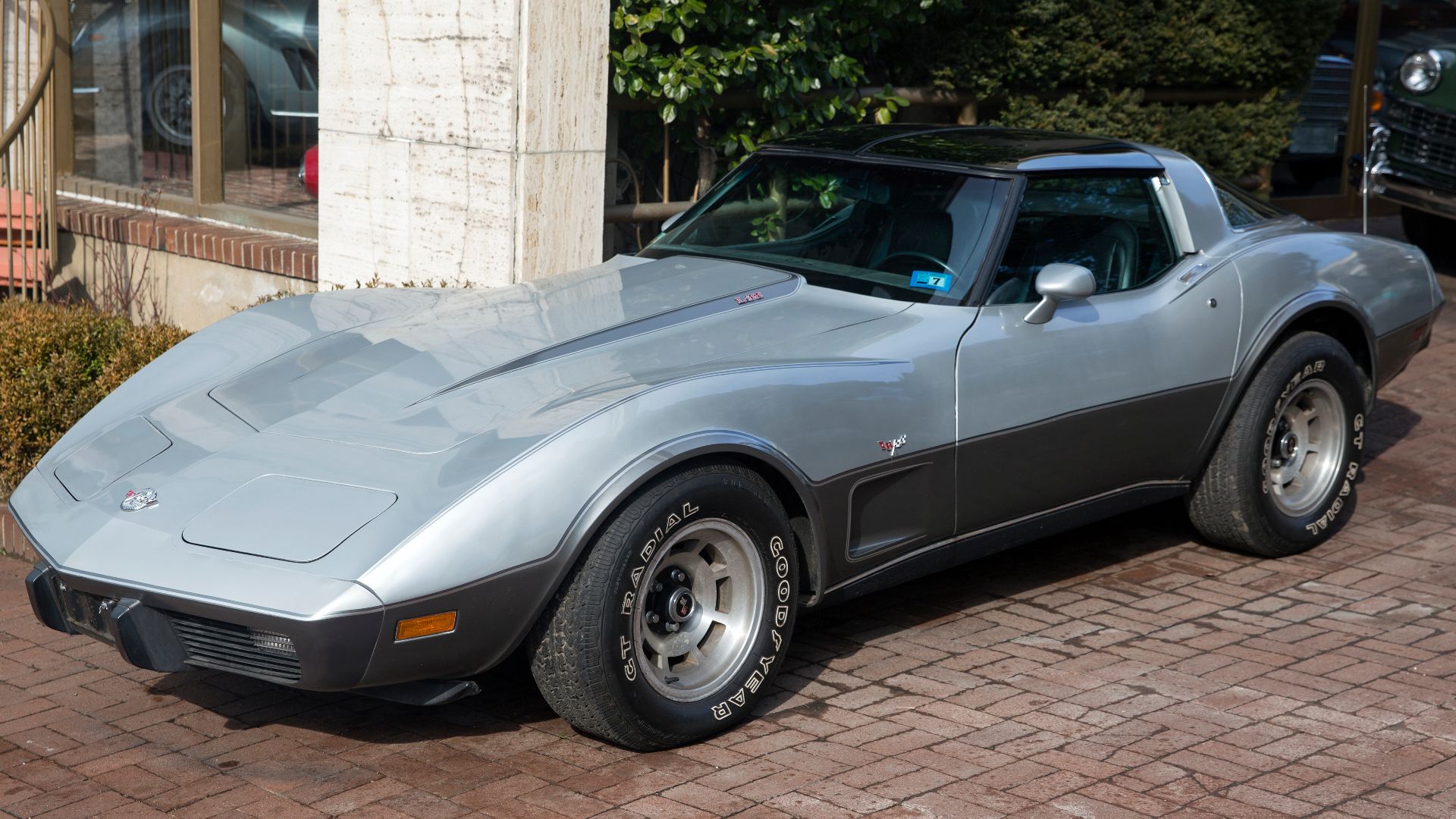
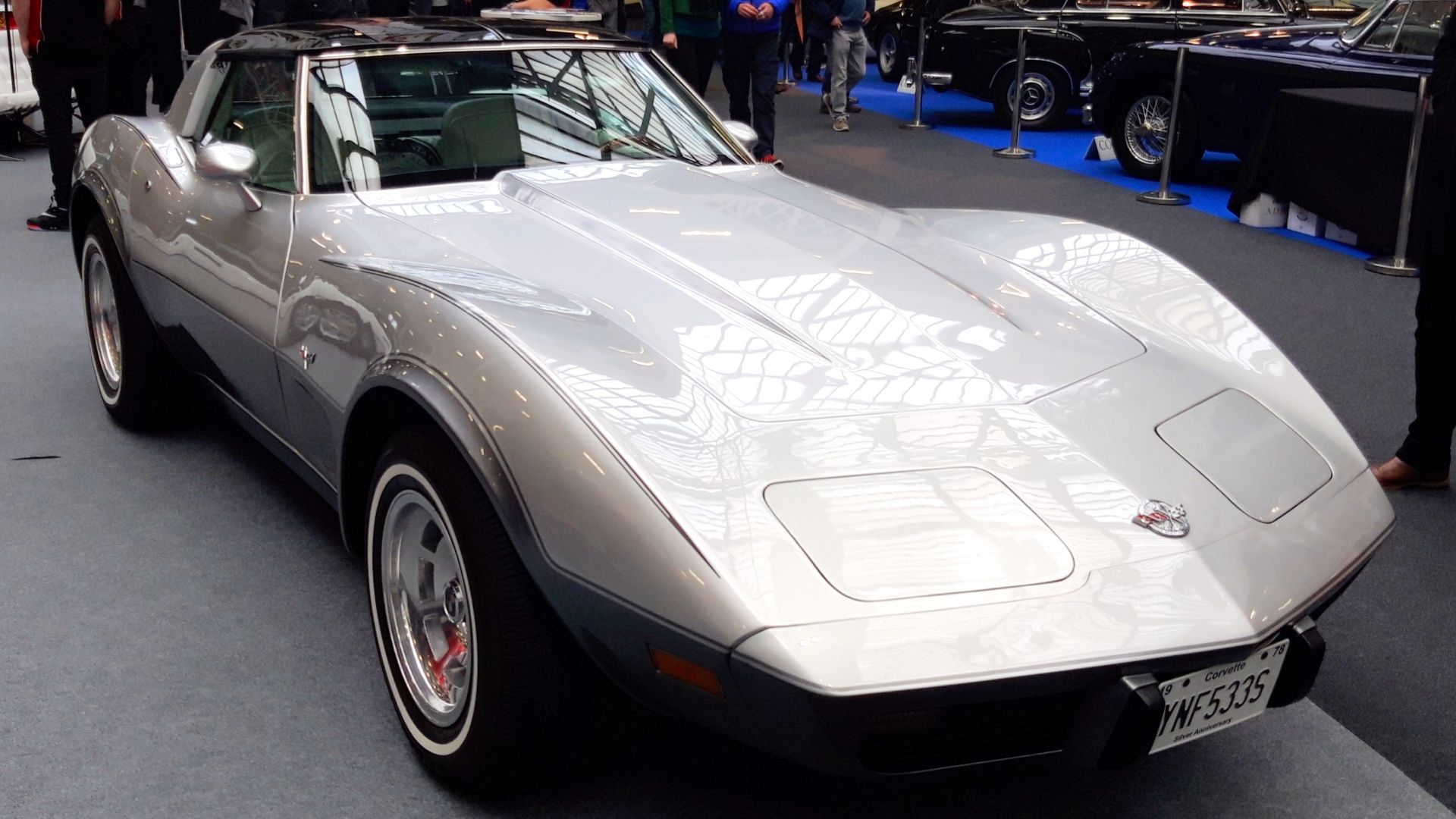
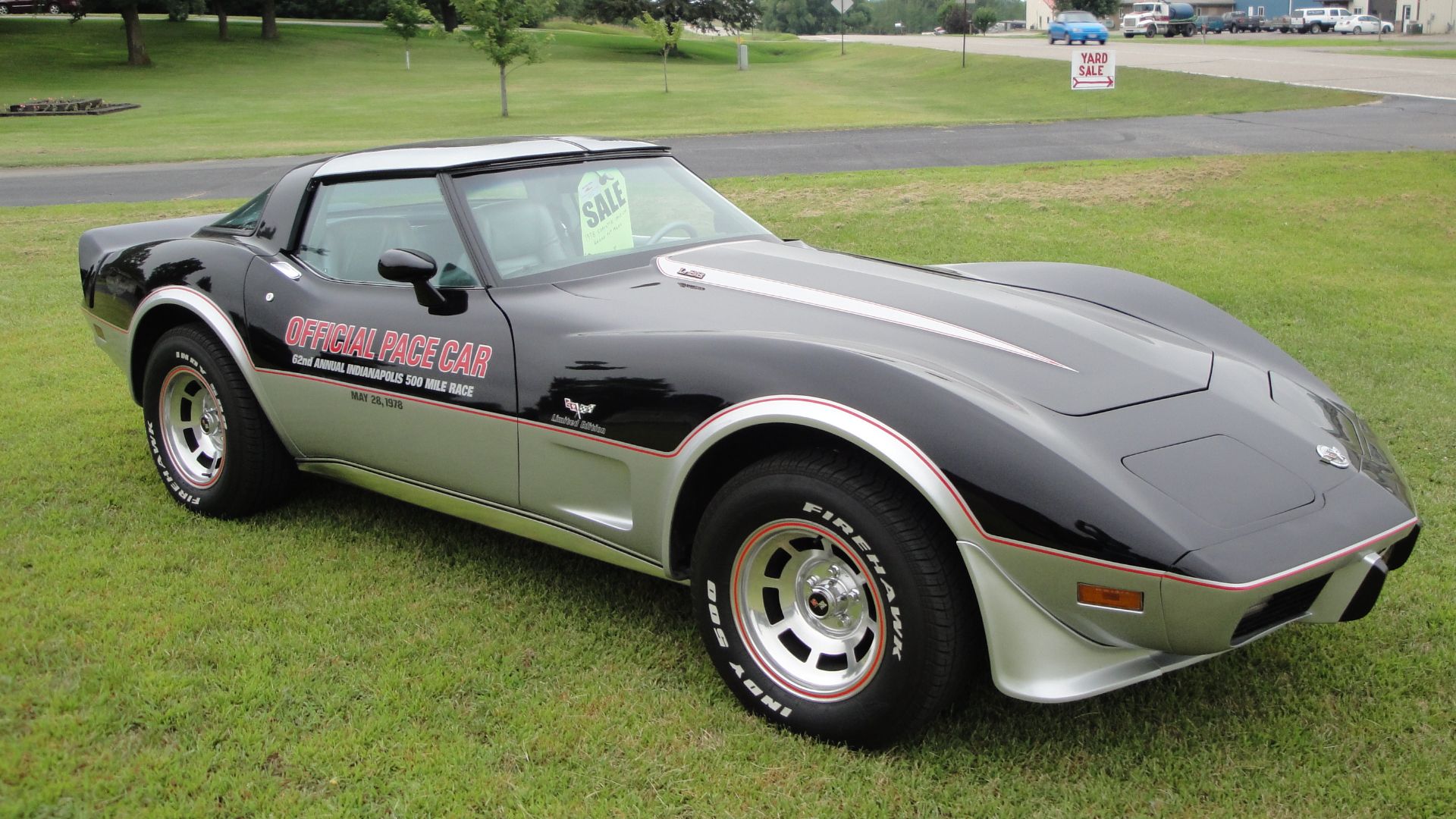
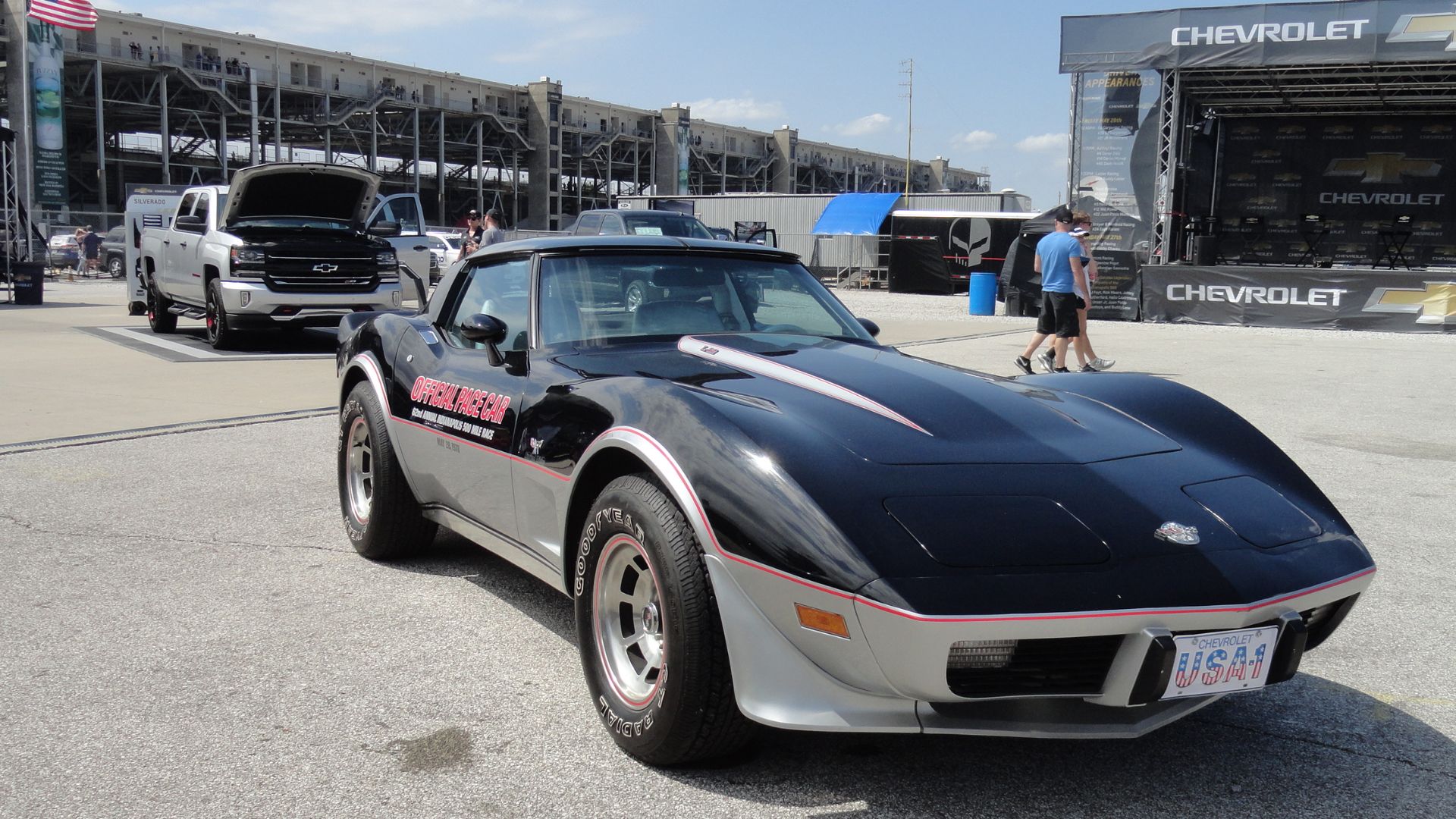
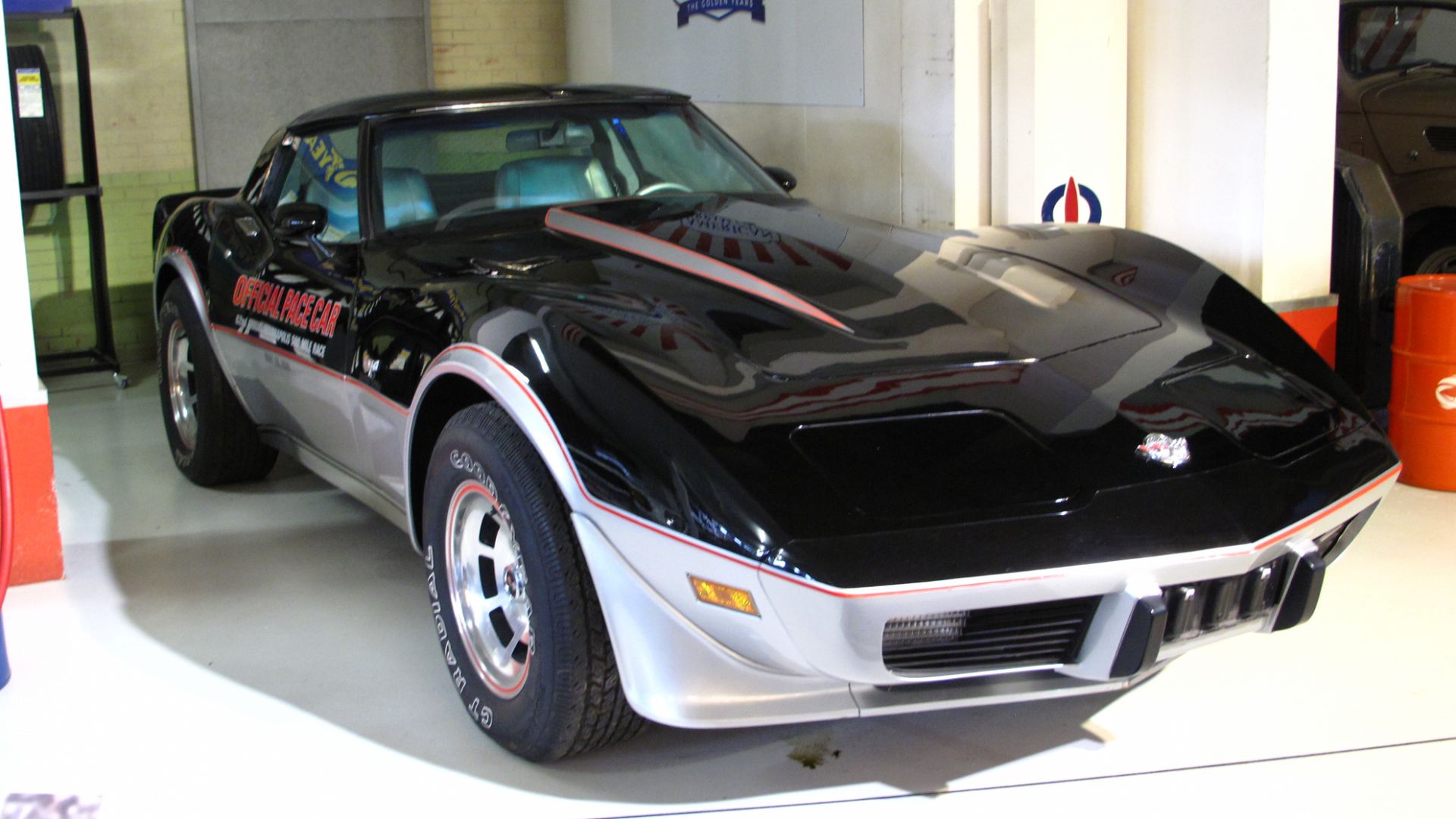
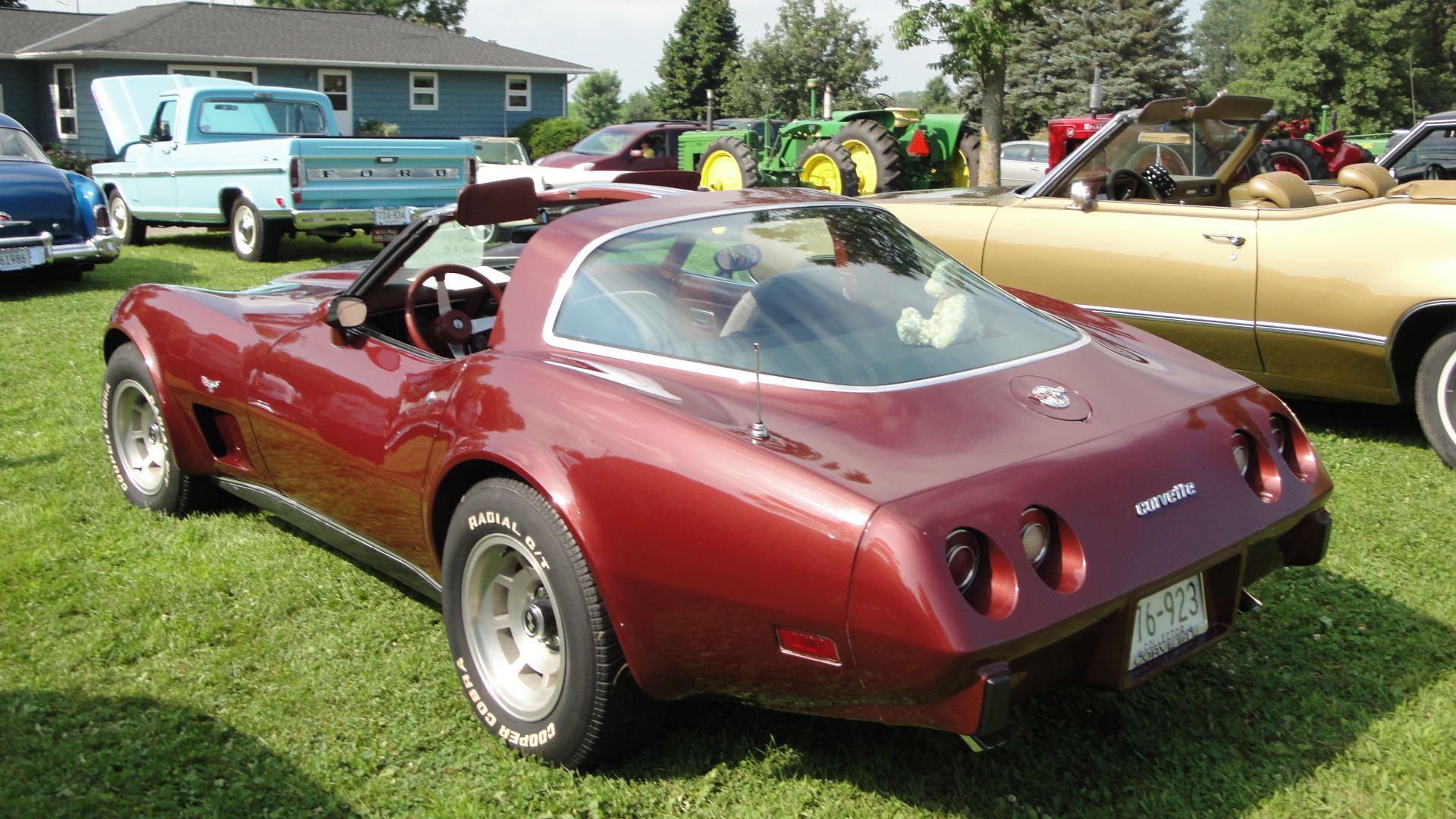
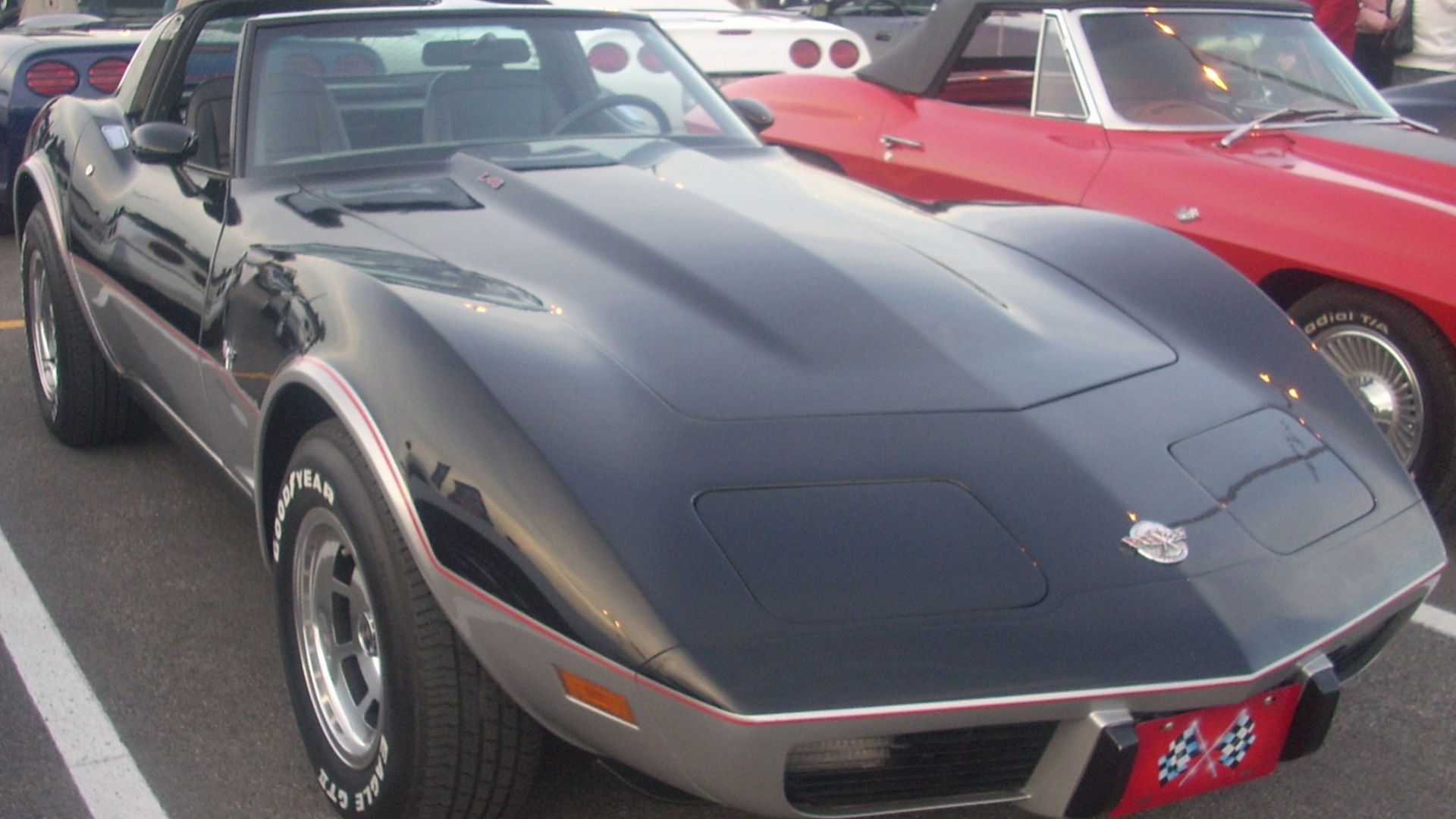
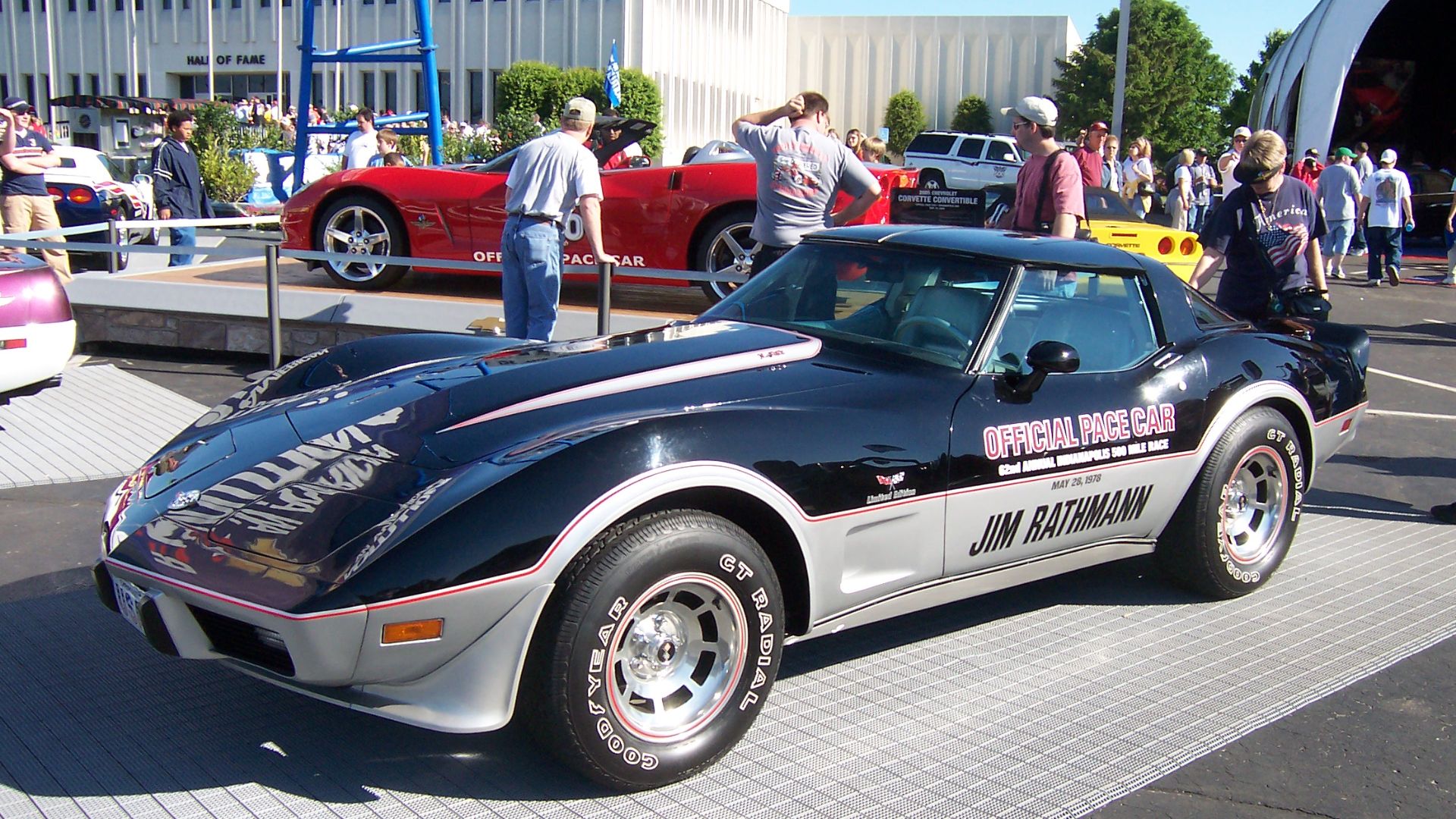
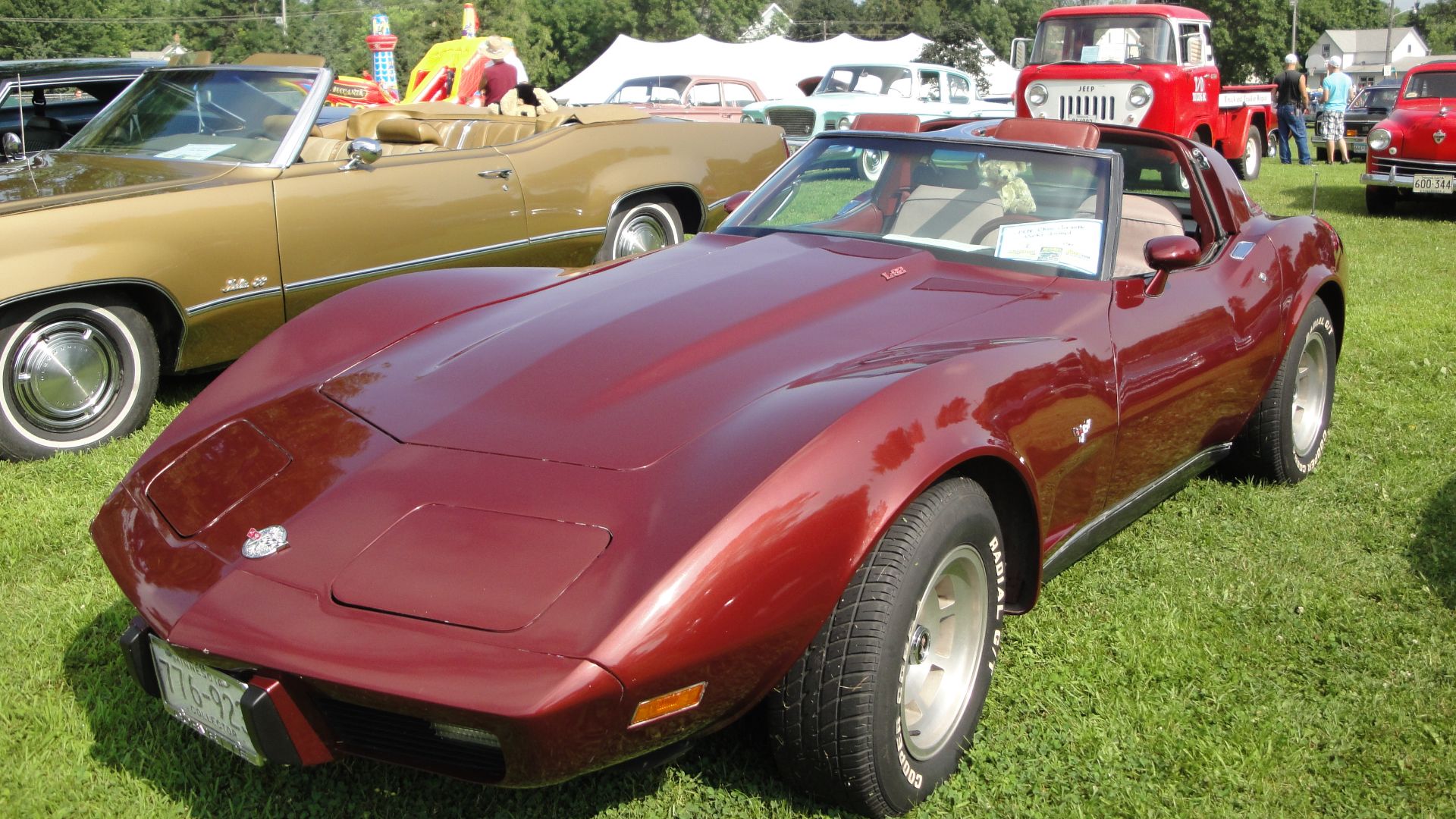
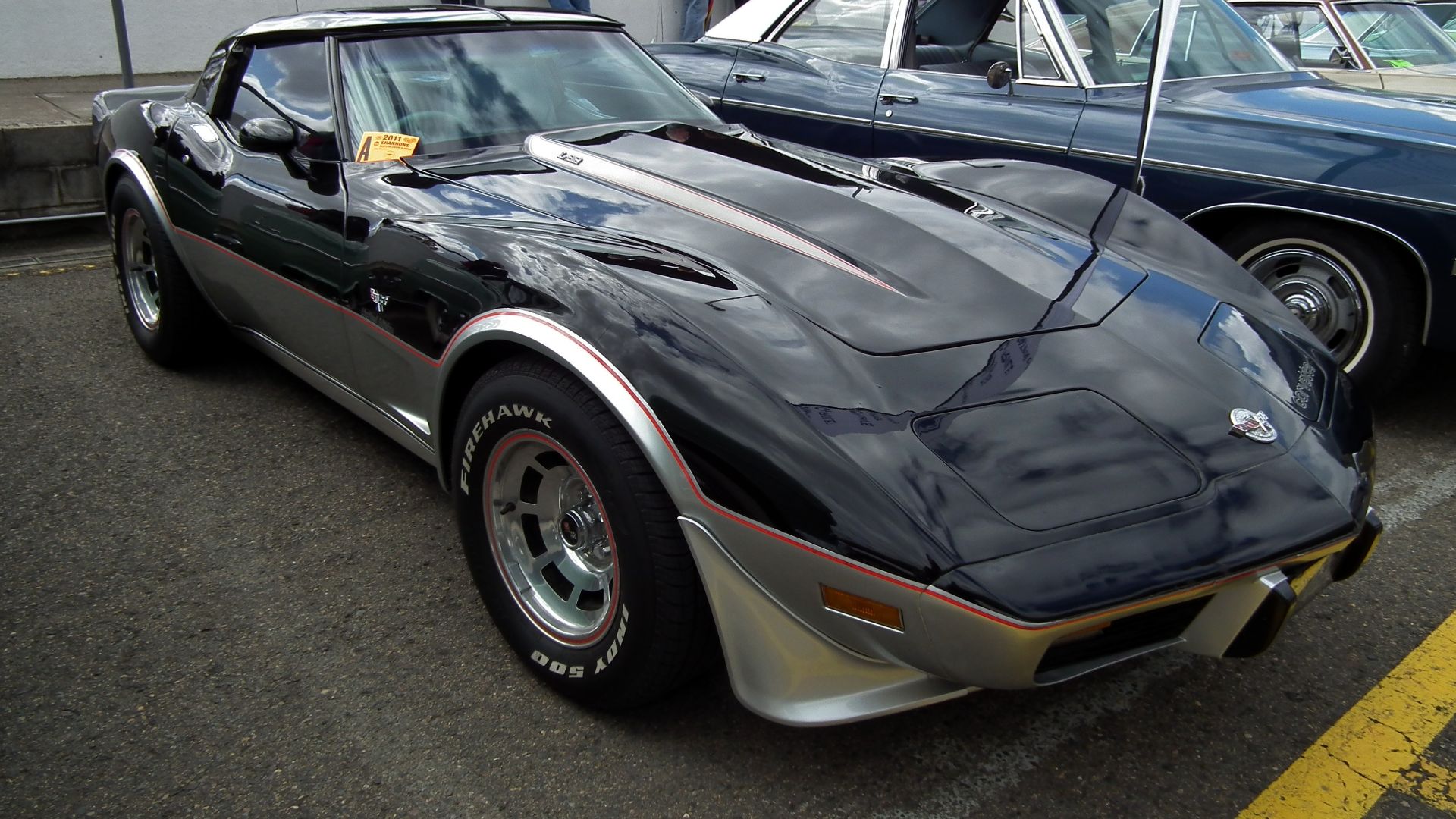
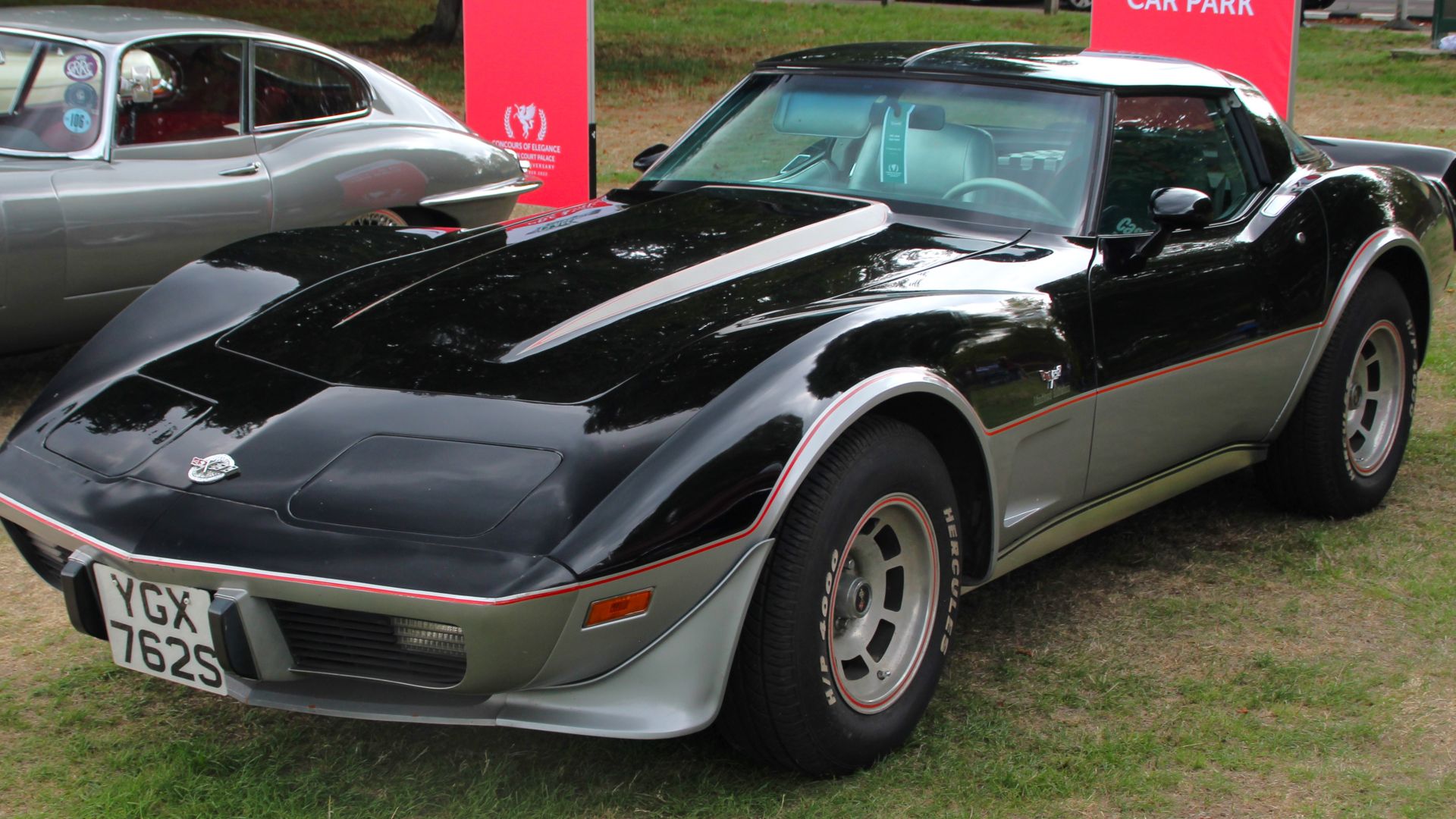
The 1978 Corvette celebrated the model’s 25th anniversary and introduced the large wraparound rear window that gave the C3 a fresh fastback look. Chevrolet built 46,776 of them, and Hagerty’s July 2026 guide places a good-condition base L48 around $14,500 and an L82 around $16,900. Unfortunately, affordable to buy does not always mean affordable to own.
 Alexander Migl, Wikimedia Commons
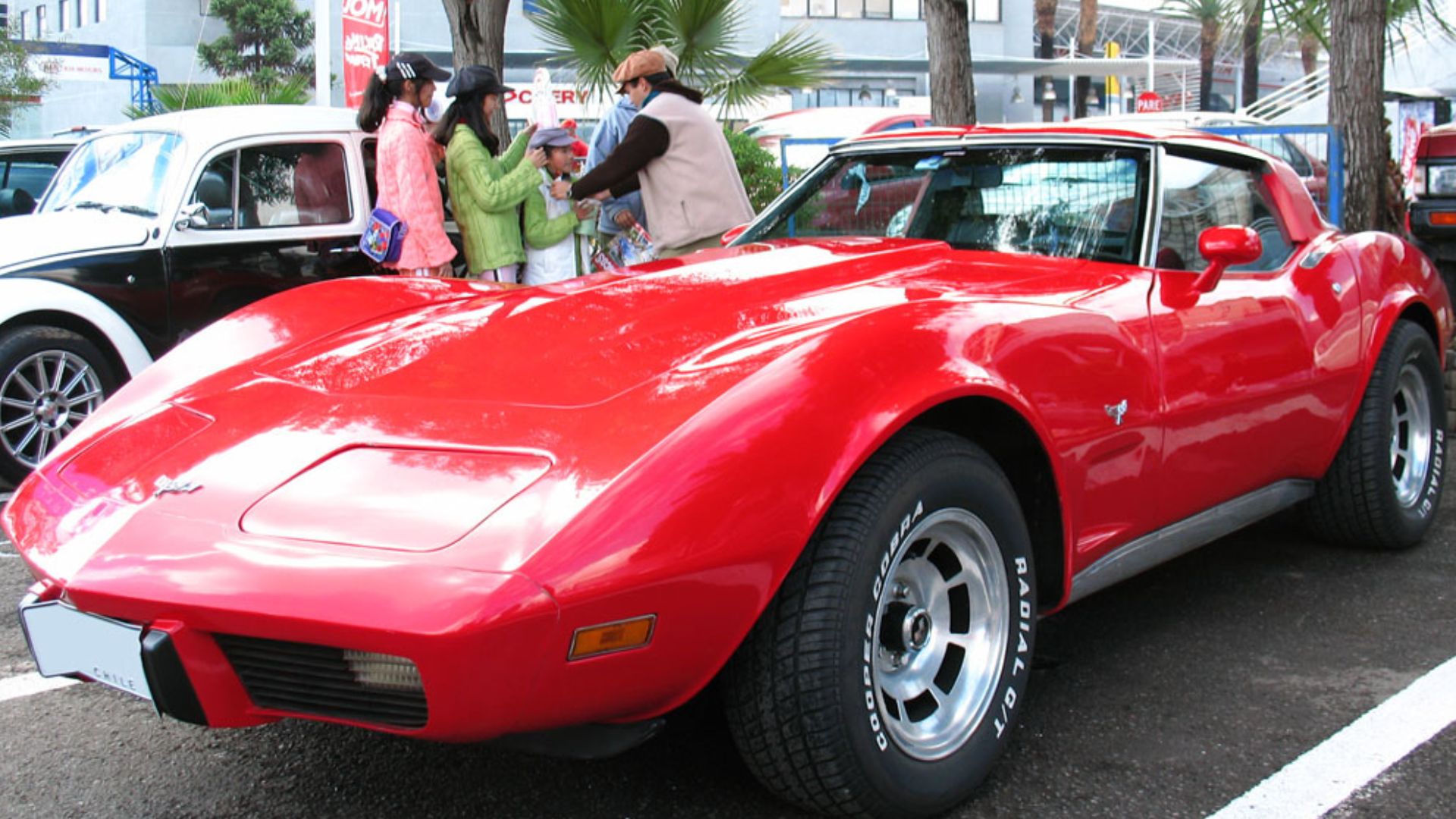
Condition Matters More Than Mileage
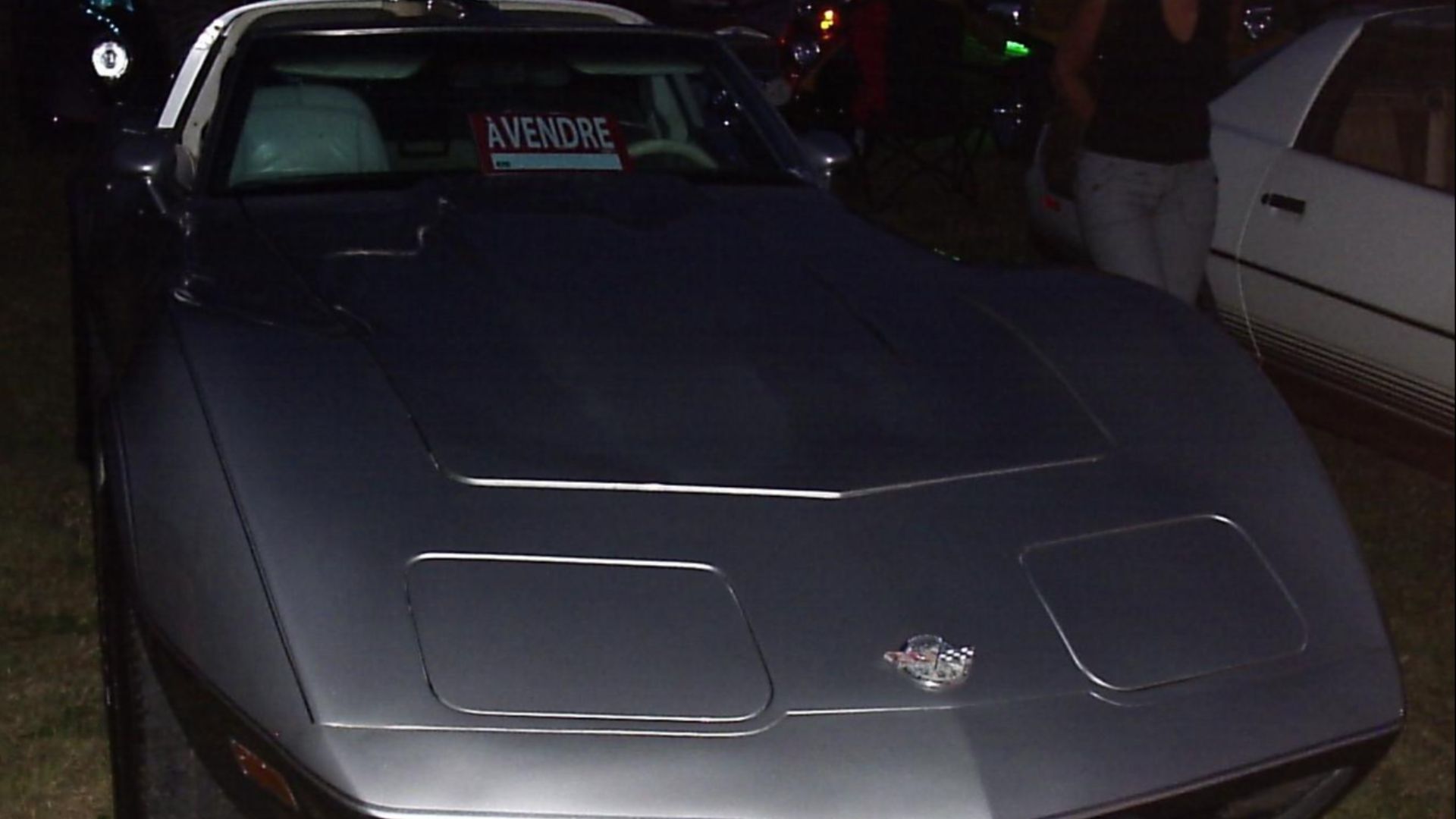
A 30,000-mile Corvette that spent decades sitting in a damp garage may need far more work than a regularly driven 90,000-mile example. Rubber dries out, seals shrink, brake components deteriorate and fuel systems become unhappy. On a car this old, an impressively low odometer reading is not automatically good news.
 papurojugarpool, Wikimedia Commons
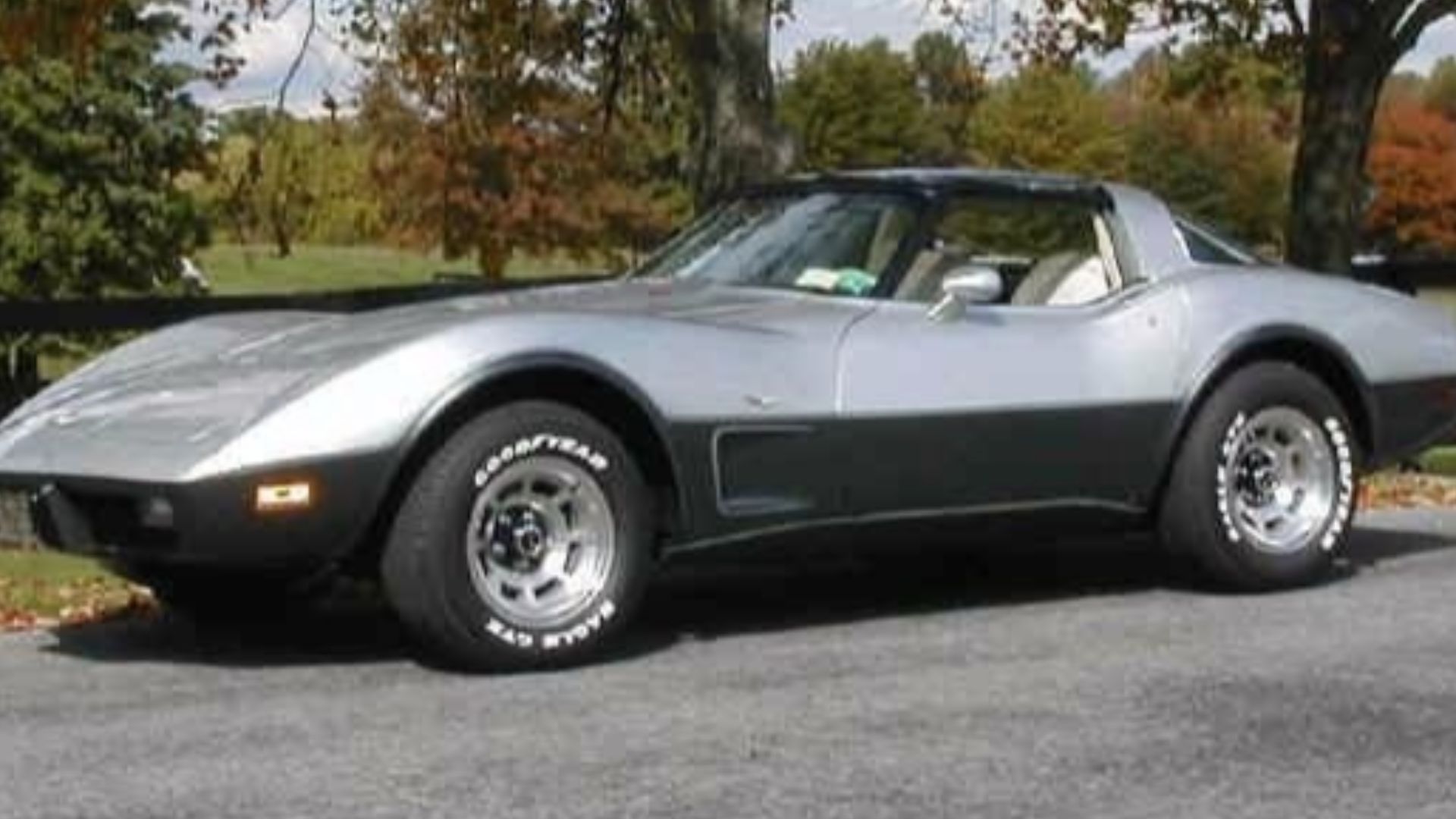
Get It Inspected—Even Though It Is Too Late
The ideal time for a specialist inspection was before the purchase. The second-best time is immediately after. A Corvette mechanic should examine the frame, birdcage, brakes, steering, suspension, cooling system, electrical components and signs of previous collision repairs before one harmless-looking problem invites all its expensive friends over.
 Vegavairbob (talk), Wikimedia Commons
The Fiberglass Body Is a Very Good Distraction
A Corvette’s exterior body panels do not rust, which can make a shiny car look wonderfully solid. Underneath that fiberglass, however, sits a steel frame and steel structure surrounding the passenger compartment. Both can corrode while the body continues smiling innocently for the photographs.
 Mr.choppers, Wikimedia Commons
Then Someone Mentions the Birdcage
The birdcage runs through the windshield pillars, cowl, door openings and roof structure. Serious corrosion can require extensive disassembly before repairs even begin. If the inspection reveals major birdcage or frame damage, stop planning summer road trips and start having a very different conversation about the car.
The First Year Is Usually Catch-Up Year
Unless the seller supplied detailed recent service records, assume the fluids, belts, hoses, ignition components, battery and tires all need inspection. Routine maintenance itself is not especially frightening. The expensive part is discovering how many routine jobs previous owners quietly stopped doing.
 Greg Gjerdingen from Willmar, USA, Wikimedia Commons
The Headlights May Develop Personalities
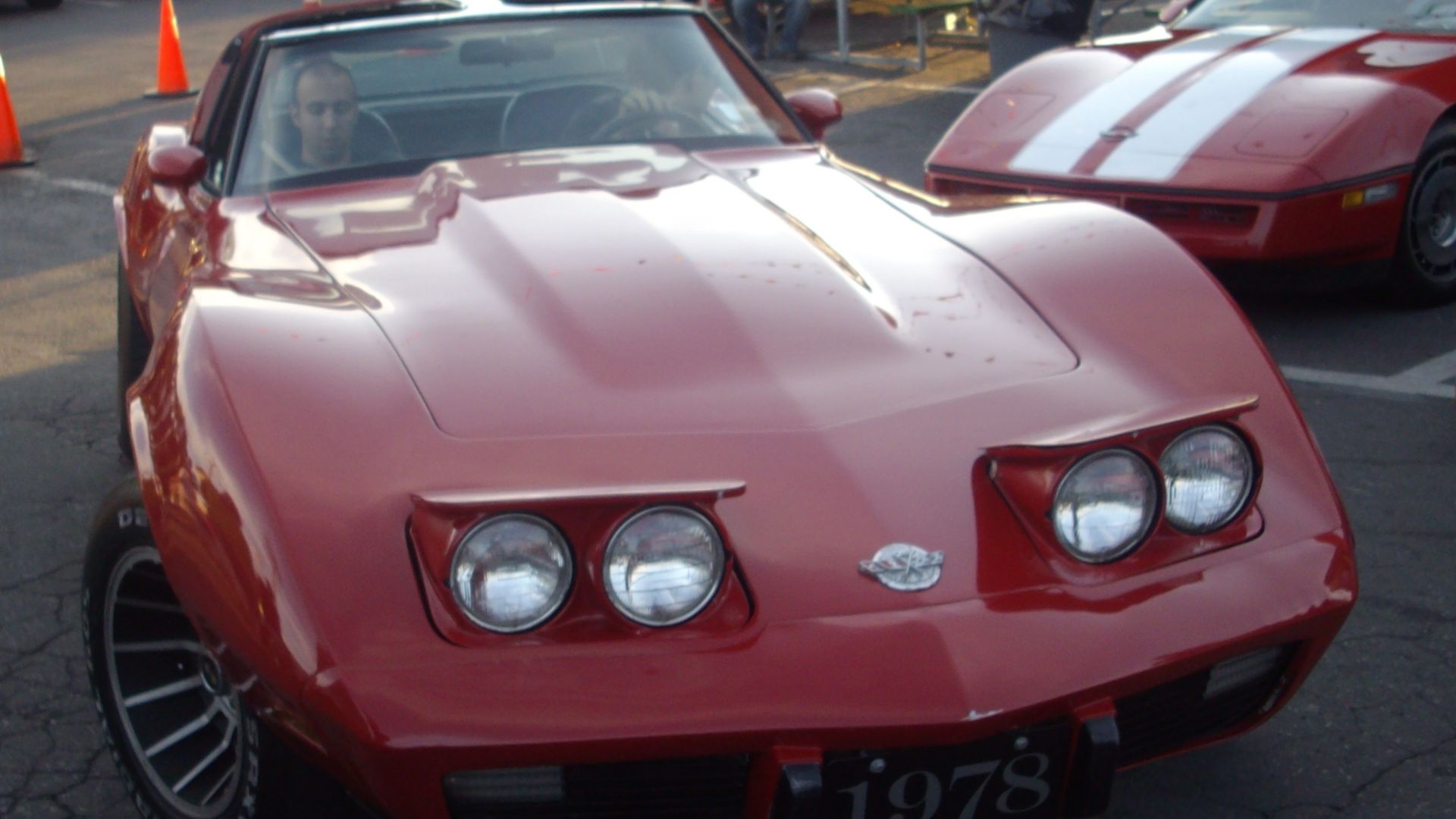
The 1978 Corvette uses engine vacuum to raise and lower its hidden headlights. Aging hoses, actuators and valves can leave one light slow, sleepy or completely uninterested. Replacement parts remain available, but diagnosing an old vacuum system can require considerably more patience than the winking headlight suggests.
 Bull-Doser at English Wikipedia, Wikimedia Commons
Sitting Still Can Hurt the Brakes
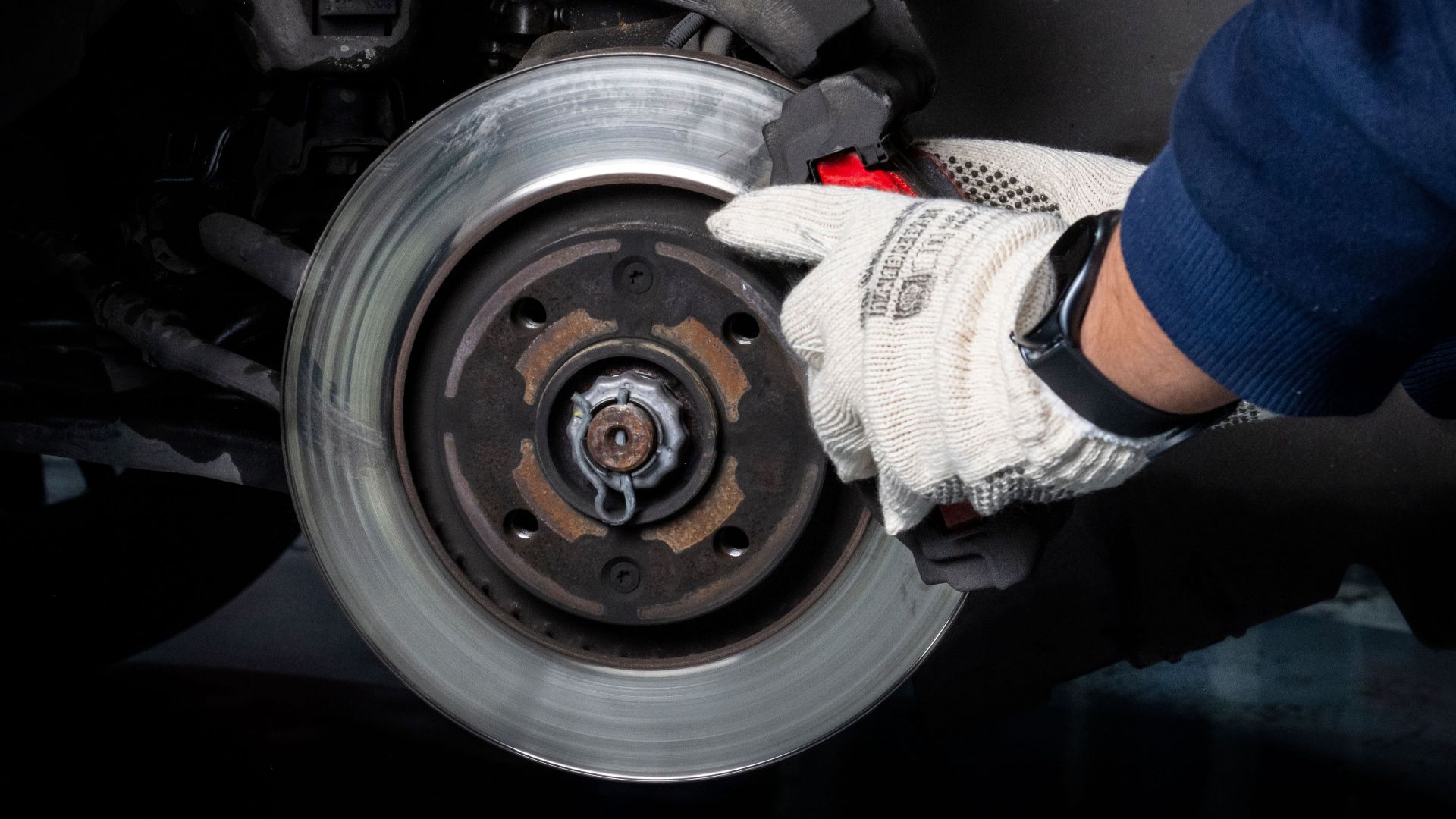
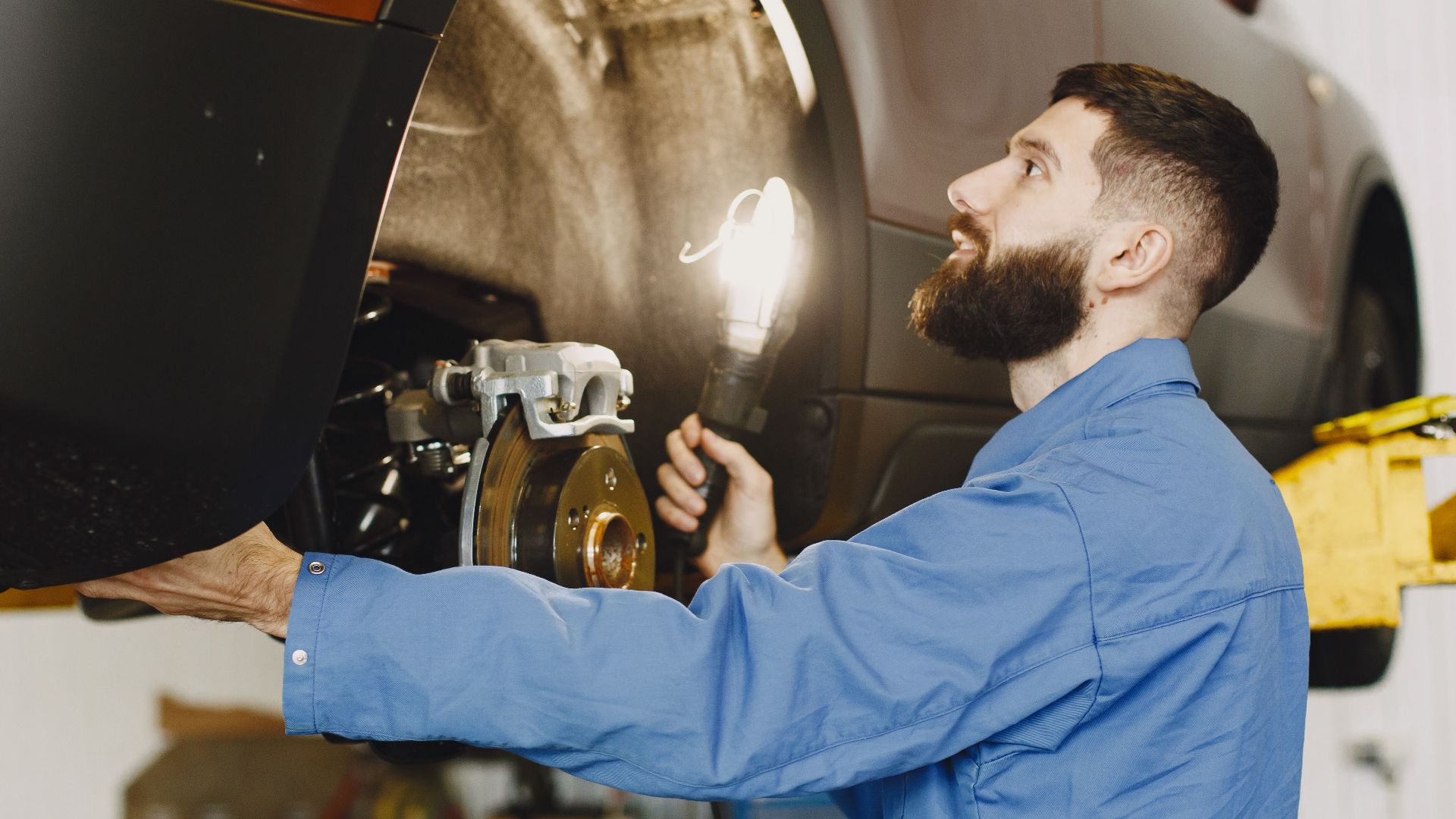
A car that spends most of its life parked can develop leaking calipers, aging hoses and corroded brake components despite its low mileage. A complete four-wheel refresh using quality rebuilt parts can approach or exceed $1,000 in parts, depending on the components chosen, before a specialist charges for labor.
The Suspension May Want Its Youth Back
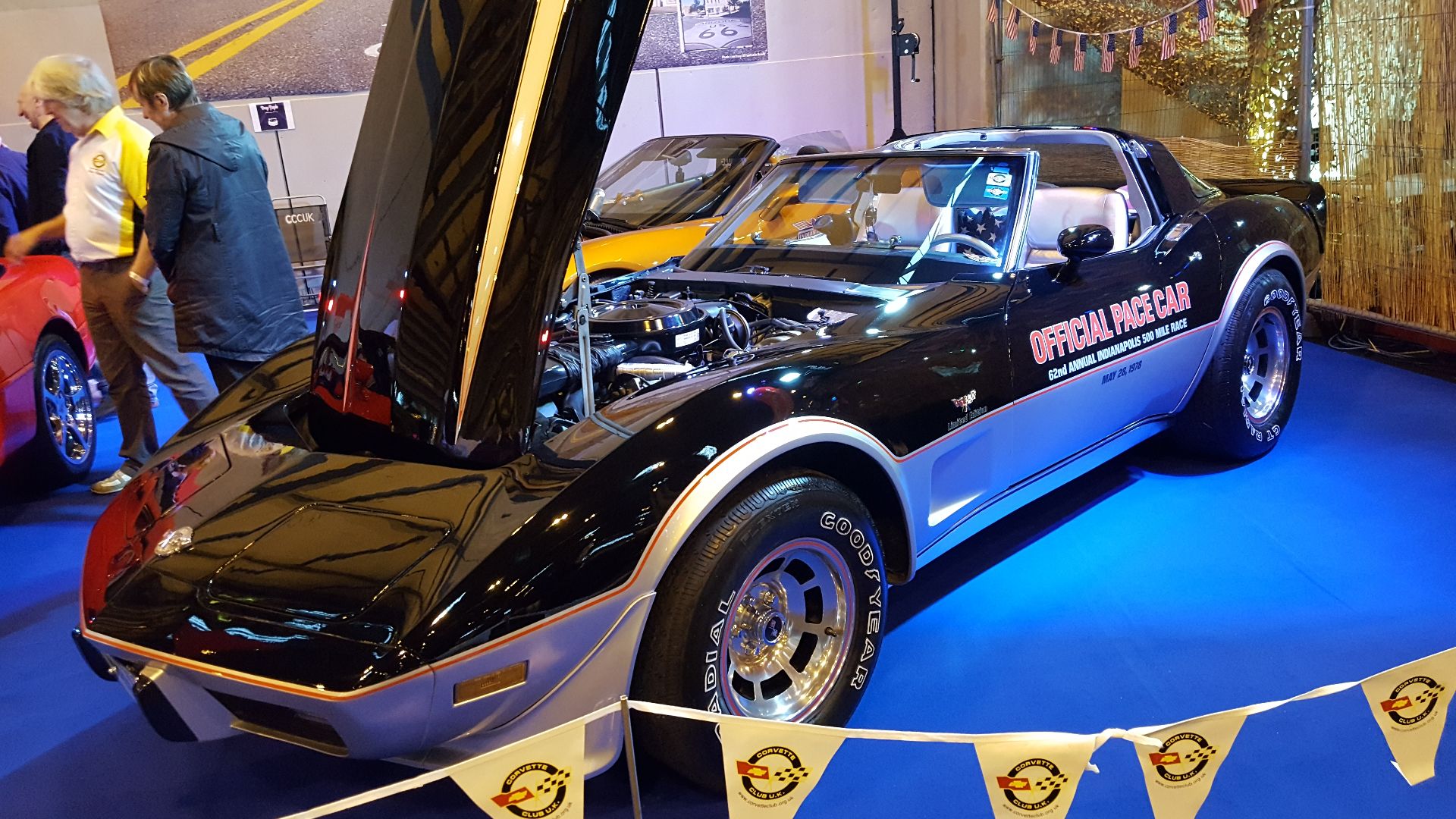
Worn bushings, ball joints, shocks, steering components, rear wheel bearings and trailing arms can make a Corvette wander, shake or feel far less athletic than it looks. Complete replacement trailing-arm assemblies can cost more than $1,000 per side, turning a major rear-suspension overhaul into a several-thousand-dollar shop visit.
 Kieran White from Manchester, England, Wikimedia Commons
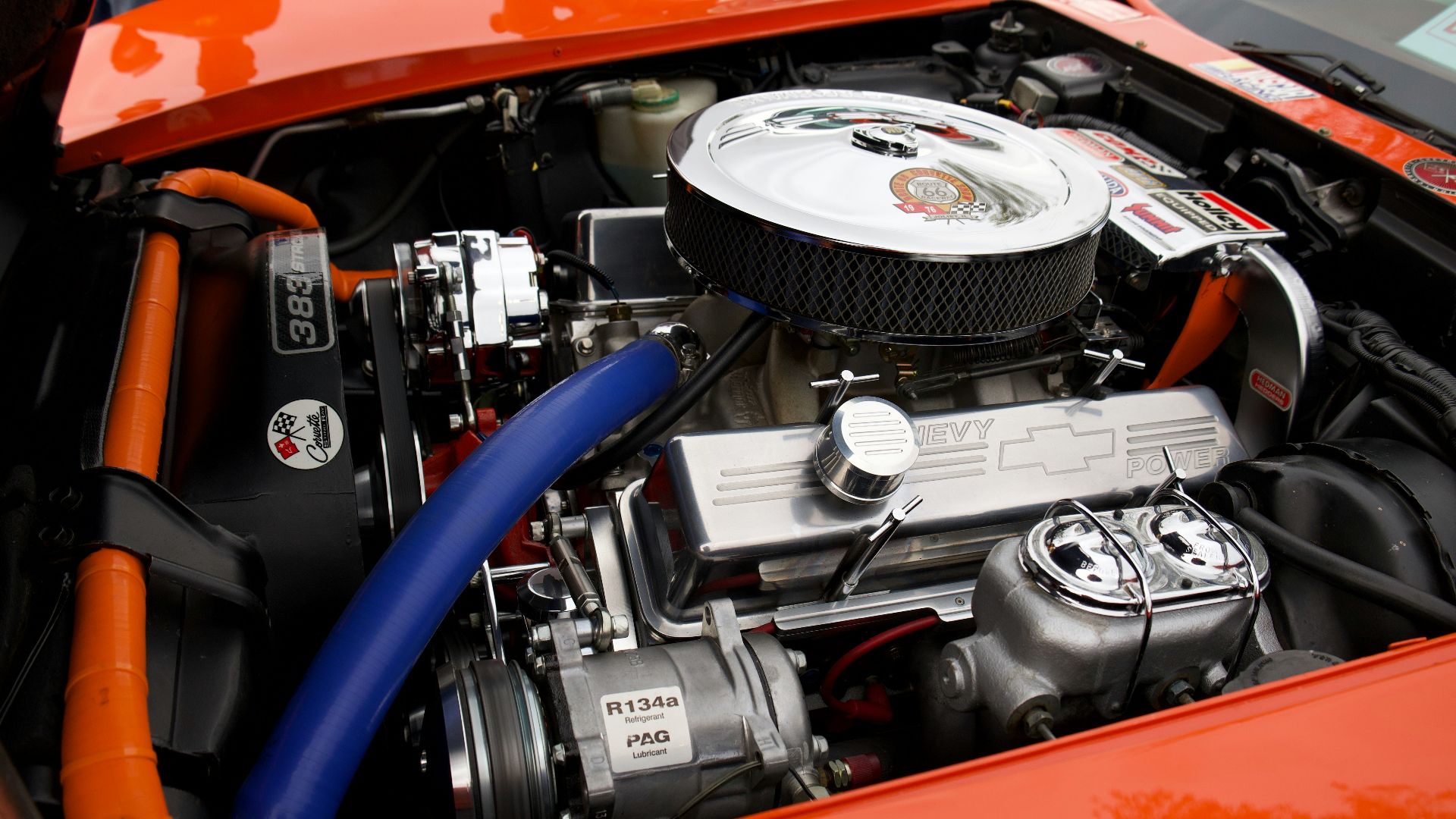
Cooling Problems Need Immediate Attention
A tired radiator, aging water pump, weak fan clutch or collapsing hose can cause overheating, especially in summer traffic. A single repair may remain manageable. Replacing several cooling-system components at once can run well into four figures—and this is not the place to hope the temperature gauge is simply being dramatic.
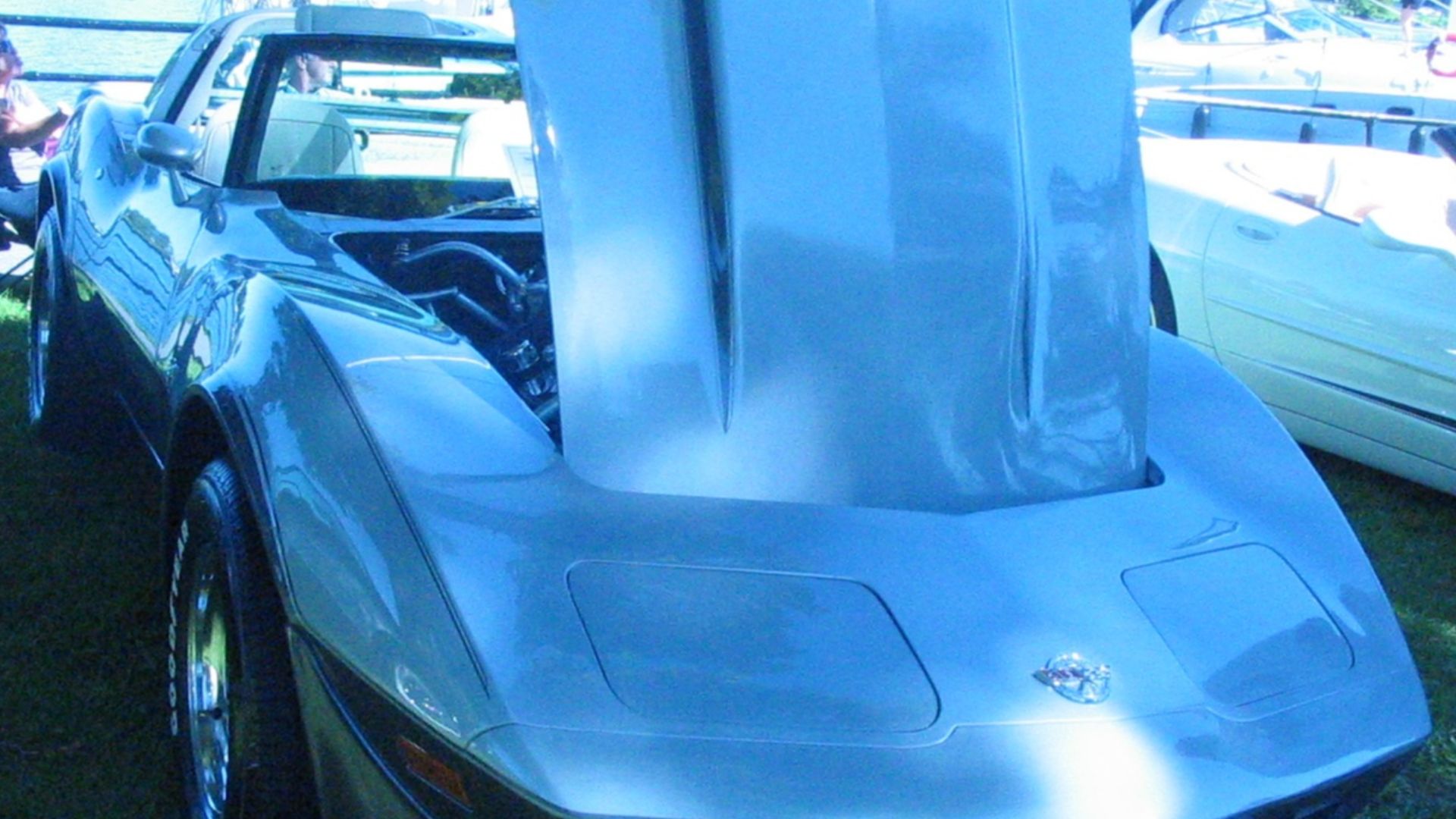
The T-Tops May Bring the Outdoors Inside
Removable T-tops are wonderful right up until they begin leaking onto the seats. Complete weatherstrip kits can cost more than $400 before installation, and proper alignment matters. Tired seals can turn a light rainstorm into an unexpected demonstration of the Corvette’s indoor water-feature package.
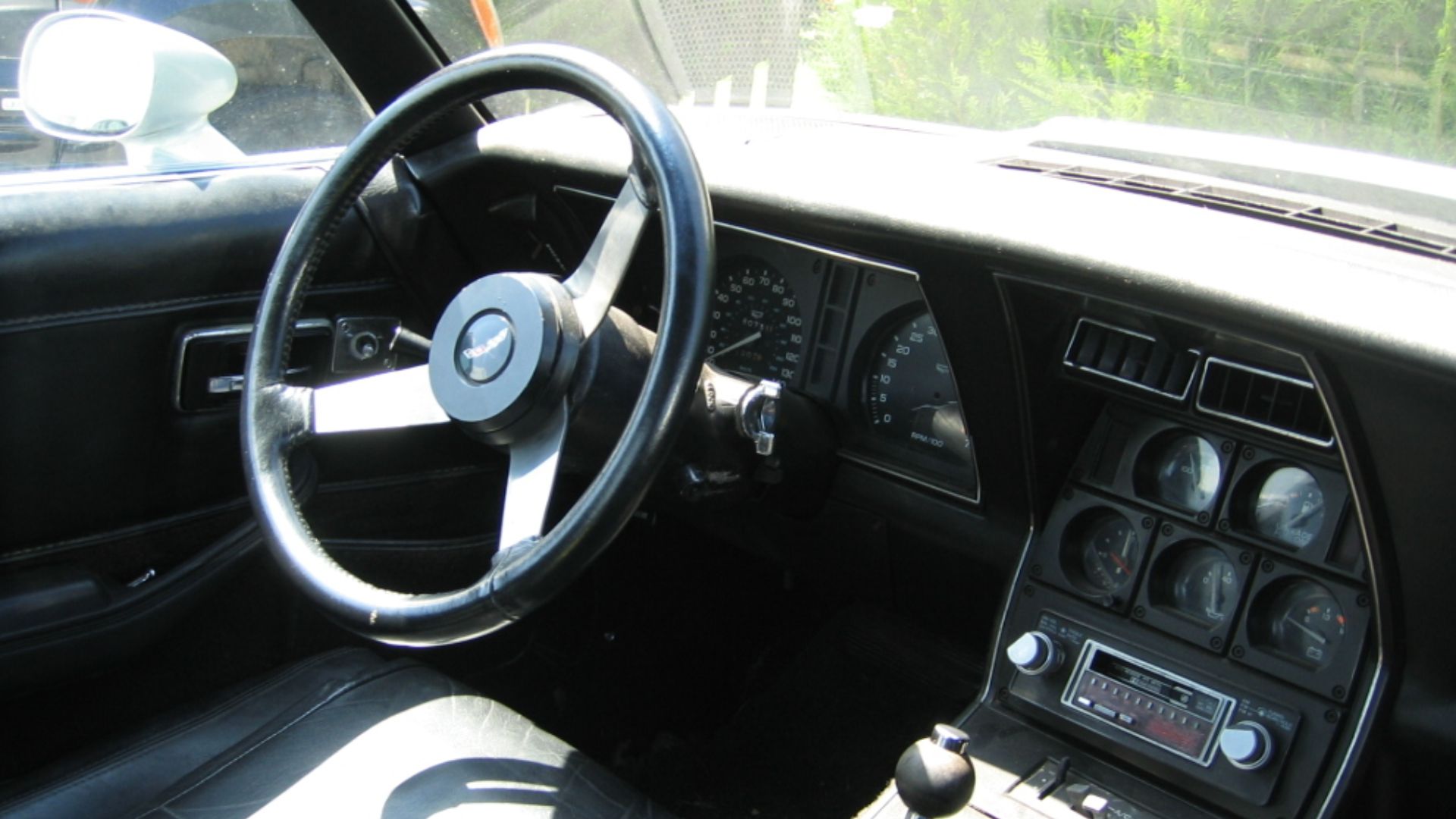
Air Conditioning Can Become Its Own Restoration
The original air-conditioning system may have tired hoses, aging seals and a compressor that last felt enthusiastic during the Carter administration. A small repair might remain reasonable. Replacing the compressor, hoses and other major components—or undoing a questionable previous conversion—can become another four-figure project.
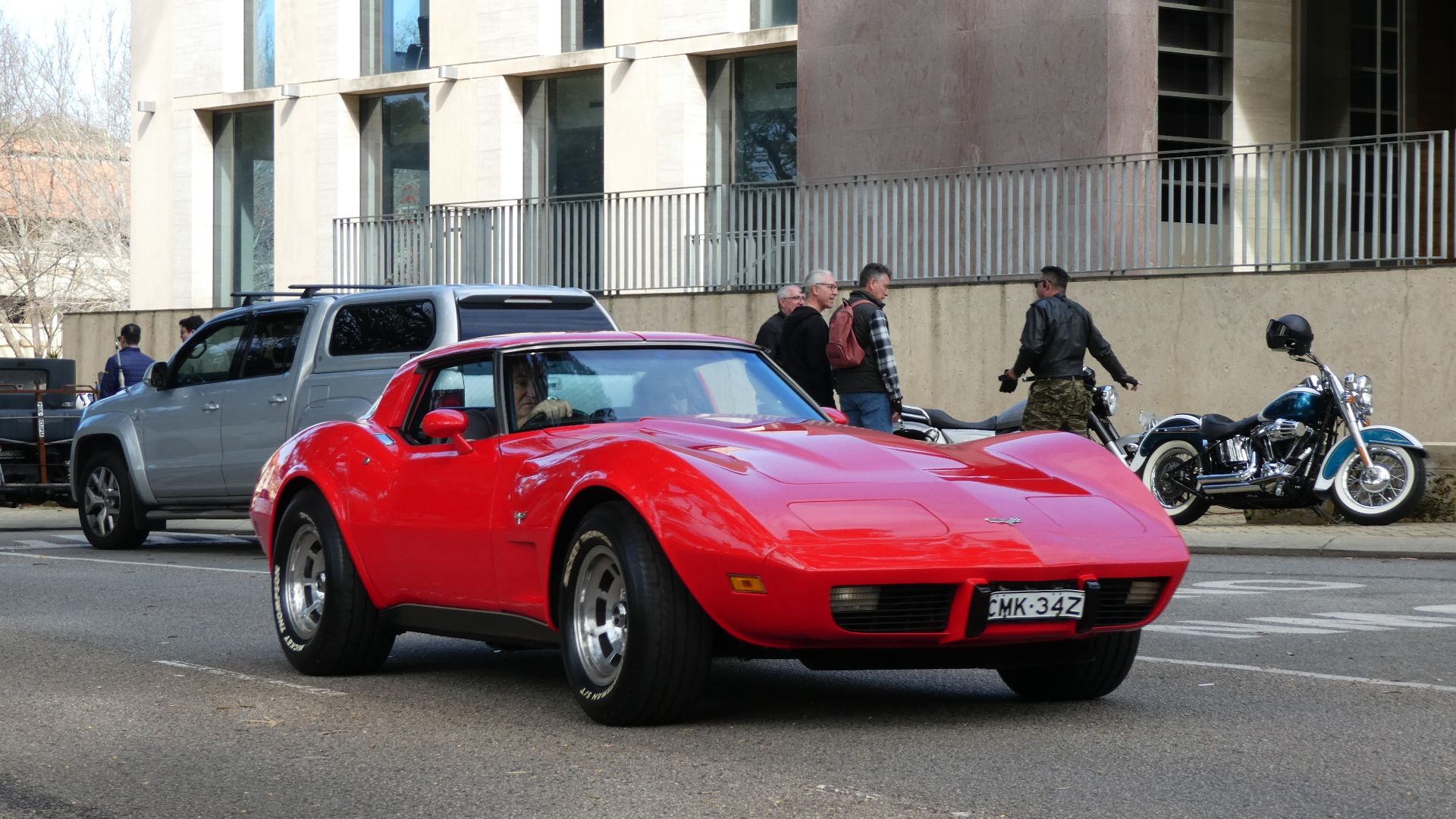
Tires Expire Before They Wear Out
A summer-only Corvette may take years to wear down its tread, but that does not make ancient tires safe. Check the date codes rather than admiring how much rubber remains. A set of quality modern tires can land in the high hundreds, while period-looking reproduction tires can cost considerably more.
 ZidaneHartono, Wikimedia Commons
Insurance May Be the Pleasant Surprise
Specialty classic-car insurance often costs less than regular full coverage because the Corvette is driven sparingly. Depending on the driver, ZIP code, coverage limits, agreed value and storage arrangements, a policy may cost roughly $200 to $600 annually—possibly the only bill the car sends that does not feel mildly threatening.

Cheap Insurance Comes With Rules
Collector policies usually do not allow daily commuting. Insurers may expect every licensed household member to have another regular-use vehicle, and some require secure enclosed storage. Agreed-value coverage also matters because it establishes what the Corvette is worth before a covered total loss occurs.

Your ZIP Code Gets a Vote
The same Corvette can cost noticeably more depending on where it lives. California registration fees consider factors including vehicle value and location. Virginia localities may levy annual personal-property taxes, while New York requires yearly safety inspections. Even the bargain has a mailing address.
Winter Storage Is the Big Fixed Expense
Where snow and road salt are part of winter, enclosed storage is the sensible choice. Five or six months of ordinary indoor storage may cost roughly $1,000 to $2,400. Climate-controlled space can run closer to $1,800 to $3,000, especially in expensive cities or facilities offering extra services.
 Rutger van der Maar, Wikimedia Commons
A Home Garage Changes Everything
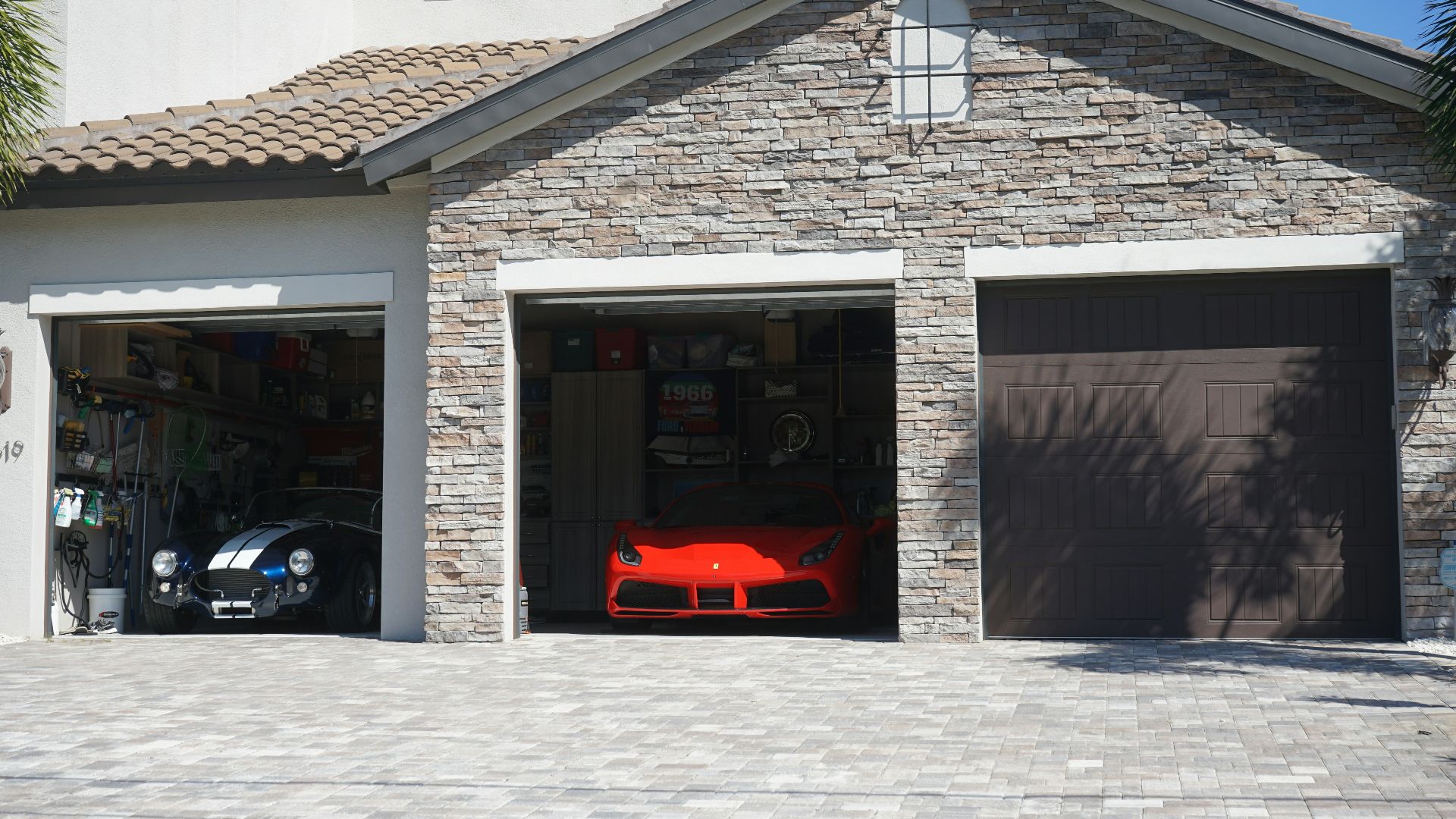
A dry, secure home garage can eliminate one of the largest annual expenses, although the Corvette still needs fuel stabilizer, a battery maintainer, proper tire pressure, moisture control and rodent protection. Suddenly that supposedly free garage bay may be saving enough money to justify everything currently piled inside it.
Do Not Start It Every Sunday
Properly prepare the car, connect the battery maintainer and leave it alone until spring. Repeatedly starting the engine without allowing it and the exhaust to reach full operating temperature can create condensation rather than prevent it. The neighbors may miss the noise, but the Corvette will survive the separation.
Eight Cylinders Still Need Refreshments
The original federal guide rated the 1978 Corvette at 16 mpg combined with the manual transmission and 17 mpg with the automatic. At 2,000 to 3,000 recreational miles each year, fuel may cost roughly $500 to $1,000, depending on local prices, engine condition and how enthusiastically the car is driven.
Small Purchases Quietly Add Up
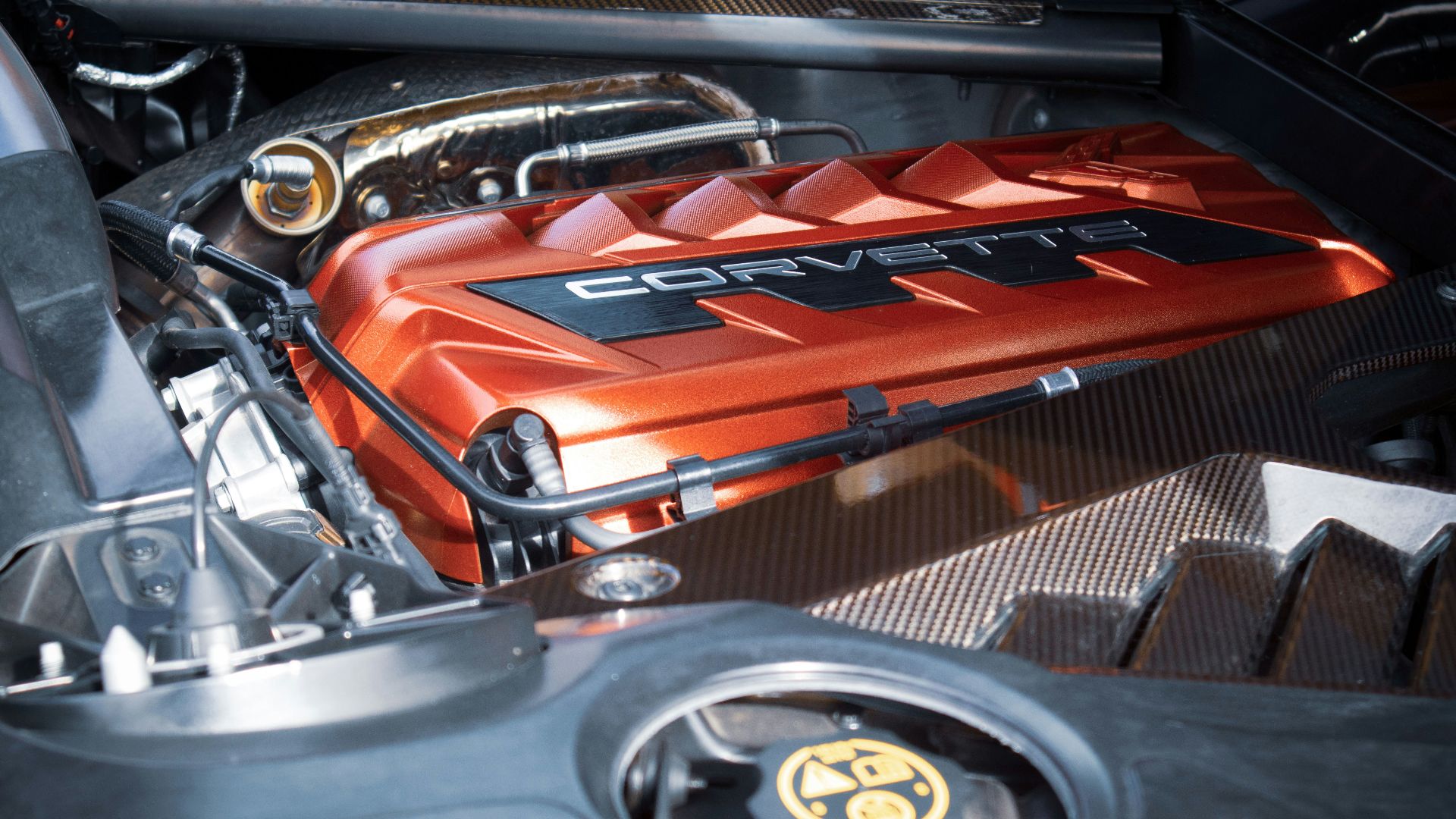
A proper cover, cleaning supplies, trim pieces, interior switches, emblems and tiny bits of weatherstripping can easily consume several hundred dollars each year. None of those purchases feels large enough to worry about. Together, they become the financial equivalent of discovering that the Corvette has been ordering packages behind your back.
 Greg Gjerdingen from Willmar, USA, Wikimedia Commons
Restoration Is Not Maintenance
A paint job, engine rebuild, new interior or body-off frame restoration should not be buried inside an annual ownership estimate. Those are major projects that can cost many thousands—or tens of thousands—of dollars. If the car needs one immediately, the purchase was not a bargain. It was an application to become its sponsor.
Here Is the Number You Were Afraid Of
As a rough planning budget, a sorted 1978 Corvette kept in a home garage could require around $2,500 to $5,000 annually for maintenance, repairs, insurance, fuel and smaller expenses. Add paid winter storage and a safer estimate becomes roughly $4,000 to $7,500—or more with premium storage and high local costs.
 Doctorindy (talk), Wikimedia Commons
The First Year Could Be Much Worse
Old tires, leaking seals, worn brakes and problems the seller somehow “never noticed” tend to reveal themselves during the first year. Keeping a $6,000 to $12,000 repair reserve would not be excessive when the maintenance history is incomplete. Major frame or birdcage corrosion could make even that amount look optimistic.
So Was It Actually a Great Deal?
Possibly. A solid, good-driving 1978 Corvette bought below the roughly $14,500 to $16,900 benchmark for a good L48 or L82 example can still deliver tremendous fun for the money. Strong parts availability and a large enthusiast community help. The answer depends far more on corrosion and previous maintenance than the exciting number in the sales ad.
 Greg Gjerdingen from Willmar, USA, Wikimedia Commons
Fix Safety Problems Before Pretty Problems
Start with the frame, brakes, tires, steering, suspension and cooling system. The faded carpet, tired emblems and temperamental radio can wait. A Corvette that looks slightly worn but stops, steers and stays cool is much more enjoyable than a beautiful one sitting beside the highway with its hood open.
The Corvette Probably Is Not the Mistake
The mistake would be treating a nearly 50-year-old sports car like a modern used vehicle that only needs gasoline and an occasional oil change. Get the inspection, create a healthy repair reserve and accept that something will always need attention. Then drive it—because worrying in the garage is considerably less fun.
You Might Also Like:
The Best Affordable Turbocharged Cars
Why The First Ford Thunderbird Changed American Cars Forever
Every Motor Trend Car Of The Year Winner From The 1970s—And The Car That Actually Should Have Won