
The Golden Calipers Need a Recount
Winning Motor Trend Car of the Year was a big deal. Automakers splashed those famous golden calipers across advertisements, dealerships hung banners, and buyers were assured that the experts had officially found the year’s best new car.
Sometimes, they really had. Other times, they picked a car that began rusting before the magazine reached the recycling bin. Motor Trend’s eligibility rules changed during the decade, and imports were not always judged alongside domestic cars. Our rules are simpler: every major new car sold in America gets a shot.
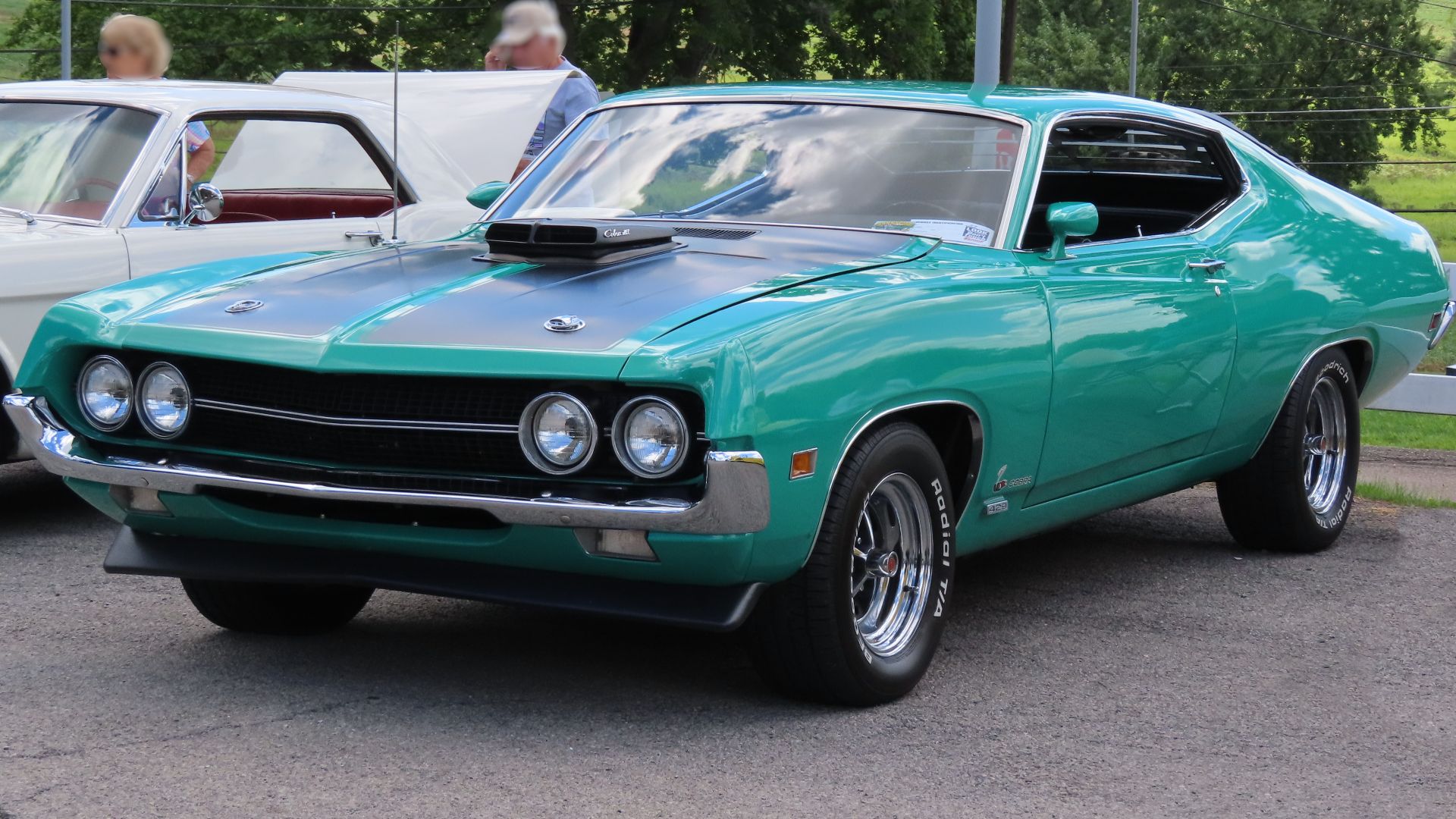
1970 Winner: Ford Torino
The redesigned Torino offered almost anything a Ford buyer could want, from ordinary six-cylinder family sedans to the tire-smoking 429 Super Cobra Jet Cobra. It was stylish, roomy, and available in enough configurations to fill an entire dealership. Motor Trend had plenty of perfectly sensible reasons to start the decade by handing Ford the trophy.
 MercurySable99, Wikimedia Commons
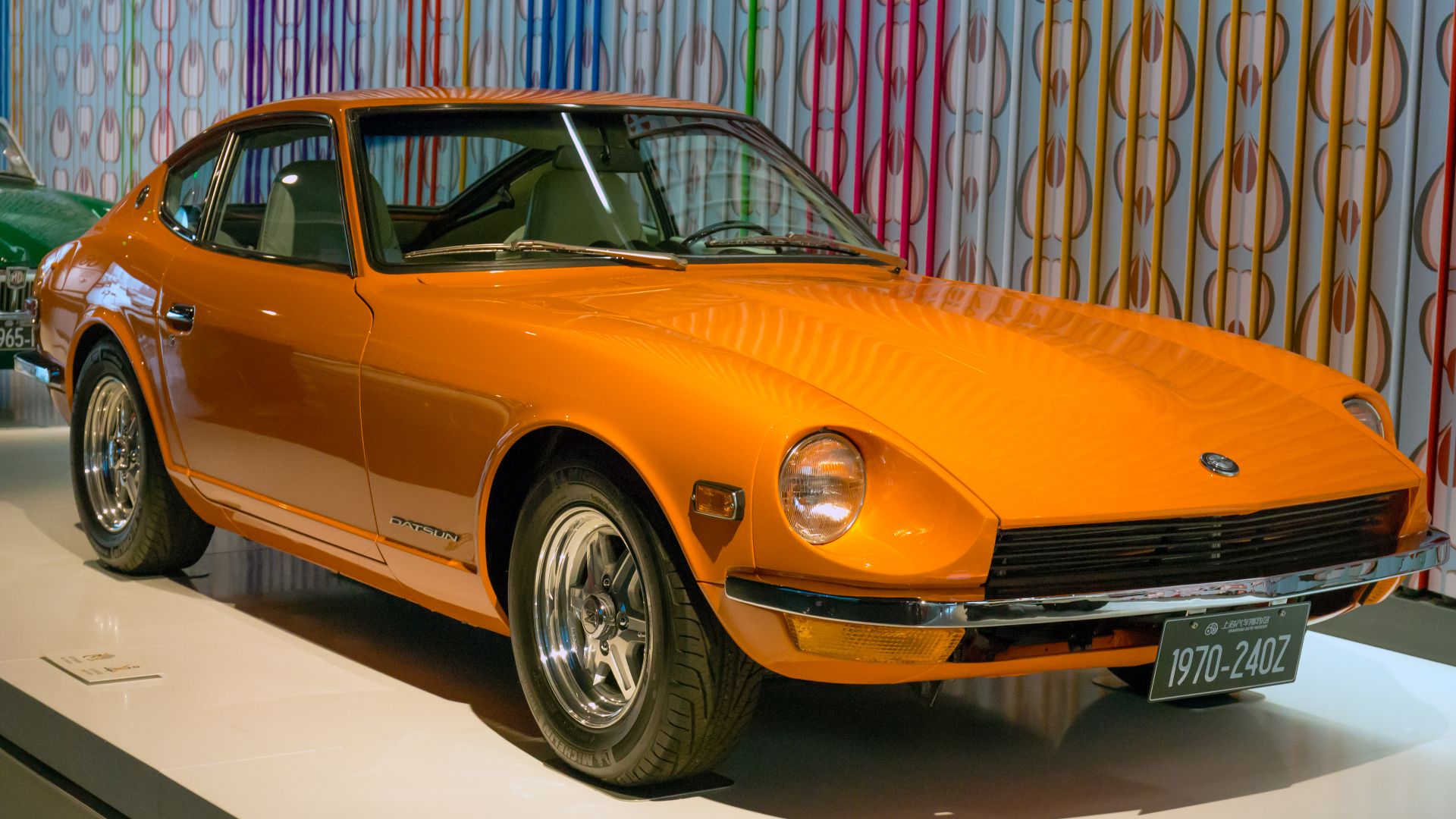
1970 Should Have Won: Datsun 240Z
The Torino was good, but the Datsun 240Z changed how Americans viewed Japanese cars. It was beautiful, quick, relatively affordable, and equipped with four-wheel independent suspension. Instead of offering buyers 27 versions of the same idea, Datsun concentrated on building one excellent sports car—and created an international sensation.
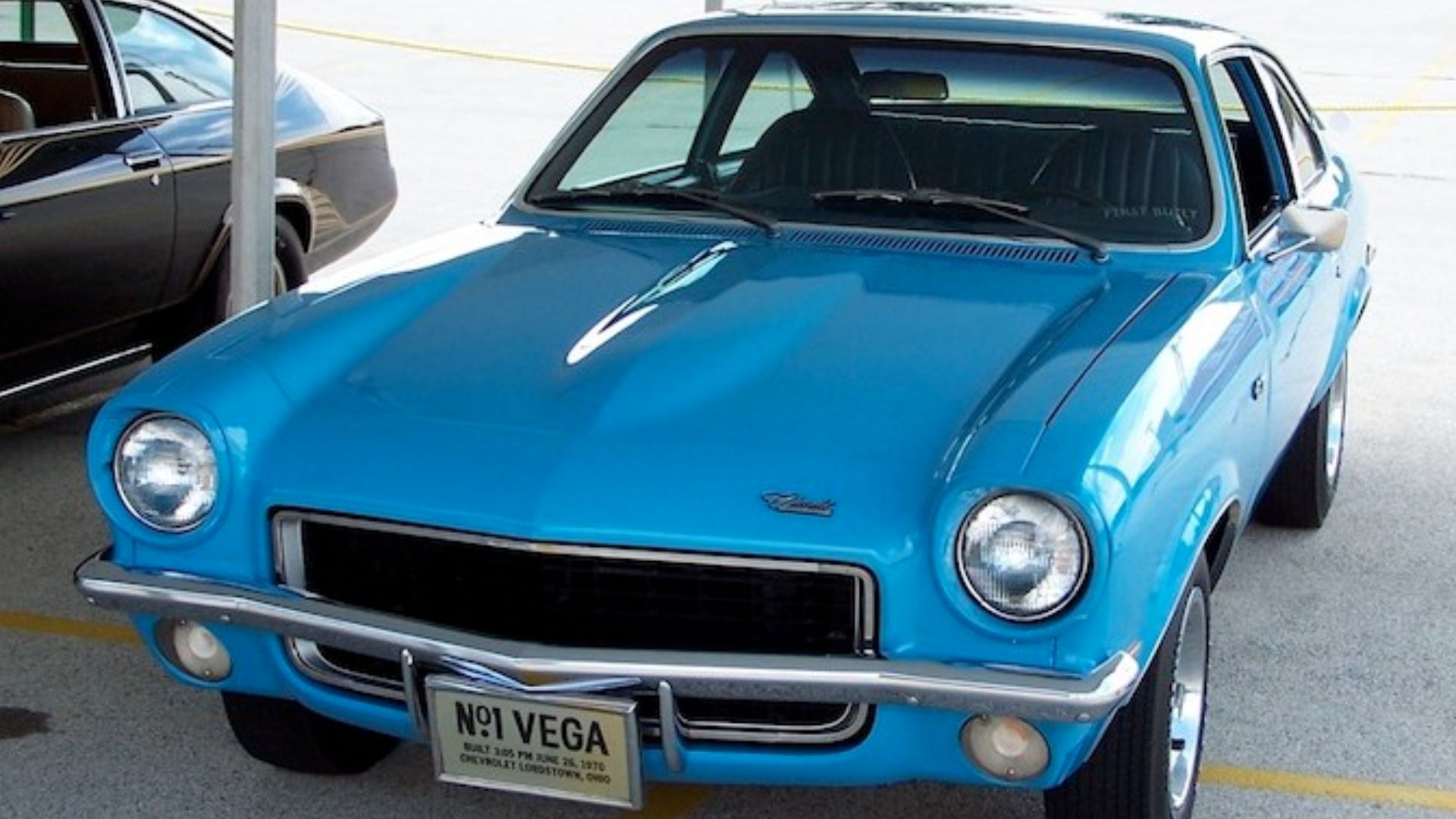
1971 Winner: Chevrolet Vega
The Vega looked like Detroit had finally figured out the small car. It was handsome, modern, inexpensive, and impressive enough during Motor Trend’s four-day, 1,000-mile evaluation to win the trophy. Unfortunately, 1,000 miles was not nearly long enough to reveal the overheating, rust, engine damage, and other headaches awaiting many owners.
 Robert Spinello, Wikimedia Commons
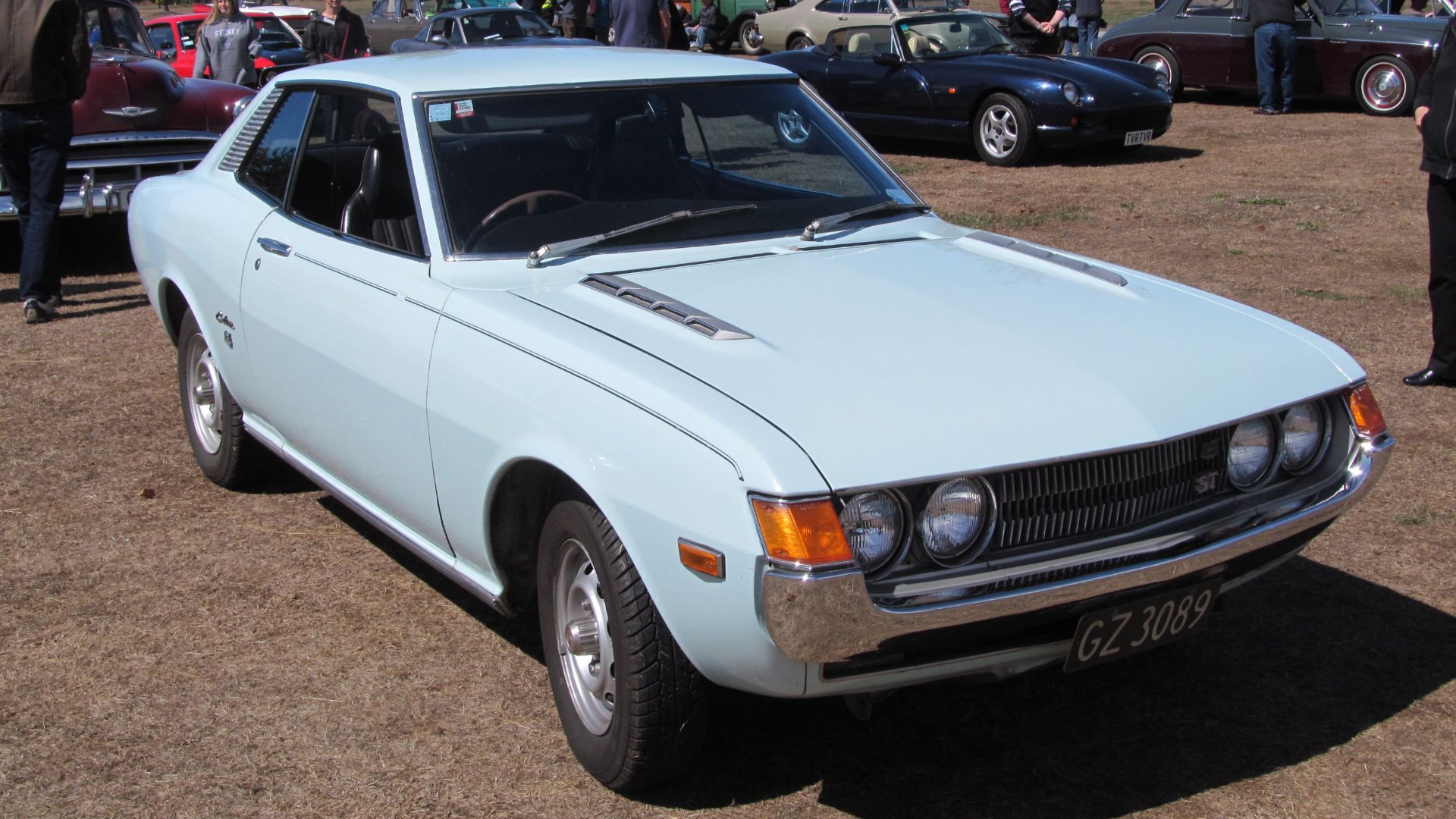
1971 Should Have Won: Toyota Celica
While Chevrolet was preparing Vega owners for a close personal relationship with their mechanics, Toyota introduced the Celica. It delivered sporty styling, manageable dimensions, everyday practicality, and the reassuring possibility that the engine might remain healthy. One became the beginning of a beloved nameplate. The other became the punchline to several repair-shop jokes.
 Riley from Christchurch, New Zealand, Wikimedia Commons
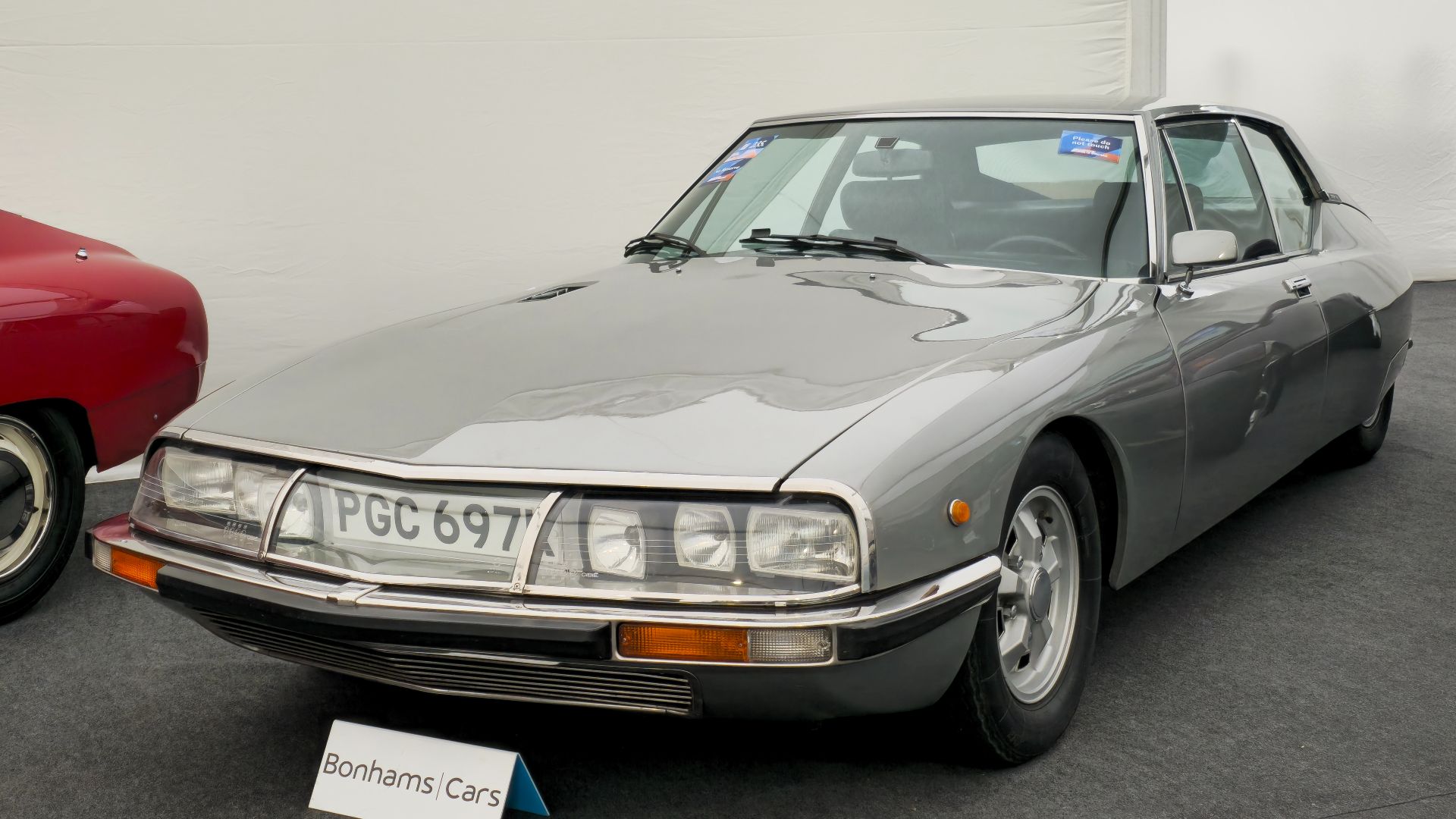
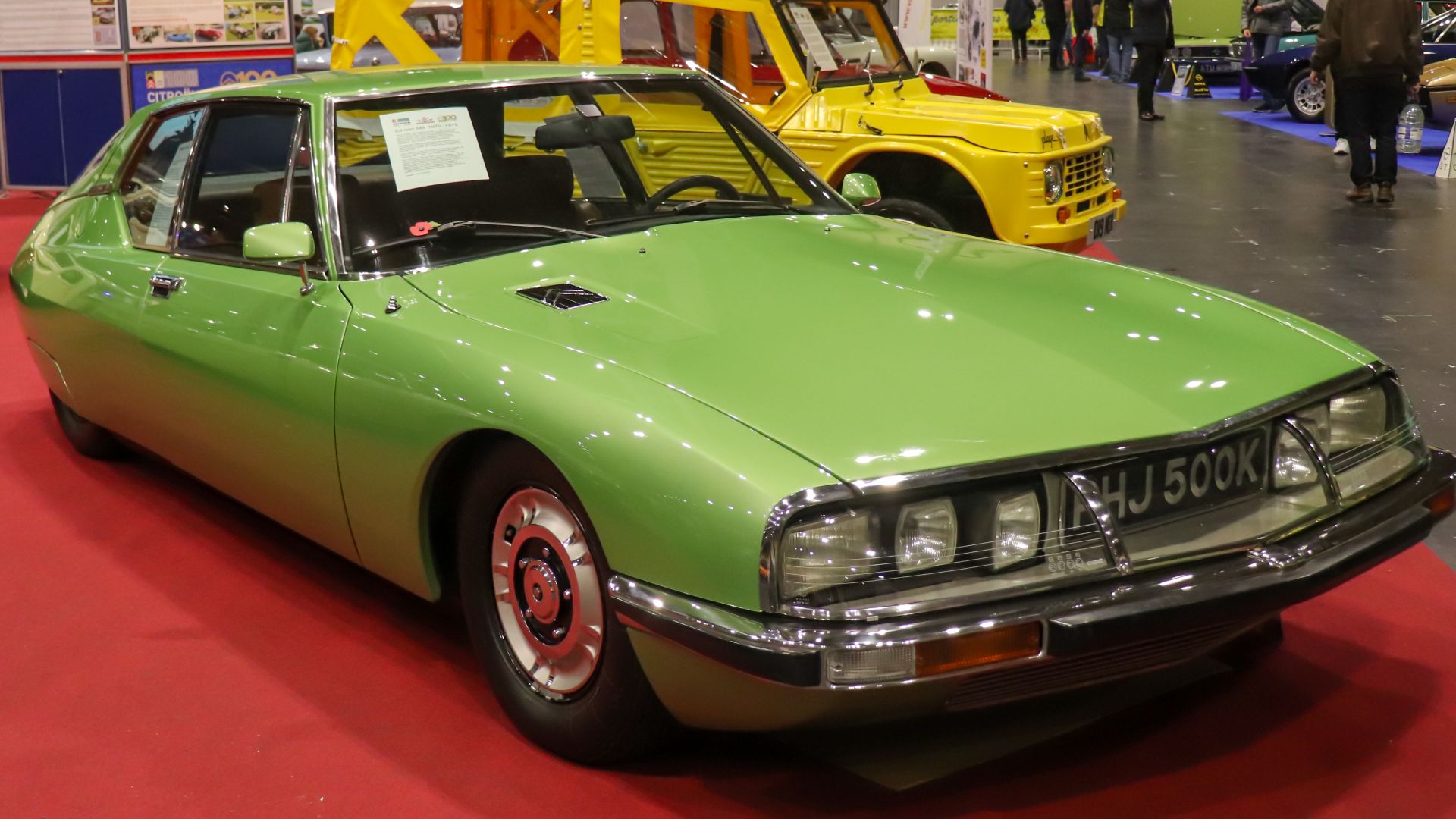
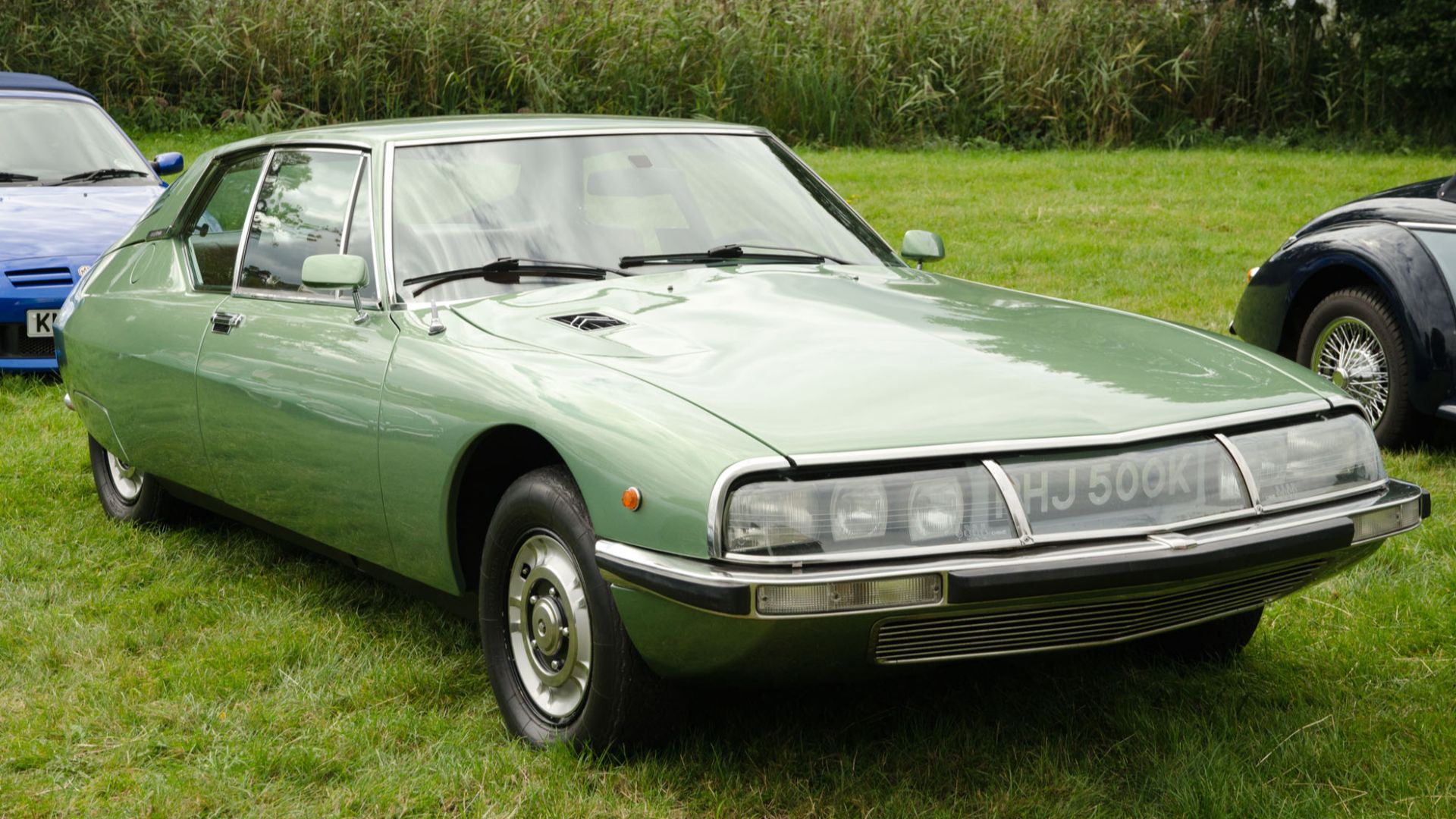
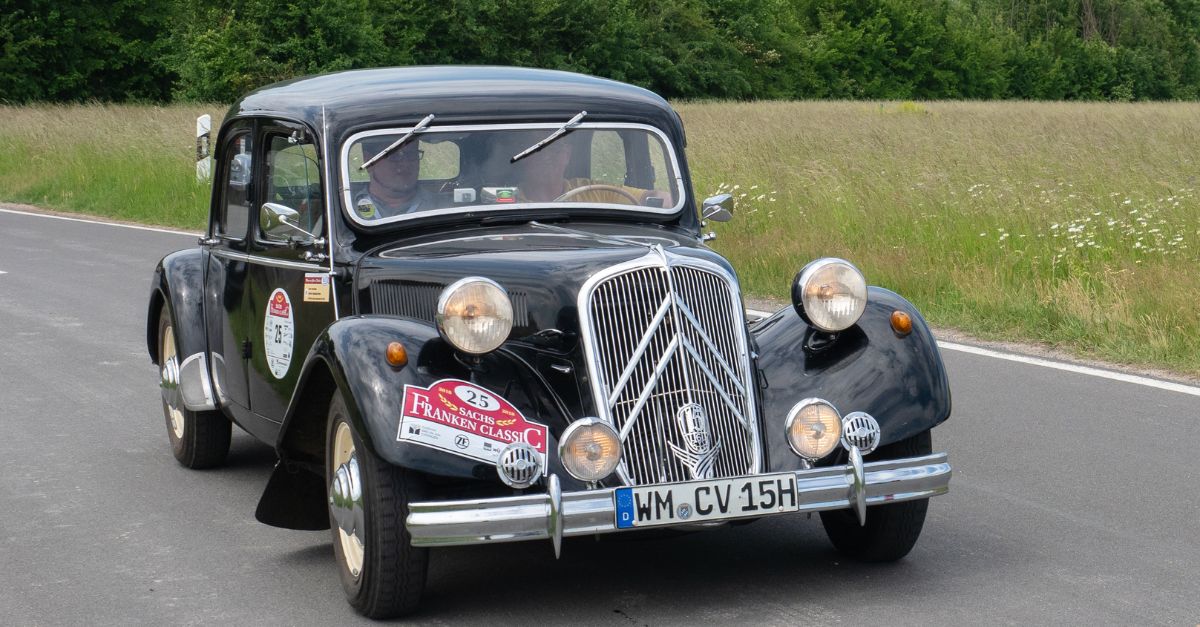
1972 Winner: Citroën SM
The Citroën SM looked like it had arrived from a decade that had not happened yet. Its hydropneumatic suspension, speed-sensitive self-centering steering, front-wheel drive, aerodynamic shape, and Maserati-built V6 made almost everything else seem primitive. This was not merely Motor Trend trying to be different. The SM genuinely was different.
1972 Should Have Won: Citroën SM
Motor Trend got this one right. The SM was complicated, expensive, and eventually capable of terrifying anyone handed one of its repair bills, but Car of the Year was supposed to recognize progress and bold engineering. Few cars have ever pushed both further. Even with 50 years of hindsight, the golden calipers still belong on its hood.
1973 Winner: Chevrolet Monte Carlo
The second-generation Monte Carlo arrived with dramatic bodywork, a long hood, a plush interior, and the sort of comfortable road manners expected from a personal-luxury coupe. Motor Trend praised its balance and composure near the limit. It was handsome, successful, and far from the most embarrassing choice the magazine made during the decade.
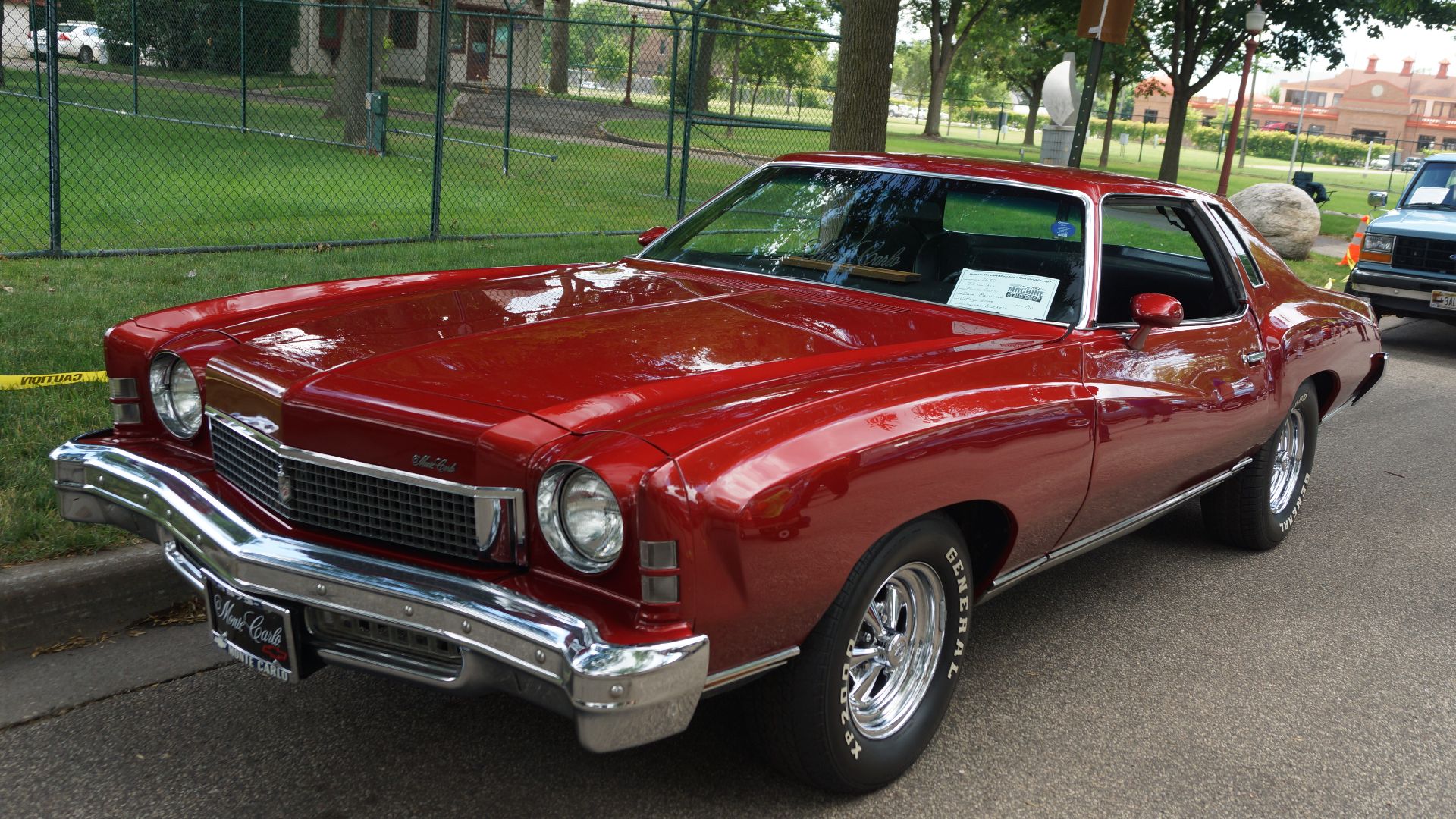 Greg Gjerdingen from Willmar, USA, Wikimedia Commons
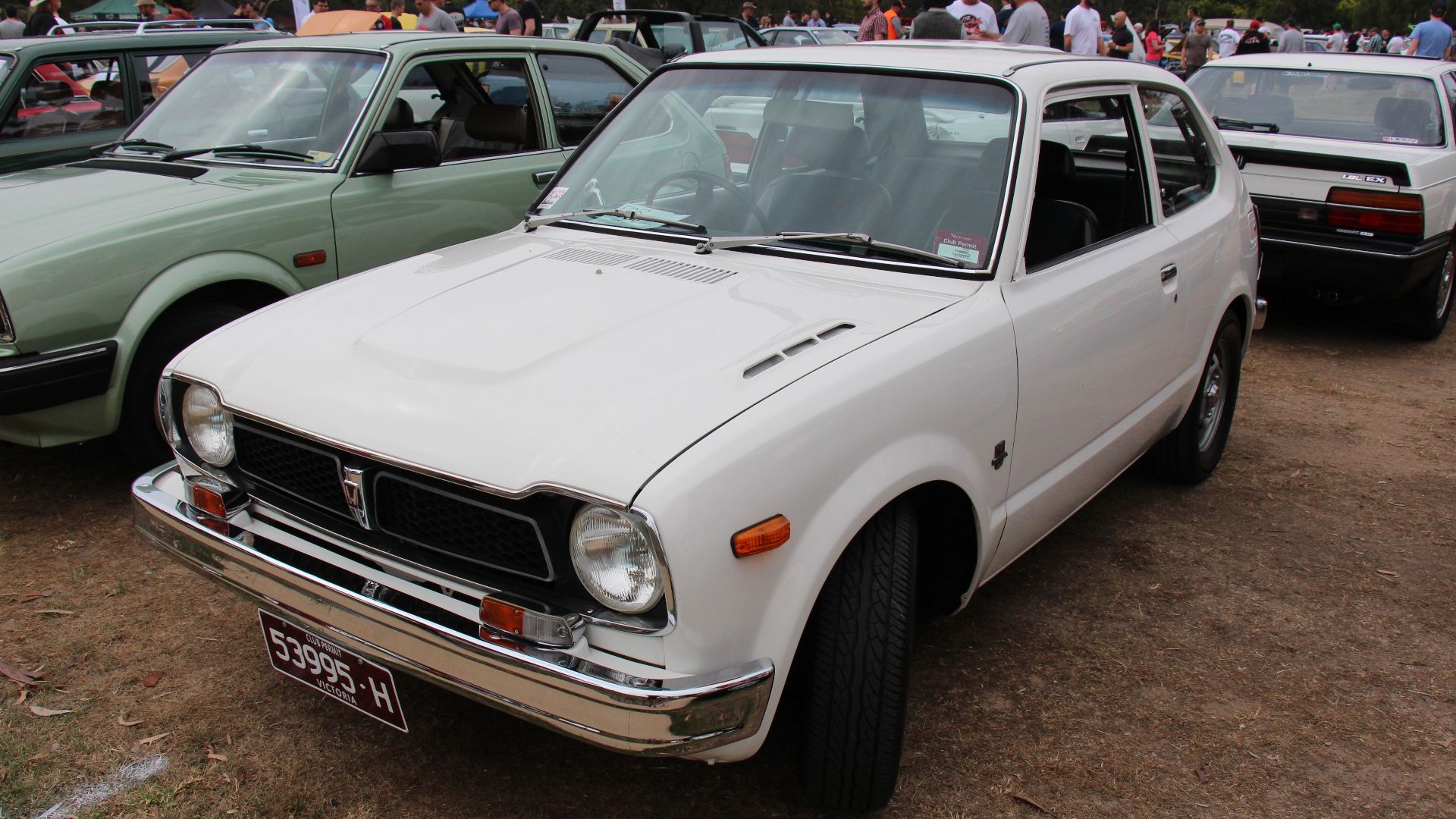
1973 Should Have Won: Honda Civic
The Monte Carlo represented what American buyers already loved. The Honda Civic represented what millions of them were about to need. It was small outside, surprisingly useful inside, economical, and perfectly timed for changing fuel prices. Honda intended it to be a car for ordinary citizens and crowded cities—and accidentally created one of the industry’s greatest success stories.
1974 Winner: Ford Mustang II
Motor Trend called the Mustang II an outstanding combination of value, economy, luxury, and prestige in a smaller package. Considering the fuel crisis, Ford’s timing was nearly perfect. Unfortunately, putting the Mustang name on a Pinto-related coupe that initially offered no V8 was always going to leave a mark—no matter how many people bought one.
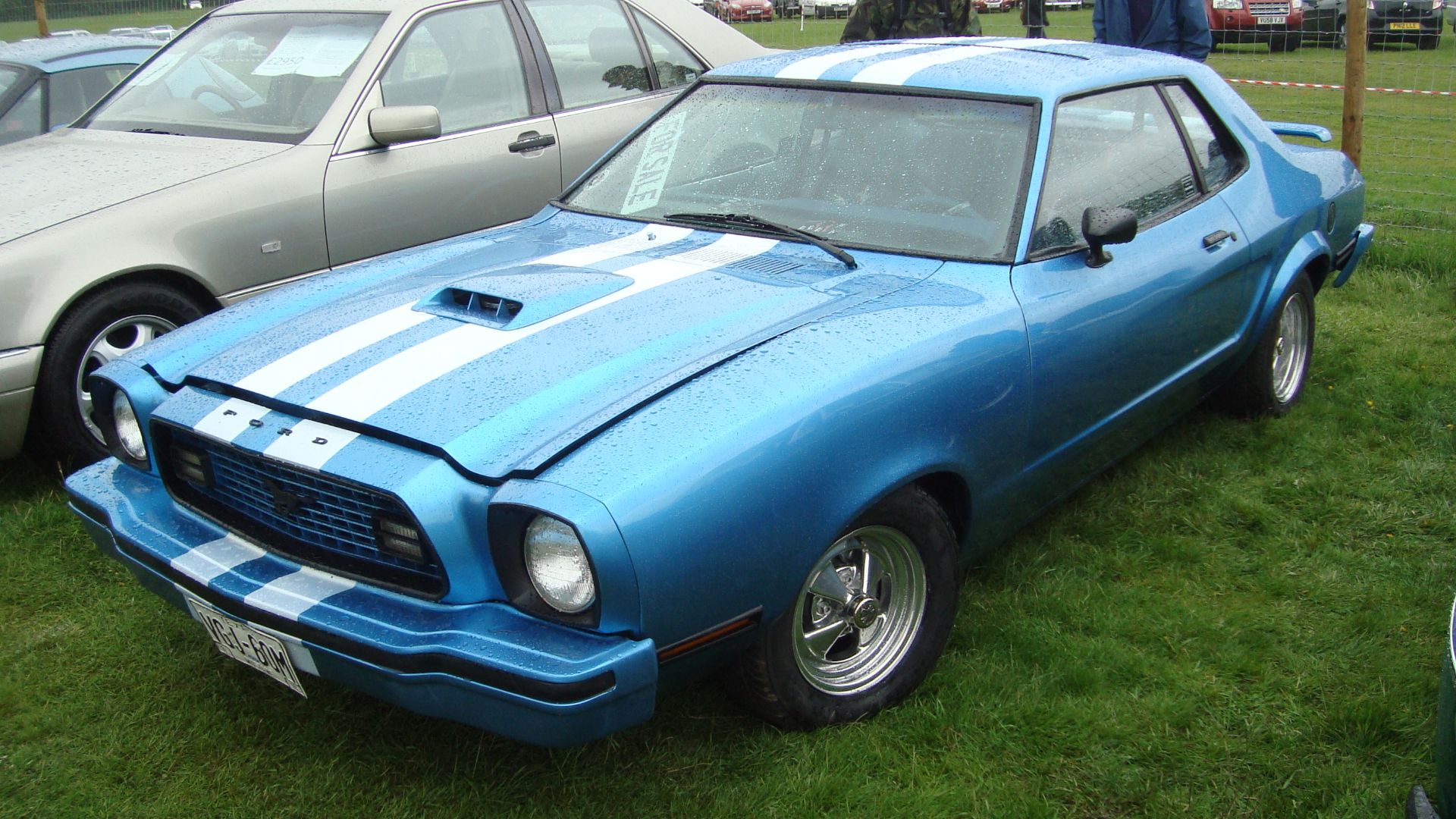 Kieran White from Manchester, England, Wikimedia Commons
1974 Should Have Won: Pontiac Firebird Trans Am SD-455
As Ford was shrinking the Mustang into something more economical, Pontiac gave the original muscle-car era one last glorious roar. The Super Duty 455 was powerful, rare, and wonderfully out of step with almost everything happening around it. The Mustang II reflected the reality of 1974. The SD-455 gave enthusiasts something worth remembering about it.
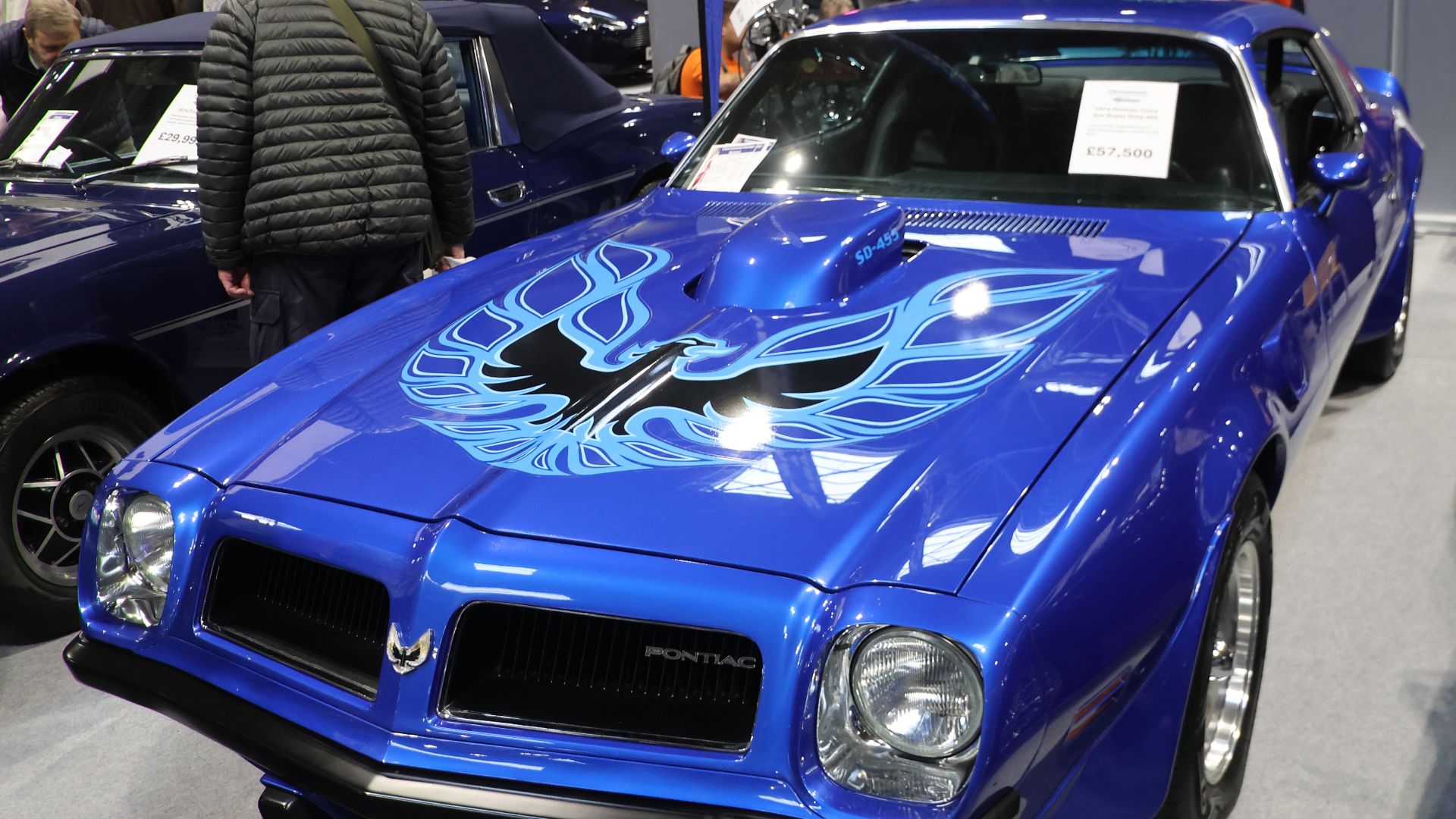 Tony Hisgett from Birmingham, UK, Wikimedia Commons
1975 Winner: Chevrolet Monza 2+2
The Monza 2+2 looked sleek, offered optional V8 power, and appeared to be a sportier evolution of Chevrolet’s small-car formula. It had originally been developed with GM’s abandoned rotary-engine plans in mind. The styling aged reasonably well. The Vega-related engineering underneath aged more like potato salad forgotten beside a radiator.
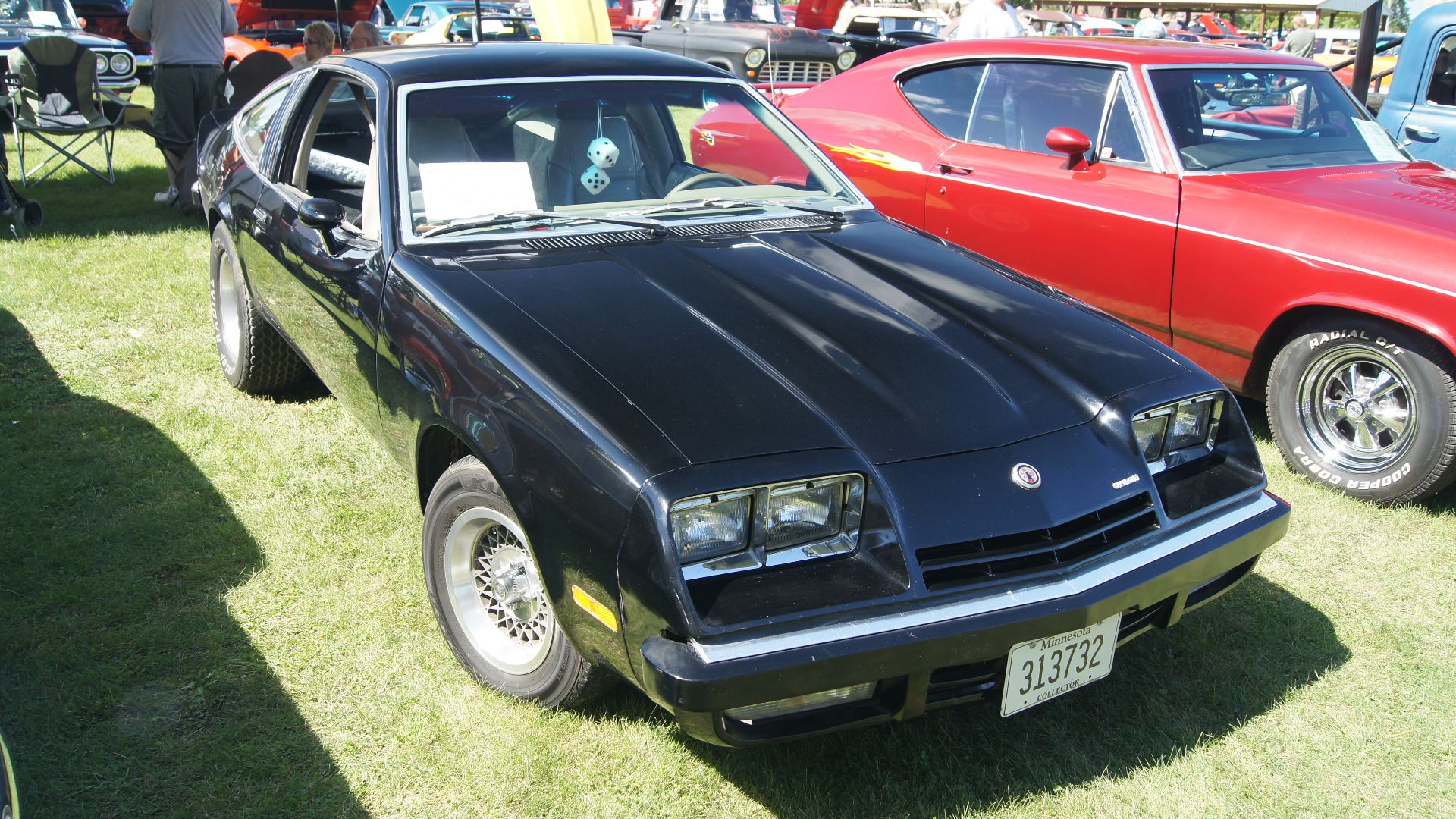 Greg Gjerdingen, Wikimedia Commons
1975 Should Have Won: Volkswagen Rabbit
The Volkswagen Golf arrived in America as the Rabbit and showed exactly where practical cars were headed. Its front-engine, front-wheel-drive layout, square hatchback body, clever use of space, and clean styling became a formula copied for decades. Chevrolet was trying to rescue an old idea with the Monza. Volkswagen introduced the new one.
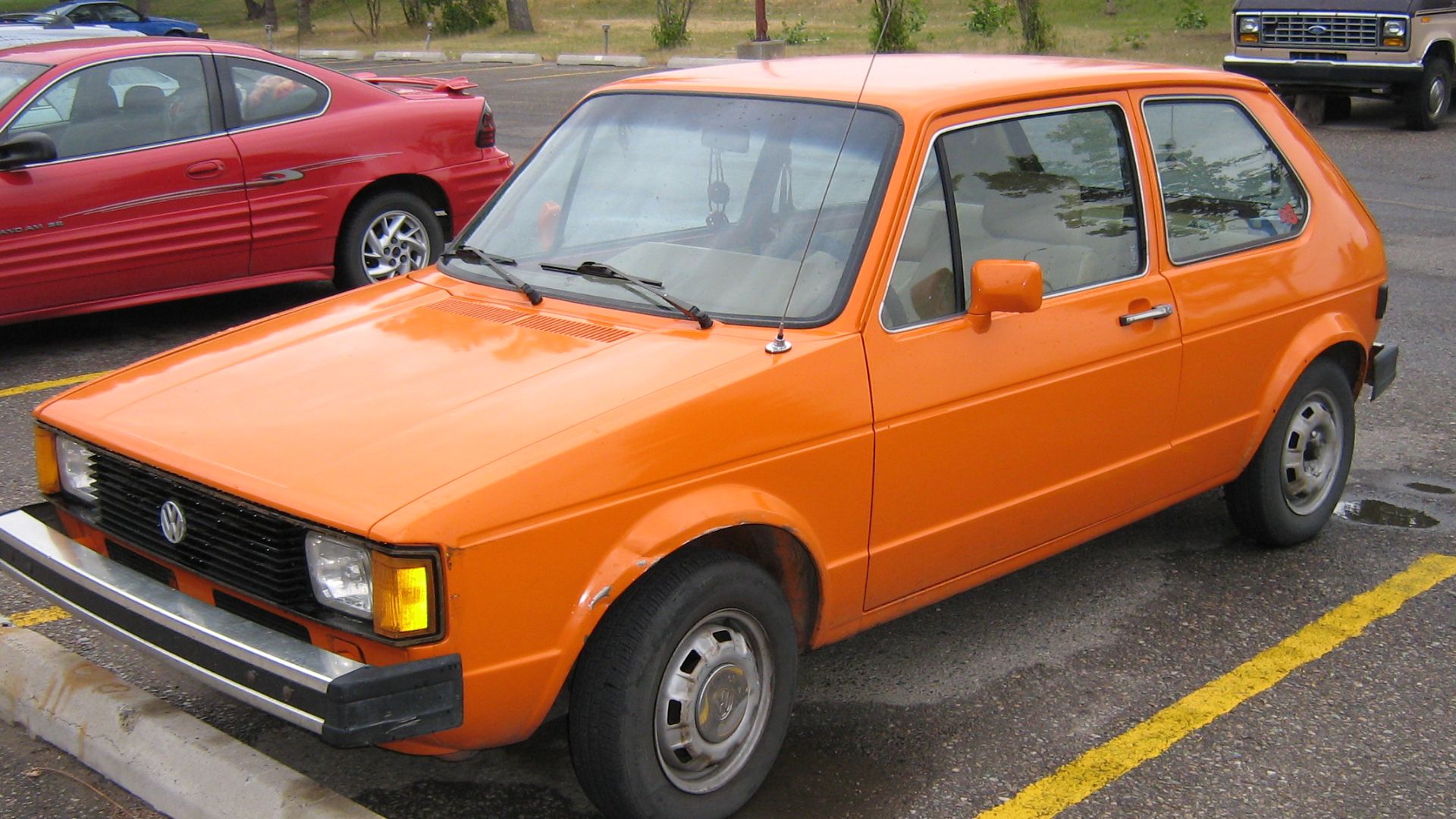 dave_7 from Lethbridge, Canada, Wikimedia Commons
1976 Winner: Dodge Aspen and Plymouth Volaré
The Aspen and Volaré were supposed to replace the aging Dart and Valiant with something quieter, cleaner, and more modern. Motor Trend liked the idea enough to award them the trophy. Then owners encountered premature rust, drivability troubles, recalls, and quality problems. Even Motor Trend later summarized the pair as a great idea ruined by lousy execution.
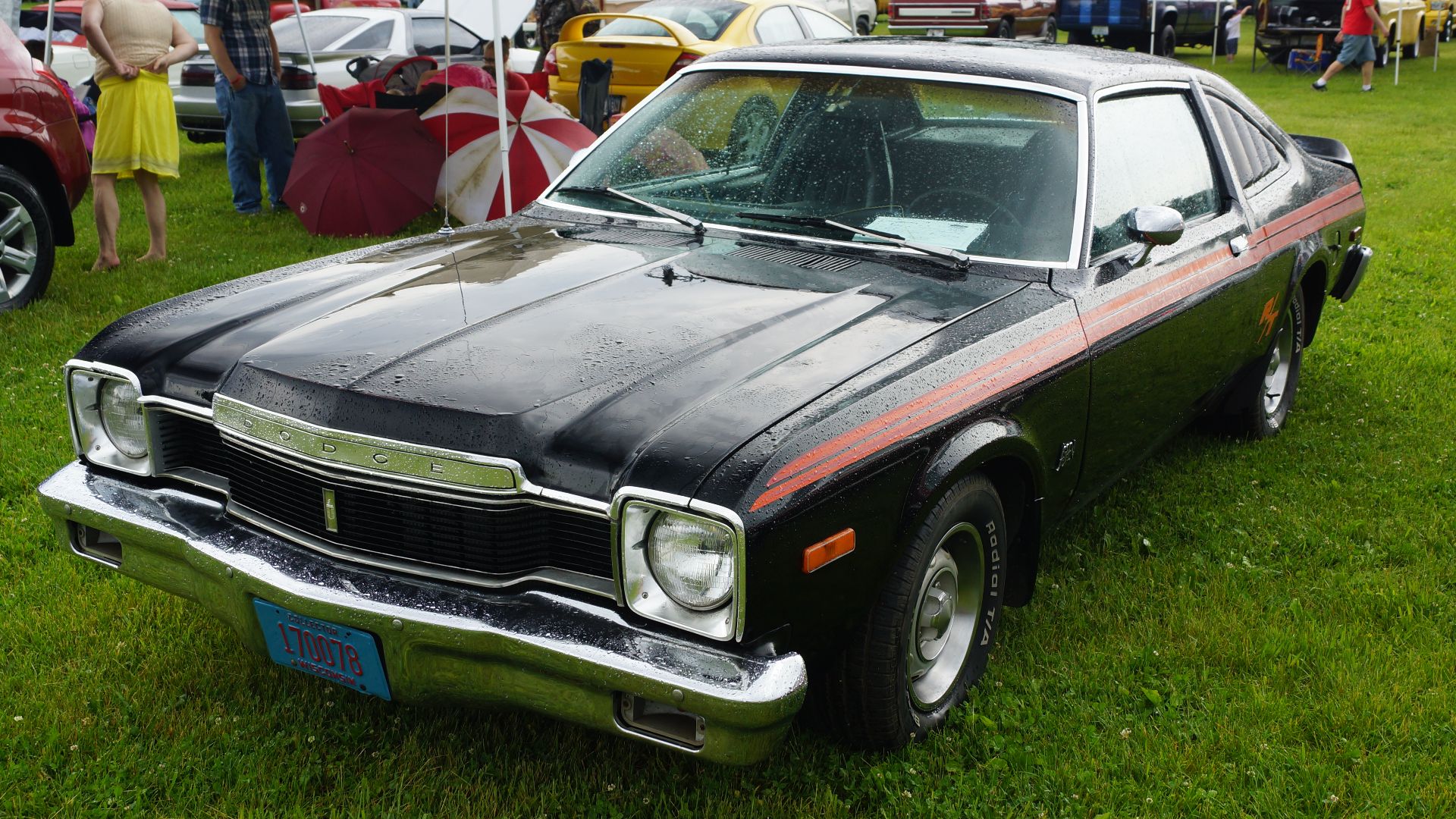 Greg Gjerdingen from Willmar, USA, Wikimedia Commons
1976 Should Have Won: Honda Accord
Honda took everything buyers liked about the Civic and added more room, refinement, comfort, and highway ability. The first Accord arrived in 1976 as an economical front-wheel-drive hatchback powered by Honda’s CVCC engine. It did not merely outlast the Aspen and Volaré—it helped define the sort of midsize car Americans would buy for generations.
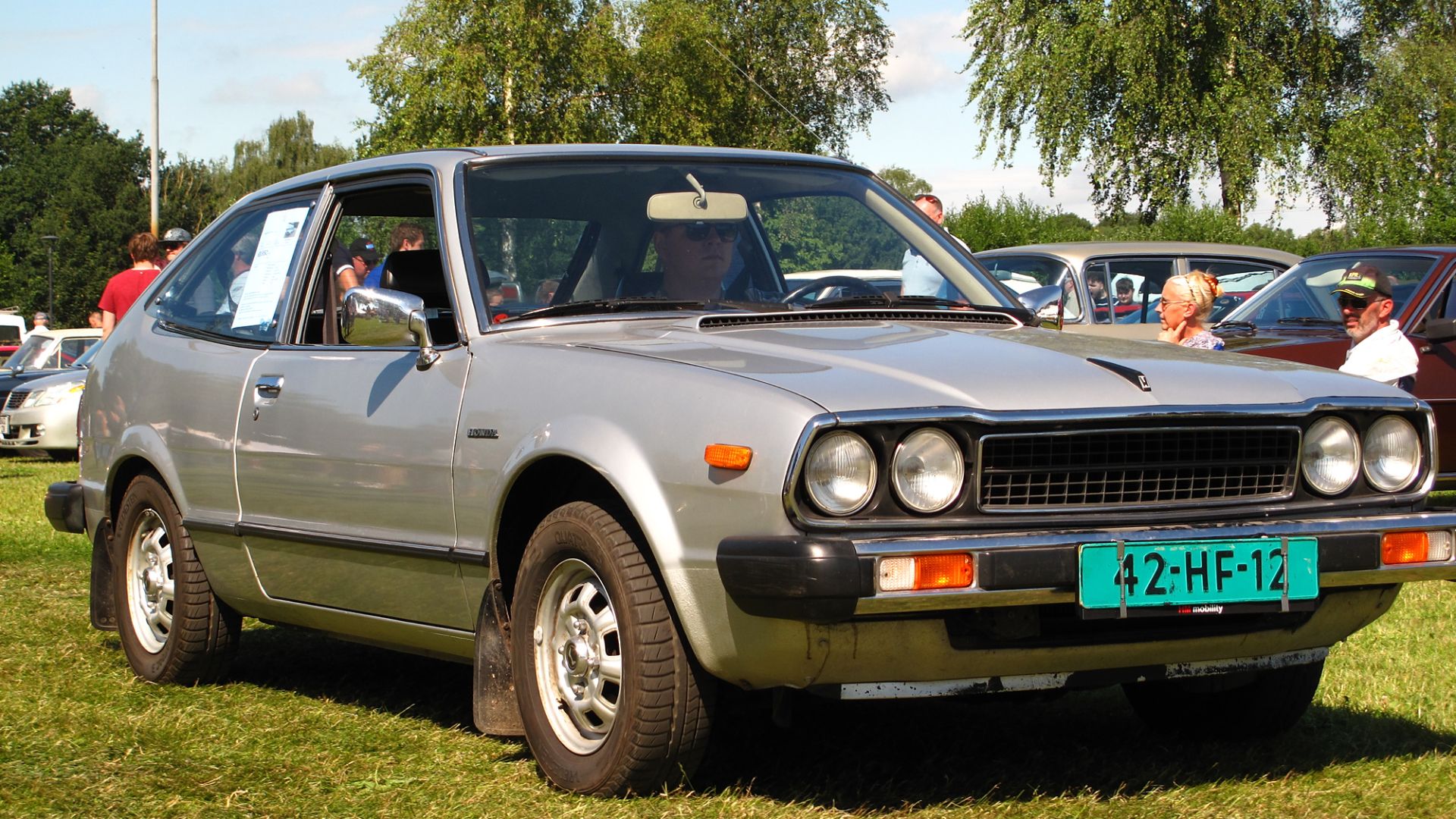 Rutger van der Maar, Wikimedia Commons
1977 Winner: Chevrolet Caprice
General Motors dramatically downsized its full-size cars for 1977, and the Caprice proved that smaller did not have to mean cramped or cheap. It was shorter, hundreds of pounds lighter, easier to drive, and still comfortably American. Unlike several winners on this list, the Caprice’s reputation actually improved after the trophy ceremony.
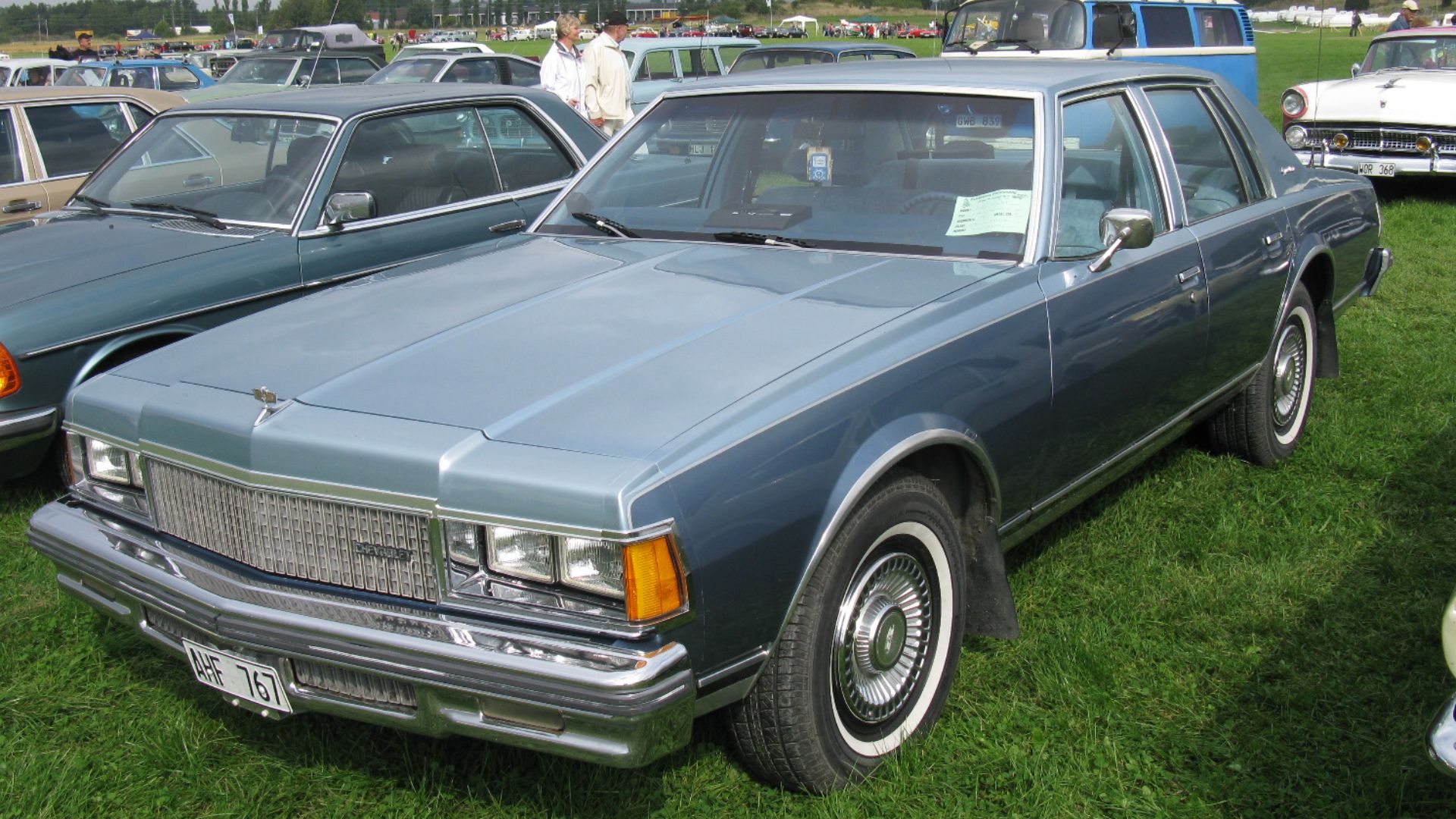
1977 Should Have Won: Chevrolet Caprice
Motor Trend got this one right too. GM took an enormous risk by shrinking its biggest cars, yet the new Caprice offered more usable interior space and cleaner styling while losing considerable bulk. Ford and Chrysler soon followed the same path. The Caprice did not simply respond to changing times—it helped drag Detroit into them.
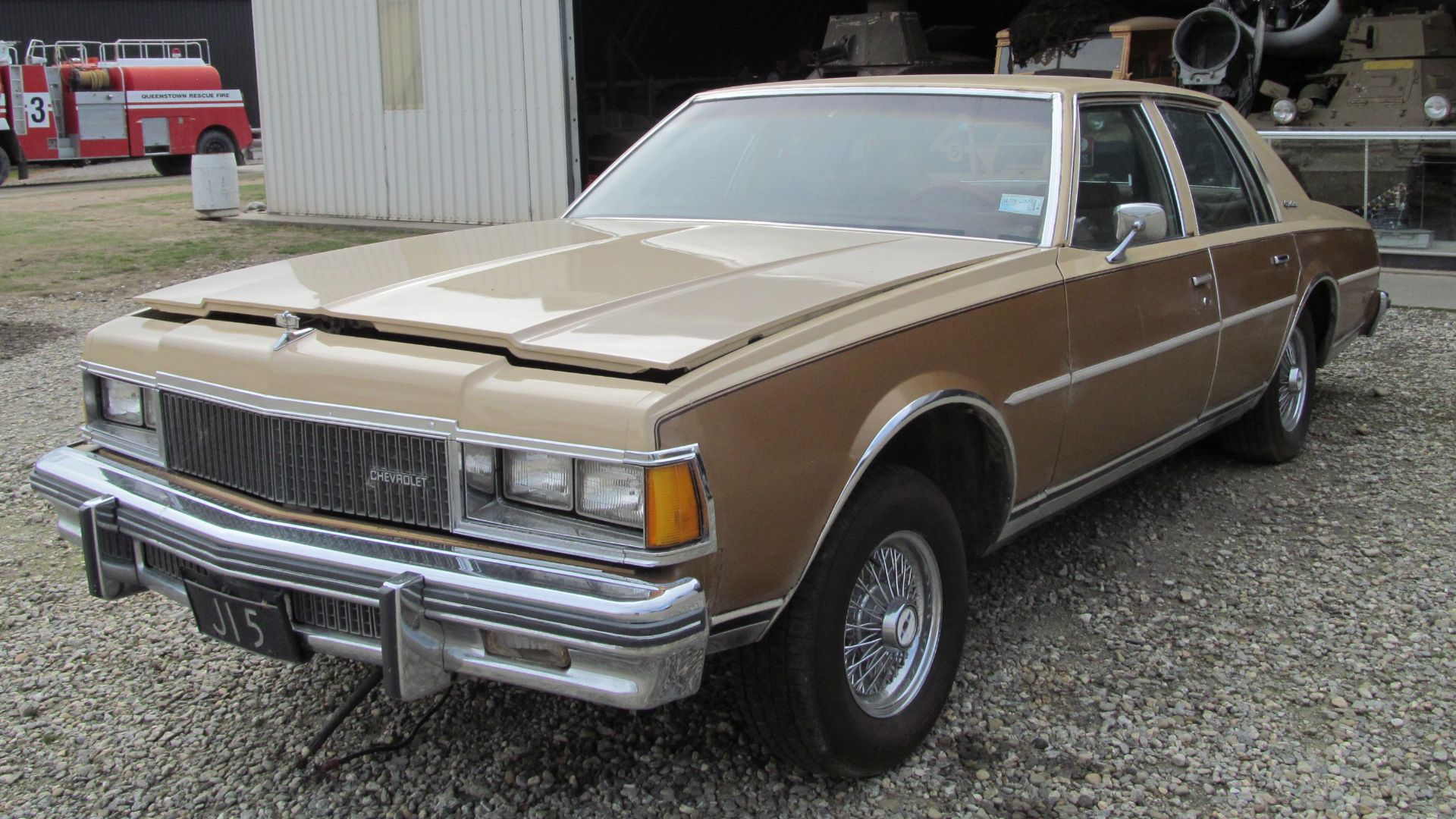 Riley from Christchurch, New Zealand, Wikimedia Commons
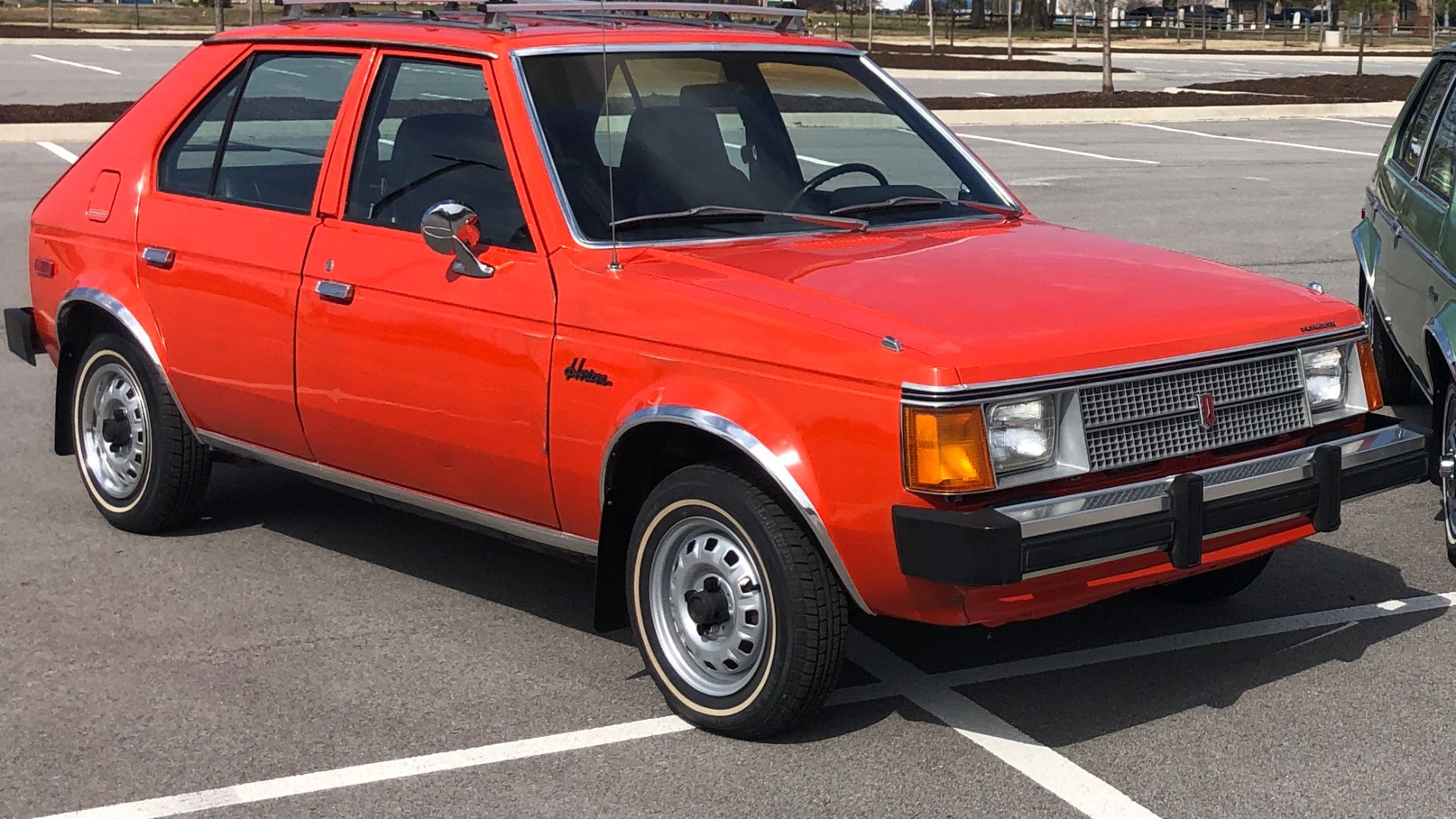
1978 Winner: Dodge Omni and Plymouth Horizon
The Omni and Horizon were exactly the cars Chrysler desperately needed: compact, practical hatchbacks with transverse engines and front-wheel drive. They were among the first American-built cars to embrace the layout that would soon dominate the industry. They were not glamorous, and early assembly quality was hardly Swiss-watch precise, but the basic idea was absolutely right.
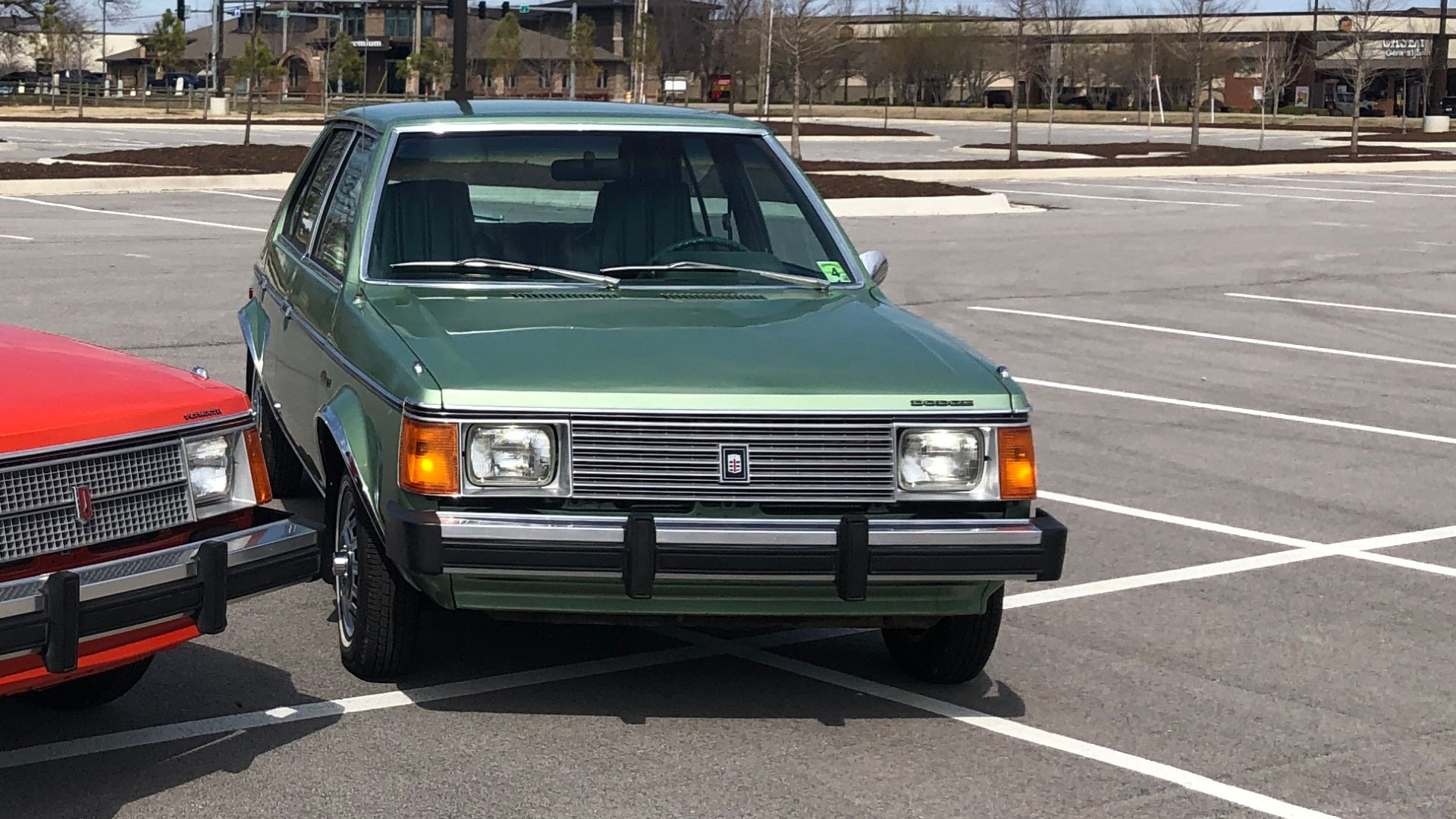
1978 Should Have Won: Dodge Omni and Plymouth Horizon
The Saab 99 Turbo was much more exciting, but Motor Trend was right to recognize the bigger change. The Omni and Horizon brought the modern front-wheel-drive hatchback formula into American production before Ford or GM. Chrysler would spend much of the next decade building on that layout—and it may have helped keep the company alive long enough to do it.
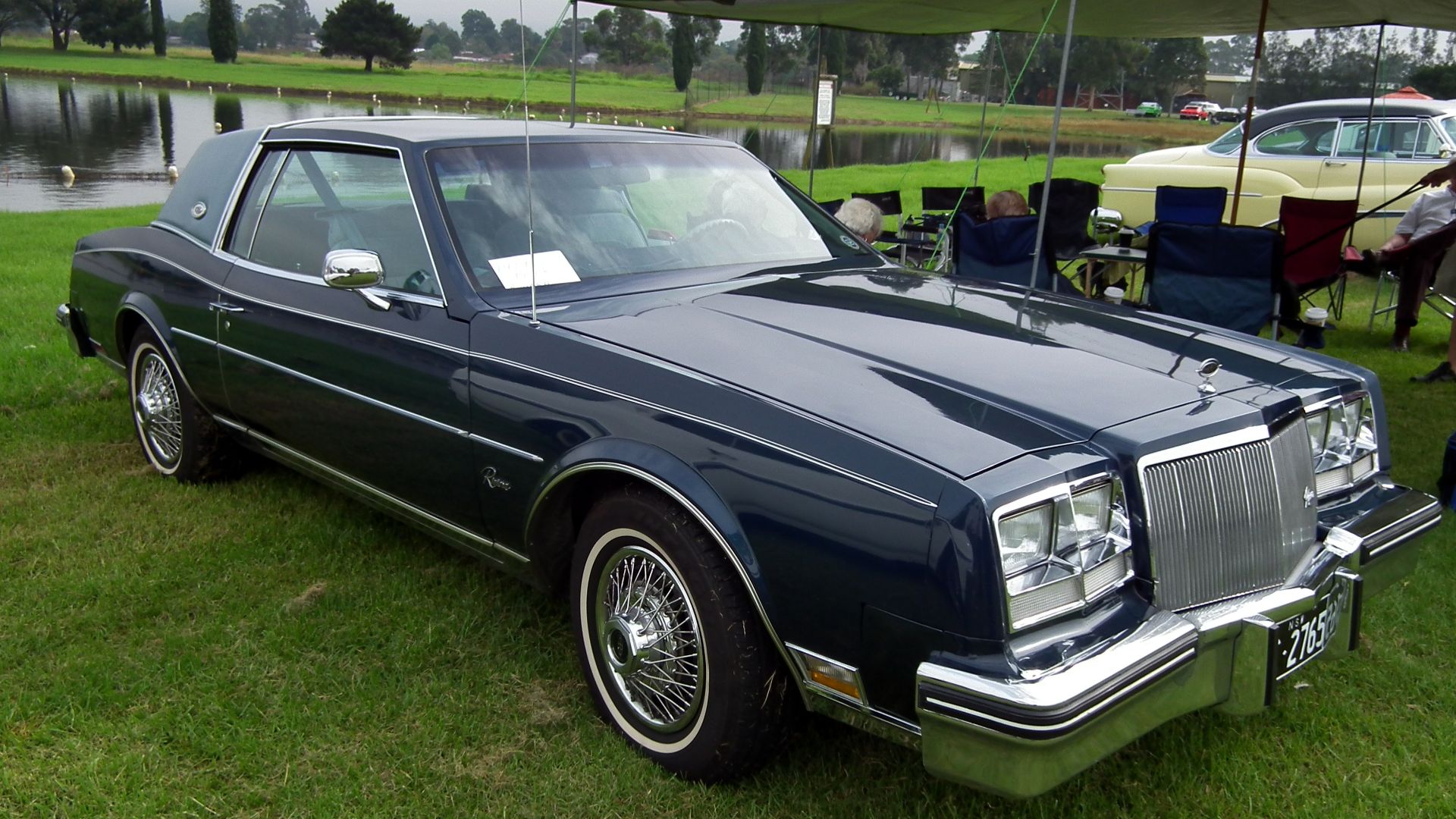
1979 Winner: Buick Riviera S
The redesigned Riviera S combined front-wheel drive, crisp styling, a comfortable ride, independent suspension, and better handling than anyone expected from a large personal-luxury coupe. A turbocharged V6 was also available, making the new Riviera far more interesting than another padded-roof boulevard cruiser. Motor Trend made a very defensible choice.
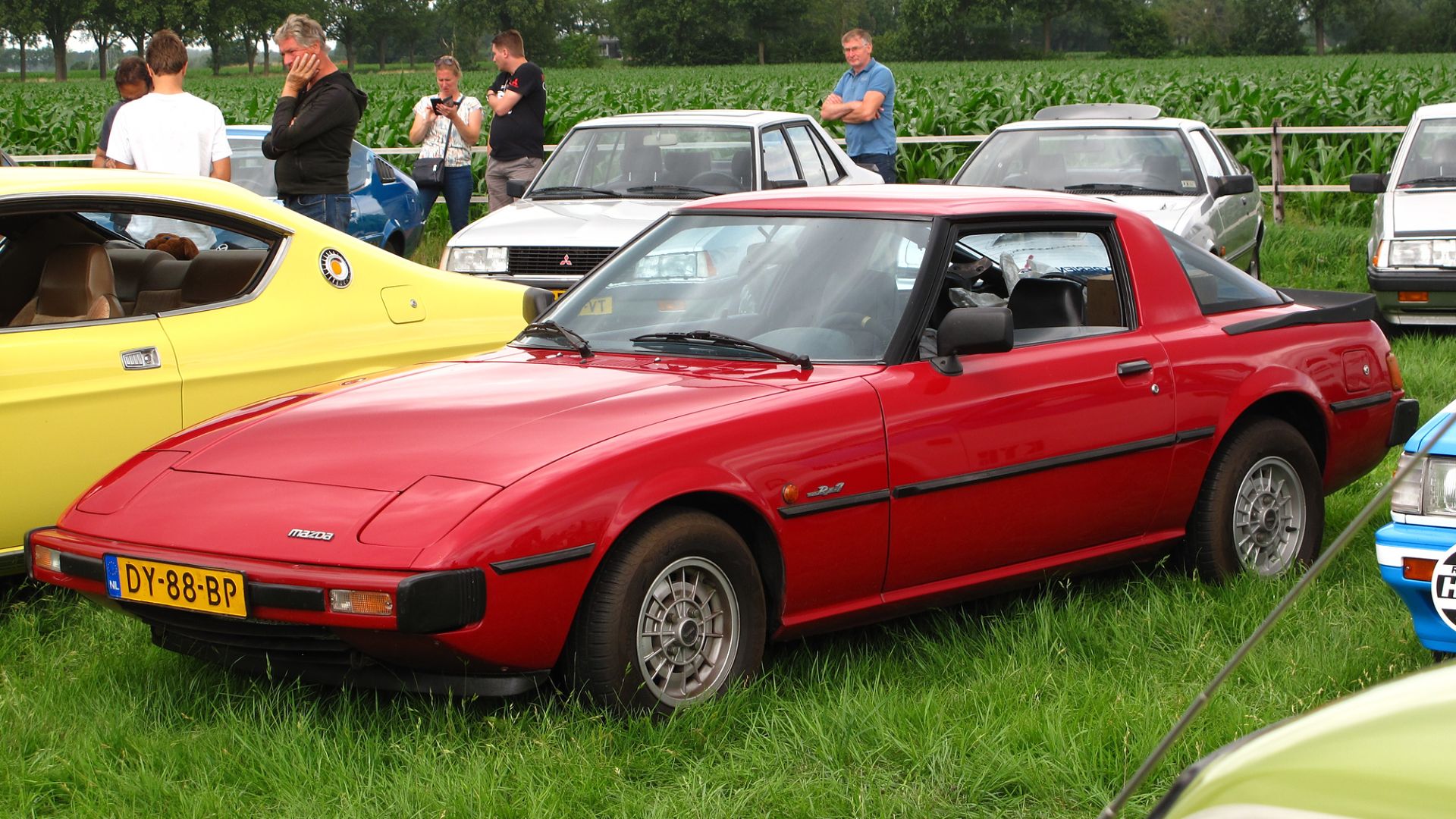
1979 Should Have Won: Mazda RX-7
This is the closest reversal on the list, but the first-generation RX-7 gets the trophy. It was light, balanced, affordable, and powered by Mazda’s wonderfully unusual rotary engine. Its front-midship layout delivered genuinely nimble handling, and its styling looked exotic without requiring exotic-car money. The Riviera was excellent. The RX-7 made people want to drive.
 Rutger van der Maar, Wikimedia Commons
The Calipers Were Not Always Golden
Motor Trend was judging brand-new cars, not predicting which ones would still be admired 50 years later. That might help explain the Vega, Mustang II, Monza, Aspen, and Volaré—but it does not make those old decisions any less entertaining.
Still, credit where it is due. The Citroën SM, Chevrolet Caprice, and Dodge Omni/Plymouth Horizon remain strong choices even with hindsight. Seven do-overs out of ten is not a perfect record—but how many do you think they got right?
You Might Also Like:
Cars That Were Supposed To Be “The Next Corvette”—But They Never Took The Crown
Car Features From The 1970s That Disappeared And Should Definitely Never Come Back
.jpg)