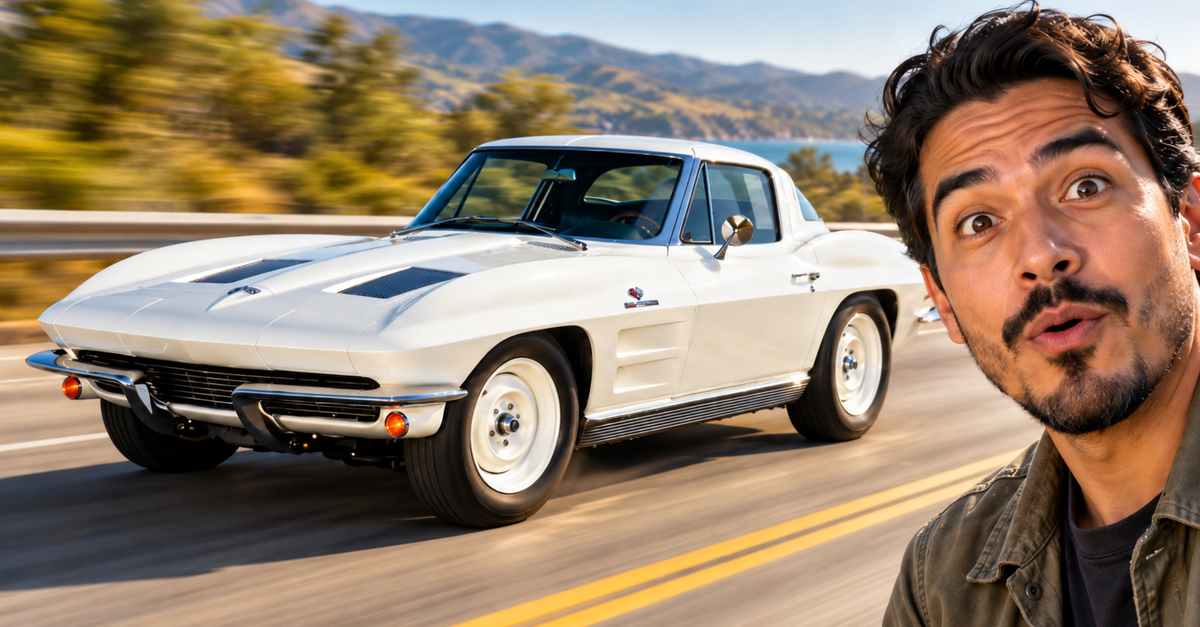
The 2000s were a weirdly great time for convertibles. Some of these cars were brilliant, while a few were absolutely ridiculous, but all of them tried to make driving feel fun and a little less ordinary.
Discover why sensor-equipped windshield replacements and ADAS calibration can raise repair bills and car insurance premiums, plus what drivers should check before filing a glass claim or choosing coverage options.
At first, the trade seemed simple: let the insurer monitor your driving and get a lower rate. Then came the constant trip scores, braking alerts, phone-use warnings, and the uneasy feeling that every commute had become part of an insurance test.
They tell you valuable things about occupant protection and crash avoidance, but they do not promise that the vehicle will be inexpensive to repair. A modern car can perform brilliantly in a severe crash and still produce a painful bill after a parking-lot collision.
Synthetic lubricants can resist heat and degradation better than conventional oil, but that does not mean every vehicle should follow the longest interval printed on a bottle. Your mechanic may be right about your driving conditions, while still being overly cautious if the recommendation ignores the manufacturer’s actual schedule.
One second the roof looked normal, and the next there was a deafening bang followed by broken glass. Now the dealer says it’s an insurance issue, while you’re wondering why a factory-installed roof wouldn’t fall under the warranty.
Explore once-affordable classic cars that vanished from everyday roads, including the Chevrolet Nova, Datsun 240Z, Honda CRX, Ford Bronco, and other increasingly rare collector favorites worth remembering today by enthusiasts.
The transmission feels smooth, the fuel economy is good, and no warning lights have appeared. Yet nearly everyone seems to have a story about a CVT that failed without warning and cost thousands to replace.