Ford's Unexpected Masterpiece
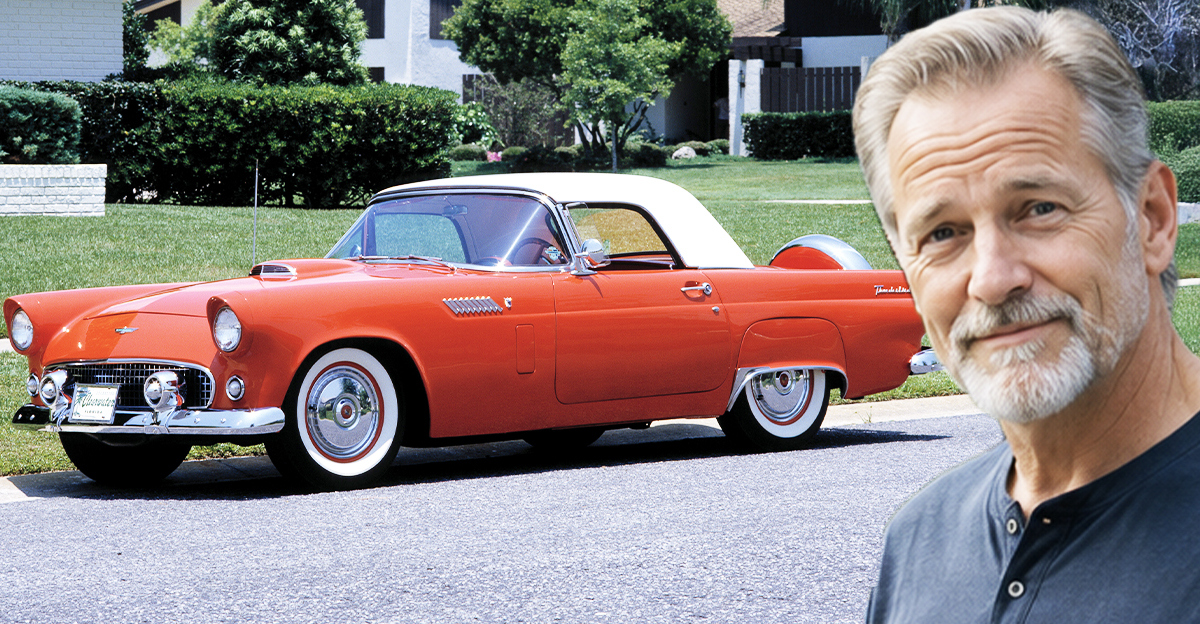
When the first Ford Thunderbird debuted for 1955, it wasn't trying to be America's fastest sports car. Instead, it created something entirely new: the personal luxury car. Stylish, comfortable, and powerful, the Thunderbird became an instant sensation that reshaped the American automotive industry for decades to come.
 National Motor Museum/Heritage Images/Getty Images; Factinate
A Sports Car Craze Begins
The early 1950s saw growing American interest in European-style sports cars. Returning servicemen had experienced nimble British and Italian roadsters overseas, while Chevrolet introduced the Corvette for 1953. Ford executives recognized that buyers wanted excitement, but they believed they could improve upon the formula.
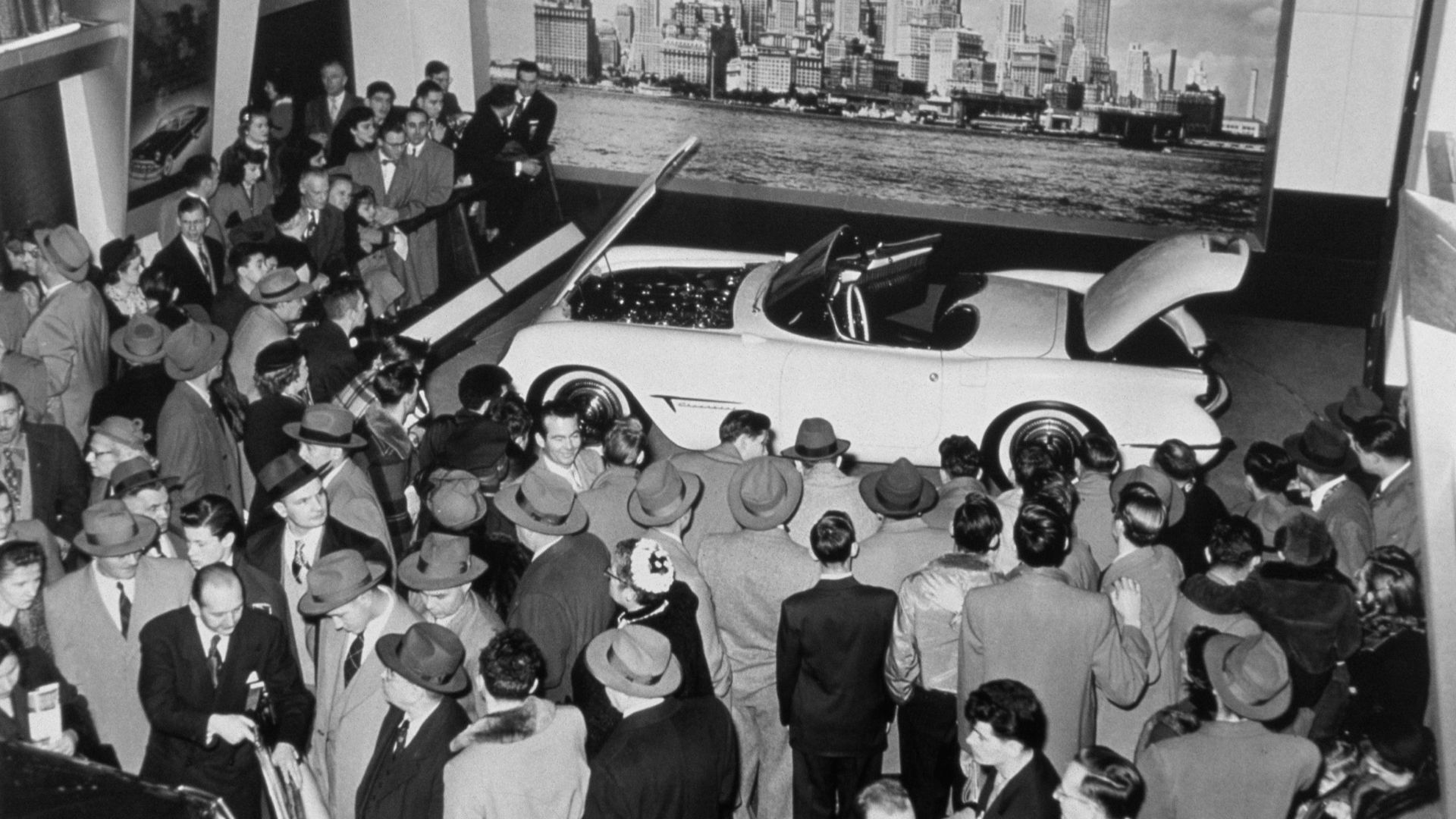 GM Chevrolet, Wikimedia Commons
Ford's Different Philosophy
Rather than build a stripped-down sports car, Ford envisioned something more refined. Company planners wanted a vehicle that delivered style, V8 performance, comfort, weather protection, and everyday practicality. Their goal was a car people would enjoy driving every day instead of only on sunny weekends.
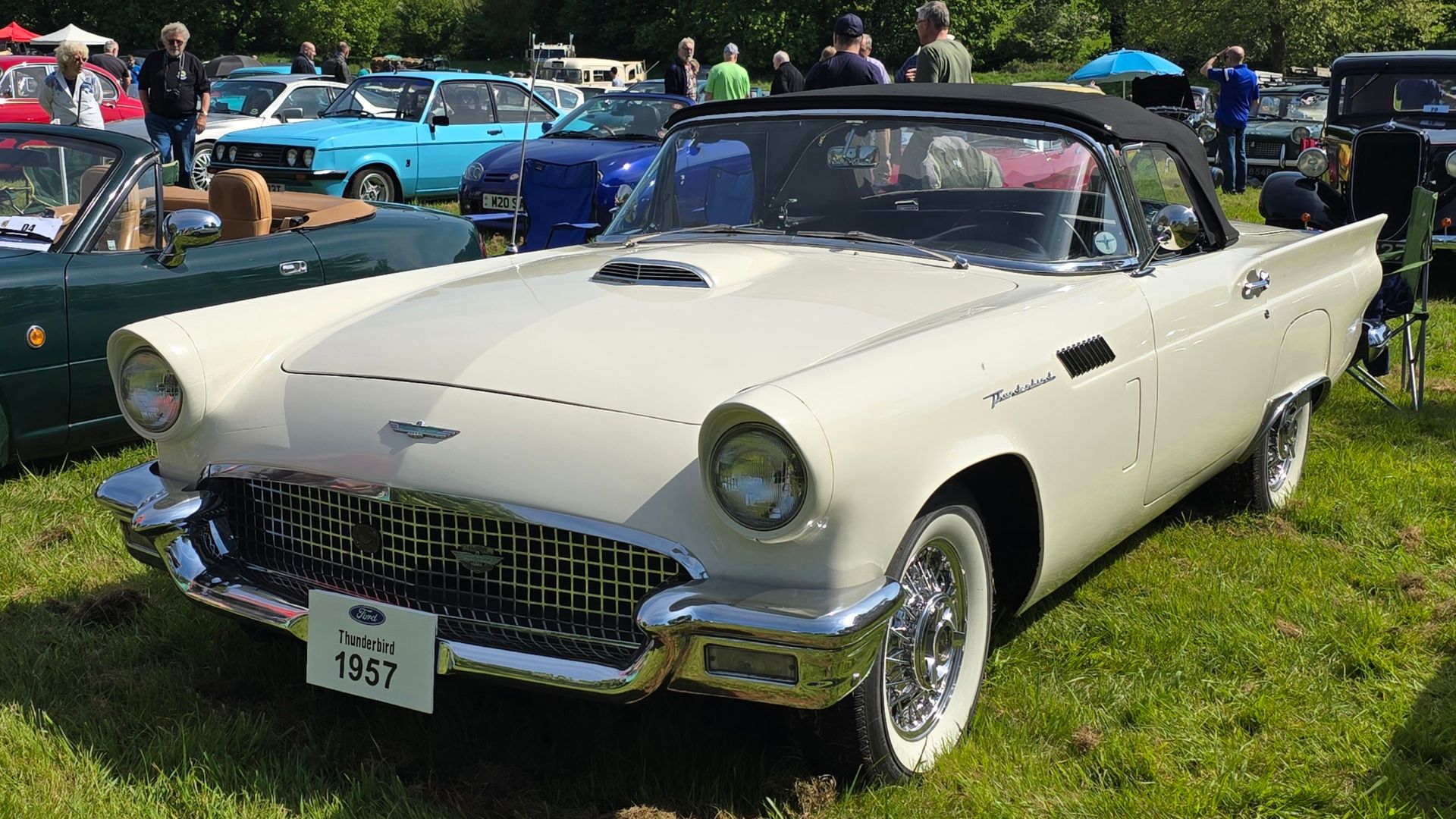
A Secret Development Program
Ford launched the Thunderbird project in 1953 under remarkable secrecy. A small team of engineers and designers worked quickly, knowing Chevrolet's Corvette had already reached production. Instead of copying the Corvette, they deliberately pursued a more luxurious direction that would distinguish Ford from its rival.
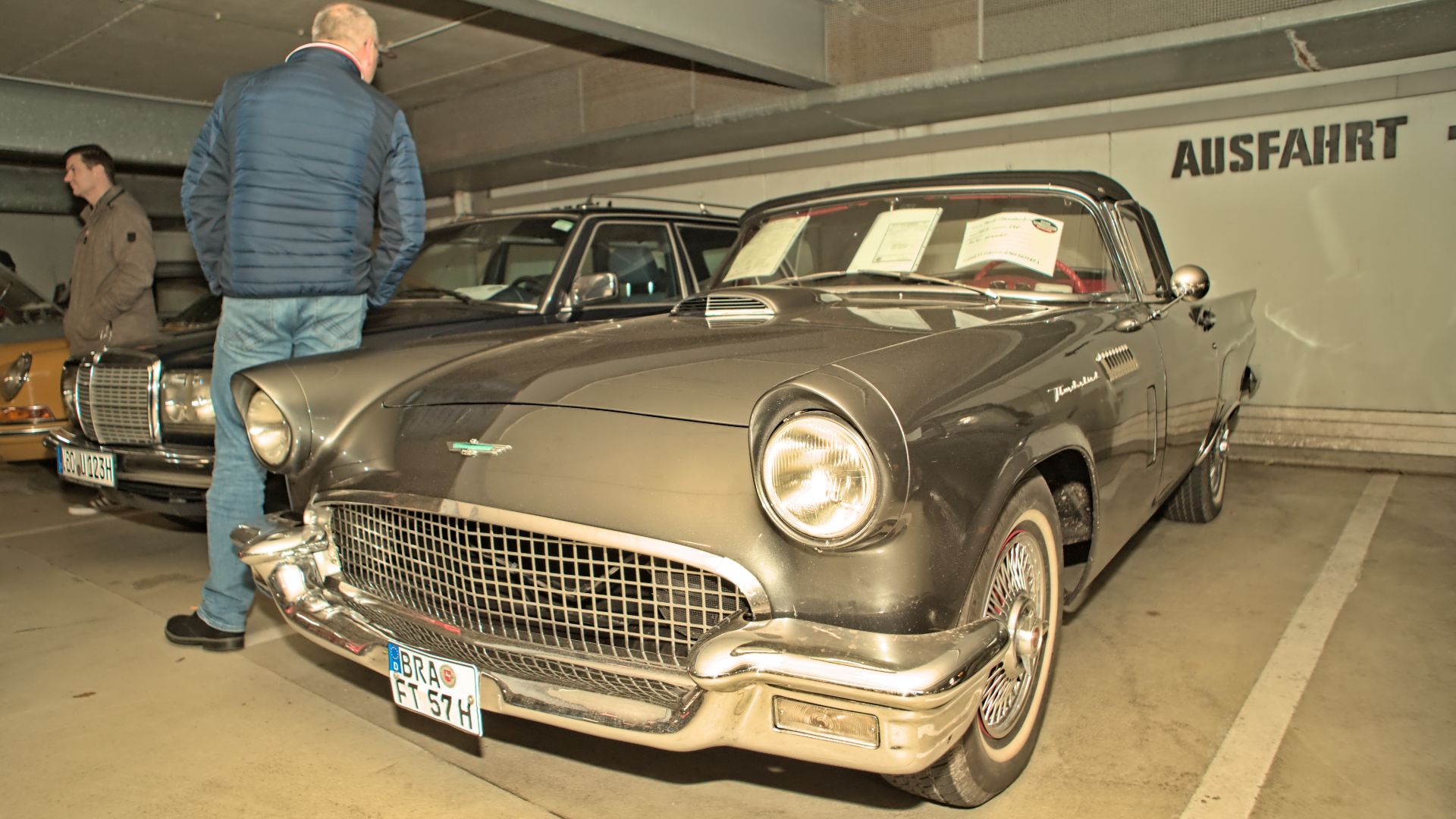 Thomas Vogt from Paderborn, Deutschland, Wikimedia Commons
The Men Behind The Car
Several influential Ford designers contributed to the Thunderbird's development, including Frank Hershey, William Boyer, and George Walker. Together they emphasized clean lines, restrained elegance, and balanced proportions, creating a design that looked sophisticated without appearing overly flashy or aggressive.
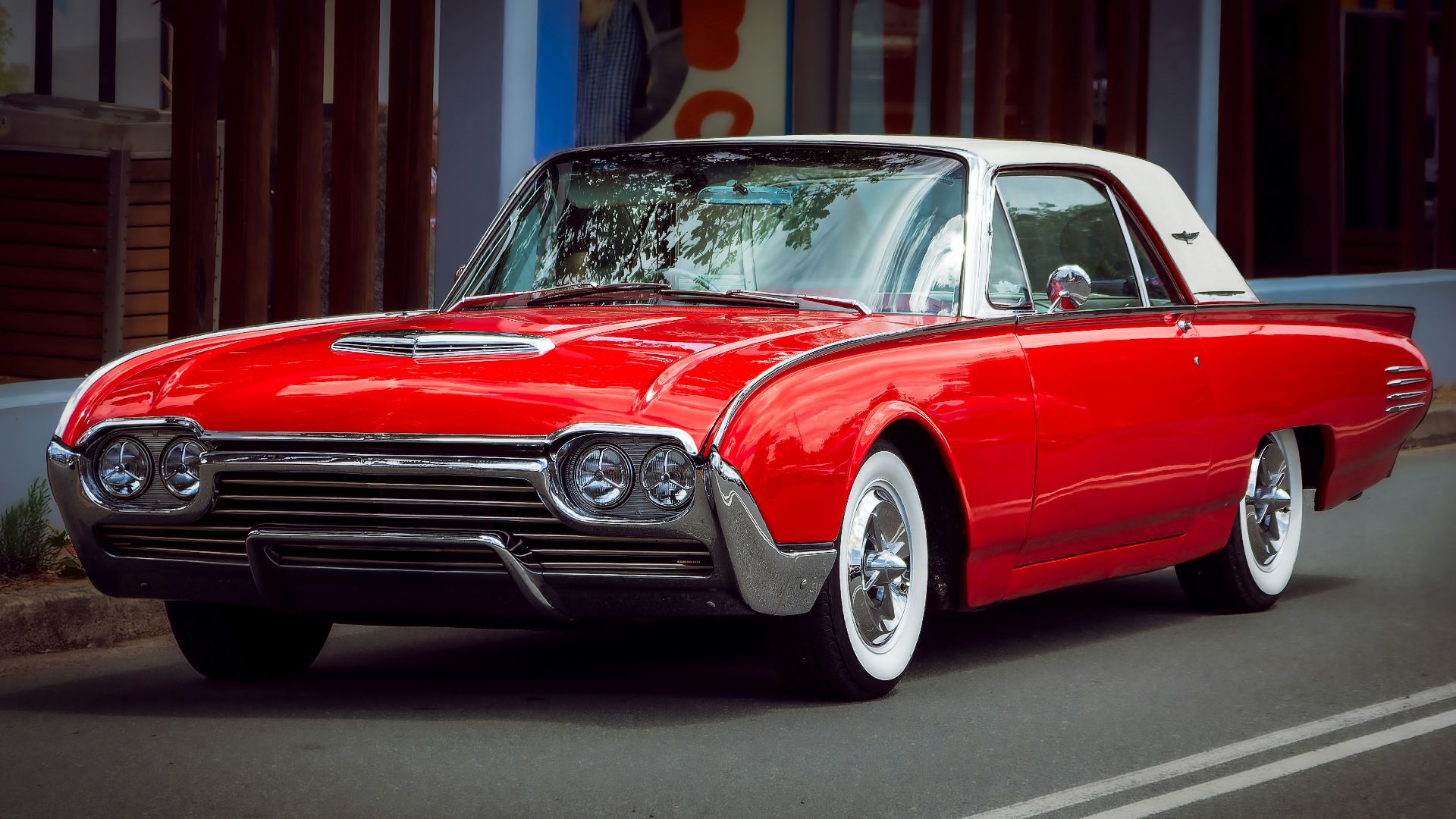
Naming A Legend
Finding the right name proved surprisingly important. Thousands of suggestions poured in from employees before Ford selected "Thunderbird," inspired by the legendary Native American symbol representing power, strength, and good fortune. The dramatic name perfectly complemented the car's bold new identity.

Built For Comfort
Unlike many sports cars of the era, the Thunderbird featured roll-up windows, an available removable hardtop, comfortable bucket seats, a well-insulated cabin, and generous weather protection. Buyers appreciated having sports-car styling without sacrificing comfort during longer drives.
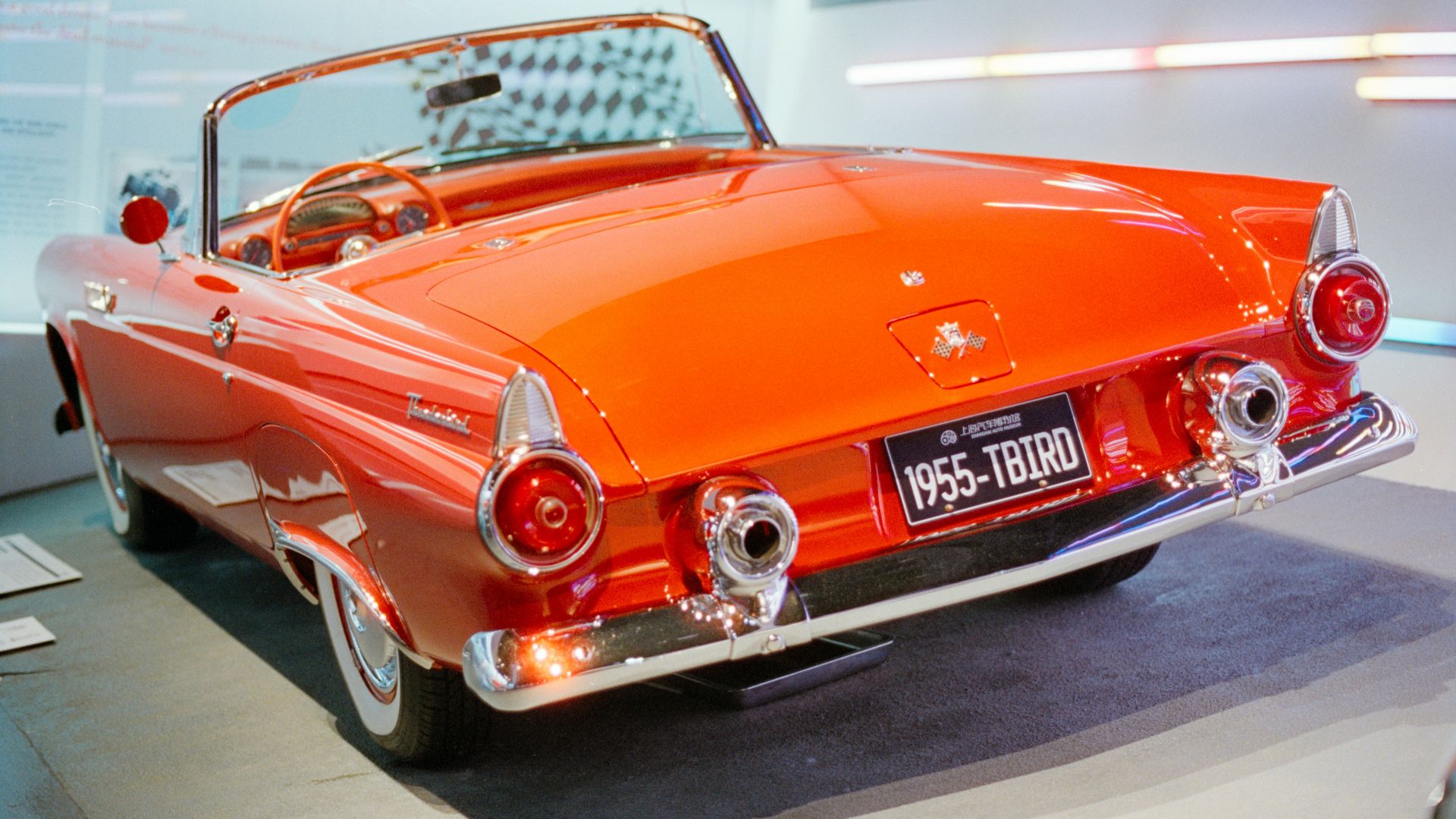
V8 Power Comes Standard
Every 1955 Thunderbird came equipped with Ford's 292-cubic-inch Y-block V8, producing impressive performance for its day. Paired with either a three-speed manual or Ford-O-Matic automatic transmission, the Thunderbird delivered brisk acceleration while remaining smooth and easy to drive.
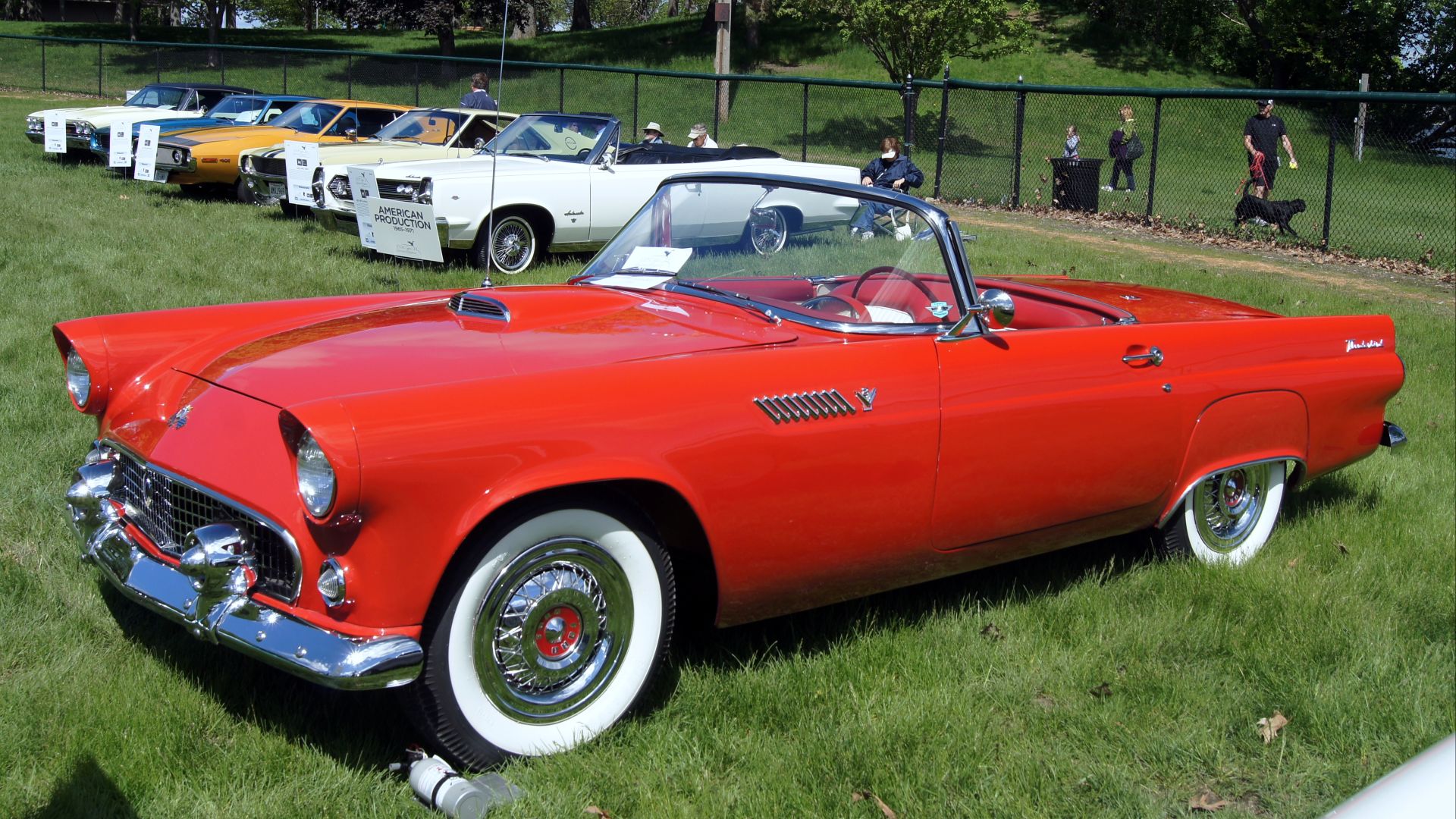 Greg Gjerdingen from Willmar, USA, Wikimedia Commons
Style That Turned Heads
The original Thunderbird combined graceful curves with restrained chrome accents, a distinctive egg-crate grille, round taillights, elegant tailfins, and the now-famous porthole windows available on the removable hardtop. Every angle communicated confidence rather than excess.
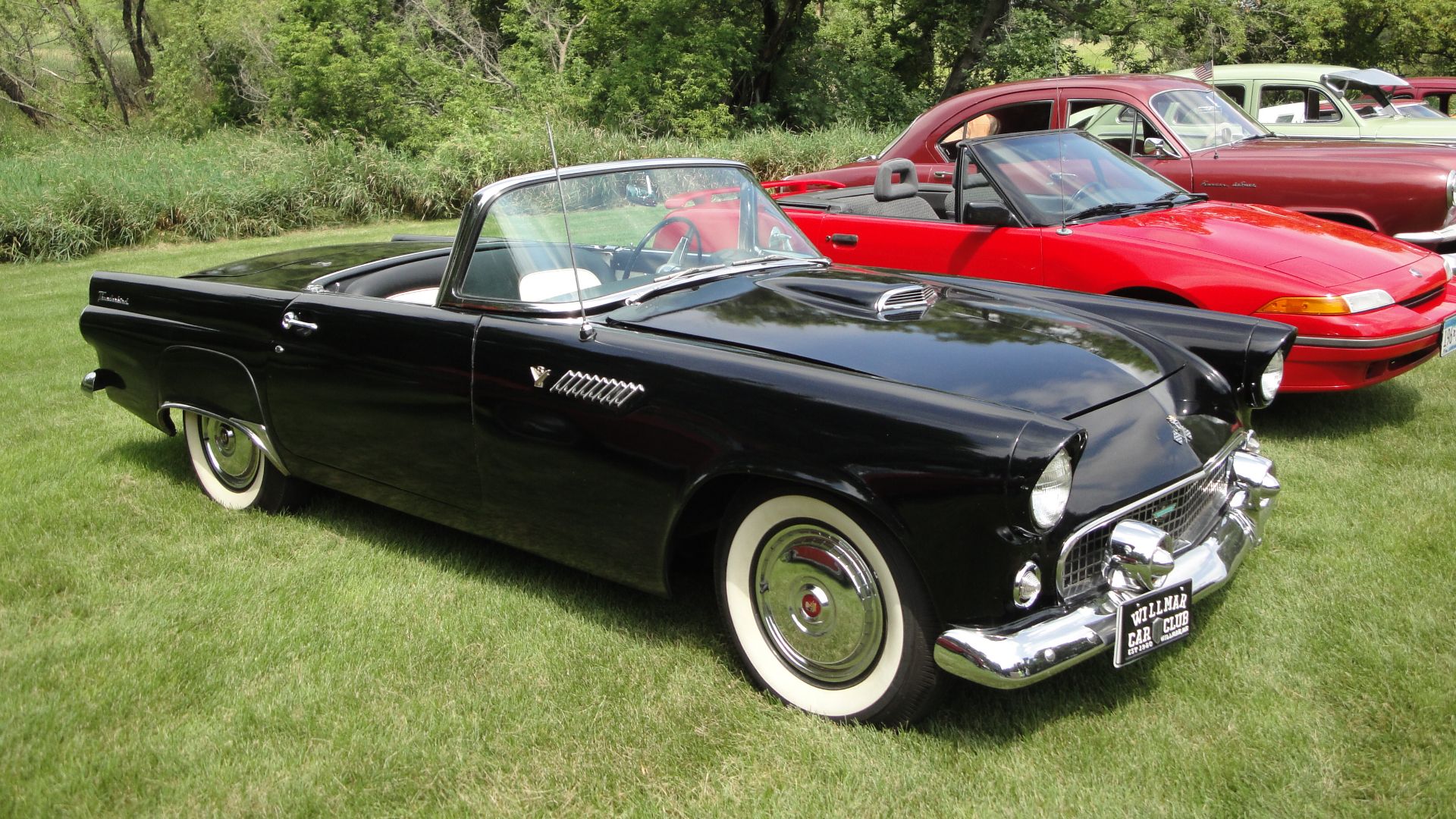 Greg Gjerdingen from Willmar, USA, Wikimedia Commons
A Driver's Cockpit
Inside, the Thunderbird featured aircraft-inspired instrumentation, a sporty steering wheel, deeply recessed gauges, and bucket seats that emphasized the driving experience. The interior balanced elegance and function, making drivers feel like they were piloting something genuinely special.
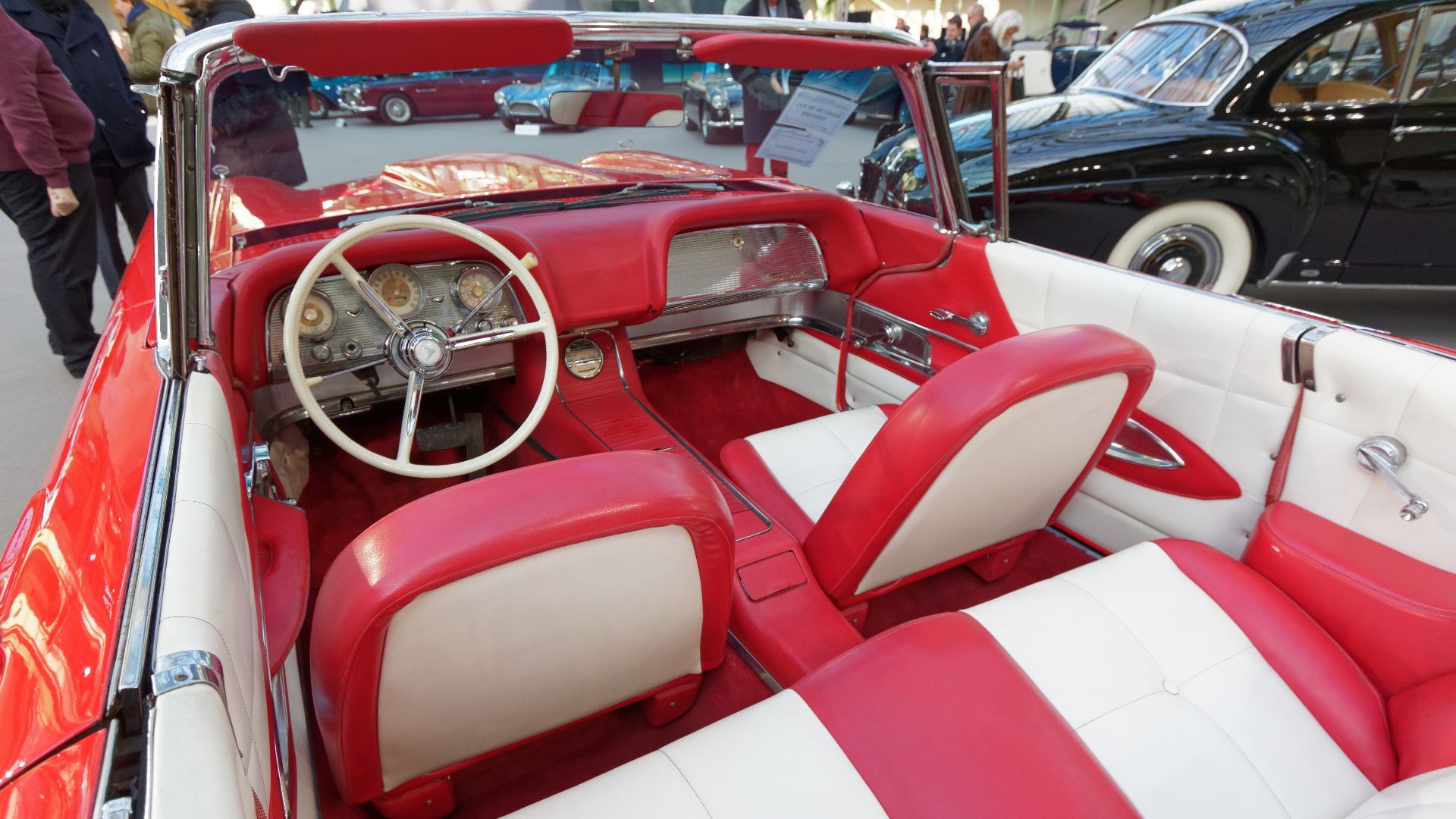 Thesupermat, Wikimedia Commons
The Personal Luxury Car Is Born
Ford carefully avoided calling the Thunderbird a sports car. Instead, executives described it as a "personal car of distinction." Historians now widely recognize the original Thunderbird as America's first true personal luxury automobile, creating an entirely new market segment.
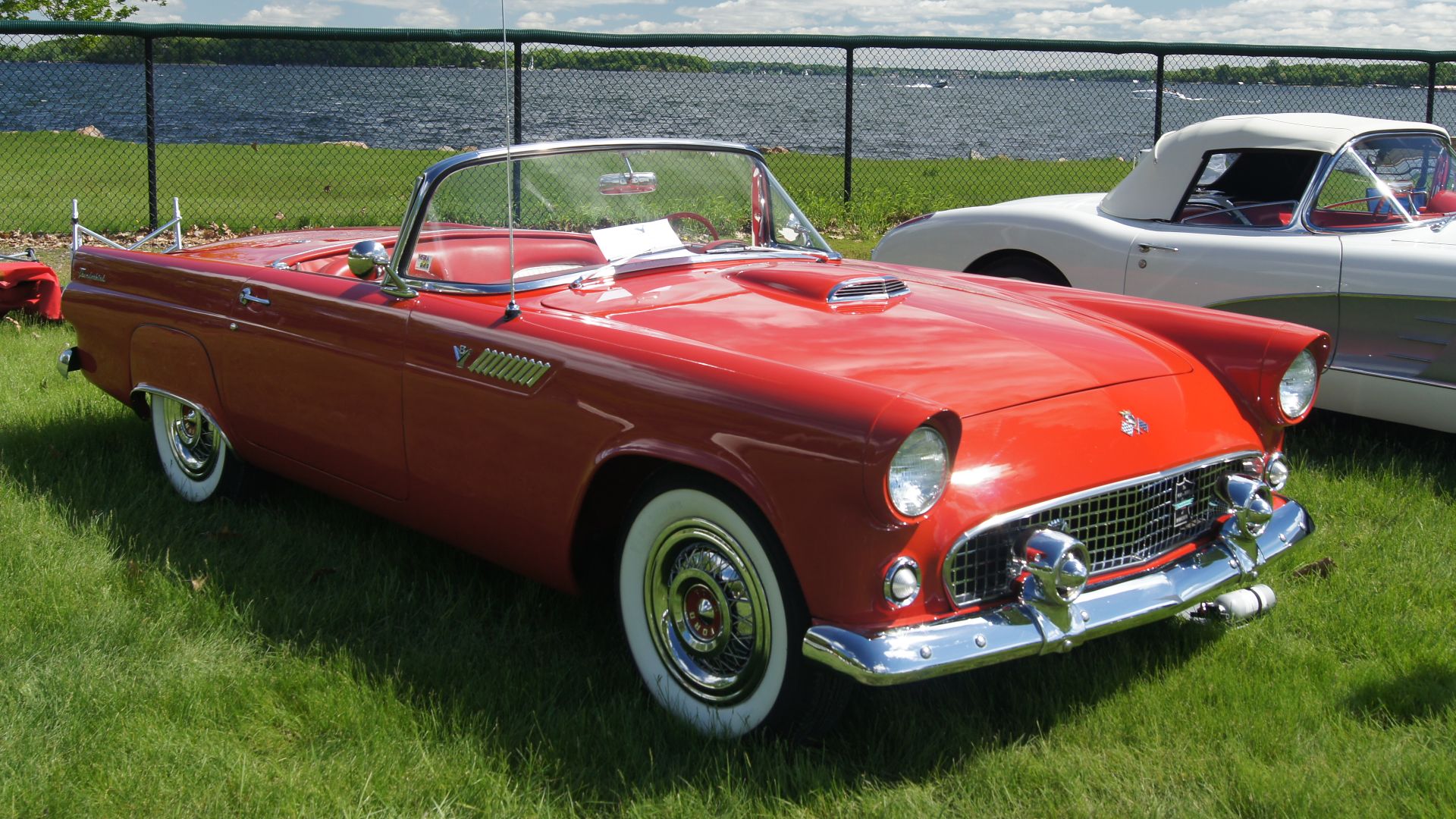 Greg Gjerdingen from Willmar, USA, Wikimedia Commons
Beating The Corvette
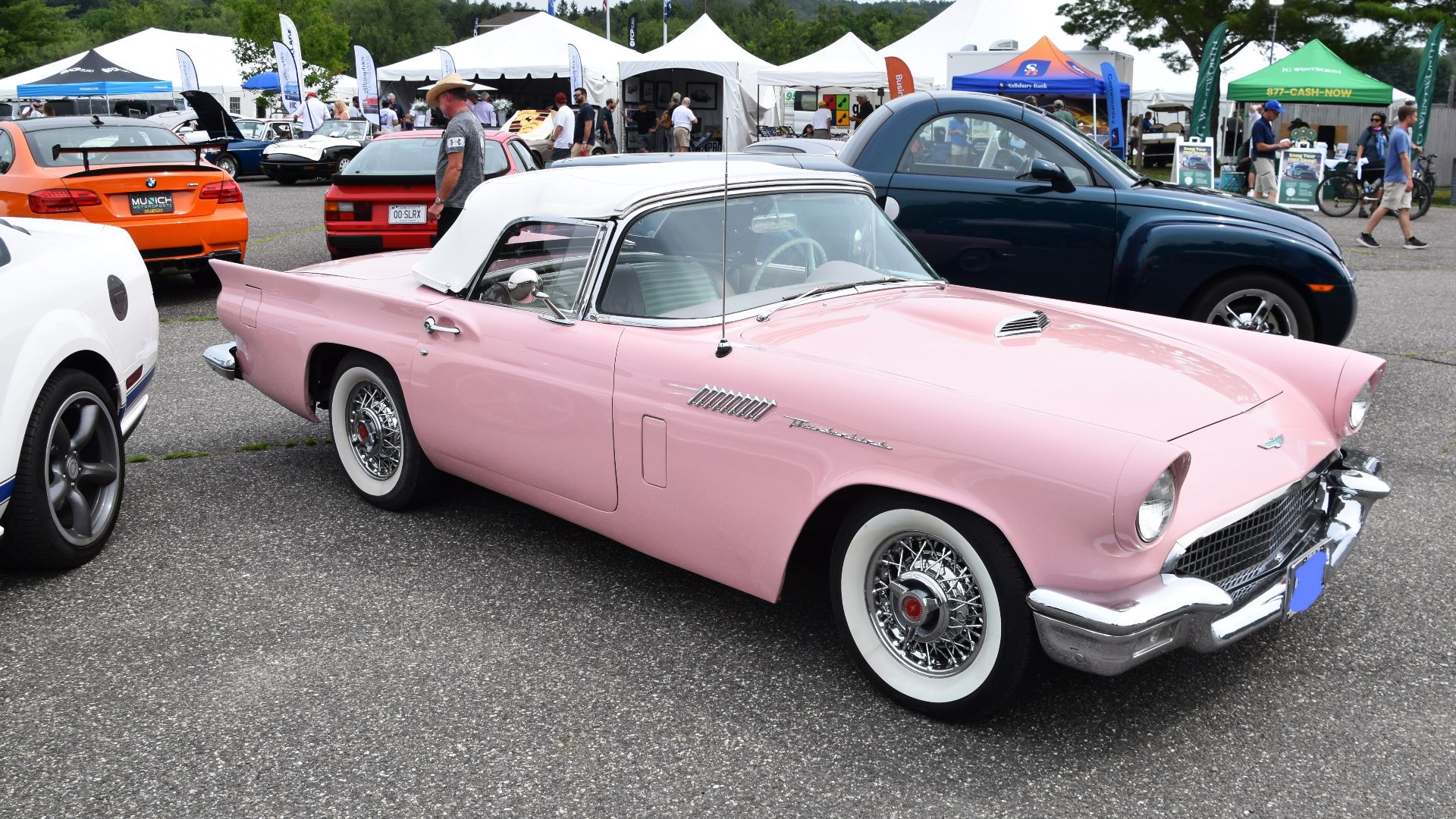
Sales immediately justified Ford's strategy. During its first model year, Ford sold more than 16,000 Thunderbirds, dramatically outperforming Chevrolet's Corvette. Buyers clearly preferred comfort, V8 power, and practicality over the Corvette's more Spartan sports-car approach.
 Charles from Port Chester, New York, Wikimedia Commons
Constant Refinement
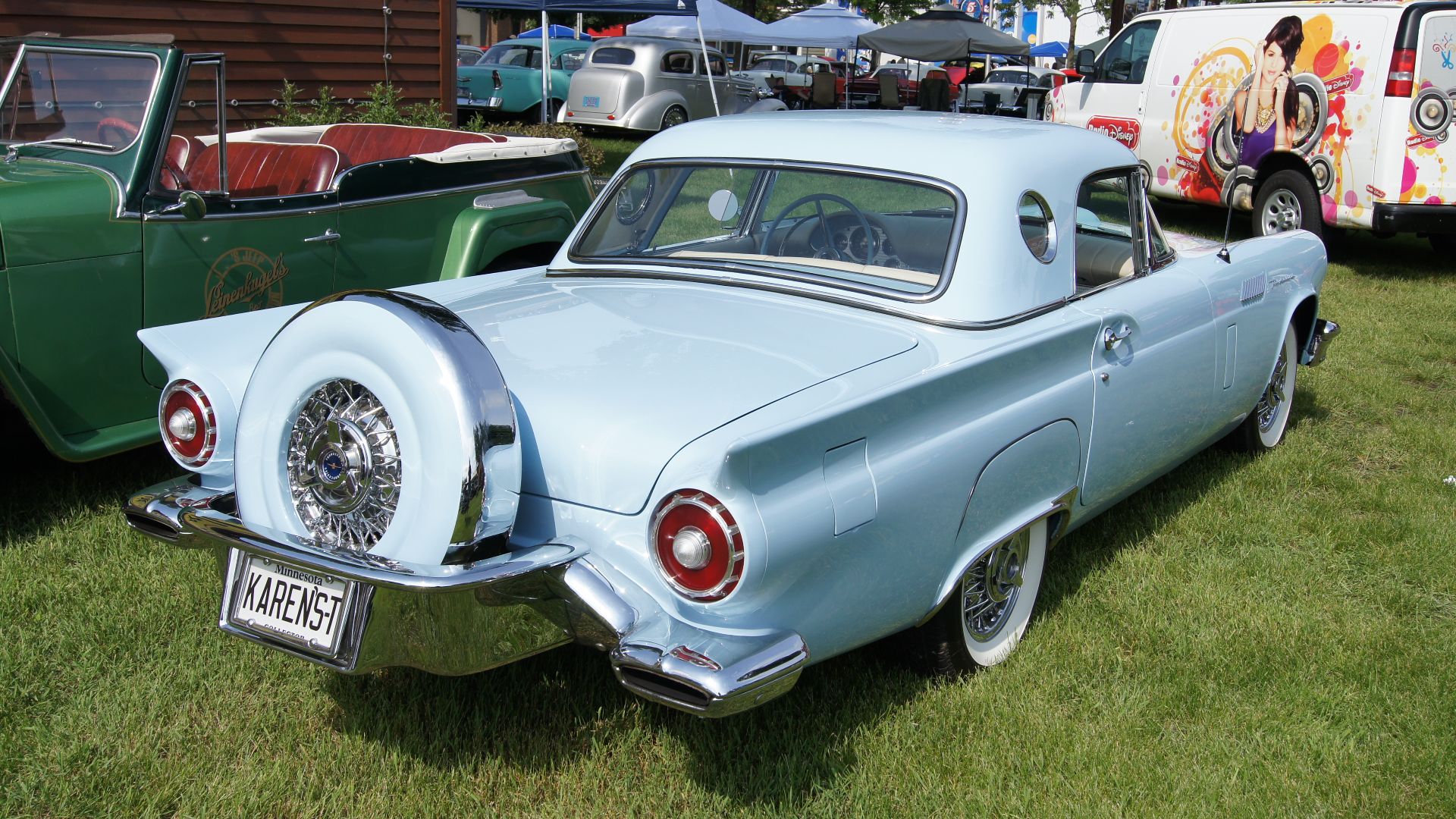
Ford improved the Thunderbird almost immediately. The 1956 model introduced an external spare tire to increase trunk space, improved ventilation, and the now-iconic porthole hardtop windows. These thoughtful updates demonstrated Ford's willingness to refine a successful formula.
 Greg Gjerdingen from Willmar, USA, Wikimedia Commons
More Power Arrives
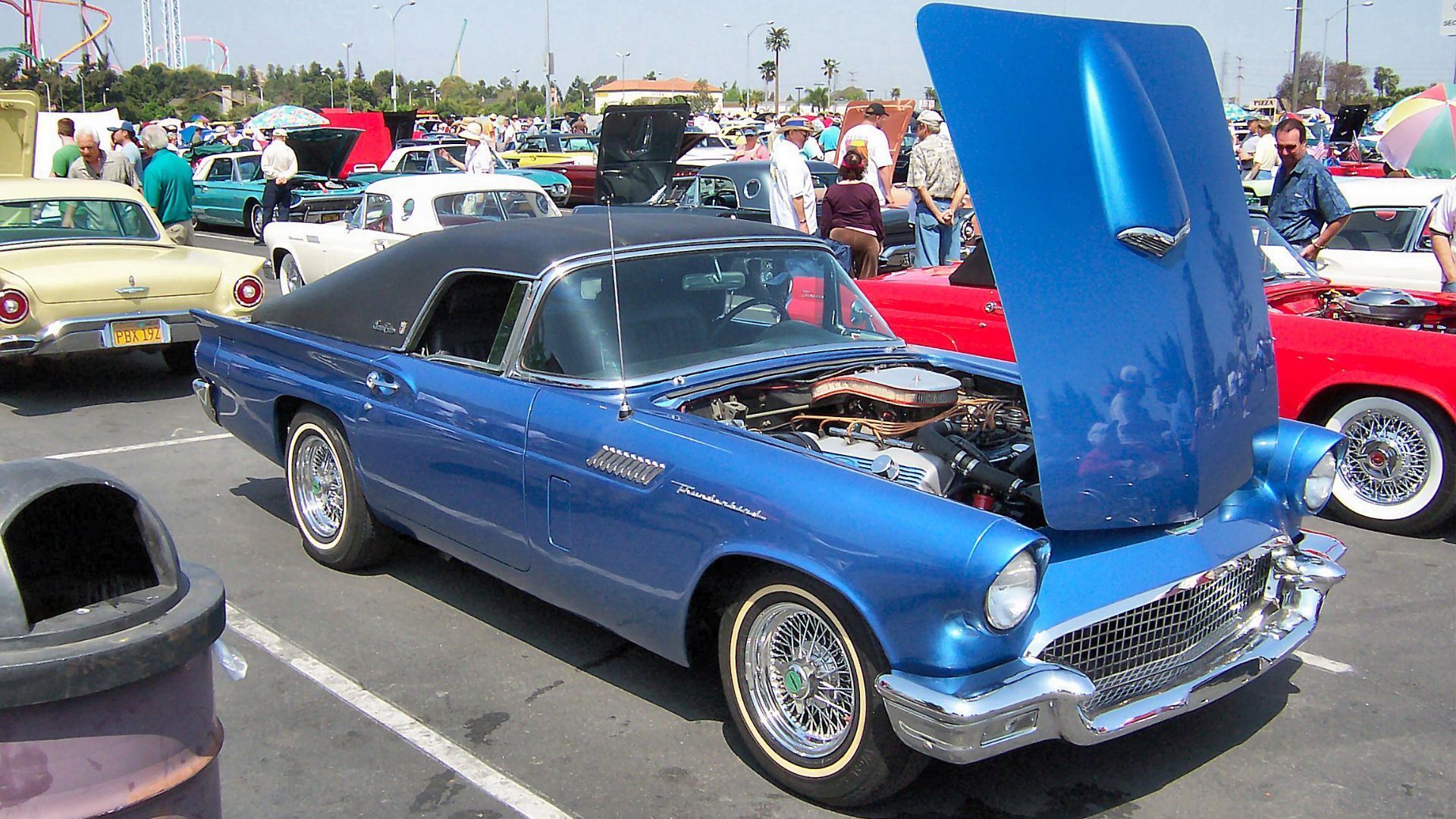
Performance continued improving as Ford introduced larger engines and additional horsepower. Buyers could now enjoy increasingly effortless acceleration while maintaining the Thunderbird's refined driving manners, reinforcing its reputation as both an exciting and comfortable grand touring automobile.
 User:Morven, Wikimedia Commons
Safety Also Mattered
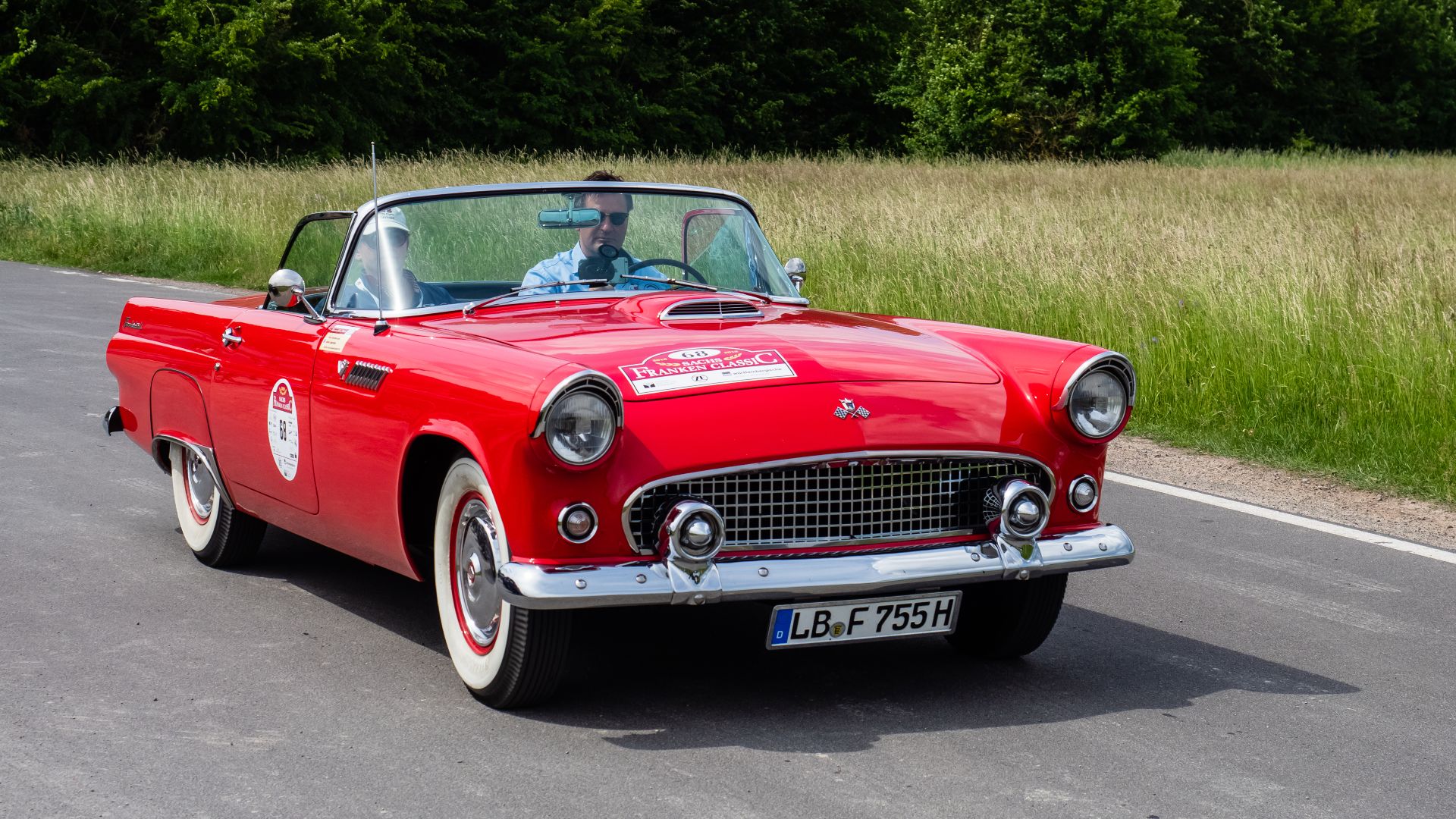
The Thunderbird reflected Ford's growing attention to safety during the 1950s. Features such as improved door latches, padded dashboards, and better visibility demonstrated that buyers no longer had to choose between attractive styling and thoughtful engineering.
Hollywood Took Notice
The Thunderbird quickly became a favorite among entertainers, athletes, and public figures. Its glamorous image made frequent appearances in magazines, television, and movies, helping establish it as one of America's most desirable automobiles almost overnight.
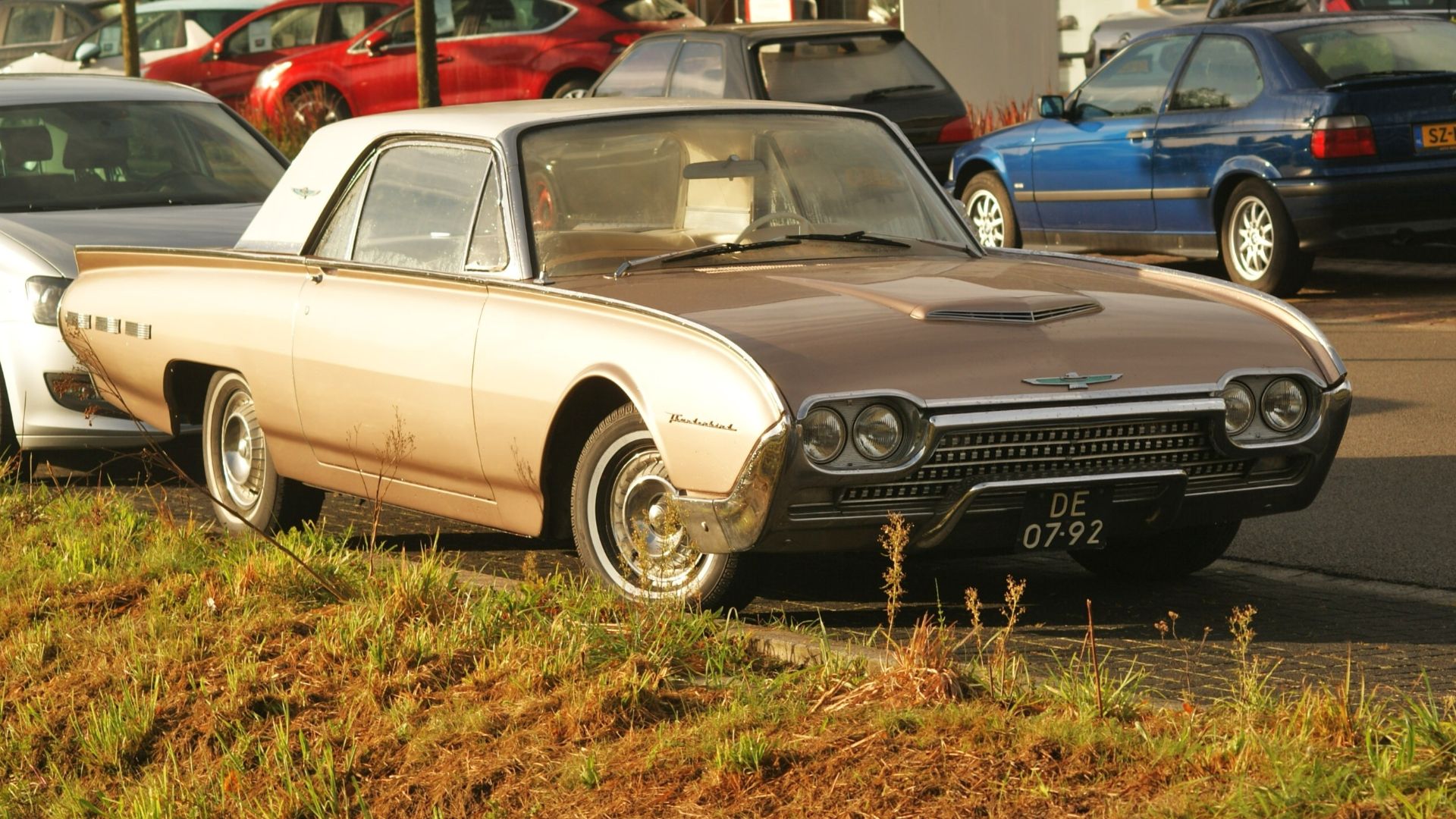 Niels de Wit from Lunteren, The Netherlands, Wikimedia Commons
Women Loved It Too
Unlike many performance cars marketed primarily toward men, the Thunderbird attracted a remarkably broad audience. Women appreciated its manageable size, automatic transmission option, comfortable interior, and stylish appearance, expanding Ford's customer base well beyond traditional sports-car enthusiasts.
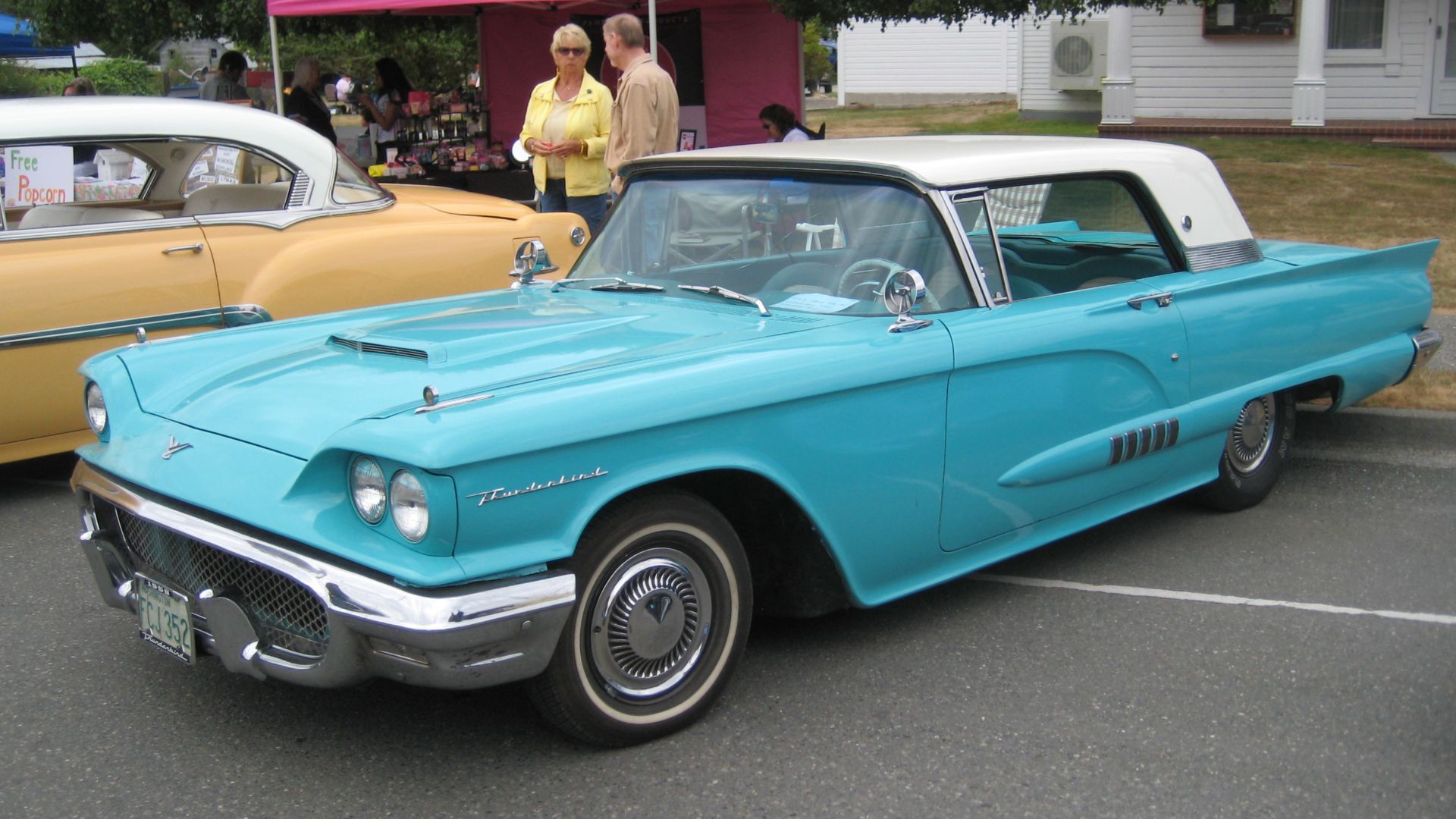 JOHN LLOYD from Concrete, Washington, United States, Wikimedia Commons
The Baby Bird Era
Collectors later nicknamed the 1955-1957 models the "Baby Birds" because of their relatively compact dimensions. Today, these first-generation Thunderbirds remain among the most sought-after examples thanks to their timeless styling and historical importance.
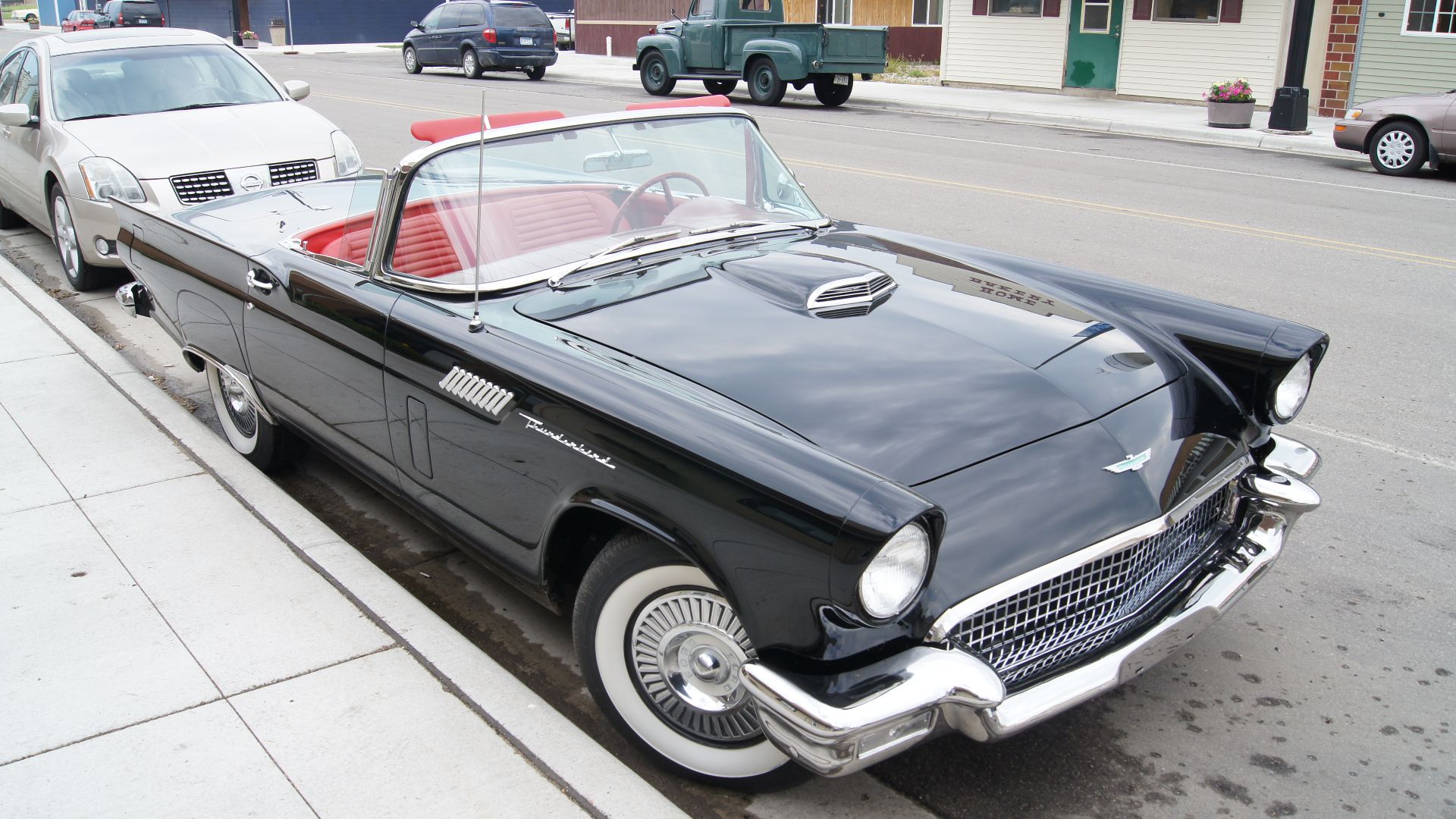 Greg Gjerdingen from Willmar, USA, Wikimedia Commons
Growing With America
By the late 1950s, American buyers increasingly favored larger, more comfortable automobiles. Ford recognized the changing market and began planning a significantly larger Thunderbird that would offer rear seating while remaining faithful to the personal luxury concept.
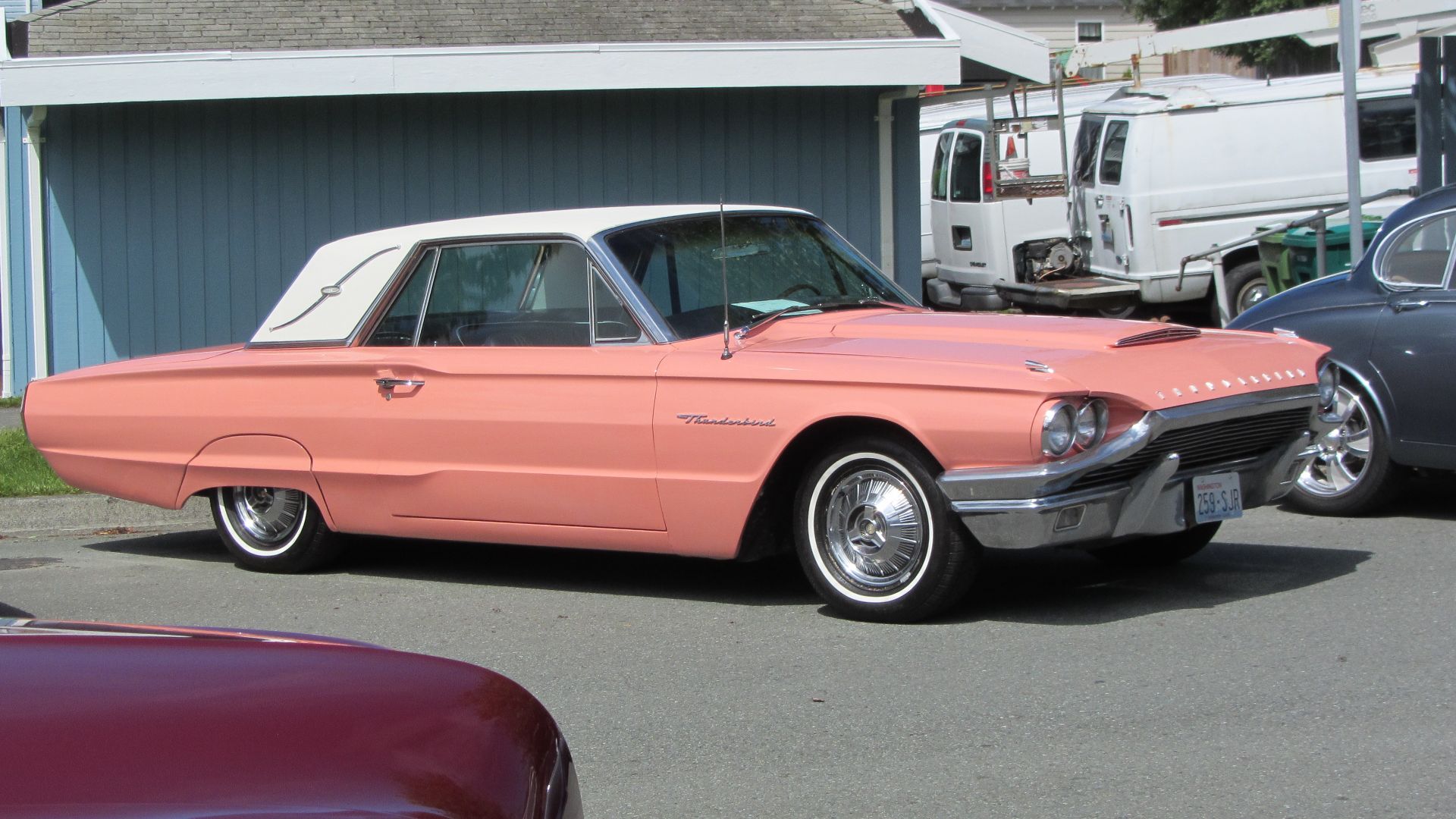 JOHN LLOYD from Concrete, Washington, United States, Wikimedia Commons
A Bold Gamble
When Ford introduced the completely redesigned four-seat Thunderbird for 1958, some enthusiasts feared the company had abandoned the original formula. Instead, the larger model became an enormous commercial success, proving that the Thunderbird concept could evolve with changing customer tastes.
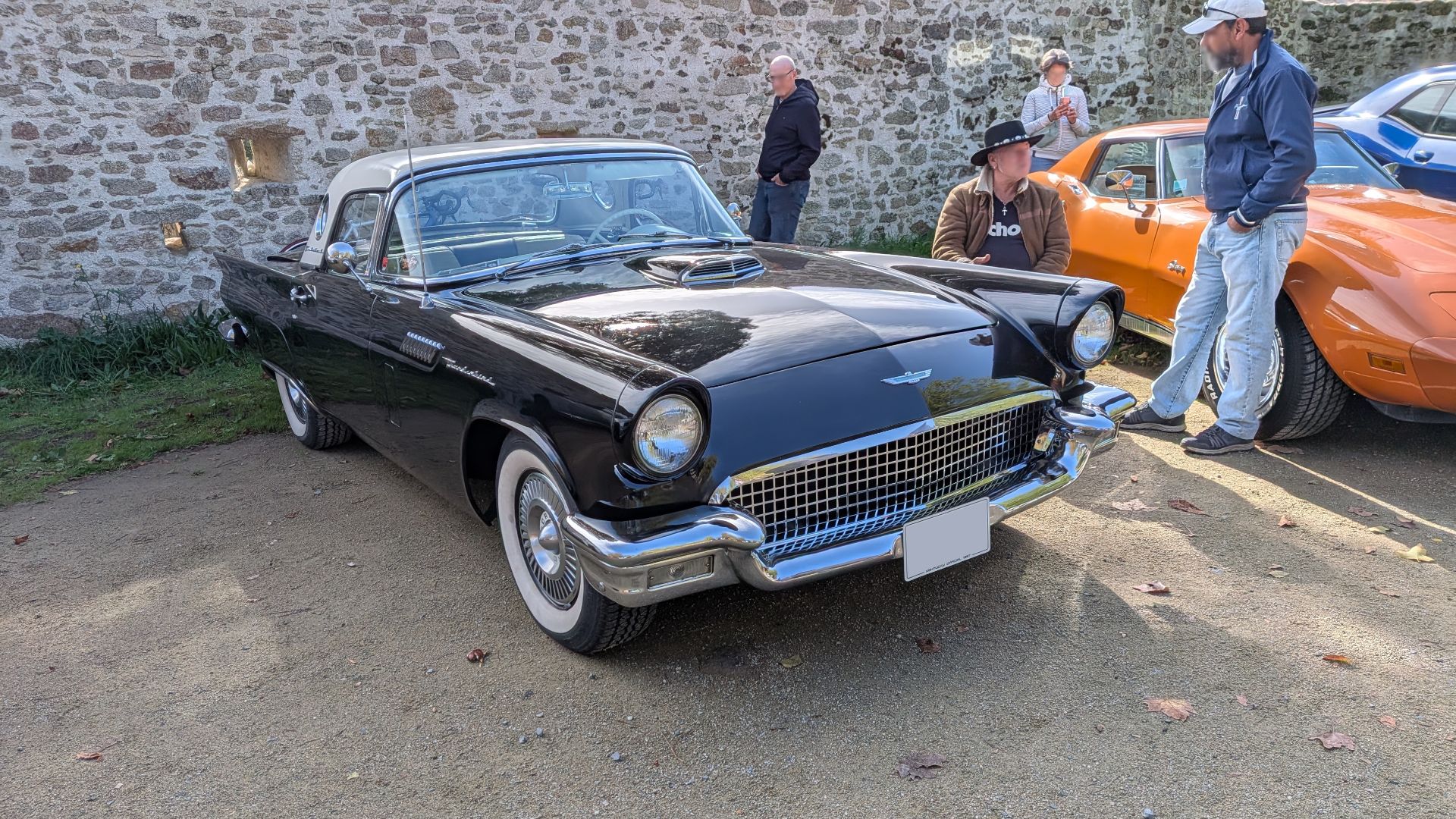
Inspiring The Competition
The Thunderbird's success encouraged other manufacturers to pursue personal luxury cars of their own. Over the following decades, competitors introduced stylish coupes emphasizing comfort, prestige, and individual ownership rather than outright sports-car performance.
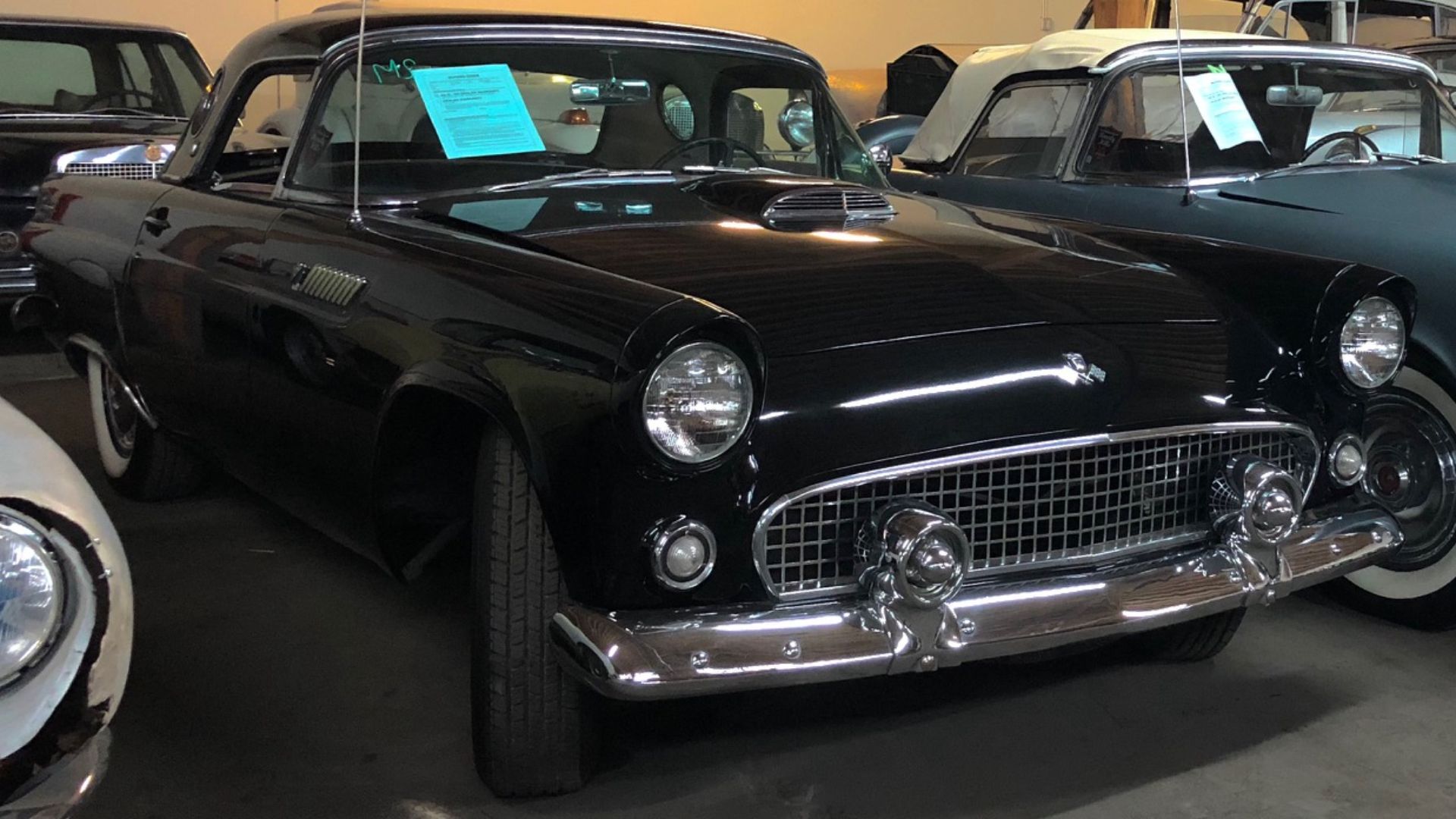
An Engineering Showcase
Throughout its early years, the Thunderbird served as a showcase for Ford's latest engineering ideas, incorporating improvements in engines, automatic transmissions, suspension tuning, and interior comfort that often influenced other Ford products.
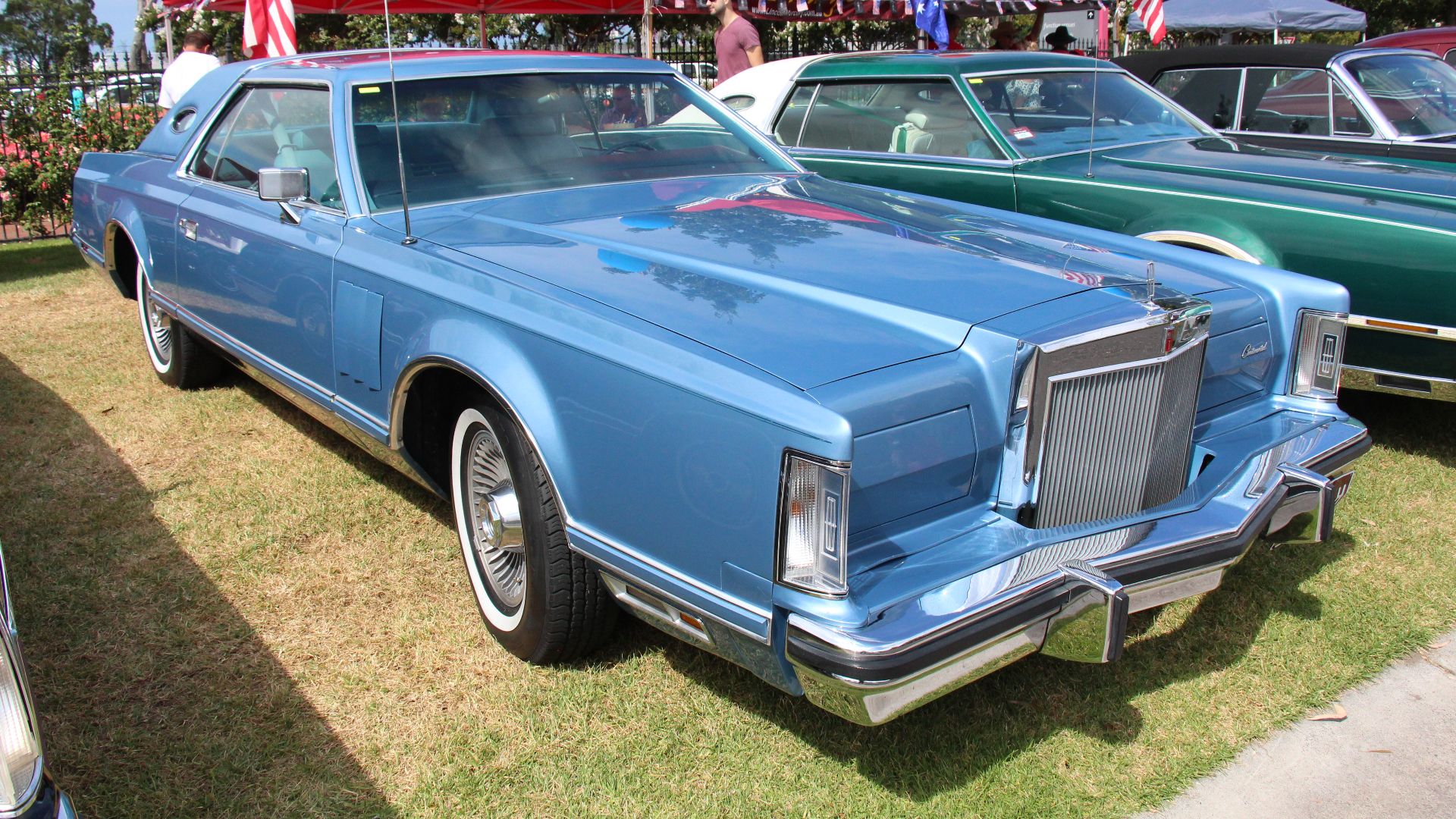
A Lasting Design Influence
Many styling cues introduced on the original Thunderbird echoed throughout later Ford models. Its balanced proportions, tasteful chrome, and emphasis on clean, uncluttered lines helped shape Ford's design language during much of the late 1950s and early 1960s.
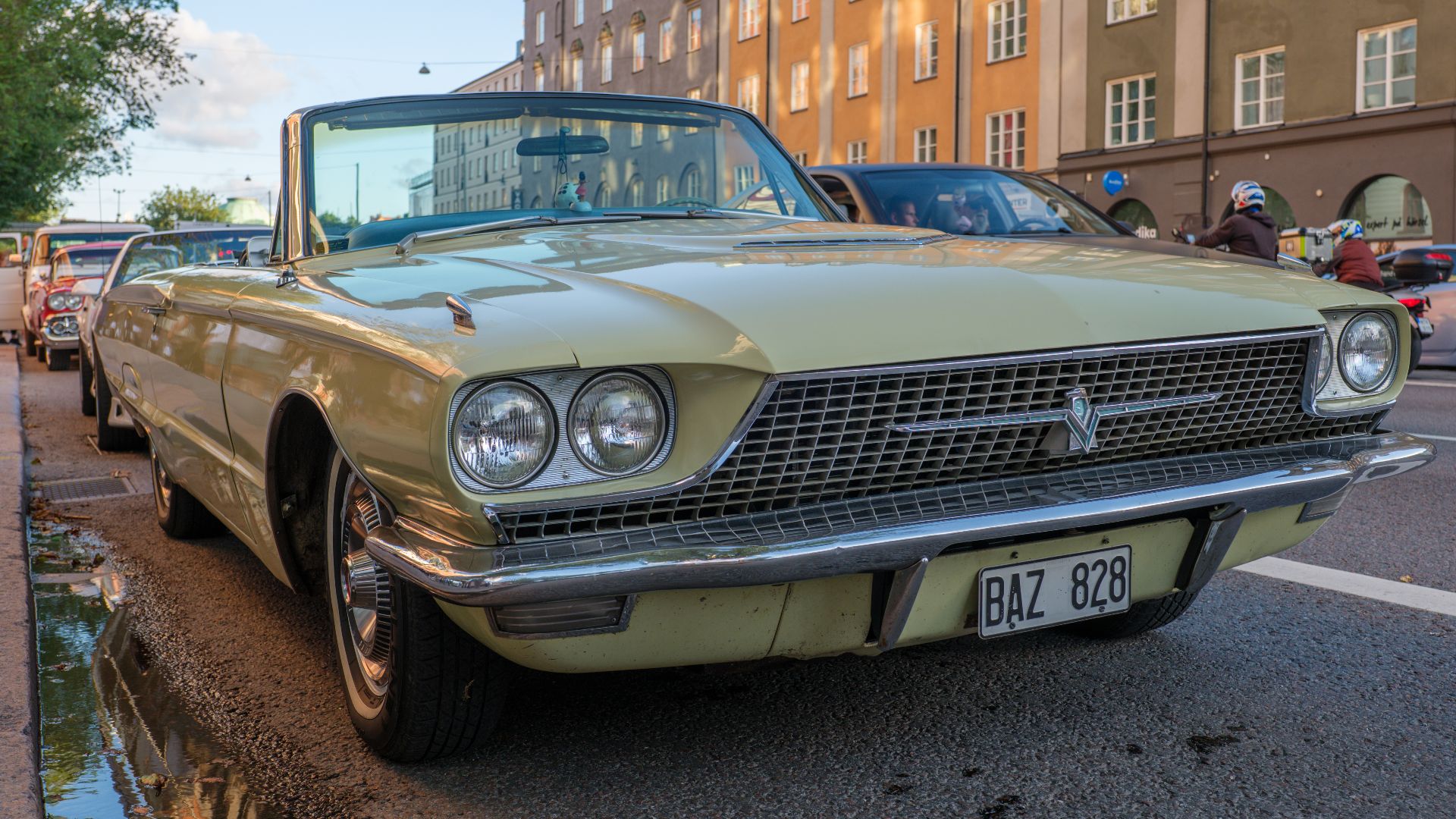
A Collector Favorite
Nearly seventy years after its debut, the first-generation Thunderbird remains one of America's most collectible classic cars. Well-restored examples continue attracting strong interest thanks to their beauty, historical significance, and enjoyable driving experience.
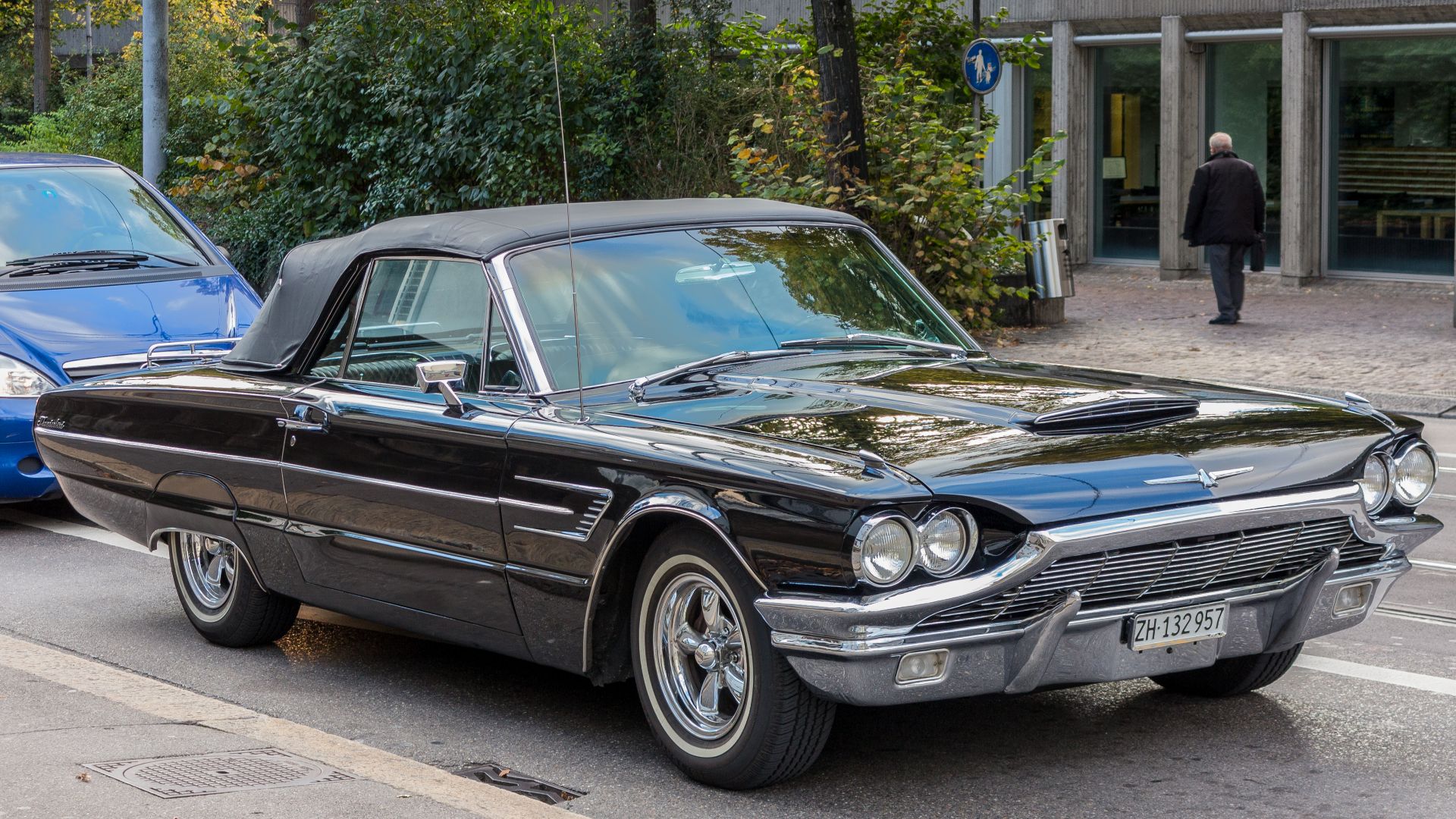 JoachimKohler-HB, Wikimedia Commons
More Than A Classic
The original Thunderbird represents far more than an attractive collector car. It demonstrated that buyers valued comfort, prestige, and style just as much as outright performance, permanently changing how American manufacturers approached specialty automobiles.
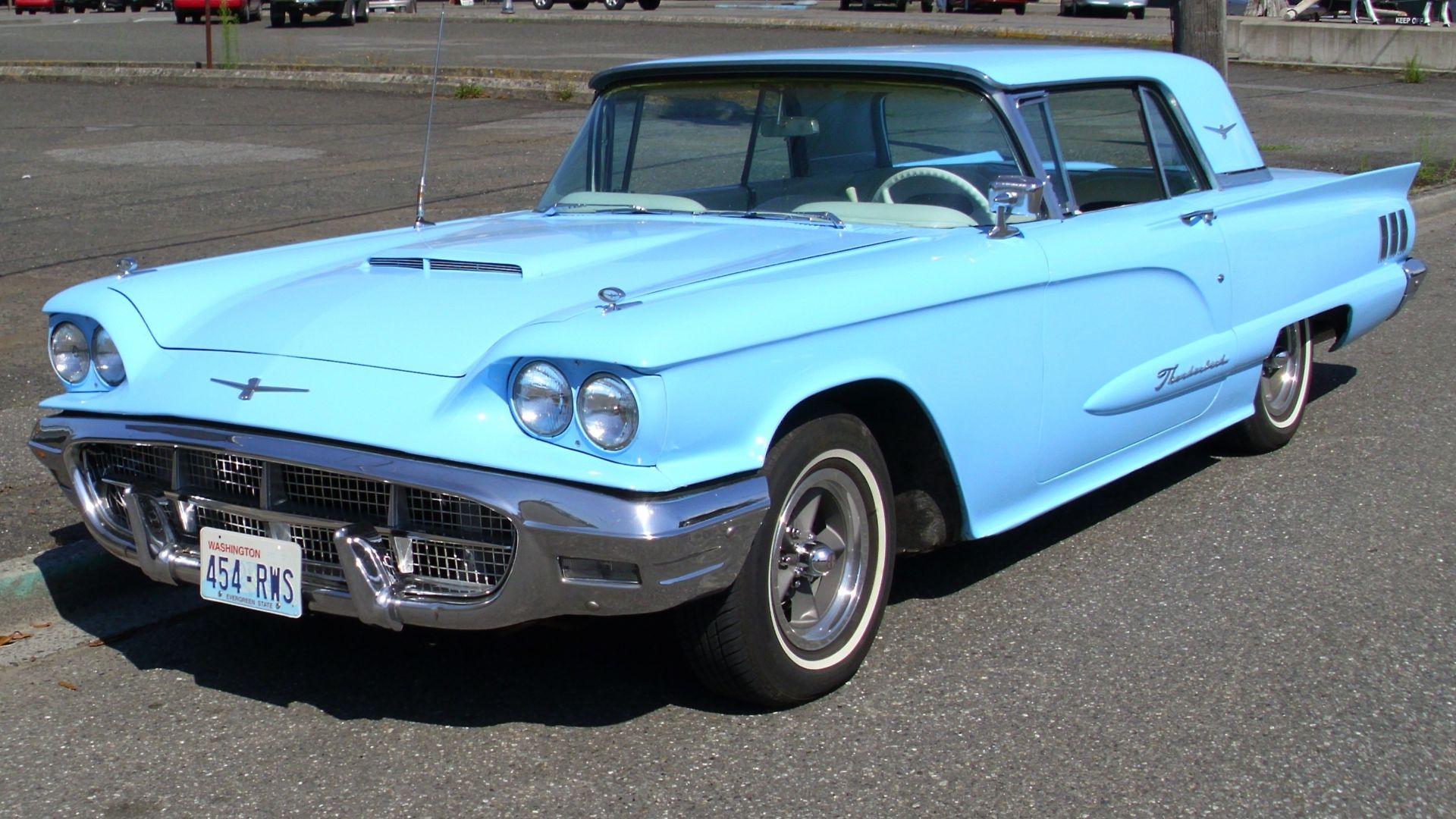 JOHN LLOYD from Concrete, Washington, United States, Wikimedia Commons
Its Greatest Achievement
The Thunderbird didn't simply compete with existing sports cars—it created an entirely new category that countless manufacturers would later emulate. By redefining what a stylish American automobile could be, Ford fundamentally altered the direction of the industry.
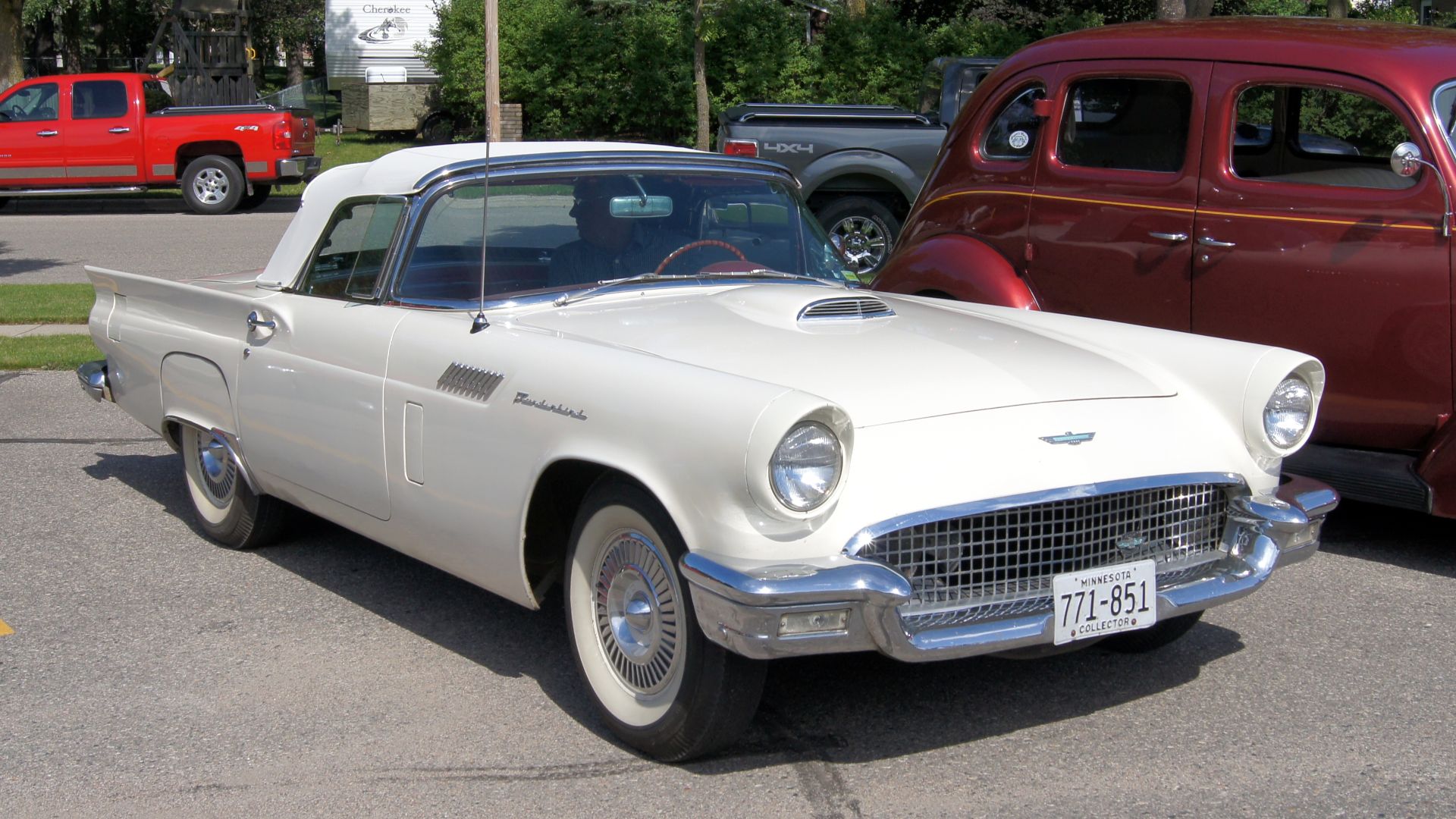 Greg Gjerdingen from Willmar, USA, Wikimedia Commons
A Legacy That Still Endures
Although the Thunderbird evolved dramatically over eleven generations before production ended in 2005, every version traced its roots to the revolutionary 1955 original. More than any single feature or styling cue, the first Thunderbird's greatest legacy was proving that luxury and performance could coexist in one unforgettable American car.
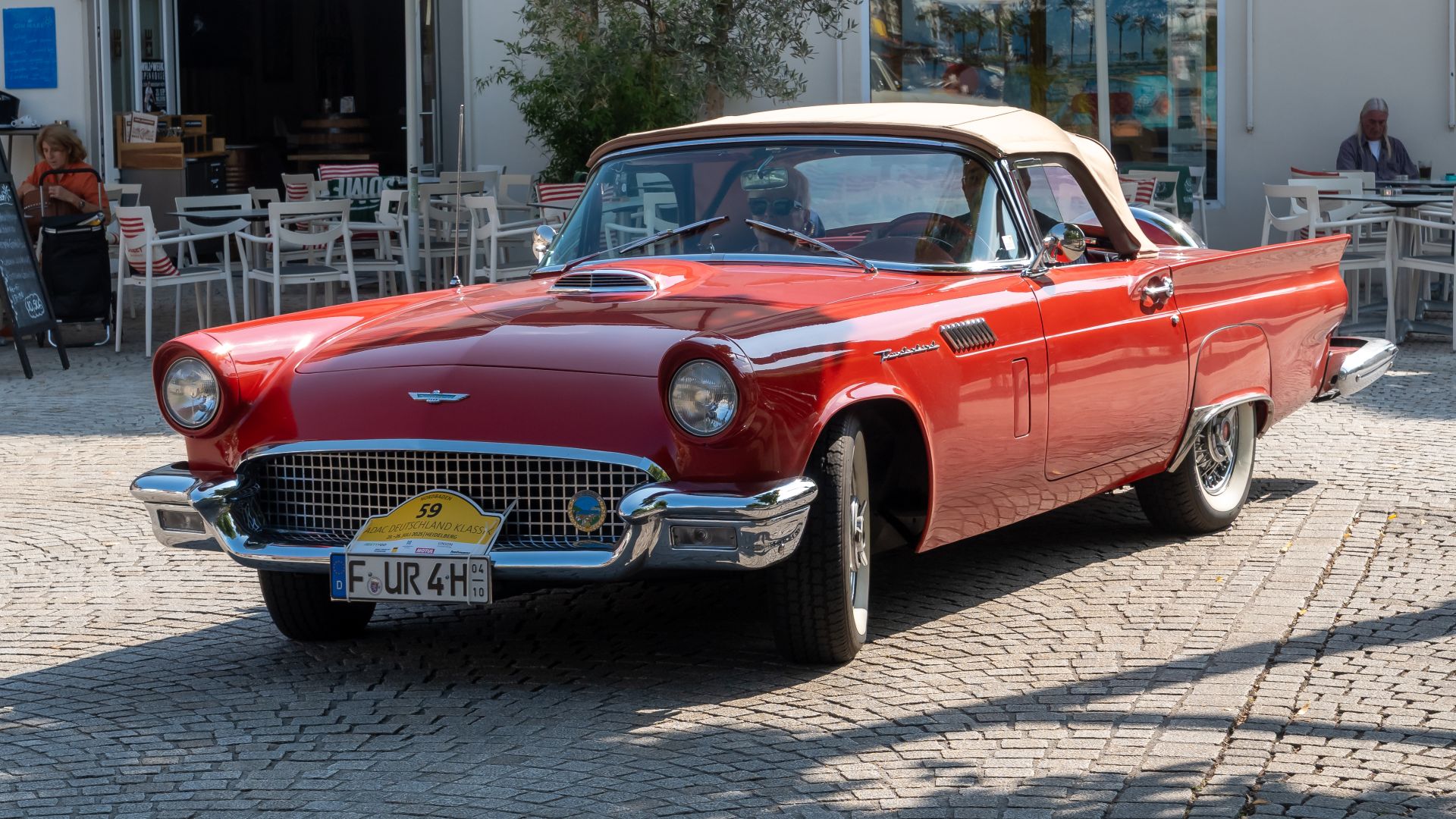 Matti Blume, Wikimedia Commons
You May Also Like:
The DeSoto Adventurer: A Forgotten Powerhouse Of The ’50s
Anyone Remember These Classic Celebrity Cars From The 1950s?