The Size Is Only Part Of The Story
You checked the sidewalls, and the numbers on the new tires match the old ones exactly. Yet your vehicle is suddenly using more fuel, or perhaps traveling slightly farther on every tank. Tire size matters, but it does not reveal how much energy a tire needs to roll down the road.

Start With Rolling Resistance
A tire continuously bends as it enters and leaves the contact patch against the road. Some of the energy used during that deformation is converted into heat instead of helping the vehicle move. The engine must replace that lost energy, which is why rolling resistance affects fuel consumption.
Matching Numbers Can Hide Major Differences
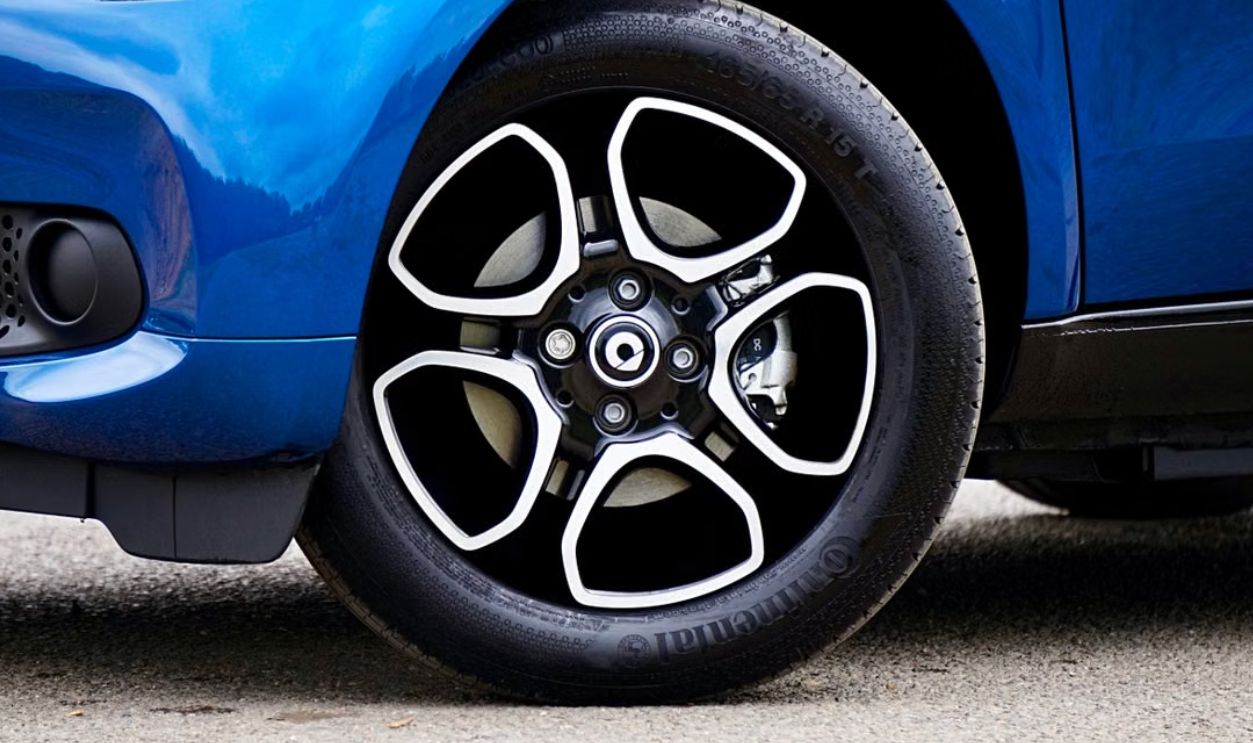
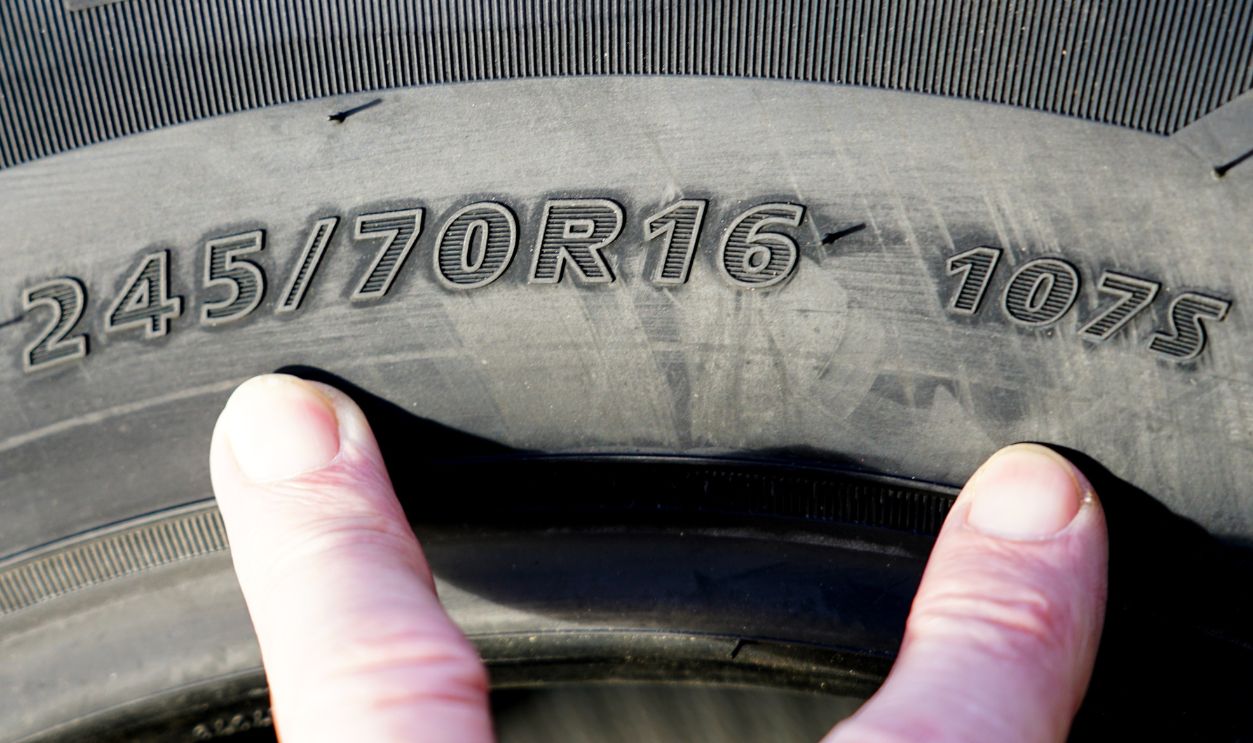
The size printed on a tire describes its nominal width, aspect ratio, construction type, and wheel diameter. It does not tell you the tire’s rubber compound, internal construction, tread pattern, stiffness, or rolling resistance. Two tires with identical size markings can therefore behave very differently.
 Zigmunds Dizgalvis, Shutterstock
The Rubber Compound Matters
Manufacturers use different combinations of rubber, silica, carbon black, polymers, and other materials. These formulas influence how much energy the tire loses as it flexes. A compound designed for low rolling resistance may require less energy than one developed primarily for grip, durability, or rugged terrain.
Your Old Tires Had Less Tread
The tires you removed were probably significantly worn. Their tread blocks were shorter, lighter, and less flexible than those on the new set. Replacing worn tires with full-depth tread can temporarily increase rolling resistance, even when the new tires are the same model and size.

New Tread Blocks Move More
Tall, fresh tread blocks can flex and shift slightly as they contact the pavement. That movement consumes energy and can make steering feel different during the first part of the tire’s life. As tread depth gradually decreases, the tire’s rolling behavior may change as well.
Efficiency May Improve With Mileage
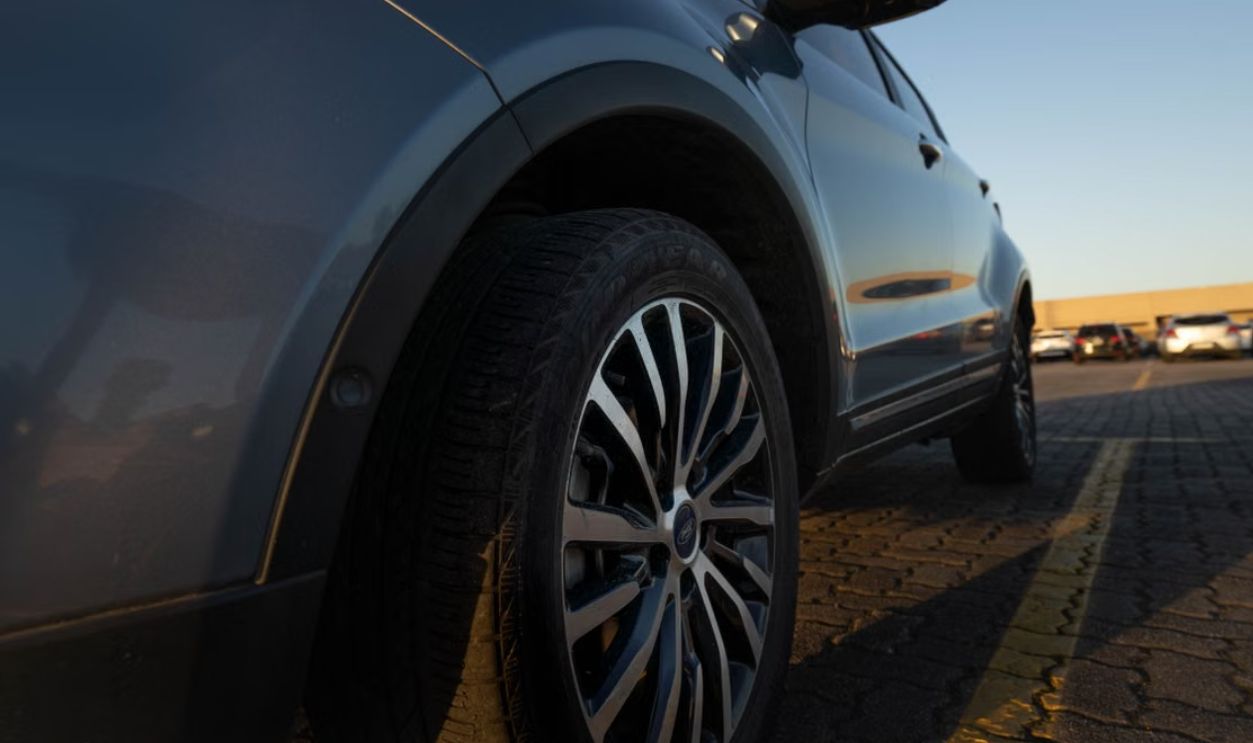
A small fuel economy decline immediately after installation does not always mean something is wrong. New tires can become somewhat more efficient as their tread wears and their rolling characteristics settle. However, they may never match the efficiency of the old tires if the replacement model has inherently higher rolling resistance.

Original Equipment Tires Can Be Special
Automakers often select original equipment tires to meet specific targets for efficiency, noise, comfort, handling, and braking. A replacement tire with the same brand, model family, and size may not necessarily have the same vehicle-specific specification. Small construction changes can affect how efficiently it rolls.
Look For The OE Marking
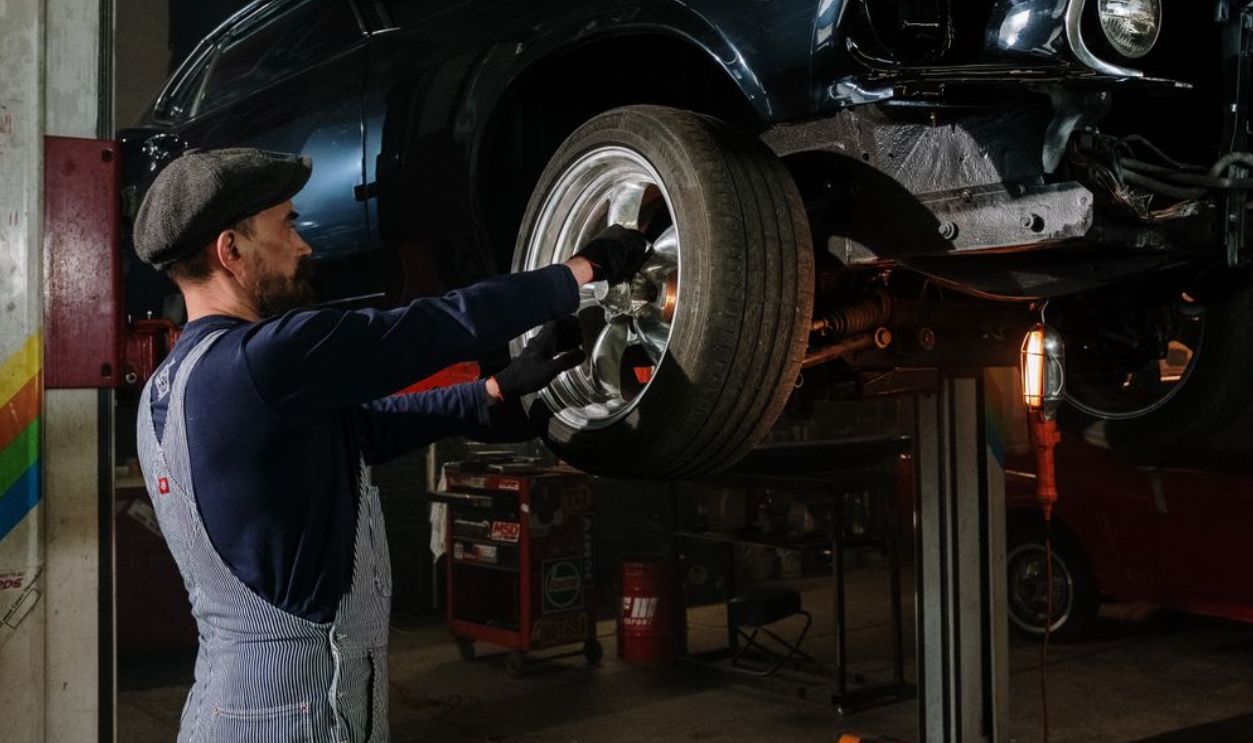
Some original equipment tires carry a manufacturer-specific symbol or code on the sidewall. That marking can indicate that the tire was developed or approved for a particular vehicle brand. A visually similar replacement without that code may use a different compound or internal design.

Tire Categories Have Different Priorities
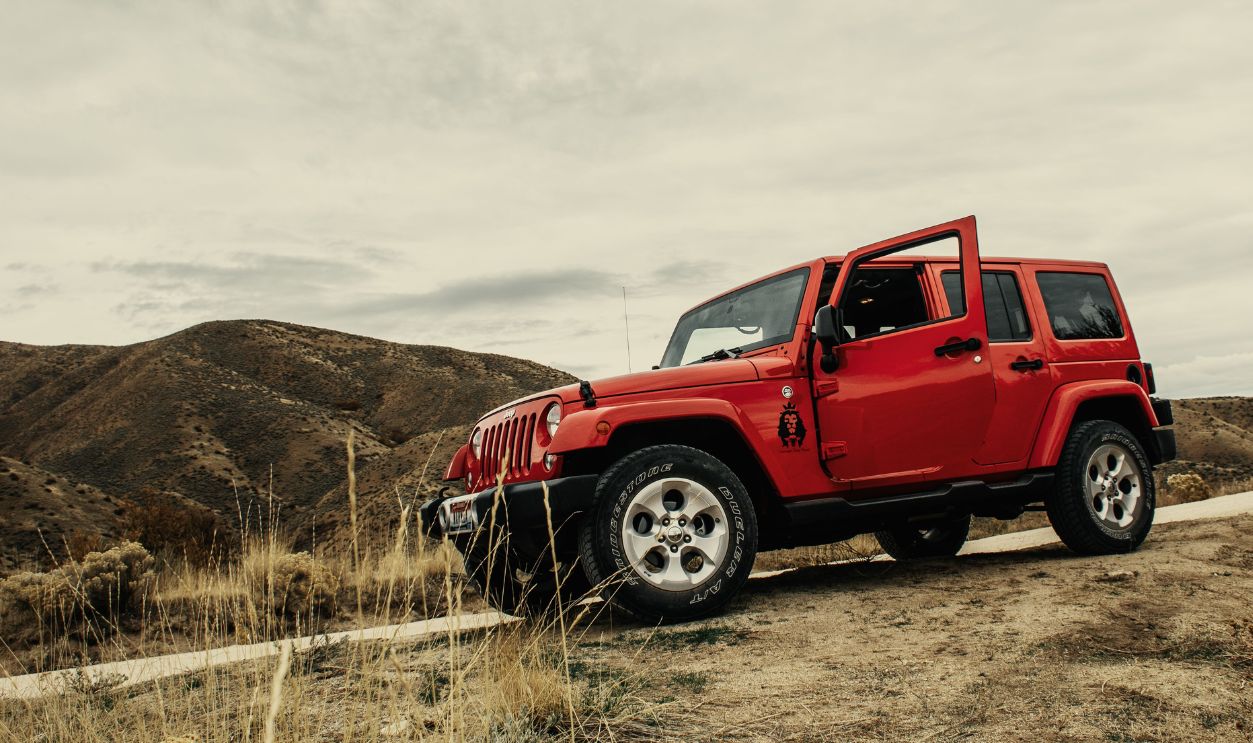
Touring, performance, winter, all-terrain, and fuel-efficient tires are designed for different jobs. A performance tire may emphasize cornering response and grip, while an all-terrain tire may prioritize durability and traction on loose surfaces. Those priorities can require additional energy compared with a tire designed around low rolling resistance.
Tread Patterns Affect The Result
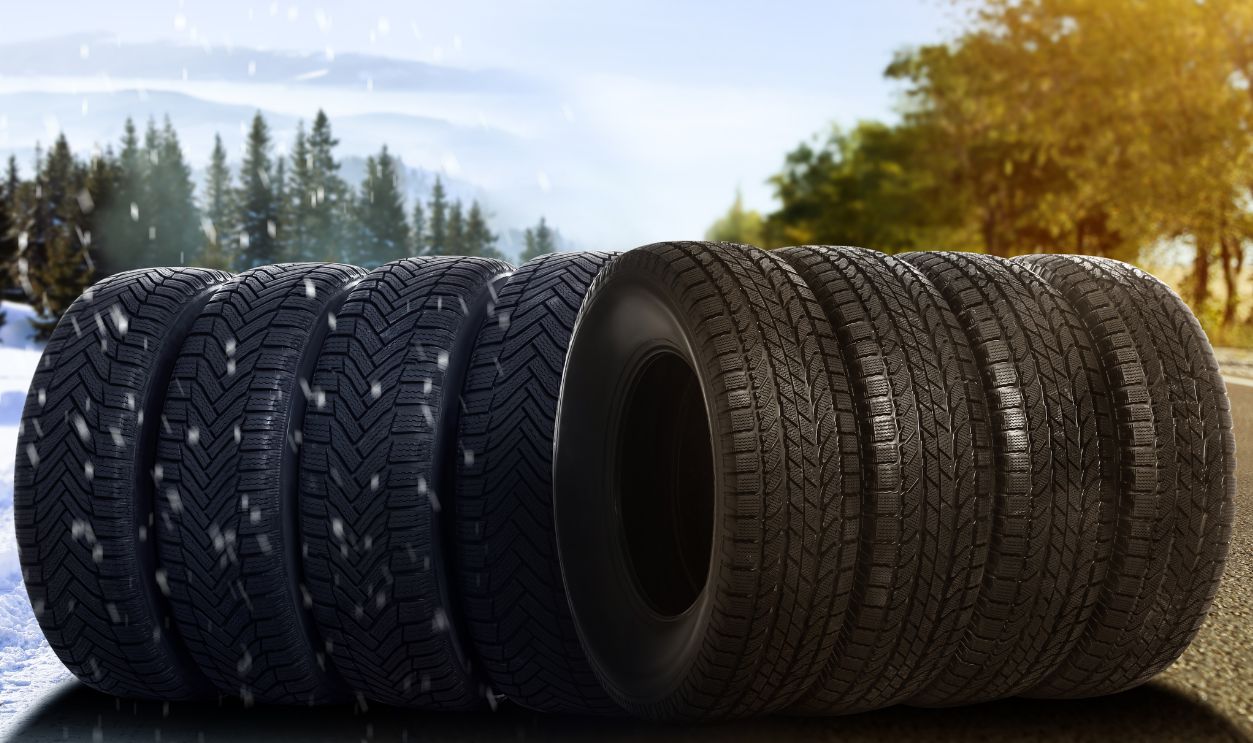
The arrangement of grooves, sipes, ribs, and tread blocks influences how a tire contacts the road. Aggressive tread patterns can increase deformation and energy loss compared with smoother, efficiency-focused designs. The tread can therefore change fuel consumption without changing the tire’s labeled size.
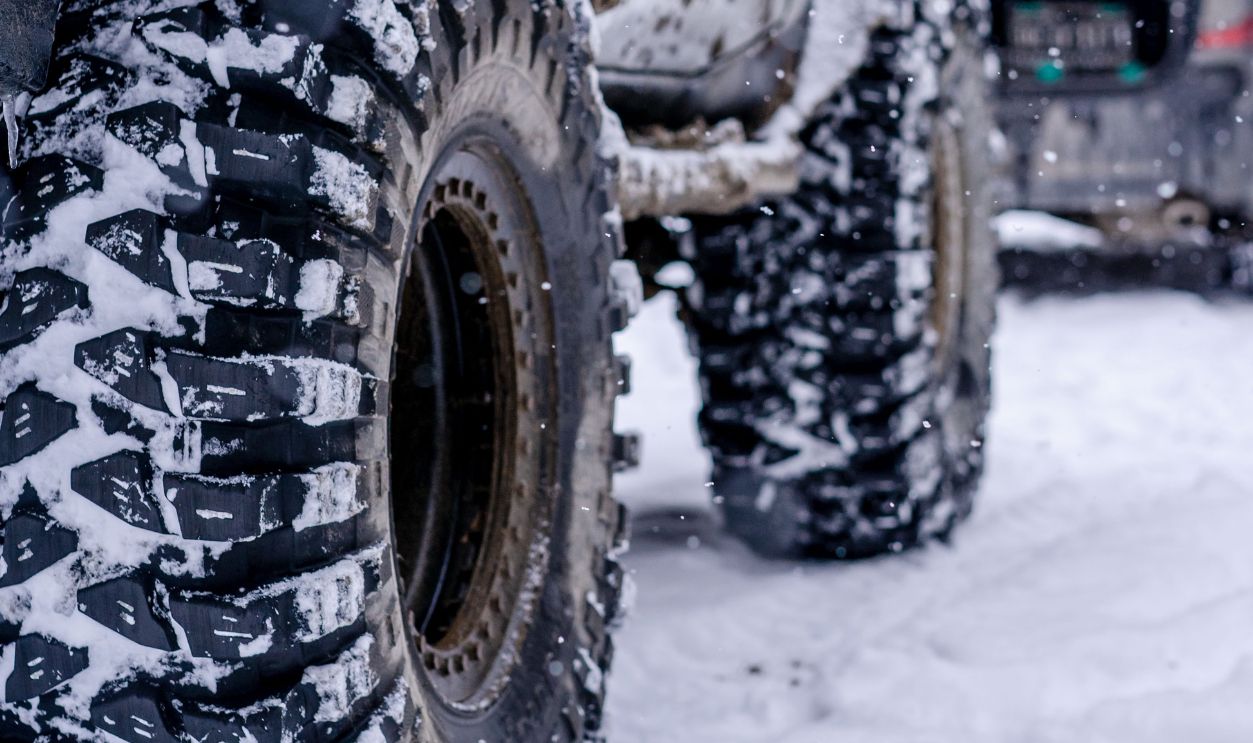
Winter Tires Often Use More Energy
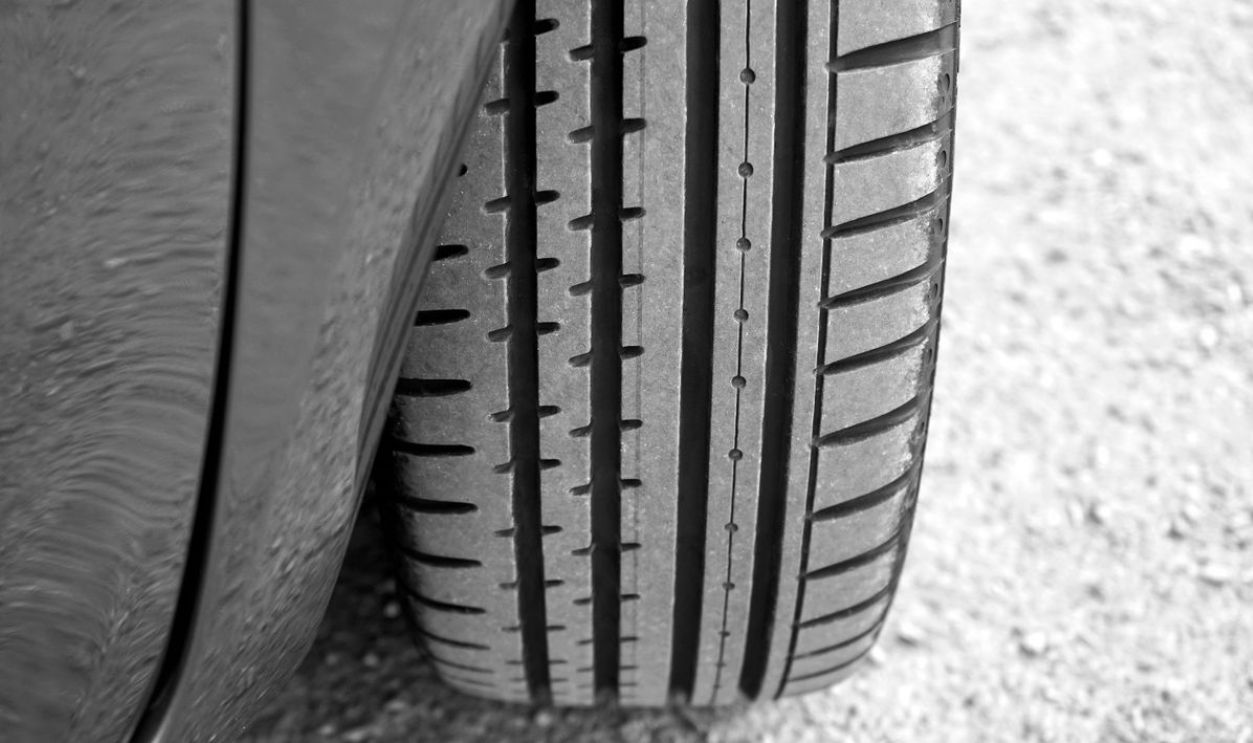
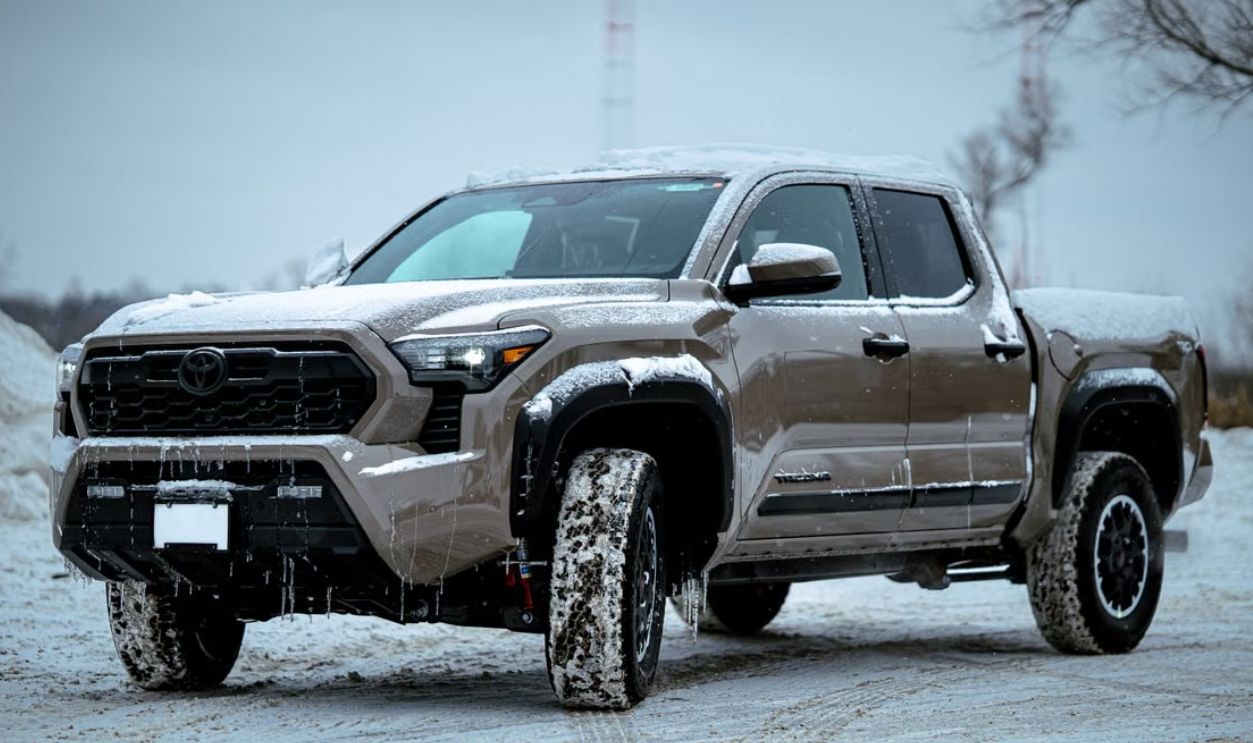
Winter tires generally use flexible compounds and heavily siped tread patterns to maintain traction in cold, snowy conditions. Those features can produce more rolling resistance than some all-season or efficiency-focused tires. Cold weather also lowers tire pressure and affects the vehicle in several other ways, making seasonal comparisons especially difficult.
Low-Rolling-Resistance Tires Work Differently
Fuel-efficient tires use specialized compounds, tread designs, profiles, and construction methods intended to reduce energy loss. That does not mean every low-rolling-resistance tire will produce a dramatic improvement in everyday driving. It does mean two same-size products can have measurably different efficiency characteristics.
 Mr.choppers, Wikimedia Commons
A Small Difference Can Be Real
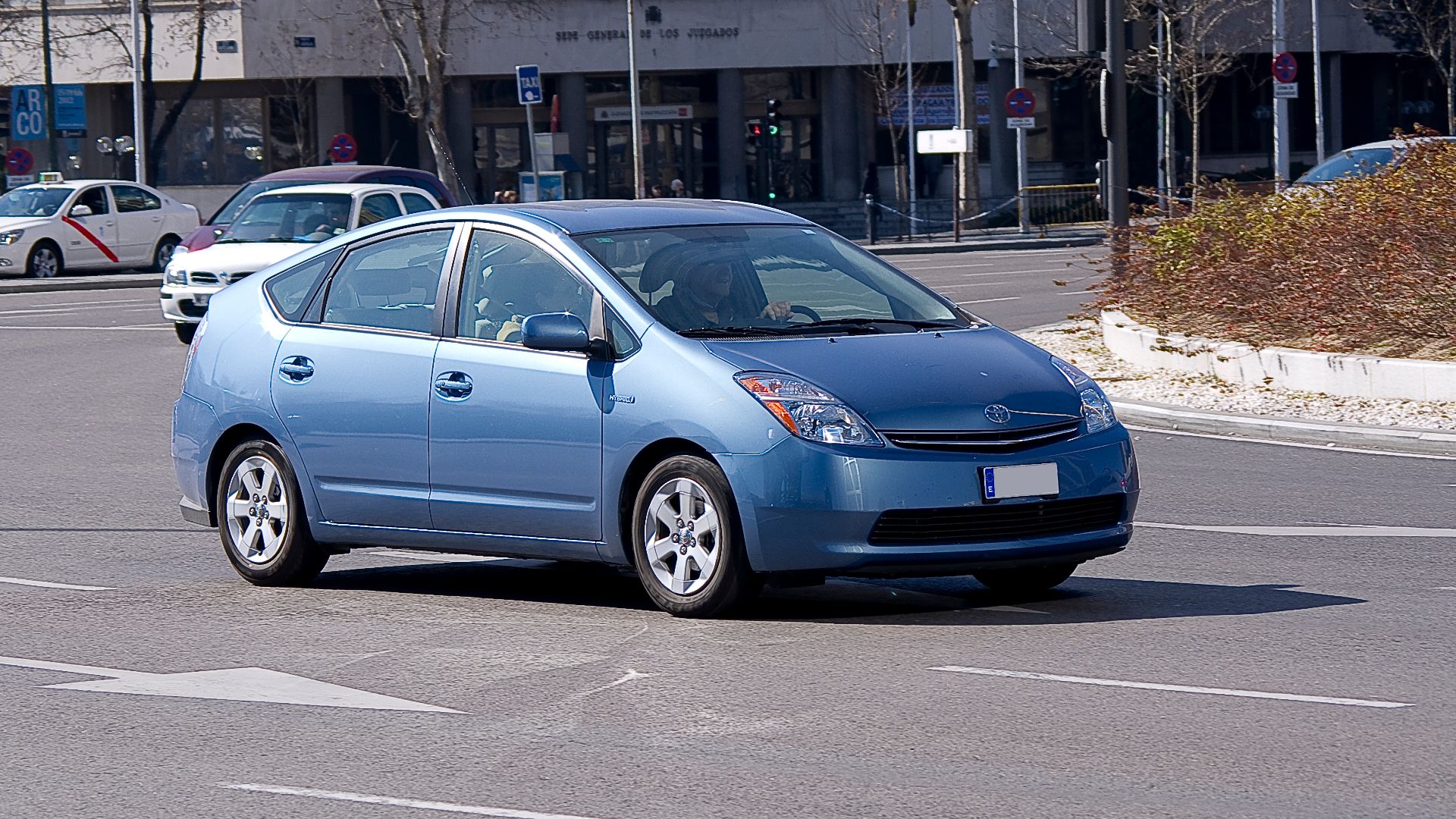
The National Highway Traffic Safety Administration estimates that reducing tire rolling resistance by 10 percent can improve vehicle fuel economy by roughly 1 to 2 percent. That may not sound dramatic, but it can appear clearly in long-term fuel records. Larger differences between tire types can create more noticeable changes.
 Spanish Coches, Wikimedia Commons
Tire Pressure Deserves An Immediate Check
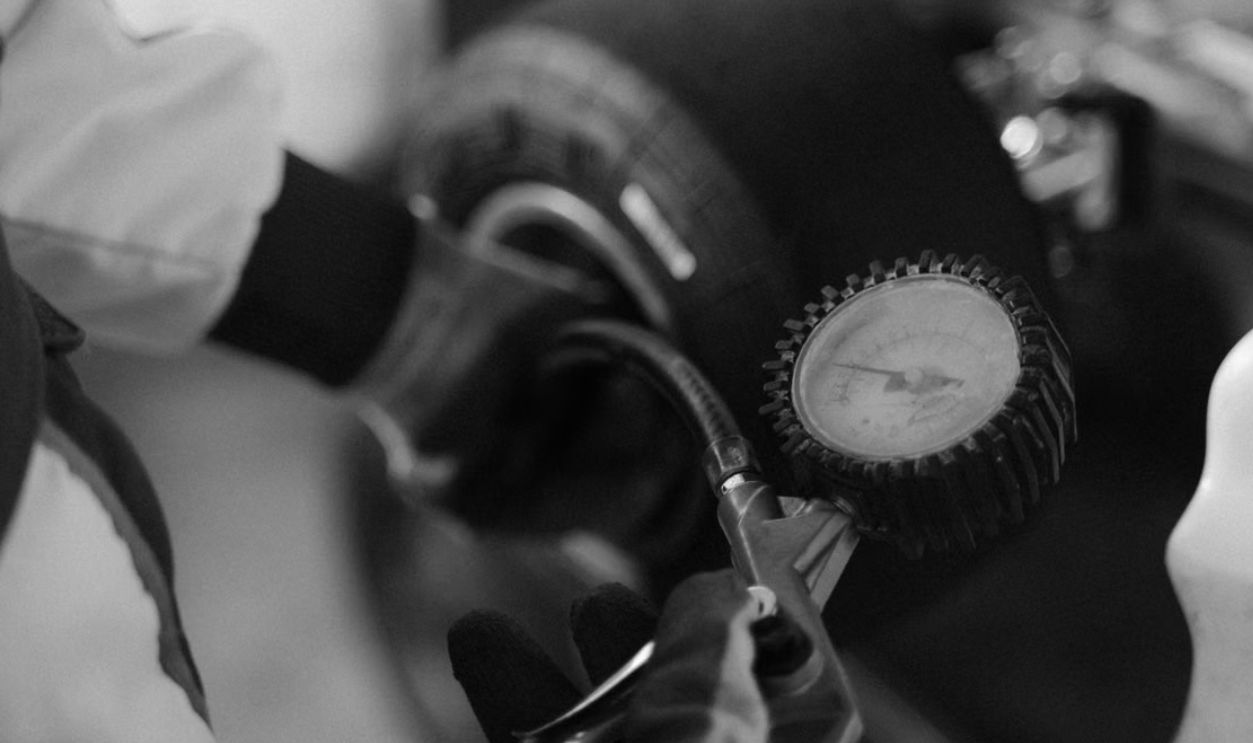
New tires may have been installed at a pressure that differs from the vehicle manufacturer’s recommendation. Underinflation increases rolling resistance because the tire flexes more as it rolls. Even a few pounds per square inch can affect efficiency across all four tires.
Use The Door-Jamb Recommendation
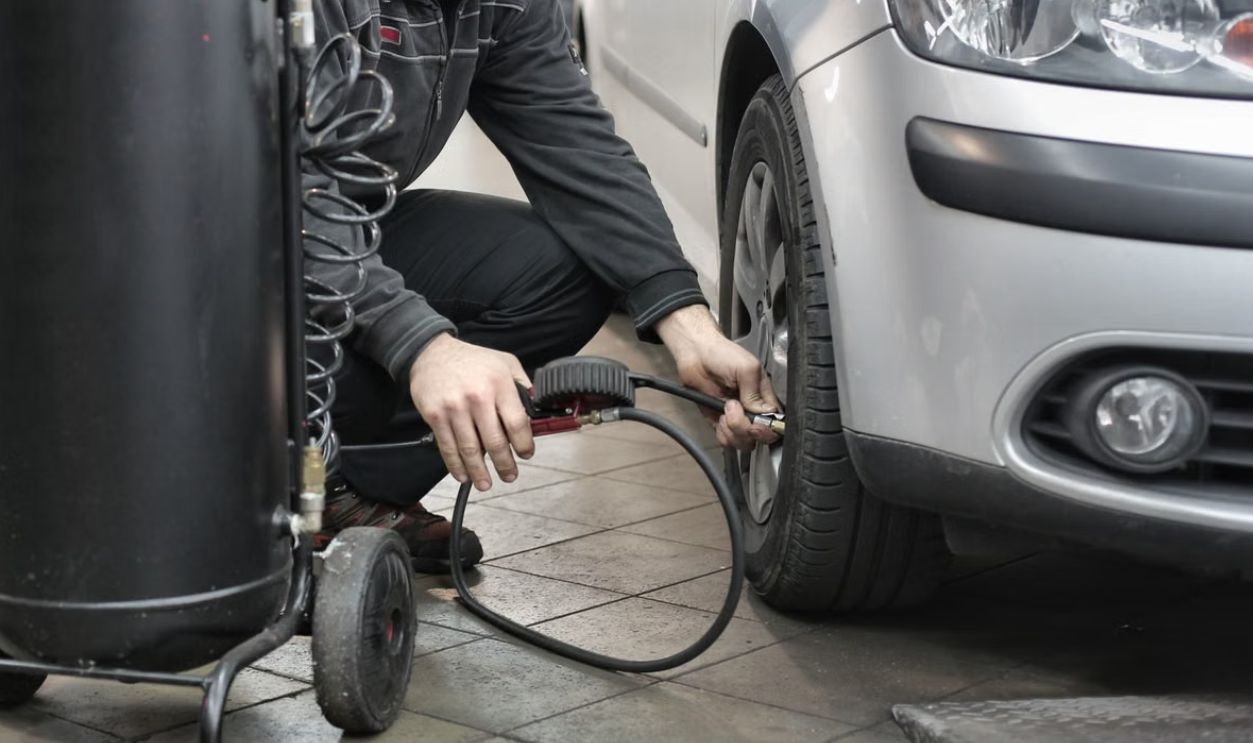
The correct everyday pressure is normally listed on the vehicle information label inside the driver’s door area or in the owner’s manual. The maximum pressure printed on the tire sidewall is not the normal target for your vehicle. Check the tires when they are cold and adjust them to the automaker’s specification.
Installation Pressure Can Be Misleading
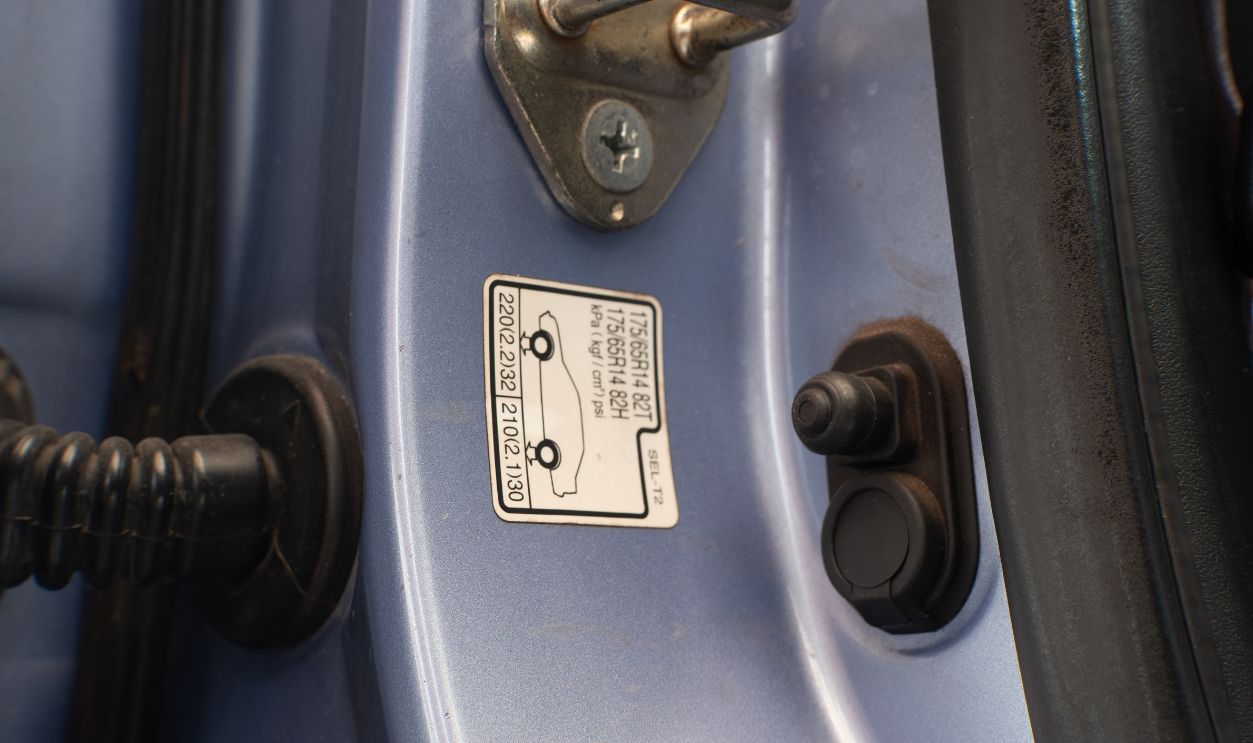
Tire shops sometimes inflate tires before the vehicle leaves the service bay, when the tires or surrounding air may be warm. Pressure readings can change after the vehicle sits outside and the tires cool. Rechecking them the following morning provides a more useful cold-pressure measurement.
Weather May Be The Real Culprit
Many drivers replace tires when the seasons are changing. Falling temperatures reduce tire pressure, while cold engines, winter fuel blends, denser air, and increased heater use can also reduce fuel economy. The timing can make the tires appear solely responsible for a change that has several causes.

Actual Dimensions Can Vary Slightly
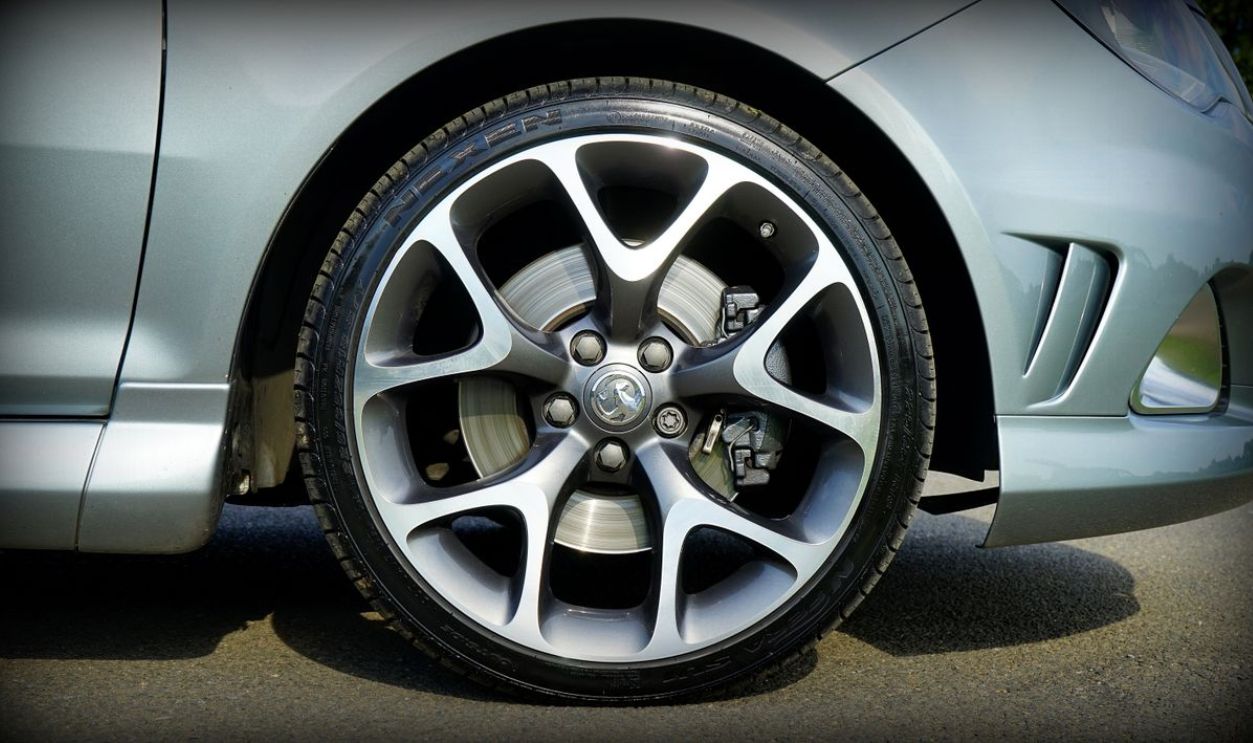
Tire sizing is standardized, but the numbers on the sidewall are still nominal designations. Different models can have slightly different measured widths, diameters, and rolling circumferences while sharing the same labeled size. Those differences can subtly alter gearing, rolling behavior, and the distance calculated by the vehicle.
Your Mileage Reading Could Shift
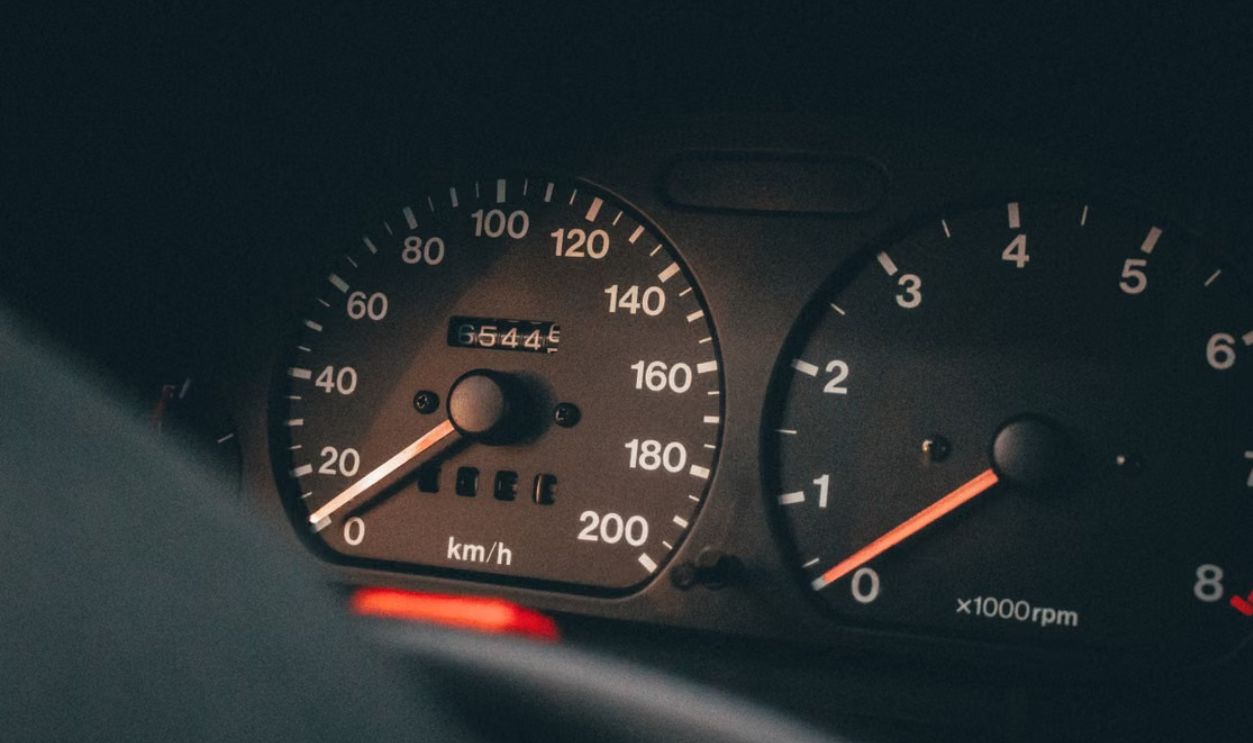
The speedometer and odometer estimate movement partly from wheel rotation. If the new tire’s actual rolling circumference differs from the old worn tire, each revolution may cover a slightly different distance. That can make the displayed fuel economy change even when the true change is somewhat smaller.
New Tires Are Usually Heavier
A new tire contains considerably more tread rubber than a worn-out tire. Some replacement models also use heavier casings, reinforced sidewalls, or higher load ratings. Additional rotating mass requires more energy during acceleration, although rolling resistance usually remains the more important tire-related factor during steady driving.

Load Ratings Can Change Construction
Two tires may share the same basic dimensions while carrying different load indexes or service descriptions. A tire designed to support more weight may use a different casing or reinforcement package. Always meet or exceed the vehicle manufacturer’s required load capacity rather than choosing solely by the size numbers.
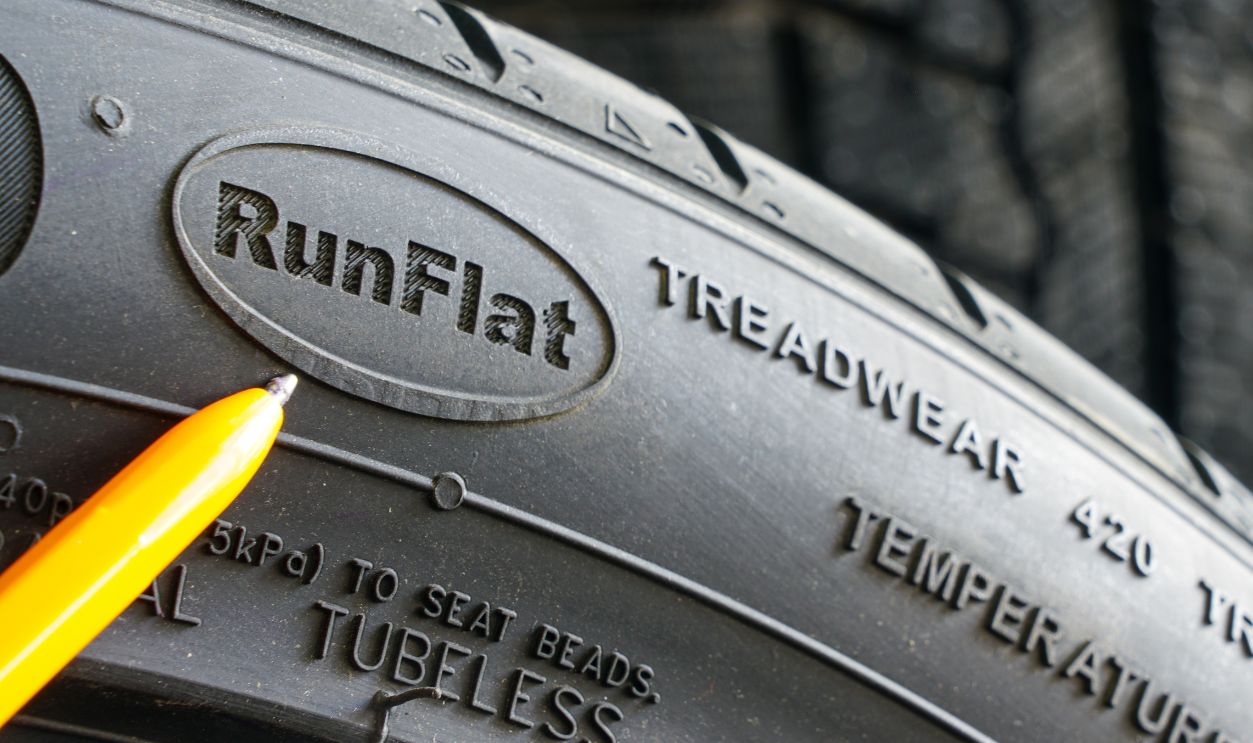
Run-Flats Can Feel Different Too
Run-flat tires use reinforced construction that allows limited driving after pressure loss. Their structure and weight can differ from conventional tires of the same labeled size. Switching between run-flat and standard designs may therefore affect ride quality, handling, and energy use.
 Zigmunds Dizgalvis, Shutterstock
Alignment Could Be Adding Resistance
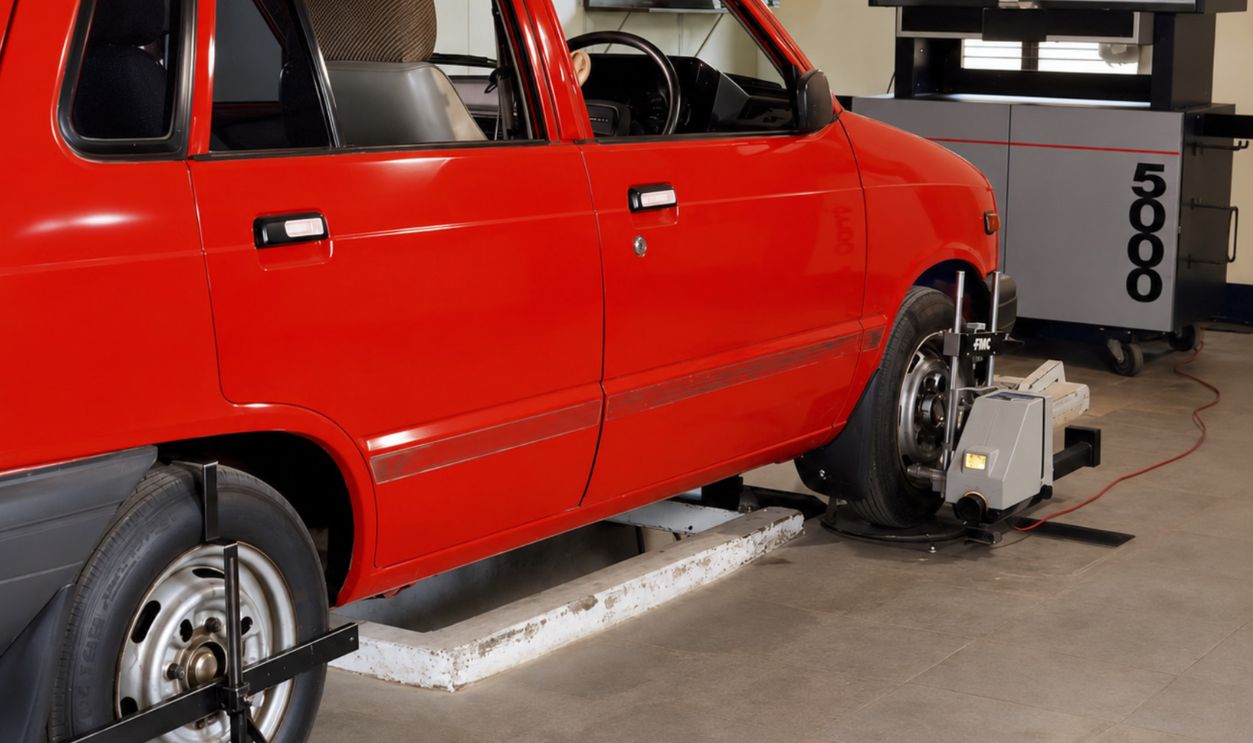
A tire change does not automatically alter wheel alignment, but uneven wear on the old set may have been warning you about an existing problem. Incorrect alignment can cause the tires to scrub against the road rather than roll cleanly. Ask for an inspection if the steering wheel is off-center, the car pulls, or the new tires begin wearing unevenly.
Do Not Judge One Tank
Fuel economy can move noticeably because of traffic, trip length, speed, wind, temperature, idling, fuel formulation, and driving style. A single tank rarely provides enough information to isolate a tire-related change. Compare several tanks driven over similar routes and conditions before drawing a conclusion.

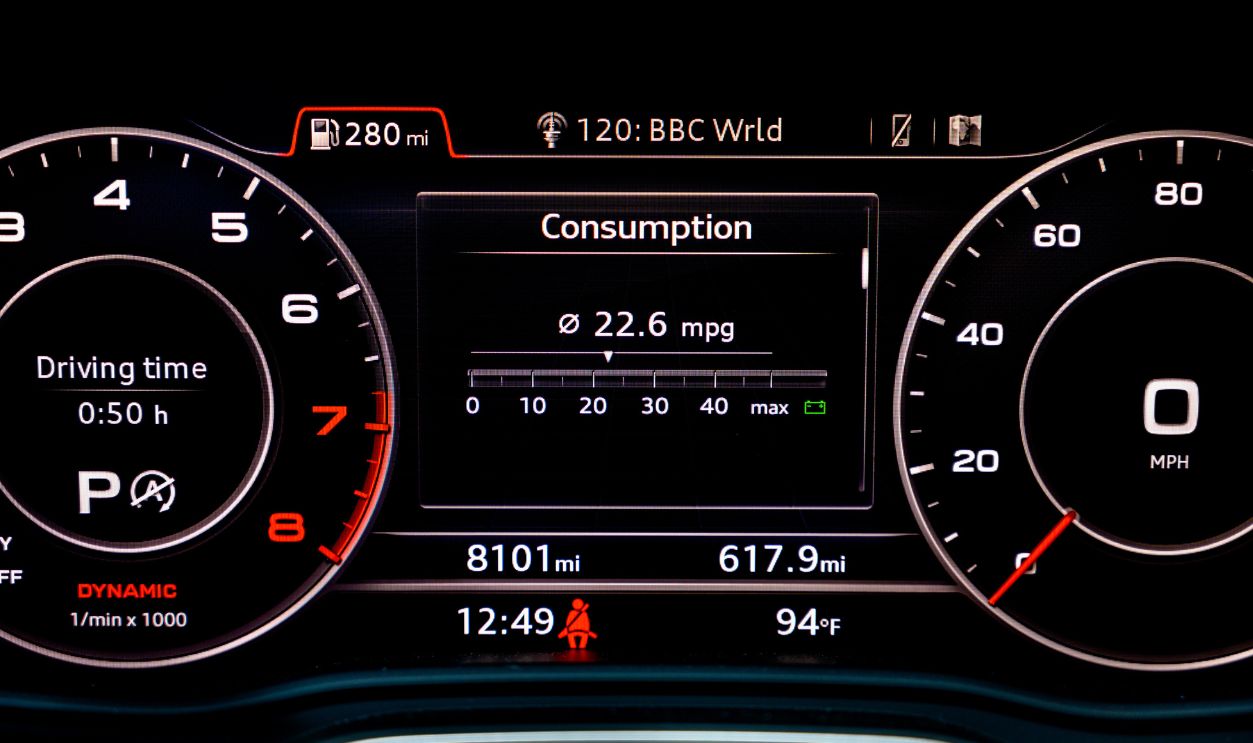
The Dashboard Is Not Perfect
A vehicle’s fuel economy display is useful for spotting trends, but it is not a laboratory instrument. Changes in tire circumference, trip conditions, and onboard calculations can influence what you see. Recording fuel added and distance traveled over multiple fill-ups provides a stronger comparison.
Compare The Exact Tire Specifications
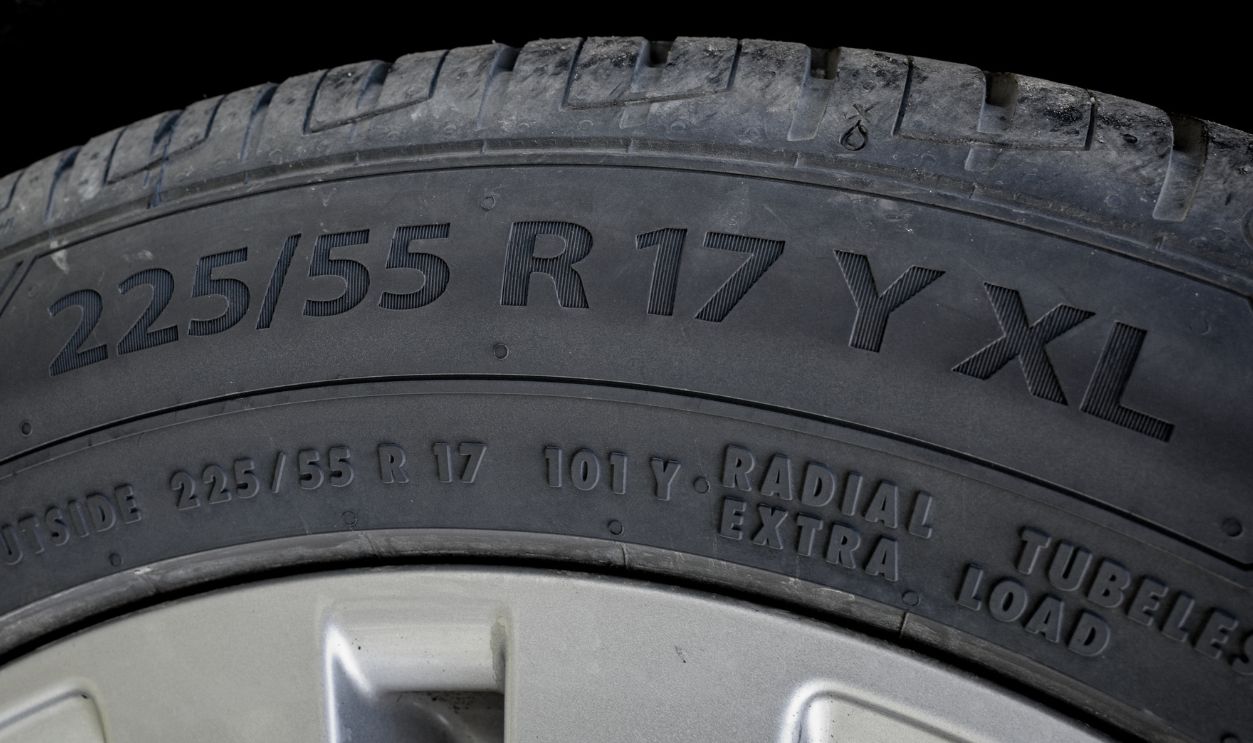
Look up the complete model name, load index, speed rating, service description, OE marking, and manufacturer specifications. Do not rely only on a size such as 225/55R17. Product information may also identify tires designed specifically for lower rolling resistance or fuel-efficient vehicles.
Know When To Return To The Shop
A modest change after fitting a different tire model can be normal. A sudden, severe decline deserves attention, especially if it comes with pulling, vibration, unusual noise, excessive heat, a warning light, or visibly low pressure. Have the pressure, installation, brakes, alignment, and tire specifications checked rather than assuming every loss is an unavoidable feature of new rubber.
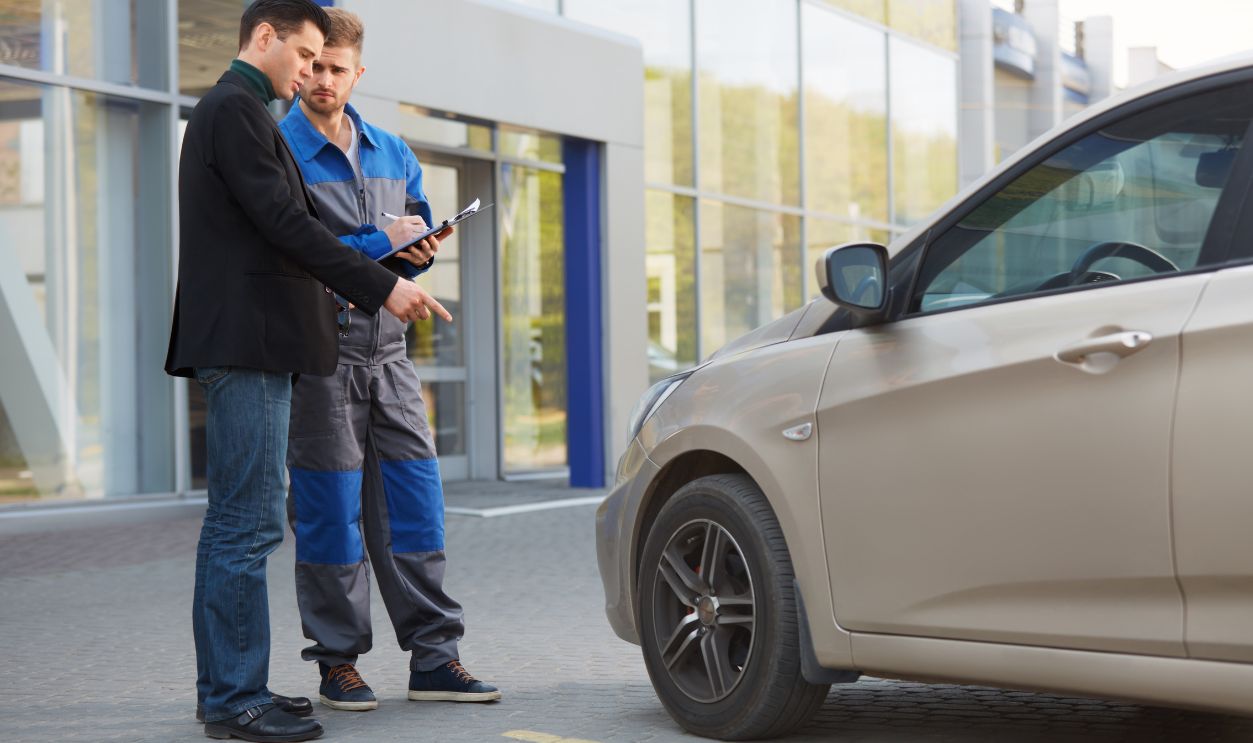
Same Size Does Not Mean Same Efficiency
Your replacement tires can fit perfectly while requiring more or less energy to roll. Tread depth, compound, construction, pressure, actual dimensions, weight, weather, and driving conditions can all influence the result. Checking the basics and measuring several comparable tanks will reveal whether you are seeing a temporary change or a lasting characteristic of the new tires.
You May Also Like:
Sources: 1, 2, 3, 4, 5, 6, 7, 8, 9, 10, 11, 12, 13, 14, 15, 16, 17