When Saving Gas Ends Up Costing You More
Everyone wants to squeeze a few extra miles out of a tank of gas, especially when prices keep climbing. Unfortunately, some supposedly clever fuel-saving tricks can actually make your car less efficient. From questionable driving habits to expensive products promising miraculous results, plenty of popular advice doesn't hold up under scrutiny. Here are 29 things that might be doing your gas mileage more harm than good.
 Rabizo Anatolii, Shutterstock Images
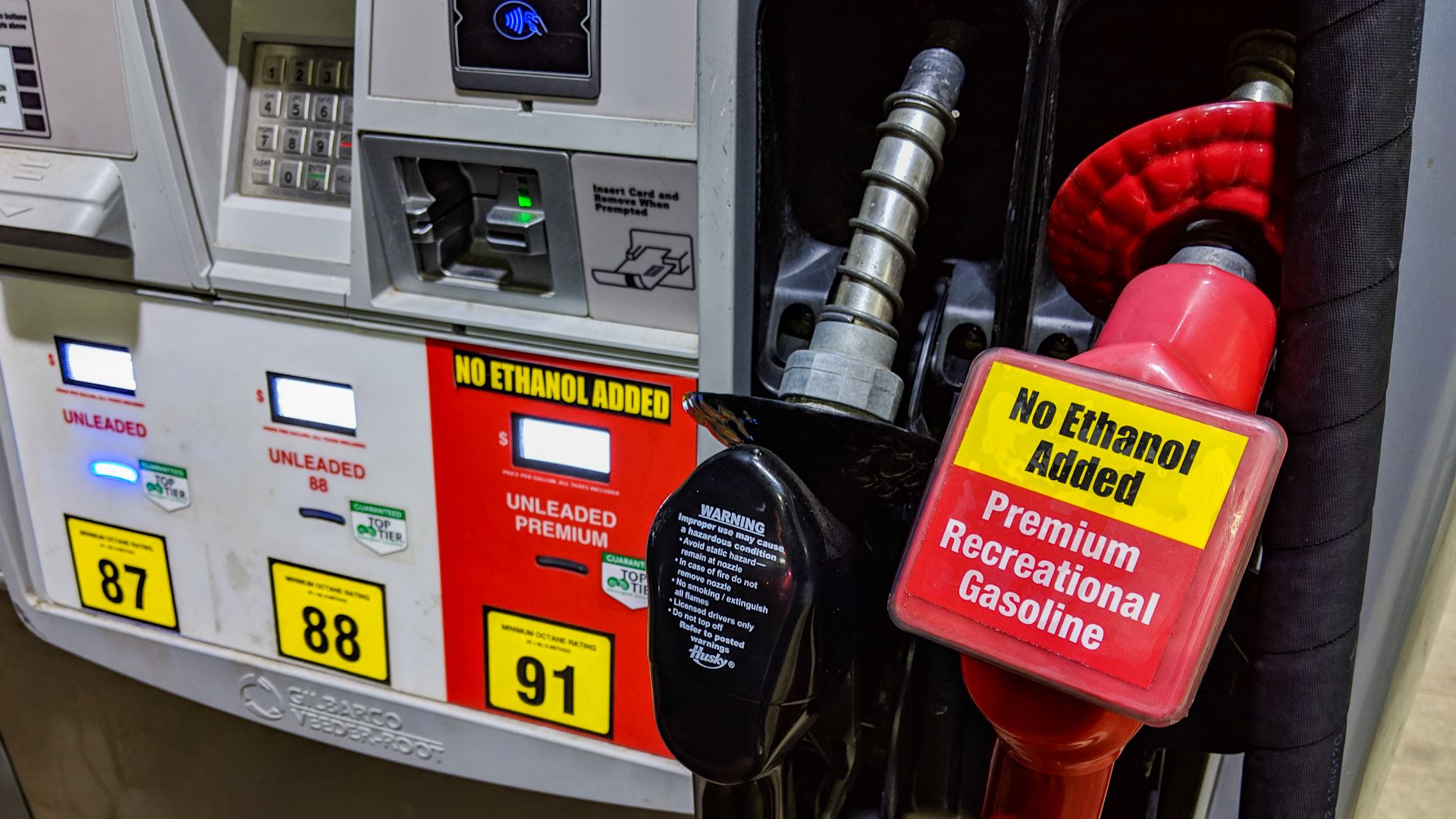
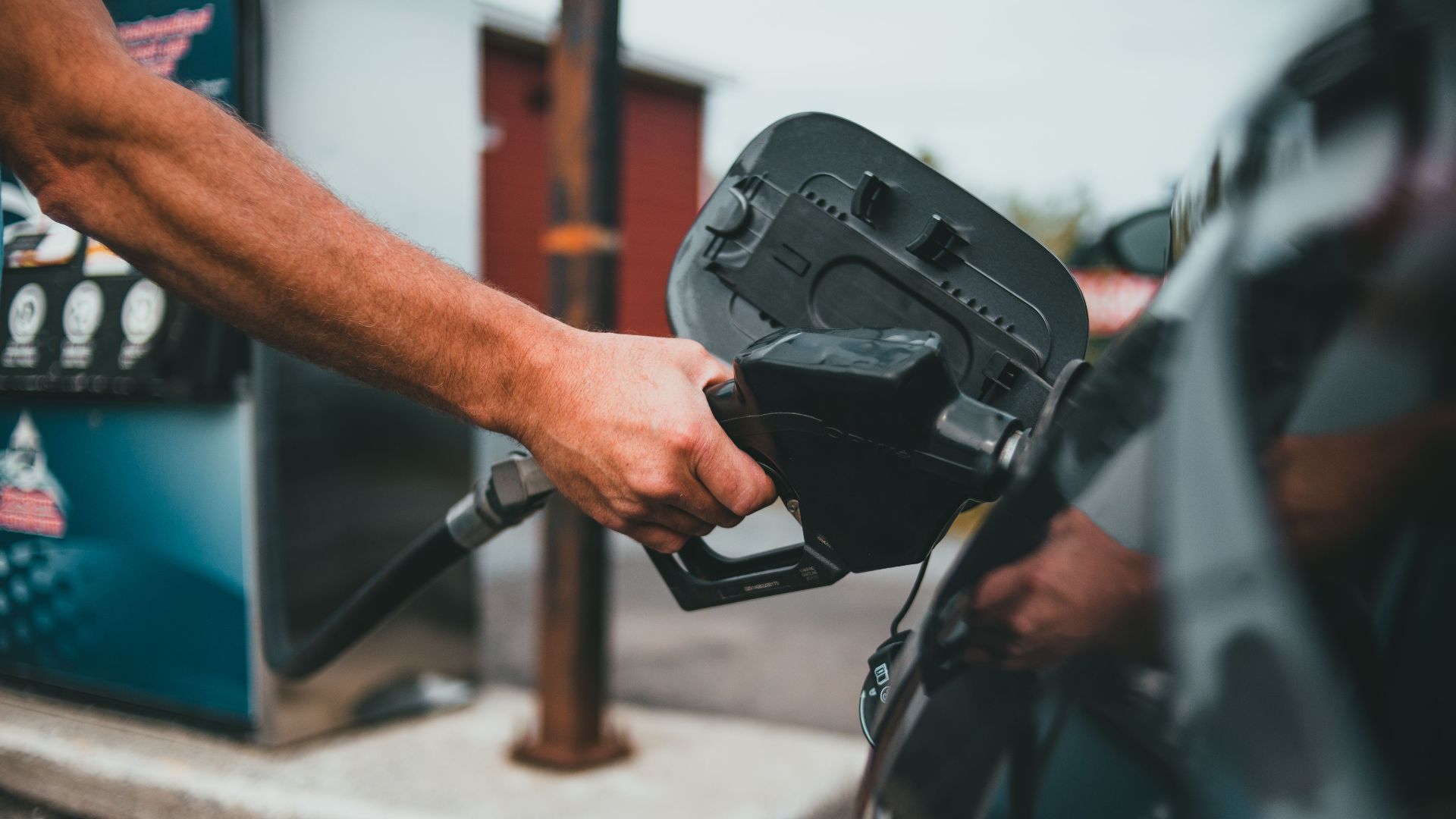
Filling Up With Premium Gasoline
Premium sounds better, but higher octane doesn't automatically mean better mileage. If your engine is designed for regular gasoline, premium generally provides no efficiency improvement. You're simply paying extra for the same journey.
 Tony Webster from Minneapolis, Minnesota, United States, Wikimedia Commons
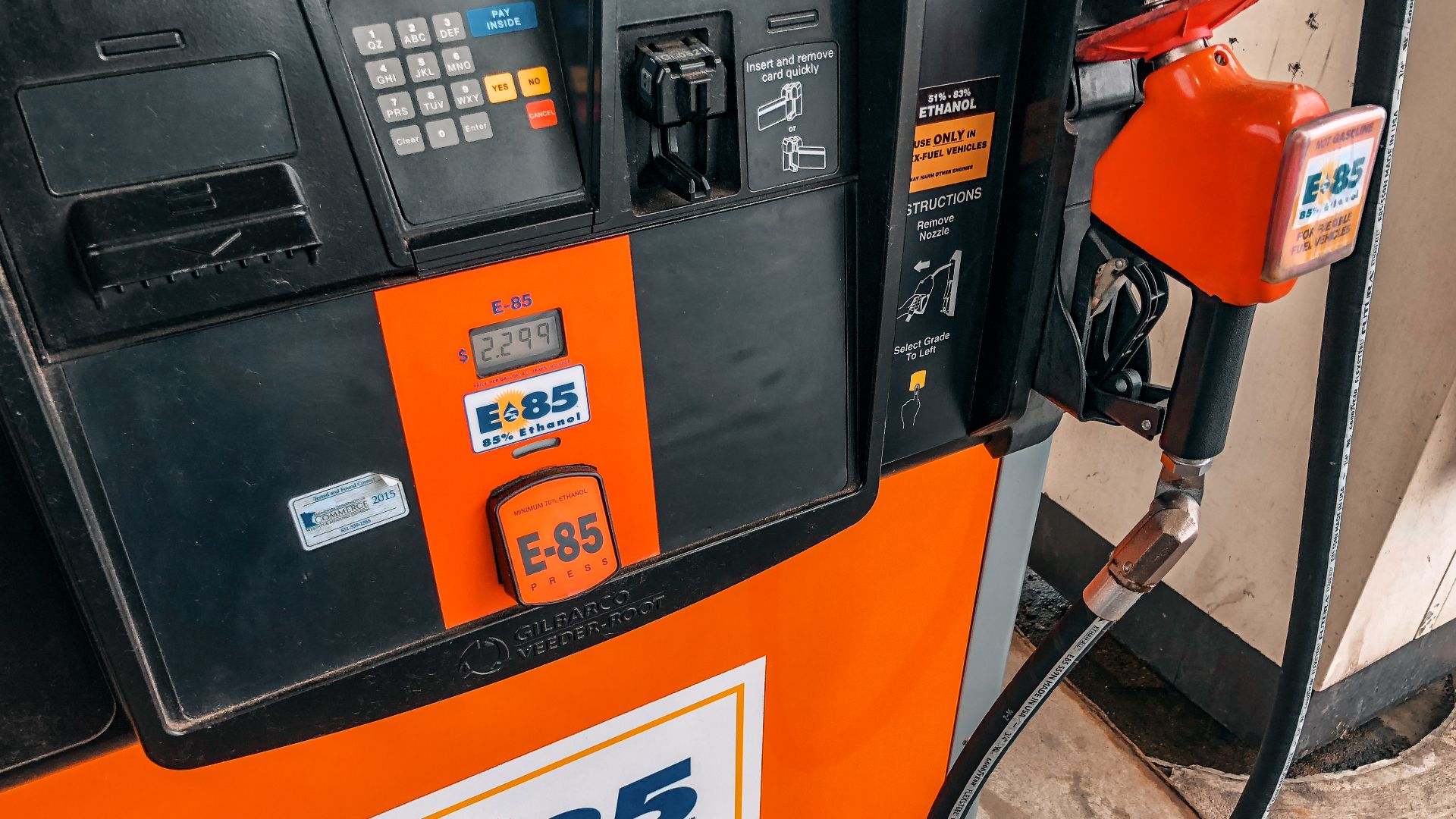
Choosing E85 Because It Has Higher Octane
E85 offers high octane, but ethanol contains less energy per gallon than gasoline. Even in compatible flex-fuel vehicles, switching to E85 generally reduces miles per gallon. A lower pump price doesn't guarantee lower driving costs.
 Tony Webster from Minneapolis, Minnesota, United States, Wikimedia Commons
Buying The Cheapest Gas Without Considering Quality
The cheapest gasoline isn't necessarily the smartest long-term purchase. Fuel with fewer effective detergent additives can allow engine deposits to accumulate, potentially reducing efficiency. Gasoline meeting TOP TIER standards helps control those deposits.
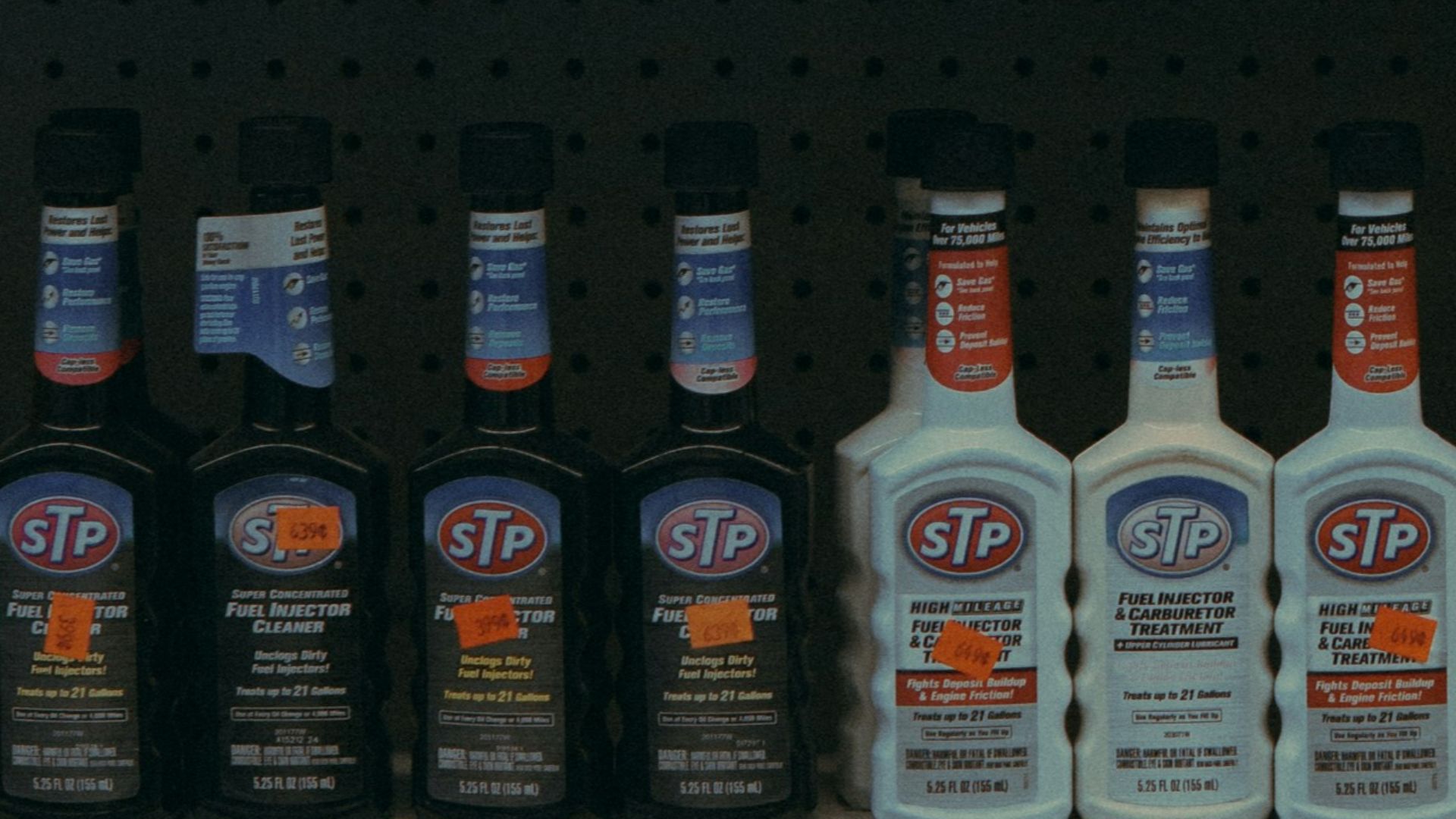
Pouring In Miracle Fuel Additives
Those little bottles promising dramatic mileage improvements sound tempting. Unfortunately, testing has found that many aftermarket additives provide no meaningful fuel savings. Some questionable products can even damage engines or increase emissions.
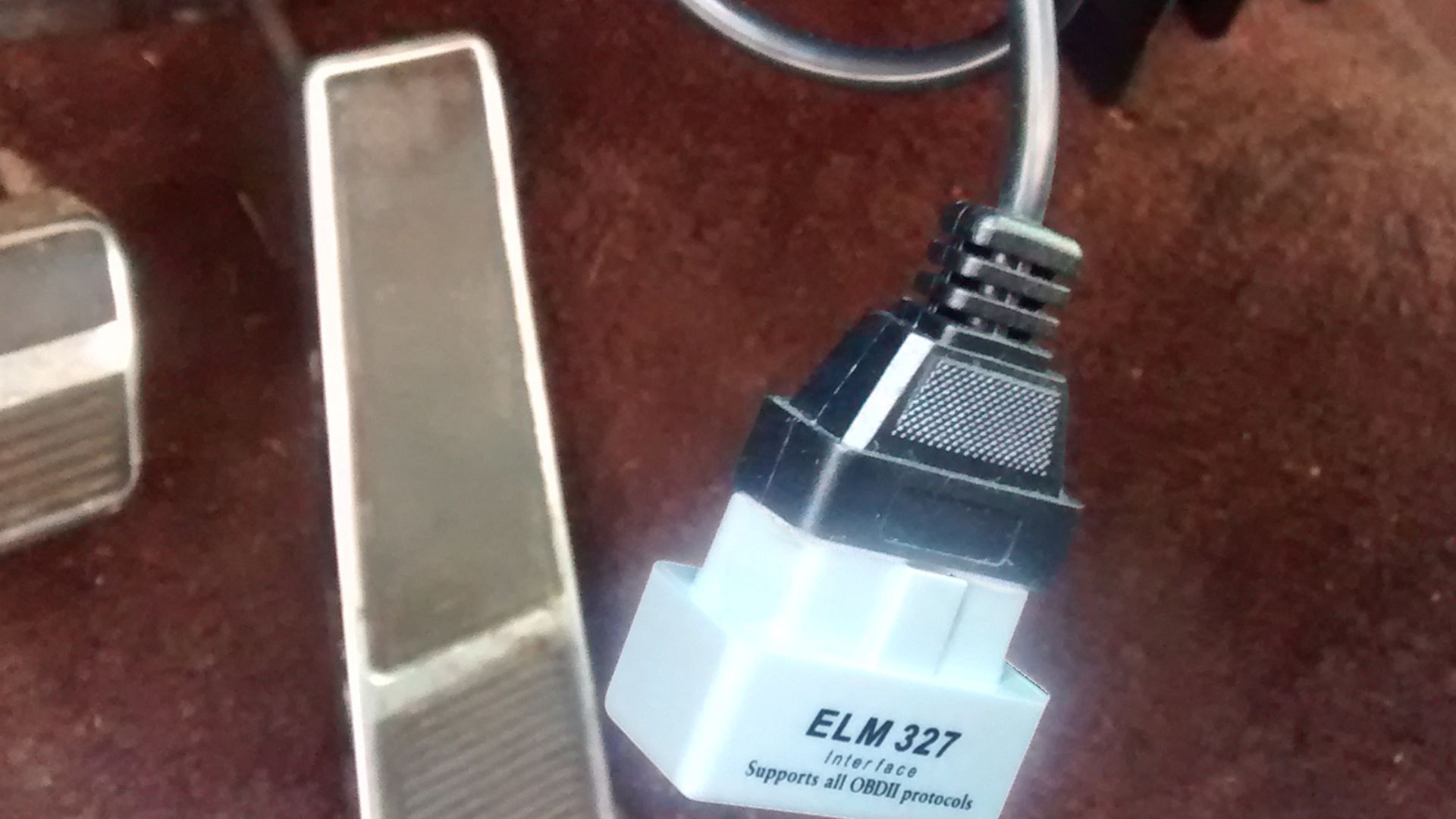
Installing Electronic Fuel-Saving Gadgets
Plug-in devices promising instant efficiency improvements deserve skepticism. Federal testing has found no significant mileage improvement from many aftermarket fuel-saving products. Spending money on an unproven gadget won't necessarily make your engine use less gasoline.
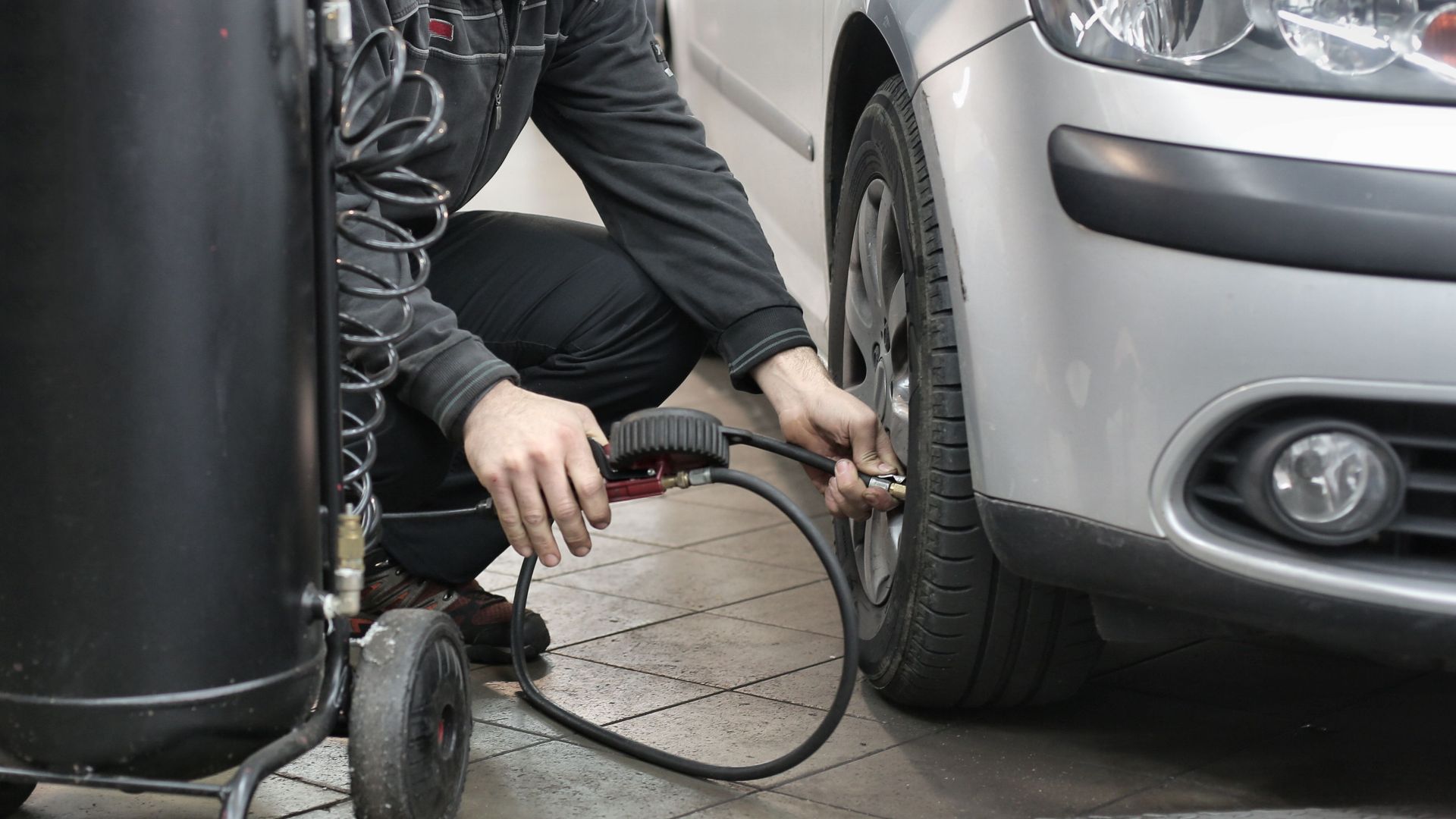
Lowering Tire Pressure For Better Grip
Softer tires might feel more comfortable, but underinflation increases rolling resistance. Your engine must work harder to keep the car moving. Proper inflation helps protect your fuel economy, tires, and handling.
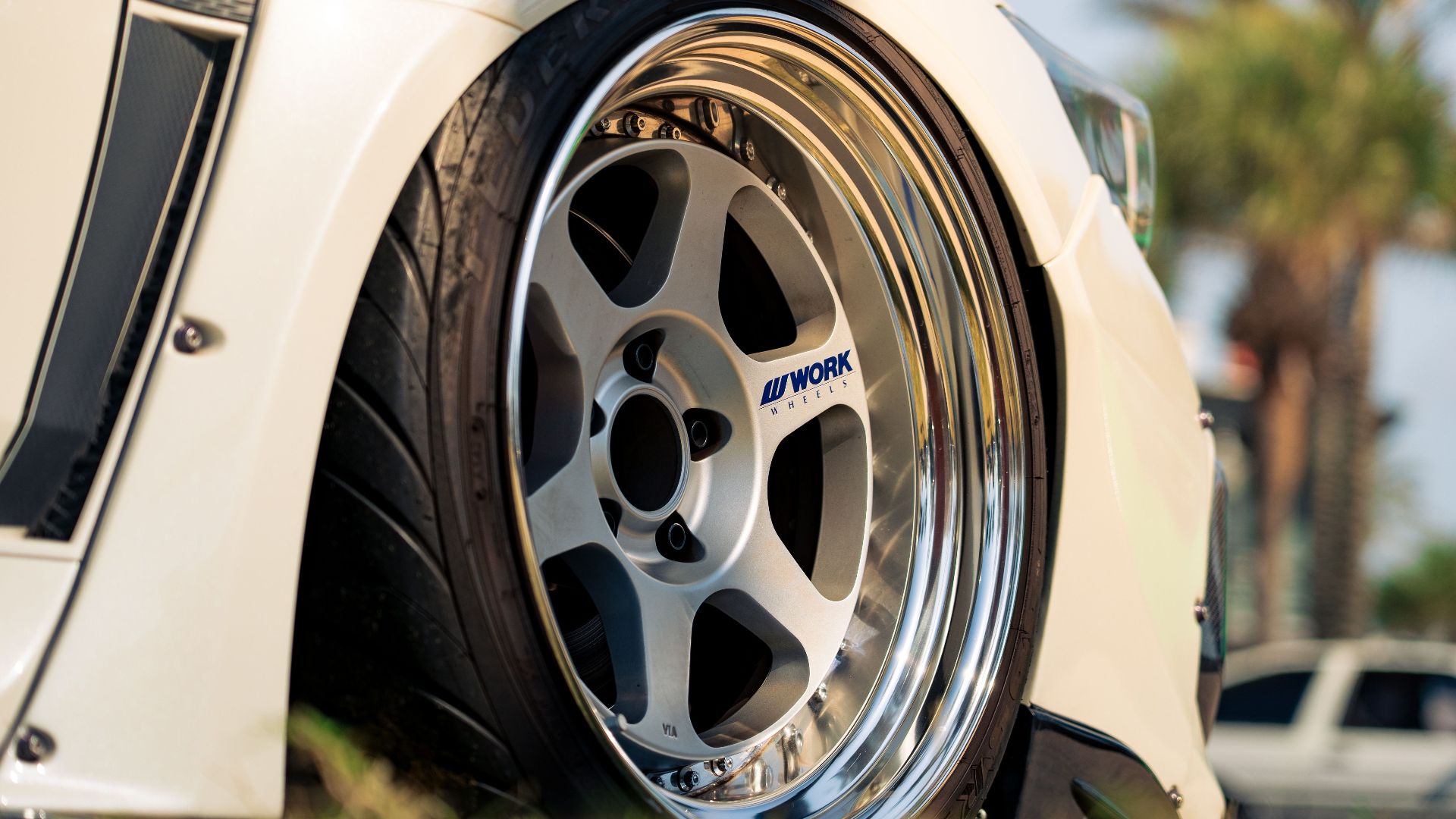
Installing Bigger Wheels To Cover More Ground
Bigger wheels might seem efficient because they require fewer rotations per mile. However, larger wheel-and-tire combinations can increase weight and rolling resistance. Those changes may consume more energy than they save.
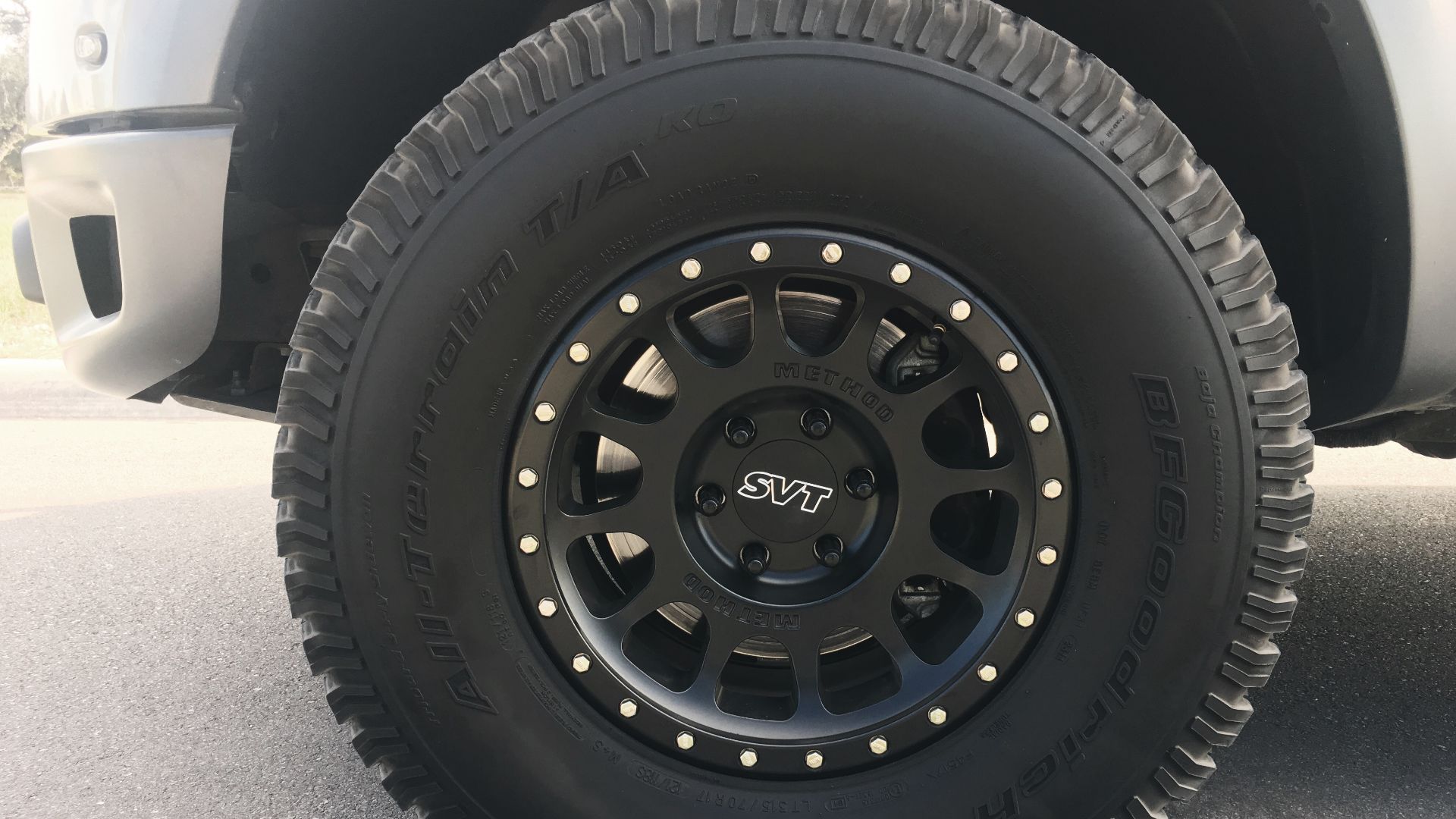
Switching To Aggressive All-Terrain Tires
Chunkier tires can provide useful off-road traction, but that doesn't guarantee efficiency on pavement. Tire Rack testing found lower fuel economy with certain all-terrain tires compared with highway-oriented alternatives.
 Impactbumper, Wikimedia Commons
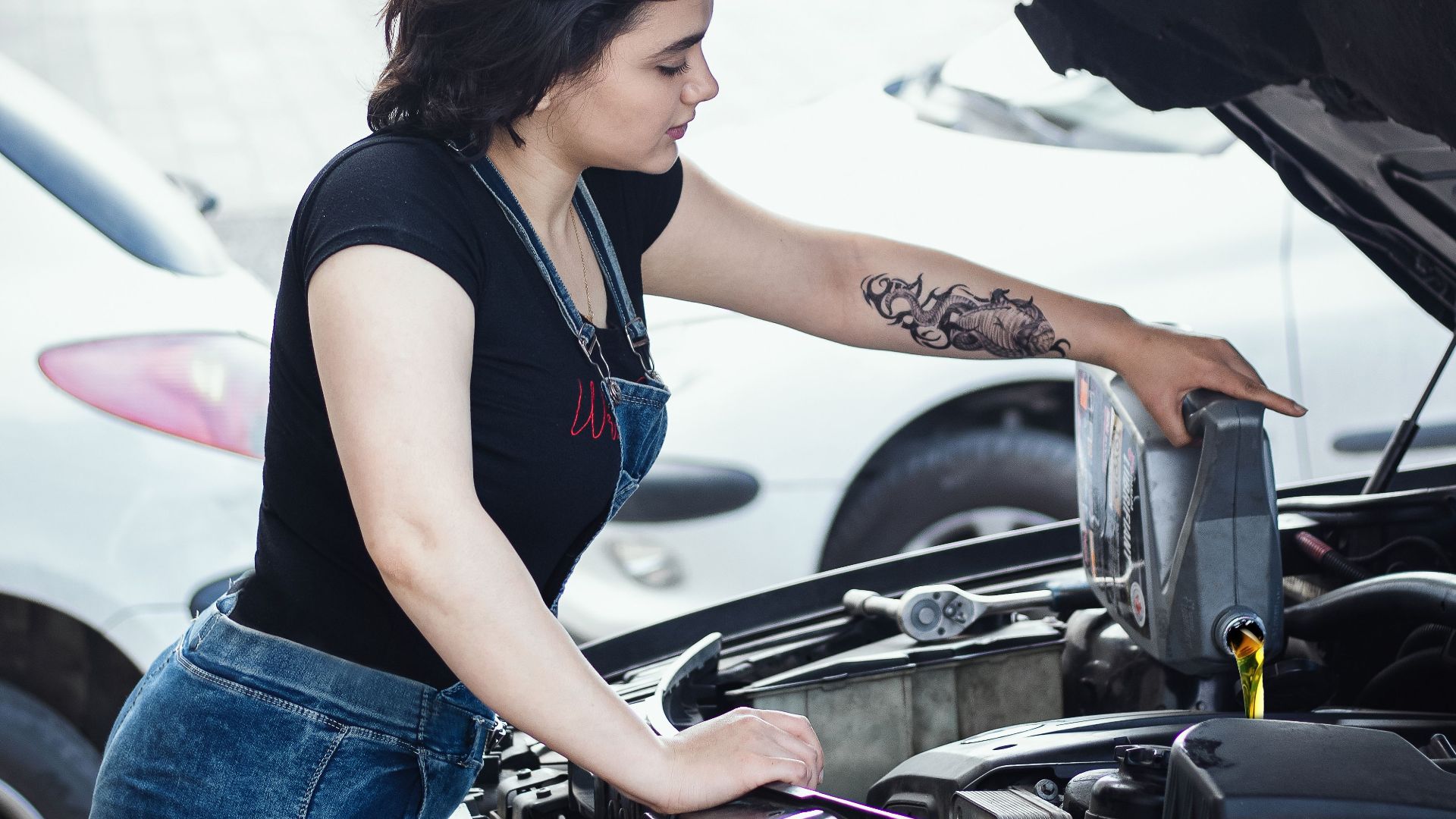
Using Thicker Motor Oil For Extra Protection
Thicker oil might sound better for your engine, but using an unapproved viscosity increases internal resistance. Using 10W-30 instead of specified 5W-30 can lower fuel economy by approximately 1% to 2%.
Keeping Four-Wheel Drive Engaged
More traction sounds helpful, but engaging four-wheel drive on dry pavement doesn't automatically improve efficiency. It increases drivetrain losses and requires additional energy. Use selectable four-wheel drive only under appropriate conditions.
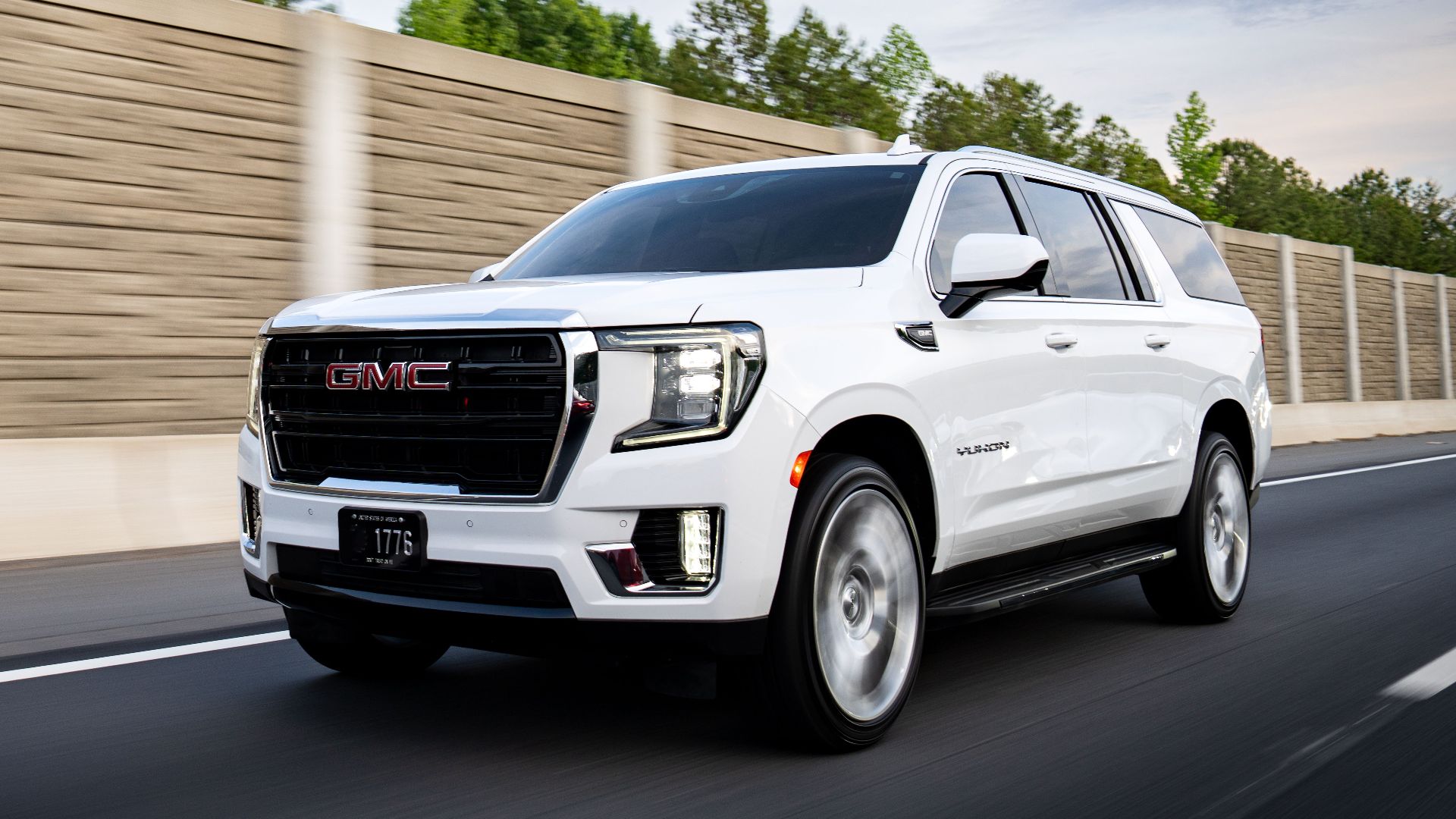
Driving Faster To Finish The Trip Sooner
Getting there faster doesn't mean burning less fuel. Aerodynamic resistance increases with speed, and fuel economy generally declines sharply above 50 mph. A shorter journey measured in minutes can still consume substantially more gasoline.
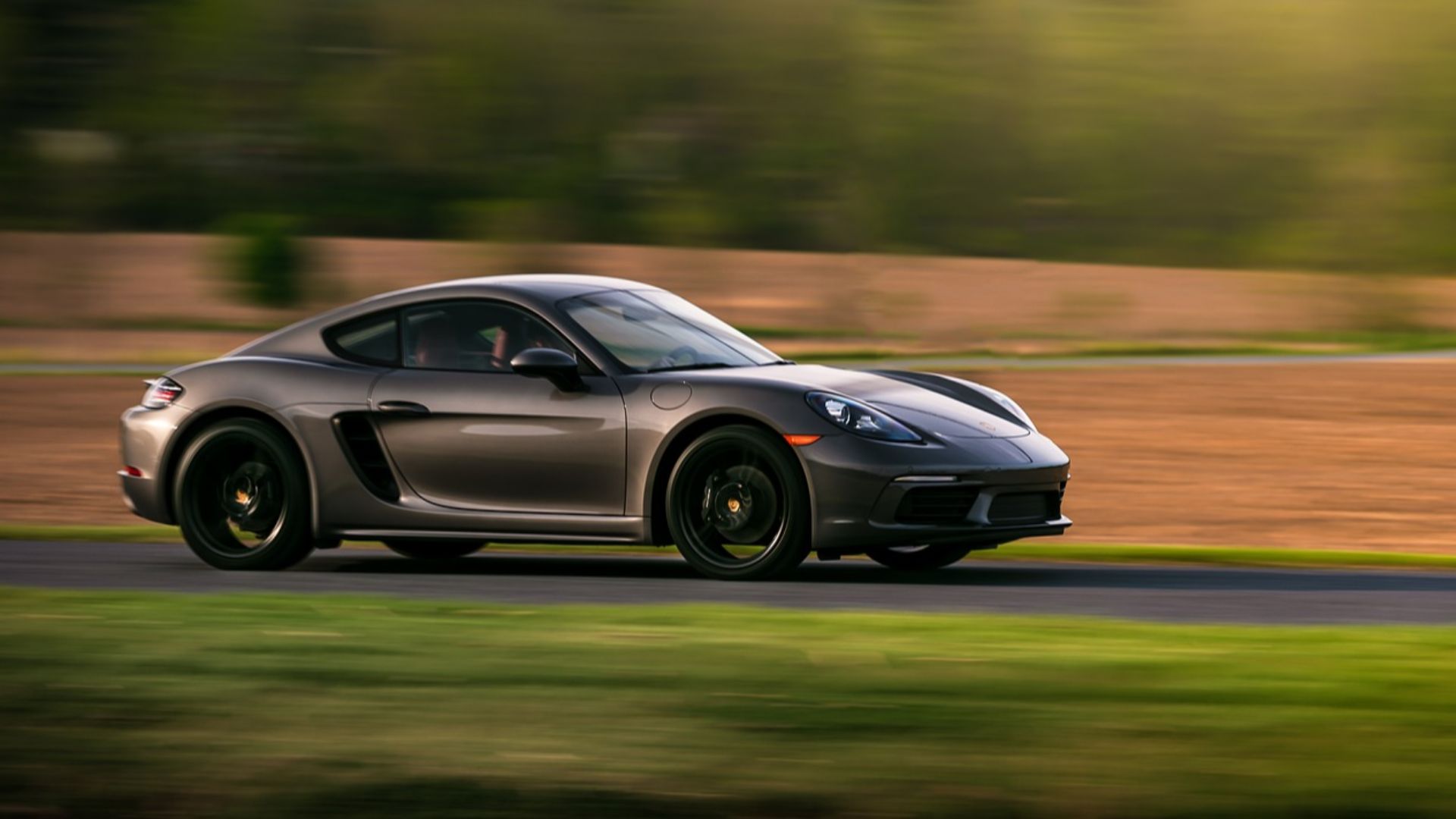
Accelerating Hard To Reach Cruising Speed Quickly
Some drivers believe reaching cruising speed as quickly as possible saves fuel. Aggressive acceleration actually demands additional engine power. Smooth, moderate acceleration is generally more economical than repeatedly flooring the accelerator.
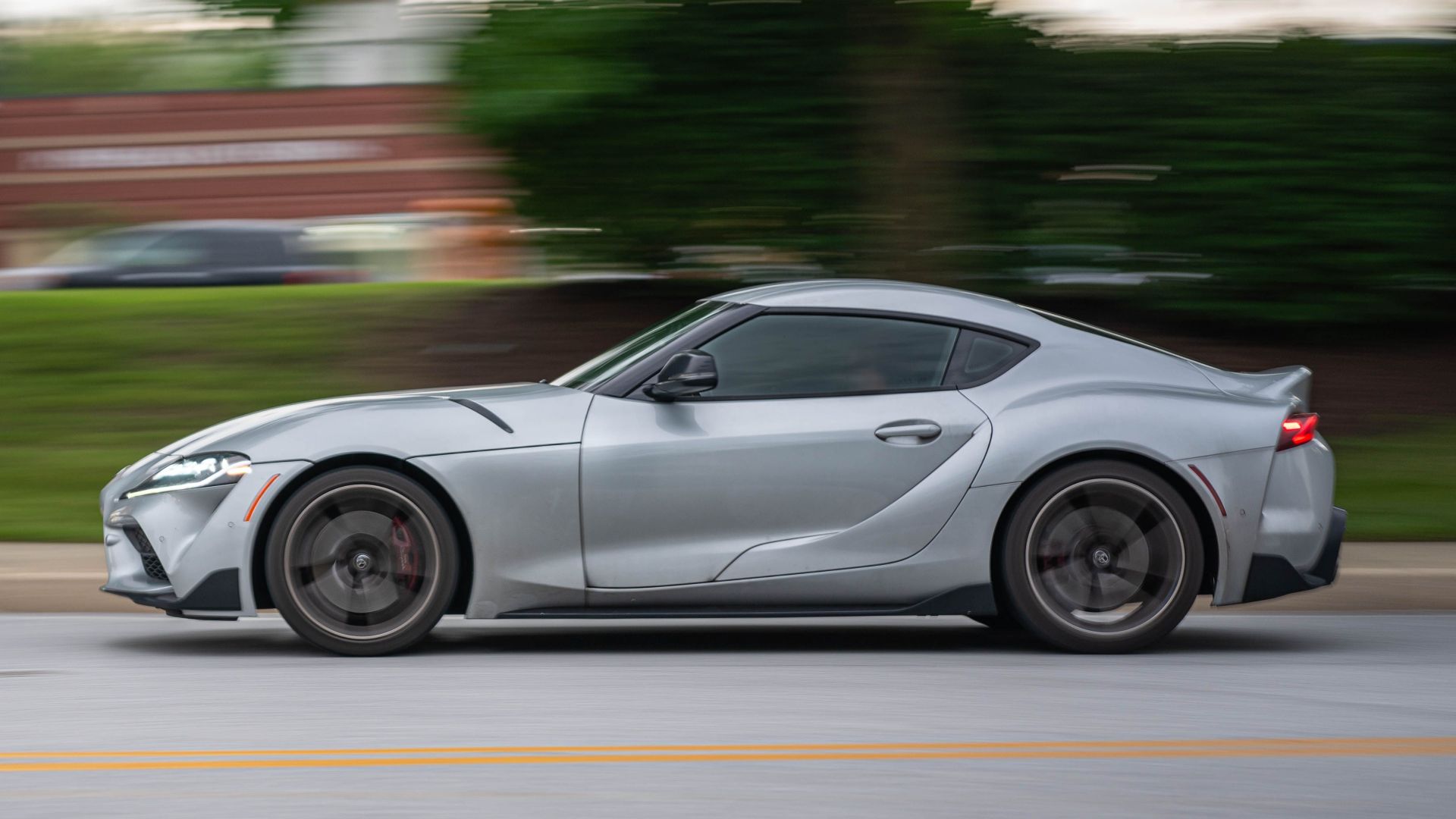
Braking At The Last Possible Moment
Maintaining speed until the last second might seem efficient, but hard braking wastes energy you've already spent accelerating. Anticipating traffic and slowing gradually reduces unnecessary acceleration-and-braking cycles.
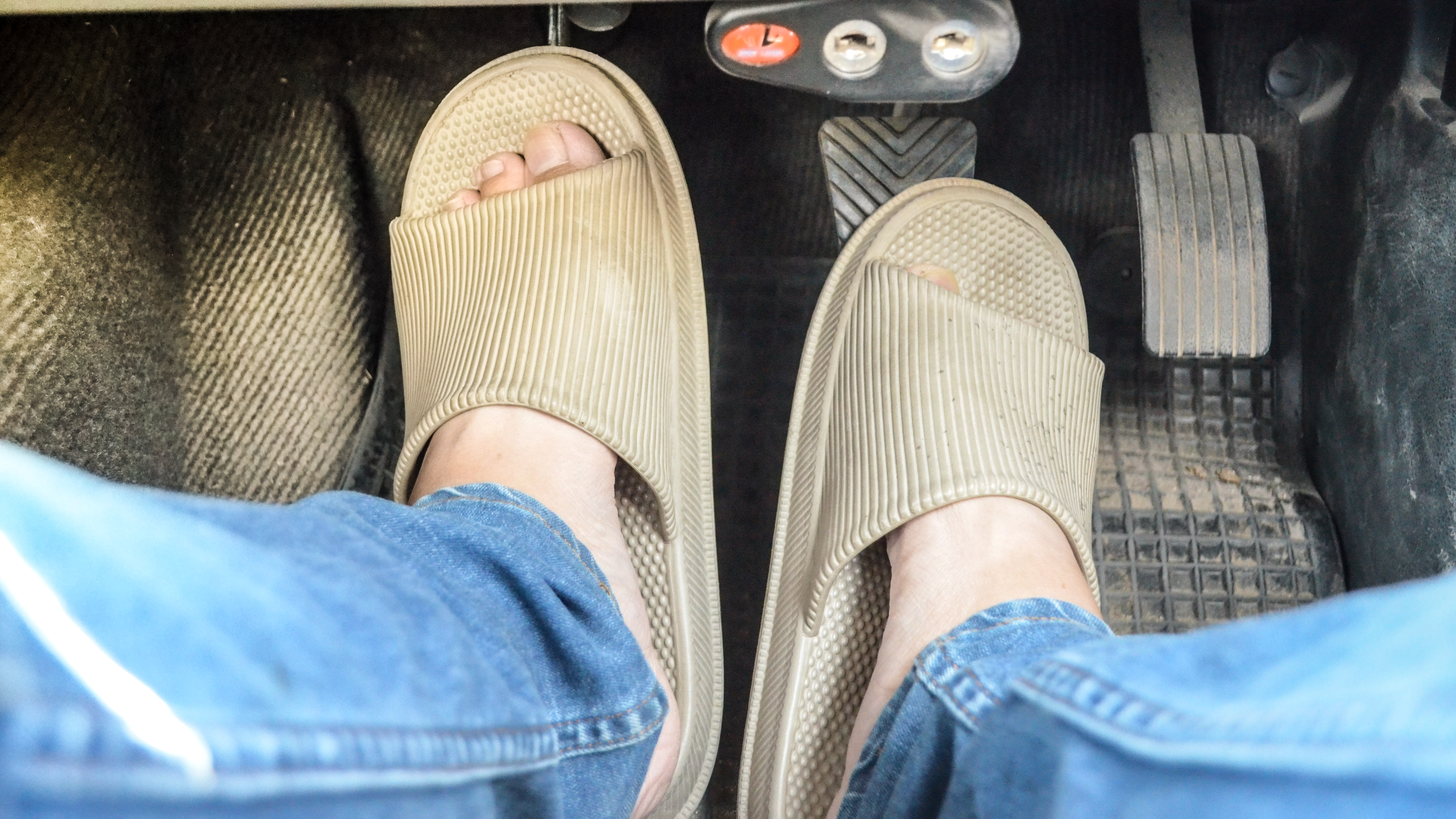
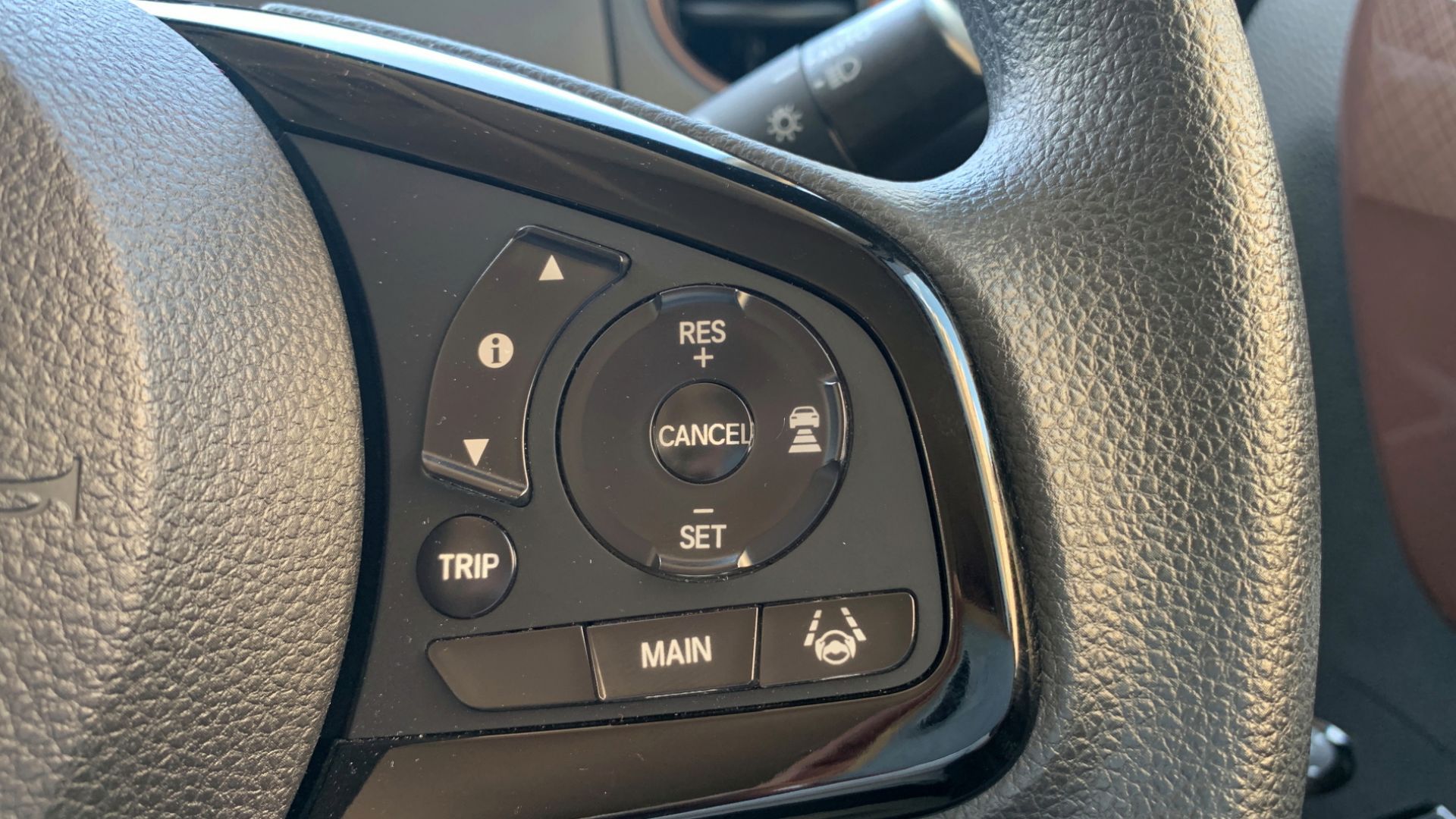
Using Cruise Control On Every Hill
Cruise control generally helps on level highways, but hills complicate things. The system may accelerate aggressively or downshift to maintain its setting uphill, potentially using more gasoline than a careful driver would.
 Project Kei, Wikimedia Commons
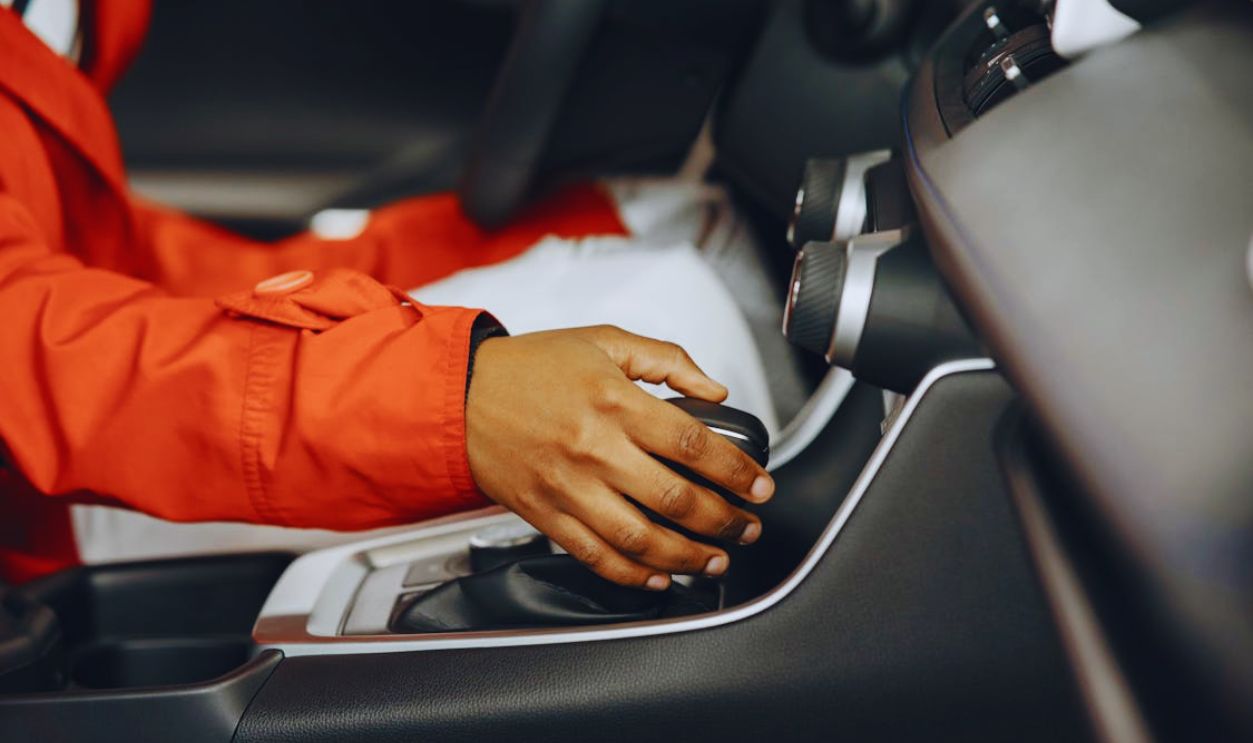
Coasting Downhill In Neutral
This old trick can backfire in modern fuel-injected cars. Many engines temporarily stop injecting fuel during in-gear deceleration. Shifting into neutral instead requires gasoline to keep the engine idling.
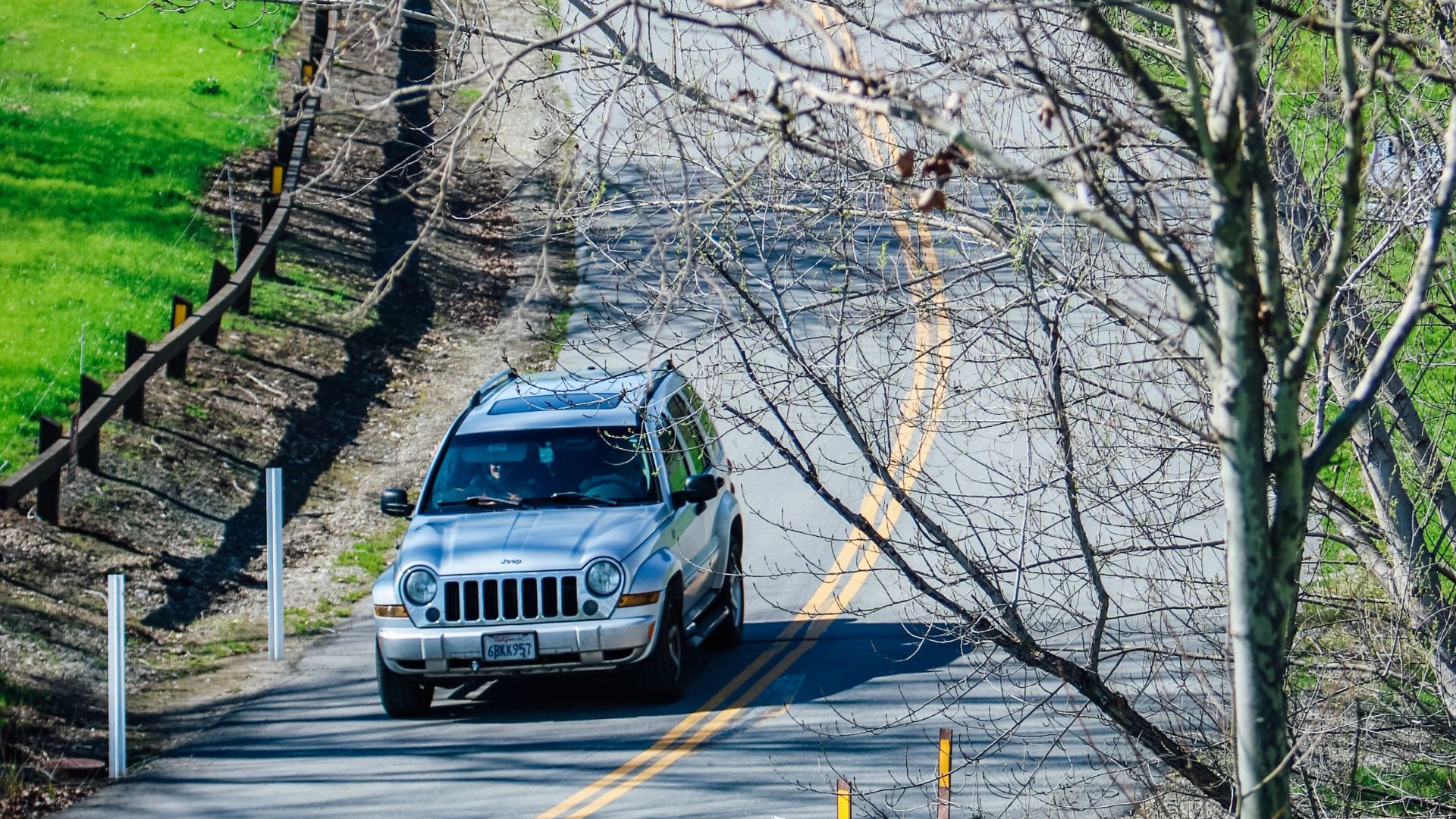
Staying In Lower Gears For Better Control
Lower gears can provide useful control, but unnecessarily maintaining high engine revolutions consumes more fuel. On suitable roads, shifting into a higher gear at an appropriate speed generally improves efficiency.
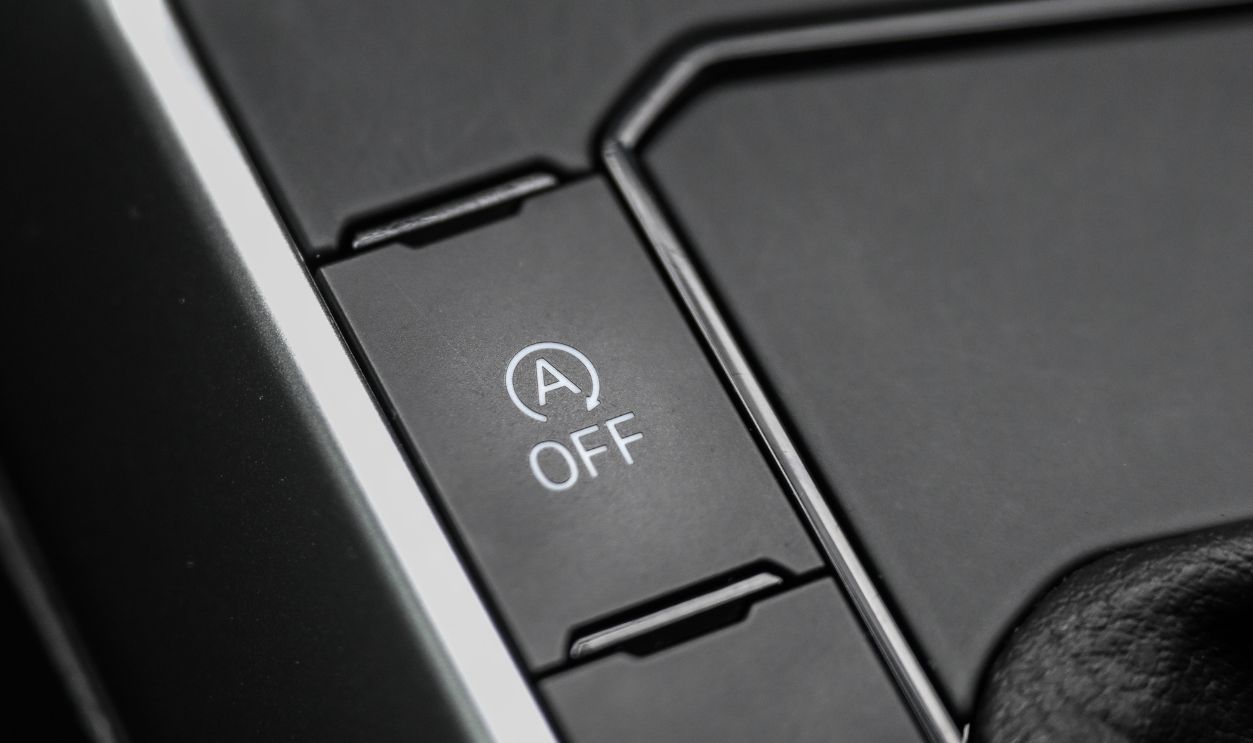
Disabling Automatic Stop-Start Technology
Frequent engine restarts might seem wasteful, but automatic stop-start systems are designed to reduce unnecessary idling. Disabling the feature keeps gasoline burning during stops when the engine could otherwise be switched off.
Warming Up The Engine For Several Minutes
Extended winter warm-ups remain popular, but modern engines generally don't need them. Idling burns fuel without covering any distance. Gentle driving usually brings an engine up to operating temperature faster.
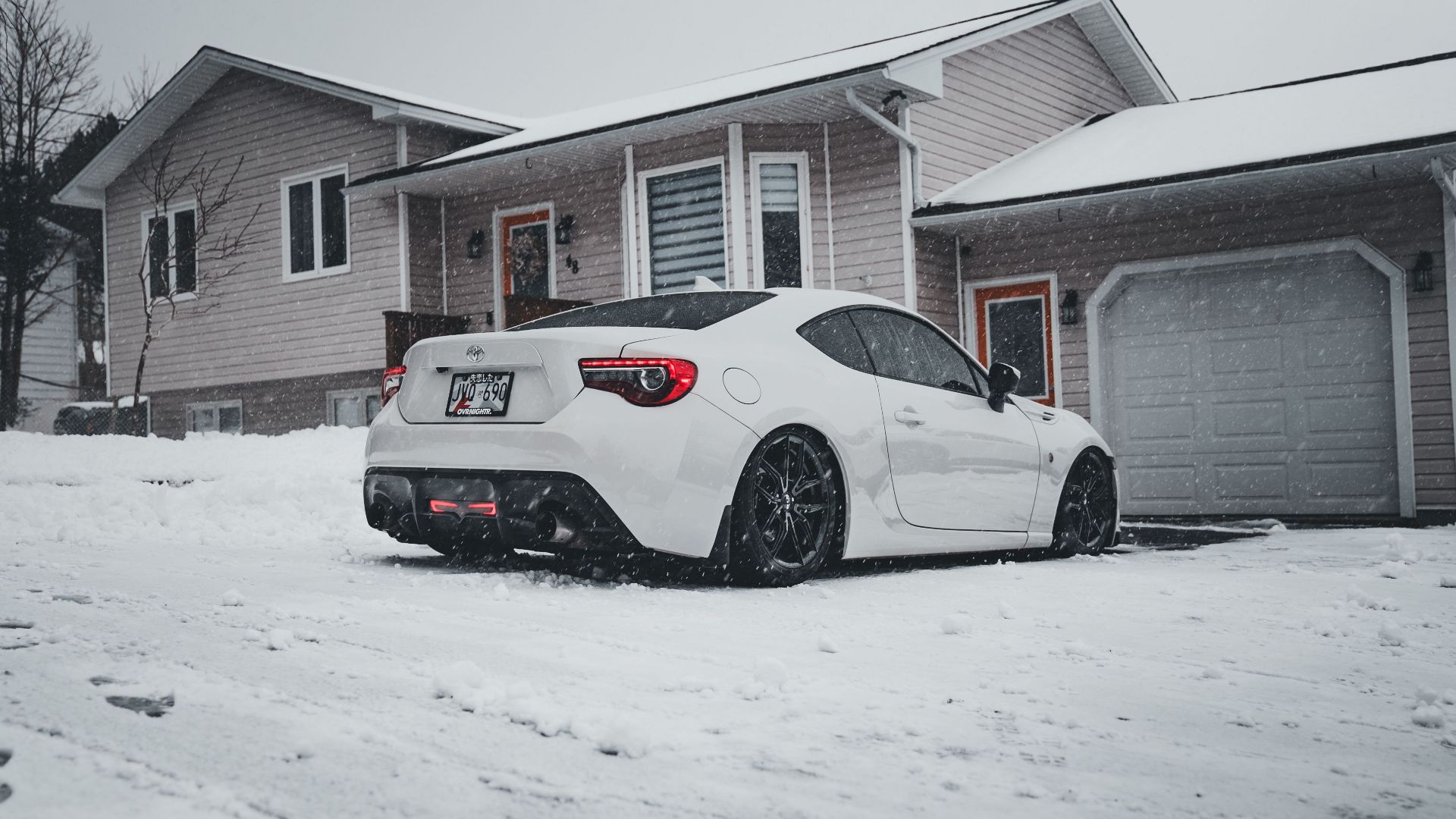
Leaving The Engine Running To Avoid Restarting
Restarting a modern engine generally requires less fuel than prolonged idling. Keeping the car running during lengthy parked stops can waste gasoline, even if switching everything off seems inconvenient.
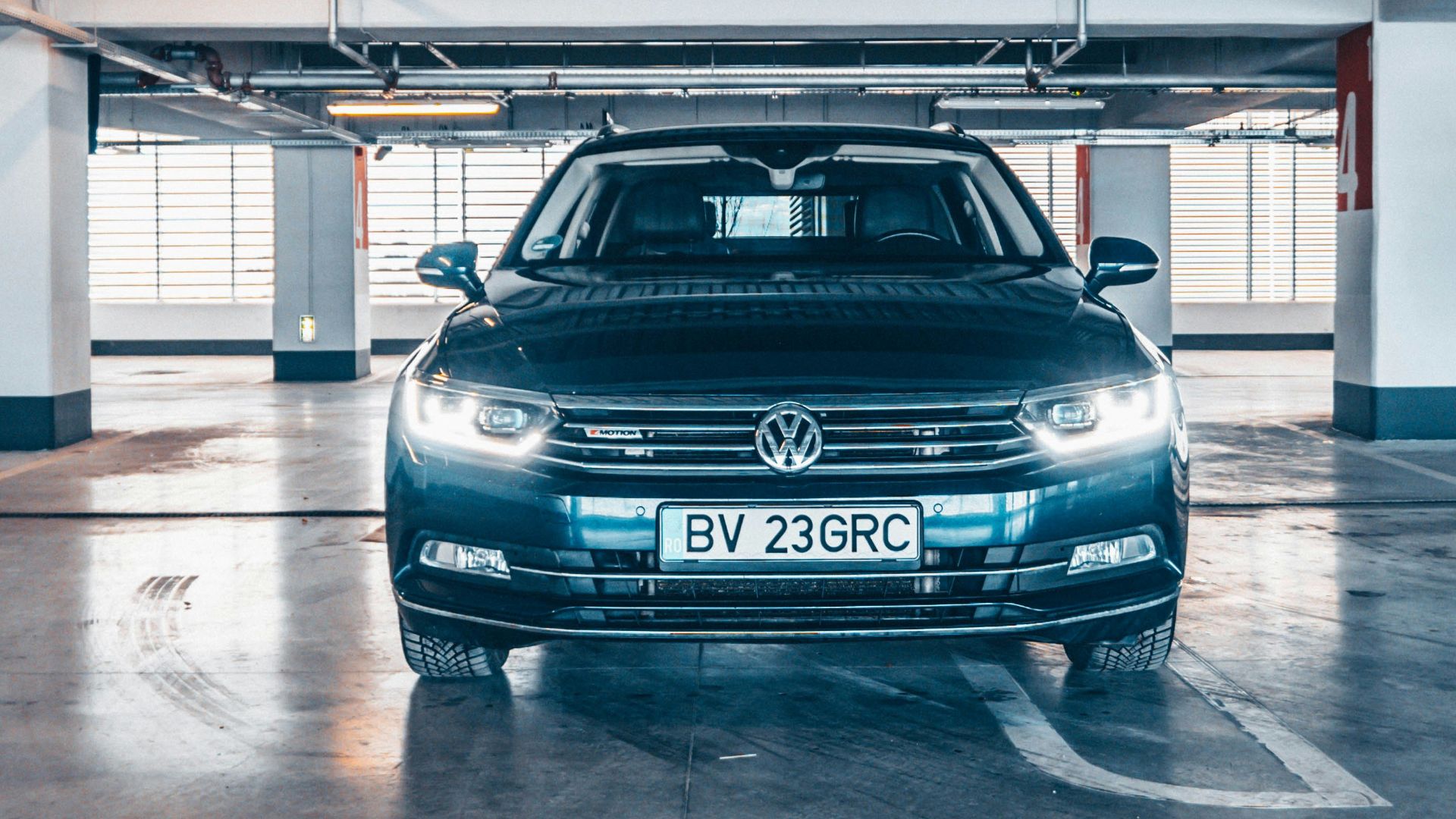
Cooling The Cabin Before Driving
Leaving the engine idling while the air conditioning cools the cabin wastes fuel. Most vehicle cooling systems work more effectively once you're driving. Briefly releasing trapped hot air first also helps.
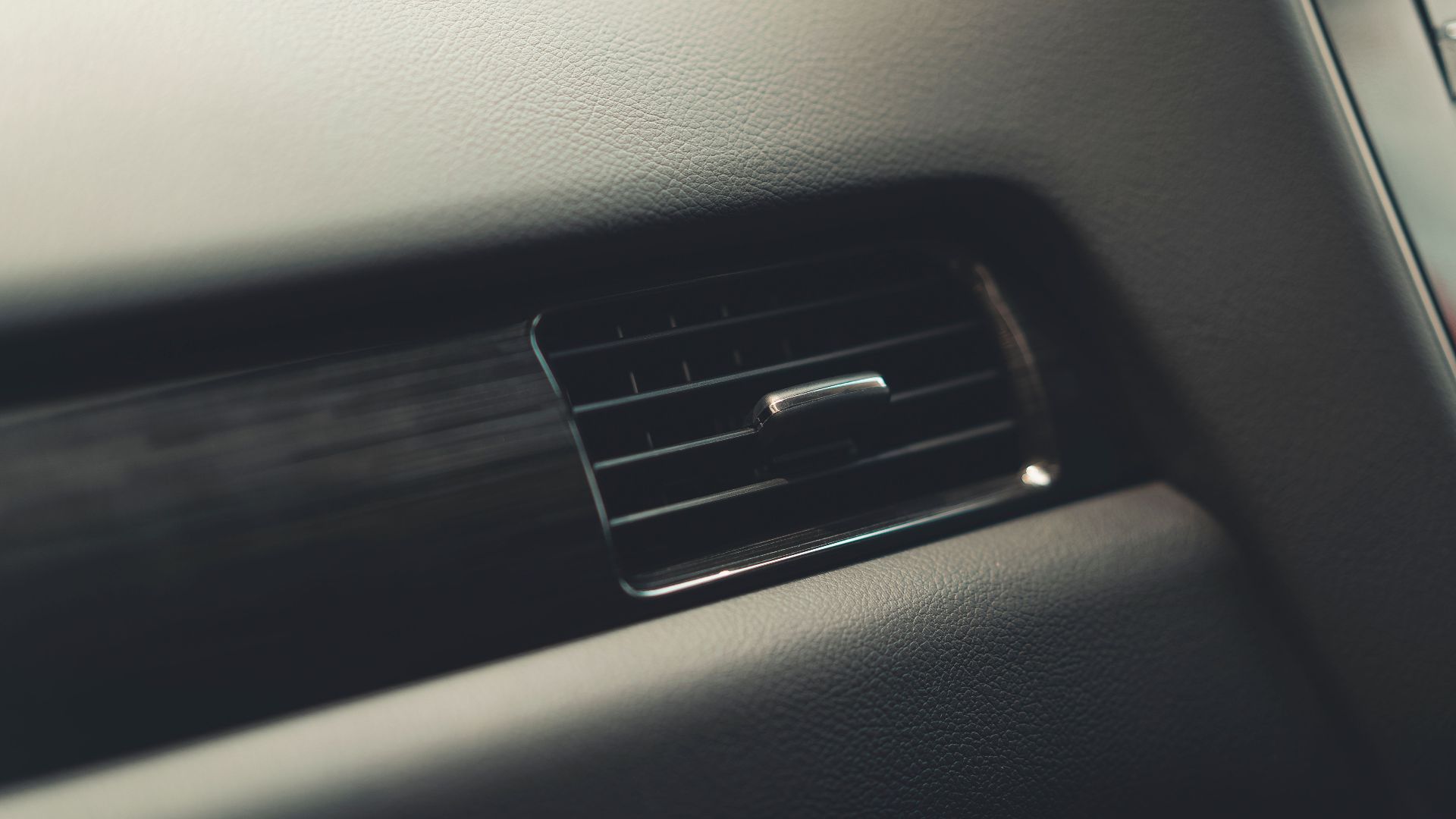
Keeping The Air Conditioning On Maximum
Blasting the air conditioning throughout a journey can increase fuel consumption unnecessarily. Once the cabin becomes comfortable, adjusting the temperature reduces cooling demand. Maximum cooling isn't always necessary.
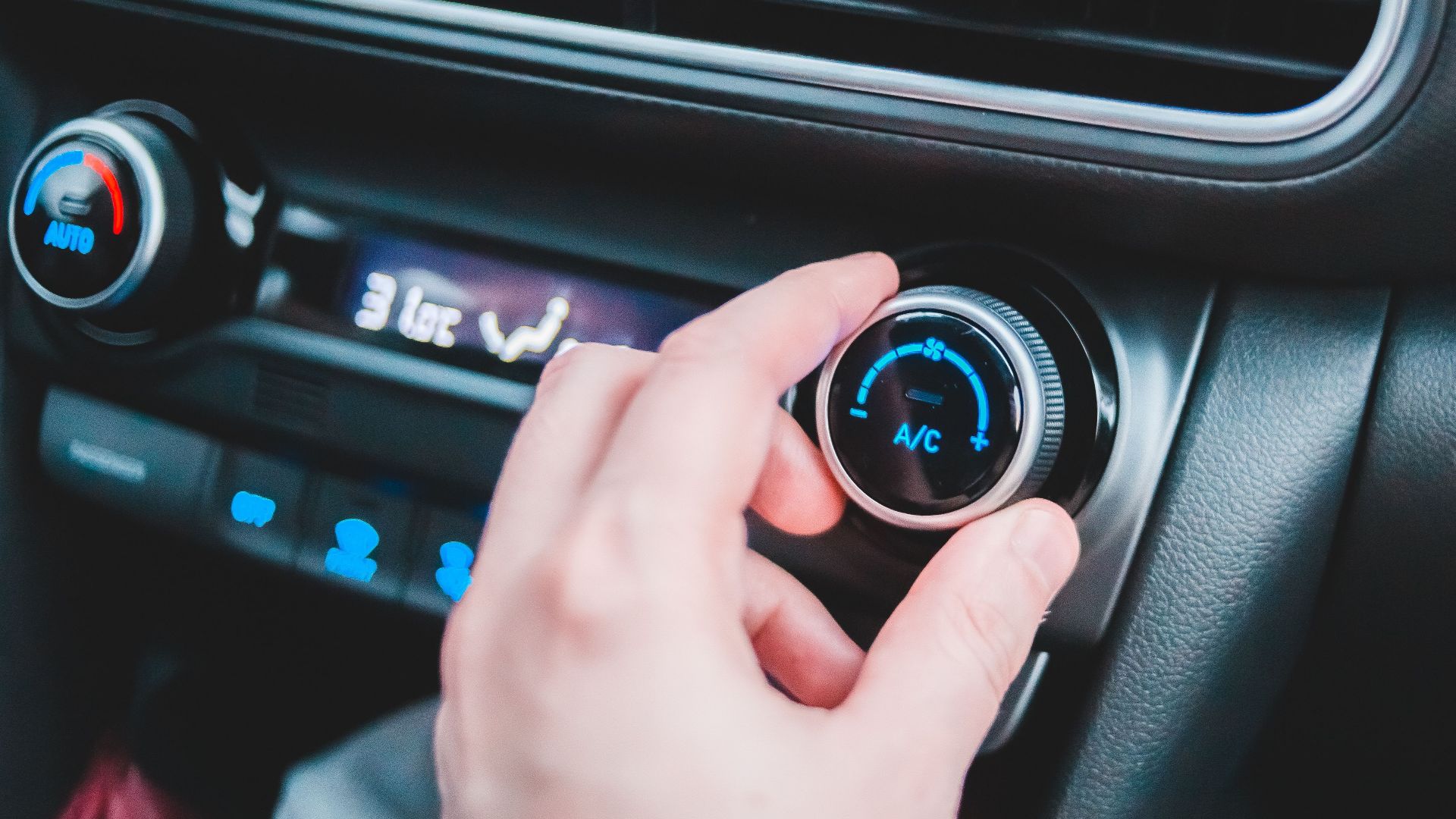
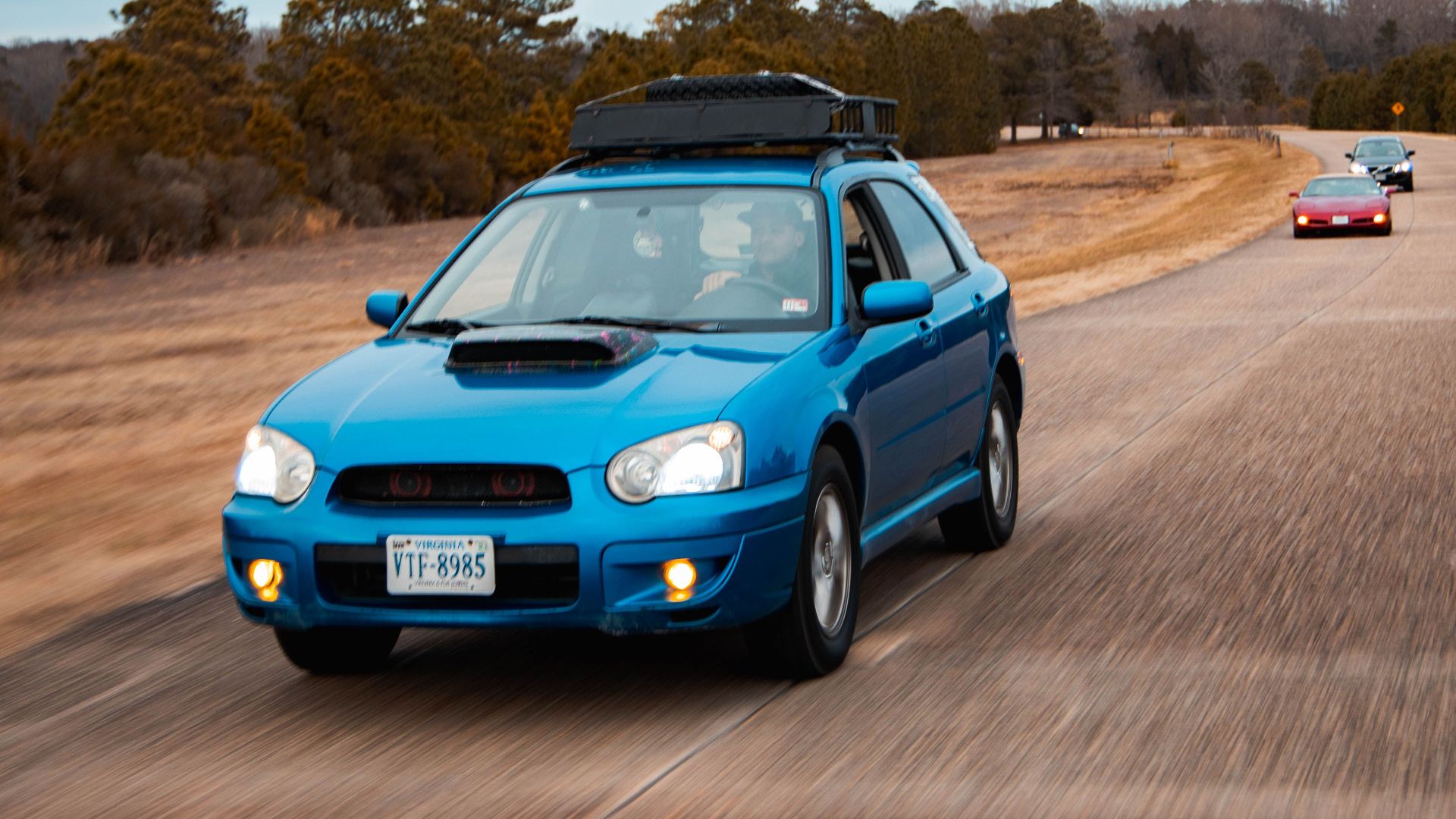
Opening Every Window At Highway Speeds
Turning off the air conditioning sounds economical, but open windows increase aerodynamic drag. At highway speeds, this can offset the savings. Results vary by vehicle, speed, and outside temperature.
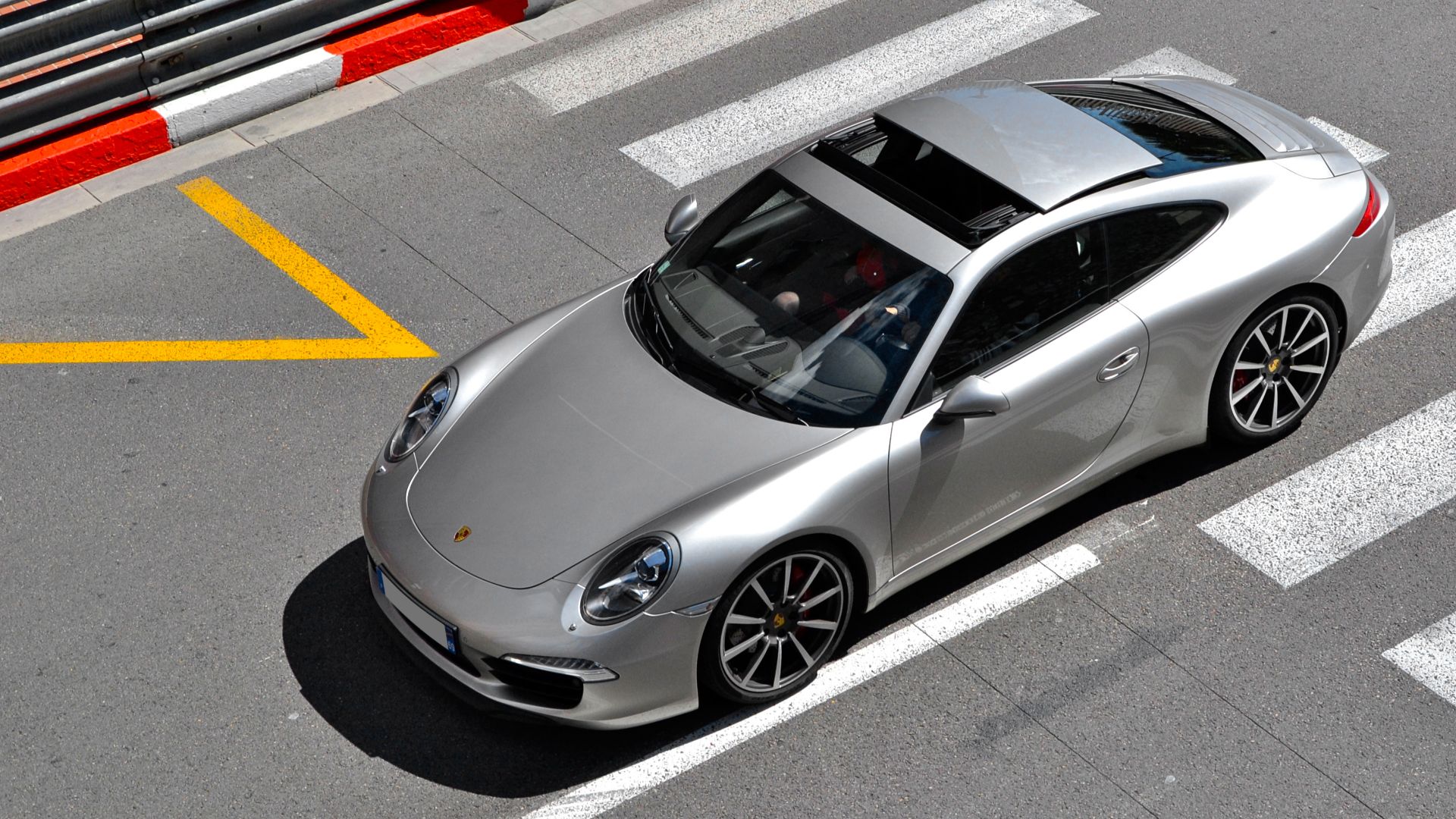
Opening The Sunroof To Avoid Air Conditioning
A wide-open sunroof introduces another source of aerodynamic drag. Edmunds testing found that opening an SUV's sunroof worsened mileage even with the air conditioning switched off. Fresh air isn't automatically free.
 Alexandre Prevot from Nancy, France, Wikimedia Commons
Using A Roof Cargo Box For Better Organization
Moving luggage onto the roof clears cabin space, but it also increases aerodynamic resistance. Large rooftop boxes can reduce fuel economy by 10% to 25% at interstate speeds.

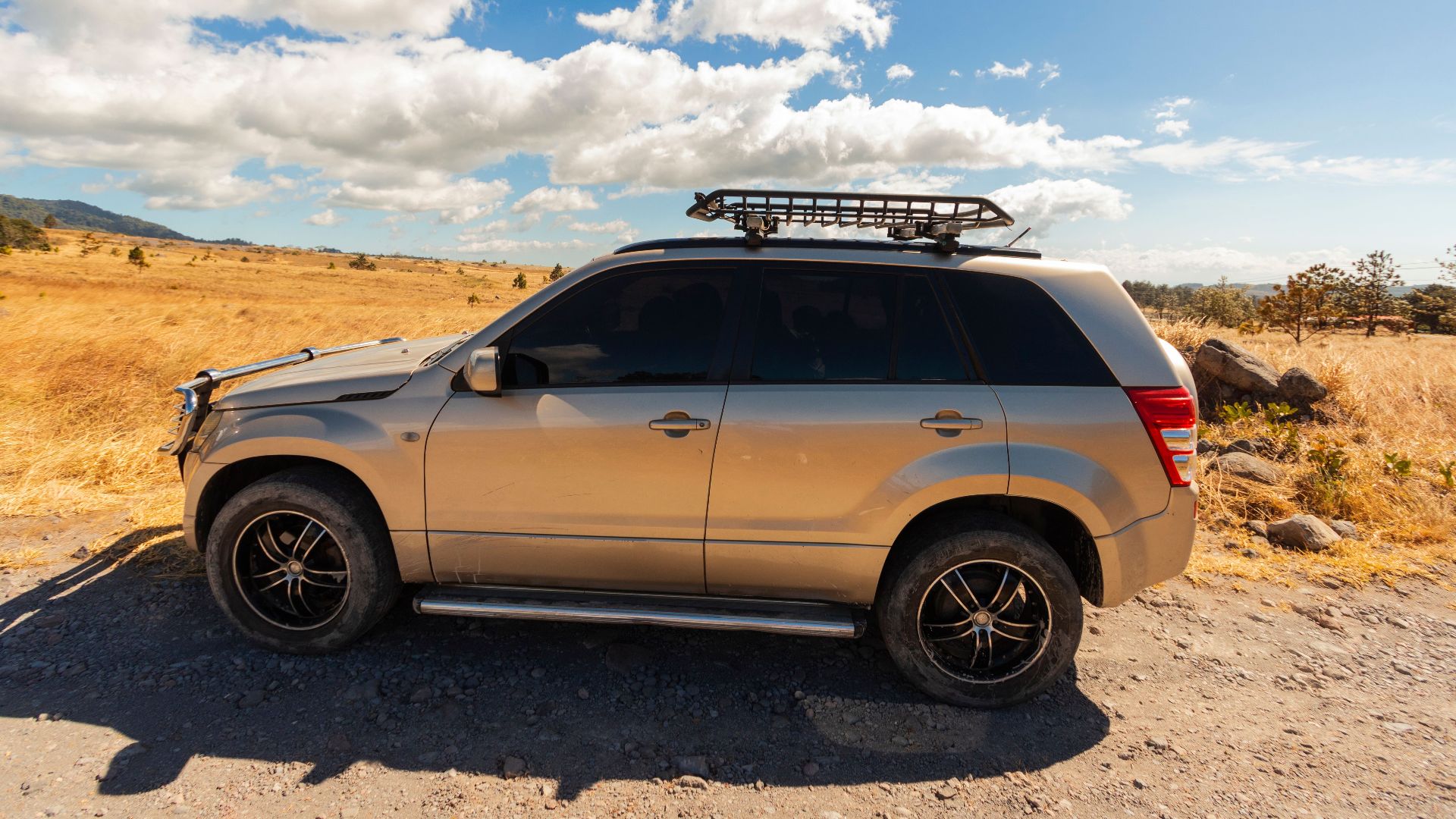
Leaving Empty Roof Racks Installed
An empty roof rack might seem harmless because it's carrying nothing. However, exposed crossbars can still disturb airflow. Removing unnecessary roof equipment can help recover fuel economy, especially during highway driving.
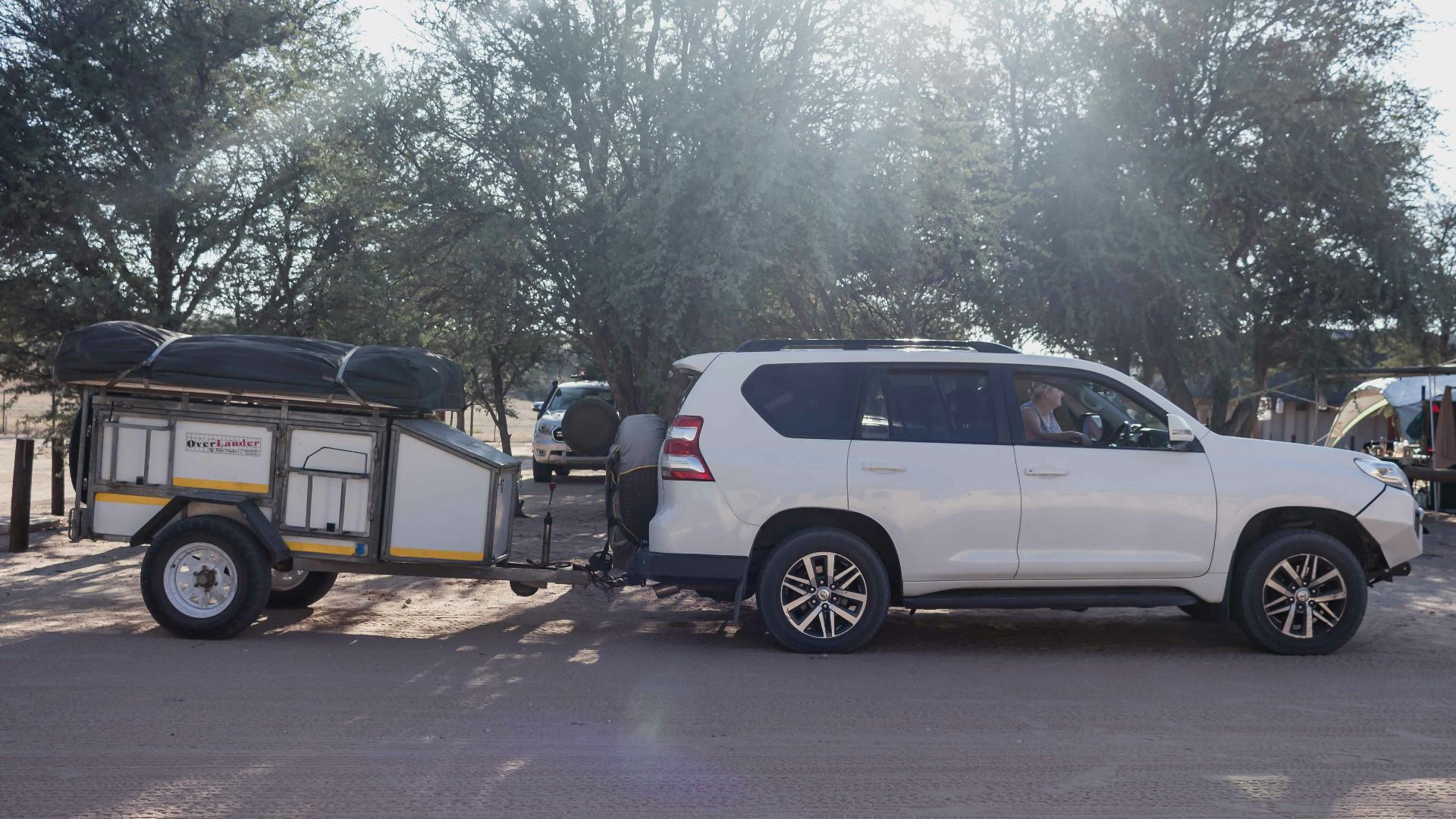
Towing A Small Trailer Instead Of Packing The Car
A trailer might keep the cabin uncluttered, but towing creates additional weight and aerodynamic resistance. That extra load typically increases fuel consumption, even when the trailer itself seems relatively small.
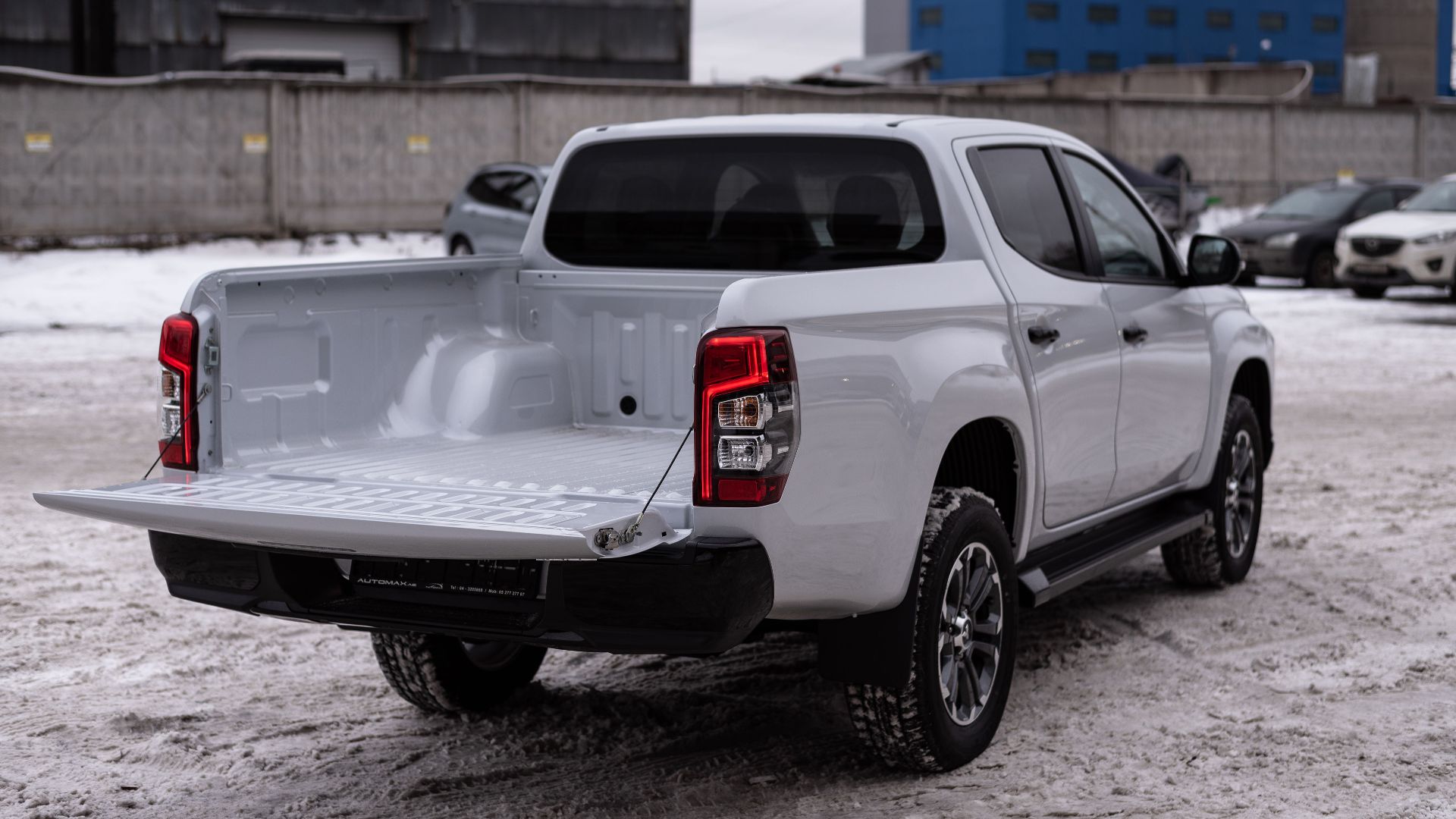
Driving With A Pickup Truck's Tailgate Down
Lowering the tailgate seems like it should let air escape more freely. However, aerodynamic research and highway testing show that doing so can increase drag and worsen fuel economy.
Carrying Extra Weight For Better Stability
Keeping unnecessary heavy equipment in your trunk can feel reassuring, but added weight increases fuel consumption. An extra 100 pounds can reduce mileage by approximately 1%, depending on vehicle size.

Making Several Short Trips Instead Of Combining Errands
Short drives might seem economical individually, but repeated cold starts waste fuel. Combining errands allows the engine to stay warm. Several cold-start trips can consume considerably more gasoline than one combined journey.
You May Also Like:
How Much Electric Car Range Do You Need?
10 Mistakes To Avoid When Shopping For A New Vehicle
Here’s Why You Should Skip The Automated Car Wash
Sources: 1, 2, 3, 4, 5, 6, 7, 8, 9, 10, 11, 12, 13, 14, 15, 16, 17, 18, 19