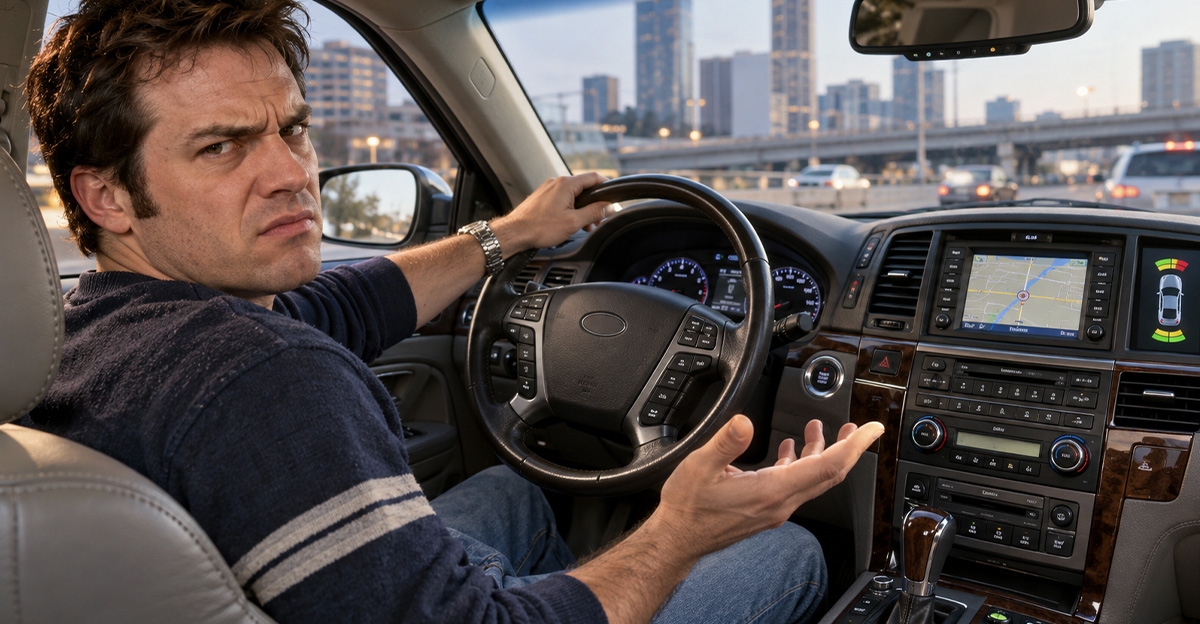
From touchscreens and push-button starters to rain-sensing wipers and voice controls, these 2000s car features once seemed futuristic—until drivers discovered how annoying they could be.
GM’s EV1 arrived years before electric cars went mainstream. Here’s how the groundbreaking EV was developed, why GM ended the program, and why its legacy still matters today.
Remember when pickups were built for work instead of family duty? Discover the strange, forgotten, and innovative American trucks of the 1960s, from the Chevrolet Corvair Rampside and Jeep FC to the Studebaker Champ, Dodge A100, and International Travelette.
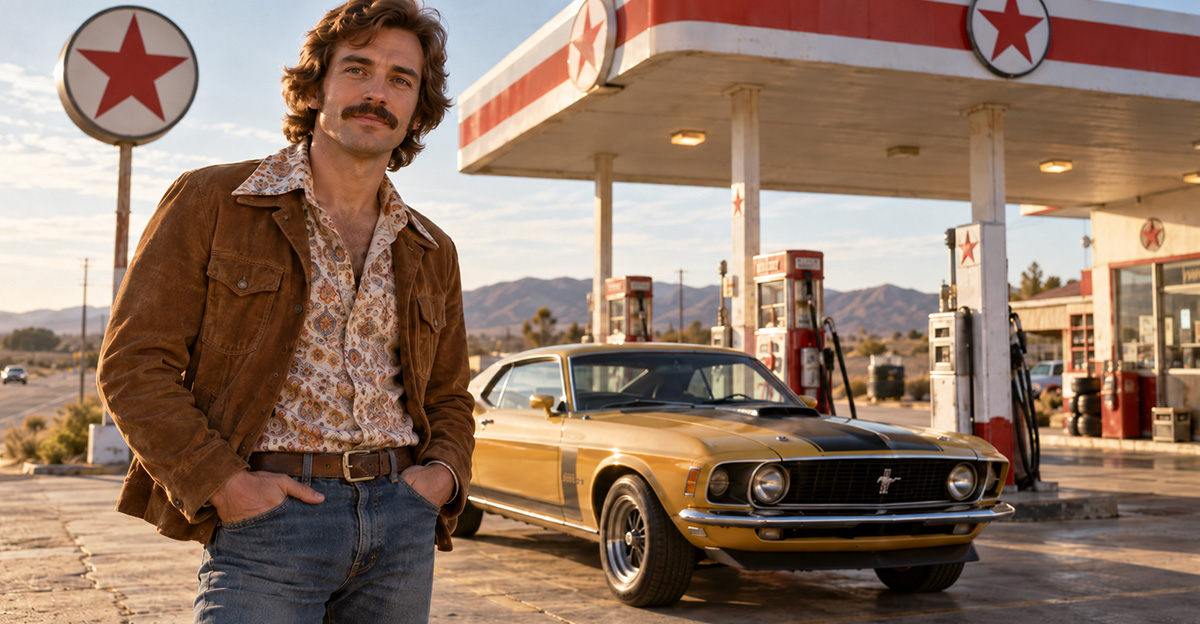
From Gucci interiors and floral roofs to airbags, CB radios and computer-controlled brakes, these unbelievable 1970s factory car options were completely real.
Dive into the wildest cars ever built—vehicles so dangerously designed that governments were forced to intervene. From explosive compacts to rollover-prone SUVs, discover the shocking automotive missteps that changed safety laws forever in this fun, fast-paced look at the industry’s most infamous machines.
Mitsubishi once built legendary performance cars like the Lancer Evolution, Eclipse, and 3000GT. Then it shifted toward crossovers, SUVs, and electrification, dramatically changing the brand’s identity and future.
Trace the history of Ferrari’s legendary V12 engines, from the 1947 125 S and classic 250 series to the Daytona, Testarossa era, Enzo, 812 Superfast, and today’s 12Cilindri.
Mercedes-Benz keeps more than 1,000 historic cars hidden inside its secret Holy Halls, including rare racers, prototypes, record-breakers, celebrity cars, and some of the brand’s greatest machines.
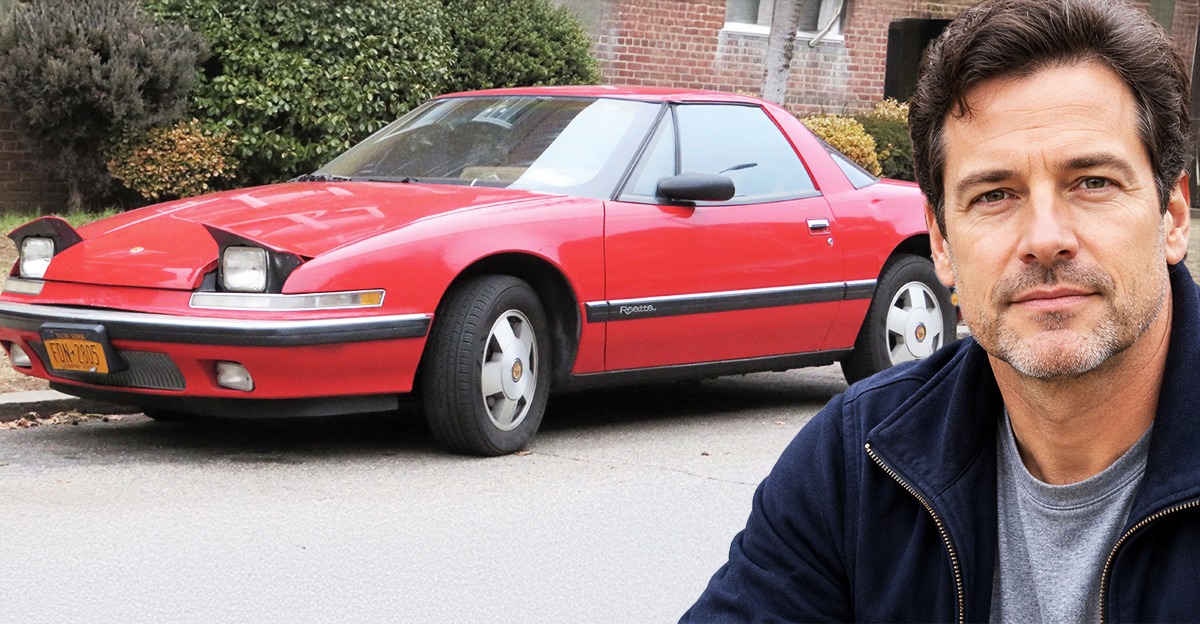
At the dawn of the 2000s, automakers went wild with digital dashboards, silver plastic, bubbly bodywork, and concept-car styling. These Y2K-era cars once looked futuristic—but today, they’re wonderfully, unmistakably dated.
From pop-up headlights and automatic seatbelts to cassette decks, carburetors, giant bumpers, and talking dashboards, explore classic 1980s car features that disappeared—and the surprisingly good reasons automakers left them behind.