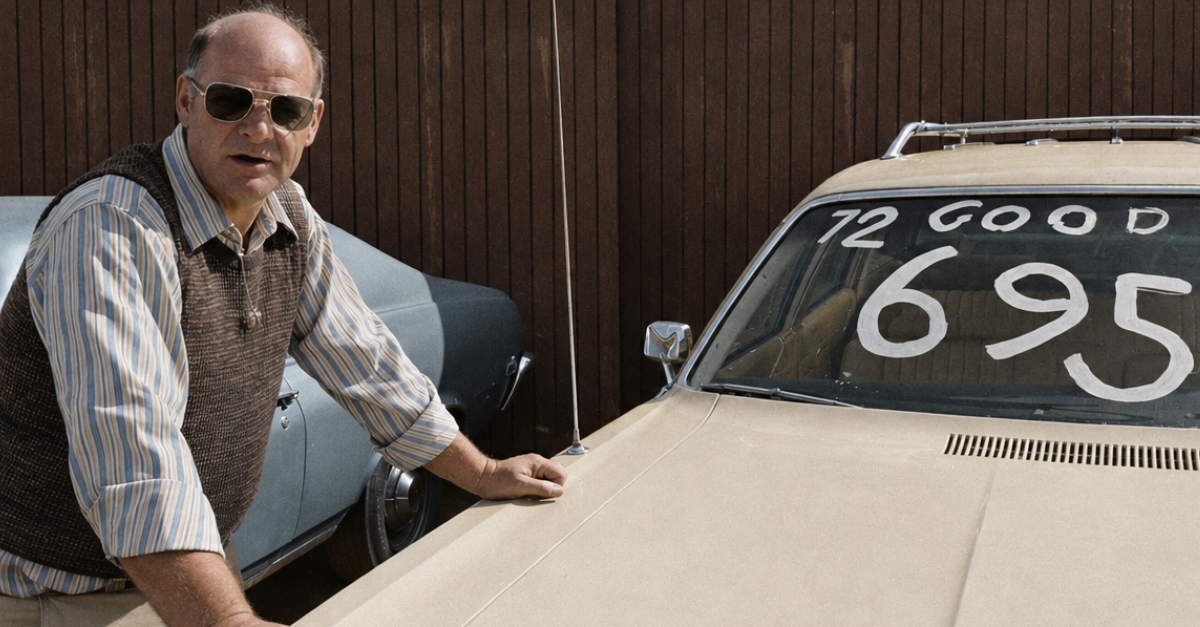
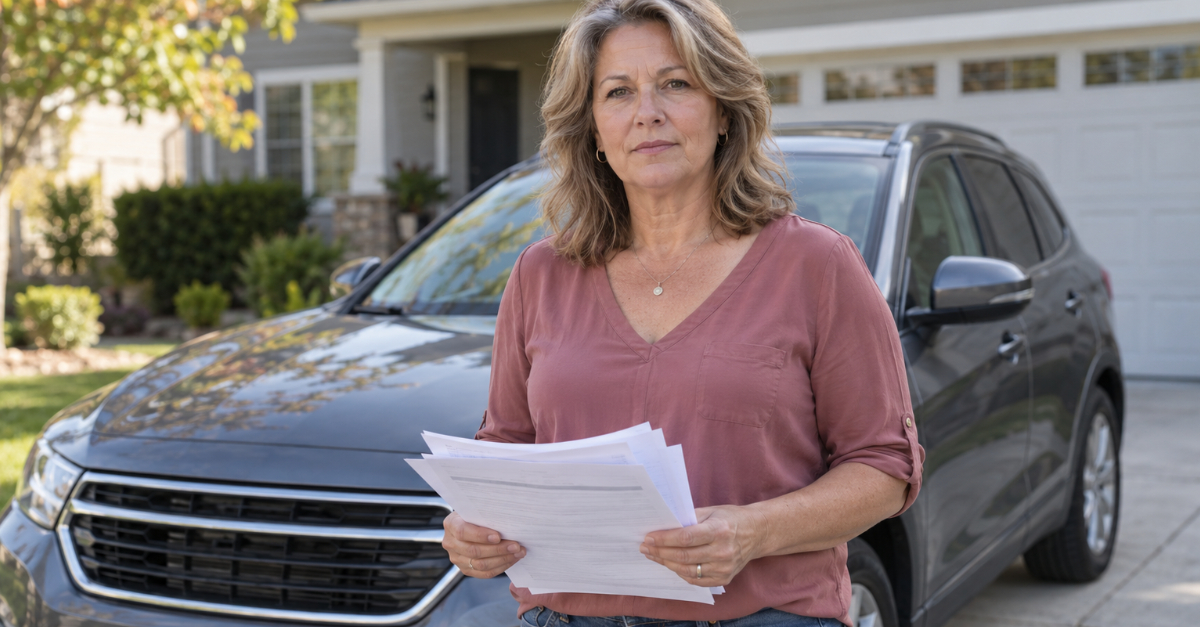
The price was settled. Hands were shaken. Then the buyer came back to pay—and the dealer wanted over $2,000 more. Can a dealership really change the deal that easily? What happened during that first visit could make a very expensive difference.
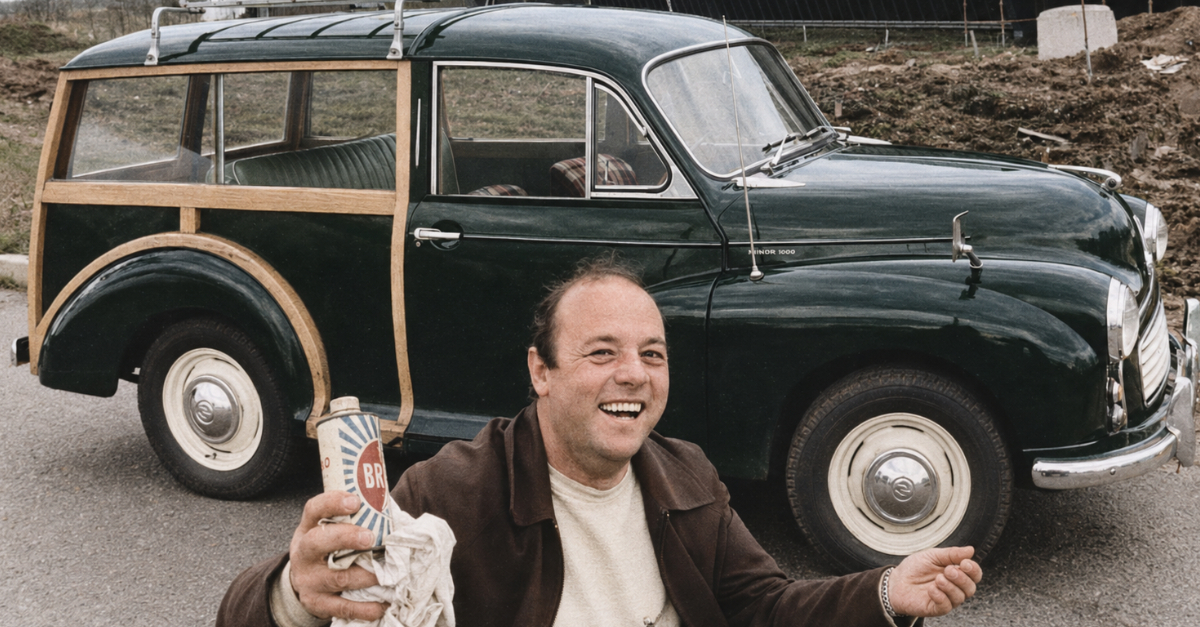
Open an old car’s trunk, and you could learn quite a bit about the person driving it. Some carried just enough to handle a flat. Others apparently expected to rebuild half the car before reaching their destination. And a few of those objects would leave plenty of modern drivers wondering which end to hold.
Get into certain old cars, look at the dashboard, and there it is: 85 mph. That’s as far as the speedometer goes. But why did so many different cars end up with that same peculiar stopping point? Well, there’s a very interesting story behind that…
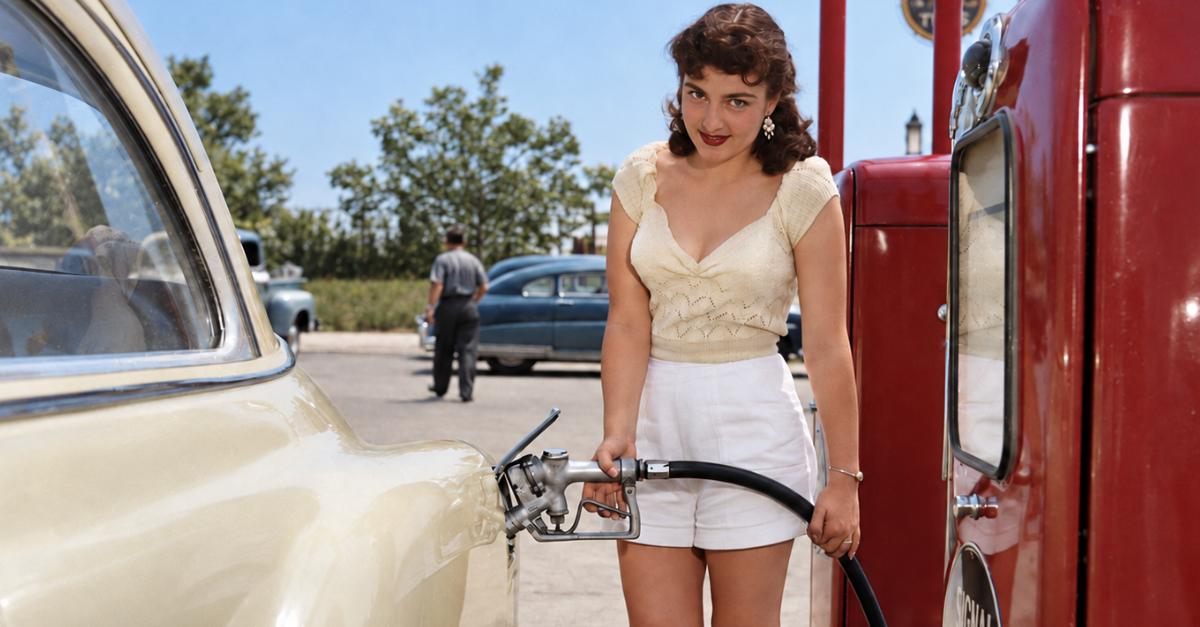
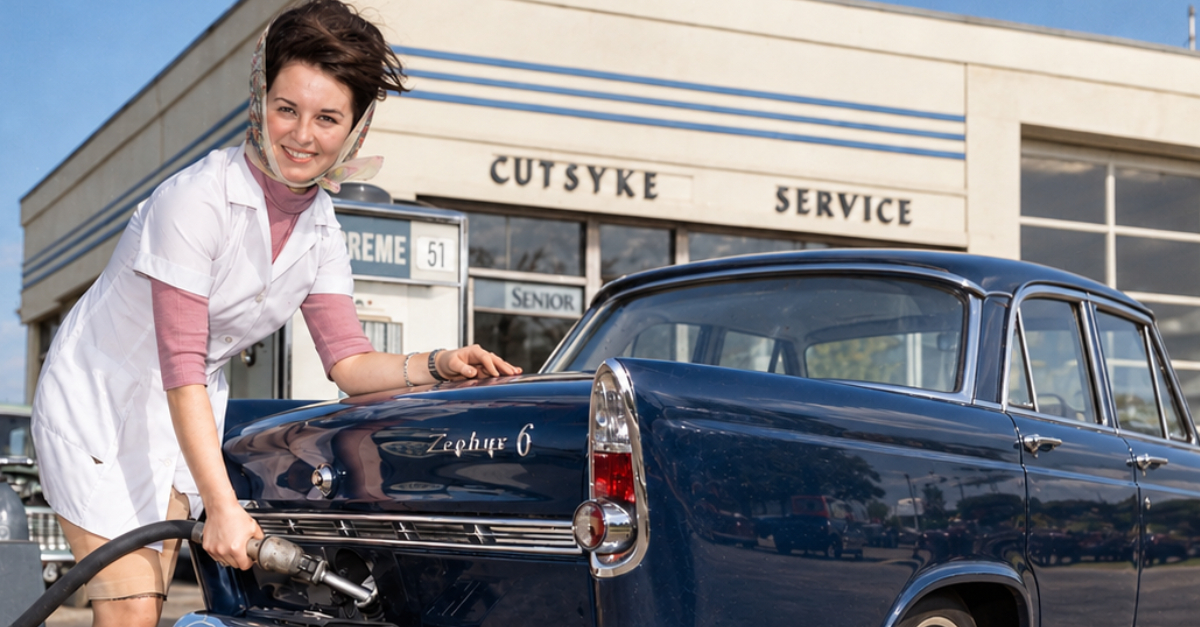
You probably remember the car your dad drove. But what about the name on the pump when he filled it up? These gas brands were around in the 1950s, and some stayed for decades afterward. Others disappeared before the kids in the back seat were old enough to drive. How many have these names ring a bell?
A brand-new car for less than $2,000. No previous owner, no mysterious stain on the back seat, and no wondering what that noise might cost to fix. In the 60s, you actually had choices at that price. Lots of choices actually...
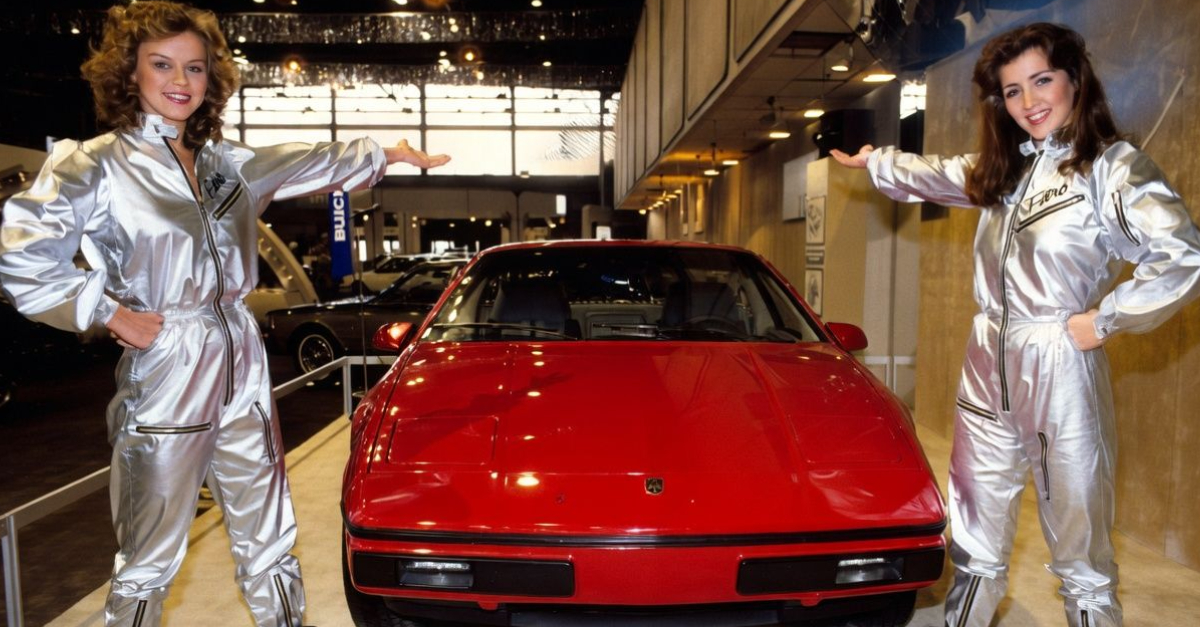
Remember when someone in the family brought home a new car and everyone wanted a ride? Well, with some of these 80s models, the excitement didn’t last nearly as long as the payments. They attracted plenty of buyers. Keeping those buyers happy? Not so much.
You probably remember the family car, the road trips, and Dad refusing to stop for directions. But what about the name above the gas pumps? These brands served American drivers during the 1960s. But do any of them ring a bell? Do you remember at least 5 of them?
You finally got rid of your car payment. Maybe you used a bonus, dipped into savings, or just kept throwing extra money at the balance. Then the lender charged you for finishing early. Apparently, paying back everything you borrowed wasn’t quite the happy ending you expected.