
Why Insurers Want To Monitor Your Driving
If your insurer has invited you to install an app or plug a device into your vehicle in exchange for lower premiums, you're looking at what's known as usage-based insurance, or UBI. These programs use telematics to measure how you drive instead of relying only on traditional factors like age, location, and claims history. The idea sounds simple, but deciding whether to participate is anything but.
 Photoroyalty, Shutterstock Images
What Exactly Is Telematics?
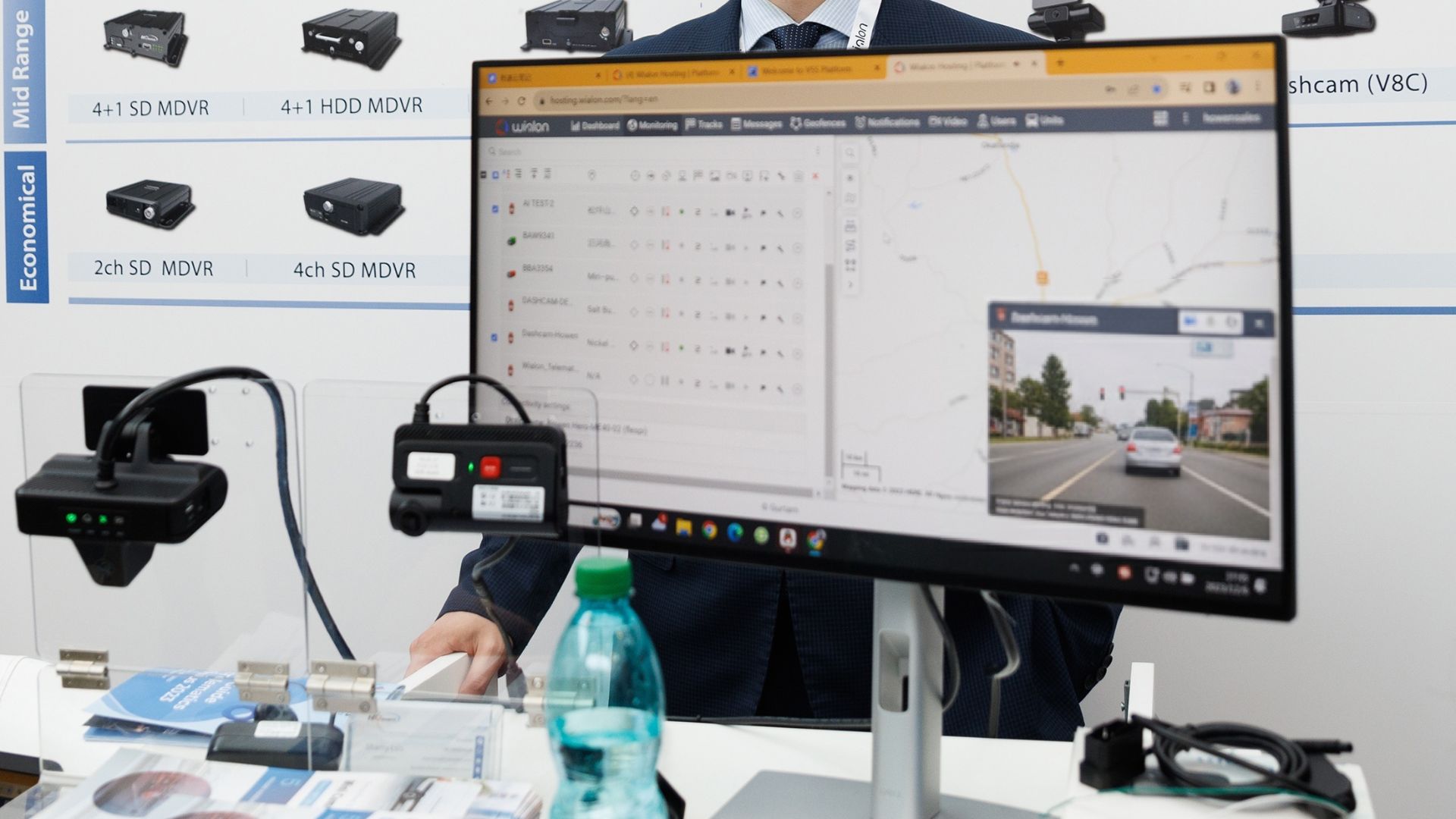
Telematics combines GPS, sensors, smartphones, or connected-car technology to collect information about your driving habits. Depending on the insurer, the system may record mileage, speed, braking, acceleration, cornering, phone use while driving, and even what time of day you travel. The Insurance Information Institute notes that different insurers collect different types of data, so reading the details matters.
The Biggest Selling Point Is Lower Insurance Costs
Most insurers advertise discounts for enrolling, with additional savings available if you consistently demonstrate safe driving habits. For careful drivers who don't spend much time behind the wheel, those discounts can be meaningful. Whether the savings continue long term depends on the insurer's scoring system and your actual driving behavior.

Not Every Driver Saves Money
Telematics isn't designed to guarantee discounts for everyone. Some programs only reward good driving, while others can influence future premiums if the data suggests you're a higher-risk driver. Before enrolling, check whether poor driving scores can affect your renewal price or whether the program only offers upside.

The Data Goes Beyond Speeding
Many drivers assume insurers simply look for speeding tickets, but telematics measures much more. Frequent hard braking, rapid acceleration, sharp turns, nighttime driving, long commutes, and annual mileage can all become part of your driving profile. Some smartphone-based programs also detect phone handling while your vehicle is moving.

How Your Driving Is Actually Recorded
Insurance companies generally collect telematics through one of three methods: a smartphone app, a plug-in device connected to your vehicle's diagnostic port, or your car's built-in connected services. Newer vehicles increasingly rely on factory-installed telematics, eliminating the need for extra hardware.
Smartphone Apps Have Their Own Limitations
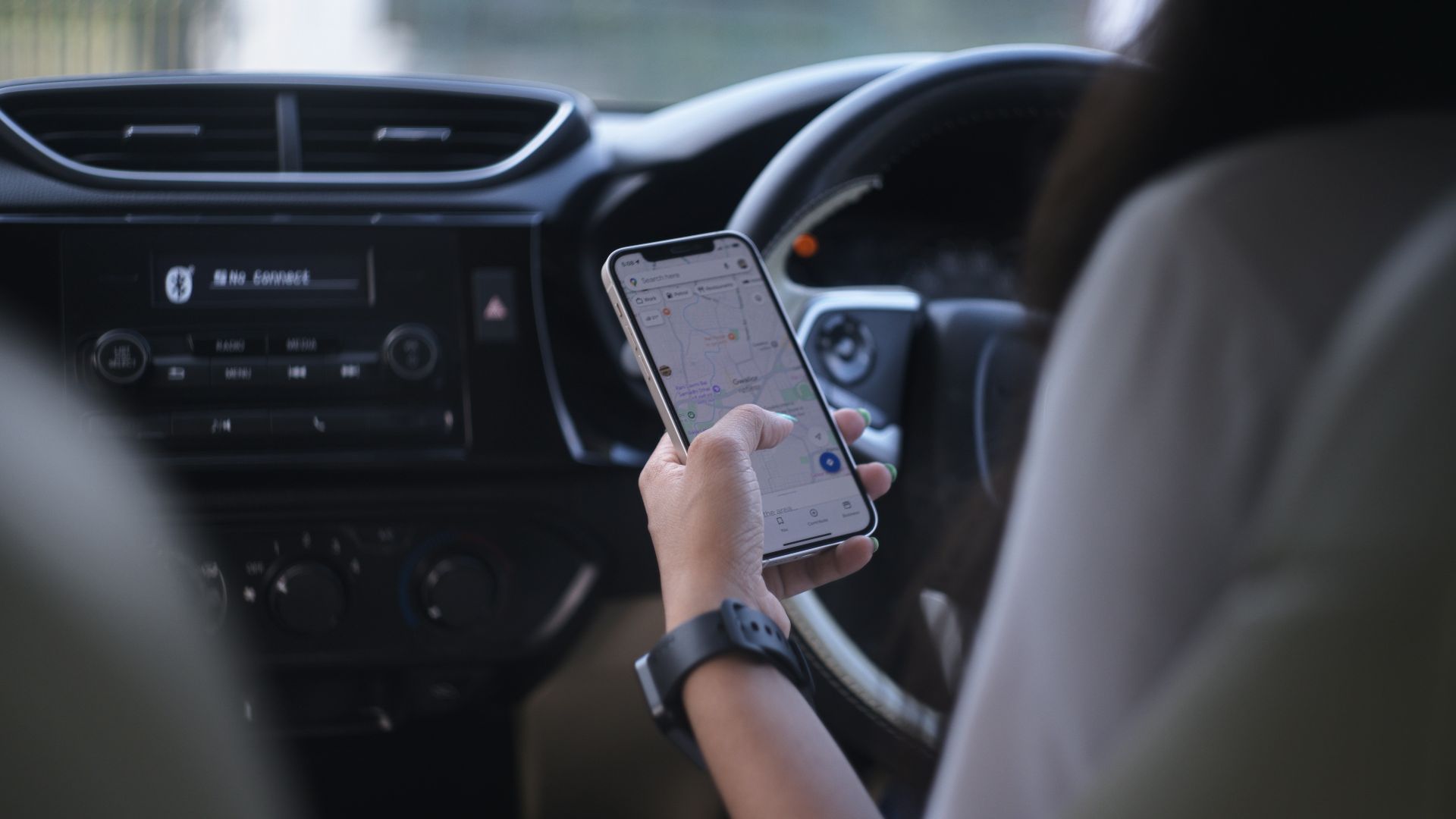
Apps are convenient, but they aren't perfect. They may occasionally mistake you for the driver when you're actually a passenger, or record unusual driving events caused by construction, weather, or emergency maneuvers. Most insurers allow customers to review or dispute trips, but the process varies by company.

Privacy Is The Biggest Tradeoff
The discount isn't really free. You're exchanging detailed driving information for personalized pricing. That data can reveal daily routines, commuting patterns, locations you frequently visit, and how you behave behind the wheel. For many people, deciding whether that's an acceptable tradeoff is more important than the potential savings.
Data Collection Has Become A Major Consumer Issue
Public concern over vehicle data has grown significantly in recent years. Federal regulators have warned that connected vehicles can collect precise location information, driving behavior, video, and other sensitive personal data. Privacy advocates argue that consumers often don't fully understand how much information modern vehicles generate.

Some Drivers Didn't Realize Their Data Was Being Shared
News investigations uncovered cases where connected-vehicle data reached data brokers and insurers without drivers fully understanding the process. Those reports prompted investigations, lawsuits, and regulatory action involving several automakers. The controversy highlighted how connected-car data can affect insurance even outside traditional telematics programs.
Regulators Have Started Responding
The Federal Trade Commission has taken enforcement action over vehicle data practices, including a settlement involving General Motors and OnStar after allegations that driver location and behavior data had been collected and shared without adequate consumer consent. The case underscored regulators' growing focus on connected-car privacy.

Not Every Program Works The Same Way
One insurer may only use telematics to determine discounts, while another may use the information during policy renewal. Some programs collect data for only a few months, while others continue monitoring throughout the life of the policy. Reading the program's terms is just as important as comparing the advertised savings.

Safe Drivers Usually Benefit The Most
Drivers with smooth braking habits, lower annual mileage, and limited late-night driving often see the biggest rewards. If you already avoid aggressive driving and rarely commute during rush hour, telematics may simply confirm the habits you've already built.

Some Driving Habits Are Hard To Change
Not everyone has complete control over their driving profile. Shift workers often drive late at night, city drivers encounter frequent stop-and-go traffic, and commuters may have little choice but to travel during busy hours. Those realities can influence telematics scores even when someone is driving responsibly.

Ask What Happens To Your Data
Before enrolling, find out exactly what information is collected, who receives it, how long it's stored, and whether you can delete it after leaving the program. Privacy policies differ widely, and the answers may influence your decision more than the advertised discount.

Read The Fine Print Carefully
Some insurers guarantee that participation can only help you, while others reserve the right to use driving data during future pricing decisions. It's also worth checking whether you can withdraw from the program without penalties if you change your mind later.

Consider Your Own Comfort Level
There's no universal right answer. Some drivers are perfectly comfortable sharing driving data in exchange for lower premiums. Others place a higher value on privacy and prefer traditional rating methods, even if they pay a little more each year.
Compare The Discount To The Value Of Your Privacy
If the expected savings amount to only a few dollars per month, you may decide constant monitoring isn't worthwhile. On the other hand, households with multiple vehicles or young drivers could potentially save enough to justify participating. The decision depends on both your finances and your personal preferences.

Remember That You Usually Have A Choice
Participation in usage-based insurance programs is generally voluntary. If you're uncomfortable with tracking, you can often decline the offer and keep a traditional policy. Shopping around may also reveal insurers that don't require telematics to offer competitive rates.

Questions To Ask Before Signing Up
Before enrolling, ask how long monitoring lasts, whether your premium can increase based on the results, what data is collected, whether it is shared with third parties, how you can review your driving records, and how to opt out later. A few minutes of research now can prevent surprises at renewal time.

The Bottom Line
Usage-based insurance can absolutely save money, especially for careful drivers with predictable habits. At the same time, it requires sharing detailed information about how, when, and sometimes where you drive. Whether it's worth it depends on how much you value the potential savings compared with the privacy you're giving up. The best choice is the one you make after fully understanding both sides of the bargain.

You May Also Like: