That Was One Expensive Drive
You bought a used car, signed the paperwork, and headed home. Before you even reached your driveway, the transmission gave up. Now the seller keeps repeating two little words: “As is.” Surely those words can’t cover a car that barely survived the trip home. Can they?

You Didn’t Even Get It Home
A breakdown that fast feels different from something going wrong six months later. You barely had time to adjust the seat. The timing deserves attention, but figuring out who pays requires more than pointing out that your ownership lasted less than an episode of television.

Two Questions, Two Different Answers
Whether you can return the car and whether someone owes you a repair are separate questions. A cancellation policy might let you unwind the purchase. A warranty might require repairs instead. Start by checking which protections actually came with your particular sale.

About That Seven-Day Grace Period
There is no nationwide seven-day grace period for used-car purchases in the United States. Federal law doesn’t give buyers an automatic return window just because they bought a car. A return right generally needs to come from applicable state law or the seller’s policy.

The Three-Day Rule Gets Confused, Too
You may have heard that major purchases come with three days to change your mind. The FTC’s Cooling-Off Rule covers certain sales away from a seller’s usual business location. It does not provide a general three-day cancellation right for a car bought at a dealership.

A Return Promise Could Still Matter
Some sellers offer their own return periods. If yours advertised seven days, save that advertisement and read the actual terms immediately. Mileage limits, deadlines, and return procedures matter. A written promise is much more useful than remembering someone saying, “We’ll take care of you.”

California Has A New Exception
Beginning October 1, 2026, qualifying California dealer sales and leases of used vehicles priced at $50,000 or less come with a three-day cancellation right. It replaces the older paid cancellation option for covered purchases. This protection doesn’t apply to an ordinary private-party sale.

That Return Right Has Conditions
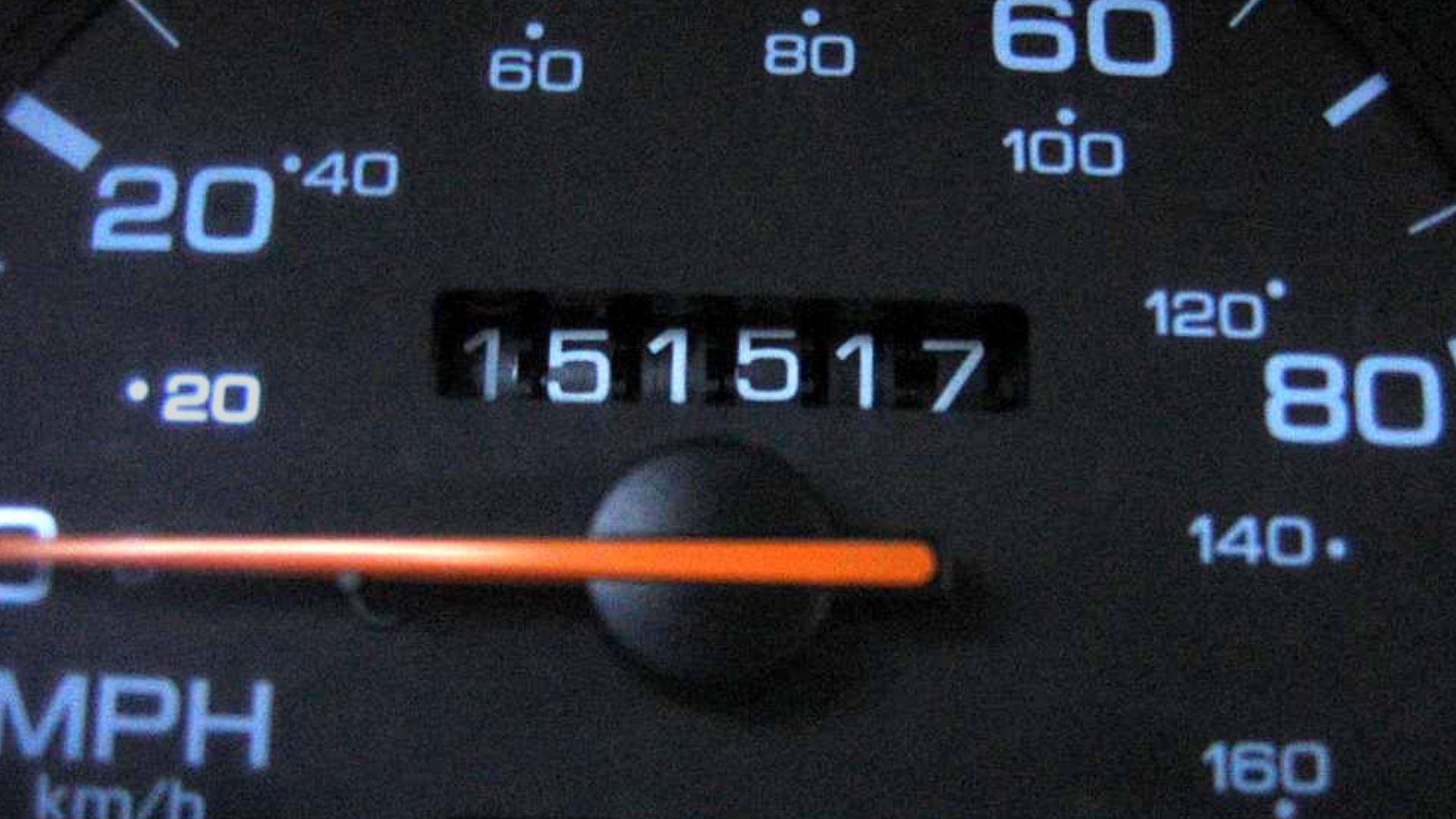
California’s right generally ends if you drive more than 400 miles. Fees and return procedures also apply. Importantly, its condition requirement makes an exception for mechanical problems that appear after delivery and weren’t caused by the buyer. A breakdown doesn’t automatically disqualify the return.
 Interiot~commonswiki, Wikimedia Commons
“As Is” Can Be Brutally Literal
In a legally valid “as is” sale, you generally accept the risk of mechanical problems without a seller’s repair warranty. That can include a major failure almost immediately. There isn’t an automatic exception simply because the transmission picked a particularly insulting moment to quit.

But The Seller Doesn’t Write State Law
The words “as is” aren’t equally powerful everywhere. Some states limit or prohibit dealers from disclaiming certain warranties. Others require particular wording or disclosures. A seller checking a box doesn’t settle whether that disclaimer actually meets the rules governing your purchase.

Who Sold You The Car?
A dealership purchase and a private sale can come with different protections. The FTC’s Used Car Rule generally applies to used-car dealers, rather than ordinary private sellers. Before following advice online, make sure it concerns the kind of seller you actually bought from.

Find The Window Form
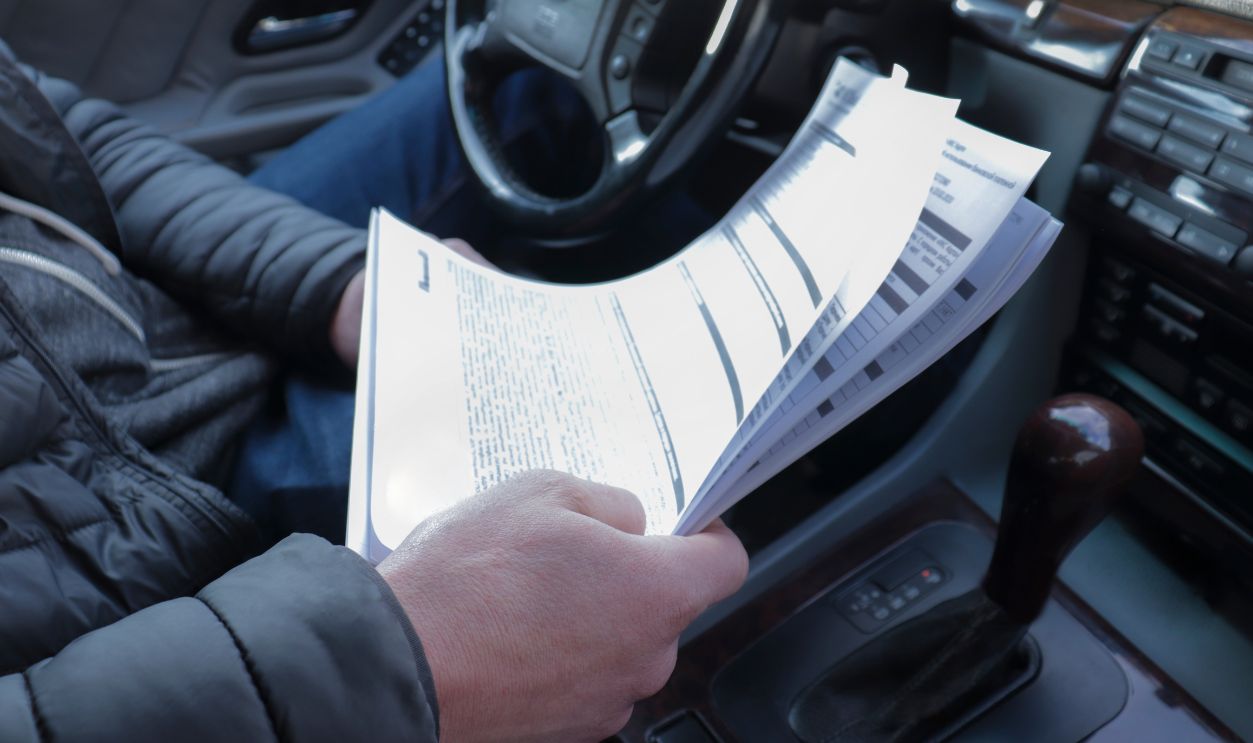
For most dealer purchases, locate the Buyers Guide—the form explaining whether the vehicle comes with a warranty. Dealers covered by the FTC rule must provide it. Look at the warranty section carefully. That sheet can matter much more than the salesperson’s confident explanation afterward.

Conflicting Paperwork Can Change Things
Suppose the Buyers Guide says the car includes a warranty, but another document says “as is.” According to the FTC, the warranty coverage on the Buyers Guide overrides conflicting terms in the sales contract. Don’t let someone point to one page while ignoring the other.

A Warranty Doesn’t Always Need A Certificate
An implied warranty of merchantability can protect a used car’s basic ability to function, considering its type and price. It generally comes from a dealer sale unless legally excluded. That doesn’t promise a flawless car, but it can matter when something was defective at purchase.

Some States Require Used-Car Coverage
New York requires warranties on qualifying dealer-sold used cars costing at least $1,500, with 100,000 miles or less at purchase. Other eligibility requirements apply. Covered transmission components include the case, internal parts, and torque converter. Dealers cannot erase that required protection by writing “as is.”

A Repair Right Isn’t An Instant Refund
Even when a state used-car lemon law applies, the first remedy may be a repair. In New York, qualifying refund claims generally require giving the dealer a reasonable opportunity to fix the problem. One breakdown can trigger coverage without immediately entitling you to unwind the purchase.
Seven Days Can Mean Something Specific
Massachusetts allows certain sales to be canceled after a failed inspection within seven days, if qualifying repairs exceed 10% of the purchase price. The buyer must notify the seller, return the vehicle, and provide the inspection station’s signed statement and repair estimate within 14 days of sale. A breakdown alone doesn’t qualify.
Private Sellers Have Exceptions, Too
Massachusetts also requires private sellers to disclose known defects that impair safety or substantially impair use. A buyer who proves a qualifying defect was knowingly undisclosed may rescind within 30 days. That’s one reason “private sale” shouldn’t automatically translate into “don’t bother checking.”

A Broken Car And A Lie Are Different Claims
A transmission failure within 45 minutes deserves investigation, but doesn’t automatically prove the seller knew about it. A warranty claim may depend on the defect and coverage rather than the seller’s knowledge. Don’t assume you must prove a deliberate lie before anyone could owe you a repair.
What Did The Seller Actually Tell You?
Save claims such as “the transmission was just replaced” or “there are no transmission problems.” False statements or legally required disclosures that were withheld can create additional claims. Texas’s State Law Library, for example, identifies deceptive-practices claims as a possible remedy for misrepresented vehicle condition.

Check For Remaining Factory Coverage
“No dealer warranty” doesn’t necessarily mean no warranty anywhere. The car may still have manufacturer coverage. Have the manufacturer or an authorized dealership check the VIN, mileage, coverage dates, and transfer requirements. An eligible powertrain claim could change who pays for the transmission repair.
Don’t Try To Nurse It Home
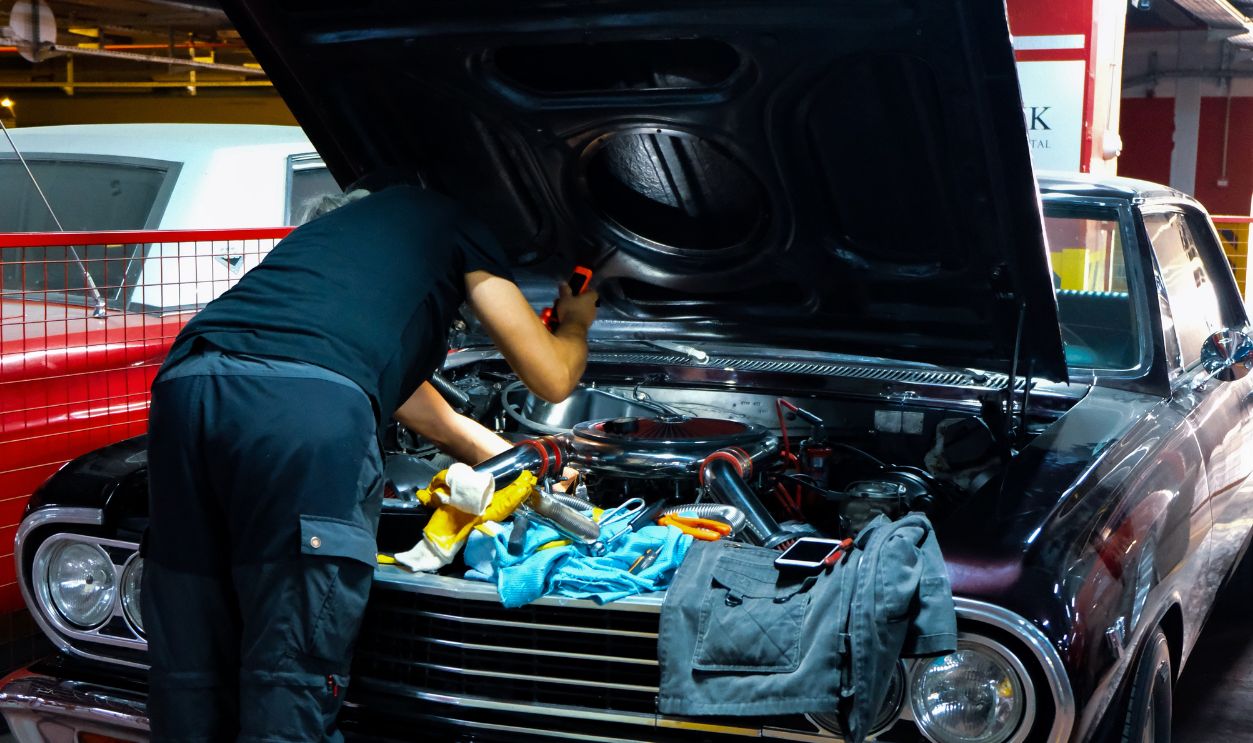
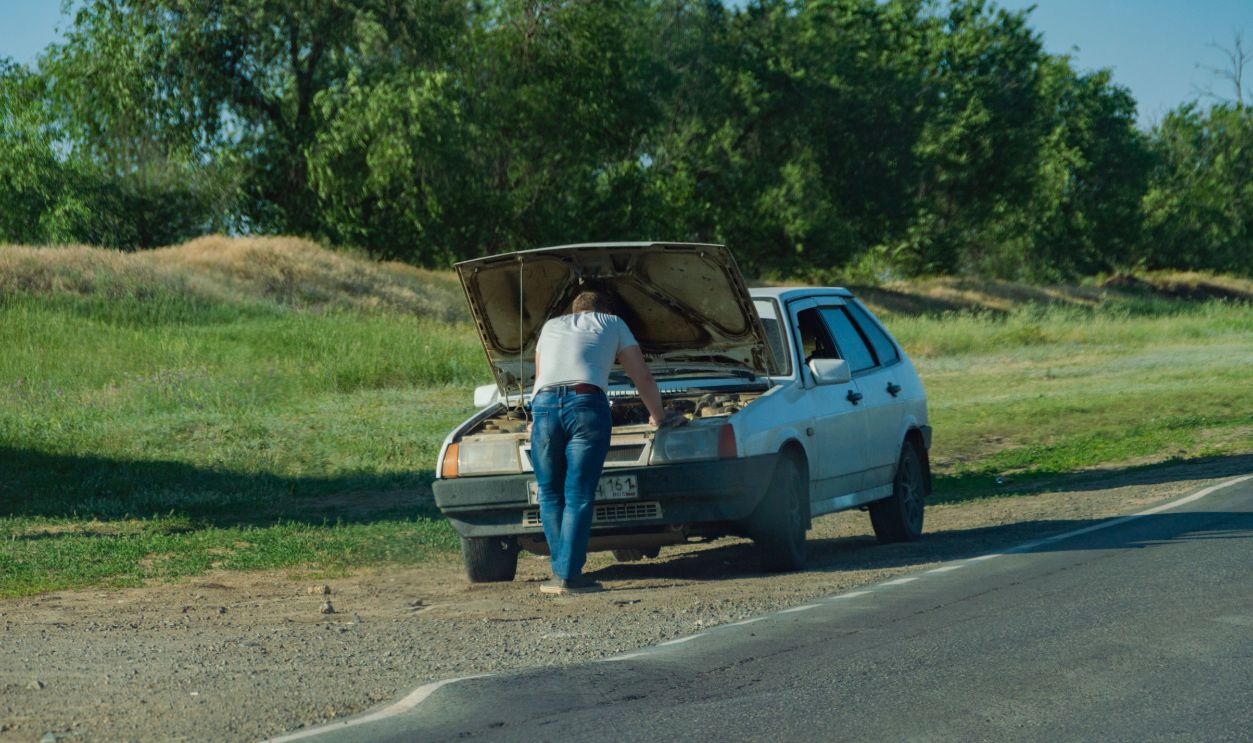
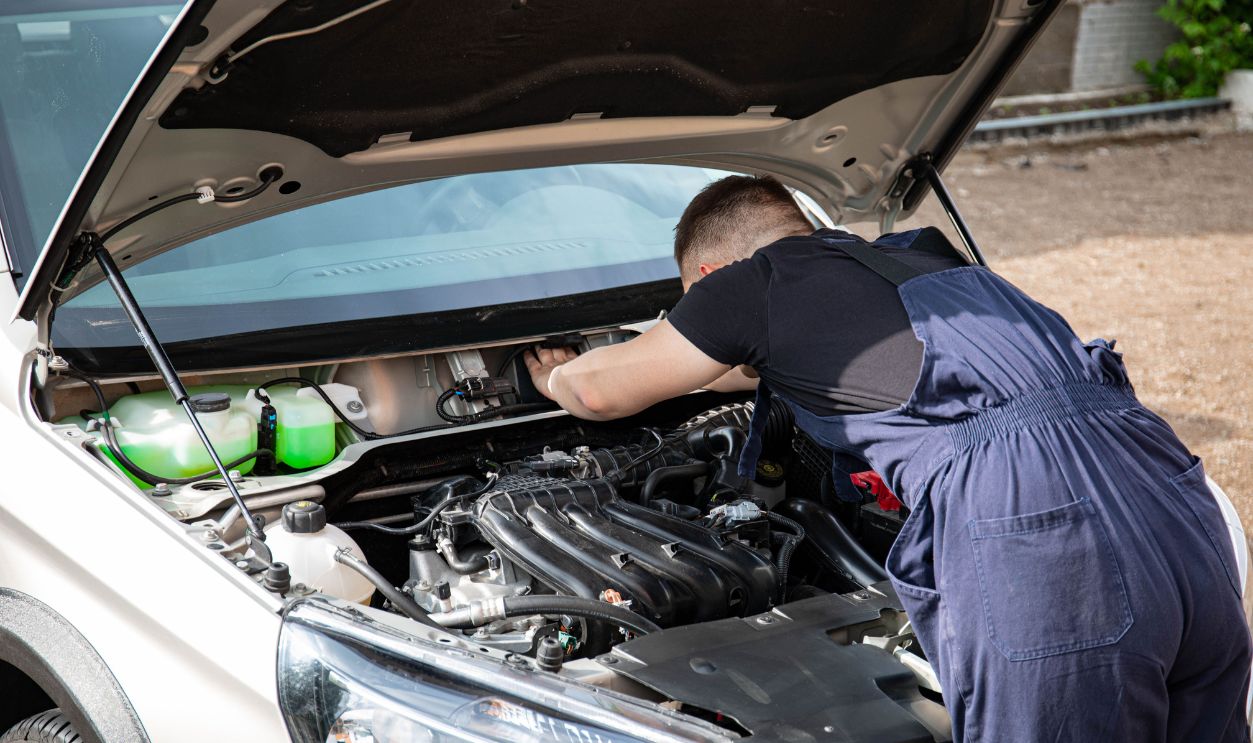
If the car is malfunctioning, stop somewhere safe and arrange appropriate towing rather than trying to squeeze out another few miles. Record what happened before anyone works on it. Getting the car to your driveway isn’t worth risking additional damage or making the original failure harder to document.

Get A Diagnosis, Not Just A Price
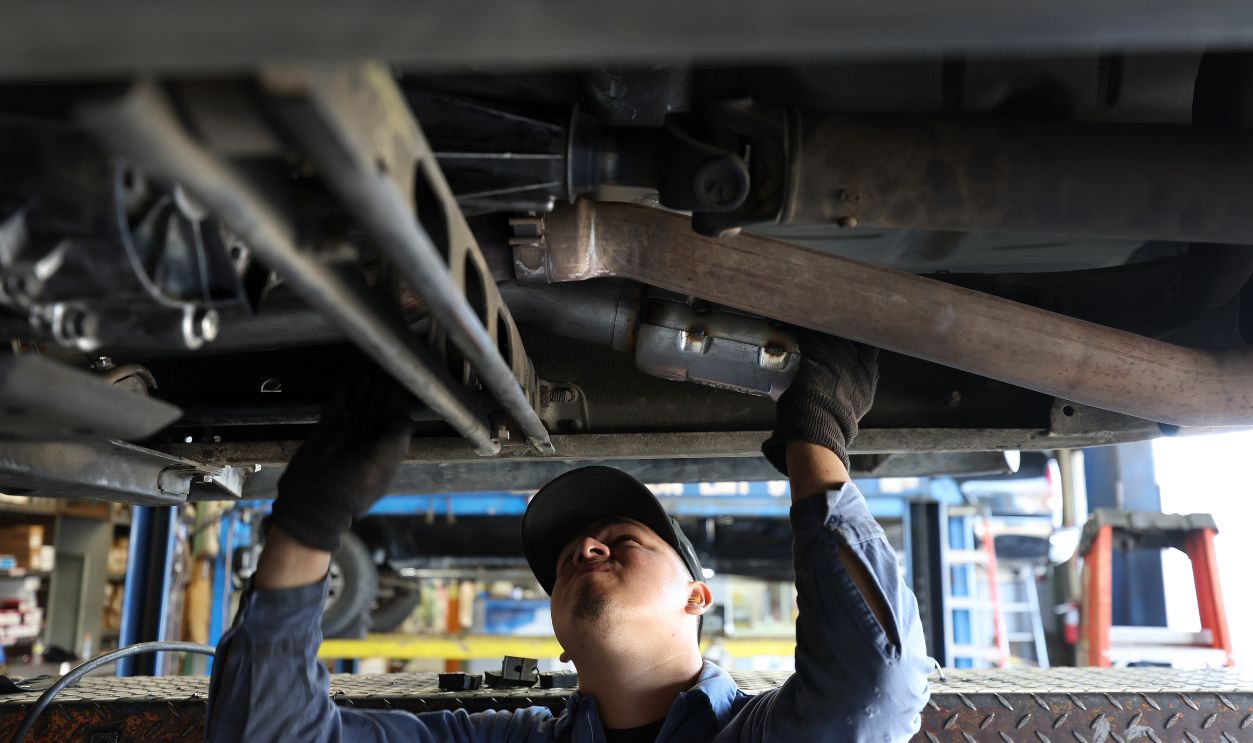
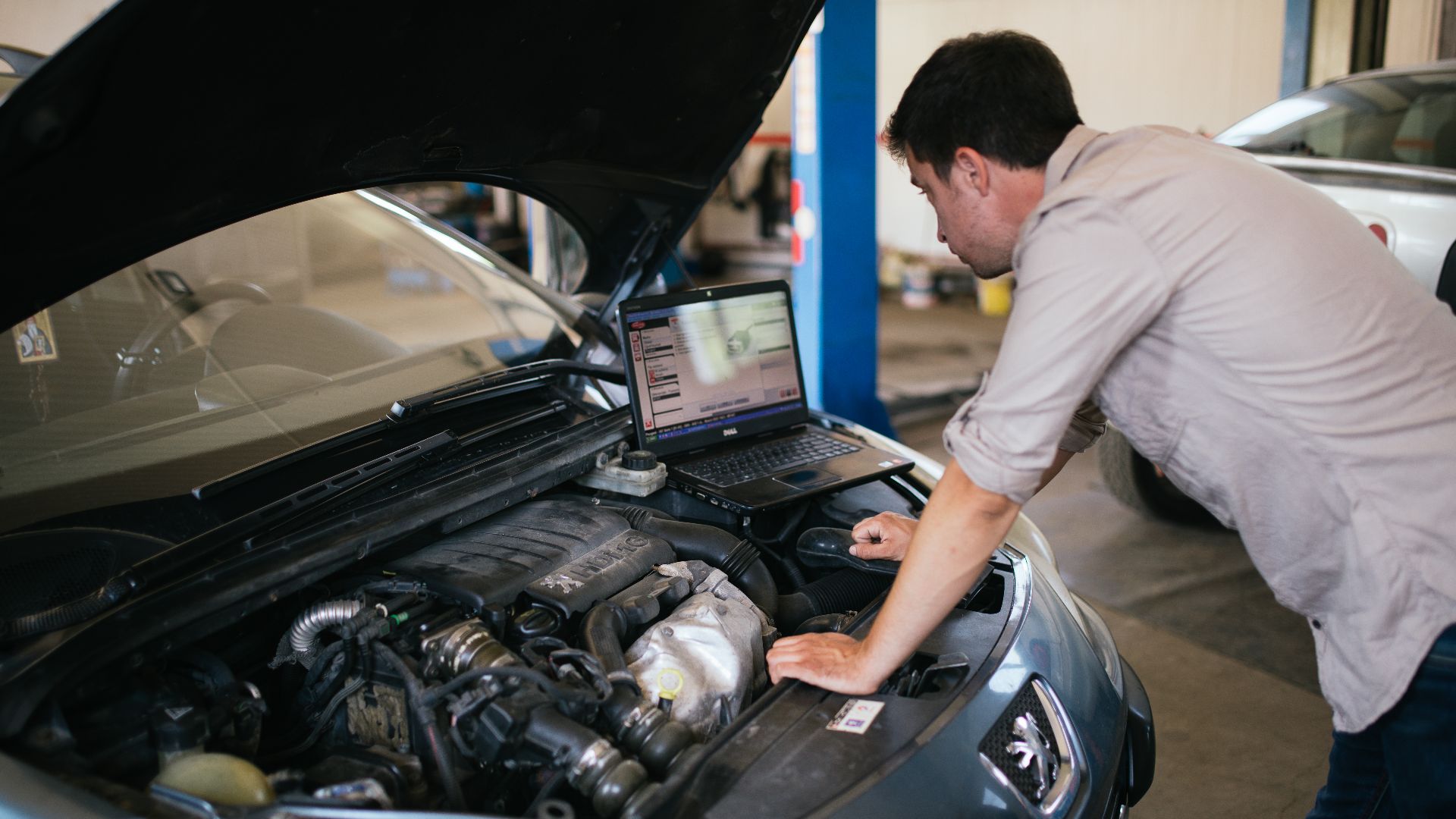
Ask an independent shop to identify the actual fault and document its findings. If the mechanic can support an opinion that the problem existed before purchase, ask for that in writing. Request that findings and removed parts be preserved where practical. An estimate alone only tells you the cost.
 Shixart1985, Wikimedia Commons
Save Everything Before It Disappears
Screenshot the listing, download messages, and keep the sales documents. Record the purchase mileage, breakdown mileage, time, location, and symptoms. Save towing receipts and repair estimates, too. Build a clear timeline while the details are fresh, especially if the seller starts changing their explanation.
 Natallia Ustsinava, Shutterstock
Tell The Seller Immediately
Notify the seller promptly in writing, even if you already called from the roadside. Explain when the failure happened and request a specific response about inspection, repair, or return. For warranty claims, timely notice can matter. Keep copies of every message and reply.

Be Careful About Authorizing The Repair
Before approving a replacement transmission, check any warranty or service-contract procedures. Covered repairs may require prior authorization or a particular facility. Ask how towing and diagnosis should be handled, too. Paying another shop first can complicate reimbursement if you skipped the required process.

That Extra Contract Could Matter
Federal law restricts implied-warranty disclaimers when the seller enters into a service contract at purchase or within 90 days. The dealer’s role matters: merely selling another company’s contract can be different. Buying coverage after the breakdown doesn’t automatically make that failure payable. Check the contract and the arrangement.
 LightField Studios, Shutterstock
Ask For Help If They Stonewall
If the dealer refuses to address a documented warranty or misrepresentation issue, contact your state consumer protection office or attorney general. A consumer attorney can assess possible claims and whether small claims court makes sense. A complaint alone doesn’t guarantee a refund or repair.

The Loan Doesn’t Take A Break
If you financed the car, don’t assume the breakdown suspends your payments. Contact the lender if the repair creates a financial hardship and get any payment arrangement in writing. Missed payments can add credit problems, fees, and repossession risk to an already miserable purchase.
 https://kaboompics.com/, Pexels
So Are You Really Stuck?
Possibly—if the “as is” sale was valid and no warranty, return right, state protection, or actionable misrepresentation applies. But check those things before accepting the bill. Forty-five minutes doesn’t automatically make the seller responsible. Two words on the paperwork don’t automatically let them off the hook, either.

You Might Also Like:
My used car’s “clean history” missed a major repair. Do vehicle reports commonly leave things out?