When “Fixed” Doesn’t Look Fixed
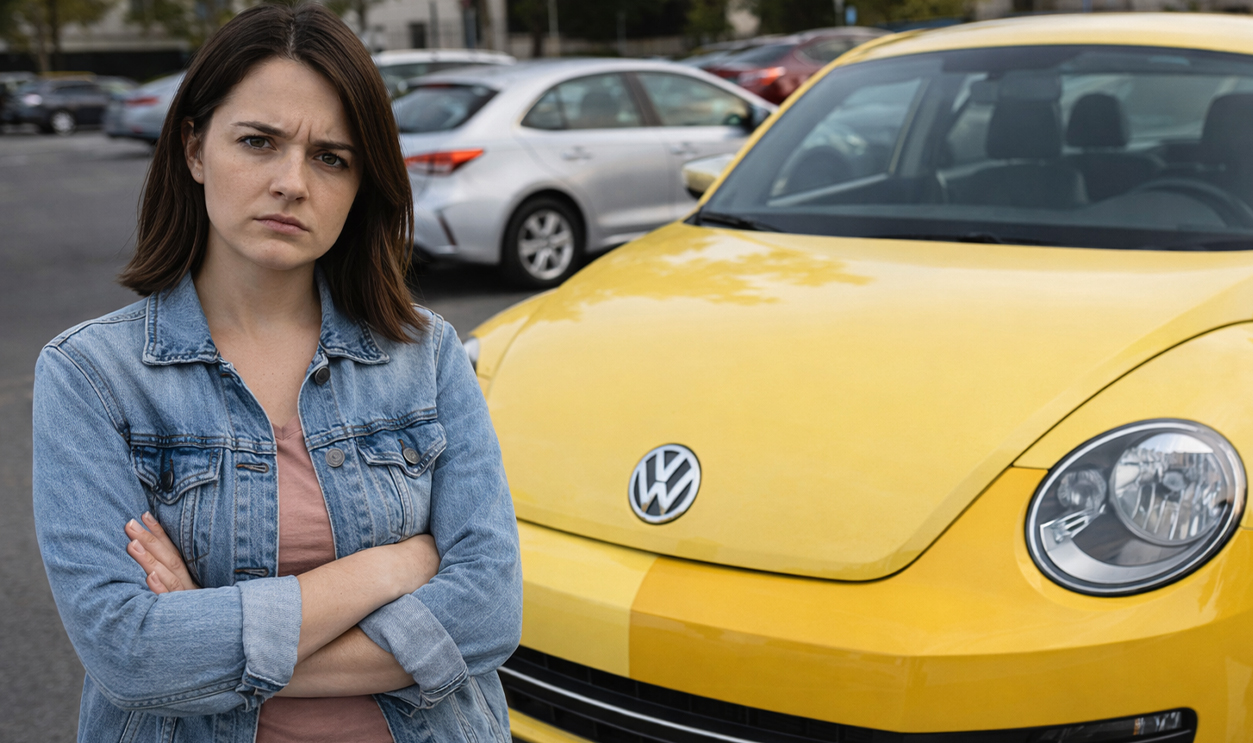
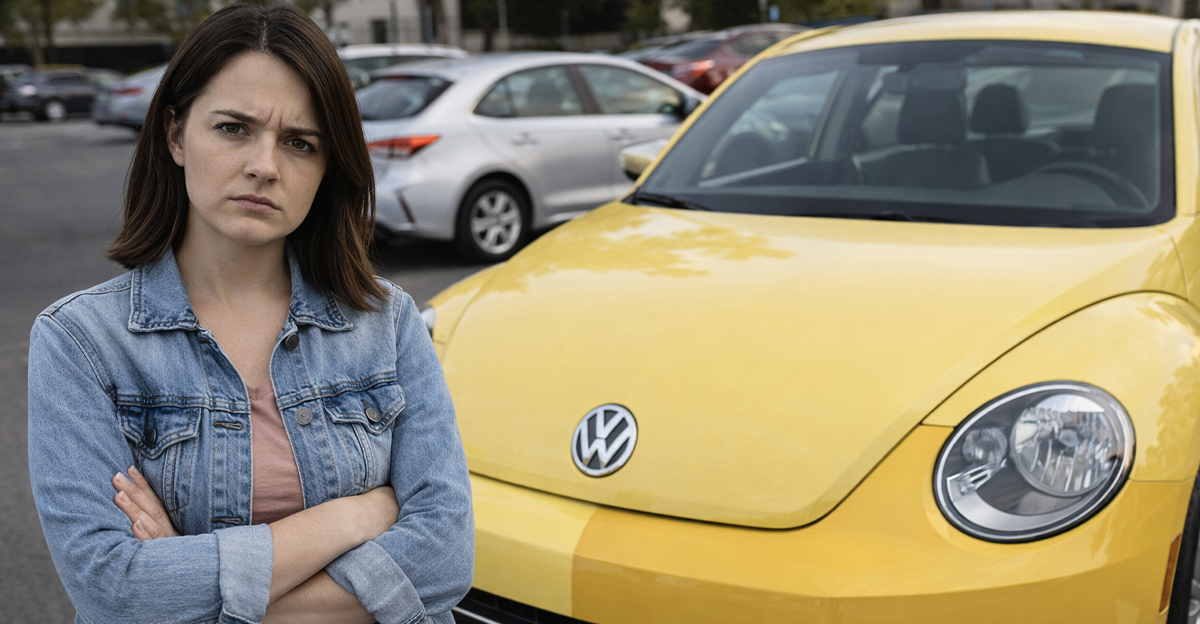
You finally picked up your car after an accident repair. You expected to feel relieved but instead, you notice the paint doesn’t quite match in certain light, and one of the body panels doesn’t sit flush like it used to. Now every time you walk toward the car, that mismatch jumps out at you. The shop says it’s “within tolerance”. You’re not so sure. So, what are your rights here? Can you actually demand that the body shop redo the work, or are you stuck with a repair that looks almost right but not quite?
First, Know That Cosmetic Quality Matters
Collision repair isn’t just about making a car drivable again. Proper repairs should restore both structural integrity and cosmetic appearance as closely as possible to pre-accident condition. More than just being aesthetic annoyances, paint mismatches and panel gaps can affect resale value and indicate improper alignment or finishing.

Modern Paint Matching Isn’t Guesswork
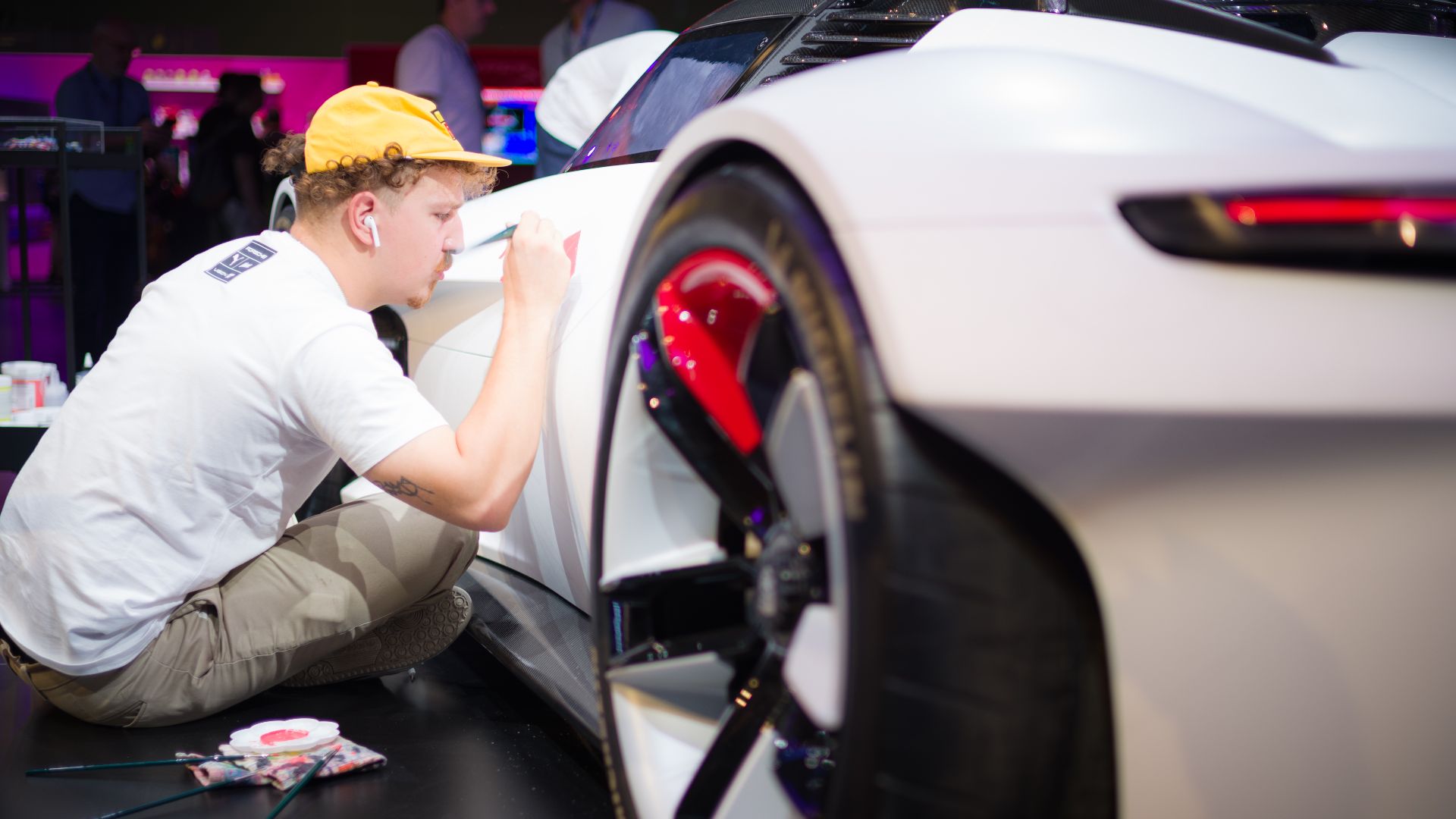
Body shops use computerized color-matching systems that account for your vehicle’s exact paint code. However, paint blending is still an art. Lighting, aging paint, metallic finishes, and application technique all affect the result. Minor variation can happen, but obvious mismatches in normal daylight often signal poor blending or prep work.
 Thomas Rosquin, Wikimedia Commons
Panel Gaps Are More Than Cosmetic
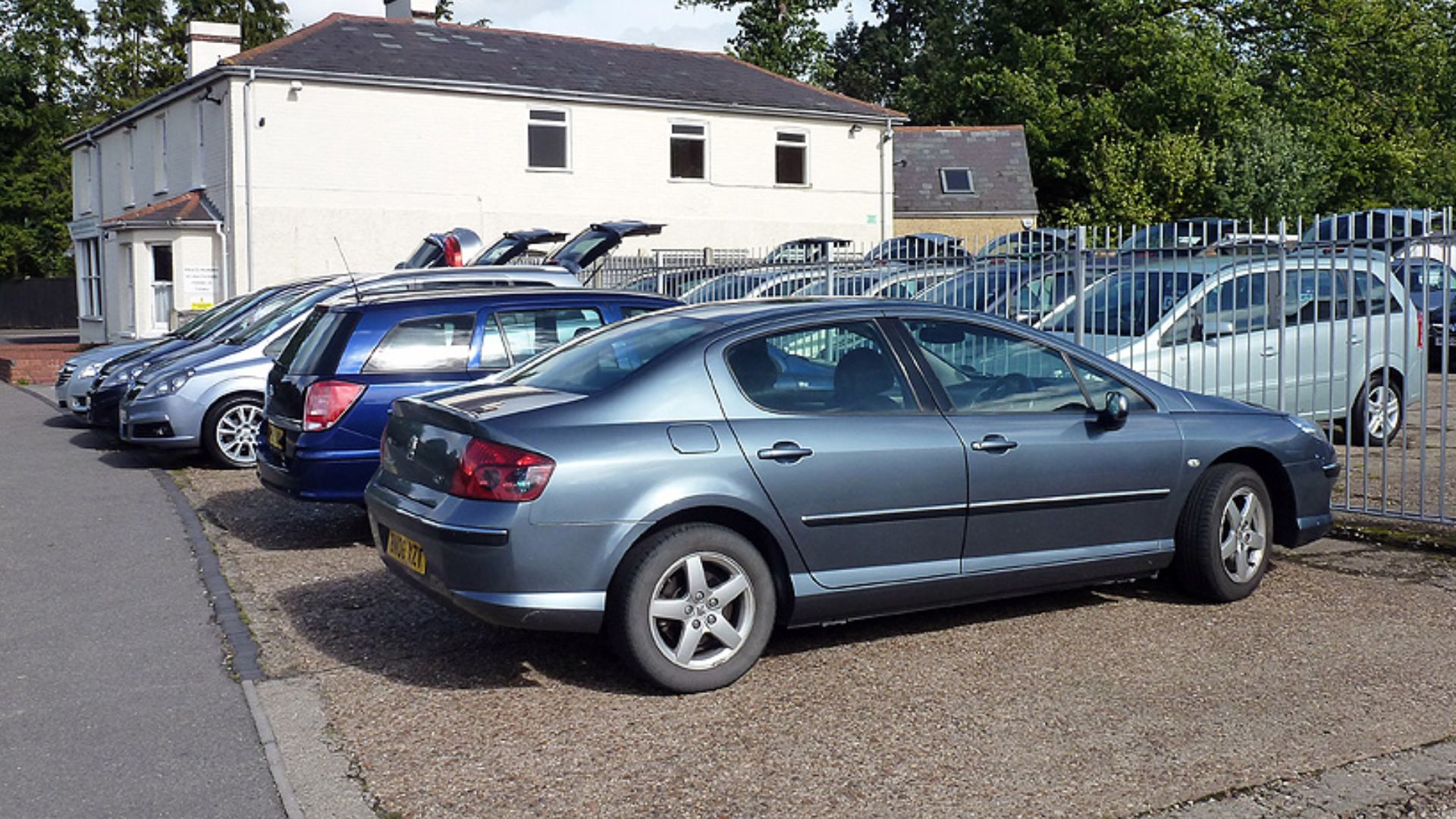
Panel alignment matters. Uneven gaps between doors, fenders, or bumpers can suggest improper reassembly or failure to fully restore the structure. In some cases, it can even indicate hidden frame or mounting issues. If the gap wasn’t there before the accident, it’s reasonable to question the repair quality.
Start By Reviewing The Repair Invoice
Look at what the shop agreed to do. Did they replace panels? Repaint adjacent panels for blending? Perform structural alignment? The invoice outlines the scope of work. If blending or alignment was included, you have stronger grounds to question the result.

Most Body Shops Guarantee Their Work
Many reputable shops offer lifetime warranties on collision repairs. These warranties typically cover paint defects, workmanship issues, and installation problems. If your repair falls under warranty, you absolutely have the right to request correction.
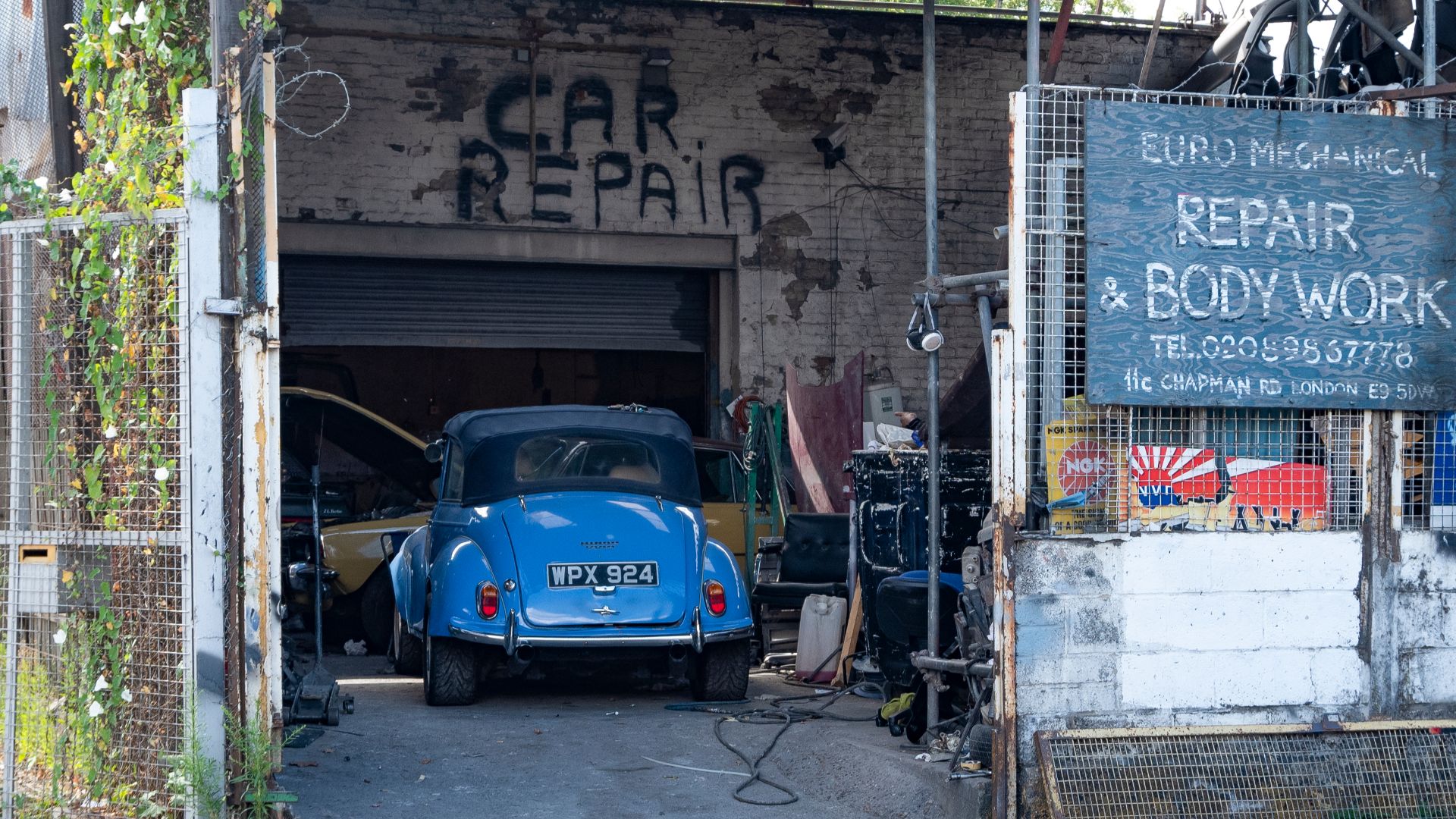 London Less Travelled, Wikimedia Commons
Contact The Shop Immediately
Don’t wait weeks or months. Bring the vehicle back as soon as you notice the issue. Point out the paint mismatch and panel gap calmly and clearly. The sooner you raise concerns, the harder it is for the shop to argue that something else caused the problem.

Take Photos In Good Lighting
Document the mismatch and panel gap in natural daylight from multiple angles. Photograph areas where the paint clearly differs or where spacing is uneven. Clear documentation strengthens your position if the shop pushes back.
Ask For An Explanation In Plain Terms
Give the shop a chance to explain. Sometimes minor paint variation can occur due to aging paint on the rest of the car. However, if the difference is obvious to the naked eye, that’s not just “normal variation”. Ask whether they blended adjacent panels properly and whether alignment specs were verified.
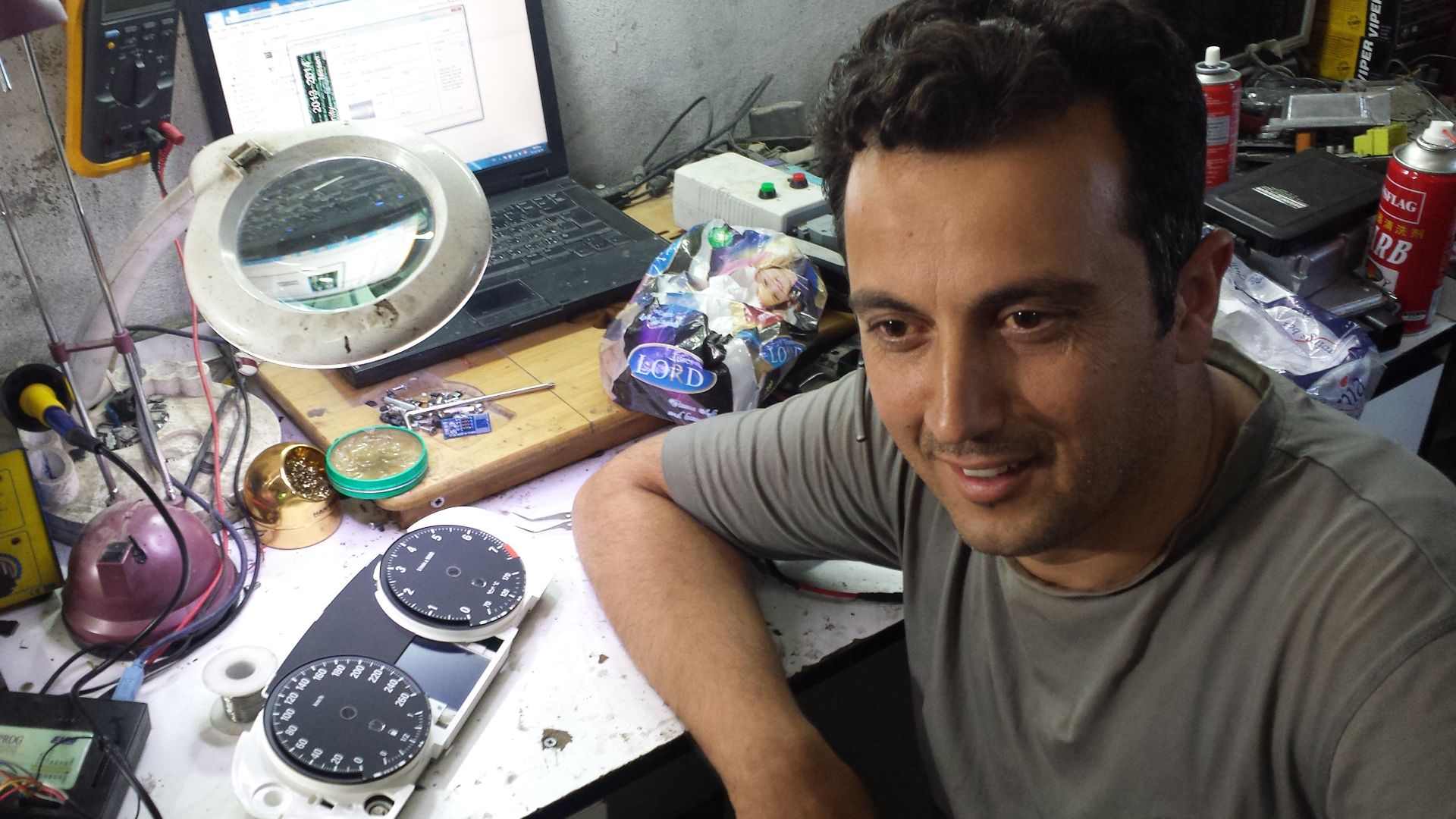 Firm Foundations Duhok, Wikimedia Commons
Insurance Involvement Changes The Dynamic
If the repair was handled through insurance, your insurer has leverage. Insurance companies expect repairs to meet industry standards. If the shop resists redoing the work, contact your claims adjuster and request a reinspection.
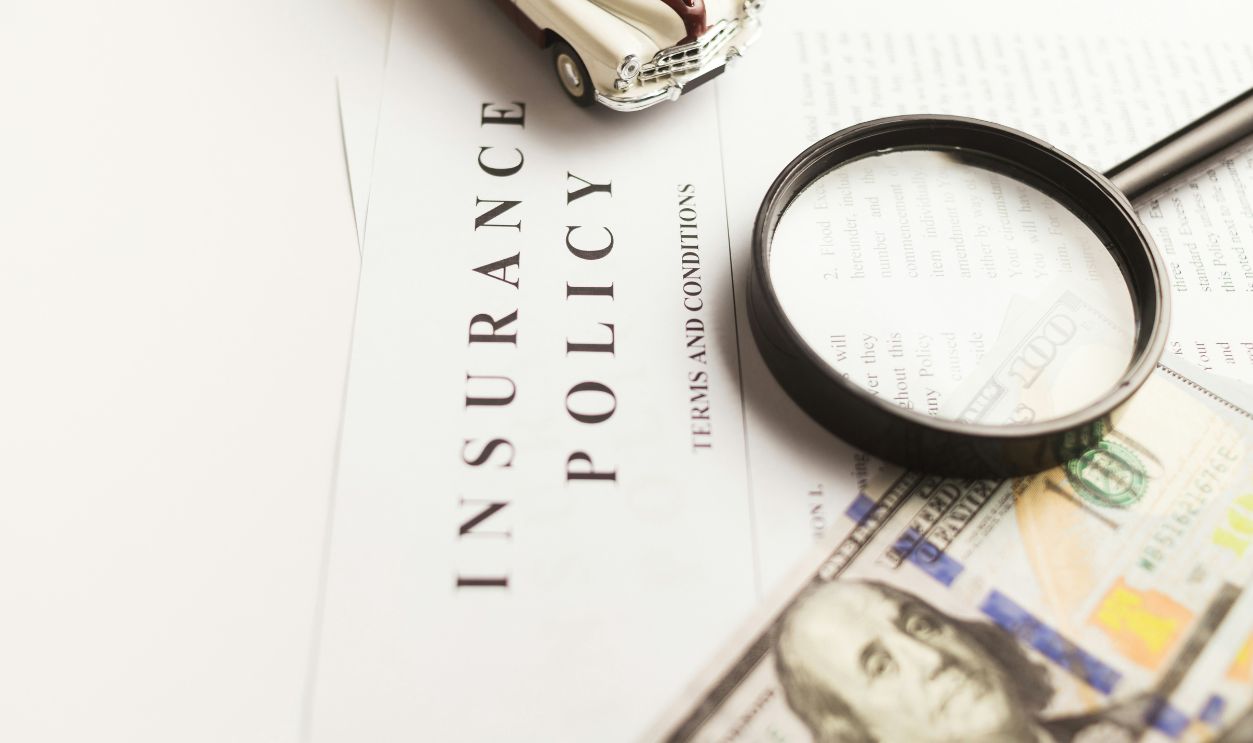
Industry Standards Exist For A Reason
Collision repairs are expected to meet manufacturer guidelines and industry standards. Paint should be blended to avoid noticeable transitions. Panels should align evenly. “Within tolerance” doesn’t mean visibly off. It means consistent with professional repair standards.
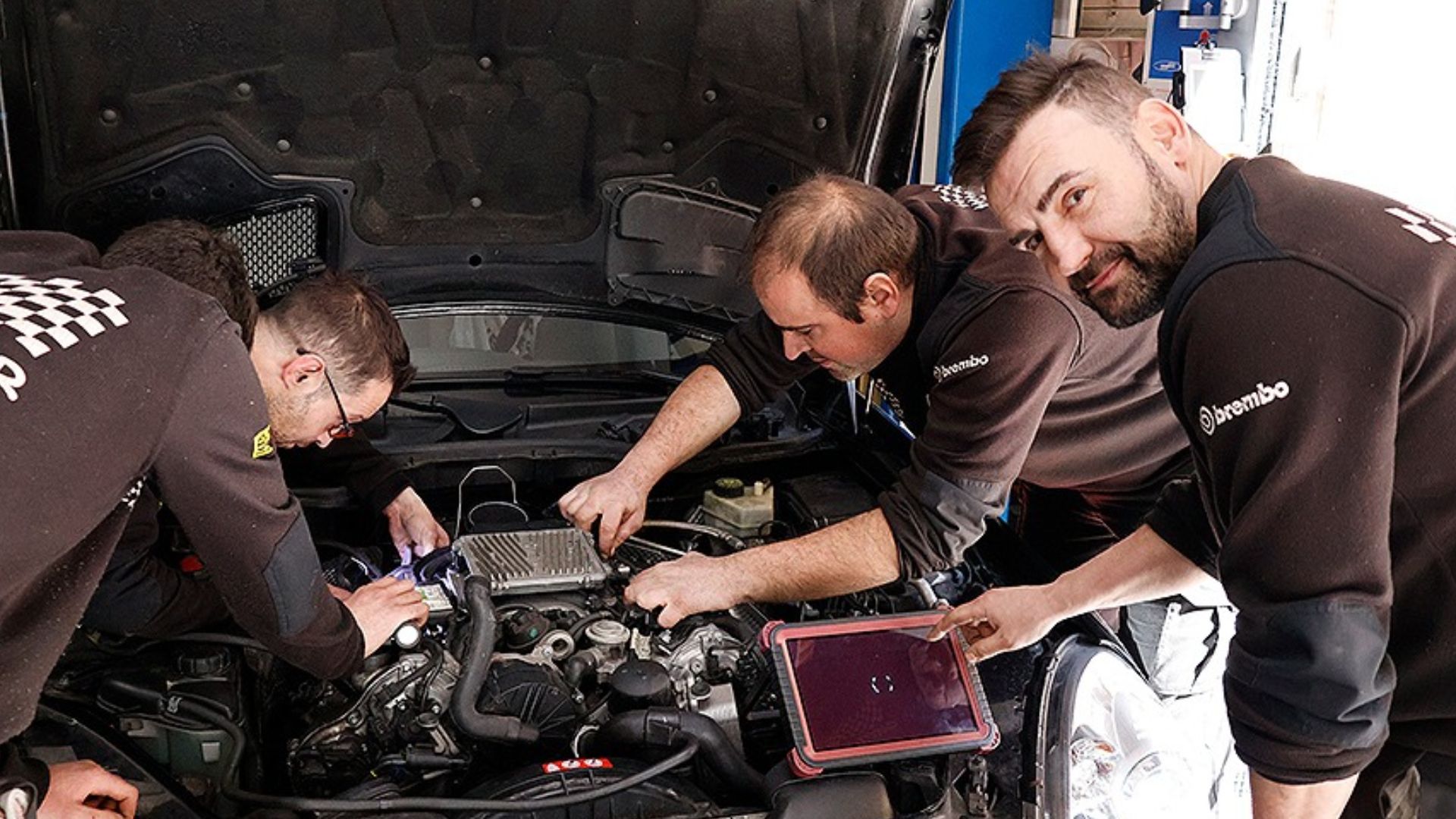 Agencia Pyme, Wikimedia Commons
A Second Opinion Can Be Powerful
If you’re unsure whether the defect is truly substandard, get an evaluation from another reputable body shop. A written statement noting improper blending or alignment gives you additional leverage.
 Agencia Pyme, Wikimedia Commons
Don’t Accept “That’s Just How It Is”
Some shops downplay concerns, especially if they think a customer won’t push back. But noticeable paint mismatch and visible panel gaps aren’t cosmetic nitpicking. You paid for proper restoration.
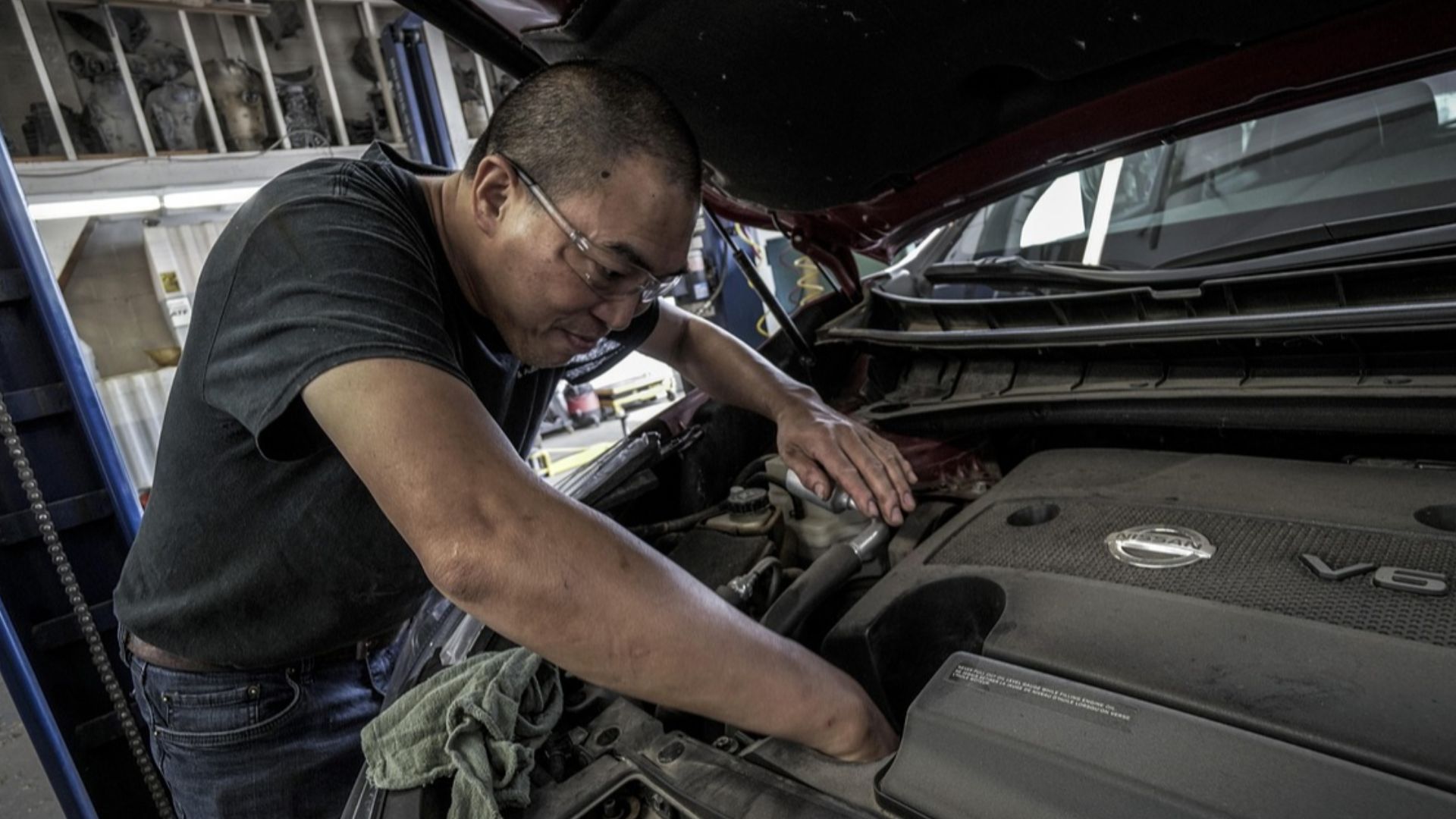
Frame And Structural Checks May Be Needed
If panel gaps are significant, ask whether the frame or underlying structure was measured after repair. Modern vehicles require precise measurements. Even slight misalignment can show up as uneven spacing.
What A Proper Redo Should Include
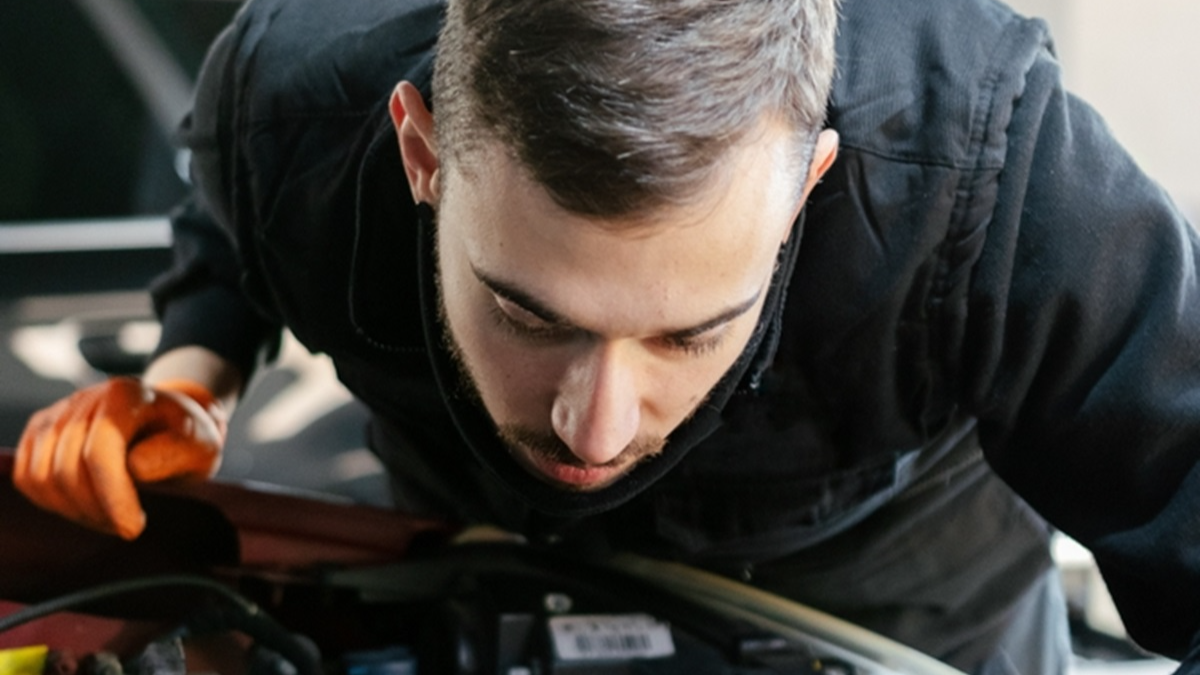
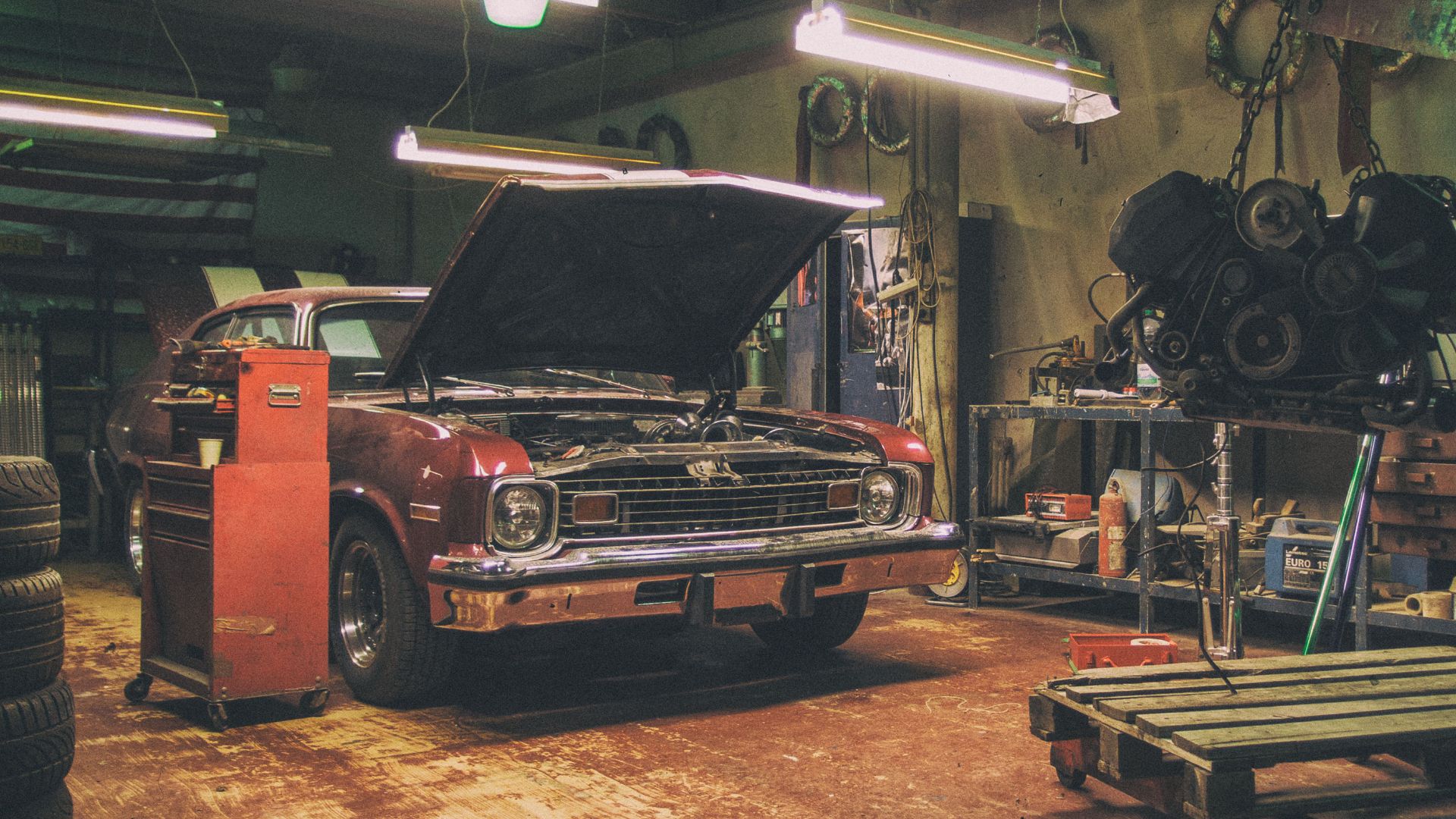
A redo may involve repainting and blending adjacent panels to achieve color consistency. It may also require removing and reinstalling panels to correct alignment. Done properly, the fix should make the issue disappear, not just improve it slightly.
 Martin Vorel, Wikimedia Commons
If The Shop Refuses
If the shop denies responsibility, escalate to the shop owner or manager. If the repair was insurance-based, involve your insurer. Many insurers will pressure shops to correct workmanship issues to protect their network reputation.

Consumer Protection Options
If internal escalation doesn’t work, you can file a complaint with your state’s consumer protection office or automotive repair regulatory agency. Documentation, photos, and written estimates from other shops will be critical.

Small Claims Court Is A Last Resort
If the financial impact is significant and the shop refuses to correct obvious workmanship defects, small claims court may be an option. Bring your repair contract, warranty, photos, and expert evaluations.

Consider Diminished Value
If poor paint matching or alignment affects resale value, you may have grounds for a diminished value claim, especially if the repair was insurance-related. This is more common with newer vehicles.
 John Lucas , Wikimedia Commons
Stay Calm But Firm
Approach the situation professionally. You’re not demanding perfection; you’re requesting industry-standard workmanship. Calm persistence tends to produce better outcomes than emotional confrontation.

The Bottom Line: Yes, You Can Demand It Be Made Right
If the paint clearly doesn’t match or panel gaps are visibly off, you are well within your rights to request a redo. Collision repairs should restore your vehicle as close to pre-accident condition as reasonably possible. With prompt documentation, clear communication, and, if needed, insurance involvement, you can push for a repair that actually looks repaired—not just “good enough”.
 Sergiy Galyonkin from Raleigh, USA, Wikimedia Commons
You May Also Like: