When A Simple Oil Change Turns Into A Headache
You dropped your car off for something basic, maybe an oil change, brake service, or new tires. Then you pick it up, and suddenly there’s a warning light on or a strange noise that definitely wasn’t there before. The shop shrugs and says it’s unrelated. Now you’re stuck wondering: is this bad timing… or did they mess something up? Proving a repair shop caused a new problem isn’t always easy, but it’s absolutely possible if you handle it the right way from the start.
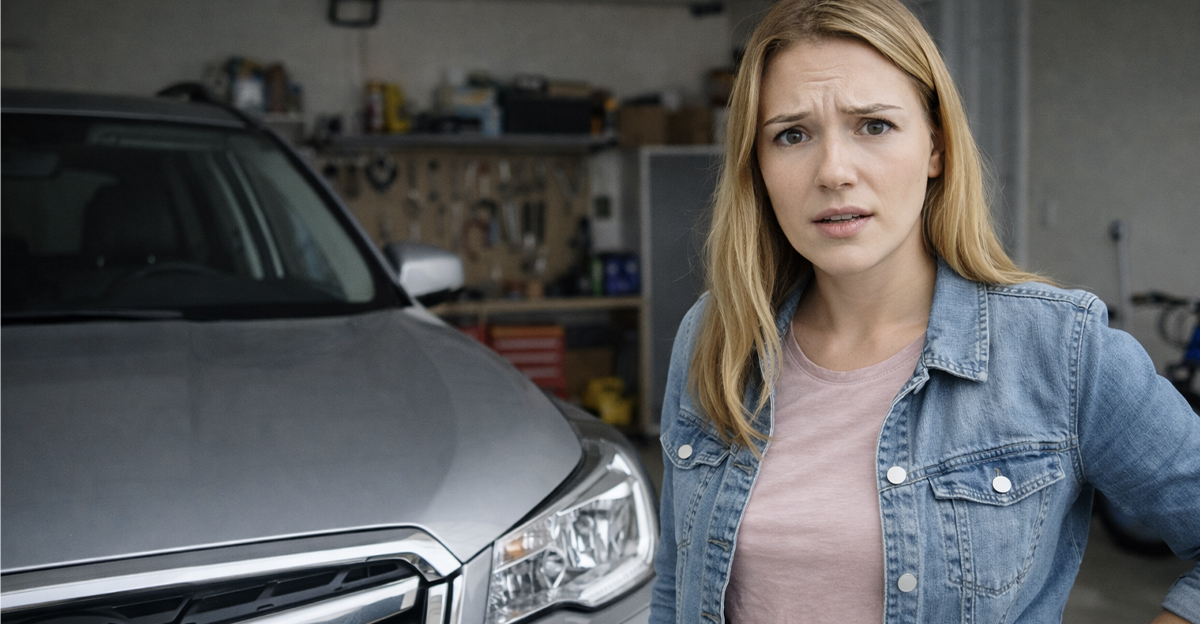
Don’t Panic, But Don’t Ignore It
Cars are complex, and coincidences can happen. That said, some problems show up immediately after service because something was done incorrectly, something wasn’t tightened, a connector was left unplugged, or a system was disturbed. The key is not jumping straight to accusations but also not letting the issue slide.
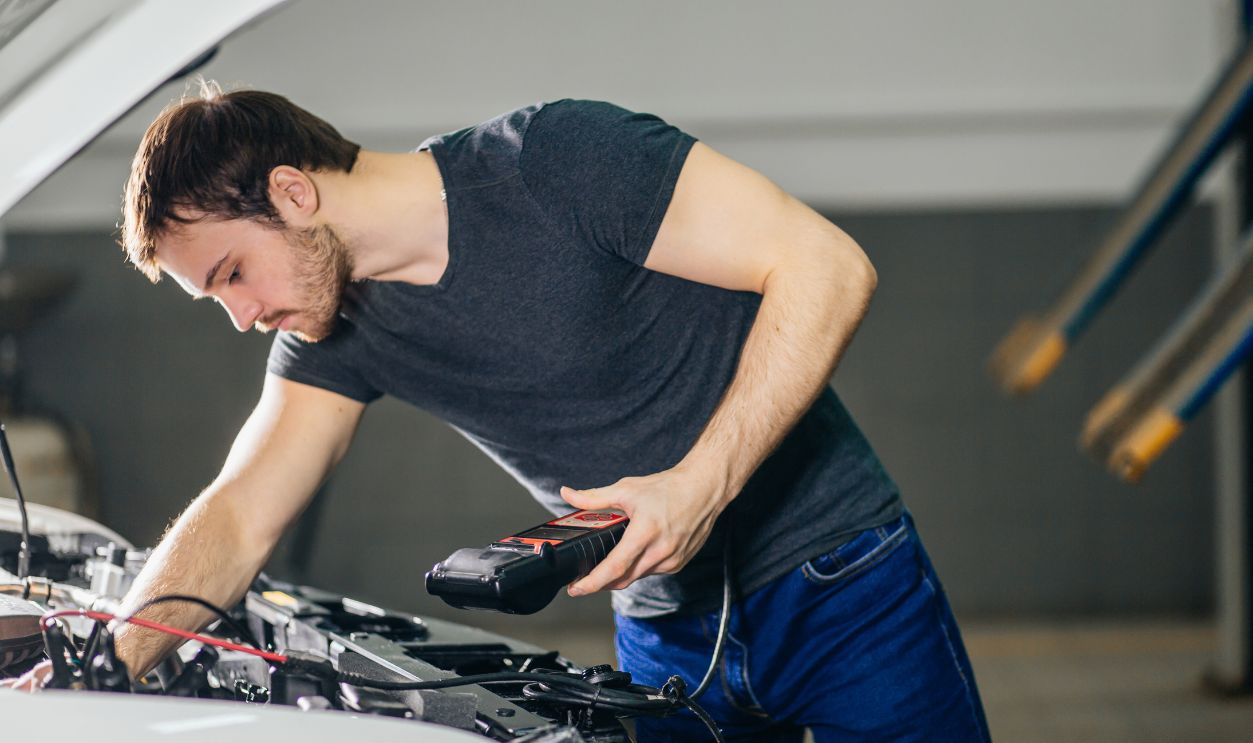
Timing Is Your Strongest Evidence
If the problem appeared immediately or within a short drive of leaving the shop, that timing matters. The closer the issue is to the service visit, the harder it is for the shop to argue it’s unrelated. Make a note of exactly when you noticed the problem and how many miles you’ve driven since pickup.
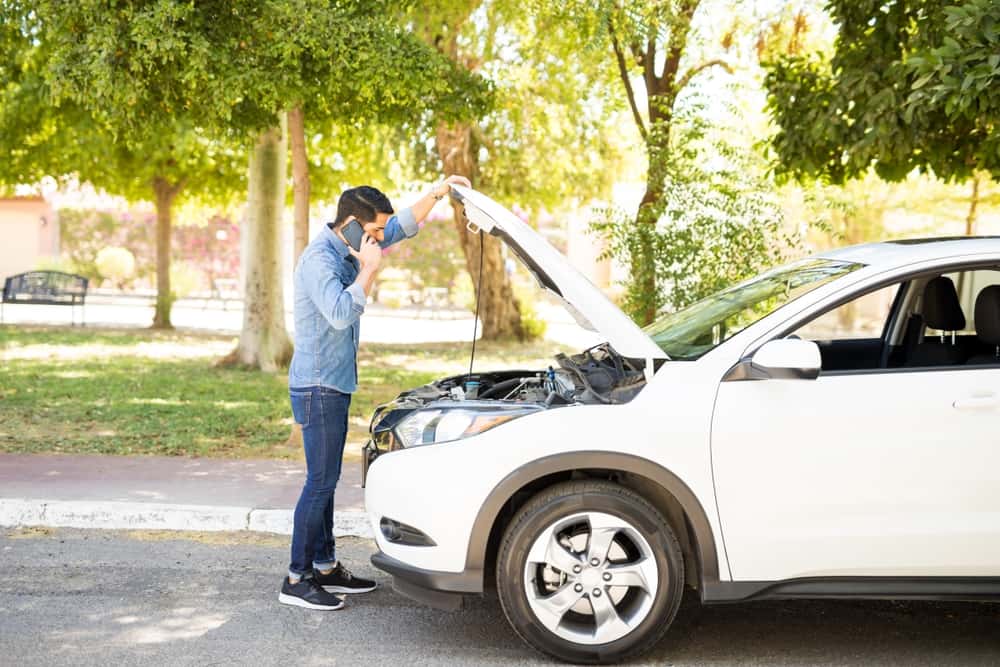
Go Back To The Shop As Soon As Possible
The worst move is waiting weeks to bring it up. Return to the shop quickly and calmly explain what’s happening. Tell them the issue started right after service and ask them to inspect it. You want to give them the opportunity to correct it while everything is still fresh.
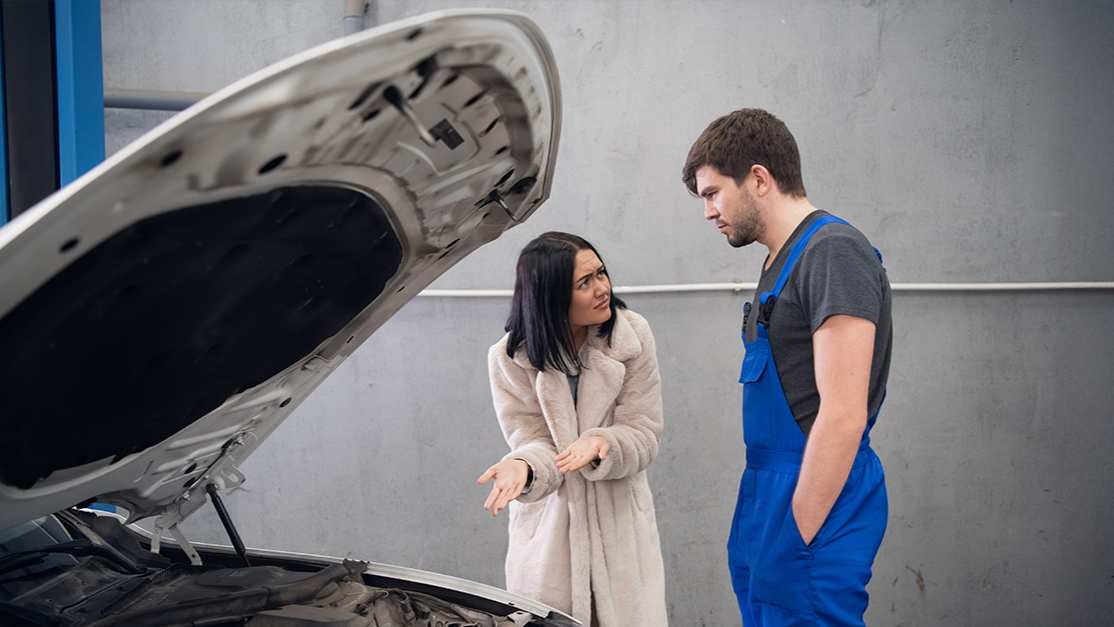
Document Everything
Take photos or videos of warning lights, leaks, strange sounds, or dashboard messages. Write down what you’re experiencing in detail. If there’s a fluid leak, photograph the location. If there’s a noise, record it. The more specific your documentation, the stronger your case.

Pull Out The Original Work Order
Look at what was actually performed. Did they touch a system related to the new issue? For example, if they replaced your battery and now electrical components are failing, that’s relevant. If they serviced your brakes and now you hear grinding, that’s connected. The closer the systems are, the stronger the link.
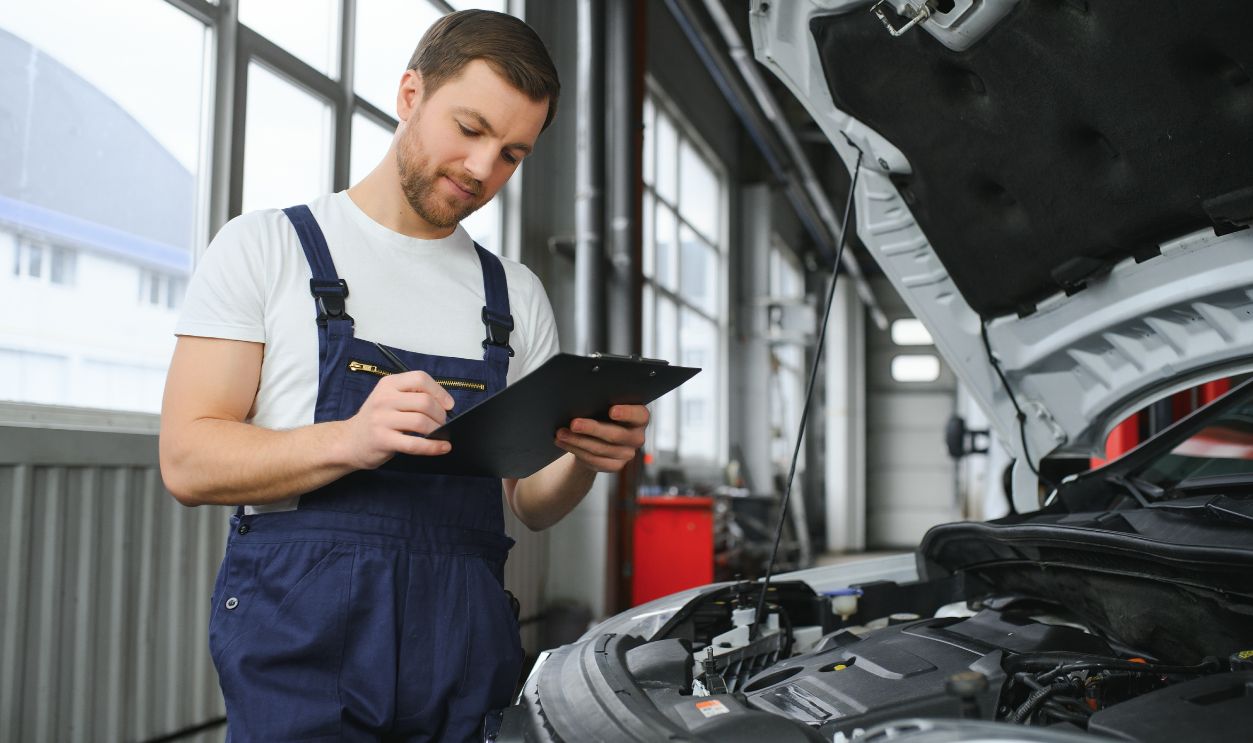 Hryshchyshen Serhii, Shutterstock
Ask The Shop For A Written Explanation
If the shop claims the issue is unrelated, ask them to put that in writing. A written explanation forces them to commit to a position and can help if you escalate the issue later. Shops are often more careful when they know their statements may be reviewed.

Get A Second Opinion
If you suspect the shop caused damage and they deny it, take the vehicle to another reputable mechanic for an inspection. Ask for a written diagnostic report explaining what likely caused the issue and whether it appears related to recent service.
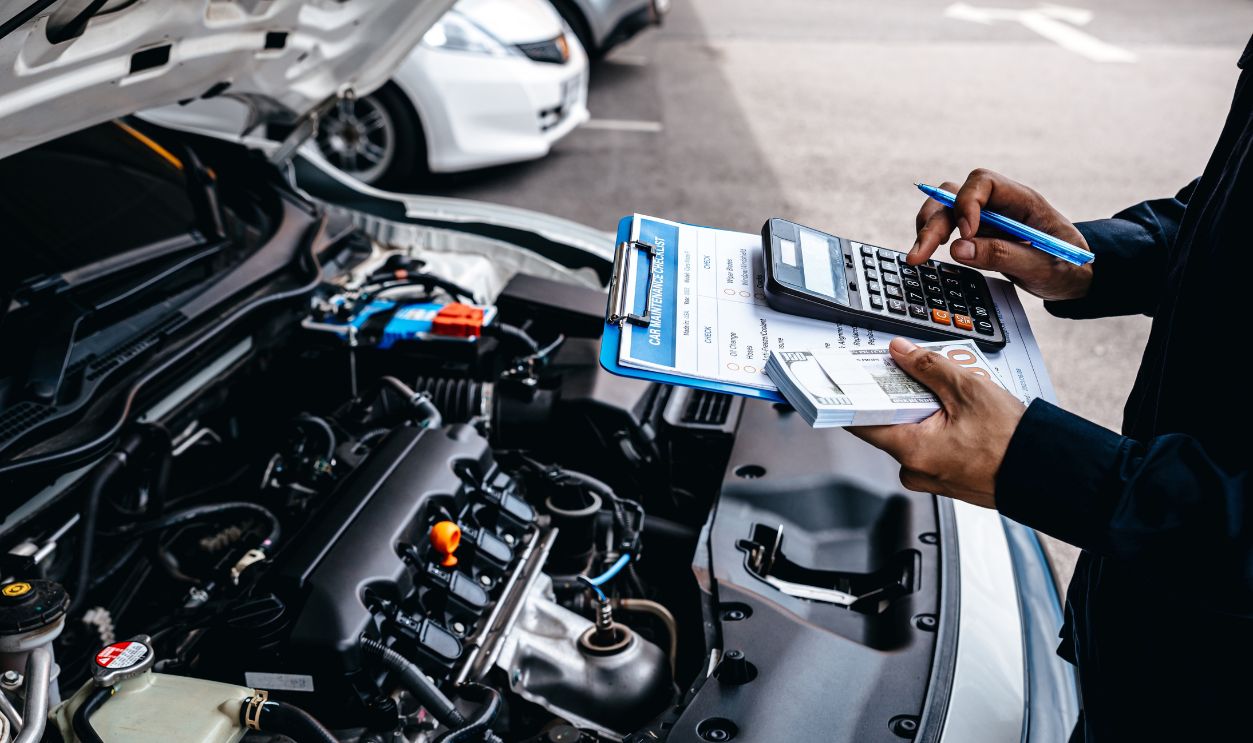
 Quality Stock Arts, Shutterstock
Common Service-Related Mistakes
There are patterns worth knowing. Oil drain plugs left loose can cause leaks or engine damage. Coolant caps not tightened properly can lead to overheating. Sensors disconnected during service can trigger warning lights. Brake calipers improperly installed can cause noise or uneven wear. These aren’t rare—they’re human errors.
Understand The Difference Between Coincidence And Causation
Cars can fail randomly. Just because something happened after service doesn’t automatically mean the shop caused it. That’s why documentation, timing, and expert opinions matter. The goal isn’t to assume blame—it’s to establish a reasonable connection.

Check For Warranty Or Service Guarantees
Many repair shops guarantee their work for a certain time or mileage period. If the new problem falls under that warranty window, they may be obligated to inspect and repair it at no cost if it’s related to their work.

Remain Calm And Professional
Anger rarely helps. Approach the shop with facts, not accusations. Explain the timeline, describe the symptoms, and request investigation. A reasonable tone increases the chances they’ll cooperate instead of becoming defensive.

Escalate If Necessary
If the shop refuses to address a clearly related issue, ask to speak to the service manager or owner. Larger chains may have corporate customer service departments that handle disputes.
 C D/peopleimages.com, Adobe Stock
Use Your Documentation Strategically
Present your photos, written timeline, and second opinion report. Showing that you’ve gathered information and taken the issue seriously signals that you’re prepared to escalate if needed.

Consider Mediation Or Consumer Protection Help
If the dispute isn’t resolved, you can file a complaint with your state’s consumer protection agency or attorney general’s office. Some states regulate repair shops and require specific disclosures and documentation.
Credit Card Disputes Can Be An Option
If you paid by credit card and the shop refuses to address what appears to be faulty service, you may be able to dispute the charge. This works best when you have strong documentation showing the work was defective.

Small Claims Court Is A Last Resort
If the financial damage is significant and the shop won’t cooperate, small claims court may be an option. Bring your work order, diagnostic reports, receipts, photos, and timeline. Judges often look closely at timing and expert opinions.

Learn For The Future
Before future service visits, take photos of your dashboard and engine bay, especially if you’re worried about potential disputes. Keep maintenance records organized. A documented vehicle history makes it easier to spot and prove changes.

Not Every Shop Is Trying To Get Away With Something
Mistakes happen. Reputable shops will usually fix their errors once identified. The problem arises when communication breaks down or accountability is avoided.
Final Thoughts
Proving a shop caused a new issue isn’t about winning an argument—it’s about building a case. Act quickly, document thoroughly, request written explanations, and seek second opinions when needed. When the evidence clearly connects the service to the new problem, you’re in a much stronger position to get it corrected without paying twice for the same mistake.

You May Also Like: