
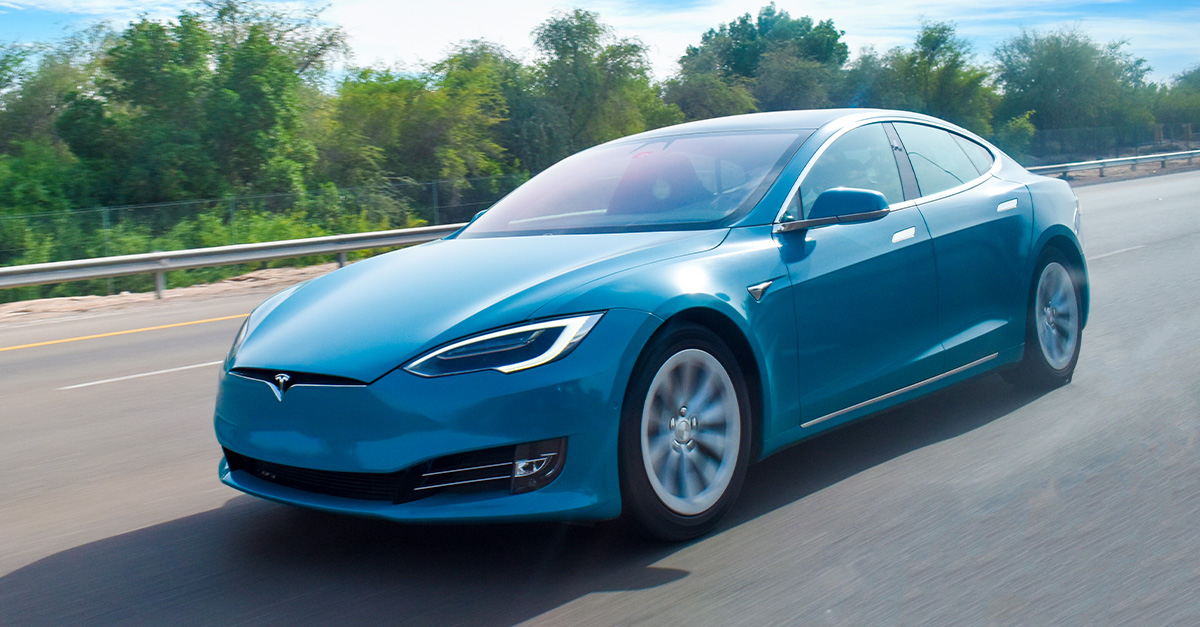
They Said “No Teslas Allowed”—Now What?
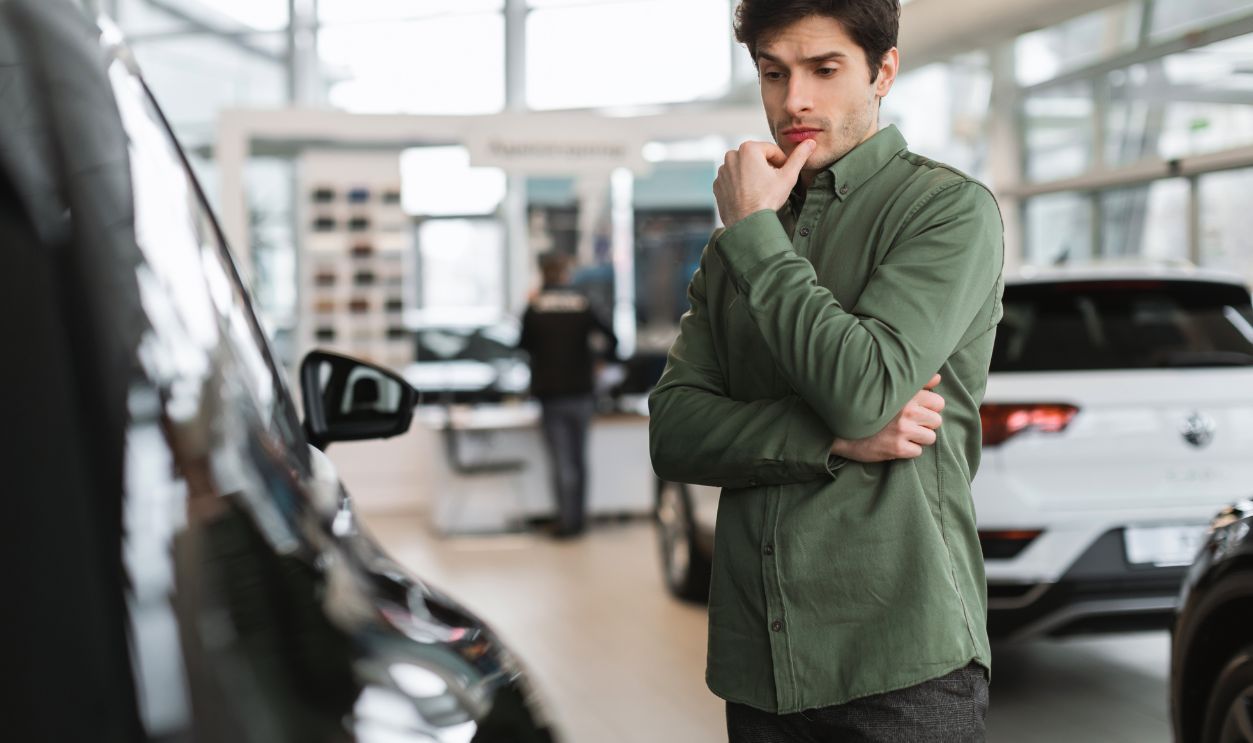
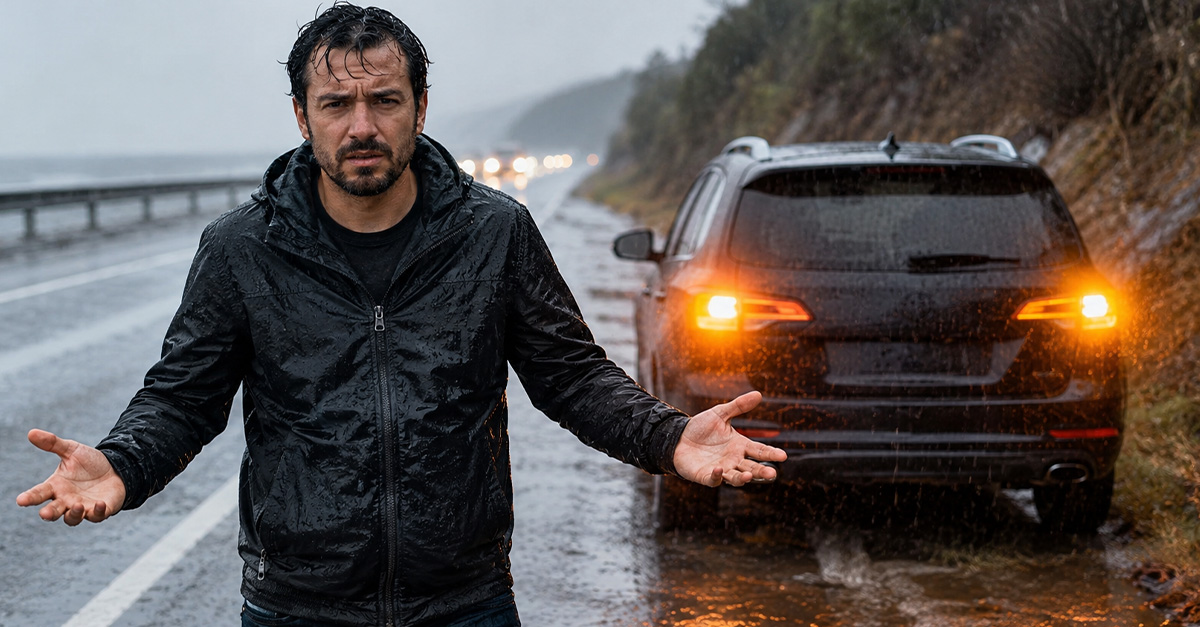
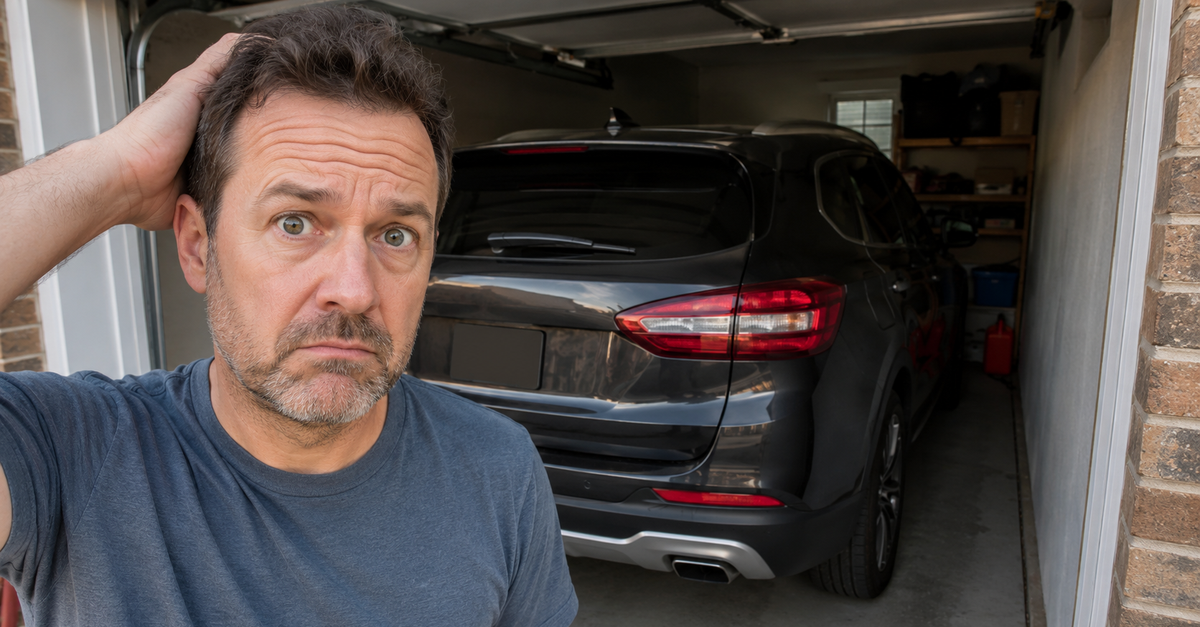
You pull into your local dealership, ready to trade in your Tesla for something new. Maybe you’ve got your eye on a rugged pickup, a hybrid SUV, or even (gasp!) a gas-powered sports car. The appraisal goes smoothly—until it doesn’t. The salesperson clears their throat and says, “Sorry…we have a no Teslas policy.” Wait, what? Can a dealership really refuse your trade-in just because it’s a Tesla? Buckle up—we’re diving into the legality, the logic, and your options.
Why Would A Dealership Refuse Teslas?
It sounds personal, but it usually isn’t. Dealerships are in the business of managing risk and making money, and some have decided Teslas are more trouble than they’re worth. Rapid depreciation, unpredictable auction values, battery health concerns, and the brand’s direct-to-consumer model all make certain dealers wary. In short, they may see Teslas as financial hot potatoes.
Is It Actually Legal To Refuse A Trade-In?
In most cases, yes—it’s legal. Car dealerships are private businesses, and they generally have the right to decide which vehicles they’ll buy, sell, or accept as trade-ins. As long as they’re not discriminating against you based on a protected characteristic (like race, religion, gender, etc.), refusing a specific brand of car is usually within their rights.
Private Business, Private Rules
Think of it this way: just as a store can choose not to stock a particular brand, a dealership can choose not to accept certain vehicles. There’s no law requiring a dealer to take every trade-in offered. If they think your Tesla doesn’t fit their inventory strategy, they can say no—even if it feels frustrating.

What Would Be Illegal?
Here’s where the line gets drawn. If a dealership refuses your Tesla as a pretext to discriminate against you personally for a protected reason, that’s a problem. But refusing a specific make or model—Tesla, Ferrari, or a 1992 Geo Metro—is not discrimination under consumer protection laws. The key is that the refusal must be about the car, not about you.
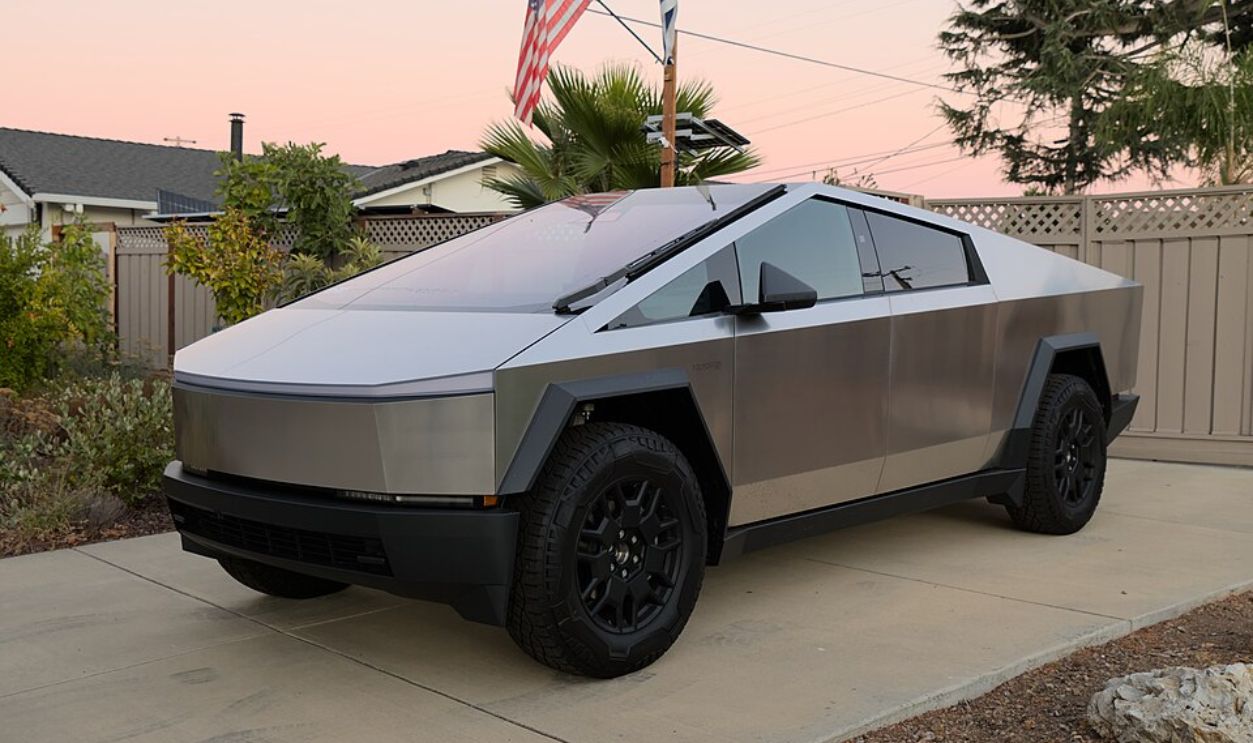 Dllu, CC BY-SA 4.0, Wikimedia Commons
Why Teslas Make Dealers Nervous
Teslas don’t operate like traditional used cars. Software updates can change performance overnight. Pricing shifts from Tesla directly can tank used values in weeks. And buyers often prefer to purchase used Teslas through Tesla itself. For a traditional dealership, that’s a resale gamble.
The Depreciation Dilemma
Tesla resale values have experienced sharp swings in recent years. When Tesla cuts new-car prices, used values often follow. A dealer who takes your trade-in today might find it worth thousands less next month. That volatility can make smaller dealerships especially cautious.
The Auction Factor
Dealers frequently rely on wholesale auctions to move cars they don’t want to keep on their lot. If Teslas are underperforming at auction—or sitting unsold—dealers may simply decide they’re not worth the hassle. A “no Teslas” rule might be less about bias and more about cold, hard spreadsheets.
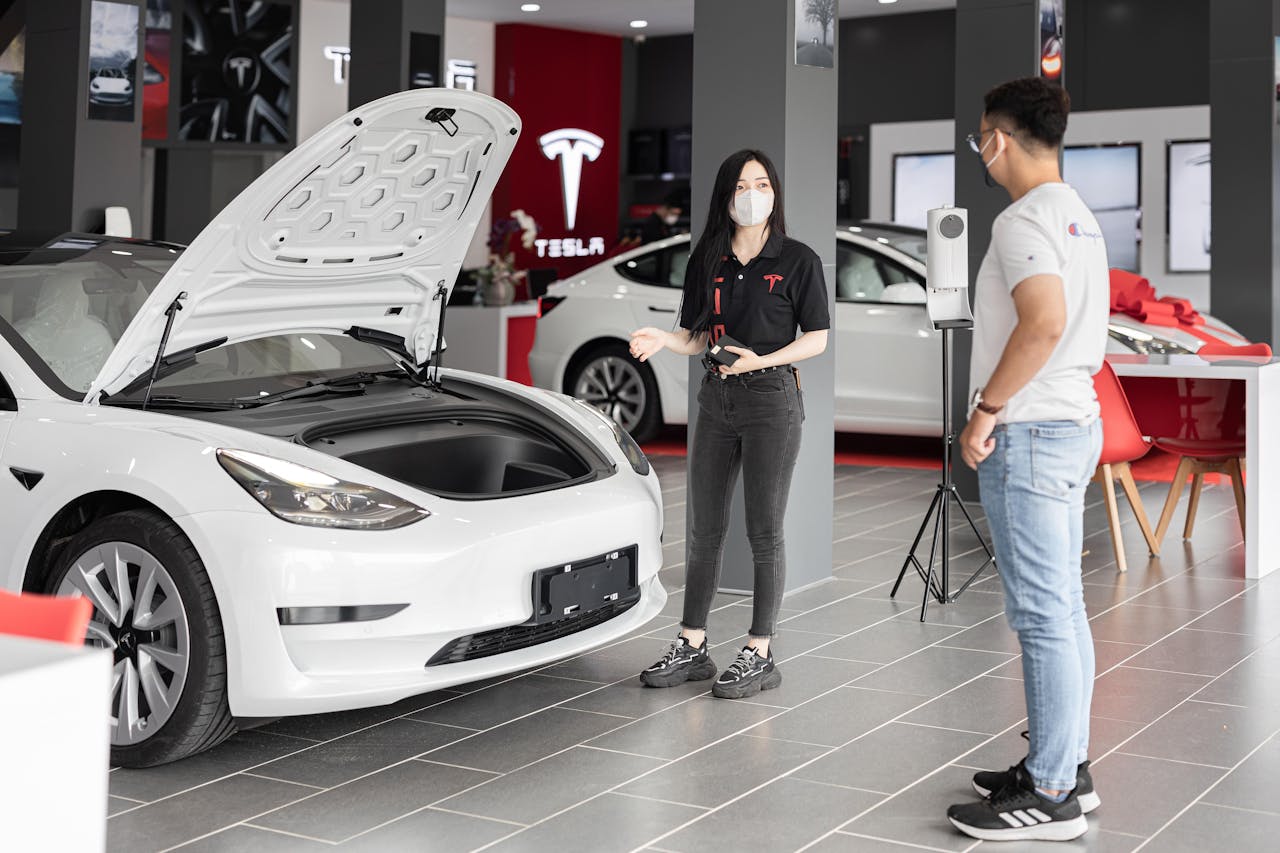
 rulenumberone2, CC BY 2.0, Wikimedia Commons
Service Department Concerns
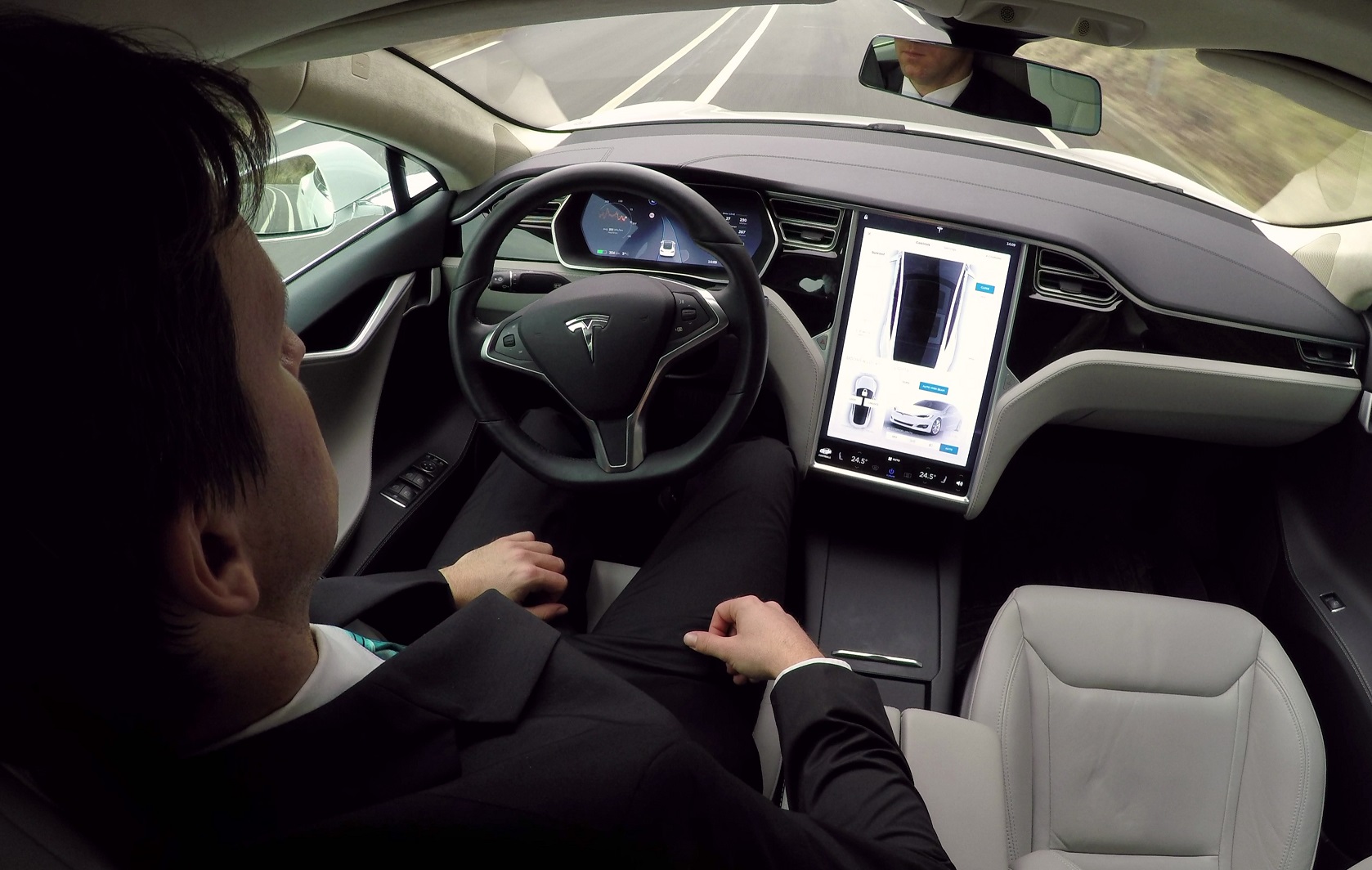
Traditional dealerships aren’t typically equipped to service Teslas. No engine oil? Great. But complex battery systems and proprietary tech? Not so great. If they take your Tesla and it needs reconditioning before resale, they may not have the tools—or trained techs—to handle it efficiently.
The Franchise Model Complication
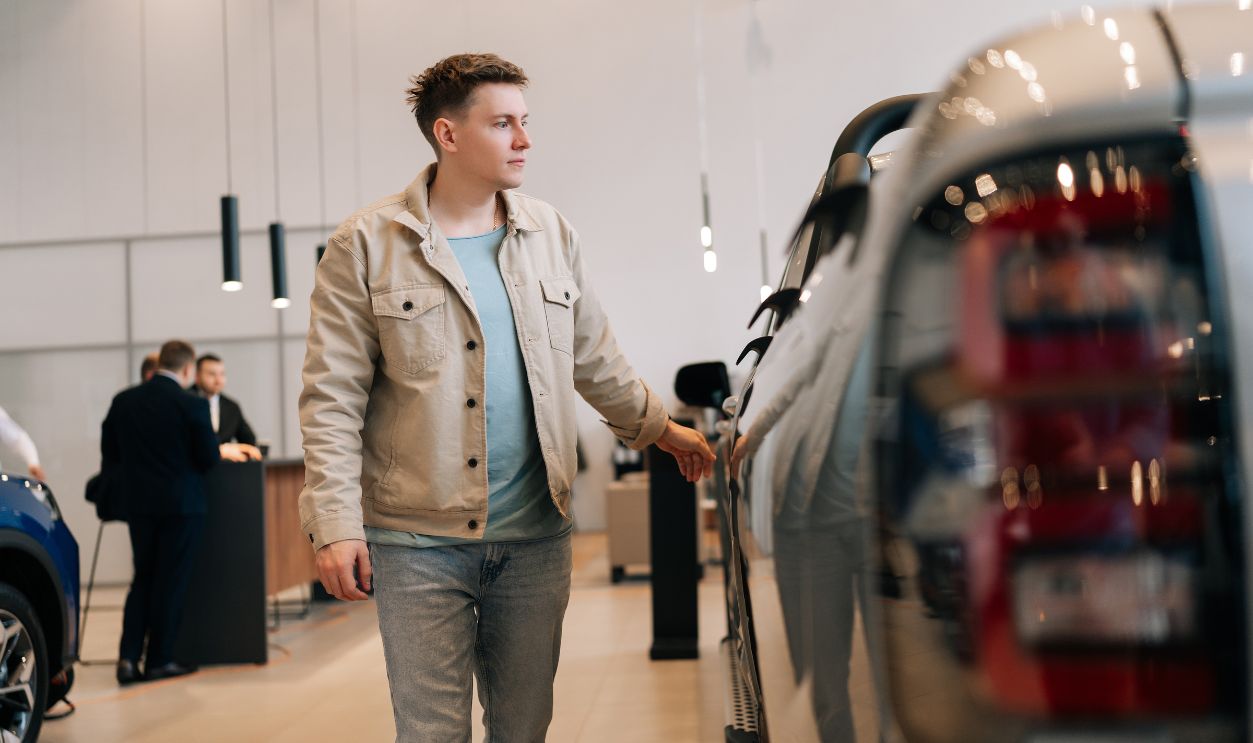
Most dealerships are franchise operations tied to specific automakers. A Ford dealership, for example, may be less inclined to handle a Tesla because it competes directly with Ford’s EV lineup. While that doesn’t make refusing your trade illegal, it does add another layer to the business decision.
But It Feels Unfair!
Of course it does. You walked in expecting a straightforward transaction. Being told your car is categorically unwelcome feels like rejection at prom—with more paperwork. But legality and fairness aren’t always the same thing. Businesses can make decisions you don’t like, as long as they don’t break the law.
Could State Laws Change The Equation?
State laws vary, but none currently require dealerships to accept specific brands as trade-ins. Some states have strong consumer protection statutes, yet those generally address deceptive practices—not a dealer’s refusal to buy a car. Unless the dealer misled you, they’re likely on solid legal ground.
What If They Advertised “We Take Any Trade”?
Now this is interesting. If a dealership heavily advertises that it accepts “any trade-in, guaranteed,” and then refuses your Tesla without fine print exceptions, you might have grounds to question it. That could potentially fall under misleading advertising, depending on the exact wording and your state’s laws.
Get The Refusal In Writing
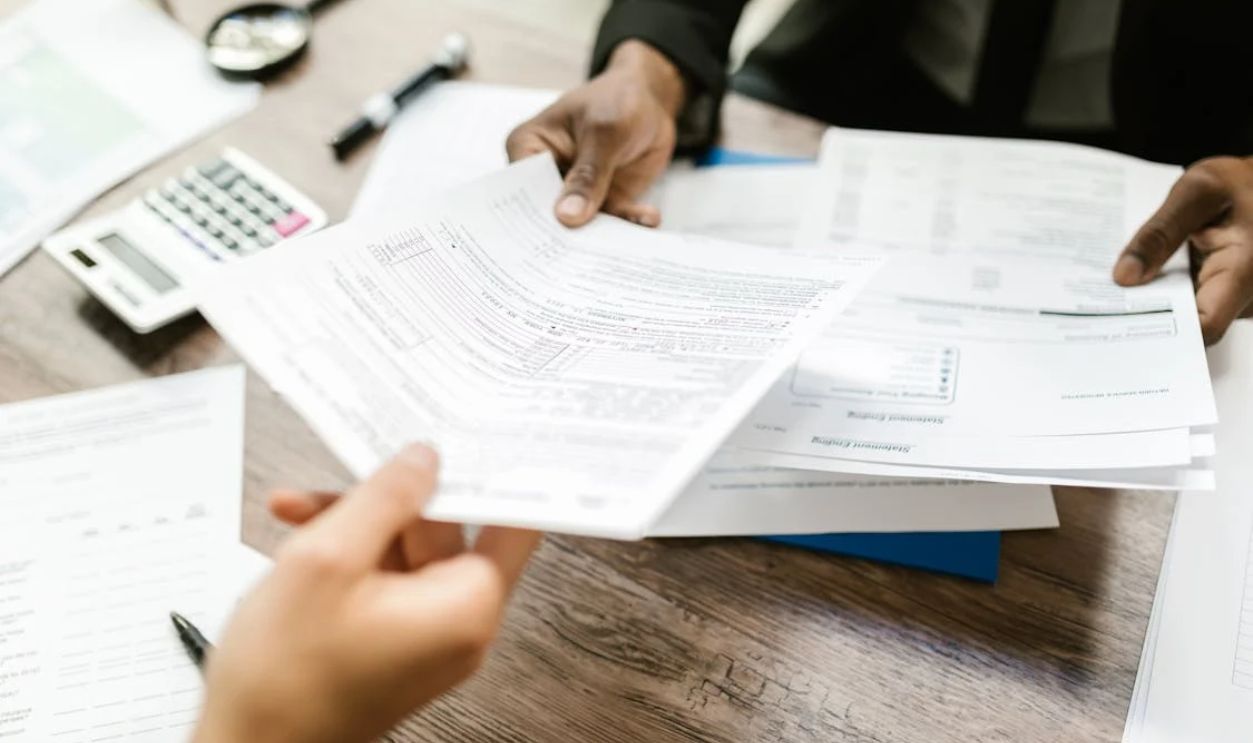
If you suspect something fishy—say, inconsistent explanations or questionable advertising—ask for clarification in writing. Even a polite email summarizing the situation can help you understand whether the refusal is a blanket policy or something more specific to your vehicle’s condition.
Your Tesla Isn’t Untradeable
Here’s the good news: one dealership’s “no” doesn’t make your Tesla radioactive. Many dealers do accept Teslas, especially larger auto groups or EV-focused retailers. You might just need to shop around.
 Maurizio Pesce, CC BY 2.0, Wikimedia Commons
Consider Selling To Car Buying Services
Online car buying platforms and national retailers often have broader appetites for vehicles, including Teslas. Because they operate at scale, they may be better equipped to absorb pricing fluctuations. Getting multiple quotes can also give you leverage.
Selling Directly To Tesla
Tesla itself sometimes offers trade-ins, even if you’re not buying another Tesla. While their offers can vary, it’s worth checking. The process is typically online and straightforward, and you avoid dealership politics entirely.

Private Sale: More Work, More Money?
Selling privately can net you more cash, especially for desirable Tesla models. However, it takes time, effort, and patience. You’ll handle inquiries, test drives, and paperwork yourself. If you’re comfortable with that, it can be a solid Plan B.
Understand Your Tesla’s Value
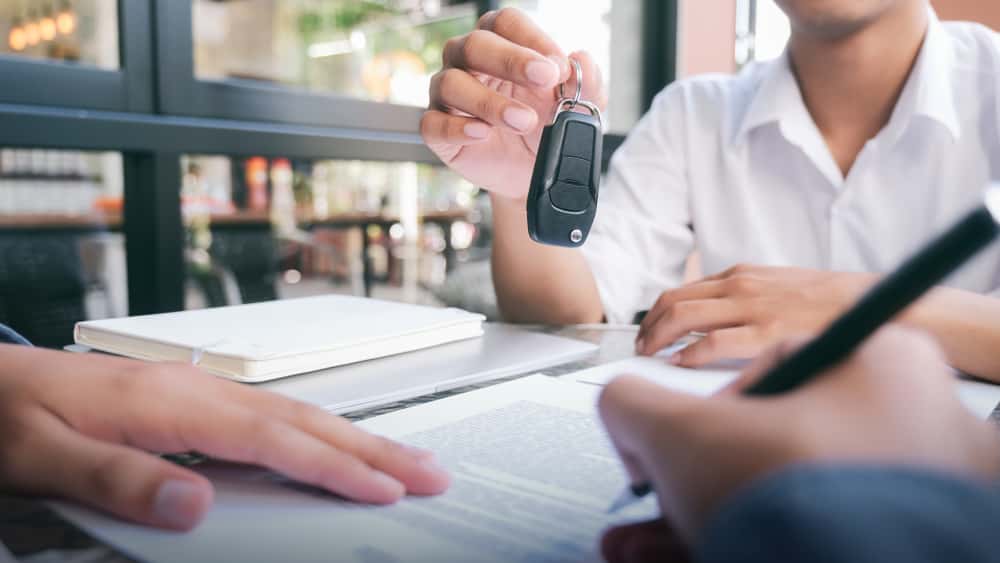
Before walking into any dealership, research your car’s market value using multiple pricing guides and recent listings. Tesla values can shift quickly, so having up-to-date information helps you evaluate whether a refusal is about policy—or about an offer they didn’t want to make.
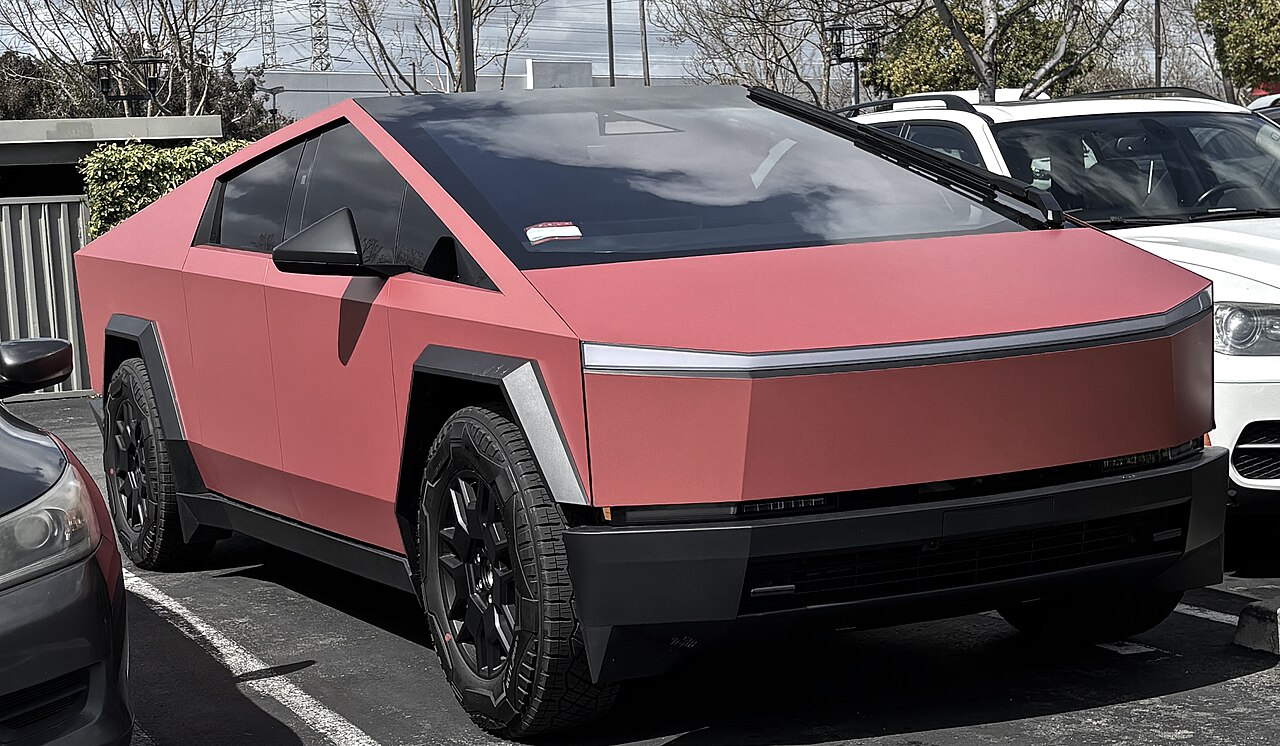
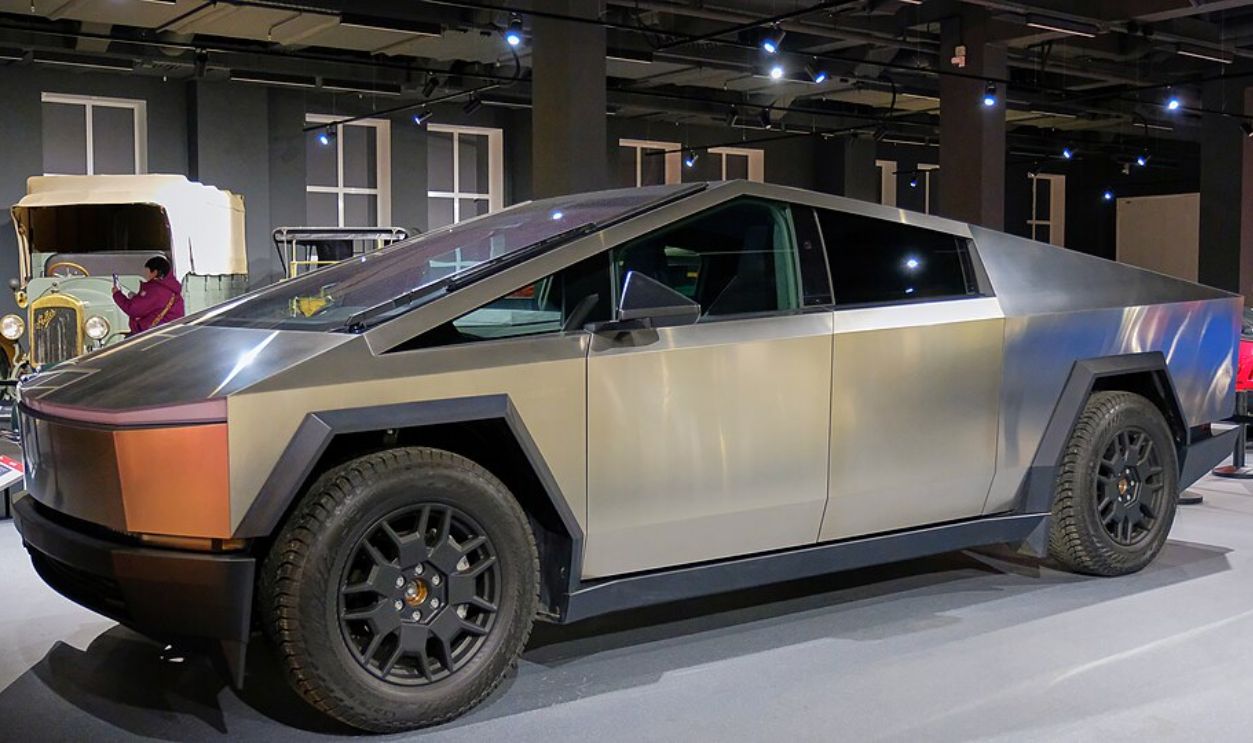 Vyacheslav Bukharov, CC BY-SA 4.0, Wikimedia Commons
Check For Battery Health Documentation
Battery health plays a huge role in EV resale. If you can provide documentation showing strong battery condition and service history, you may ease a hesitant dealer’s concerns. Transparency can sometimes override blanket reluctance.

Timing Matters In The EV Market
EV incentives, gas prices, and manufacturer price cuts all affect demand. If Tesla recently slashed prices on new models, dealers may be especially cautious. Waiting a few months—or choosing a different season—could change your reception.
Negotiation Is Still An Option
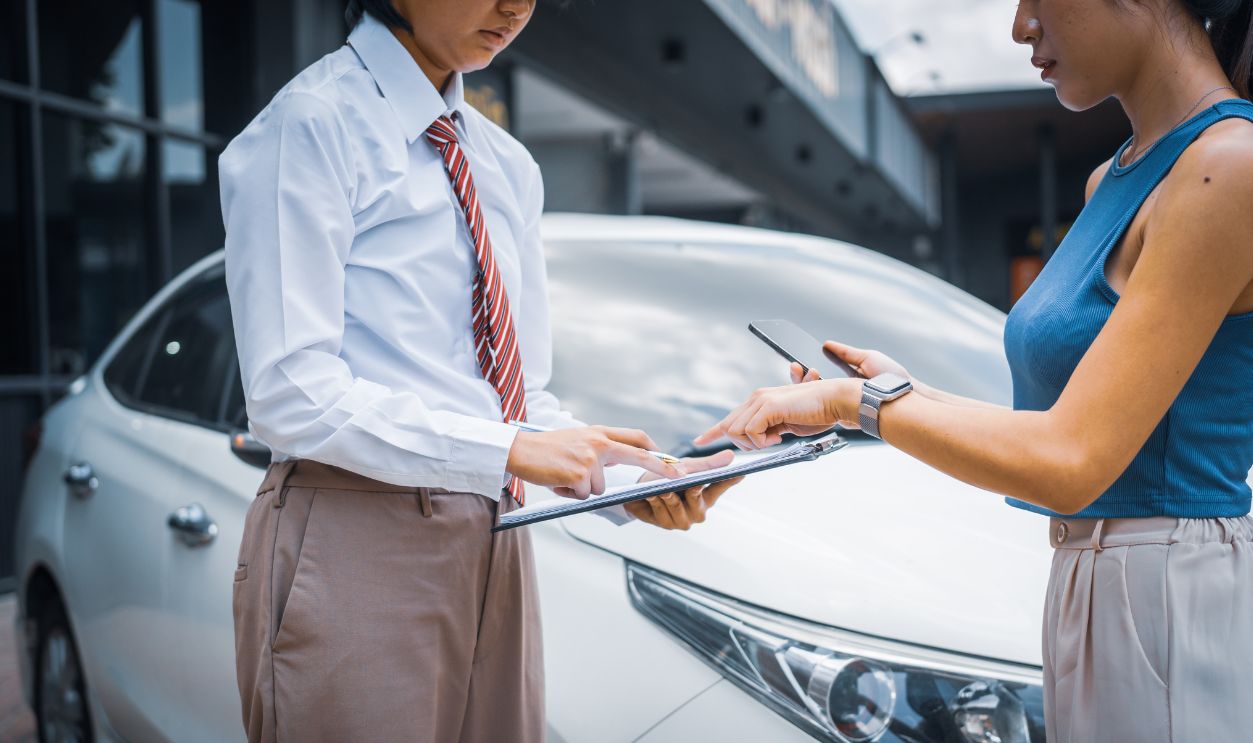
Just because a dealer says they have a “no Teslas” policy doesn’t mean it’s carved in stone. Policies can have wiggle room, especially if you’re buying a high-margin vehicle from them. It never hurts to ask politely whether exceptions are possible.
Watch For Lowball Workarounds
Some dealers won’t refuse outright—but they’ll offer a number so low you’ll walk away. That’s their version of “no.” While not illegal, it’s a reminder to compare offers and know your car’s value before accepting anything.

Protect Yourself From Emotional Decisions
It’s easy to feel insulted and storm off. But keep it businesslike. This is about numbers, not feelings. The more calmly you approach the situation, the better your chances of finding a favorable solution elsewhere.

When To Consult An Attorney
If you genuinely believe the refusal is discriminatory or tied to misleading advertising, a quick consultation with a consumer protection attorney could clarify your options. In most cases, though, the issue won’t rise to that level.

The Bigger Picture: EV Growing Pains
The “no Teslas” phenomenon highlights the evolving relationship between traditional dealerships and electric vehicles. As the EV market stabilizes and resale values normalize, these policies may fade. For now, they’re a symptom of a rapidly changing industry.
Know Your Rights—And Your Alternatives
So, is it legal for a dealership to refuse your Tesla trade-in? In most cases, yes. It’s frustrating, but private businesses can decide what inventory they’ll accept. The silver lining? You have options—other dealers, online buyers, Tesla itself, or the private market. One closed door doesn’t mean you’re stuck. It just means it’s time to shop smarter, not harder.
You May Also Like:
Modified cars that blur the line between engineering and art.
Auto Experts Are Begging Retirees To Stop Buying These Popular SUVs

.jpg)
_(8765031876).jpg)
-2.jpg)