
This Is One of the Most Common Insurance Dilemmas
You’re staring at the estimate, doing the math in your head, and realizing the repair cost barely misses your deductible. It feels unfair. You pay for insurance every month, so why not use it? At the same time, your wife’s warning bell is ringing—and she might have a point. So what do you do?

Why This Decision Feels Bigger Than the Damage
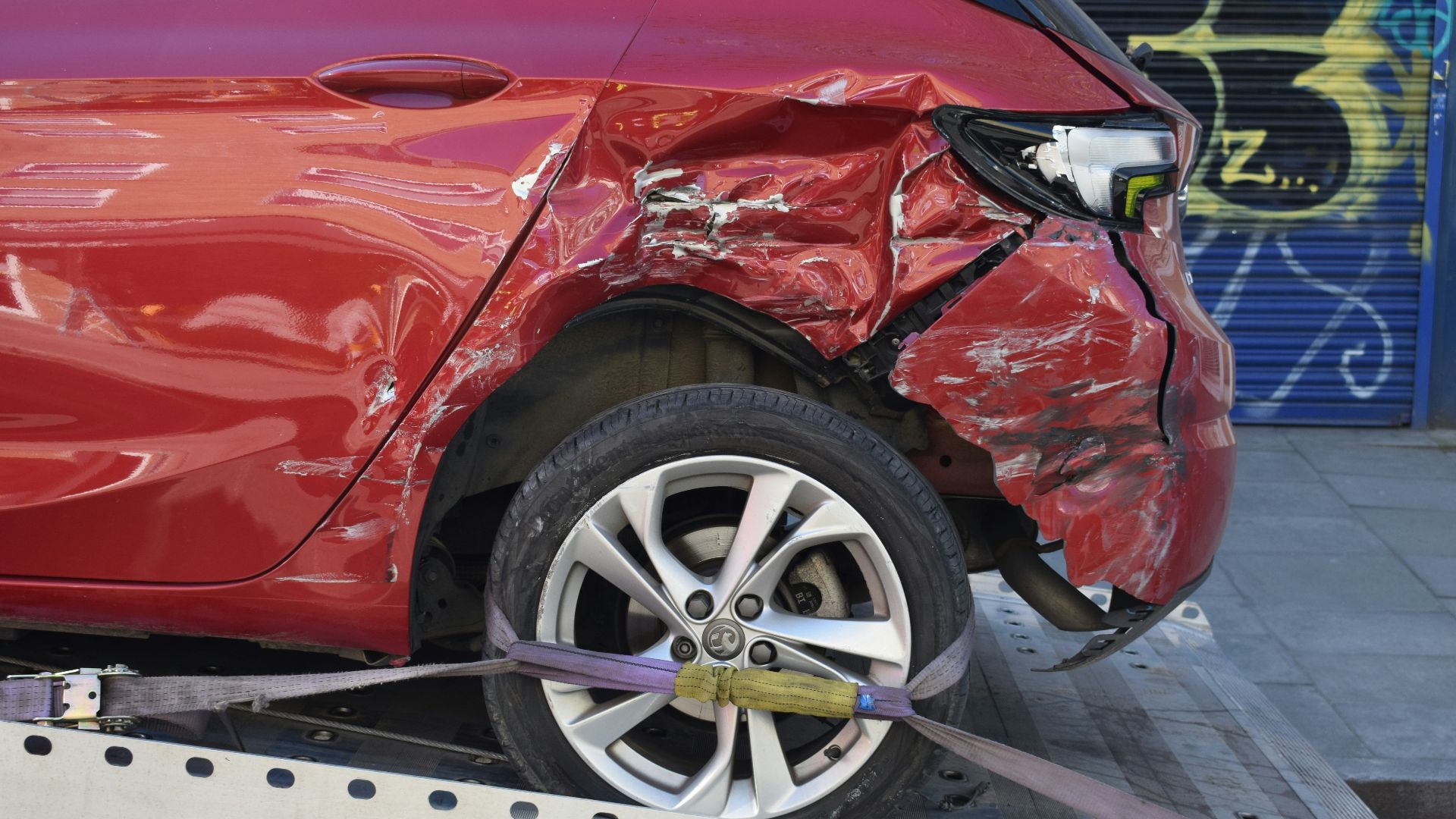
It’s not really about the dent or scratch. It’s about what happens after. Insurance decisions often have delayed consequences, and that’s why this small accident suddenly feels like a long-term financial choice instead of a simple repair decision.
Why Your Wife Is Hesitating
Your wife’s concern isn’t emotional—it’s practical. Many drivers avoid small claims because they’ve experienced higher premiums later. Even when insurers pay very little, the claim itself becomes part of your driving history, and that record matters more than most people realize.

Here’s a Stat Most Drivers Never Hear
According to insurance industry data summarized by the Insurance Information Institute, filing a single at-fault auto insurance claim can increase premiums by roughly 20–40 percent on average, depending on your insurer, state, and driving record. That increase can apply even when the claim payout is relatively small.

Yes, Small Claims Still Count
Insurance companies don’t separate “minor” and “major” accidents the way drivers do emotionally. A $900 claim and a $9,000 claim both show up as an at-fault incident. The dollar amount matters far less than the fact that a claim was filed.

Claims-Free Discounts Are Quietly Valuable
Many insurers offer accident-free or claims-free discounts worth 10–25 percent off your premium. Filing even one small claim can eliminate that discount immediately, which often costs more over time than the repair you were trying to offset.
 Karolina Grabowska www.kaboompics.com, Pexels
How Long a Claim Follows You
Auto insurance claims typically remain on your record for three to five years. That means one fender bender today can influence multiple renewal periods, quietly increasing what you pay long after the damage itself is forgotten.

Why the Repair Cost Isn’t the Whole Equation
The real financial impact isn’t the repair bill—it’s the ripple effect. A $300 annual premium increase over three years adds up to $900. That turns a barely-under-the-deductible repair into a more expensive choice than paying out of pocket.

Why Insurers Care About Claim Frequency
Statistically, drivers who file one claim are more likely to file another. Insurers use this data to assess risk, which is why claim frequency can matter as much—or more—than claim severity when rates are recalculated.

When Filing a Claim Makes Sense
If there’s any chance of hidden damage, filing may be wise. Modern vehicles hide sensors, cameras, and structural components behind bumpers and panels. What looks cosmetic at first can become expensive once repairs begin and parts are removed.

Why Modern Cars Complicate Fender Benders
Even low-speed impacts can affect parking sensors, adaptive cruise control systems, or blind-spot monitors. These components are costly and often aren’t visible during an initial inspection, which is why some repair estimates increase after teardown.

Another Driver Changes the Equation
If another vehicle was involved, insurance provides protection beyond repairs. Disputes over fault, delayed claims, or unexpected damage complaints can arise later. Having an official claim already in place can prevent complications if things escalate.

Medical Issues Aren’t Always Immediate
Neck and back injuries don’t always show up right away, even in minor collisions. Once medical claims enter the picture, handling everything privately becomes much riskier than filing early and letting insurance manage potential liability.

Why Body Shop Estimates Often Go Up
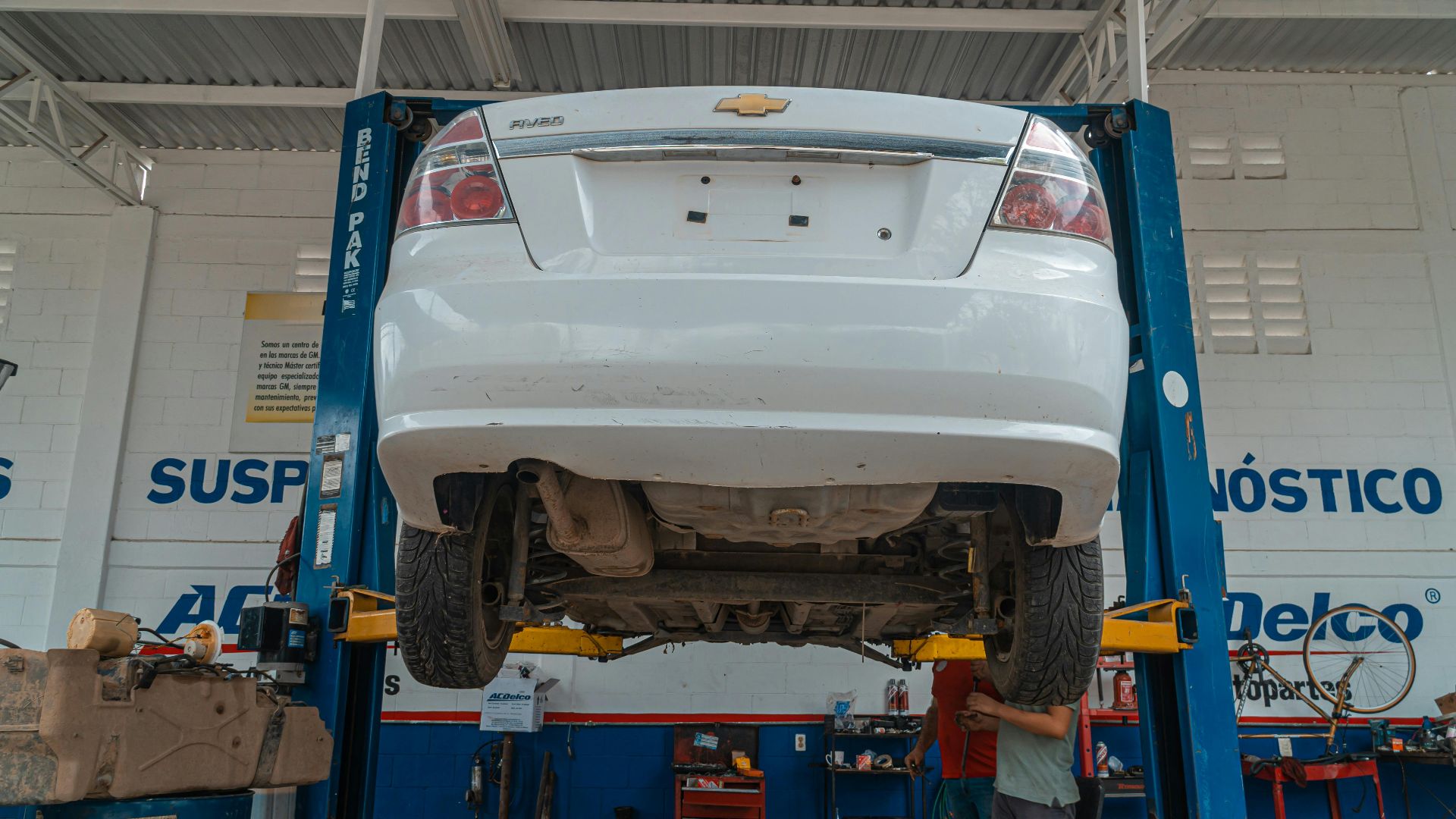
Industry data and repair shop reporting show initial repair estimates often increase by around 10–30 percent once work begins, especially after panels are removed and hidden damage is discovered.
 Jose Ricardo Barraza Morachis, Pexels
The Frustrating Deductible Sweet Spot
This scenario feels especially unfair because it tempts you to file a claim without offering much financial relief. You’re paying nearly the full repair cost anyway, while still exposing yourself to potential long-term insurance consequences.

Why Many Drivers Treat This as Self-Insurance
Financial experts often recommend paying out of pocket for minor losses and reserving insurance for major expenses. Think of it as self-insuring small incidents to protect your policy for when it truly matters.

The Time and Stress Factor
Claims require phone calls, adjuster reviews, photos, inspections, and follow-ups. For a repair you’re mostly covering yourself, that administrative burden alone can outweigh any short-term benefit of filing.

You Can Ask Without Filing a Claim
Most insurers allow you to ask how a hypothetical claim would affect your premium without opening a formal claim. As long as no claim number is created, your record remains clean—and the information can clarify your decision quickly.
 LinkedIn Sales Navigator, Pexels
Not All Insurers Treat Claims the Same
Some companies offer accident forgiveness, usually after several claim-free years. Others raise rates immediately after a single incident. Knowing your insurer’s specific policy can make the decision much clearer.

Why Your Wife’s Instinct Often Holds Up
From a long-term financial perspective, avoiding small claims usually saves money. Insurance is most effective as protection against major financial shocks—not as reimbursement for manageable repairs.

The Question That Actually Matters
Would paying for this repair out of pocket create real financial strain—or just irritation? If it’s mainly annoying rather than harmful, preserving your insurance record is often the smarter move.

So What’s the Smart Move Here?
If the damage is truly minor, no other parties are involved, and the estimate is solid, paying out of pocket usually wins long-term. Save the claim for when it protects you from a much bigger hit.

You Might Also Like:
How To Get The Best Gas Mileage In 2026, According To Experts