
Wait… That Was My Spot
You signed your lease, moved in, and parked in the same assigned spot every day. It was part of the deal, maybe even one of the reasons you chose that apartment in the first place. Then management tells you your space has been reassigned because a new tenant “needs it more”. Now you’re supposed to park somewhere else.
It feels unfair. And honestly? It might be. Whether your apartment complex can legally reassign your parking spot mid-lease depends on one thing above all else: what your lease actually says.

Your Lease Is The Starting Point
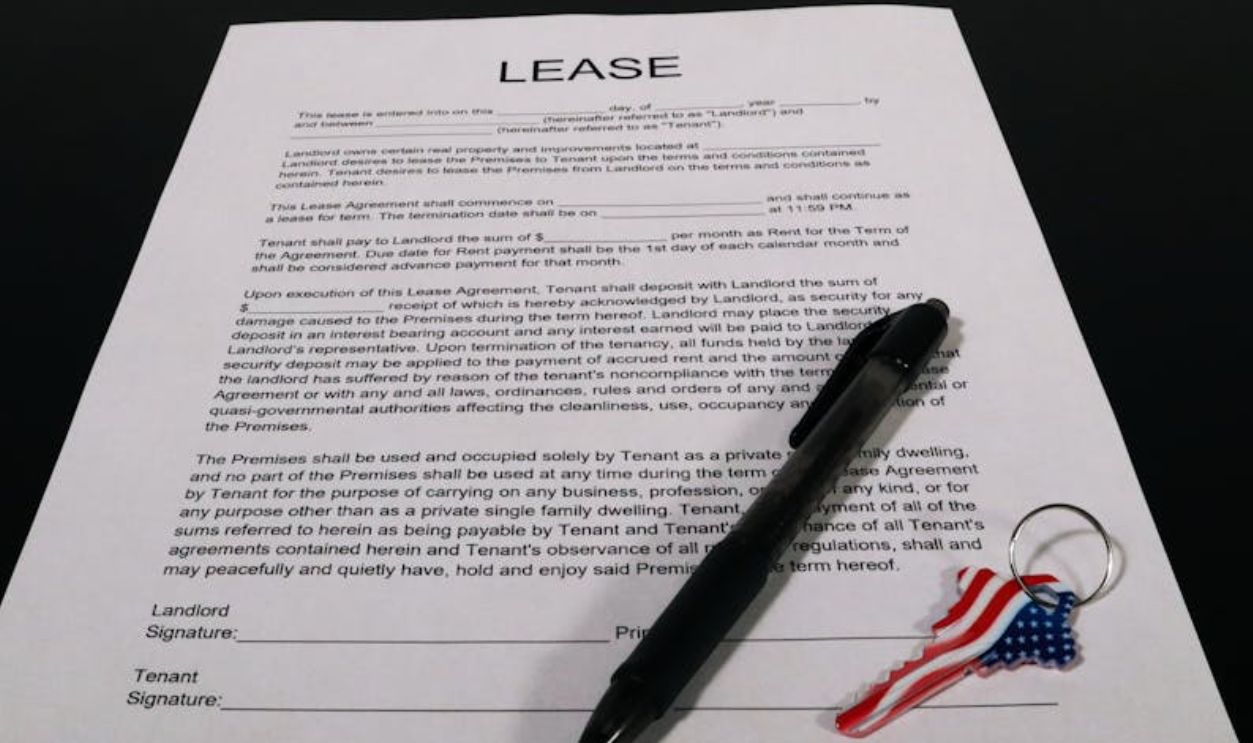
Parking rights usually live and die by the lease agreement. If your lease specifically lists a numbered parking space assigned to you, that’s generally part of your contract. Landlords typically can’t just take away a benefit that was clearly promised for the duration of the lease. On the other hand, if the lease only says you have “access to parking” without guaranteeing a specific spot, management may have more flexibility to shuffle assignments.
Assigned Spot Versus General Access
There’s a big difference between “Tenant is assigned Parking Space #27” and “Tenant has access to one parking space.” The first is specific and contractual. The second is more open-ended. If your lease names your spot, you’re on stronger ground. If it doesn’t, the landlord may argue that they’re still providing parking, just not the exact space you had before.

Fixed-Term Lease Versus Month-To-Month
If you’re in the middle of a fixed-term lease, such as a one-year agreement, landlords usually can’t change core terms without your consent. That includes parking if it’s part of the agreement. If you’re month-to-month, things can get more flexible for the landlord, but even then, they generally need to give proper written notice before changing terms. A casual announcement isn’t the same as formal notice.

Look For Clauses About “Rule Changes”
Some leases include language saying the landlord can change rules or policies during the tenancy. Even then, those clauses don’t give unlimited power. They usually apply to community rules, not to taking away something specifically granted in the lease. If your parking space is clearly listed as part of your rental agreement, a general “rules may change” clause may not override that.

Parking As A Paid Amenity
If you pay separately for parking, that strengthens your position. If your rent includes an additional monthly fee for a specific space, it’s harder for management to argue it’s just a flexible perk. Taking away a paid amenity without reducing rent could potentially be considered a breach of contract.

The “Needed It More” Argument
Management saying someone else “needs it more” may feel reasonable on a human level but legally, fairness between tenants doesn’t automatically override your lease rights. Unless there’s a disability accommodation issue involved (which is a separate legal situation), your parking assignment can’t usually be revoked simply because another tenant prefers it.
 LinkedIn Sales Solutions, Unsplash
Disability Accommodations Are A Special Case
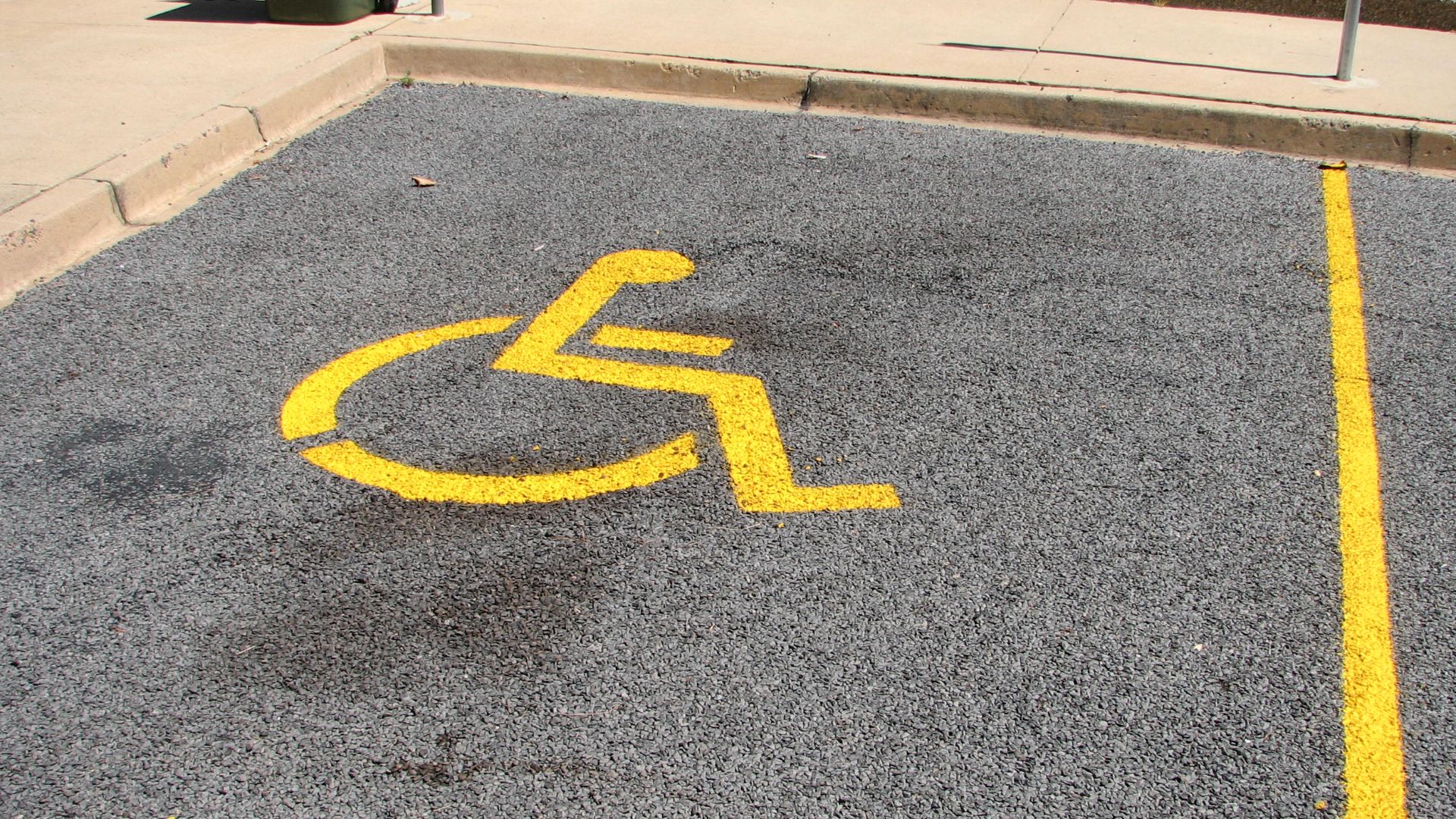
If the new tenant requires accessible parking due to a disability, federal fair housing laws may require the landlord to provide reasonable accommodation. That doesn’t necessarily mean they can take your assigned spot without discussion, but it does complicate the situation. In those cases, landlords should work to find a solution that meets legal requirements while minimizing disruption.
 The original uploader was Tdmalone at English Wikipedia., Wikimedia Commons
Review Any Parking Addendum
Some properties use separate parking agreements or addenda. Check whether you signed anything separate from the main lease regarding parking terms. That document may contain language about reassignment rights or lot reconfiguration.

Document The Change
If your space was reassigned, save all communication from management. Take photos of signage or notices. Keep a copy of your lease highlighting any language about assigned parking. Documentation matters if you end up disputing the change.

Start With A Calm Written Message
Before escalating, send a polite email to management. Reference your lease and ask for clarification. Something as simple as, “My lease lists Space 14 as assigned to my unit. Can you explain how this change aligns with our agreement?” can open the door to discussion. Keeping it calm and factual helps more than leading with frustration.

Ask For A Comparable Solution
If the reassignment sticks, ask for a comparable alternative. That might mean a similarly convenient spot, covered parking, or a rent reduction. Parking has real value, especially in dense cities, so losing it isn’t trivial.
 LinkedIn Sales Solutions, Unsplash
Rent Reduction Can Be On The Table
If parking was clearly part of your rental package and you lose a benefit, you can reasonably request compensation. Even a small rent credit acknowledges that something changed in the deal. Landlords may be more willing to negotiate than you expect, especially if they want to avoid formal disputes.
 LinkedIn Sales Solutions, Unsplash
Check Local Tenant Protections
Some cities have strong tenant-protection laws that limit mid-lease changes to material terms. Parking may fall into that category depending on local regulations. A quick search of your city’s housing department website can clarify your rights.

Consider Tenant Advocacy Resources
If management refuses to discuss the issue and your lease clearly supports your position, local tenant unions or housing advocacy groups can sometimes offer free guidance. Even knowing your rights gives you leverage in negotiations.

When It Could Be A Breach Of Contract
If your lease clearly guarantees a specific spot and management removes it without your agreement, that may qualify as a breach of contract. In extreme cases, tenants have pursued legal remedies or used the issue to negotiate early lease termination. That said, legal action is usually a last resort.

Weigh The Bigger Picture
Ask yourself how important the spot is compared to your overall housing situation. If everything else about the apartment works for you, negotiation may be better than escalation. If parking was critical to your decision to rent, the issue may be more serious.

Prevent This Next Time
When signing future leases, push for clear language. If parking matters, make sure the specific space number is listed. Vague language creates flexibility for landlords, not tenants.

Final Thoughts: It Depends On What You Agreed To
Can your apartment complex change your parking terms mid-lease? In many cases, not without your consent, especially if your lease clearly assigns you a specific spot. If the lease language is vague or you’re month-to-month, they may have more flexibility, but proper notice is still key.
The strongest move you have is your lease. Read it closely, document everything, and approach management calmly but firmly. In most cases, knowing exactly what your agreement says will tell you whether you’re being inconvenienced or whether your rights are actually being violated.
 Corey Coyle, Wikimedia Commons
You May Also Like:
My lease is up next month and the car has a few scratches. Will I be charged for them?
Nobody Bought These Cars When They Were Released, But Everyone Wants Them Now