A Botched Repair Job
You picked up your car expecting it to look and drive exactly as it did before your accident, but the damage is still very noticeable. The shop insists that the work they did is fine, but you can see mismatched paint, poor alignment, and what look like several unfinished surfaces. Worse still, your insurance provider is unwilling to authorize a second repair order. What now?

Document Every Defect Right Away
Before you get confrontational with anyone, take clear photos and videos of the remaining damage. Take close-ups, wide shots, and get them with different lighting angles to show the flaws clearly. Photographic documentation will be the backbone of your complaint and protects you if the insurer or shop denies responsibility.
Compare To Its Pre-Loss Condition
Insurance is obligated to restore your vehicle to pre-loss condition, and that’s not incumbent on a shop’s subjective opinion. Review old photos, appraisal reports, and the descriptions contained in the original estimates. Look for any mismatch between what was promised and what you were finally presented with. This helps you argue your case that the repairs are not up to the required standards.

Get A Reinspection From Your Insurance Adjuster
Contact your adjuster and request a formal vehicle reinspection. Explain the visible flaws and attach photos. Reinspections generate a documented trail that shows you challenged the original repair job promptly instead of waiting or accepting the shop’s dismissive explanation.

Ask For A Different Adjuster
If the original adjuster doesn’t properly take your concerns into account and you feel they didn’t evaluate the vehicle properly, you can request another adjuster. A fresh set of eyes could be all that’s needed to identify problems the first adjuster overlooked or minimized, especially if you present organized, clear evidence.

Get A Second Opinion From Another Certified Shop
Take your car to a reputable independent body shop and get their written evaluation. A lot of shops give free assessments and will identify issues missed by the first shop. A detailed estimate from another professional carries weight when challenging the first repair job.
Bring Up Safety Concerns
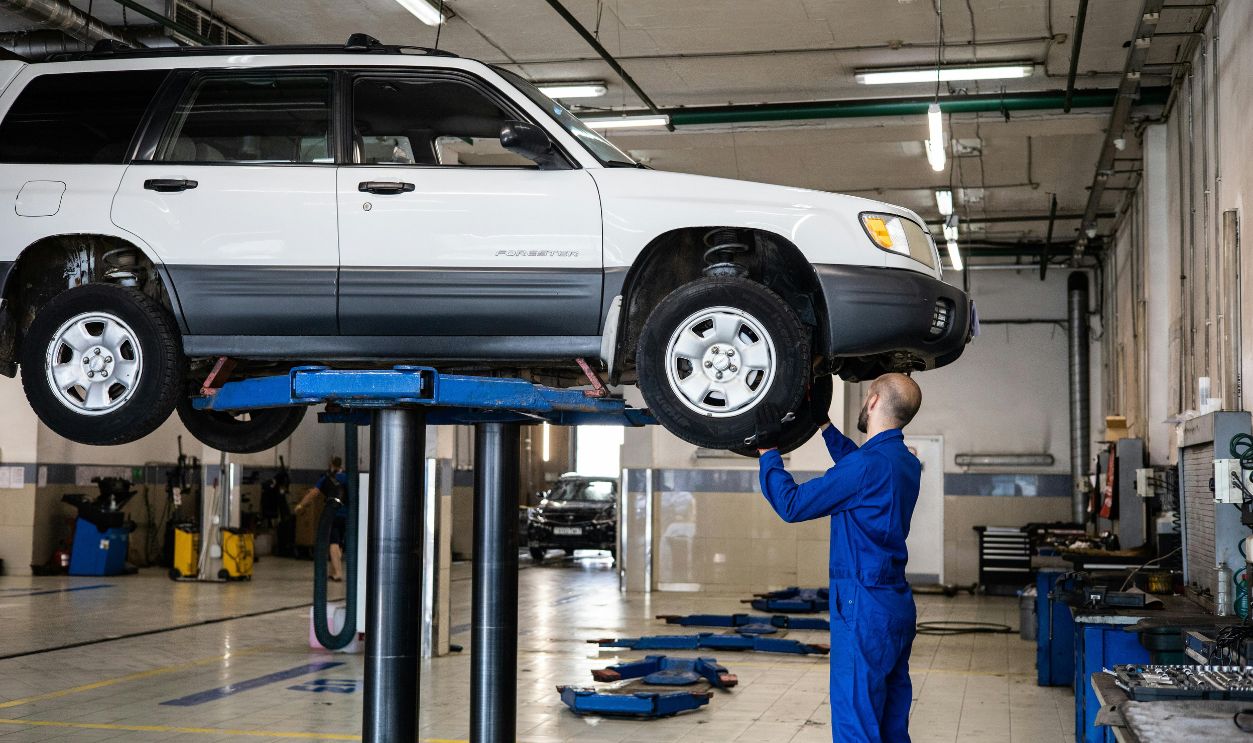
Insurance companies take safety defects more seriously than purely cosmetic issues. If you notice uneven panel gaps, bent brackets, frame irregularities, or improperly secured components, those right there are immediate safety implications. Unsafe repairs increase liability for both the insurer and the shop.
Go Through Your Policy Details
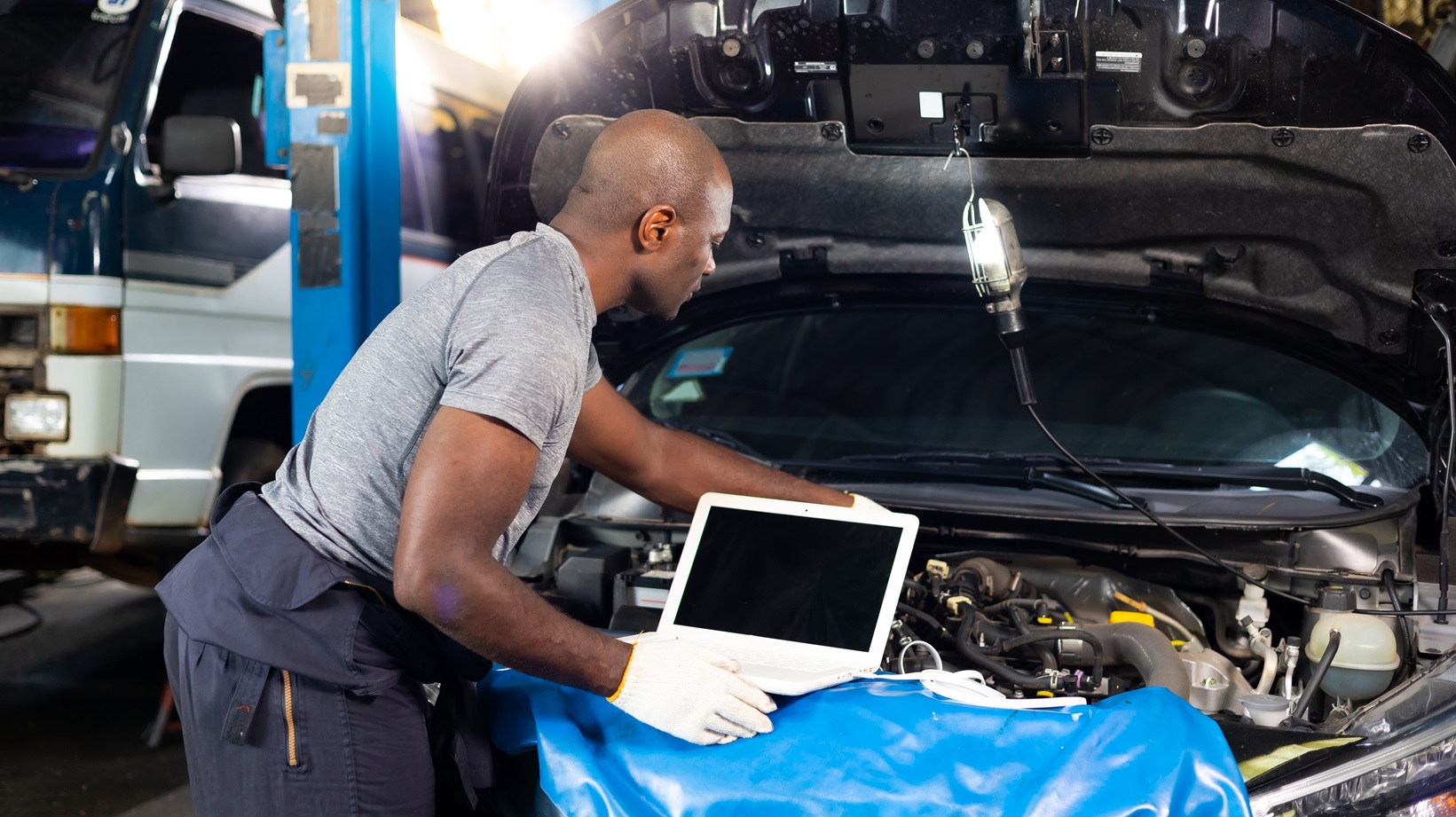
Your policy spells out your rights, repair guarantees and dispute procedures. Find references to quality standards, supplement requests, and reinspection rights. Insurers are normally obligated to ensure a minimum standard of proper repairs, even if they prefer not to give the go-ahead to additional work.

Lifetime Warranty?
Most insurance-preferred shops provide lifetime warranties on their workmanship. If your insurer won’t budge on a second repair order, get in touch with the shop directly and demand they honor their warranty obligations. Shops often comply rather than risk missing out on future insurance jobs.
Escalate With The Insurance Company
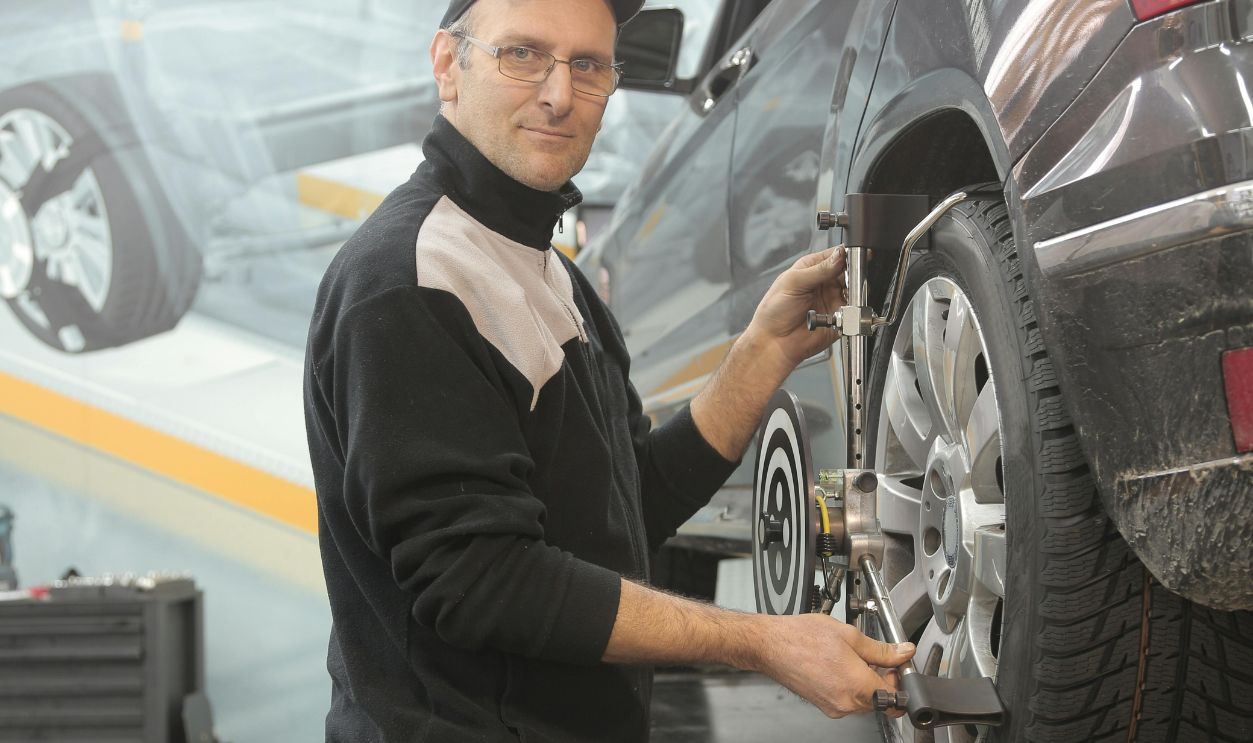
If frontline adjusters won’t help you, escalate to a supervisor or claims manager. Higher-level staff are usually more cautious about regulators getting involved. Give your evidence clearly and calmly. Explain to them why the repair is not acceptable and why a second order is justified.

File With State Regulators
Insurance regulators also review disputes when companies won’t live up to policy standards. Filing a complaint will set in motion steps to formal oversight. Regulators often intervene to ensure fair treatment, even more so if you present clear evidence of workmanship that’s not up to snuff.

Consider A Diminished Value Claim
If a lousy repair job affects your car’s resale value, you could qualify for a diminished value claim. Even if the insurer won’t foot the bill for further repairs, the loss in value is now another measurable harm you can pursue. Appraisals to that effect give you a stronger negotiating position.

Ask The Body Shop Manager To Review
Put in a request that the shop’s manager or lead estimator do a reinspection on the vehicle. Higher-level staff may pinpoint flaws that the initial technician ignored. Shops don’t like warranty claims but they dislike bad publicity even more, which is an incentive for them to correct the issues.
Look At Manufacturer Repair Guidelines
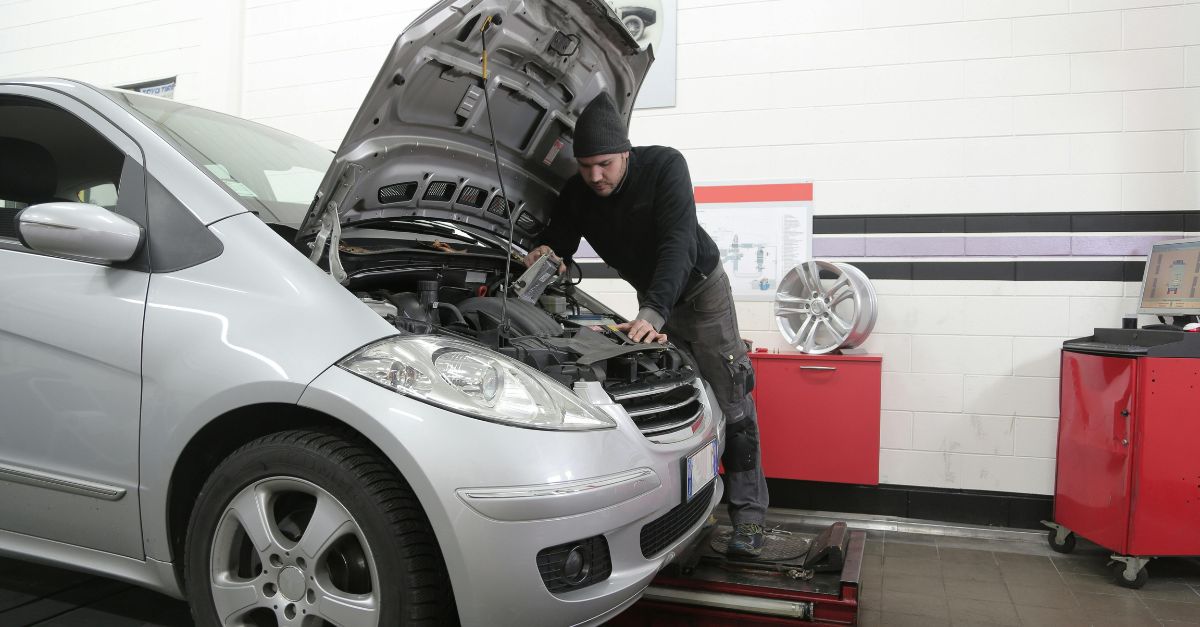
Automakers publish specific repair procedures for sensors, materials, and structural components. If you don’t think the shop followed these guidelines, use that as evidence. Showing non-compliance can force corrective action to avoid liability.

Request Arbitration
Some policies include arbitration or appraisal clauses for to resolve disputes. Arbitration will bring in a neutral evaluator to assess the damage and repair quality. It’s a slower process than negotiation, but arbitration can compel insurers to act when the two sides don’t see eye-to-eye.
Pay For An Independent Inspector
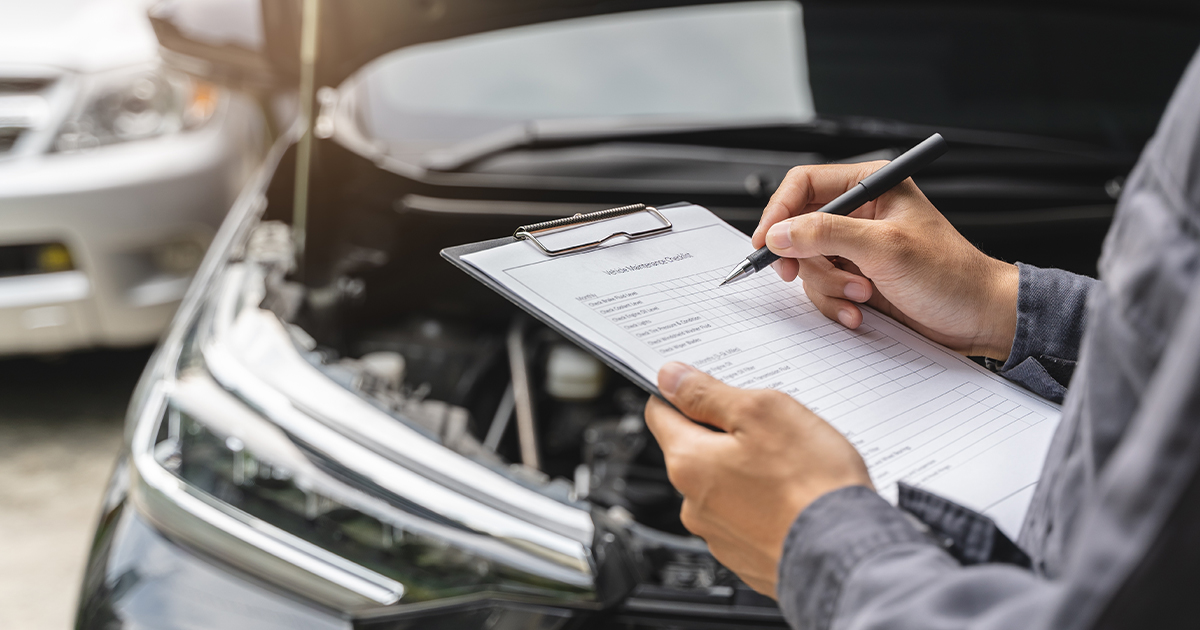
Collision repair inspectors offer unbiased evaluations of repair quality. Their reports could uncover hidden defects and point out obvious ones as well. Providing your insurer with a professional inspection strengthens your case and pressures them to approve a second round of work.

Keep Everything In Writing
Follow up all phone calls with written summaries via email. This prevents misunderstandings and gives you a paper trail. If your case winds up in arbitration or regulatory review, your paper record will show that you acted responsibly while the other parties failed to solve the issue.

Be Firm But Don’t Get Mad
It’s frustrating when your car isn’t fixed properly, but professionalism is also important. Make your case calmly and lay out your evidence clearly. Insurers and shops respond better when you appear organized and persistent instead of overwhelmed and not in command of the facts.

When To Seek Legal Help
If the insurer and the shop both go on refusing to correct the repairs, legal advice might be appropriate. Many attorneys offer free consultations for insurance disputes. Sometimes the mere suggestion of legal involvement may prompt a speedier resolution.

Move Forward Toward A Proper Repair
Poor repairs leave you frustrated and questioning your car’s value and safety. But you have several different options to push for accountability. Be persistent, use visual and written documentation wisely, and escalate strategically. You deserve a properly restored vehicle; steady, thorough, and calm pressure is the way to get there.

You May Also Like:
My insurance company totaled my car over a scratch. Should I fight them or take the check?