Should I Avoid a Dual-Clutch Transmission?
You’re standing between two opinions. Your mechanic says stay away from dual-clutch transmissions. The salesperson says they’re cutting-edge and the future of driving. So who’s lying? Honestly? Probably neither. They’re just looking at the same technology from very different angles. Let’s break down what a dual-clutch transmission (DCT) really is — and whether it’s right for you.

First: What Is a Dual-Clutch Transmission?
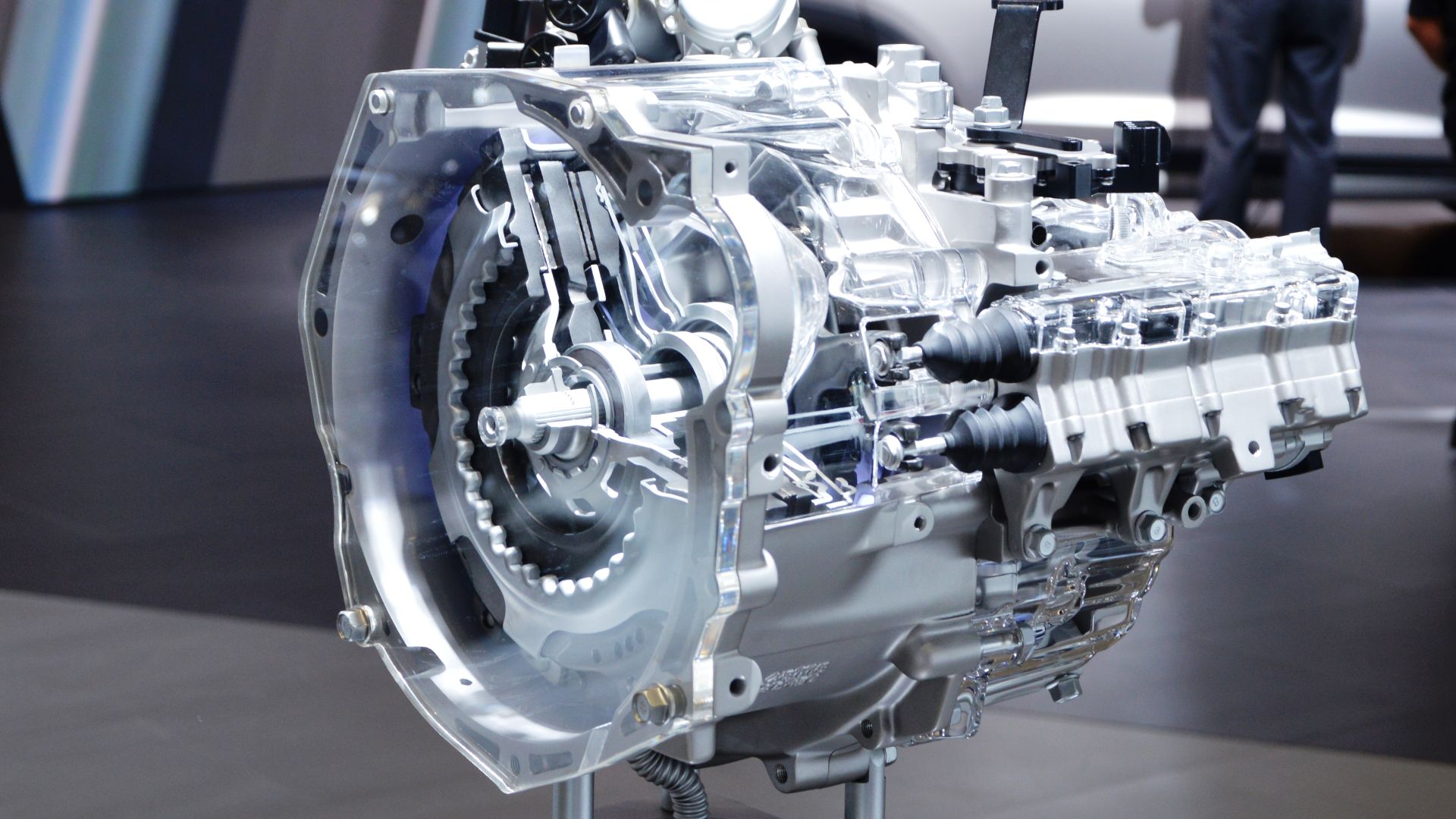
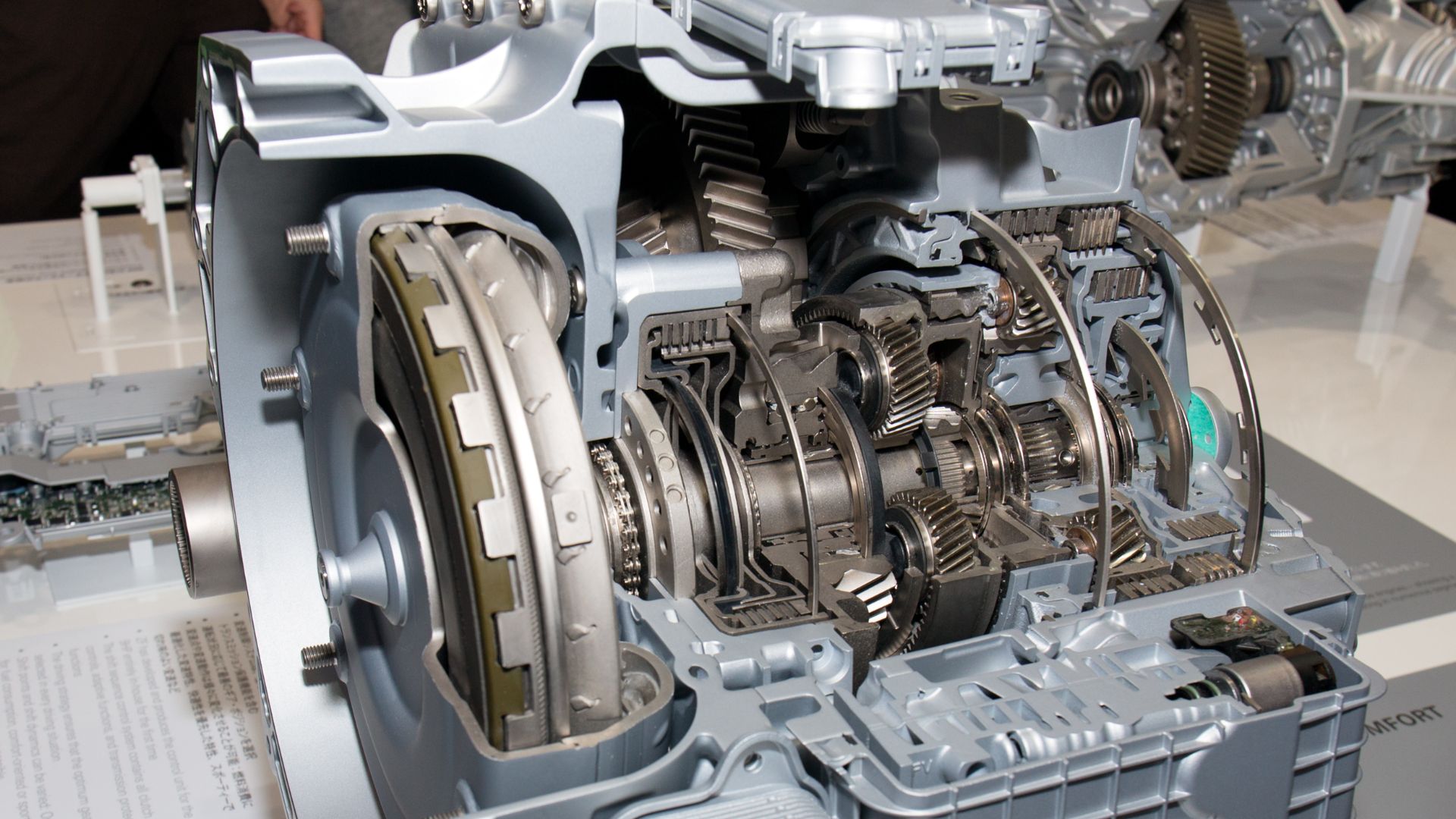
A dual-clutch transmission is basically a manual transmission that shifts automatically. It uses two clutches — one for odd gears and one for even gears — so it can pre-select the next gear and shift almost instantly.
Why Salespeople Love Them
DCTs shift incredibly fast. We’re talking milliseconds. That means better acceleration, smoother power delivery at speed, and improved fuel efficiency compared to traditional automatics.
 Michael Sheehan, Wikimedia Commons
Performance Cars Swear By Them
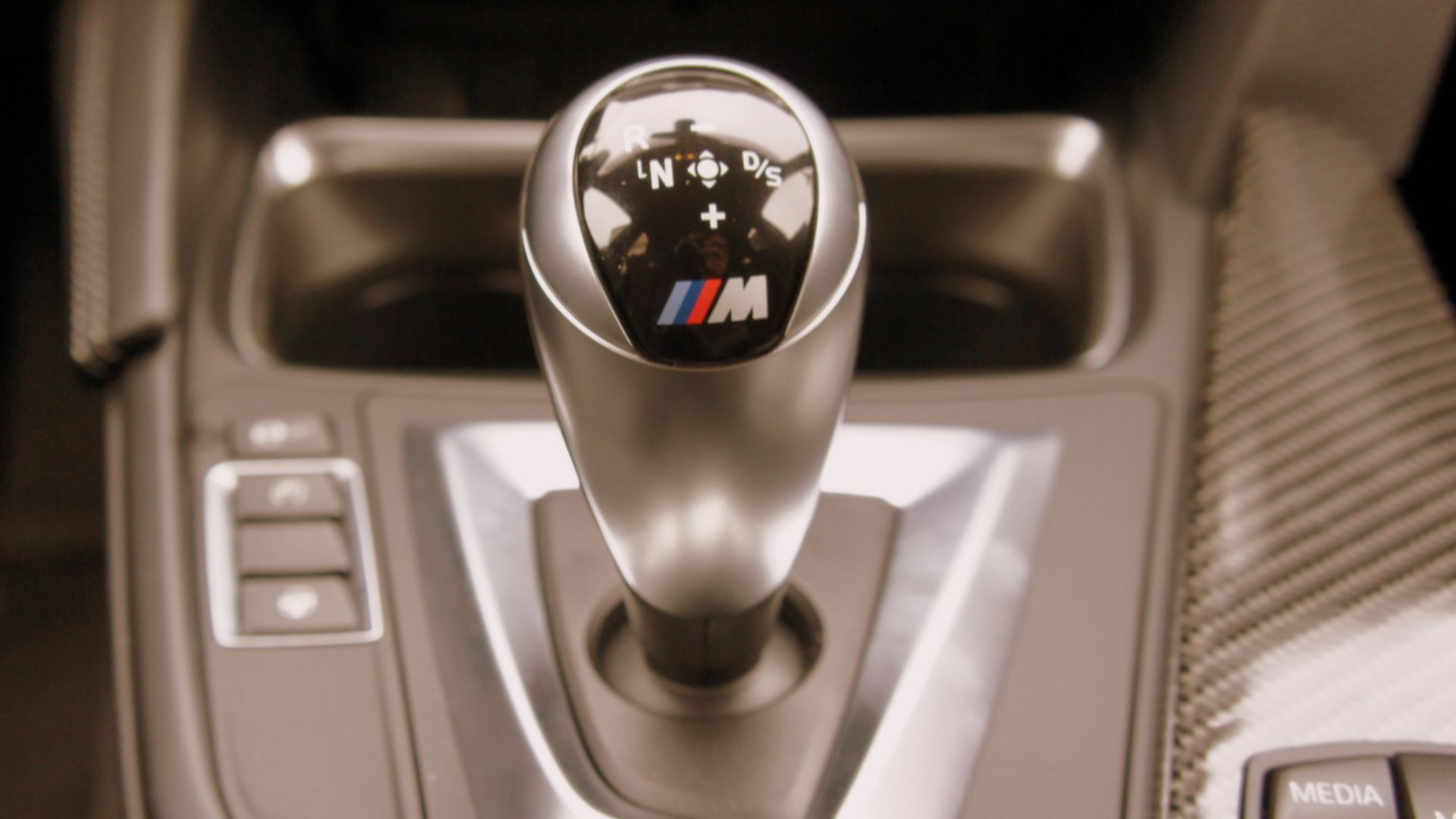
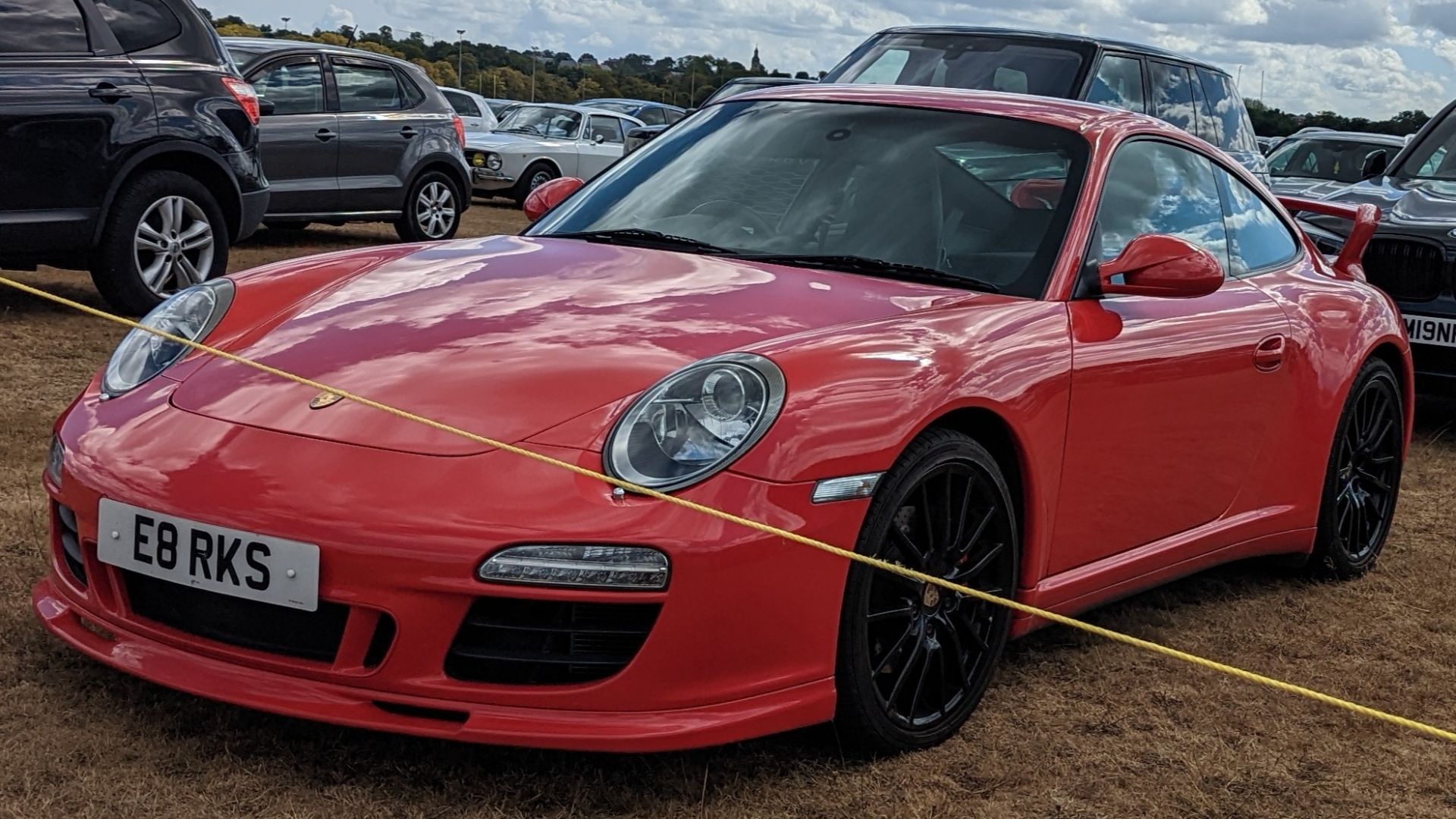
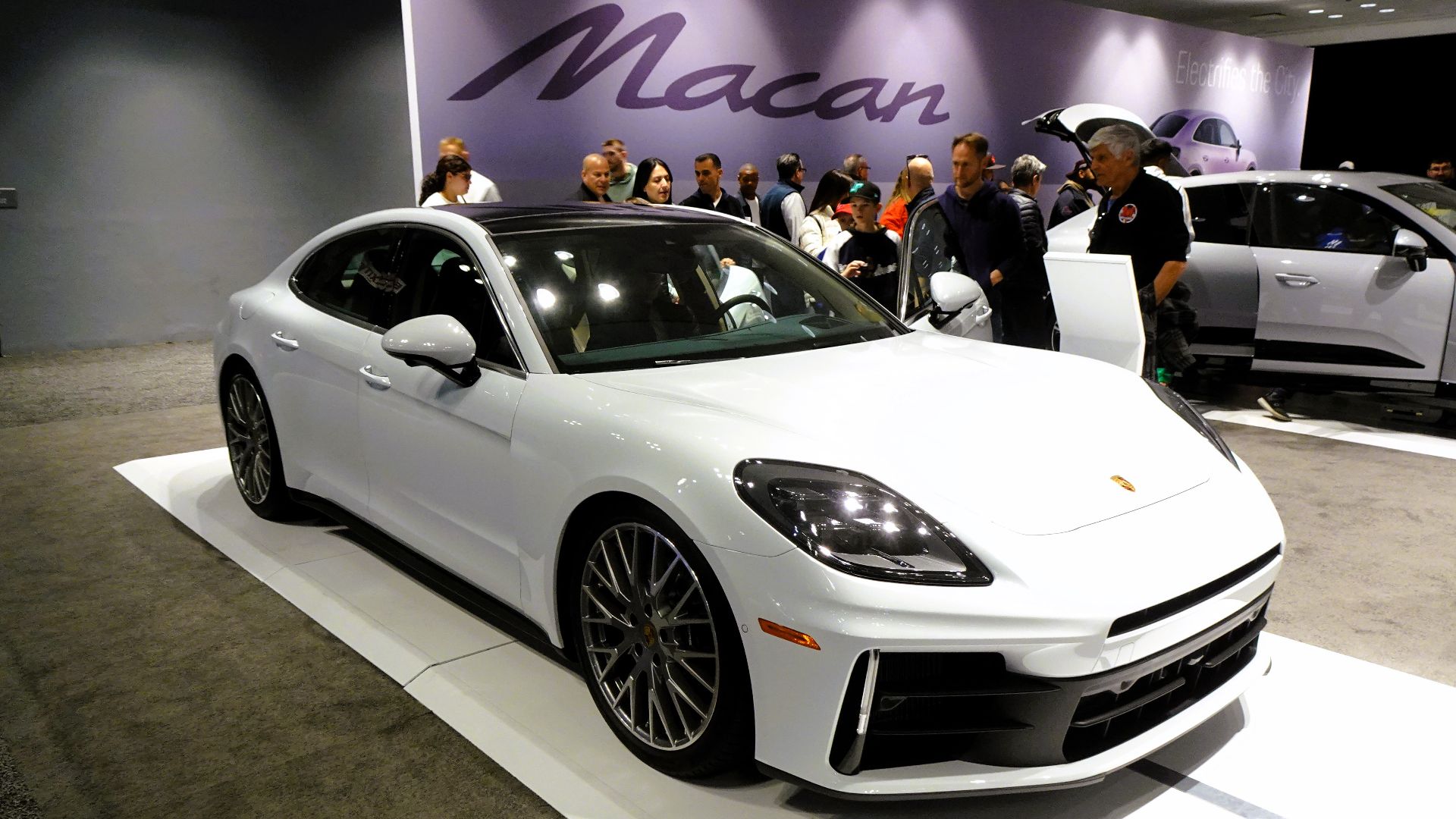
Porsche PDK. Volkswagen DSG. BMW DCT. Ferrari’s dual-clutch systems. High-performance cars use them because they’re faster than a human can shift a manual.
They’re Efficient, Too
Because a DCT doesn’t rely on a torque converter like a traditional automatic, it wastes less energy. That can translate to slightly better fuel economy.
 Tony Webster, Wikimedia Commons
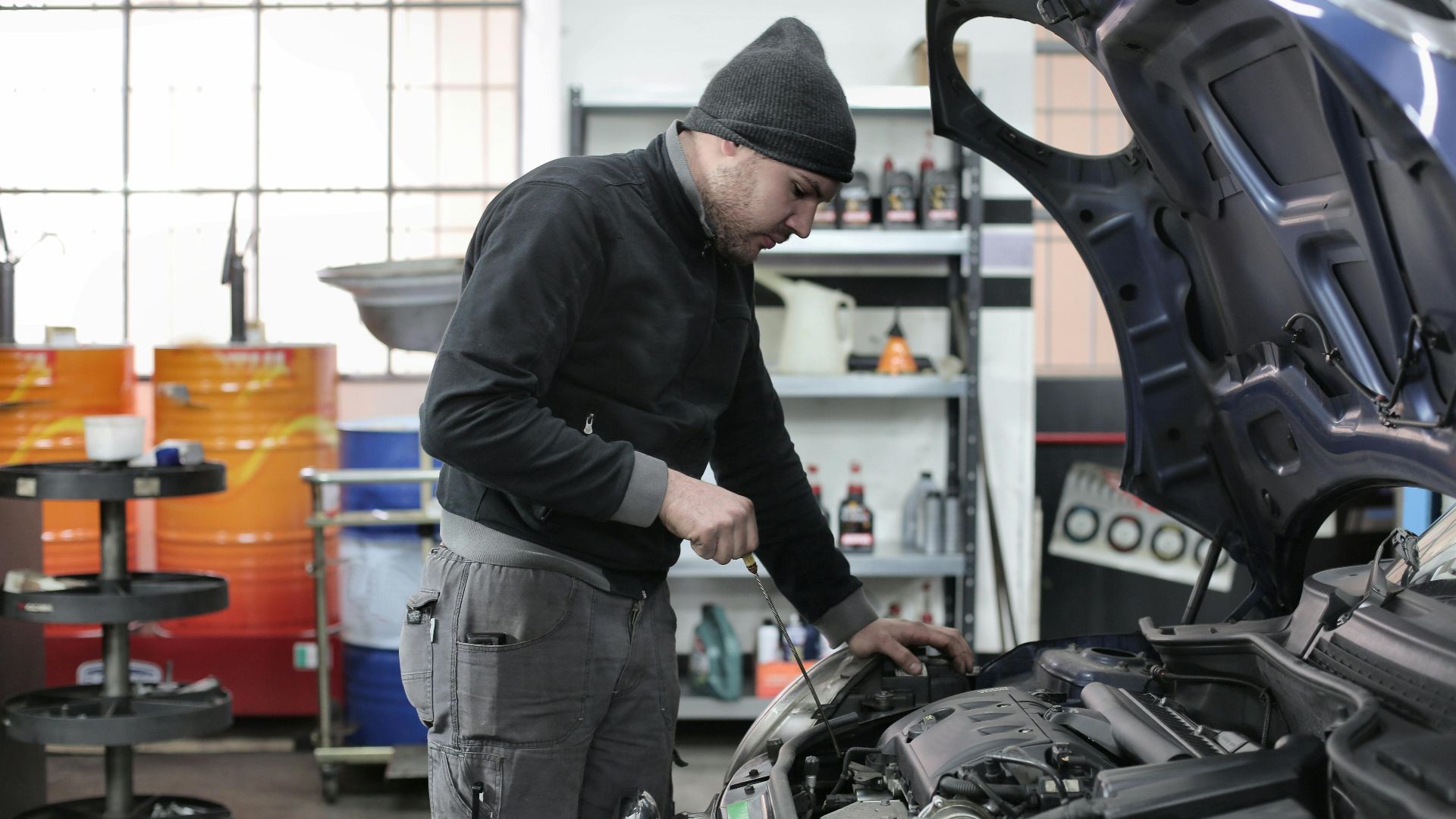
So Why Do Mechanics Warn People?
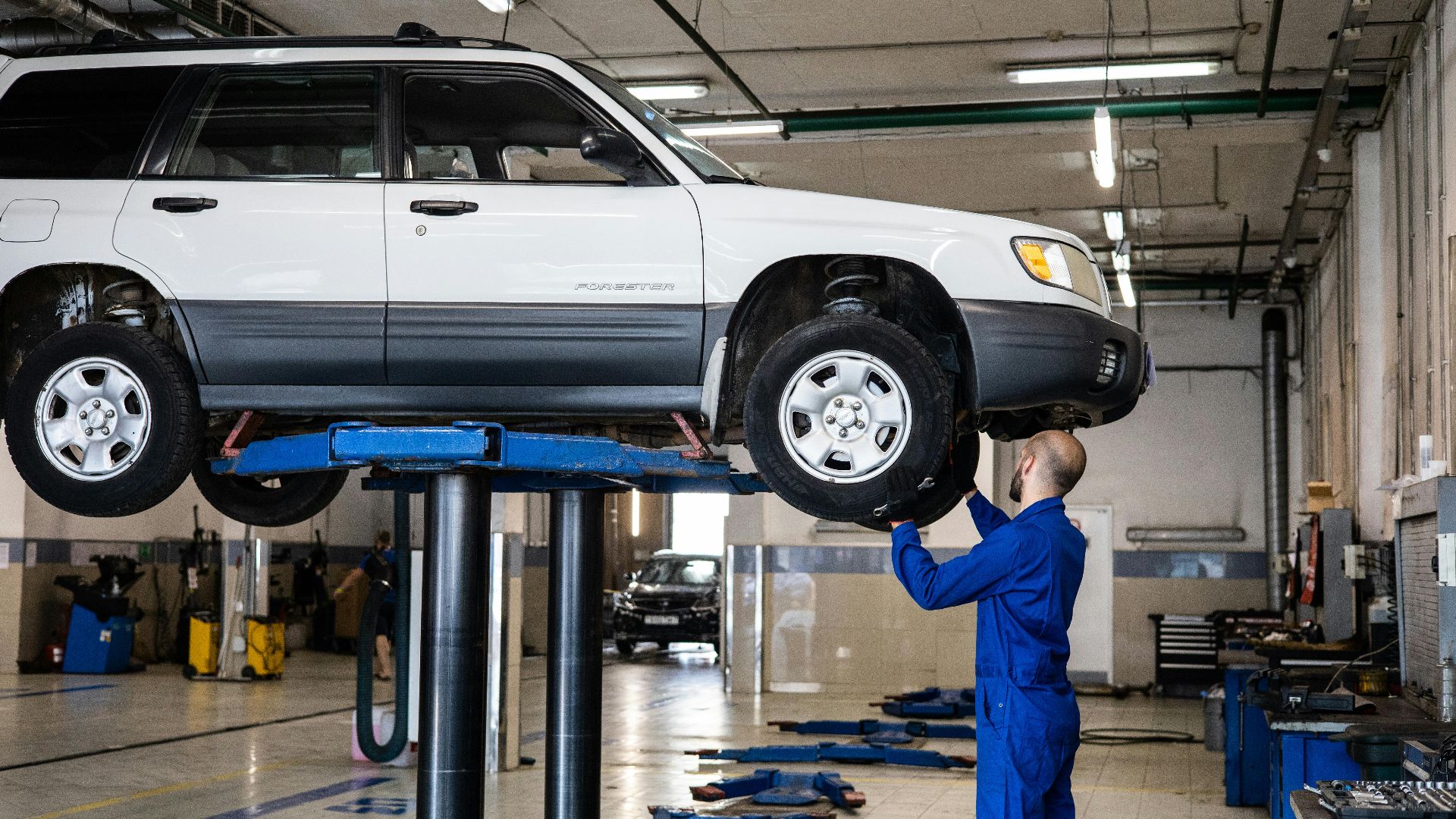
Here’s the other side: dual-clutch systems are complex. More parts. More electronics. More things that can fail.
Low-Speed Driving Is Their Weak Spot
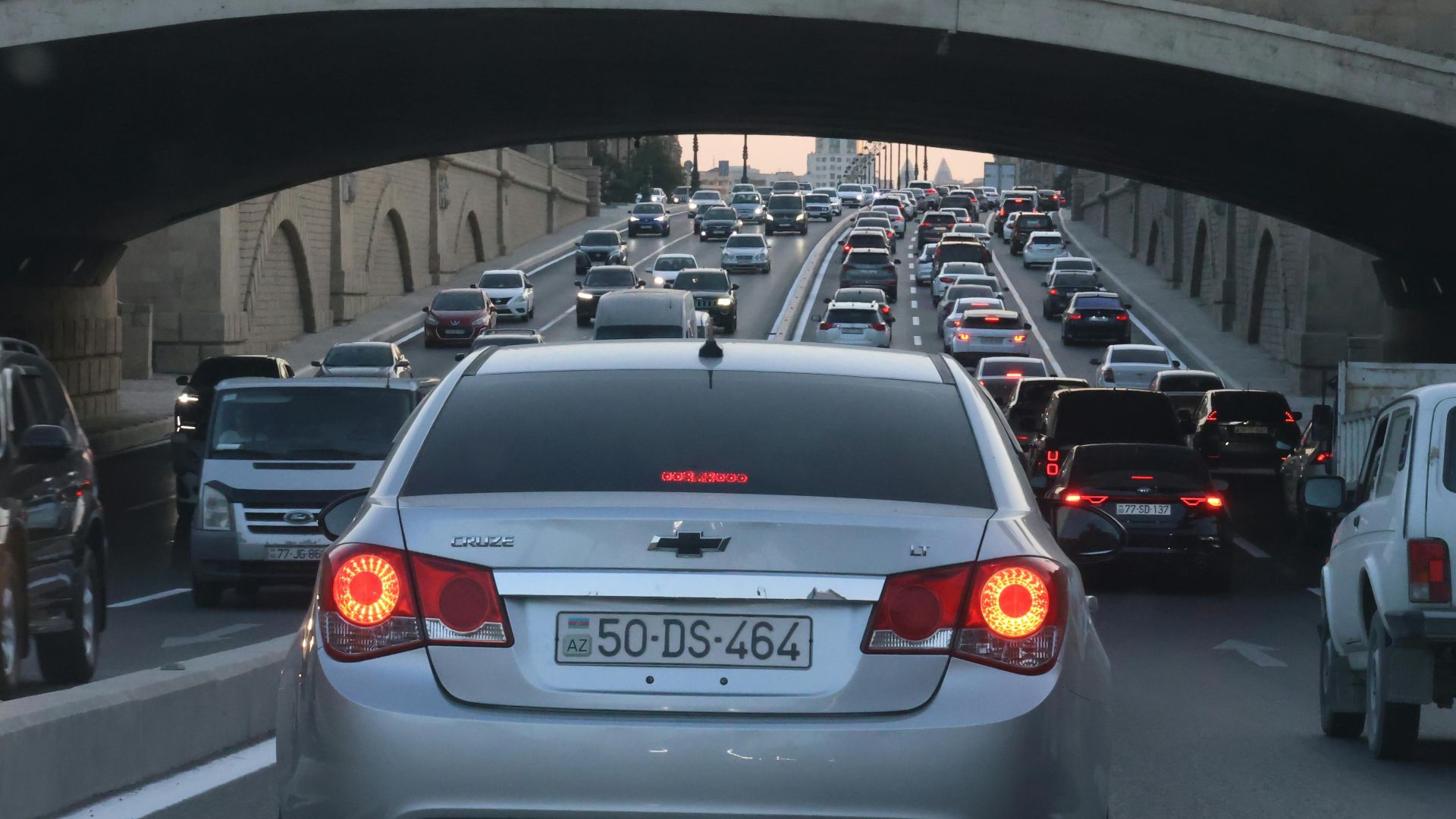
In stop-and-go traffic, some DCTs can feel jerky or hesitant. They don’t “creep” as smoothly as a traditional automatic because they’re essentially automated manuals.
Clutches Wear Out
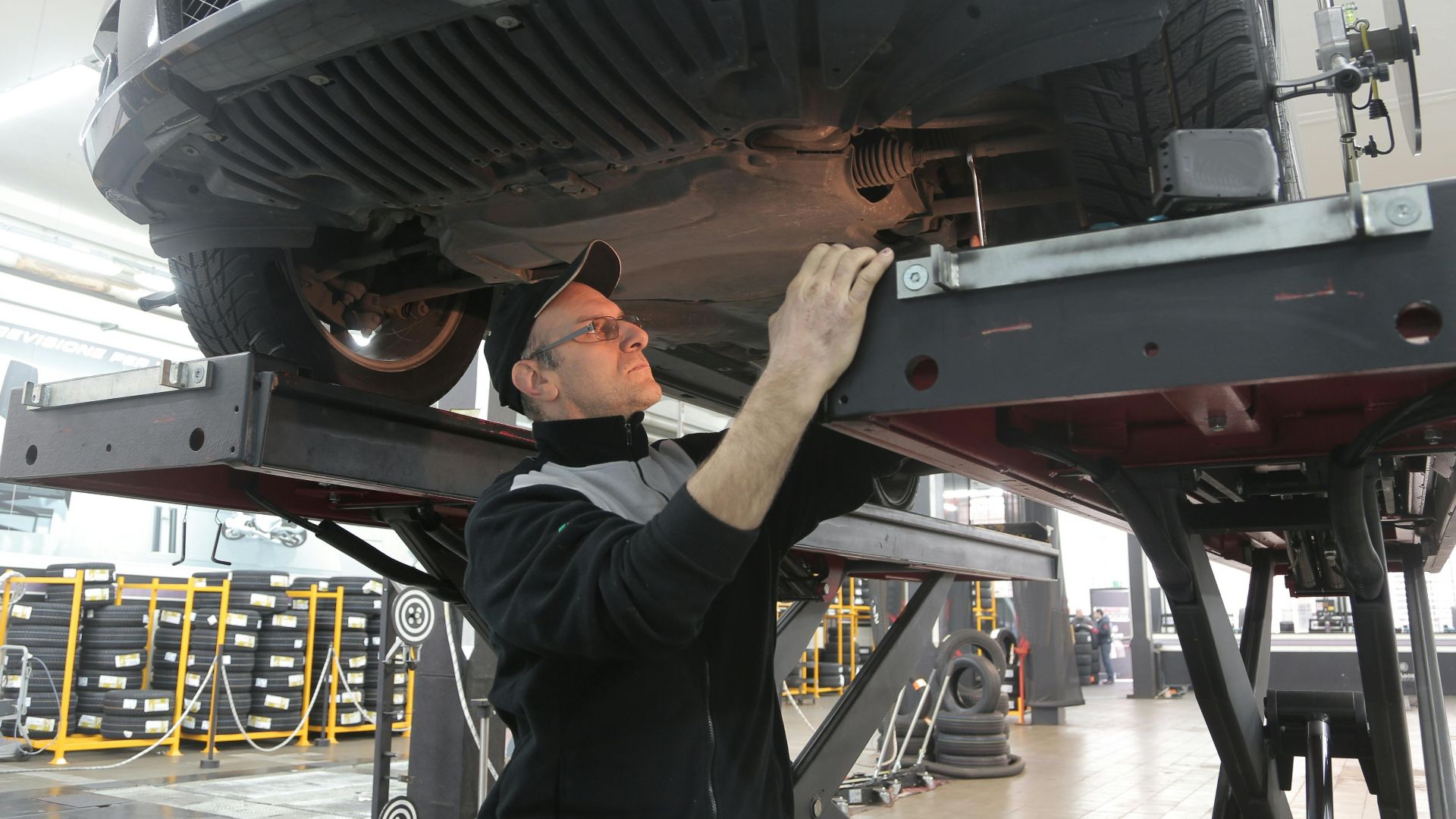
Unlike a regular automatic, DCTs have clutches that wear down over time — just like a manual transmission. Replacement can be expensive.
Repairs Aren’t Cheap
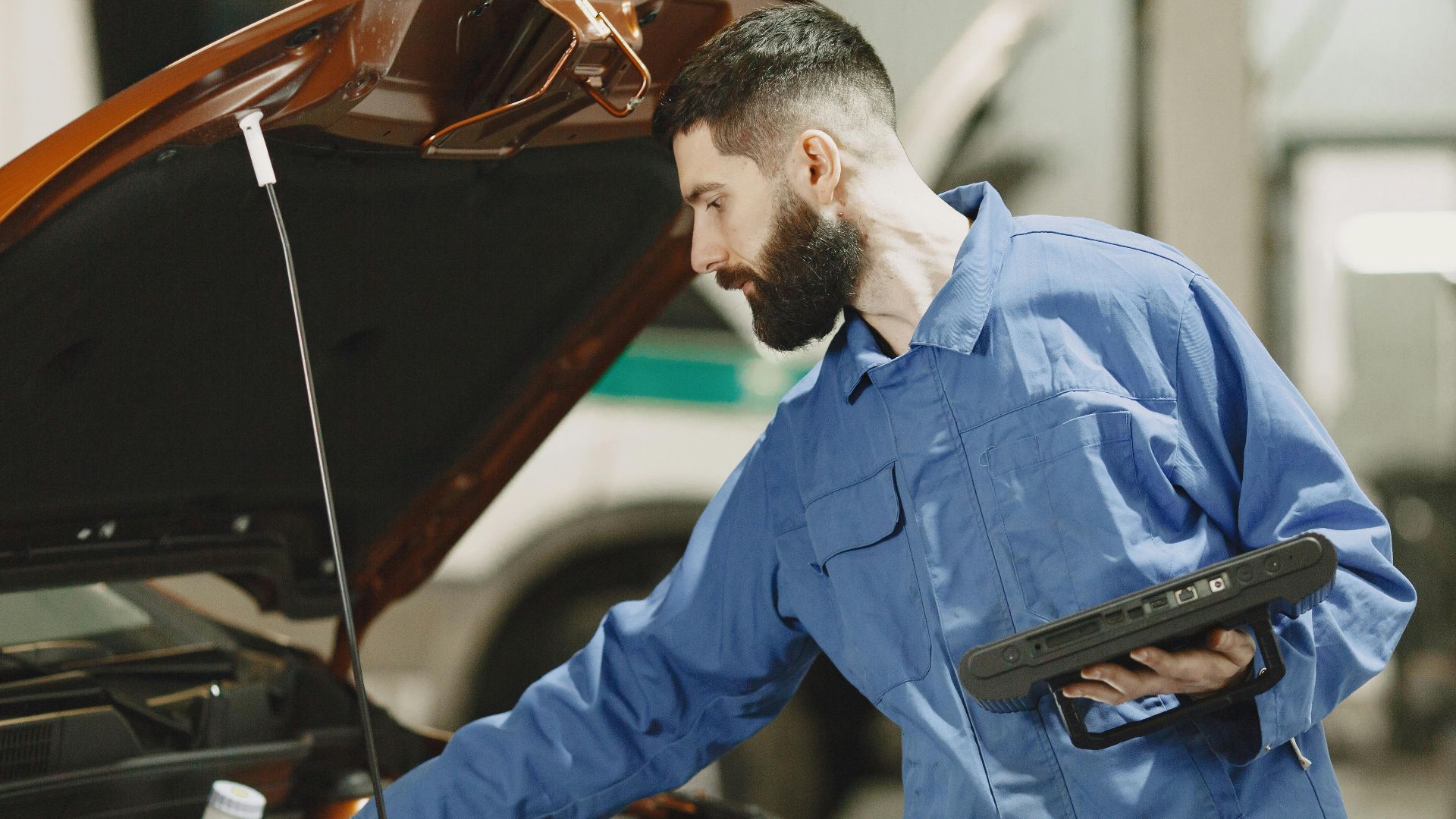
If something goes wrong, you’re not looking at a simple fix. Mechatronic units (the brain of the transmission) can cost thousands to replace.

Not All DCTs Are Equal
Early versions had more issues. Modern ones are much better. A 2024 Porsche PDK is not the same as an early 2010s budget dual-clutch system.
 Charles from Port Chester, New York, Wikimedia Commons
Driving Style Matters
If you drive aggressively or enjoy spirited acceleration, a DCT can feel amazing. If you crawl in traffic daily, you might prefer a traditional automatic.

They’re Not “Bad” — They’re Specialized
Mechanics see repair bills. Salespeople see performance stats. Both perspectives are valid. It depends on what you value.
What About Reliability?
Some brands have excellent DCT reliability records. Others had early recall issues. Brand and model matter more than the transmission type alone.
Traditional Automatics Are Smoother
Modern torque-converter automatics (like ZF’s 8-speed) are incredibly smooth and durable. In many cases, they’ve closed the performance gap.
CVTs Are a Different Conversation
If you’re comparing DCT vs. CVT vs. traditional automatic, they all have trade-offs. DCTs prioritize performance. CVTs prioritize efficiency. Traditional automatics aim for comfort.
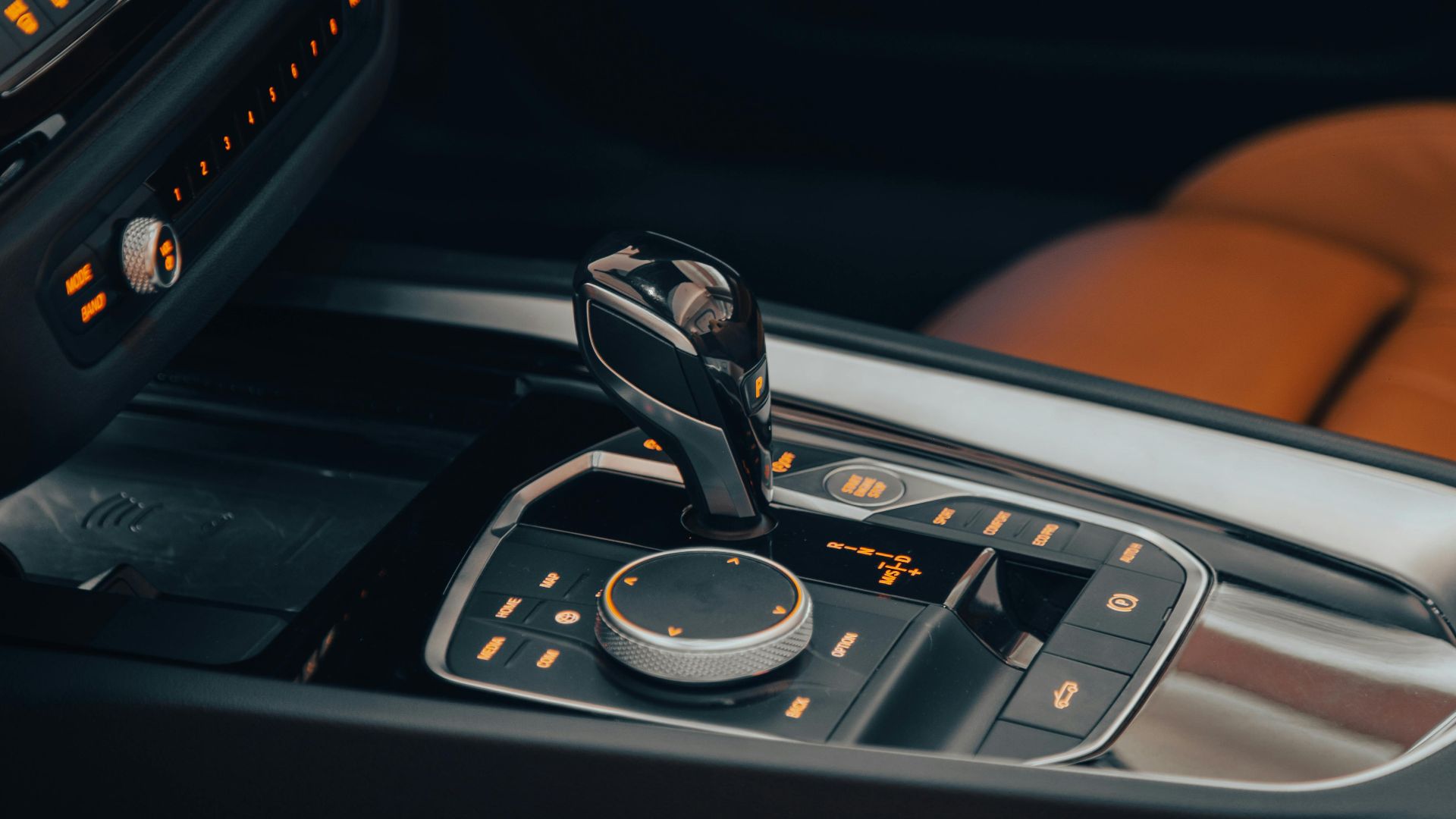
Resale Value Can Be Strong
Performance-oriented buyers often prefer DCTs. That can help resale value in certain vehicle segments.

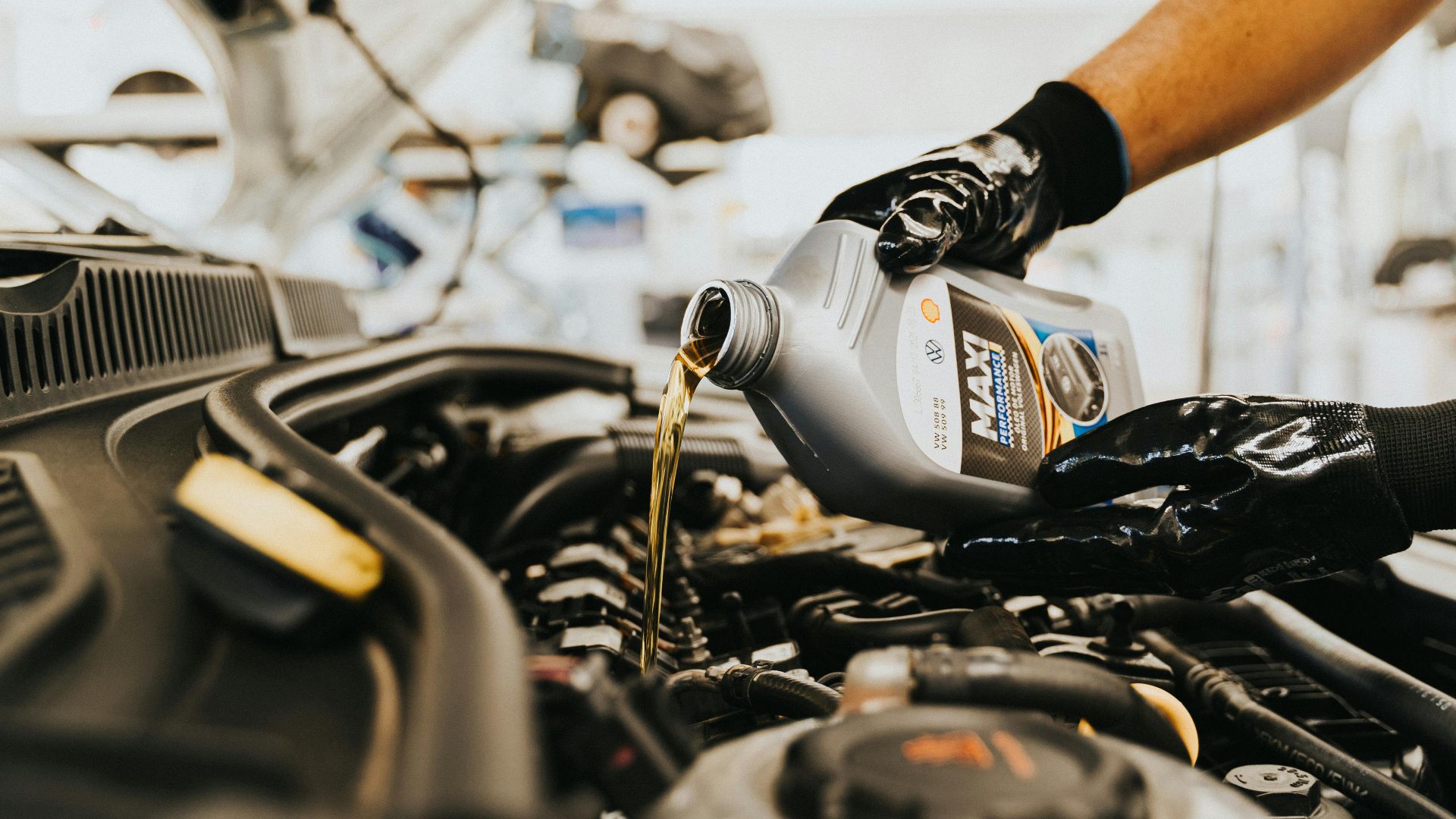
Maintenance Is Key
Regular fluid changes and software updates (when applicable) can extend DCT life. Skipping maintenance is what turns them into horror stories.
Warranty Matters
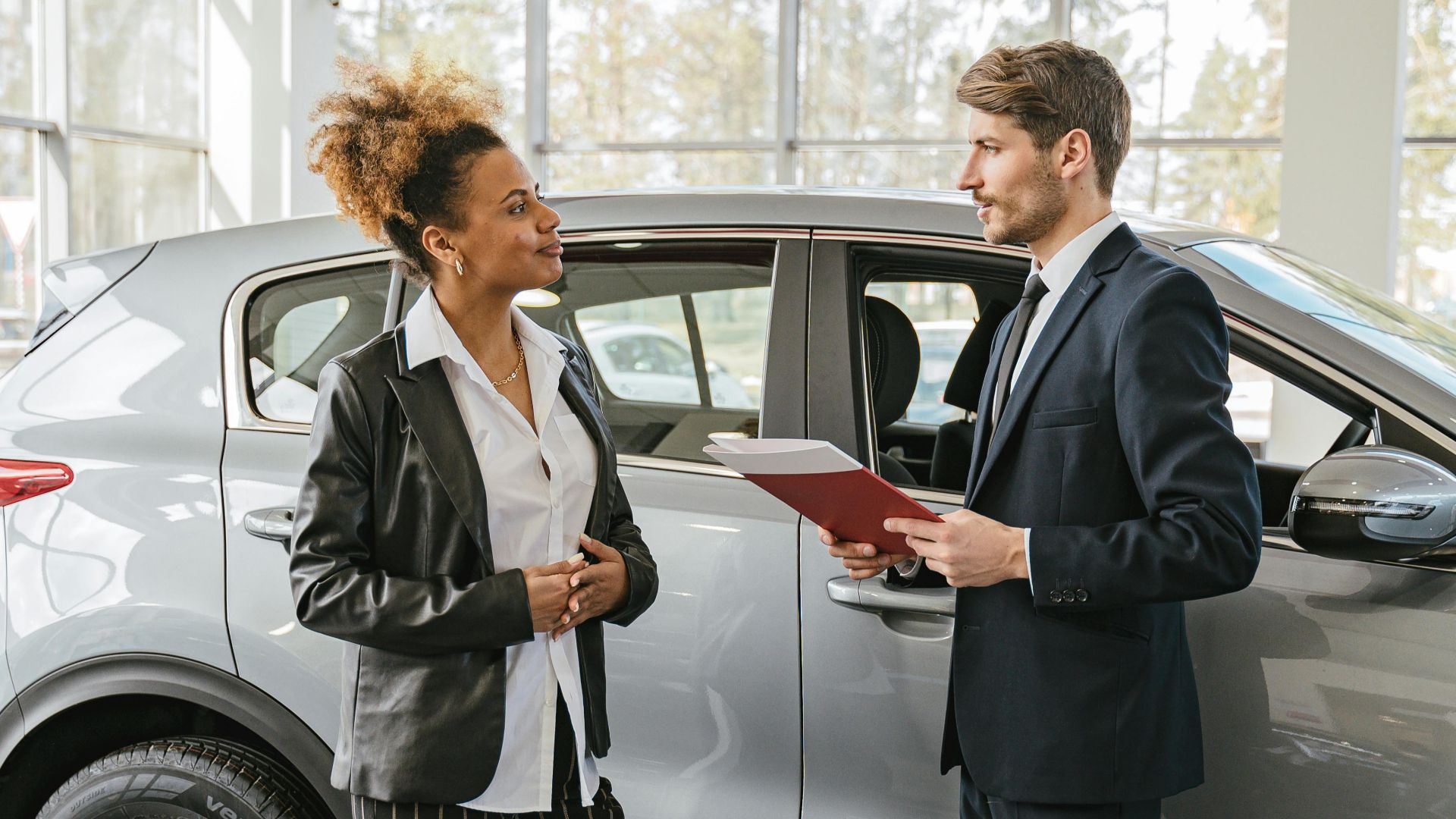
If you’re buying new or certified pre-owned with warranty coverage, the risk drops significantly. Out-of-warranty repairs are where fear comes from.
The “Future” Claim Isn’t Entirely Wrong
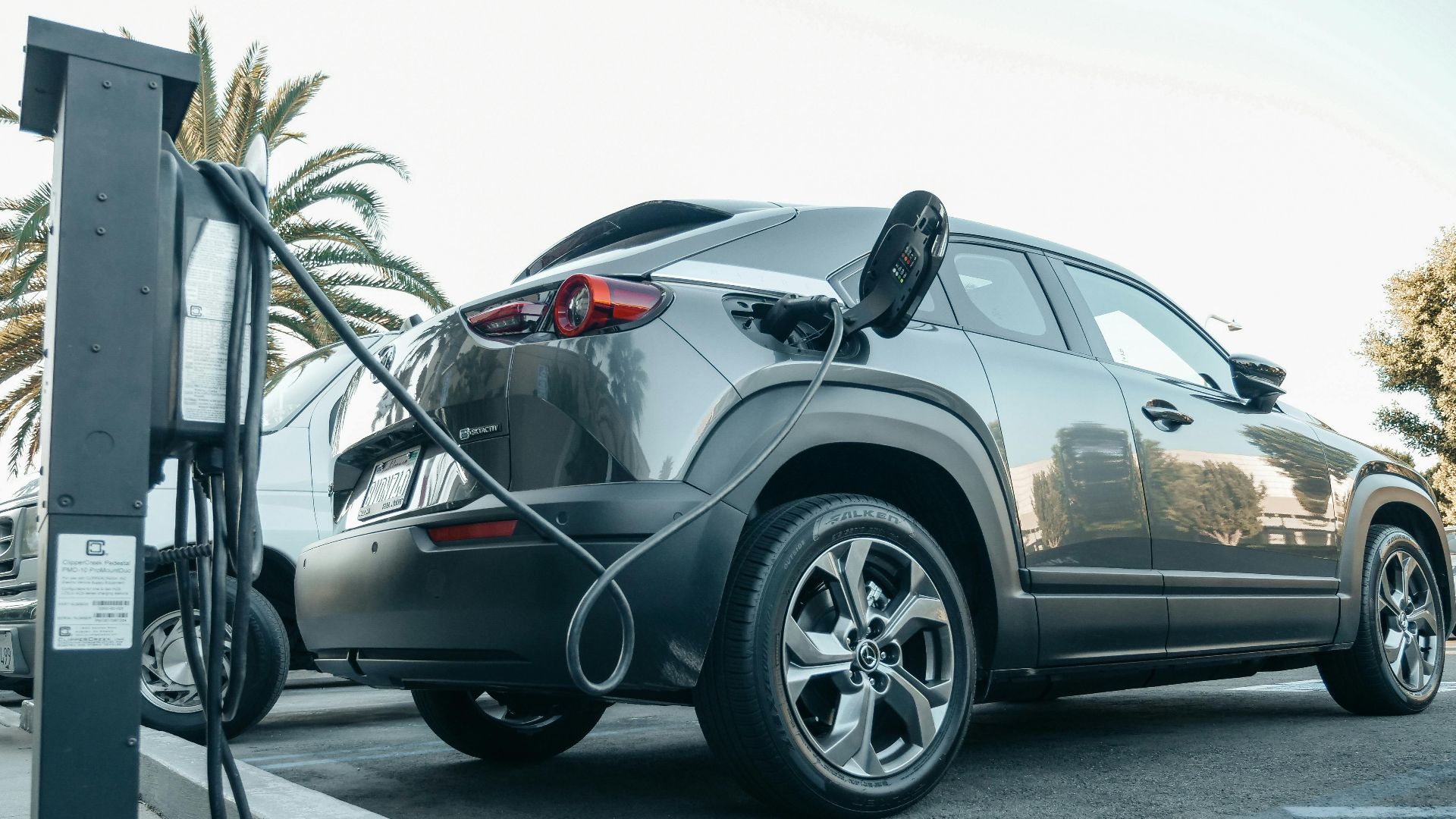
Dual-clutch technology influenced how modern automatics shift today. But with electric vehicles rising, traditional transmission debates may eventually matter less.
Who’s Lying?
Probably neither. Your mechanic sees cost and complexity. The salesperson sees performance and innovation. Both are telling part of the truth.
Final Takeaway: Choose Based on Your Driving Life
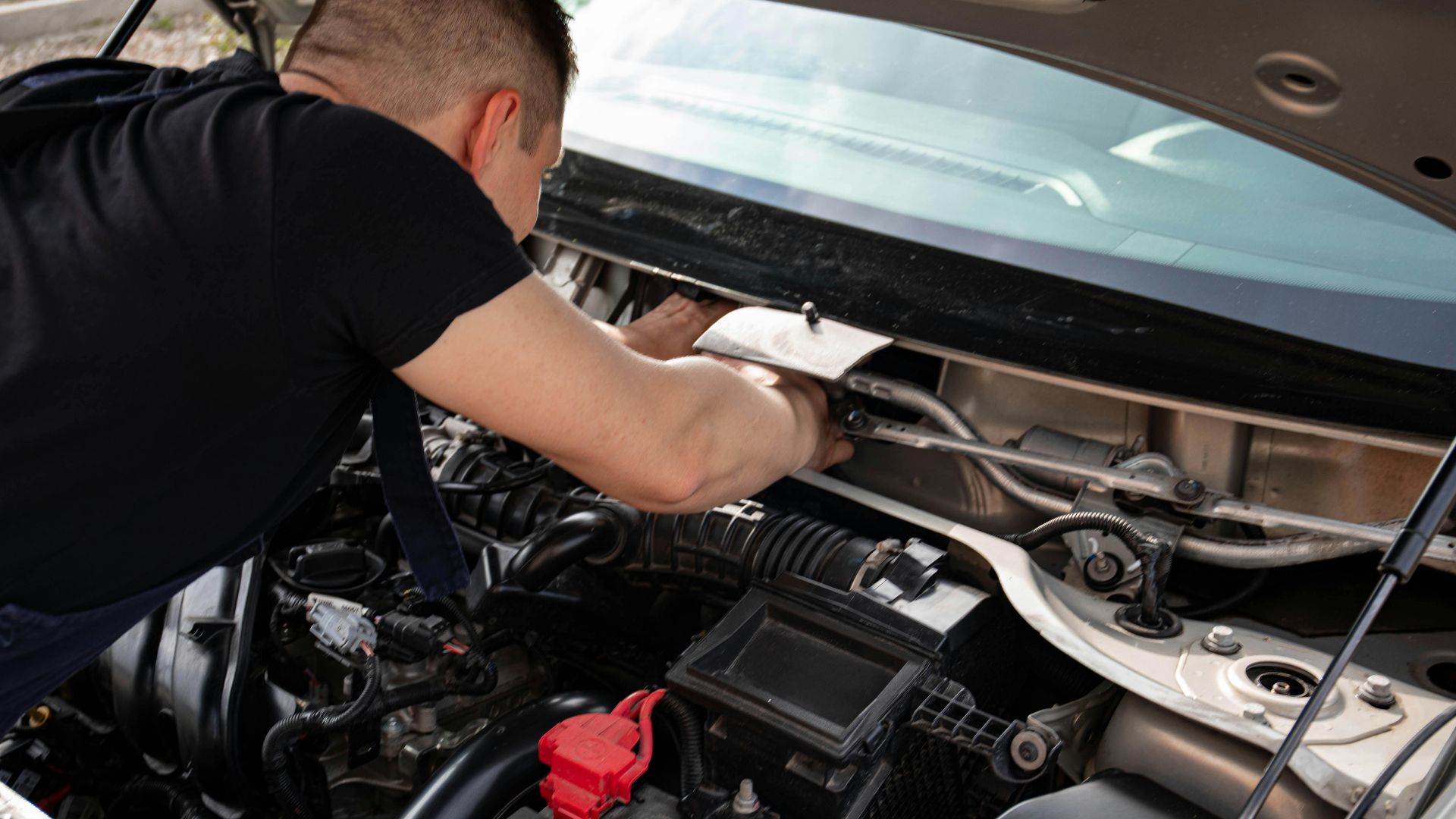
If you want smooth commuting and long-term simplicity, a traditional automatic may be better. If you love sharp shifts and responsive acceleration, a dual-clutch can be fantastic. It’s not about who’s lying — it’s about what fits your daily driving reality.
You May Also Like:
My friend says electric cars are cheaper to own in the long run. My neighbor says the repairs will ruin me. Who should I believe?
Studies Now Show That Advanced Driver-Assistance Systems (ADAS) May Be Doing More Harm Than Good