I’ve Got The Money—Why Am I Filling Out An Application?
You’ve worked hard, stacked your chips, and finally reached the point where buying a Ferrari isn’t a fantasy—it’s a line item. So when the dealership hands you what feels suspiciously like a college application form, you’re stunned. References? Purchase history? Social media presence? And then, the kicker: “We regret to inform you…” Wait. Regret to inform you? You have the money. Isn’t that how buying a car works? Welcome to the strange, exclusive, and occasionally frustrating world of Ferrari ownership.

Ferrari Isn’t Just Selling Cars
Ferrari doesn’t see itself as simply a car manufacturer—it sees itself as a curator of a brand, a legacy, and a club. When you buy a Ferrari, in their eyes, you’re not just purchasing 700 horsepower and an Italian exhaust note. You’re becoming a rolling ambassador for the Prancing Horse. And like any exclusive club, they want to choose their members carefully.
 Carlos Valenzuela, Wikimedia Commons
Yes, They Can Actually Say No
Here’s the short answer: yes, they can absolutely deny you. Ferrari dealerships are privately owned franchises, and Ferrari corporate sets strict rules about who gets access to certain models—especially limited-run or special edition cars. If you’re applying for a high-demand Ferrari, approval is often part of the process. Having the money isn’t always enough.
It Depends On Which Ferrari You Want
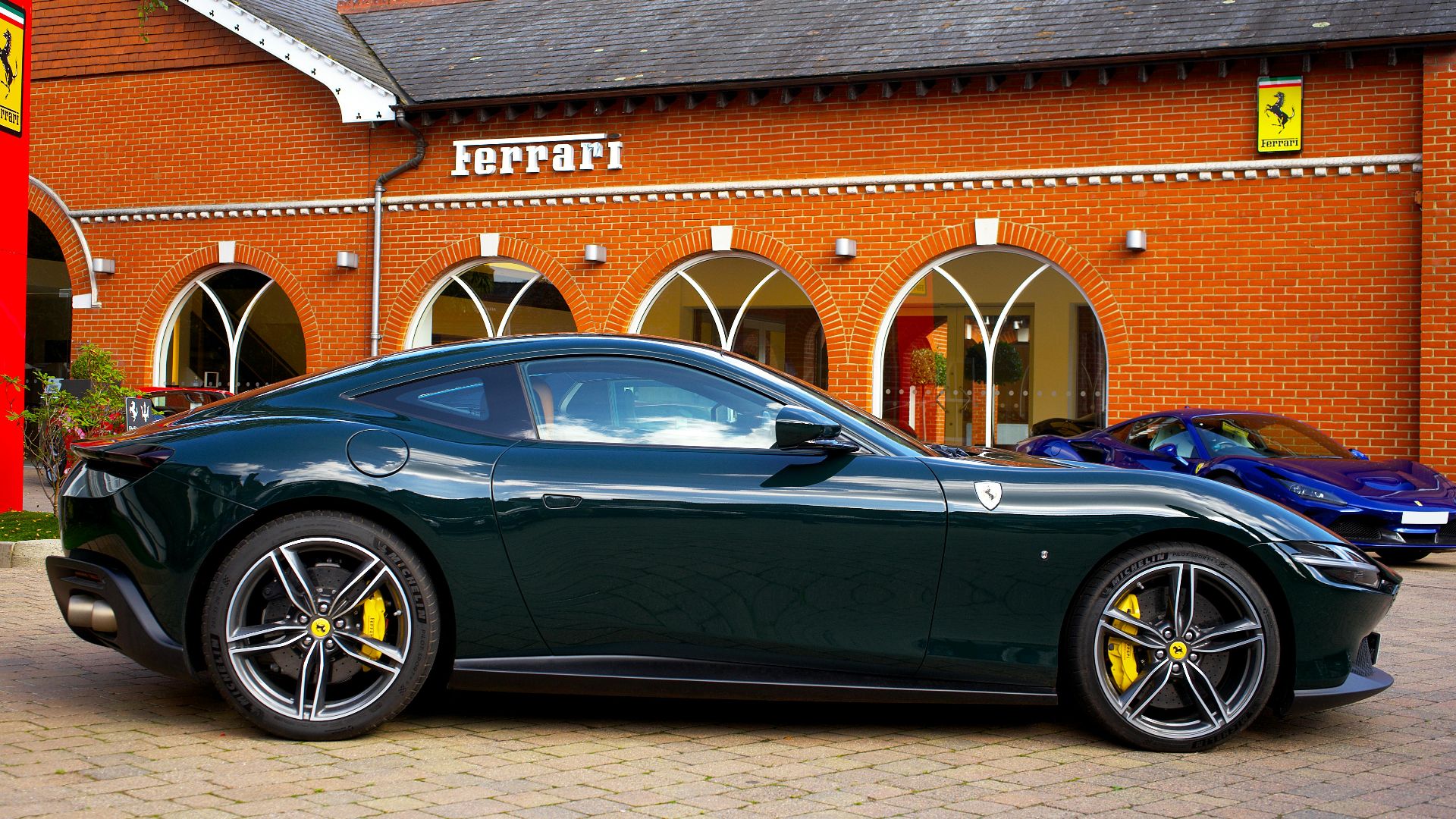
If you’re eyeing a standard production model like a Roma or a 296 GTB, you’re less likely to face heavy scrutiny—assuming allocations are available. But if you’ve set your heart on a limited-production model like an SF90 XX or a Monza SP, that’s a different game entirely. Ferrari reserves those for select clients with established relationships.
 TheSupercarSquad, Wikimedia Commons
Loyalty Matters More Than You Think
Ferrari rewards repeat customers. If you’ve bought multiple Ferraris, serviced them at authorized dealers, and maintained a clean ownership record, you’re golden. If this would be your first Ferrari and you’re asking for the rarest one on the lot, you’re probably going to hear “no.” It’s less about wealth and more about history.

The Flipper Problem
Ferrari is notoriously wary of “flippers”—buyers who purchase limited models only to resell them immediately at a profit. That behavior hurts Ferrari’s carefully managed brand exclusivity. If the company suspects you’re buying to flip, even if you’re not, that alone can sink your approval chances.
 Alexandre Prevot from Nancy, France, Wikimedia Commons
They Even Monitor Resale Behavior
Ferrari has been known to blacklist customers who sell special models too quickly. Yes, really. If you sell a limited Ferrari shortly after buying it—especially without offering it back to the dealer first—you may find yourself excluded from future allocations. It’s a long memory in Maranello.
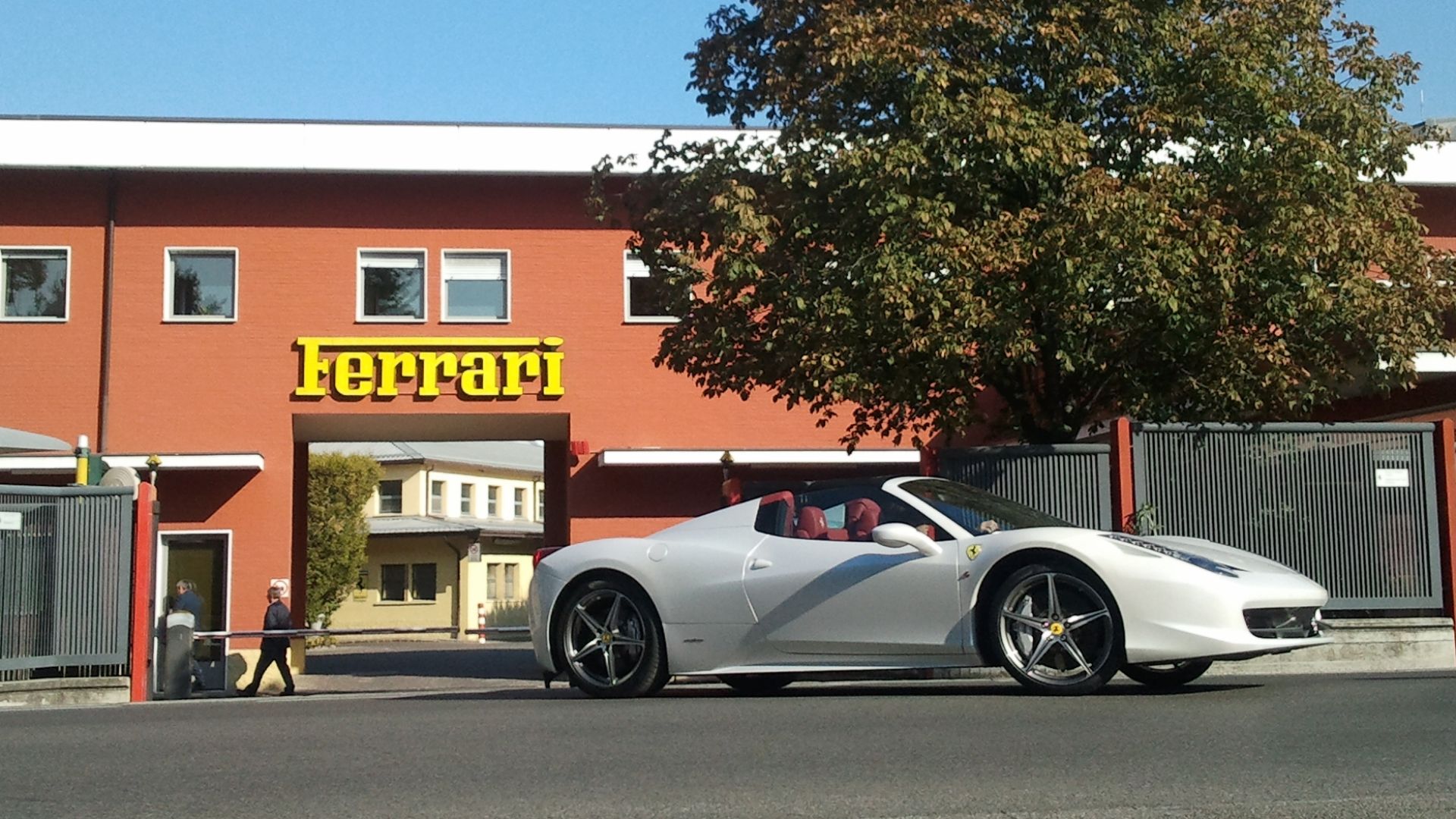
Social Media Can Play A Role
In today’s world, your online presence matters. Ferrari has reportedly declined sales to individuals whose social media posts clash with the brand’s image. If you’re wrapping Ferraris in neon chrome and using them for outrageous stunts online, Ferrari might not be thrilled about adding you to their client list.

This Isn’t New In The Luxury World
Ferrari isn’t alone. Brands like Porsche (for its GT models), Rolex, and even Hermès operate on similar allocation systems. High-demand products are often offered first to loyal customers. It’s less “first come, first served” and more “relationship first, opportunity second.”

You’re Buying Access, Not Just A Car
Ferrari ownership often comes with invitations to private track days, factory tours, and exclusive events. The company wants owners who will participate in that ecosystem. They’re cultivating long-term relationships, not just moving metal off a showroom floor.

It Can Feel Personal—But It Isn’t
Getting denied stings. It feels like a judgment on your status or worth. But usually, it’s a business decision. Ferrari’s allocation strategy is about preserving demand, resale values, and brand mystique. It’s not about whether you’re “good enough” as a human being.
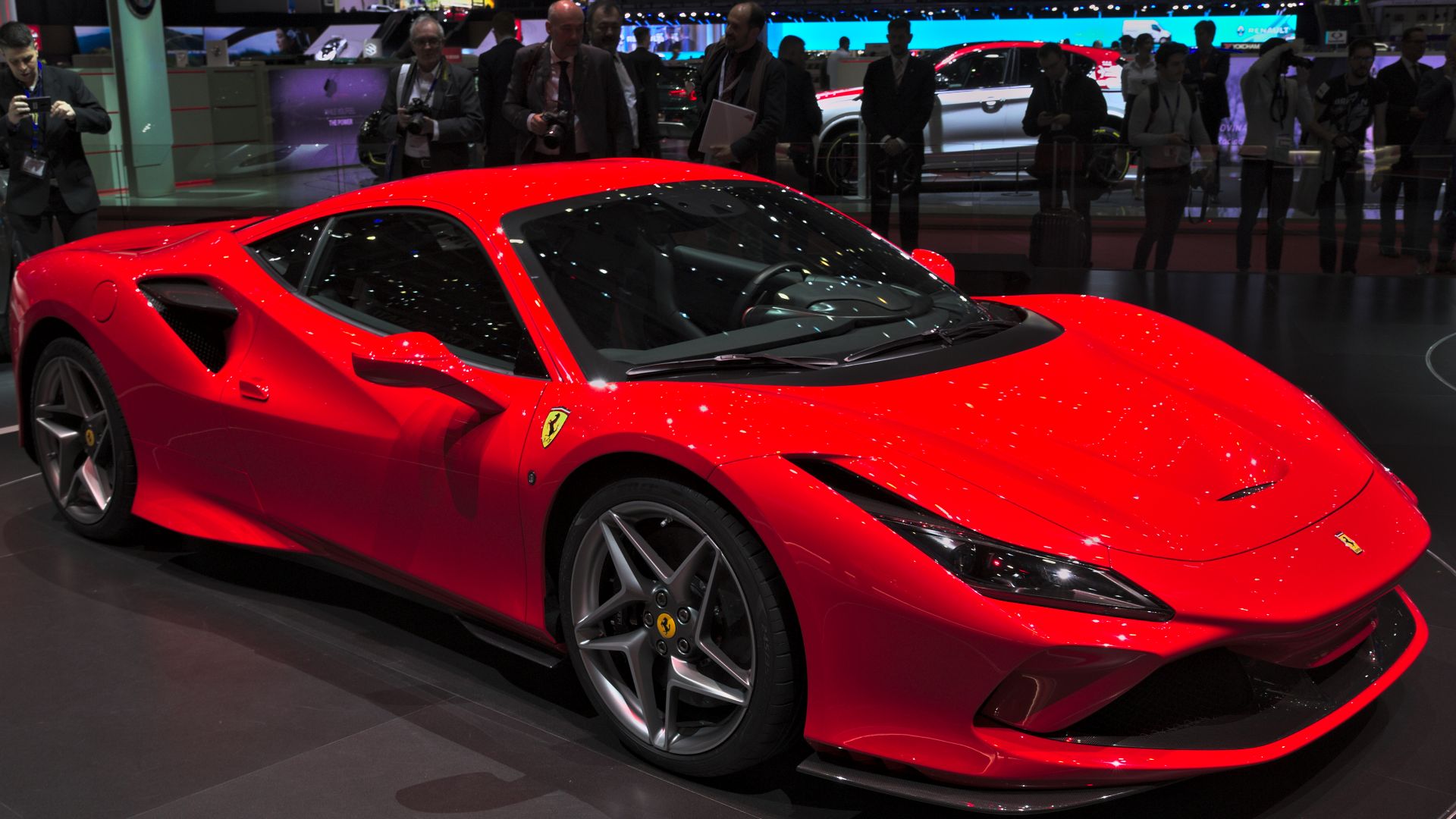 Alexander Migl, Wikimedia Commons
The Dealer Has Limited Control
Sometimes, the dealership isn’t the villain here. Ferrari corporate tightly controls production numbers and allocations for special models. A dealer might genuinely want to sell you the car—but they only have two slots and ten loyal clients asking.

Money Alone Doesn’t Guarantee Entry
In most industries, money talks. In Ferrari’s world, money whispers politely while loyalty, history, and brand alignment do the shouting. It’s a different power dynamic than most car purchases, and that’s part of what keeps Ferrari’s aura intact.

Can They Legally Refuse You?
Yes—so long as the refusal isn’t based on discrimination against a protected class (race, religion, gender, etc.). A private dealership can choose whom it sells to, particularly for limited inventory, as long as it follows applicable anti-discrimination laws.
What If You Feel Unfairly Targeted?
If you believe you were denied for discriminatory reasons, that’s a serious matter and worth consulting an attorney about. But if the reason boils down to allocation strategy or lack of purchase history, that’s well within their rights.

Why Ferrari Protects Scarcity So Fiercely
Ferrari deliberately limits production to maintain exclusivity and strong resale values. Unlike brands that chase volume, Ferrari caps output to keep demand high. If everyone could buy the rarest model on demand, it wouldn’t be rare—and that would hurt the brand long-term.

The “Starter Ferrari” Strategy
Many first-time buyers start with a more accessible model, build a relationship with the dealership, and demonstrate loyalty through servicing and event participation. Over time, that can open doors to special allocations.

Leasing Or Buying Used Is Different
If you buy a pre-owned Ferrari from an independent dealer or private seller, Ferrari can’t stop you. The application process typically applies to new, high-demand allocations. The secondary market operates under normal buyer-seller rules.

Grey Market Options Exist
Some buyers sidestep the system by purchasing limited Ferraris on the secondary market for a premium. You’ll likely pay more than MSRP, but you won’t need Ferrari’s blessing. Of course, that won’t necessarily help you get future allocations.
 Michael Price from Houston, USA, Wikimedia Commons
The Relationship Game
Think of Ferrari ownership like joining an exclusive club with an unspoken dress code. Show up respectfully, maintain your cars properly, attend events, and build rapport with your dealer. Over time, that relationship can matter as much as your bank account.

Could This Policy Change?
Unlikely. Ferrari’s brand strategy has worked spectacularly well for decades. Its exclusivity fuels demand, strengthens resale values, and keeps owners fiercely loyal. From a business standpoint, the system isn’t broken.
What About Other Supercar Brands?
Lamborghini and McLaren tend to be less restrictive, though limited editions can still involve vetting. If your dream is simply to own a jaw-dropping supercar without an approval gauntlet, you may find other brands more straightforward.

Does This Hurt Ferrari’s Image?
For some buyers, absolutely. Being denied despite having the funds can leave a sour taste. But paradoxically, that exclusivity is part of what makes Ferrari so desirable. The very frustration you feel reinforces the brand’s mystique.

The Emotional Reality
You’ve earned your success. Being told “no” can feel insulting. It’s okay to be frustrated. Just remember: Ferrari isn’t questioning your success—they’re protecting their ecosystem.

Practical Next Steps
Talk to the dealer candidly about what it would take to be considered in the future. Ask about available production models. Consider building a purchase history. Or explore the secondary market if immediate gratification matters more than future allocations.

Is It Worth Playing The Game?
That depends on how much you want the badge versus the experience. If Ferrari specifically is the dream, patience and strategy may pay off. If the goal is adrenaline and attention, there are plenty of other ways to get it.

The Bigger Picture Of Luxury
Ultra-luxury brands operate differently. They sell identity, belonging, and access—not just products. Once you understand that, the application process makes more sense, even if it still feels a little outrageous.

So… Can They Do That?
Yes, they can. Ferrari can choose who receives certain cars, especially limited models, as long as they follow the law. It may not feel fair, and it certainly isn’t traditional, but exclusivity is part of the Ferrari formula. Whether you decide to play along, pivot to another brand, or scoop one up on the secondary market—that part is entirely up to you.
You May Also Like:
Modified cars that blur the line between engineering and art.