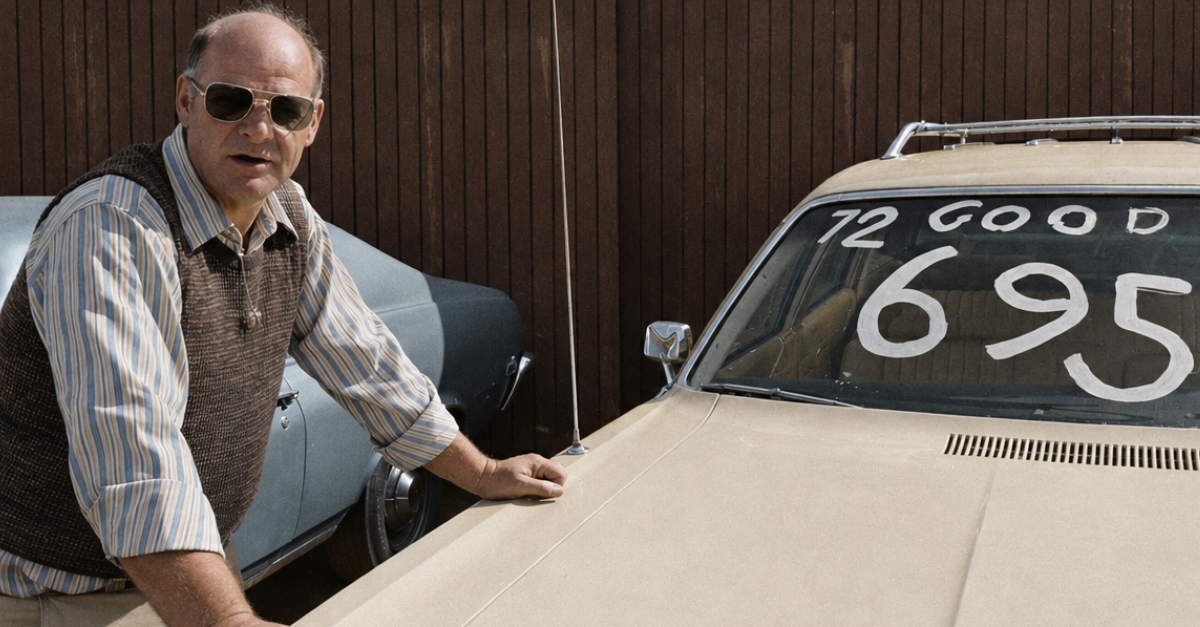
The price was settled. Hands were shaken. Then the buyer came back to pay—and the dealer wanted over $2,000 more. Can a dealership really change the deal that easily? What happened during that first visit could make a very expensive difference.
Open an old car’s trunk, and you could learn quite a bit about the person driving it. Some carried just enough to handle a flat. Others apparently expected to rebuild half the car before reaching their destination. And a few of those objects would leave plenty of modern drivers wondering which end to hold.
You wake up after a terrible storm and discover your neighbor's enormous tree resting on your car. The damage looks expensive, and surely their insurance should cover it, right? Unfortunately, determining who pays isn't quite that straightforward.
You bought a used vehicle, only to discover an outstanding safety recall the previous owner never addressed. Now you're wondering whether the manufacturer still owes you a free repair. The good news is that most qualifying recalls remain free for subsequent owners.
You finally paid off your car loan, but months later, the lender still hasn't released the title. That's more than an annoying paperwork problem. Depending on your state, you have specific rights and several ways to get things moving.
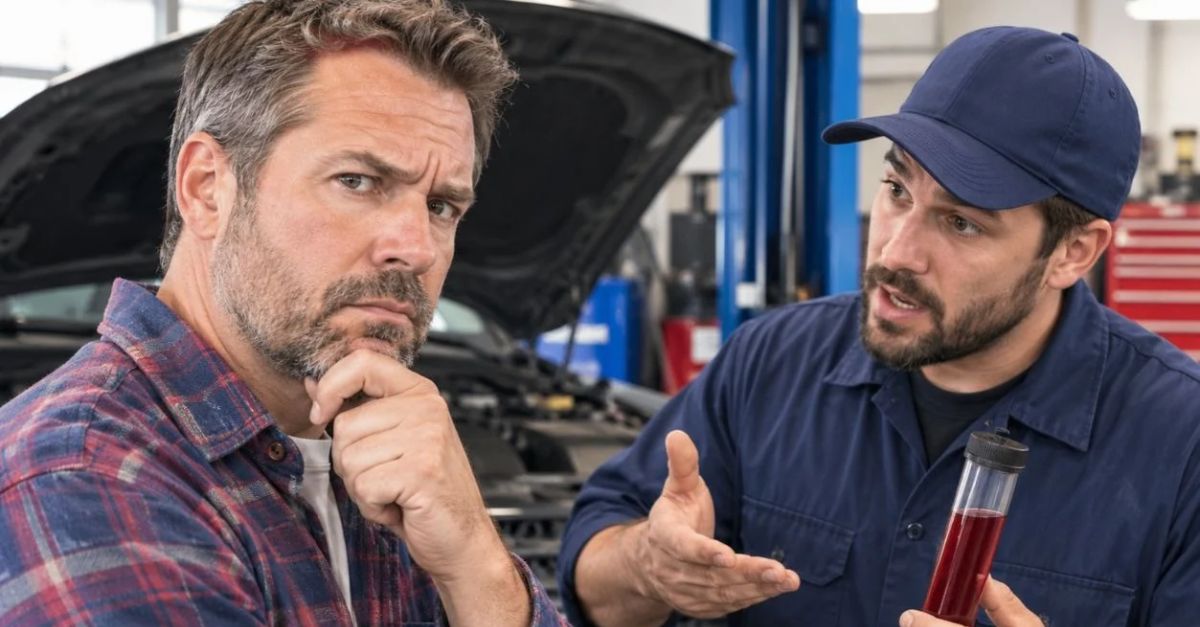
If your mechanic says the transmission is sealed for life but still recommends changing the fluid, that can sound like a contradiction. It usually is not. In most cases, “sealed for life” is a marketing or service-interval term, not a promise that transmission fluid never degrades.
A bent wheel seems like a pretty straightforward consequence of hitting a bad pothole. But when a city refuses to pay, the question quickly becomes less about what happened and more about what you can prove. Luckily, a claim denial isn’t the end of the matter.
If your summer car is going to spend four months under a cover in a locked garage, paying the same insurance premium can seem ridiculous. But parking eliminates only some of the risks insurance covers.