The Robot Hit The Brakes
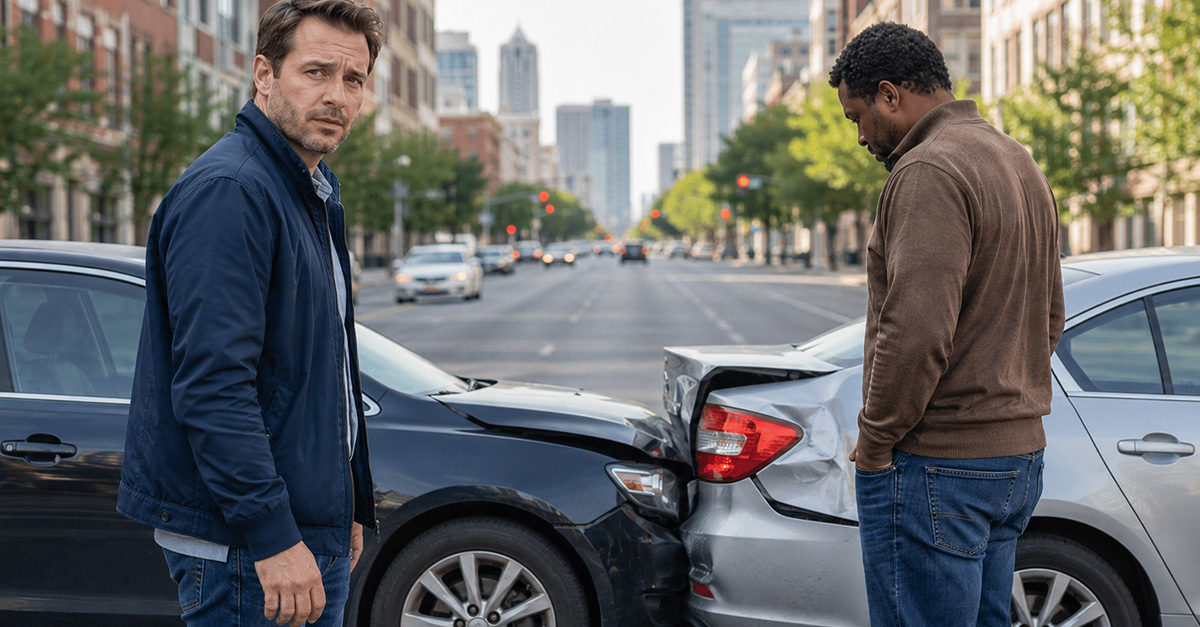
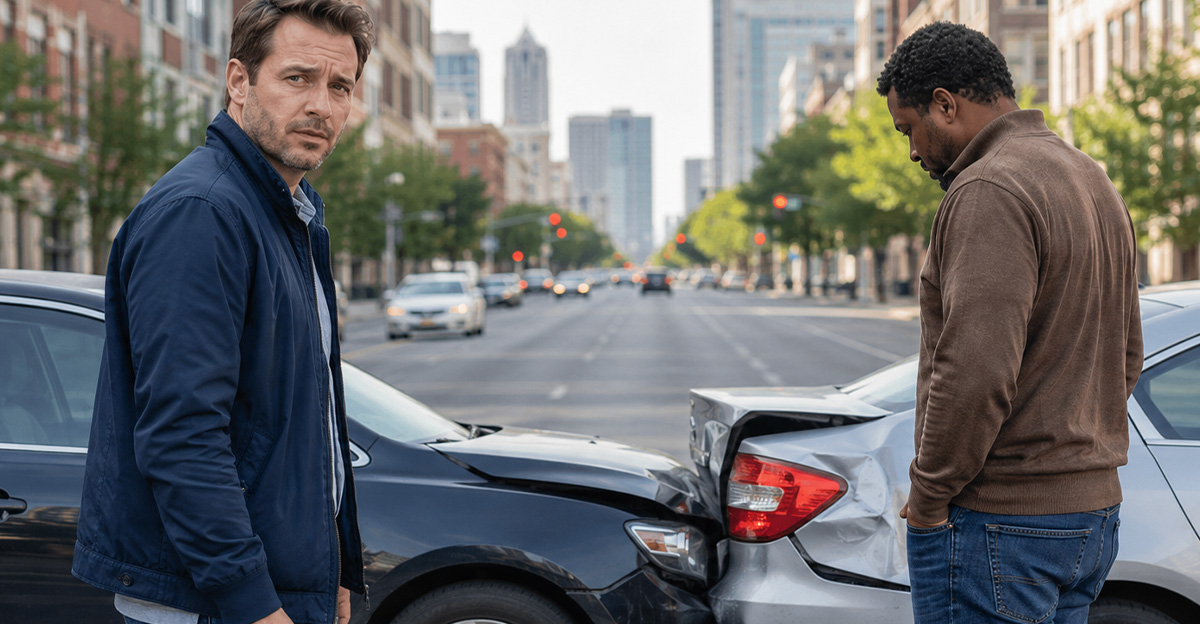
Your car was cruising along, minding its silicon business, when suddenly—bam—the brakes grabbed like a terrified driving instructor. Now there’s a bent bumper, an angry driver behind you, and one big question: can you sue the company that built the “self-driving” system?
First, Take A Breath
Yes, you might be able to sue. But “my car did it” is not a magic lawsuit button. Liability depends on what the system was, what it promised, how it behaved, and whether you were still legally responsible for supervising the drive.
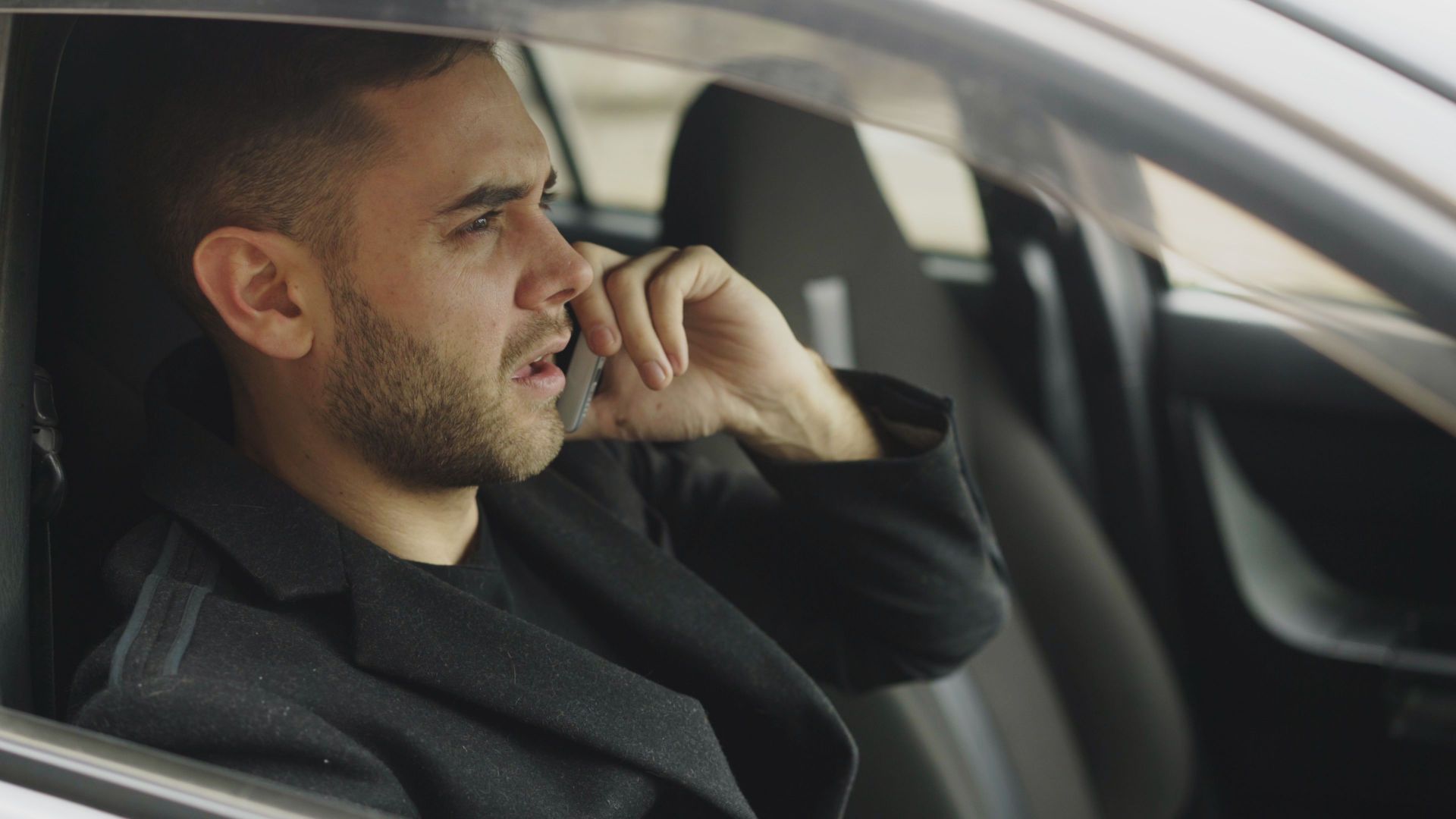
Self-Driving Is A Slippery Phrase
Many cars marketed with futuristic names are not truly driverless. Current consumer systems are often driver-assistance features, not full replacements for an attentive human driver. NTSB notes that today’s consumer vehicles generally remain in assistance or partial automation territory.
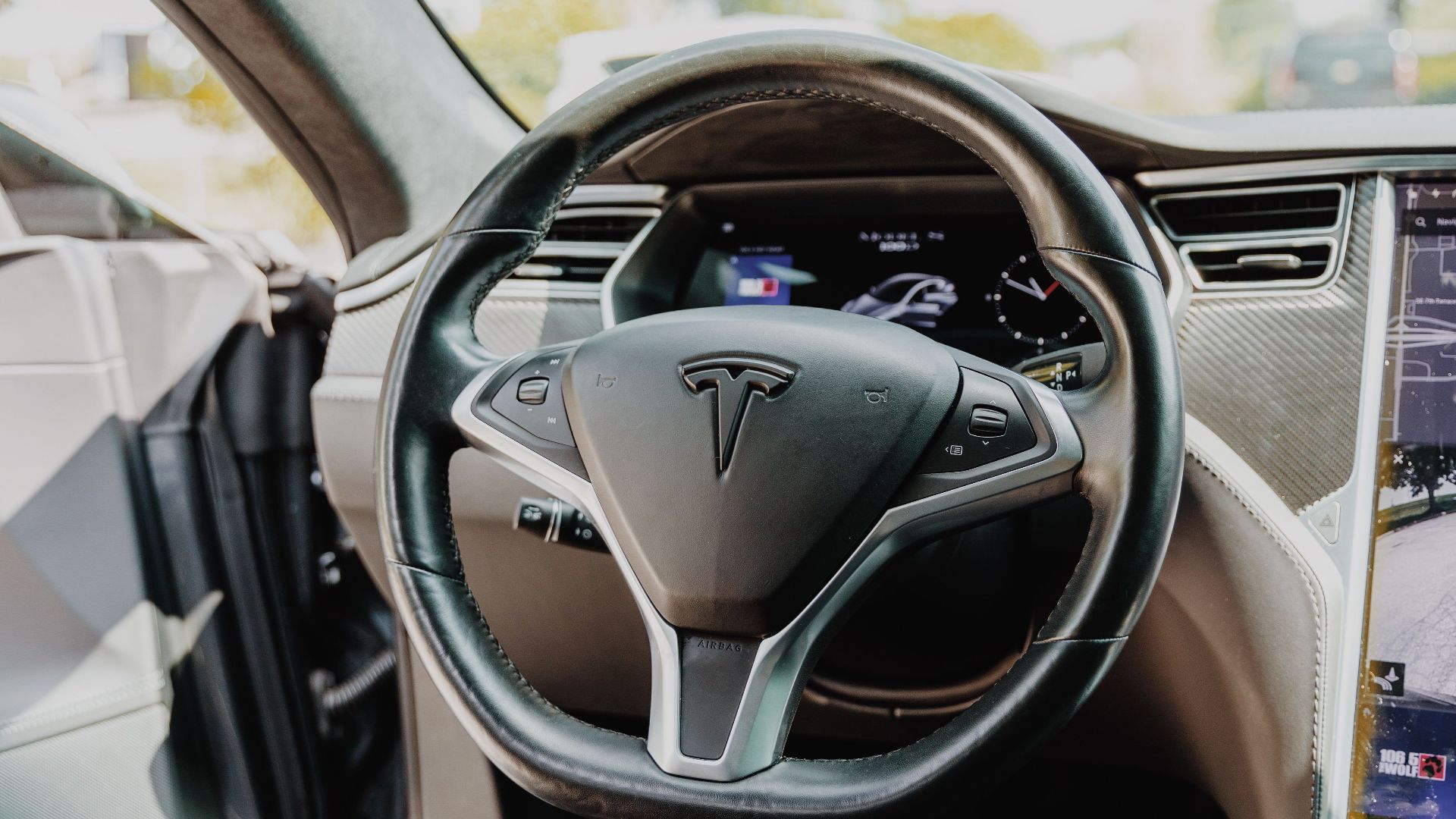
Know Your Tech Level
If your car had adaptive cruise control, lane keeping, automatic emergency braking, or a similar feature, the company may argue it was there to help—not take over. That distinction matters because the owner’s manual probably says you must stay alert.
But The Company Is Not Off The Hook
A warning label does not give a carmaker a free pass to sell a glitchy system. If the braking event was caused by bad software, faulty sensors, poor calibration, weak warnings, or misleading marketing, the company could still face serious questions.

The Big Legal Idea Is Product Liability
Product liability is the legal lane where defective products get judged. In car cases, that can mean a design defect, manufacturing defect, software problem, or failure to warn. Autonomous and semi-autonomous systems fit awkwardly into old law, but the basic idea still applies.

You Need To Prove More Than Weirdness
A strange braking event is annoying. A provable defect is lawsuit fuel. You would need evidence showing the car behaved unreasonably, the behavior caused the crash, and the damage was not mainly due to your own driving or another driver’s mistake.

Save Everything Immediately
Do not just kick the bumper and post a rant. Take photos, get the police report, exchange information, collect witness names, save dashcam footage, keep repair estimates, and write down exactly what the car did before the impact.
The Car May Have The Receipts
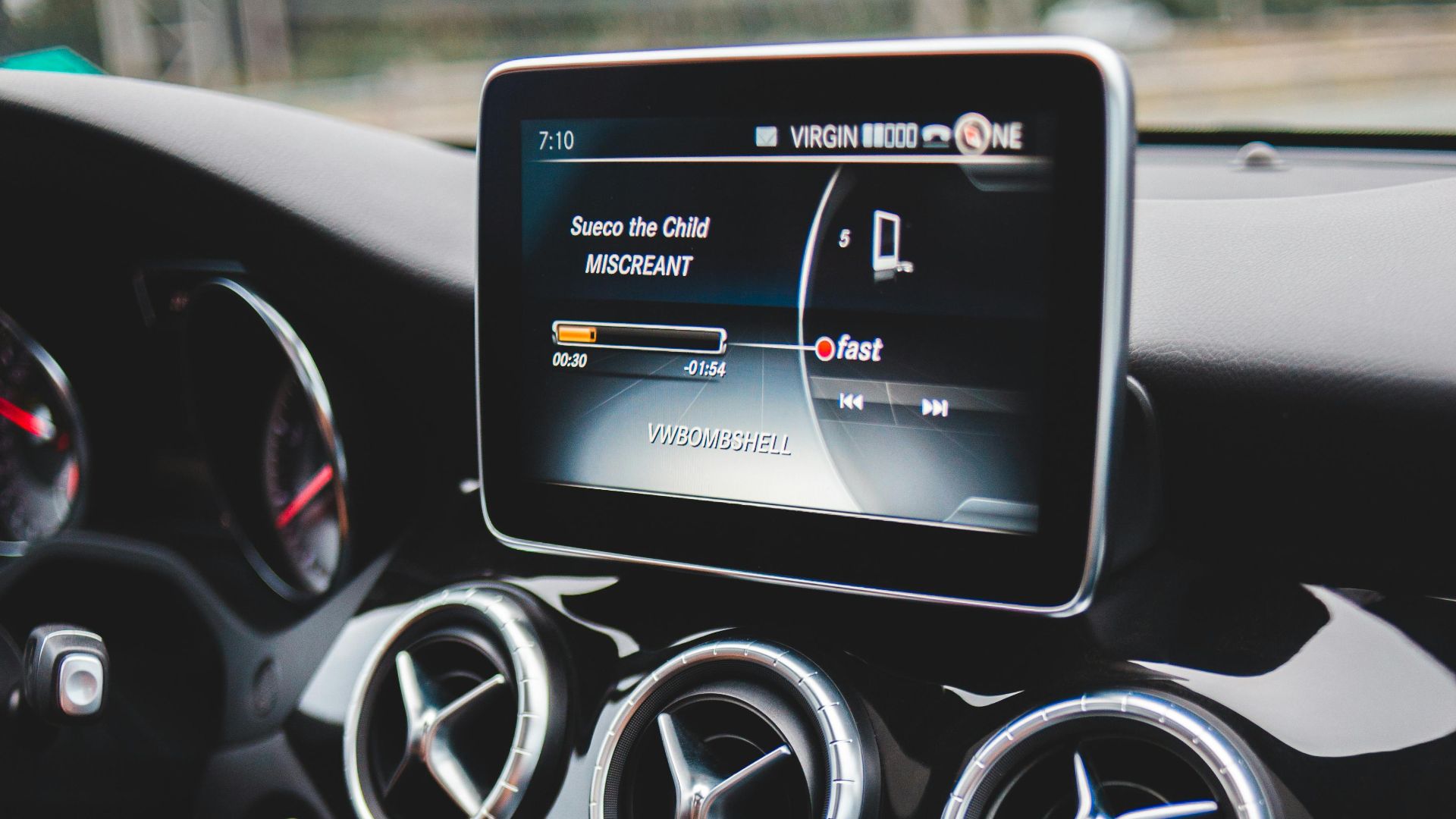
Modern vehicles are rolling data centers. Your car may have logs showing speed, braking force, sensor readings, driver inputs, warnings, and whether automation was engaged. That data can be hugely important, so ask a lawyer about preserving it quickly.
Do Not Let The Evidence Vanish
Software updates can change things. Repairs can overwrite clues. Even cleaning out the car can remove useful evidence. If the damage is more than pocket change, treat the vehicle like a crime scene with cupholders until an expert says otherwise.
Your Insurance Still Comes First
In most fender-benders, your insurance company is the first pit stop. File the claim, explain what happened, and share the automation issue. Your insurer may later pursue the automaker, supplier, or another party through subrogation.

The Other Driver May Still Blame You
From their view, your car stopped and they hit it. Depending on local traffic laws, following distance, road conditions, and brake-light behavior, they may share fault—or you may. Automation does not erase normal crash analysis.

Sudden Braking Has Happened Before
Unexpected hard braking is not imaginary sci-fi drama. NHTSA requires certain manufacturers and operators to report crashes involving automated driving systems and Level 2 driver-assistance systems, giving regulators more visibility into real-world incidents.

Recalls Can Help Your Case
If the company later issues a recall or software fix for phantom braking, sensor misreads, or emergency braking errors, that can strengthen the argument that something was wrong. It does not automatically win your case, but it adds weight.
Marketing Matters More Than You Think
If a company sold the system like a digital chauffeur but buried “stay attentive” in the fine print, that mismatch can matter. Courts may look at ads, owner manuals, dashboard warnings, update notes, and what a reasonable driver would believe.

The Manual Will Be Exhibit A
Expect the company to point to the owner’s manual like it is holy scripture. If it says keep hands on the wheel, eyes on the road, and be ready to brake, the defense will argue you accepted those duties.

Your Behavior Will Be Examined
Were you watching the road? Were your hands on the wheel? Were you speeding? Was the system used where it was not intended? In these cases, the driver often becomes part human being, part forensic puzzle.
The System’s Limits Matter
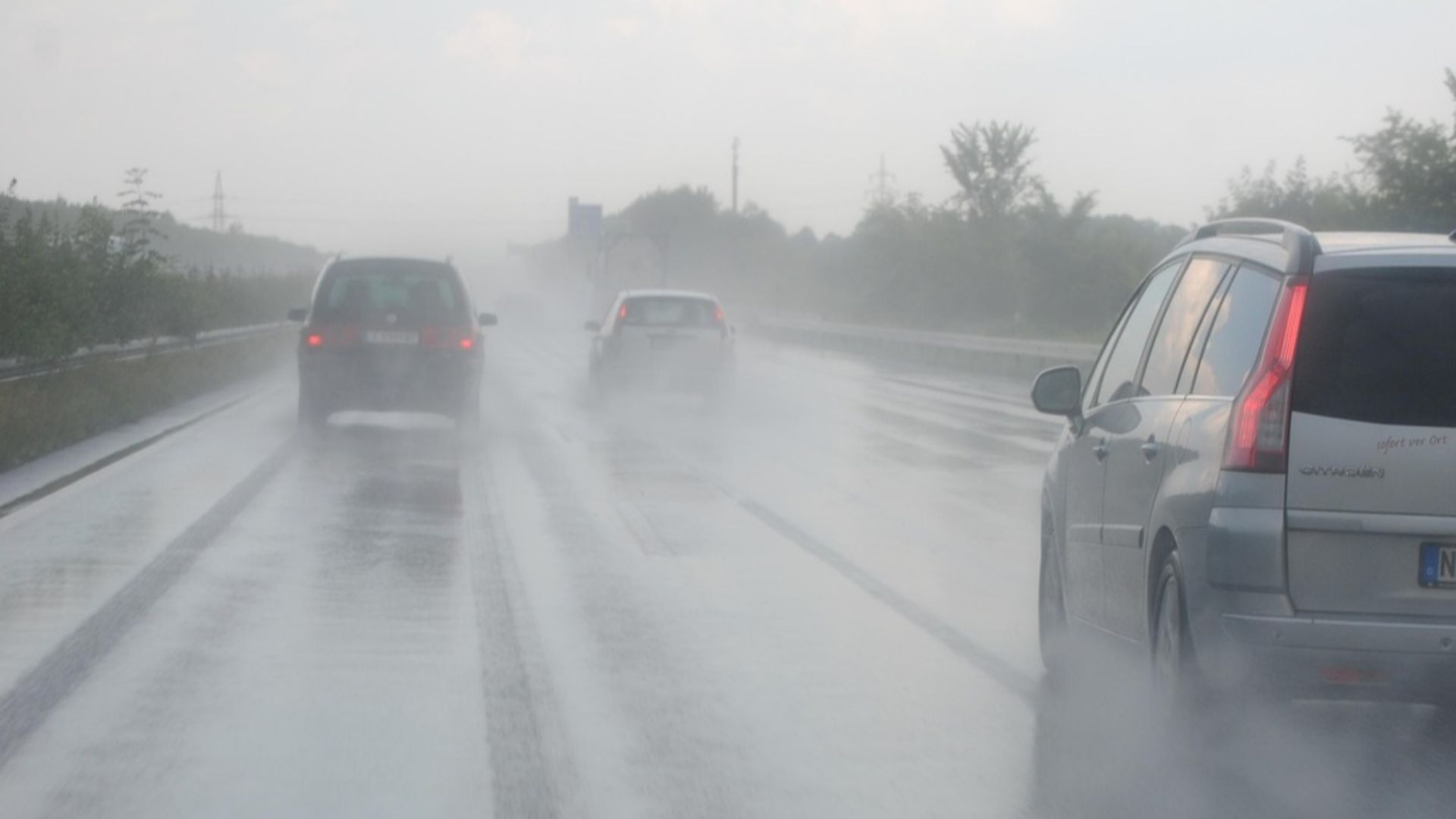
Bad weather, faded lane markings, construction zones, strange shadows, reflective signs, and oddly shaped vehicles can confuse sensors. If the car slammed the brakes in a situation the system was known to struggle with, warnings become important.
A Fender-Bender May Be Too Small
Here’s the unglamorous truth: lawsuits are expensive. If the damage is minor, hiring experts to fight a carmaker may cost far more than the repair. Small claims court, insurance, arbitration, or a warranty complaint may make more sense.

Check For Arbitration Clauses
Some vehicle purchase agreements, app terms, or connected-car subscriptions include arbitration language. That could limit where and how you can sue. It does not necessarily kill your claim, but it may reroute it away from a traditional courtroom.

Report The Incident
You can report safety concerns to NHTSA. Even if your case is small, reports help regulators spot patterns. If a bunch of cars are panic-braking at the same type of overpass, that pattern may become very interesting.

The Company May Blame The Supplier
Automakers often rely on sensor makers, software vendors, camera suppliers, chip companies, and mapping providers. Your lawsuit may start with the car brand, but the blame game behind the curtain can look like a very expensive group project.
Expert Witnesses Are Key
A strong case may need engineers, accident reconstruction specialists, software experts, or vehicle-data analysts. They help translate “the car freaked out” into evidence a court can actually use. Without that bridge, the case can stall.
Negligence Is Another Route
Besides product liability, you might argue negligence: the company knew or should have known the system could brake dangerously and failed to fix it, warn drivers, or restrict use. That path depends heavily on internal knowledge and public incident history.
What Damages Could You Claim?
Possible damages include repair costs, diminished vehicle value, rental car bills, towing, medical expenses, lost wages, and sometimes other out-of-pocket losses. For a simple bumper bruise, the practical recovery may be limited to the actual repair bill.
So, Can You Sue?
Yes, you can potentially sue the company—but winning is the harder part. You need evidence that the automated feature malfunctioned, that the malfunction caused the crash, and that you were using the system reasonably under the circumstances.

The Bottom Line
A self-driving fender-bender is not just a car crash with better branding. It is part traffic accident, part software mystery, and part legal chess match. Save the evidence, call your insurer, report the safety issue, and talk to a lawyer before the data disappears.
You May Also Like:
The Biggest Boats Ever Sold As Family Cars—Which Ones Have You Been In?