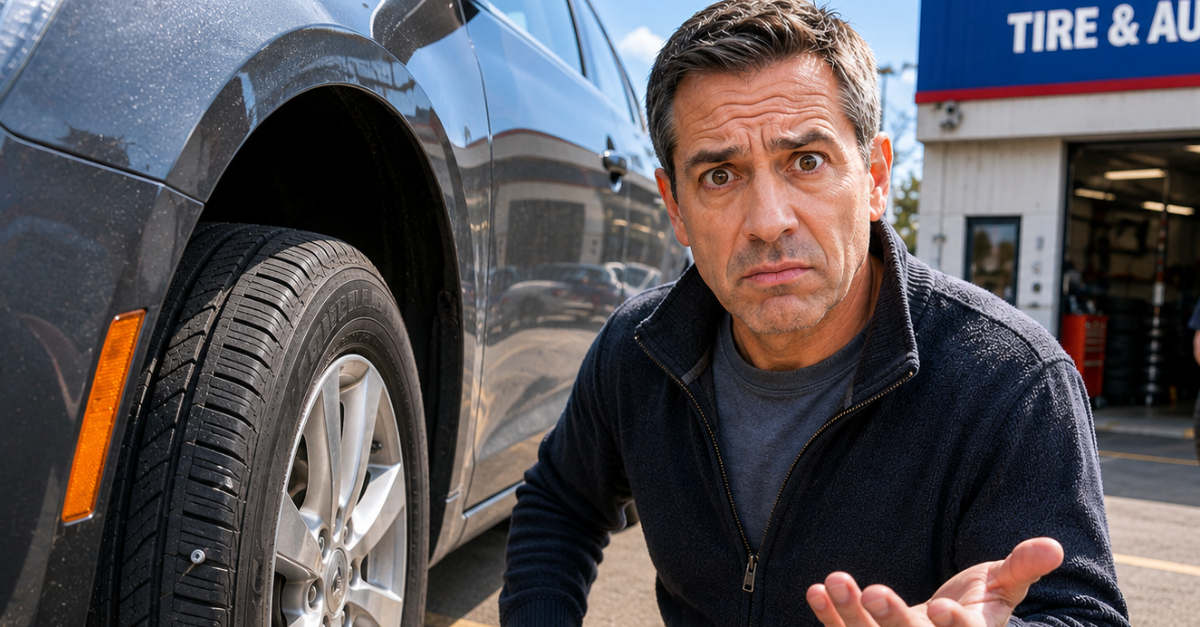
A Tiny Nail, A Huge Bill?
Finding a nail in your tire is frustrating enough. Then you head to a garage expecting a quick repair, only to hear that you need a brand-new tire that costs hundreds of dollars. At that point, most drivers have the same question: Can't they just pull the nail out and patch the hole?
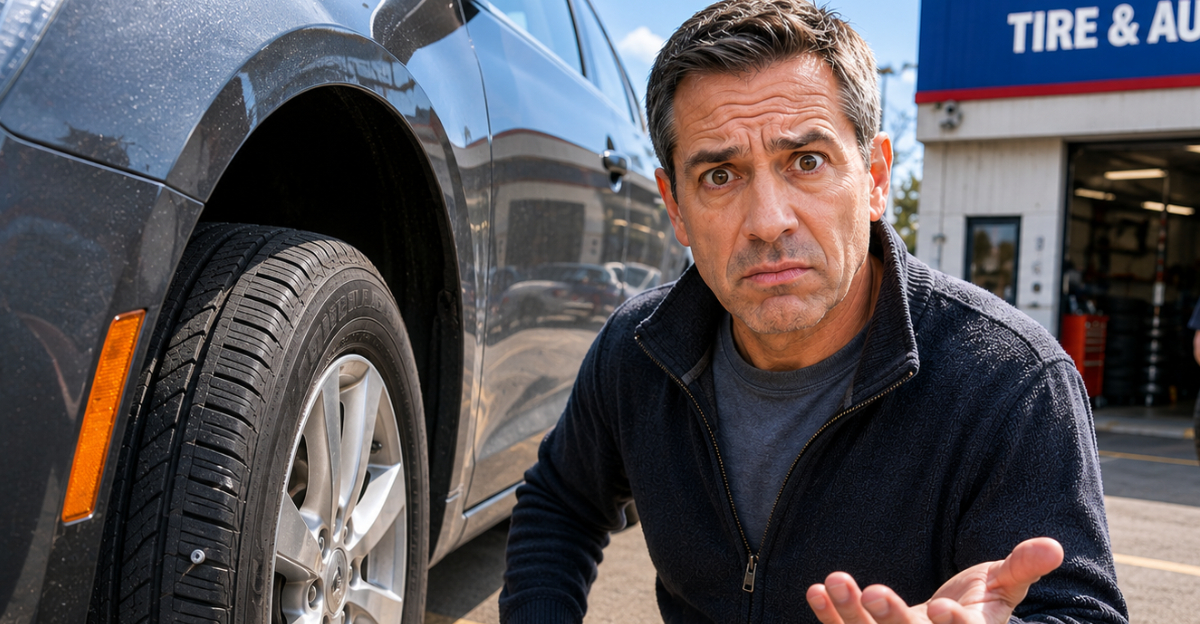
Not Every Nail Means a New Tire
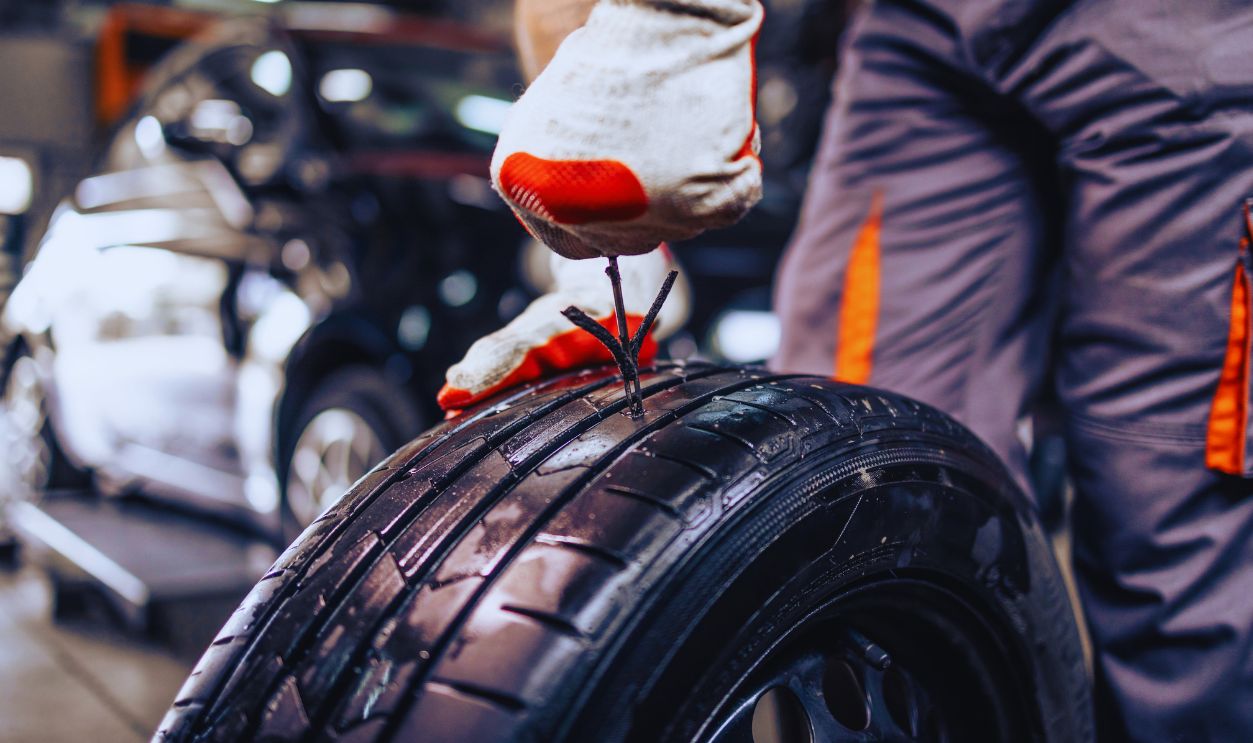
Many tire punctures are repairable. If the nail is located in the main tread area and the damage is relatively small, a trained tire technician may be able to repair it using a patch-plug combination installed from inside the tire. In those cases, you may be looking at a repair costing far less than a replacement. That's why many drivers are surprised when they're immediately told they need a new tire.
There's Actually A Size Limit
Most industry repair guidelines only allow repairs for punctures up to about 1/4 inch (6 mm) in diameter. A typical nail hole often falls within that range, but larger punctures caused by bolts, metal shards, or other debris may not. Once the damage exceeds recommended limits, replacement becomes the safer option.
Location Matters More Than Size
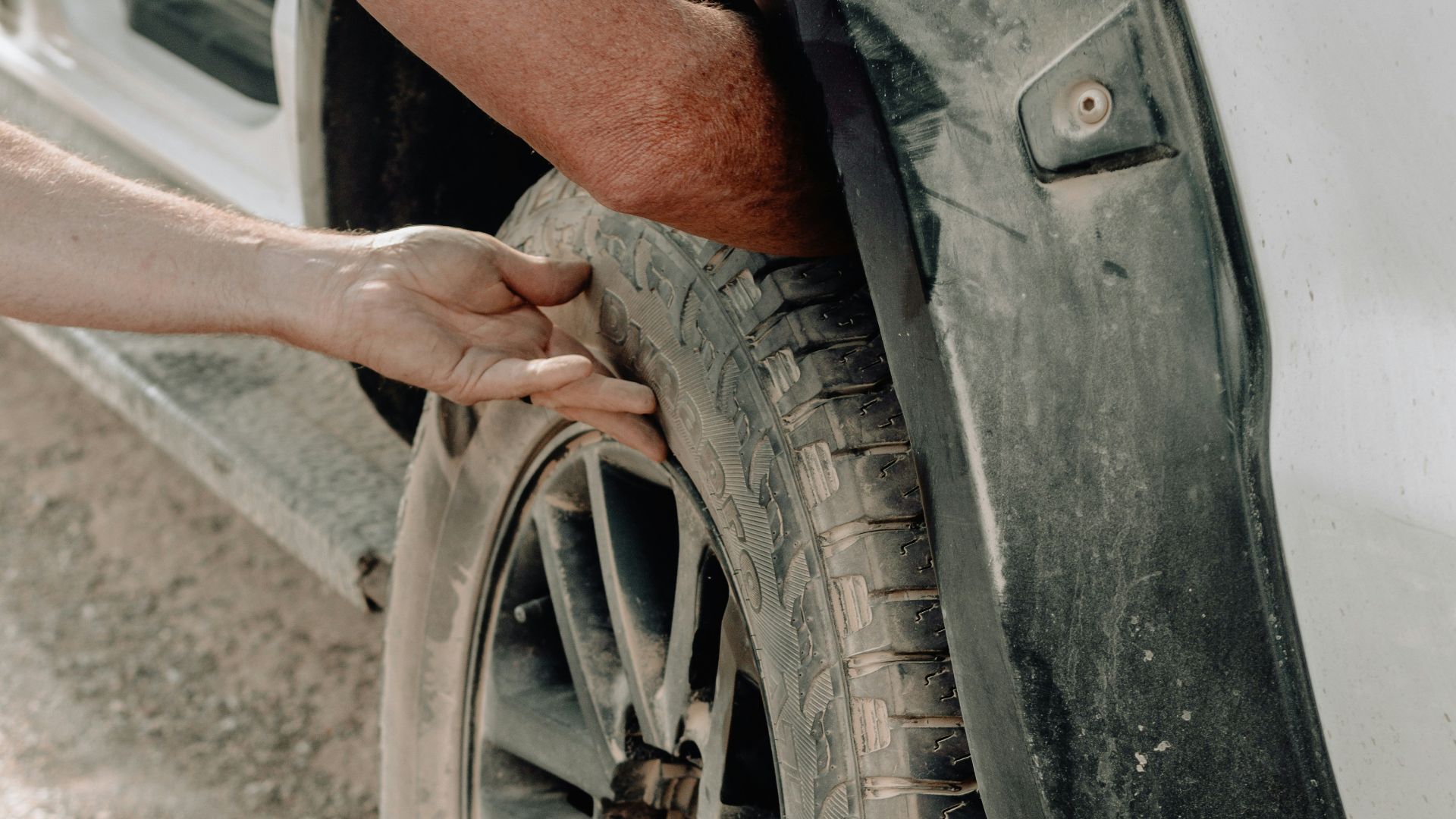
The biggest factor is often where the nail entered the tire. A puncture in the center tread area is frequently repairable, while a puncture near the edge of the tread may not be. The closer the damage gets to the shoulder—the area where the tread transitions into the sidewall—the less likely a repair will be considered safe because this part of the tire flexes much more while driving.

Sidewall Damage Is Usually a Deal Breaker
If the nail punctured the sidewall, replacement is usually necessary. Unlike the tread area, the sidewall constantly bends and flexes as the tire rolls. Repairs in this area generally aren't considered reliable enough for normal road use. This is one of the most common reasons a shop recommends replacement instead of repair.
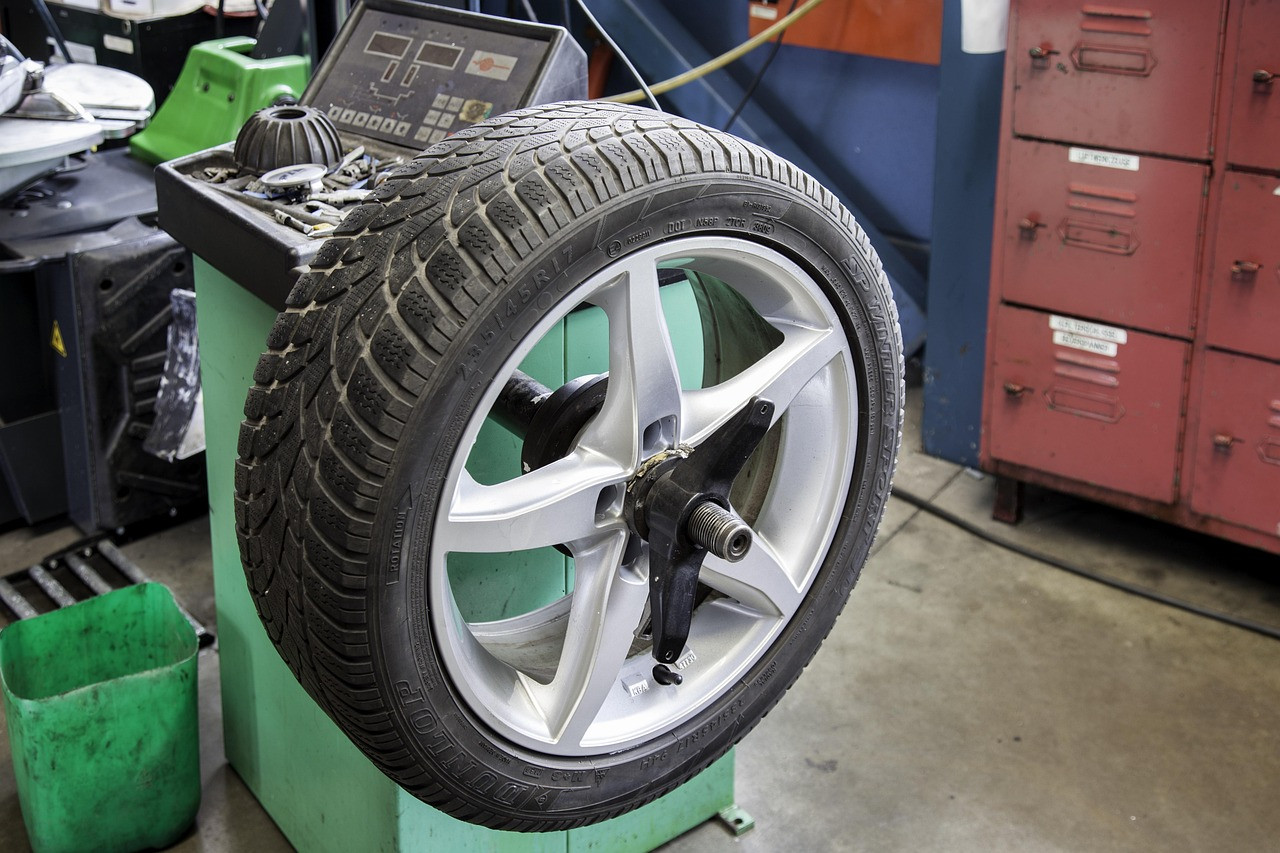
Modern Tires Are Strong, But Not Magic
Tire technology has improved dramatically over the years. Modern tires resist punctures better than many older designs, and repair materials are often better than they were decades ago. But even today's tires still have structural limits. A repair can seal a hole, but it can't restore damaged internal components if the tire's structure has been compromised.
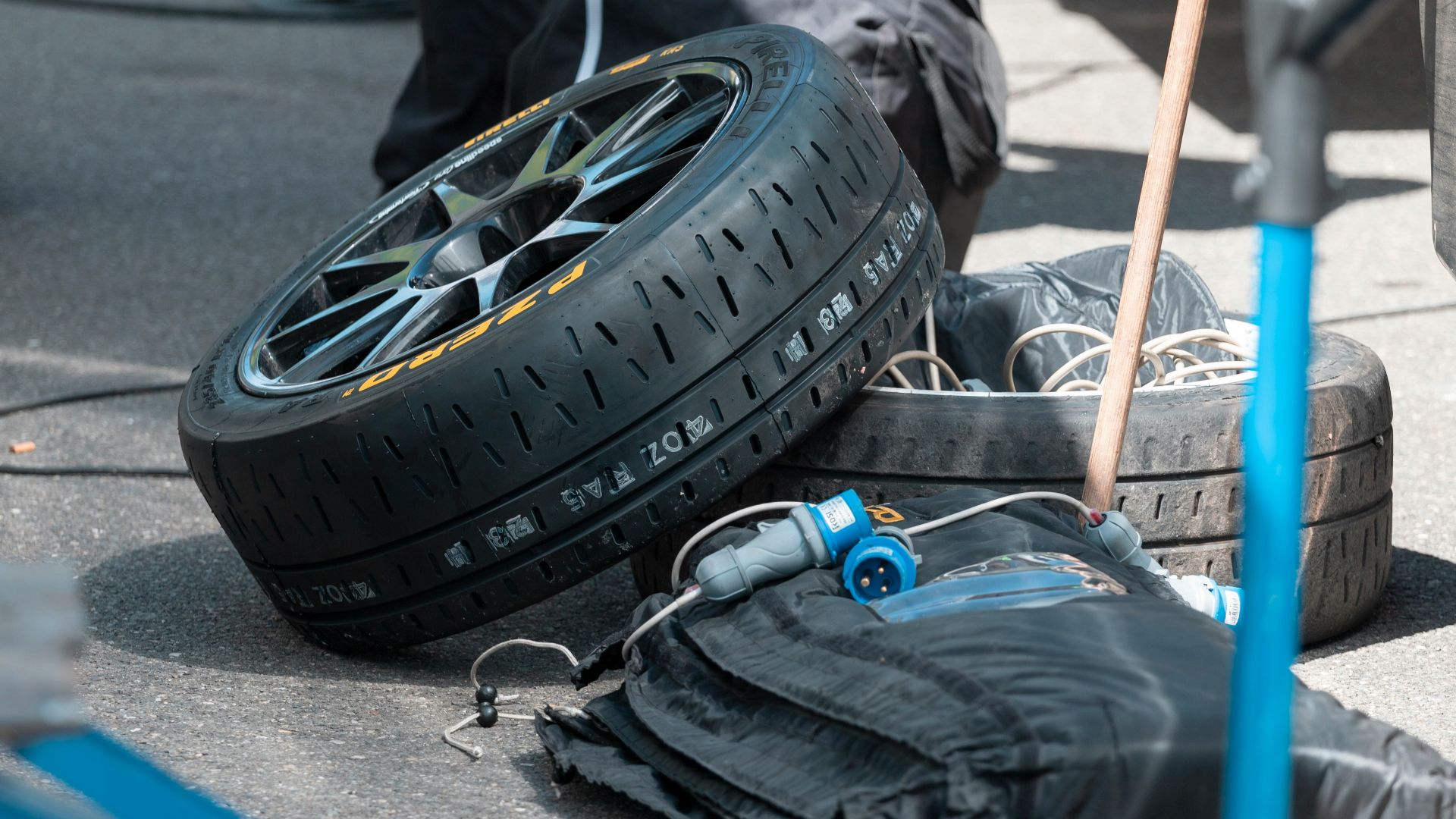
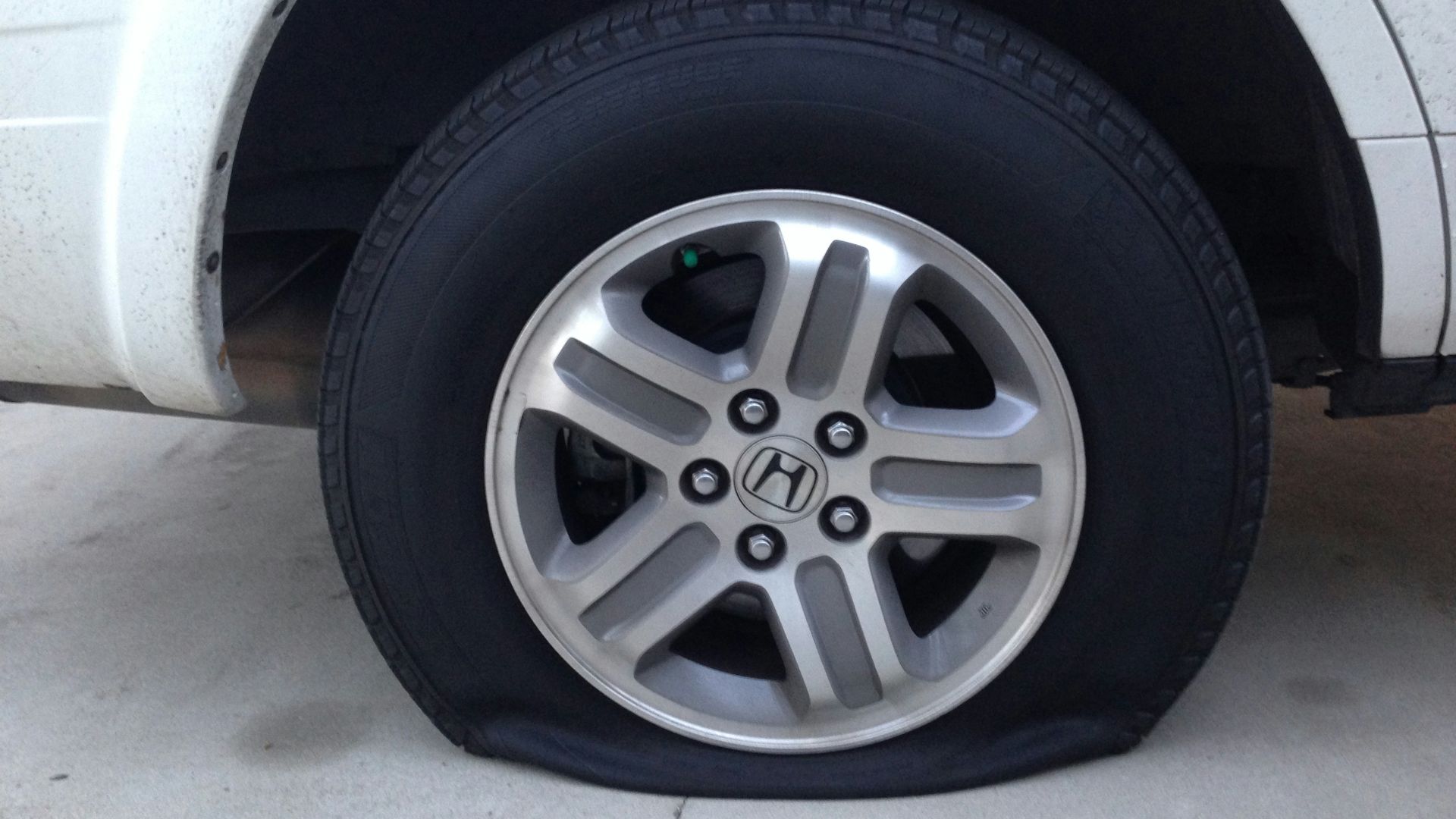
Driving On A Flat Tire Changes Everything
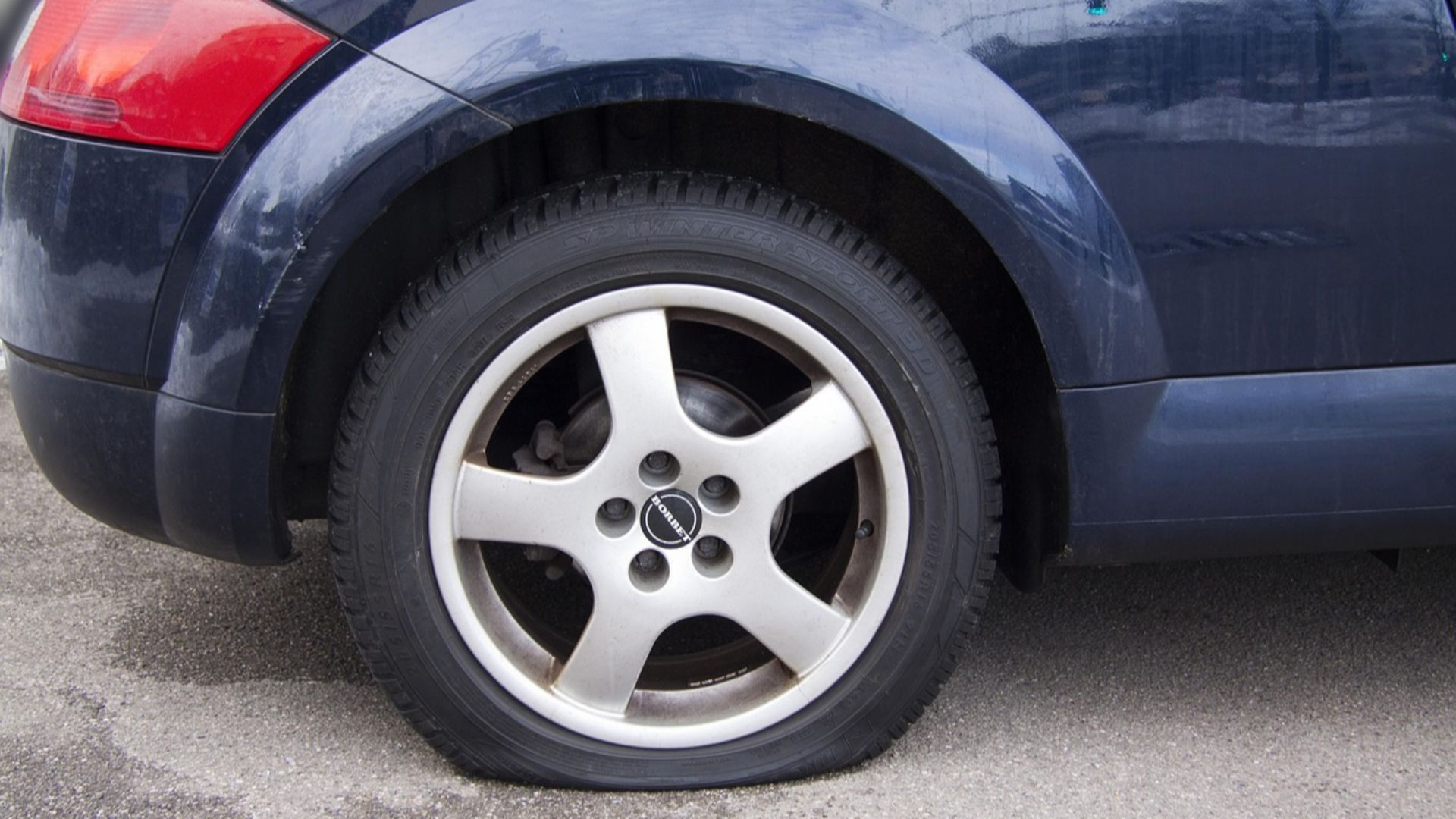
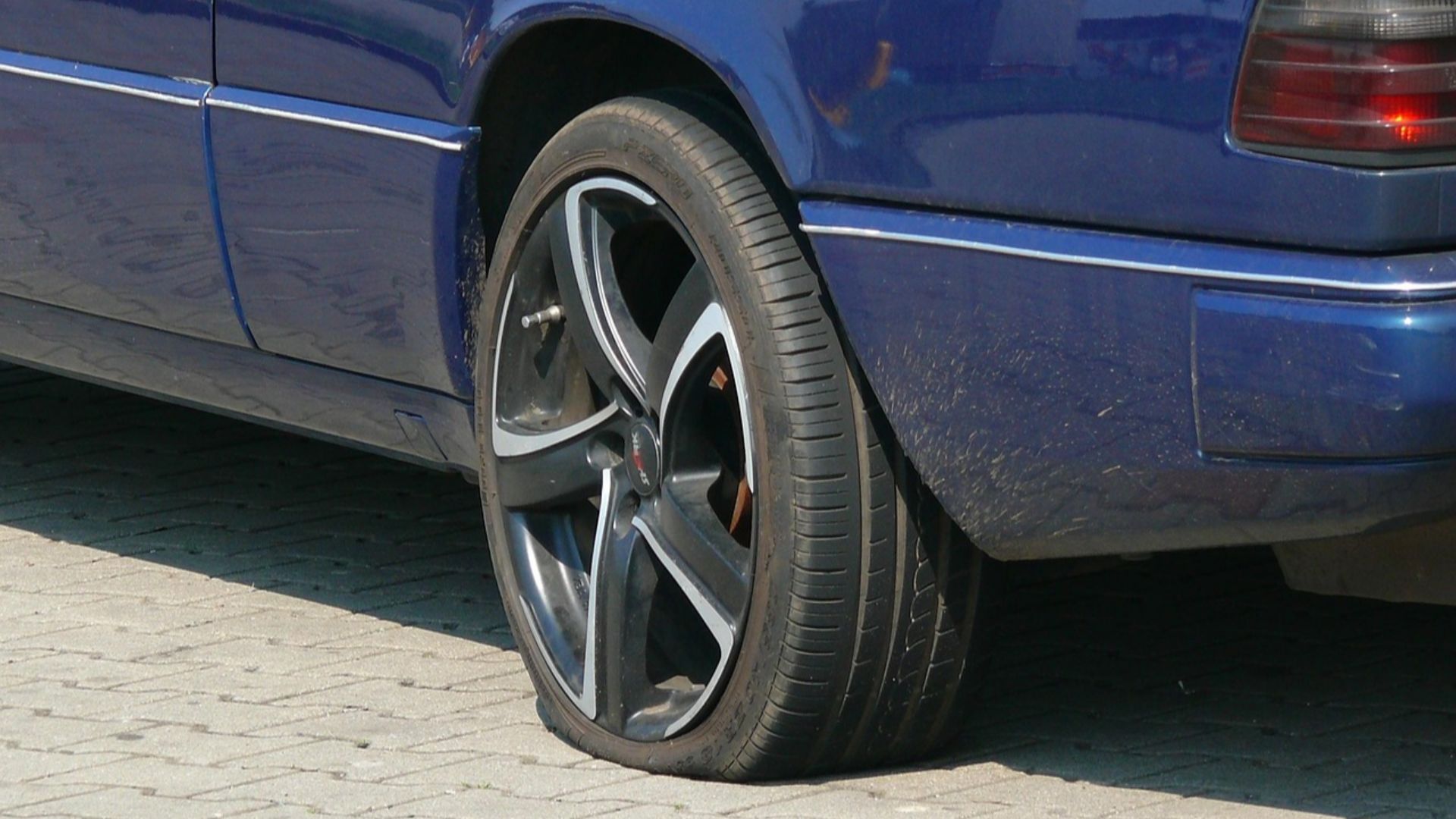
This is where many drivers accidentally turn a repair into a replacement. If you continue driving after the tire loses significant air pressure, the tire's sidewalls can become damaged internally. Even if the original puncture was repairable, that hidden damage may make the tire unsafe. By the time the tire reaches the shop, the nail may no longer be the real problem.

The Damage You Can't See
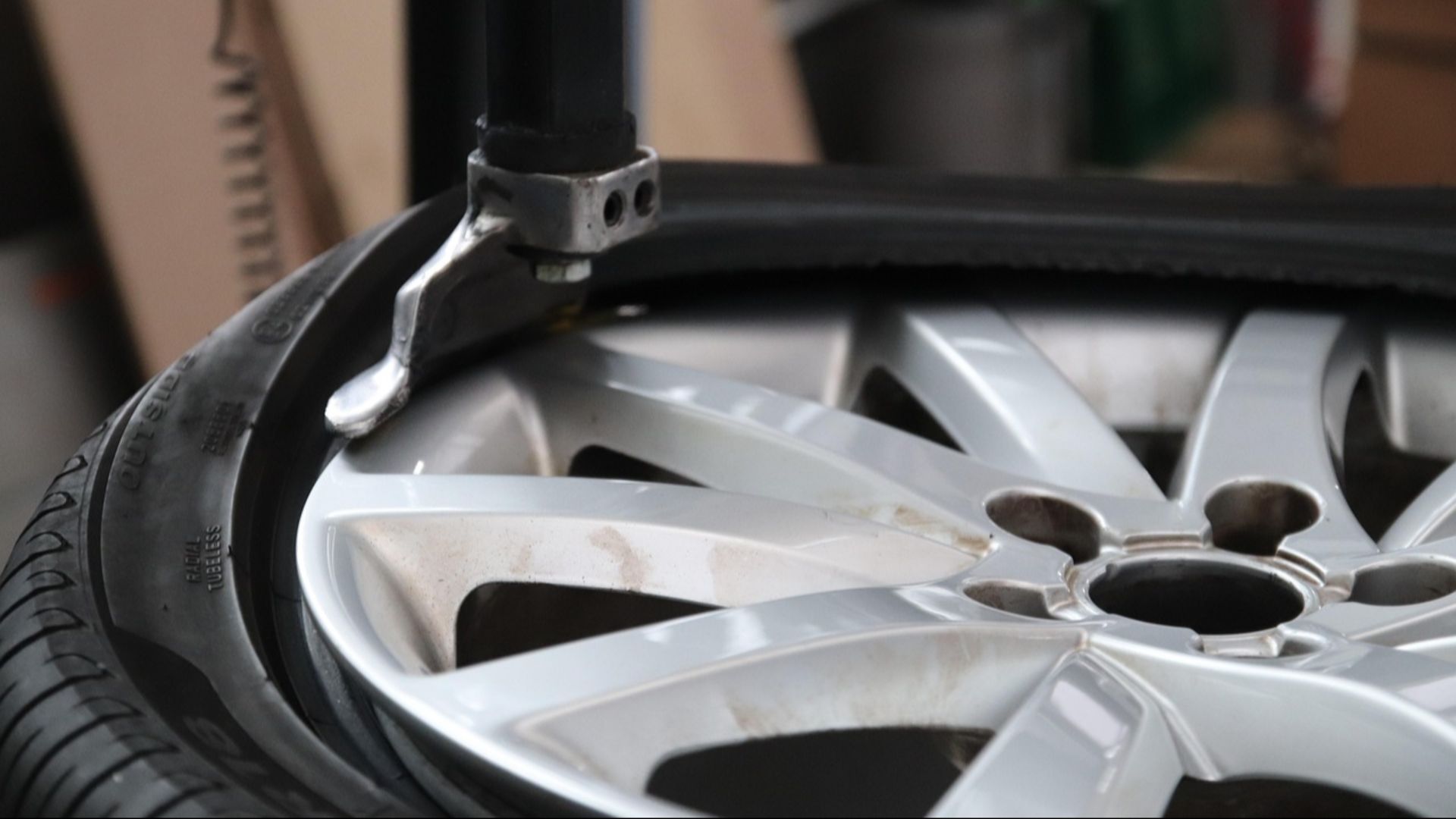
A tire can look perfectly fine from the outside while being seriously damaged inside. When a tire is driven underinflated, the internal layers can overheat and weaken. Technicians often need to remove the tire from the wheel to inspect for this kind of damage. That's why a shop sometimes can't tell you whether a tire can be repaired until they've looked inside.
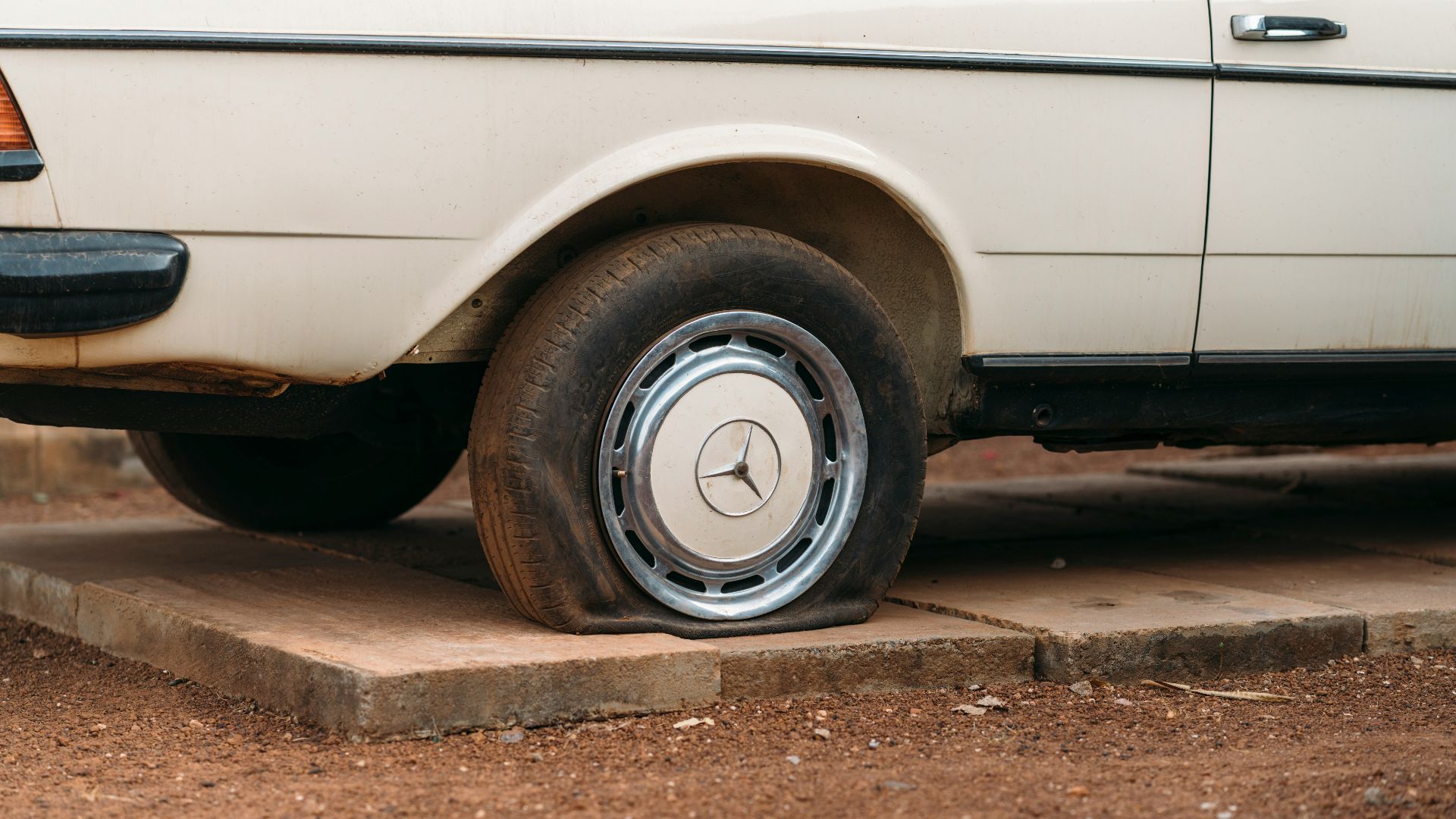
Why Tire Shops Remove The Tire First
Some drivers get suspicious when technicians insist on taking the tire off the wheel. In reality, proper repairs generally require an internal inspection. Industry repair standards typically call for examining the inside of the tire before performing a permanent repair. A shop that immediately plugs a tire from the outside without inspecting it may actually be taking shortcuts.
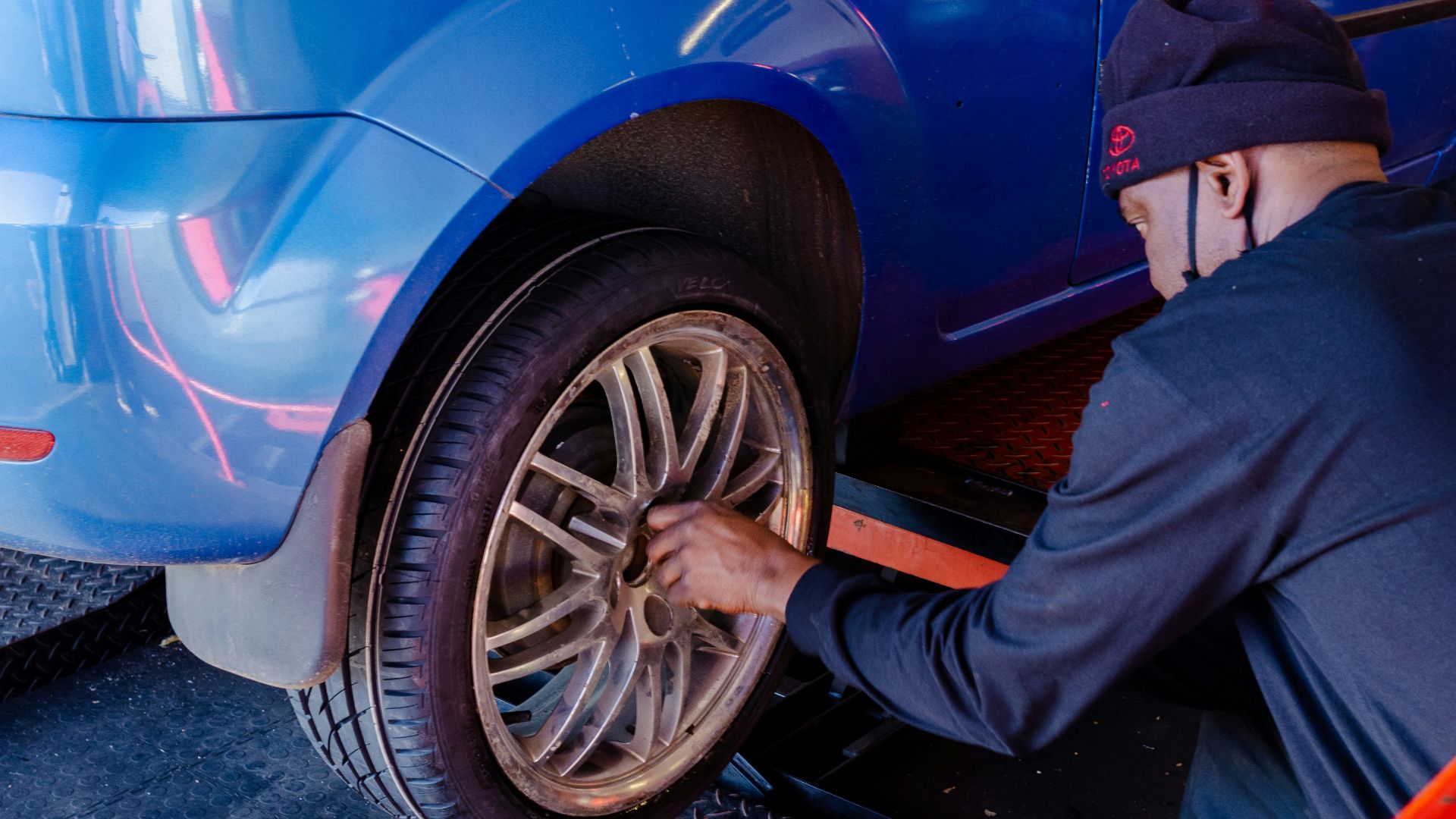
Those Cheap Plug Repairs Still Exist
You can still find simple plug repairs at some shops. These involve inserting a rubber plug into the puncture from the outside. They can sometimes get you back on the road, but tire industry groups generally do not consider a plug by itself to be a proper permanent repair. That's why many professionals prefer a repair that includes both a plug and an internal patch.
What's A Patch-Plug Repair?
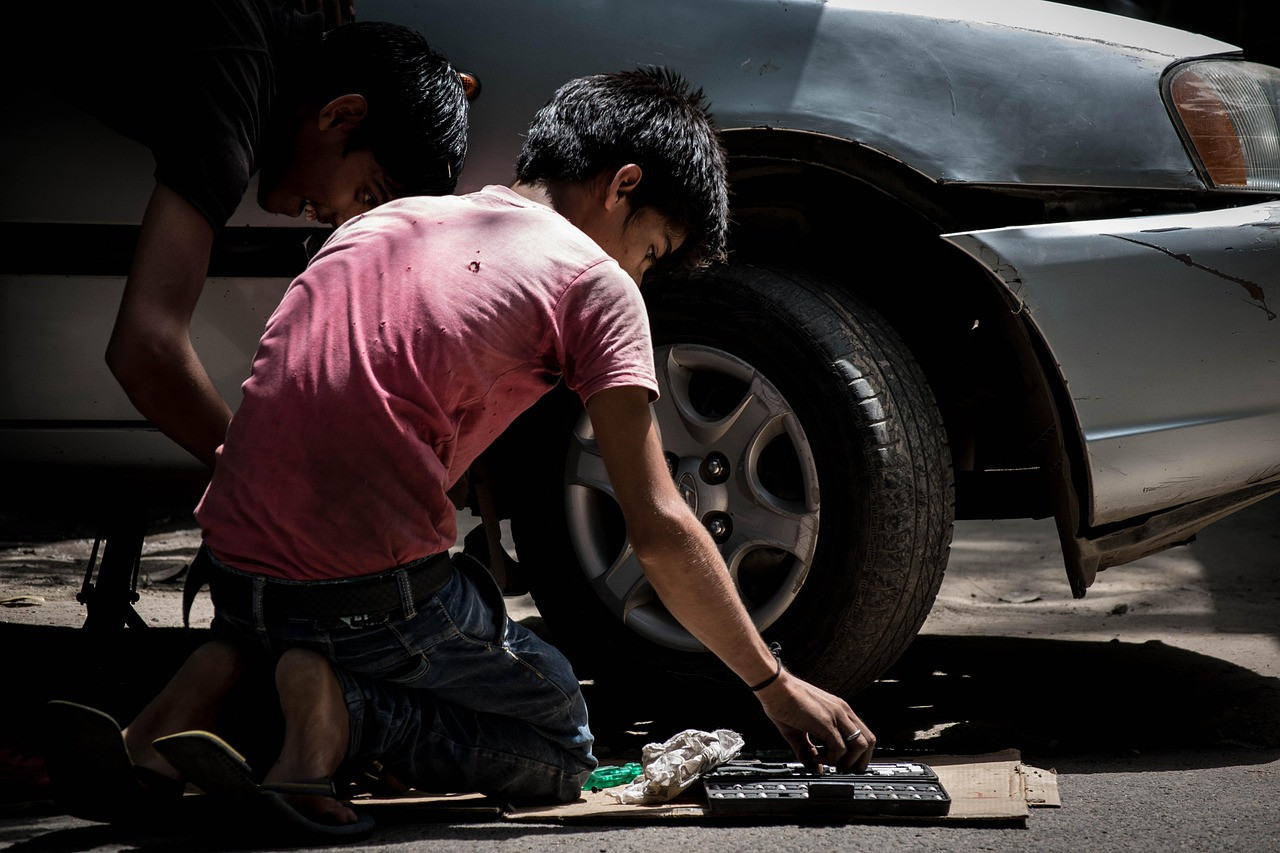
This is the repair many tire professionals consider the gold standard. The tire is removed from the wheel, a plug fills the puncture channel, and a patch seals the inside liner. The combination addresses both parts of the damage. When used on an otherwise healthy tire, these repairs can often last for the remainder of the tire's usable life.

Run-Flat Tires Can Be Different
Some vehicles use run-flat tires that allow limited driving after a puncture. These tires sometimes require special inspection procedures, and some manufacturers recommend replacement after they've been driven while significantly deflated. Whether a run-flat tire can be repaired often depends on the specific tire and manufacturer guidelines.
Electric Vehicles Create Unique Challenges
Many EVs use specialized tires designed to handle higher vehicle weights while maximizing efficiency. Repairability is generally similar to conventional vehicles, but replacement costs can be noticeably higher. That can make a simple puncture feel much more painful financially, even when the repair-versus-replace decision follows the same basic rules.

Tire Age Can Influence The Recommendation
Sometimes the puncture isn't the only issue. If a tire is already very old, badly weather-cracked, or approaching the end of its tread life, a shop may recommend replacement rather than repair. Spending money repairing a tire that's already nearing retirement often doesn't make much practical sense.
Very Worn Tires Are Often Replaced
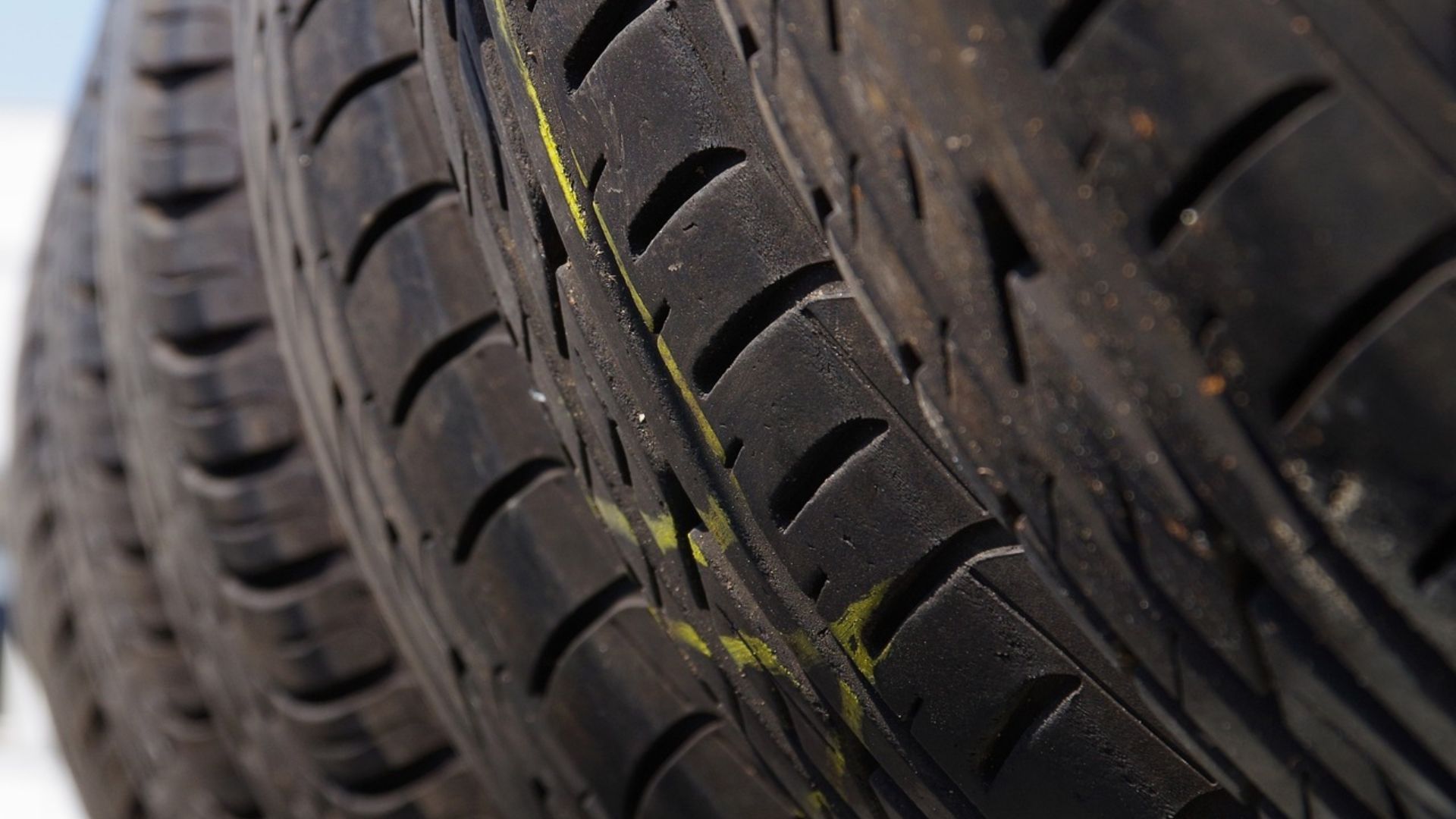
Imagine a tire with only a few months of useful life remaining. Technically, the puncture might still be repairable. But many drivers choose replacement because they'll need new tires soon anyway. In those situations, the nail simply accelerates a purchase that was probably coming in the near future.
Some Shops Won't Repair Certain Punctures
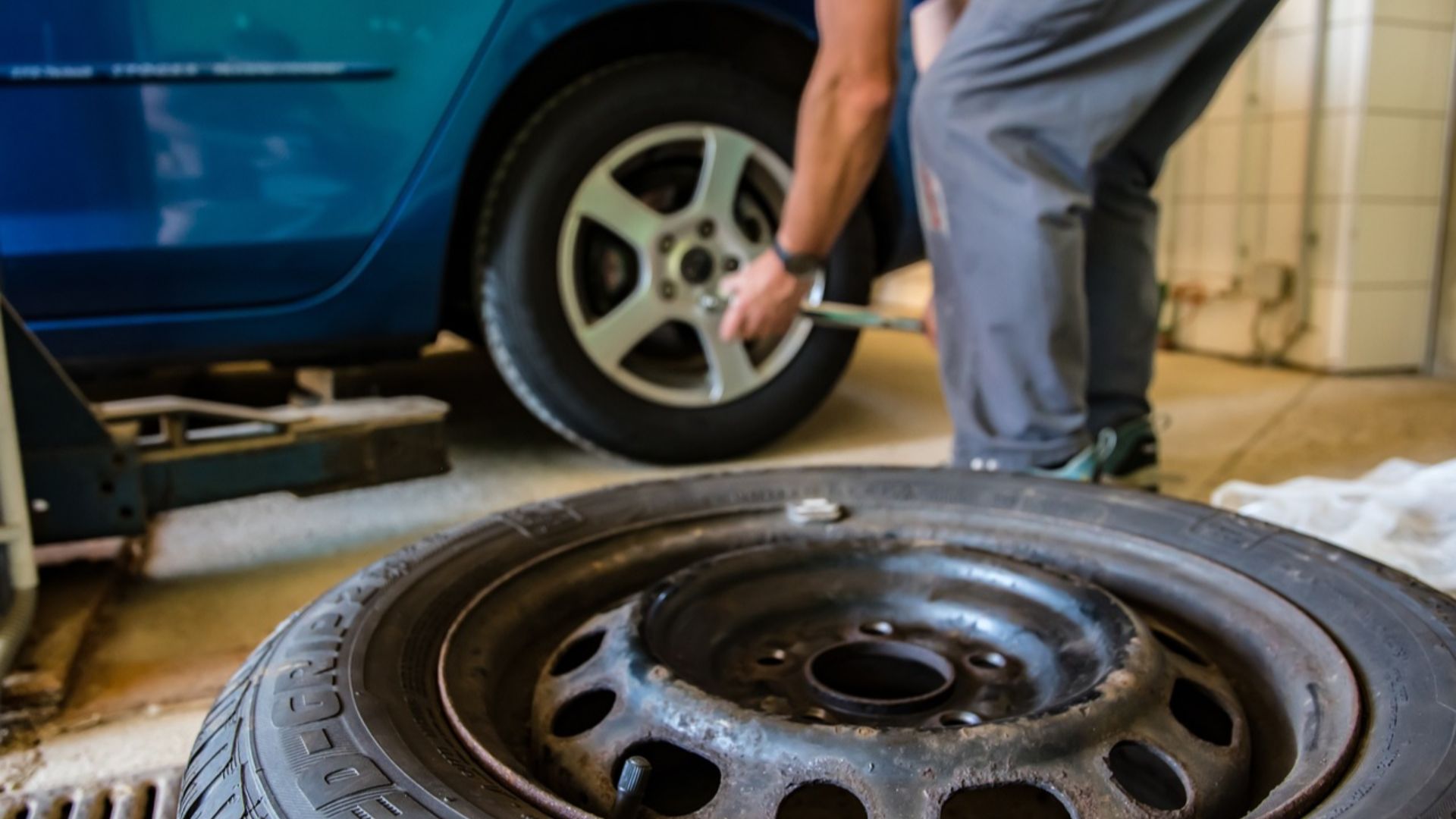
Different shops sometimes have different policies. One shop might repair a puncture that another shop refuses to touch. That doesn't automatically mean one shop is dishonest or trying to sell tires. Some businesses simply choose stricter standards to reduce liability and safety risks.
Why Shops Are So Cautious
A failed tire repair can have serious consequences. If a repaired tire later experiences a problem at highway speed, the shop may face questions about whether the repair should have been performed at all. That liability is one reason many tire shops take a conservative approach when evaluating puncture damage.
When A Second Opinion Makes Sense
If the puncture appears to be in the middle of the tread and the tire wasn't driven flat, getting a second opinion can be perfectly reasonable. Another shop may determine the tire can be safely repaired. Just make sure that second opinion comes from a reputable tire professional and not a random internet comment section.
The Tread-Depth Surprise
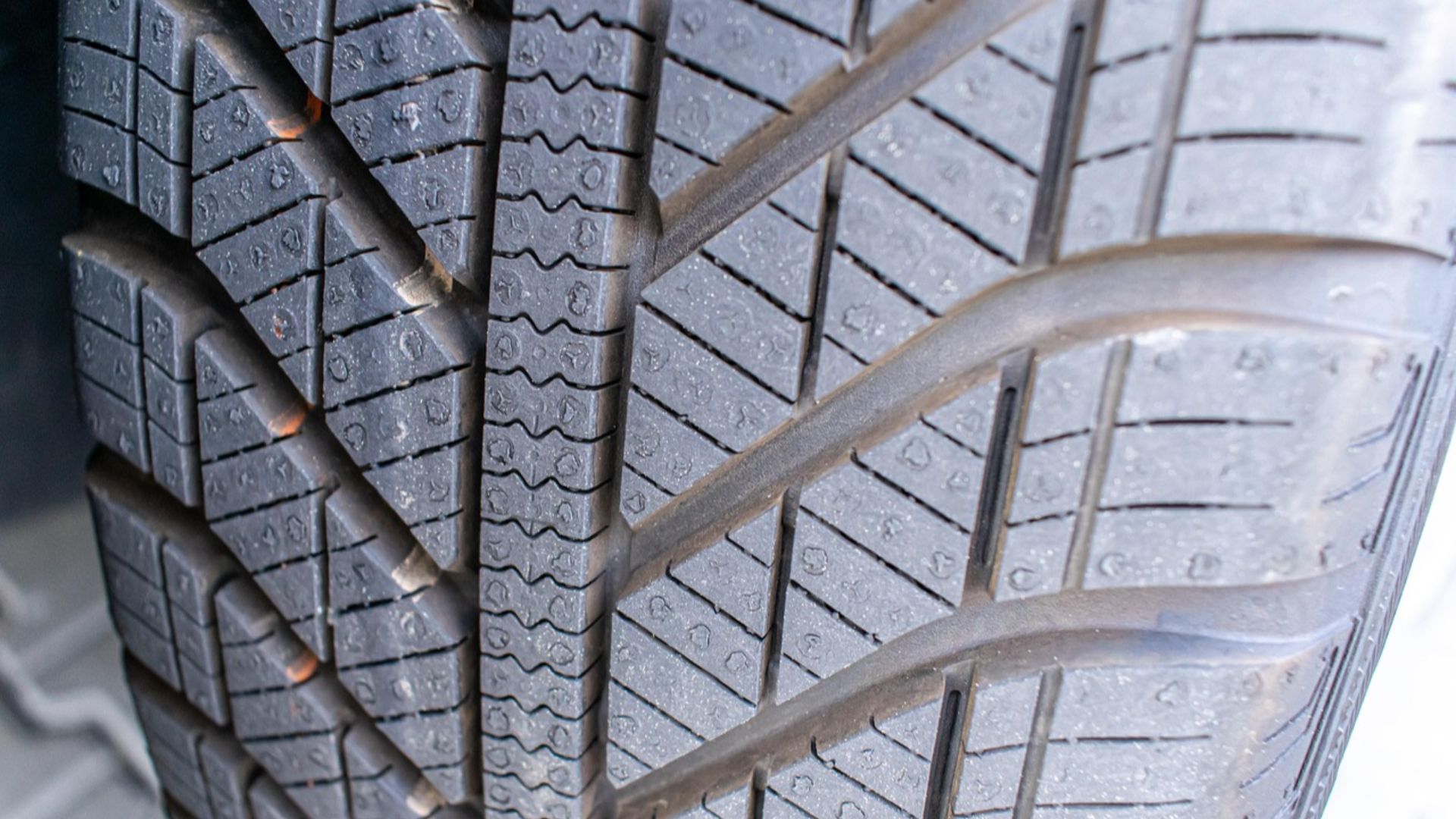
Sometimes replacing one tire creates another problem. On many all-wheel-drive vehicles, significant tread-depth differences between tires can create drivetrain stress. Some manufacturers limit how much variation is acceptable. That means one damaged tire can sometimes lead to replacing multiple tires, which surprises a lot of owners.
Tire Warranties Sometimes Help
Certain tire road-hazard warranties cover puncture damage. If you purchased tire protection when buying the tires—or if coverage came included with the purchase—you may qualify for repair or replacement assistance. It's worth checking your paperwork before approving an expensive replacement.
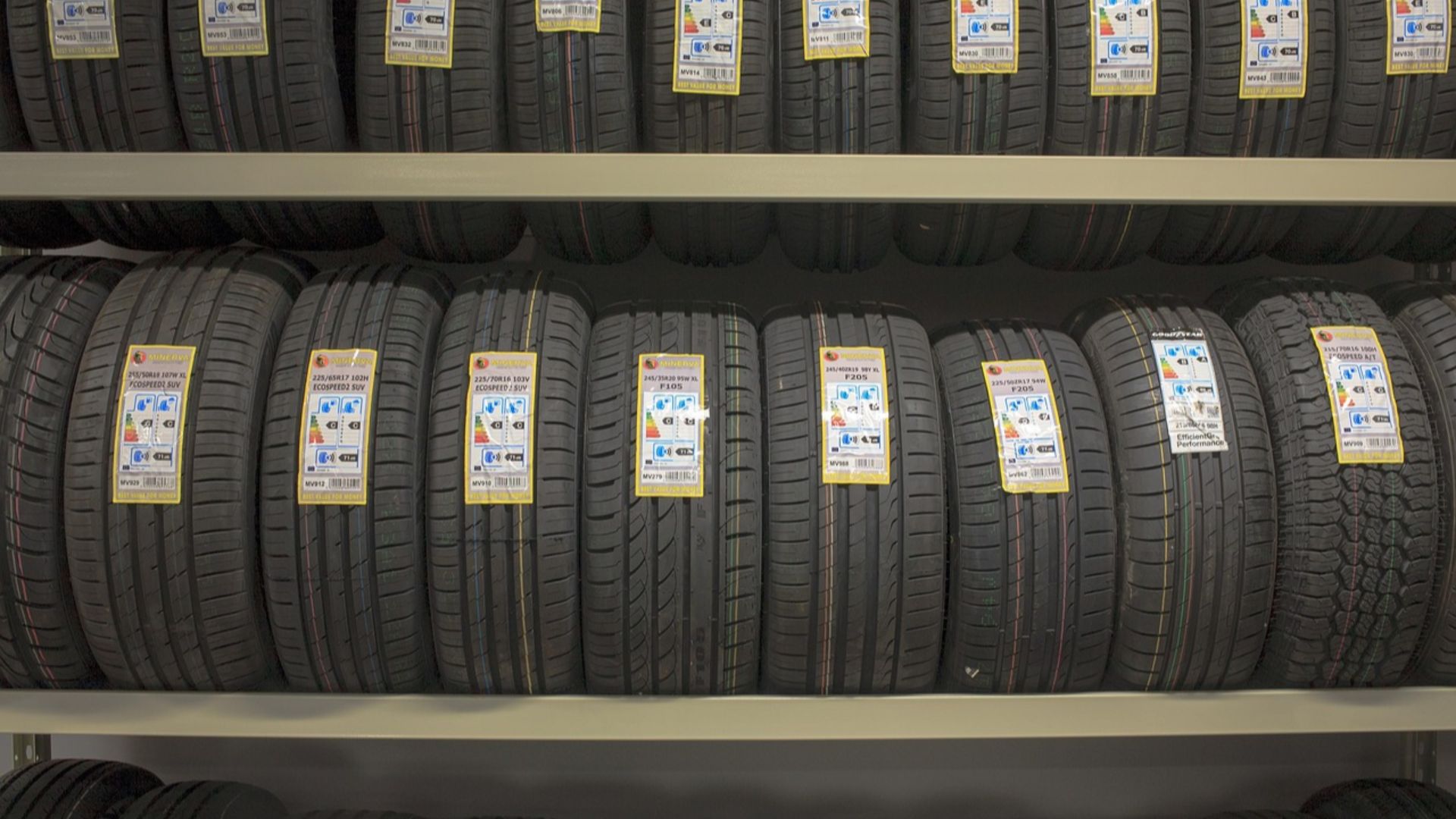
Ask The Shop To Show You
One of the best things you can do is ask to see the damage. A reputable shop can usually show you where the puncture is located and explain exactly why they recommend repair or replacement. Seeing the actual damage often makes the decision much easier to understand and evaluate.
 Kabelleger / David Gubler (http://www.bahnbilder.ch), Wikimedia Commons
So...Can They Just Patch It?
Sometimes absolutely. If the puncture is small, located in the repairable tread area, and the tire hasn't suffered internal damage, a repair may be perfectly appropriate.
But if the puncture is in the sidewall, near the shoulder, too large, or the tire was driven while flat, replacement may genuinely be the safest option. Tire repairs haven't disappeared—the rules for when they're safe are just stricter than many drivers realize.
 Aleksandar Malivuk, Shutterstock
You Might Also Like: