That Discount Sounded So Easy
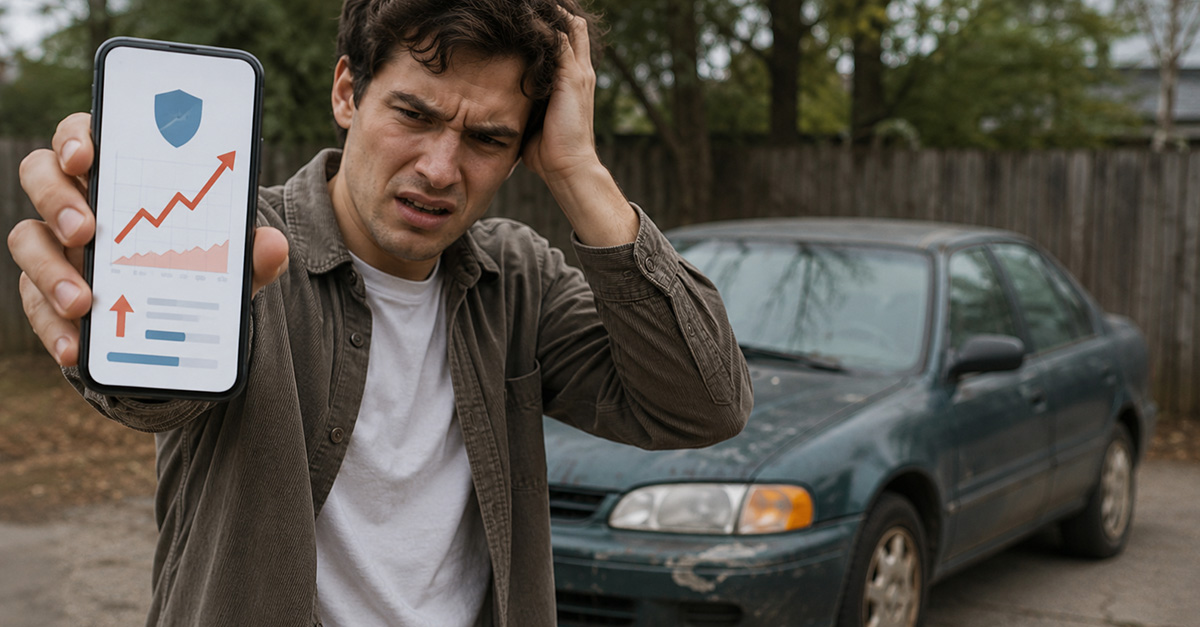
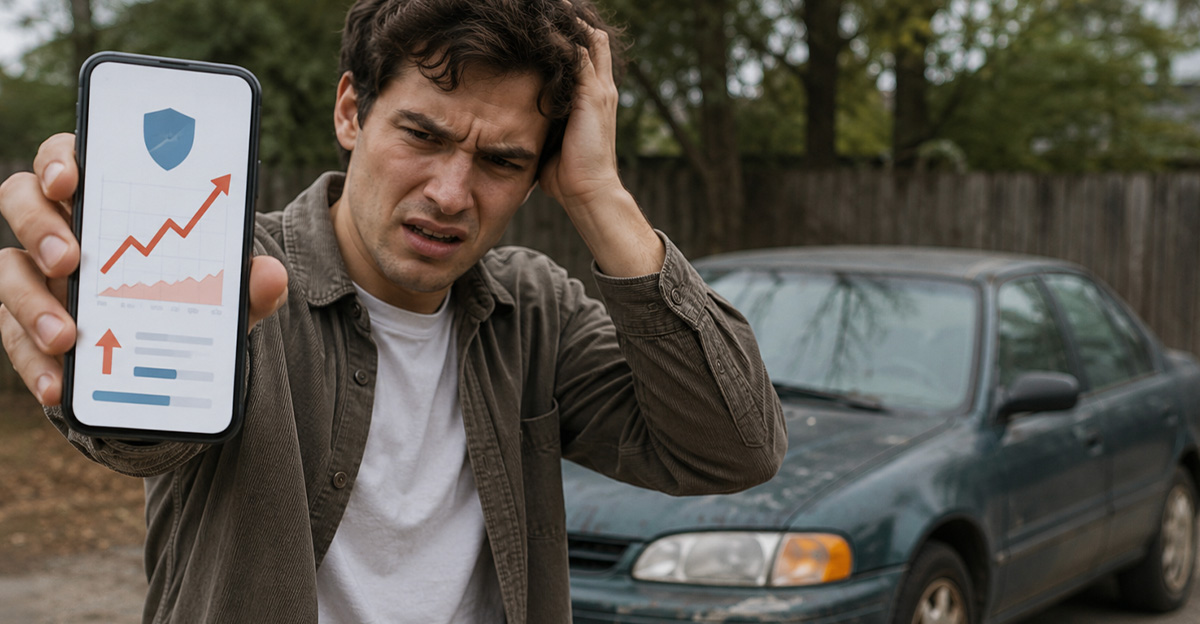
You downloaded the app, gave your insurer permission to peek at your driving, and pictured a neat little discount landing on your bill. Instead, your rate went up. Suddenly, that “safe driver savings program” feels less like a reward and more like inviting a backseat driver with a clipboard into your life.
Welcome To The World Of Telematics
Insurance tracking apps are usually called telematics programs. They use your phone or a plug-in device to watch how, when, and sometimes where you drive. The pitch is simple: drive safely, pay less. The catch is that your insurer gets a lot more information than your old premium ever required.

What The App Is Actually Watching
Most programs track things like hard braking, fast acceleration, speeding, mileage, phone movement, and late-night driving. Some also consider where you drive and how often you travel during busy traffic hours. It is not just asking whether you crash. It is judging your entire driving personality.

Hard Braking Can Hurt You
The app may treat hard braking like a bad habit, even when it saves you from a worse situation. Someone cuts you off, a deer jumps out, or traffic suddenly stops. You brake hard, and the app says, “Interesting.” Unfortunately, context is not always its strongest feature.
Speeding Is The Obvious One
Speeding is one of the easiest things for these apps to measure. A few miles per hour over the limit may not feel dramatic, especially when traffic is flowing that way. But to an algorithm, speeding can be a clean little red flag that says your risk level may be higher.
Night Driving Can Be A Problem
You may be a careful night driver, but insurers often see late-night driving as riskier. Roads are darker, reaction times can be worse, and there may be more tired or impaired drivers around. So even if you drive like a saint after midnight, the app may still frown.

Your Commute Might Be Working Against You
A long commute can make your score worse simply because you are on the road more. More miles mean more chances for something to go wrong. That does not mean you are a bad driver. It just means your daily routine gives the insurance math more opportunities to worry.
The App May Not Know Who Is Driving
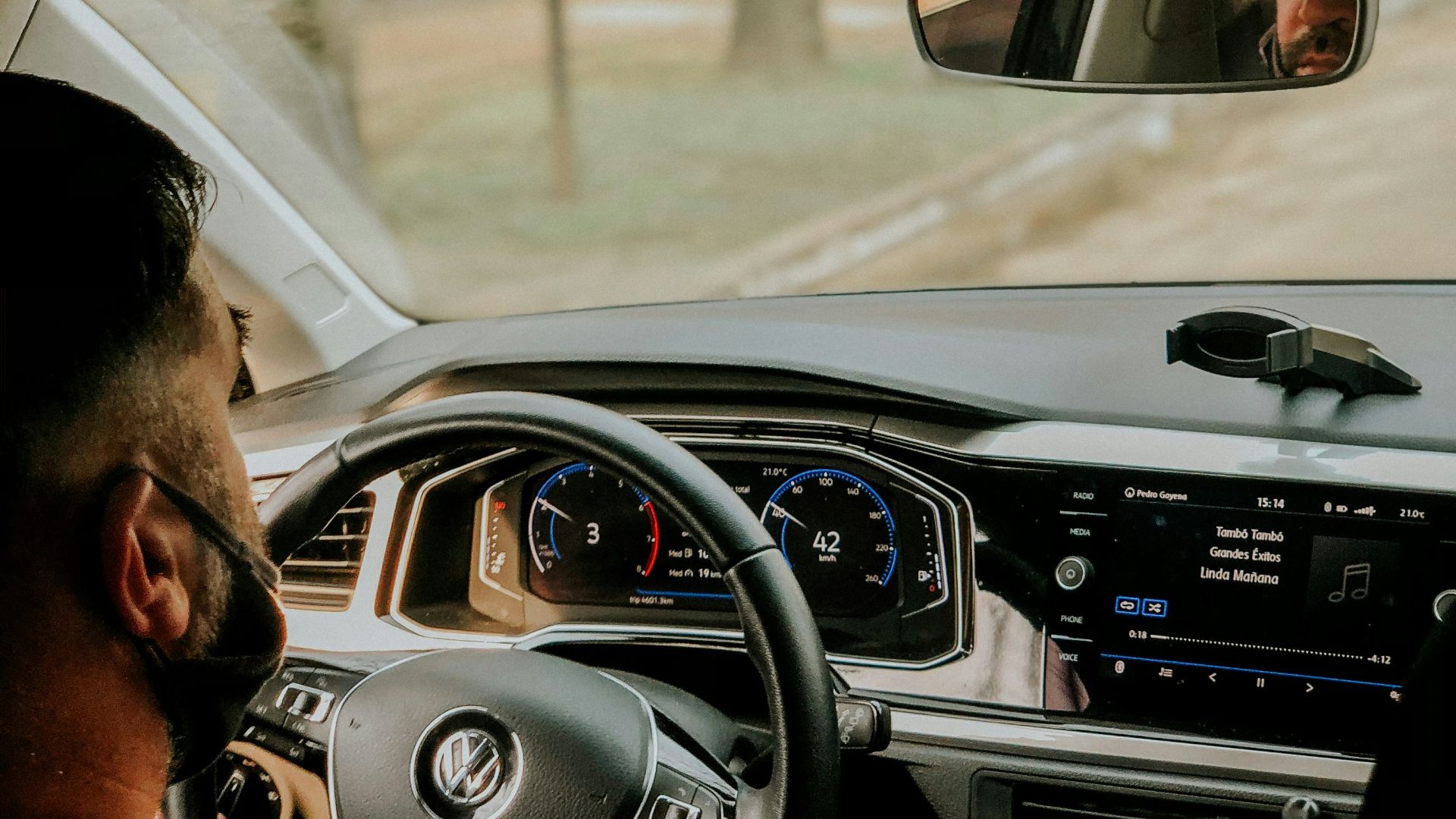
Some phone-based apps try to detect whether you are the driver or passenger, but they do not always nail it. If you ride in a friend’s car while they drive like they are auditioning for a chase scene, the app might accidentally blame you unless you correct the trip.
Phone Use Can Tank A Score
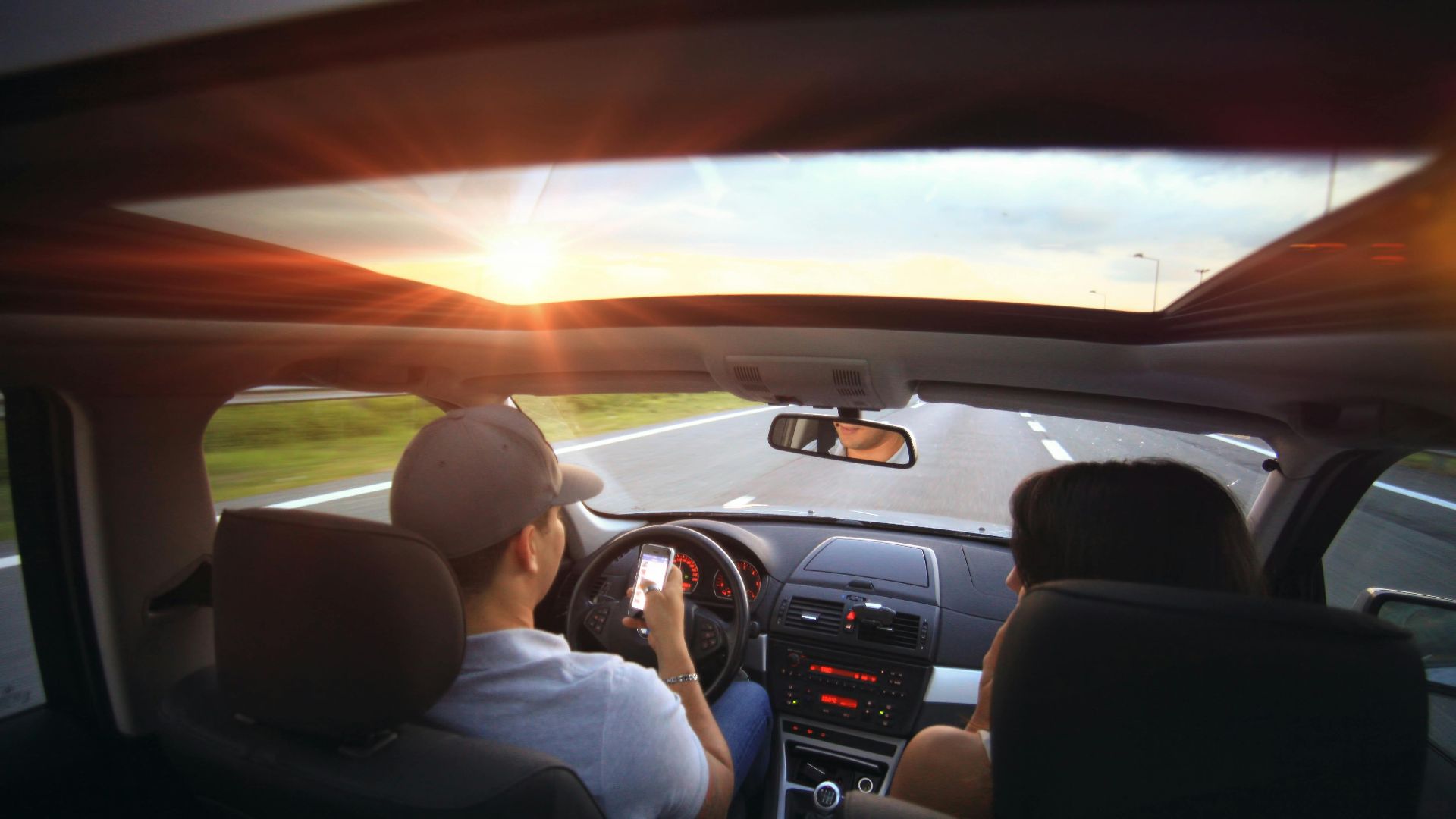
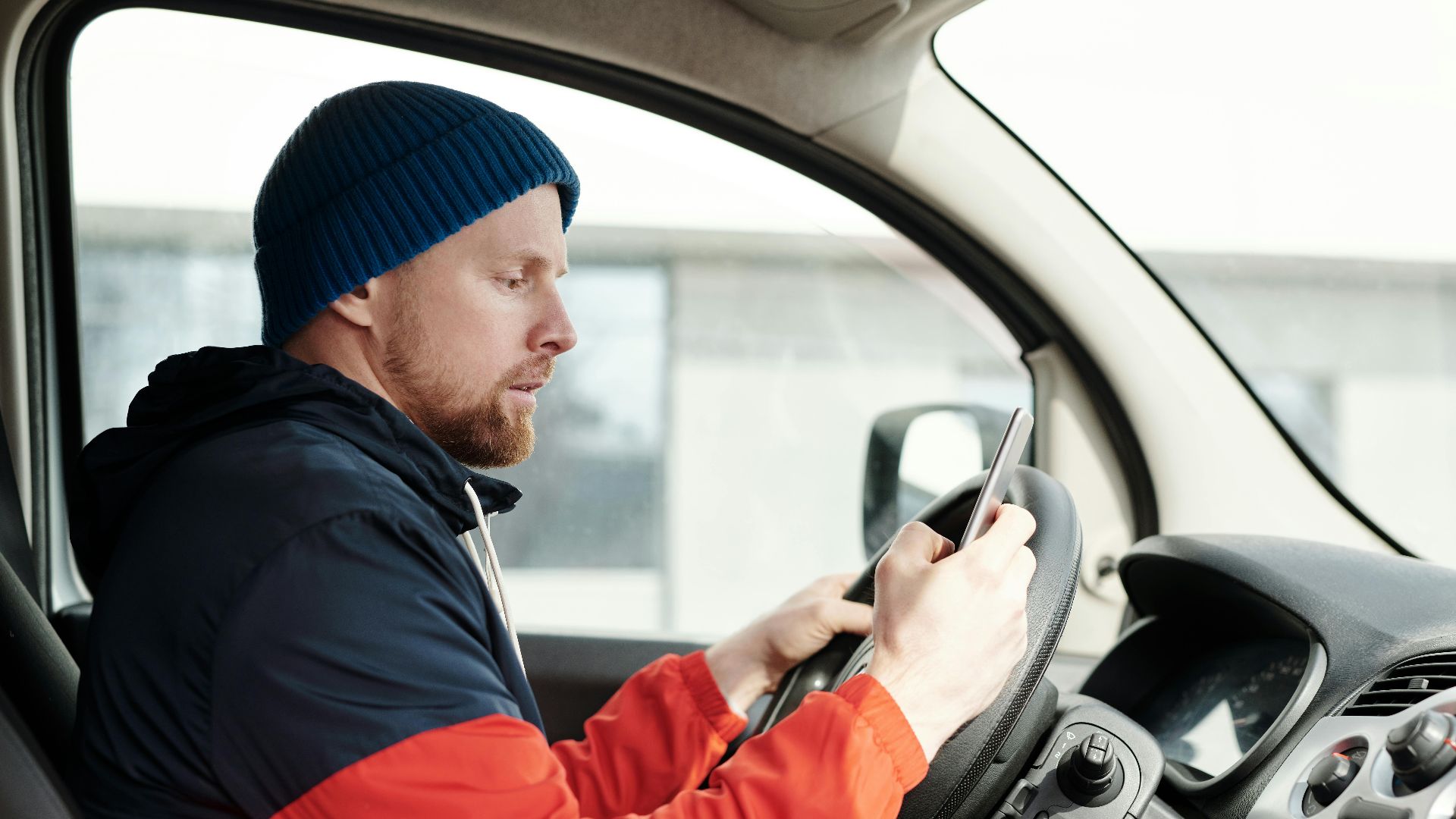
Many tracking apps monitor phone movement during a trip. Touching your screen, taking calls, or moving the phone around can be scored as distracted driving. Even checking directions at a red light might look suspicious, depending on the app. Your phone becomes both navigator and witness.
The Discount Was Never Guaranteed
This is the part many drivers miss. Some programs promise a sign-up discount, but the final result depends on your driving data. Others say rates may go down, stay the same, or go up. The friendly marketing usually focuses on savings, not the possibility of paying more.

You May Have Revealed More Risk
Before the app, your insurer priced you using broad information: age, location, vehicle, driving history, credit factors where allowed, and claims data. After the app, it may see your real habits. If those habits look riskier than expected, your rate can climb.

The Algorithm Might Be Strict
Telematics scoring is not always forgiving. A human might understand that every commute has chaos. An app may simply count events and patterns. Too many sharp stops, quick launches, or risky-hour trips can add up. It is less “judge and jury” and more “spreadsheet with opinions.”

Some Drivers Really Do Save
This does not mean tracking apps are scams. Plenty of low-mileage, gentle, daytime drivers get real discounts. If you rarely drive, avoid rush hour, accelerate smoothly, and never touch your phone, the app may love you. For the right driver, telematics can be a money-saving machine.

But Some Drivers Are Better Off Without It
If you commute daily in heavy traffic, work nights, drive in a dense city, or share your car with less careful drivers, the app may not be your best friend. You might be safe, but your driving environment can still create data that looks expensive to an insurer.

City Driving Can Look Messy
Urban driving is full of sudden stops, cyclists, delivery trucks, jaywalkers, buses, and drivers who treat turn signals like optional jewelry. Even cautious city drivers brake and accelerate more often. The app may see those movements without understanding that city traffic is basically organized chaos on wheels.

The App May Change Your Behavior
One upside is that tracking can make you more aware. You may brake earlier, leave more space, drive slower, and stop touching your phone. That can be good for safety. But if you feel anxious every time the app scores a trip, the discount may not feel worth it.
Check The Rules Before Panicking
Before assuming you are doomed, read the program details. Some insurers use the data only for discounts. Others may use it to increase rates. Some let you opt out before renewal. The fine print matters here, even though reading insurance documents is nobody’s idea of a wild Friday night.

Look For A Trial Period
Many tracking programs include a review period before the score affects your premium. During that time, you may be able to quit without a penalty or before the next renewal. If your app score looks ugly, this is the moment to find out whether you can bail.

Correct Any Bad Trips
Open the app and review your trips. If it marked you as the driver when you were a passenger, fix it. If another household driver used the car, make sure the data is assigned correctly. A few wrong trips can make your score look worse than it really is.
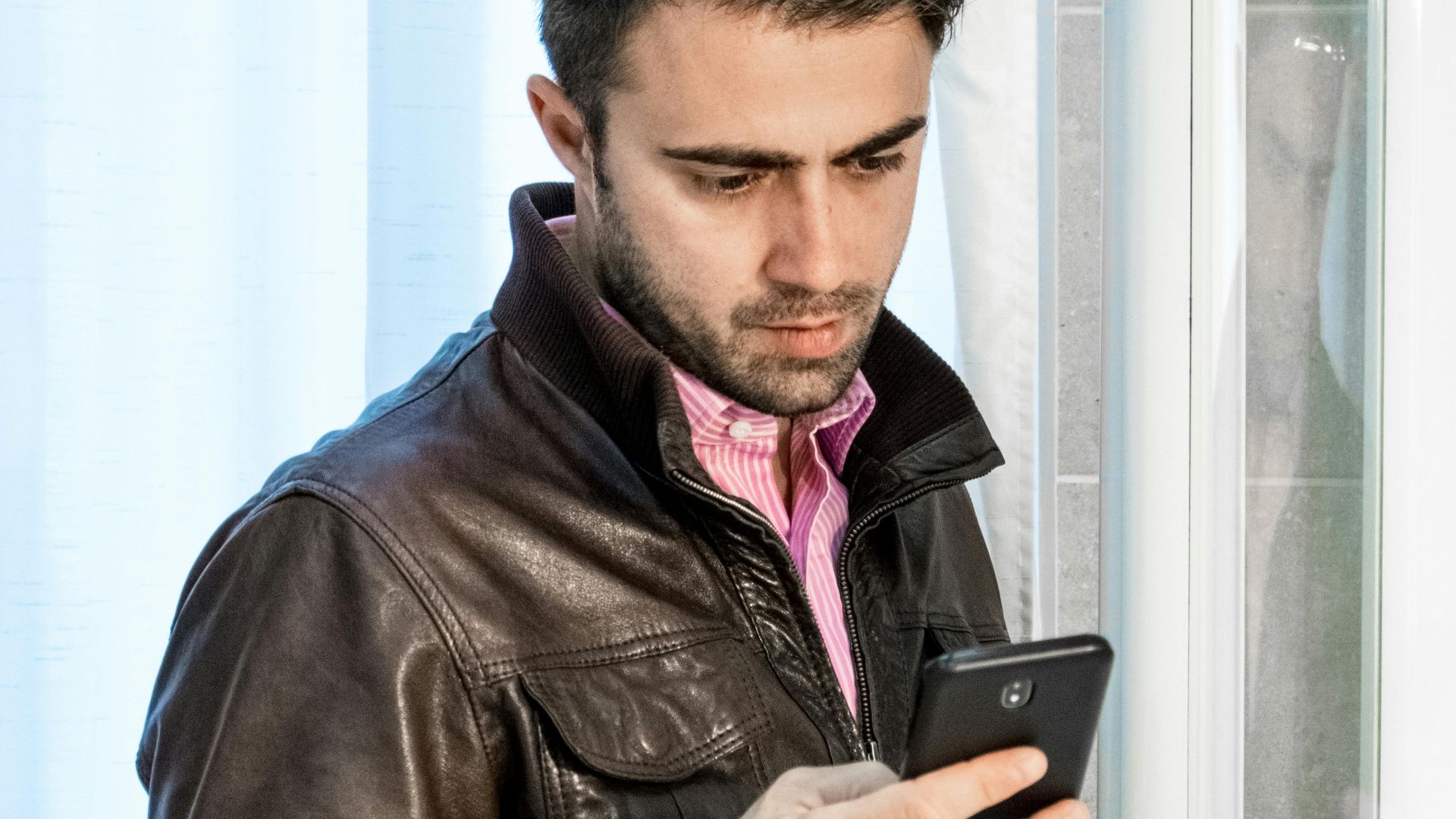
Ask Your Insurer Direct Questions
Call your insurer and ask exactly why your rate changed. Was it the telematics score, a general rate increase, your mileage, your area, your vehicle, or something else? Insurance prices can rise for many reasons, so do not assume the app is guilty without checking the evidence.

Your Rate Increase May Not Be All Your Fault
Insurance rates can go up because repair costs rise, claim payouts increase, theft trends change, or your state or province gets pricier overall. Your personal driving score may be only one piece of the puzzle. Sometimes the app is involved, and sometimes the whole market is just cranky.

Shop Around Before Renewal
If your rate jumps, compare quotes from other insurers. Some companies weigh telematics differently, and some may offer better prices without tracking you at all. Your current insurer’s algorithm is not the final word on your driving destiny. Loyalty is nice, but savings are nicer.

Decide How Much Privacy Is Worth
A tracking app can trade privacy for possible savings. That trade may be fine for some drivers and uncomfortable for others. Think about what you are giving up: driving habits, routes, mileage, and phone-use patterns. A discount is great, but peace of mind has value too.

Drive Like The App Is Watching
Because it is. Smooth acceleration, gentle braking, steady speeds, daytime trips, and fewer phone movements usually help. Leaving extra space ahead is one of the easiest ways to avoid hard-braking events. Basically, drive like your driving instructor is in the passenger seat holding a latte.
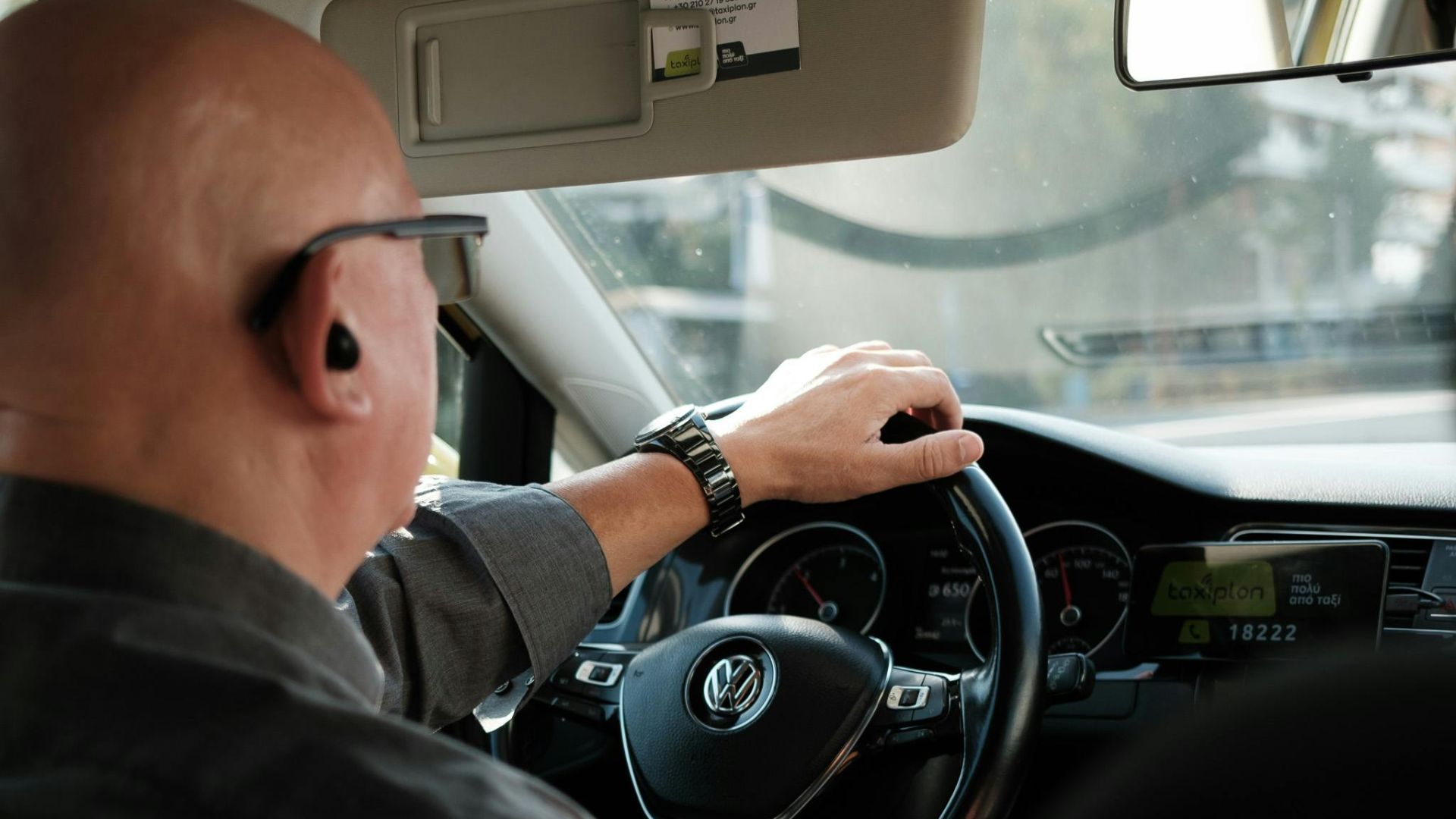
Be Careful With Shared Vehicles
If multiple people drive your car, telematics can get complicated. One aggressive driver in the household can damage the score for everyone. Before using a tracking program, make sure every driver understands the rules. Otherwise, your discount may get torpedoed by someone else’s heavy right foot.

So, Was It A Big Mistake?
Maybe, but not necessarily. If the app exposed habits you can improve, it might help you become safer and eventually cheaper to insure. But if your life requires night driving, heavy commuting, or city traffic, the program may simply be a bad fit for your reality.

The Smart Move From Here
Review the app data, correct mistakes, call your insurer, and ask whether opting out can stop future rate impact. Then shop around. Tracking apps can save money, but they are not magic discount buttons. Sometimes the smartest insurance move is knowing when the “deal” is not really a deal.

You May Also Like: