Mud, Glorious Mud
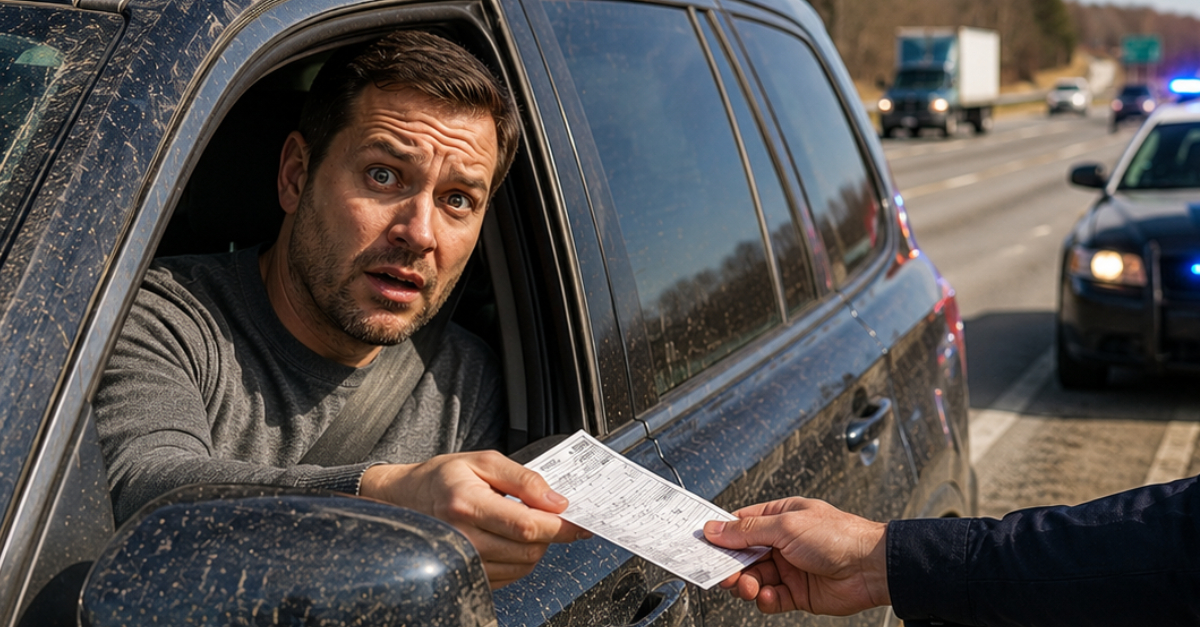
Most drivers assume a dirty license plate is the kind of thing that earns a warning and maybe a suggestion to visit a car wash. So when a cop hands you an actual ticket, it can feel completely ridiculous. After all, cars get dirty. That's normal. But depending on where you live, that officer may have had more legal authority than you think.
License Plates Have One Very Important Job
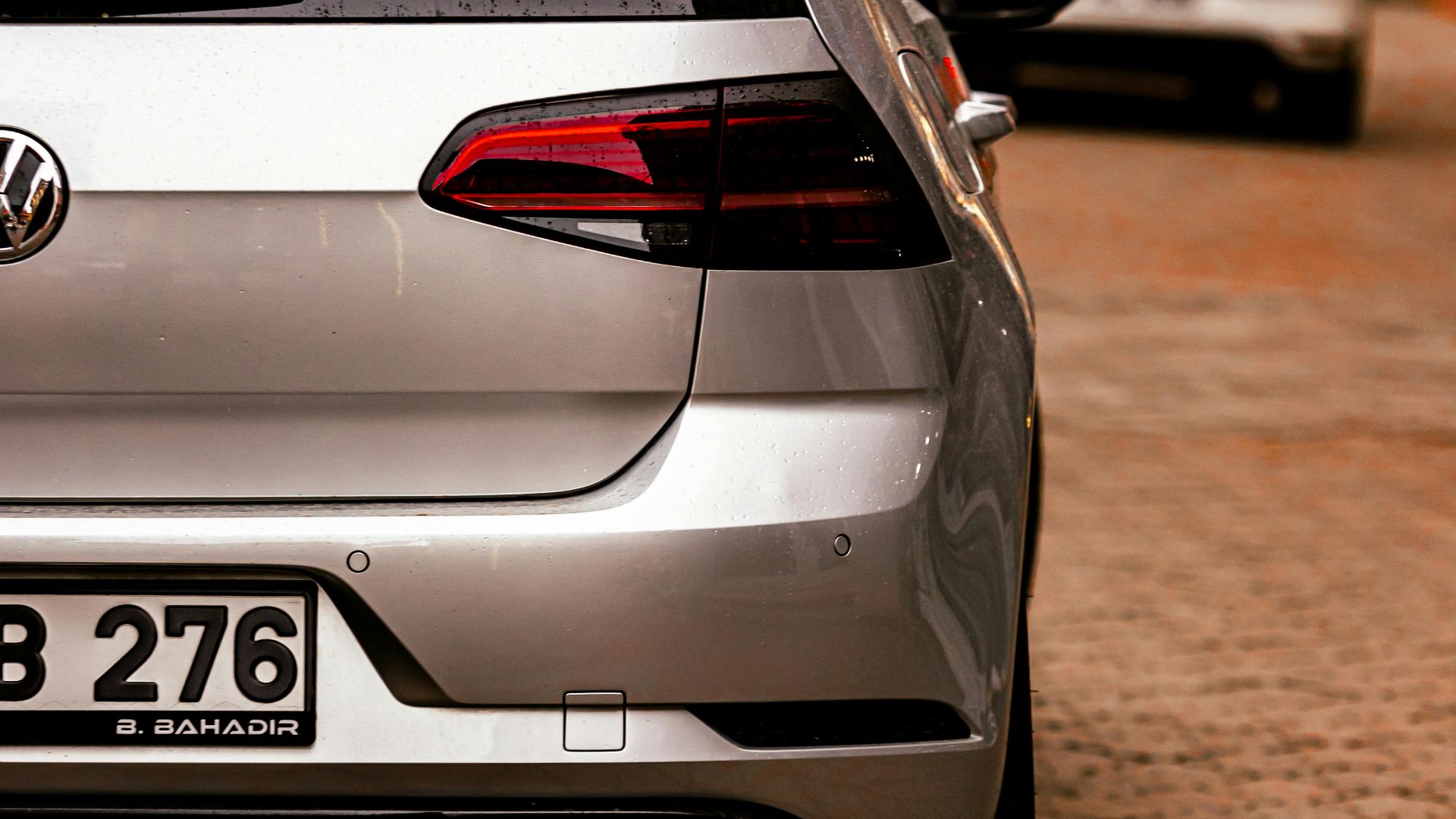
Your license plate isn't there just to make the back of your car look official. Its main purpose is identification. Police officers, toll systems, parking enforcement, and traffic cameras all rely on being able to read it quickly and accurately.
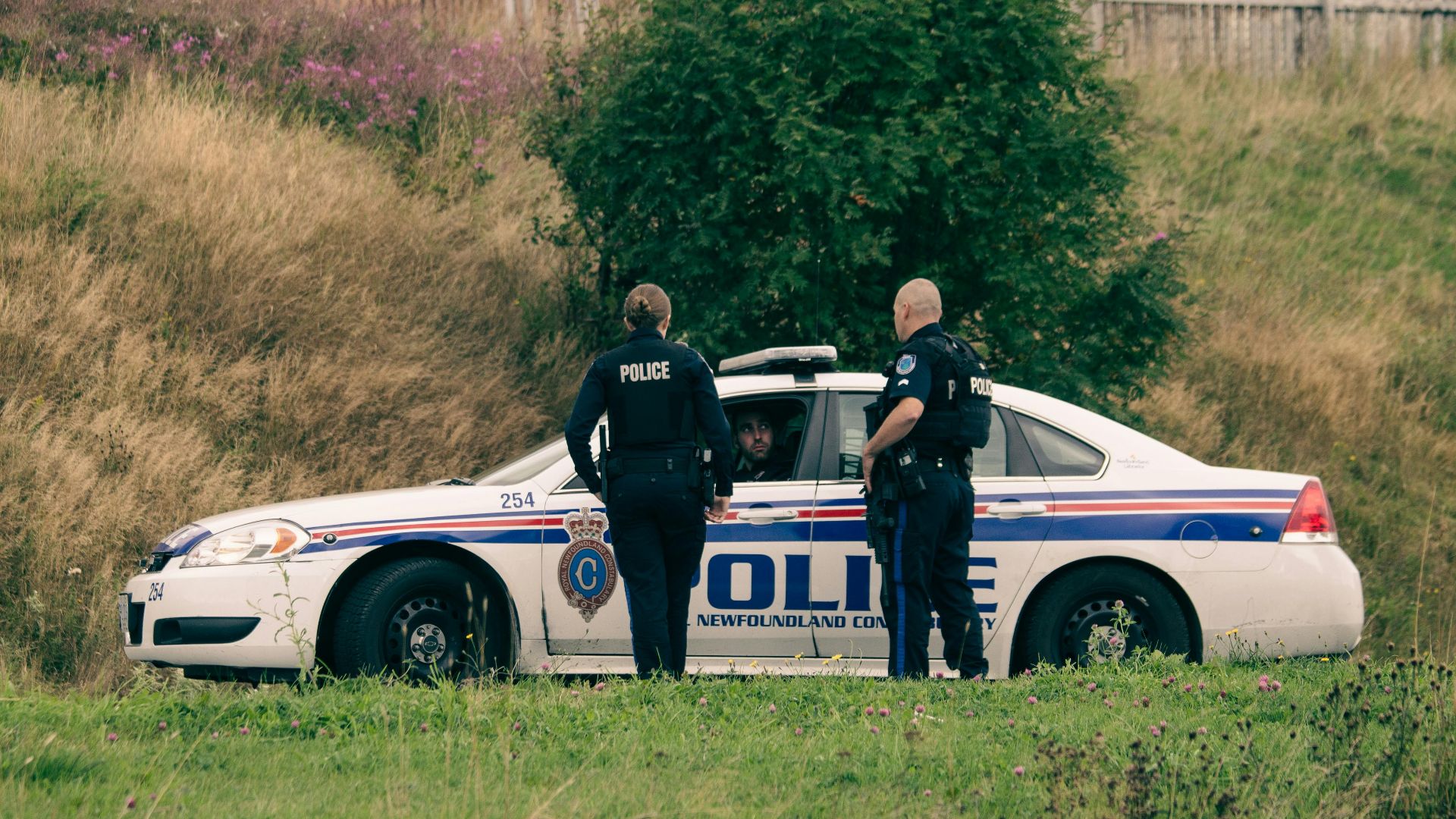
 Molnár Tamás Photography™, Pexels
The Law Usually Doesn't Mention Dirt
In many places, the law doesn't specifically ban dirty license plates. Instead, it requires them to be clearly visible and readable. That distinction matters because a little dust usually isn't the issue. Covering letters or numbers often is.
Readable Is The Key Word
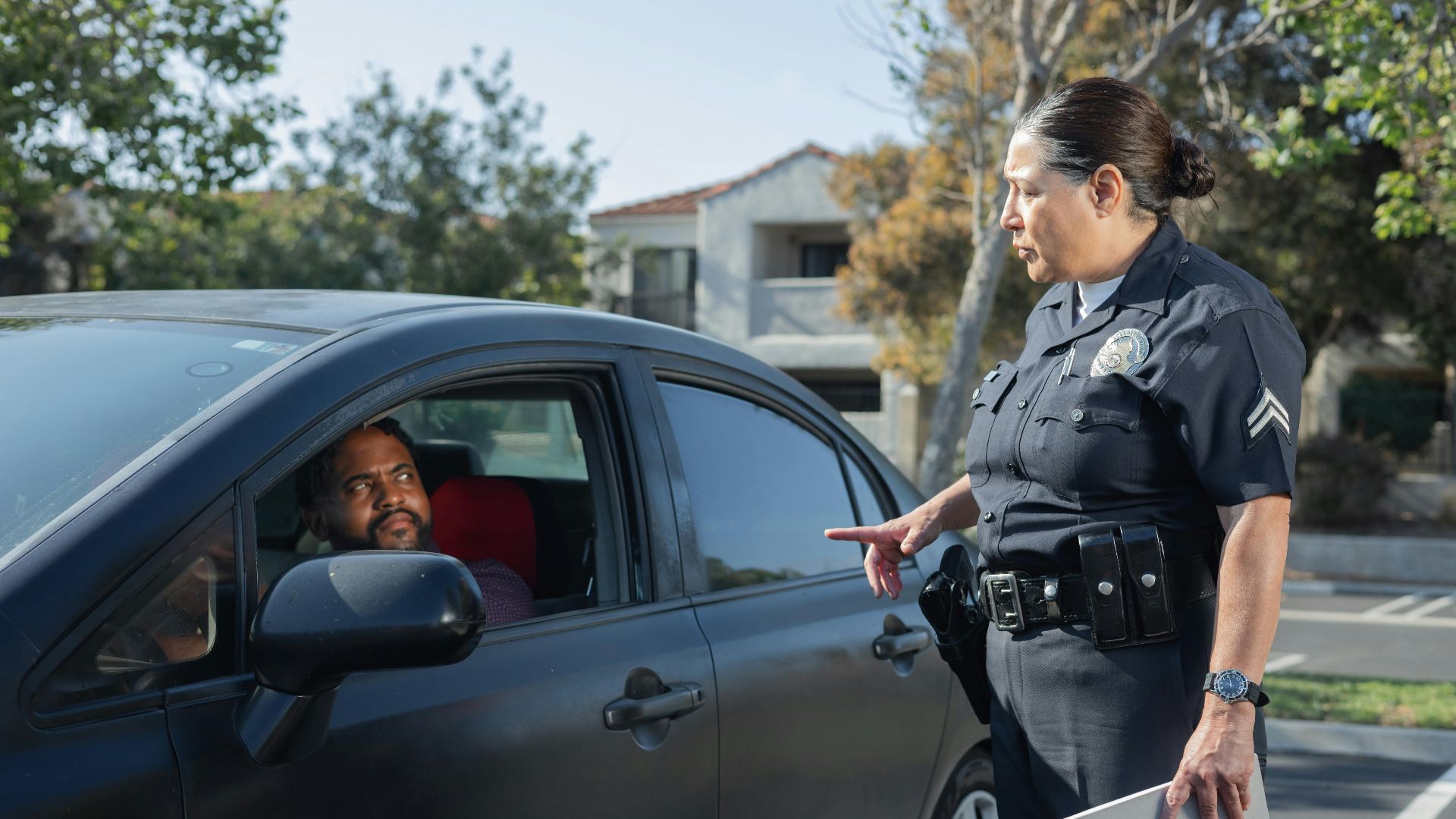
Most plate laws focus on whether someone can actually read the plate. If mud, snow, road salt, rust, or another obstruction hides important characters, an officer may decide the plate is no longer legally visible.

Warnings Are Common
If you've ever been stopped for a dirty plate, there's a good chance you've heard of someone else getting only a warning. That's because many officers do treat minor plate visibility issues as fix-it situations rather than serious offenses.
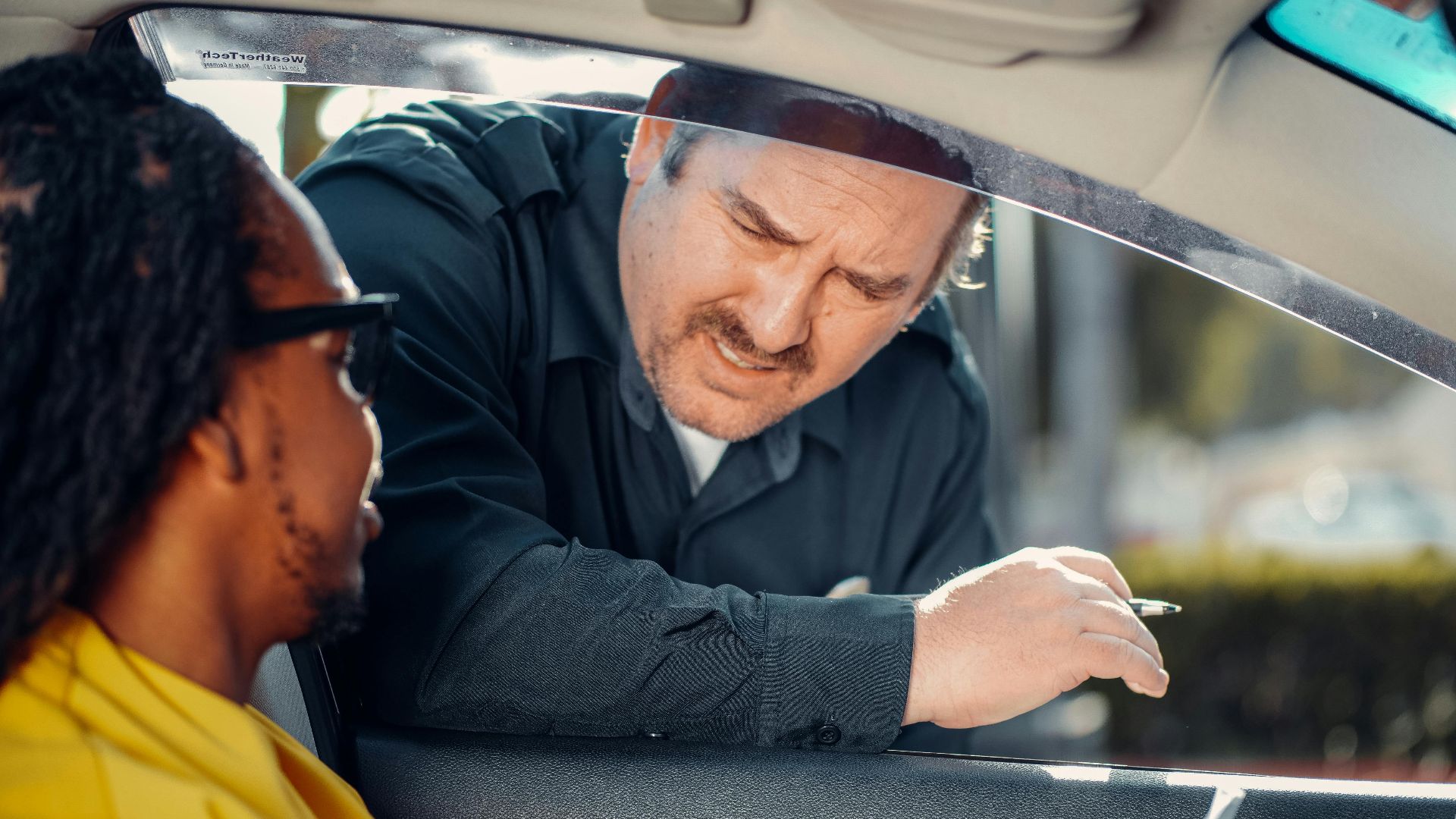
But Warnings Usually Aren't Required
Here's the part many drivers don't realize. In most jurisdictions, officers have discretion. They can choose to issue a warning, but they generally don't have a legal obligation to do so before writing a ticket.

It Doesn't Matter If The Dirt Was Accidental
Many drivers assume intent matters. They think a ticket should only apply if someone deliberately covered the plate. But traffic equipment violations often don't work that way. If the plate isn't readable, the reason may not matter much.

Winter Drivers Run Into This Constantly
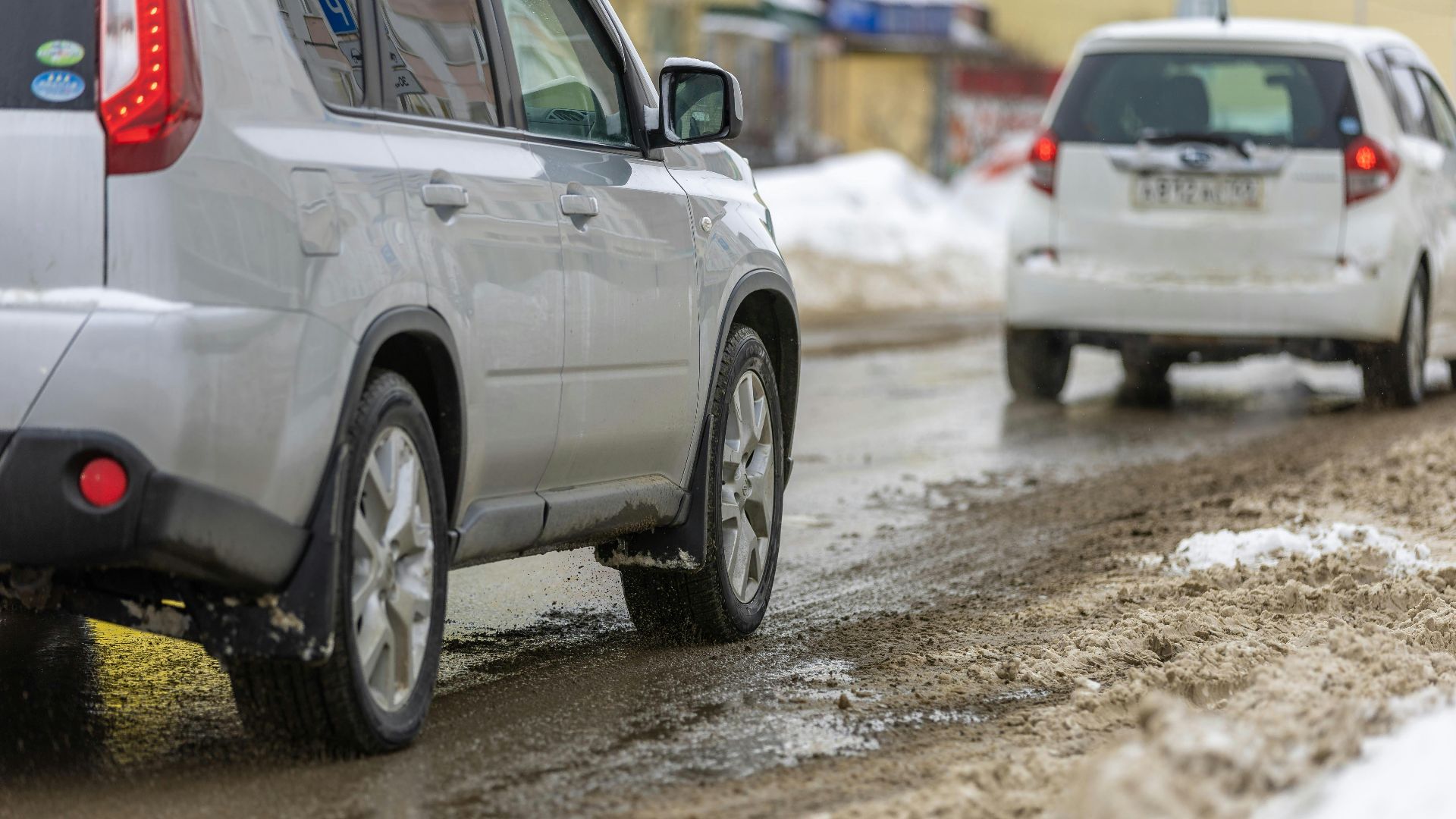
Anyone who lives where snow falls has probably seen a license plate disappear under slush. During storms, buildup can happen surprisingly quickly. Unfortunately, the fact that nature caused it doesn't always prevent a ticket.

Mud Can Be Just As Bad
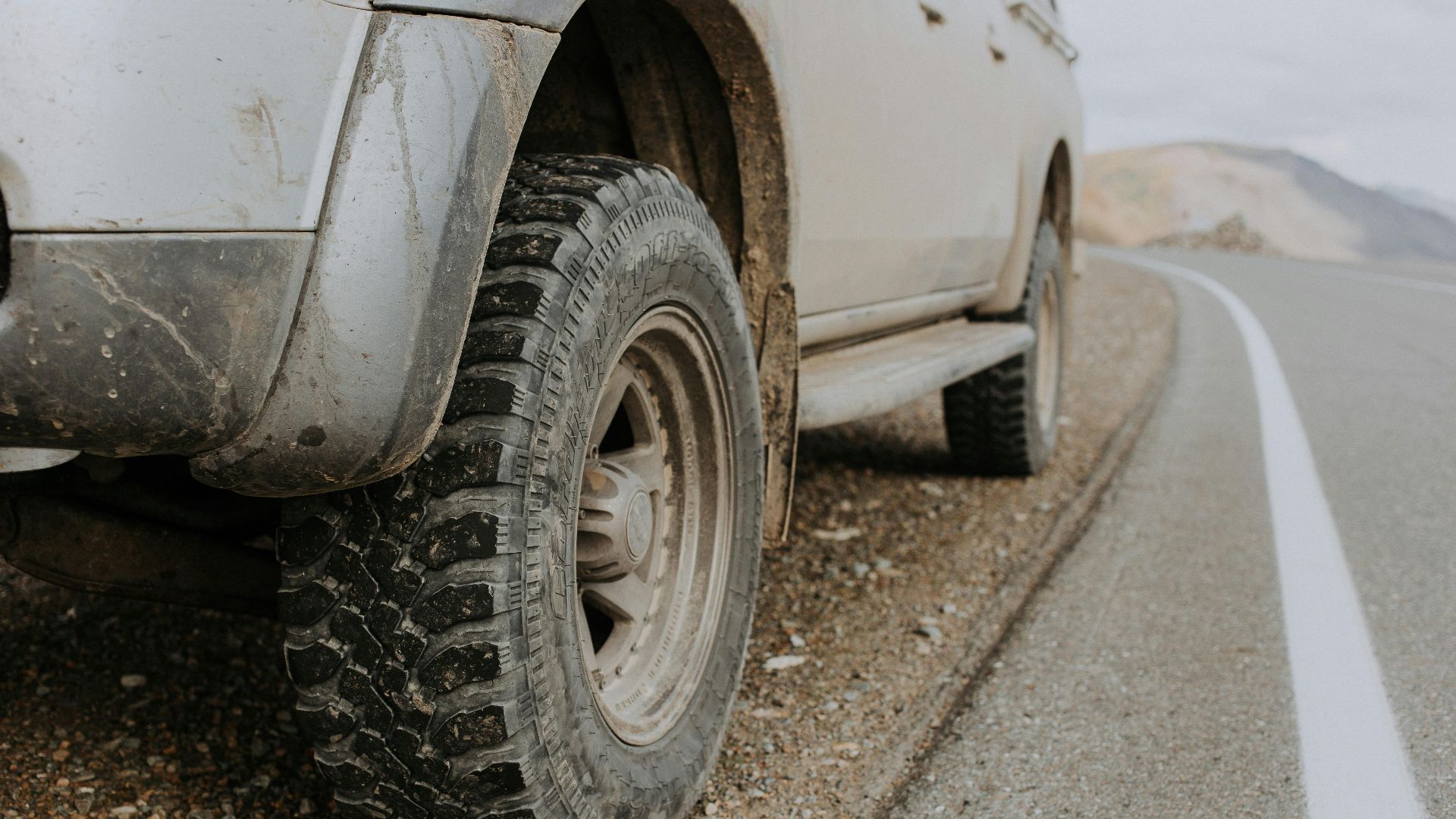
You don't need a snowstorm to have a visibility problem. A few miles down a muddy back road or through a construction zone can leave enough grime on the rear of a vehicle to make parts of the plate difficult to read.
Some States Specifically Ban Obstructed Plates
Many states have laws that specifically mention obstructed, concealed, covered, or unreadable plates. The wording varies, but the idea remains the same: if the plate can't be identified easily, you could be violating the law.

Some States Are Surprisingly Strict
States such as Texas, New York, California, and many others have laws requiring license plates to remain visible and legible. Exactly how those laws are enforced varies, but drivers have received tickets for everything from mud and snow to plate frames and covers that partially blocked information.
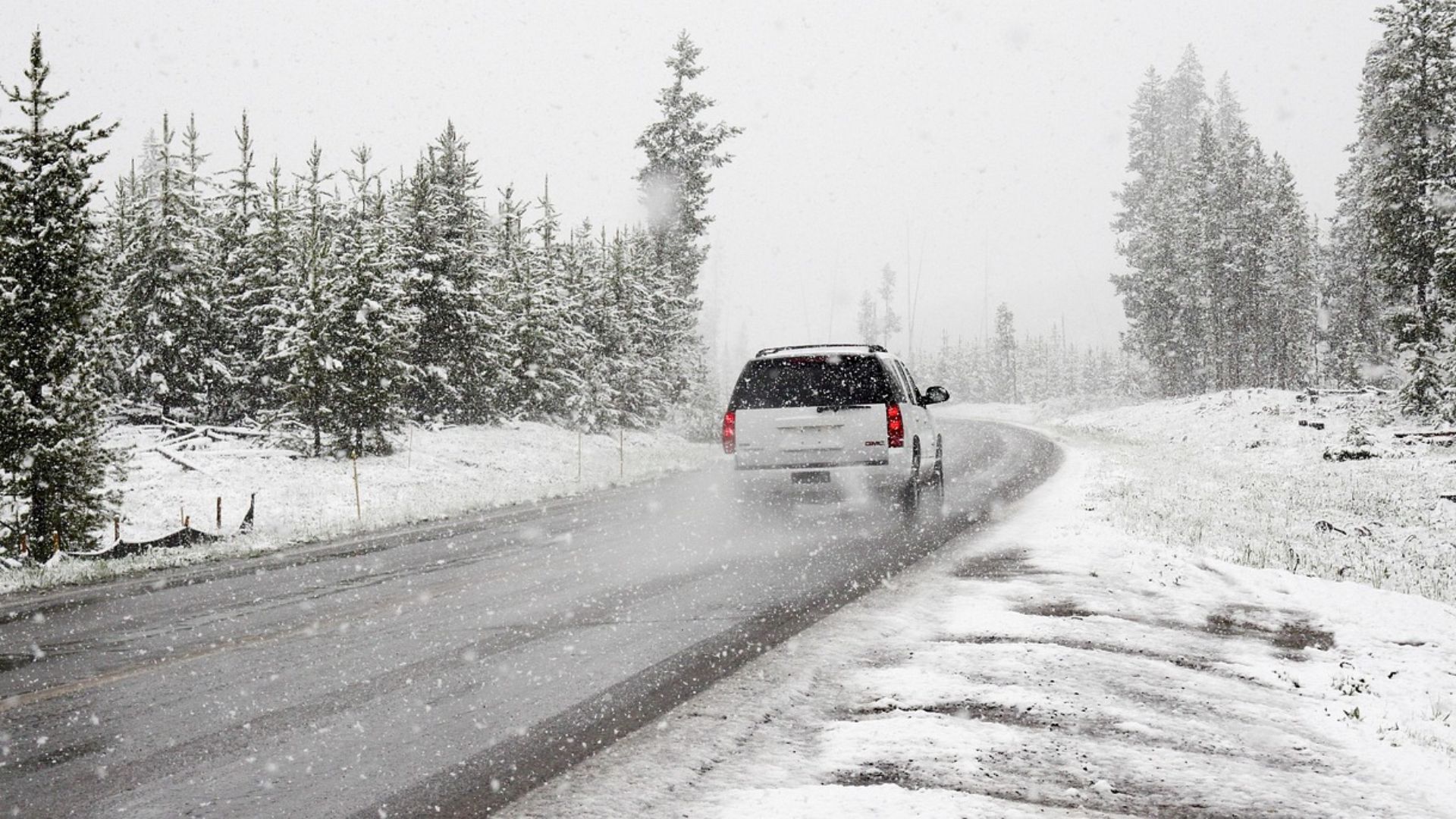
Plate Covers Get Drivers In Trouble Too
Dirty plates aren't the only issue. Tinted plate covers, reflective covers, and certain decorative frames have generated plenty of tickets over the years. Some drivers discover that one only after getting pulled over.

Bike Racks Are Repeat Offenders
Bike racks are great until they block half your plate. In some areas, officers regularly stop vehicles whose racks obscure registration numbers or state names. It may be unintentional, but that doesn't always matter.
Toll Roads Changed Everything
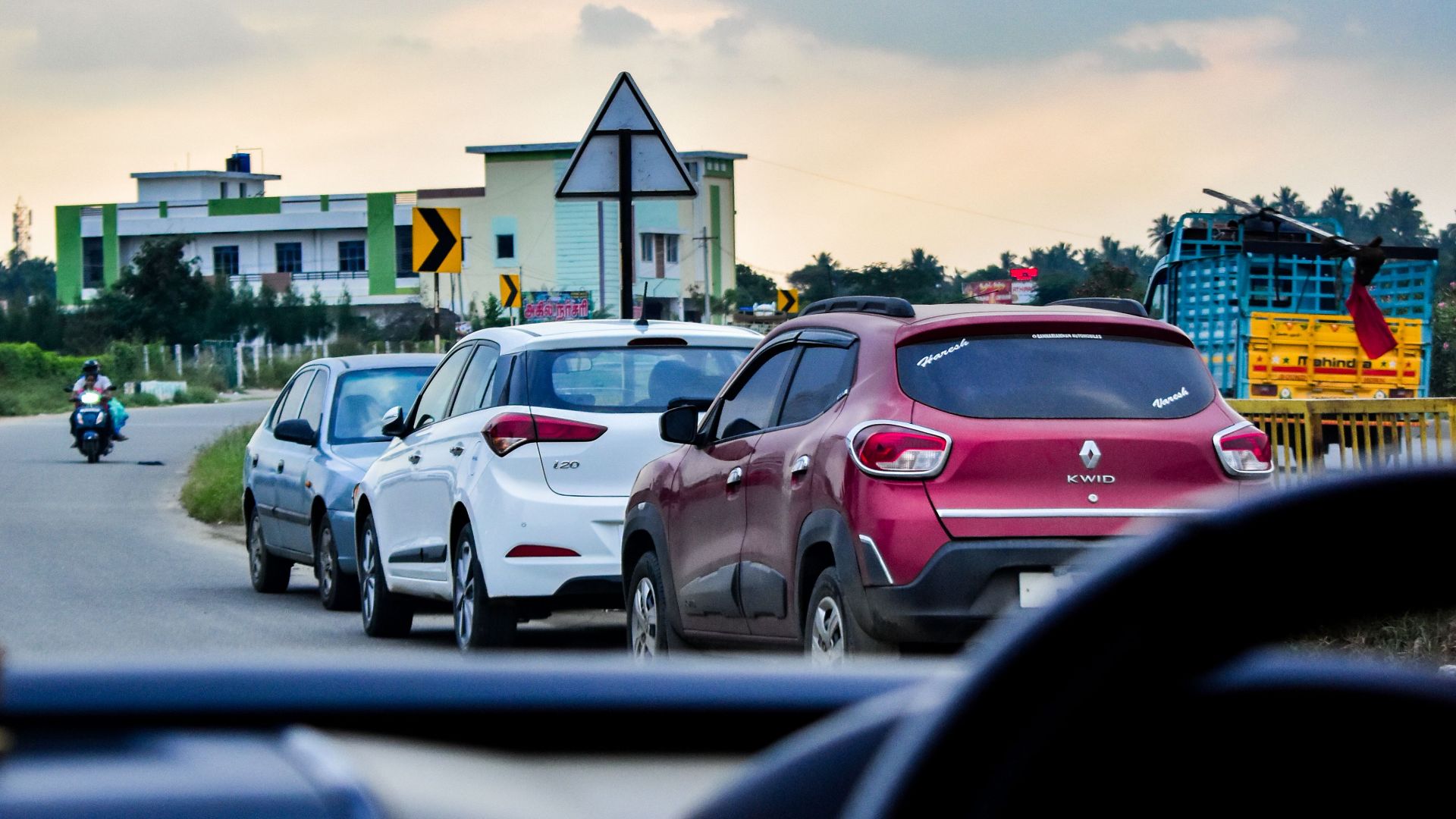
Years ago, a slightly dirty plate might not have attracted much attention. Today, electronic toll systems rely heavily on cameras. A plate that can't be read by those cameras creates problems that transportation agencies don't particularly enjoy.

License Plate Readers Never Get Tired
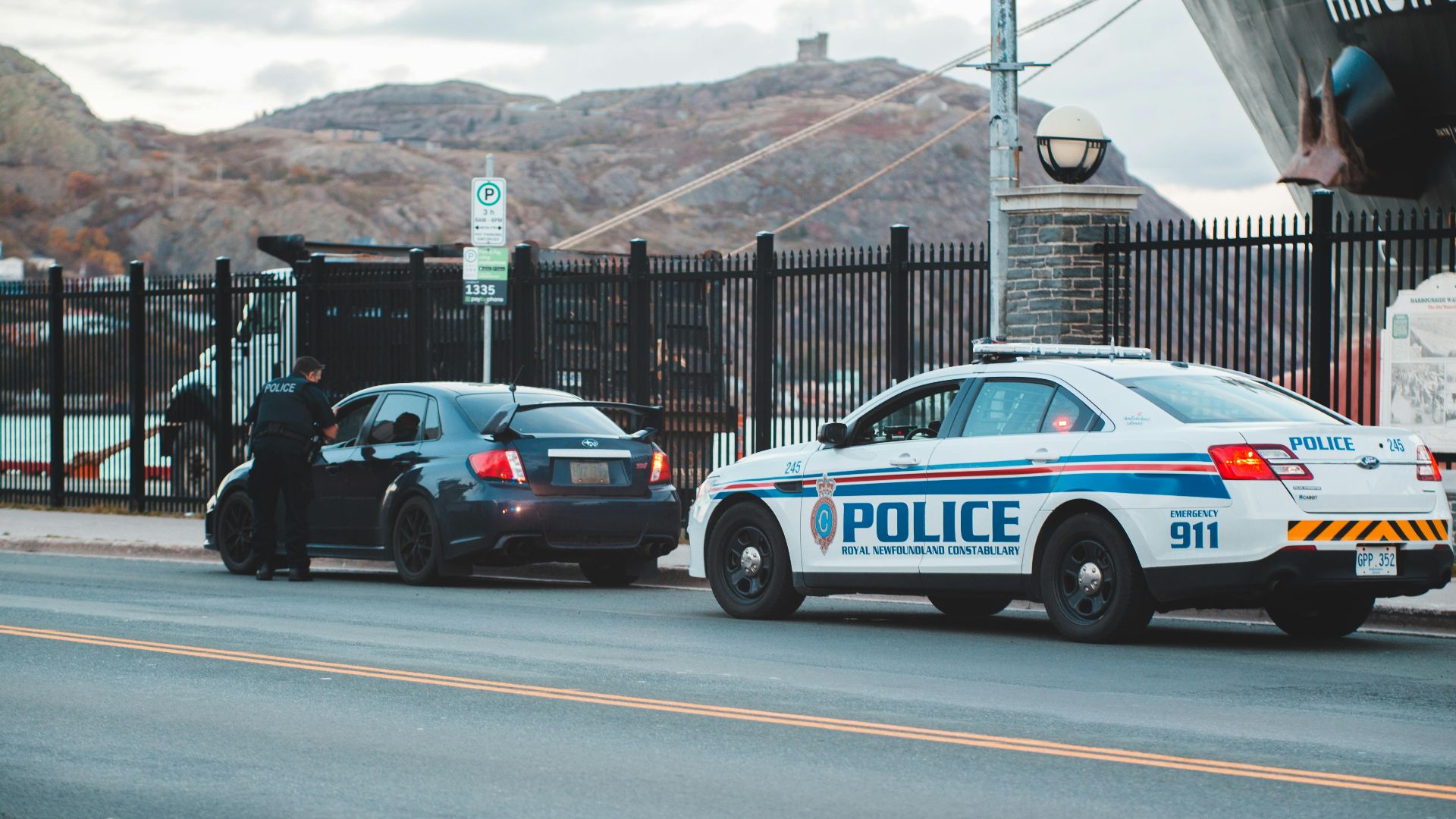
Police departments across North America increasingly use automated license plate readers that can scan large numbers of vehicles. While a dirty plate doesn't automatically trigger a stop, unreadable plates can defeat those systems and are one reason some jurisdictions take plate visibility seriously.
Police See Deliberate Obstruction Too
Part of the reason officers take plate visibility seriously is because some people intentionally try to hide their plates. Illegal covers, altered numbers, and even strategically placed dirt have all been used to avoid identification.
How Dirty Is Too Dirty?
Unfortunately, there isn't a universal answer. Most laws don't say a plate can be 20% dirty or 30% dirty. Instead, officers generally look at one question: can the plate still be read easily?
Photos Can Sometimes Help
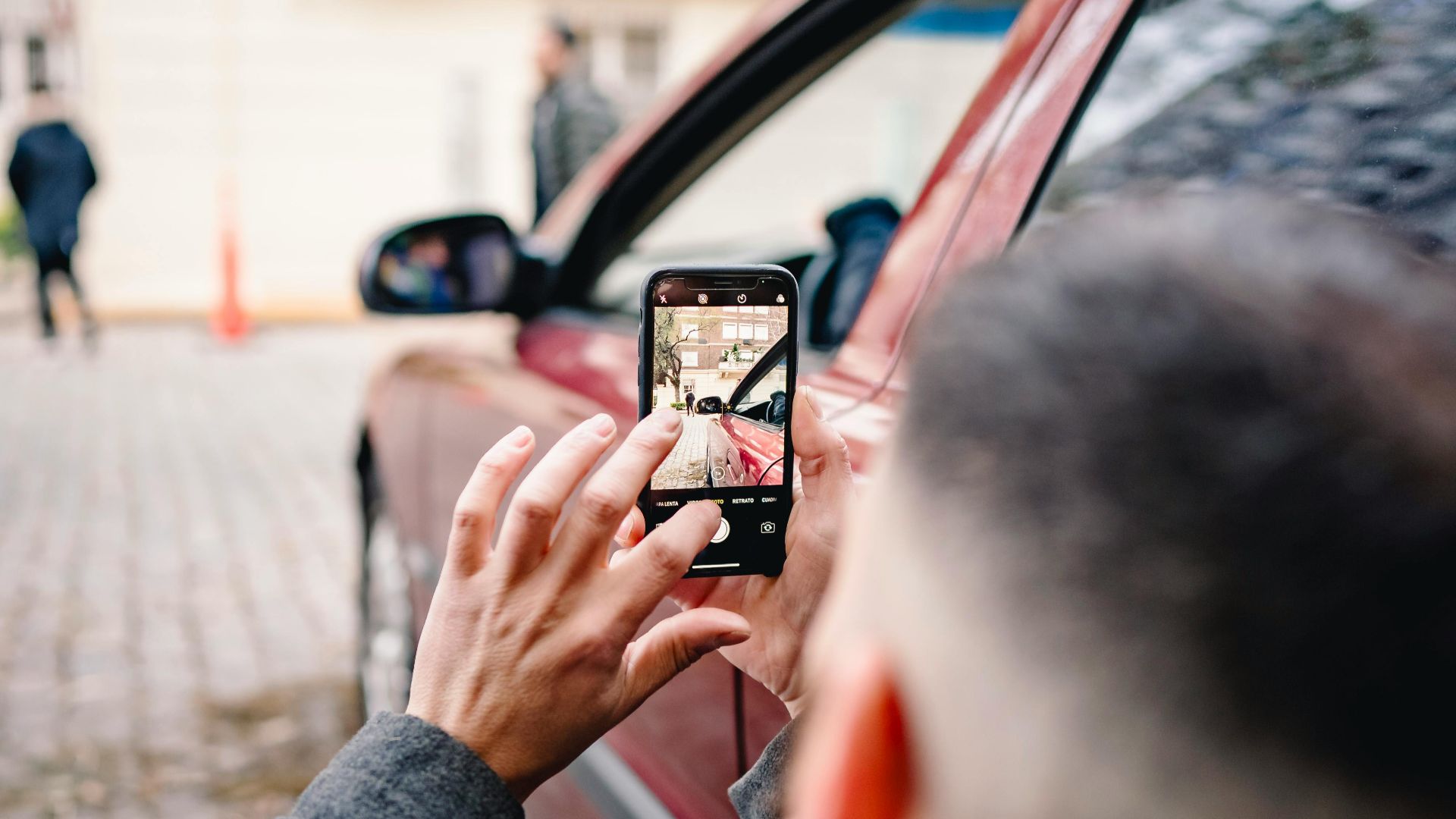
If you believe a ticket was unfair, photographs taken shortly after the stop may help your case. A clear picture showing the plate was still readable could support your argument if you decide to challenge the citation.
Courts Usually Focus On One Question
When these tickets are challenged, courts often focus heavily on the language of the specific law involved and whether the plate was visible enough to comply with it. The exact outcome can vary significantly from one jurisdiction to another.

Commercial Drivers Deal With This Too
This isn't just a passenger-car issue. Commercial vehicles are subject to plate visibility requirements as well. Many companies even include plate inspections as part of regular vehicle checks.

Rental Cars Aren't Automatically Exempt
Some drivers assume responsibility falls entirely on the rental company. Not necessarily. If you're driving the vehicle when the violation occurs, you may still be the one receiving the ticket.

The Ticket Amount Can Be Surprisingly High
Depending on the jurisdiction, a dirty or obstructed plate ticket can cost considerably more than most drivers expect. In some places it's little more than a fix-it citation, while elsewhere fines and fees can push the total much higher.

Prevention Is Pretty Easy
The good news is that this is one of the easiest tickets to avoid. A quick glance at your plate after driving through snow, mud, or road salt can prevent a lot of hassle later.

So Should It Have Been Just A Warning?
Maybe. Many officers probably would have issued a warning in the exact same situation. But that's the important word: would. Not must.
The Bottom Line
A dirty license plate feels like the kind of thing that should earn a friendly reminder. Sometimes it does. But if an officer believes your plate wasn't clearly readable, a ticket may be perfectly legal even when the dirt got there through normal driving.

You Might Also Like: