Too Muddy to Drive?—When Dirt Turns Into a Legal Problem
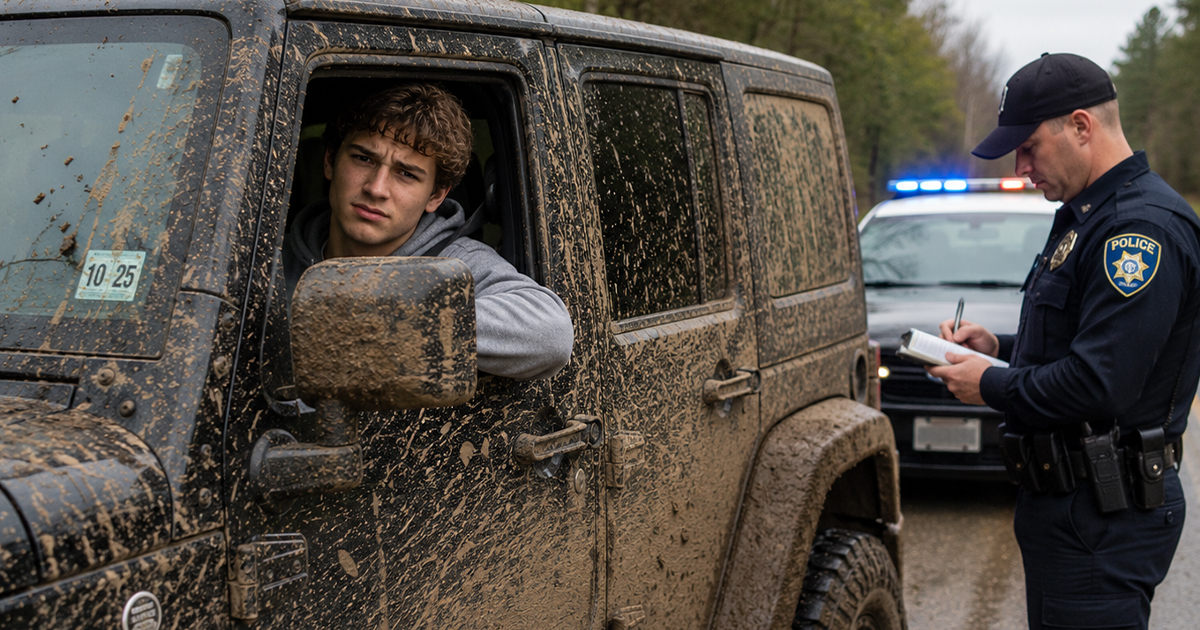
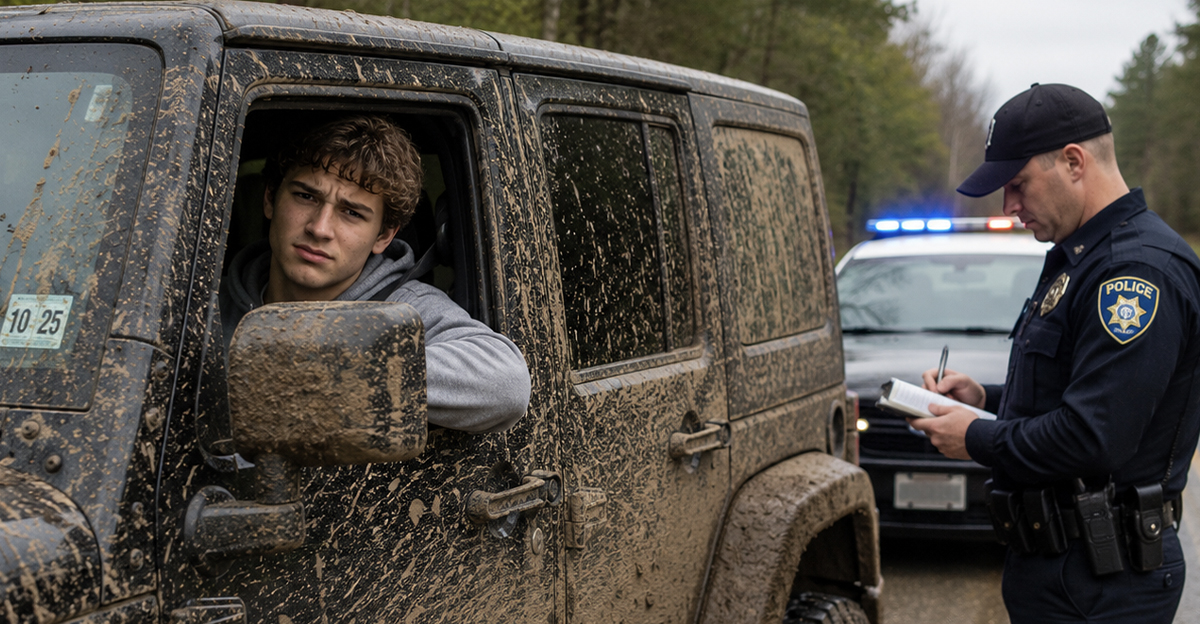
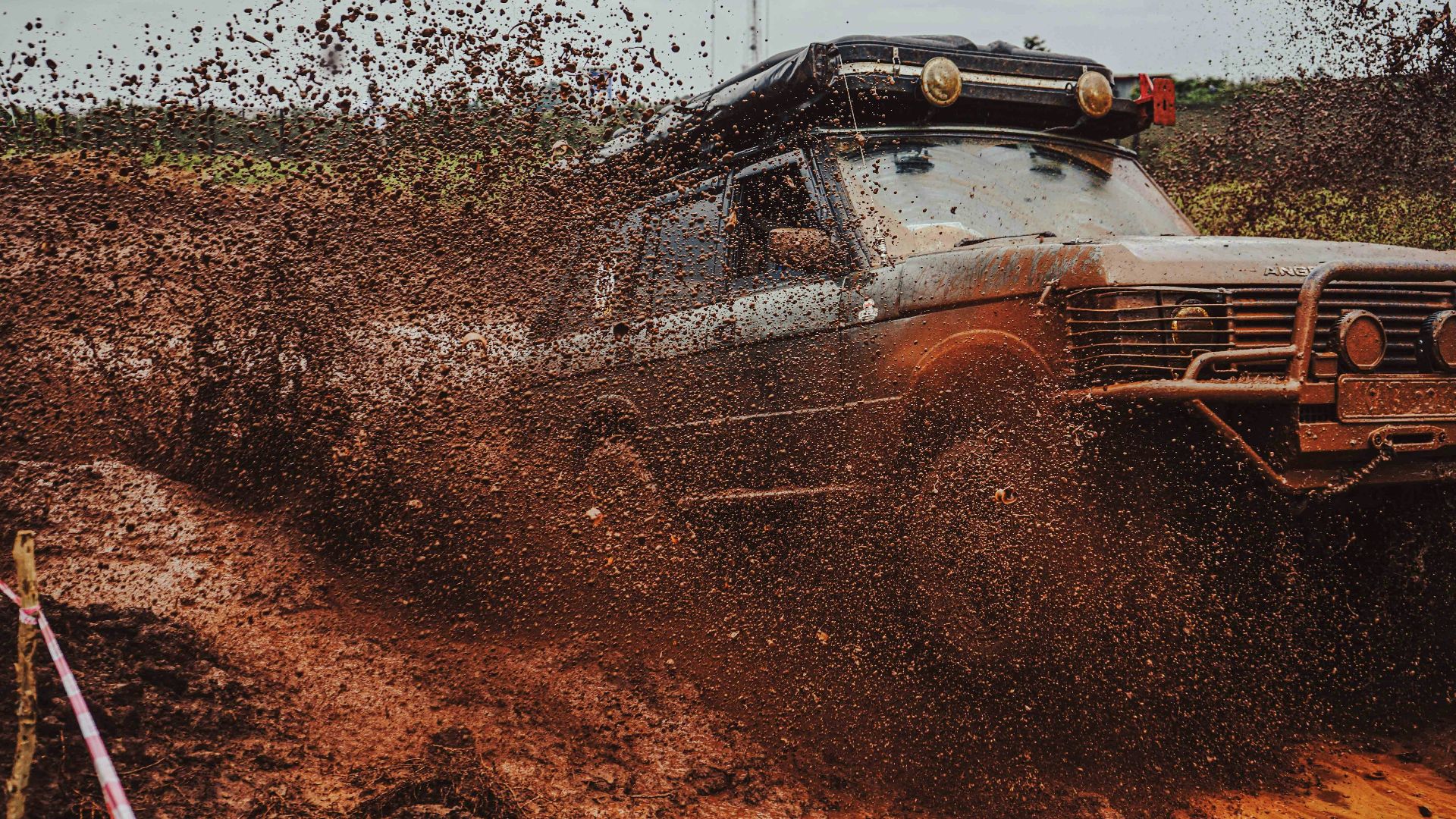
You hit the trails, had a great time, and your truck comes out looking like it wrestled a swamp—and won. But then you get pulled over and told your vehicle is “too muddy.” Since when is dirt illegal?
Why This Feels a Little Ridiculous
Let’s be real—trucks get dirty. That’s kind of the point. Whether it’s work, off-roading, or just bad weather, mud happens. So getting stopped for it feels like a stretch.

But Officers Aren’t Looking at the Dirt Itself
Here’s the key: it’s usually not about the mud—it’s about what the mud is doing. And that’s where things can turn into a real issue.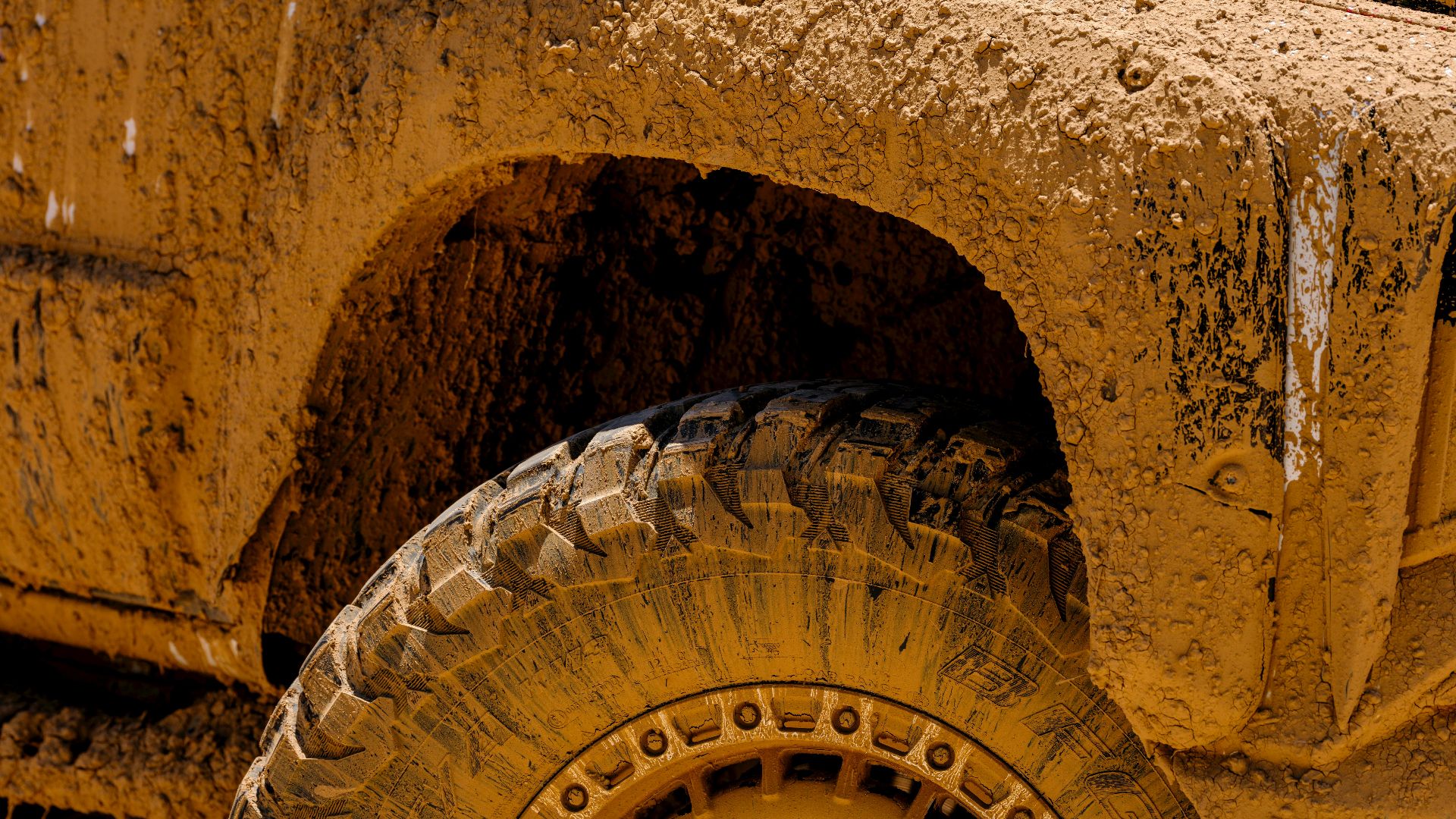 Engin Akyurt, Pexels
The Biggest Problem—Covered License Plates
If mud blocks your license plate, that’s one of the fastest ways to get pulled over. In most states, plates must be clearly visible and readable at all times.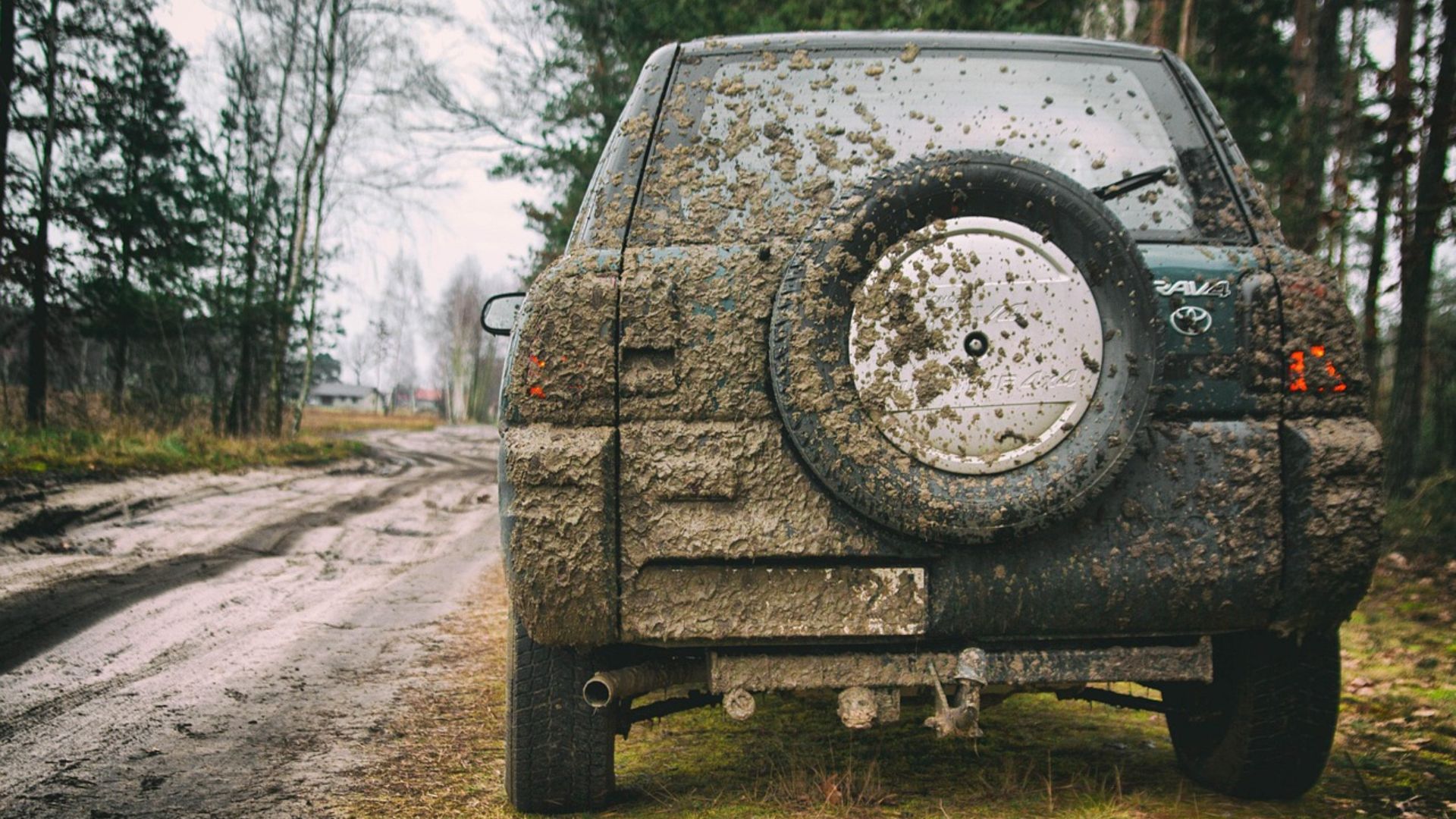 jwvein, Pixabay
What Happens If Your Plate Is Obscured?
That can lead to a ticket almost immediately. Fines typically range from about $50 to $200 depending on the state, and sometimes even higher if it’s considered intentional.
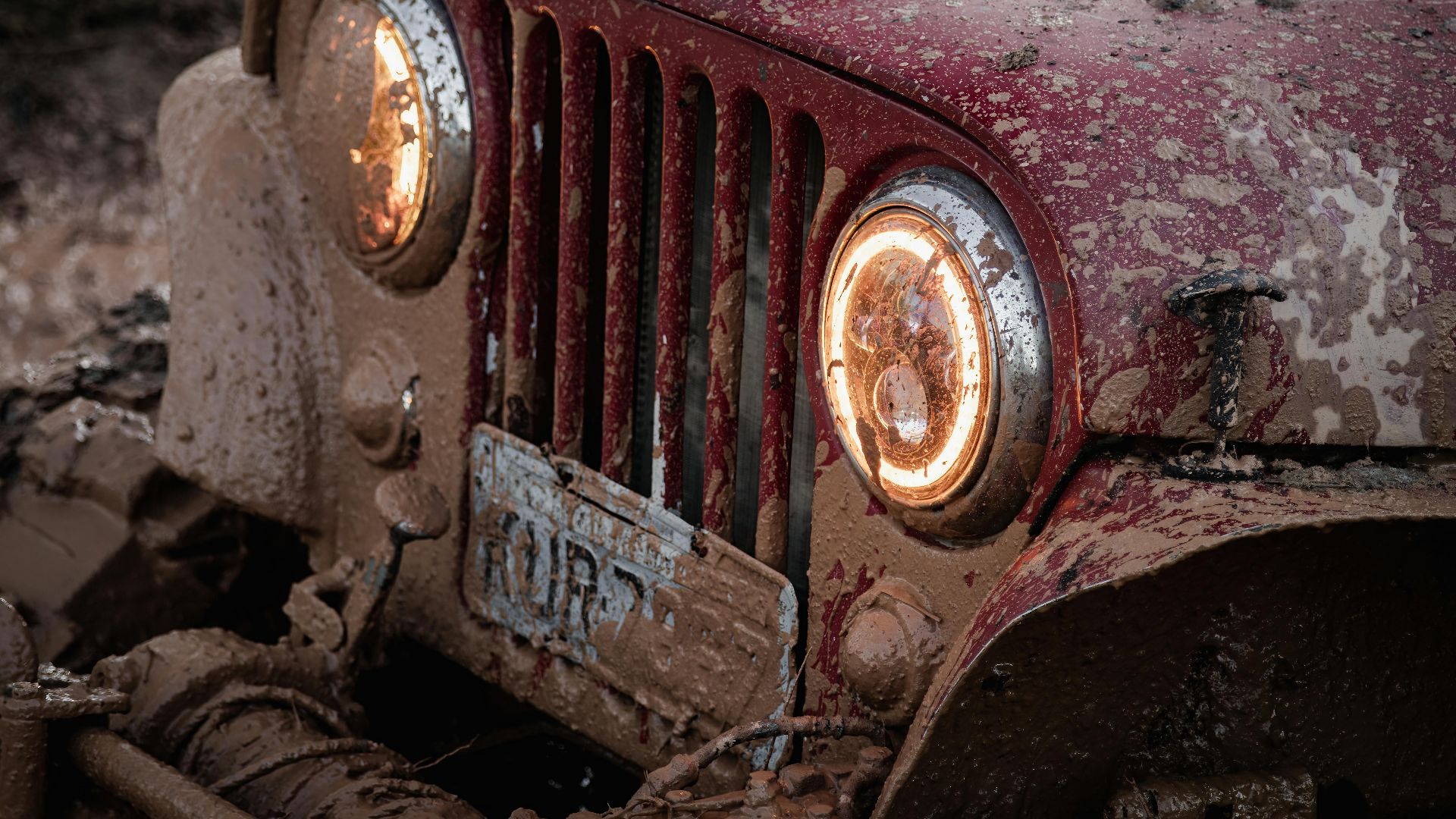
Lights Covered in Mud? That’s Another Issue
Headlights, brake lights, and turn signals need to be visible. If mud dulls or blocks them, it can be considered a safety violation.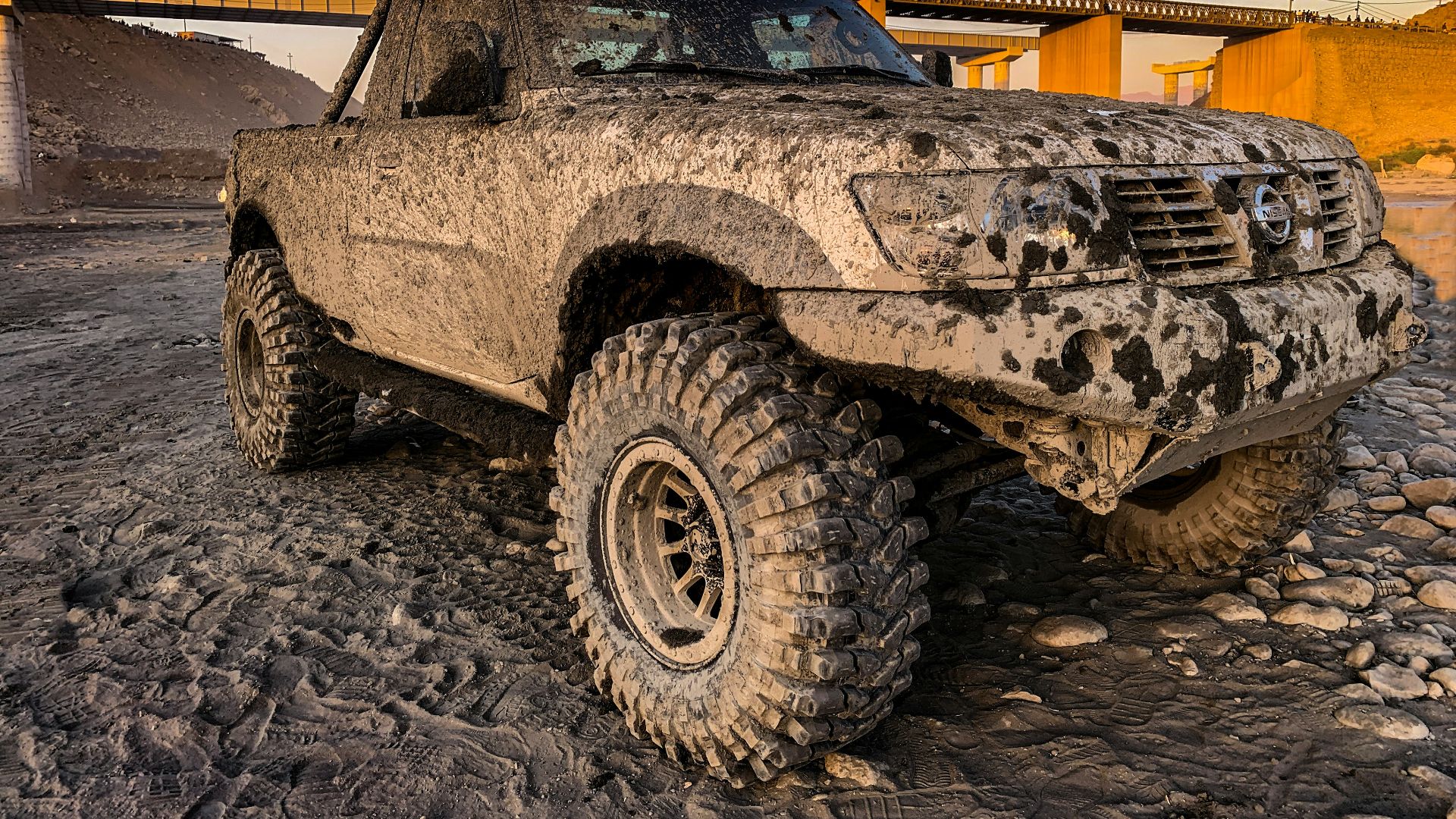 Haryad photography, Unsplash
Why Visibility Matters So Much
Other drivers rely on your signals and lights. If they can’t see when you’re braking or turning, that creates a real hazard—and that’s where enforcement kicks in.

Mud Falling Off Your Truck? That’s a Big One
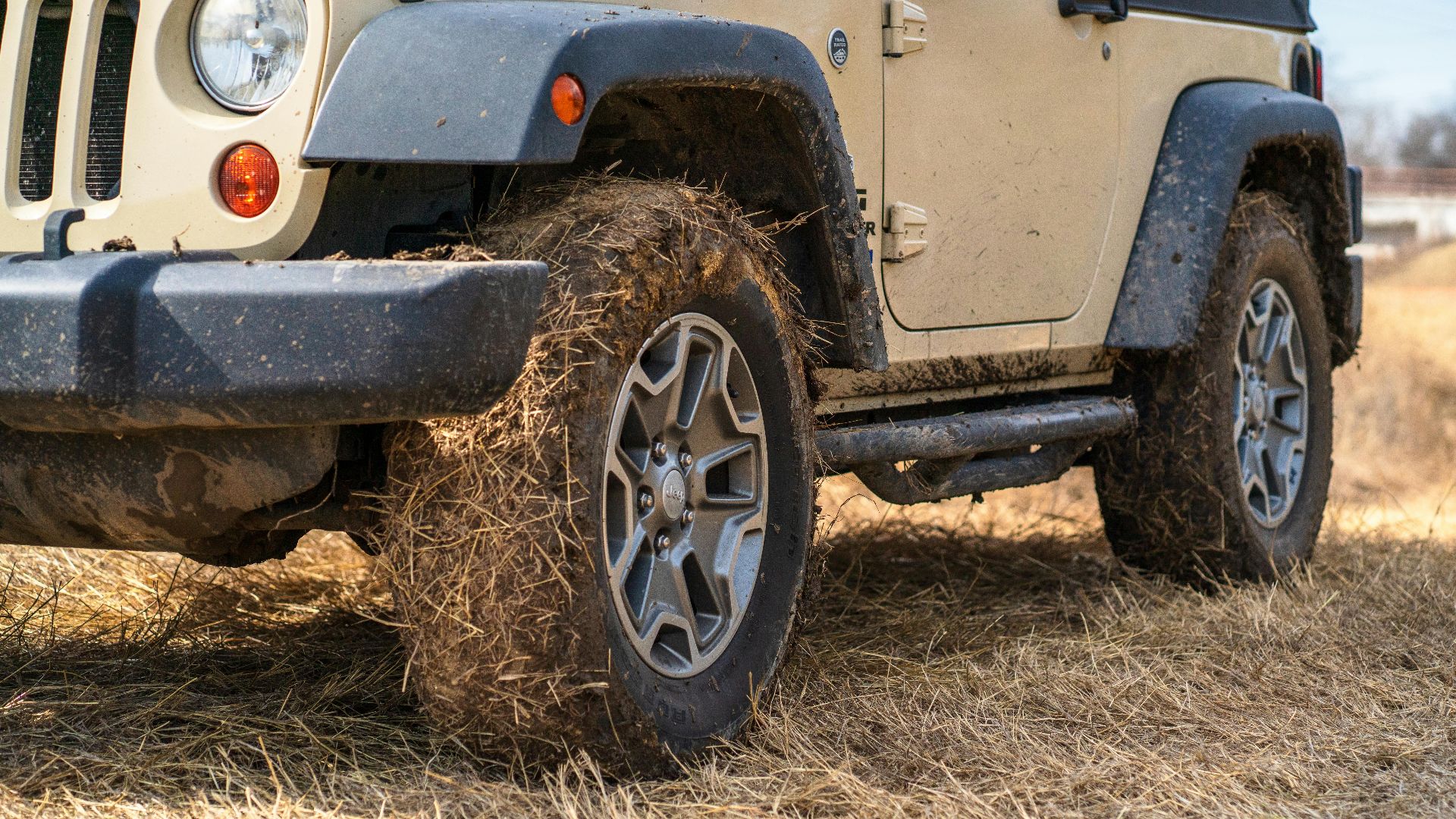
If chunks of mud are falling onto the road, you can actually be cited for debris or “unsecured load” violations—even if it’s just dirt.
 gabesdotphotos photographer, Pexels
How Expensive Can That Get?
Unsecured load or debris-related tickets can range from $100 to $500+, especially if it creates a hazard for other drivers.
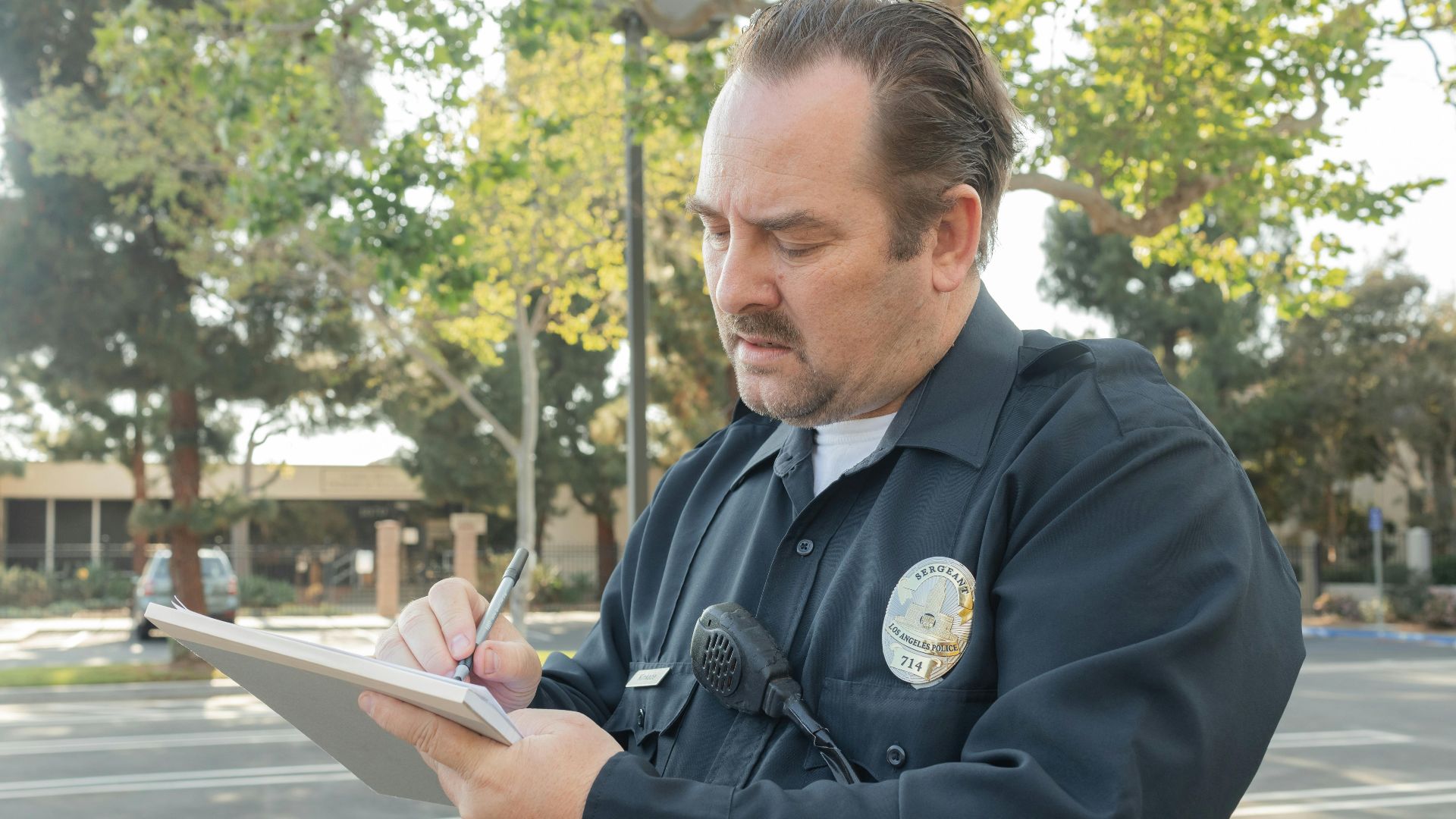
Could You Be Pulled Over Just for Being Dirty?
Not usually. A dirty truck alone isn’t illegal. But if it affects safety, visibility, or road conditions, that’s when it becomes a valid reason for a stop.
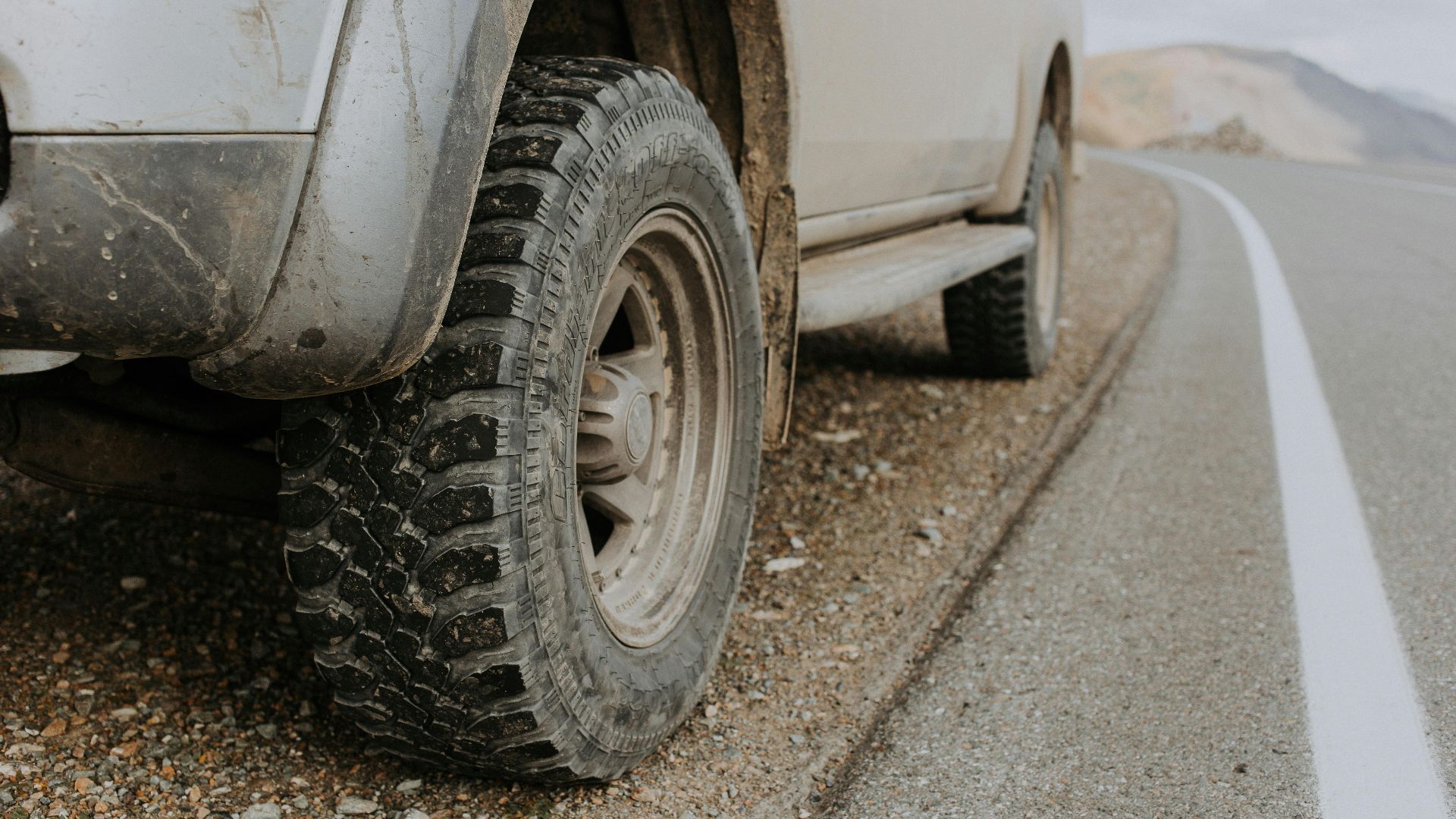
What About Windshields and Mirrors?
If mud splashes up and blocks your windshield or side mirrors, that’s another violation. Drivers are required to maintain clear visibility.
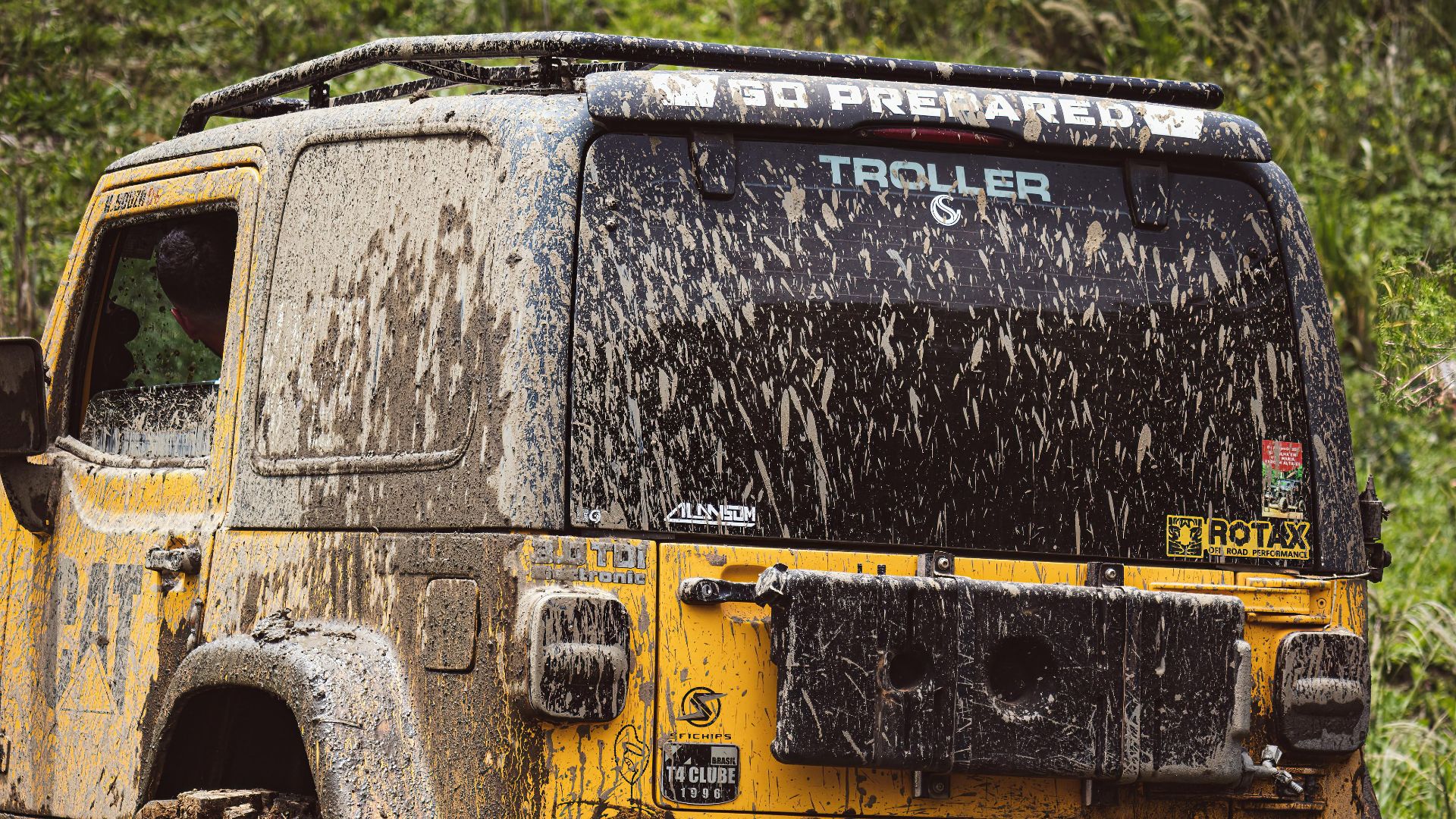
When This Becomes a Real Problem
Right after off-roading, during rainy seasons, or after driving through construction zones—those are the moments when mud buildup can cross the line.
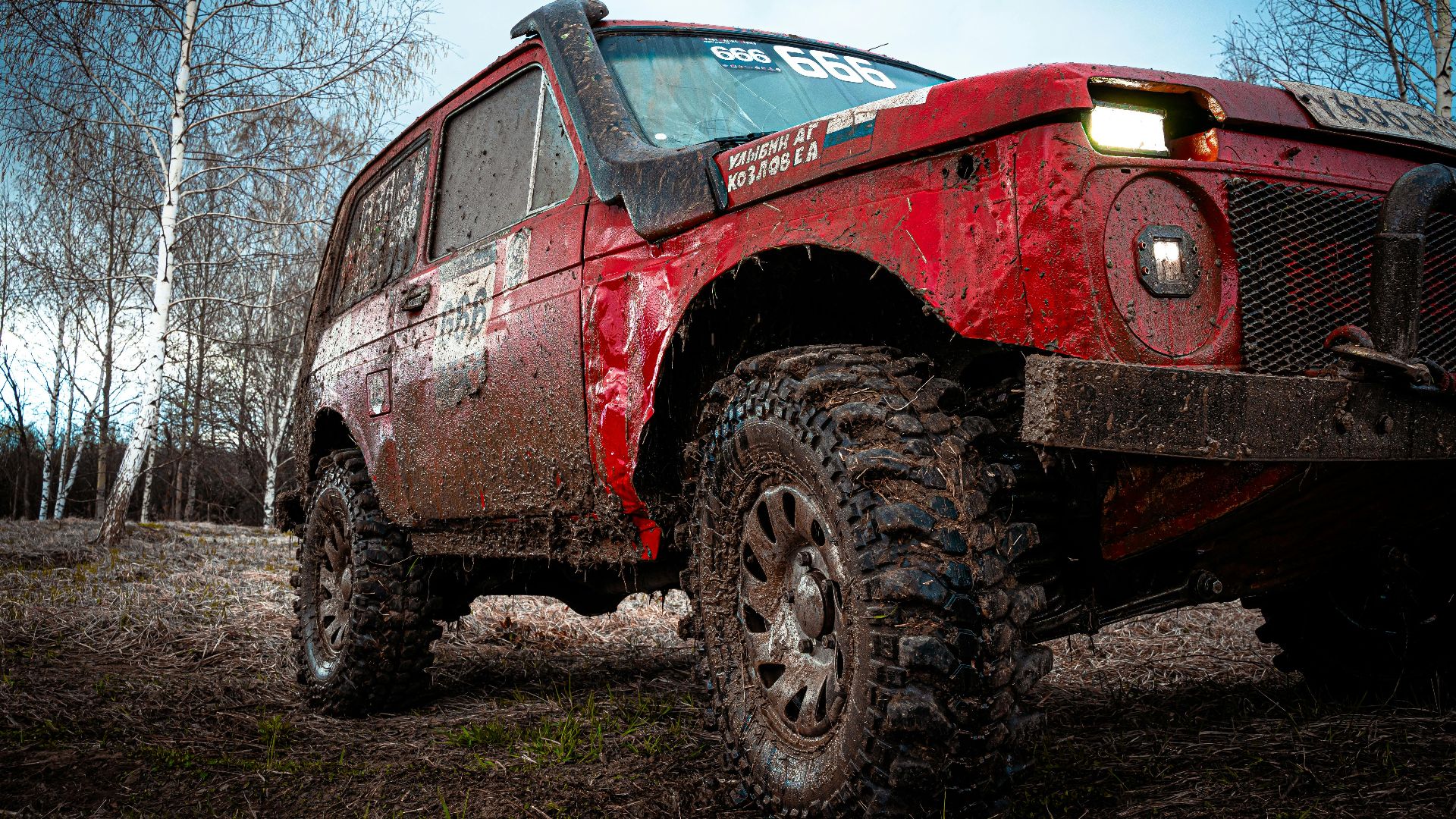
Why You Got a Warning Instead of a Ticket
Most likely, the officer saw a potential issue but not a severe one. Warnings are common if the problem can be fixed quickly—like rinsing off your plate or lights.

Could This Affect Your Insurance?
If you’re ticketed for something like unsafe equipment or debris, it could add points to your record—which can raise insurance rates over time.

Is This Enforced Everywhere the Same Way?
Not exactly. Some areas are stricter—especially rural or off-road-heavy regions where muddy vehicles are more common and more closely monitored.
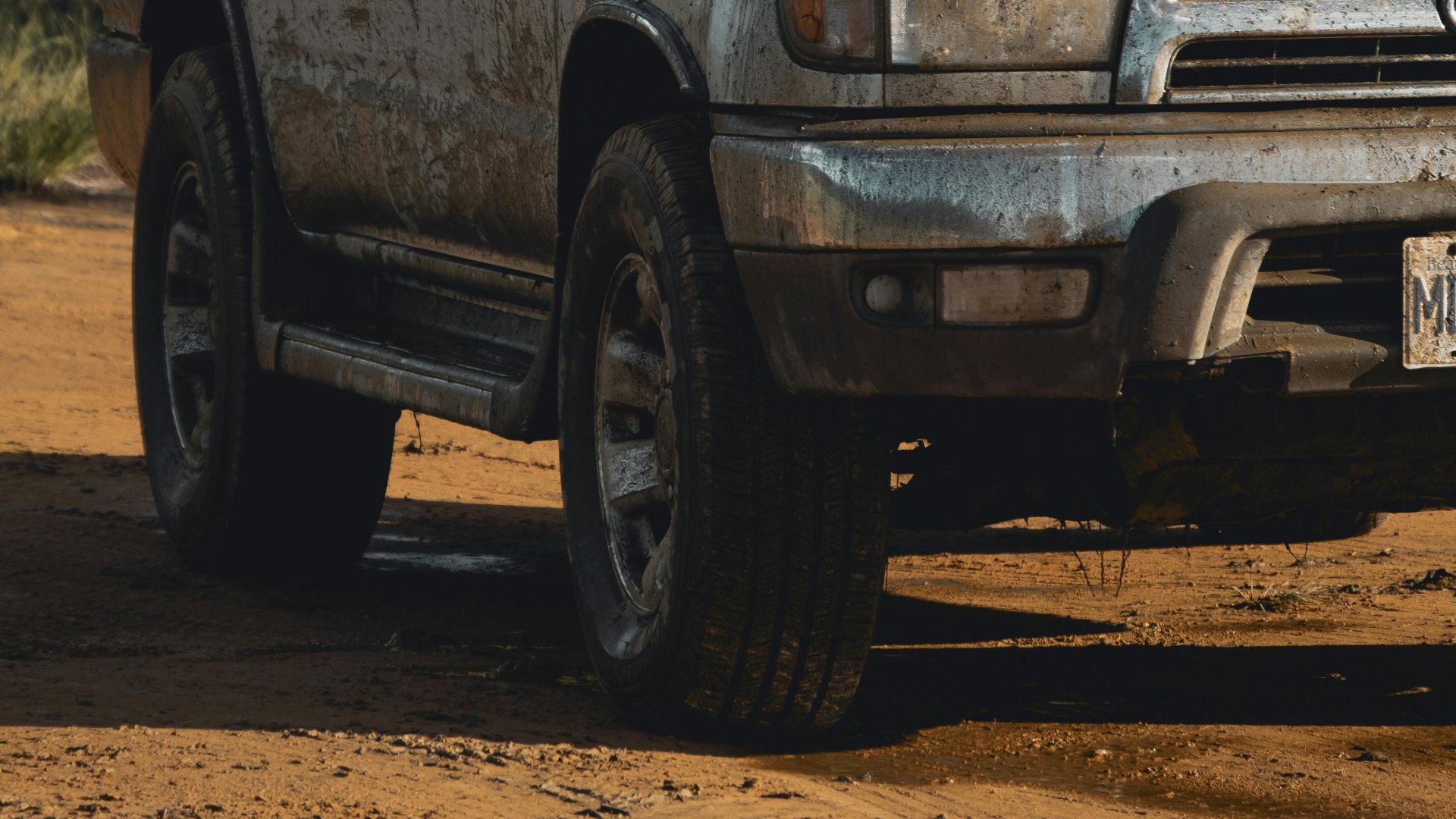
So… Is Dirt Actually Illegal?
No—but the effects of it can be.
Mud itself isn’t against the law, but if it blocks important parts of your vehicle or creates a hazard, it becomes a legal issue.
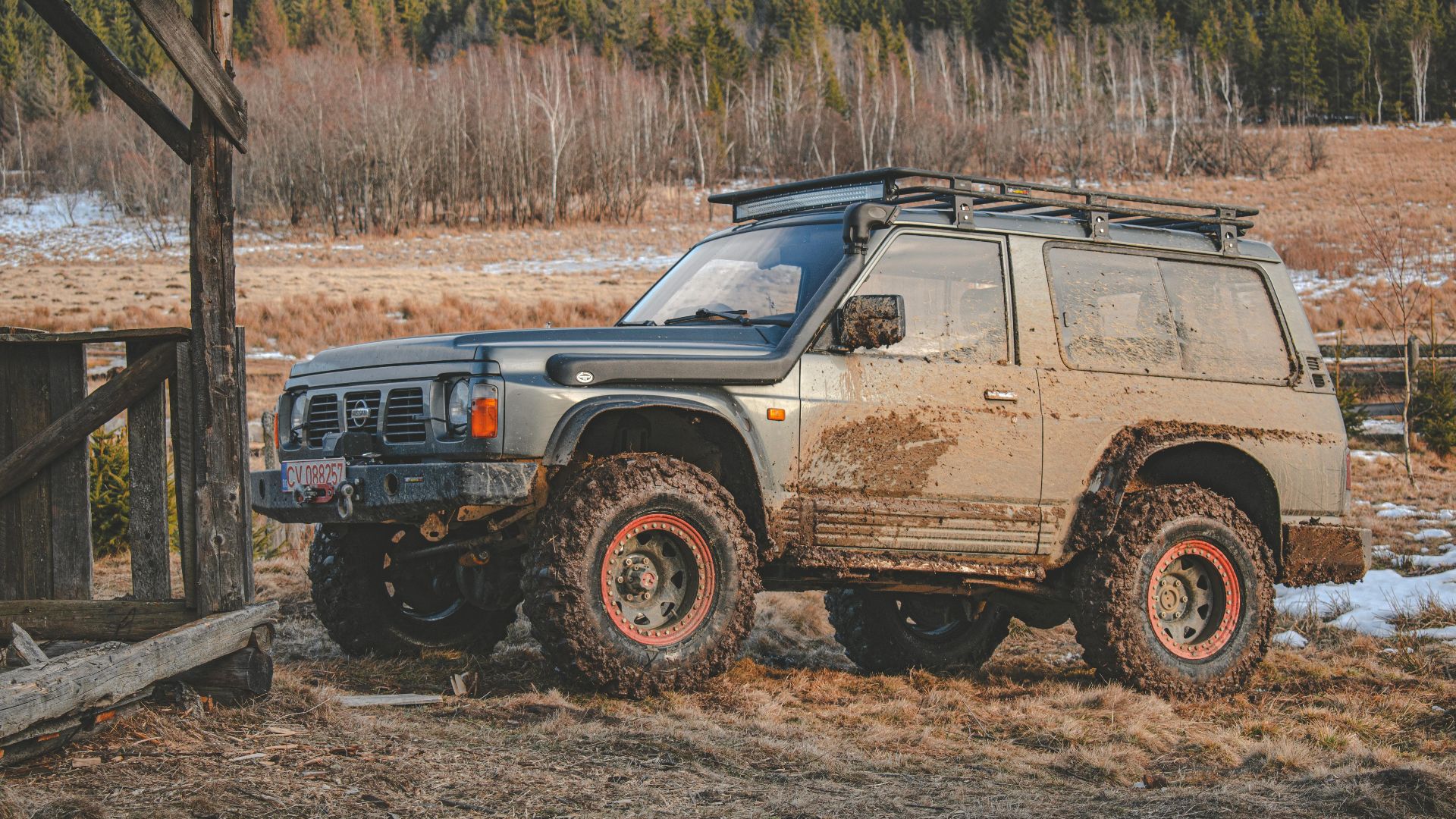
The Smart Move Before Hitting the Road
Give your truck a quick rinse—especially the license plate, lights, and windows. It doesn’t have to be spotless, just functional and visible.
The Bottom Line for Muddy Rides
You’re not getting ticketed for having fun—you’re getting ticketed for safety risks. That’s the difference.
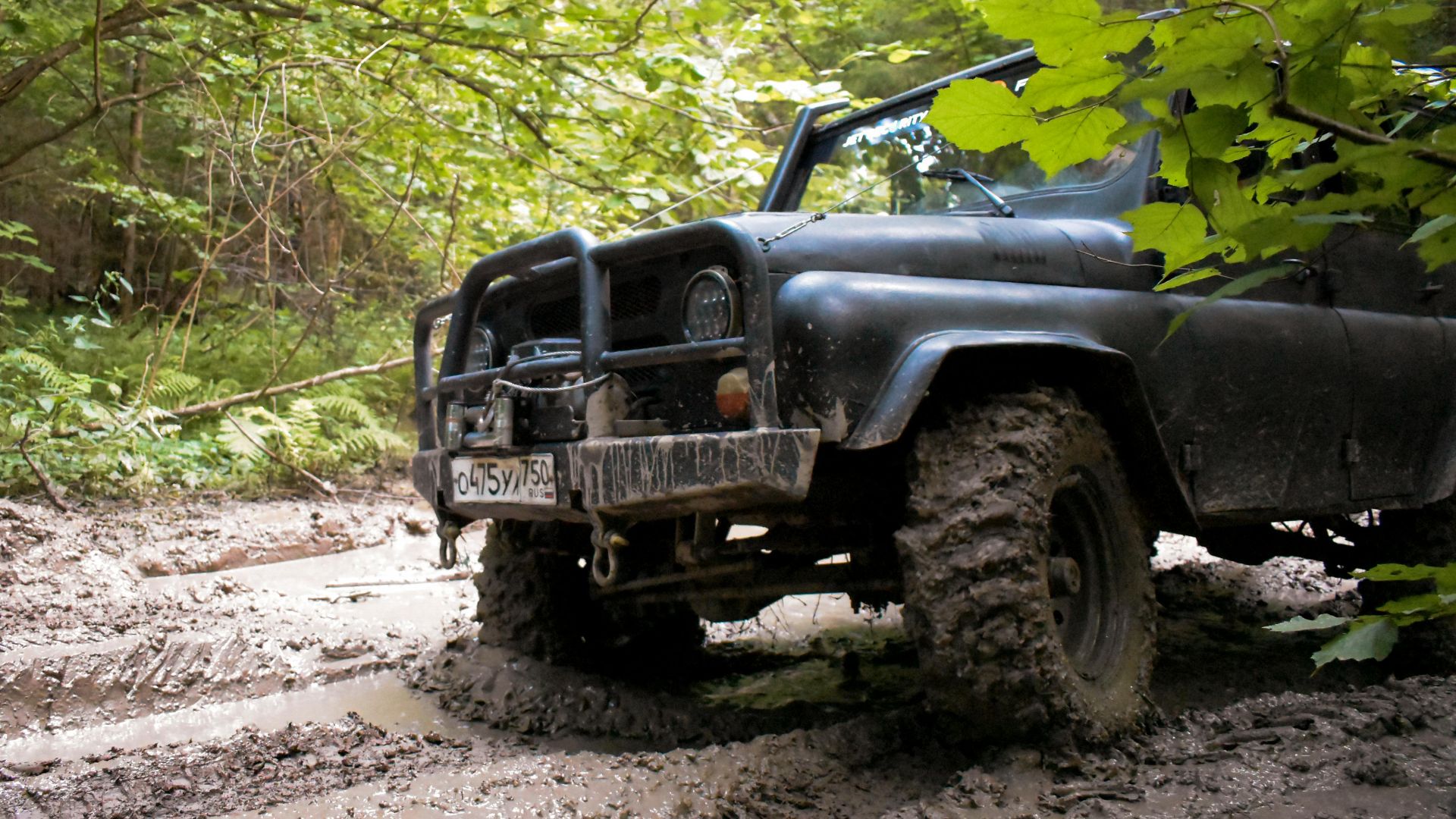
One Last Thought Before Your Next Drive
Next time you look at your mud-covered truck, ask yourself—can people still see what they need to see? Because that’s what really determines whether you’re good to go… or getting pulled over.
You May Also Like: