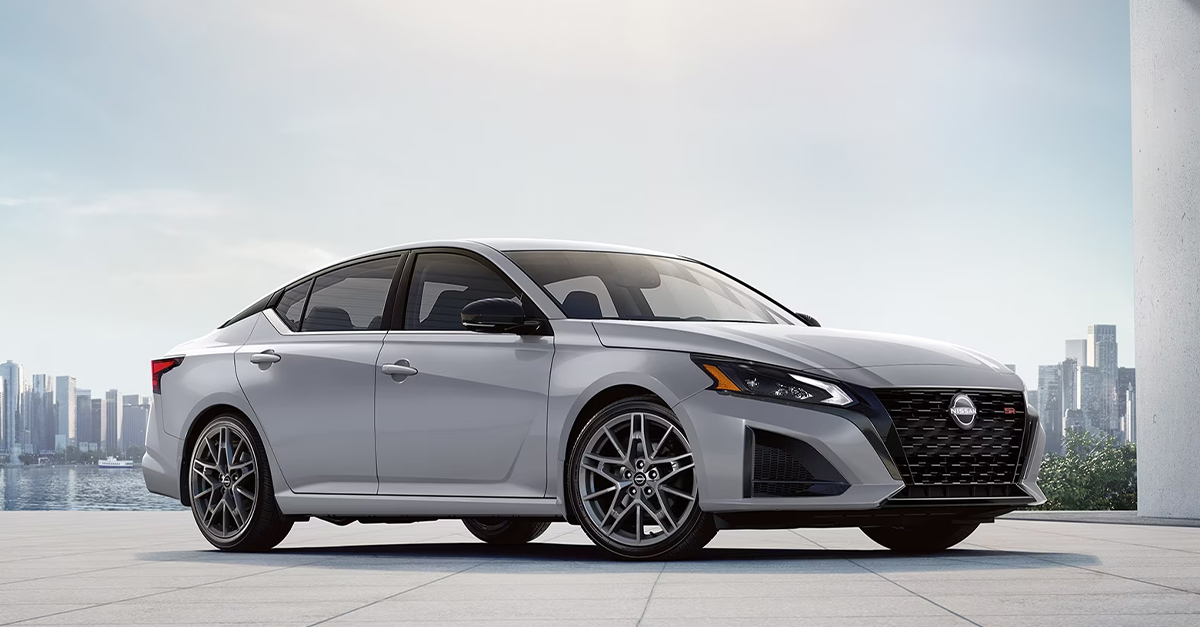
A First Car Purchase Takes A Sudden Turn
You found a used car, liked the condition, trusted the dealer, and imagined your daughter driving it for years. Then the check engine light came on, the car broke down, and the dealership suddenly stopped sounding so helpful. When you're told "there's nothing we can do" just days or even hours after a sale, it's natural to wonder whether that's really the law or just a convenient excuse.

A Common Consumer Question
Many buyers assume a dealership must fix a vehicle that fails immediately after purchase. That sounds reasonable, especially when the breakdown happens almost instantly. However, the legal answer depends on several important factors.

The First Question Is Whether The Car Was Sold "As Is"
The phrase "as is" carries enormous legal significance in used-car sales. In many states, an as-is sale means the dealer is not promising to repair problems that arise after the purchase. If the paperwork clearly disclosed an as-is sale, the buyer's options may be more limited.

What The FTC Requires Dealers To Disclose
Federal law requires most used-car dealers to display a Buyers Guide on vehicles offered for sale. That document must state whether the vehicle is being sold with a warranty or as is. The Buyers Guide is designed to help consumers understand their rights before signing a contract.
The Buyers Guide Matters More Than Many People Realize
The Buyers Guide is not just a window sticker. It contains legally important information about warranty coverage and repair obligations. Buyers should always keep a copy because it can become critical evidence if a dispute develops later.

An As-Is Sale Does Not Always End The Story
Many consumers hear "as is" and assume they have no rights whatsoever. That is not always true. State laws, implied warranties, and fraud protections can sometimes provide remedies even when a vehicle was sold as is.

What Are Implied Warranties?
An implied warranty is a legal protection that may arise automatically under state law. It generally means a product should perform in a basic and reasonable manner. Some states limit or modify these protections for used vehicles, while others preserve certain consumer rights.

State Laws Can Change Everything
Used-car laws vary significantly from one state to another. Some states restrict or prohibit certain as-is sales. Others allow broader disclaimers by dealers. The location where the vehicle was purchased can have a major impact on the outcome.

The Timing Of The Breakdown Matters
A breakdown six months after purchase raises different questions than a breakdown on the drive home. When a vehicle fails almost immediately, consumers naturally wonder whether the defect existed before the sale. That timing can become important if a dispute reaches regulators or a court.

Misrepresentation Is A Different Issue
Even when a vehicle is sold as is, a dealer generally cannot make false statements about the car. If a salesperson knowingly misrepresented the vehicle's condition, the buyer may have legal claims. Fraud and misrepresentation are separate issues from warranty coverage.

Verbal Promises Can Be Difficult To Enforce
Buyers often remember reassuring statements from salespeople. Unfortunately, verbal promises can be hard to prove later. That is why experts recommend getting every promise in writing before completing the purchase.

The Sales Contract Deserves A Careful Review
The purchase agreement may contain important details about warranties, disclosures, and dispute procedures. Buyers should carefully review every page. A single clause can sometimes determine whether a dealer must provide assistance.

Did The Dealer Offer Any Warranty?
Some used vehicles are sold with limited warranties. Others may still carry portions of a manufacturer's original warranty. If any warranty existed at the time of sale, the dealer may have repair obligations depending on the terms.

Service Contracts Are Different From Warranties
Many buyers confuse service contracts with warranties. A service contract is typically purchased separately and may cover certain repairs for a specified period. Whether coverage applies depends on the contract language and the nature of the breakdown.

Documentation Becomes Critical
The moment a problem appears, buyers should begin collecting records. Repair estimates, tow receipts, diagnostic reports, and photographs can all be useful. Good documentation strengthens a consumer's position if a dispute develops.
 Centre for Ageing Better, Unsplash
Independent Inspections Can Help
A qualified mechanic may be able to identify whether a defect likely existed before the sale. An inspection report can provide valuable evidence. While it may not guarantee success, it often helps clarify what actually happened.

Lemon Laws Usually Have Limits
Many people immediately think of lemon laws, which are meant to help consumers who get stuck with defective vehicles or products. However, most state lemon laws primarily apply to new vehicles. A few states, including New York and New Jersey, have special protections for used cars, but coverage varies widely.

The Dealer May Still Choose To Help
Even when a dealer is not legally required to repair a vehicle, some choose to assist customers. Maintaining a good reputation has value. A polite but persistent approach can sometimes produce better results than an immediate confrontation.

Consumer Protection Agencies Can Get Involved
If negotiations fail, consumers may be able to file complaints with state regulators or consumer protection agencies. These organizations often investigate patterns of misconduct. They can sometimes encourage a resolution even when they cannot force one.

Do Not Ignore The Financing Side
If the vehicle was financed, the loan obligation generally remains even if the car develops problems. Buyers should continue communicating with the lender and avoid assuming the loan disappears because the vehicle broke down. Missing payments can create additional financial difficulties.

Online Reviews Are Not A Legal Remedy
Frustrated consumers often turn immediately to social media and review sites. While public reviews may encourage a response from a business, they do not replace formal legal or regulatory options. Documentation and official complaints usually carry more weight.

A Consultation May Be Worthwhile
When repair costs are substantial, speaking with a consumer protection attorney may make sense. Many attorneys can quickly evaluate whether the facts suggest fraud, warranty violations, or disclosure problems. An early consultation can help buyers understand their options.

Prevention Is Better Than A Legal Fight
The best protection starts before signing the contract. Buyers should obtain a vehicle history report, arrange a pre-purchase inspection, and carefully review the Buyers Guide. Spending a little money upfront can prevent a much larger loss later.

So Was The Dealer Right?
Possibly, but not automatically. If the vehicle was properly sold as is and no misrepresentations occurred, the dealer may have limited legal responsibility for repairs. However, immediate breakdowns, potential disclosure issues, state-specific laws, warranties, and evidence of misrepresentation can all change the legal picture.

The Bottom Line For Used-Car Buyers
A dealer's statement that "there is nothing we can do" is not always the final word. Consumers should review the paperwork, document the problem, and learn what protections apply in their state. Understanding the difference between an as-is sale and unlawful conduct can make all the difference.

You May Also Like: