
When Your Car Vanishes Overnight
One minute your car is in the driveway, the next it is gone like it joined a witness protection program. If you thought you were caught up on payments, a repossession can feel unfair, confusing, and way too fast. The answer depends on your loan, your state, and whether the lender made a mistake.

Repossession Can Happen Fast
Yes, in many places, a lender can move quickly once your loan is considered in default. That can mean no friendly warning call, no dramatic countdown, and no court hearing first. It sounds harsh, but auto loans are secured loans, meaning the car itself is collateral for the money you borrowed.

Default Is The Magic Word
The key word is “default.” Your contract explains what counts as default, and it may not only mean missing a full payment. It could include being late, missing insurance coverage, bouncing a payment, or violating another loan term. That tiny contract language can have very large tow-truck energy.

Being “Caught Up” Can Be Complicated
You may believe you are caught up because you paid what you thought was due. But the lender’s system might show late fees, returned-payment fees, insurance charges, or a partial payment still hanging around. Sometimes a few dollars, a timing issue, or a payment posting error can create a surprisingly messy account.

Payments Do Not Always Apply How You Expect
Here is where things get sneaky. A payment may be applied first to fees, then interest, then principal, depending on your contract and lender policies. So you might send a normal payment, but the account still shows past due because earlier fees ate part of it like a vending machine stealing your last dollar.

Grace Periods Are Not Always Protection
A grace period may save you from a late fee, but it does not always save you from default. Many borrowers assume “I have ten extra days” means “nothing bad can happen.” Not necessarily. The exact wording in your contract matters, and some lenders are much less forgiving than your calendar app.

The Repo Team Does Not Need Your Keys
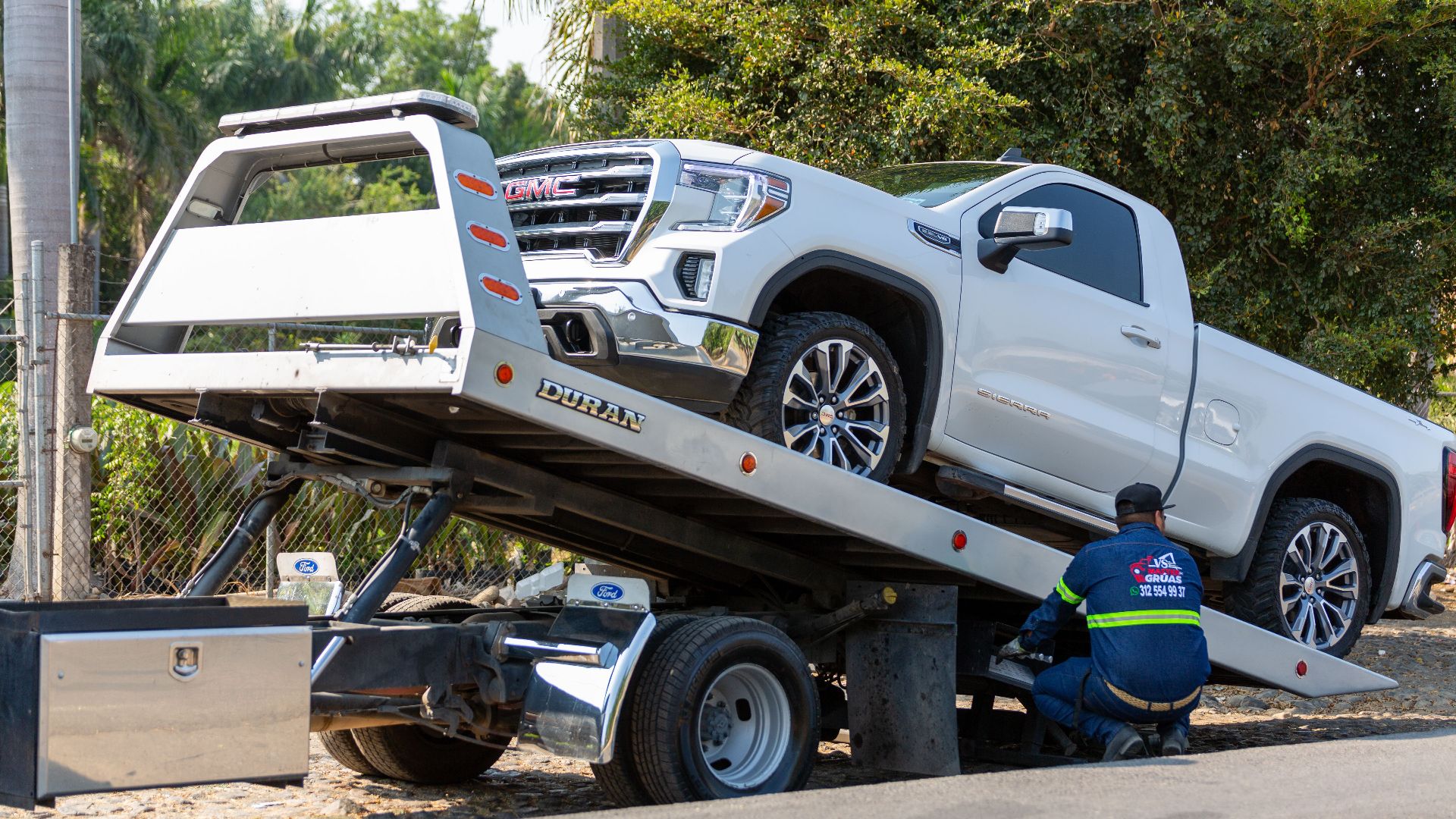
Repossession agents are often allowed to take the vehicle from a driveway, parking lot, workplace, or public street. They usually do not need your keys if they can tow it. What they cannot do is break into a locked garage, use threats, or cause a scene that crosses legal lines.
They Cannot Breach The Peace
“Breach the peace” is the big limit. A repo agent generally cannot use force, threaten you, damage property, or keep going if a confrontation becomes dangerous. If the repossession involved shouting, pushing, breaking locks, or intimidation, write down every detail immediately and consider contacting a consumer attorney.

Some States Require More Notice
Repossession rules are not one-size-fits-all. Some states require lenders to send notices before repossession or give borrowers a chance to fix the default. Others allow repossession shortly after default. That is why two people with the same loan problem can have very different rights depending on where they live.

The Contract Is Your First Clue
Before assuming the lender was right or wrong, read the loan or lease agreement. Look for sections called “default,” “repossession,” “late payments,” “insurance,” and “right to cure.” This is not fun beach reading, but it can explain why the lender thought it had the right to take the car.

Ask For A Payment History
Do not rely on memory alone. Ask the lender for a full payment history, including dates, amounts, fees, reversals, and how each payment was applied. You want the paper trail. If the lender says you were behind, make them show the math, not just the tow receipt.

Check For Returned Payments
A payment may have looked successful in your banking app, then later bounced, reversed, or failed because of a processing problem. That can create a surprise default. Look closely at your bank statements and lender portal. A “pending” payment is not always the same as a completed payment.

Insurance Problems Can Trigger Trouble
Some auto loans require continuous full coverage insurance. If the lender thinks your policy lapsed, it may add expensive force-placed insurance or treat the account as in default. Even if you paid on time, an insurance mix-up can make the lender’s system start flashing red lights.

Call The Lender Immediately
The first call should be calm, direct, and documented. Ask why the vehicle was repossessed, what amount they claim is owed, where the car is, how to recover personal belongings, and whether reinstatement is available. Take notes with names, dates, times, and exact numbers.

Ask About Reinstatement
Reinstatement means paying the past-due amount, fees, and repo costs to get the loan back on track. Some states require lenders to offer it, while others do not. Some contracts allow it anyway. If you want the car back, ask quickly because the clock may already be ticking.

Redemption Is The Bigger Hammer
Redemption usually means paying the full remaining loan balance plus costs before the car is sold. That is a much bigger number than reinstatement, so it is not realistic for everyone. Still, it is worth knowing the option exists, especially if the car is valuable or essential.

Do Not Ignore The Sale Notice
After repossession, lenders often sell the car at auction or through another sale process. You may receive a notice explaining when and how the vehicle will be sold. Read it immediately. Once the car is sold, getting it back becomes much harder, and a new money problem may appear.

Meet The Deficiency Balance
If the car sells for less than what you owe, the lender may try to collect the difference. That leftover amount is called a deficiency balance. So yes, losing the car does not always erase the debt. It can feel like paying for a pizza after someone already ate it.

Personal Belongings Are Still Yours
Your gym bag, child seat, tools, documents, sunglasses, and emergency snacks do not become lender property just because the car was repossessed. Ask where and how to pick up your personal items. If anyone demands an improper fee or refuses access, document it and seek advice.

Watch For Junk Fees
Repossession can bring towing fees, storage fees, late fees, auction fees, and other charges. Some may be allowed, but others may be questionable. Ask for an itemized list. A vague “repo charges” line is not enough. You deserve to know exactly what you are being asked to pay.

Mistakes Really Do Happen
Wrongful repossessions are not just urban legends whispered in dealership waiting rooms. Payments can be misapplied, accounts can be coded incorrectly, insurance records can be outdated, and repossession orders can be sent by mistake. If your records show you were current, push for an investigation and keep everything in writing.

Keep The Paper Trail Like Evidence
Save bank statements, confirmation numbers, emails, texts, letters, app screenshots, insurance declarations, and call notes. If this turns into a dispute, your best friend is not a dramatic speech. It is a boring folder full of receipts, dates, and proof that your side of the story adds up.

Dispute It In Writing
Phone calls are useful, but written disputes are stronger. Send a clear letter or secure-message note explaining why you believe the repossession was wrong. Include copies of proof, not originals. Ask for correction, return of the vehicle, fee reversal, and written confirmation of the account status.

Check Your Credit Report
A repossession can seriously damage your credit, especially if it is reported as a default. If the repossession was wrong or the balance is inaccurate, dispute the credit reporting with the credit bureaus and the lender. Keep copies of every dispute and response.
 Vodafone x Rankin everyone.connected, Pexels
Do Not Hide The Car Next Time
If you are behind or worried about default, hiding the vehicle is usually a bad plan. It may increase costs and make negotiations harder. A better move is to call early, ask about deferment, hardship plans, refinancing, selling the car, or voluntary surrender before the tow truck joins the story.

Get Local Help Quickly
Because repossession law depends heavily on state rules, local help matters. A consumer-law attorney, legal aid office, state attorney general’s consumer division, or financial counselor may help you understand your options. If the lender broke the rules, acted too soon, or reported false information, you may have remedies.

The Bottom Line
Can they take your car that quickly? Sometimes, yes. Can they take it when you were actually caught up? They should not, but mistakes and disputes happen. Move fast, gather proof, ask for the account history, know your state rules, and do not assume the lender’s computer is automatically right.
You May Also Like: