The Tactics Of Persuasion
Buying a vehicle is one of the largest purchases most people make, and dealerships have spent decades refining sales techniques designed to maximize profits. Many tactics are perfectly legal, while others have attracted regulatory scrutiny. Understanding how these methods work can help you make better decisions and avoid costly surprises.
The Low Monthly Payment Focus
Many buyers walk into a dealership focused on monthly payments rather than the total vehicle price. Salespeople often steer discussions toward payment amounts because extending a loan term can lower monthly costs while dramatically increasing the total amount paid over the life of the loan.

The Four-Square Worksheet
The four-square worksheet has been a dealership staple for decades. It divides negotiations into four categories: vehicle price, trade-in value, down payment, and monthly payment. By moving numbers among the boxes, salespeople can make a deal appear favorable while obscuring the actual cost of the transaction.

The Long Wait Strategy
Some dealerships intentionally create delays during negotiations. Salespeople repeatedly leave to "talk to the manager" before returning with revised offers. The process can last hours, increasing customer fatigue and making buyers more likely to accept terms simply to complete the purchase and leave.

Franchise Vs Independent Dealerships
Franchise dealerships are authorized by manufacturers to sell new vehicles and often maintain manufacturer-backed service departments. Independent used-car dealerships generally focus on pre-owned inventory and may offer greater pricing flexibility, but they typically lack direct manufacturer support, factory warranties, and certified pre-owned programs.

Advertising A Vehicle That's Already Sold
One of the oldest dealership complaints involves advertising an attractive vehicle at a very low price only for customers to discover it has already been sold. Regulators often refer to this as a bait-and-switch tactic when dealers use unavailable vehicles primarily to attract buyers.

The Add-On Product Pitch
After agreeing on a price, many buyers encounter a second round of sales efforts in the finance office. Extended warranties, paint protection, wheel insurance, theft recovery systems, and maintenance plans can add thousands of dollars to the final purchase price.

Gap Insurance Pressure
Guaranteed Asset Protection, or GAP insurance, can be useful in certain situations, especially for buyers with small down payments. However, dealerships often sell GAP coverage at prices significantly higher than those available through many insurance companies and lenders.
The Trade-In Undervaluation Tactic
Some dealerships compensate for a discounted vehicle price by offering less than market value for a trade-in. Because customers frequently focus on only one side of the transaction, they may overlook how much money they are effectively losing on their old vehicle.

The "Someone Else Wants This Car" Claim
Salespeople sometimes tell customers another buyer is interested in the same vehicle or that the car may not be available tomorrow. While this may occasionally be true, the tactic is designed to create urgency and discourage buyers from taking time to compare alternatives.
The Spot Delivery Or Yo-Yo Sale
In a spot delivery, customers take possession of a vehicle before financing is fully finalized. If financing later falls through, the dealership may ask the buyer to return and sign a new contract with less favorable terms. Consumer advocates often refer to this practice as yo-yo financing.

The Credit Score Assumption
Dealers frequently ask buyers what monthly payment they can afford before discussing financing terms. Customers who do not know their credit standing may find it harder to evaluate whether offered interest rates are competitive compared with rates available elsewhere.

Documentation Fees
Documentation fees, often called doc fees, are common dealership charges intended to cover paperwork processing. While some states regulate these fees, others do not. The amount can range from under $100 to more than $1,000 depending on location and dealership practices.

The Vehicle Preparation Charge
Some buyers discover additional fees labeled as vehicle preparation, dealer preparation, or reconditioning costs. Critics argue that many of these expenses are simply part of the dealer's normal cost of doing business and should already be reflected in the vehicle's advertised price.

Add-Ons With Little Or No Value
Federal regulators have repeatedly targeted dealerships that charged consumers for products providing little or no benefit. Examples cited by the FTC have included duplicative warranties and service plans that did not meaningfully improve the ownership experience.

The Payment Packing Technique
Payment packing occurs when optional products are quietly included in a monthly payment quote without clearly identifying them. Customers may believe they are discussing only the vehicle loan when, in reality, several additional products have already been bundled into the payment.

The Extended Loan Term Solution
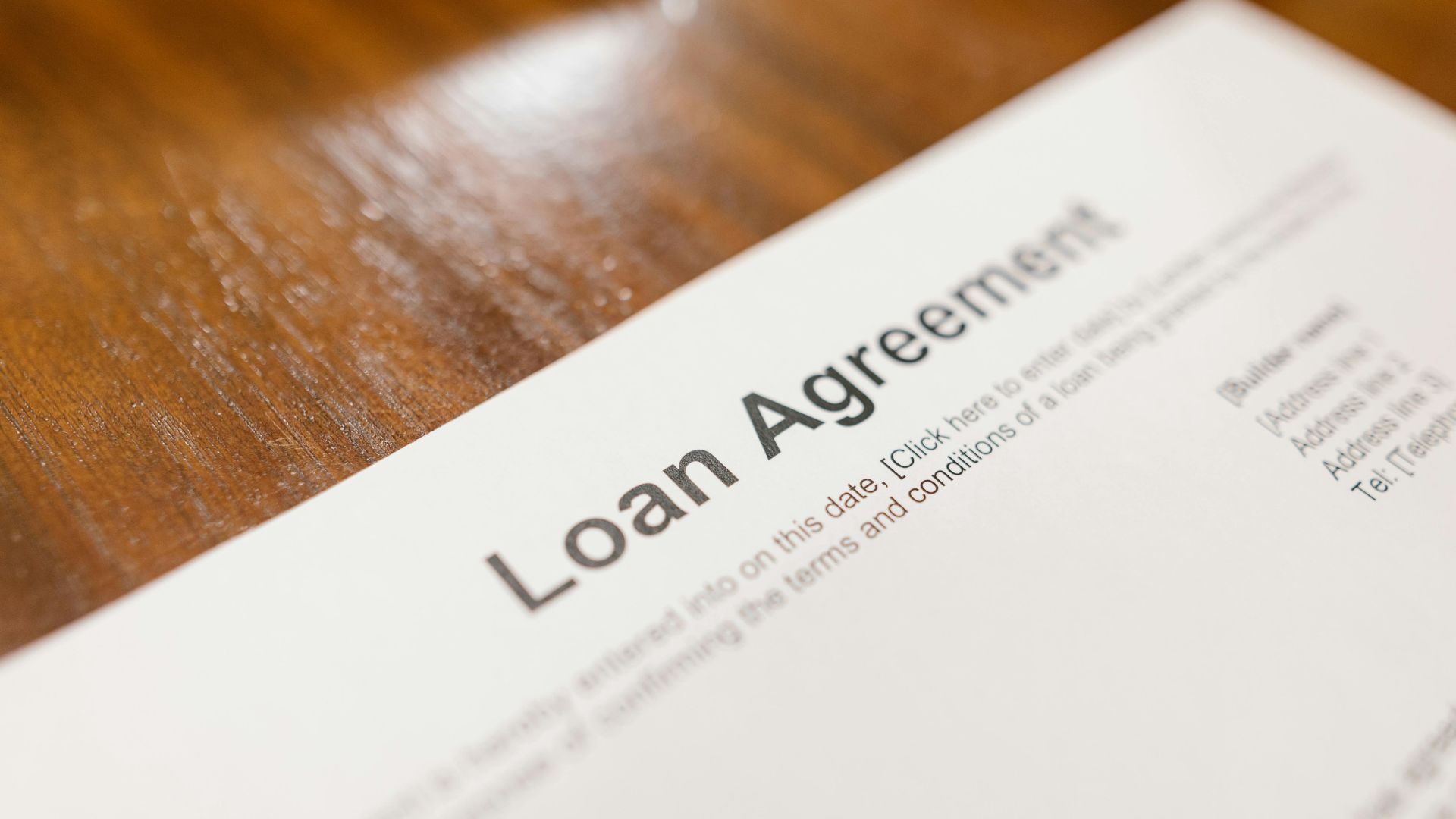
When a customer objects to a high monthly payment, dealers may respond by extending the loan term to 72, 84, or even 96 months. While this reduces the monthly obligation, it often increases total interest costs and prolongs negative equity risks.
The Limited-Time Incentive Claim
Manufacturers do occasionally offer incentives with expiration dates, but dealerships may also emphasize urgency to encourage quick decisions. Buyers should independently verify rebate deadlines and promotional details rather than relying solely on verbal descriptions from sales staff.

The Finance Office Upsell
Many dealerships earn substantial profits in the finance and insurance department. Customers who have already spent hours negotiating a vehicle purchase may be more receptive to additional products, making the finance office one of the most profitable parts of the dealership operation.

The "Everyone Buys This" Approach
Salespeople sometimes suggest that nearly all customers purchase a particular warranty, protection package, or service contract. The tactic leverages social proof and can make buyers feel uncomfortable declining products they may not actually need.

Knowledge Remains The Best Defense
Most dealership employees are not attempting to deceive customers, but dealerships are businesses that aim to maximize profit. Understanding common sales tactics, comparing financing offers, researching vehicle values, and reviewing contracts carefully remain the most effective ways to protect yourself during a purchase.

You May Also Like: