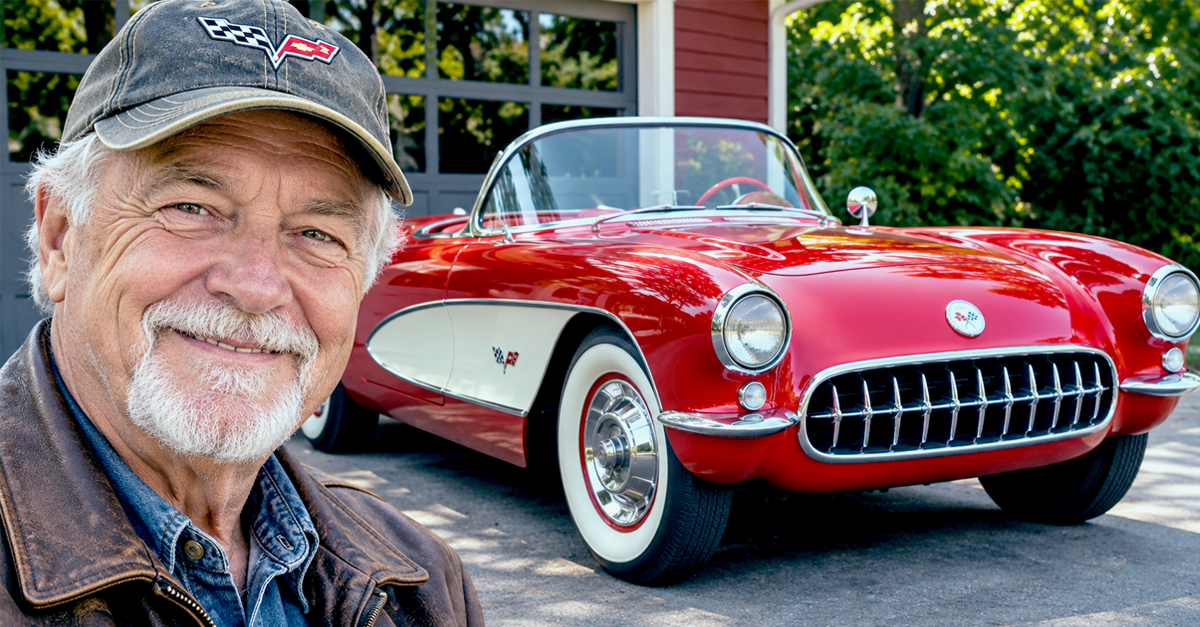
The 1957 Chevrolet Corvette offered something no previous production Corvette had: factory Rochester fuel injection. It was an extra-cost engine choice, not standard equipment. Behind that option was an ambitious engineering effort, a racing program, and a new 283-cubic-inch V8.
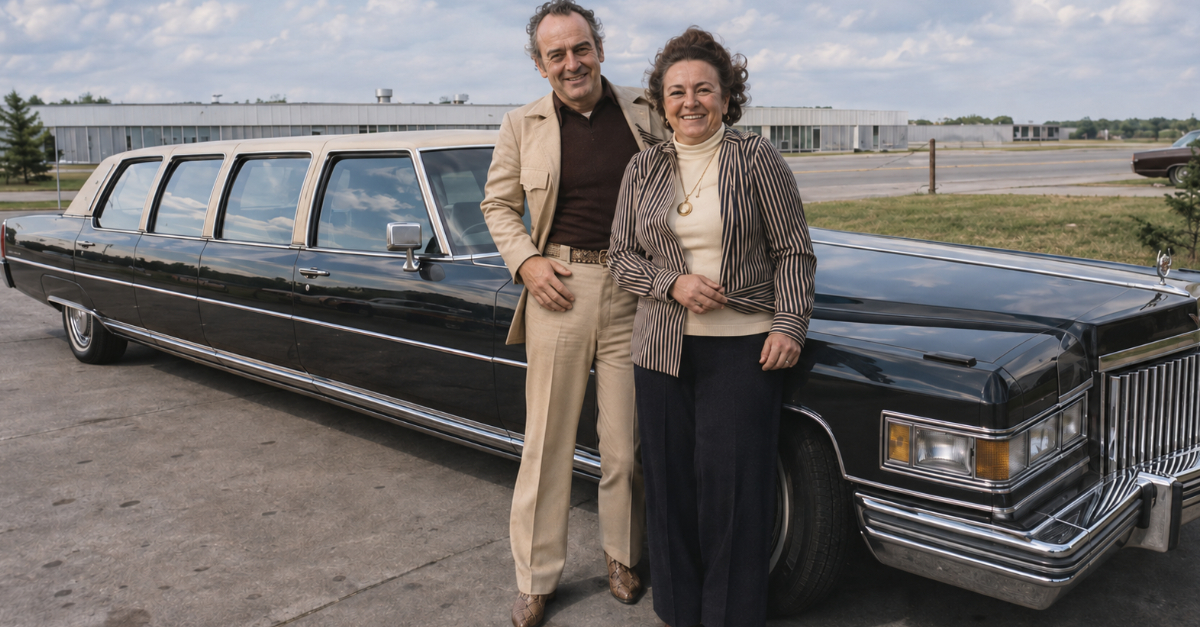
These cars all measured more than 19 feet long (and just for comparison: today's sedans generally clock in around 15 to 17 feet).
So, we’re talking at least 2 more feet of car here. Do you remember any of these land yachts?
Discover fascinating secrets from the golden age of American muscle cars, including rare factory options, legendary engines, clever engineering tricks, racing innovations, and surprising facts only true gearheads might know.
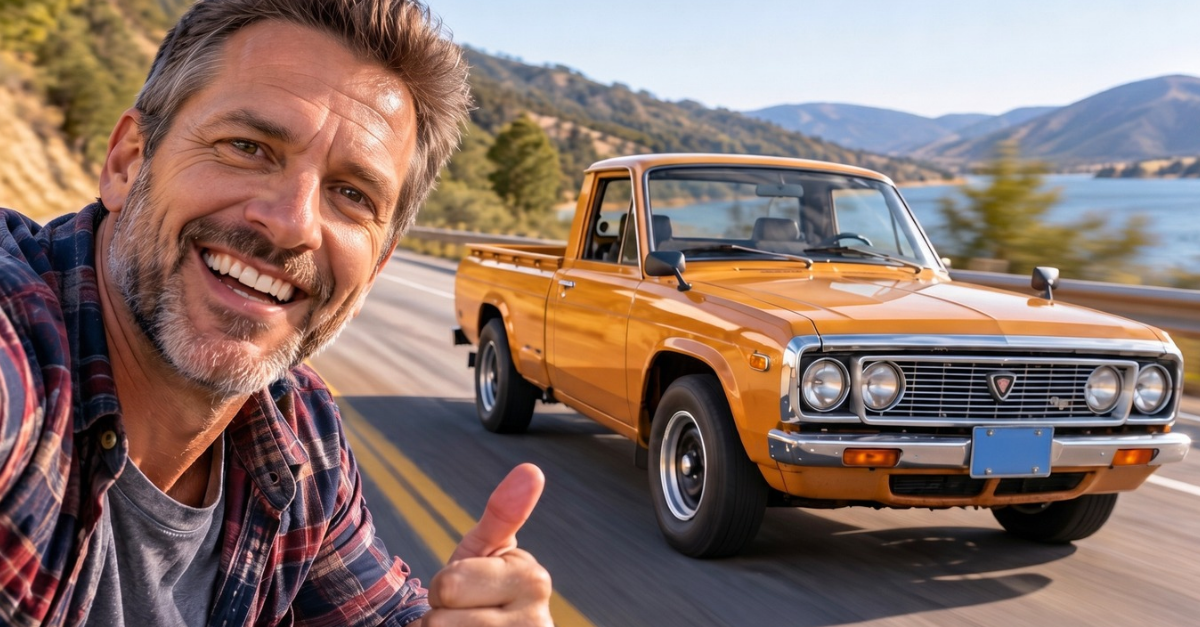
Big trucks weren't always the answer. Back in the 1970s, a new generation of compact pickups proved that you didn't need a massive hood, towering cab, or enormous engine to own a genuinely useful workhorse.
Pontiac was the name on the car you wanted before you could afford it. The GTO. The Firebird. That black-and-gold Trans Am. Even people who never owned one knew exactly what those cars were. But none of that was enough for GM to keep it around.
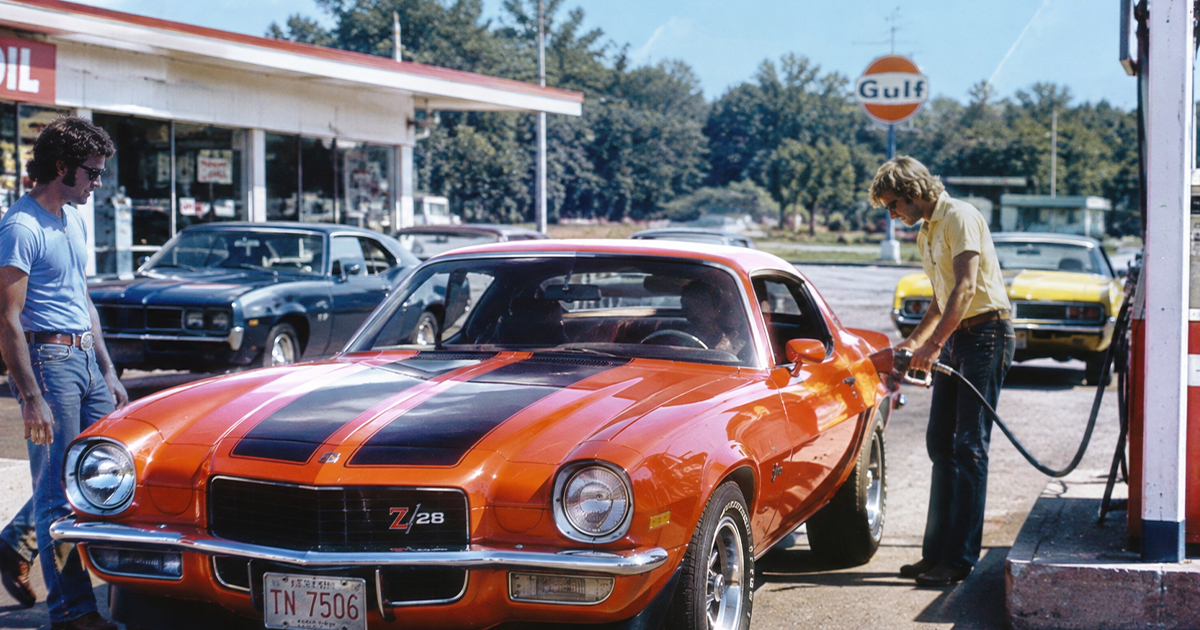
Remember the muscle cars that filled American gas stations in the 1970s? Explore 25 unforgettable classics, ranked from overlooked favorites to legends.
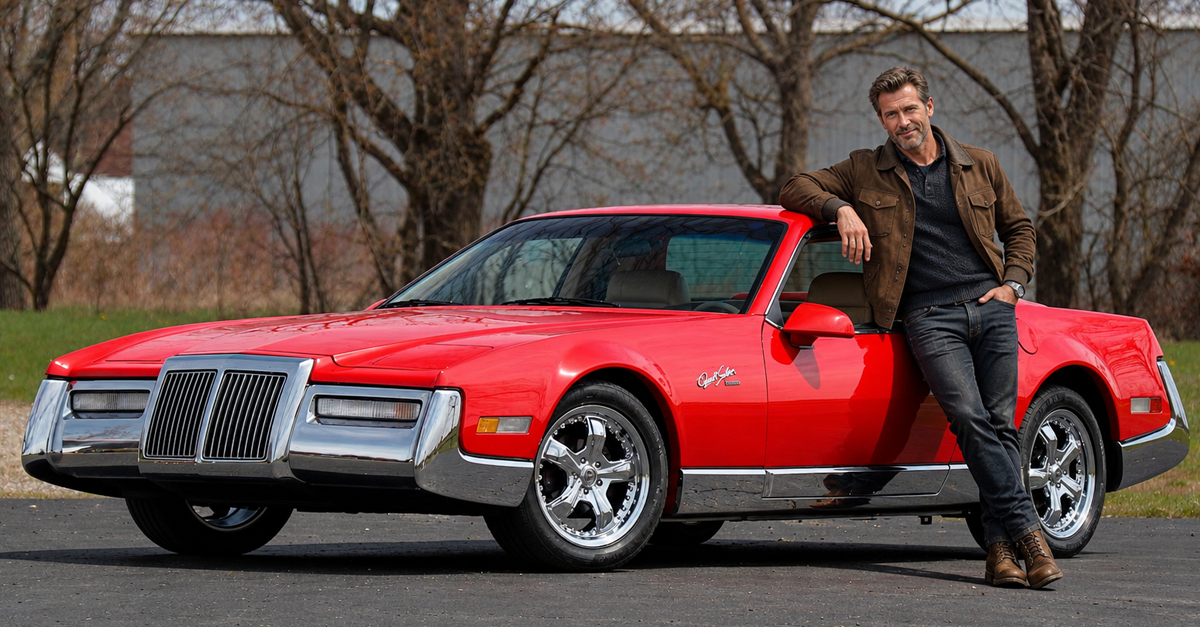
Some earned their red-car reputation on television. Others arrived in red, appeared in unforgettable photographs, or became associated with one famous owner. These cars made red seem like the only sensible choice.
Explore 14 unusual luxury cars from the 1980s whose bizarre designs once divided critics and buyers. From Cadillac to Aston Martin, these forgotten classics are attracting renewed collector interest.
Some vintage cars were obviously special the moment they arrive. These ones spent years being treated like ordinary used cars before collectors suddenly realized their worth.
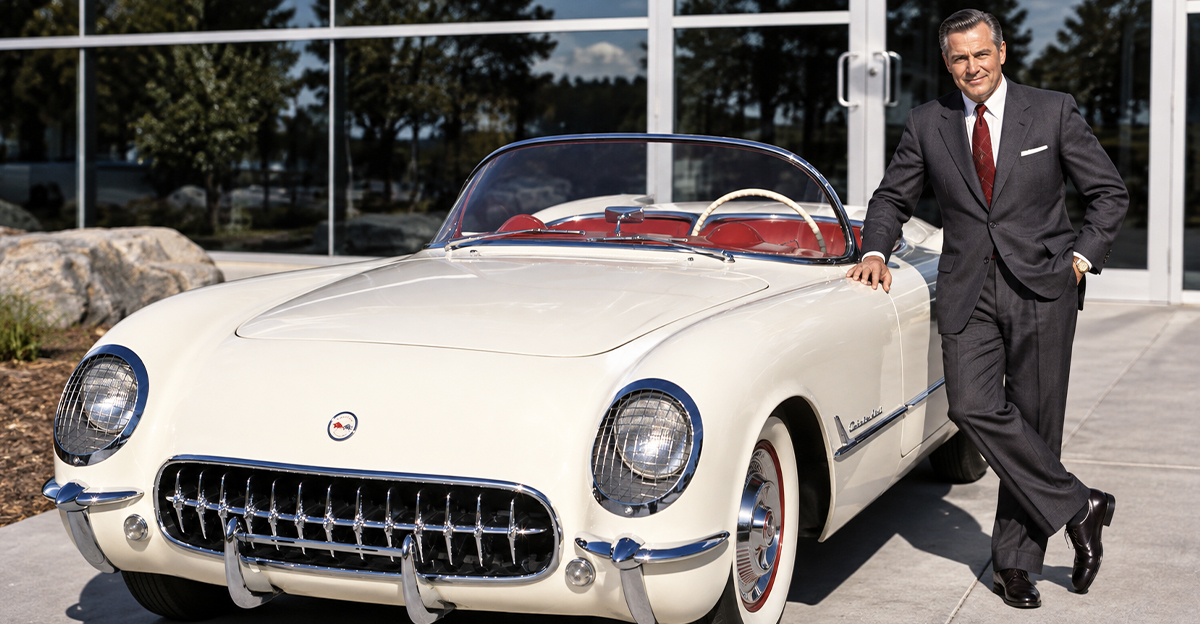
When the Chevrolet Corvette appeared in 1953, American roads were dominated by cars made from stamped steel. Chevrolet went in a radically different direction.
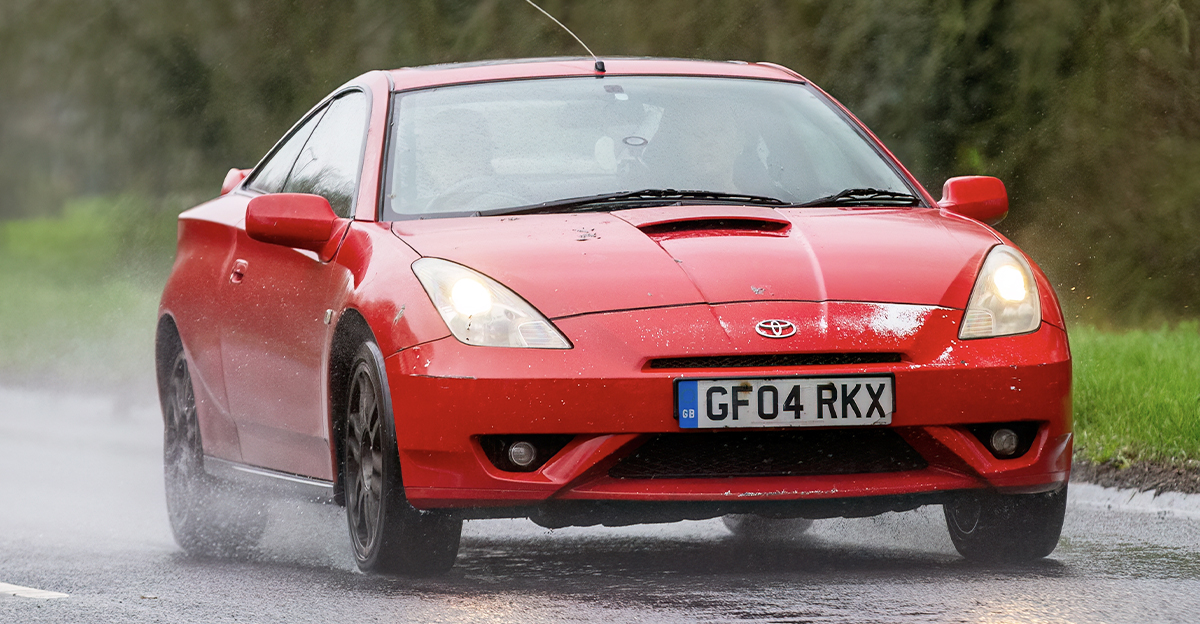
For decades, the Toyota Celica was the sports car ordinary people could actually imagine owning. It started as a stylish rear-wheel-drive coupe and eventually became one of the most successful Japanese rally cars of its era.