
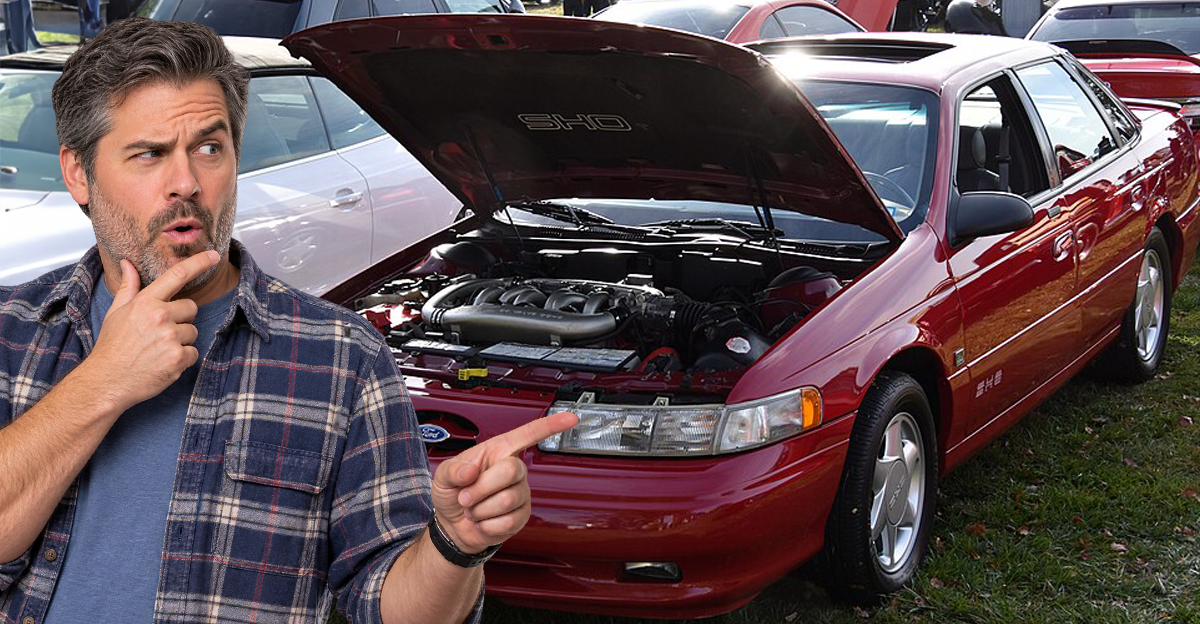
The Best Performance Cars Did Not Always Look Fast
The 1990s produced plenty of sports cars that announced themselves with spoilers, scoops, and bright paint. But some of the decade’s most interesting performance machines looked like ordinary family sedans, sensible wagons, or cars your accountant might have driven to work. Years later, enthusiasts have learned that some remarkably entertaining hardware was hiding beneath all that beige-era restraint.
 Charles from Port Chester, New York, CC0, via Wikimedia Commons
When Blending In Became Part Of The Fun
Modern performance cars often advertise their intentions before the engine even starts, but that was not always the case. During the 1990s, manufacturers regularly slipped powerful engines, upgraded suspensions, and unusual technology into otherwise ordinary-looking models. That combination created the perfect recipe for the sleeper, and several of those forgotten cars now have dedicated followings.
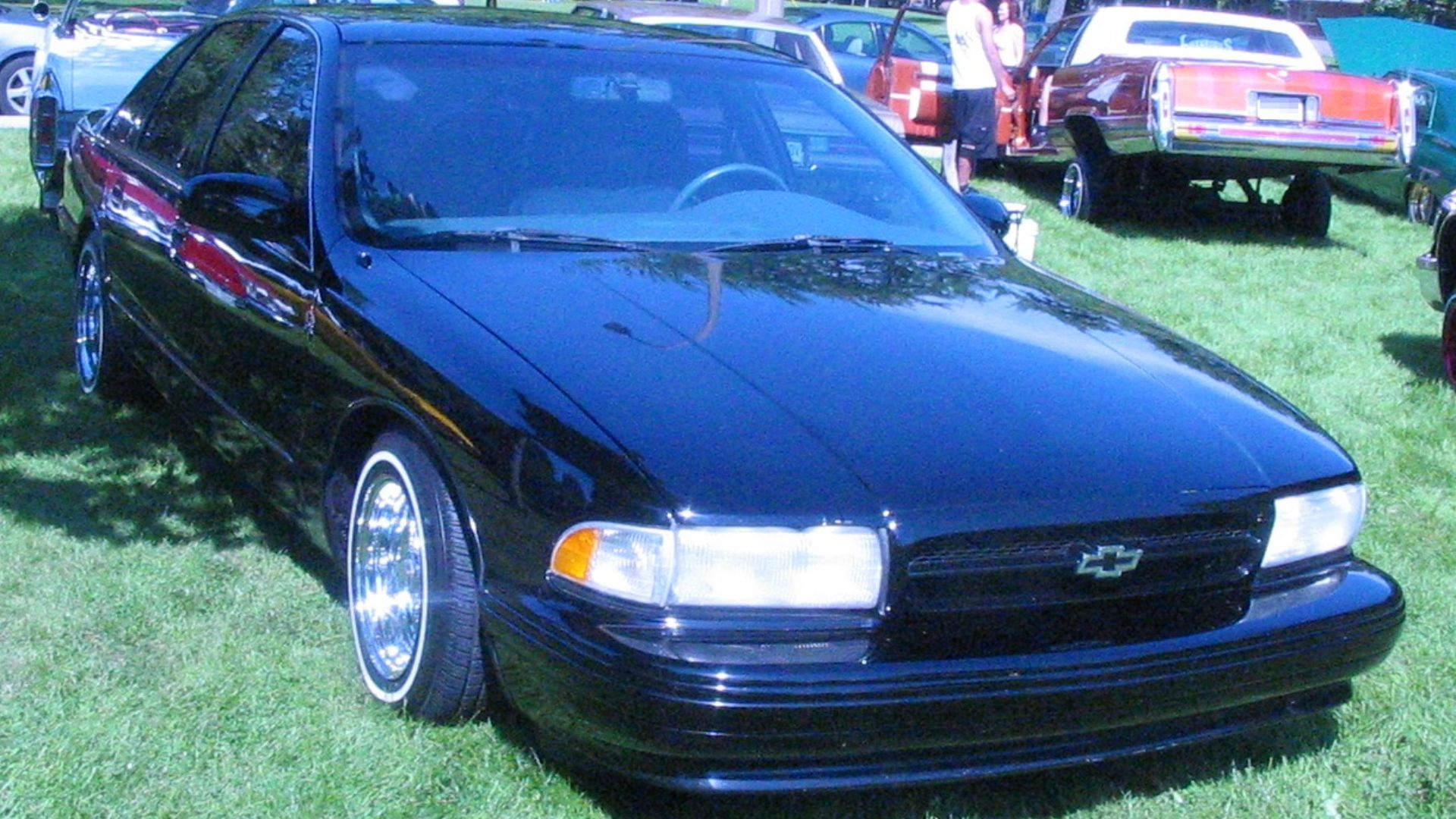
Ford Taurus SHO
Few cars captured the sleeper idea better than the Taurus SHO. Its familiar family-sedan body concealed a Yamaha-developed 3.0-liter V6 making 220 horsepower, paired with a five-speed manual in early models. Car and Driver praised the SHO as a genuine sports sedan, which was quite an accomplishment for something that could easily disappear in an office parking lot.
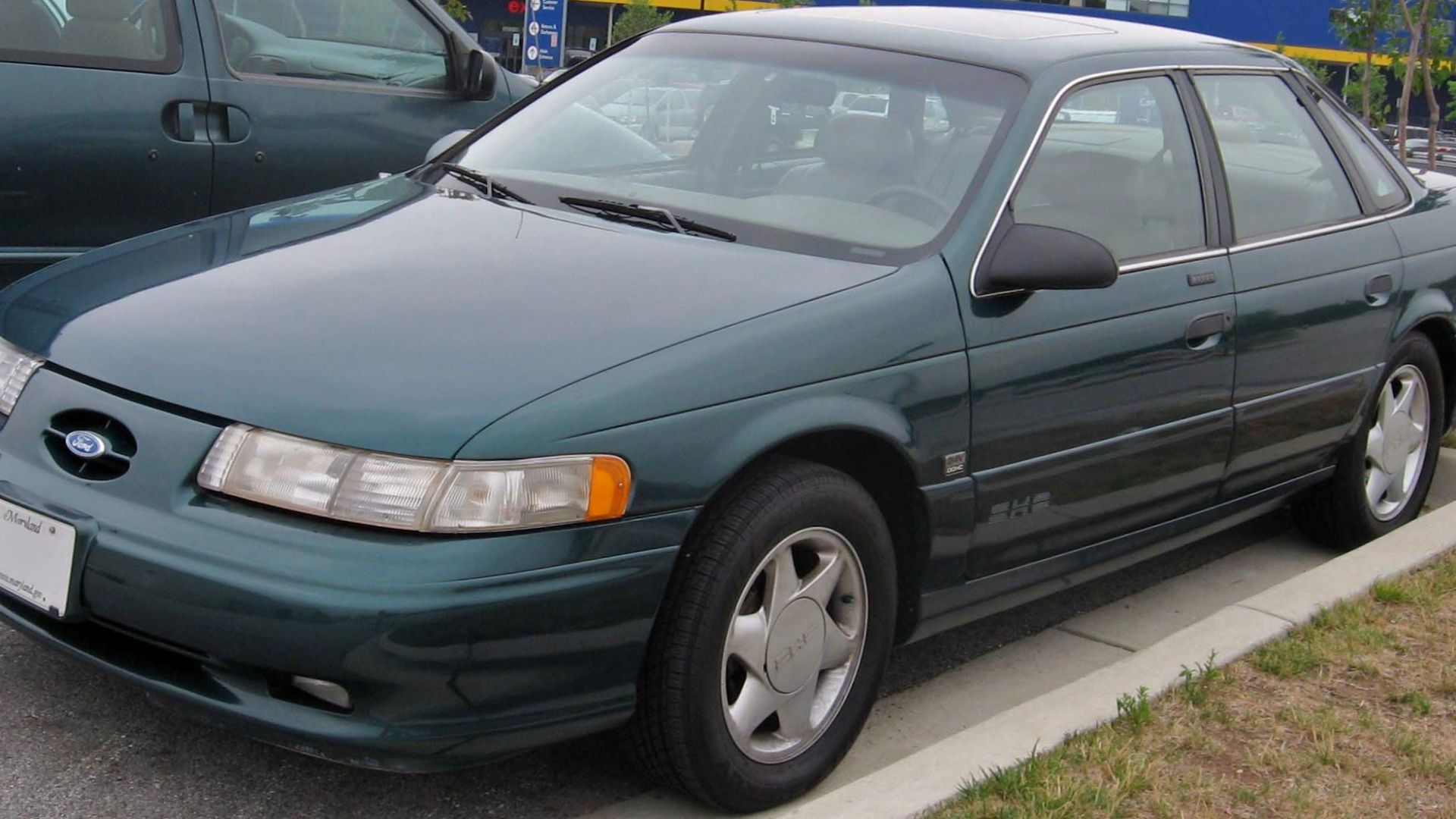
Dodge Spirit R/T
Nothing about the basic Dodge Spirit suggested serious speed, which made the R/T particularly outrageous. Its turbocharged 2.2-liter four-cylinder produced 224 horsepower, and Car and Driver recorded a 5.8-second run to 60 mph in a 1991 test. The basic shape remained pure commuter car, giving the Spirit R/T a wonderfully strange identity that enthusiasts still appreciate.
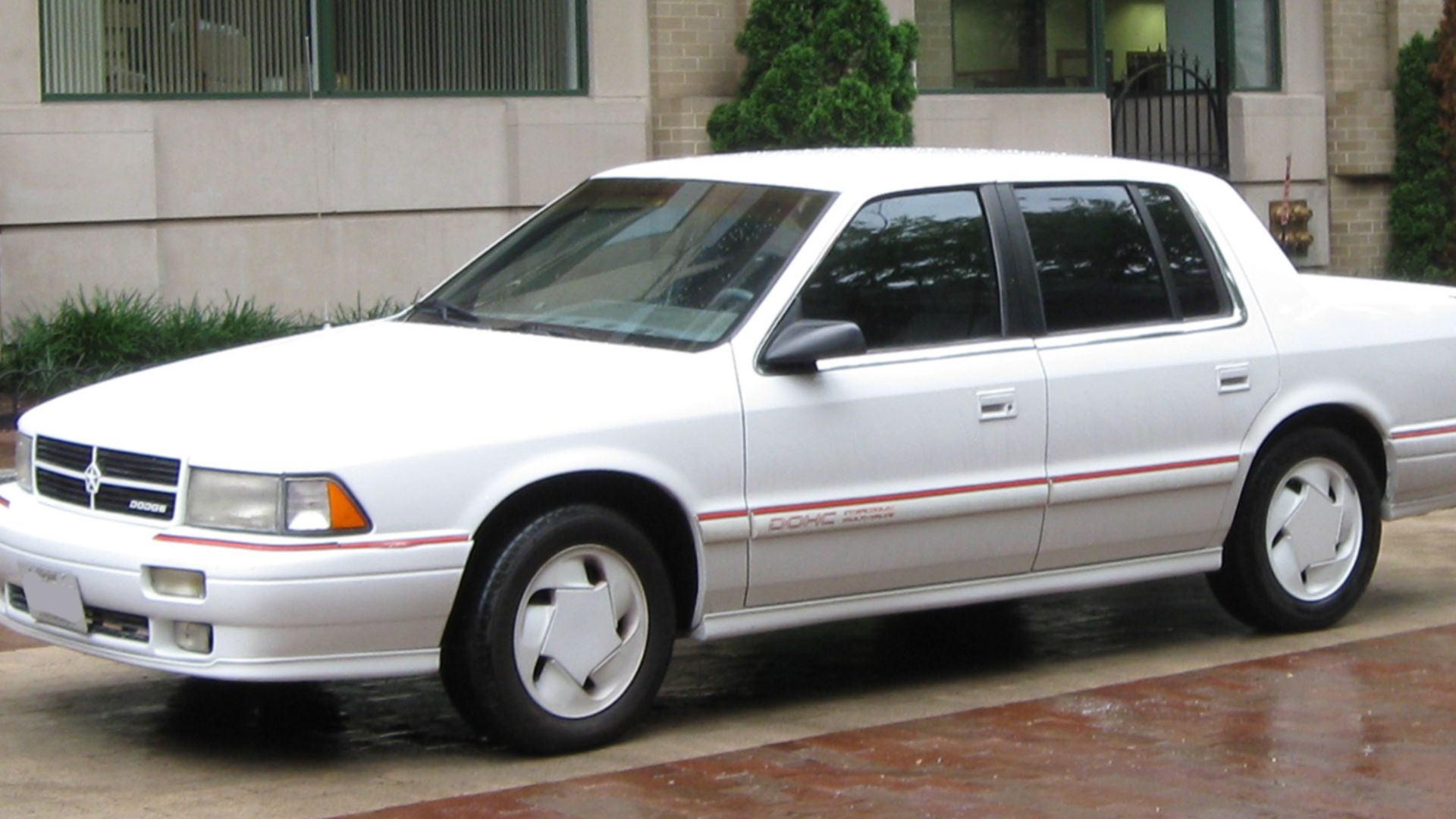
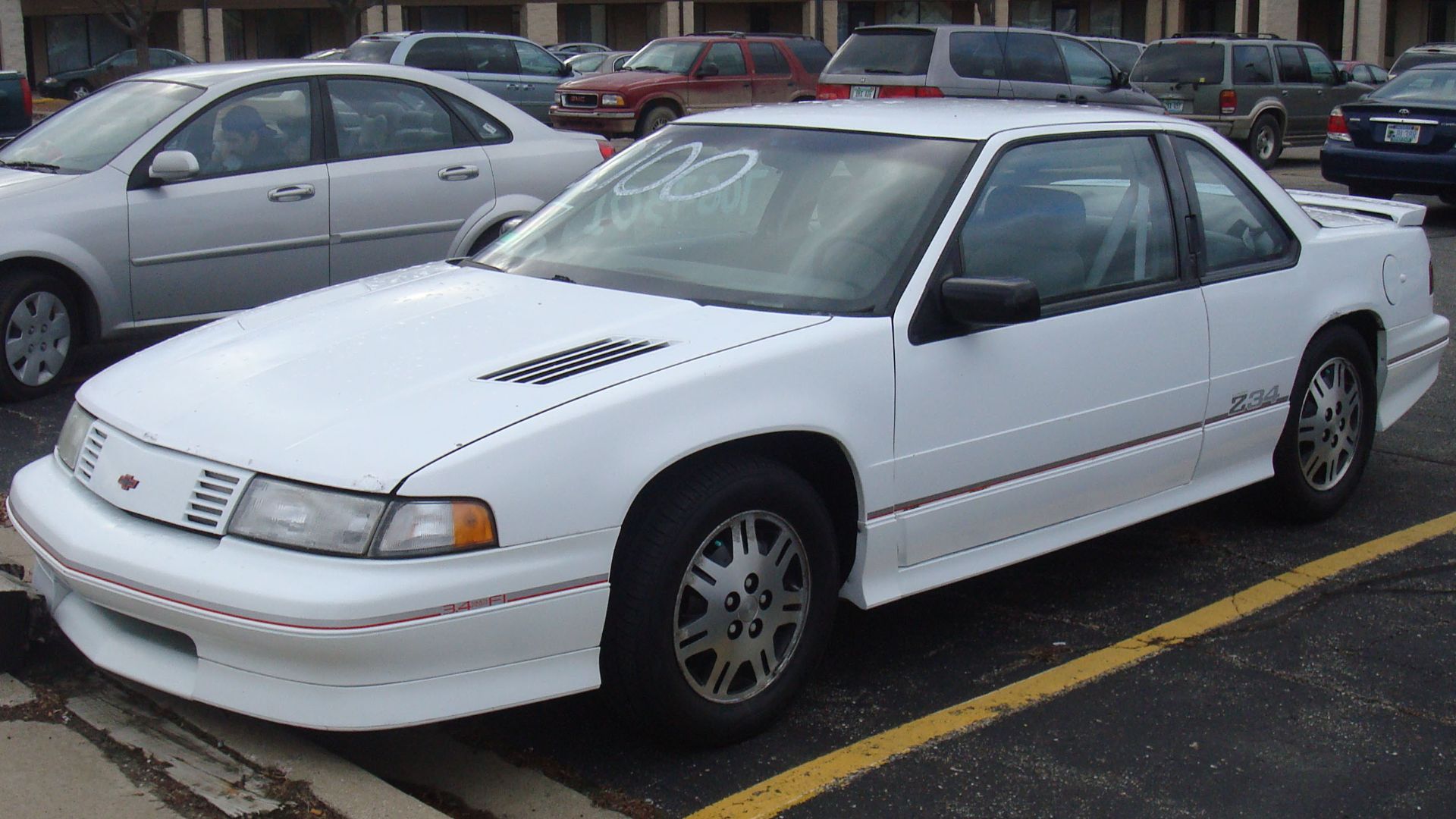
Chevrolet Lumina Z34
The Lumina Z34 was less visually anonymous than some cars here, but underneath the spoilers it was still unmistakably related to Chevrolet's mainstream family car. A high-revving 3.4-liter dual-overhead-cam V6 and an available five-speed manual made it far more interesting than an ordinary Lumina. Car and Driver found the chassis predictable and surprisingly capable when pushed hard.
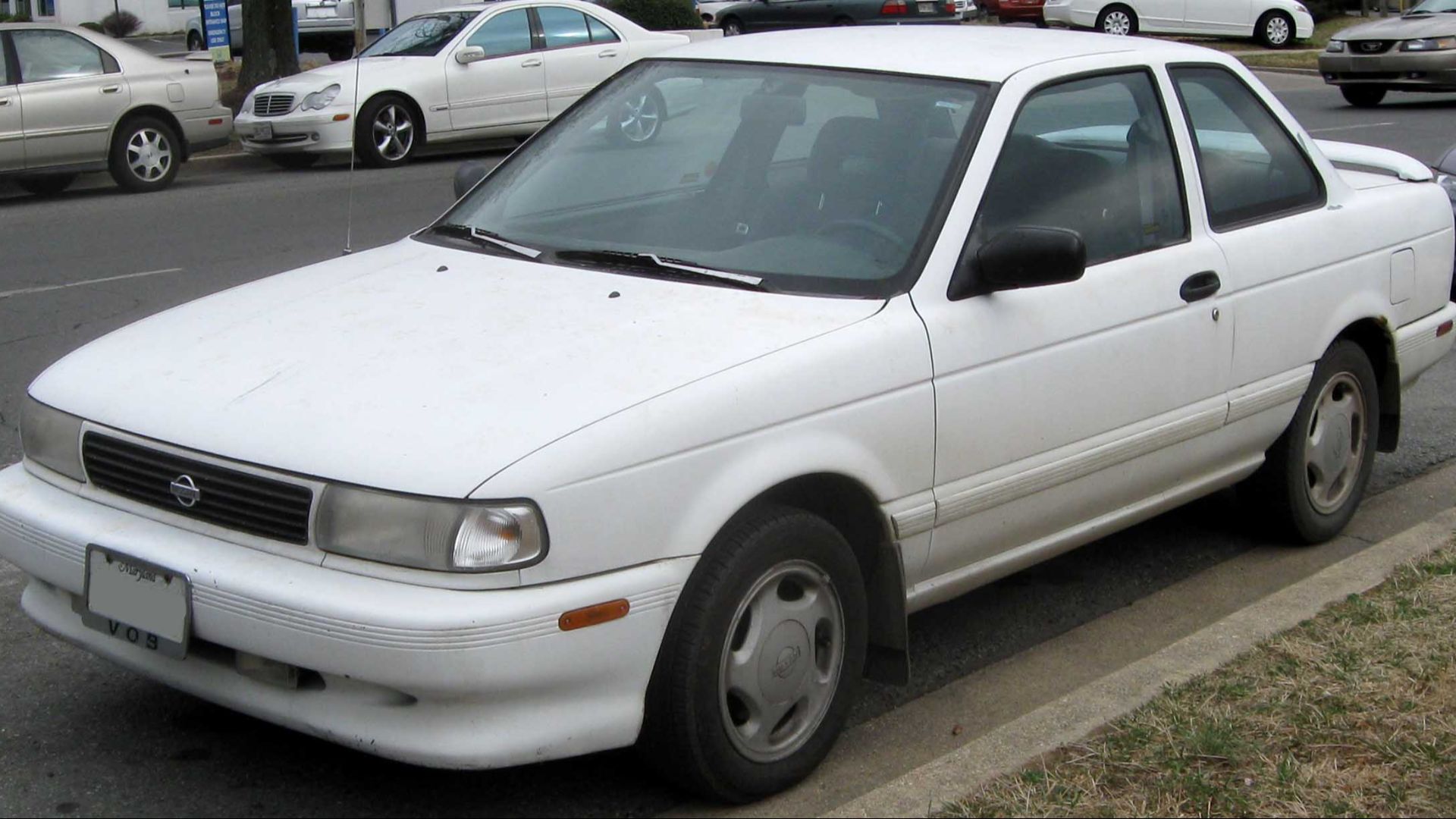
Nissan Sentra SE-R
A small early-1990s Sentra was about as ordinary as transportation got, unless the badge on the trunk said SE-R. Nissan fitted the lightweight coupe with a 140-horsepower SR20DE four-cylinder, a five-speed manual, four-wheel disc brakes, and a limited-slip differential. Its discreet appearance and genuinely entertaining chassis eventually made the B13 SE-R one of Nissan's better remembered performance bargains.
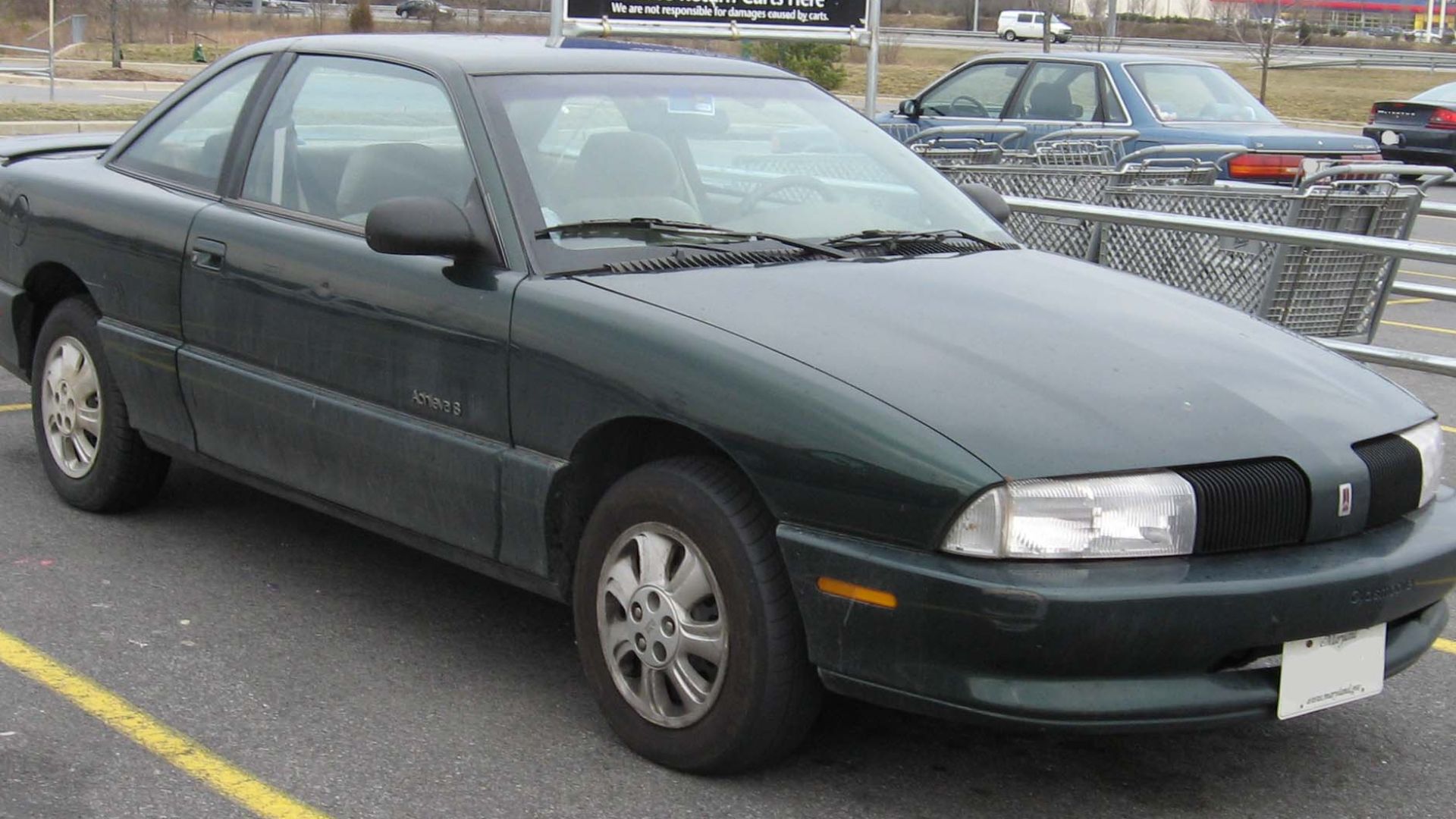
Oldsmobile Achieva SCX
The Achieva has largely vanished from American roads, but its SCX version deserves more attention than the name might suggest. Its high-output W41 2.3-liter four-cylinder made as much as 190 horsepower, while suspension upgrades turned the anonymous Oldsmobile coupe into something much more serious. Production was limited, helping make surviving examples particularly interesting today.
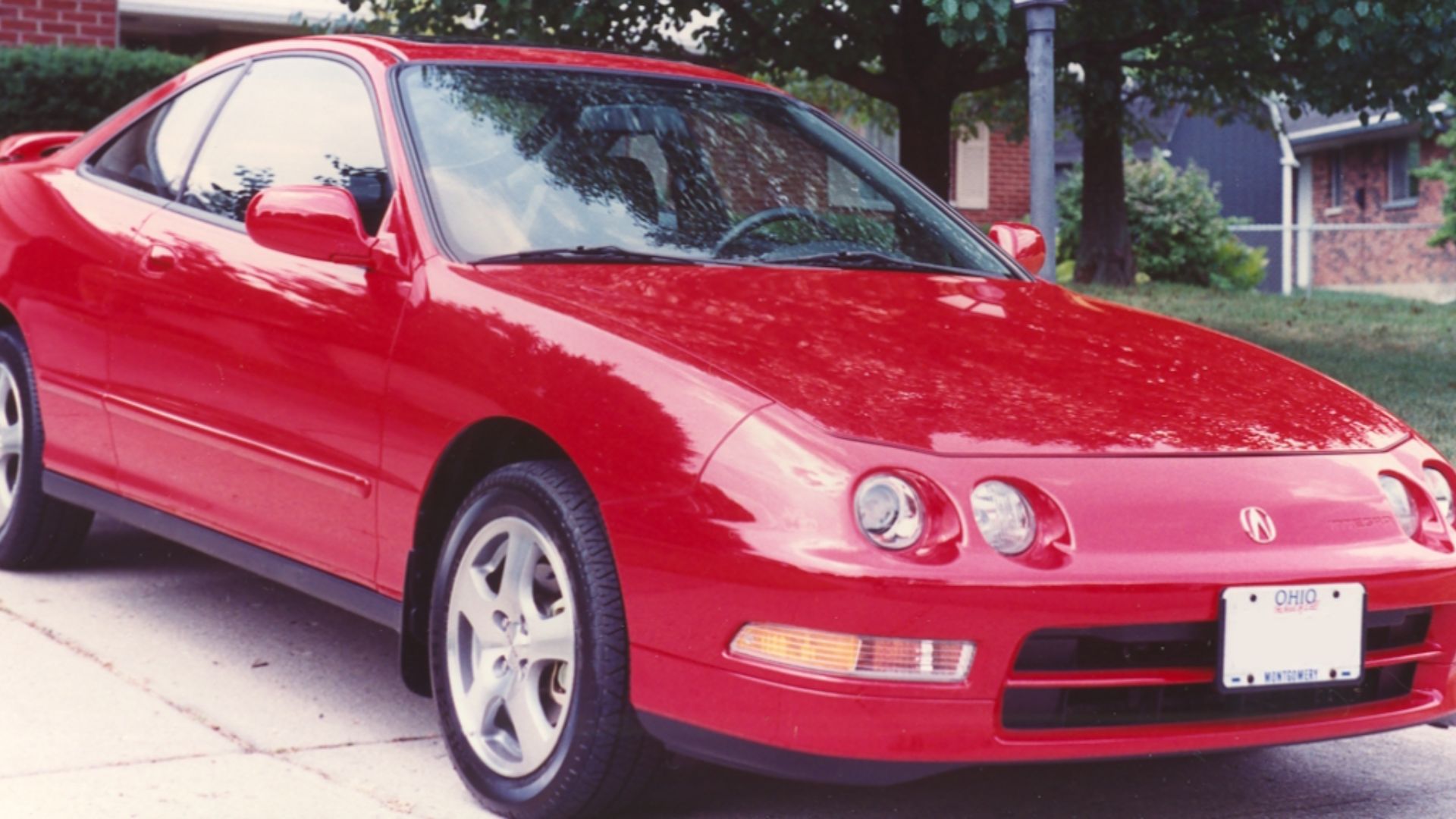
Acura Integra GS-R Sedan
Most enthusiasts remember the sporty Integra coupes, while the four-door GS-R could slip under the radar much more easily. The 1994 GS-R sedan combined Honda's VTEC technology with a 1.8-liter engine producing 170 horsepower and a five-speed manual. Its combination of four-door practicality and high-revving Honda character gave the humble-looking sedan considerably more personality than its styling suggested.
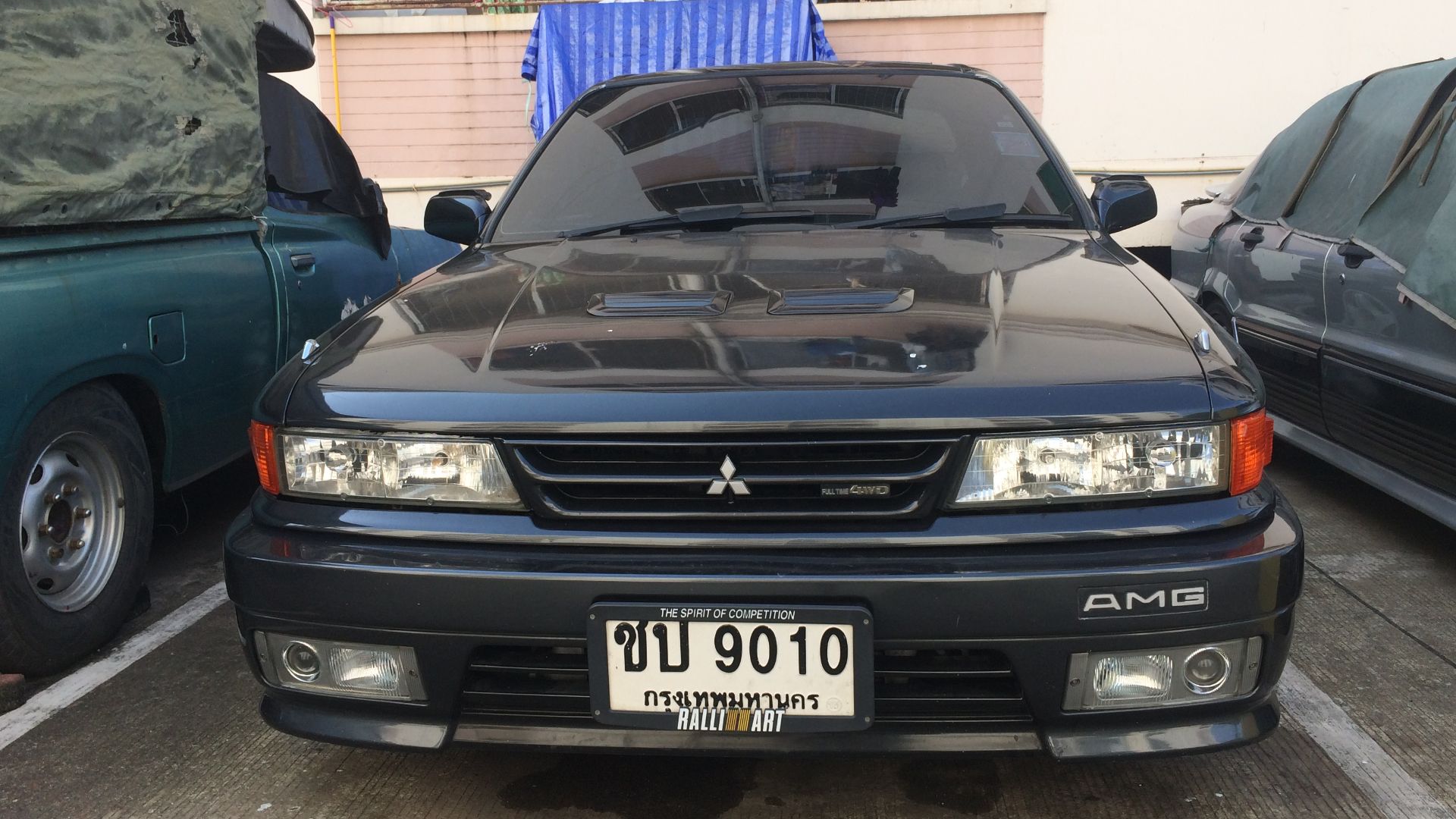
Mitsubishi Galant VR-4
Before Americans got the Mitsubishi Lancer Evolution, there was the considerably more discreet Galant VR-4. U.S. models sold for 1991 and 1992 combined a 195-horsepower turbocharged four-cylinder with all-wheel drive in an otherwise restrained sedan. Its rally-derived hardware makes the Galant one of the clearest examples of serious performance hiding beneath mainstream styling.
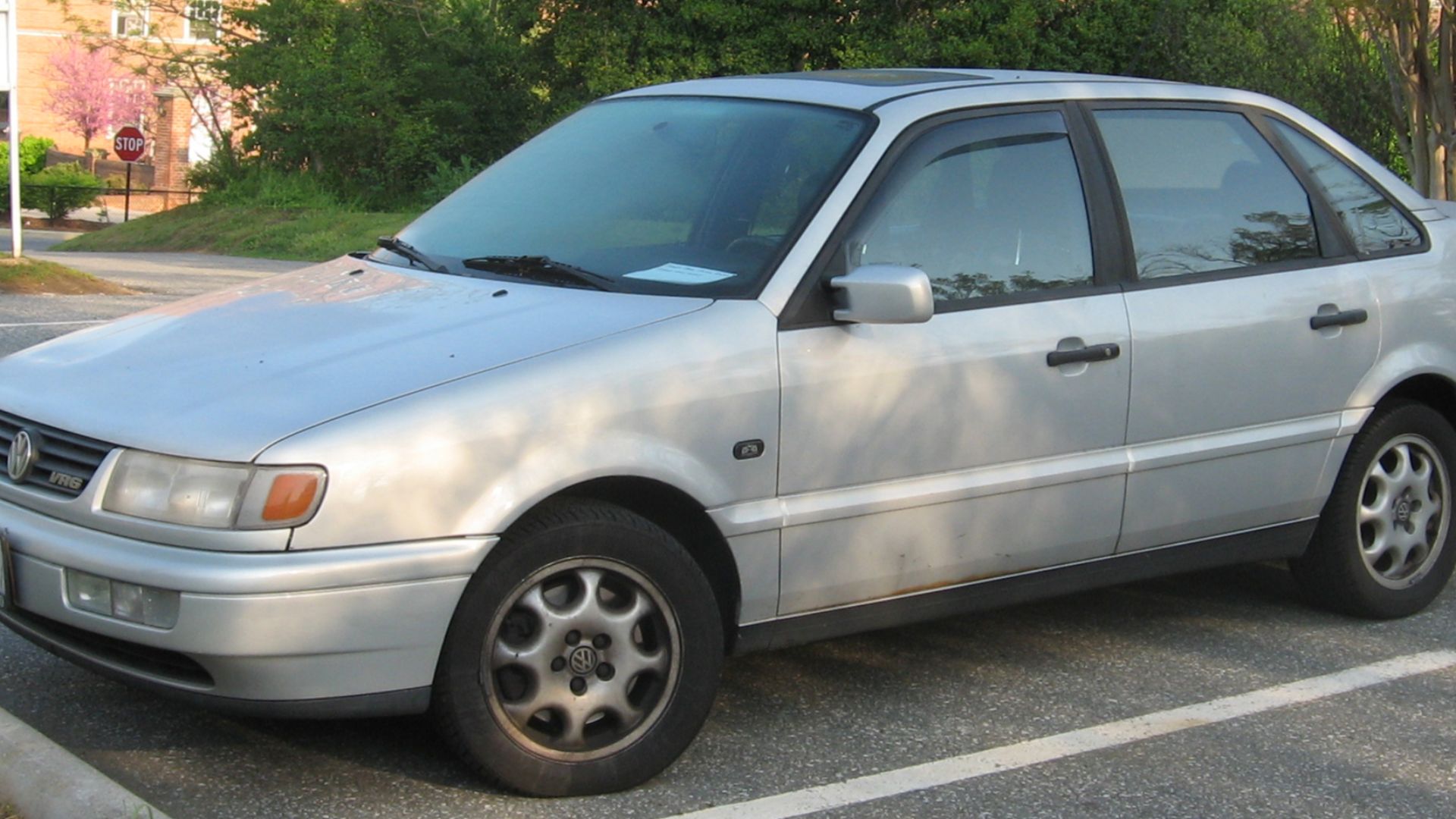
Volkswagen Passat GLX VR6
The early Passat GLX did not exactly look eager to pick a fight at a stoplight. Under the hood, however, Volkswagen installed its unusual narrow-angle 2.8-liter VR6, which produced 172 horsepower and could be paired with a five-speed manual. MotorTrend recorded a 7.9-second sprint to 60 mph, respectable performance for such an understated family car in 1993.
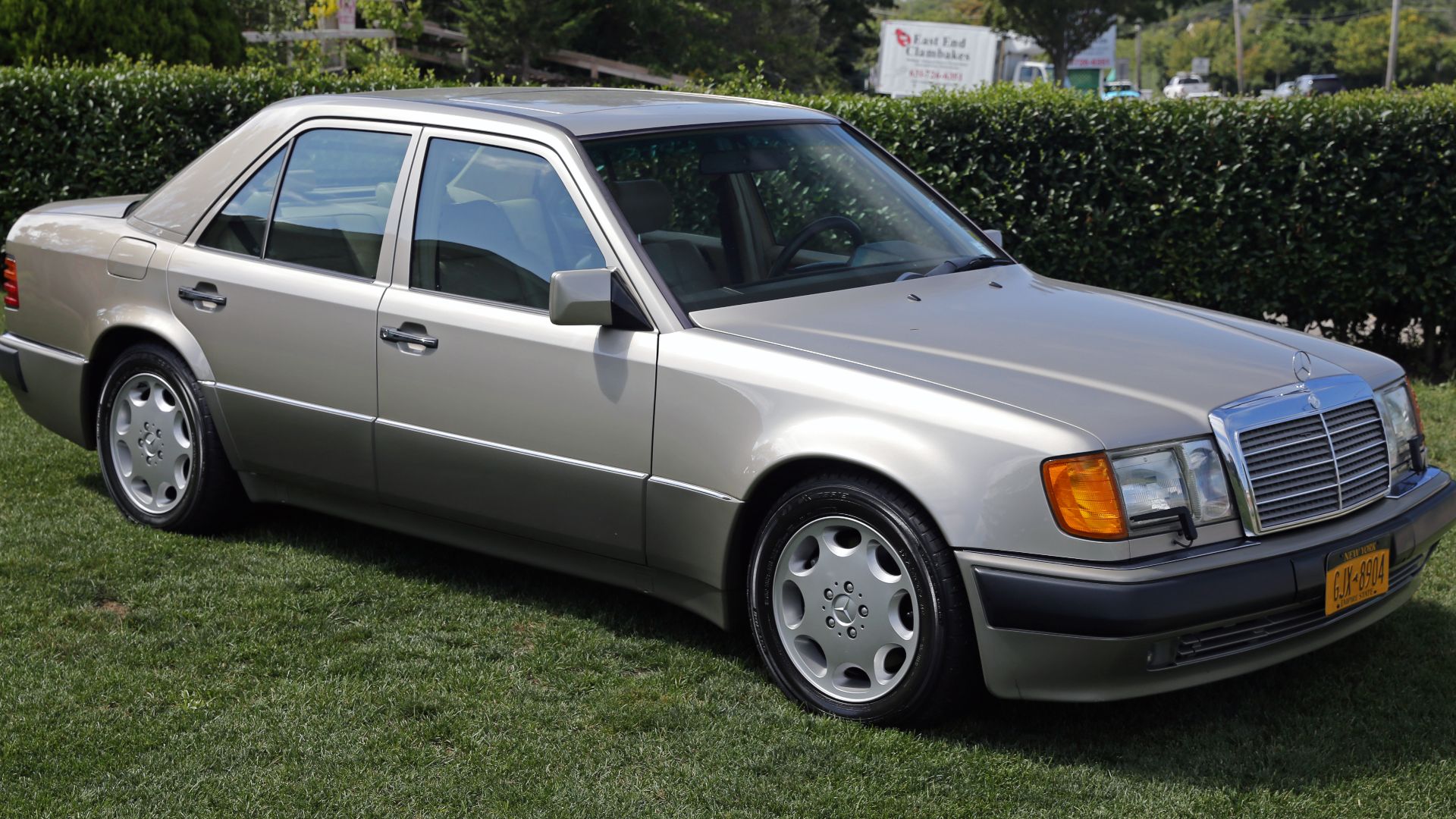
Mercedes-Benz 500E
At first glance, the 500E looked remarkably similar to countless other W124 Mercedes sedans. Look closer and there were wider fenders, bigger tires, and beneath the hood sat a 322-horsepower 5.0-liter V8, with Porsche involved in the car's engineering and assembly. Car and Driver recorded 60 mph in 5.5 seconds, helping explain why this once-subtle sedan has become one of the era's most celebrated sleepers.
 Mr.choppers, Wikimedia Commons
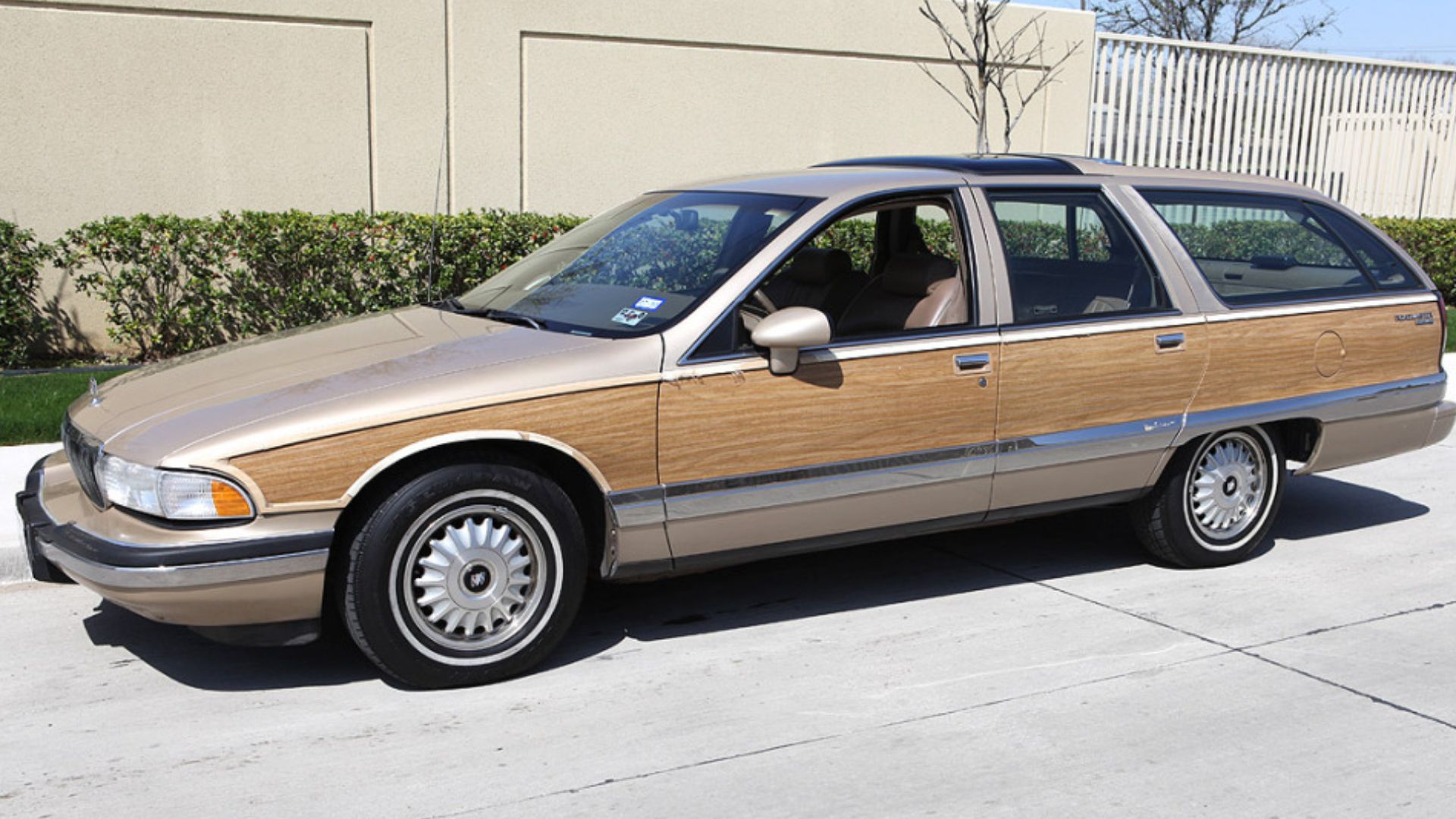
Buick Roadmaster Estate Wagon
Fake woodgrain, an enormous cargo area, and traditional Buick styling made the Roadmaster Estate look like the opposite of an enthusiast car. Things became considerably more interesting for 1994 when the wagon received GM's 5.7-liter LT1 V8, rated at 260 horsepower. Rear-wheel drive and V8 power have since given this giant family wagon a following that would have sounded improbable when it was new.
Chevrolet Impala SS
The 1994 Impala SS began with the very ordinary full-size Chevrolet Caprice and transformed it without abandoning the basic sedan silhouette. Chevrolet gave it a 260-horsepower 5.7-liter LT1 V8 along with significant chassis upgrades, while the styling changes remained relatively restrained. Car and Driver found that the huge sedan could accelerate hard and corner with surprising competence.
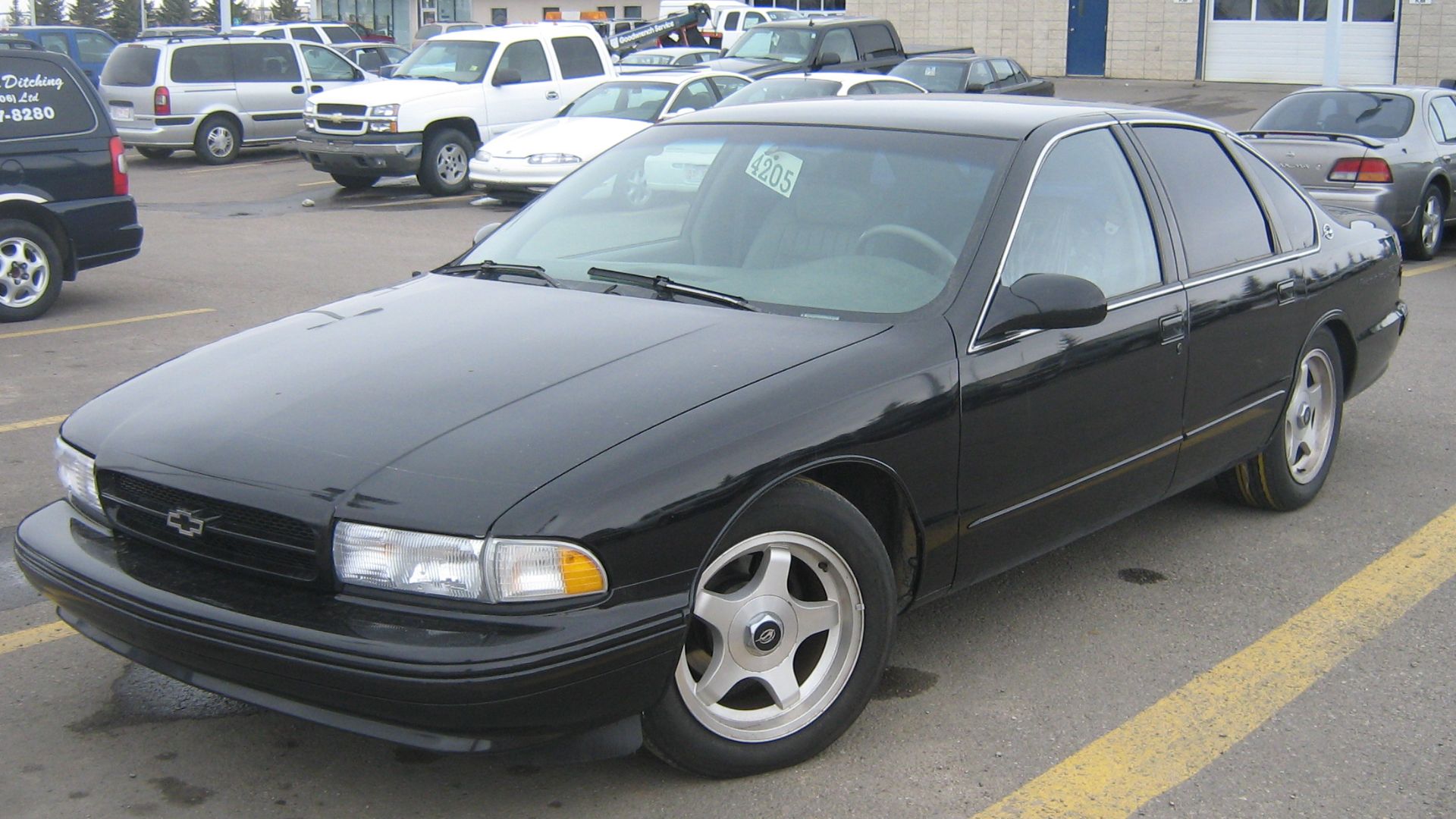 dave_7 from Lethbridge, Canada, Wikimedia Commons
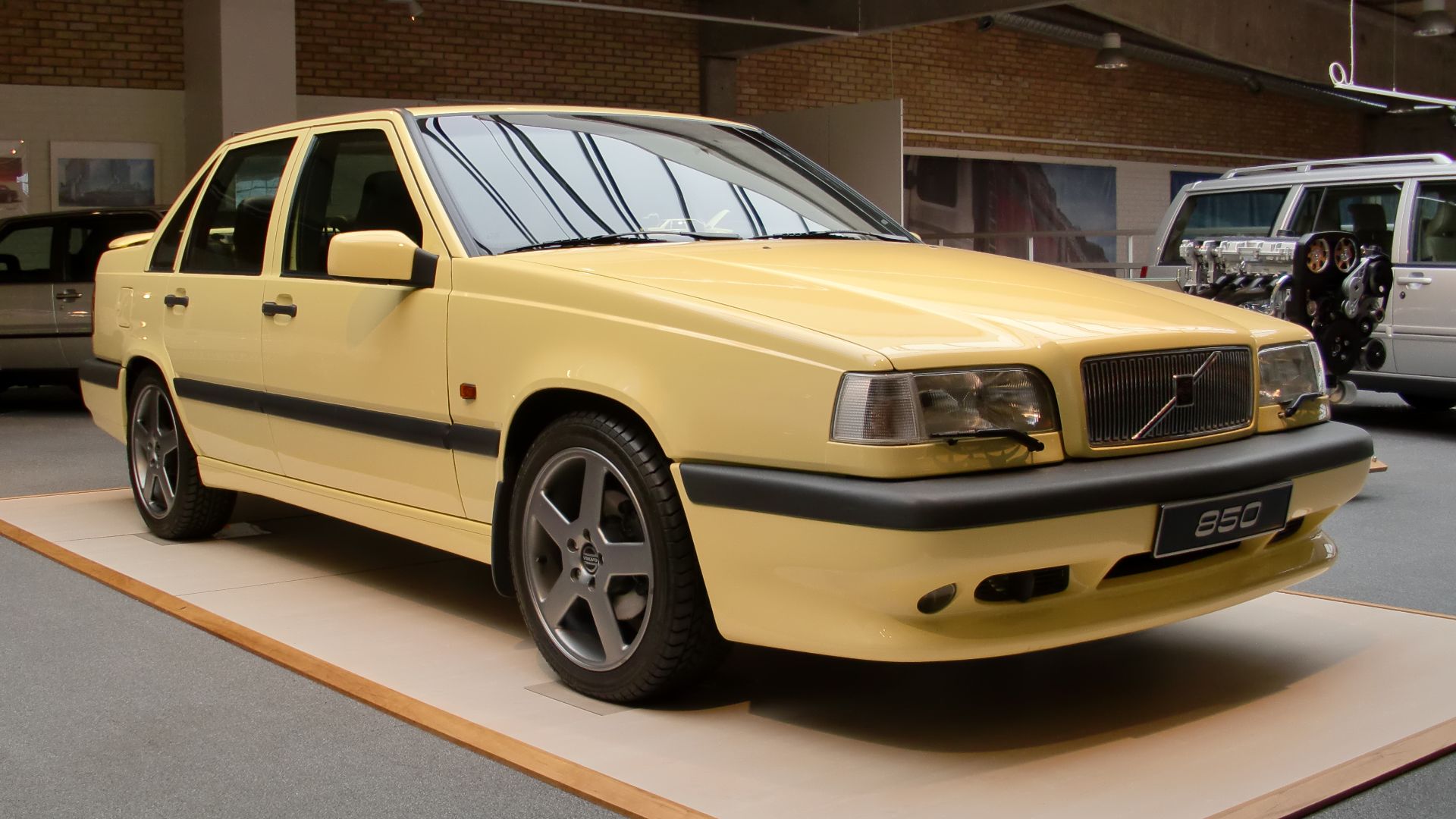
Volvo 850 T-5R
A square Volvo wagon was once practically a visual shorthand for cautious family transportation. The 850 T-5R gleefully overturned that stereotype with a turbocharged five-cylinder producing 240 horsepower and performance-oriented chassis upgrades. The combination of cargo-hauling practicality and improbable speed helped turn the fast 850 wagon into a genuine enthusiast icon.
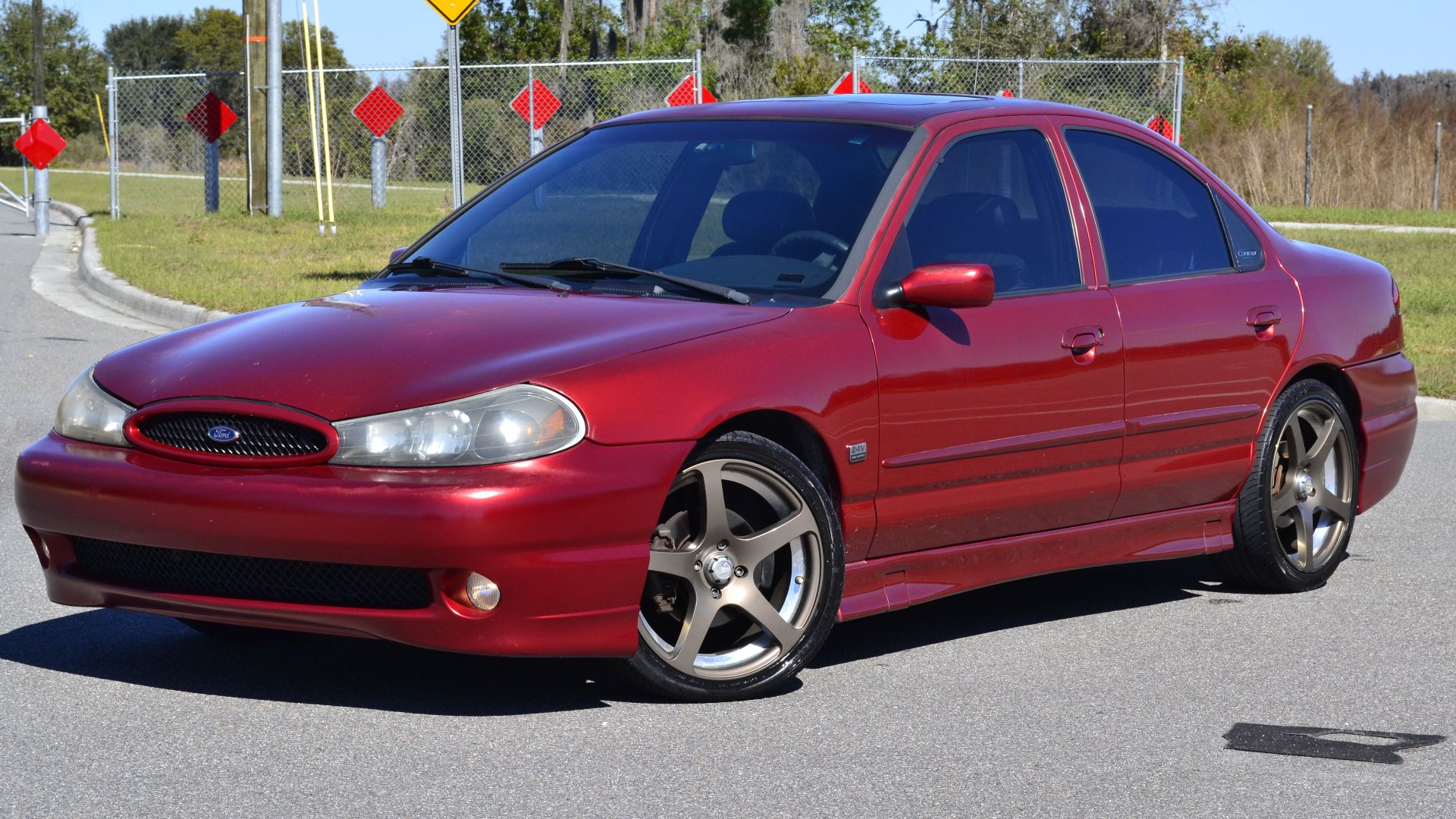
Ford Contour SVT
The regular Contour looked like another compact sedan destined for commuter duty. Ford's Special Vehicle Team improved the V6, suspension, brakes, wheels, and tires while making a five-speed manual standard on the SVT version. Contemporary testing praised its responsive, balanced handling, giving enthusiasts a reason to remember a model most Americans have otherwise forgotten.
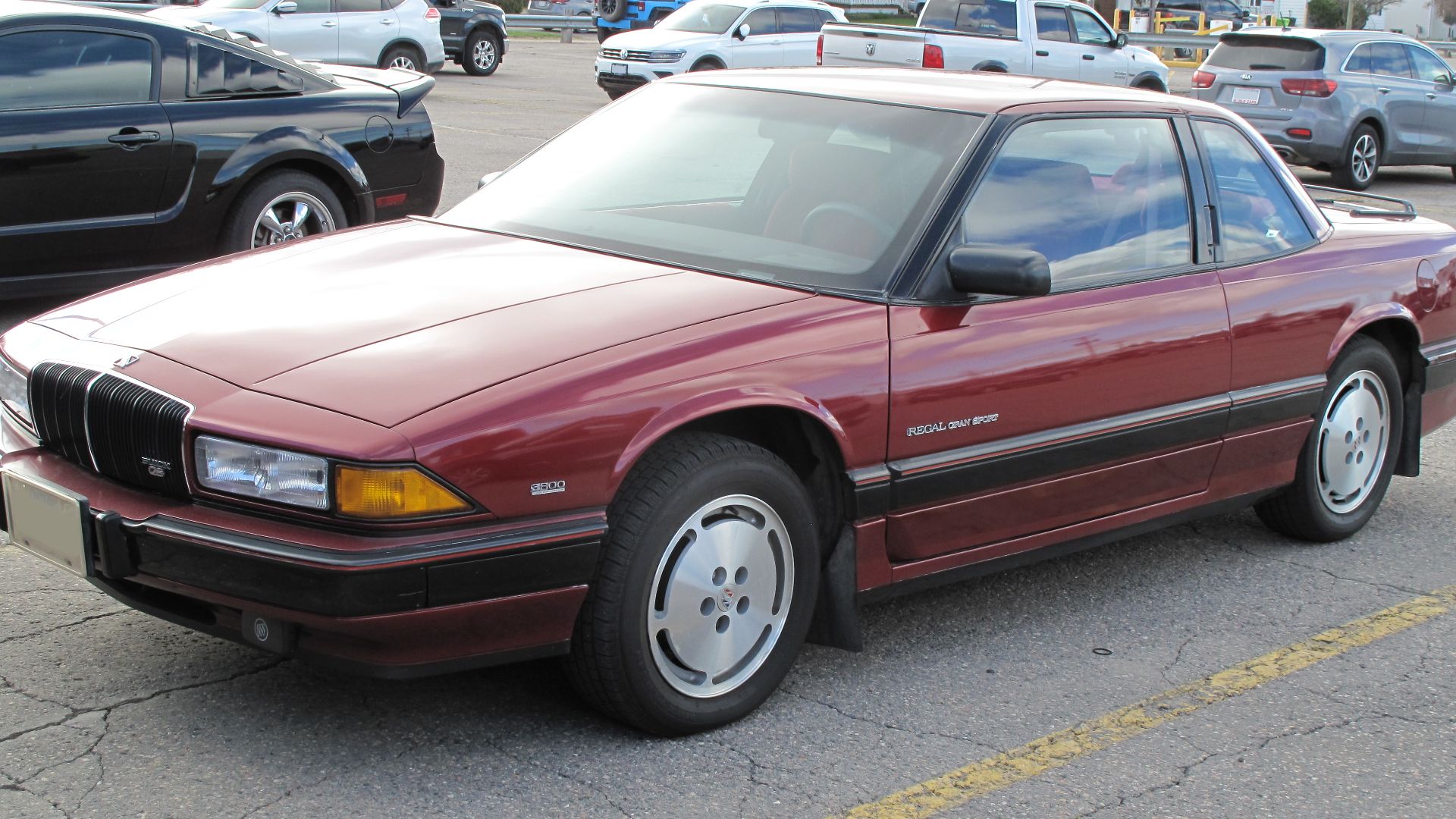
Buick Regal GS
Few badges screamed sensible transportation more loudly than Buick in the late 1990s, which made the Regal GS an excellent sleeper. Its supercharged 3.8-liter V6 made 240 horsepower and 280 pound-feet of torque, while MotorTrend recorded 60 mph in just 6.6 seconds. Even better, Buick avoided giant spoilers and fake scoops, leaving little visual warning about what was under the hood.
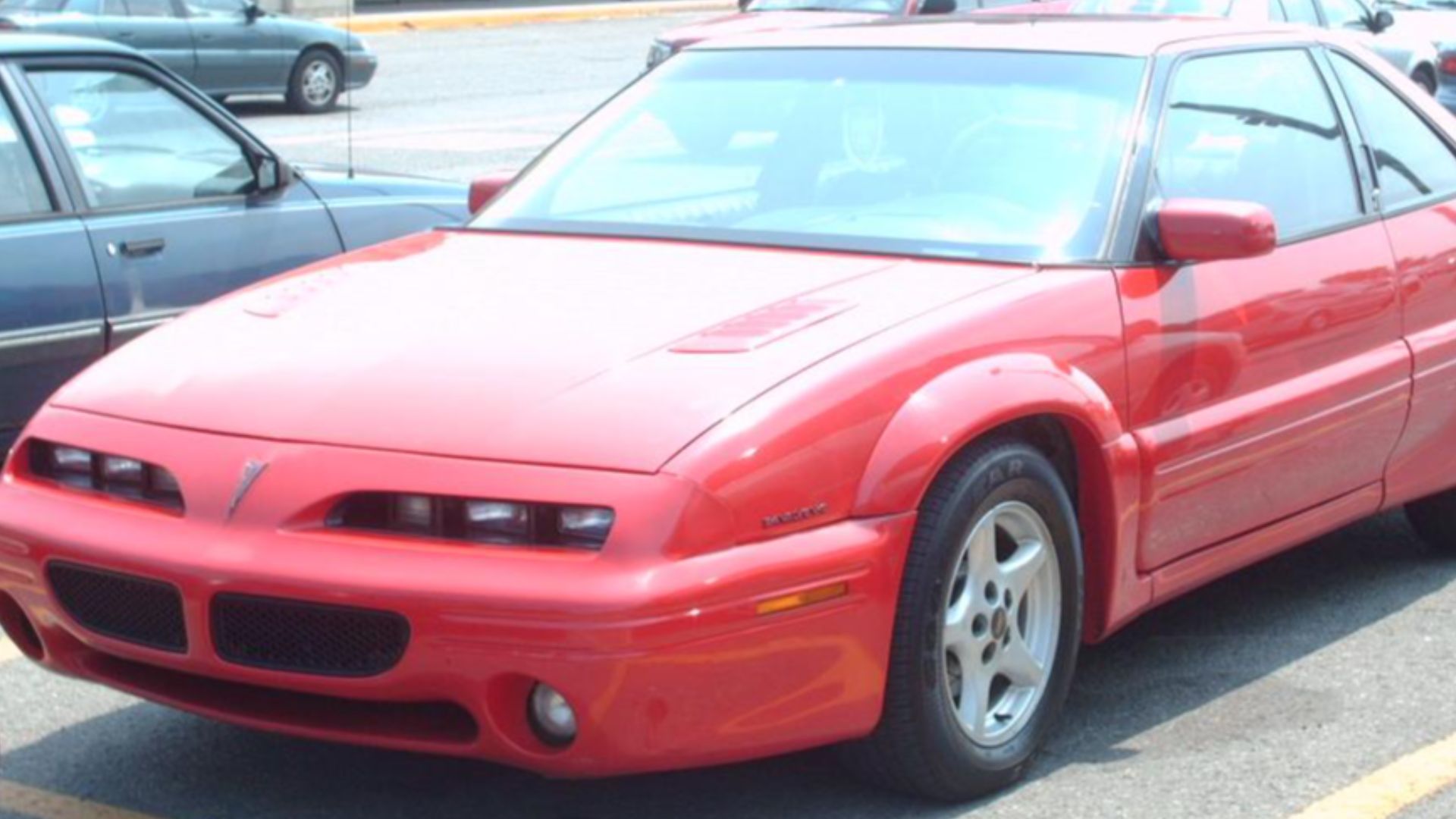
Pontiac Grand Prix GTP
Pontiac was usually less interested in understatement, but the 1997 Grand Prix GTP still hid substantial performance inside an everyday front-wheel-drive coupe or sedan. Its supercharged 3800 V6 produced 240 horsepower, and Car and Driver reached 60 mph in 6.8 seconds. The same engine later became hugely familiar to GM enthusiasts, giving the GTP lasting appeal well beyond its original market.
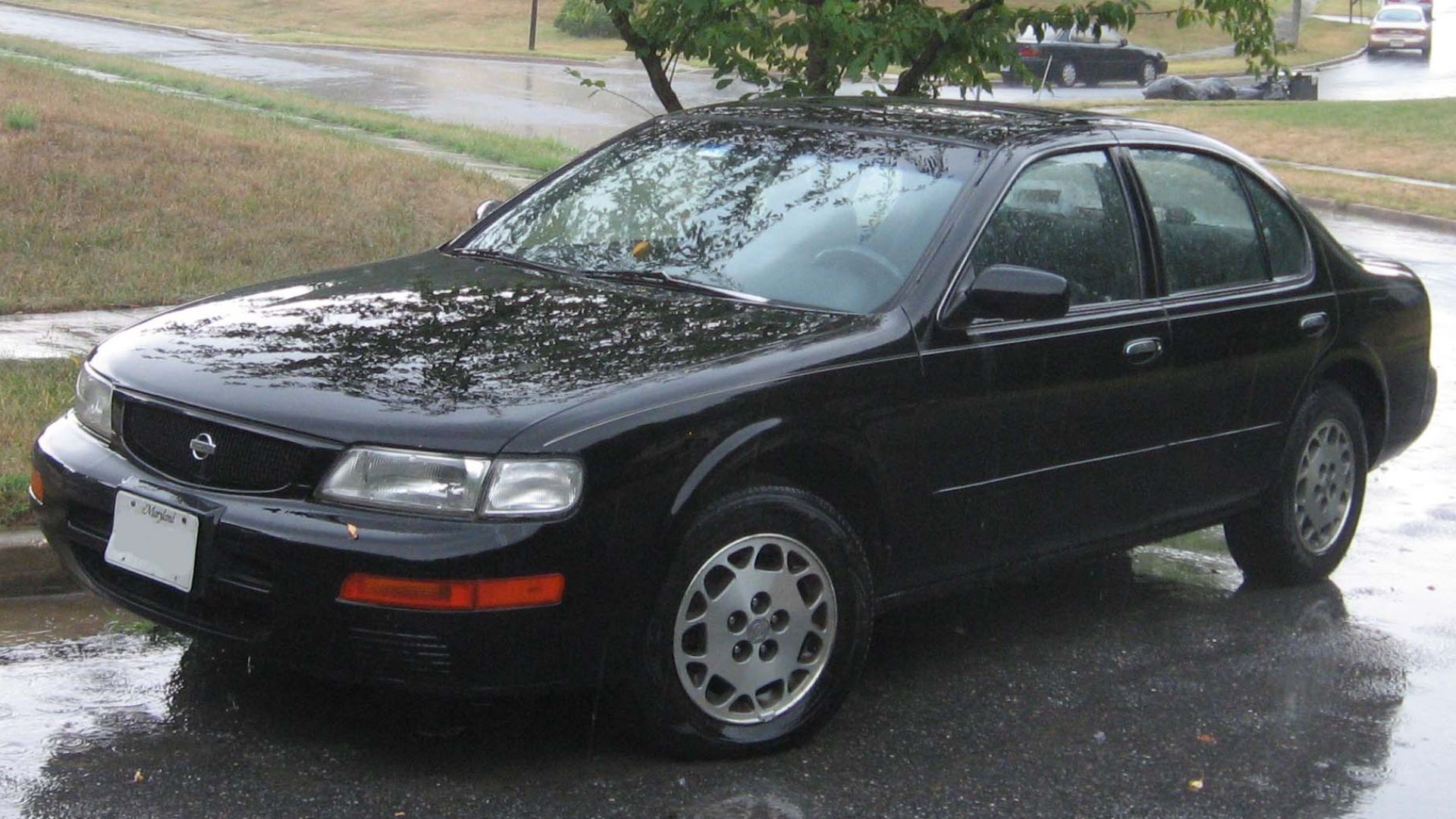
Nissan Maxima SE
The fourth-generation Maxima was not designed to turn heads, and that was almost the point. Its 190-horsepower 3.0-liter V6 could be paired with a five-speed manual, allowing the otherwise conventional sedan to maintain Nissan's old "four-door sports car" spirit. Car and Driver put the new Maxima on its 1995 10Best list and praised its combination of refinement, practicality, and sports-sedan performance.
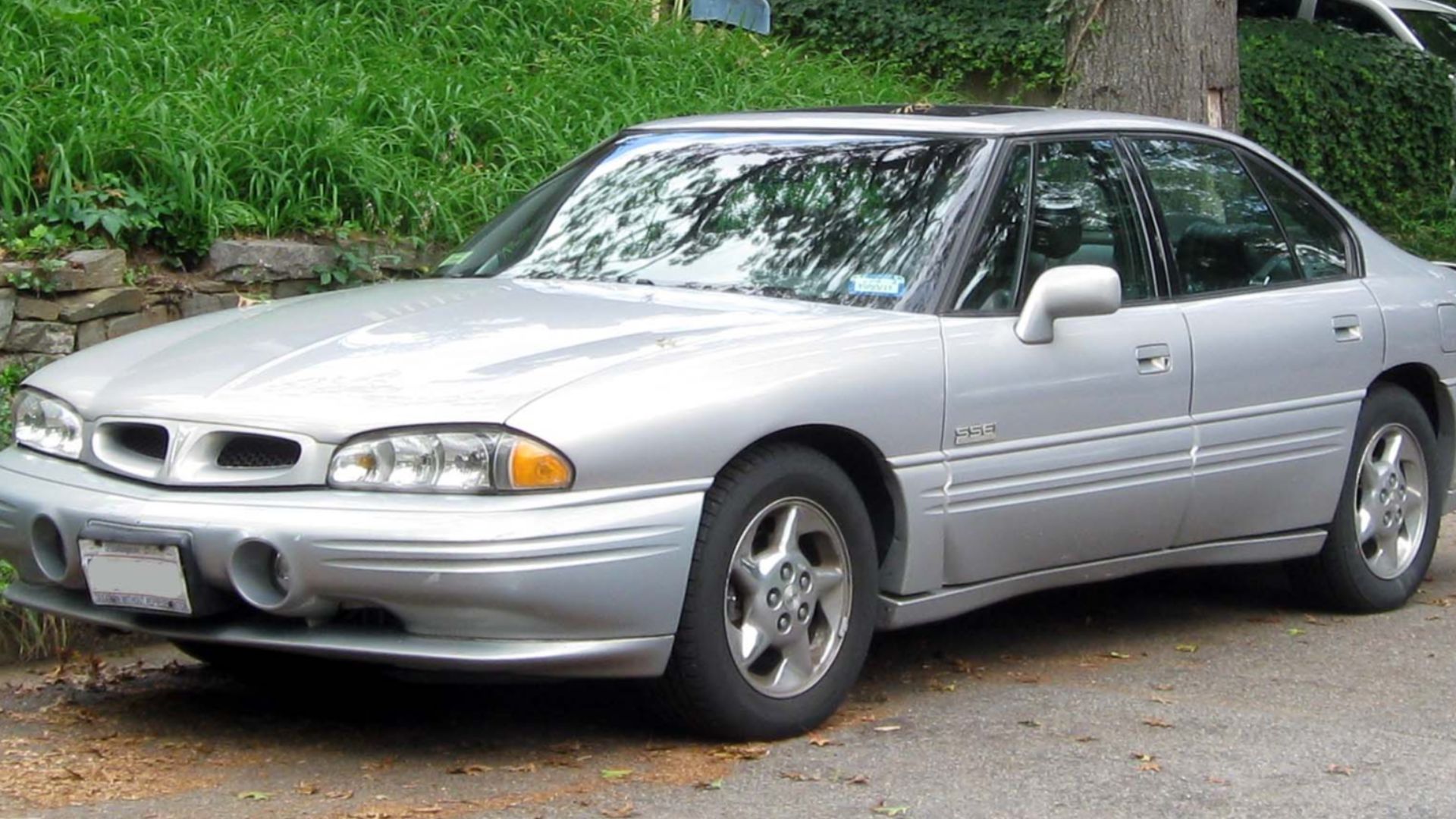
Pontiac Bonneville SSEi
The Bonneville SSEi was enormous, front-wheel drive, and loaded with the sort of comfort equipment expected from a near-luxury sedan. Pontiac also gave it a supercharged 3.8-liter V6, producing 205 horsepower in 1992, when Car and Driver called its driveline excellent. Later versions became even stronger, helping create a small but devoted group of fans around Pontiac's unlikely performance flagship.
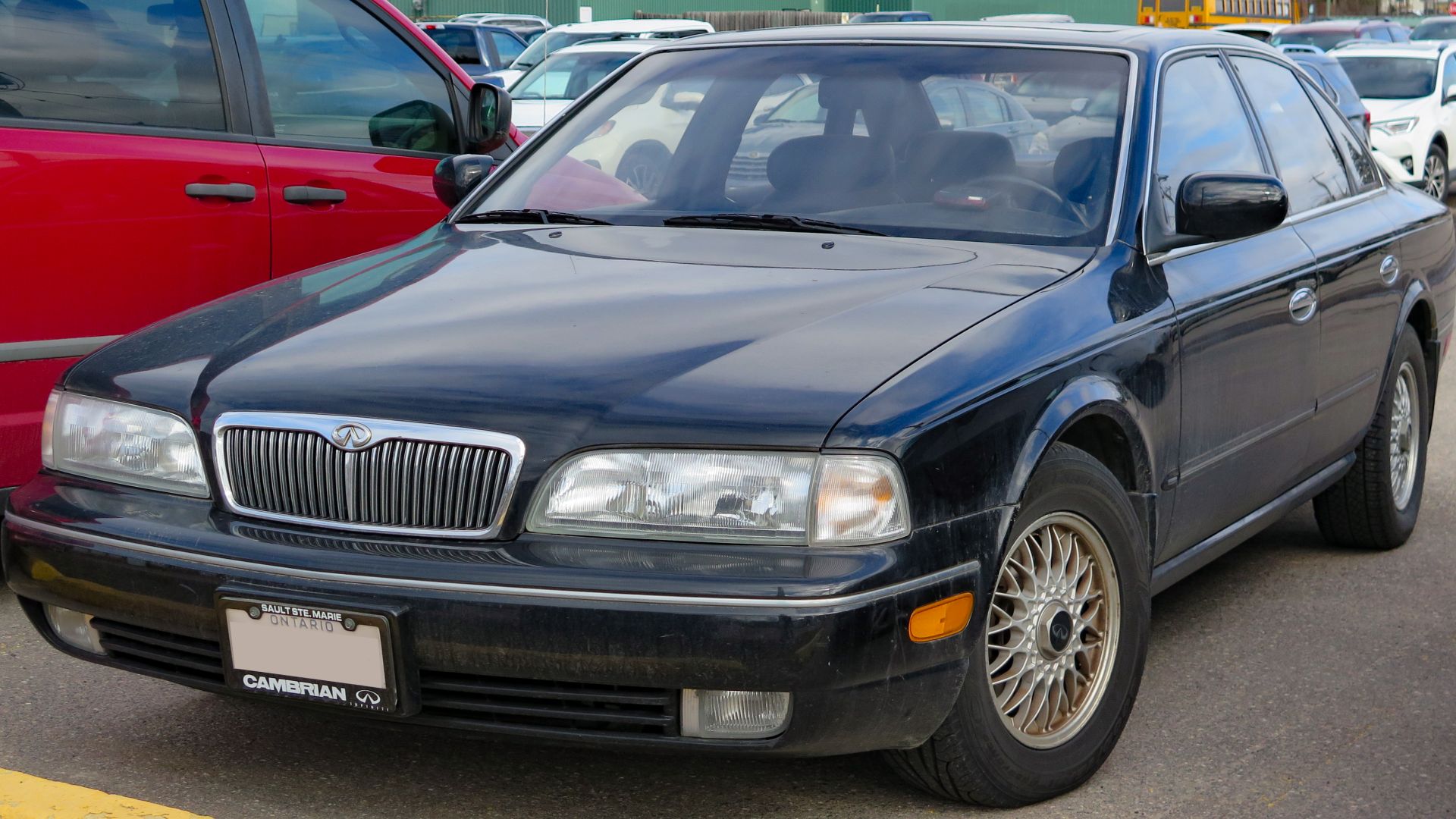
Infiniti Q45
The original Q45 did not use wings, aggressive badges, or even a conventional grille to advertise itself as something special. Beneath the unusually restrained styling was a 278-horsepower 4.5-liter V8 and a rear-wheel-drive chassis that Car and Driver considered remarkably entertaining. Its combination of luxury-car anonymity and genuine performance has made the first-generation Q45 increasingly fascinating to enthusiasts.
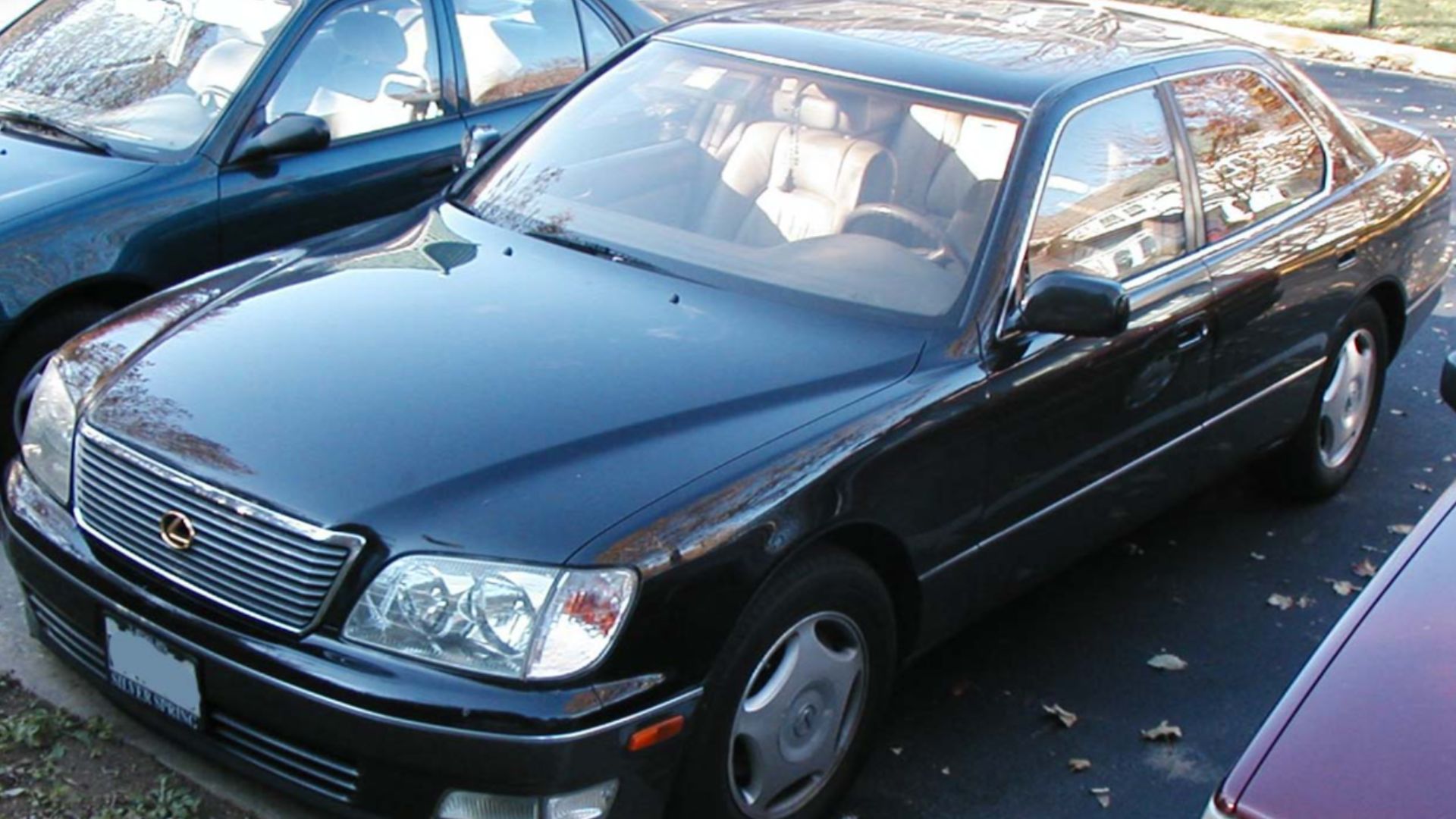
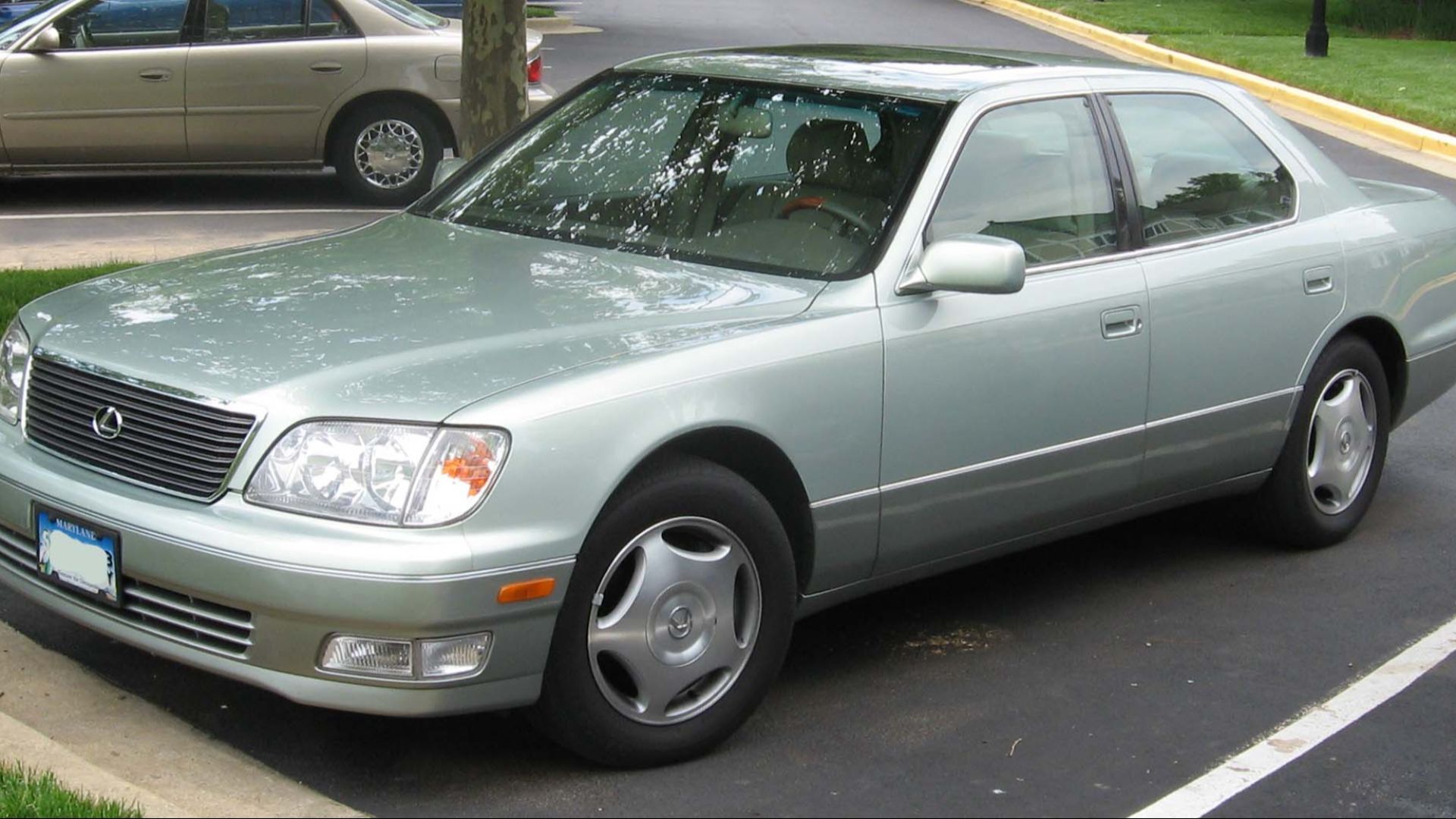
Lexus LS400
The first LS400 built its reputation on refinement rather than obvious sportiness, which can make it easy to overlook how sophisticated the original car was. Its silky 4.0-liter V8 produced 250 horsepower and drove the rear wheels, while Car and Driver praised both its capable handling and exceptional smoothness. Enthusiasts eventually learned that an old LS could be interesting for reasons beyond simply being comfortable and durable.
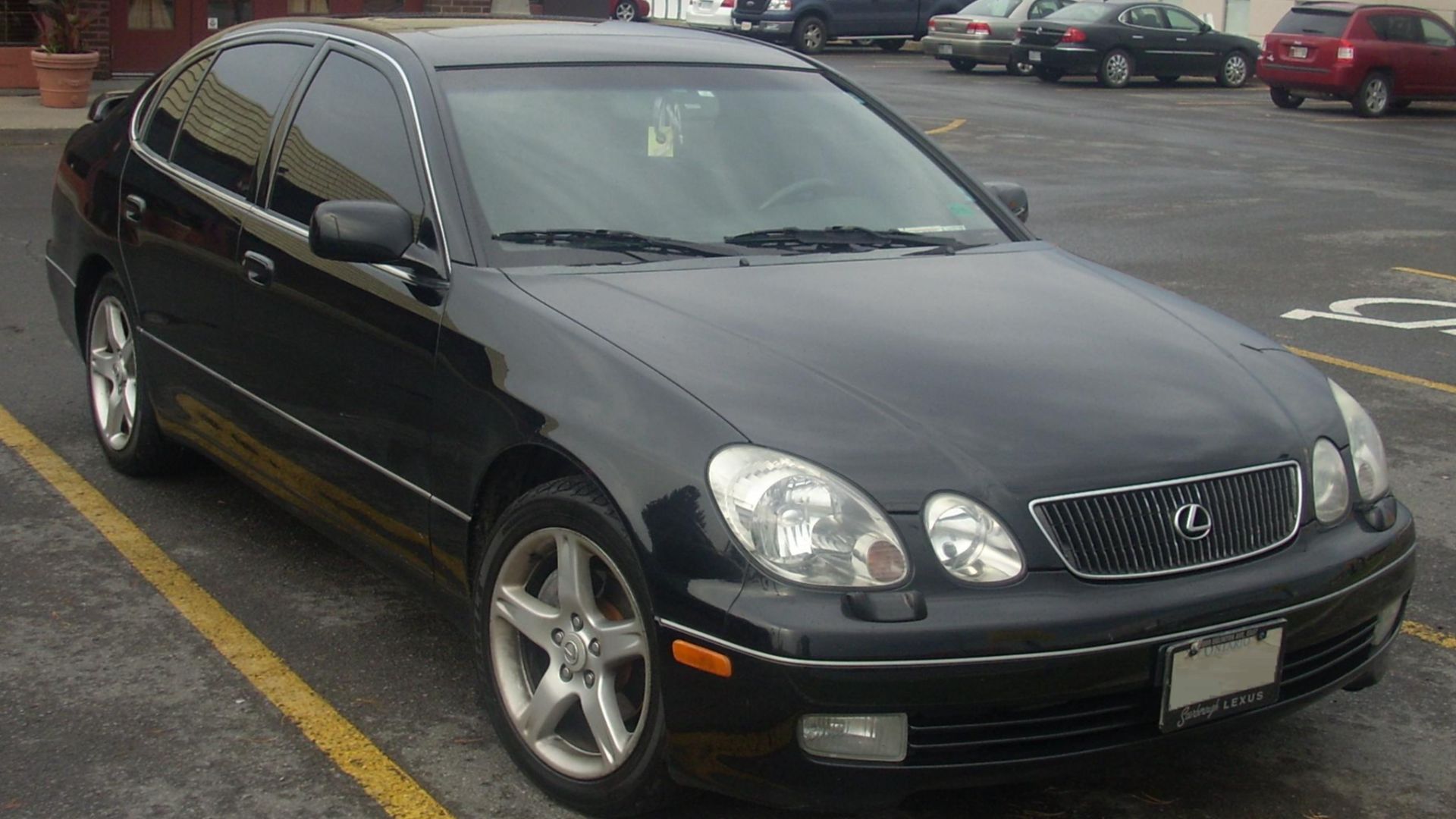
Lexus GS400
Lexus turned the sleeper formula up considerably with the second-generation GS. The 1998 GS400 paired anonymous executive-sedan manners with a 300-horsepower V8, rear-wheel drive, and steering-wheel shift controls for its automatic transmission. Car and Driver named the GS line to its 1998 10Best list, noting that Lexus was making a serious push into performance luxury.
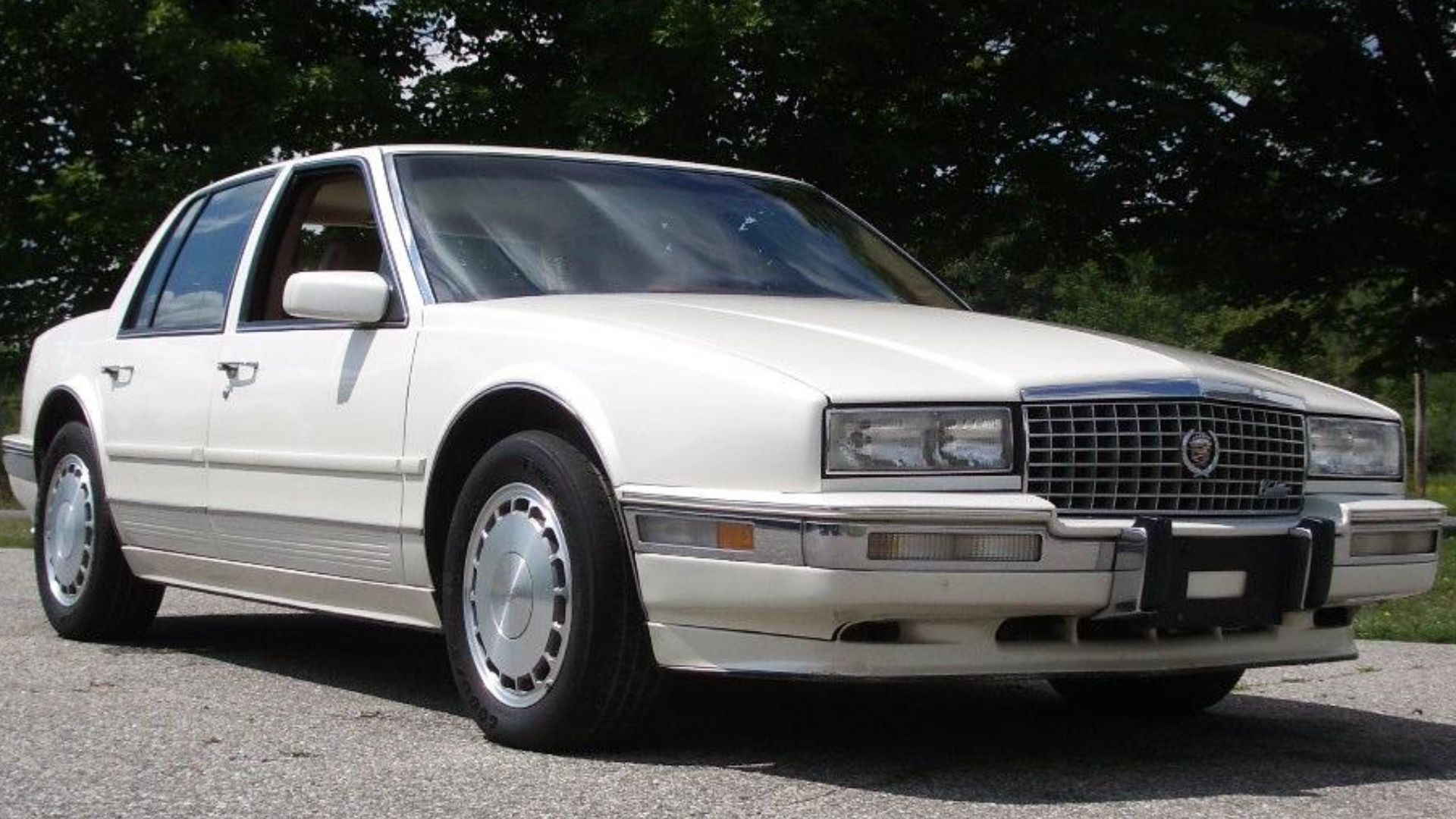
Cadillac Seville STS
For years, American luxury sedans were associated more with soft rides than enthusiastic cornering. The early-1990s Seville STS changed that perception by giving Cadillac's restrained new Seville body firmer sporting intentions and a more driver-focused chassis. Contemporary testers were surprised by how composed and satisfying the STS felt on twisting roads, helping establish a new identity for Cadillac performance.
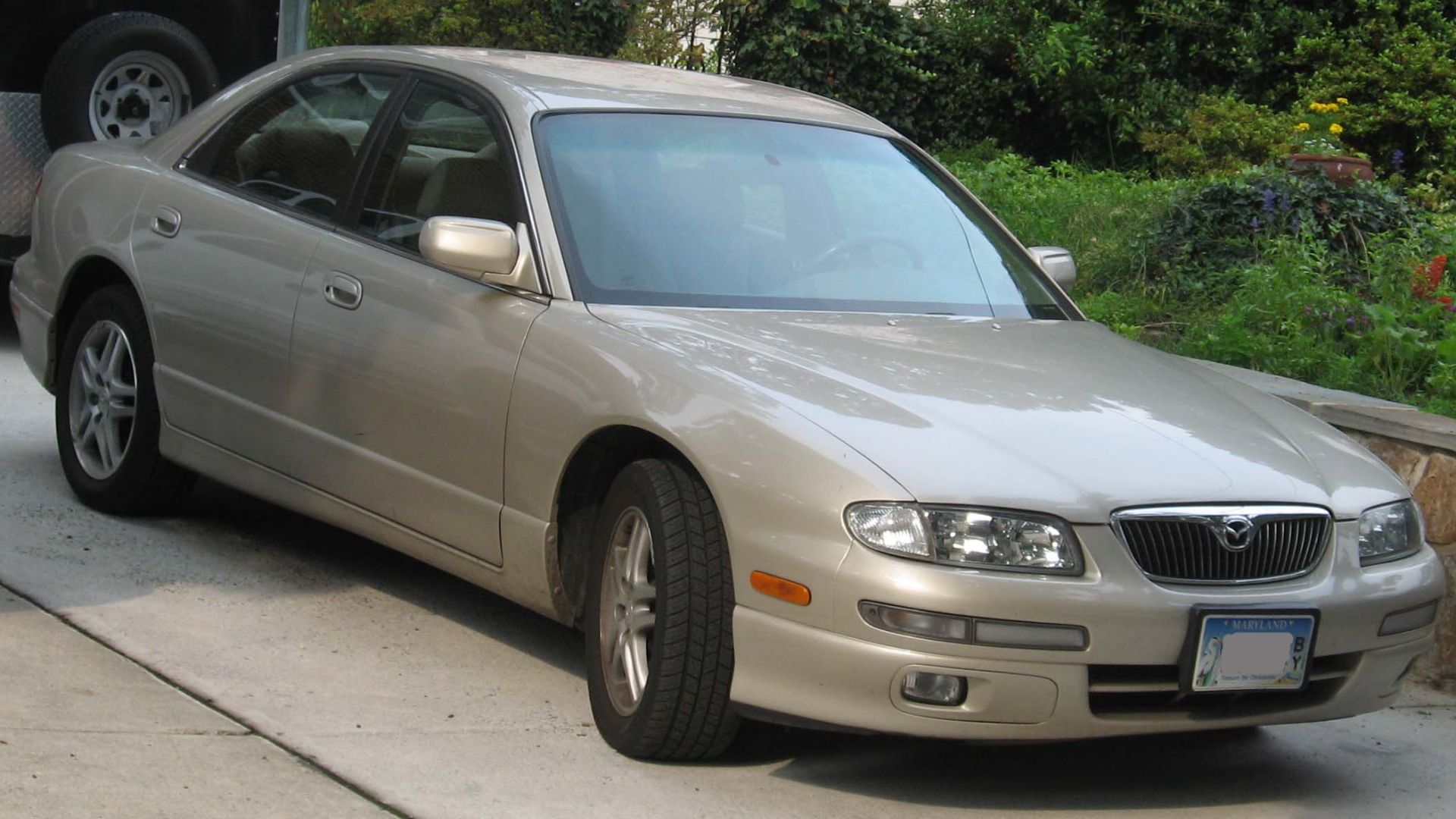
Mazda Millenia S
Nothing about the Mazda Millenia immediately suggested experimental engineering. The upscale sedan's S version, however, used an unusual supercharged Miller-cycle V6, giving enthusiasts an obscure mechanical curiosity wrapped in conservative luxury-car styling. In a 1994 Car and Driver comparison, the Millenia S finished second behind the BMW 325i, an impressive showing for a model largely forgotten today.
Oldsmobile Aurora
The first Aurora was designed to move Oldsmobile away from its traditional image, but it still looked more like a comfortable executive sedan than a performance car. Underneath sat a sophisticated V8, and contemporary testing found the big Oldsmobile surprisingly muscular and composed compared with expectations for the brand. Its unusual engineering and brief place near the top of GM's sedan hierarchy have given it increasing curiosity value among 1990s-car fans.
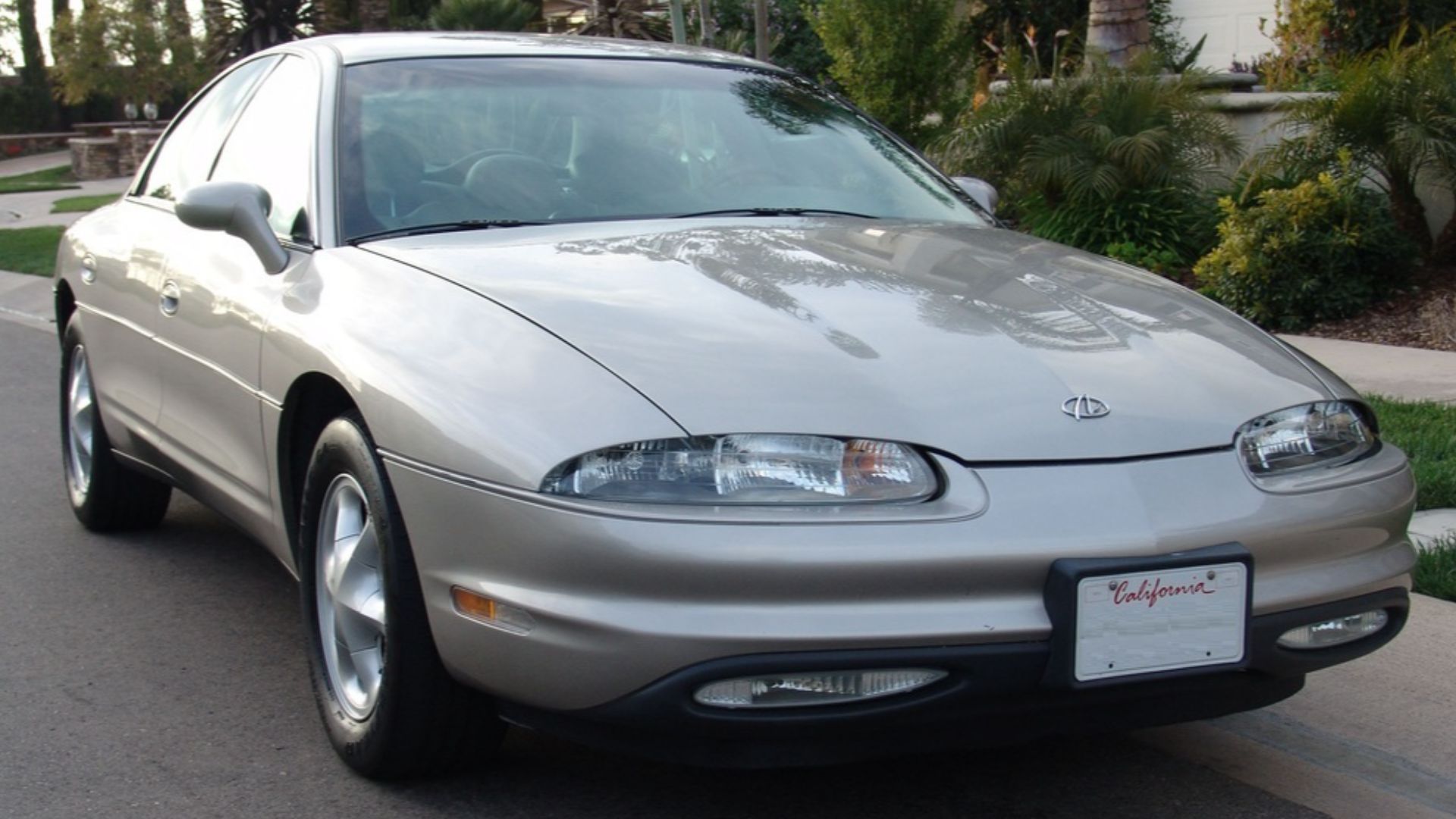 The Oldsmobile Edge, Wikimedia Commons
The 1990s Created A Perfect Sleeper Formula
These cars emerged during an unusual period when manufacturers were experimenting with turbocharging, supercharging, multivalve engines, and increasingly sophisticated chassis technology without always designing flamboyant bodies around them. A performance model could therefore share most of its sheet metal with a vehicle parked outside every suburban office building. That visual anonymity is a major part of what makes the survivors entertaining today.
Boring Turned Out To Age Surprisingly Well
Many of these cars spent years being treated as outdated transportation while flashier performance models received most of the attention. Now their ordinary shapes are part of the appeal because the mechanical surprises underneath feel increasingly unusual in a world of aggressively styled performance cars. Sometimes the coolest car at a gathering is the one that requires a second look.
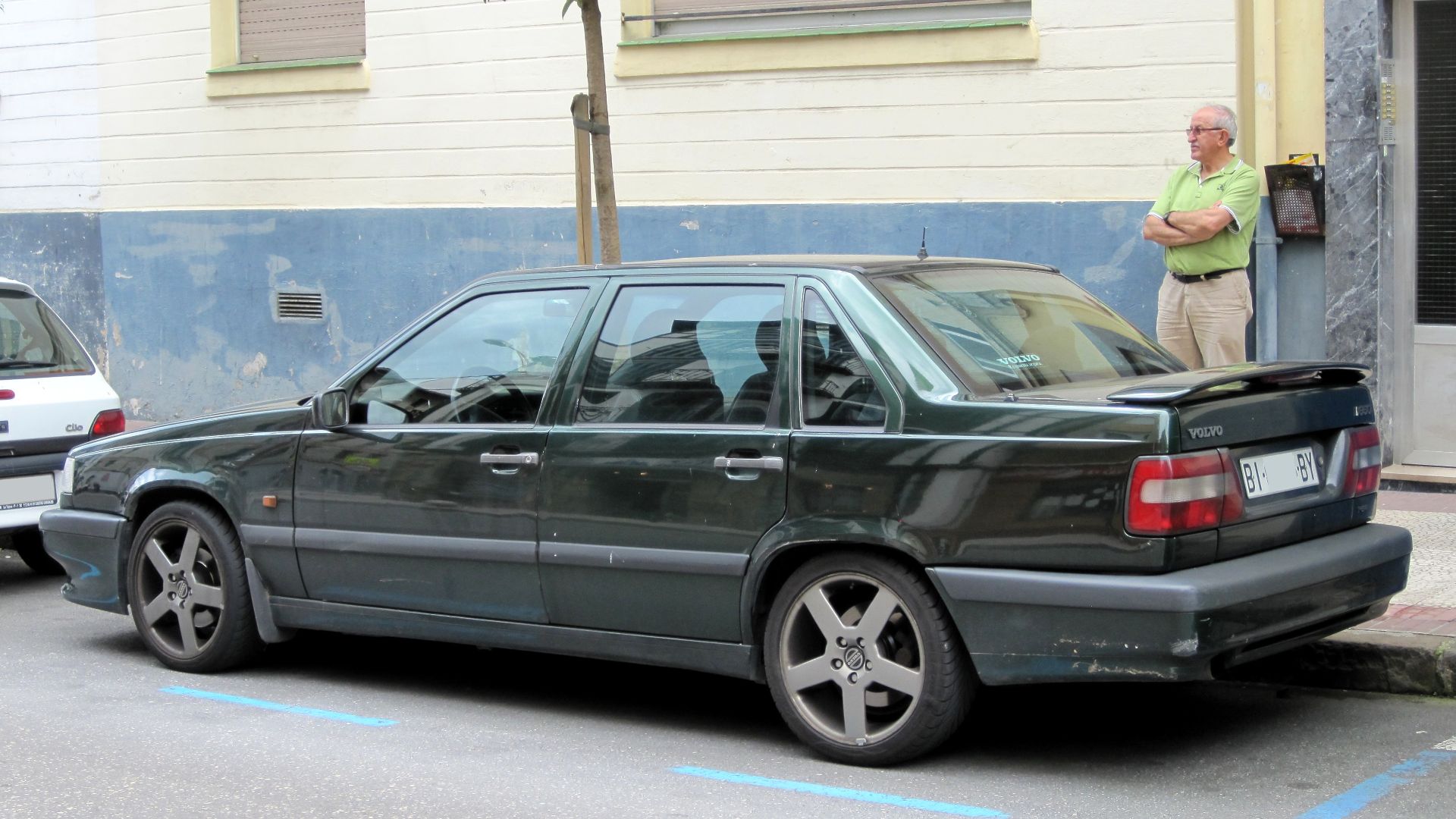 Spanish Coches, Wikimedia Commons
You May Also Like:
Cars That Looked Ordinary But Became Secret Cult Favorites
The Best Classic Cars For First-Time Collectors
Sources: 1, 2, 3, 4, 5, 6, 7, 8, 9, 10, 11, 12, 13, 14, 15, 16, 17, 18, 19, 20


_(54872796432).jpg)