
Ready To Test Your 1980s Car Memory?
The 1980s put plenty of memorable cars on American roads. Decades later, many have all but disappeared, leaving only a few familiar details behind. Some of these headlights may instantly take you back. Others could stump even longtime car fans. Can you identify all 15 before seeing the names?
Can You Identify This Eyebrowed Front End?
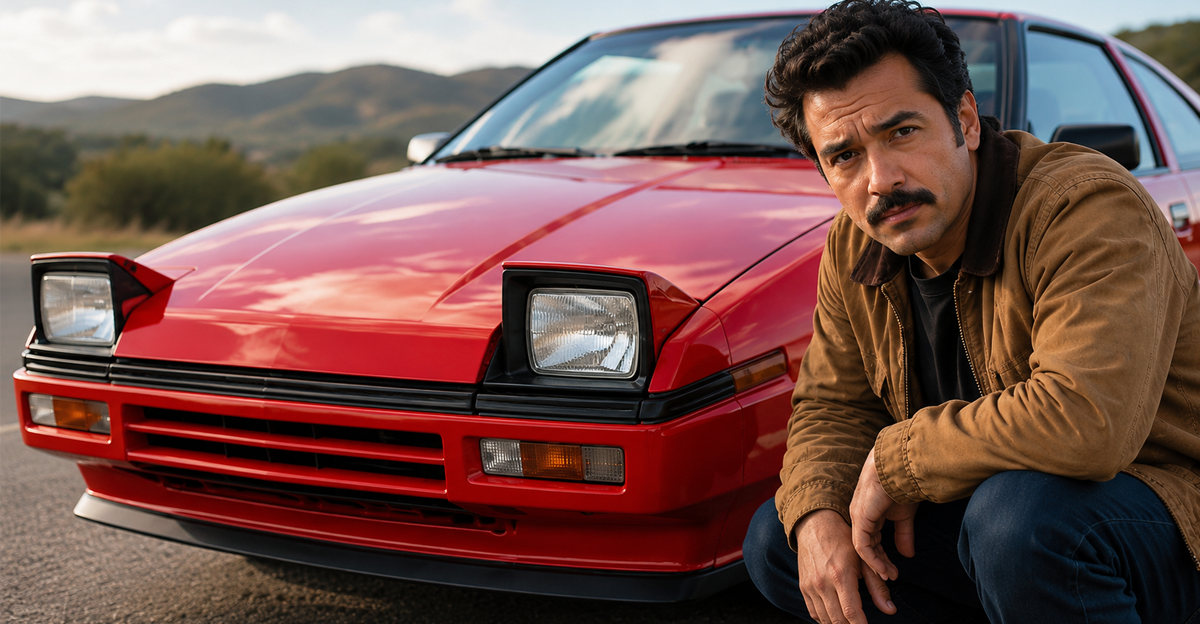
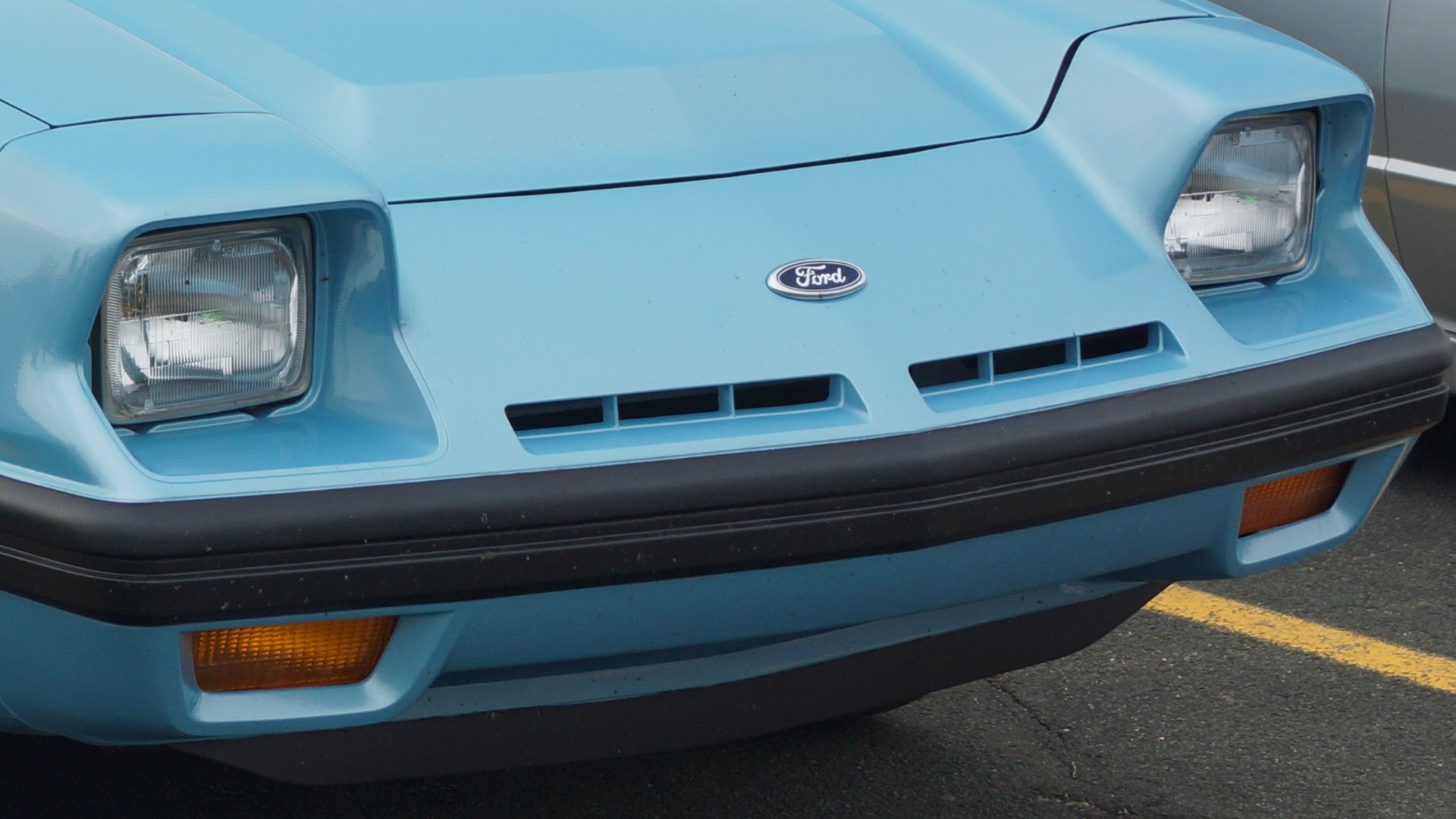
Start with two rectangular headlights set inside raised, sculpted pods that look almost like eyebrows. Between them is barely a grille at all, just two narrow horizontal openings in an otherwise smooth nose. It is a strange face even by 1980s standards.
 Greg Gjerdingen, Wikimedia Commons
Ford EXP
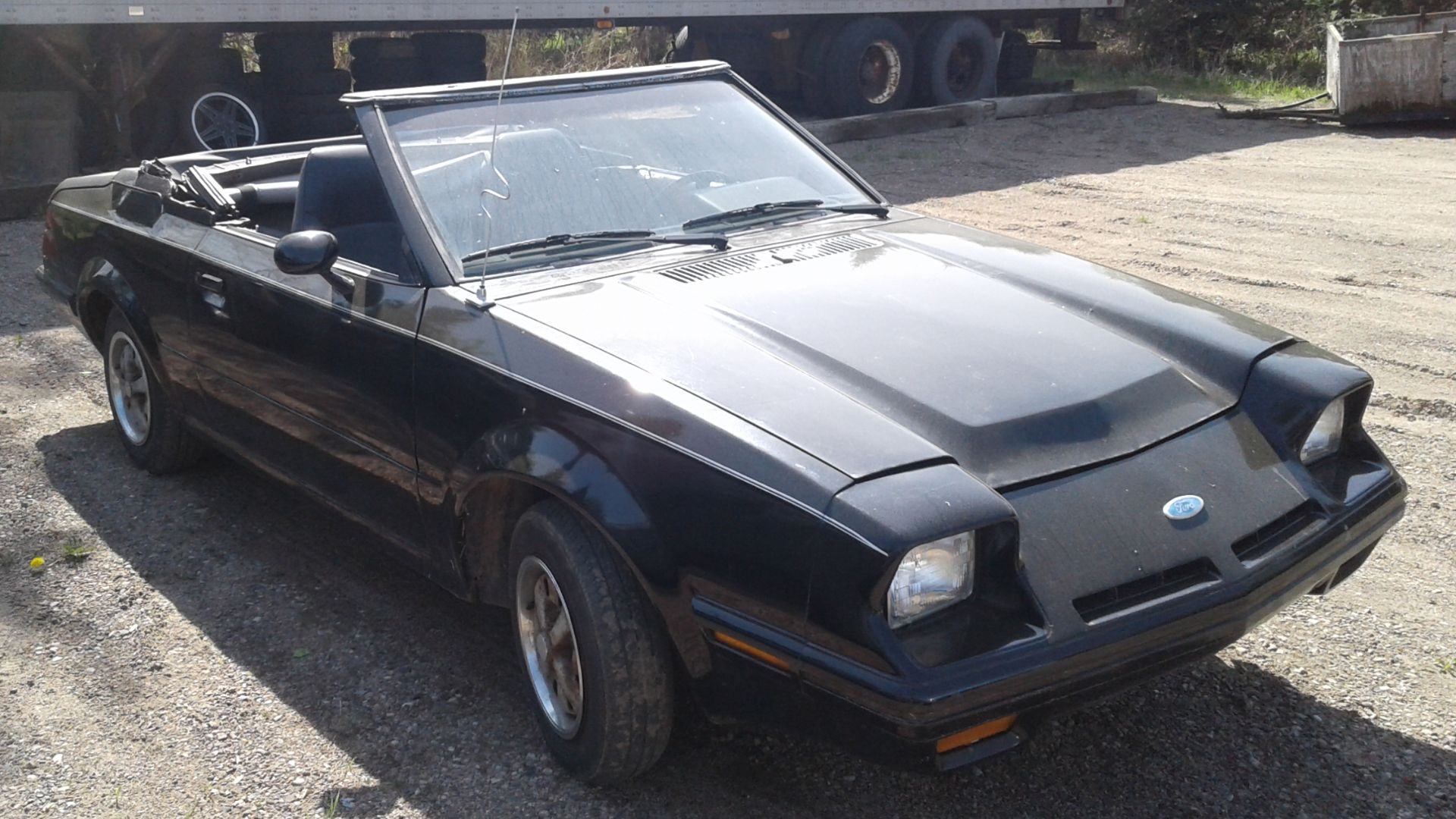
This is the Ford EXP, the Escort-based two-seater introduced for the 1982 model year. Ford promoted it as its first two-seat car since the original Thunderbird, although the initial 1.6-liter engine produced only 70 horsepower. A much livelier 120-hp EXP Turbo Coupe arrived for 1984.
 The 1982 EXPert, Wikimedia Commons
Which Coupe Had This Horizontal Face?
Look for big rectangular headlights positioned at the outer edges of a wide grille filled with thin horizontal bars. Amber corner lights and a substantial black bumper make the nose look unmistakably early-'80s. The hood itself remains surprisingly clean and simple.
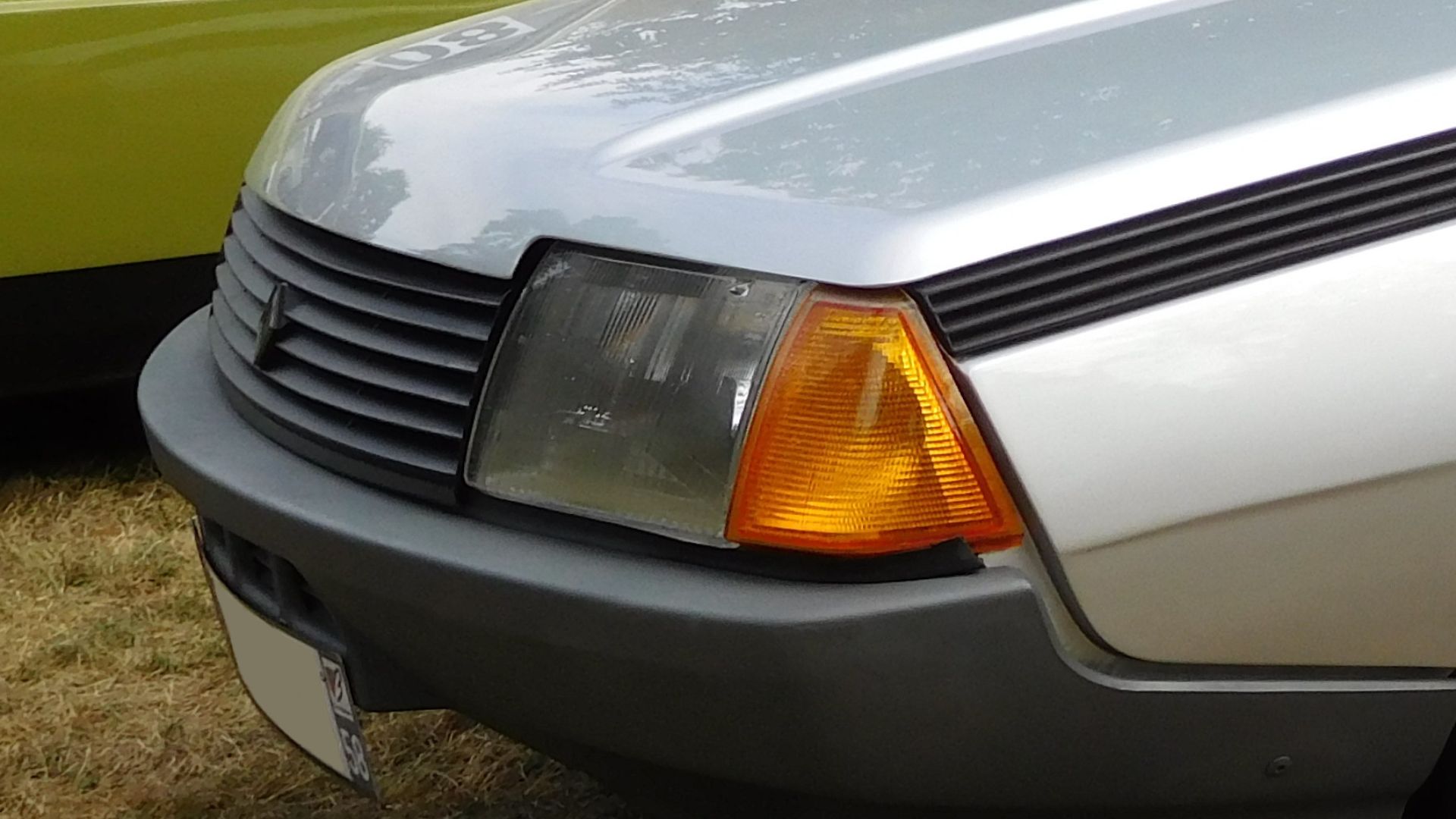
Renault Fuego
The Renault Fuego reached the U.S. for 1982 with aerodynamic styling and an available turbocharged engine. American-market cars had a drag coefficient of 0.35, while the Fuego Turbo initially produced 107 horsepower. The Turbo disappeared after 1984, and the remaining Fuego left the U.S. lineup after 1985.
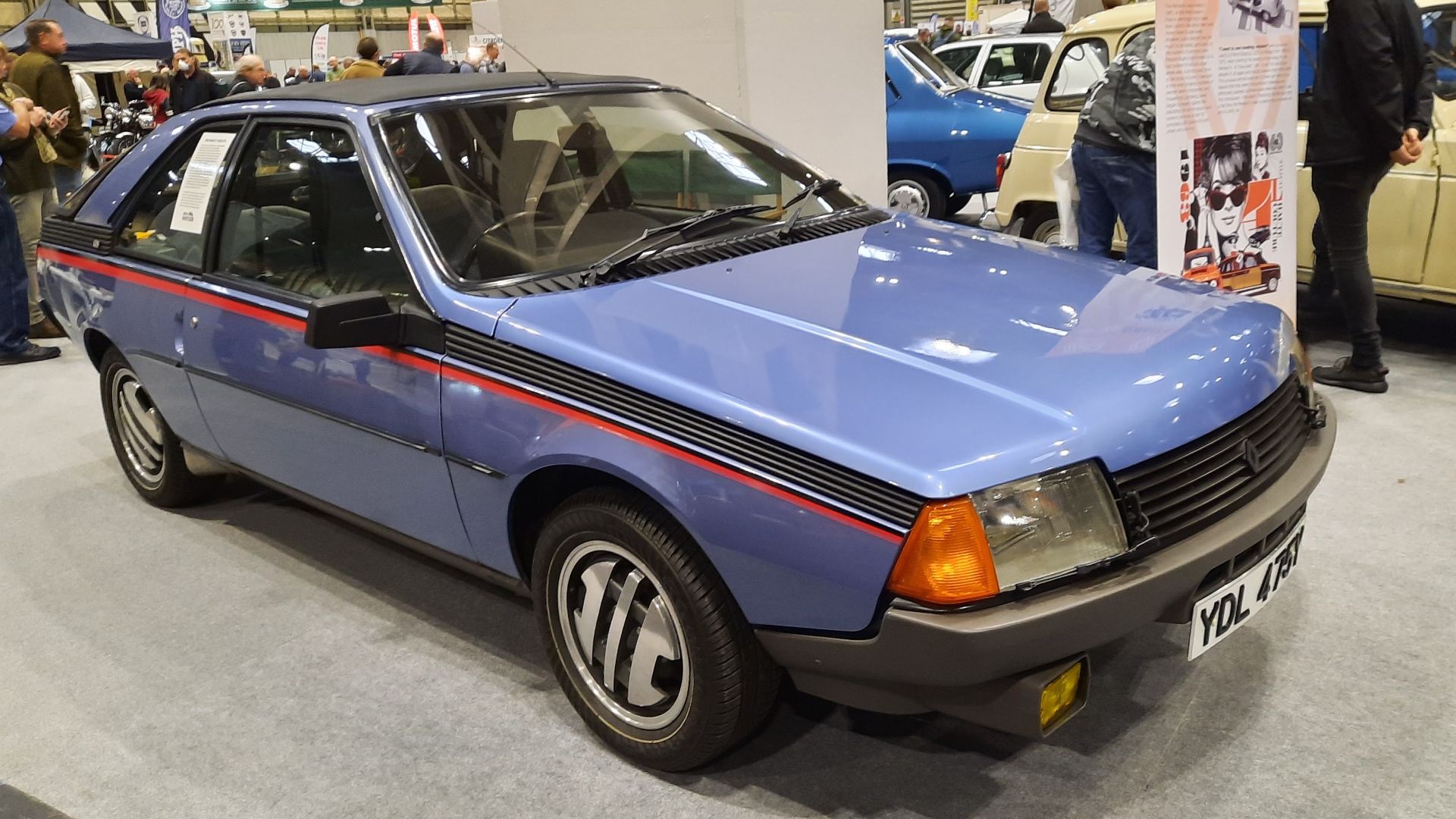 Kieran White from Manchester, England, Wikimedia Commons
Do These Hidden Headlights Look Familiar?
This sleek wedge hides four headlights inside partially covered rectangular housings. Body-colored “eyebrows” lift when the lights are switched on, while a dark horizontal grille stretches across the nose. The whole front end looks unusually futuristic for an early-1980s coupe.
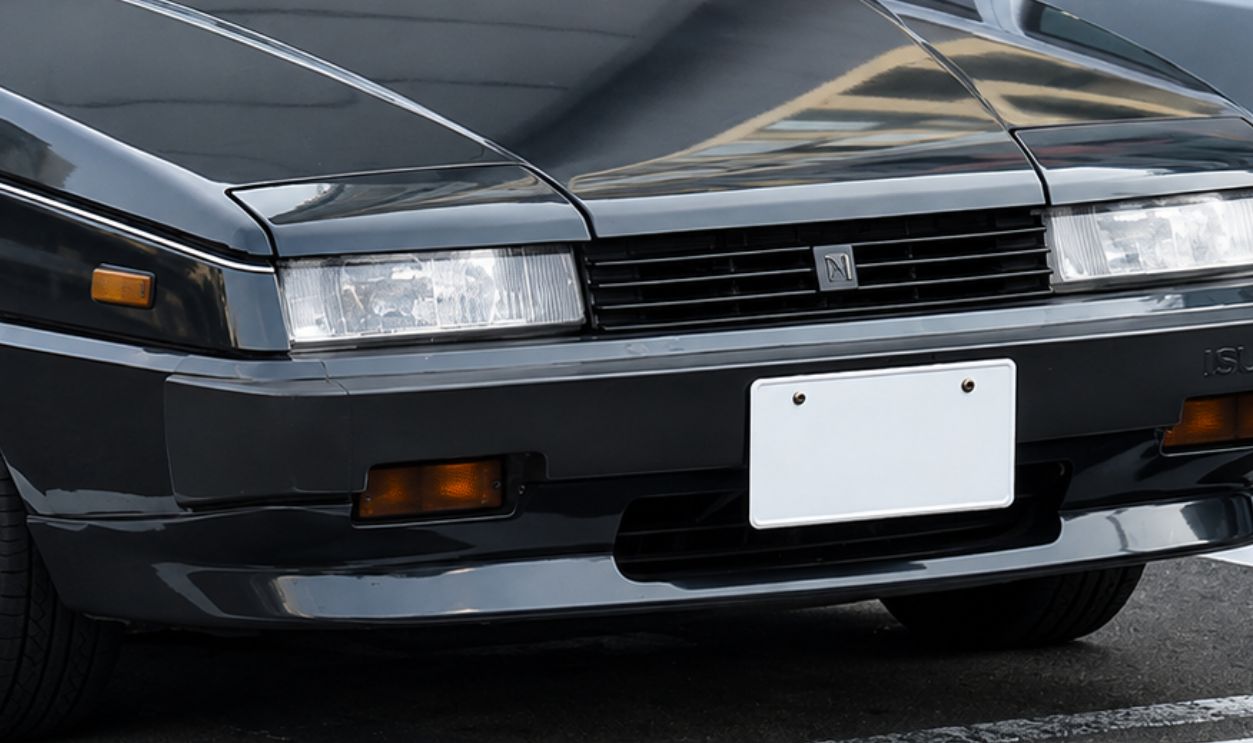 Kuha455405, Wikimedia Commons, Enhanced
Isuzu Impulse
The first-generation Isuzu Impulse arrived in American showrooms in 1983 and was styled by Giorgetto Giugiaro from his earlier Ace of Clubs concept. The original 2.0-liter four produced 90 horsepower, while a turbocharged version later raised output to 140 horsepower. For 1988, every Impulse received a suspension setup developed under Isuzu's "Handling by Lotus" program.
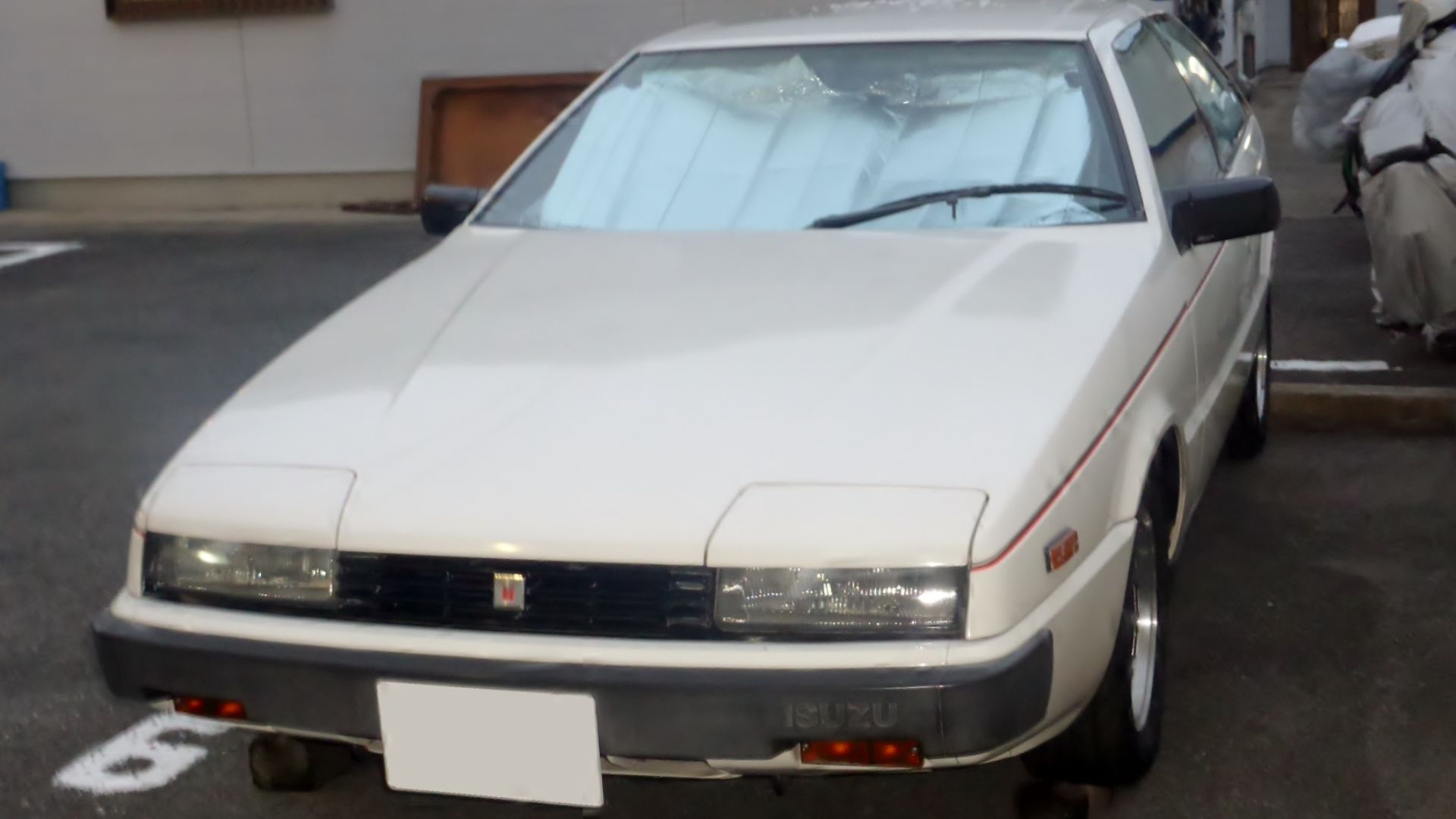 Tokumeigakarinoaoshima, Wikimedia Commons
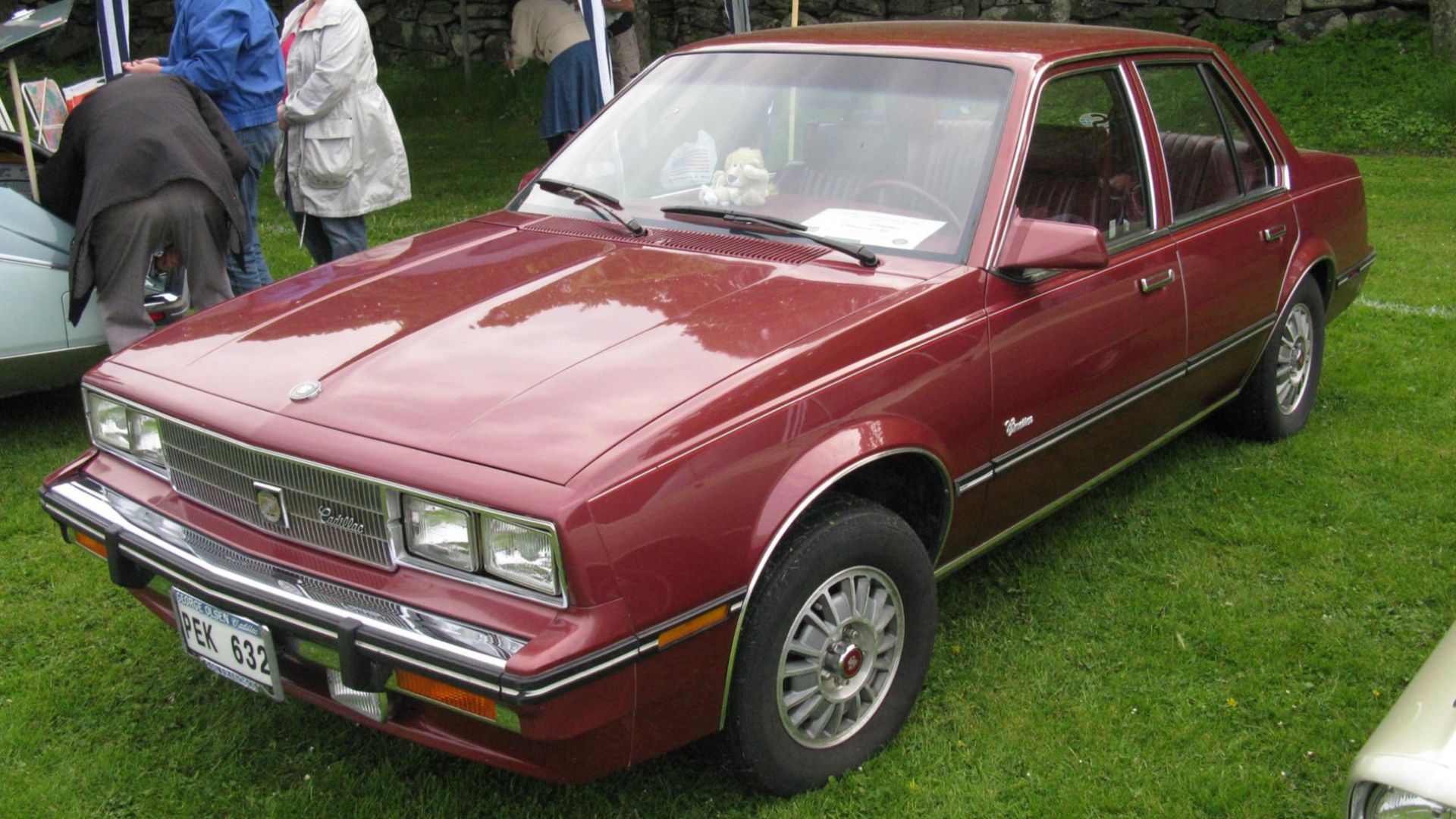
Can You Place This Tiny Luxury Sedan?
Four rectangular headlights are grouped in pairs on either side of a large, formal grille. Chrome trim, a hood ornament, amber lamps below the headlights, and additional lower driving lights try hard to make this compact front end look expensive. The basic proportions, however, might remind you of a much cheaper GM car.
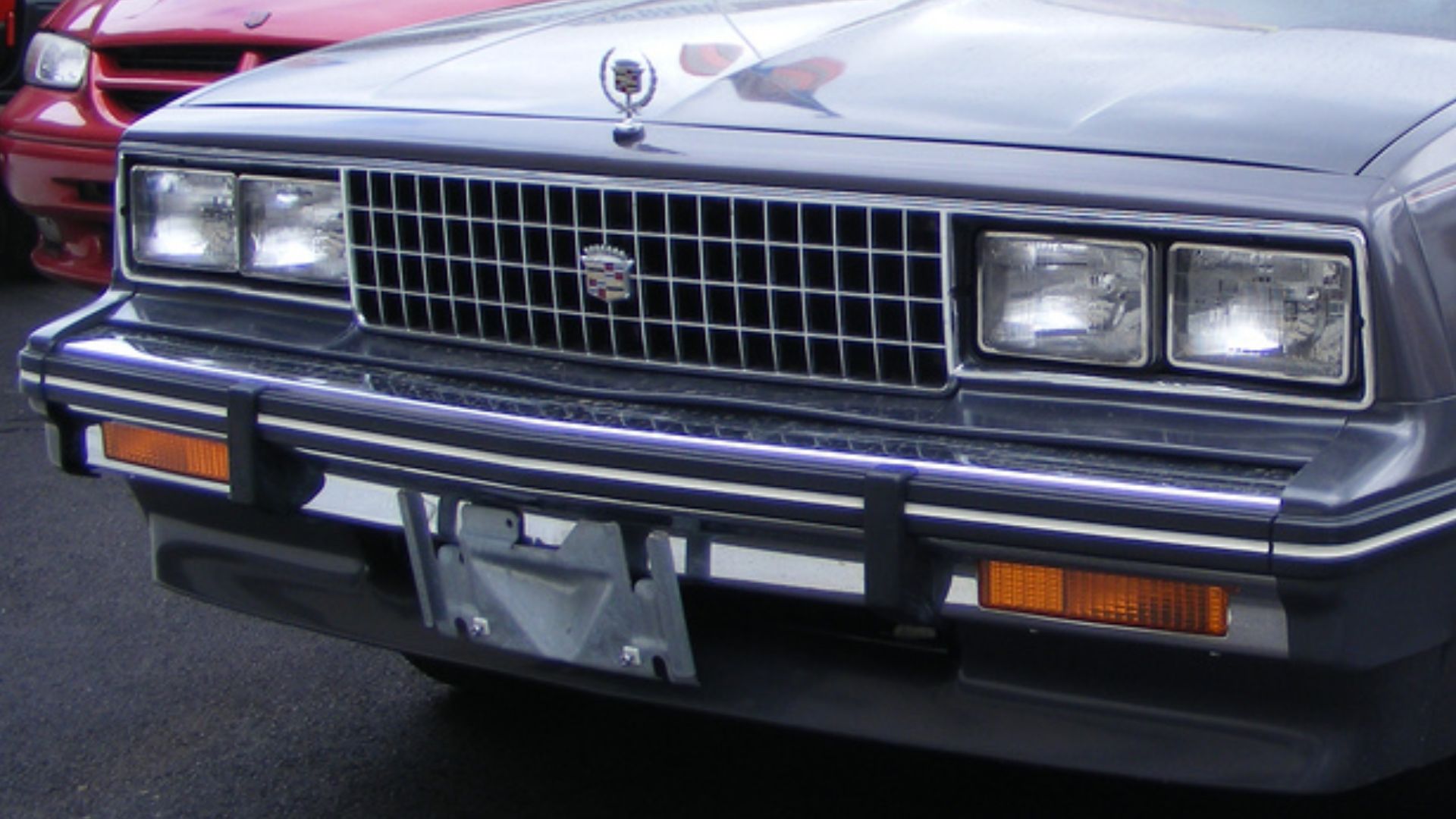
Cadillac Cimarron
You are looking at the Cadillac Cimarron, introduced for 1982 on GM's front-wheel-drive J-car architecture. That platform was also used by cars including the Chevrolet Cavalier, Buick Skyhawk, Pontiac J2000, and Oldsmobile Firenza. Cadillac eventually made a V6 standard for 1987, but the controversial compact disappeared after the 1988 model year.
Which Mid-Engine Car Is Hiding Here?
The headlights disappear completely into a smooth, low hood until two square lamps rise from the body. Below them sits a narrow bumper band with rectangular amber lights pushed toward the corners. Few American cars of the period looked this low or this clean from the front.
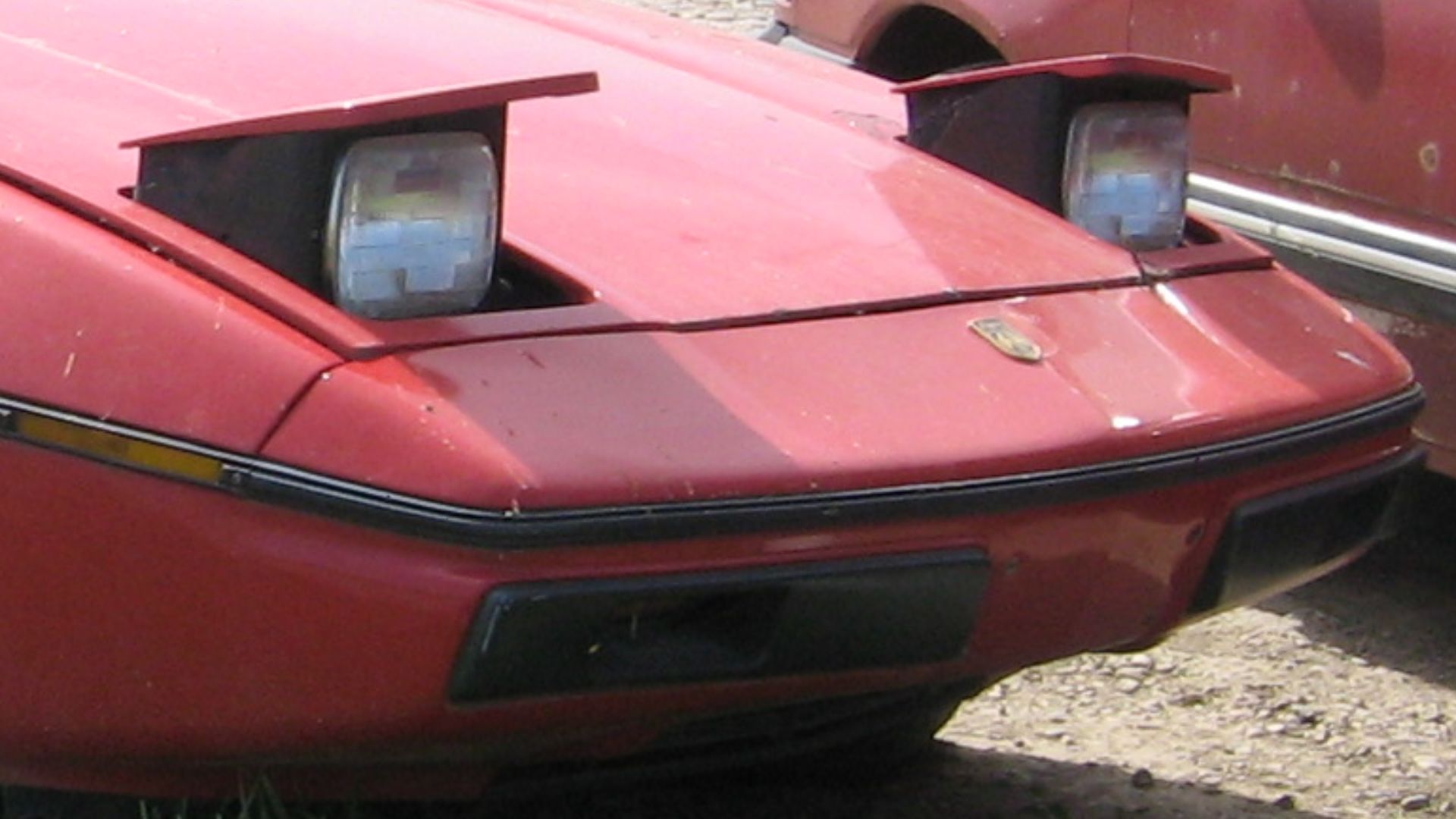 dave_7 from Lethbridge, Canada, Wikimedia Commons
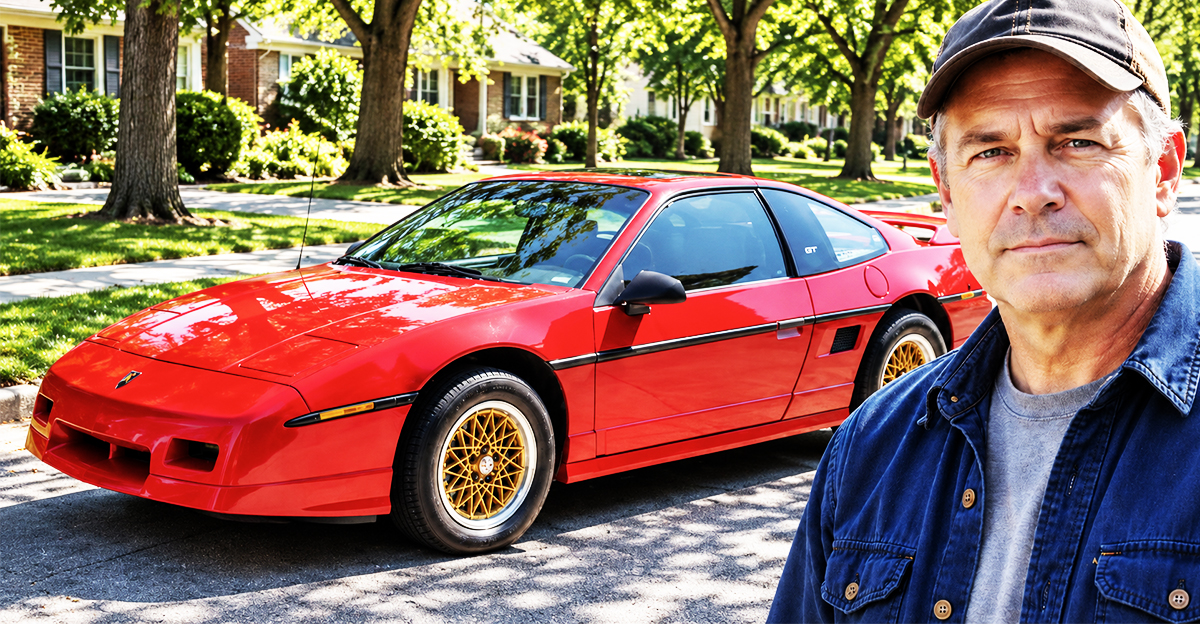
Pontiac Fiero
This is the Pontiac Fiero, which debuted for 1984 with a mid-engine, rear-wheel-drive layout. Its exterior panels were made from dent-resistant polymer and mounted to a steel space-frame structure. The first cars used Pontiac's 92-hp 2.5-liter four-cylinder engine, although a V6 joined the lineup later.
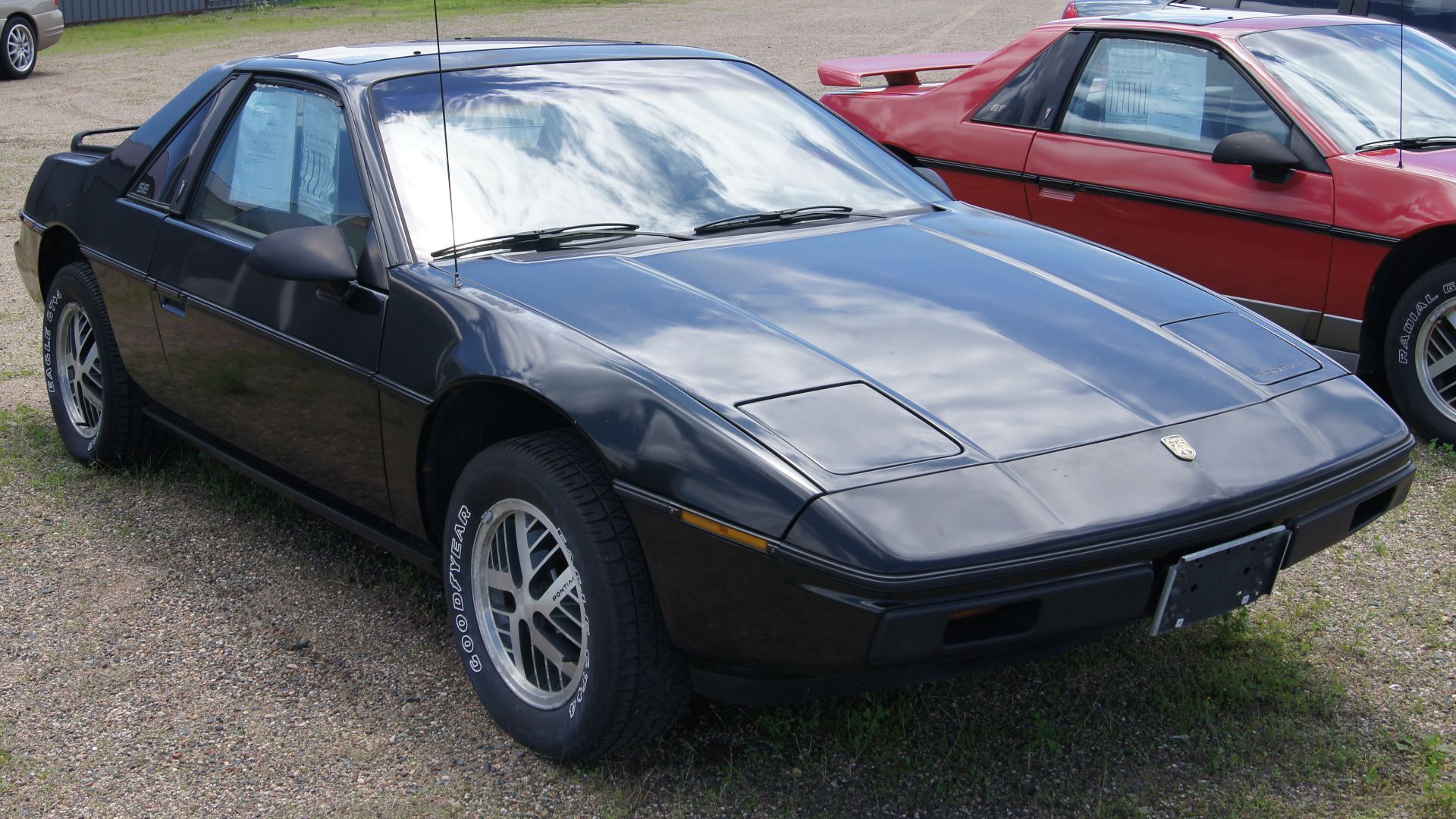 Greg Gjerdingen from Willmar, USA, Wikimedia Commons
Can You Name This Four-Lamp Compact?
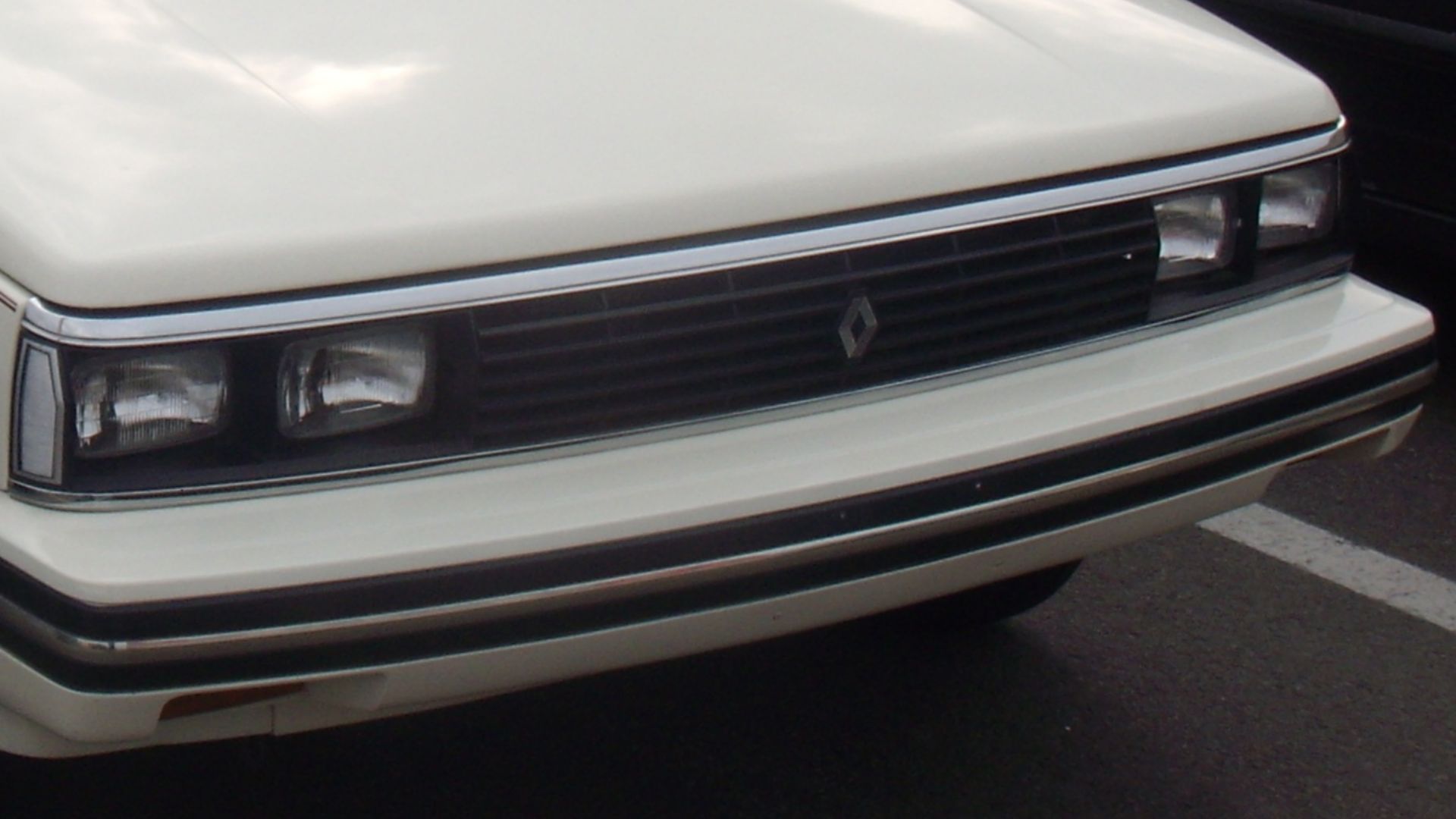
Four small rectangular headlights sit together inside a simple black grille, giving this little sedan a surprisingly distinctive face. Thin brightwork surrounds the grille, while amber turn signals sit lower in the bumper. It looks European, but this particular version was built in America.
 Bull-Doser at English Wikipedia, Wikimedia Commons
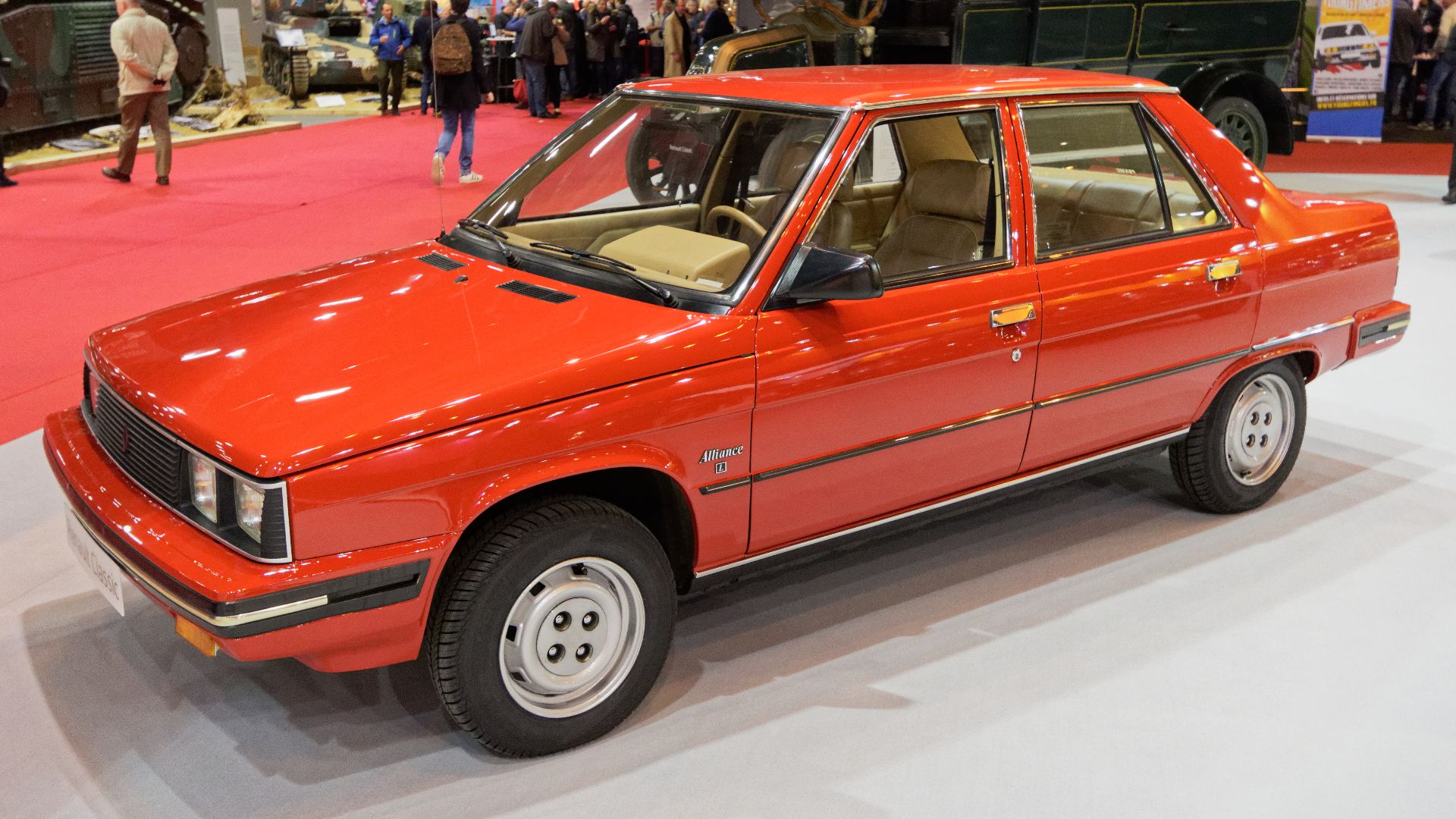
Renault Alliance
The Renault Alliance was an Americanized version of the Renault 9, assembled at AMC's Kenosha, Wisconsin, plant. It arrived for 1983 with North American styling and engineering changes, including its four-headlight grille. The Alliance was named Motor Trend's 1983 Car of the Year and also made Car and Driver's 10Best list.
 Thesupermat, Wikimedia Commons
Which Turbo Coupe Had This Boxy Face?
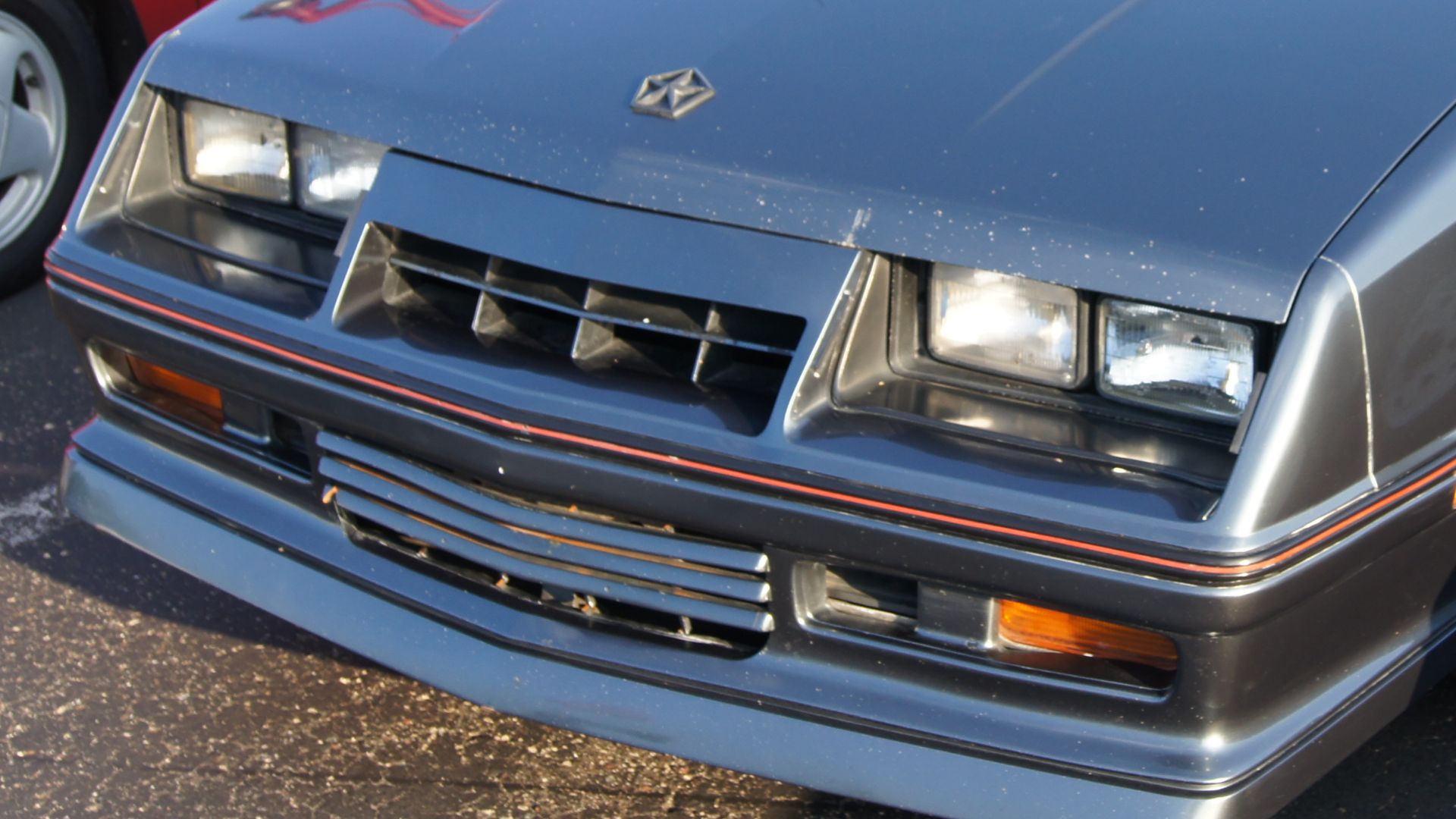
Instead of pop-ups, this sporty hatchback uses four square headlights arranged in two rectangular housings. A narrow split grille fills the center, while a thick bumper carries amber signals and additional rectangular lamps. The shape is angular, aggressive, and very much from 1984.
 Greg Gjerdingen from Willmar, USA, Wikimedia Commons
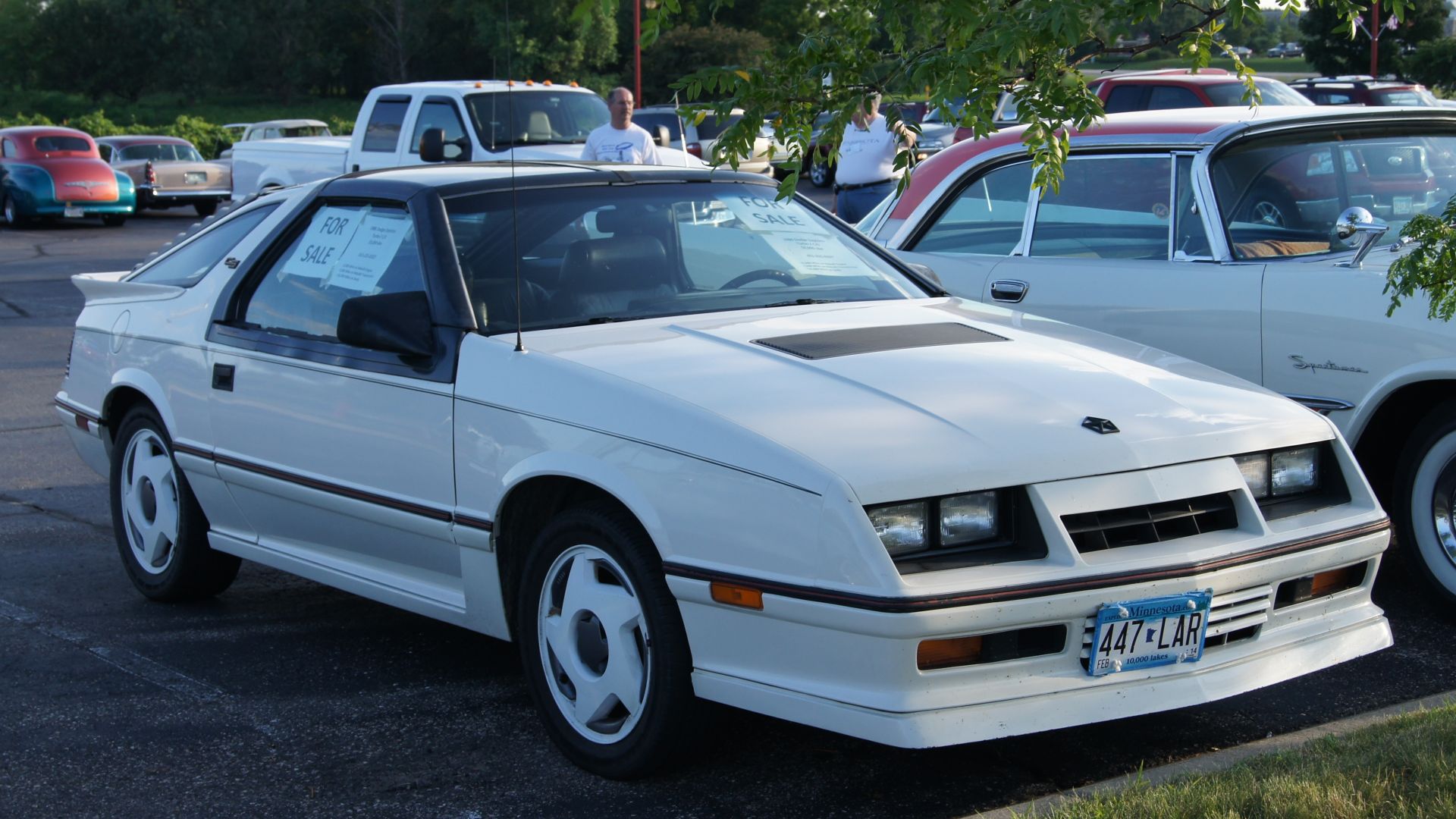
Dodge Daytona Turbo Z
This is the 1984 Dodge Daytona Turbo Z, one of Chrysler's early attempts to make serious performance from a front-wheel-drive platform. Its turbocharged and intercooled 2.2-liter four-cylinder produced 142 horsepower. Car and Driver described the new Daytona as a legitimate front-drive muscle car when it arrived.
 Greg Gjerdingen from Willmar, USA, Wikimedia Commons
Do You Remember This Nearly Grilleless Coupe?
Two broad rectangular headlight assemblies sit on either side of a small central badge. The center of the nose is almost completely body-colored, while a narrow opening appears farther down. It has the restrained front end of a European performance car rather than a typical American Ford.
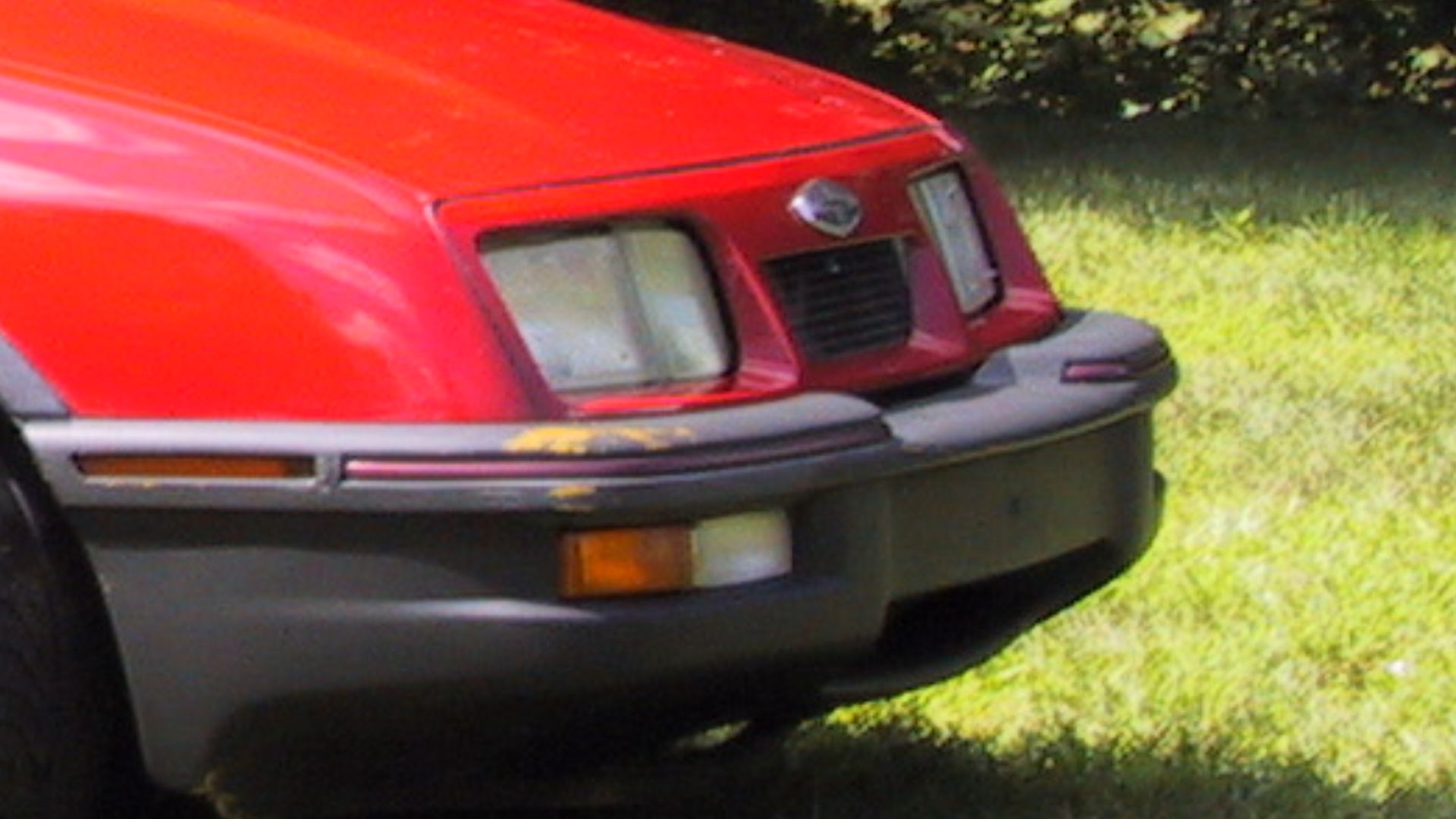 User Dellegatto: In Color on en.wikipedia, Wikimedia Commons
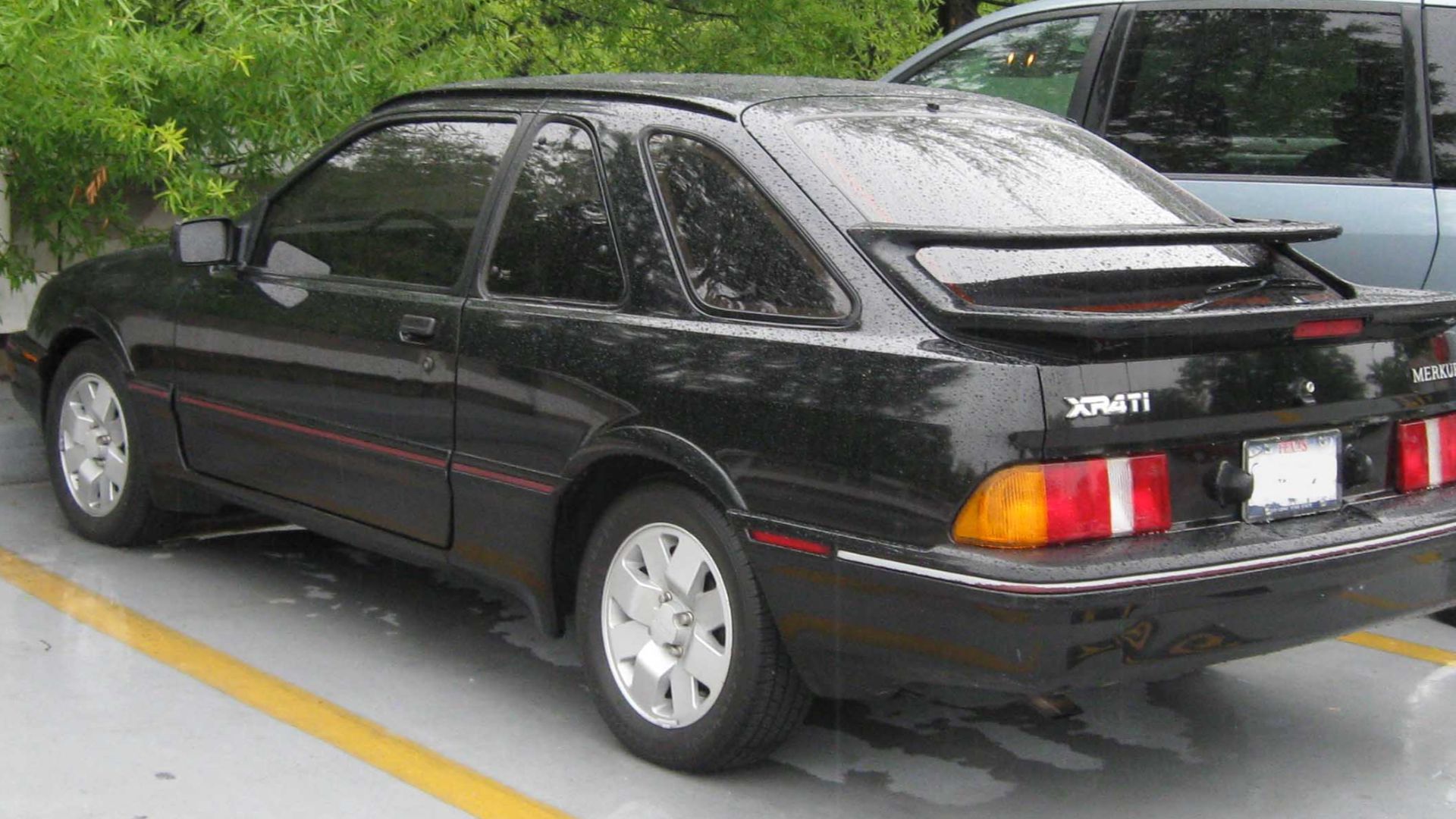
Merkur XR4Ti
The Merkur XR4Ti was Ford's American-market version of the European Sierra, sold through selected Lincoln-Mercury dealers beginning in 1985. U.S. cars used a turbocharged 2.3-liter four-cylinder rather than the European XR4i's V6. With the five-speed manual, the XR4Ti produced 175 horsepower.
Which Wide-Body Turbo Car Is This?
Square pop-up headlights rise above a thin black strip running across a sharply angled nose. Large rectangular lamps sit lower in the bumper, while dramatic boxed fenders make the entire front end appear much wider than the cabin. This one looks ready for an arcade racing game.
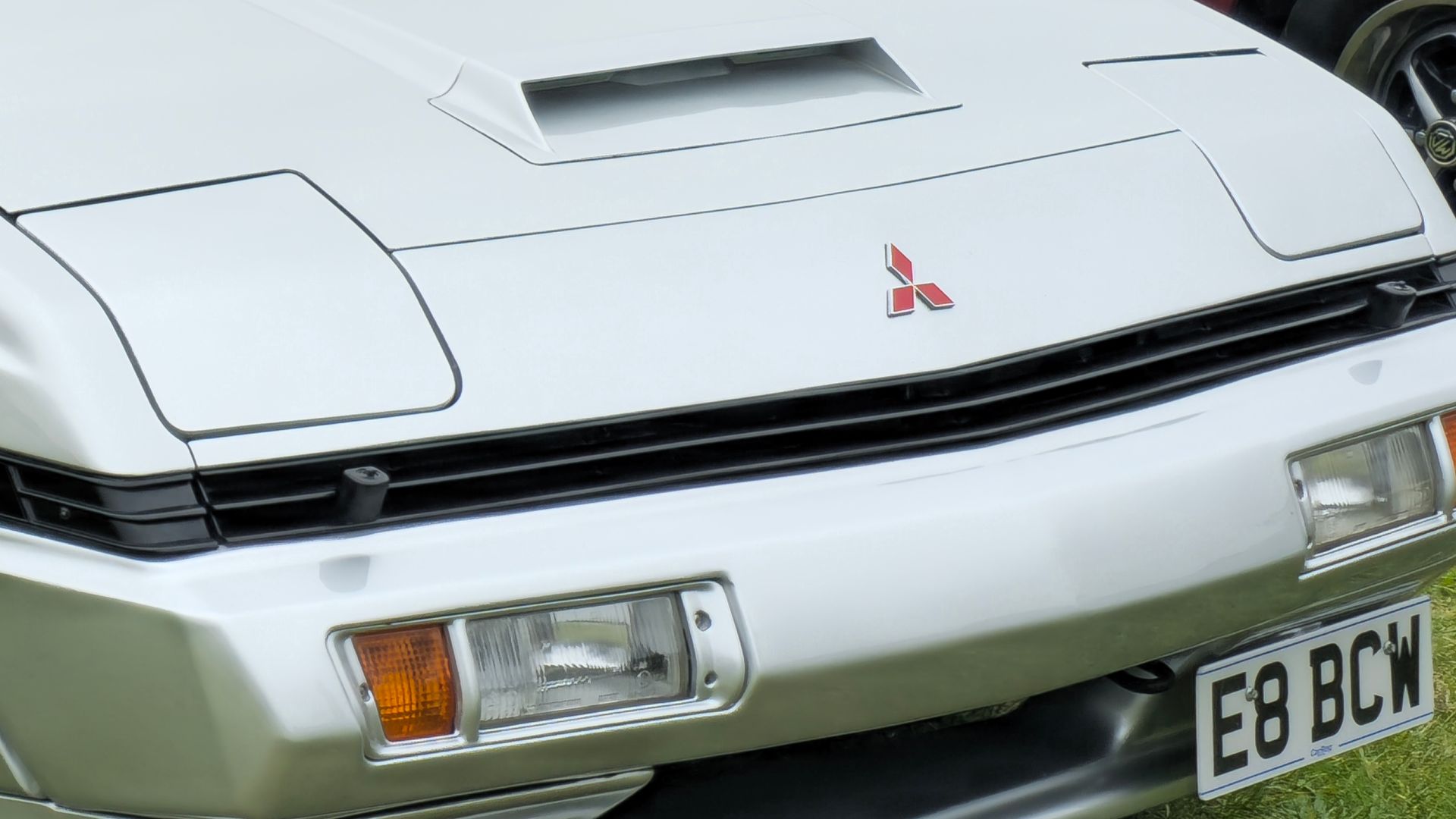
Mitsubishi Starion
This is the Mitsubishi Starion, a rear-wheel-drive turbocharged coupe that reached America in late 1982. Chrysler also sold versions of the same basic car as the Conquest. Later wide-body Starion ESI-R models gained dramatically flared fenders, and output eventually climbed to 188 horsepower for 1988.
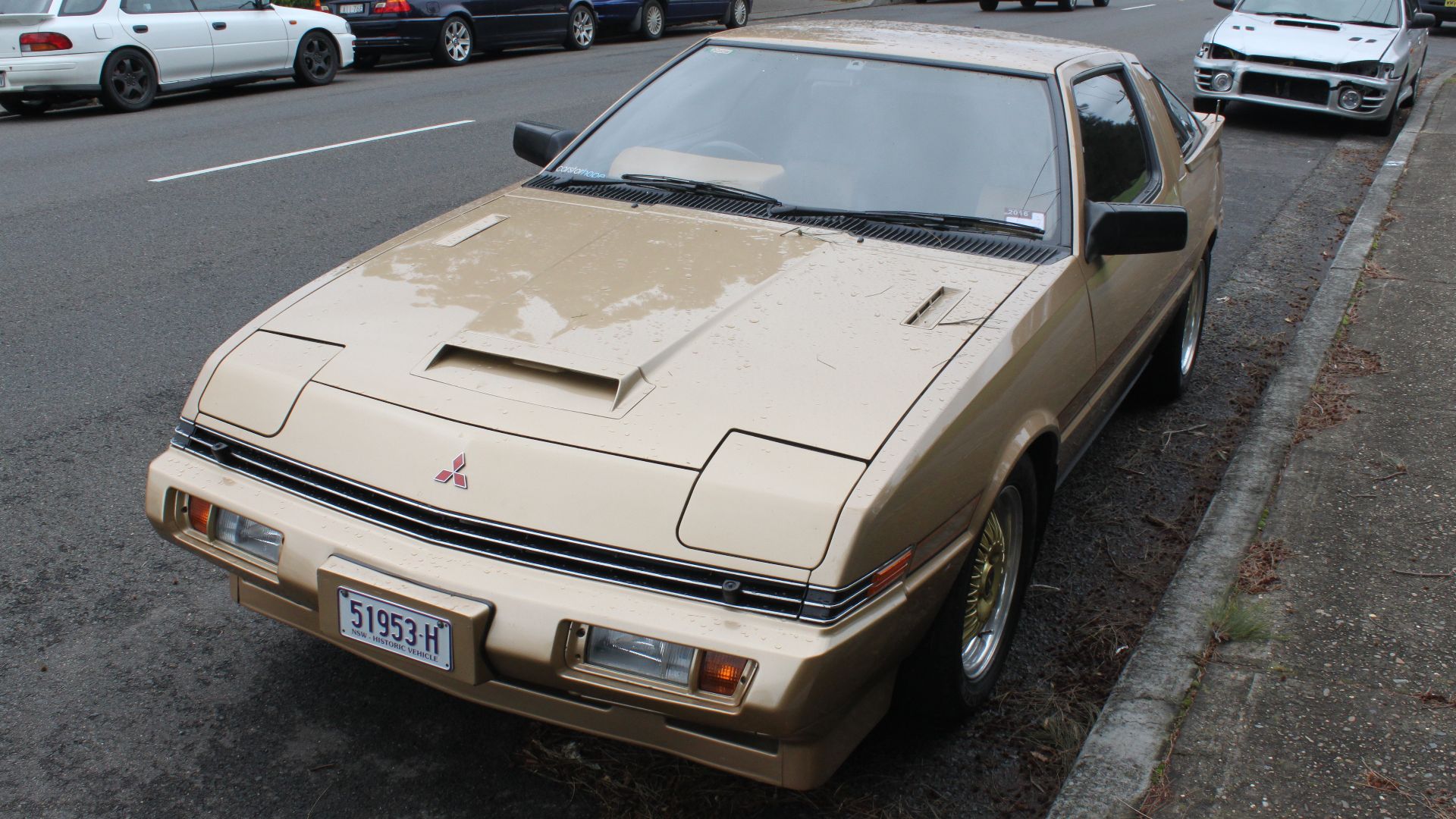 Jeremy from Sydney, Australia, Wikimedia Commons
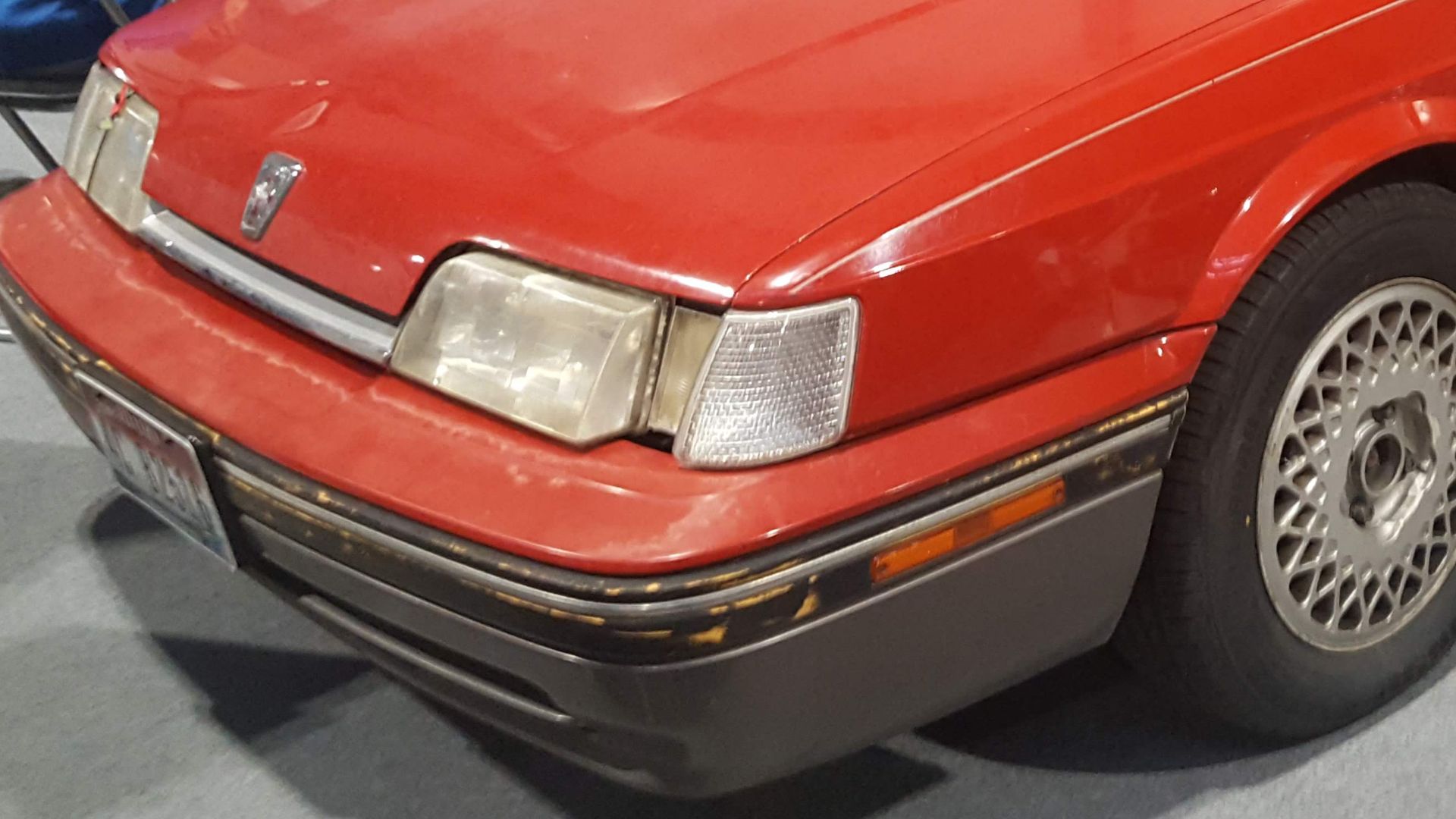
Can You Name This Slim-Grille Sedan?
Two wide rectangular headlamp assemblies sit on either side of an extremely narrow grille opening. A small shield-shaped badge sits prominently in the center of the hood, while the bumper below is unusually clean and simple. Nothing about the nose immediately tells you where this luxury sedan came from.
 Kieran White from Manchester, England, Wikimedia Commons
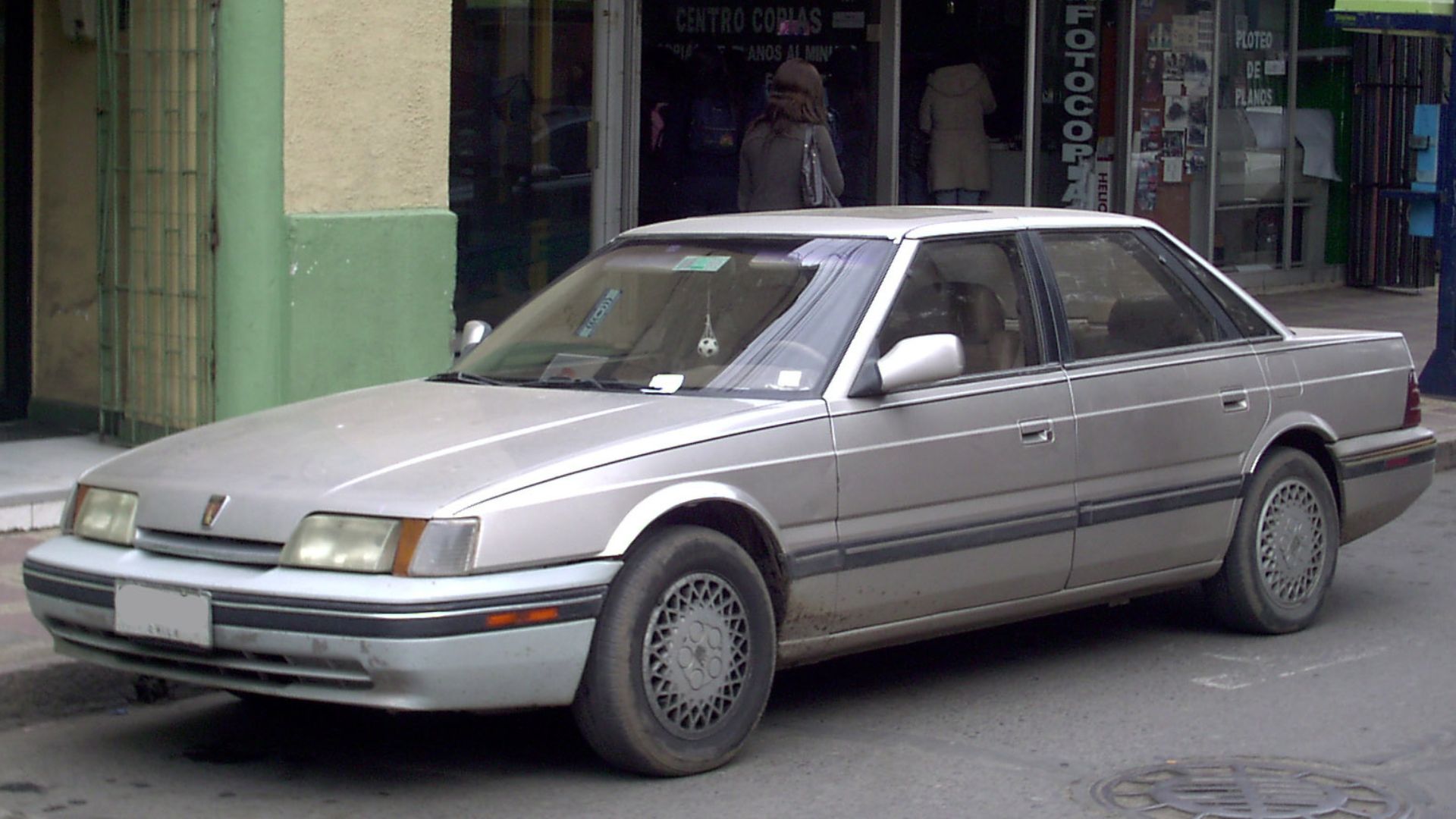
Sterling 825
The Sterling 825 arrived in the United States in 1987 as a British luxury sedan with extensive Honda engineering underneath. It shared its basic underpinnings and 2.5-liter V6 with the Acura Legend, but Rover gave the Sterling its own styling and more traditional British interior treatment. Early quality problems quickly damaged the new brand's reputation in America.
 order_242 from Chile, Wikimedia Commons
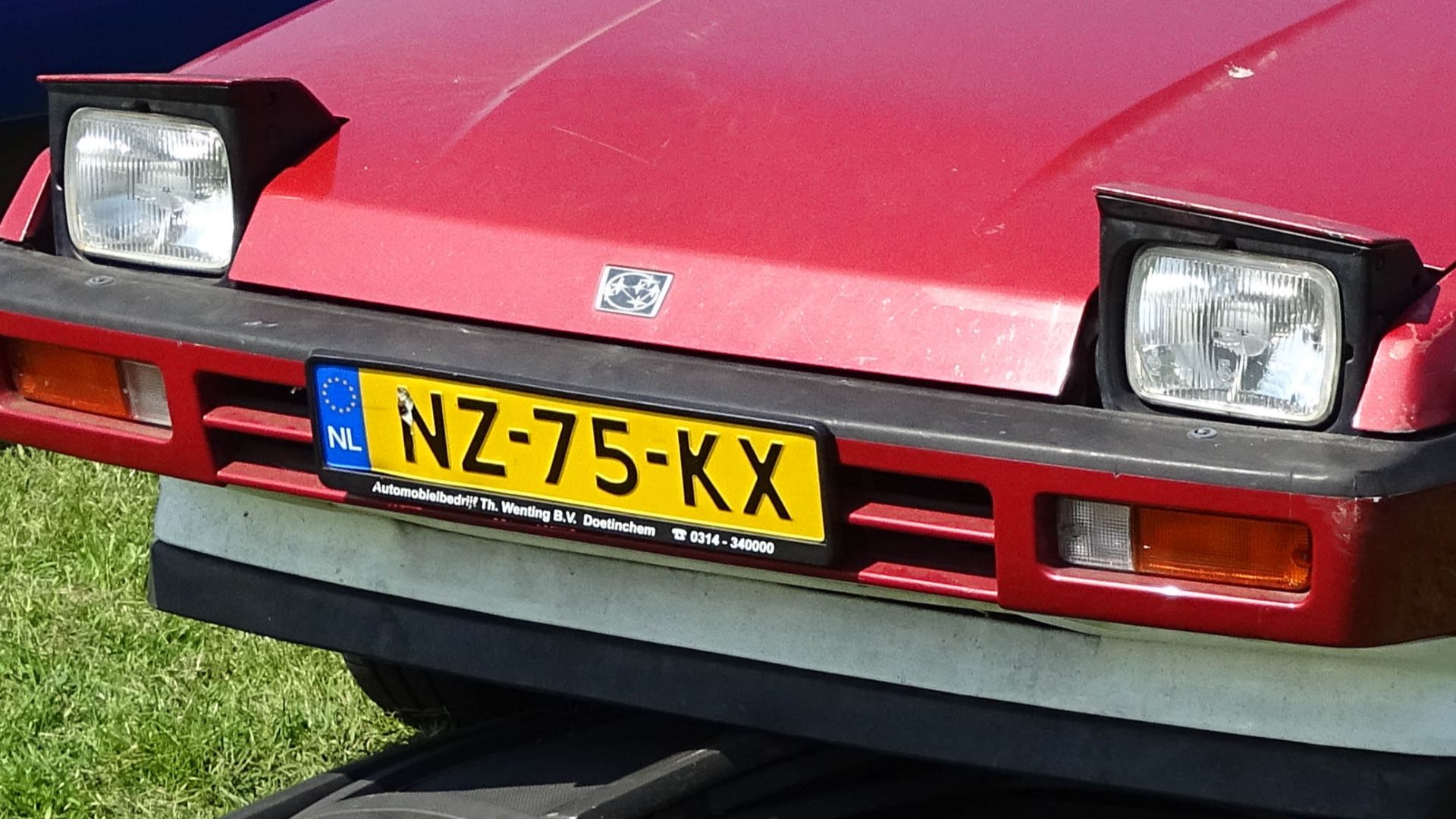
Which Aerodynamic Wedge Is This?
Square pop-up headlights rise from an exceptionally low, sharply pointed hood. Beneath them stretches a wide rectangular grille divided by horizontal and vertical bars, with additional lamps integrated near the corners. Almost every line looks as though it was drawn with aerodynamics in mind.
 peterolthof, Wikimedia Commons
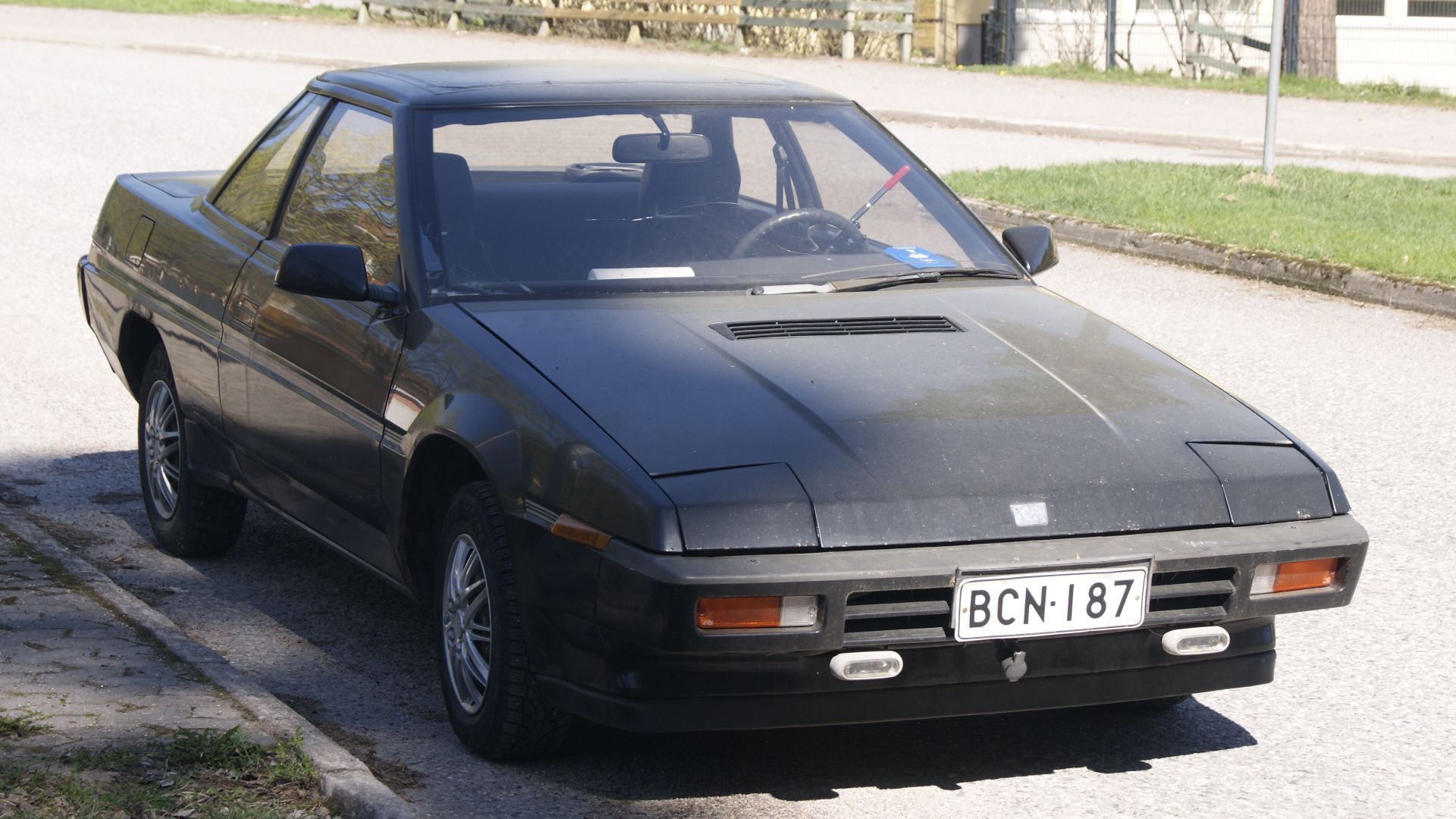
Subaru XT
This is the Subaru XT, which reached the U.S. in February 1985 looking unlike anything else in the company's showrooms. Its 0.29 drag coefficient made it the world's most aerodynamic production car at the time, according to Hemmings. Pop-up headlights, flush door handles, a hidden single windshield wiper, and Subaru's low-mounted flat-four all contributed to its unusual shape.
 Dogs.barking.duster.rolling, Wikimedia Commons
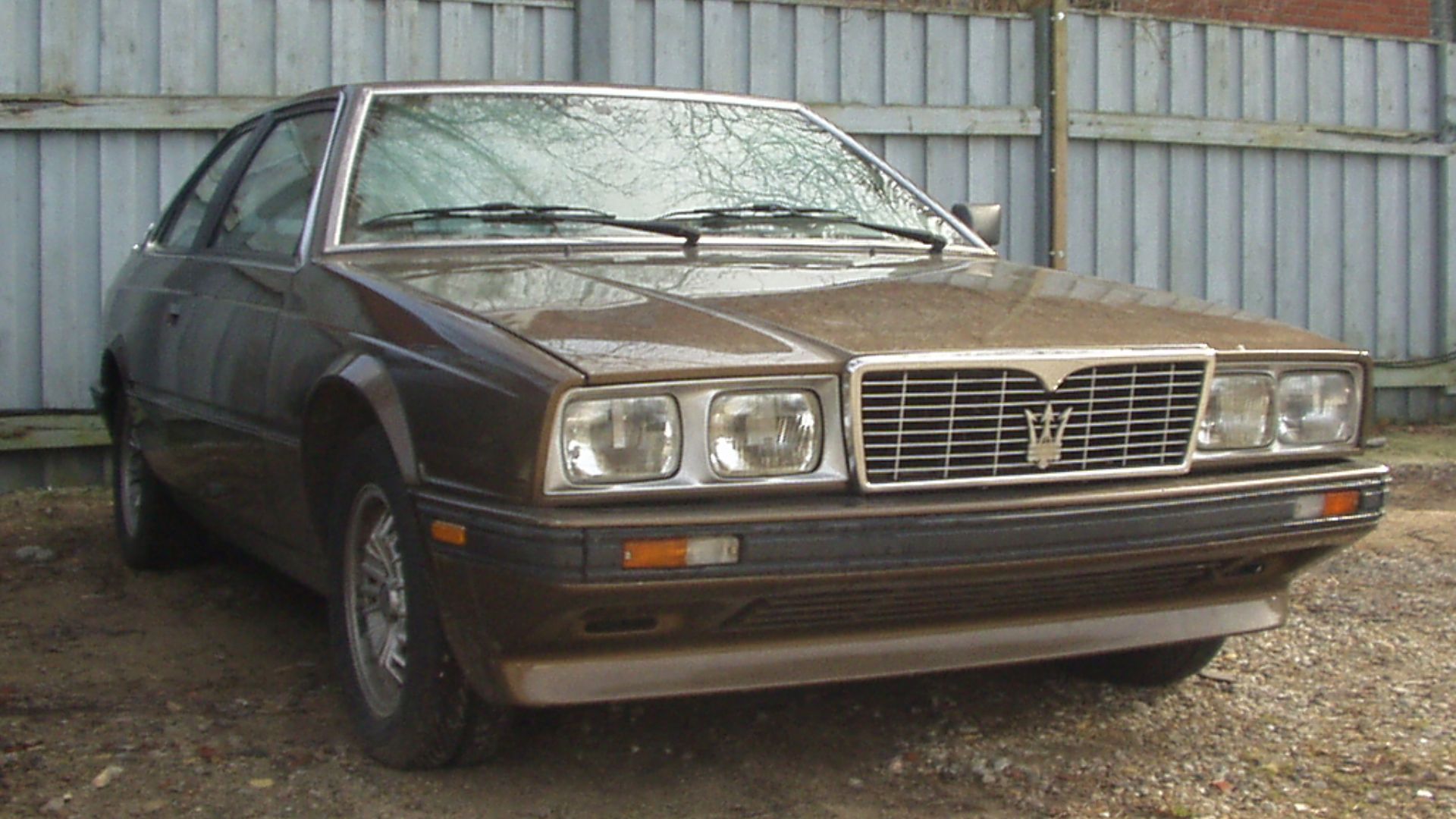
Can You Identify This Italian Twin-Turbo?
Four rectangular headlights flank a compact central grille on this formal-looking coupe. The hood is almost completely flat, and thin dark bumpers emphasize the car's squared-off proportions. Without the badge, you could easily mistake its understated face for that of a contemporary German sedan.
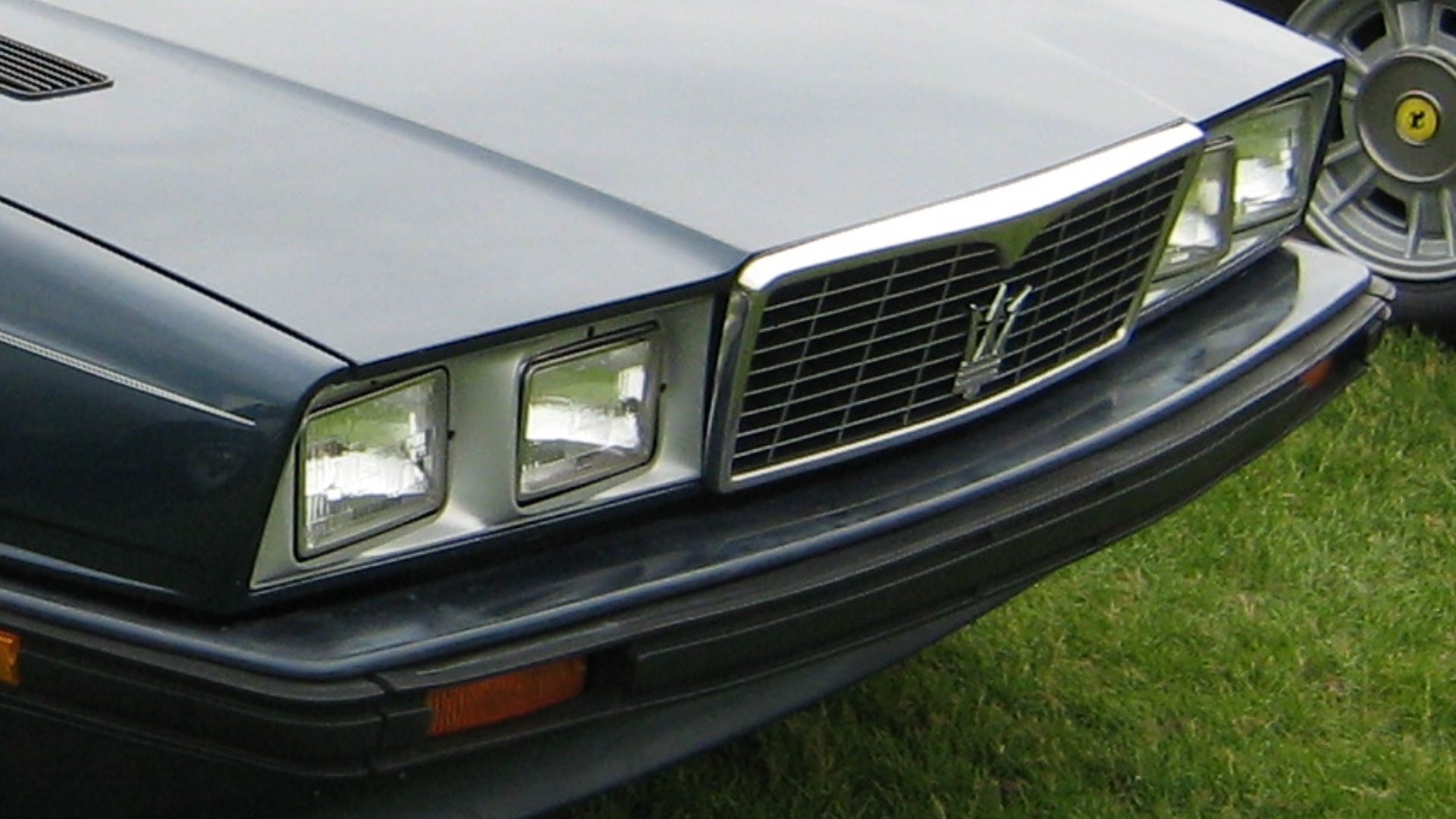
Maserati Biturbo
The Maserati Biturbo was conceived as a less exclusive, higher-volume Maserati and reached the United States in 1984. Its 2.5-liter V6 used two turbochargers and initially produced 185 horsepower despite breathing through a Weber carburetor. Fuel injection arrived for 1987, but reliability problems had already badly hurt the car's reputation.
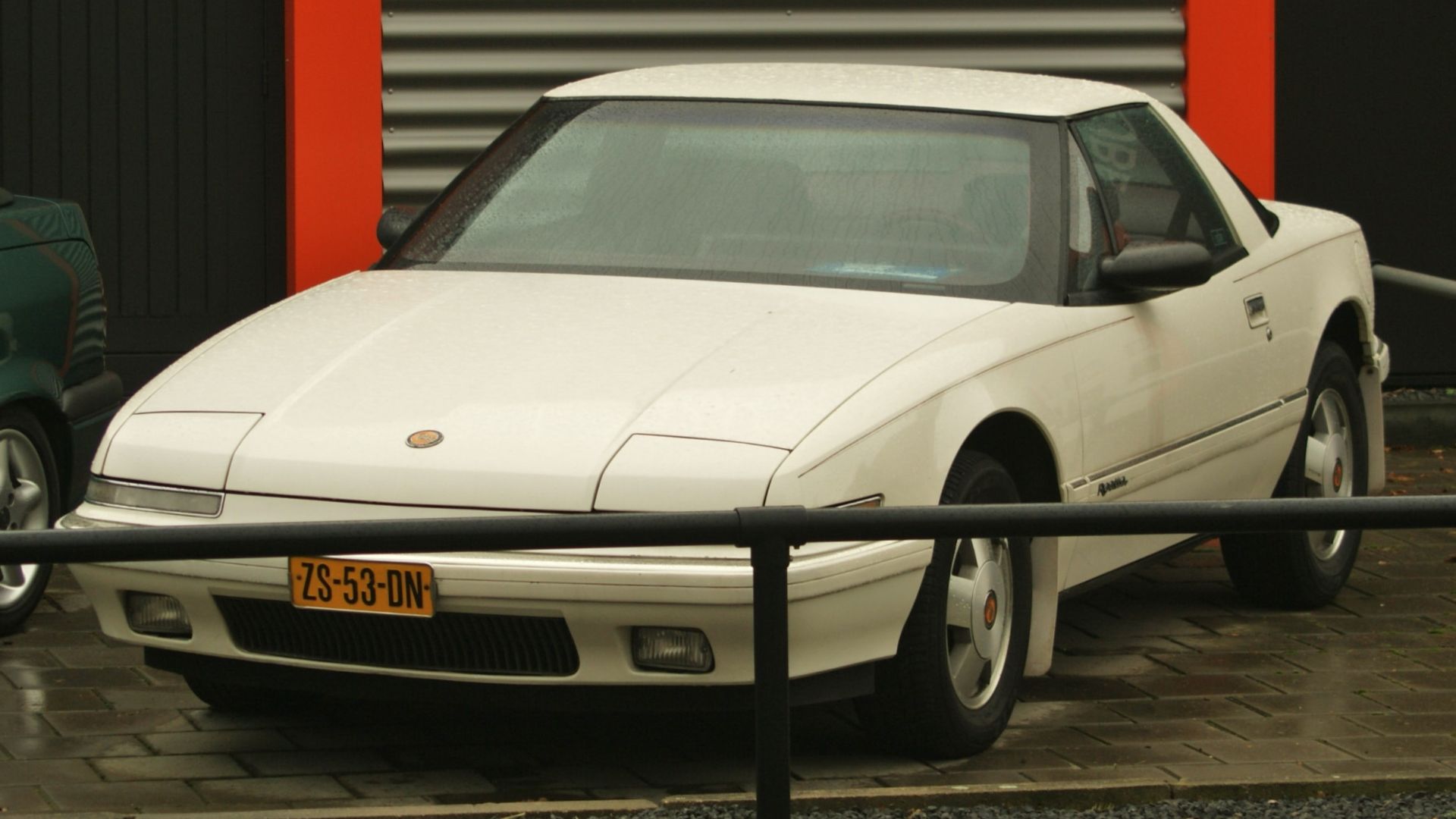
Which Buick Hid Behind These Pop-Ups?
Two square headlights rise from a long, smooth hood with almost no traditional upper grille. Narrow amber lighting strips remain visible beneath the headlamp doors, while the actual cooling opening sits low in the bumper. The whole nose is much sleeker than most people expect from this brand.
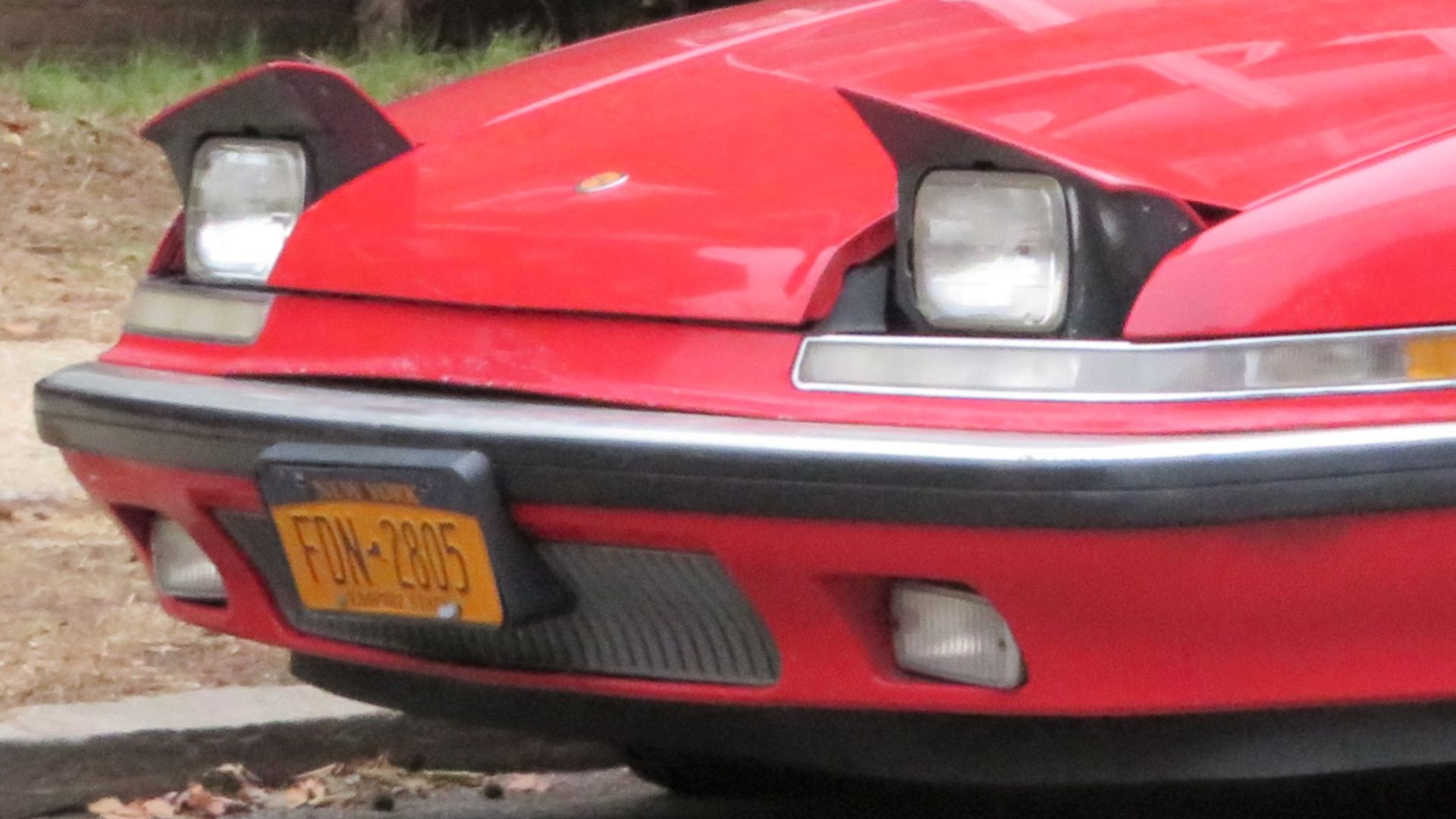
Buick Reatta
This is the Buick Reatta, the division's unusual two-seat luxury coupe introduced for 1988. It used a shortened version of GM's E-platform and came standard with the 165-hp 3.8-liter V6, four-wheel disc brakes, and fully independent suspension. Early Reattas also featured a touch-sensitive screen that controlled functions including the stereo and climate system.
 Niels de Wit from Lunteren, The Netherlands, Wikimedia Commons
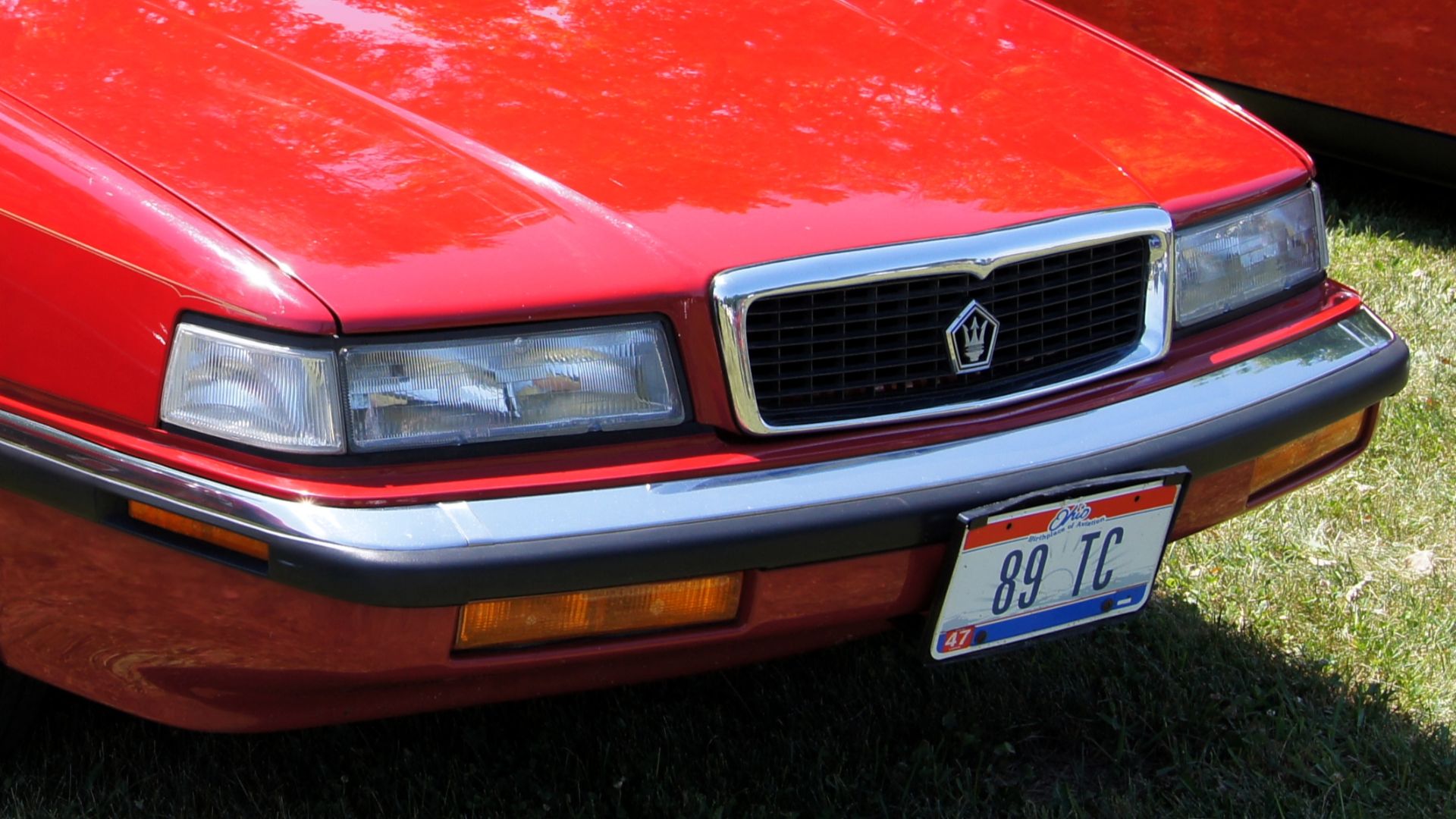
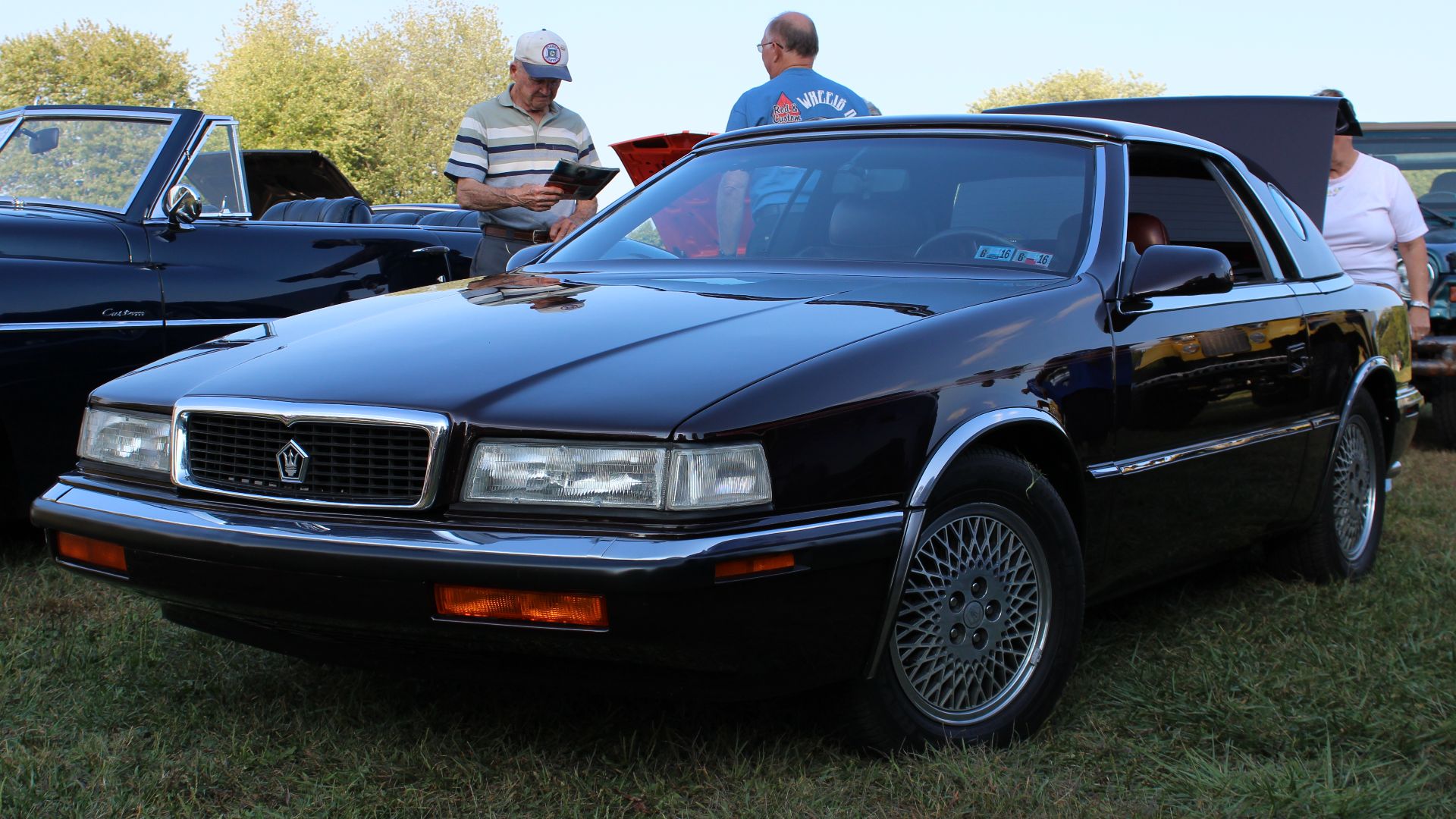
Can You Name This Italian-Built Chrysler?
Large rectangular headlights flank an upright grille, wrapping slightly around the front corners. Long amber lamps sit lower in the bumper, leaving plenty of body-colored space between the two lighting levels. The proportions make the answer surprisingly tricky.
 Greg Gjerdingen from Willmar, USA, Wikimedia Commons
Chrysler TC By Maserati
The Chrysler TC by Maserati finally reached showrooms for the 1989 model year after appearing as a concept several years earlier. It was an Italian-built two-seat convertible developed through Chrysler and Maserati's partnership, with 3,764 examples produced in its first year. The most desirable drivetrain paired a 200-hp, Maserati-modified turbocharged four-cylinder with a Getrag five-speed manual.
 ilikewaffles11, Wikimedia Commons
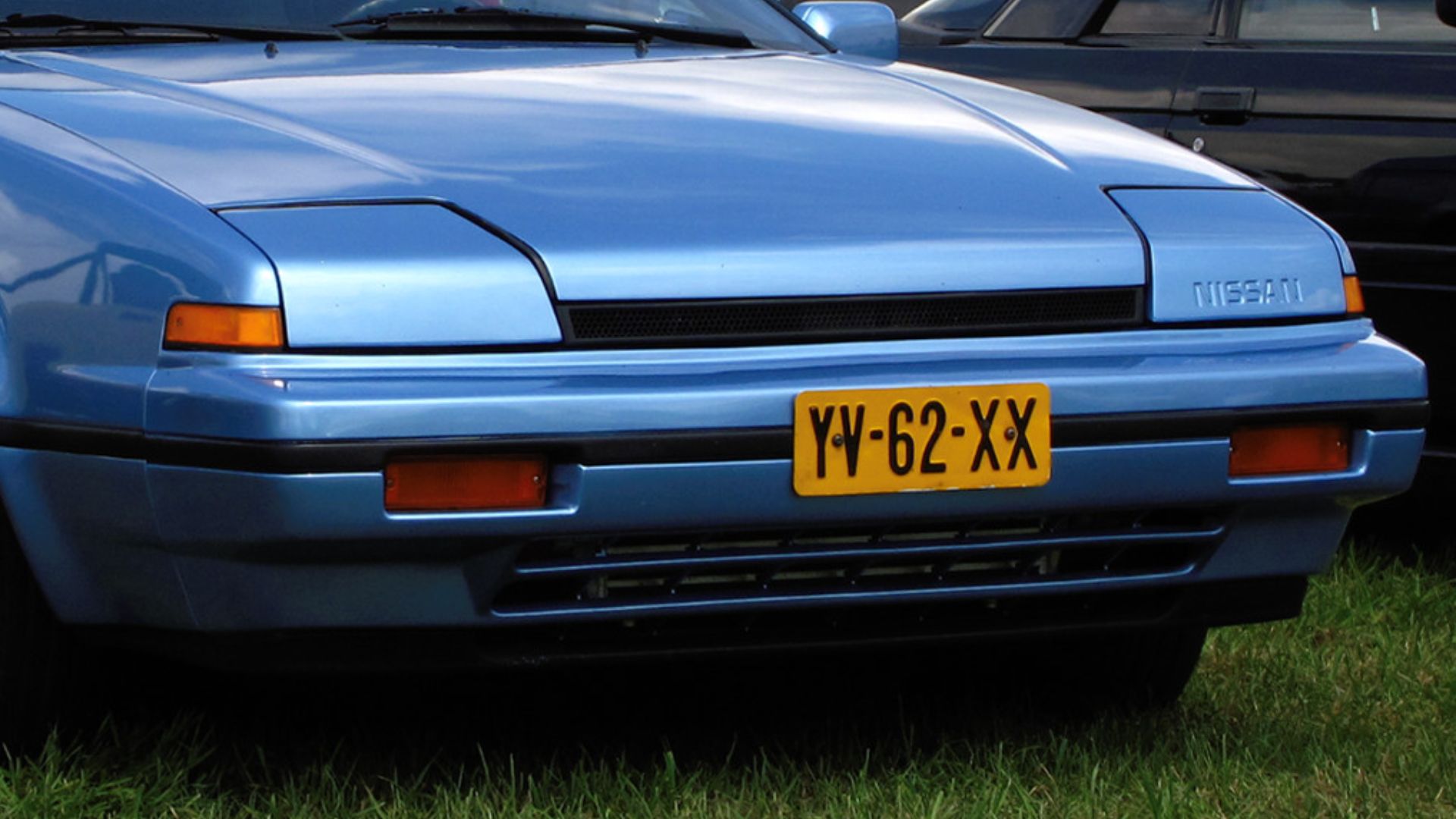
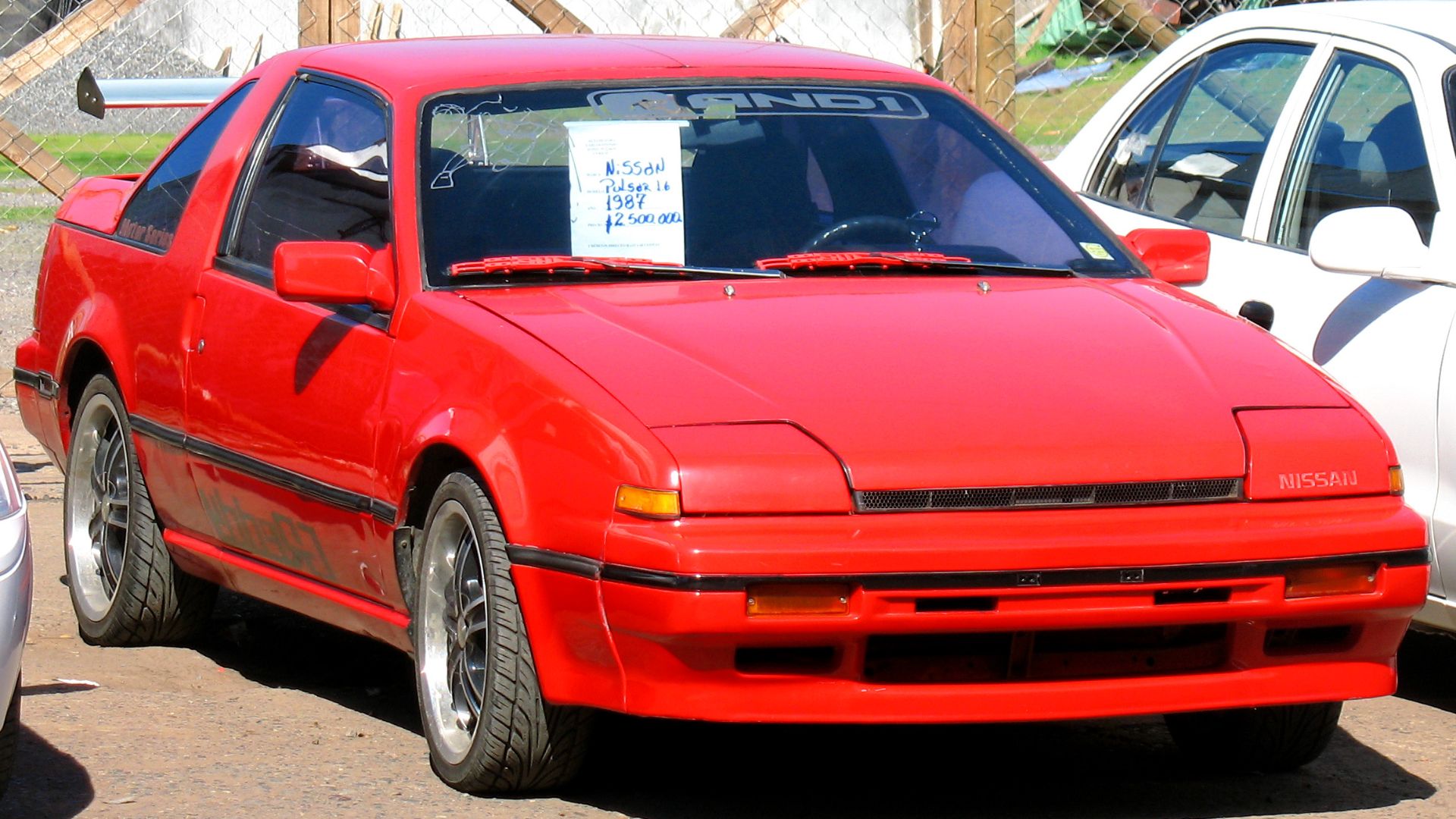
Which Modular Nissan Is Hiding Here?
Broad body-colored headlight covers dominate the top of this low front end when the lamps are closed. A narrow dark grille runs between them, while several rectangular openings are stacked across the chunky bumper below. The result looks part sports coupe and part futuristic appliance.
 Rutger van der Maar, Wikimedia Commons
Nissan Pulsar NX
This is the second-generation Nissan Pulsar NX, introduced for 1987 with one of the decade's strangest body concepts. Its removable rear hatch could be replaced by Nissan's optional SportBak attachment, giving owners a dramatically different cargo area. The SE used a 113-hp, DOHC 1.6-liter four-cylinder and a five-speed manual transmission.
 order_242 from Chile, Wikimedia Commons
How Many Did You Get?
A few of these cars remain familiar, while others have almost disappeared from American roads. Their headlights still reveal just how much personality designers could squeeze into square lamps, pop-up mechanisms, simple grilles, and chunky bumpers. If you recognized all 15 before seeing the names, your 1980s car memory is seriously impressive.

You May Also Like:
Forgotten Coupes From The 1980s—Seriously, Do You Remember Even 5 Of These Cars?
Classic Car Features From The 1980s That We're Glad Disappeared For Good
Sports Cars Every Kid Dreamed About In The 1990s—Which One Was On Your Bedroom Wall?
Sources: 1, 2, 3, 4, 5, 6, 7, 8, 9, 10, 11, 12, 13, 14, 15, 16
.jpg)