
How Well Do You Remember These Forgotten SUVs?
SUVs have filled American roads for decades, but plenty of once-familiar models have nearly disappeared. Some left behind rear ends distinctive enough that one taillight, spare-tire cover, or strangely shaped hatch can bring the memories flooding back. Take a close look at each clue before moving on to the reveal. How many of these 15 forgotten SUVs can you identify?
Can You Name The SUV With This Giant Spare-Tire Hump?
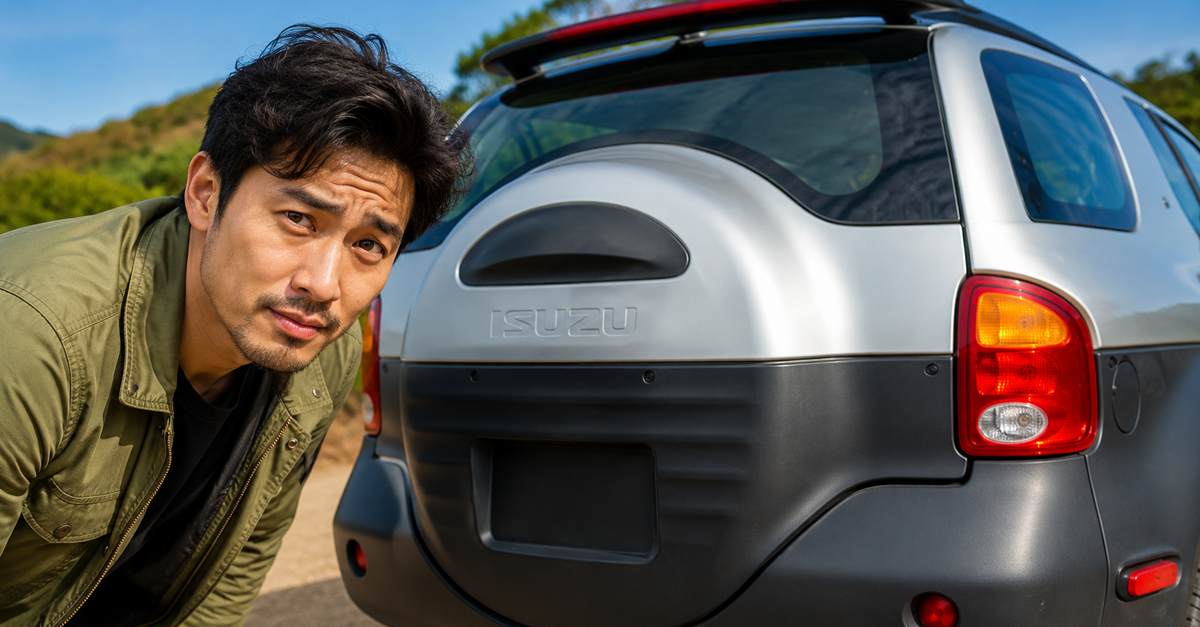
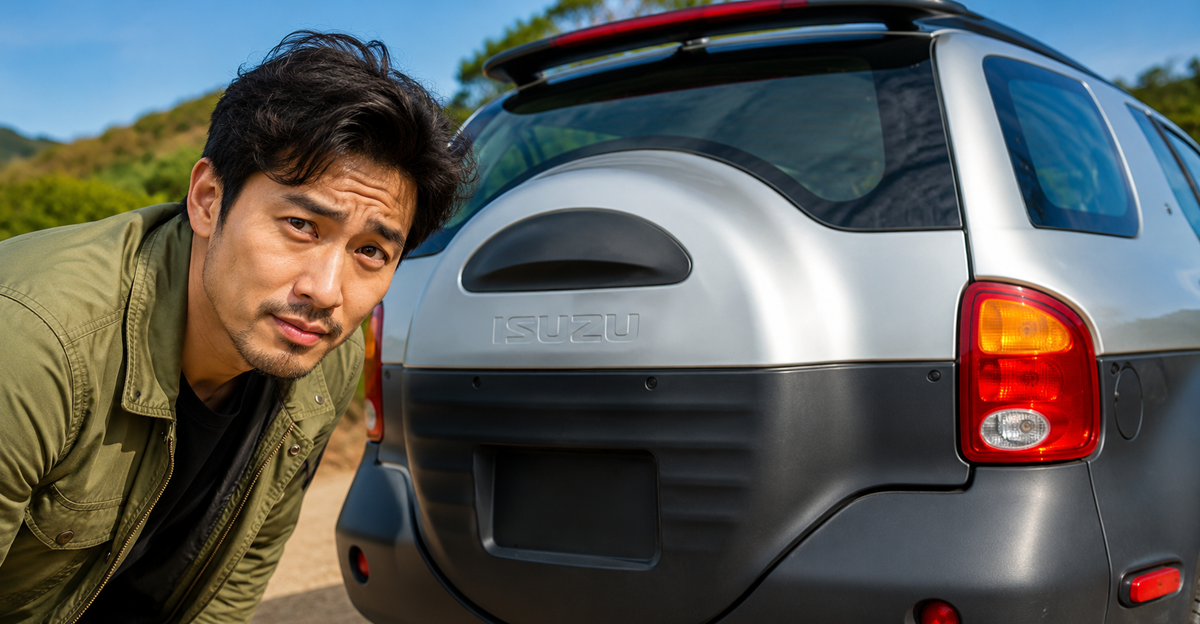
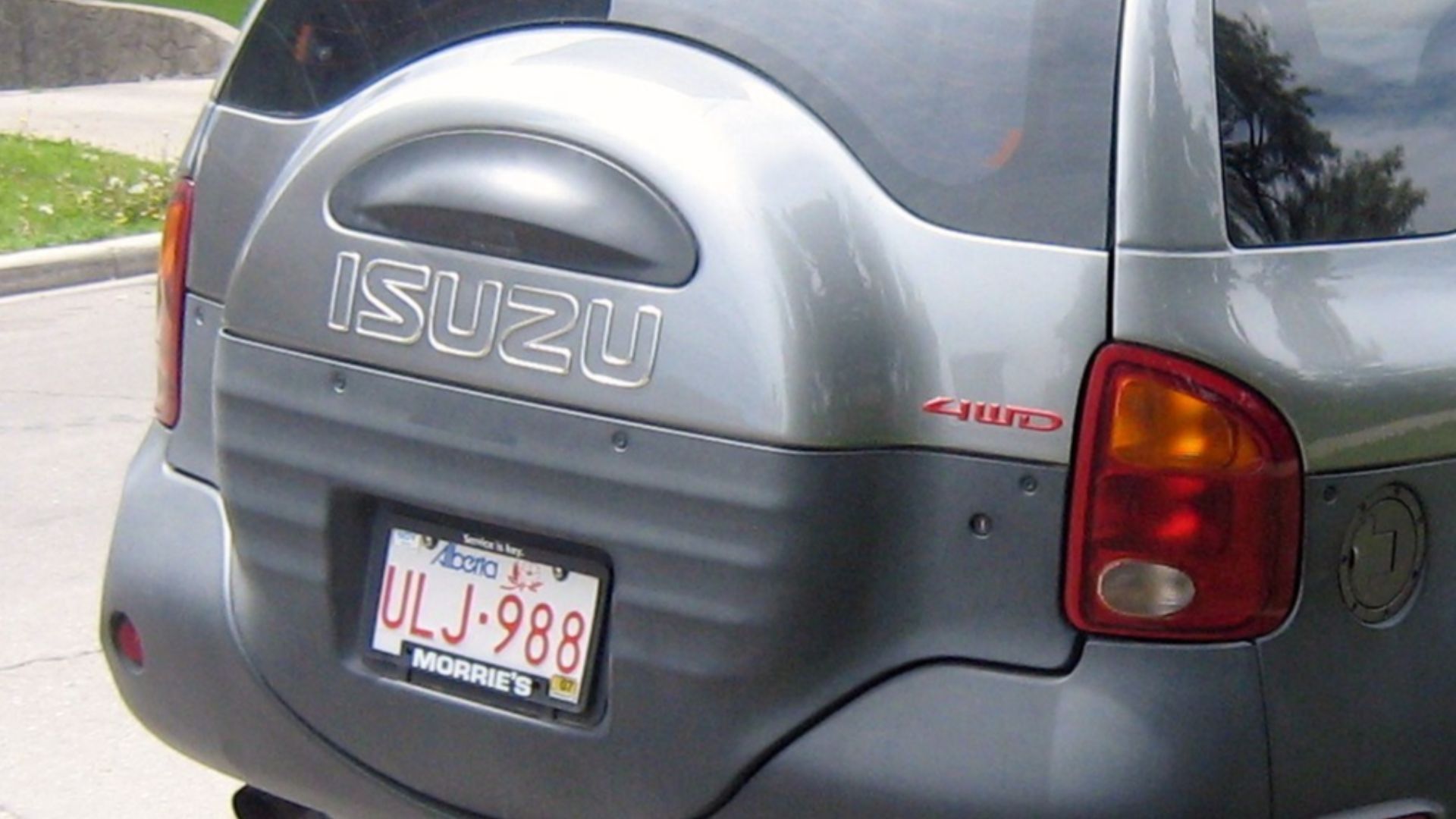
This compact two-door SUV hides its spare behind an enormous rounded bulge built directly into the rear door. The hump rises into the rear glass and dramatically limits the amount of window left above it. Thick black composite cladding wraps around the lower body and makes the whole thing look like a futuristic off-roader.
 dave_7 from Lethbridge, Canada, Wikimedia Commons
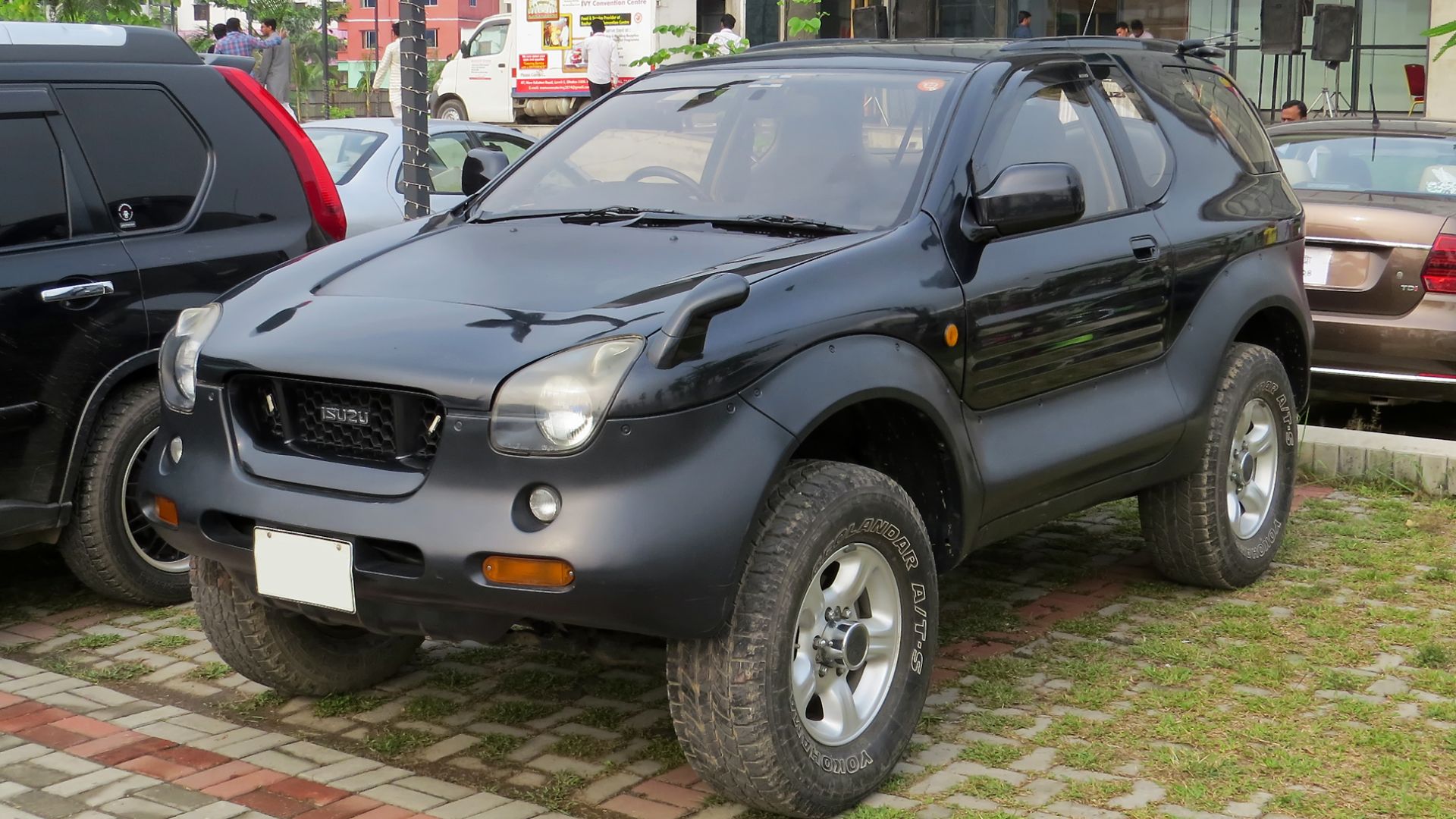
Isuzu VehiCROSS
This is the Isuzu VehiCROSS, one of the strangest SUVs to reach American showrooms in the late 1990s. Its 3.5-liter V6 produced 215 horsepower, while Isuzu's Torque-On-Demand four-wheel-drive system automatically distributed power as conditions changed. The unusual spare-tire packaging contributed to notoriously poor rearward visibility.
 Shadman Samee from Dhaka, Bangladesh, Wikimedia Commons
Which SUV Has This Wild Two-Level Rear Window?
The glass is immediately unusual, with a large upper section separated visually from another dark panel below it. Angular taillights sit at the outer corners while heavy plastic cladding covers much of the bumper. Look closely and you will also find a two-piece tailgate designed for sitting, loading gear, and camping.
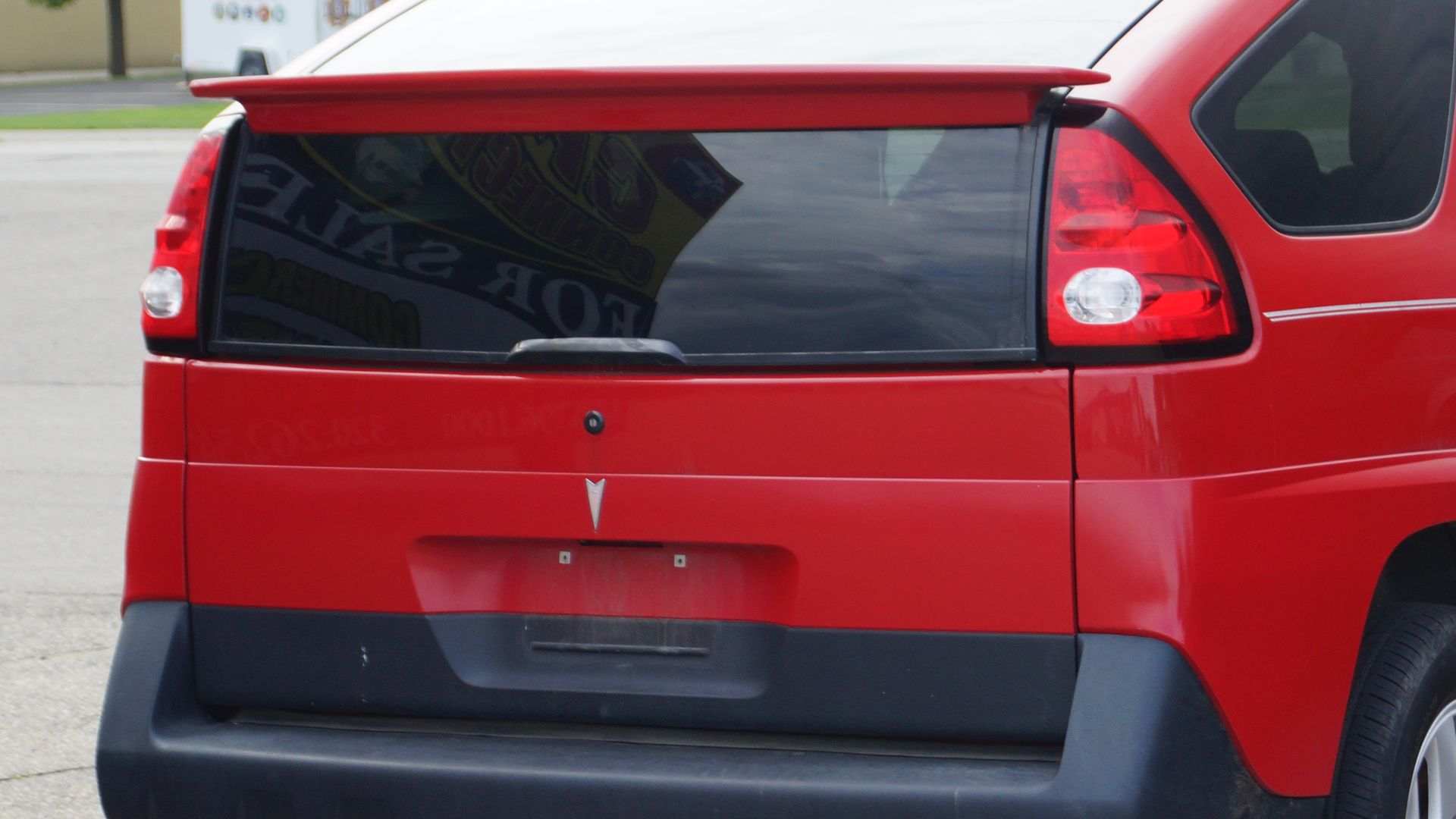 Greg Gjerdingen from Willmar, USA, Wikimedia Commons
Pontiac Aztek
This unmistakable rear belongs to the Pontiac Aztek, introduced for the 2001 model year. Pontiac powered it with a 3.4-liter V6 making 185 horsepower, and buyers could eventually choose the Versatrak all-wheel-drive system. Its practical touches included a split tailgate and an available tent that attached to the back of the vehicle.
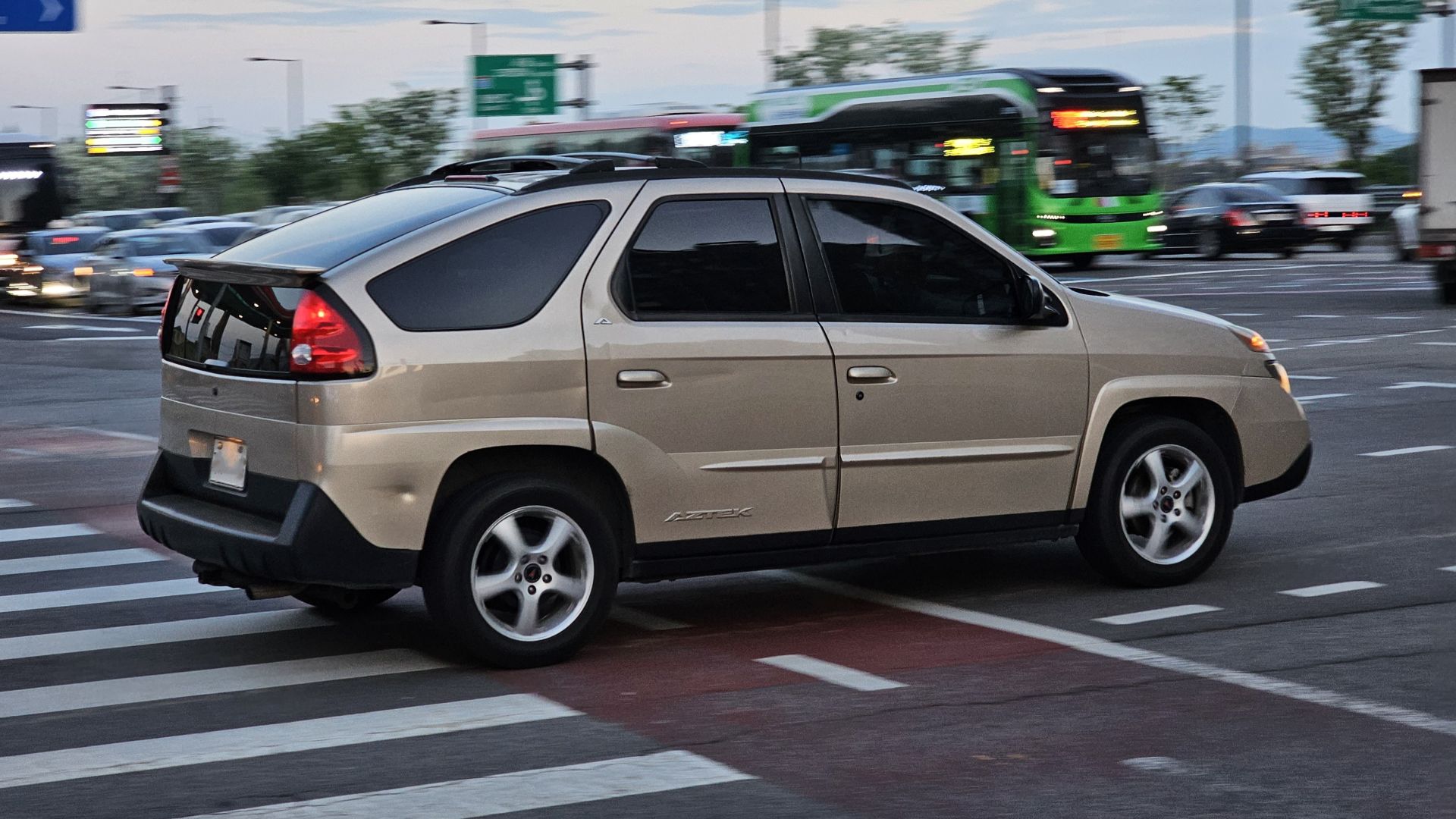 Damian B Oh, Wikimedia Commons
Can You Identify This SUV That Looks Like A Coupe?
There is no traditional upright SUV hatch here. Instead, the body drops into a short trunk beneath a small rear window, giving the vehicle the profile of a tiny sports coupe sitting unusually high off the ground. Two doors, a very short wheelbase, and compact rear lamps make it even stranger.
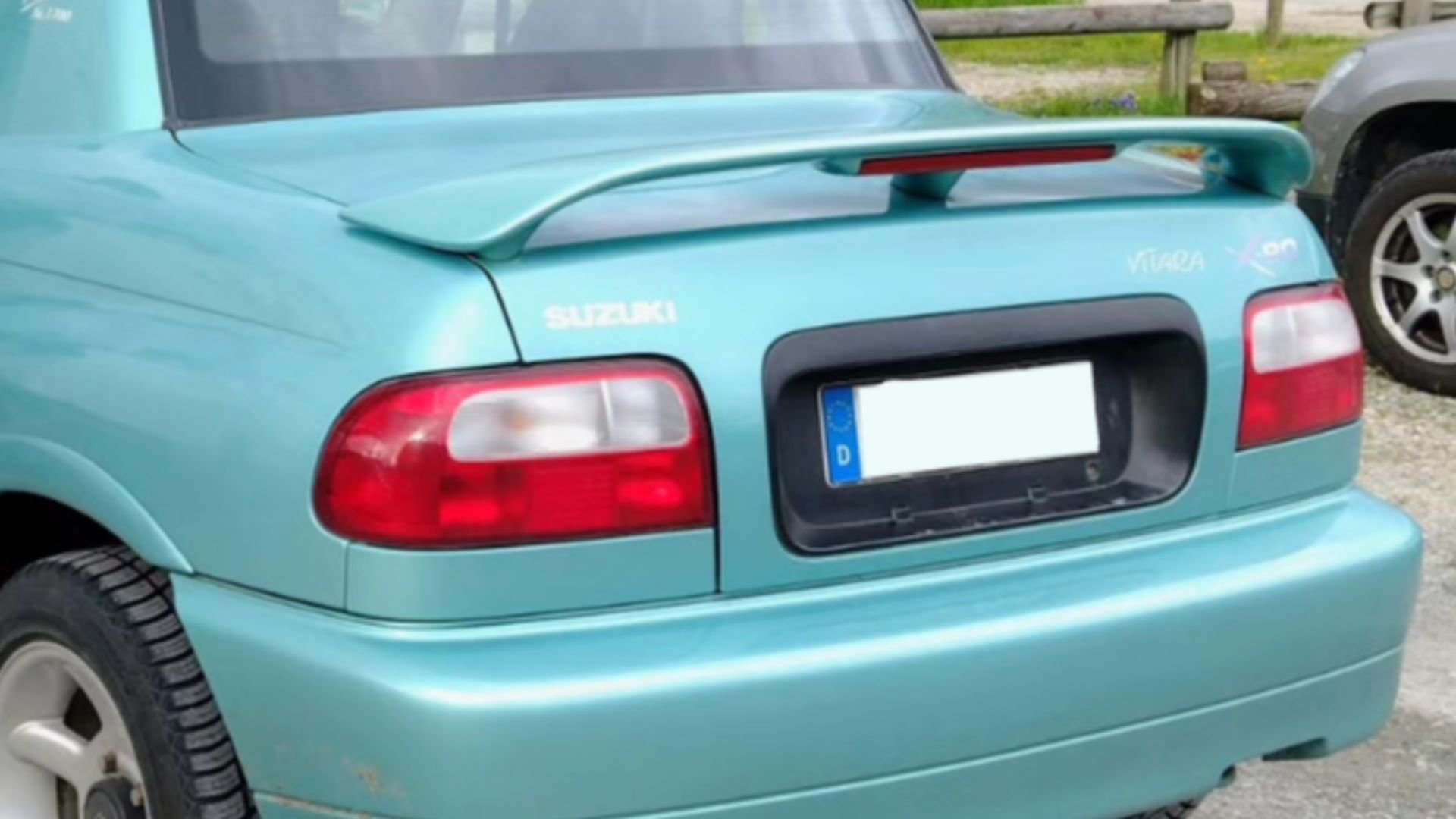 Interesting.cars.insta, Wikimedia Commons
Suzuki X-90
This is the Suzuki X-90, a tiny two-seat SUV offered in America during the 1990s. Under the hood was a 1.6-liter four-cylinder producing just 95 horsepower, and buyers could get either rear-wheel drive or four-wheel drive. At only 146.1 inches long, it combined SUV hardware with a body shape unlike almost anything else on the road.
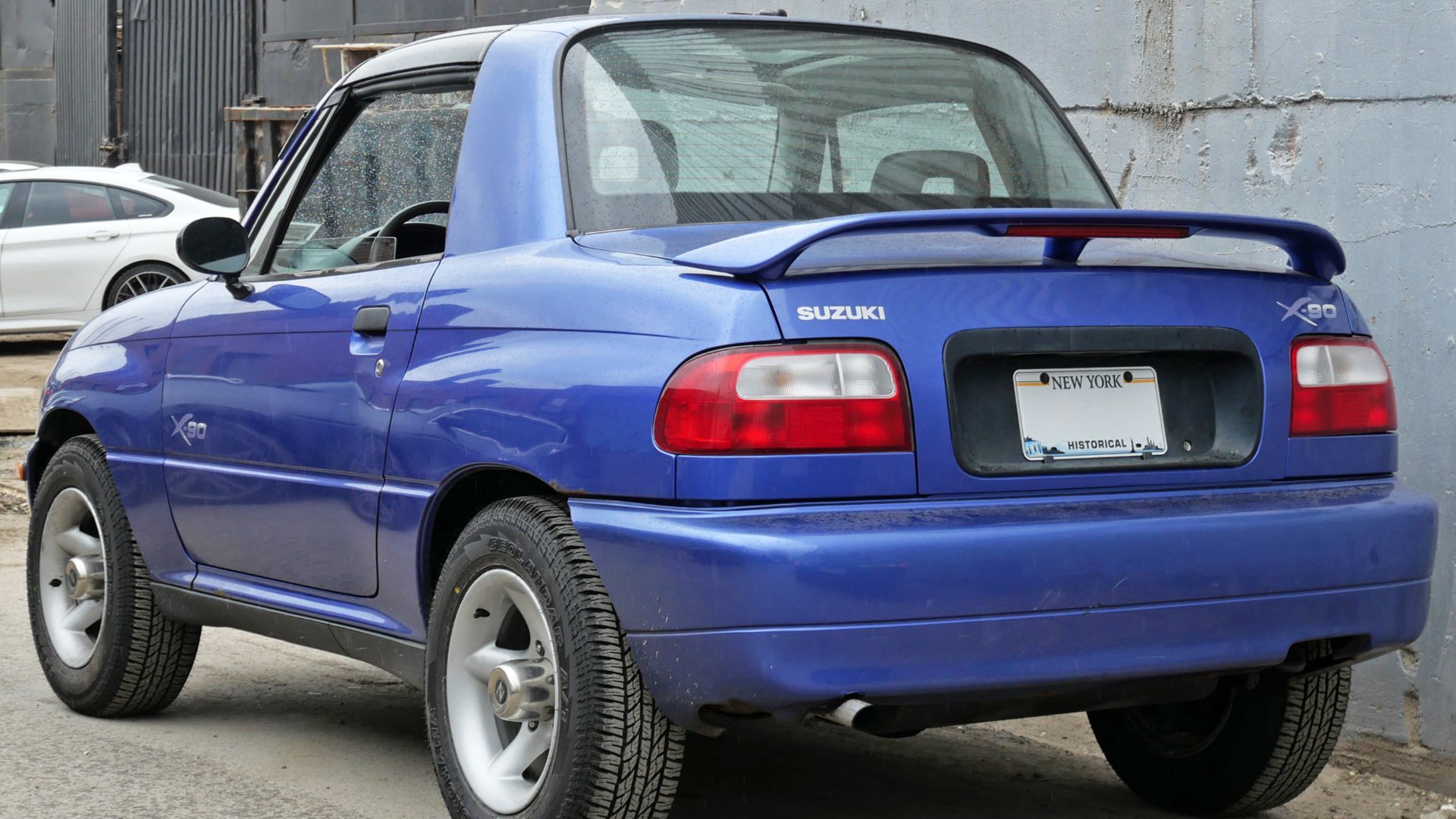
What SUV Wore This Long Chrome Bar Across Its Tailgate?
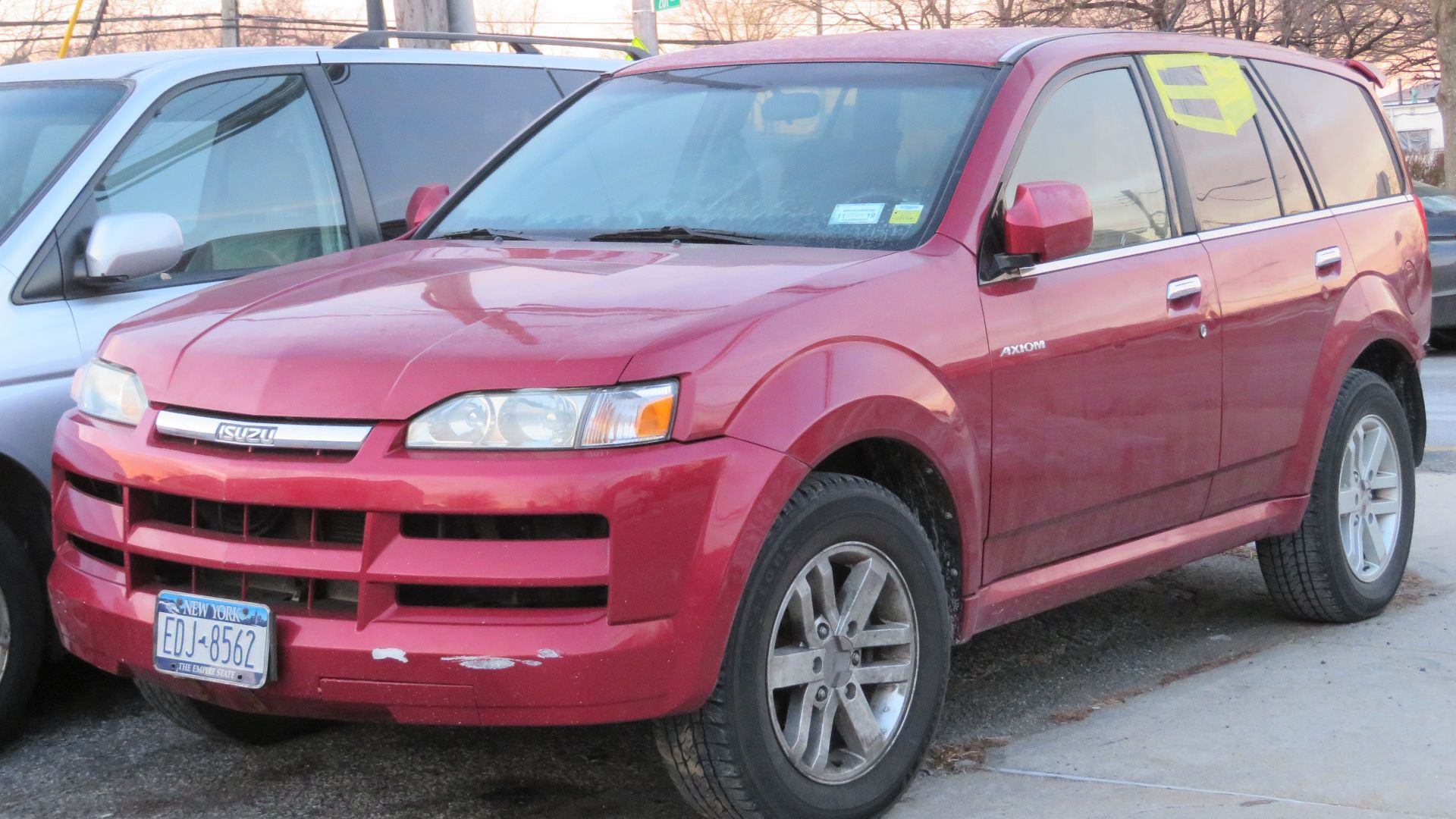
A broad chrome strip stretches nearly the full width of the rear hatch and visually connects the taillights. Above it is a relatively narrow rear window beneath a small roof spoiler. The rounded body looks considerably sleeker than the boxy truck-based SUVs that were common when it appeared.
 DestinationFearFan, Wikimedia Commons
Isuzu Axiom
The answer is the Isuzu Axiom, introduced for the 2002 model year. Although its styling looked more crossover-like, underneath it used body-on-frame construction related to the Isuzu Rodeo. Its 3.5-liter V6 initially delivered 230 horsepower, and four-wheel-drive versions used Isuzu's Torque-On-Demand system.
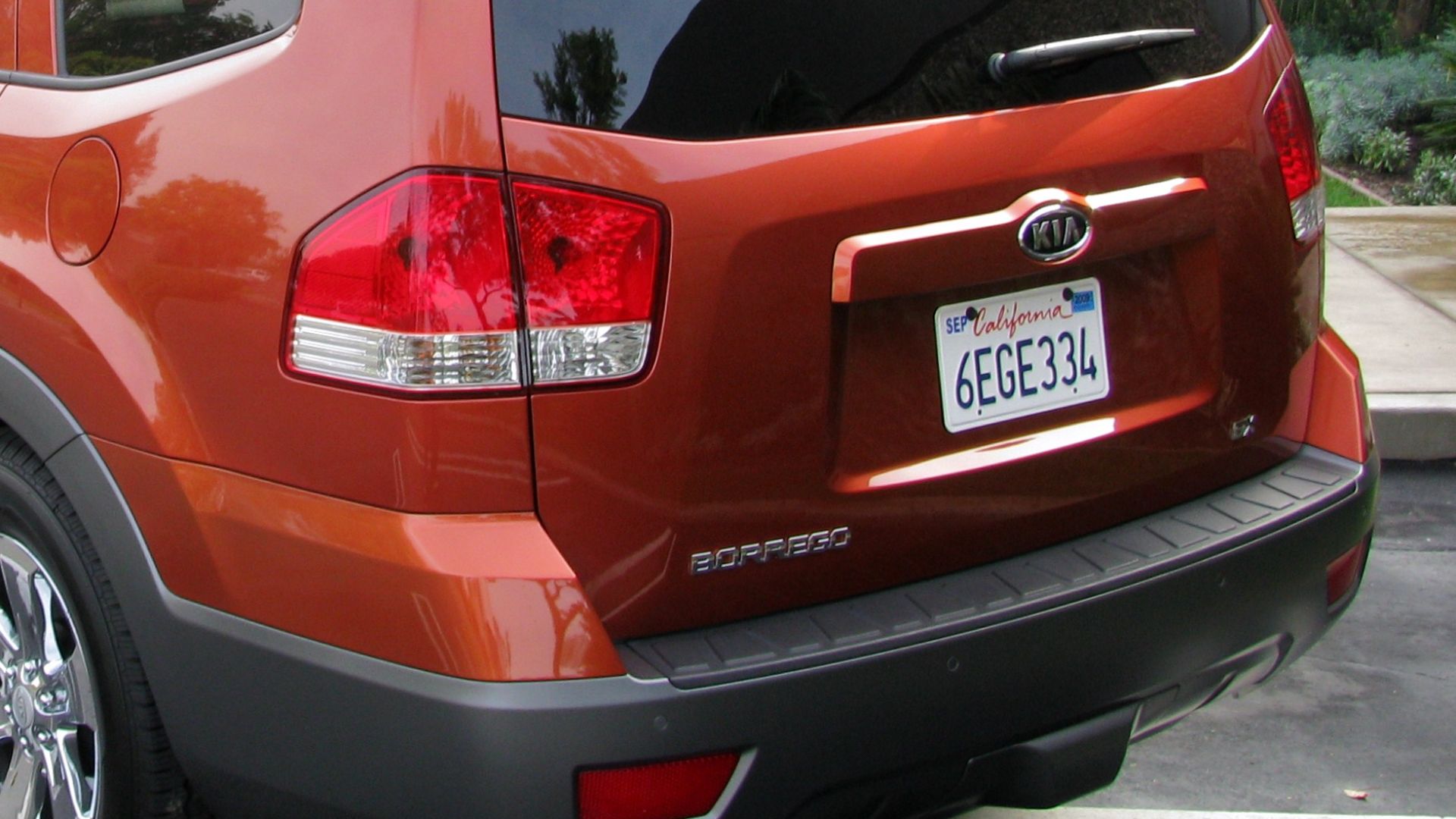
Which Forgotten SUV Has These Big Upright Taillights?
The rear is tall and squared off, but the large taillights curve around the outside corners rather than sitting entirely on the hatch. A broad liftgate fills most of the back, while the body itself has the substantial proportions of an old-school three-row SUV. There is no external spare tire to break up the design.
 Jeff Glucker from Huntington Beach, USA, Wikimedia Commons
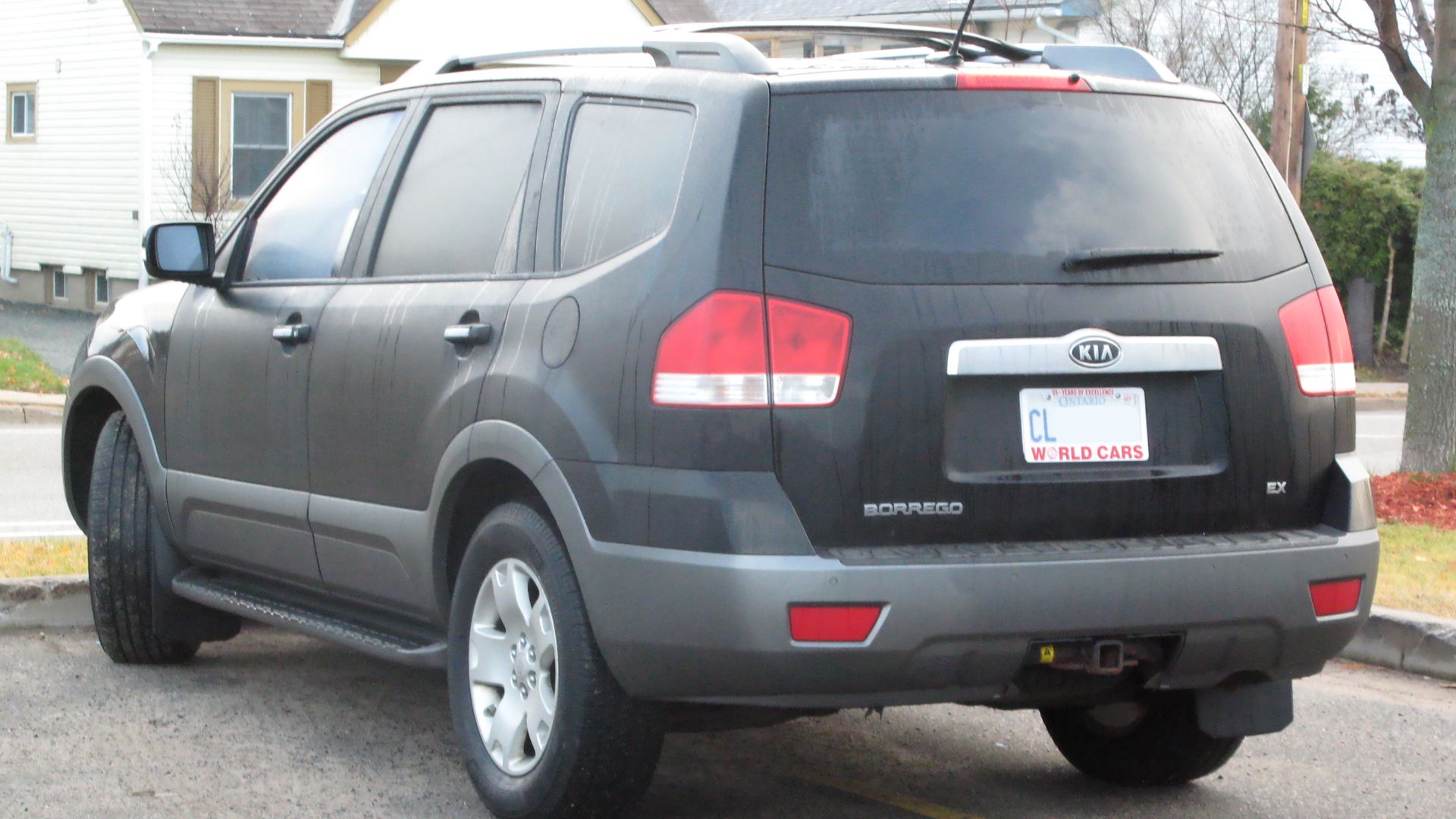
Kia Borrego
This is the Kia Borrego, a body-on-frame three-row SUV sold in the United States for the 2009 model year. The standard 3.8-liter V6 produced 276 horsepower, but Kia also offered a 337-hp 4.6-liter V8. Properly equipped V8 versions could tow up to 7,500 pounds.
 SsmIntrigue, Wikimedia Commons
Can You Recognize This Saab From Behind?
Tall taillights rise along the outer edges of an otherwise smooth and restrained tailgate. A wide chrome garnish and small Saab badge give away the upscale intentions, but the basic proportions may look strangely familiar. That is because another American SUV is hiding underneath the Swedish styling.
 MercurySable99, Wikimedia Commons
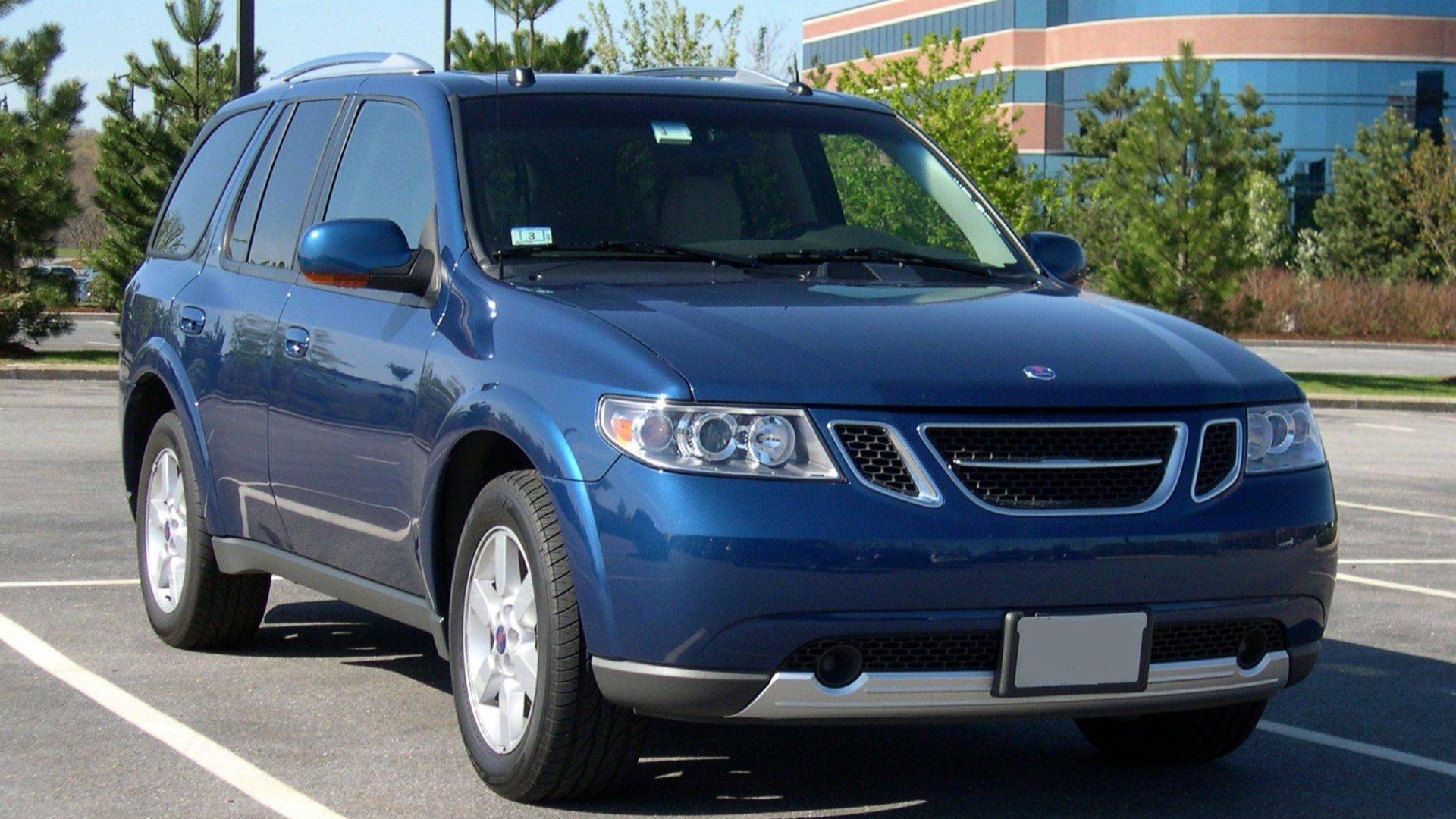
Saab 9-7X
The Saab 9-7X was the brand's first SUV and shared GM's GMT360 platform with vehicles including the Chevrolet TrailBlazer. Saab engineers changed the suspension, steering, brakes, styling, and interior details in an effort to give it a more distinctive character. Later Aero models received a 6.0-liter V8 producing 390 horsepower.
Which SUV Has These Chunky Square Taillights?
The taillights are almost perfect upright rectangles with rounded corners, matching the rest of the vehicle's aggressively squared-off shape. Thick rear pillars surround a relatively narrow window, and the bumper looks unusually substantial for a compact SUV. Everything about this tail seems designed to look bigger than it really is.
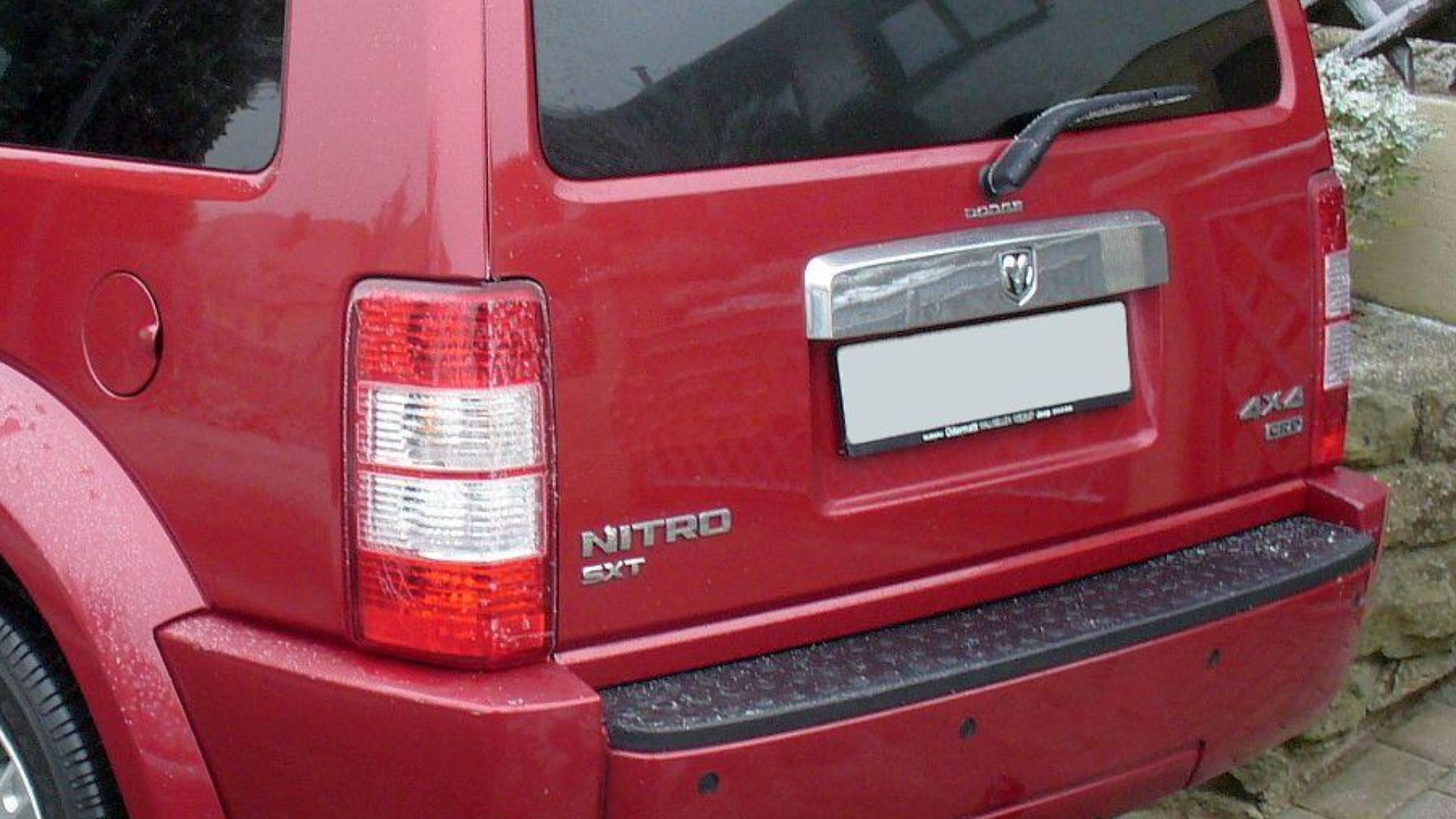 Thomas doerfer, Wikimedia Commons
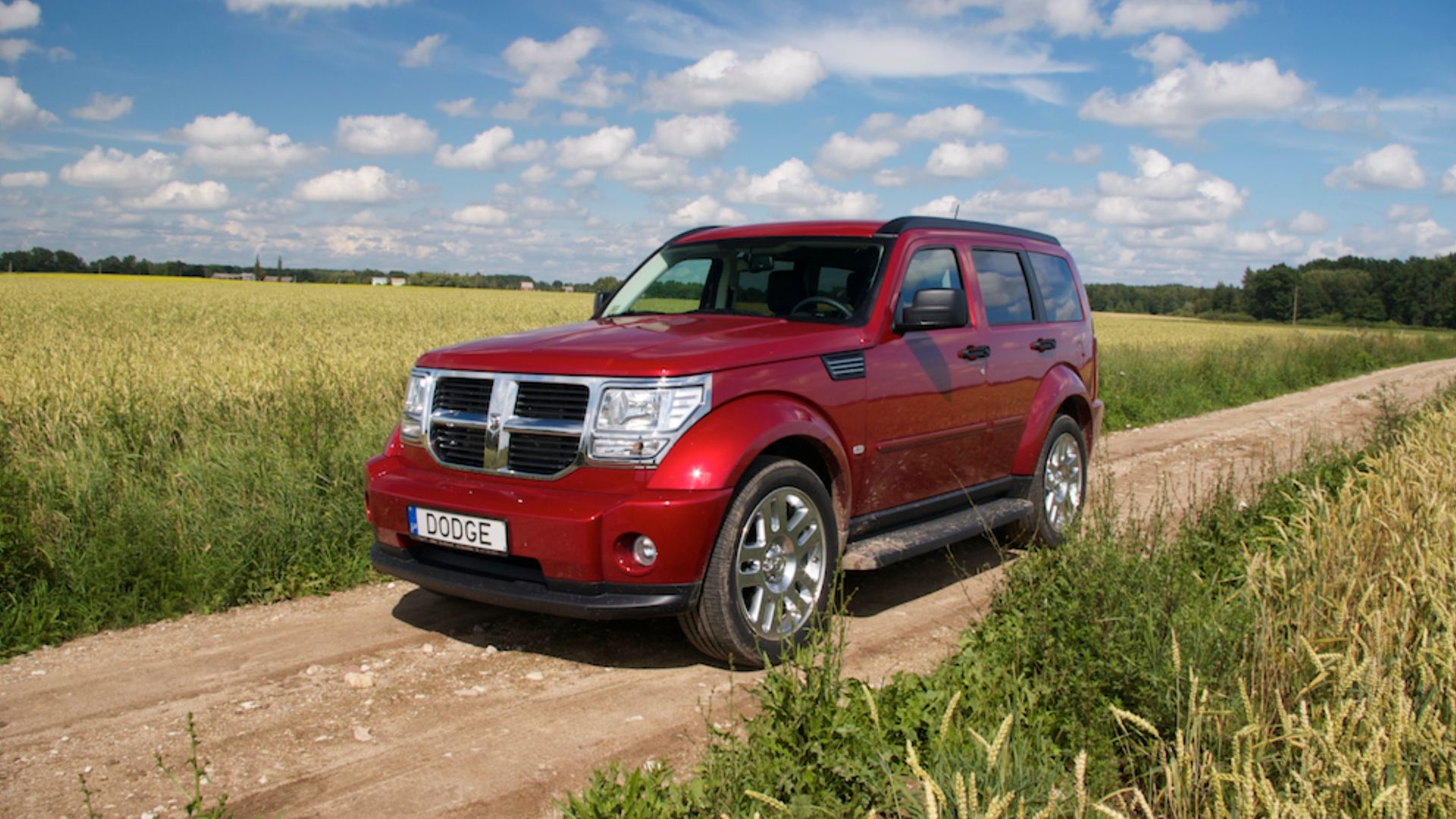
Dodge Nitro
This is the Dodge Nitro, introduced for 2007. It shared much of its basic architecture with the Jeep Liberty but received its own boxy body and Dodge styling. The range included a 210-hp 3.7-liter V6 and a 260-hp 4.0-liter V6 in the R/T.
Can You Identify This Tiny-Windowed Rear End?
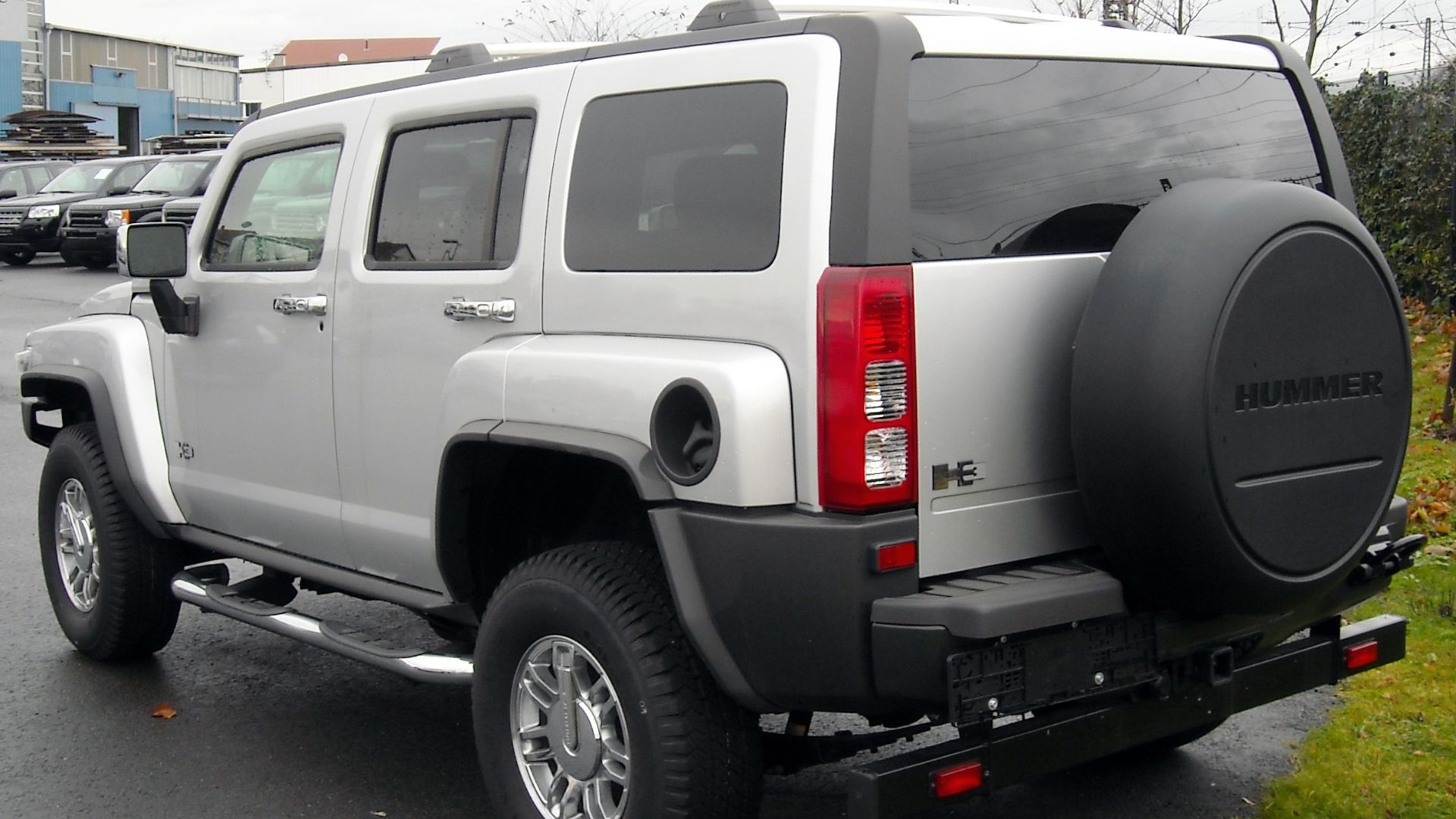
A large exposed spare tire dominates a side-hinged rear gate. Above it sits an unusually small rectangular window surrounded by thick, almost vertical bodywork. The squared-off proportions and rugged hardware make this SUV look like a scaled-down military vehicle.
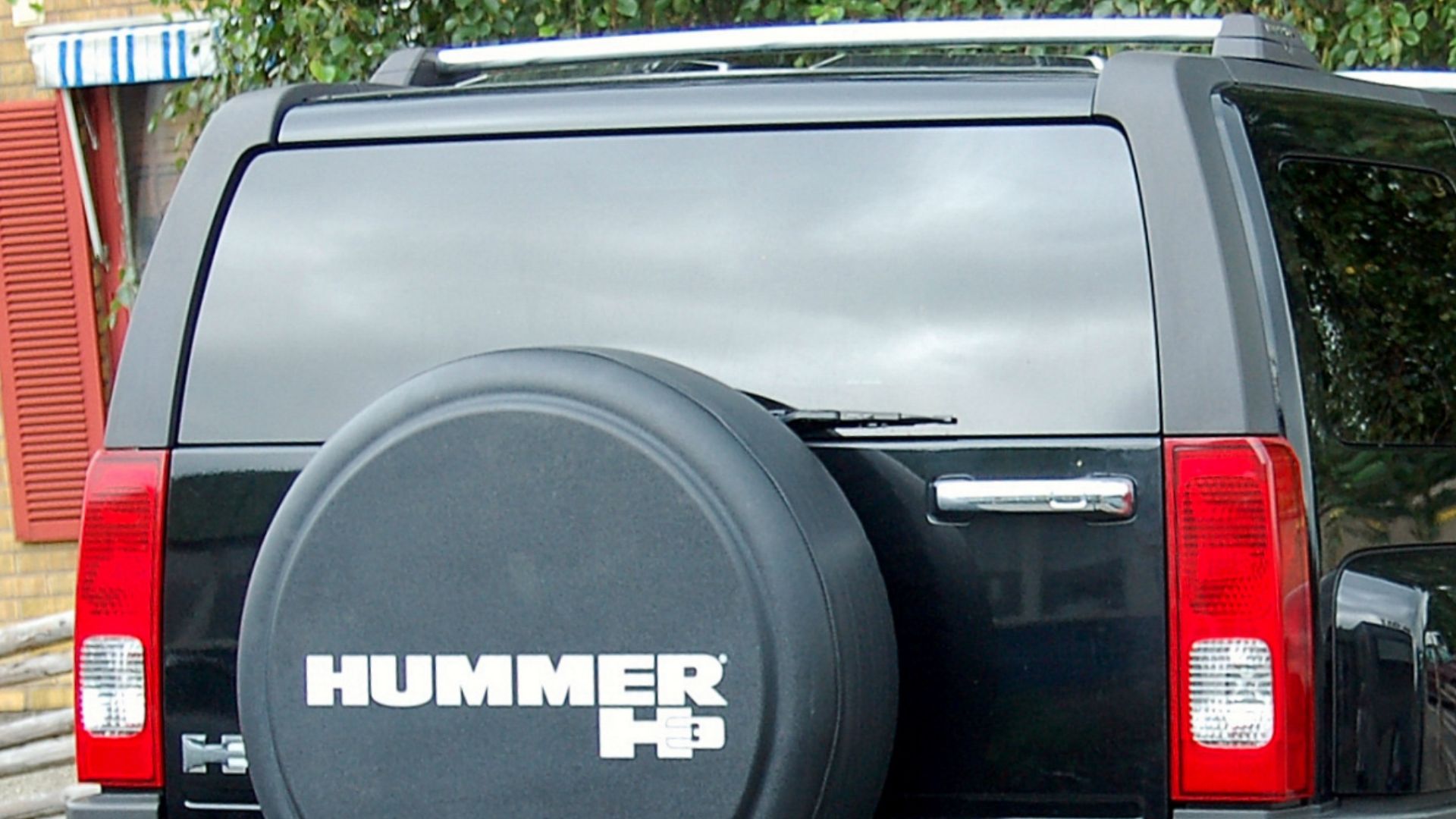
Hummer H3
This is the Hummer H3, the smallest SUV sold under the original Hummer brand. It was based partly on Chevrolet Colorado and GMC Canyon pickup hardware but received major changes for serious off-road use. Early versions used a 3.5-liter inline-five, and the full-size spare was mounted directly to the rear swing gate.
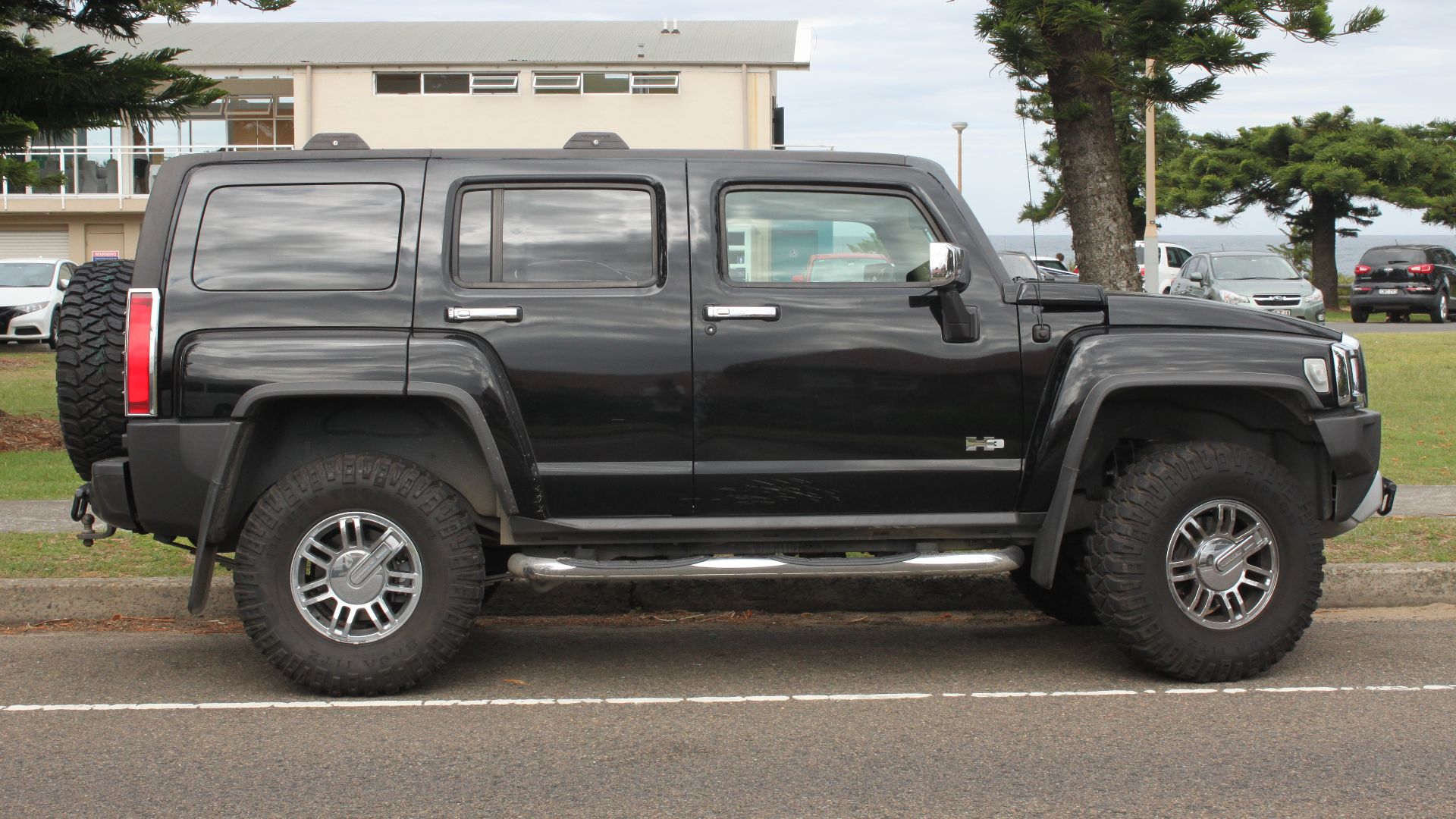 Jeremy from Sydney, Australia, Wikimedia Commons
Can You Name This Upscale Explorer Lookalike?
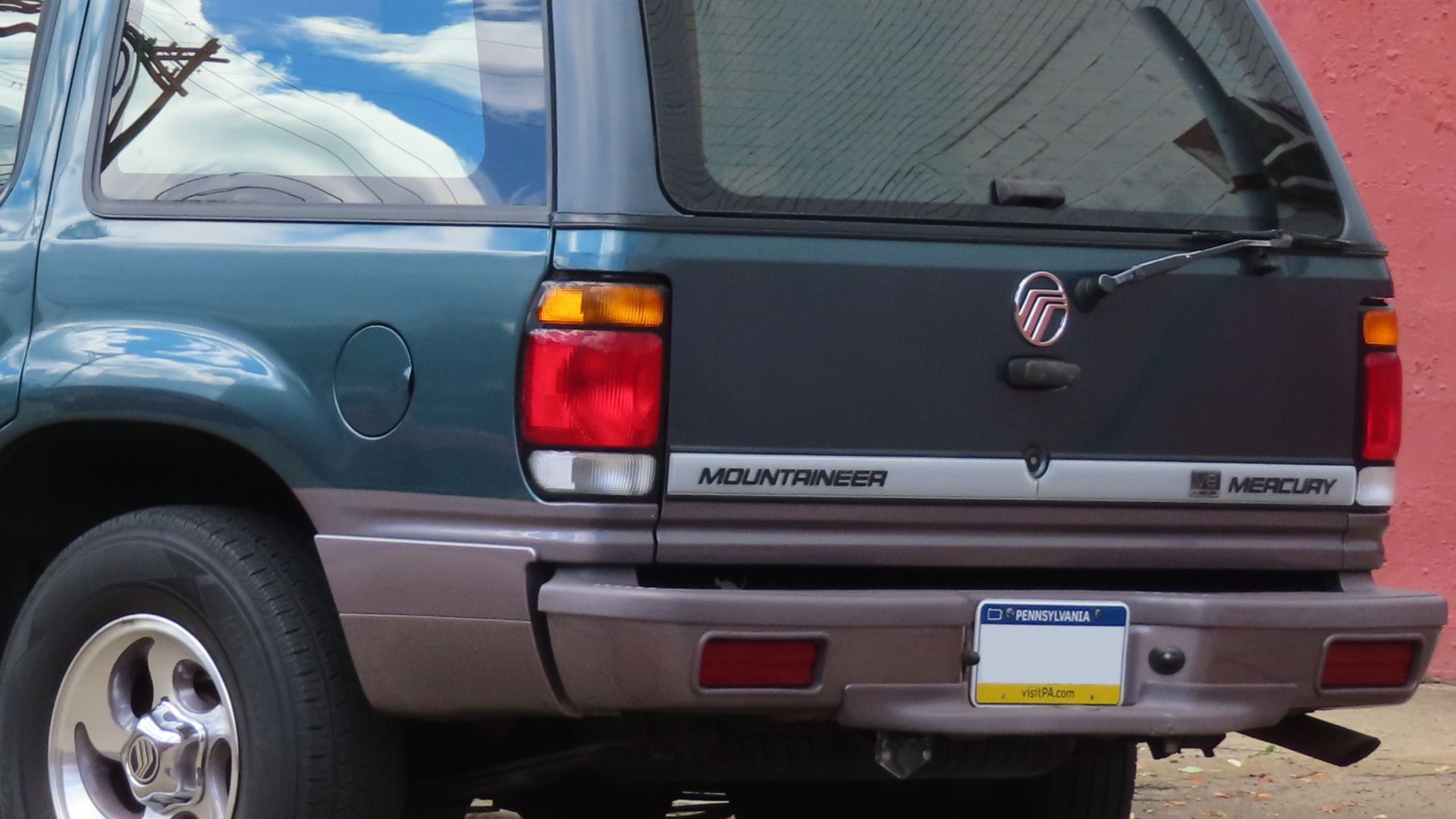
The shape is unmistakably late-1990s Ford SUV, but there are a few unusual details around the tailgate and lamps. The rear is broad and upright, with a large window above a centered license-plate recess. Its more polished trim was meant to separate it from the enormously popular SUV on which it was based.
 MercurySable99, Wikimedia Commons
Mercury Mountaineer
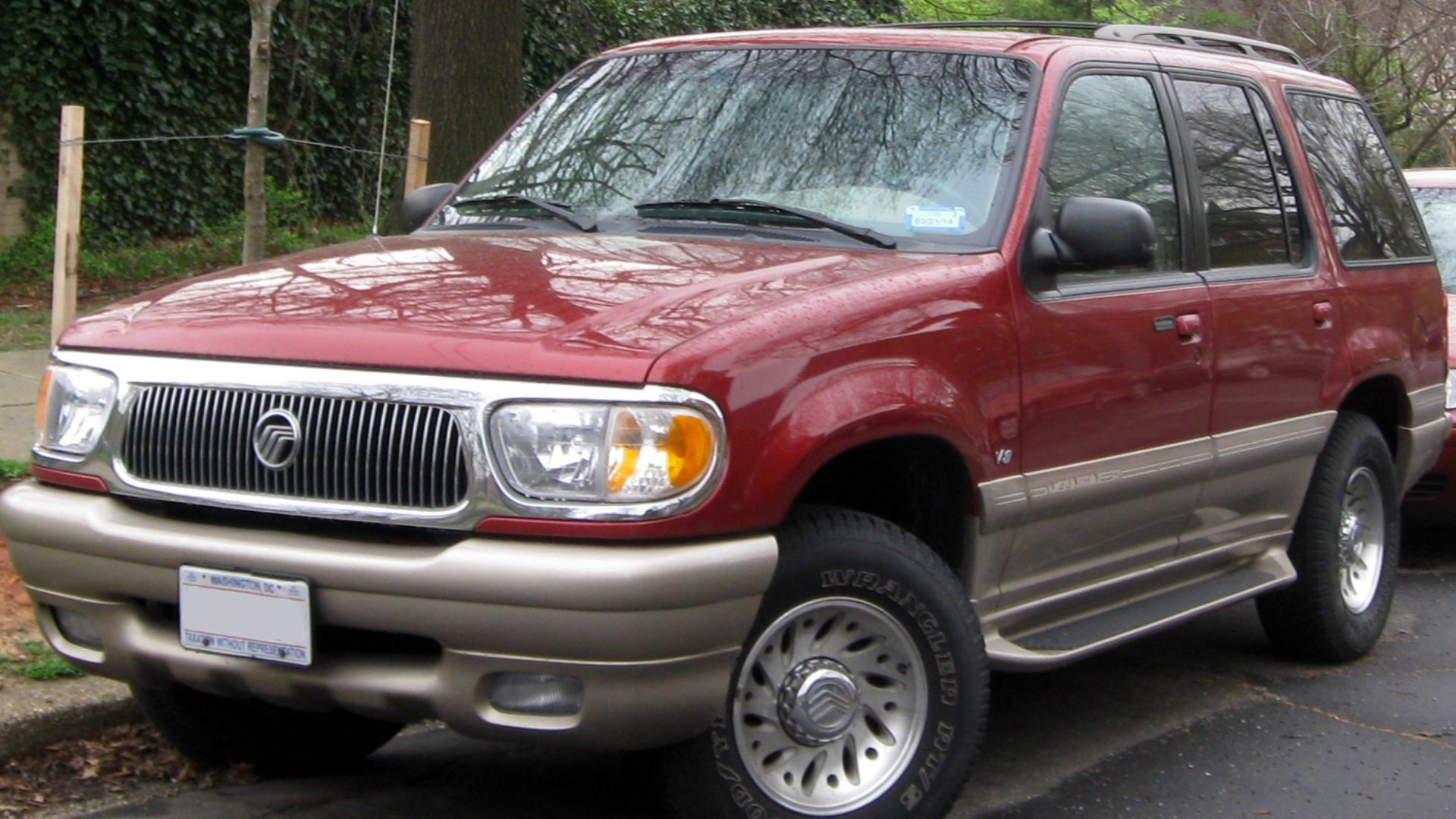
This is the Mercury Mountaineer, which joined the lineup for 1997 as a more upscale relative of the Ford Explorer. The original Mountaineer came with Ford's 5.0-liter V8 producing about 210 horsepower. Buyers could get rear-wheel drive or all-wheel drive, giving Mercury its own entry in the rapidly growing SUV market.
Which SUV Has This Smooth Oldsmobile Tail?
The rear is much rounder than the truck-based SUVs that came before it. Broad taillights sit at the outer corners of a smooth liftgate, while the body uses little of the rugged-looking trim common on early-2000s SUVs. The biggest clue is that the badge belongs to a brand that disappeared only a few years later.
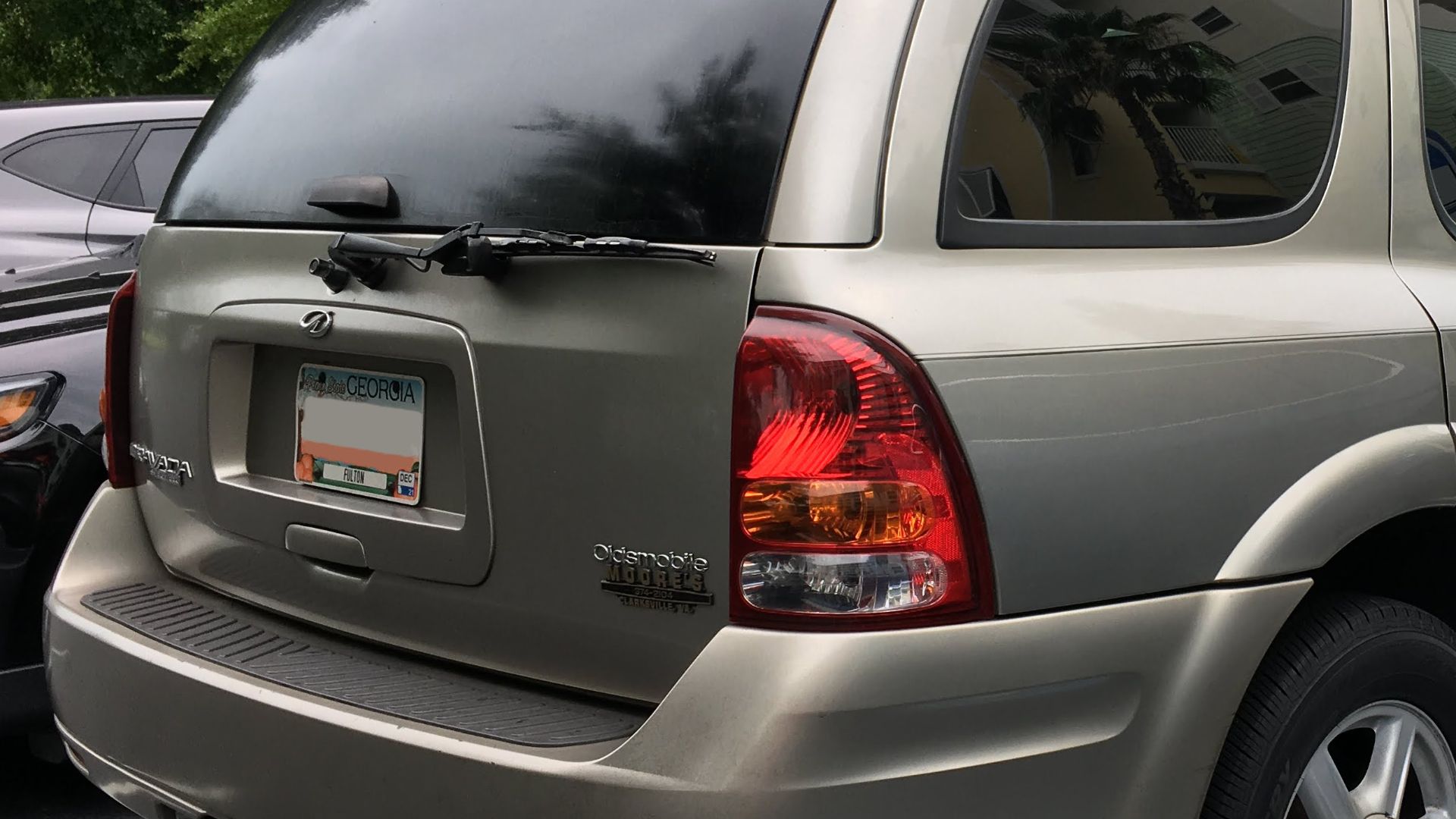
Oldsmobile Bravada
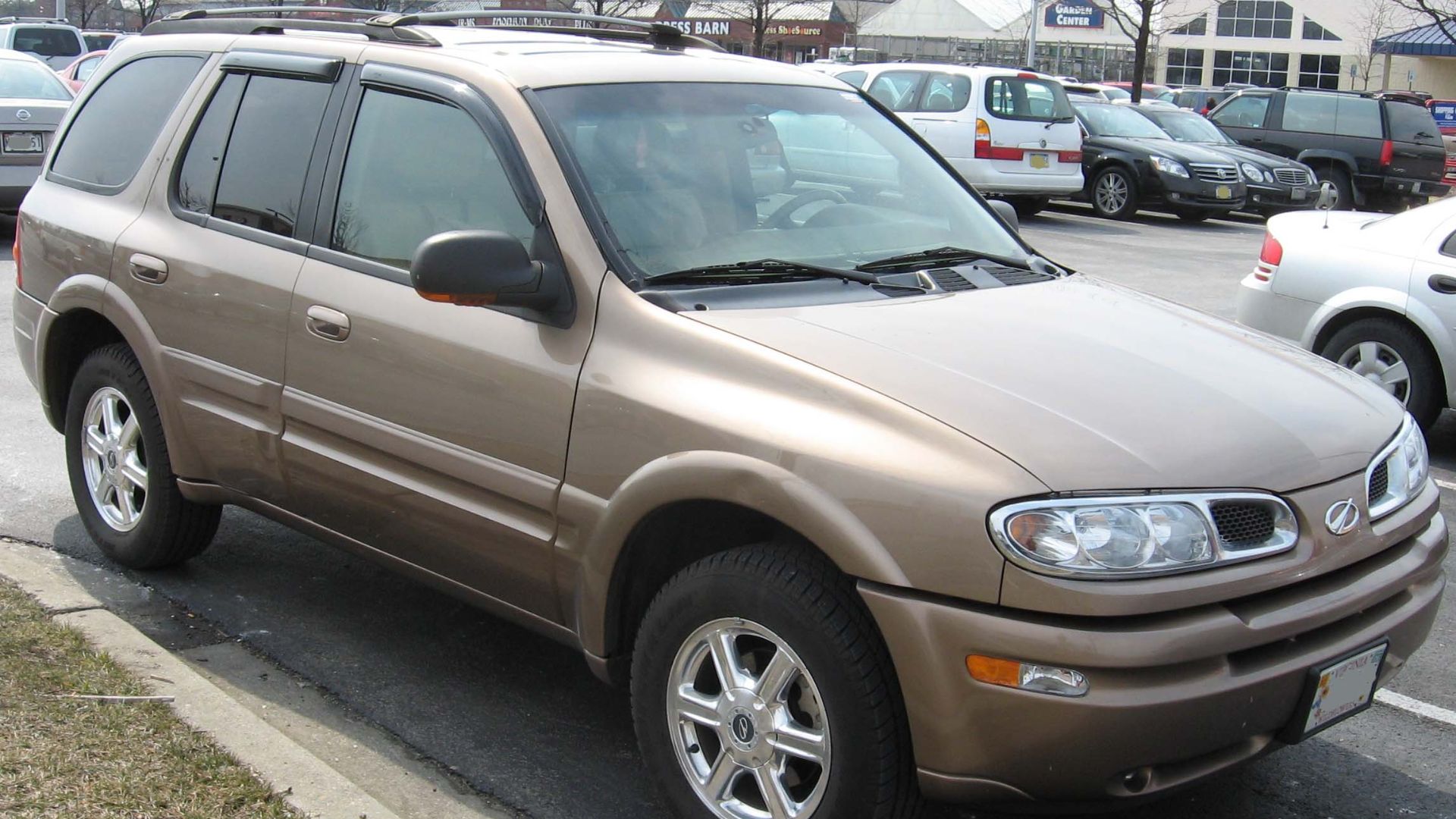
This is the third-generation Oldsmobile Bravada, introduced for the 2002 model year. It shared GM's new body-on-frame SUV architecture with the Chevrolet TrailBlazer and GMC Envoy, although most of its exterior body panels were unique. The Bravada also offered Oldsmobile's SmartTrak all-wheel-drive system.
Can You Recognize These Sharp, High-Mounted Taillights?
The rear lights climb unusually high along the outside edges of the body before tapering inward. An angular rear window and sculpted hatch continue the same sharp-edged theme. It is clearly an early-2000s crossover, but it does not resemble the conservative Honda and Toyota competitors from the same era.
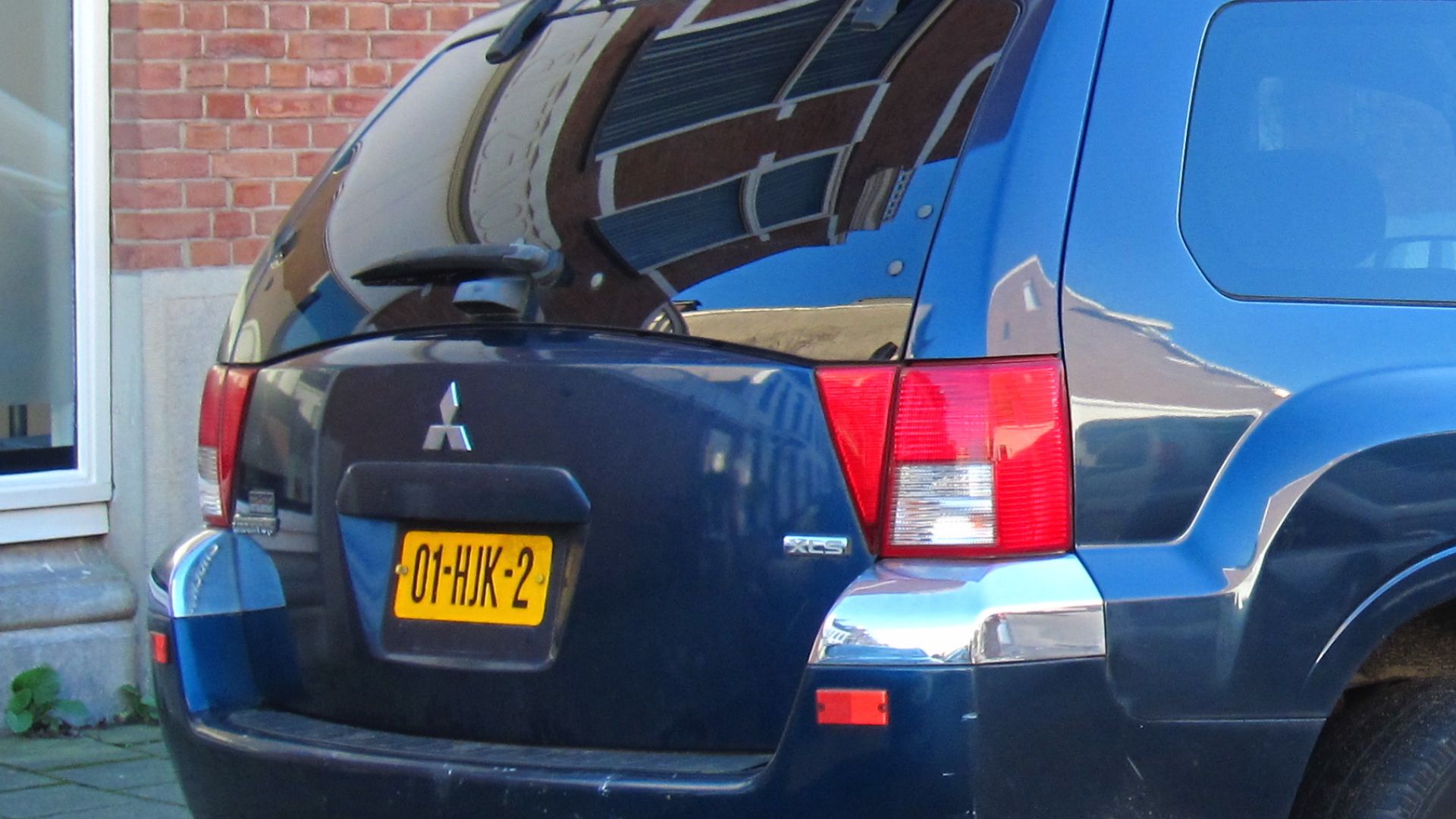 Rutger van der Maar, Wikimedia Commons
Mitsubishi Endeavor
This is the Mitsubishi Endeavor, launched for the 2004 model year. It was Mitsubishi's first SUV engineered specifically for North America and was built in Normal, Illinois. Power came from a 3.8-liter V6, while buyers could choose front-wheel drive or all-wheel drive.
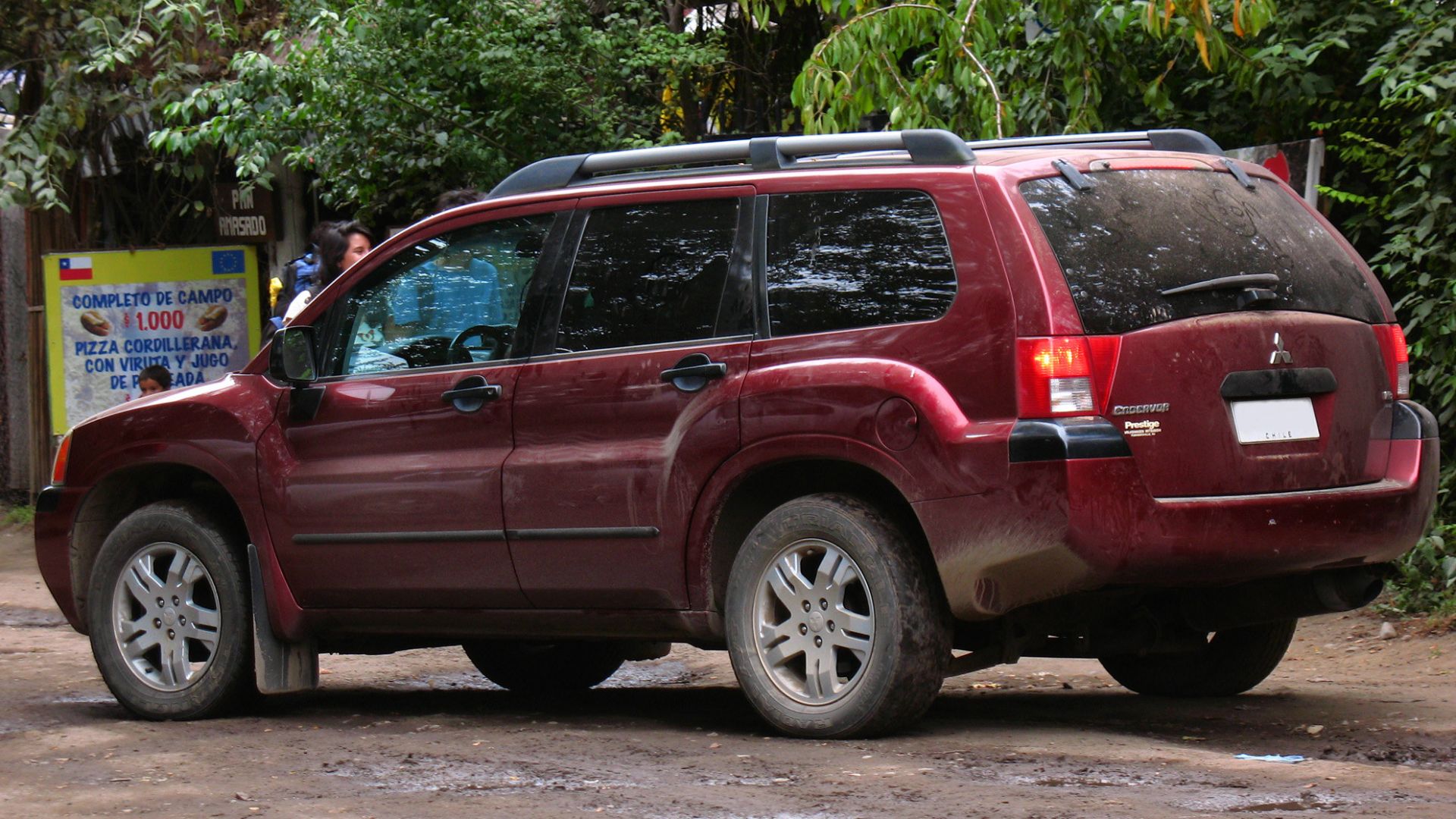 order_242 from Chile, Wikimedia Commons
Which Seven-Seater Has This Surprisingly Long Rear Overhang?
The tall body stretches a noticeable distance behind the rear wheels, giving this SUV a longer tail than many competitors. Large lamps wrap around the rear corners, while the wide liftgate sits above a fairly substantial bumper. Its proportions make more sense once you know an optional third row was squeezed inside.
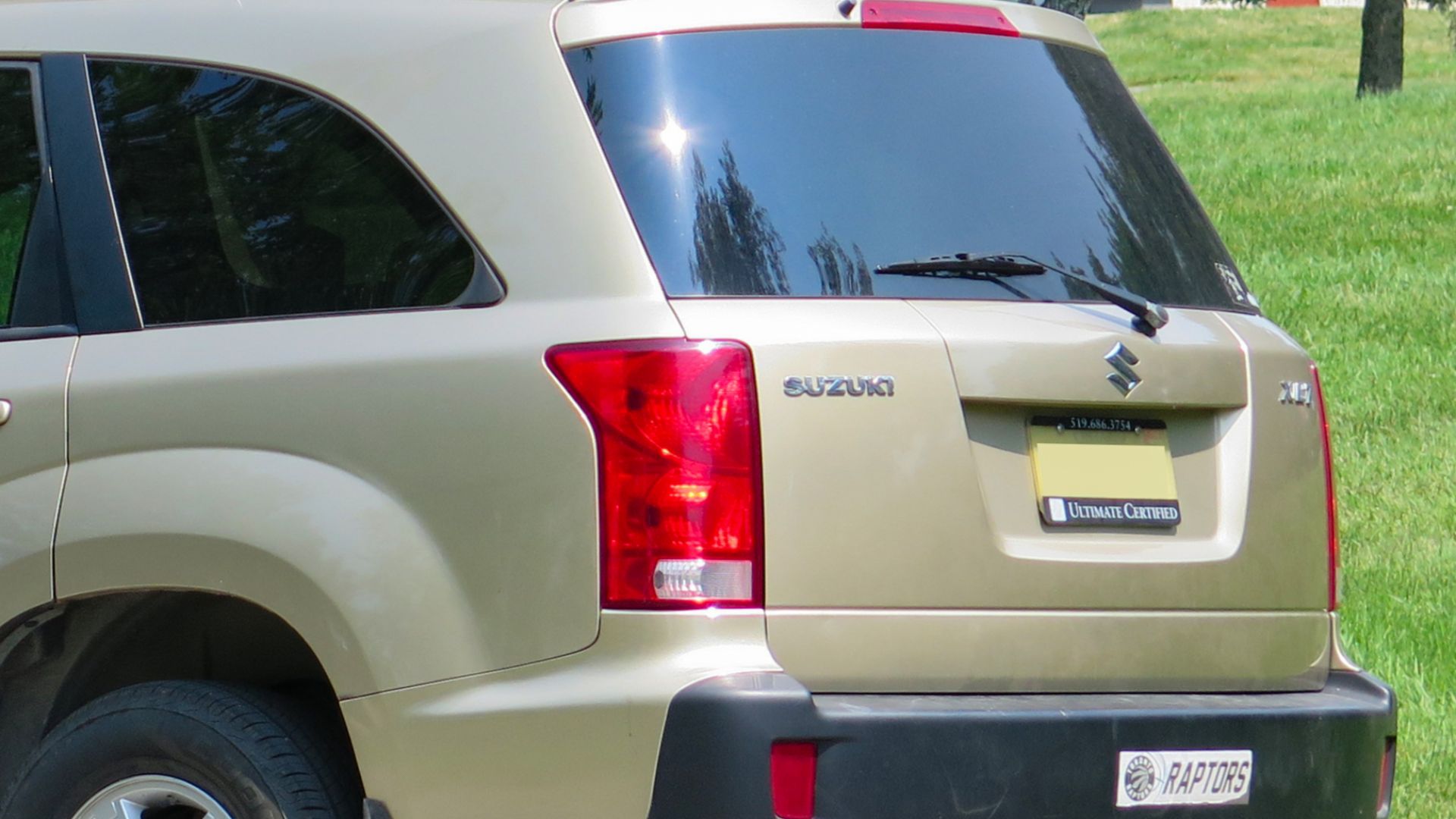
Suzuki XL7
This is the second-generation Suzuki XL7, introduced for 2007. Unlike the truckier model it replaced, this XL7 rode on a platform related to the Chevrolet Equinox and Pontiac Torrent. Its 3.6-liter V6 produced 252 horsepower, and versions with an optional third row could seat seven.
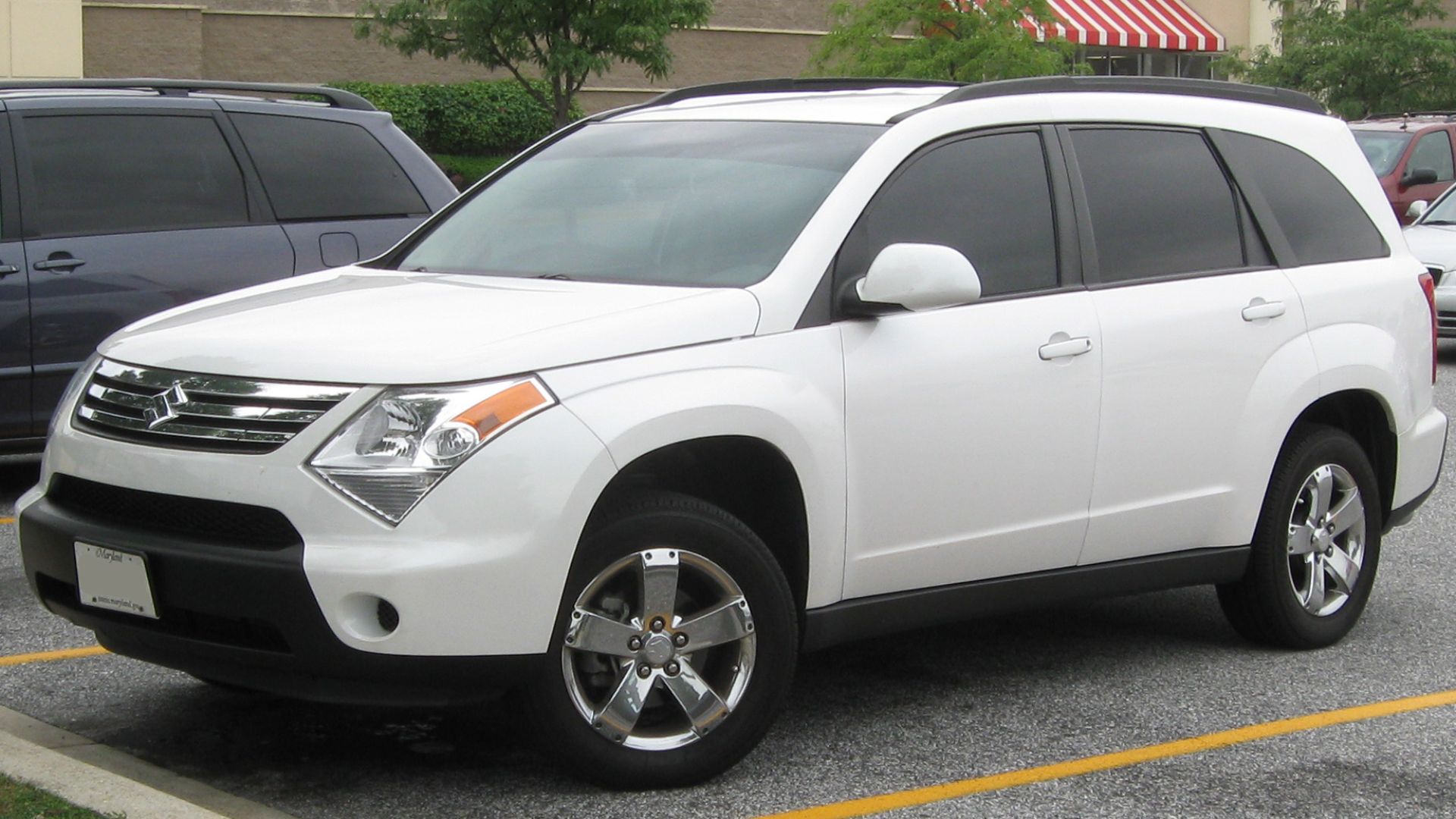
Can You Identify This Oddly Rounded Subaru Rear?
Large taillights wrap around the rear corners with rounded, almost teardrop-like shapes. The hatch is wide and smooth, while the rear window tapers toward unusually thick pillars. Even without seeing the controversial front grille, there is something unmistakably unconventional about this SUV.
 order_242 from Chile, Wikimedia Commons
Subaru B9 Tribeca
This is the Subaru B9 Tribeca, which arrived for the 2006 model year as Subaru's new flagship SUV. It used a 250-hp 3.0-liter flat-six, standard all-wheel drive, and offered seating for either five or seven. The B9 Tribeca was based on a stretched version of the Legacy and Outback architecture.
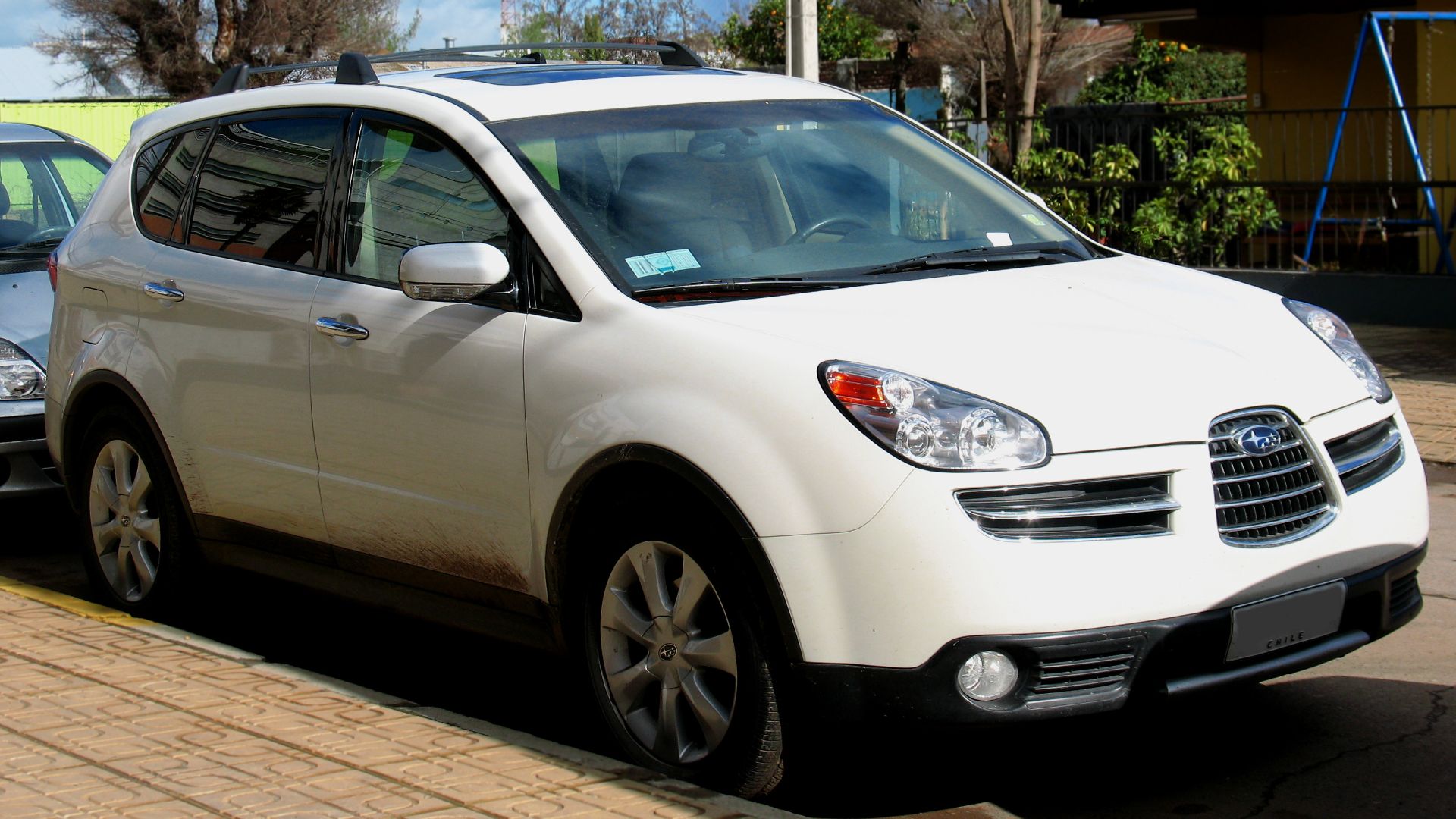 RL GNZLZ from Chile, Wikimedia Commons
What Compact SUV Carries Its Spare Right On The Door?
A full-size spare tire sits squarely on the rear door, practically becoming the centerpiece of the vehicle's styling. The rear gate swings sideways instead of lifting upward, while compact taillights occupy the lower corners. Its narrow body and short dimensions make it look almost toy-sized beside today's SUVs.
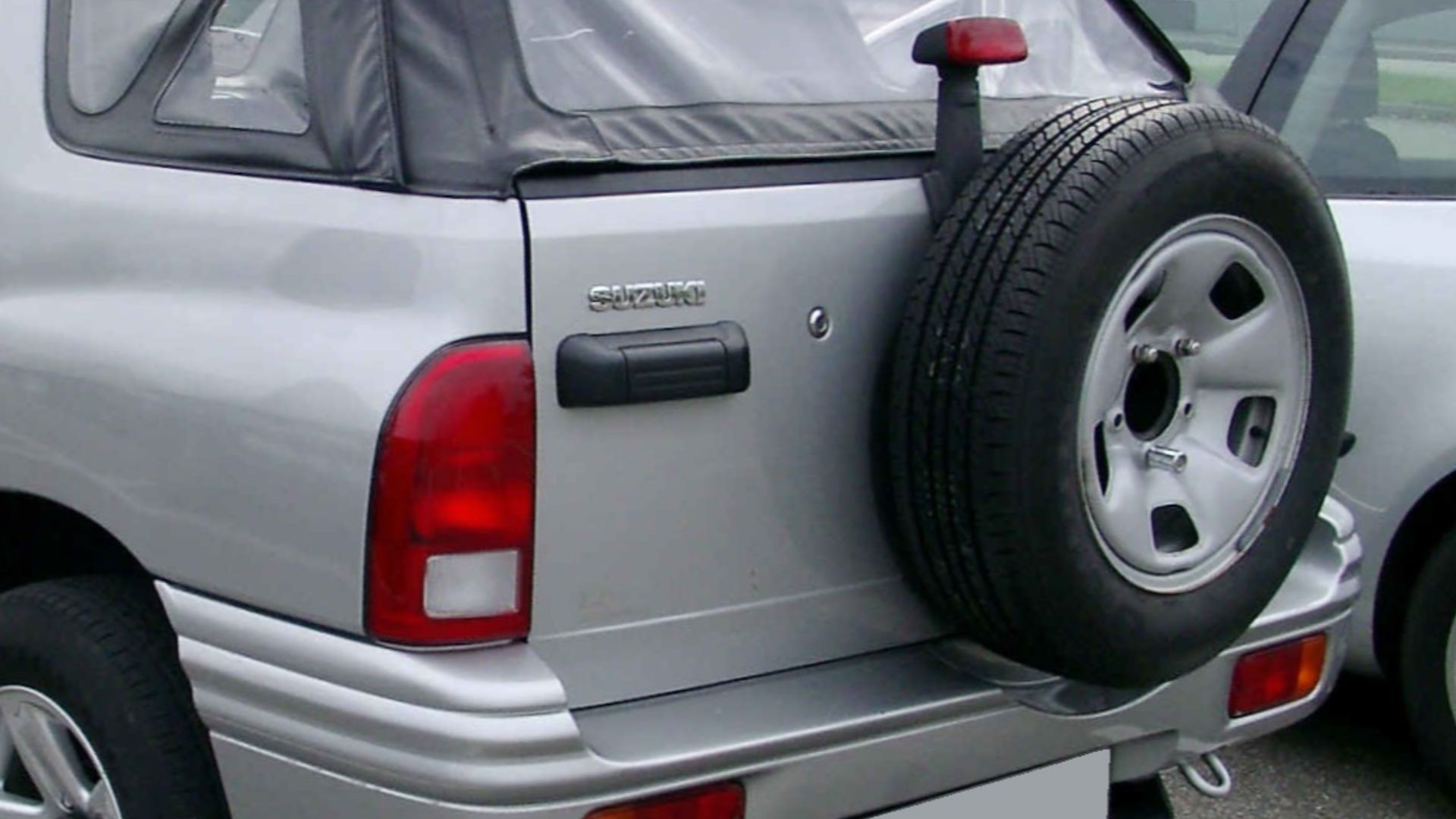 Rudolf Stricker, Wikimedia Commons
Suzuki Grand Vitara
This is the first-generation Suzuki Grand Vitara, one of the small truck-like SUVs that helped build Suzuki's American reputation for affordable four-wheel drives. It combined compact dimensions with available four-wheel drive and a traditional rear-mounted spare. Larger XL-7 derivatives later stretched the basic formula to accommodate more passengers.
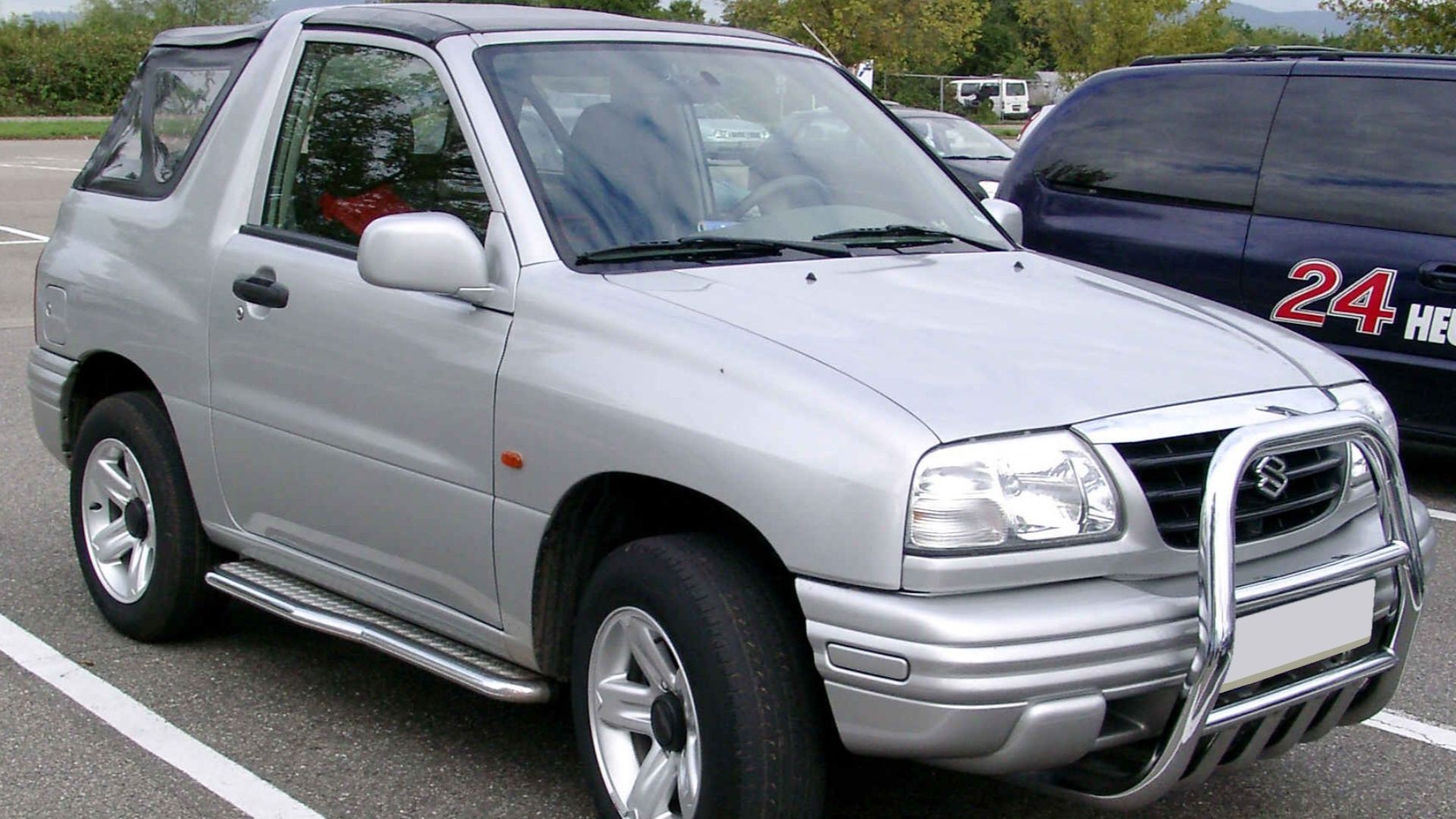 Rudolf Stricker, Wikimedia Commons
Which SUV Has Two Rear Doors Instead Of One Big Hatch?
Rather than a conventional liftgate, the cargo opening is divided into two vertically split doors. Tall taillights sit at the outer edges of an extremely square body, and the glass stands nearly upright. It looks built for function first, with almost none of the swoopy crossover styling that eventually took over the market.
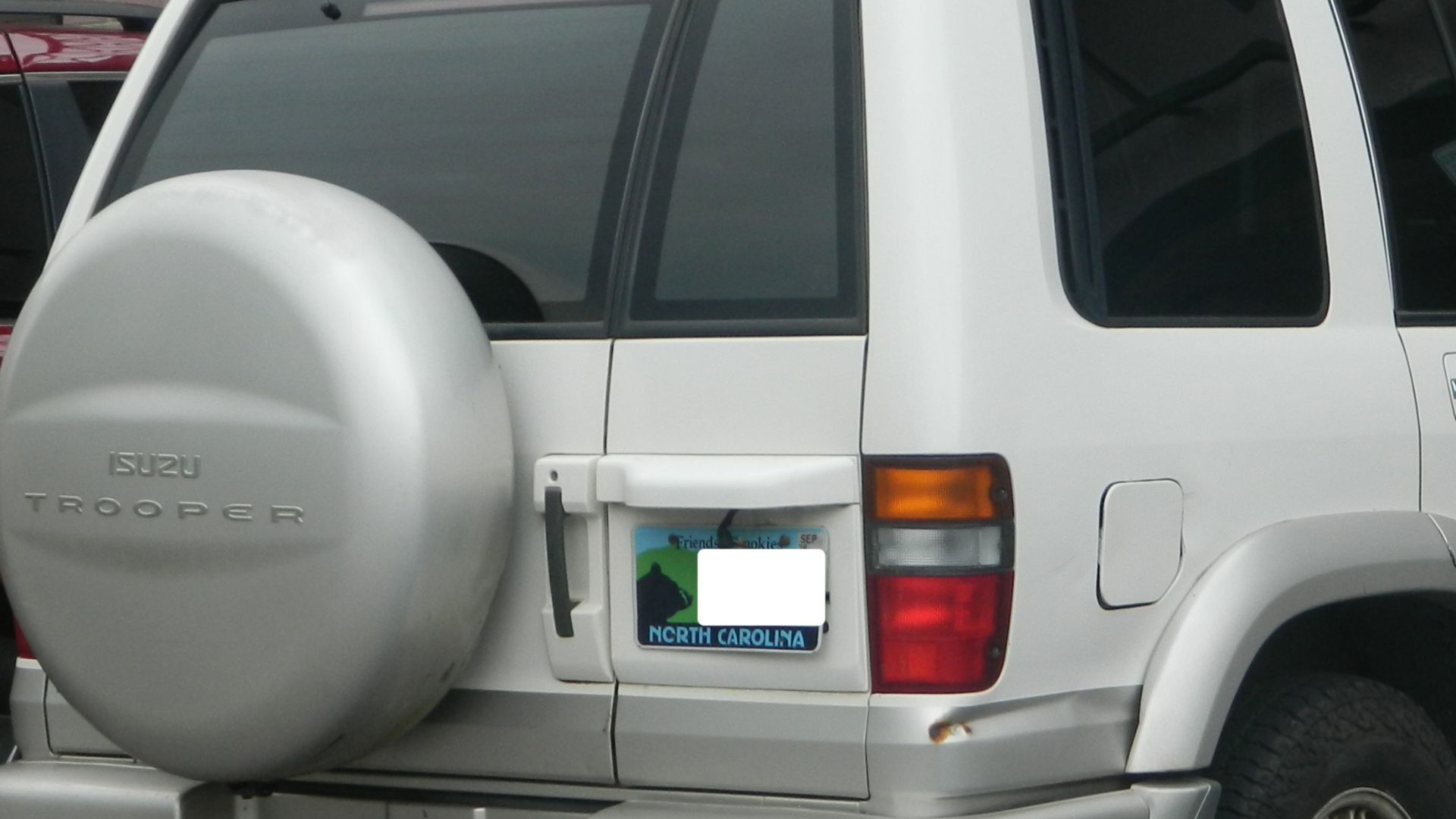 2001FordRangerXLT, Wikimedia Commons
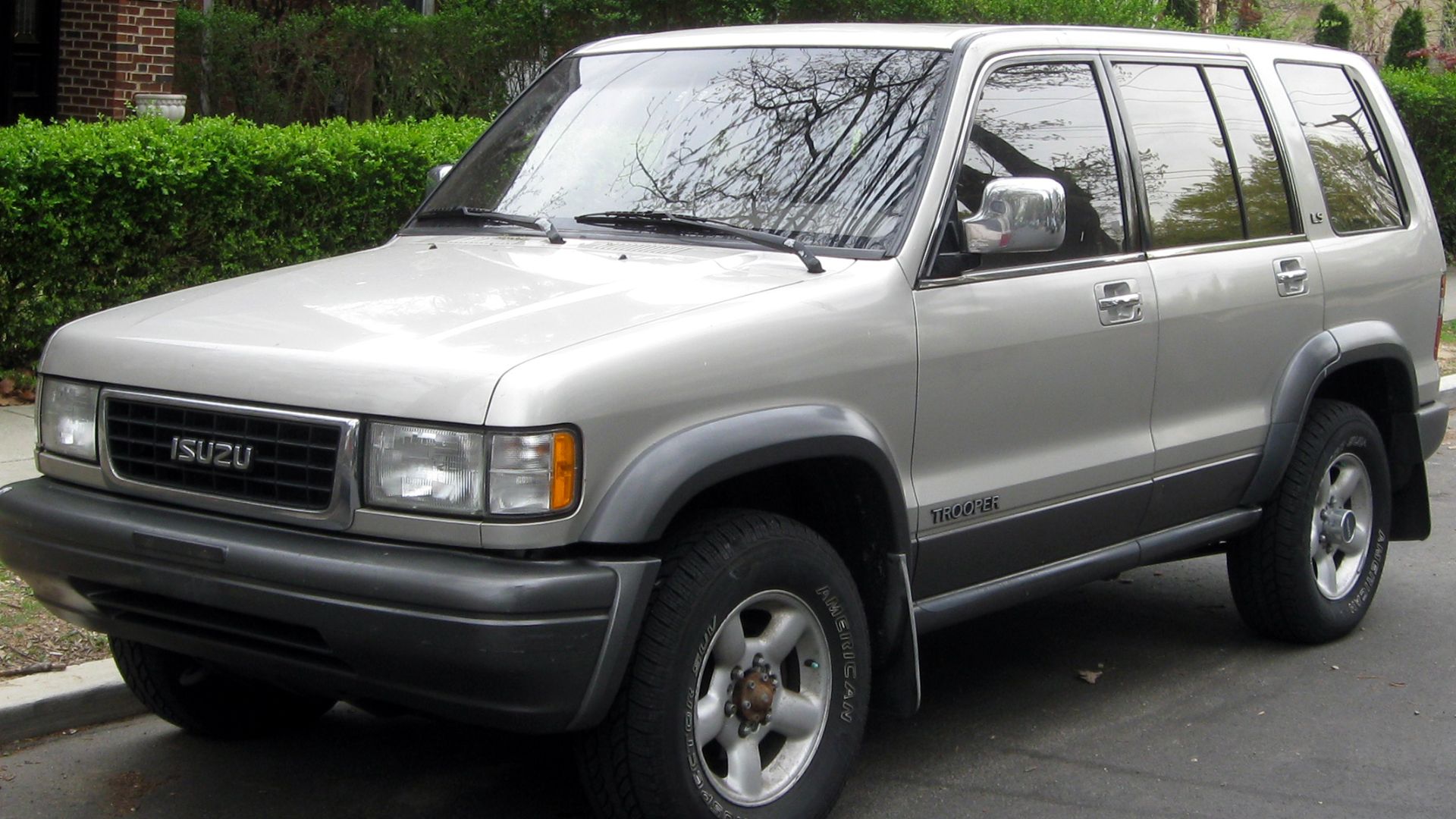
Isuzu Trooper
This is the second-generation Isuzu Trooper, one of the company's best-known SUVs before Isuzu withdrew from the American passenger-vehicle market. The tall, body-on-frame SUV was offered with four-wheel drive and became known for its boxy proportions and substantial interior space. Its basic design also formed the foundation of the short-lived Acura SLX.
How Many Forgotten SUVs Did You Recognize?
Some of these SUVs were strange experiments, while others were serious competitors that simply faded as the market changed. Their rear ends are a reminder of how much more varied SUV design could be before today's crossovers began converging on similar shapes. If you identified all 15 before reaching the reveals, your SUV memory is considerably better than most.
 Rudolf Stricker, Wikimedia Commons
You May Also Like:
These 1980s Off-Road Vehicles Were Once Everywhere—How Many Do You Remember?
.jpg)