
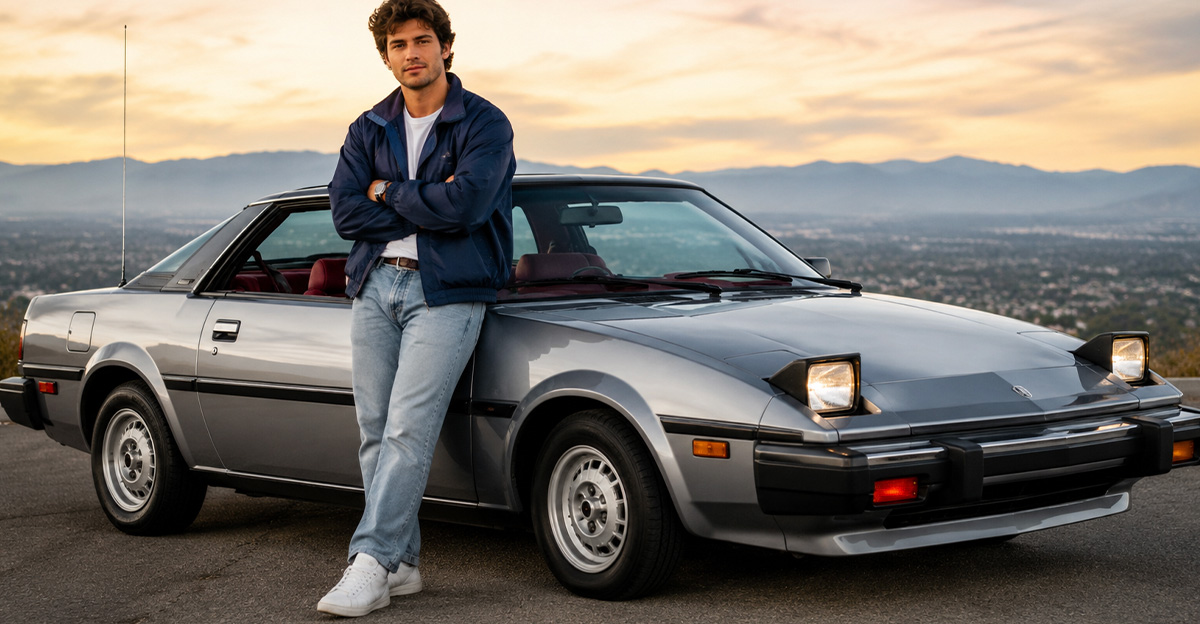
The Decade Of Automotive Experiments
Cars from the 1980s had personality to spare. Some features were genuinely clever, while others now feel like engineers were simply trying things to see what happened. From giant bumpers to motorized seatbelts, plenty of once-common ideas disappeared as safety standards improved, technology advanced, and drivers demanded something better.
Automatic Seatbelts
Remember opening the door and watching a seatbelt glide along a track above your shoulder? Automatic belts appeared largely because manufacturers needed to meet occupant-restraint requirements. Unfortunately, many were awkward, unreliable, and easy to misuse. Once airbags and better three-point belts became widespread, the moving shoulder belt quickly lost its appeal.
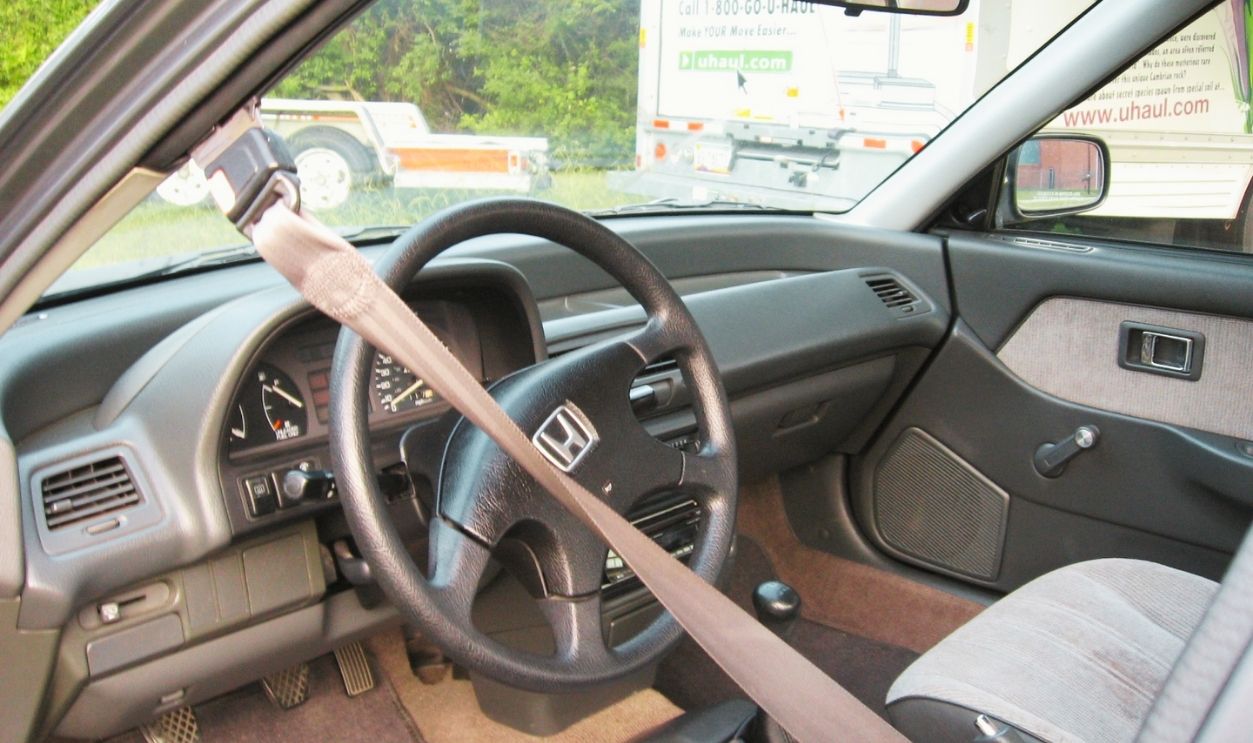 Piercetheorganist, CC-BY-SA-2.5, Wikimedia Commons
Motorized Shoulder Belts
The motorized version was especially memorable. A small electric motor dragged the belt into position whenever the door closed. It looked futuristic in a wonderfully 1980s way, but broken tracks and failed motors became expensive headaches. Modern cars wisely rely on simple manual belts combined with airbags and pretensioners.
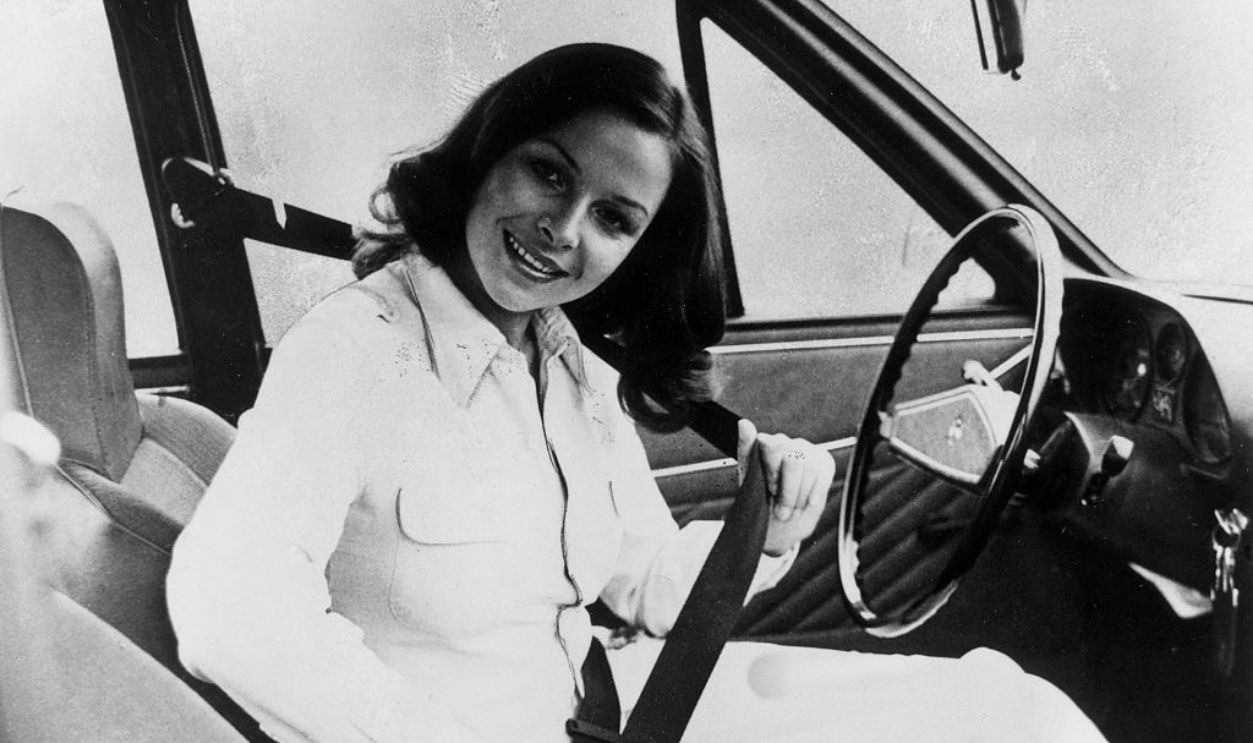 ullstein bild Dtl., Getty Images
The Separate Lap Belt
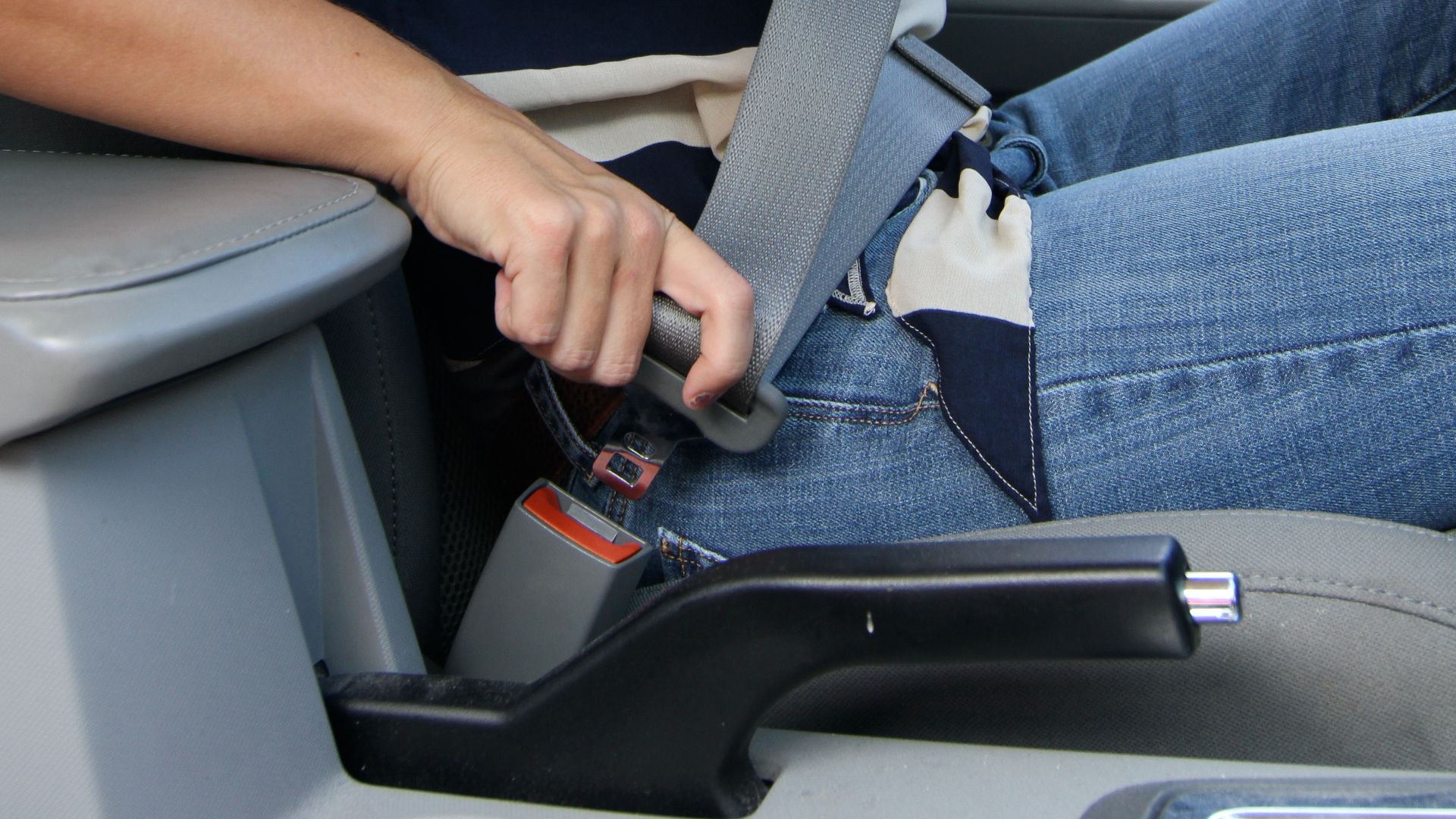
Automatic shoulder belts often came with a strange catch: you still had to fasten the lap belt yourself. Drivers frequently forgot, defeating much of the safety benefit. The modern three-point belt solved the problem beautifully by combining shoulder and lap protection into one simple restraint that takes seconds to buckle.
Pop-Up Headlights
Few features scream 1980s sports car louder than pop-up headlights. They gave everything from Corvettes to affordable Japanese coupes a sleek nose during daylight hours. Unfortunately, the motors could fail, mechanisms added weight and complexity, and pedestrian-safety concerns eventually helped make disappearing headlights disappear themselves.
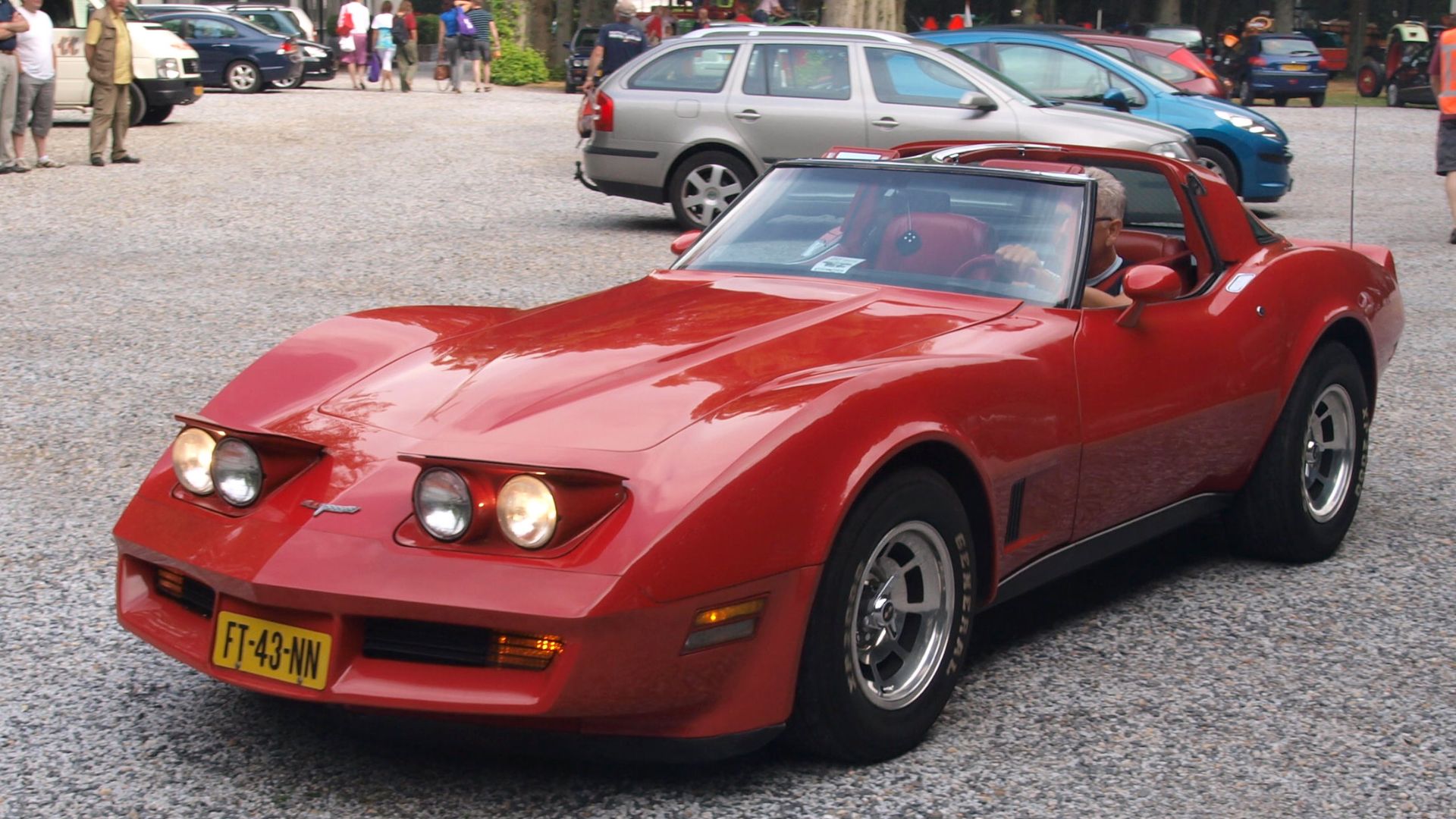
Sealed-Beam Headlights
For decades, American cars were heavily associated with standardized sealed-beam headlights. They were cheap and easy to replace, but their lighting performance eventually seemed primitive compared with newer designs. As regulations changed, manufacturers embraced aerodynamic housings, replaceable bulbs, projector lights, LEDs, and increasingly sophisticated adaptive lighting systems.
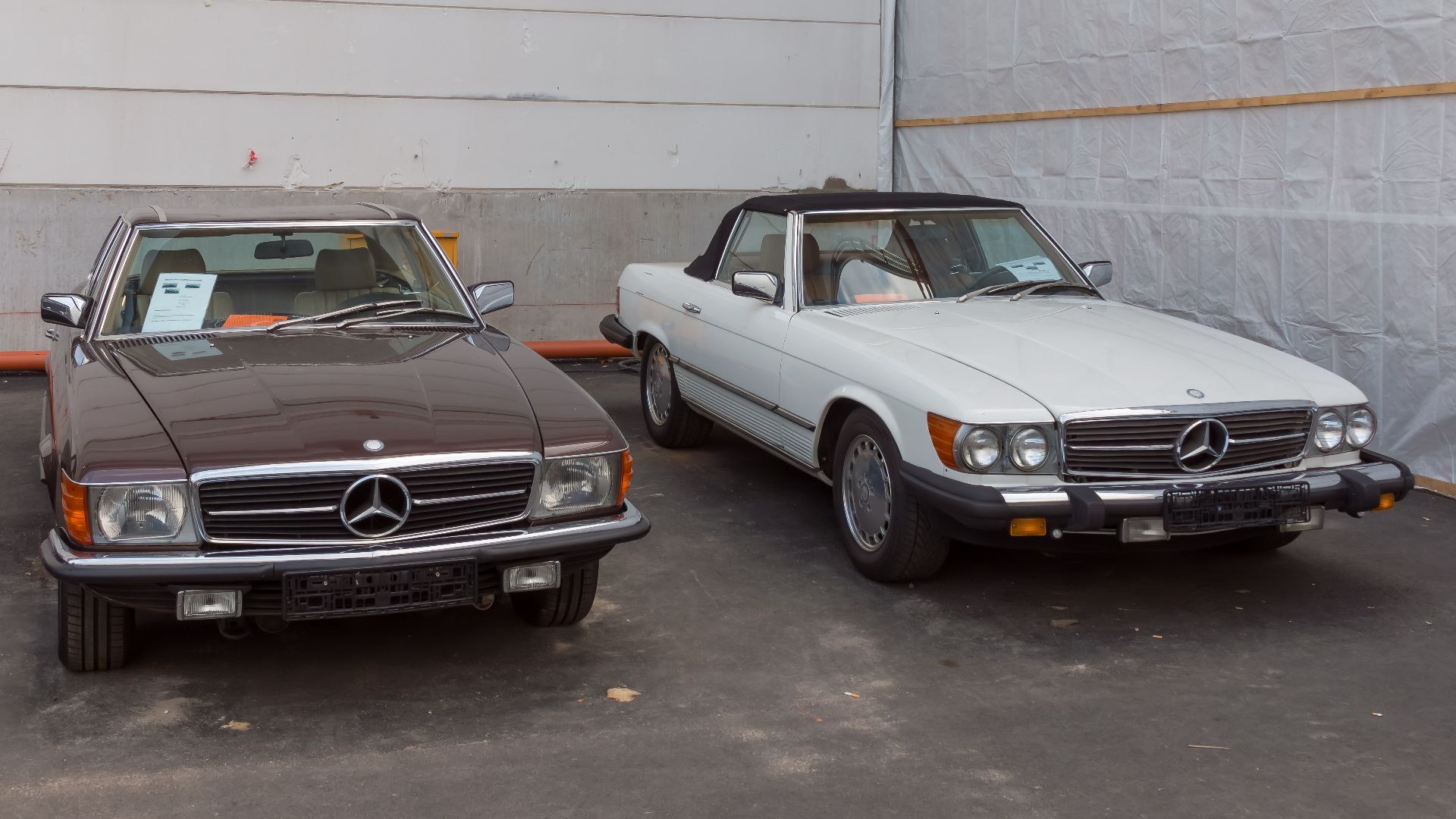 Matti Blume, Wikimedia Commons
Giant Five-Mile-Per-Hour Bumpers
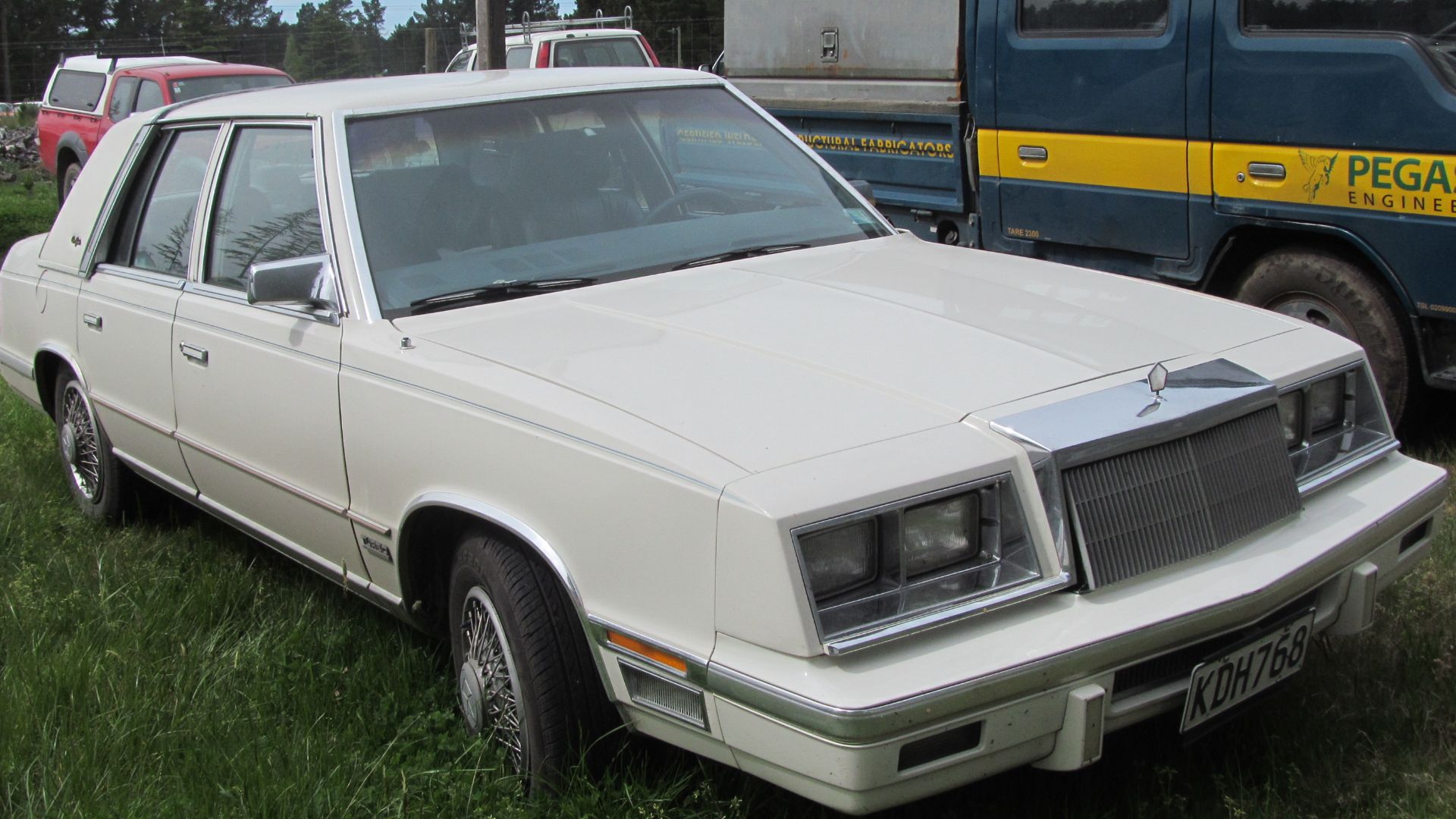
Many 1980s cars still carried the visual legacy of American bumper regulations introduced the previous decade. Thick bumpers often projected dramatically from the body. They helped reduce damage in minor impacts but could make otherwise attractive cars look awkward. Better crash structures eventually allowed designers to integrate bumpers neatly into the bodywork.
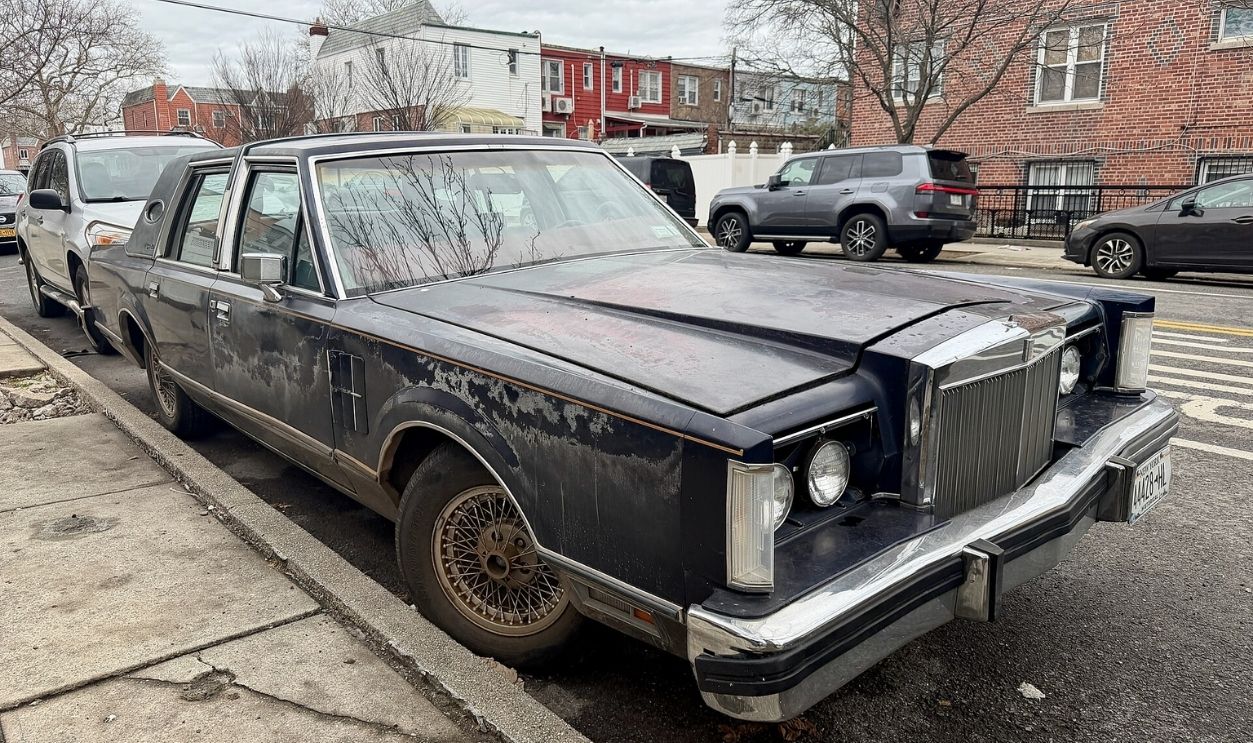 Oleg Yunakov, Wikimedia Commons
Chrome Bumper Guards
Those already-massive bumpers sometimes received another layer of protection: bulky vertical bumper guards. Their job was understandable, especially in crowded parking lots, but elegance was not their strong point. As painted bumper covers and integrated crash structures became standard, these rubber-covered battering rams slowly vanished from passenger cars.
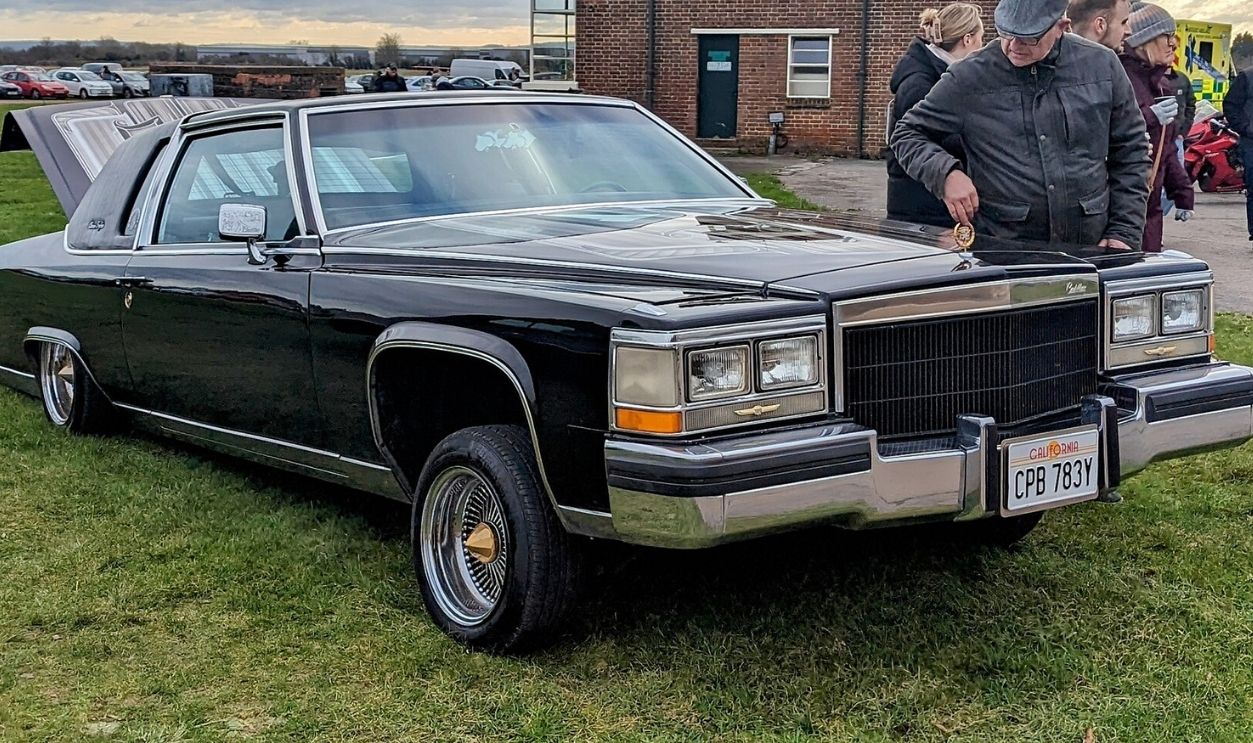
Carburetors
Electronic fuel injection existed before the 1980s, but plenty of cars entered the decade still relying on carburetors. Anyone who remembers pumping the accelerator on a cold morning knows the experience. Fuel injection offered easier starting, cleaner emissions, better fuel economy, and more precise performance, leaving carburetors to classic-car enthusiasts.
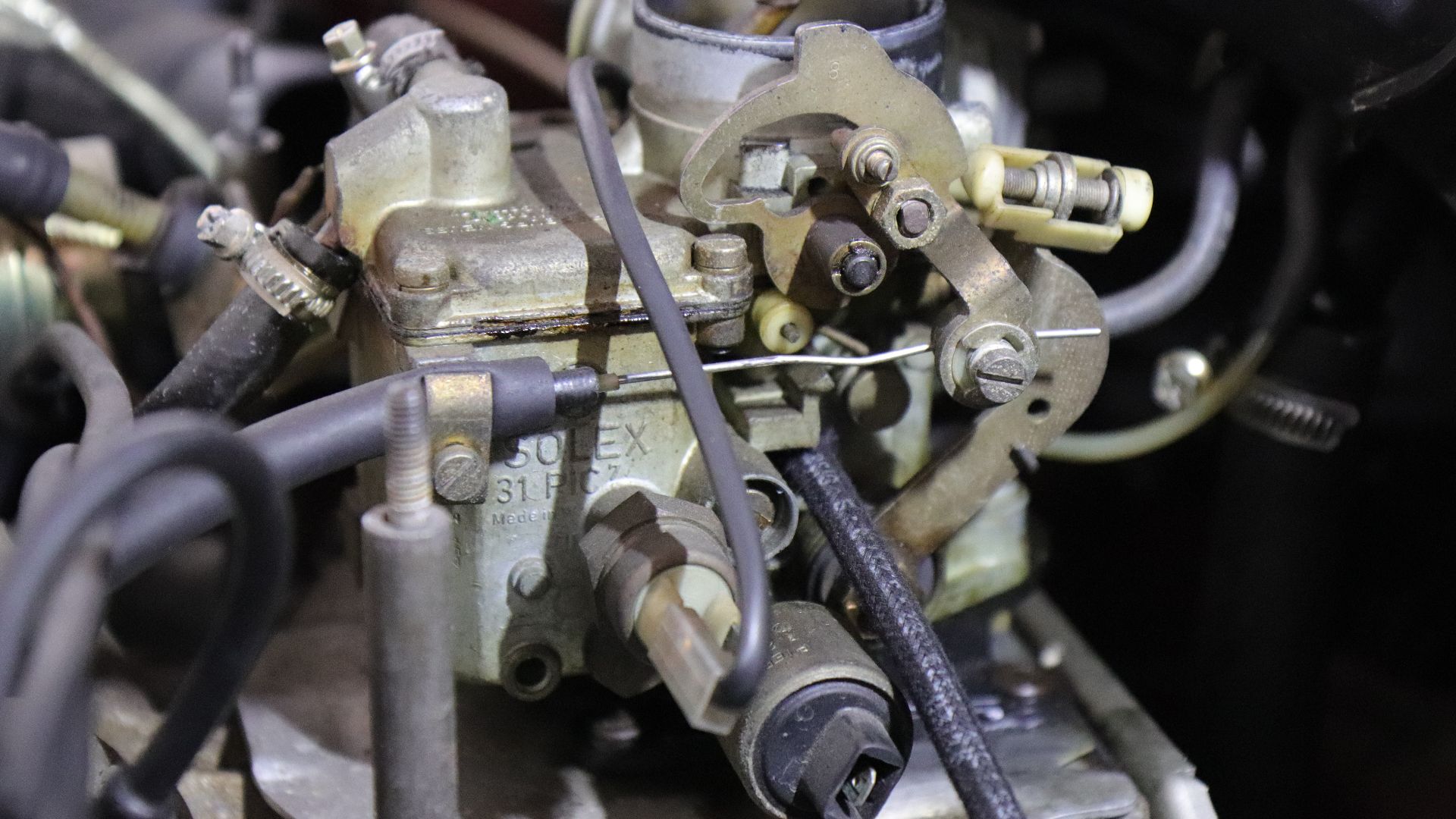 KaiBorgeest, Wikimedia Commons
Manual Chokes
Some older economy cars required drivers to operate a choke when starting a cold engine. Forgetting to adjust it correctly could produce rough running, stalling, or excessive fuel consumption. Automatic systems improved matters, but computerized fuel injection eventually made the entire ritual unnecessary. Modern drivers simply turn the key—or press a button.
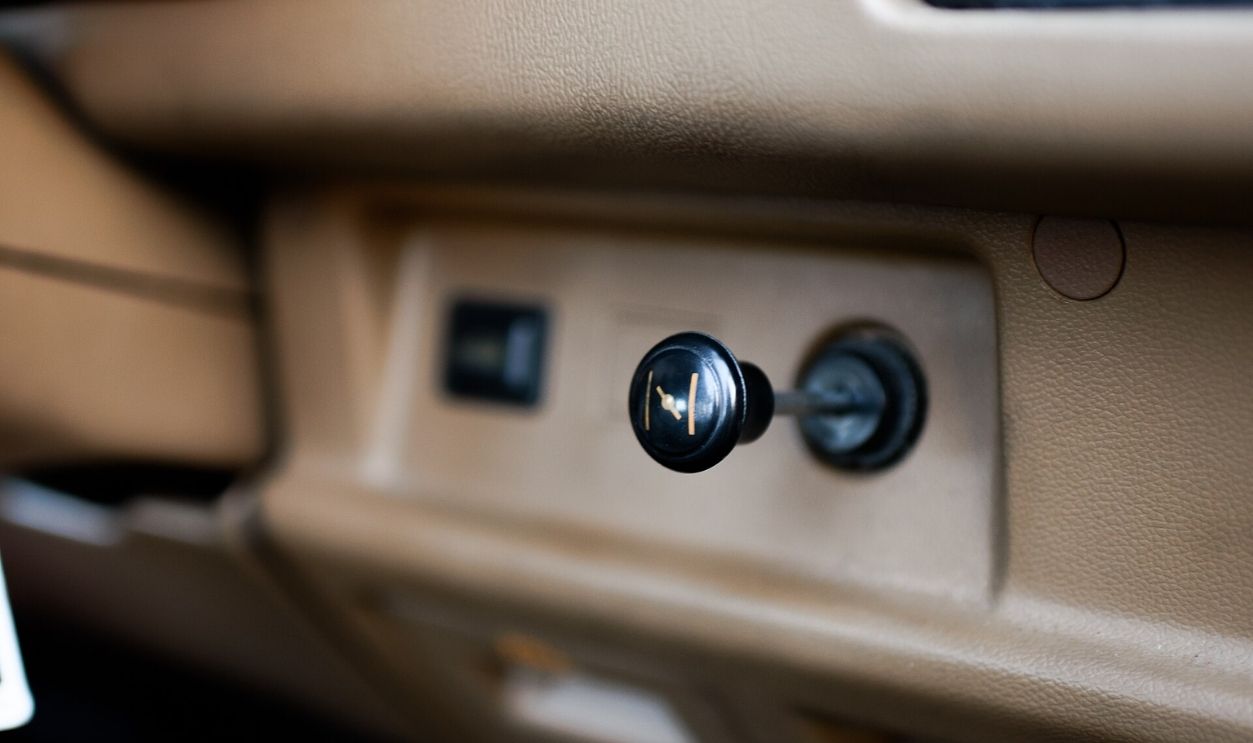 SealyPhoto, CC BY-SA 4.0, Wikimedia Commons
Kilometer-Long Vacuum Hose Networks
Open the hood of certain emissions-era 1980s cars and you might find a bewildering maze of rubber vacuum hoses. They controlled everything from emissions equipment to climate functions. Aging hoses cracked, leaked, and caused mysterious problems. Electronic engine management eventually replaced much of this spaghetti with sensors, computers, and electrically controlled components.

Feedback Carburetors
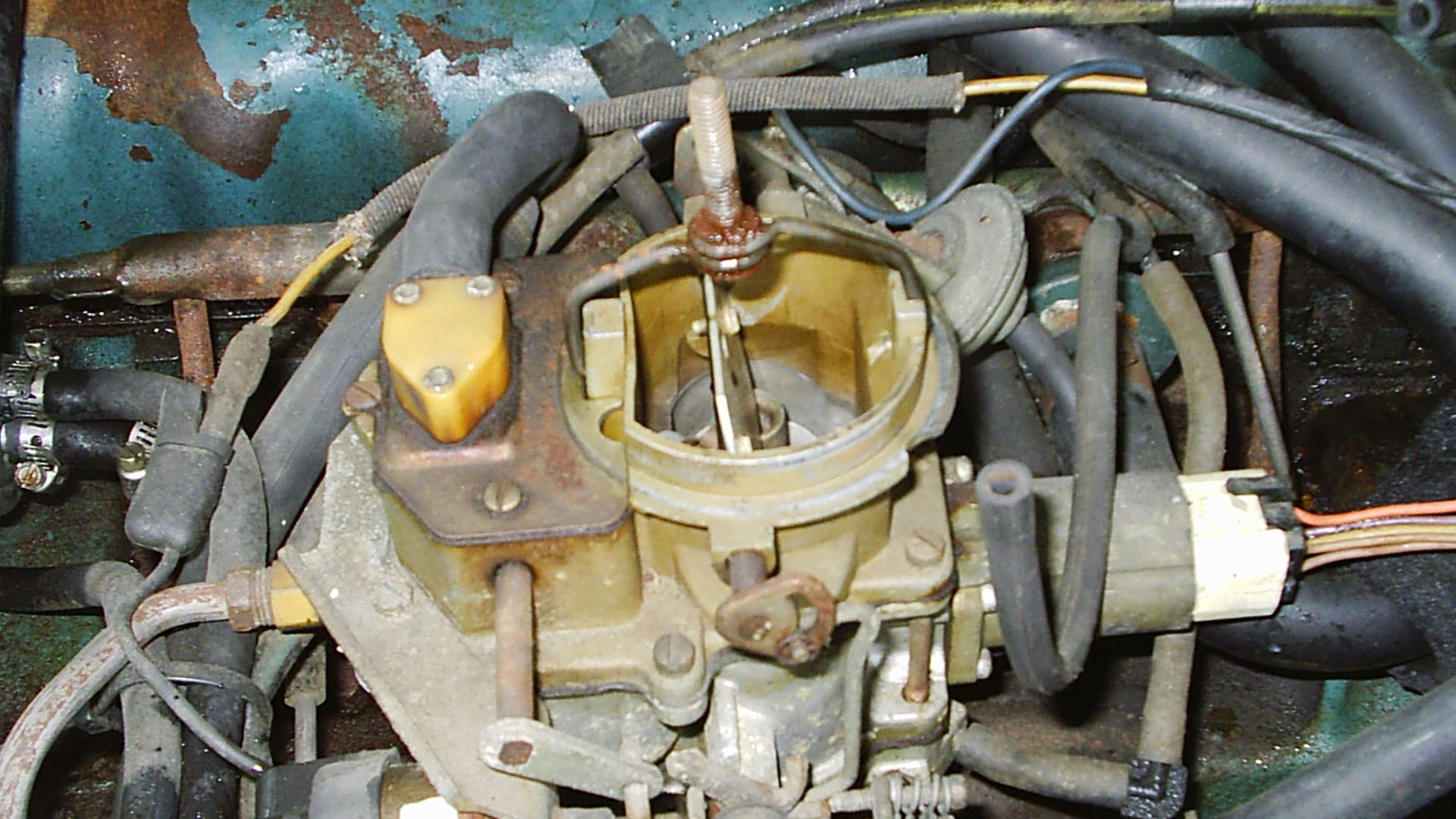
Before fuel injection completely took over, manufacturers attempted to make carburetors smarter. Electronic “feedback” systems adjusted fuel mixtures using early sensors and primitive computers. They helped cars meet emissions rules but could be frustrating to diagnose. Electronic injection soon delivered much better precision without combining old-school plumbing with early digital technology.
Mechanical Speedometer Cables
That bouncing speedometer needle was sometimes more than an old-car quirk. Traditional speedometers were often driven by a rotating cable connected to the transmission. Cables could wear, squeal, break, or make the needle dance. Electronic vehicle-speed sensors eventually offered more reliable information for gauges, transmissions, cruise control, and engine computers.
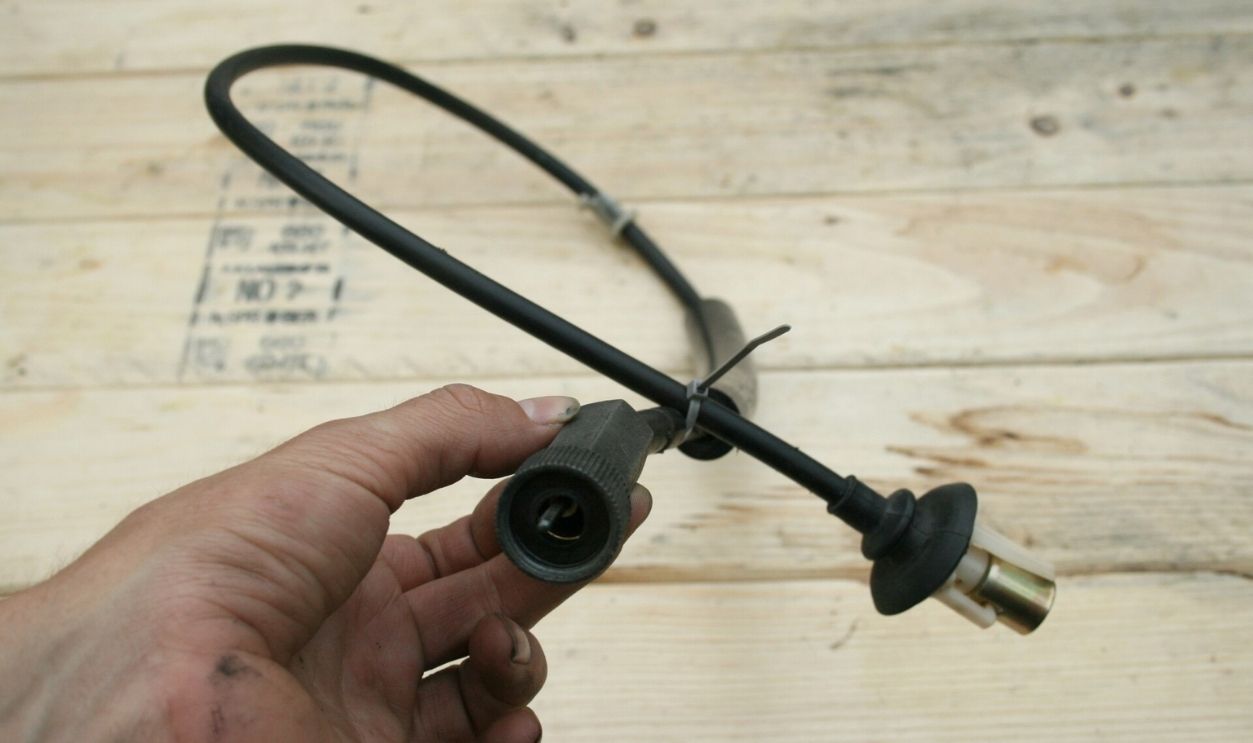 Ildar Sagdejev, Wikimedia Commons
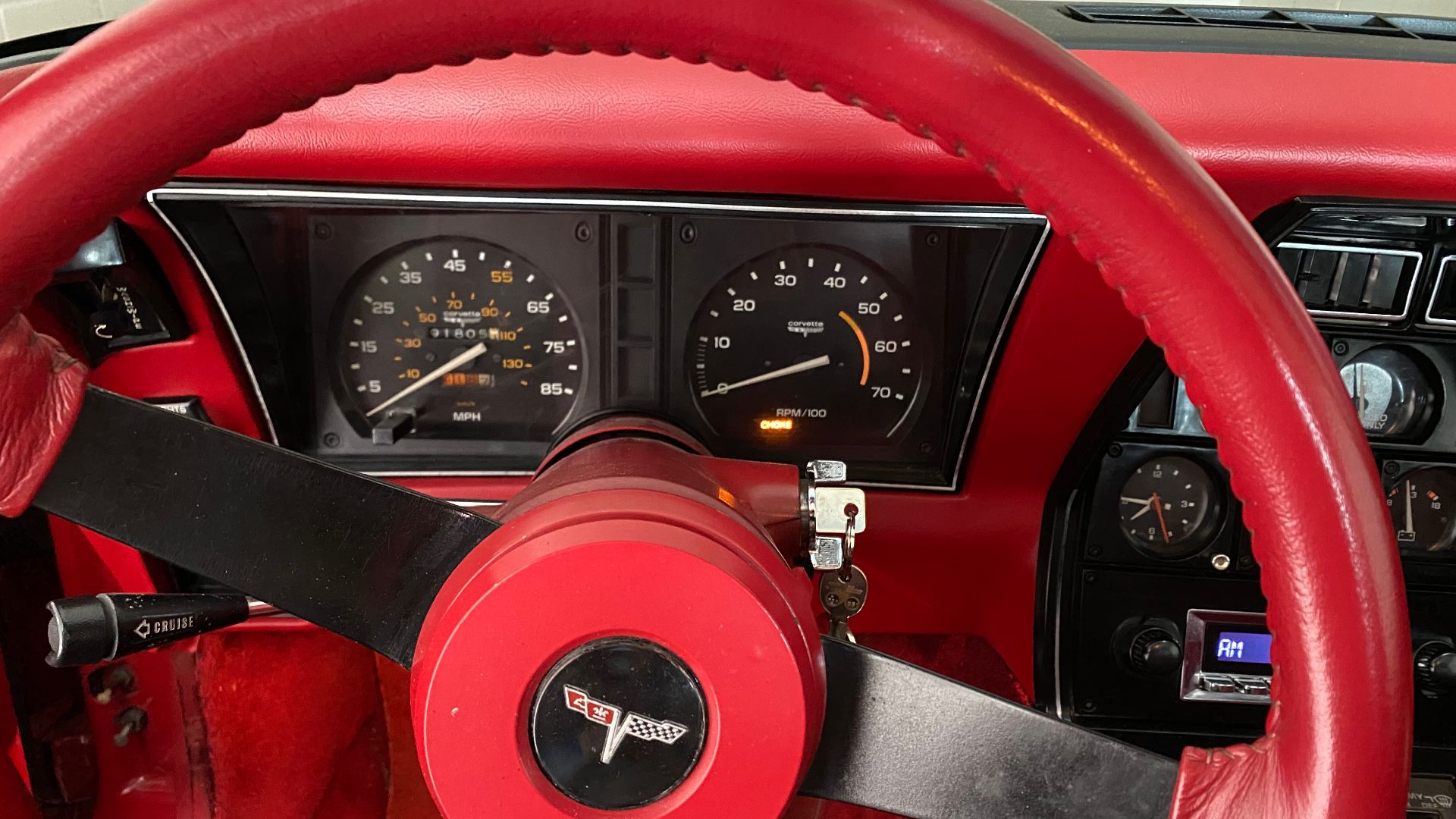
Eighty-Five-MPH Speedometers
One of the strangest relics of the era was the federally influenced 85-mph speedometer found on many American cars. The idea was to discourage excessive speed during an age focused heavily on fuel conservation. It mostly annoyed enthusiasts and looked particularly ridiculous in genuinely fast cars. Higher-range speedometers soon returned.
Digital Instrument Clusters
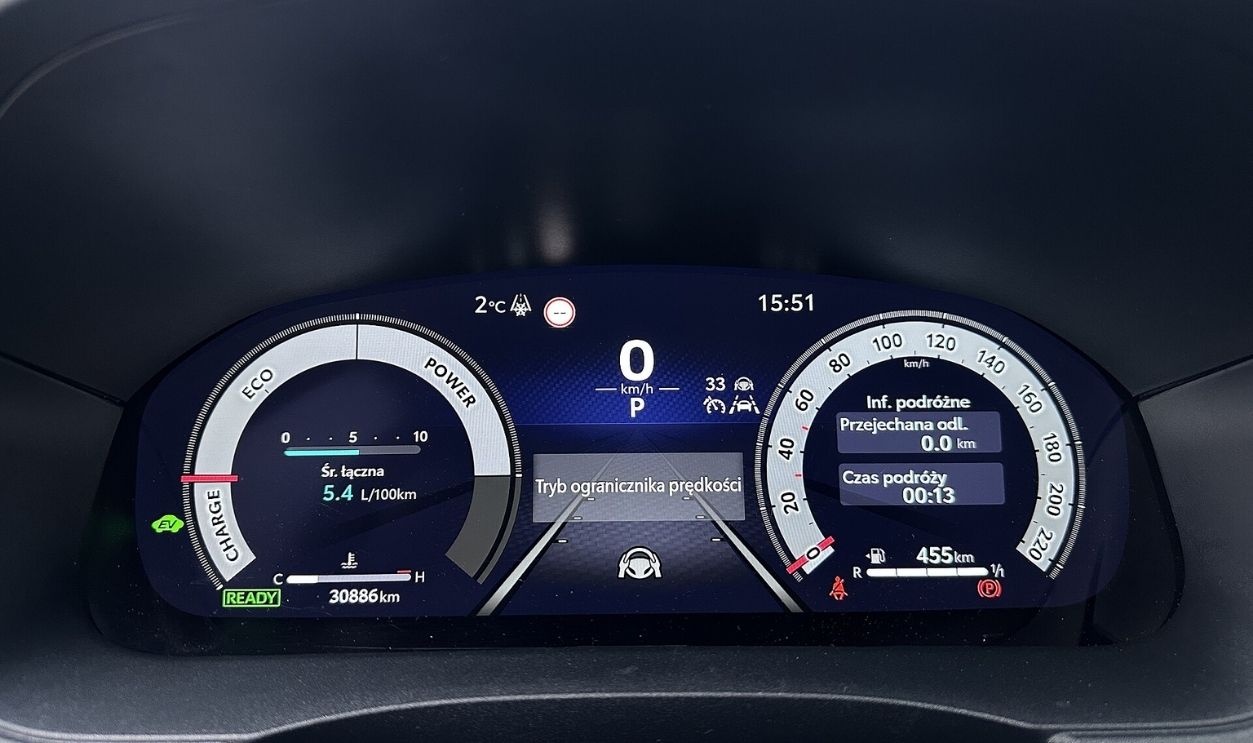
Digital dashboards haven't disappeared—but the first generation certainly did. Early 1980s displays often used glowing numbers, segmented graphics, and dramatically futuristic layouts. They looked incredible when new but could be difficult to read and expensive to repair. Today's digital clusters finally deliver the flexibility those early systems promised.
Talking Cars
Some 1980s vehicles literally spoke to their drivers. Electronic voices could announce an open door, low fuel, or forgotten lights. The novelty wore thin rather quickly, especially when warnings repeated endlessly. Modern cars still communicate constantly, but manufacturers generally use quieter tones, dashboard messages, and customizable alerts instead of robotic lectures.
 Riley from Christchurch, New Zealand, Wikimedia Commons
Cassette Decks
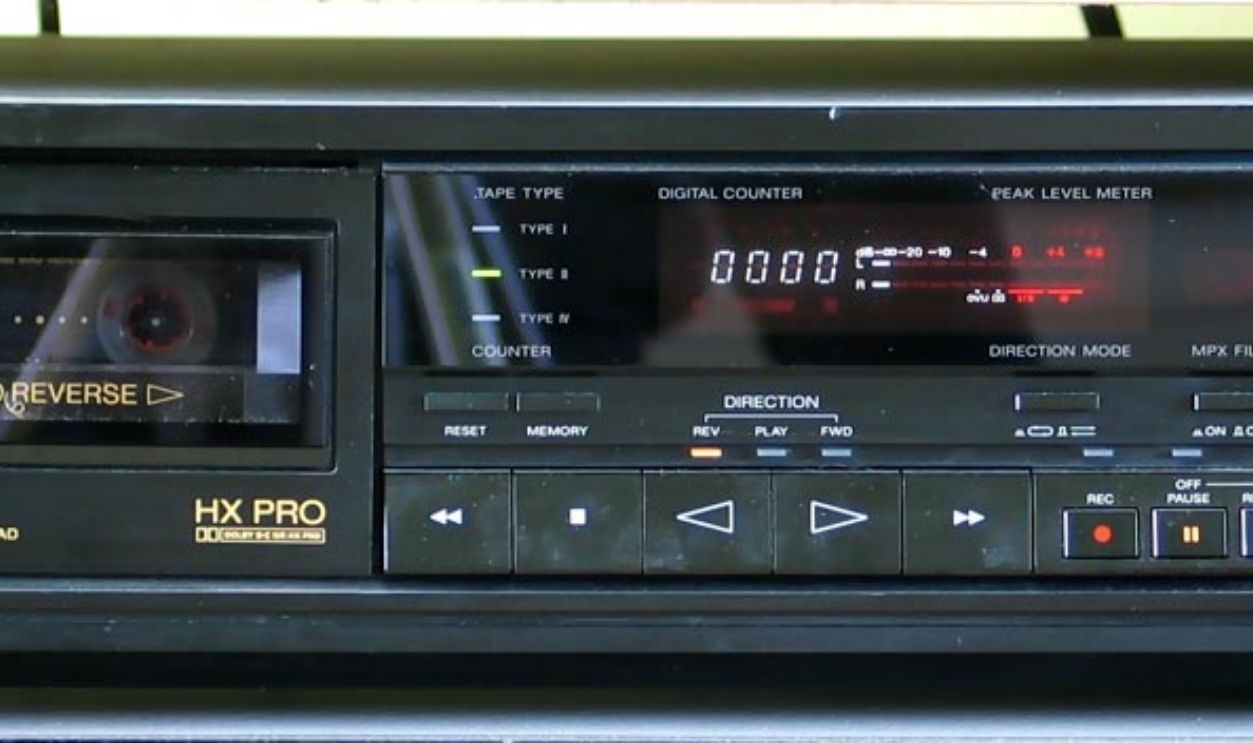
For millions of drivers, the cassette deck was the heart of the dashboard. Unfortunately, tapes stretched, tangled, hissed, and occasionally emerged from the player looking like magnetic spaghetti. CDs pushed cassettes aside during the 1990s, followed by MP3 players, Bluetooth, streaming services, and smartphones. The mixtape survived only in our memories.
Graphic Equalizers
An impressive 1980s stereo often included rows of tiny equalizer sliders. Owners could adjust different frequencies and feel like recording engineers while cruising to the mall. They looked wonderfully technical but added dashboard clutter. Modern audio systems perform far more sophisticated sound processing automatically, often hiding the controls inside touchscreen menus.
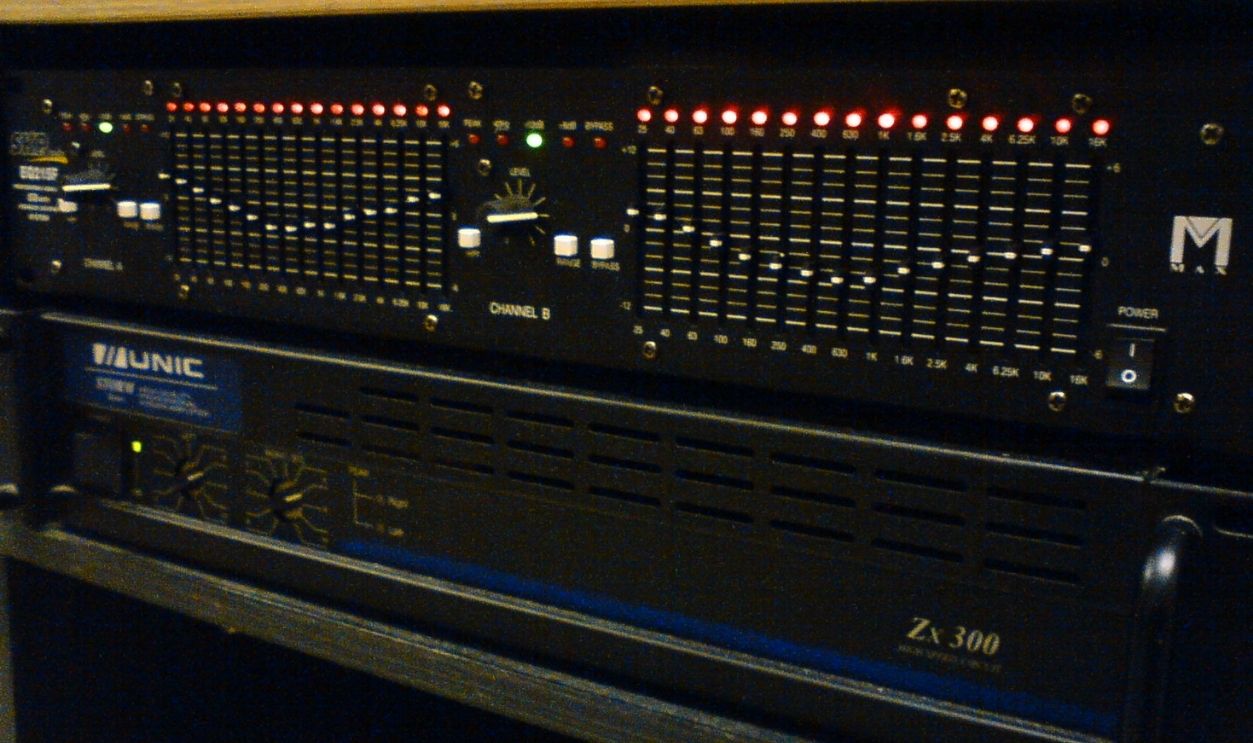 Rodrigo Cesar, Wikimedia Commons
Power Antennas
Turn on the radio and a thin metal antenna would majestically rise from the fender. Turn it off and the antenna disappeared again—assuming the motor still worked. Dirt, corrosion, bent masts, and failed gears made power antennas troublesome. Fixed antennas and integrated glass or roof-mounted designs proved far simpler.
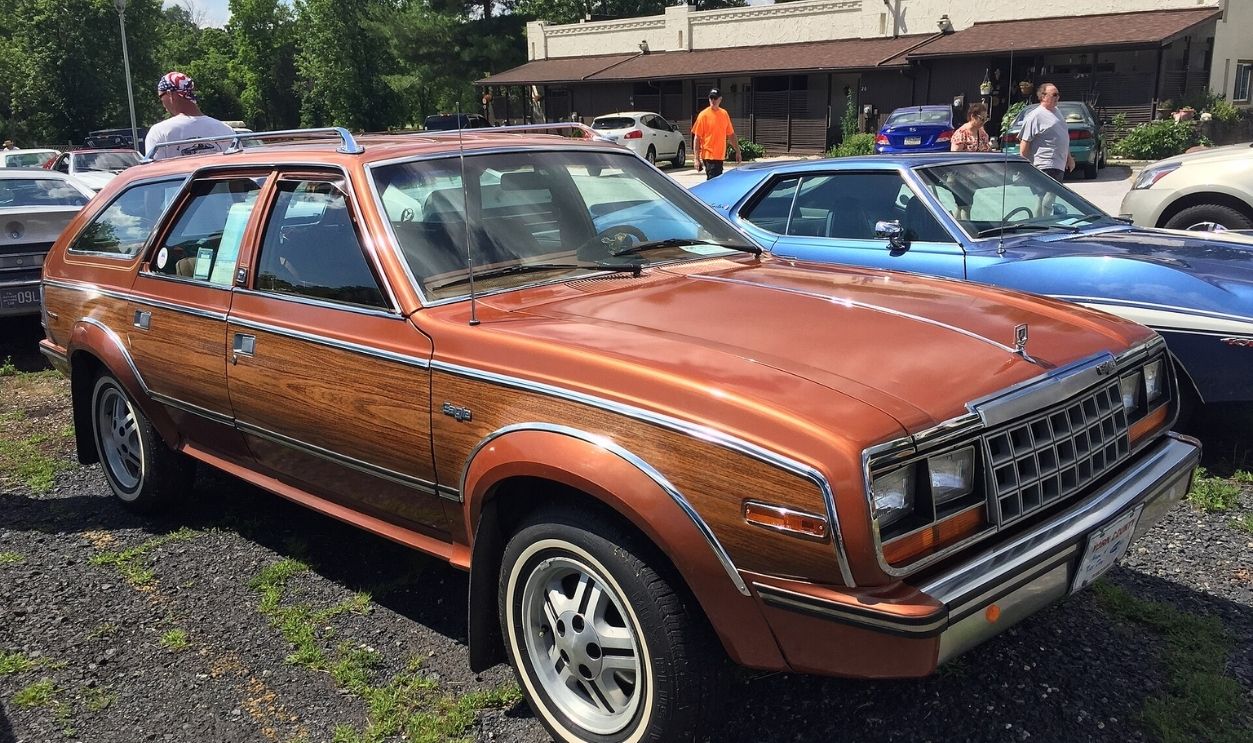
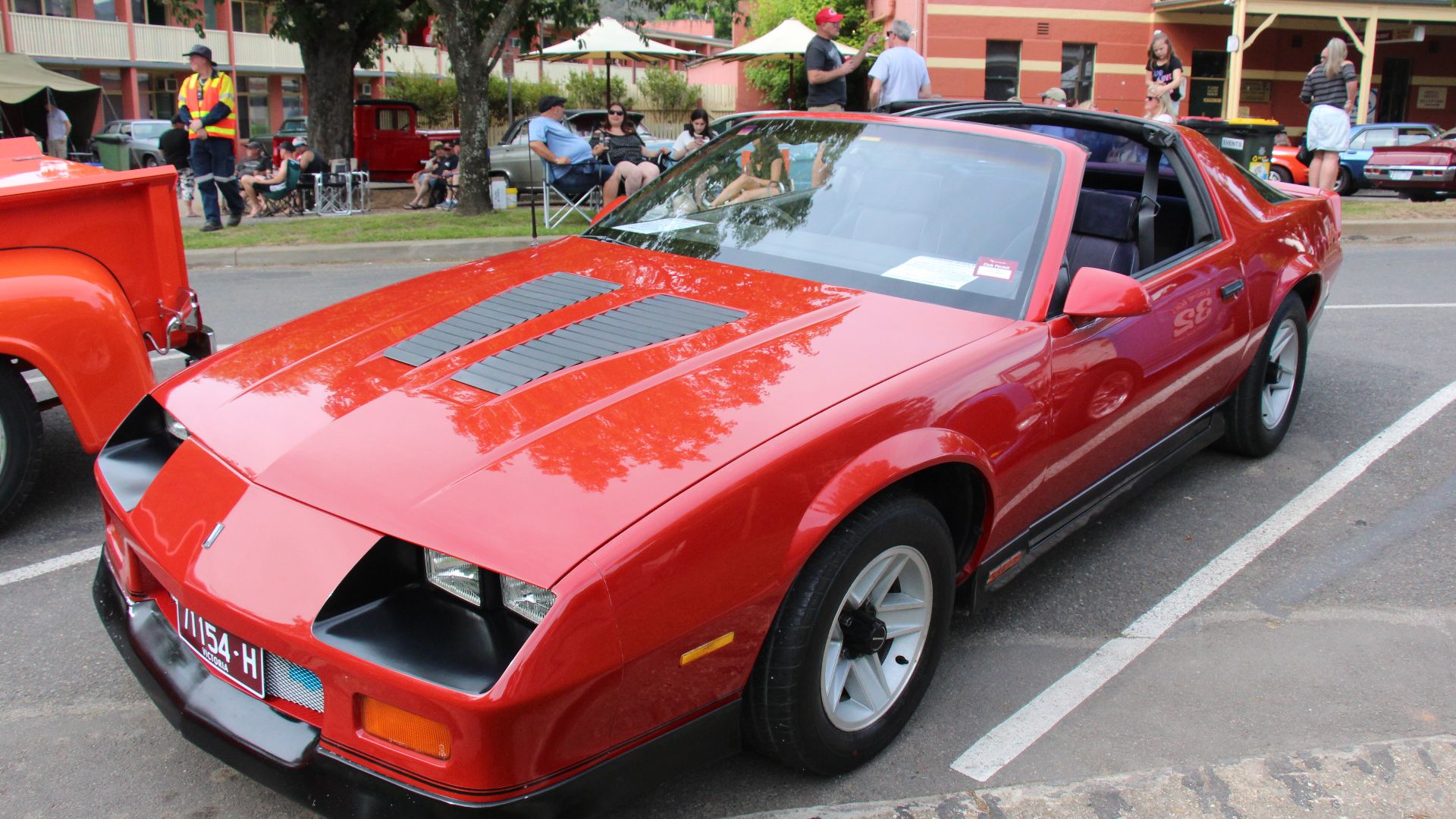
T-Tops
T-tops promised the excitement of open-air driving without sacrificing a fixed roof entirely. They became icons of the era, especially on sporty American coupes. Unfortunately, removable panels could leak, squeak, get lost, and reduce structural rigidity. Better convertibles, panoramic roofs, and modern body engineering ultimately made T-tops largely unnecessary.
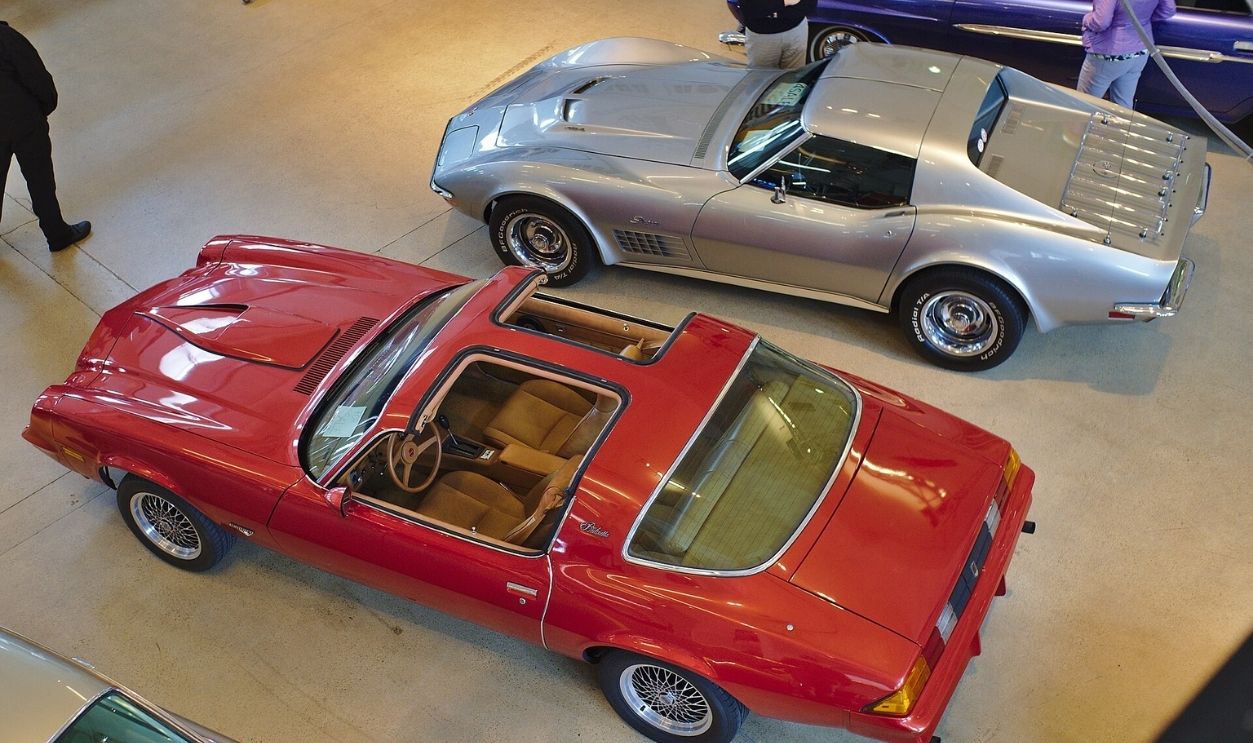 Thomas Vogt, Wikimedia Commons
Velour Everywhere
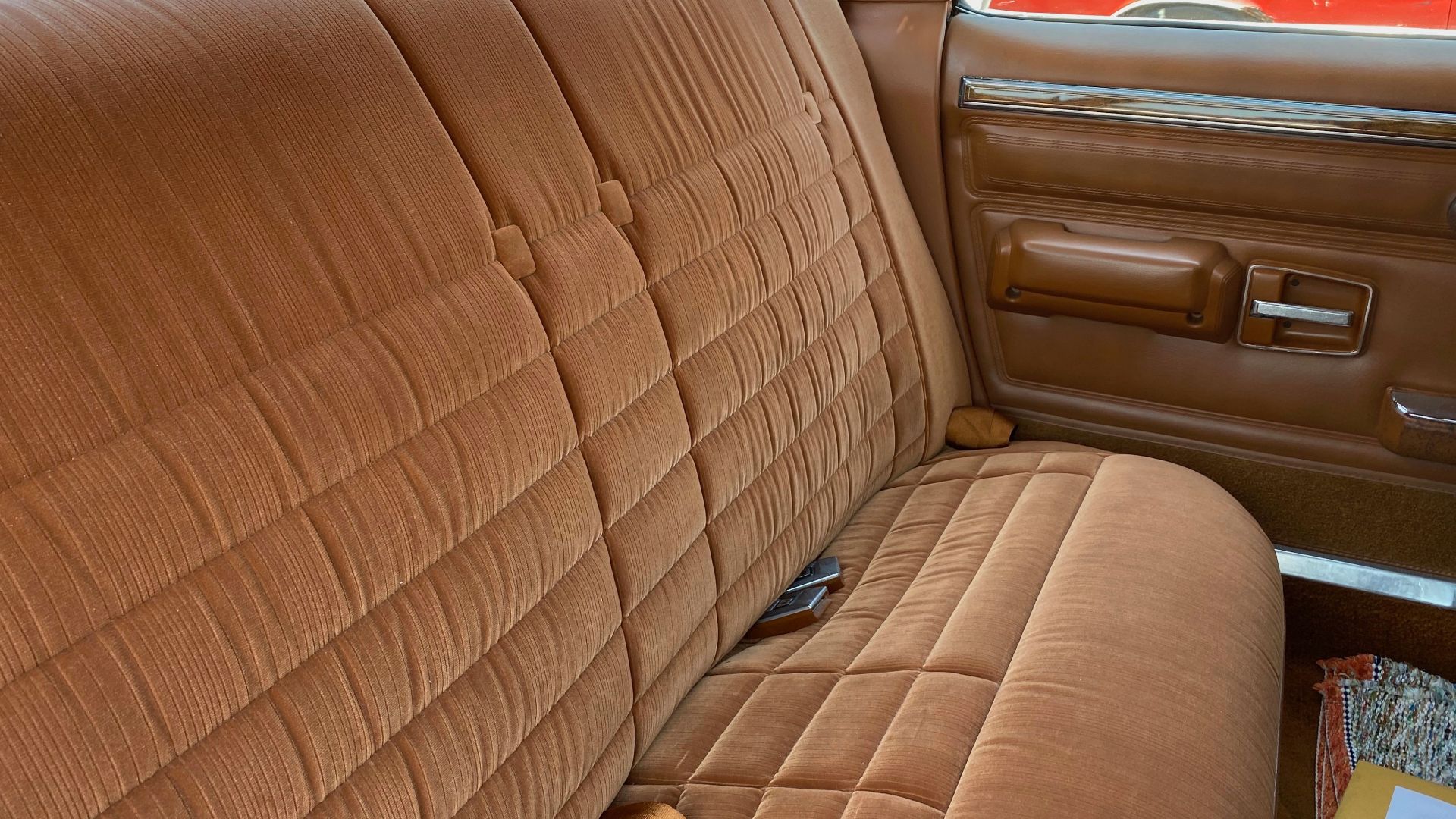
Automakers once treated velour as a shortcut to luxury. Seats could resemble plush living-room furniture, sometimes accompanied by equally fuzzy door panels. Comfortable? Absolutely. Practical? Less so. Velour trapped dirt, wore unevenly, and aged dramatically. Modern buyers generally prefer durable cloth, synthetic materials, leather, or cleaner-looking upholstery designs.
Fake Woodgrain Trim
Woodgrain could appear almost anywhere in a 1980s vehicle, particularly in luxury sedans and family wagons. Unfortunately, much of it was plastic pretending very enthusiastically to be a tree. As tastes changed, interiors became cleaner and more restrained. Genuine wood survived in luxury models, while cheap imitation timber lost favor.
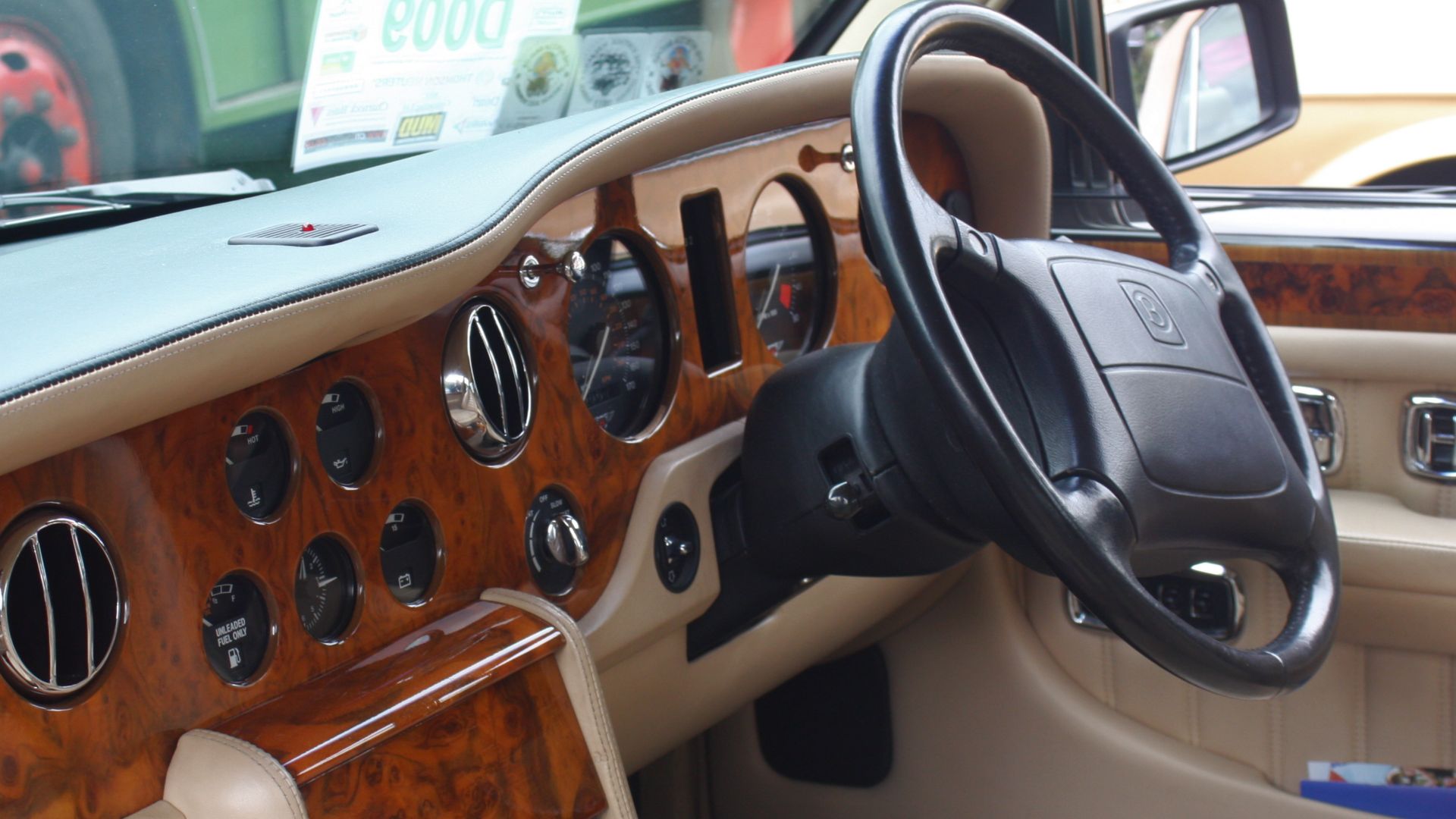 DieselFordMondeo, Wikimedia Commons
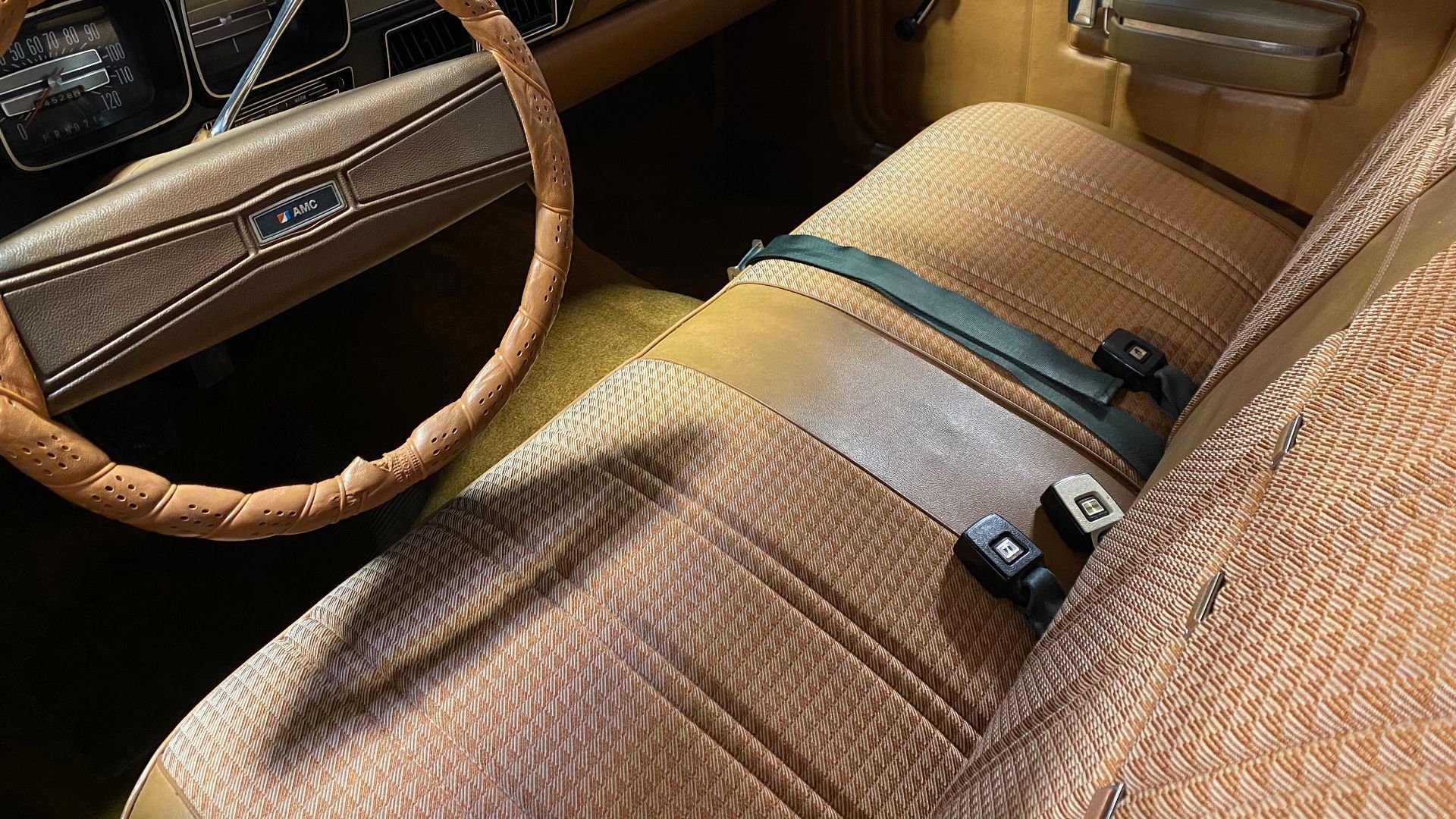
Bench Front Seats
Front bench seats once allowed three people to sit across the front of many sedans. By the 1980s, they were already beginning their retreat. Bucket seats offered better lateral support, easier access to controls, and compatibility with center consoles, airbags, and modern safety structures. Today's cars rarely leave room for six-across seating.
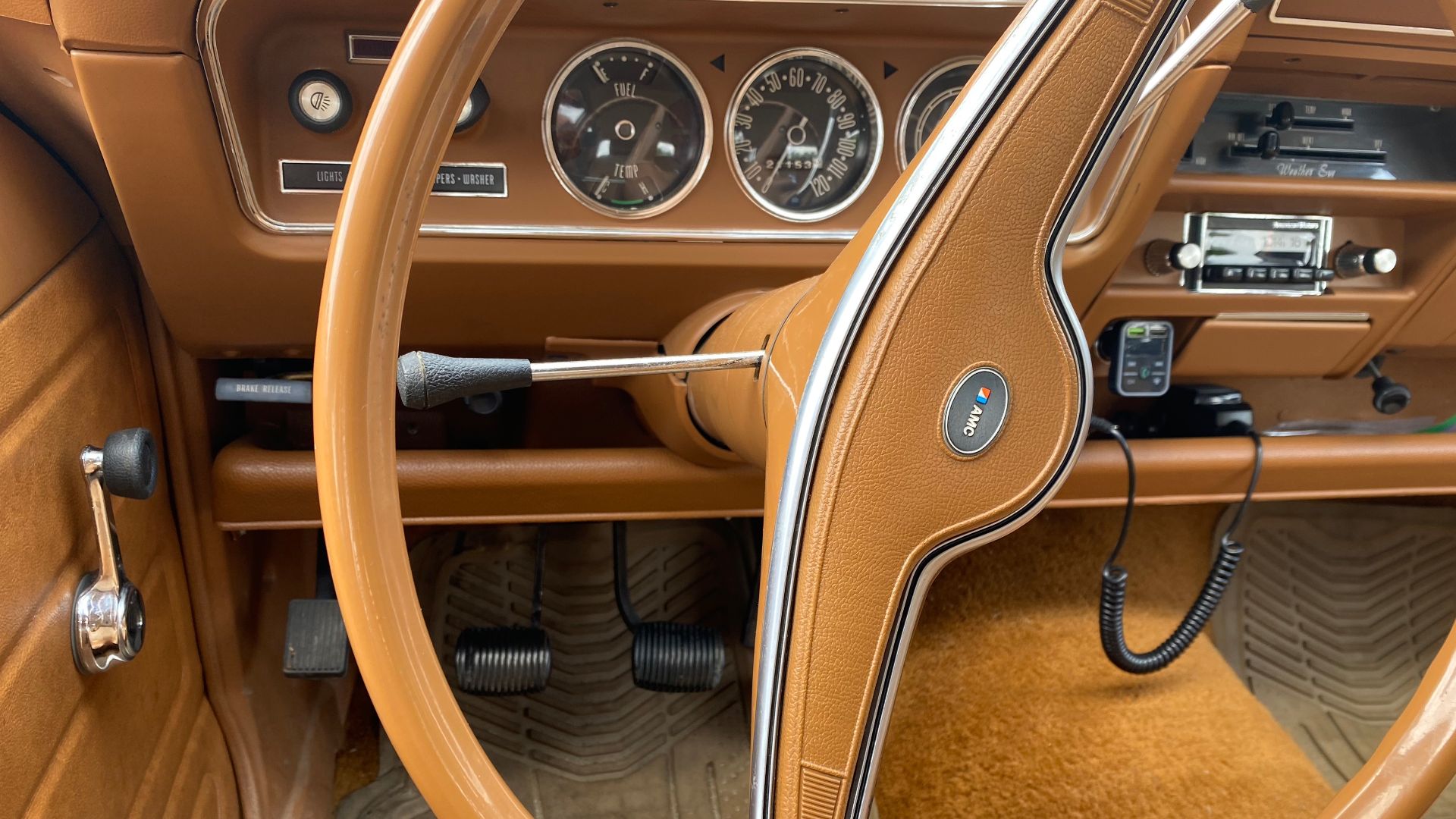
Column-Mounted Automatic Shifters
The classic “PRNDL” lever mounted beside the steering wheel remained common throughout the 1980s. It freed up front-seat space, especially with bench seats, but console-mounted shifters became fashionable as bucket seats took over. Interestingly, electronic transmissions are now bringing column-style selectors back in some modern vehicles, though mechanically they're completely different.
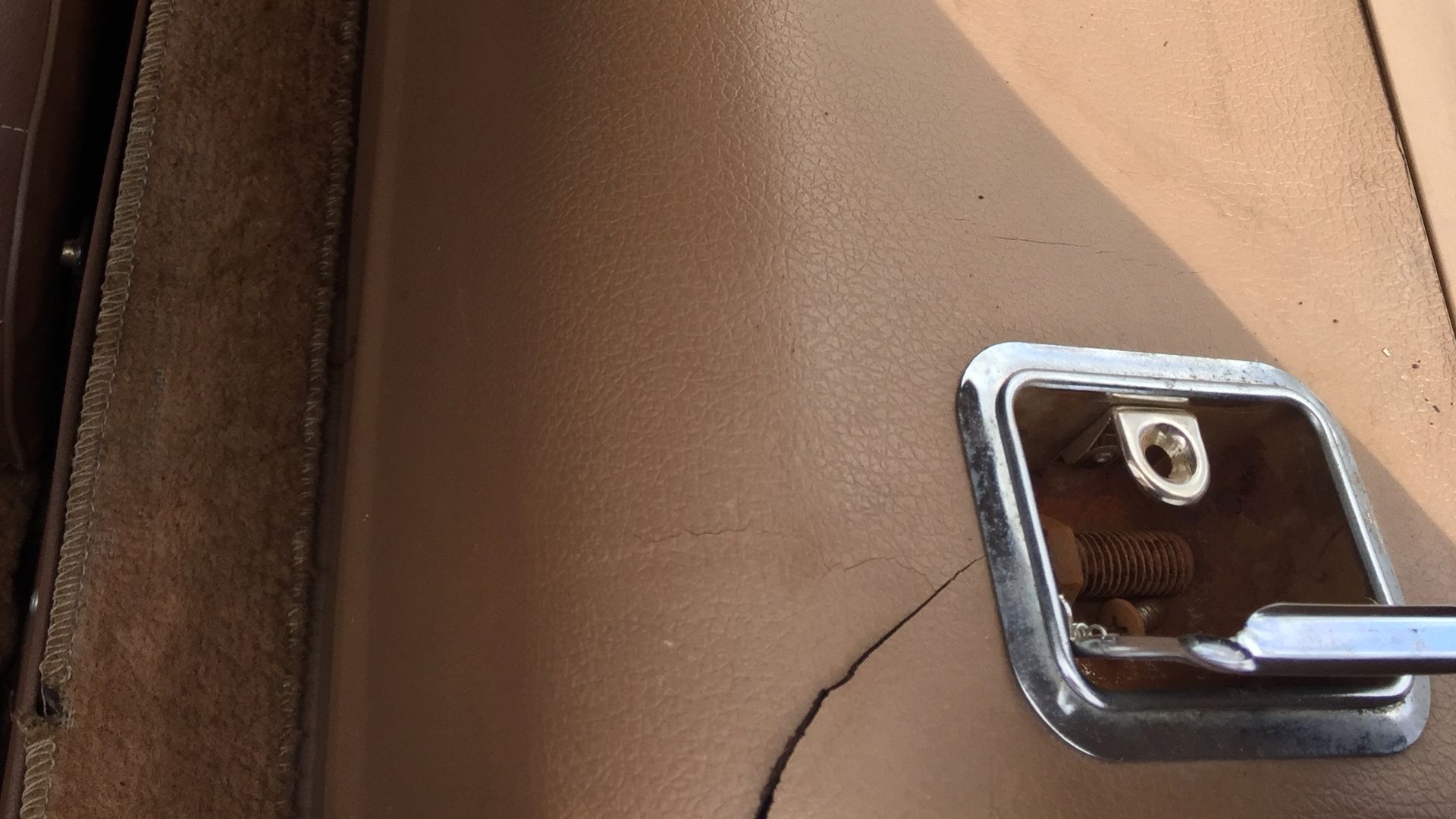
Ashtrays In Every Door
Cars once assumed practically everybody smoked. Ashtrays appeared in dashboards, rear doors, consoles, and sometimes seemingly every available corner. As smoking rates declined and attitudes changed, dedicated ashtrays became wasted space. Modern interiors instead provide cupholders, charging ports, storage bins, and other features drivers actually use every day.
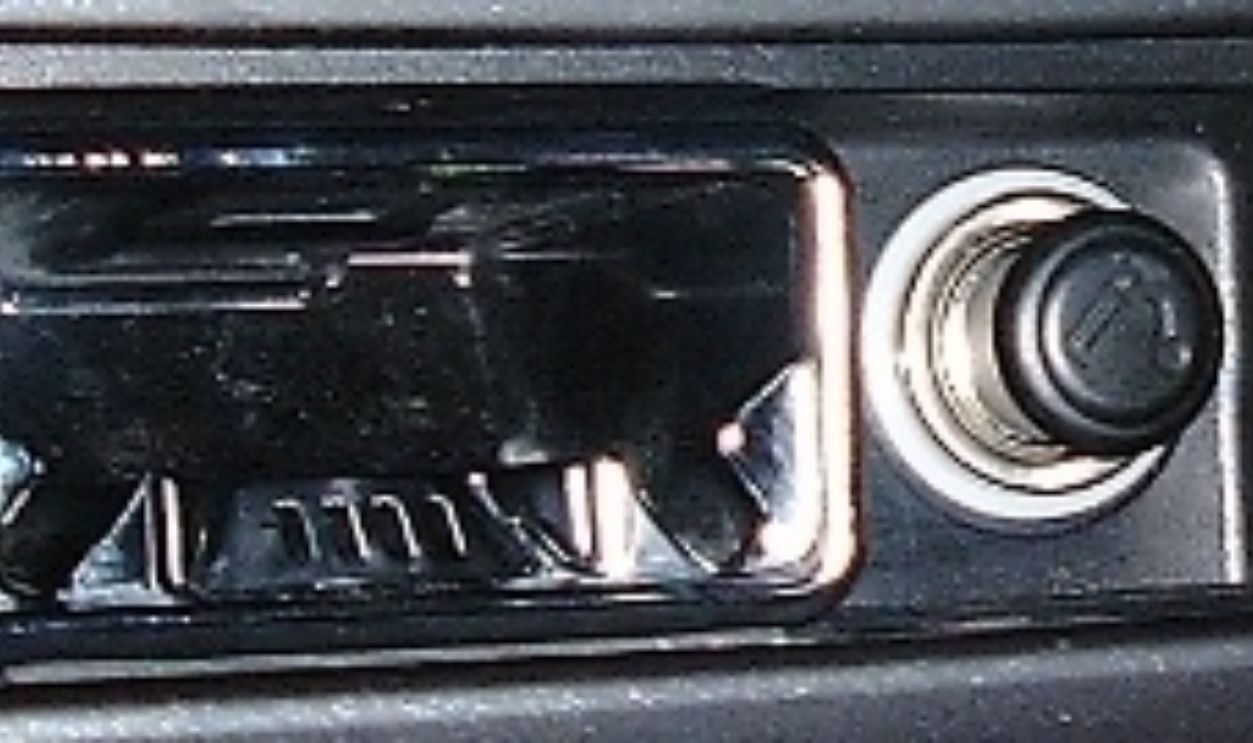
Cigarette Lighters
The matching push-in cigarette lighter was equally universal. Press it down, wait a few seconds, and the glowing element popped out ready for use. Smoking declined, but the electrical socket proved useful for accessories. Eventually even that purpose faded as USB ports, wireless charging pads, and dedicated power outlets became standard.
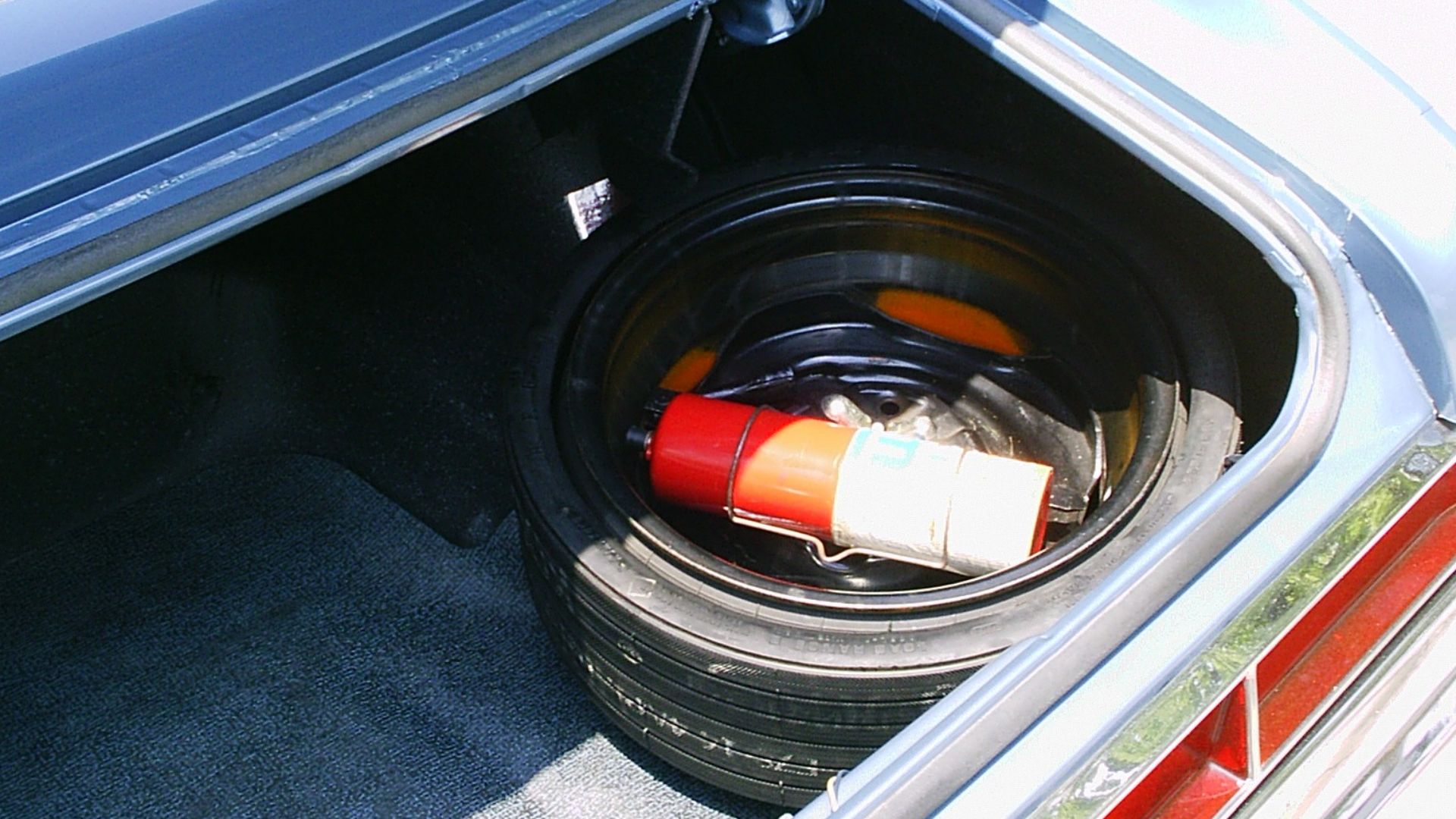
Full-Size Spare Tires
A proper full-size spare once occupied considerable trunk space in many cars. Automakers gradually replaced it with smaller temporary spares, repair kits, or—in some cases—nothing at all. Weight reduction and packaging efficiency won the argument, although plenty of stranded drivers would happily welcome the old full-size spare back.
Yesterday's Weird Ideas Made Better Cars
Many lost 1980s features are fun precisely because they remind us how dramatically cars have changed. Some disappeared because they were unreliable, some because technology improved, and others because tastes simply moved on. We can miss pop-up headlights and cassette decks while still appreciating cars that start reliably and keep their bumpers attached.
You May Also Like:
My Car Automatically Slammed On The Brakes For A Shadow. Are Modern Safety Systems Actually Safe?





.jpg)
