
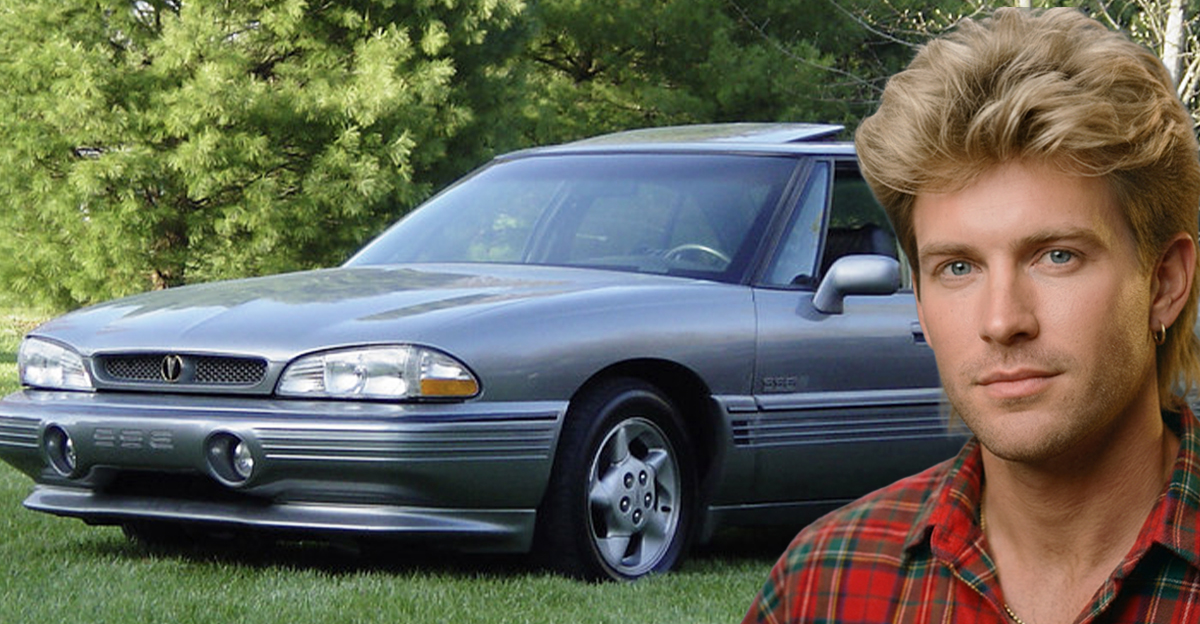
The Driveway Status Symbols Of The Decade
The 1990s were a very specific moment for family cars. Minivans were practical, wagons were fading, and suddenly a lot of parents wanted something that made school drop-off feel a little more exciting. Some chose sleek luxury sedans, some went for sporty four-doors, and others found sneaky performance in cars that still looked responsible. These were the sedans that made suburban parents feel like they hadn’t completely given up on being cool.
 Brian Dalton, Wikimedia Commons, Modified
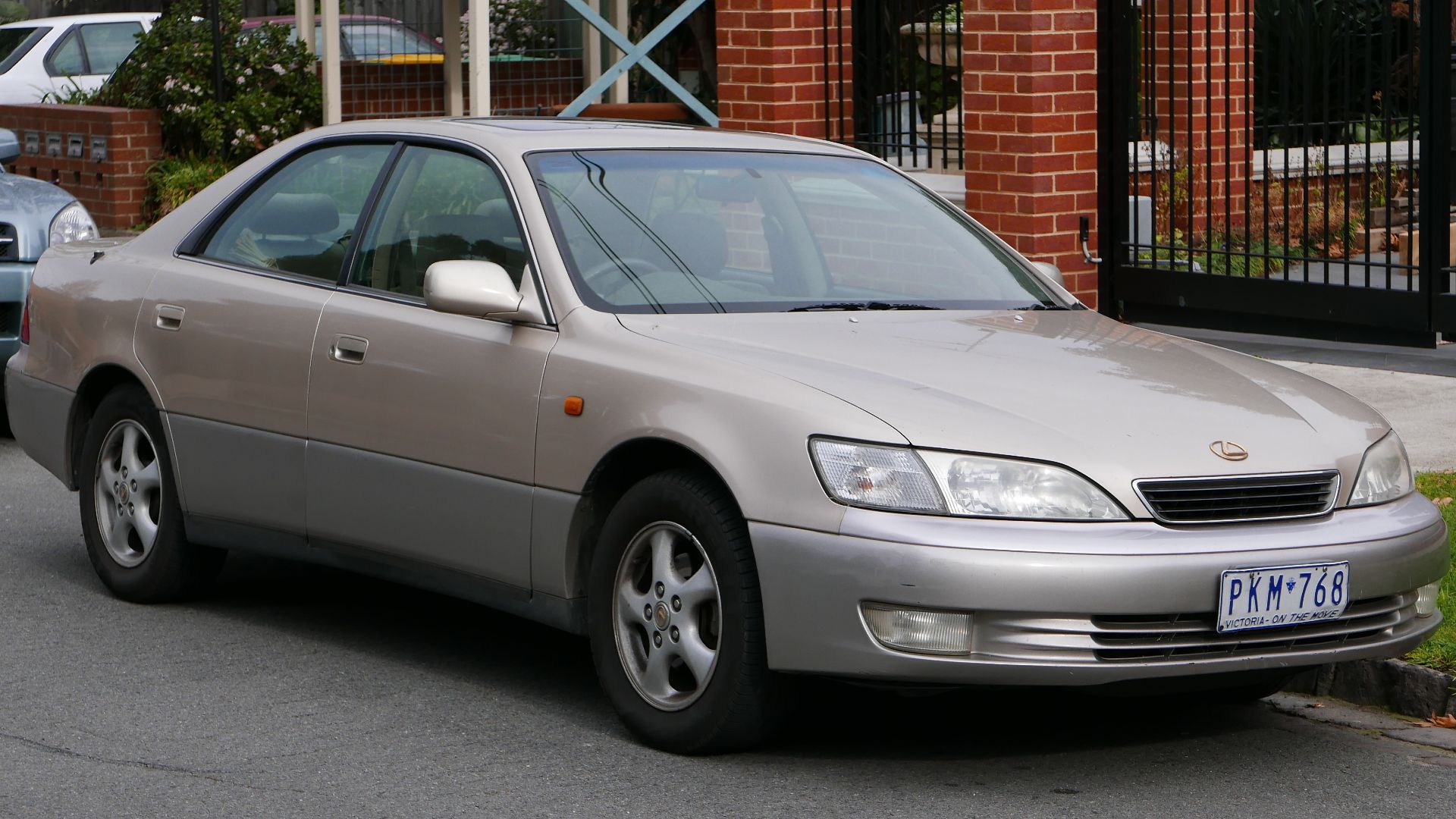
Lexus ES 300
The Lexus ES 300 was one of the classic suburban luxury sedans of the 1990s. It was comfortable, quiet, polished, and aspirational without trying too hard. Parents who bought one looked like they’d made it, but in a tasteful, practical way. It didn’t need wild performance or dramatic styling. Its whole appeal was that it made everyday family life feel smoother, calmer, and a little more successful.
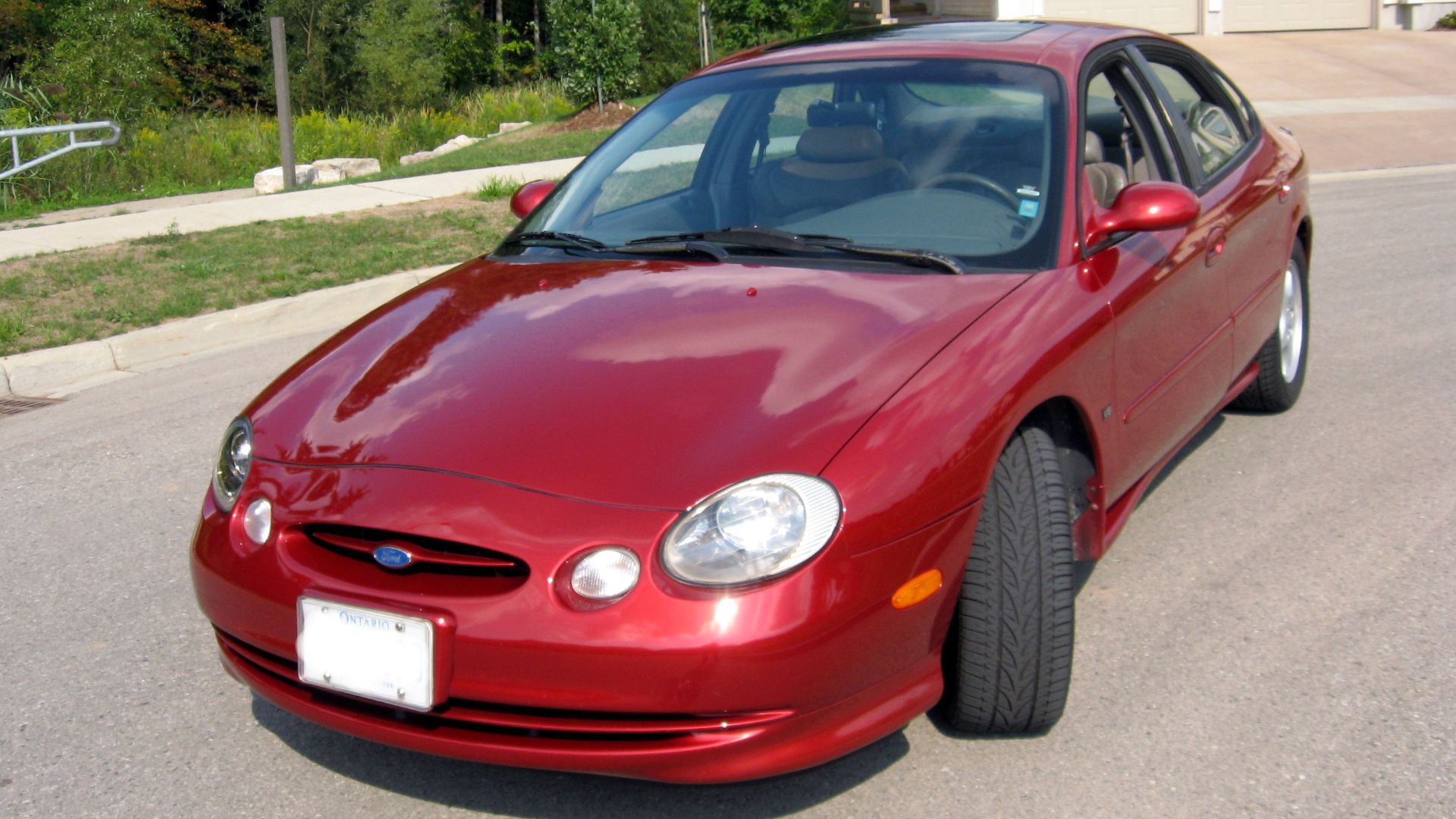
Ford Taurus SHO
The Ford Taurus SHO was the ultimate stealth family sedan. To most people, it looked like a normal Taurus, which meant practical, sensible, and deeply suburban. But under the hood, earlier SHO models had a Yamaha-developed V6 that made the car genuinely fun. It was the kind of sedan a parent could justify as responsible, then secretly enjoy on every empty on-ramp.
 Exhilaration157, Wikimedia Commons
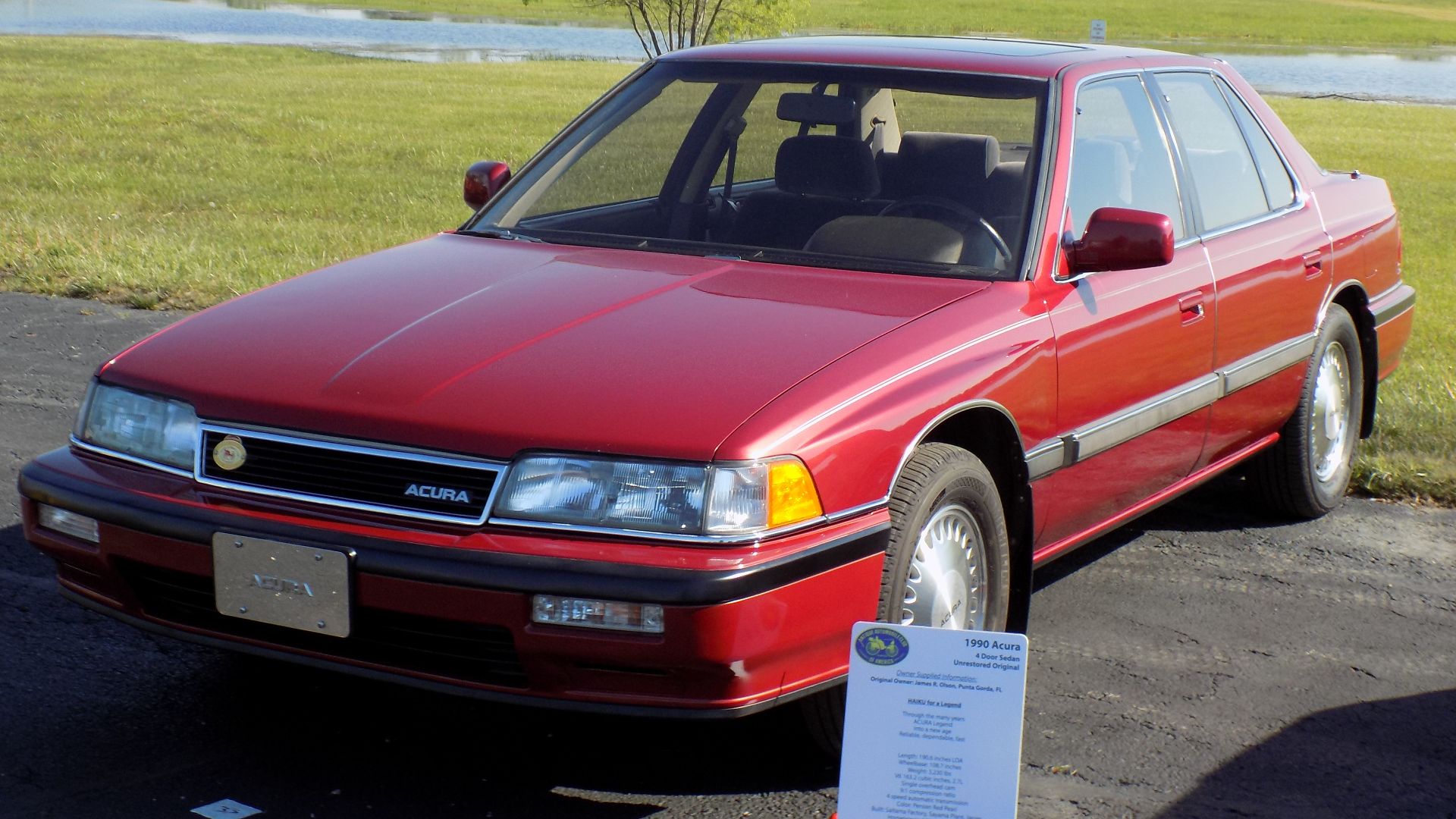
Acura Legend
The Acura Legend had a sleek, sophisticated presence that made it a believable suburban success car. It wasn’t loud or showy, but it looked expensive, drove smoothly, and carried Honda’s reputation for quality in a premium package. For parents who wanted something upscale without going full Mercedes or BMW, the Legend was a smart choice. It felt grown-up, but still stylish enough to avoid feeling dull.
 Greg Gjerdingen, Wikimedia Commons
Toyota Avalon
The Toyota Avalon was basically the sensible parent’s luxury sedan without the luxury badge. It was roomy, quiet, smooth, and far more comfortable than the average midsize family car. Parents who didn’t want a flashy German sedan could still get something that felt upscale and mature. It wasn’t exciting in a traditional sense, but in the 1990s, a big, reliable, comfortable Toyota had its own kind of suburban confidence.
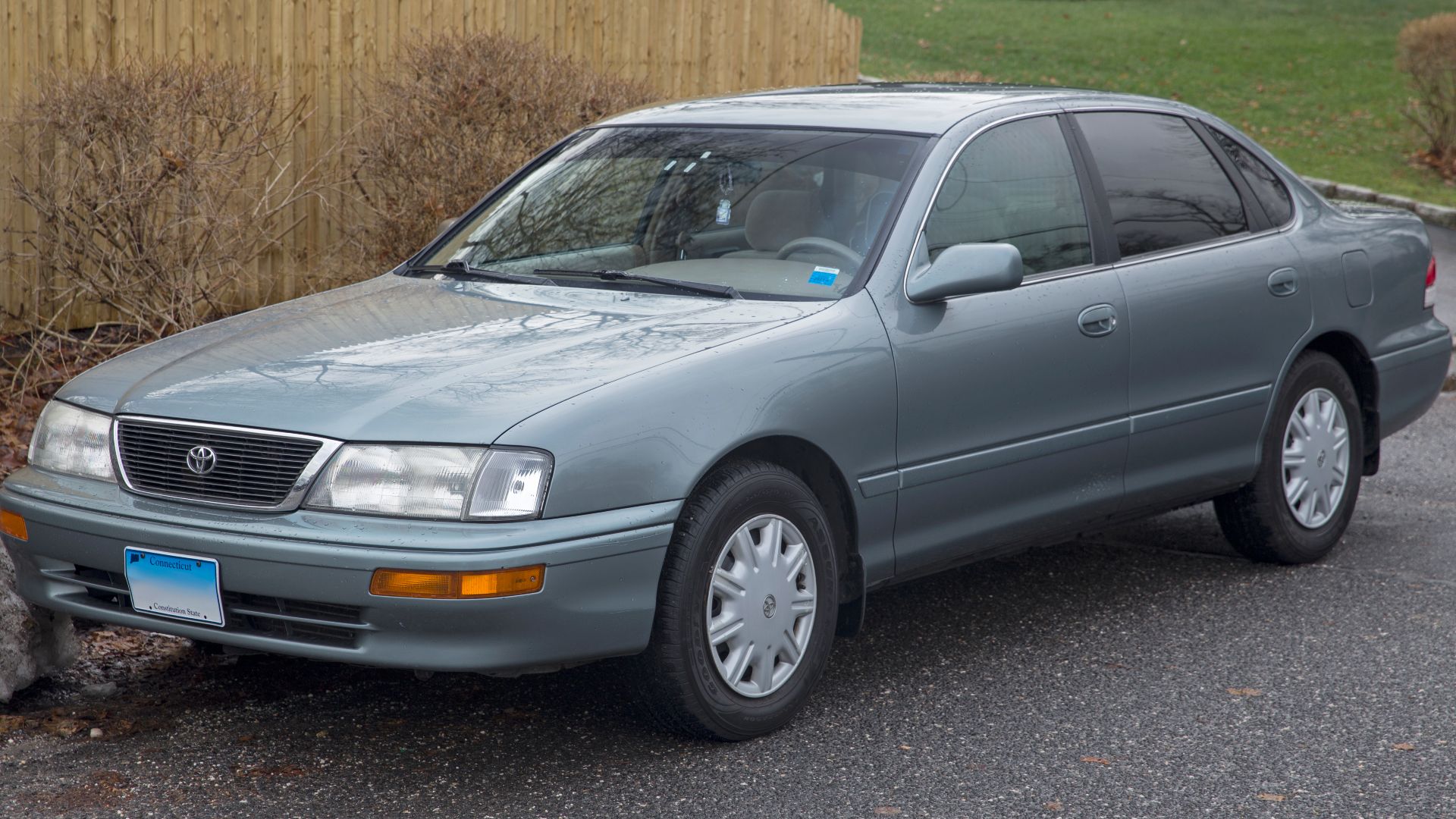 Mr.choppers, Wikimedia Commons
Pontiac Bonneville SSEi
The Pontiac Bonneville SSEi was big, comfortable, and way more aggressive-looking than most full-size sedans. Its supercharged 3.8-liter V6 gave it real punch, and the cockpit-style interior made it feel sportier than its size suggested. This was a family sedan with attitude, especially for parents who liked Pontiac’s performance image. It wasn’t subtle, but that was the fun of it.
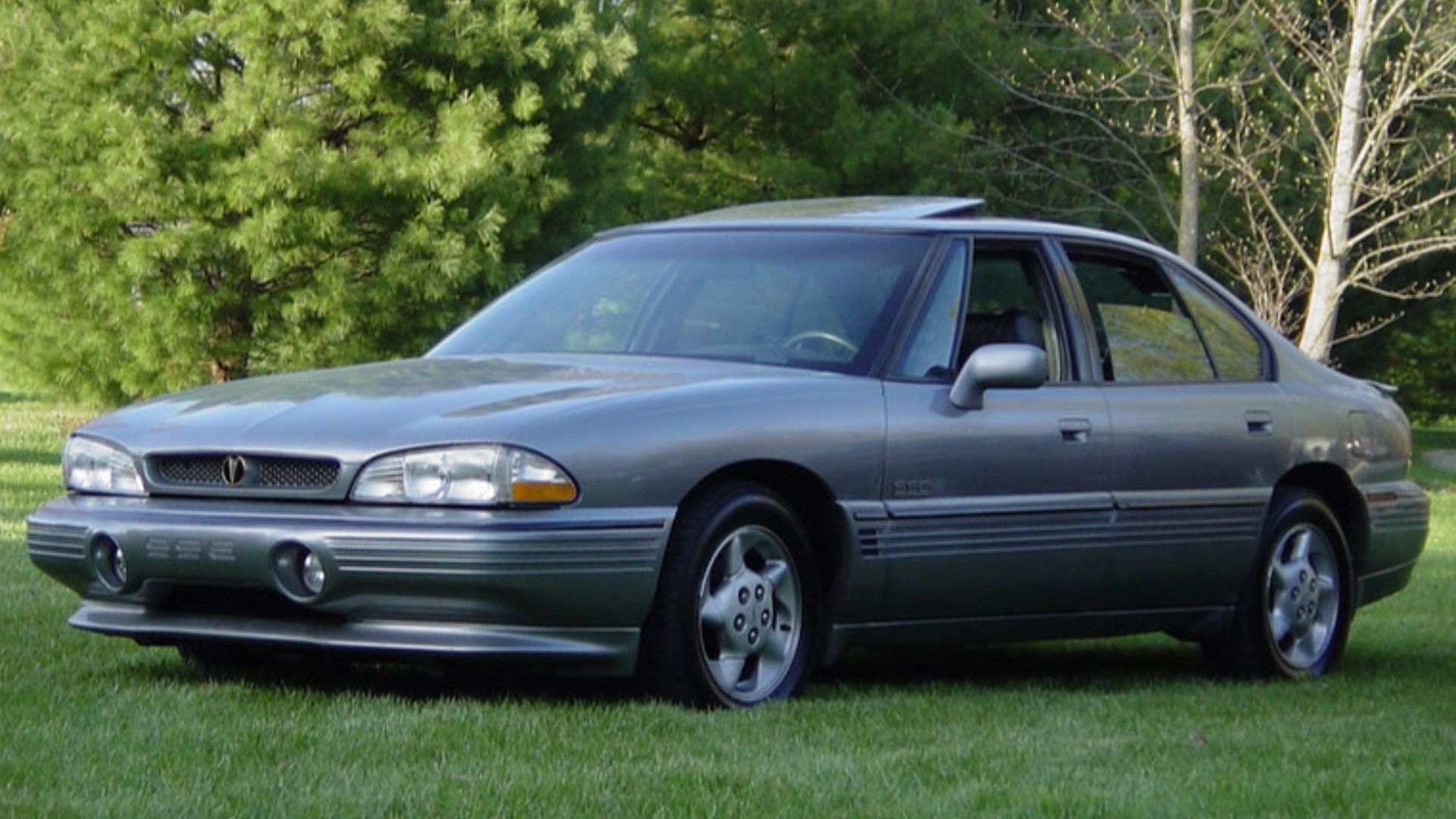 Brian Dalton (Gonneville), Wikimedia Commons
BMW 3 Series Sedan
The BMW 3 Series sedan was a major status symbol for upwardly mobile parents. It was practical enough to justify, but sporty enough to make the driver feel like they hadn’t surrendered to beige family transportation. The E36 generation, especially, gave buyers sharp handling, clean styling, and just enough luxury. It was the car that said, “Yes, I have kids, but I still care about driving".
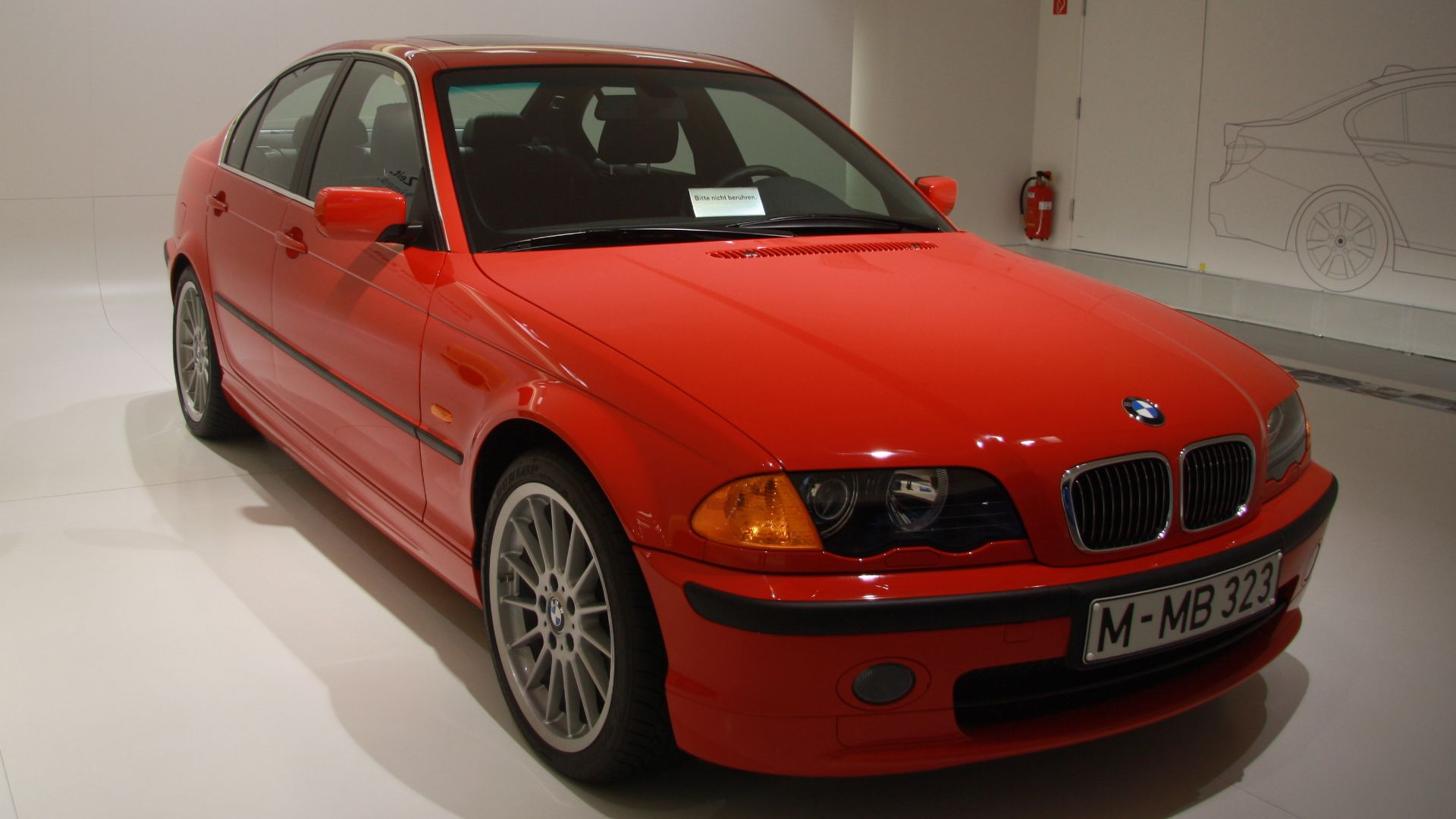 Jiří Sedláček, Wikimedia Commons
Volvo 850 Sedan
The Volvo 850 sedan was safe and practical, but it also had a surprisingly fun side. Turbocharged versions gave it real performance, and the boxy styling made it feel solid rather than boring. For parents who valued safety but didn’t want to drive something completely lifeless, the 850 was a clever choice. It made responsibility seem a little more interesting.
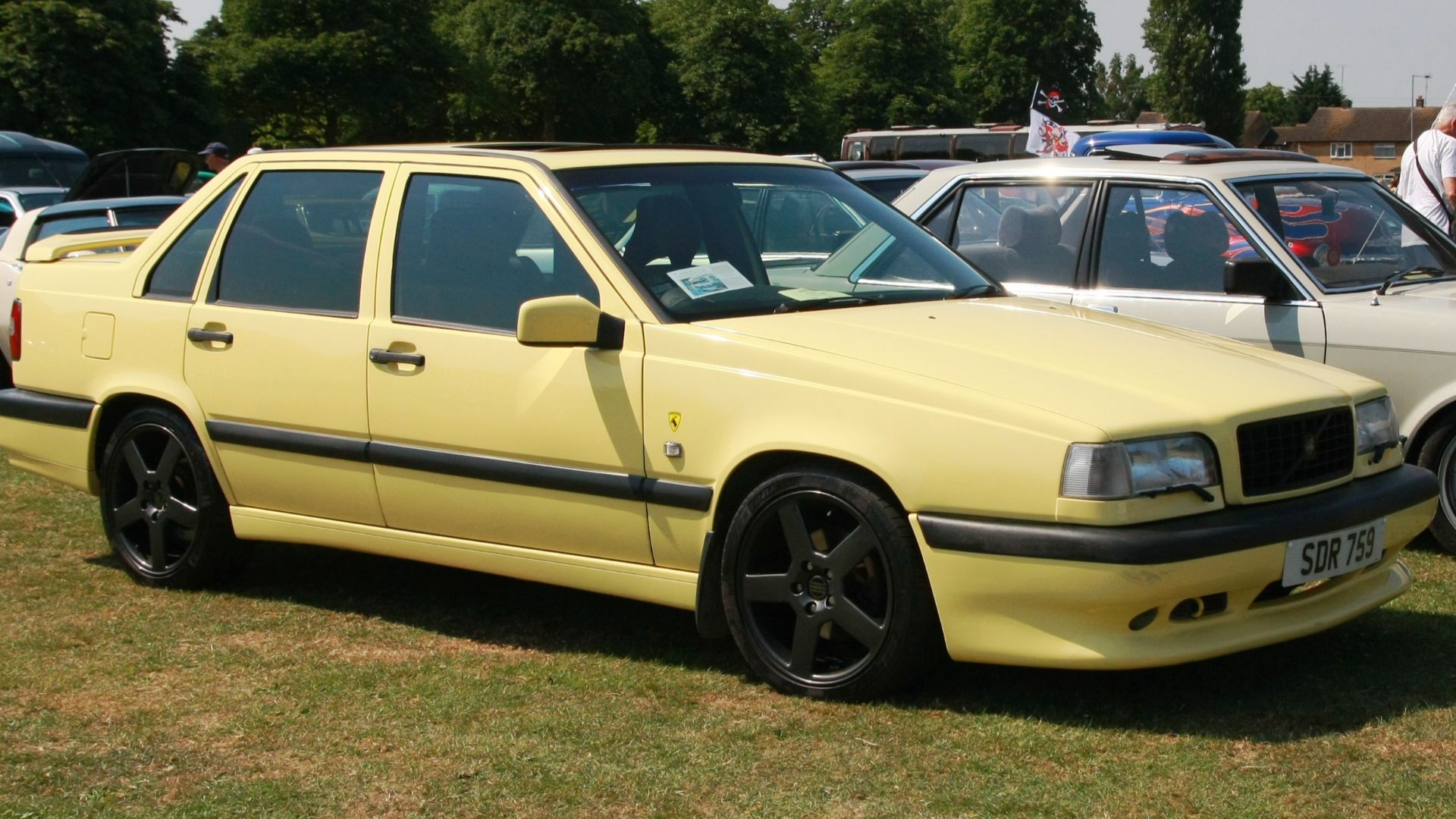
Cadillac Seville STS
The Cadillac Seville STS was for parents who wanted Cadillac comfort without the old stereotype. It was sleeker, quicker, and more contemporary than the traditional land yachts people associated with the brand. With Northstar V8 power and a more European-influenced personality, the STS felt like Cadillac trying to prove it could still compete. In affluent suburbs, it gave drivers luxury with a sharper edge.
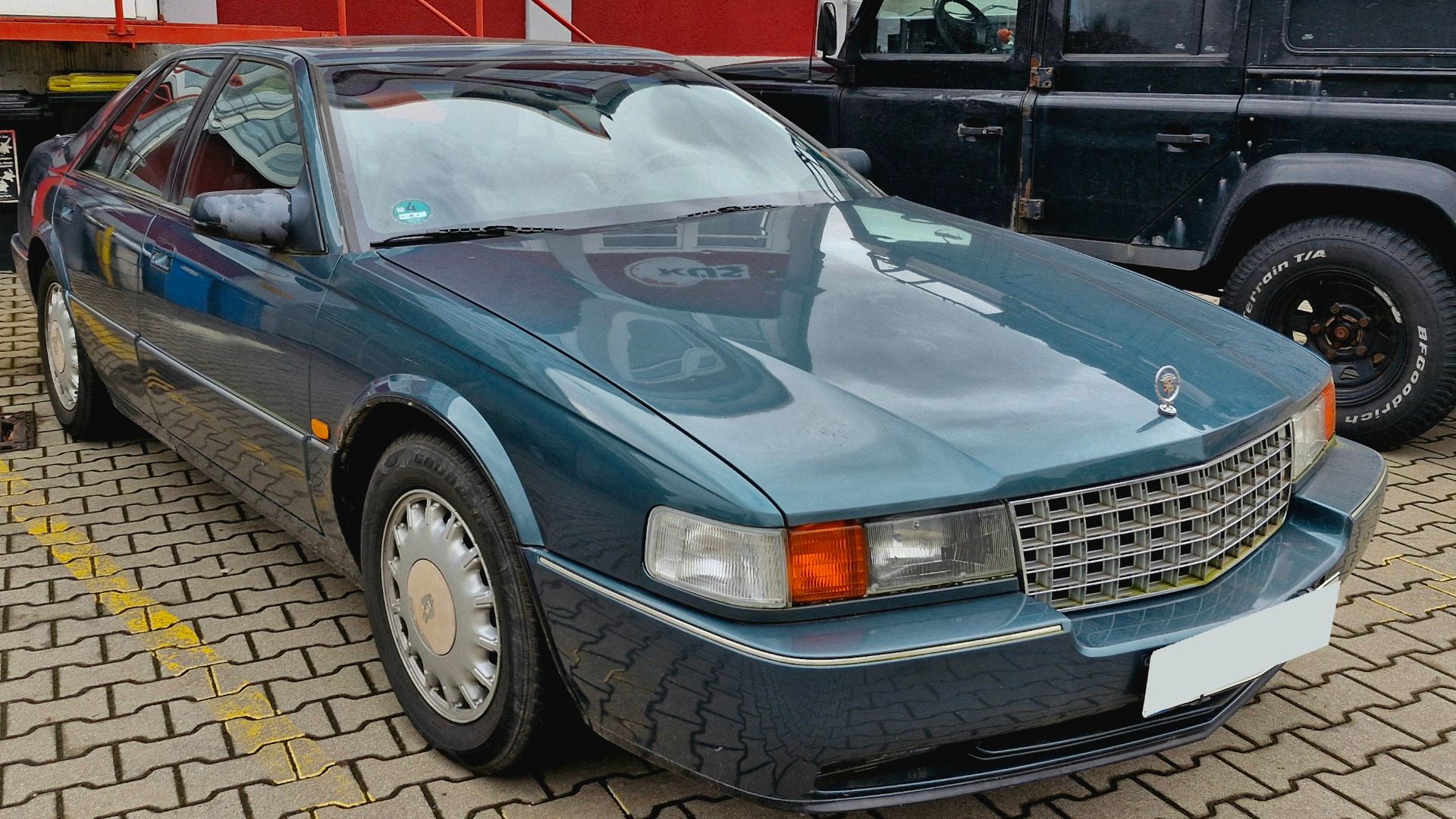 Interesting.cars.insta, Wikimedia Commons
Nissan Maxima
The Nissan Maxima leaned hard into its “four-door sports car” image, and that worked perfectly in the 1990s. It was roomy enough for family duty, but the V6 power and sharper personality made it feel more exciting than the average sedan. Parents could buy one without looking flashy, but still feel like they’d chosen something with real enthusiast credibility. It was practical, but not resigned.
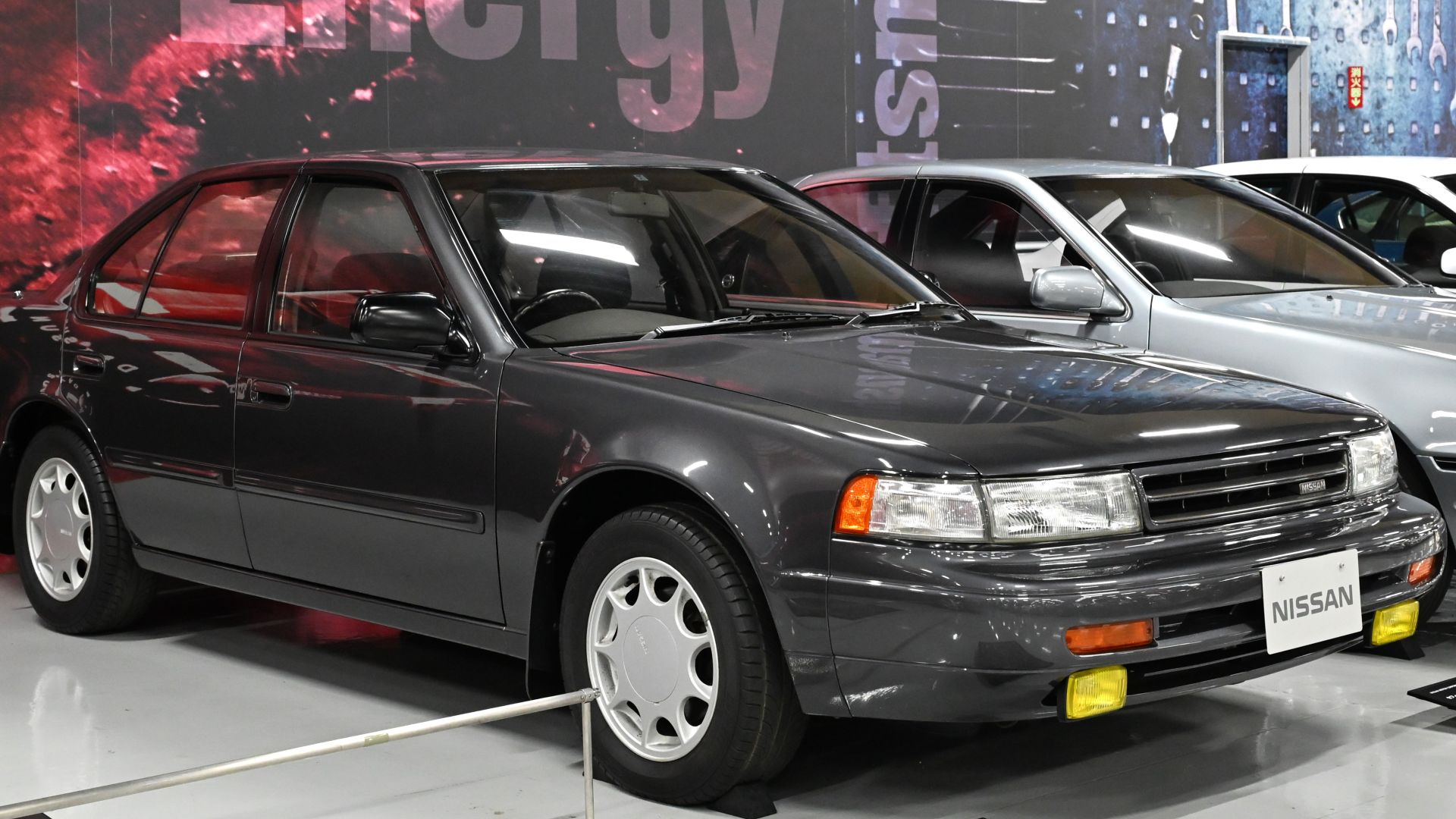
Lexus GS 300 / GS 400
The Lexus GS was the cooler Lexus sedan for parents who still cared about performance. The GS 300 had smooth inline-six power, while the GS 400 brought serious V8 punch and a more athletic personality. It looked sleeker and more distinctive than the ES, especially in its late-1990s form. For suburban parents who wanted Lexus comfort without giving up driving fun, the GS was the move.
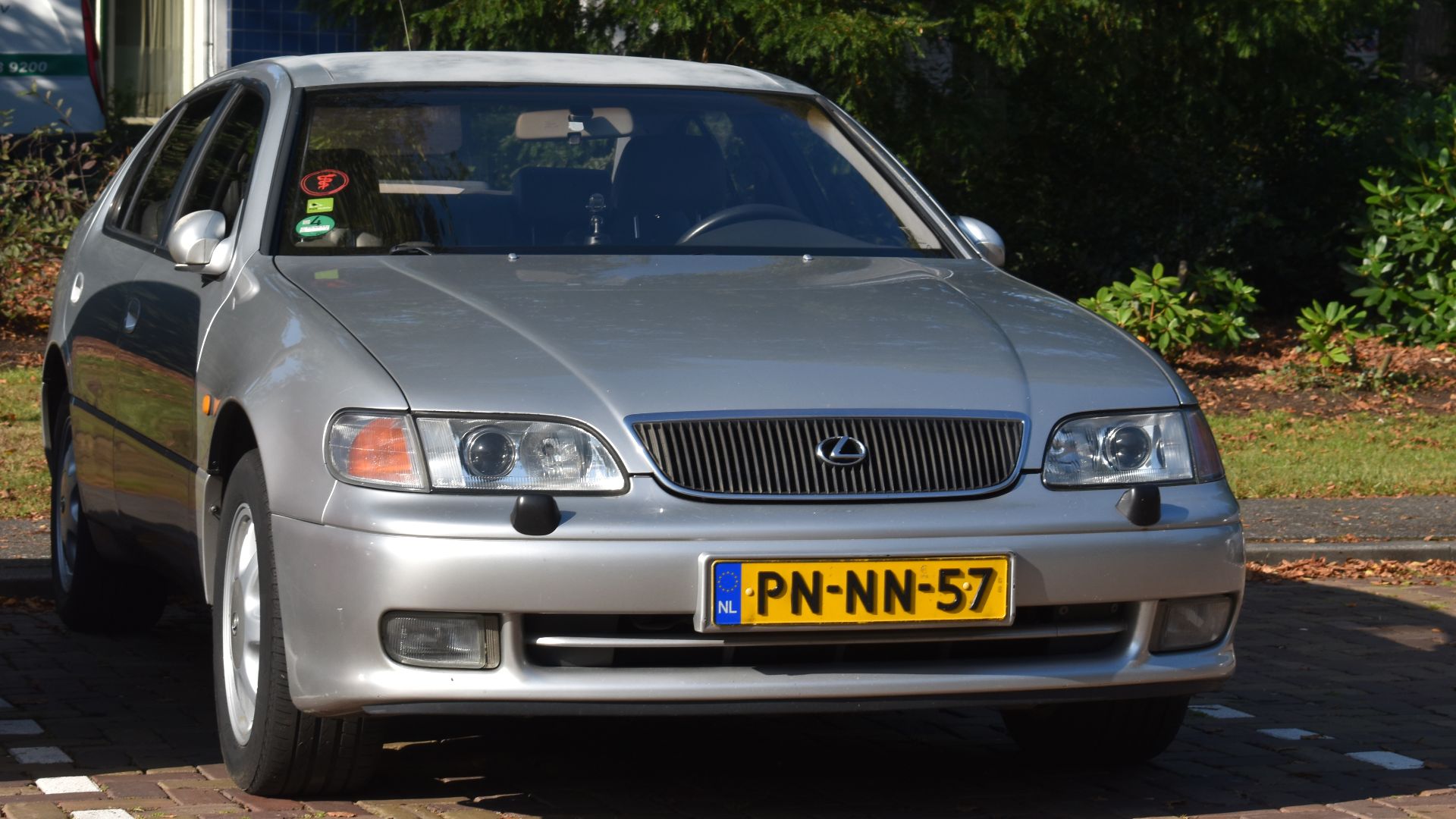 Dennis Elzinga, Wikimedia Commons
Mazda Millenia
The Mazda Millenia was one of the more interesting near-luxury sedans of the 1990s. It looked elegant, felt upscale, and gave Mazda a car that seemed far more expensive than most people expected from the brand. The supercharged Miller-cycle V6 in the Millenia S also gave it real technical novelty. It never became a huge status symbol, but for parents who liked something different, it had a quiet kind of sophistication.
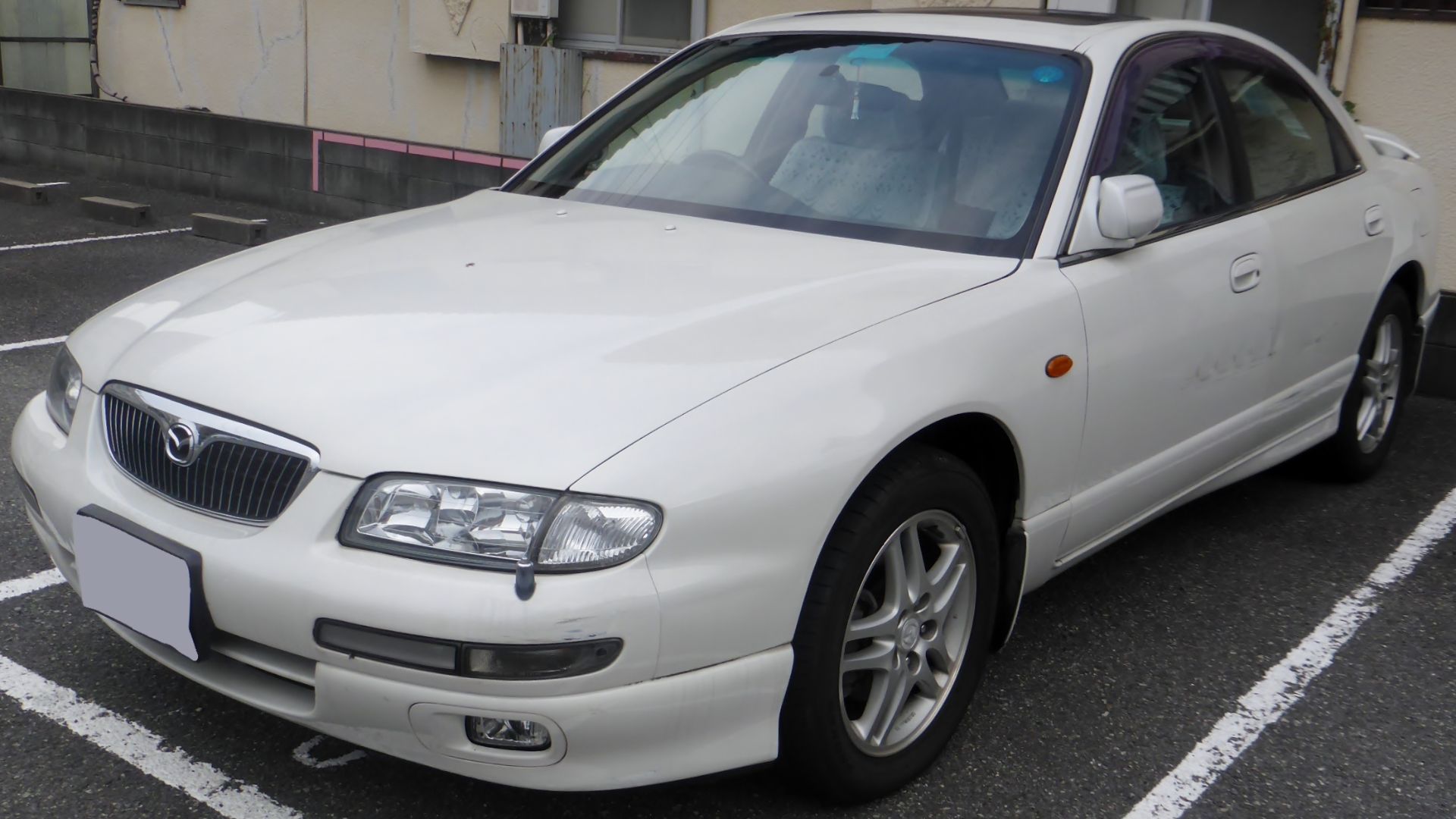 Tokumeigakarinoaoshima, Wikimedia Commons
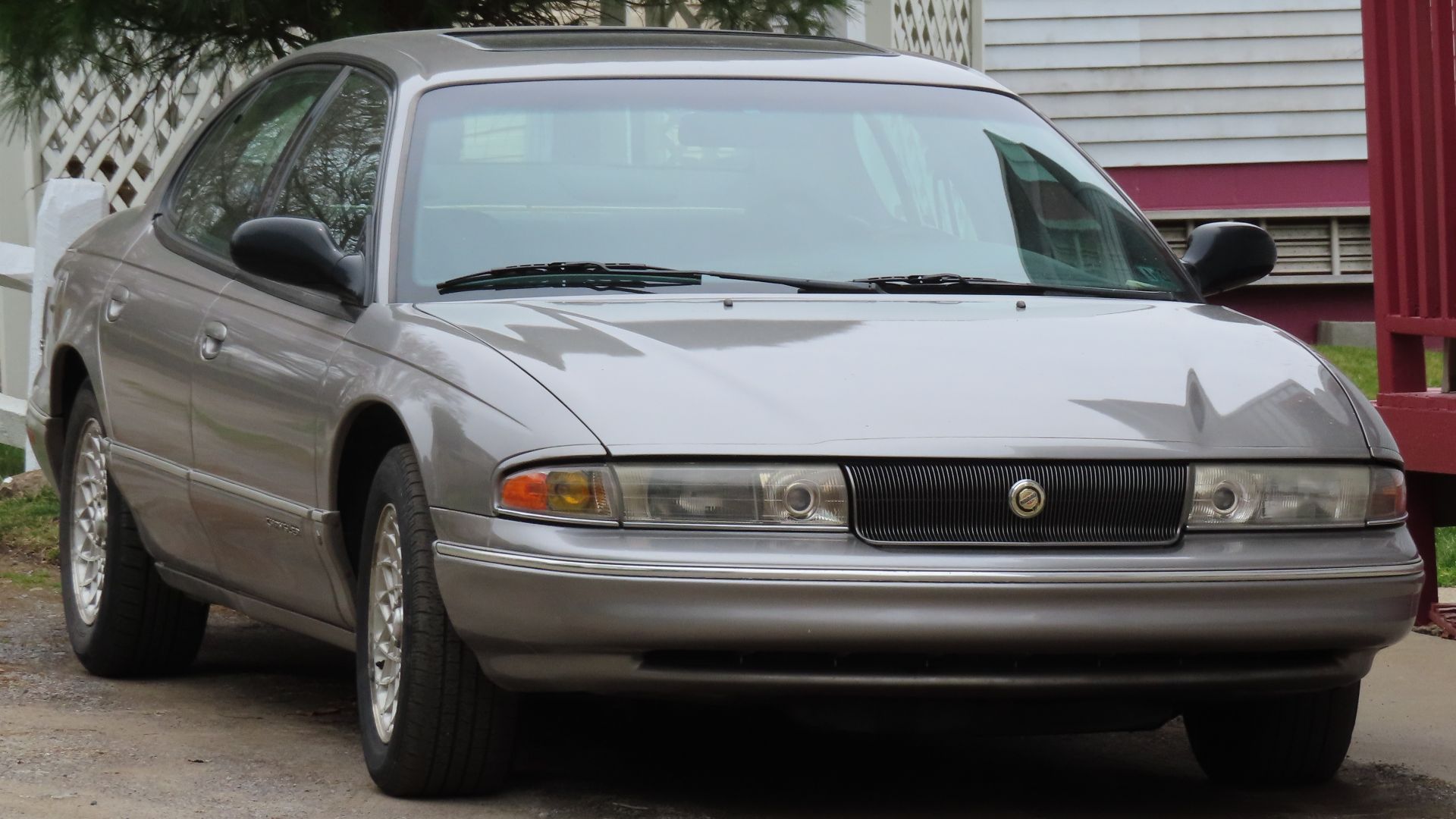
Chrysler LHS
The Chrysler LHS looked sleek, big, and modern when it arrived. Its cab-forward design pushed the wheels toward the corners and gave the cabin a roomy, futuristic feel. For parents who wanted a full-size sedan that didn’t look old-fashioned, the LHS was surprisingly appealing. It had presence without looking like a traditional luxury barge, which made it feel fresh in a very 1990s way.
 MercurySable99, Wikimedia Commons
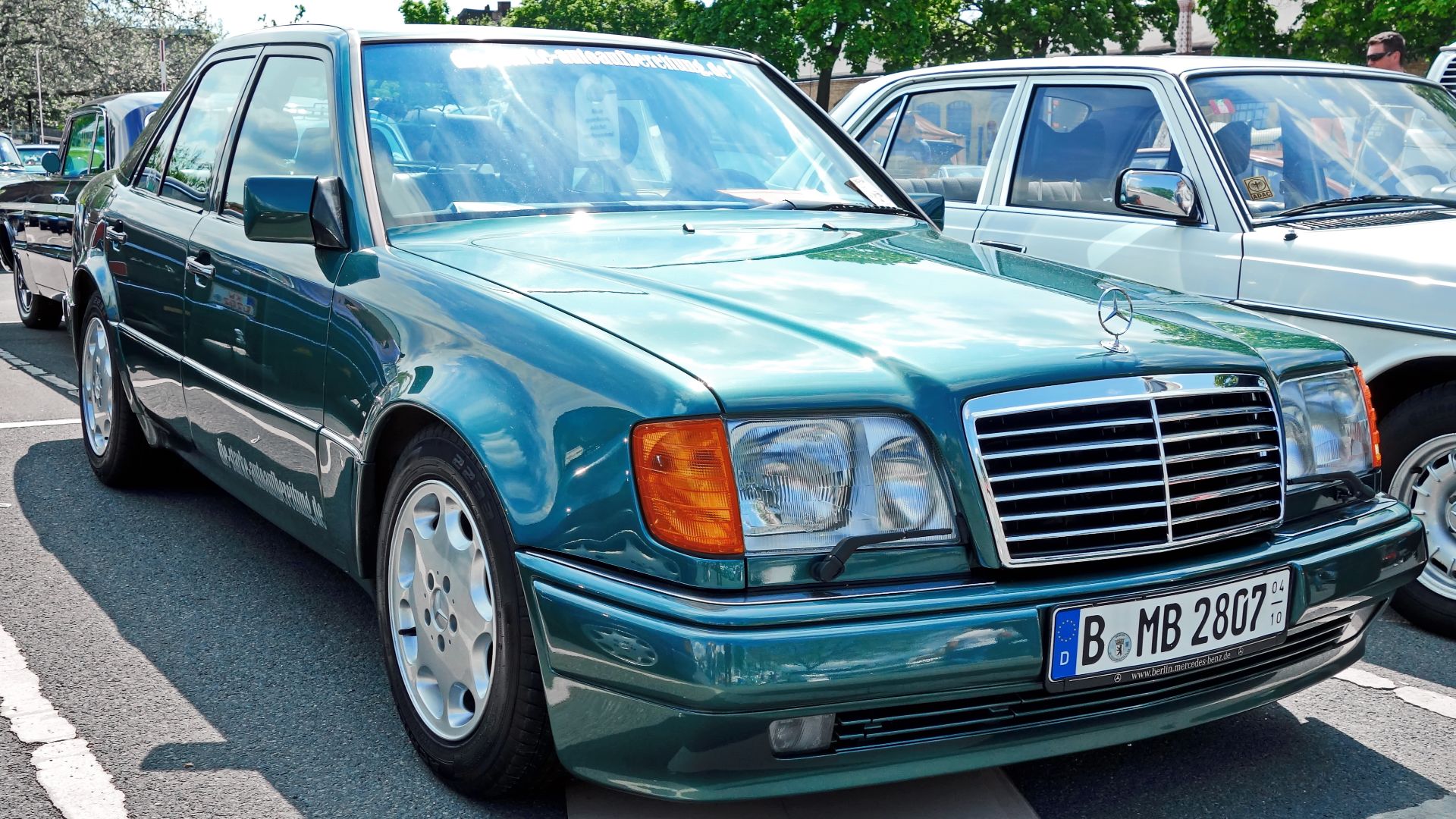
Mercedes-Benz E-Class
The Mercedes-Benz E-Class was one of the most classic affluent-suburban choices of the decade. It looked serious, expensive, and built to last, without needing flashy styling. Parents who drove one seemed established, sensible, and quietly successful. Whether in the square-edged W124 years or the rounder late-1990s W210 era, the E-Class gave family transportation a very grown-up kind of cool.
 More Cars from Berlin, Germany, Wikimedia Commons
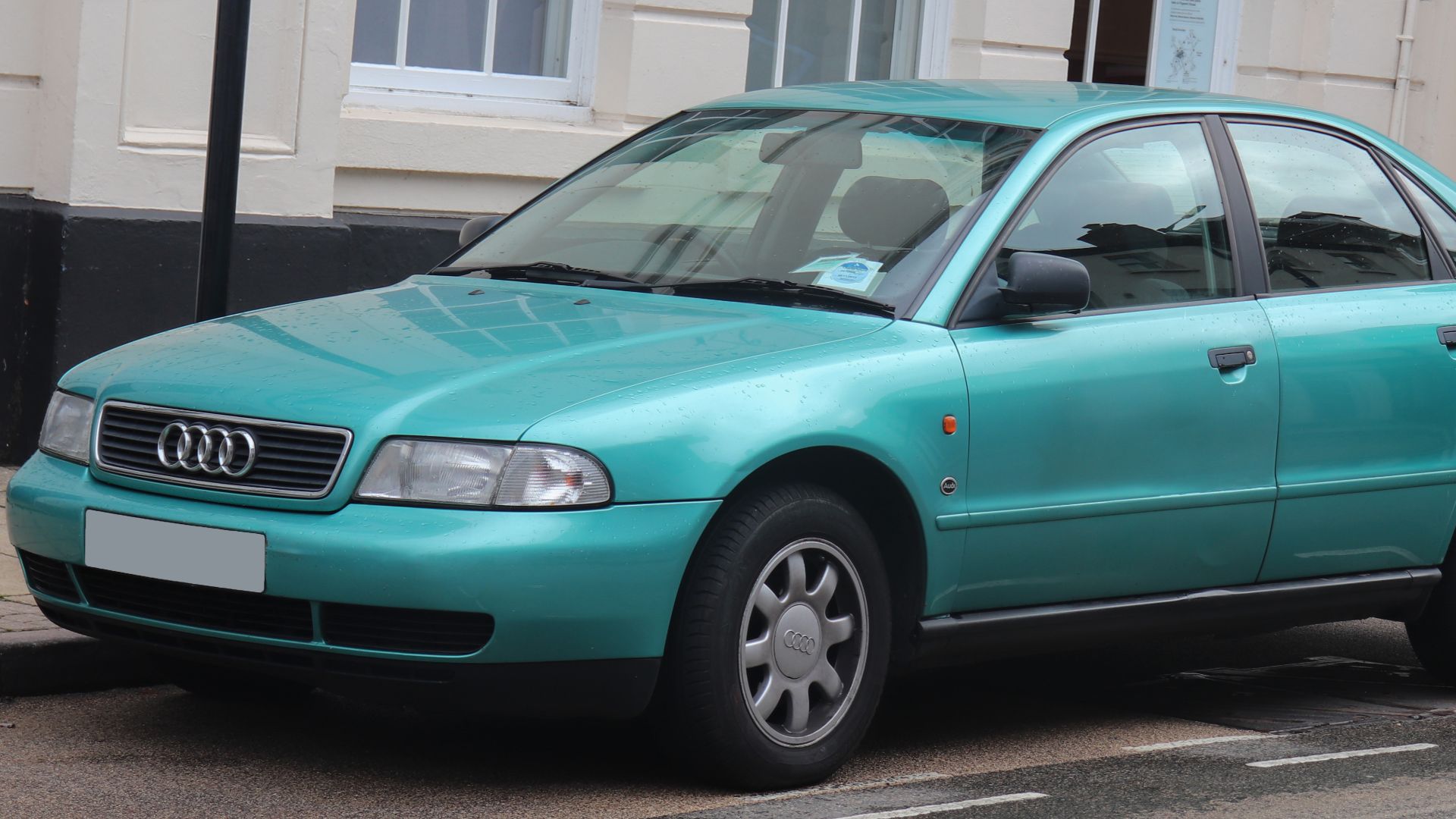
Audi A4
The Audi A4 became a stylish late-1990s choice for parents who wanted something European but less predictable than a BMW or Mercedes. It had clean design, a premium interior, and available Quattro all-wheel drive, which gave it extra appeal in snowy suburbs. It wasn’t the obvious status pick, and that helped. The A4 felt modern, understated, and just different enough to seem smart.
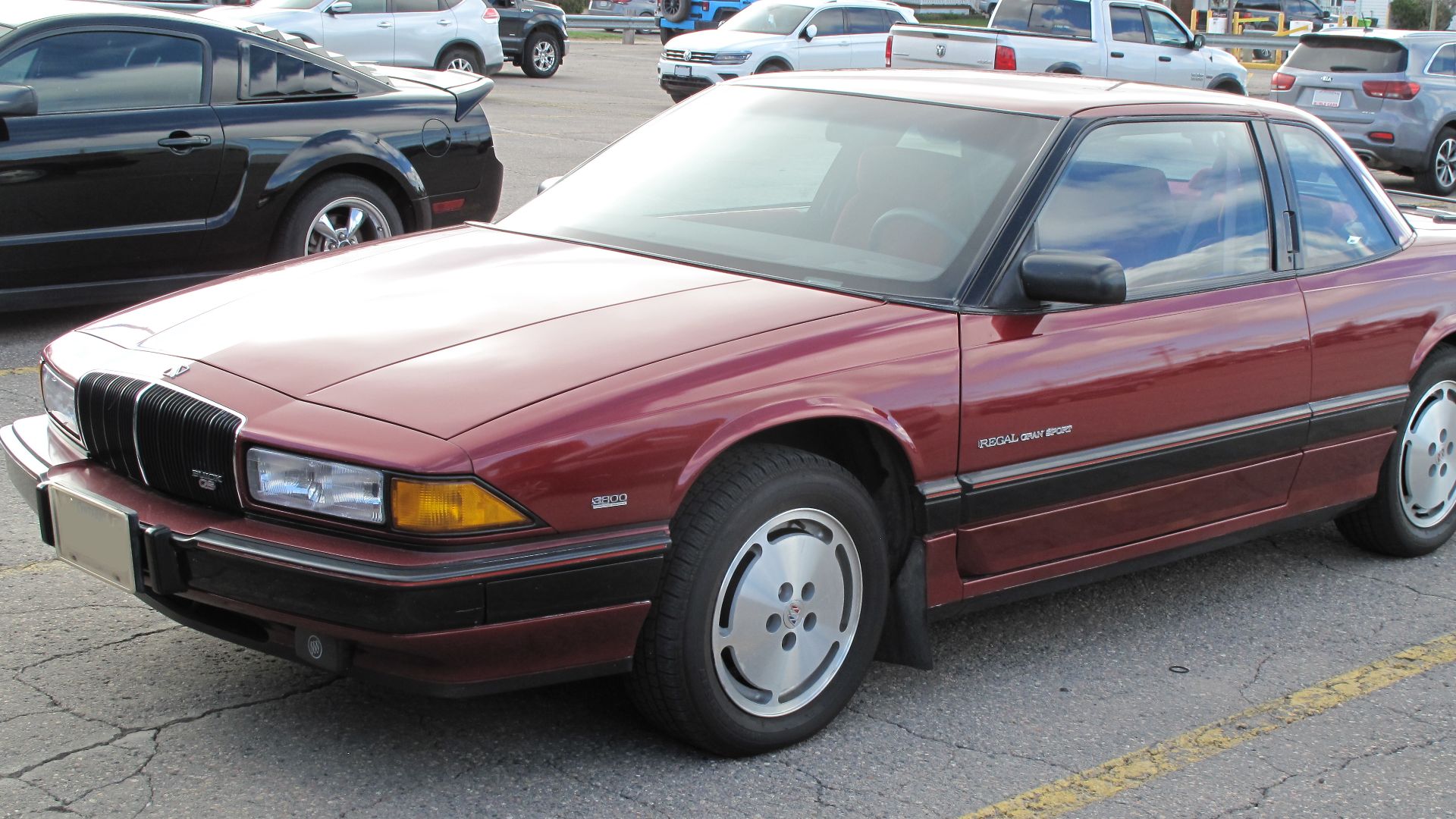
Buick Regal GS
The Buick Regal GS was sneaky in the best way. It looked like a comfortable, respectable family sedan, but the supercharged 3.8-liter V6 gave it much more performance than people expected from a Buick. Parents could drive one without attracting too much attention, then enjoy a surprising amount of power when the road opened up. It was proof that “sensible” didn’t have to mean slow.
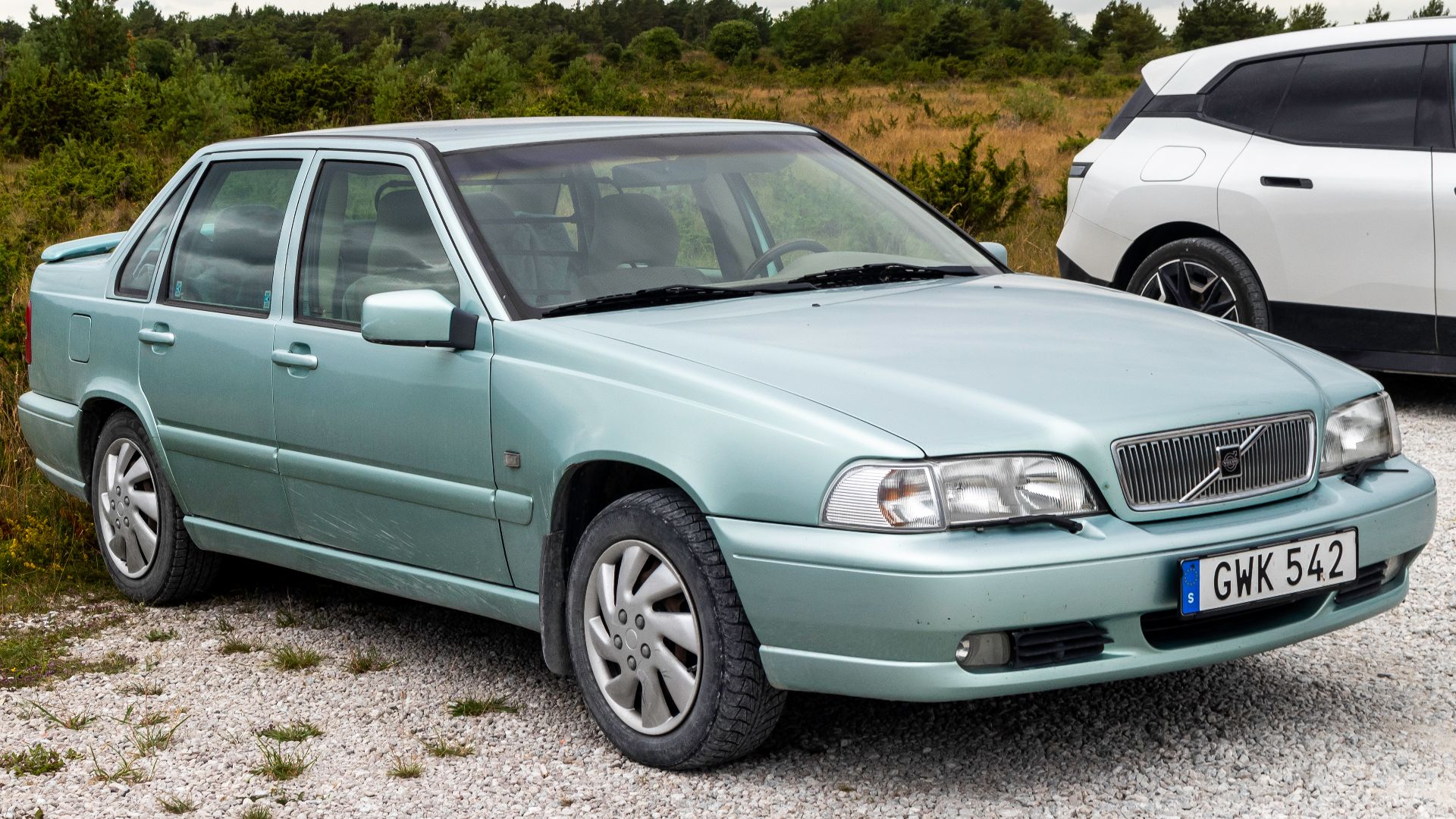
Volvo S70
The Volvo S70 carried the same sensible European appeal into the late 1990s with a smoother, more updated look. It still emphasized safety, comfort, and practicality, but turbocharged versions added enough speed to keep things from feeling too conservative. It was the kind of sedan that made a parent look thoughtful and slightly unconventional. Not flashy, not boring, just quietly cool.
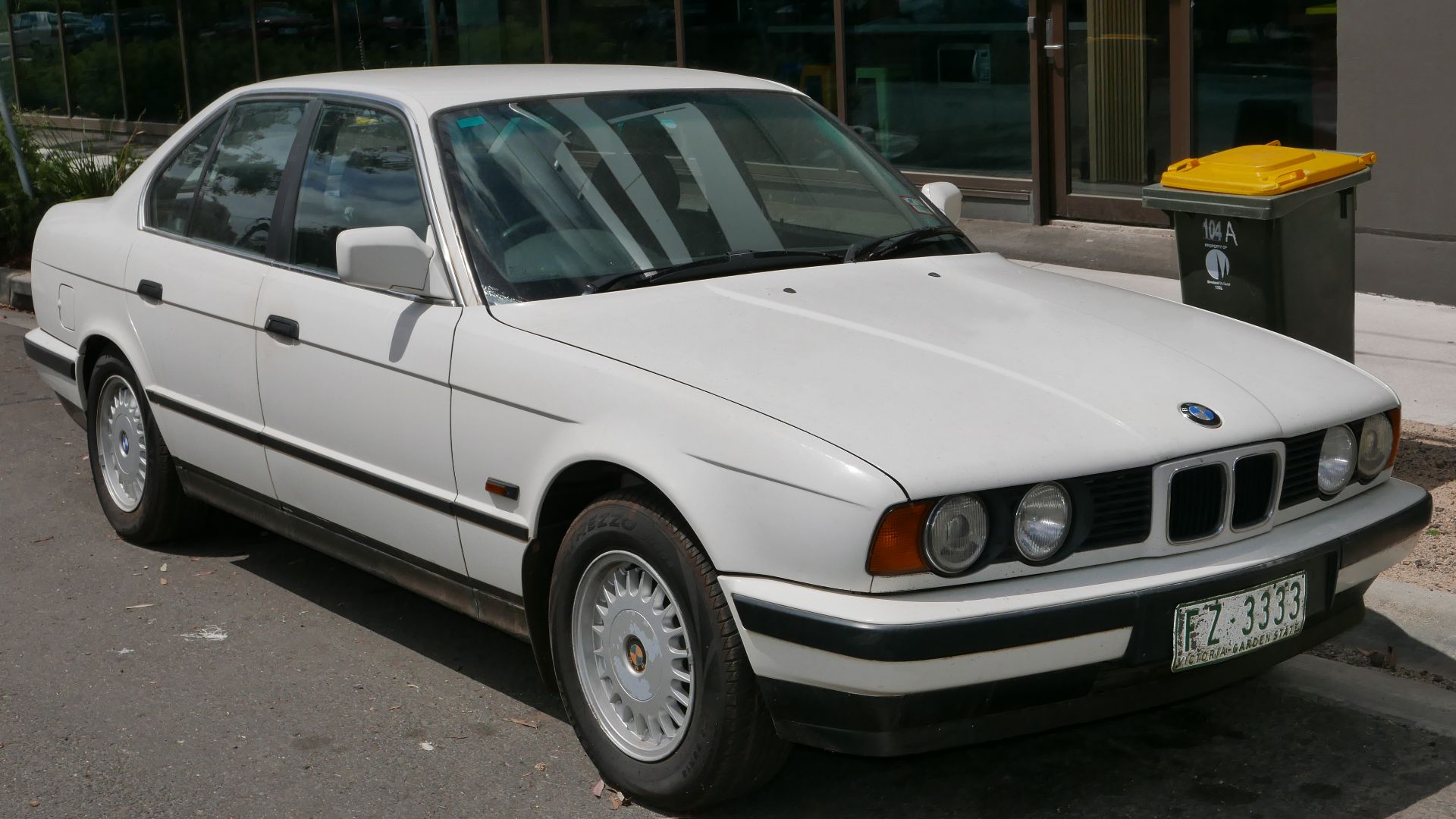
BMW 5 Series Sedan
The BMW 5 Series was the more grown-up version of the same idea. It had more room, more presence, and more executive credibility than the 3 Series, while still carrying that BMW driver’s-car image. In the 1990s, especially with the E34 and early E39 generations, it felt like a perfect blend of family duty and enthusiast taste. It made suburban success look just a little sharper.
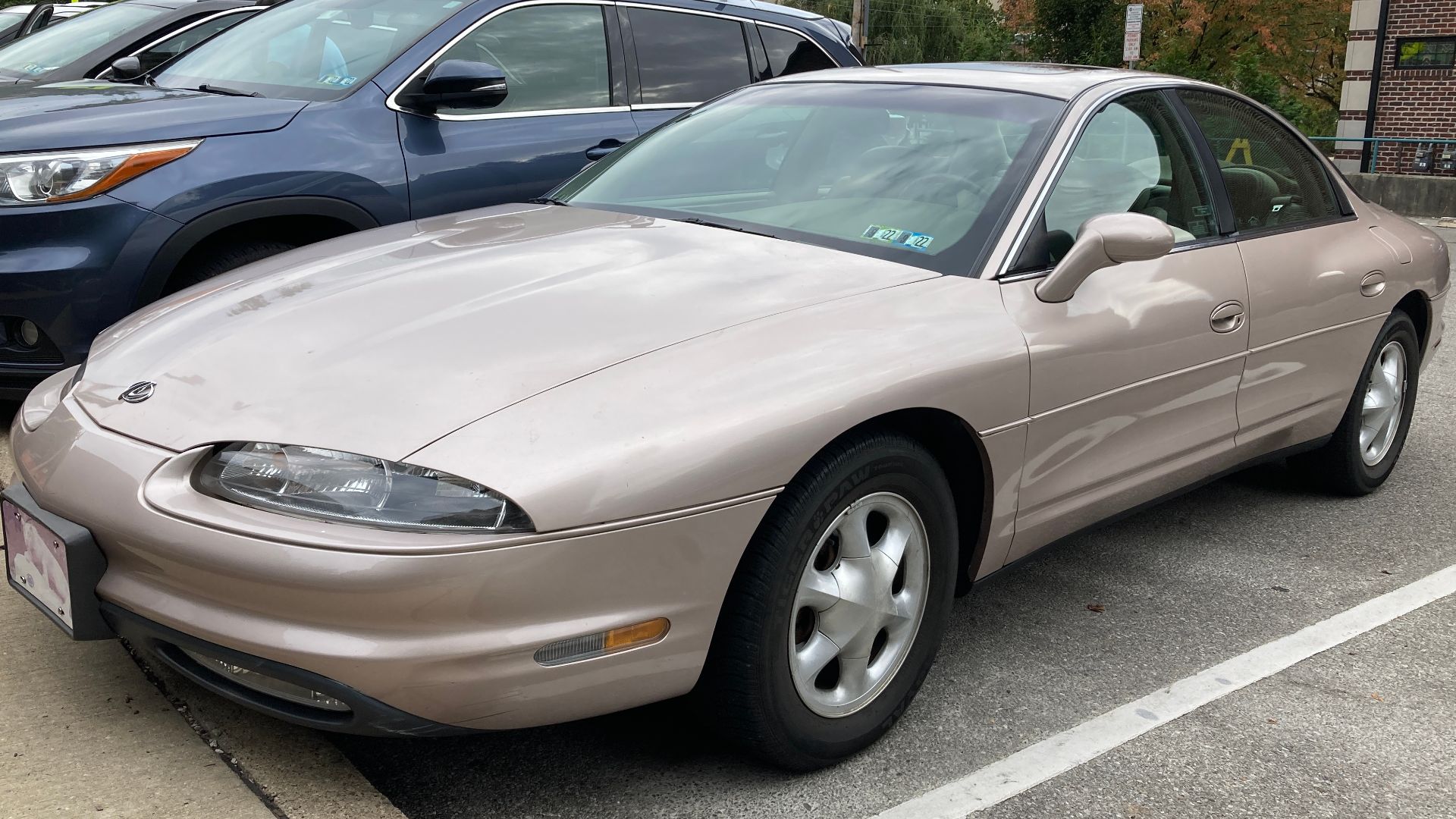
Oldsmobile Aurora
The Oldsmobile Aurora was one of GM’s most ambitious sedans of the 1990s. Its sleek, futuristic styling made it feel far more special than the average family car, and the V8-powered layout gave it real presence. It was meant to reinvent Oldsmobile, and for a while, it actually made the brand seem interesting again. Parents who bought one weren’t just buying transportation. They were buying the idea that GM still had surprises left.
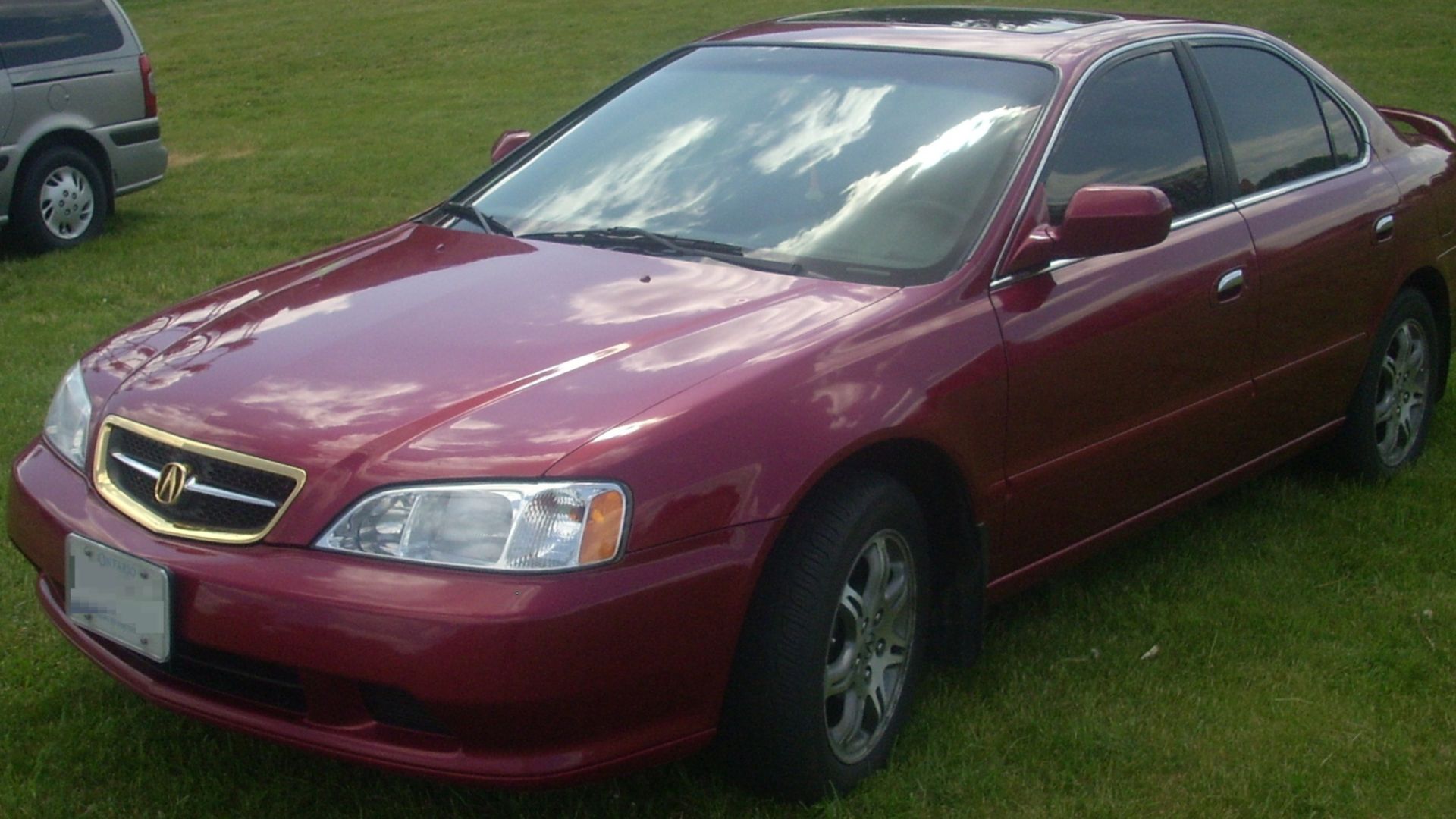
Acura TL
By the late 1990s, the Acura TL gave suburban parents a comfortable premium sedan with a little sportier energy. It offered a luxury badge, smooth V6 power, and the kind of reliability that made the purchase feel sensible. It wasn’t as aggressive as a German sport sedan, but that was part of the appeal. The TL felt refined, modern, and just cool enough for parents who didn’t want to overdo it.
Chrysler Concorde
The Chrysler Concorde brought the same cab-forward attitude to a more mainstream family-sedan package. It had a huge interior, flowing bodywork, and a shape that stood out from the boxier sedans still hanging around early in the decade. It wasn’t a performance car, but it looked different enough to make family practicality feel stylish. In the 1990s, that counted for a lot.
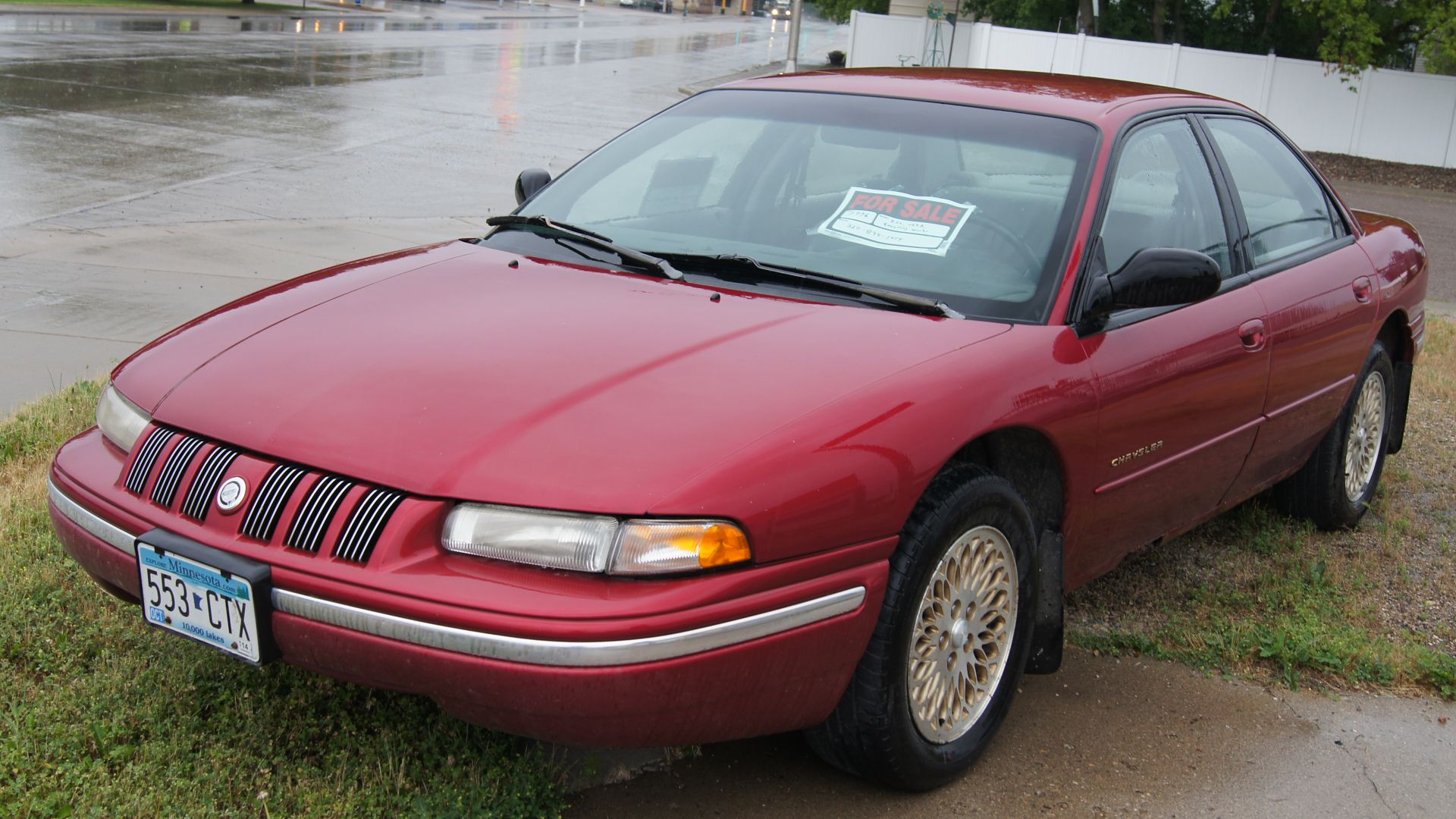 Greg Gjerdingen, Wikimedia Commons
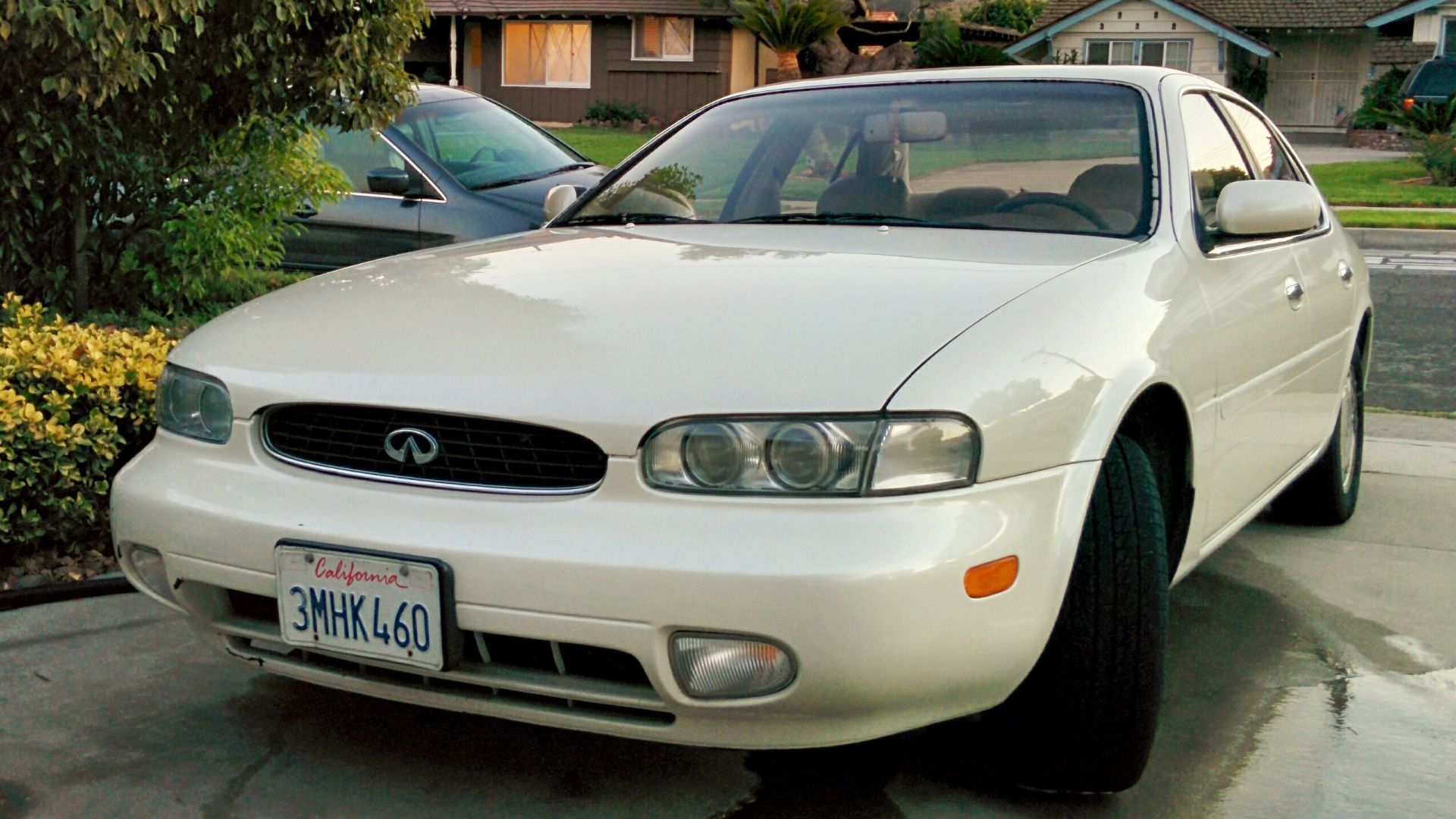
Infiniti J30
The Infiniti J30 was strange, but that was also its charm. Its rounded styling looked unlike almost anything else in suburban driveways, and the cabin felt sophisticated in a quiet, Japanese-luxury way. It wasn’t as obvious as a Lexus or Acura, which made it appealing to parents who liked being a little different. The J30 didn’t become a huge hit, but it definitely had presence.
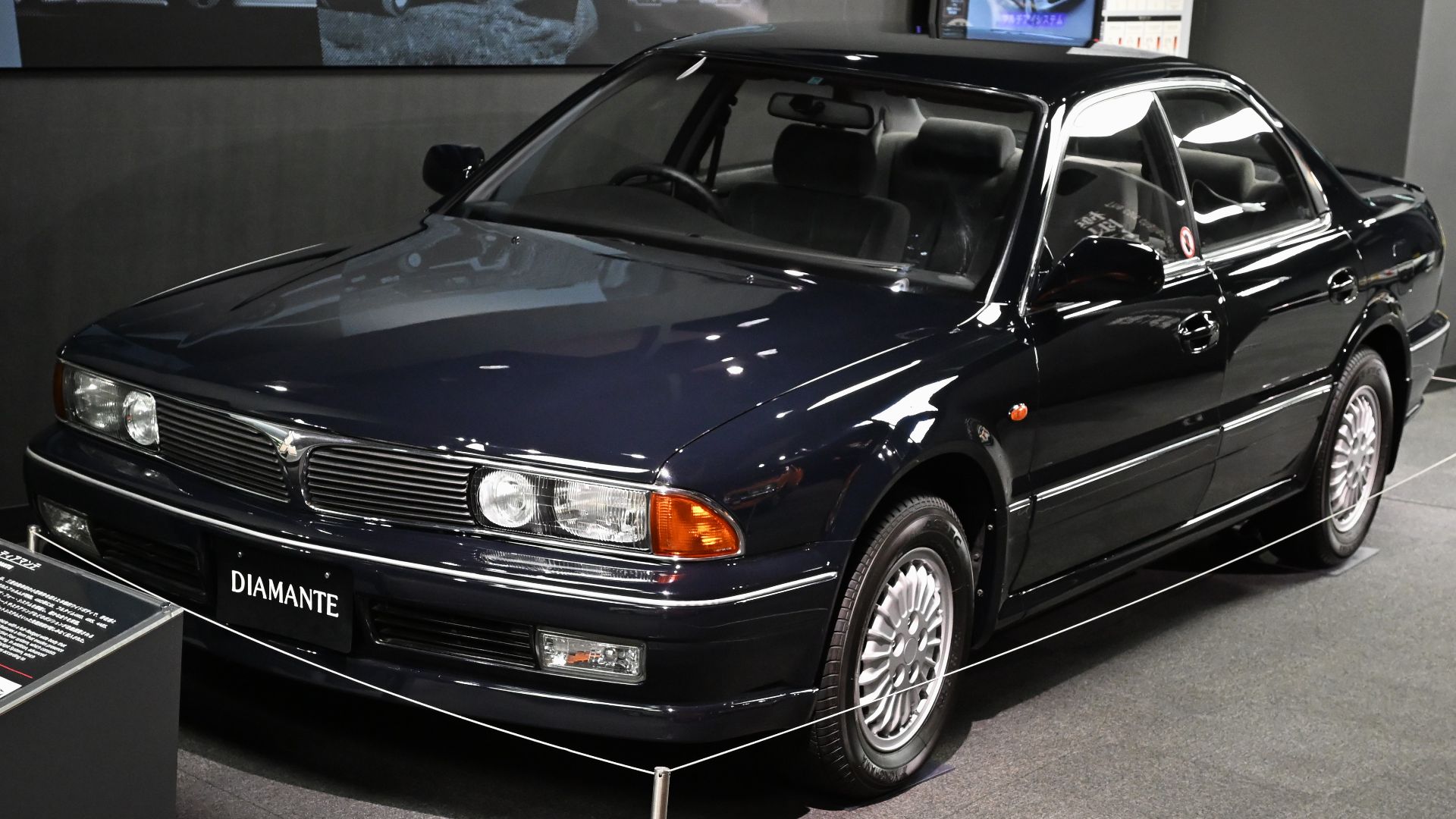
Mitsubishi Diamante
The Mitsubishi Diamante looked more expensive than many people expected from Mitsubishi in the 1990s. Especially early in the decade, it had a polished, almost European feel, with smooth styling and a premium cabin that made it seem special next to more ordinary family sedans. It wasn’t as common as a Camry or Accord, and that helped its image. For parents who wanted something upscale without following the crowd, the Diamante made sense.
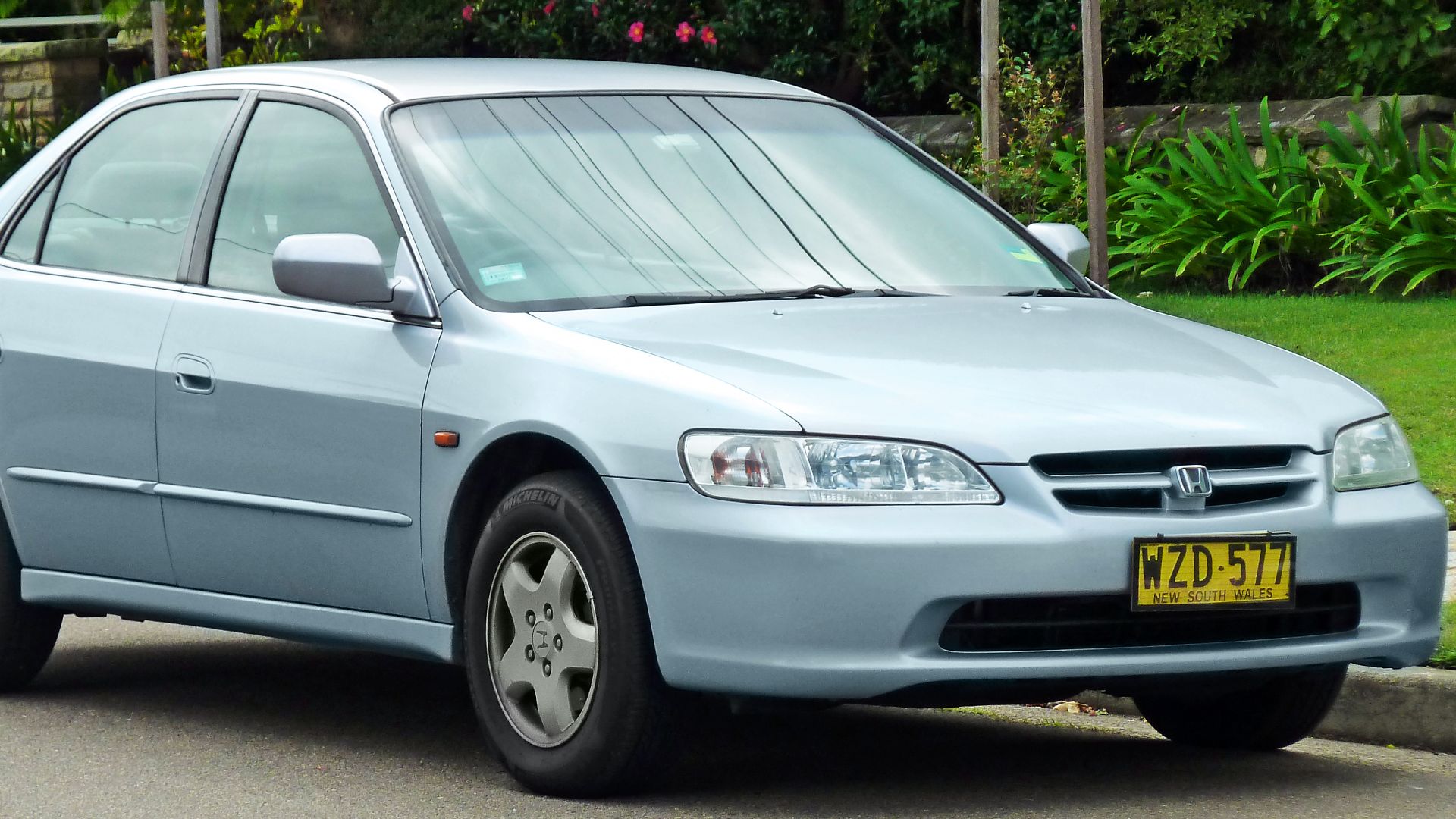
Honda Accord EX V6
The Honda Accord EX V6 was the suburban parent’s sensible choice with just enough extra confidence. It had Honda reliability, a comfortable cabin, and a smooth V6 that made it feel more grown-up than the basic four-cylinder models. It wasn’t flashy, but it didn’t need to be. In the 1990s, a loaded Accord quietly said you were practical, smart, and maybe a little more successful than you wanted to admit.
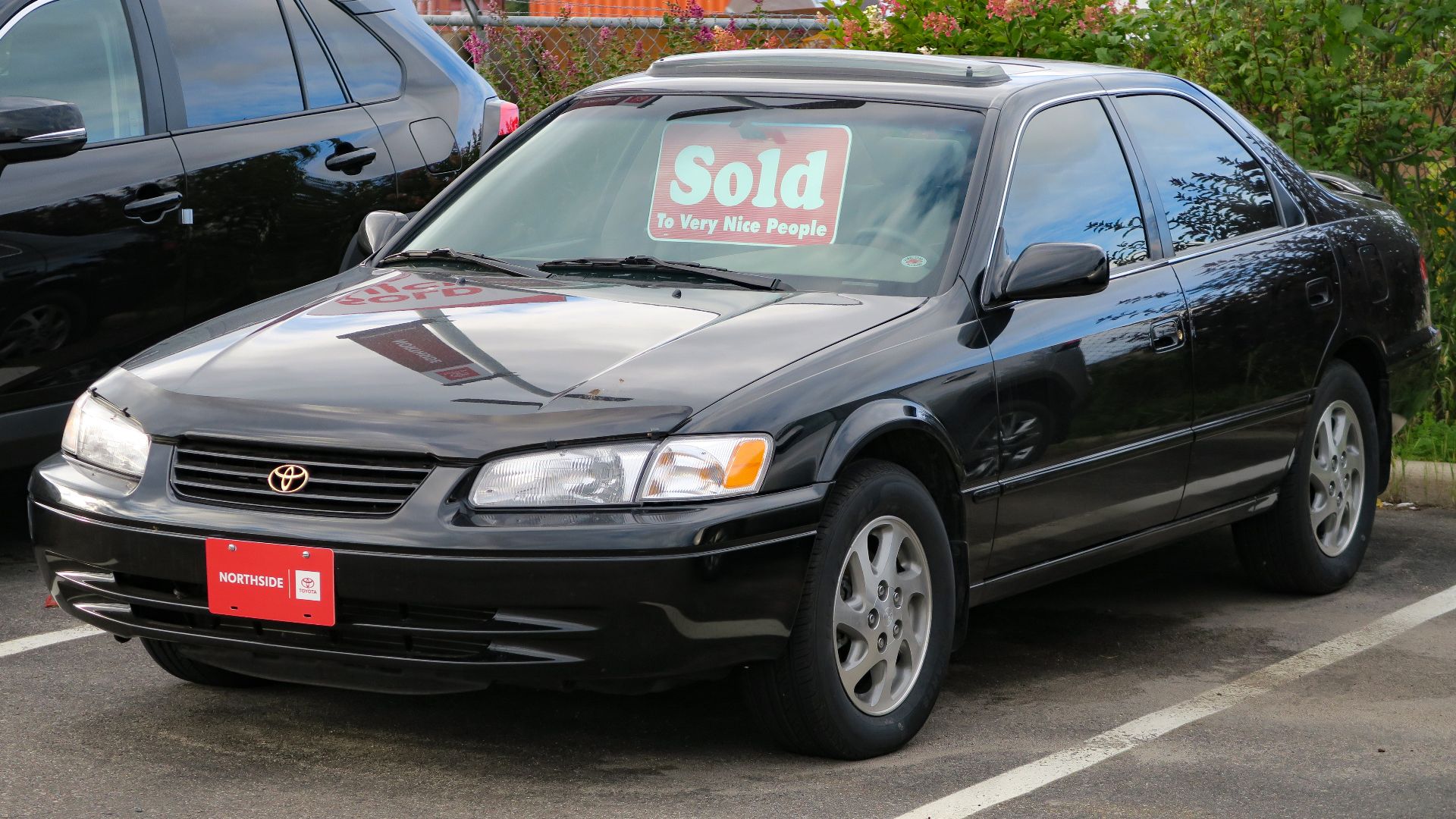
Toyota Camry XLE V6
The Toyota Camry XLE V6 was everywhere, but that doesn’t mean it wasn’t aspirational in its own way. It was quiet, smooth, reliable, and polished enough to feel like a near-luxury sedan for parents who didn’t care about showing off. The V6 gave it easy power, while the XLE trim made it feel properly comfortable. It was cool in the most 1990s suburban way possible: completely sensible, but undeniably successful.
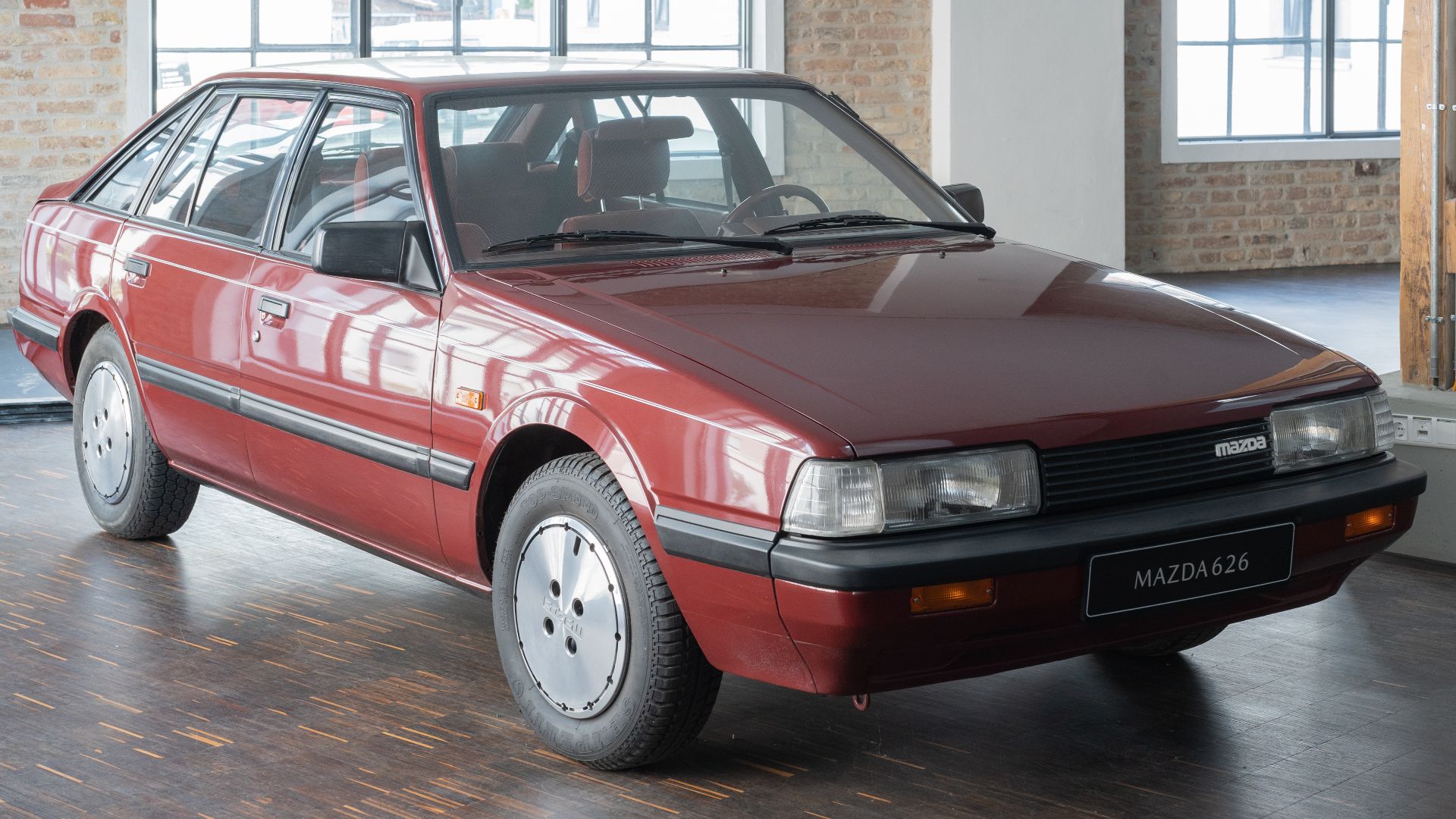
Mazda 626
The Mazda 626 gave practical parents a family sedan with a little more personality than the default choices. It wasn’t as obvious as a Camry or Accord, and that helped it feel slightly different in the driveway. The steering and handling had some of Mazda’s usual sharpness, even if the car was still built for everyday use. For parents who wanted something responsible but not totally predictable, the 626 had quiet appeal.
 Tobias ToMar Maier, Wikimedia Commons
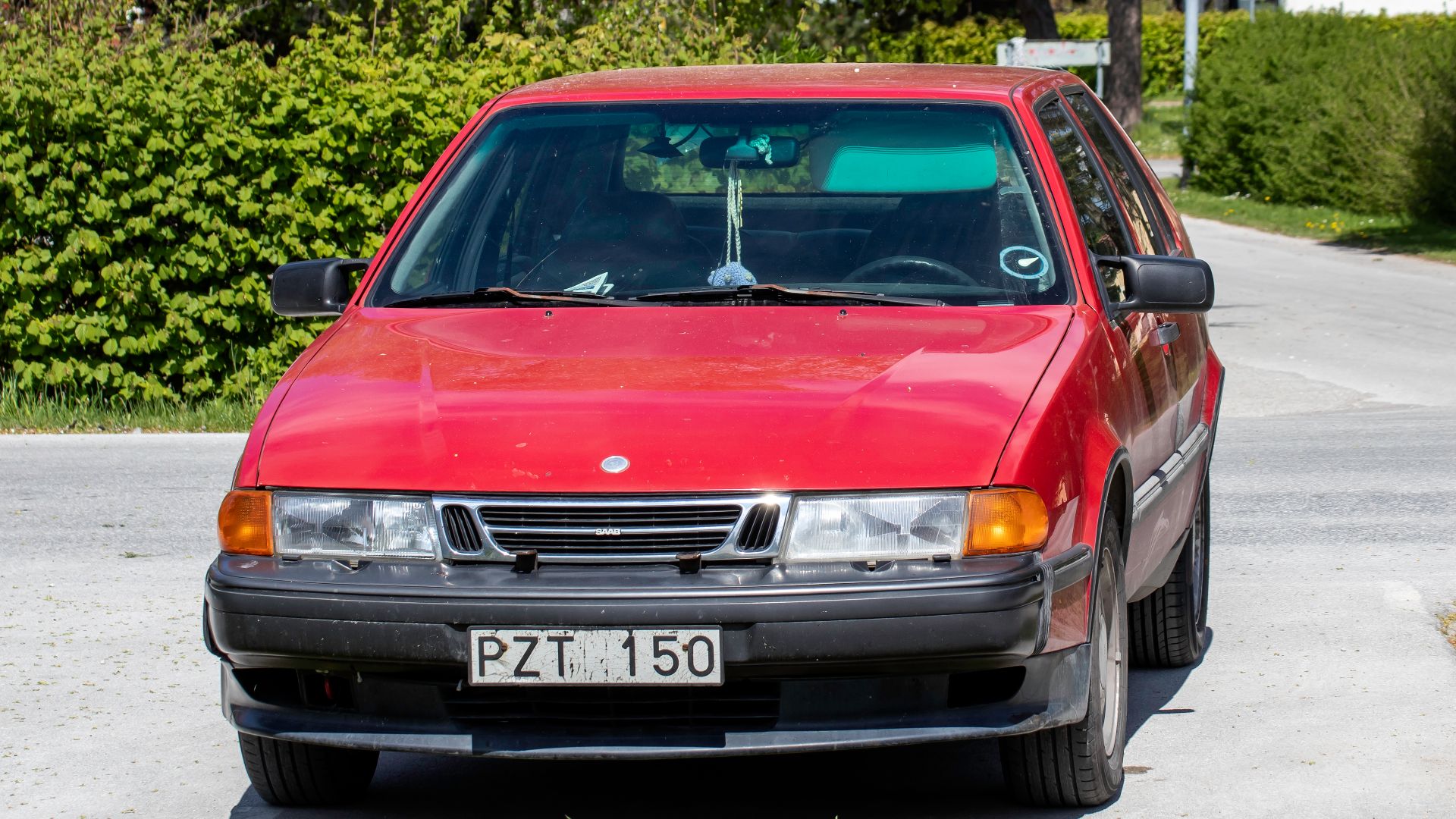
Saab 9000
The Saab 9000 was a perfect choice for parents who wanted to seem smart, European, and just a little unconventional. It had a roomy cabin, hatchback practicality in many versions, turbocharged performance, and that unmistakable Saab weirdness. It didn’t look like anything else in the school parking lot, which was part of the attraction. Driving one made a parent look like they read good magazines and cared about engineering.
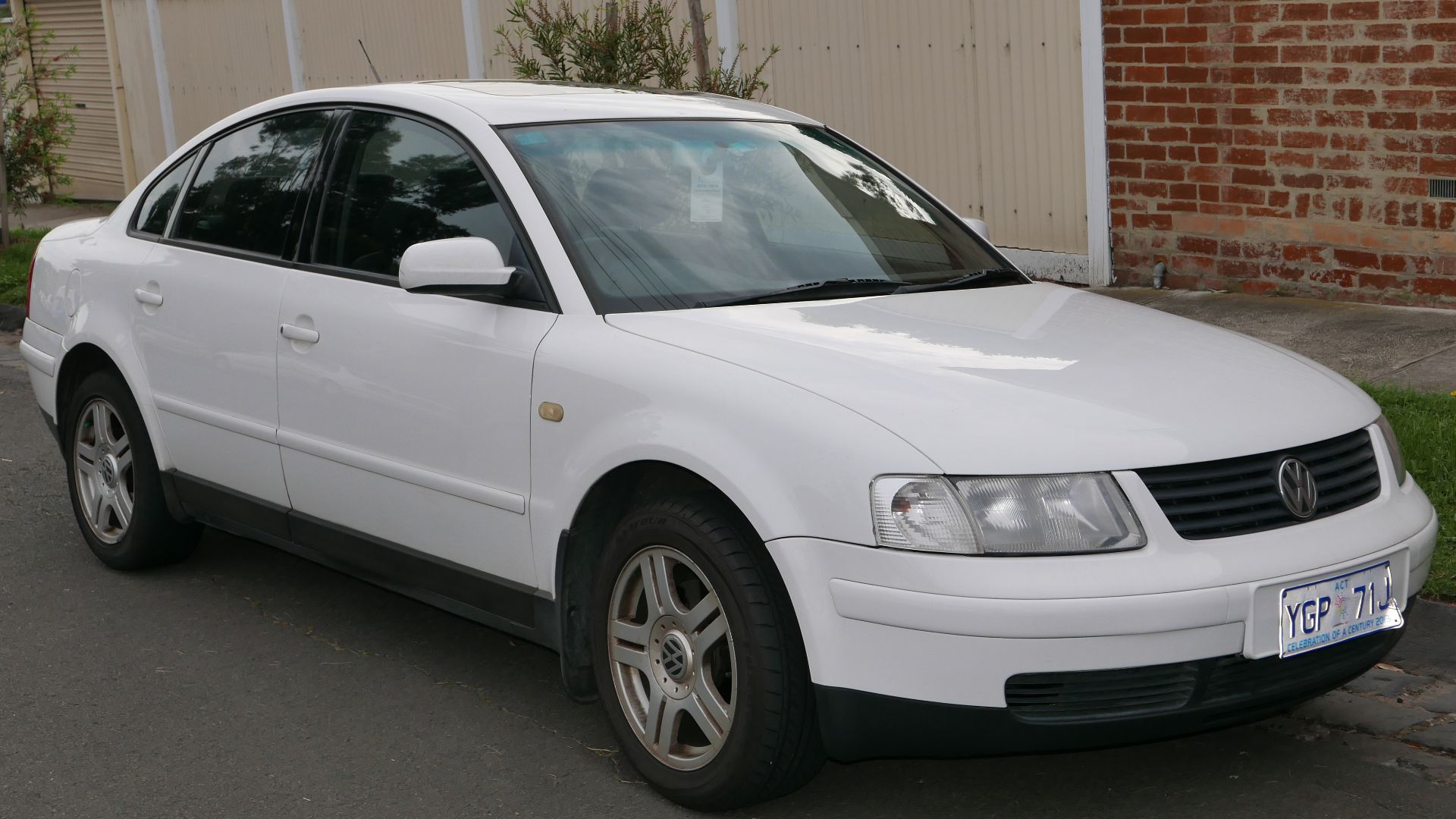
Volkswagen Passat
The Volkswagen Passat became a strong late-1990s alternative for parents who wanted European flavor without luxury-car pricing. The B5 generation looked upscale, had a refined cabin, and shared some of its personality with Audi products. It felt more premium than many mainstream sedans, especially to buyers tired of the usual Japanese and American family-car choices. It wasn’t always the lowest-maintenance option, but it had style.
Ford Crown Victoria LX
The Ford Crown Victoria LX was old-school, but in the 1990s, that was part of its charm. It was huge, comfortable, rear-wheel drive, and built with a kind of durability that made it feel like a private version of official transportation. Parents who drove one weren’t trying to look sporty. They looked confident, practical, and maybe a little intimidating. It was a big American sedan that still knew exactly what it was.
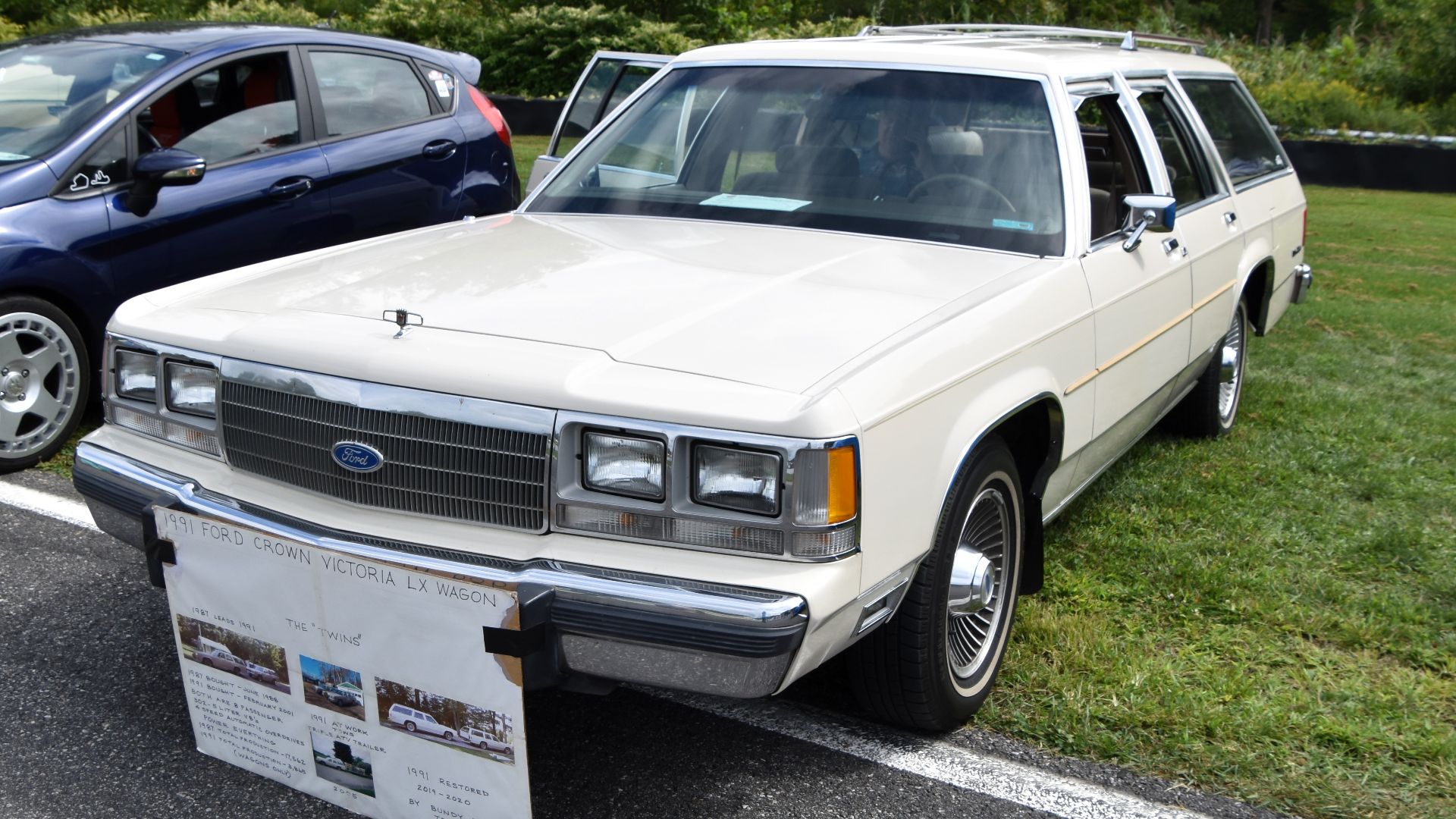 Charles from Port Chester, New York, Wikimedia Commons
Chevrolet Impala SS
The 1990s Chevrolet Impala SS was the family sedan that looked like it had spent time at the gym. Based on the big Caprice, it added blacked-out styling, a lowered stance, and a 5.7-liter LT1 V8 that gave it real muscle. It had four doors and a big trunk, so it still worked as a family car. But it also had enough attitude to make any parent feel instantly cooler.
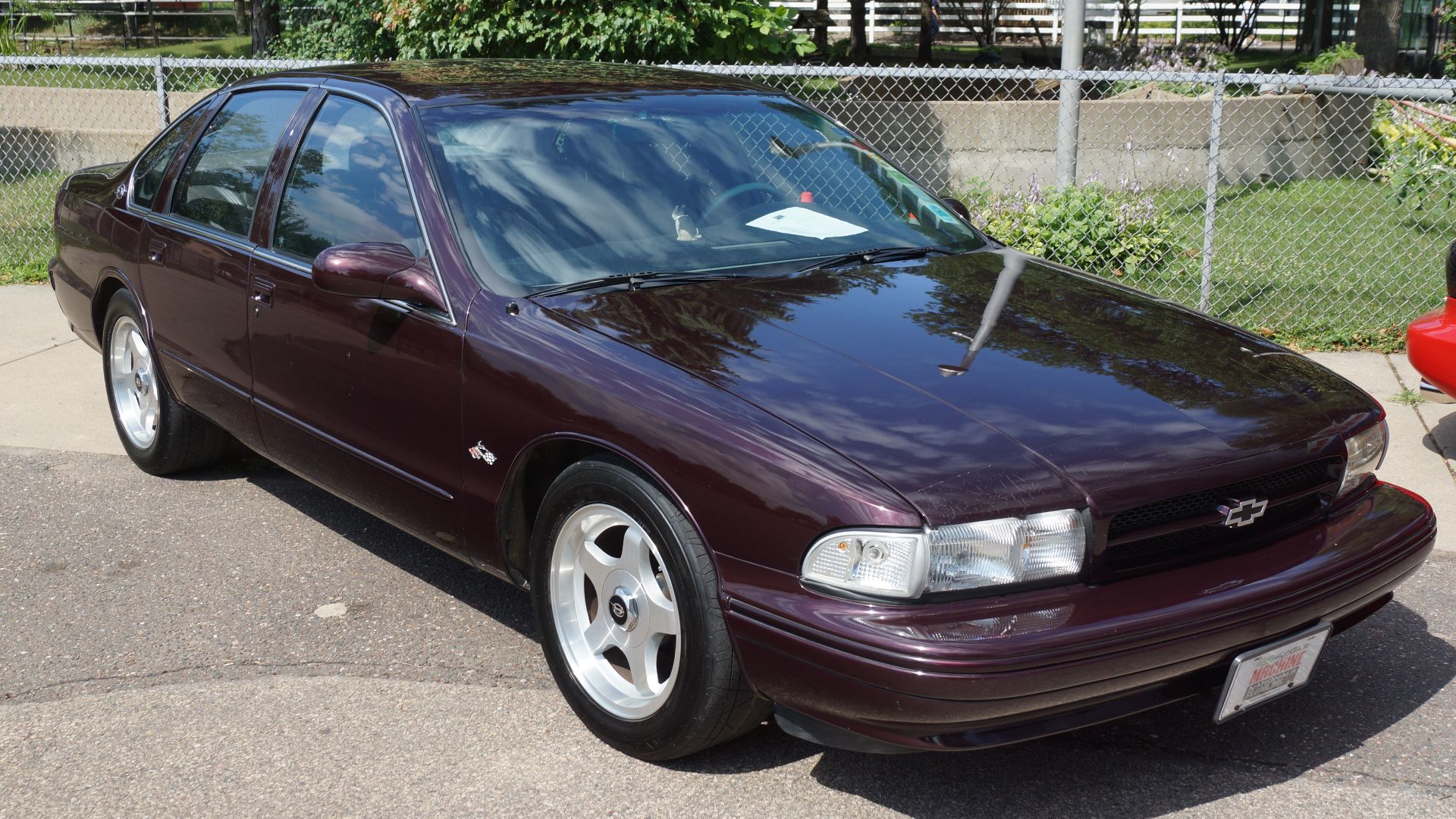 Greg Gjerdingen from Willmar, USA, Wikimedia Commons
Ford Contour SVT
The Ford Contour SVT was easy to miss, but that was part of the fun. It looked like a compact family sedan, yet it had a tuned V6, a manual transmission, sharper suspension, and real European-style handling. It wasn’t huge or flashy, but it rewarded parents who actually liked driving. In a decade full of bigger status cars, the Contour SVT was quietly one of the nerdier cool choices.
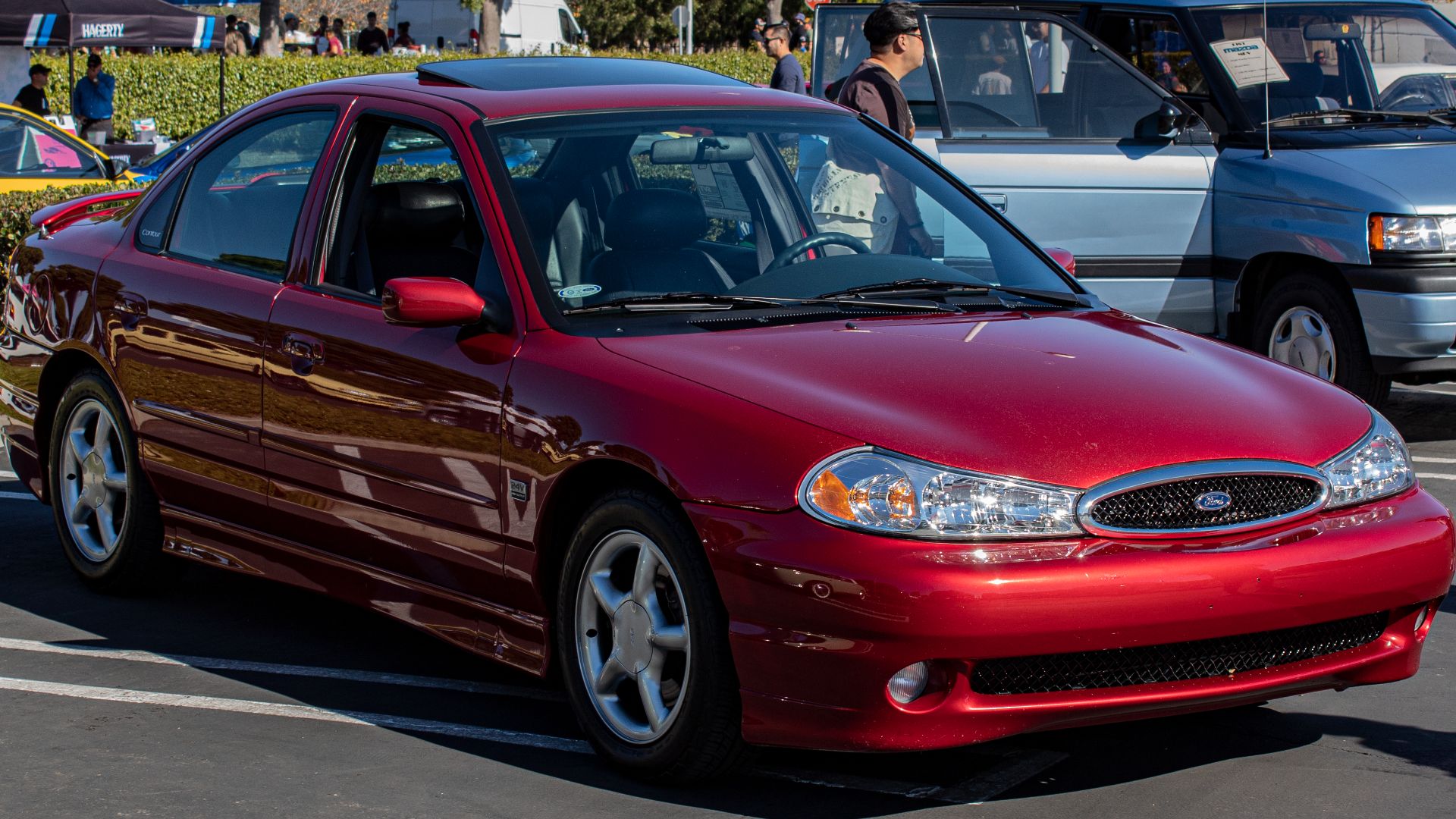
You May Also Like:
Cars That Looked Boring In The 1990s, But Became Secret Enthusiast Favorites
Forgotten American Coupes That Tried To Keep Personal Luxury Alive
Forgotten Pickup Truck Features That Drivers Didn’t Appreciate Until They Couldn't Get Them Anymore




.jpg)