
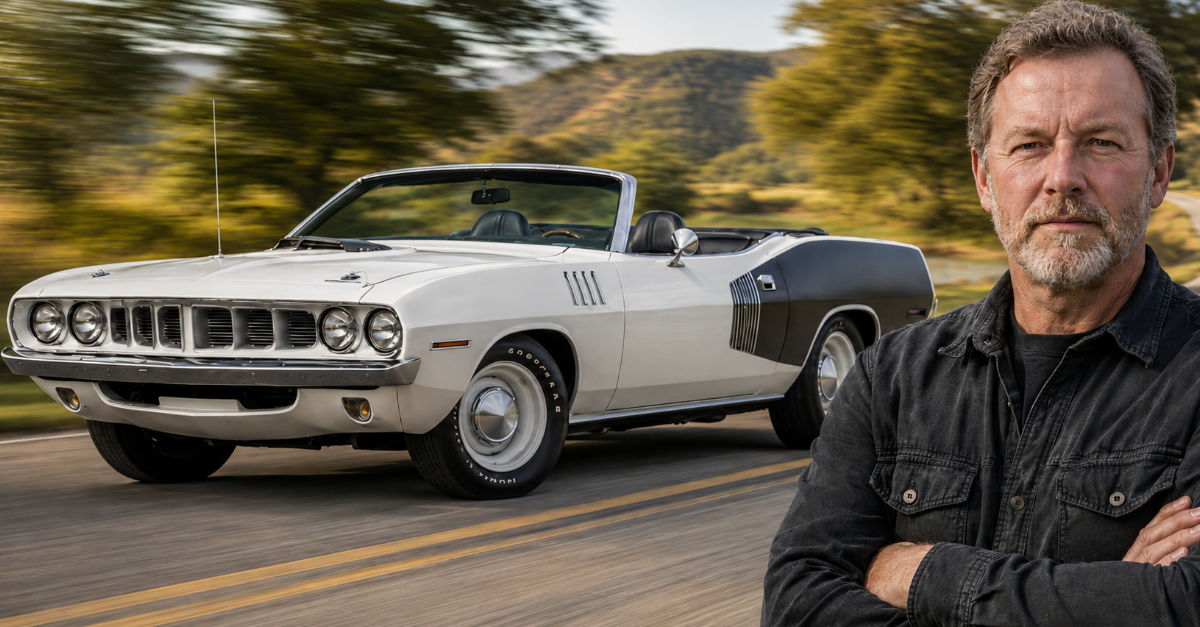
The Name Sounded Like A Warning
Some cars become valuable because they were beautiful. Others become valuable because they were fast. This Plymouth had both covered, yet that still doesn’t explain why someone paid $3.3 million for it. The real answer begins with a production number almost too small to believe.
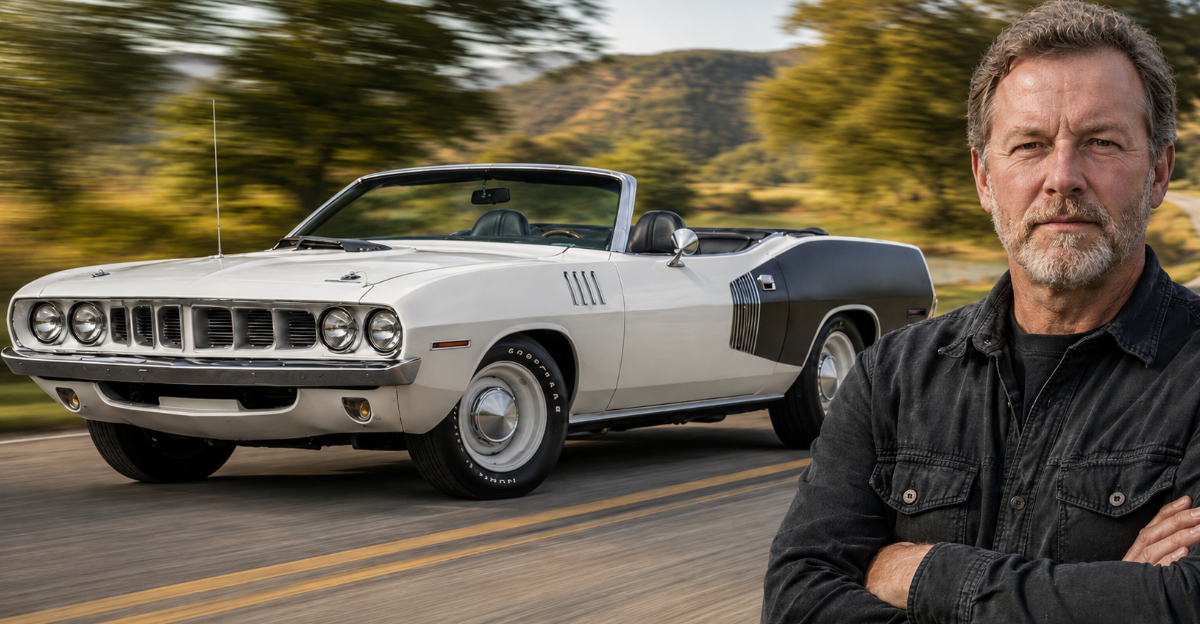
It Rolled Into Kissimmee
On January 17, 2026, a white Plymouth crossed the auction block at Mecum’s massive Kissimmee sale. It had been expected to bring as much as $3.25 million. By the time the fees were included, the final price had climbed to $3.3 million.
Meet “The White Elephant”
The car was a 1971 Plymouth Hemi ’Cuda Convertible finished in GW3 Sno White with a black roof. It had been known since it was built as “The White Elephant,” a surprisingly playful name for what became one of the most valuable Plymouths on Earth.
 Michael Barera, Wikimedia Commons
There Were Actually 12
Mecum counts 12 Hemi ’Cuda convertibles for 1971, although older production records often list only the seven built for the U.S. market. Of those seven American-market cars, two received four-speed manuals and five were fitted with TorqueFlite automatics.
Built Before 1971 Even Began
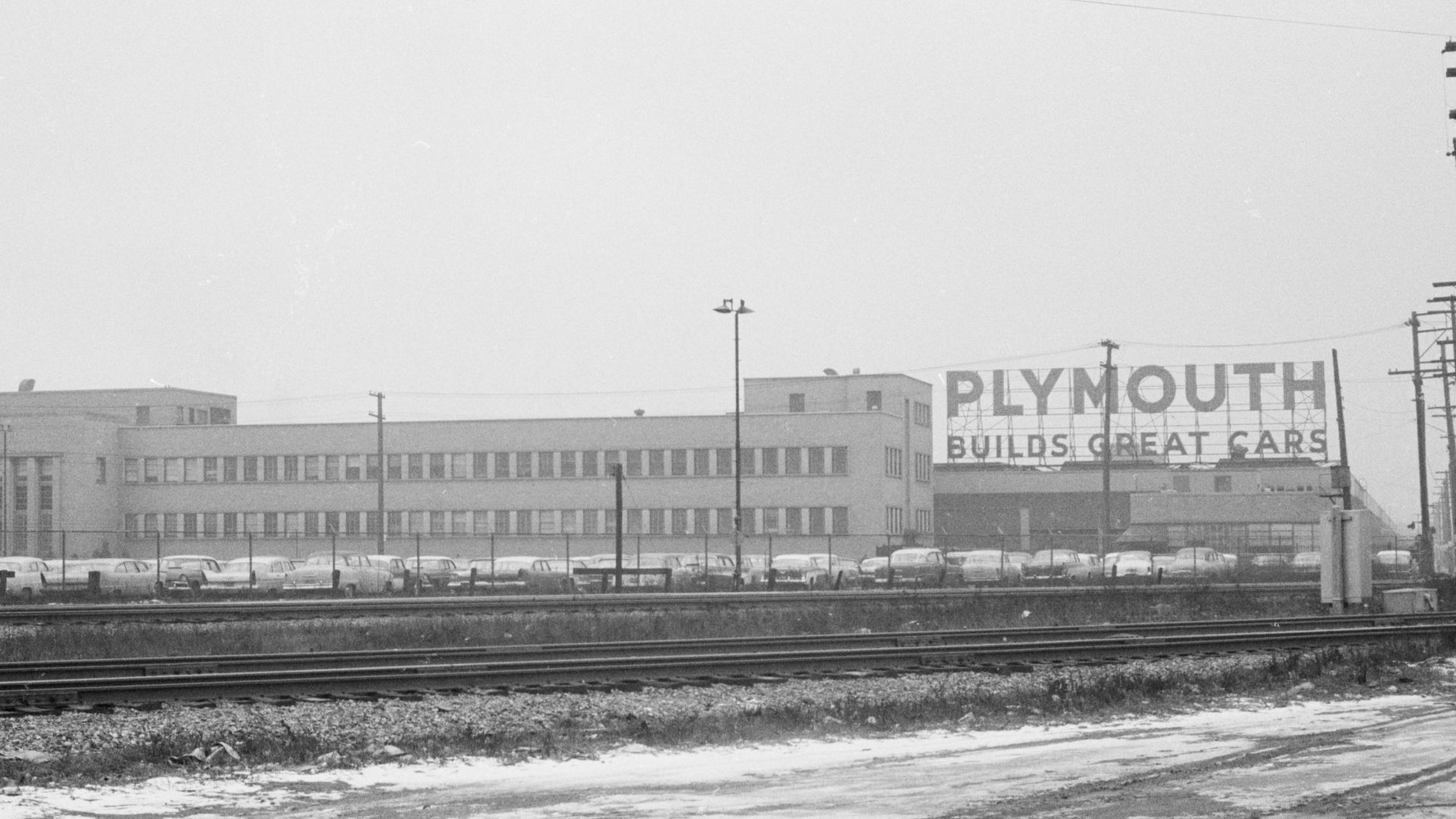
The White Elephant was assembled at Chrysler’s Hamtramck plant in Michigan on September 9, 1970, early in the 1971 production run. Its VIN, BS27R1B126869, identifies it as a factory Hemi-powered ’Cuda convertible, while the surviving documentation and expert inspections support its authenticity.
 Warren K. Leffler, Wikimedia Commons
The Timing Couldn’t Have Been Better
The muscle-car era was already beginning to change. Insurance costs were rising, emissions requirements were tightening and enormous engines were becoming harder to justify. The 1971 model year would be the last for both the 426 Hemi-powered ’Cuda and the Barracuda convertible.
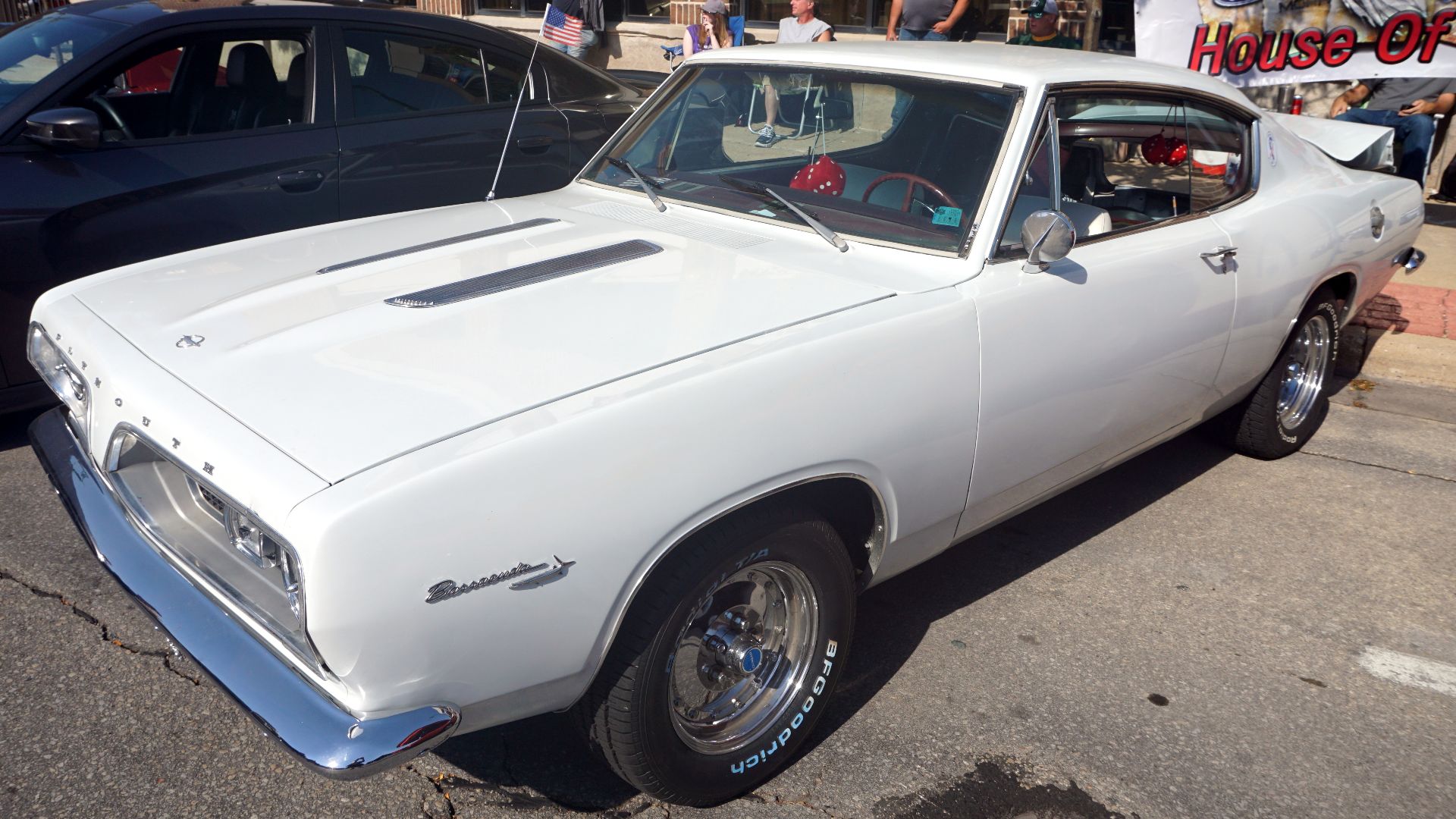
The Barracuda Had Been There First
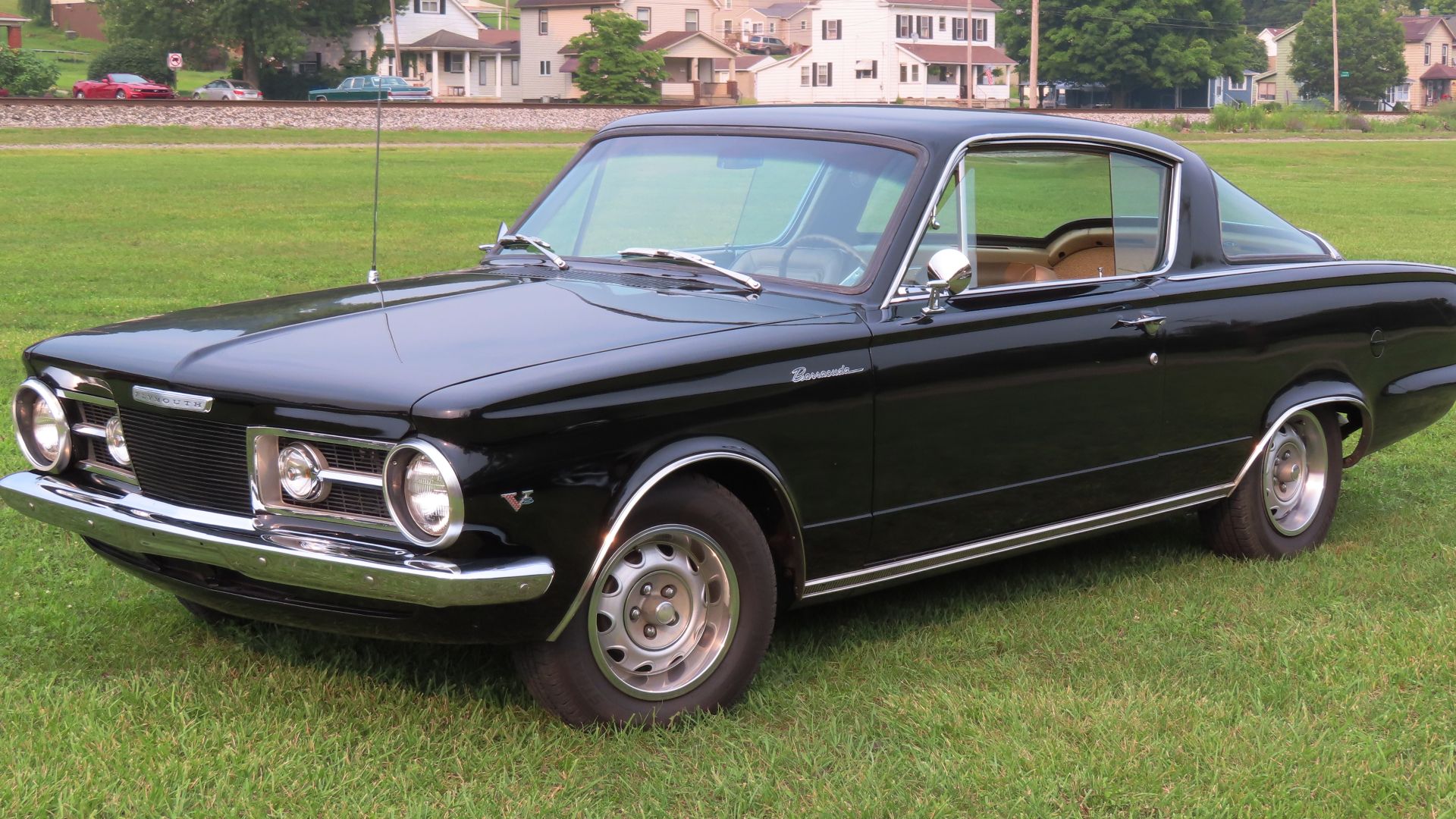
Plymouth introduced the original Barracuda on April 1, 1964, roughly two weeks before Ford unveiled the Mustang. Yet the Mustang quickly became the defining pony car, leaving the Barracuda fighting for attention despite technically arriving first.
 MercurySable99, Wikimedia Commons
Then Plymouth Got Serious
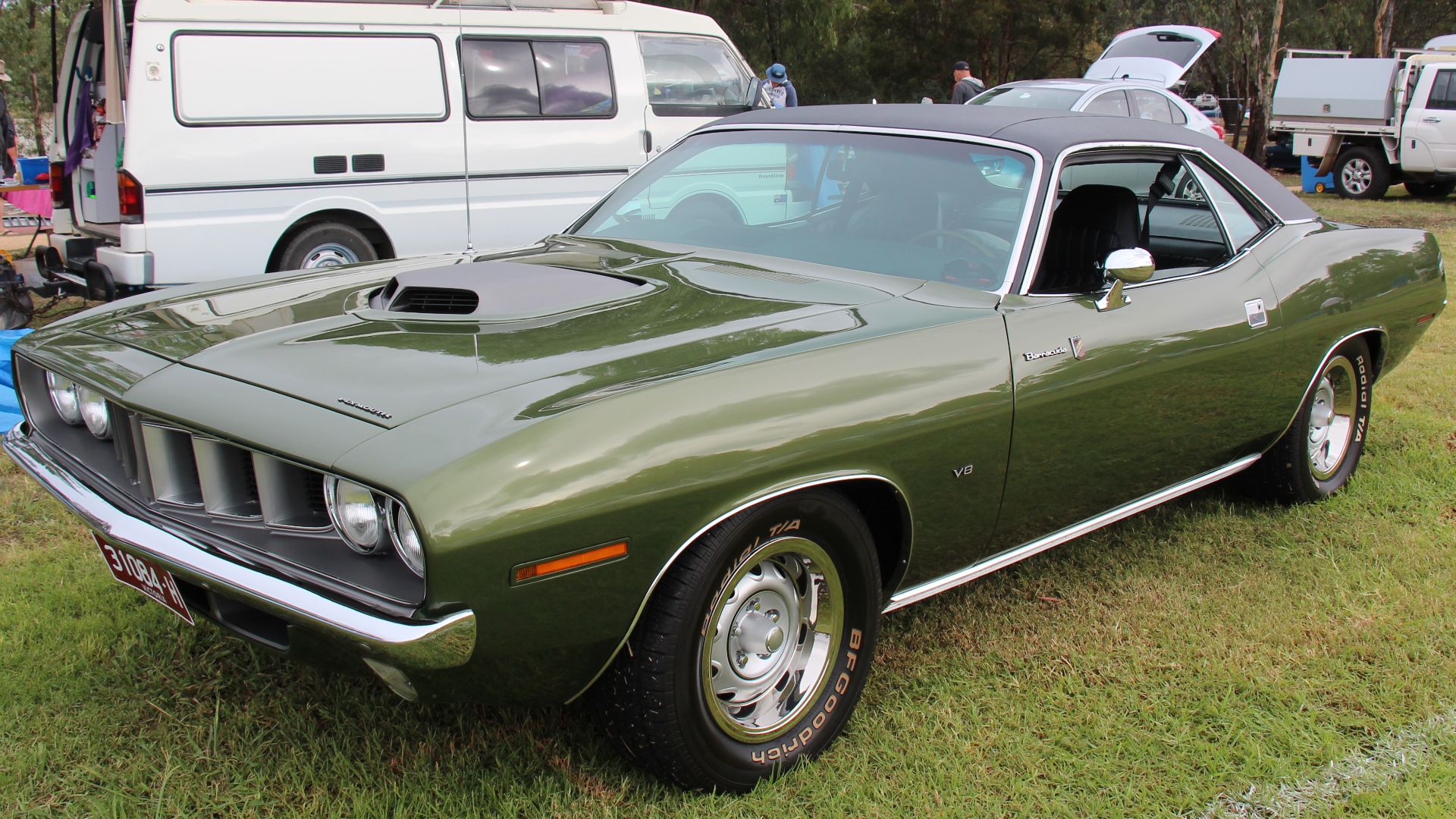
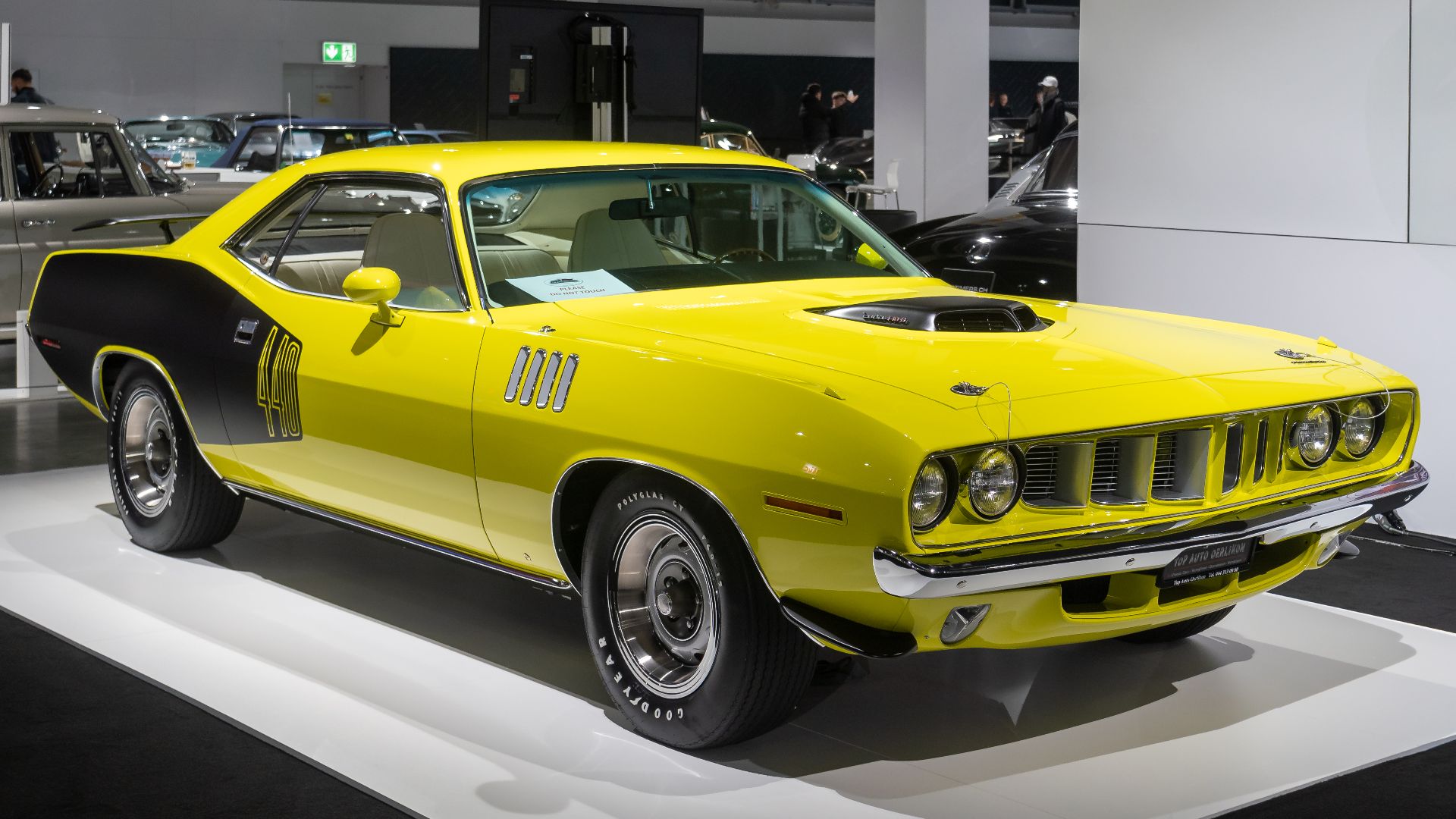
Everything changed for 1970. The third-generation Barracuda moved onto Chrysler’s wider, lower E-body platform, which it shared with the Dodge Challenger. The high-performance ’Cuda version could now be ordered with some of Chrysler’s most intimidating engines, including the legendary 426 Hemi.
 Matti Blume, Wikimedia Commons
There Was An Elephant Under The Hood
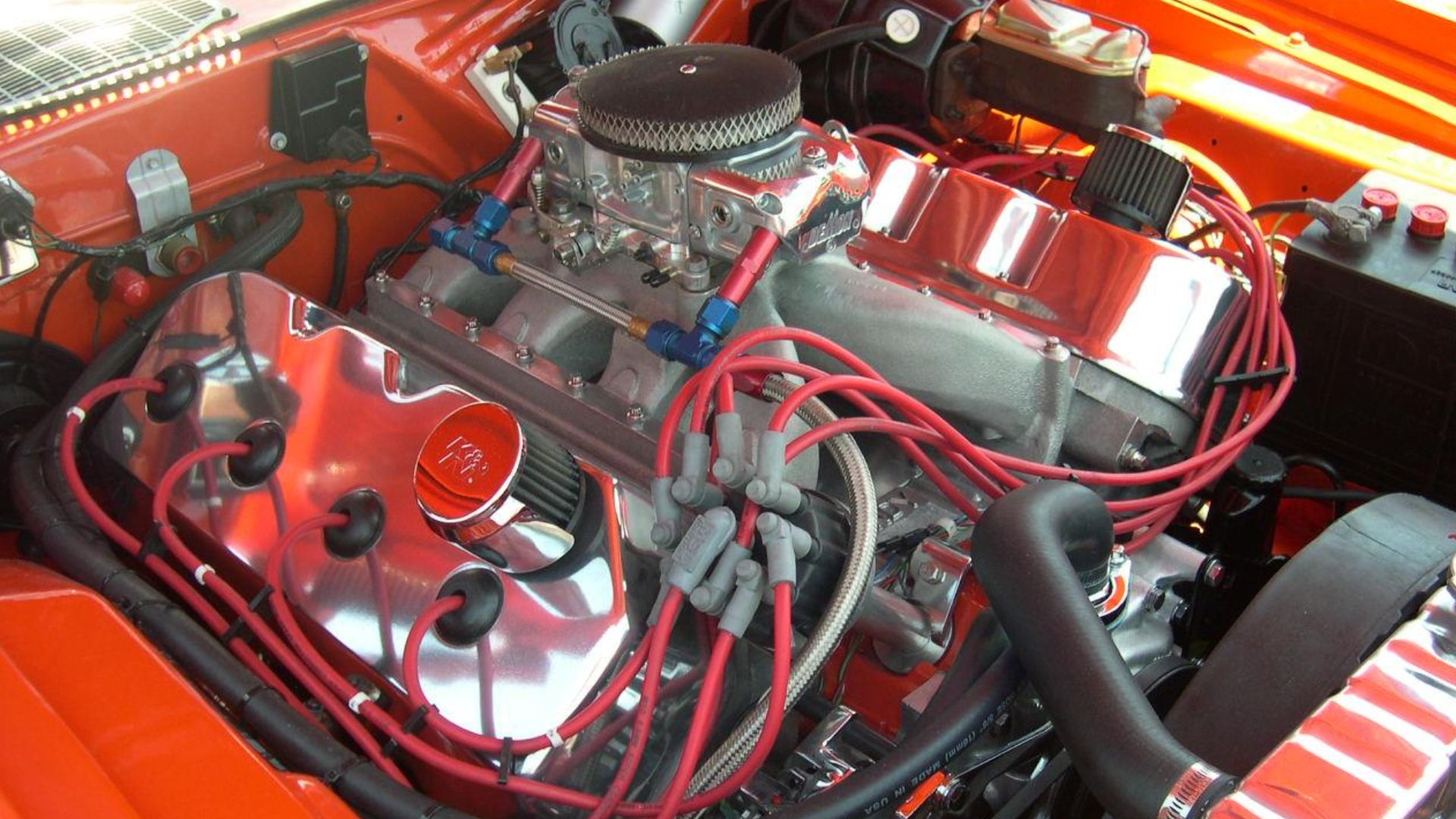
The 426-cubic-inch Hemi was nicknamed the “Elephant” because of its enormous size and power. The street version was factory-rated at 425 horsepower and 490 lb-ft of torque, although Mopar fans have spent decades arguing that the real output was considerably higher.
So The Name Made Perfect Sense
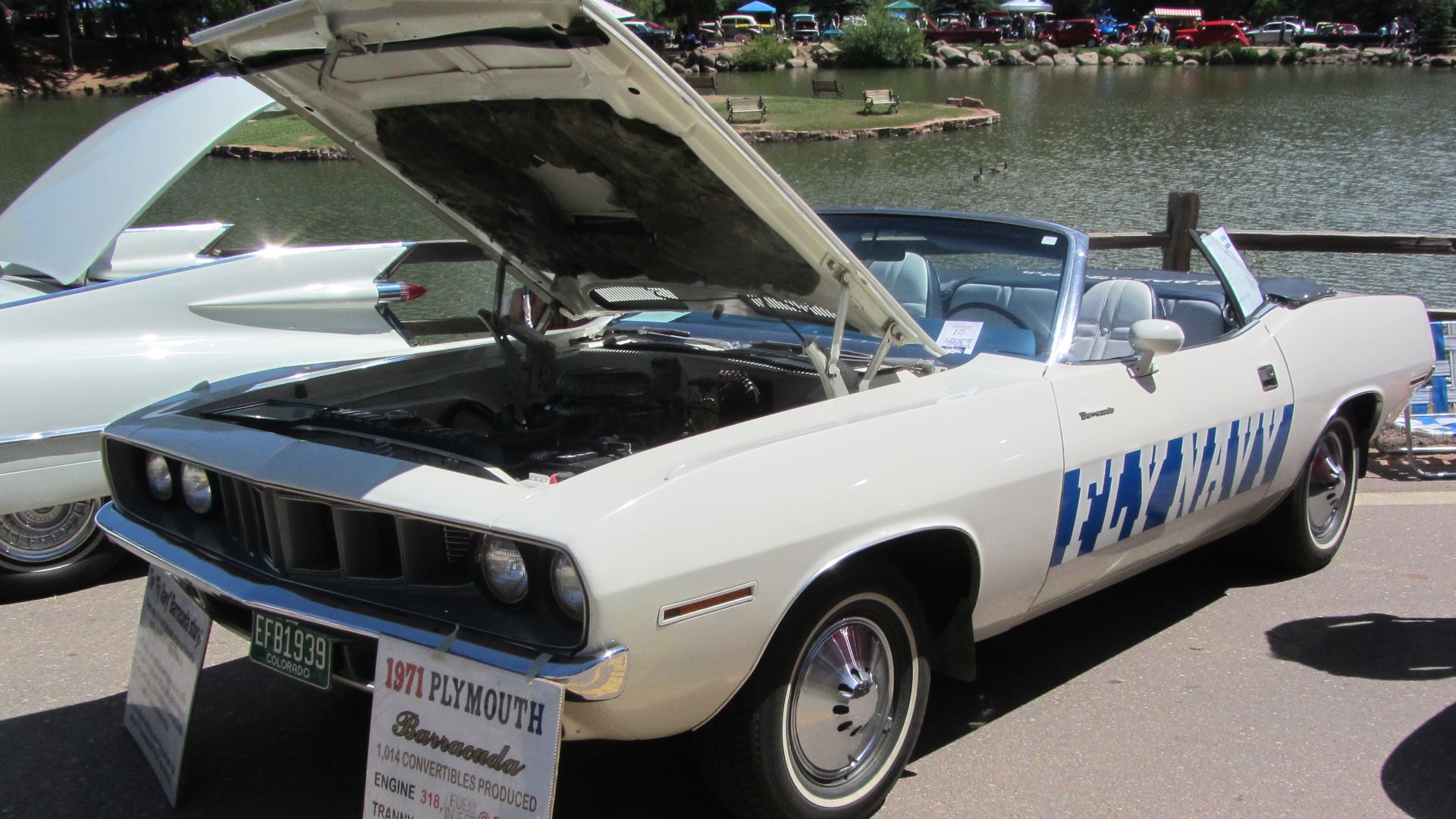
Mecum says the car was nicknamed “The White Elephant” when it was built. The precise person who coined it is unclear, but the joke is difficult to miss: Sno White paint on the outside and Chrysler’s famous Elephant engine underneath the hood.
 JOHN LLOYD from Concrete, Washington, United States, Wikimedia Commons
That Hood Actually Moved
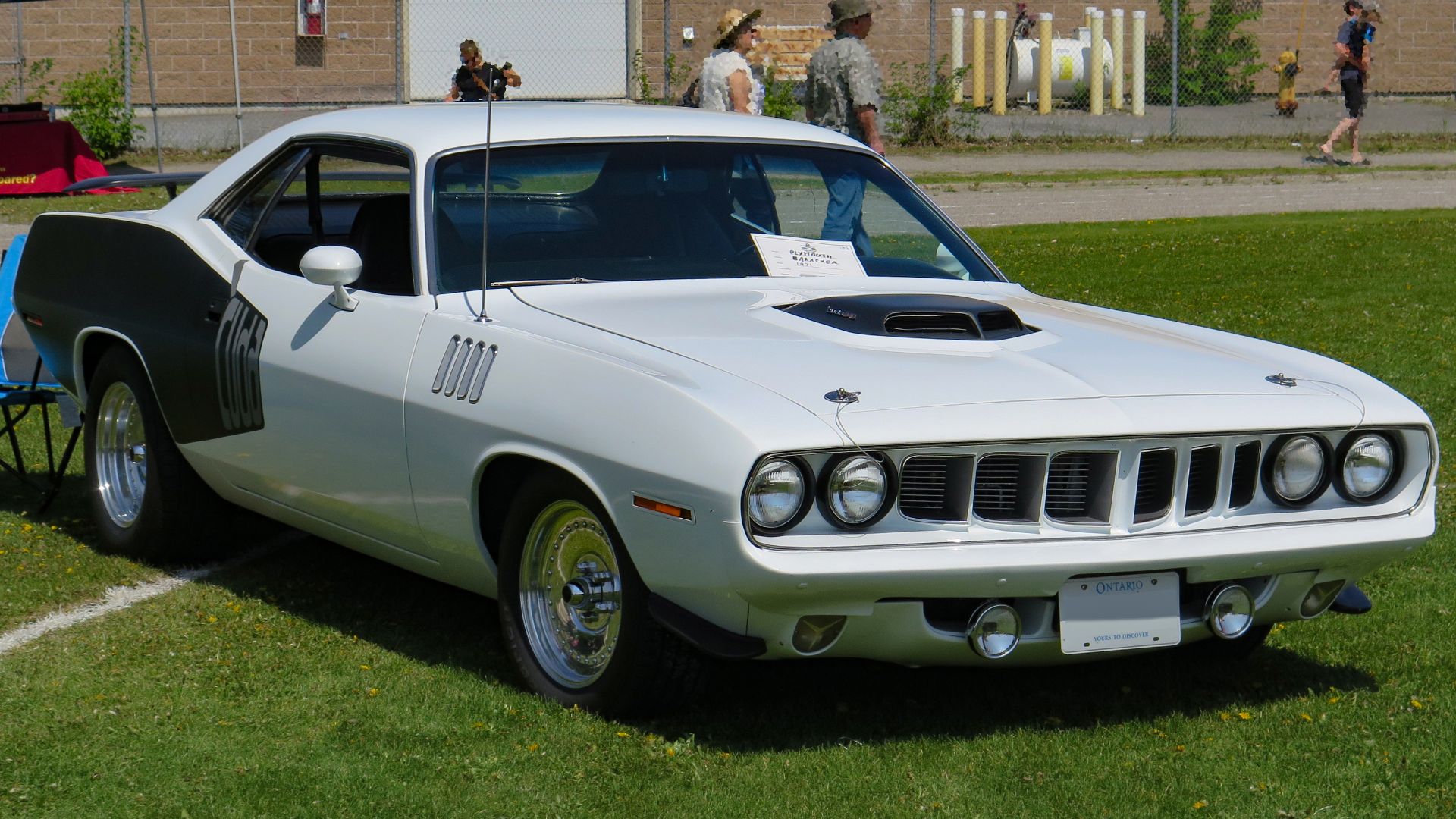
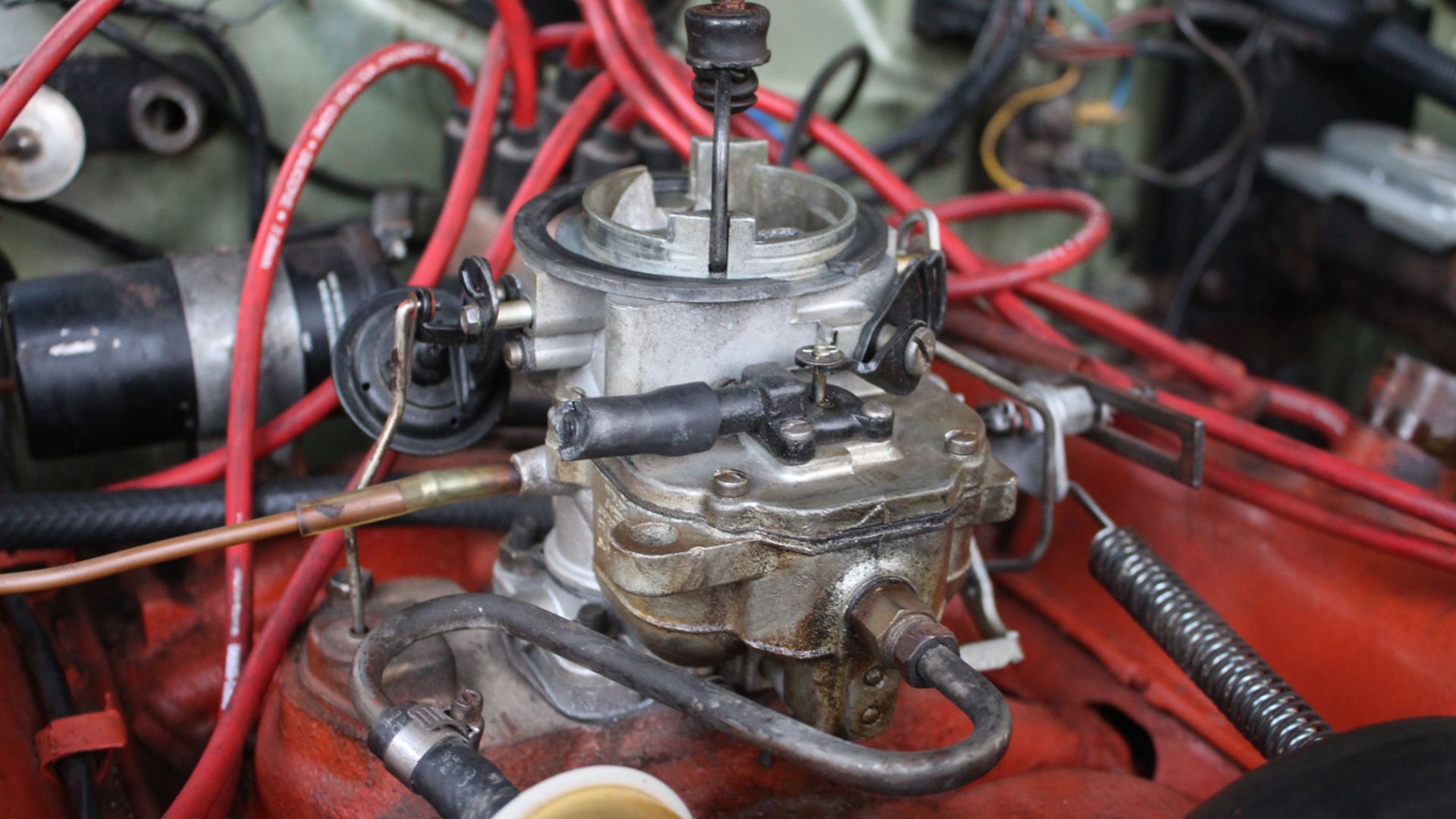
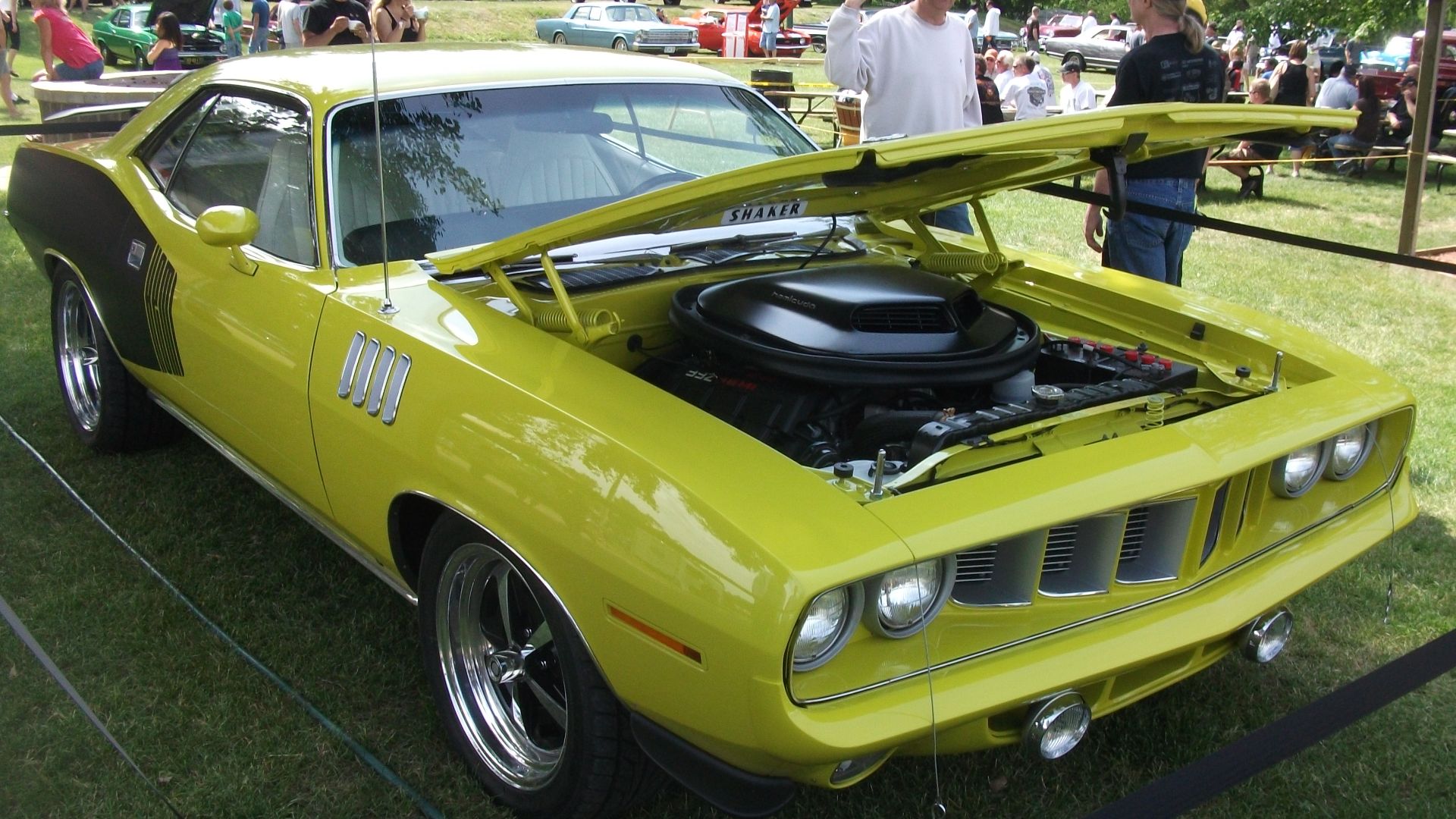
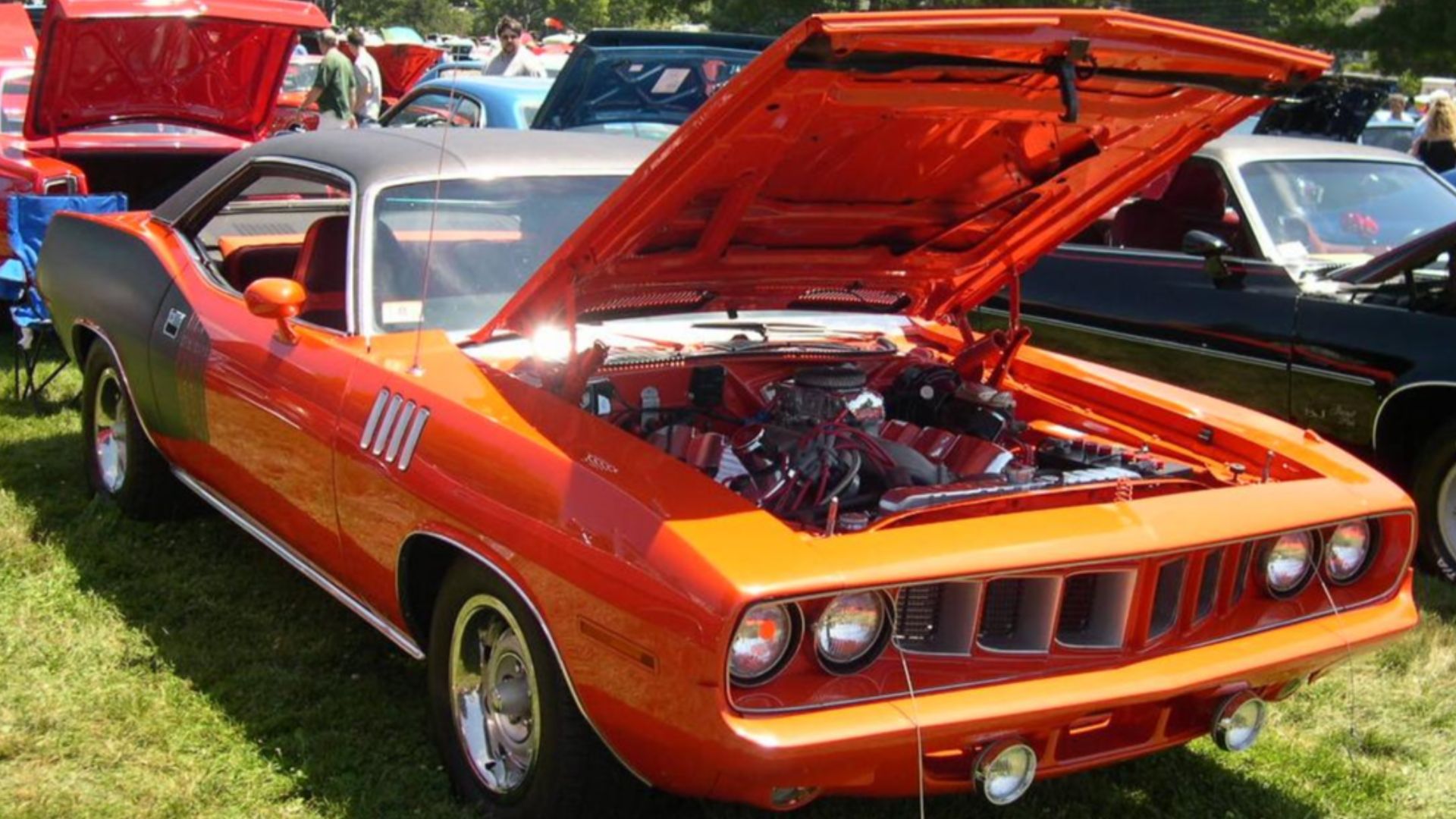
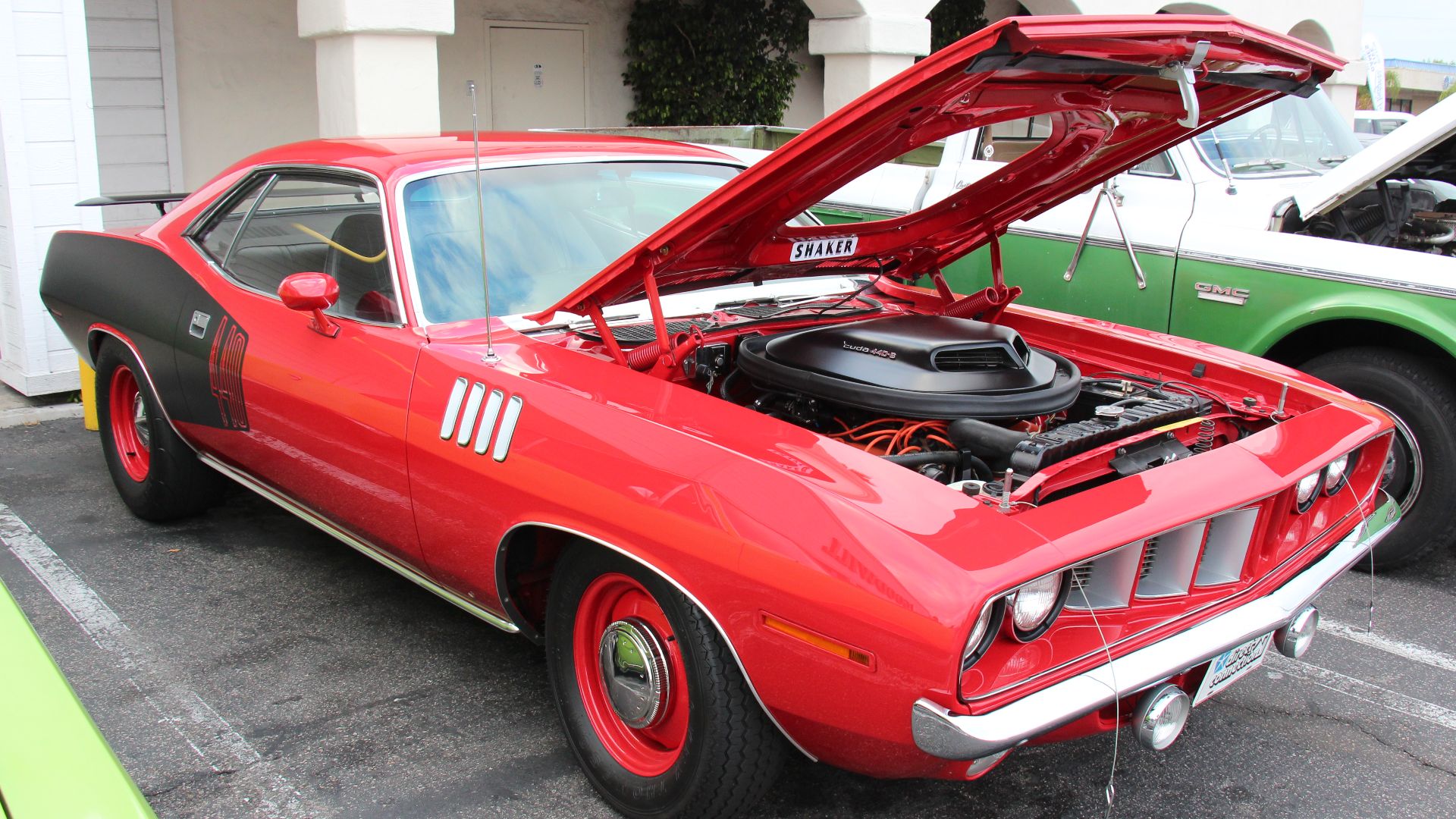
The black Shaker scoop wasn’t simply decoration. It was attached to the engine’s intake assembly, so it visibly moved and trembled with the massive Hemi beneath it. Two Carter AFB four-barrel carburetors helped feed the 7.0-liter V8.
The Automatic Made It Rarer
Collectors often chase four-speed muscle cars, but the TorqueFlite places this ’Cuda in an especially small domestic group. Five of the seven Hemi ’Cuda convertibles built for the U.S. market had the three-speed automatic, and The White Elephant was the first of those five produced.
It Still Had Serious Hardware
The car was ordered with Plymouth’s A36 Performance Axle Package. That placed a 3.55 Sure Grip differential behind the TorqueFlite transmission, helping send the Hemi’s enormous power to both rear wheels instead of sacrificing it through a single spinning tire.
 dave_7 from Lethbridge, Canada, Wikimedia Commons
Plymouth Strengthened The Car
Ordering the Hemi brought more than a larger engine. Plymouth also added heavier-duty frame and suspension components to handle the additional weight and power. The convertible body needed all the help it could get after losing the structural support normally provided by a fixed roof.
It Wasn’t Difficult To Drive
Despite the intimidating engine, The White Elephant came with power steering and power brakes. That made it considerably more manageable on ordinary roads than its specifications might suggest, although nobody buying one in 1971 could have imagined it eventually becoming a multimillion-dollar collectible.
Luxury Wasn’t The Point
The original buyer skipped both the center console and Plymouth’s Rallye instrument cluster. Instead, the cabin received a fairly simple black bucket-seat interior. For a car now worth more than many mansions, the inside can look almost strangely ordinary.
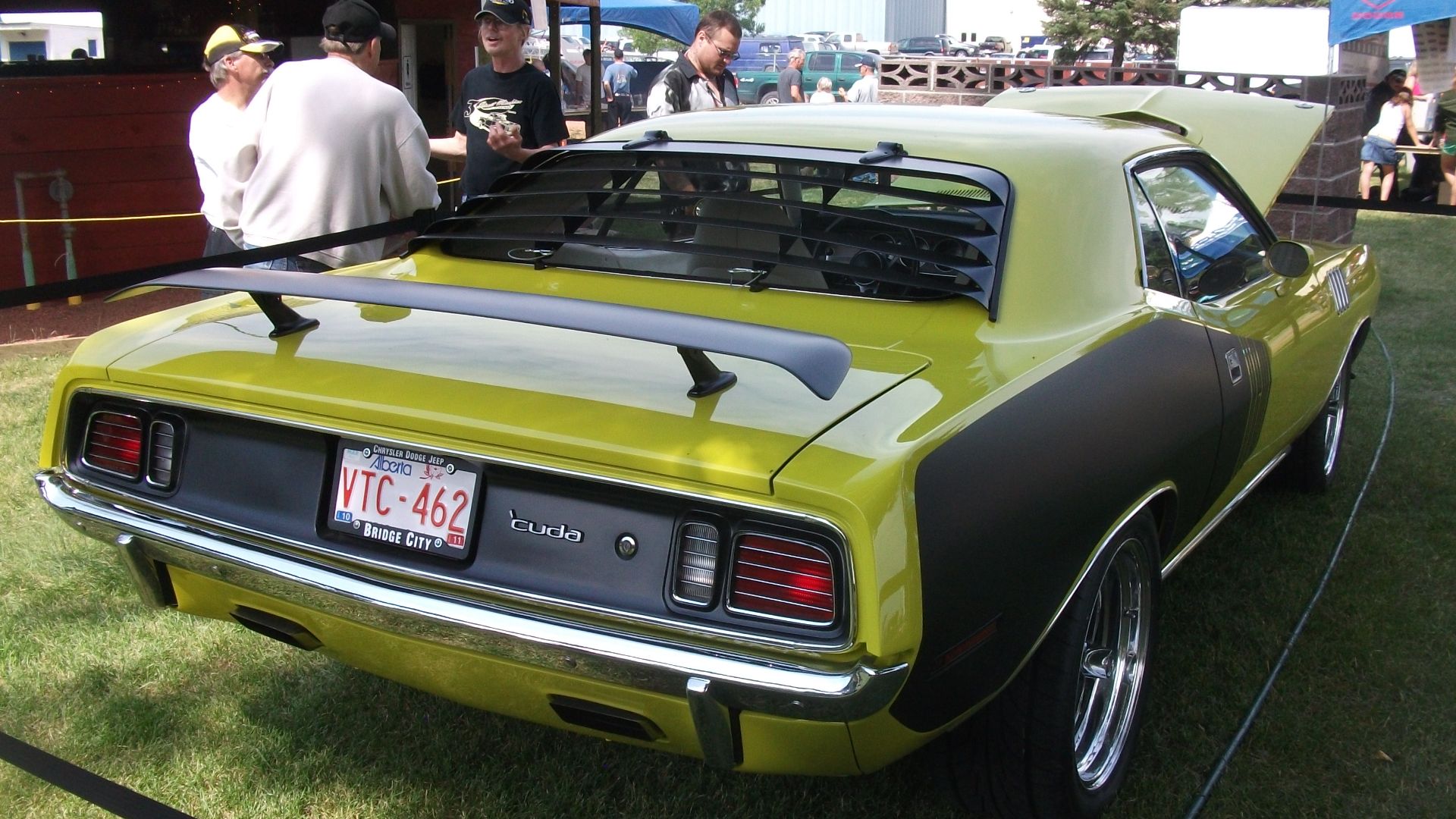 dave_7 from Lethbridge, Canada, Wikimedia Commons
But The Radio Was Anything But Ordinary
One particularly unusual option was the R26 AM radio, which included a microphone and cassette recorder. Drivers could record their own voice inside the car, an impressively strange piece of early-70s technology hiding in an otherwise stripped-down muscle machine.
It Looked Surprisingly Restrained
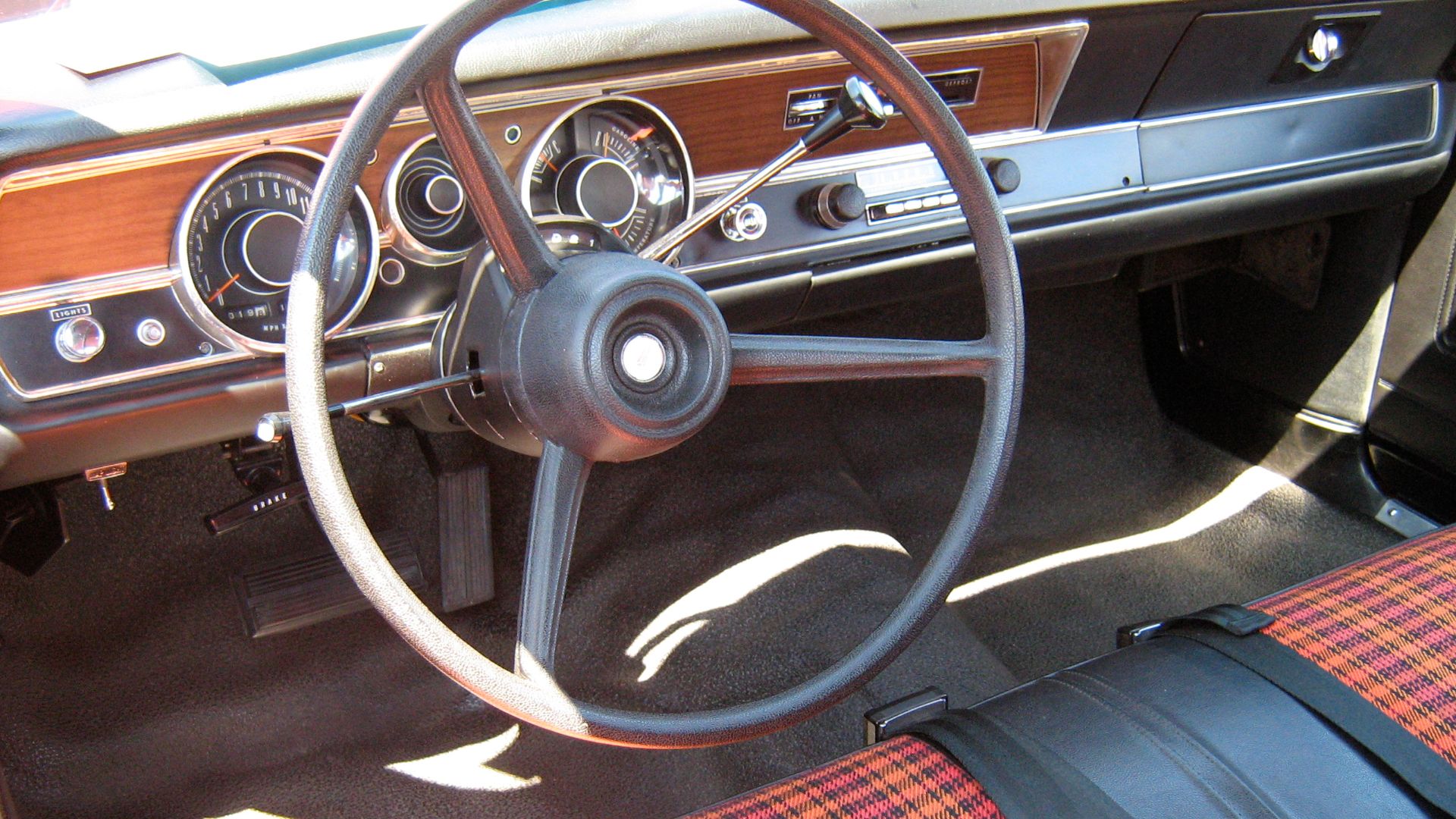
The Sno White paint was matched with a painted grille, a black power-operated convertible top and color-matched steel wheels wearing small hubcaps. Compared with the wild colors and graphics associated with many Mopars, The White Elephant originally looked almost subtle.
Until You Reached The Details
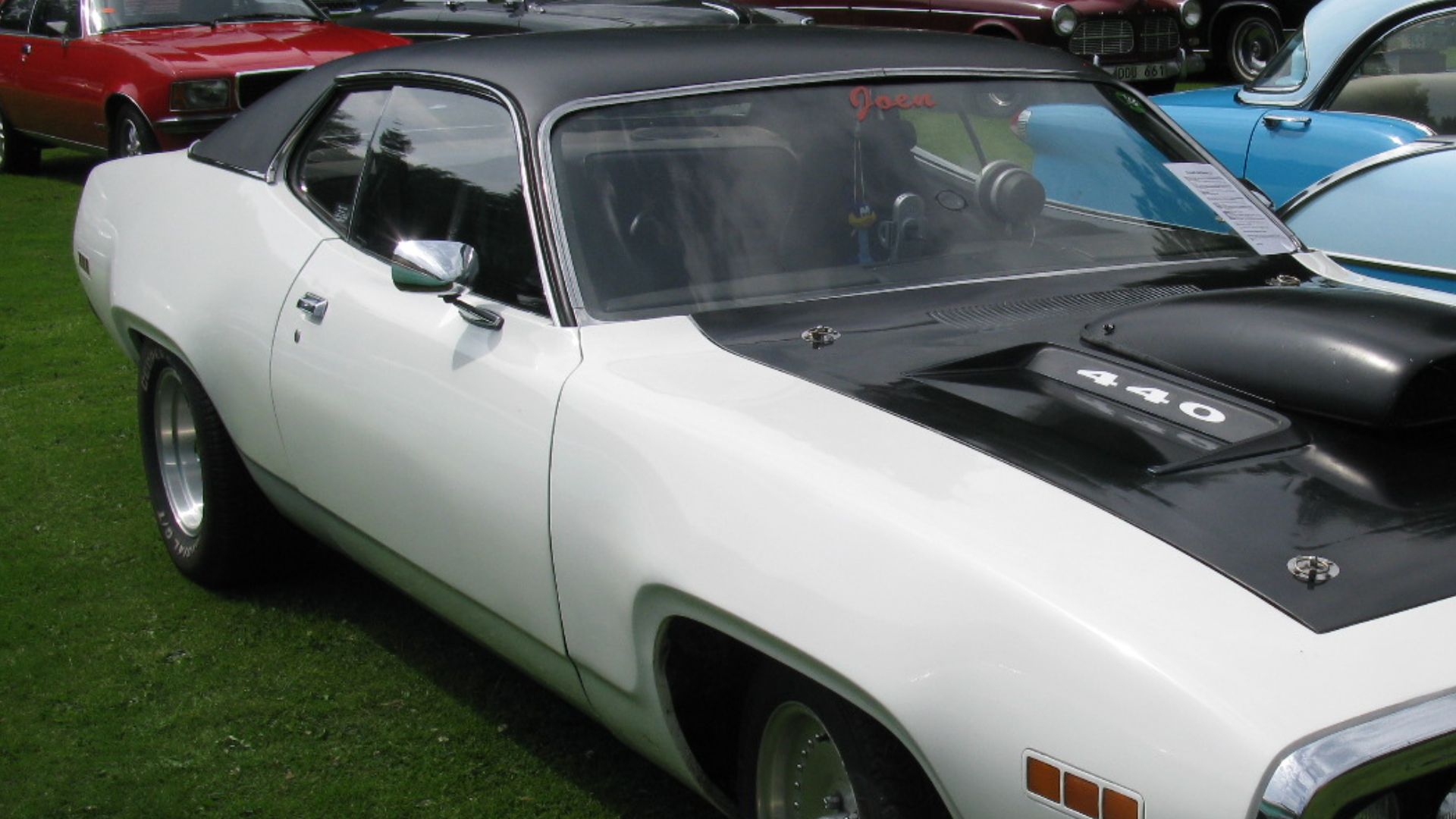
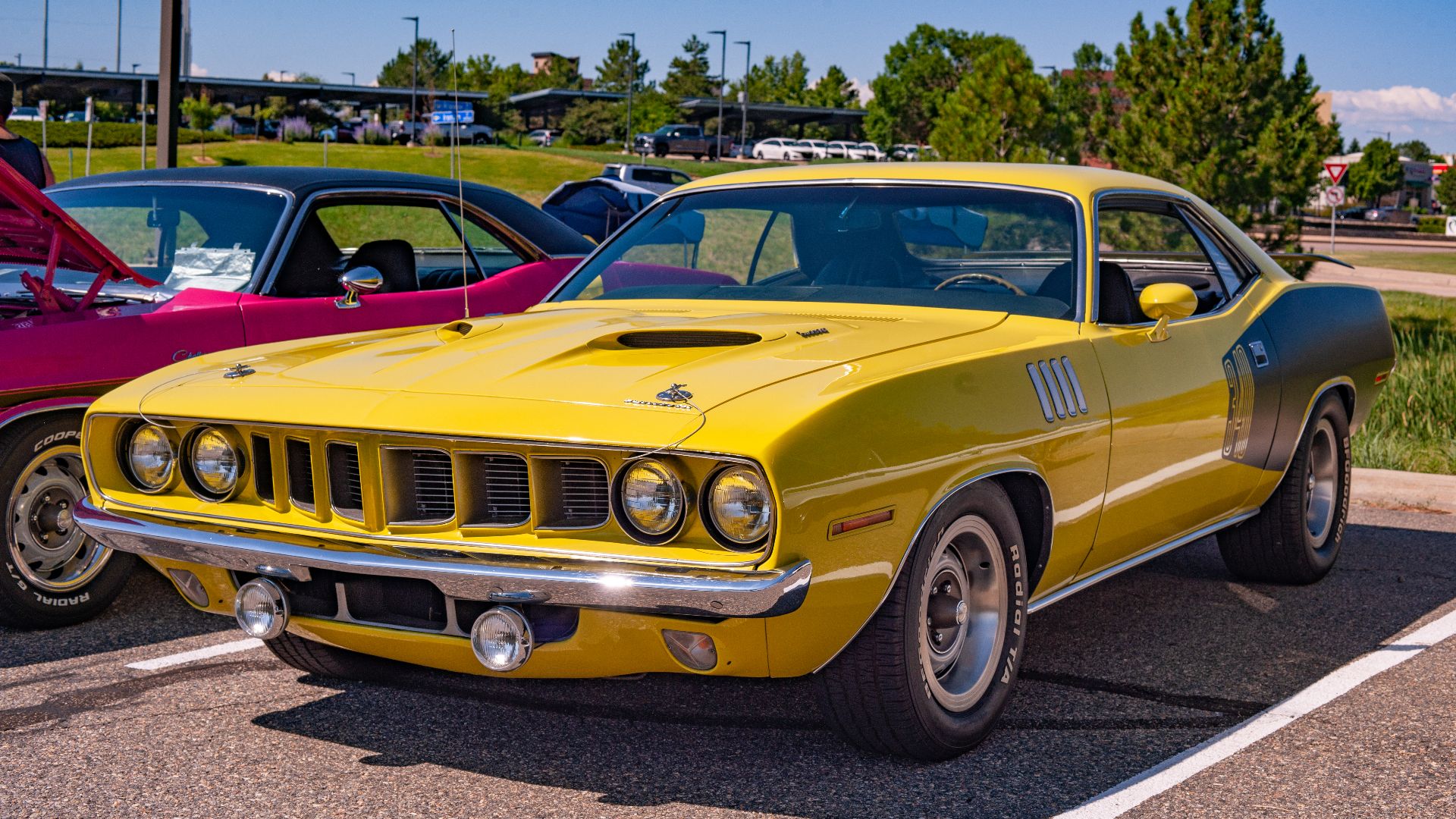
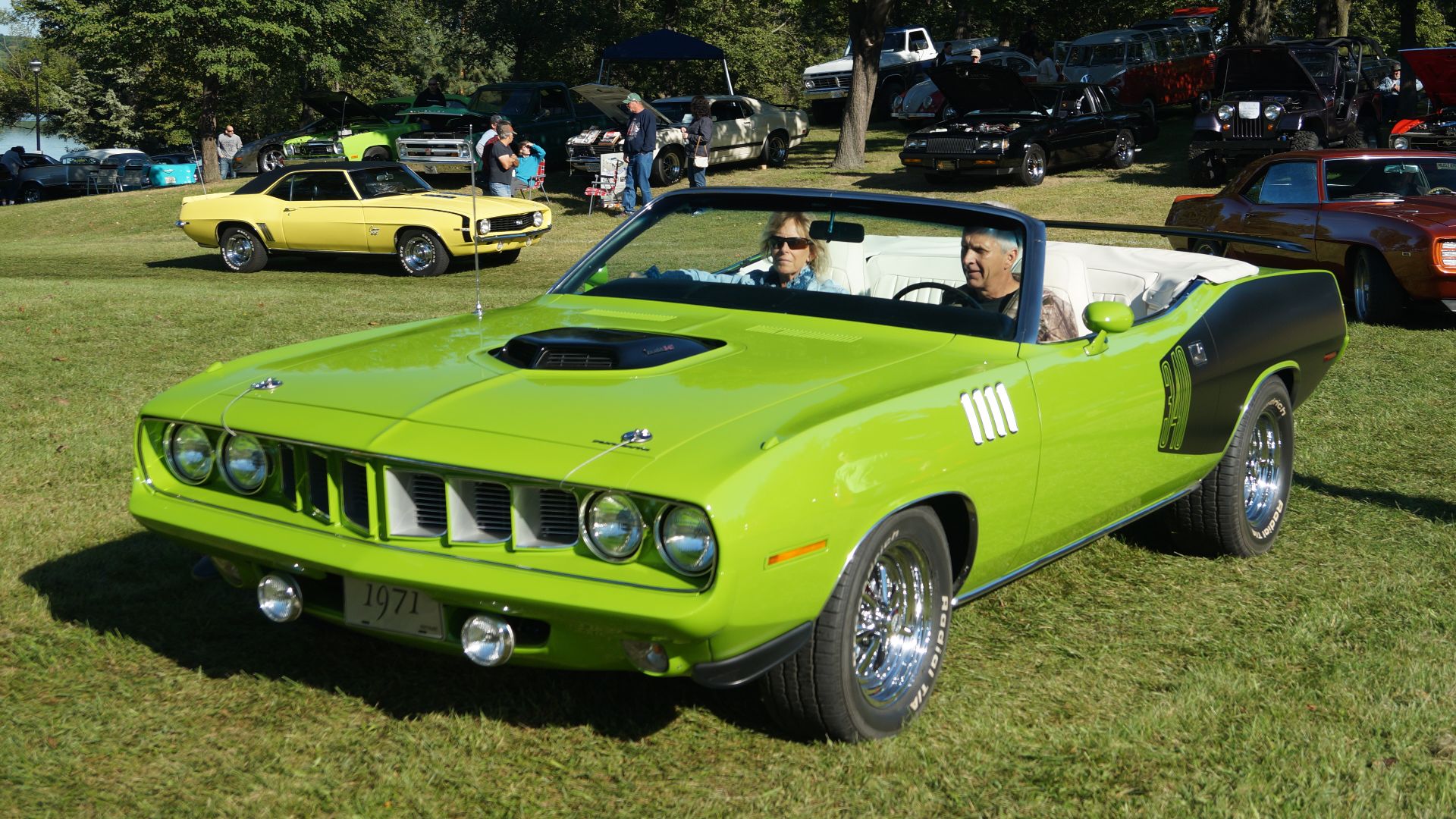
The 1971 ’Cuda’s four headlights, unusual grille and chrome front-fender gills made it difficult to confuse with anything else. Hood pins, chrome rocker moldings, bright exhaust tips and the enormous Shaker scoop quietly warned that this was not an ordinary Barracuda.
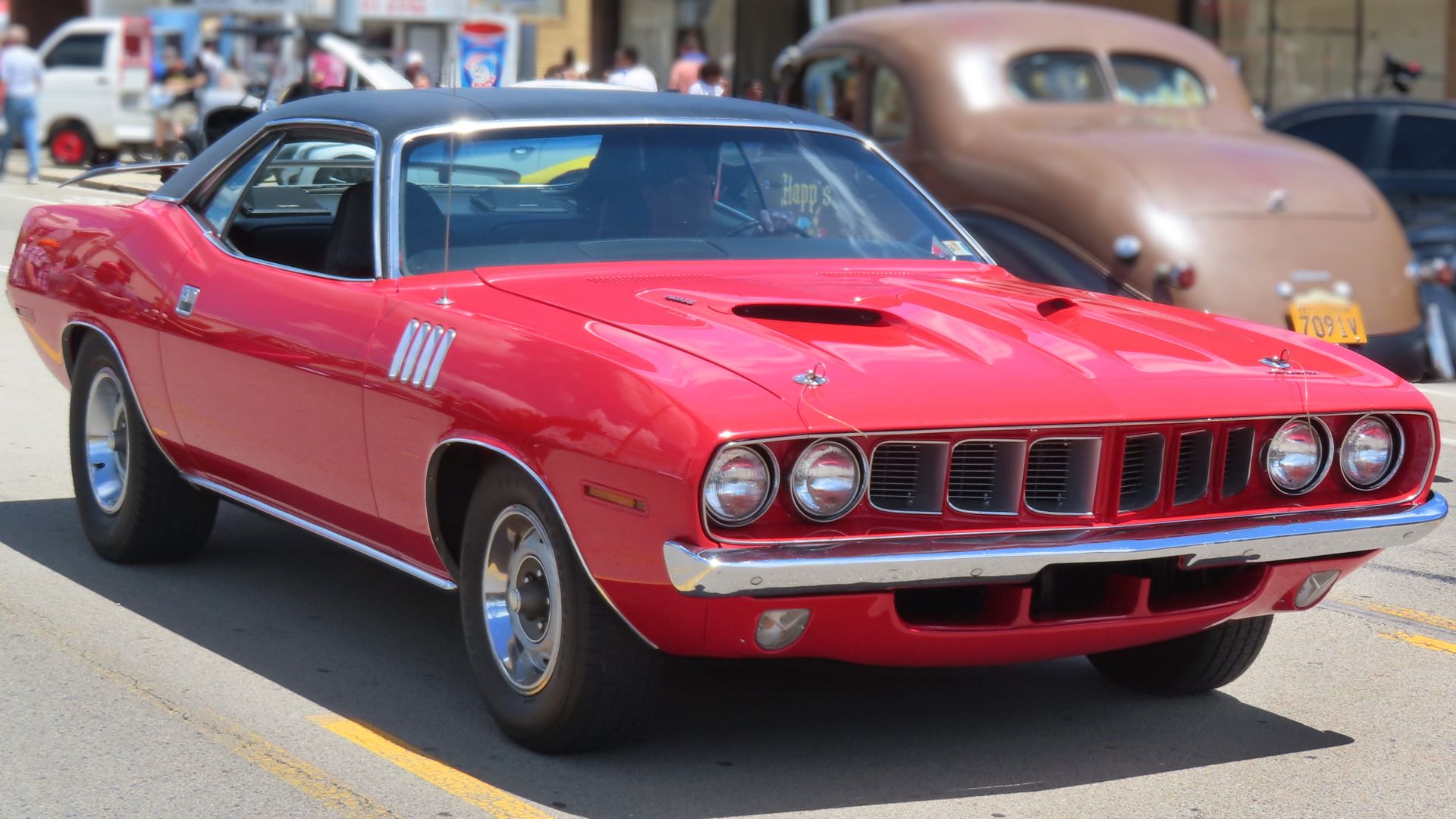 MercurySable99, Wikimedia Commons
Those Billboards Came Later
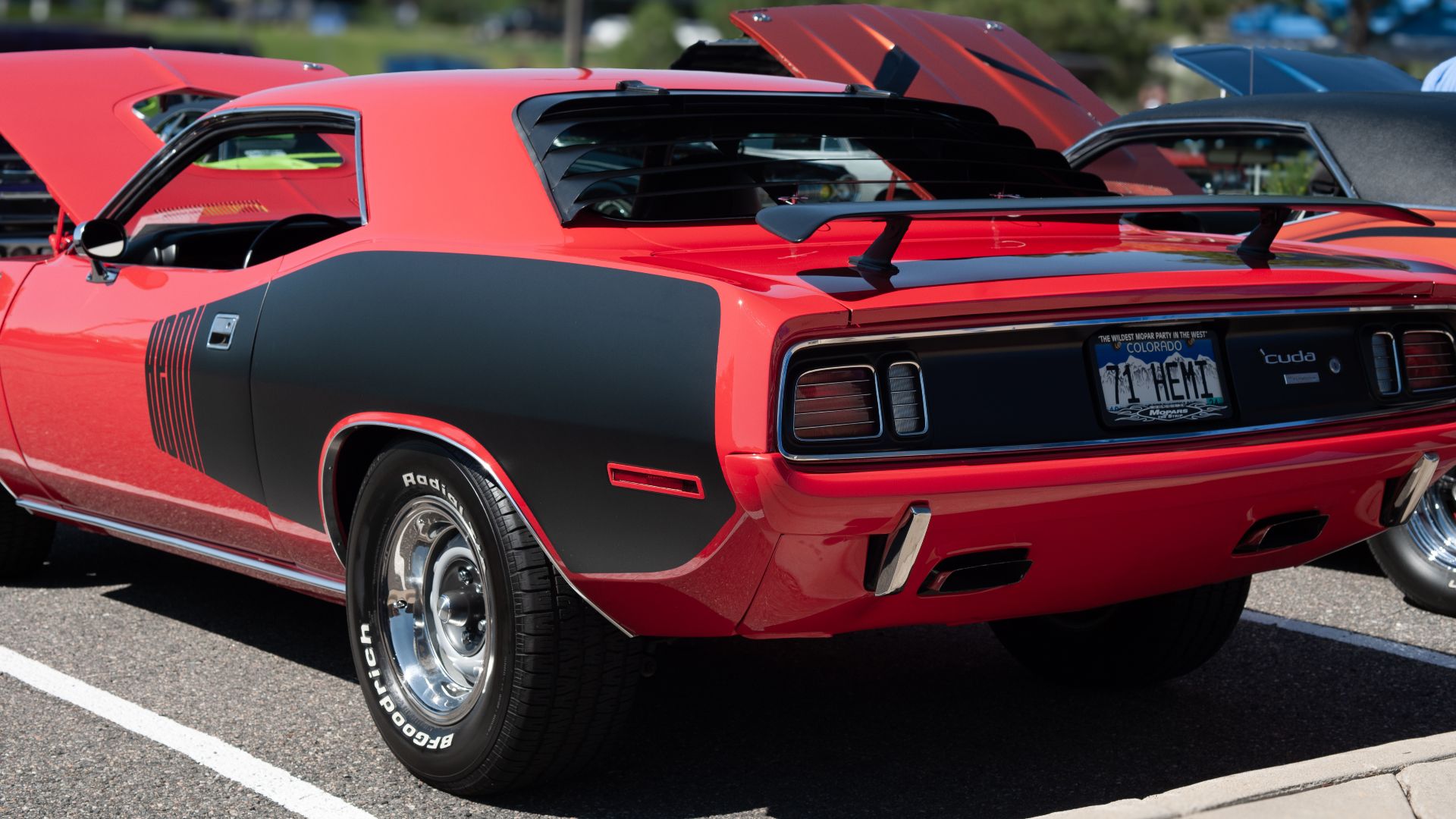
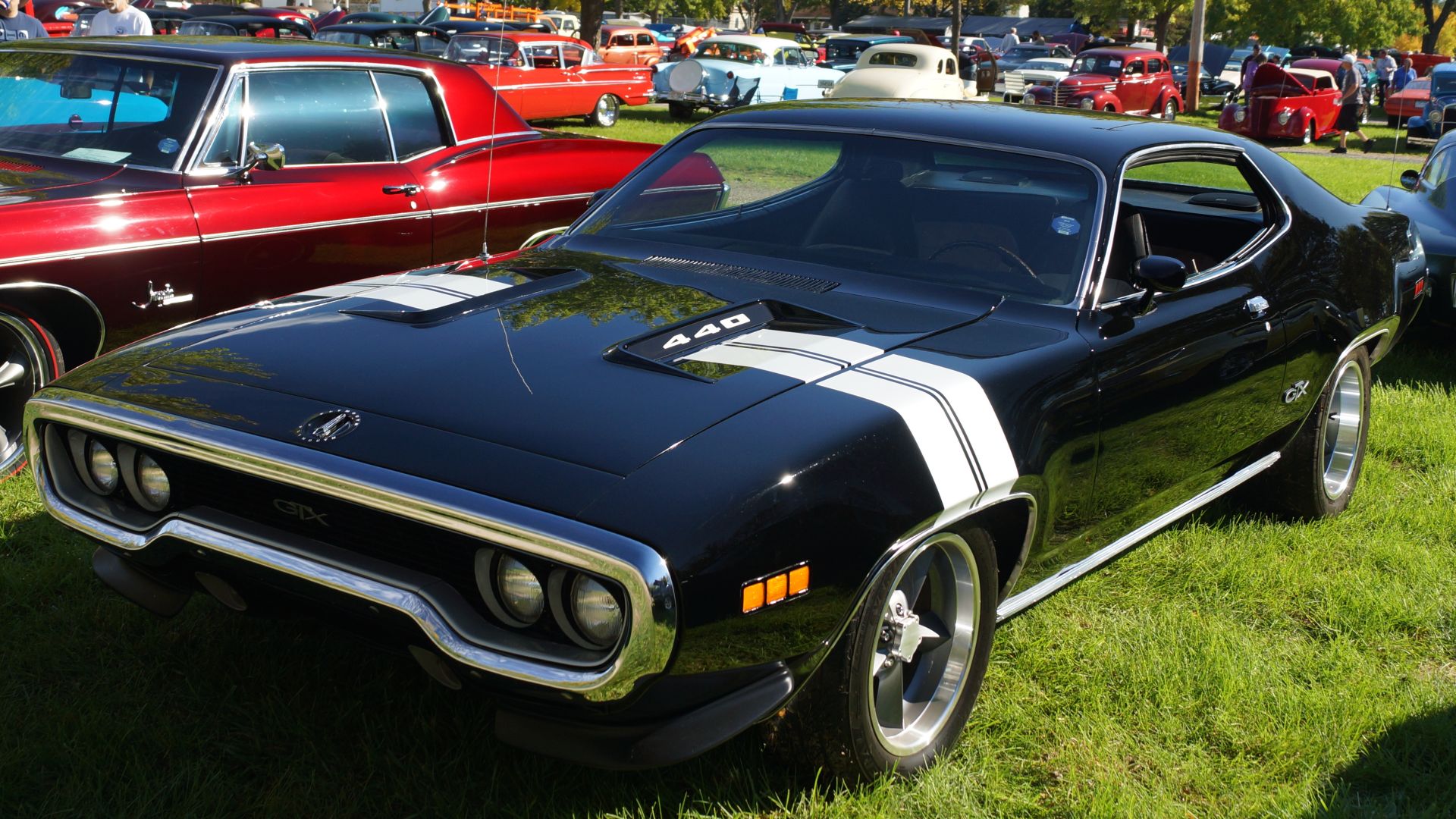
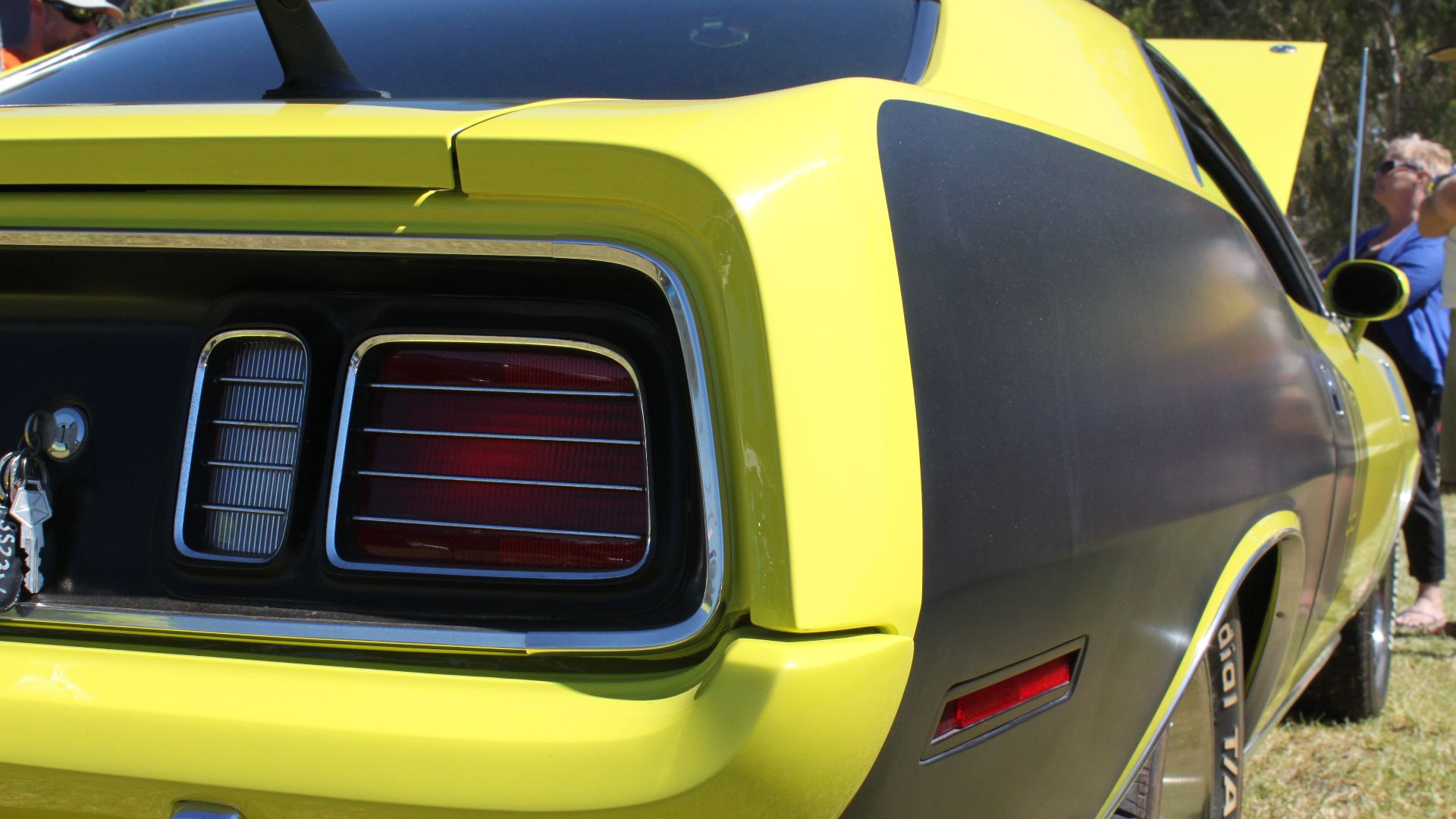
The dramatic black Hemi billboard graphics currently running across the rear quarter panels were not installed when the car left Hamtramck. They were added during later restoration work, giving the Plymouth the aggressive appearance now closely associated with high-end 1971 ’Cudas.
 Greg Gjerdingen, Wikimedia Commons
Part Of Its Early Story Is Missing
According to Mecum, the car was originally sold somewhere in the Midwest, but its earliest ownership history remains unknown. A surviving Kansas title shows that one long-term owner had it by 1977 and kept it until finally parting with it in 2003.
Then The Restoration Began
After the Plymouth resurfaced, it was documented and sent to Restorations by Julius in Chatsworth, California. Mopar specialist Julius Steuer reportedly spent about a year returning the car to its factory specifications, completing the restoration in 2003.
 Greg Gjerdingen, Wikimedia Commons
The Paperwork Became Crucial
The car came with a partial factory broadcast sheet, its original carpet and door tags, a copy of the 1977 Kansas title and photographs showing its discovery and restoration. With a car this valuable, those seemingly ordinary pieces of paper can make an enormous difference.

Experts Looked At It Twice
Mopar specialist Dave Wise inspected The White Elephant in both 2017 and 2023. Two complete Elite Validation Reports accompanied the sale, with Mecum noting that the later inspection retained a category 1.0 evaluation. Mecum also catalogued the Plymouth as having its matching-numbers Hemi engine.
 Jeremy from Sydney, Australia, Wikimedia Commons
About Those 30,999 Miles
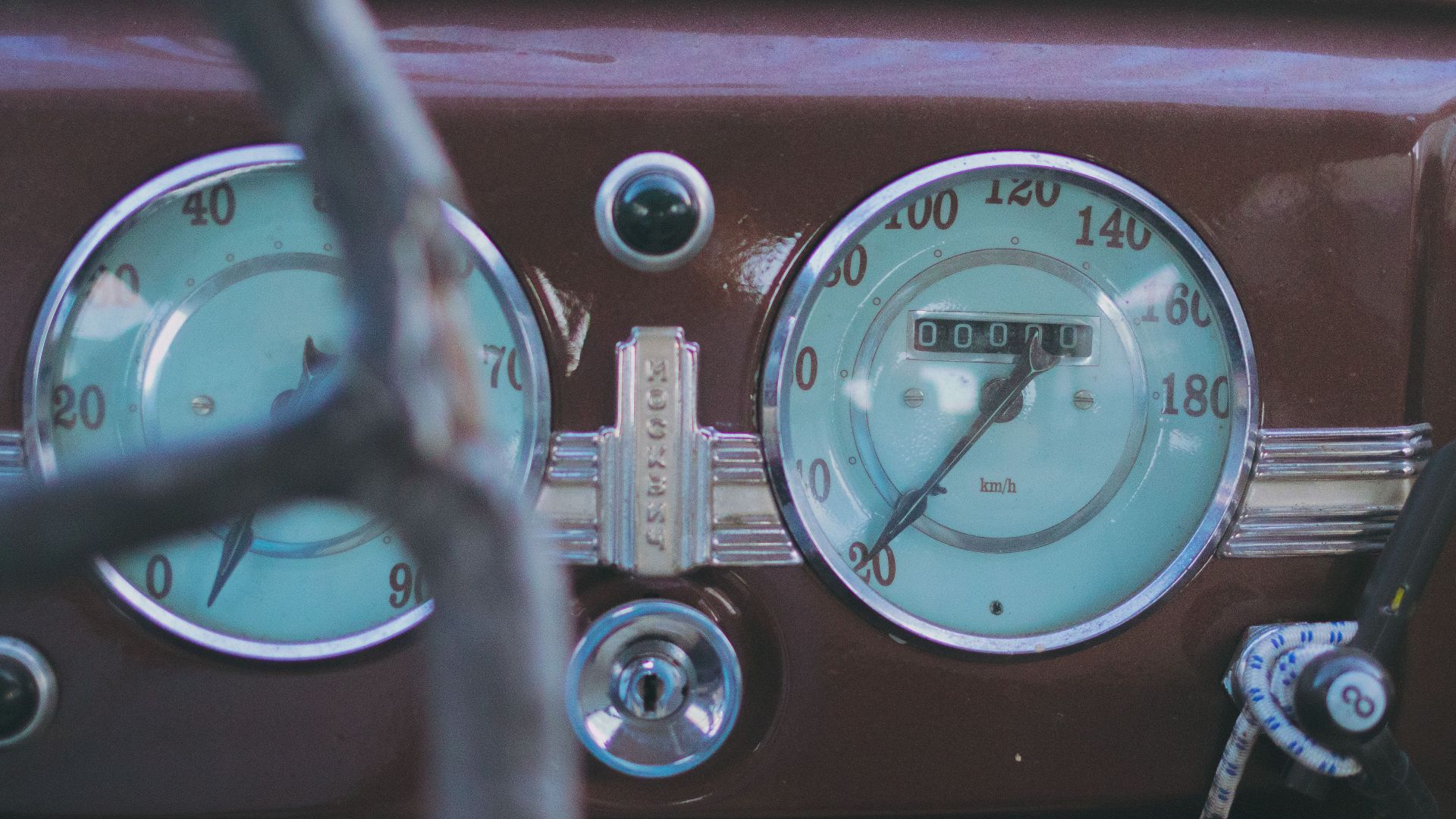
The odometer displayed 30,999 miles when the car was auctioned. Mecum carefully described that figure only as the mileage currently shown, rather than guaranteeing it as the Plymouth’s complete distance traveled since 1970.
It Was Already Worth Millions
This wasn’t The White Elephant’s first trip through Mecum’s Kissimmee auction. The same Plymouth sold there for $2.53 million in 2016. A decade later, it returned with a presale estimate of between $2.75 million and $3.25 million.
 LightField Studios, Shutterstock
Then It Beat The Estimate
Bidding reached $3 million, and the buyer’s premium pushed the reported final price to $3.3 million. That made The White Elephant one of the most expensive Plymouths ever sold. Its reported sale price was $770,000 higher than it had been at the same auction ten years earlier.

Another ’Cuda Still Holds The Crown
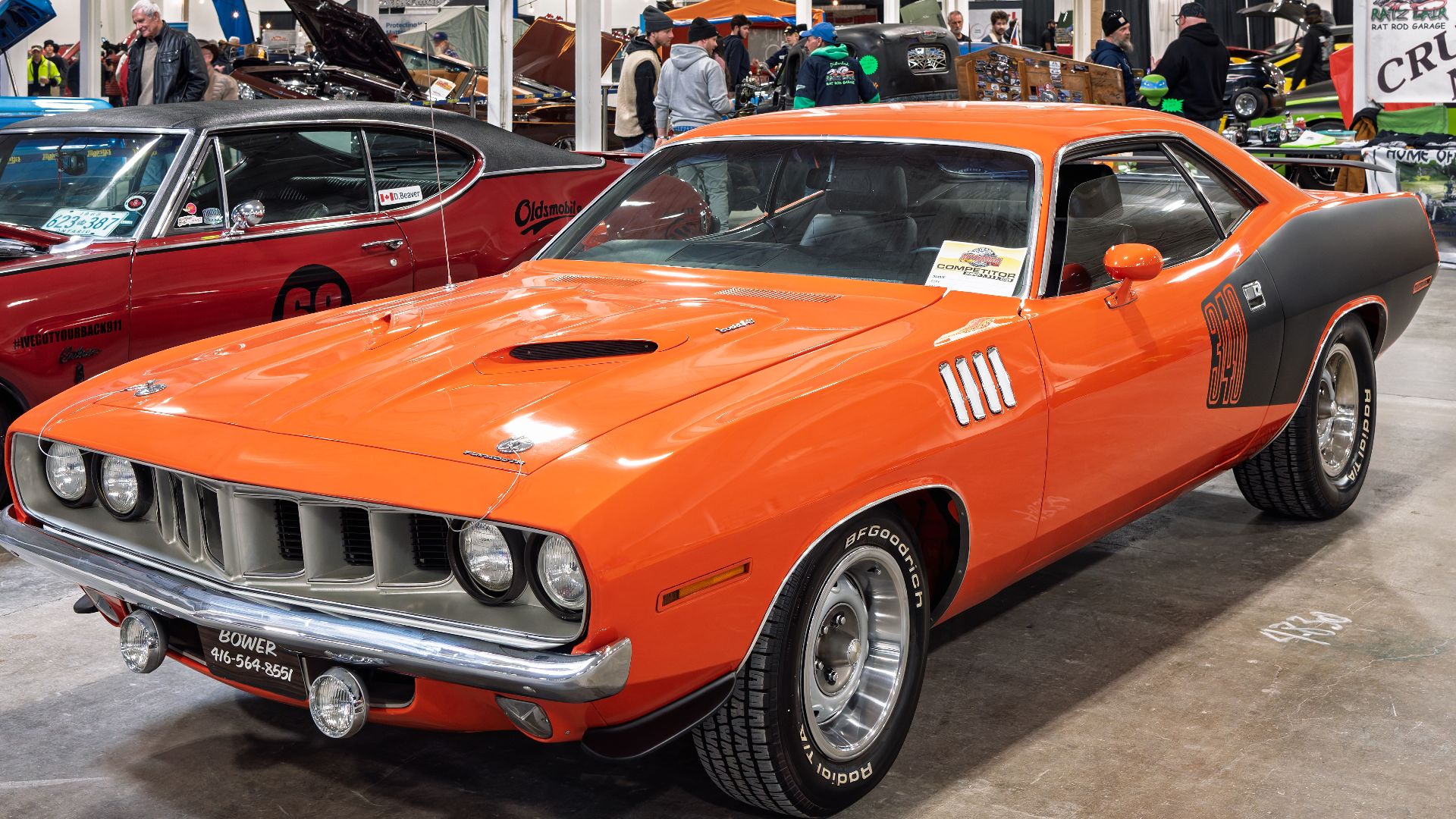
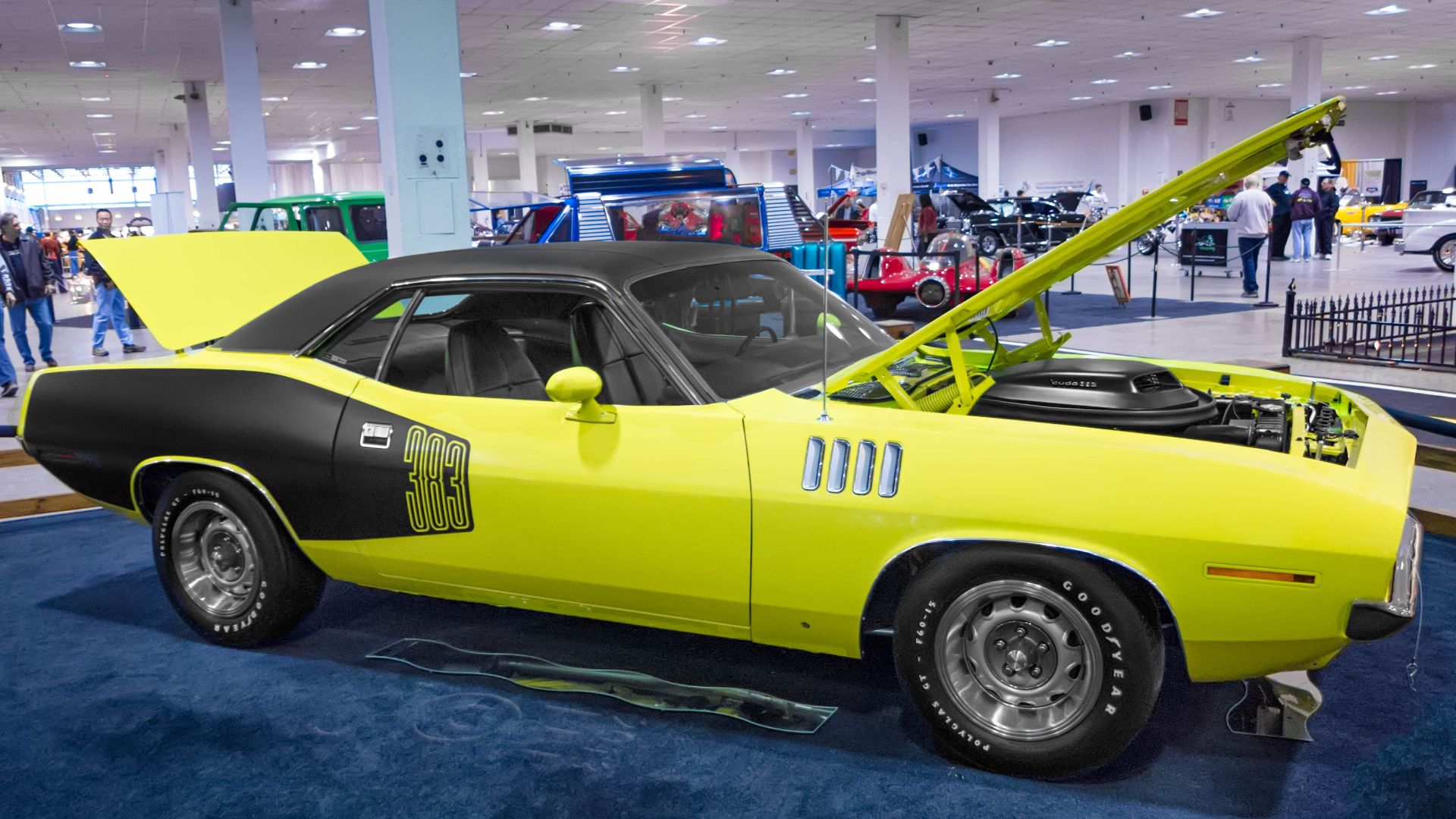
The highest reported price belongs to another 1971 Hemi ’Cuda Convertible. That four-speed car attracted a $3.5 million bid at Mecum in 2014, with fees bringing the total to $3.85 million. It was one of only two four-speeds delivered in the United States and the only one retaining its factory-original drivetrain.
 Mustang Joe, Wikimedia Commons
Rarity Isn’t The Whole Story
Plenty of obscure cars were produced in tiny numbers and never became valuable. The White Elephant combines rarity with the 426 Hemi, an open roof, unmistakable styling, matching-number status, extensive documentation and the distinction of being the first automatic example built for the U.S. market.
 Mustang Joe, Wikimedia Commons
Not Such A White Elephant Anymore
The nickname once suggested something enormous, unusual and perhaps slightly impractical. Fifty-five years later, that same white Plymouth has become one of the most desirable American muscle cars ever built. It turns out owning The White Elephant was anything but a burden.
 Joe Ross from Lansing, Michigan, Wikimedia Commons
You Might Also Like:
Cars That Looked Boring In The 1990s, But Became Secret Enthusiast Favorites
Forgotten American Coupes That Tried To Keep Personal Luxury Alive


.jpg)
.jpg)