A Bargain With A Cold Past
You've found a used car with low mileage, a clean interior, and an attractive price. There's just one catch: it spent its entire life somewhere with long, snowy winters. Should that worry you? Not necessarily. But years of freezing temperatures, road salt, and winter driving can leave behind expensive problems that aren't always obvious during a test drive.
Road Salt Is Your Biggest Enemy
Cold weather itself isn't necessarily the biggest problem. It's the salt and chemical deicers spread on roads throughout winter. These substances accelerate corrosion, particularly when moisture becomes trapped underneath a vehicle. Cars from states like Michigan, Wisconsin, Minnesota, and New York can experience significant exposure. However, a well-maintained northern car may still be in better condition than a neglected southern one.
Get Underneath The Car
A shiny exterior tells you very little about what's happening underneath. Examine the frame or unibody structure, subframes, rocker panels, and suspension mounting points. Light surface rust on some metal components is relatively common, but heavy scaling, flaking metal, holes, or weakened structural components are serious warning signs. Don't confuse ordinary discoloration with corrosion that compromises the vehicle's strength.
Inspect The Brake Lines
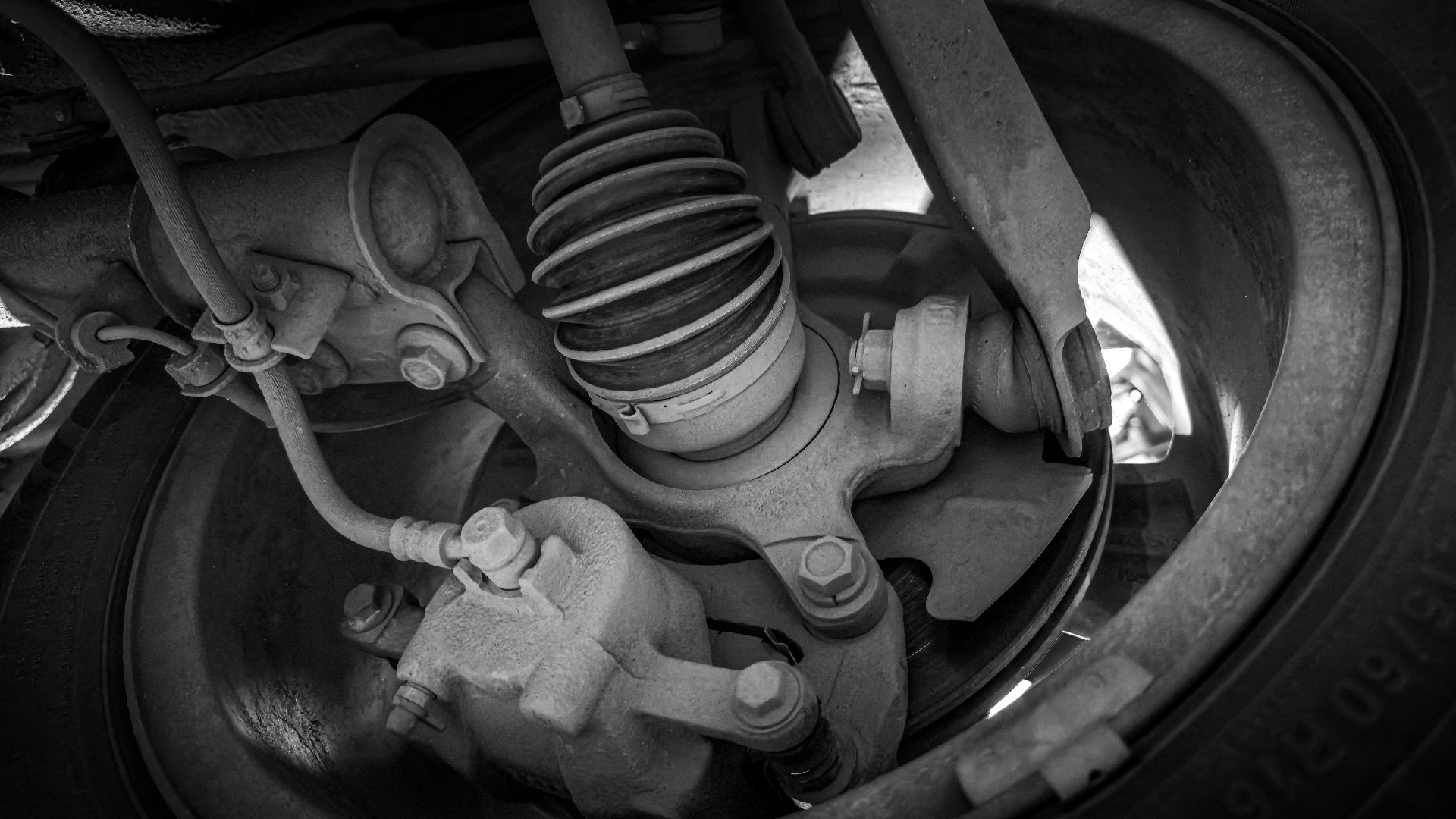
One of the most dangerous consequences of prolonged salt exposure is corrosion affecting brake lines. These metal tubes carry pressurized brake fluid, and severe rust can eventually cause them to leak or rupture. Fuel lines are also vulnerable. Have a mechanic examine both systems carefully, especially where lines run beneath the vehicle. A severely corroded brake line isn't something you should simply overlook.
Look For Hidden Body Rust
Rust frequently begins in places that are difficult to see. Check the bottoms of doors, wheel arches, rocker panels, trunk floor, and lower edges of the bodywork. Bubbling paint can indicate corrosion developing underneath. Be particularly suspicious of fresh undercoating on an older vehicle. Although legitimate rustproofing can be beneficial, newly applied coatings can sometimes conceal existing damage rather than prevent it.
Winter Roads Punish Suspensions
Freezing and thawing temperatures contribute to potholes, which can take a toll on suspension and steering components. During your test drive, listen for clunks over bumps, rattles, or unusual vibrations. Inspect control arms, bushings, ball joints, and wheel bearings for wear. Uneven tire wear may indicate alignment or suspension problems. These issues aren't exclusive to cold climates, but rough winter roads make them especially worth investigating.
Cold Starts Can Be Tough
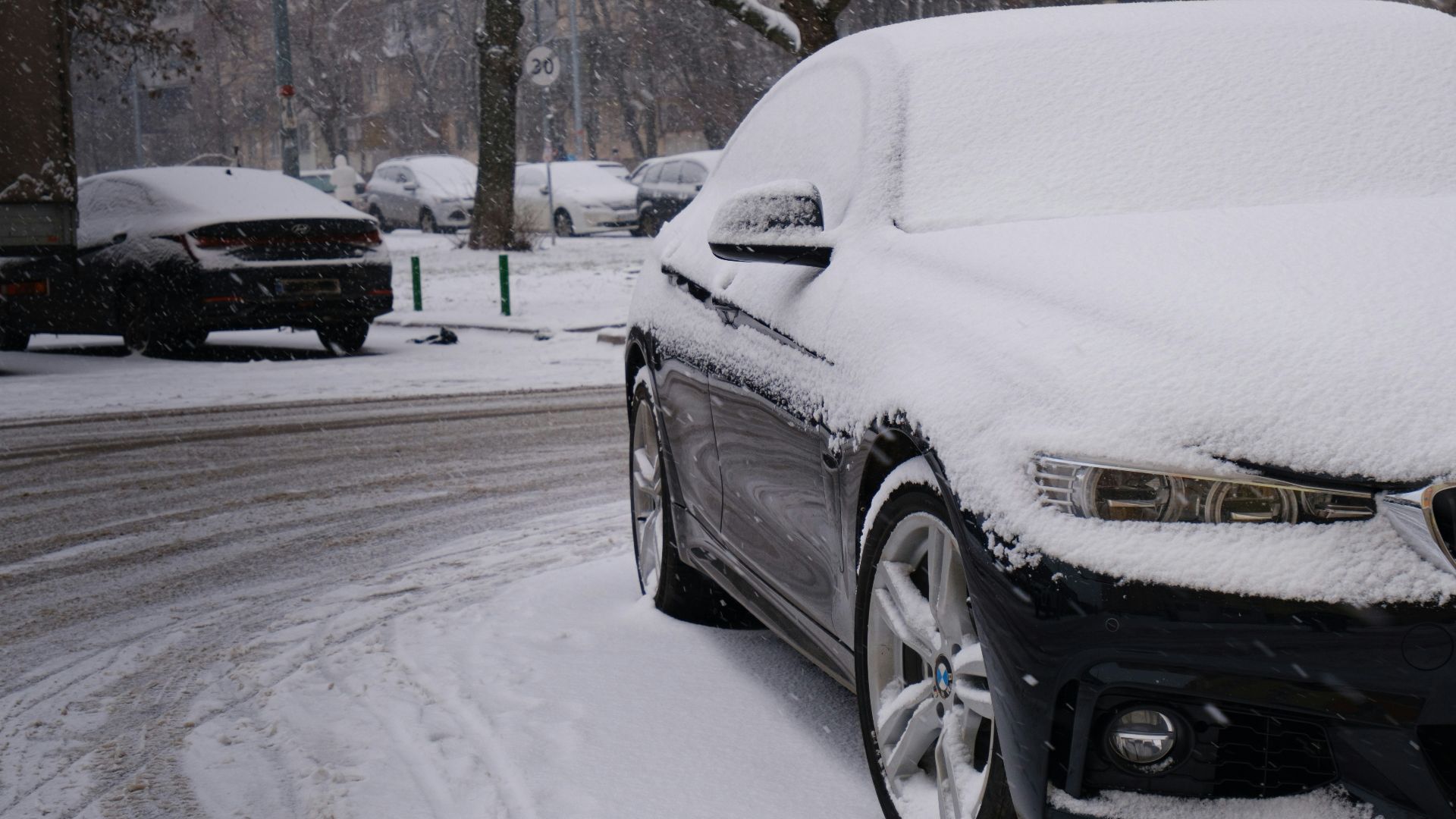
Starting an engine in freezing weather places additional demands on the battery and starting system. Cold temperatures reduce battery performance, while short winter trips may prevent the battery from fully recharging. Ask whether the vehicle has experienced starting problems and when its battery was last replaced. A battery load test can help identify weakness before it leaves you stranded.
Check The Cooling System
A vehicle that has endured years of freezing temperatures deserves a careful cooling-system inspection. Check for coolant leaks, deteriorated hoses, and evidence of neglected maintenance. Ask whether the antifreeze has been changed according to the manufacturer's schedule. A mechanic can test its freeze protection and condition. Properly maintained coolant helps protect against freezing and internal corrosion, while neglected coolant can contribute to expensive problems.
Don't Forget The Little Things
Winter can be hard on components that seem relatively insignificant until they stop working. Inspect windshield wipers, washer nozzles, door seals, locks, and window mechanisms. Make sure the heater, defroster, and heated rear window work properly. Look for moisture beneath carpets or inside the trunk, which could indicate leaking seals or blocked drains. Even relatively minor winter-related problems can add up.
Pay For A Professional Inspection
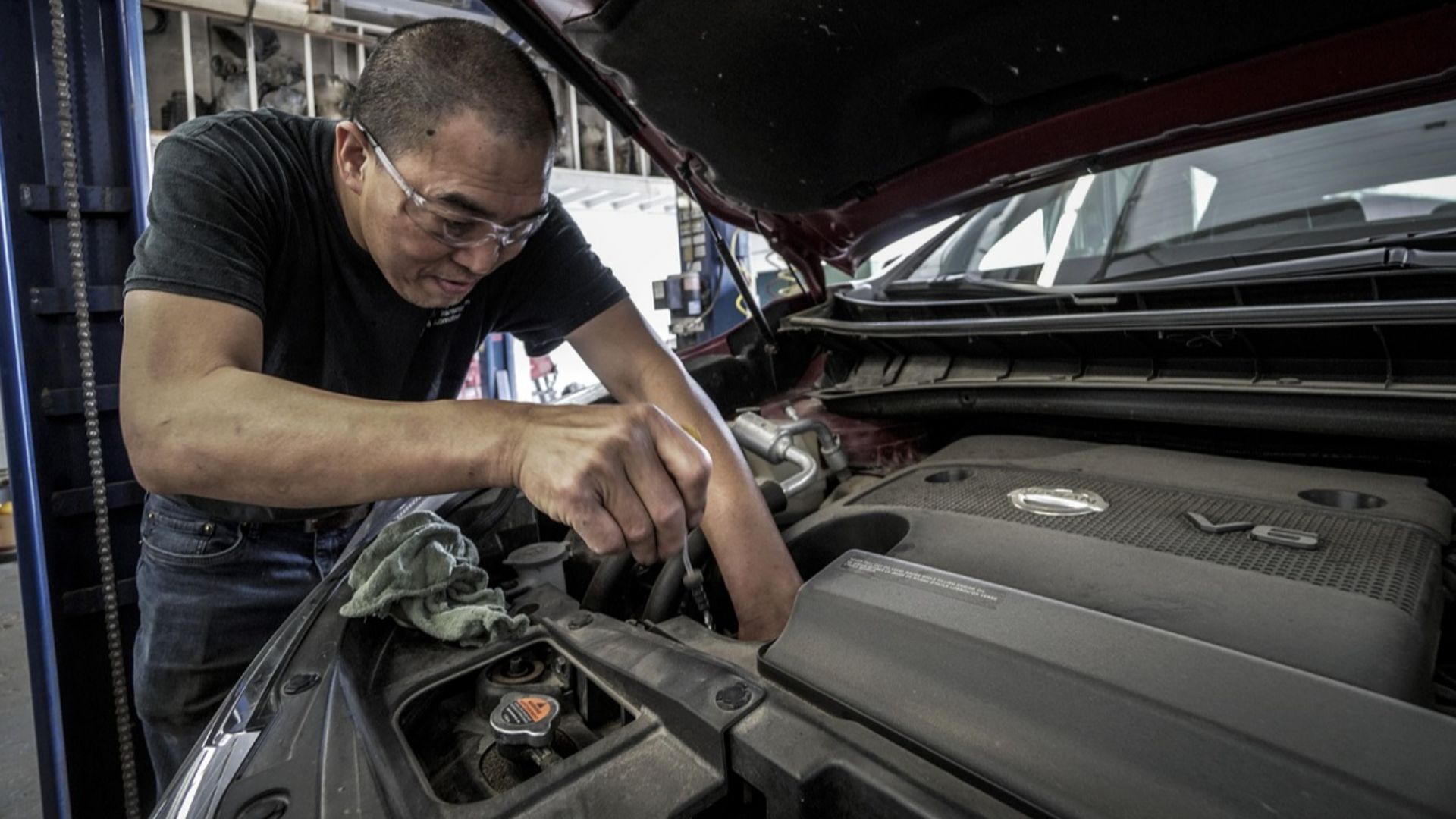
Before committing to a cold-climate used car, arrange an independent pre-purchase inspection. Specifically request an examination of underbody corrosion, brake and fuel lines, suspension mounting points, and structural components. A vehicle-history report can reveal previous ownership locations and reported damage, but it cannot establish the car's current mechanical condition. An inspection costing roughly $100 to $200, depending on location and scope, could save you thousands.
Should You Walk Away?
A northern history shouldn't automatically disqualify an otherwise excellent used car. Plenty of vehicles survive decades of harsh winters because their owners wash away road salt, address corrosion early, and maintain them properly. What matters is the condition of the particular vehicle, not simply its previous ZIP code. If an independent inspection reveals only manageable wear, it may still be a smart purchase. But serious structural corrosion is a compelling reason to keep shopping.
You May Also Like:
I Bought A Cheap Used Car With Low Mileage, But The Repair Bills Keep Coming. Did I Make A Mistake?
My used car’s “clean history” missed a major repair. Do vehicle reports commonly leave things out?