When “Working As Designed” Doesn’t Feel Like Working
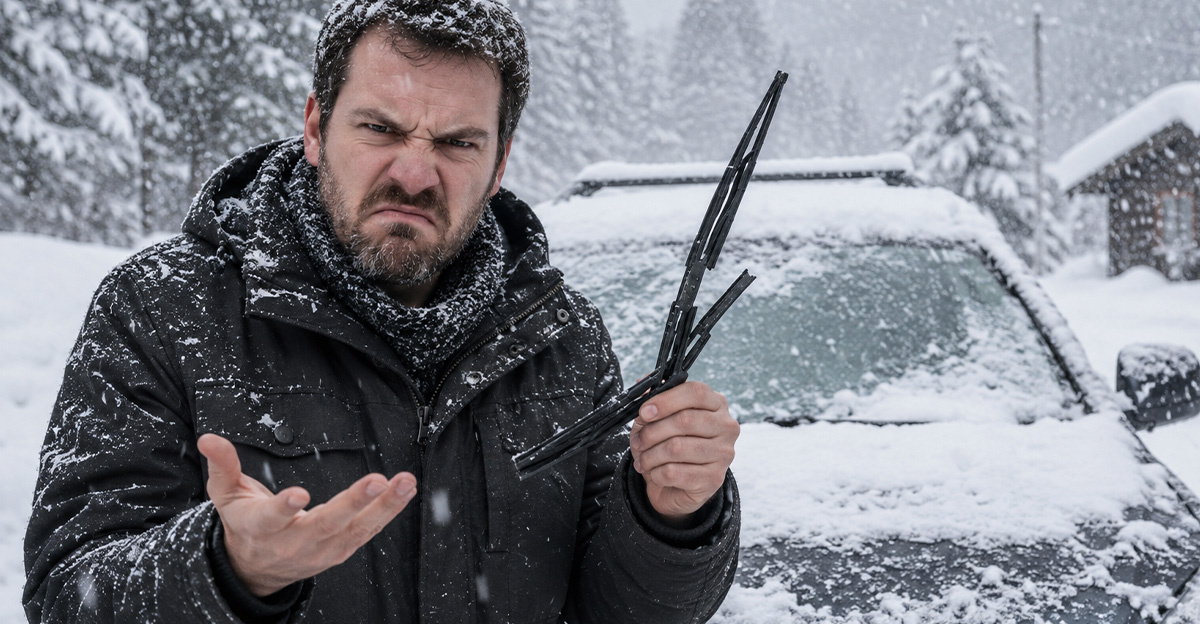
Few phrases from a dealership inspire quite as much confidence as, “That’s normal.” Your automatic wipers may be staring blankly at a windshield covered in wet snow, yet the technician insists nothing is broken. Frustratingly, both things can be true. The system may function exactly as engineered—and still be lousy at handling snow.
What Automatic Wipers Actually See
Most rain-sensing wipers do not literally “see” raindrops the way a camera would. A sensor near the rearview mirror sends infrared light into the windshield and measures how much is reflected back. Water changes that reflection, telling the electronics that precipitation has arrived and the wipers should get busy.
Rain Is Much Easier Than Snow
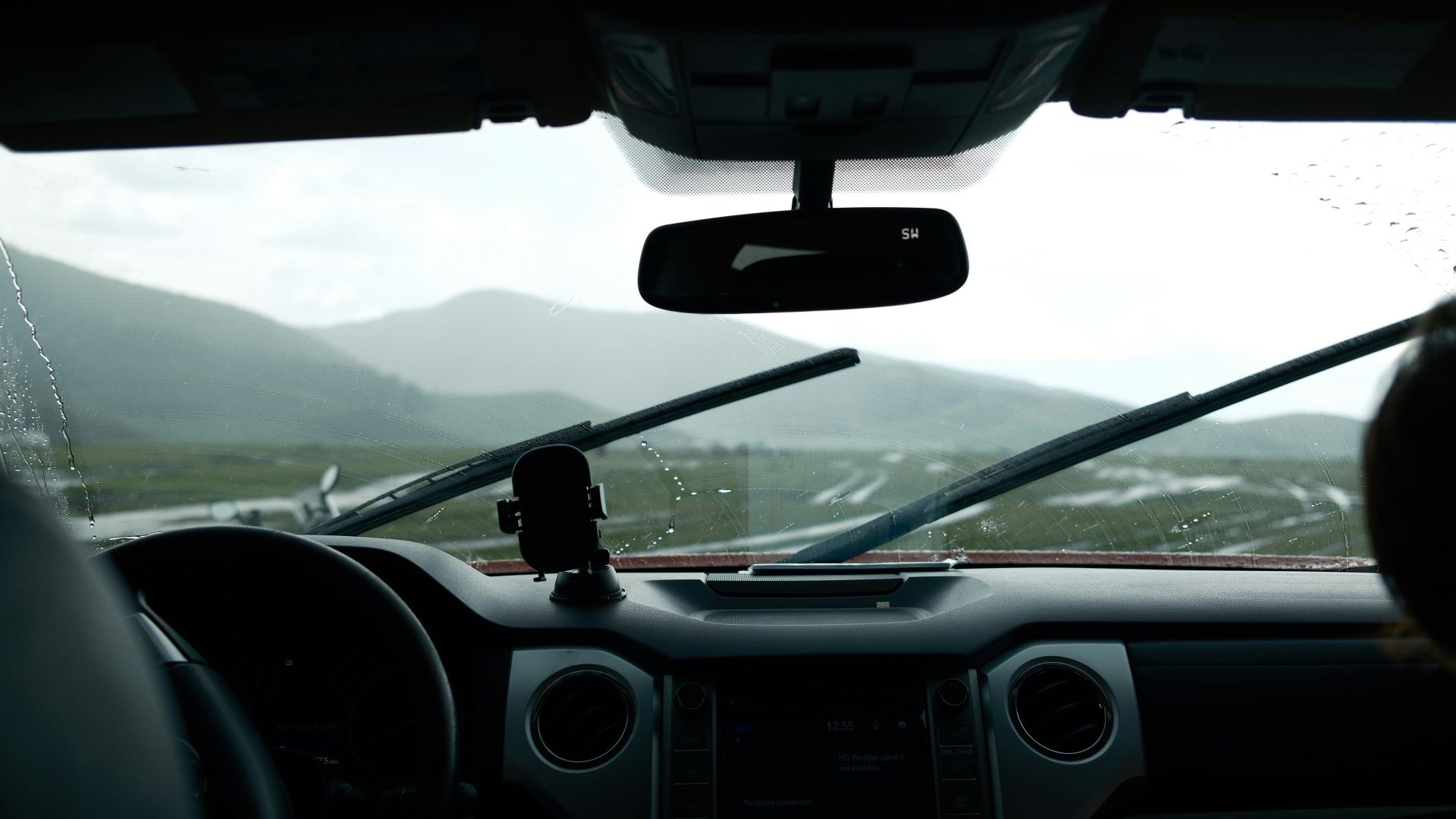
Here is the catch: these systems were designed primarily around liquid water. Rain spreads across glass in a fairly predictable way. Snowflakes, slush, ice crystals, road salt, and frozen grime behave differently. To a sensor expecting rain, a Canadian February windshield can look like somebody dumped a hardware drawer across the glass.
Why Snow Confuses The Sensor
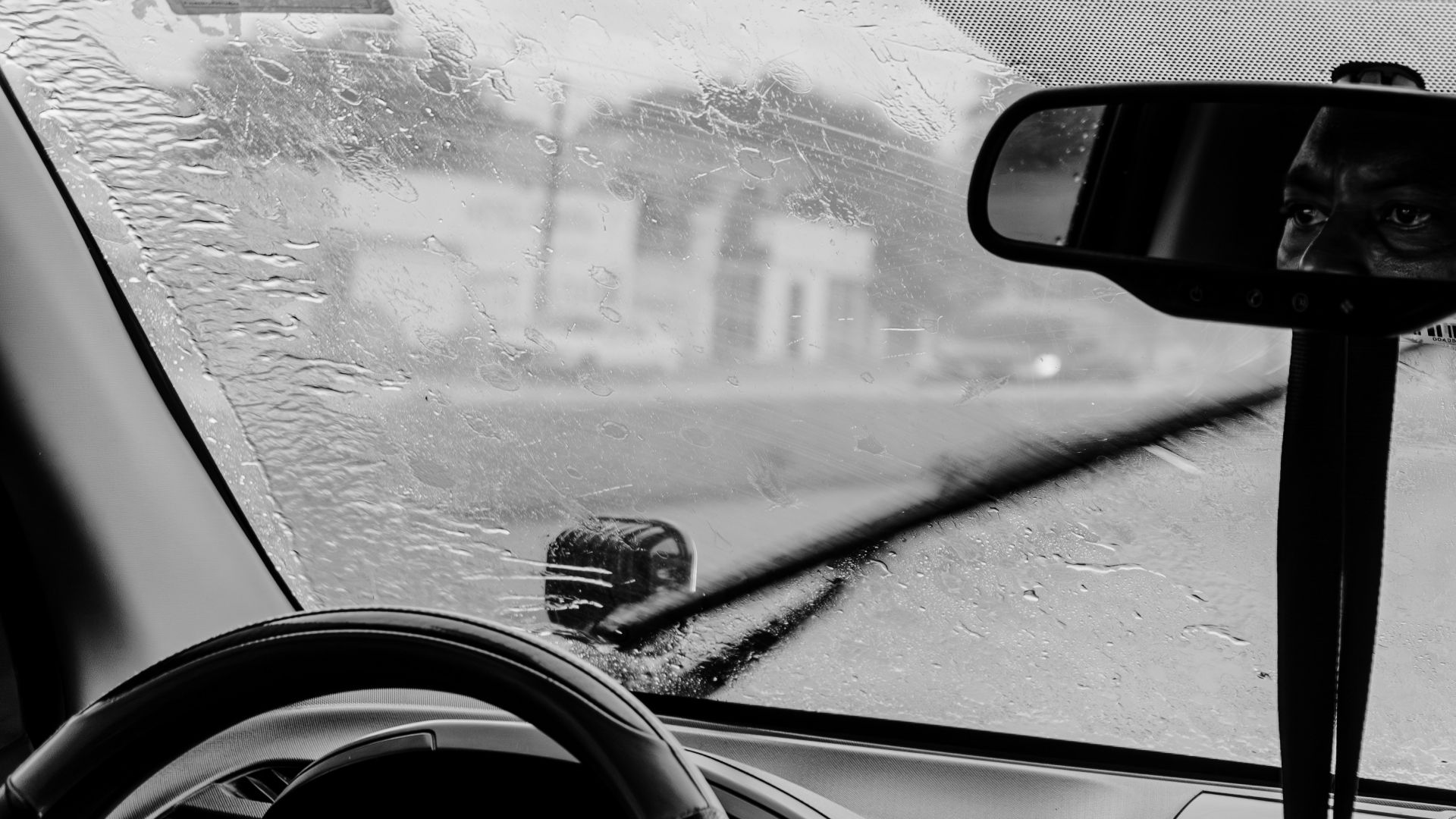
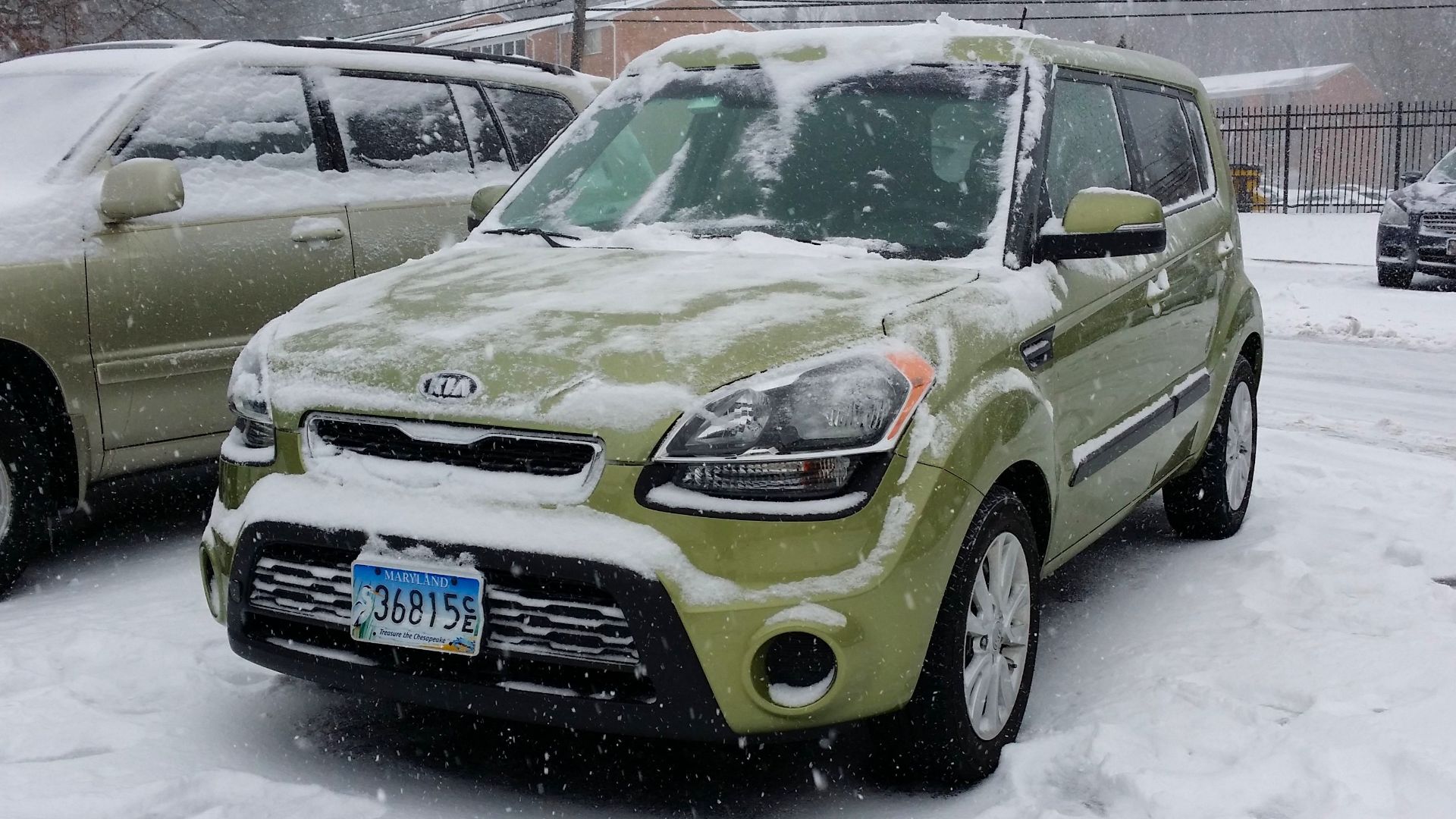
Dry snow may sit on the windshield without producing the optical change the sensor expects. Heavy wet snow can create another problem by blocking or distorting the sensor area altogether. The result is maddening: sometimes the wipers refuse to move, while other times they suddenly attack the windshield like they have spotted an intruder.
 Ben Schumin from Montgomery Village, Maryland, USA, Wikimedia Commons
What The Dealer Means By “Working As Designed”
Usually, this phrase means the technician checked the system against the manufacturer’s diagnostic procedure and found no fault codes or failed components. The sensor responds within specifications, the wiper motor works, and the computer sees the correct inputs. In other words, nothing is technically broken—even if the design has limitations.
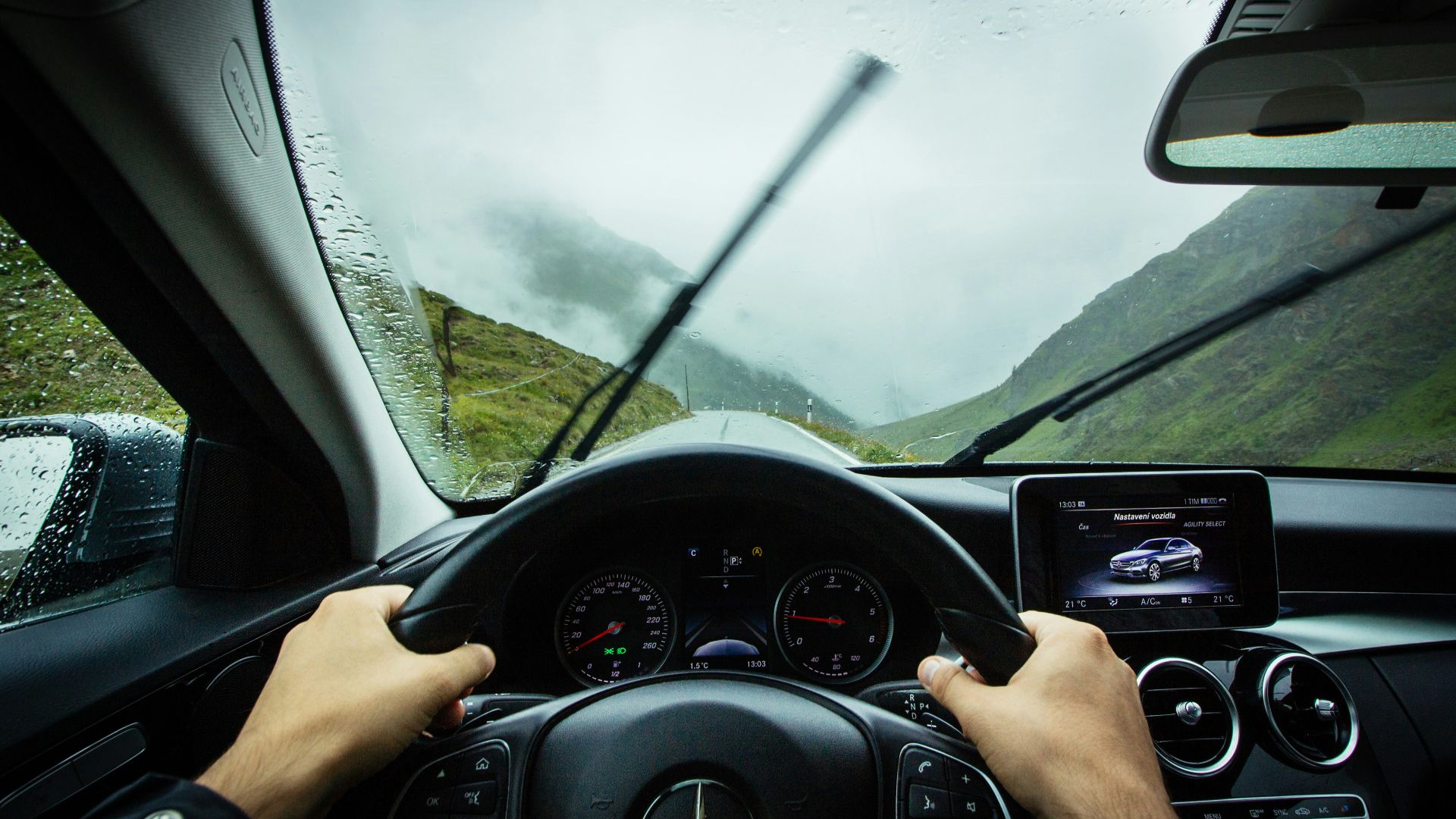
 Shixart1985, Wikimedia Commons
That Does Not Mean Your Complaint Is Imaginary
Older drivers and longtime mechanics may find this especially irritating. With an old-fashioned intermittent wiper switch, you chose the speed and the blades obeyed. Today, a computer may decide that the snow covering half your windshield does not quite meet its mathematical definition of “wet enough.” Progress can have an interesting sense of humor.
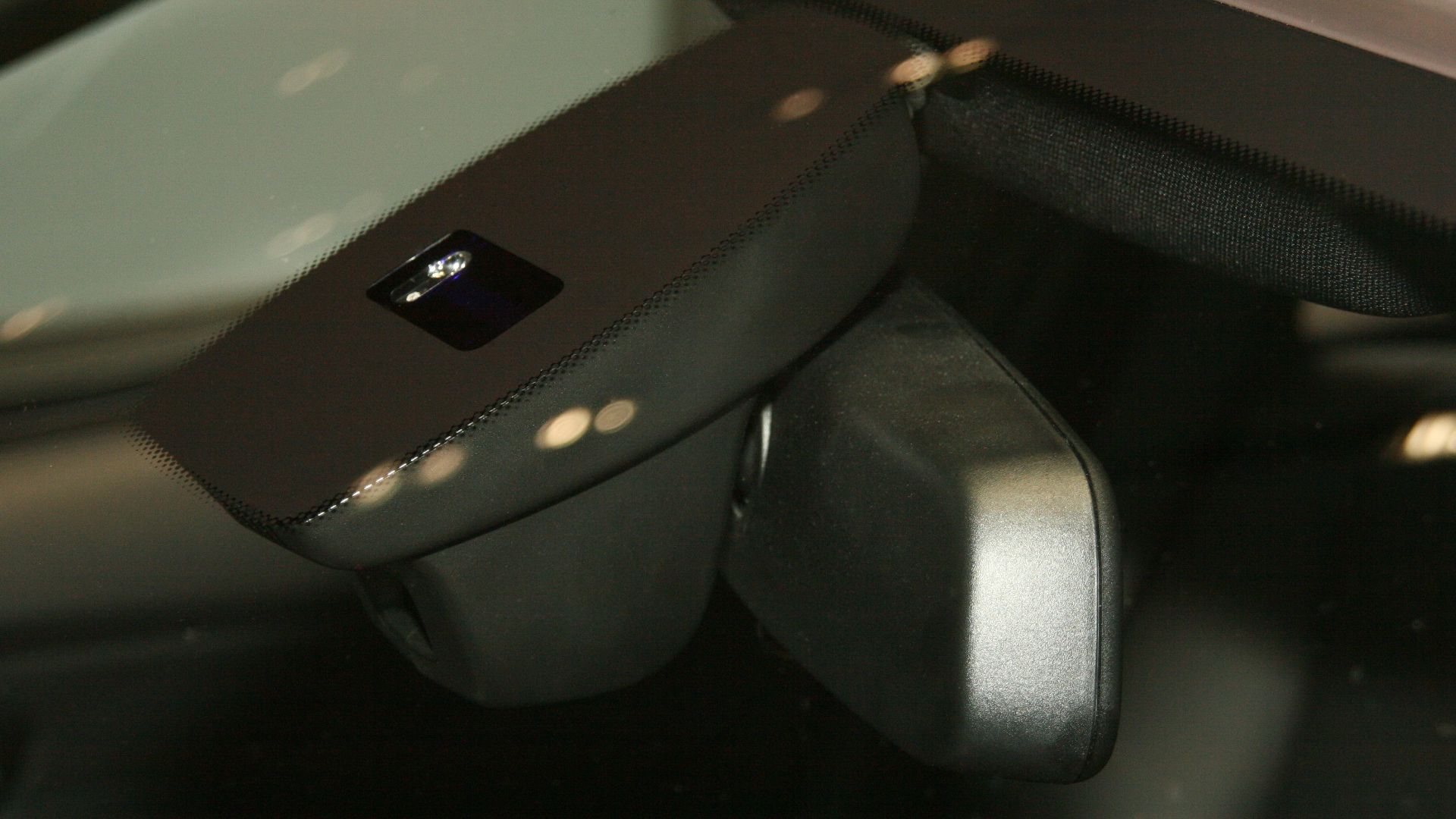
Sensor Location Matters
Look at the top-center portion of the windshield, usually behind or near the rearview mirror. That darkened patch often houses the rain sensor and sometimes cameras for driver-assistance systems. If snow, frost, dirt, wax residue, or condensation covers that small area, the automatic wipers can become surprisingly unreliable.
Start With A Very Clean Windshield
Before booking another service appointment, thoroughly clean the glass around the sensor area inside and outside. Film from car-wash wax, oily cleaners, road grime, cigarette residue in older vehicles, or even fingerprints can affect optical sensors. Use a proper automotive glass cleaner and make sure nothing remains smeared over the sensor.
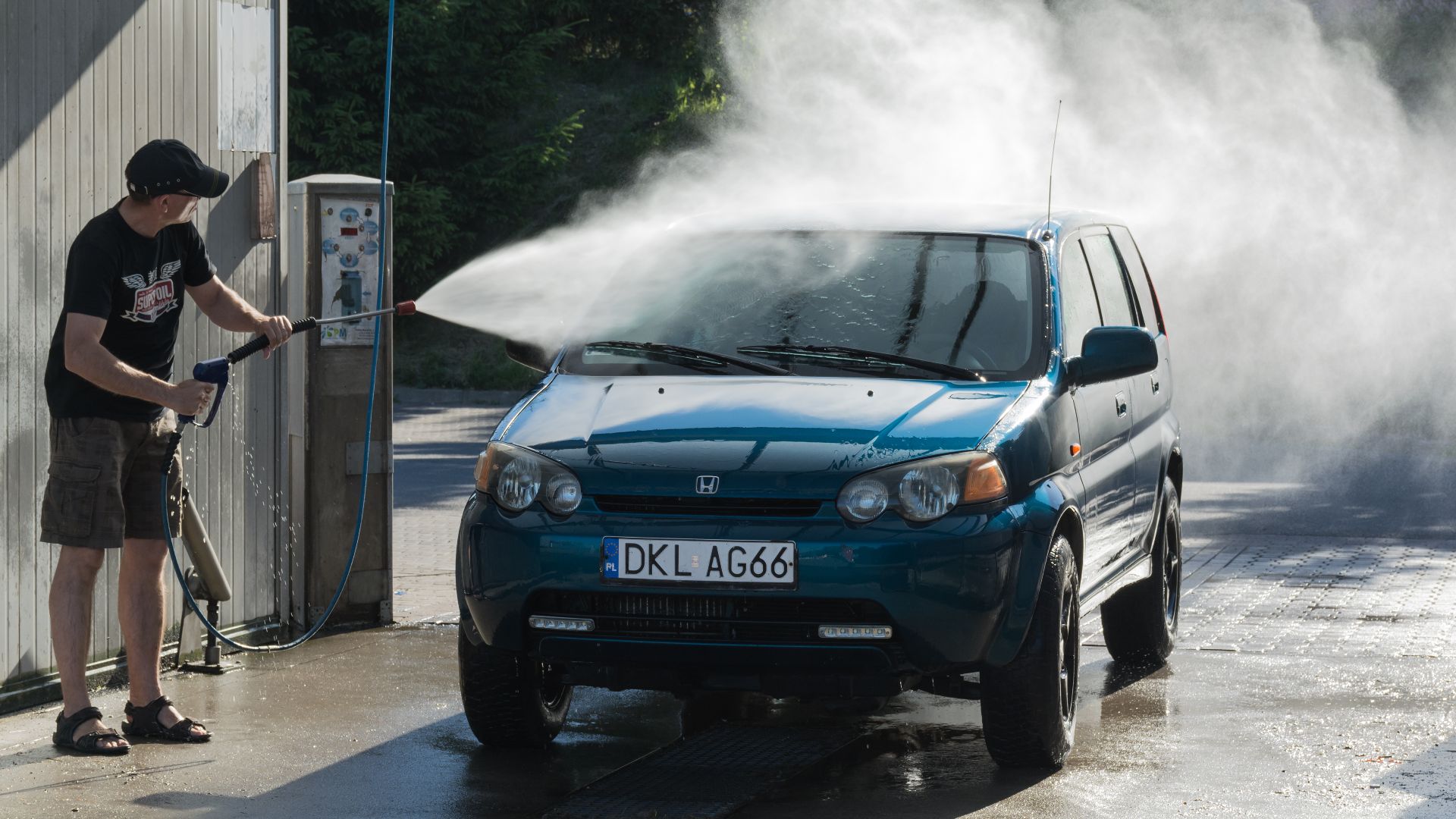 Jacek Halicki, Wikimedia Commons
Check The Wiper Blades Too
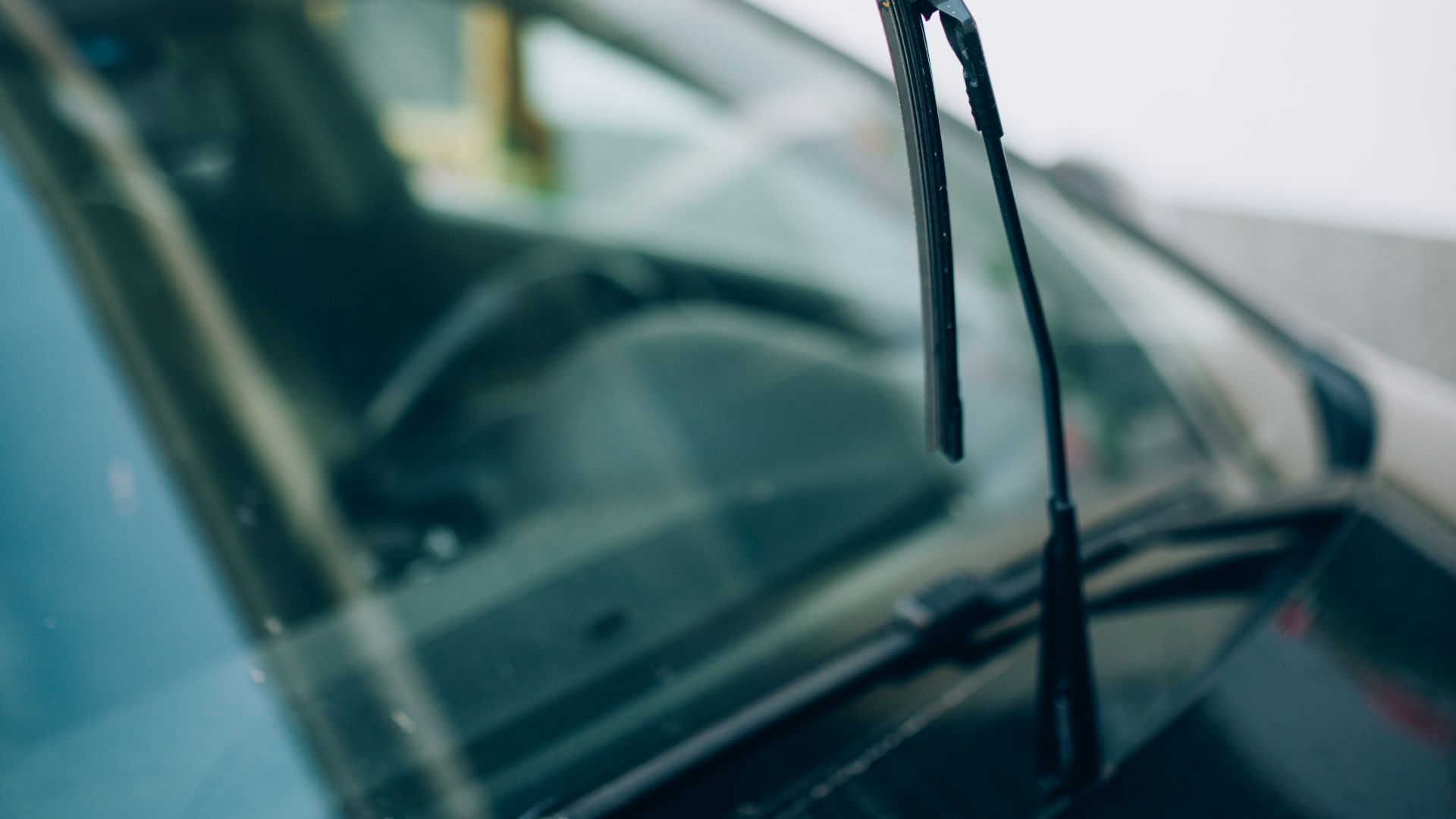
A worn blade can make an automatic system seem worse than it really is. If the blade leaves streaks directly over the sensor, the computer may repeatedly detect moisture that has technically already been wiped away. That can create odd timing, unnecessary wipes, or a system that never seems satisfied with the windshield.
 Shixart1985, Wikimedia Commons
Ice Creates Its Own Problems
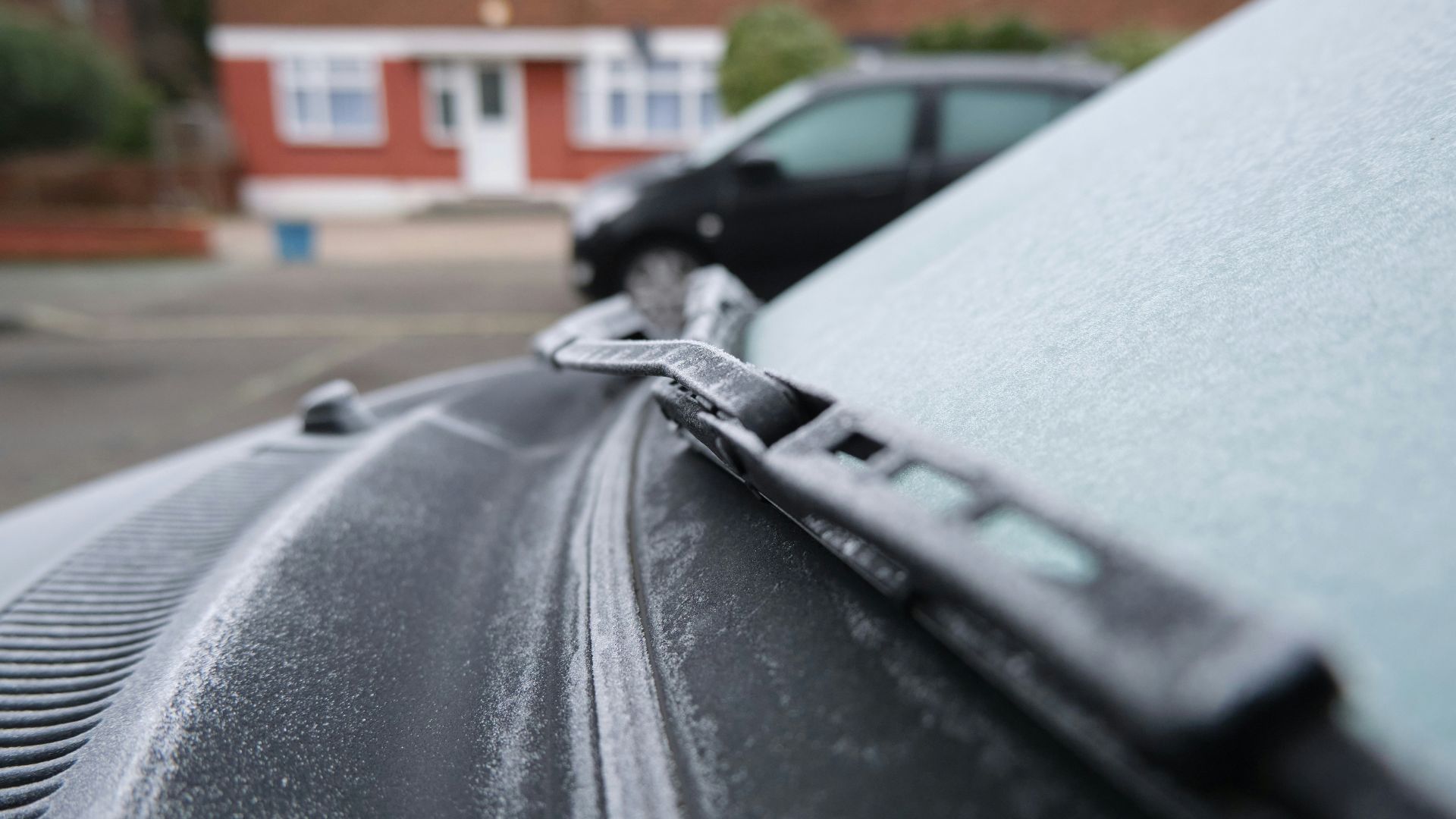
Automatic wipers are especially unhappy when ice enters the conversation. A blade frozen to the glass may not move properly, while ice near the sensor can distort its reading. Worse, repeatedly activating frozen wipers can strain the motor or damage the rubber blades. Sometimes the smartest automatic setting is simply “off.”
Do Not Expect The Car To Handle Everything
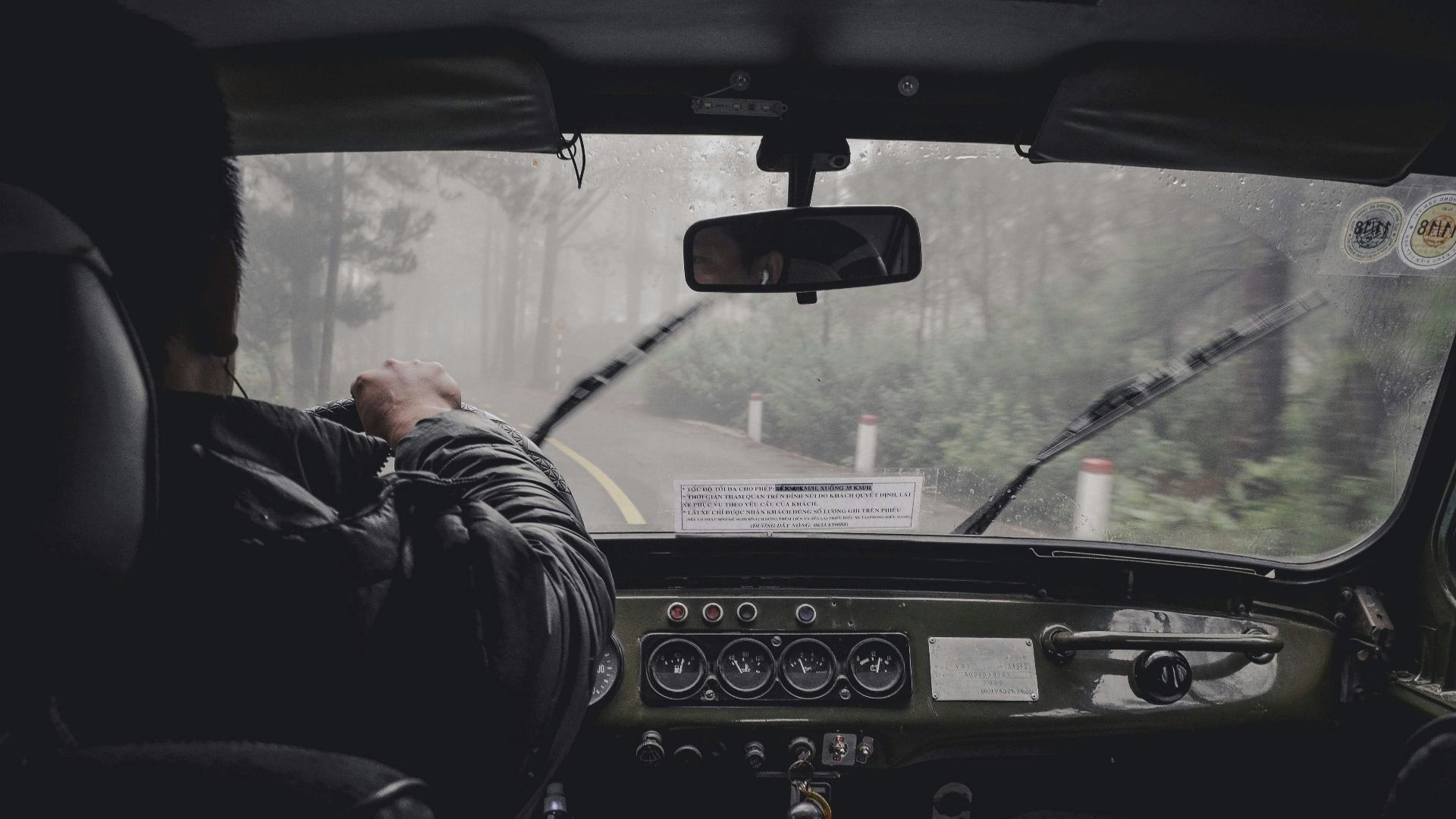
Automatic wipers are convenience equipment, not a replacement for the driver. During heavy snow, freezing rain, or rapidly changing conditions, switching to manual control is often the safer choice. Think of automatic mode as cruise control for your windshield: handy when conditions cooperate, but something you should override when the weather gets ugly.
Sensitivity Settings Can Help
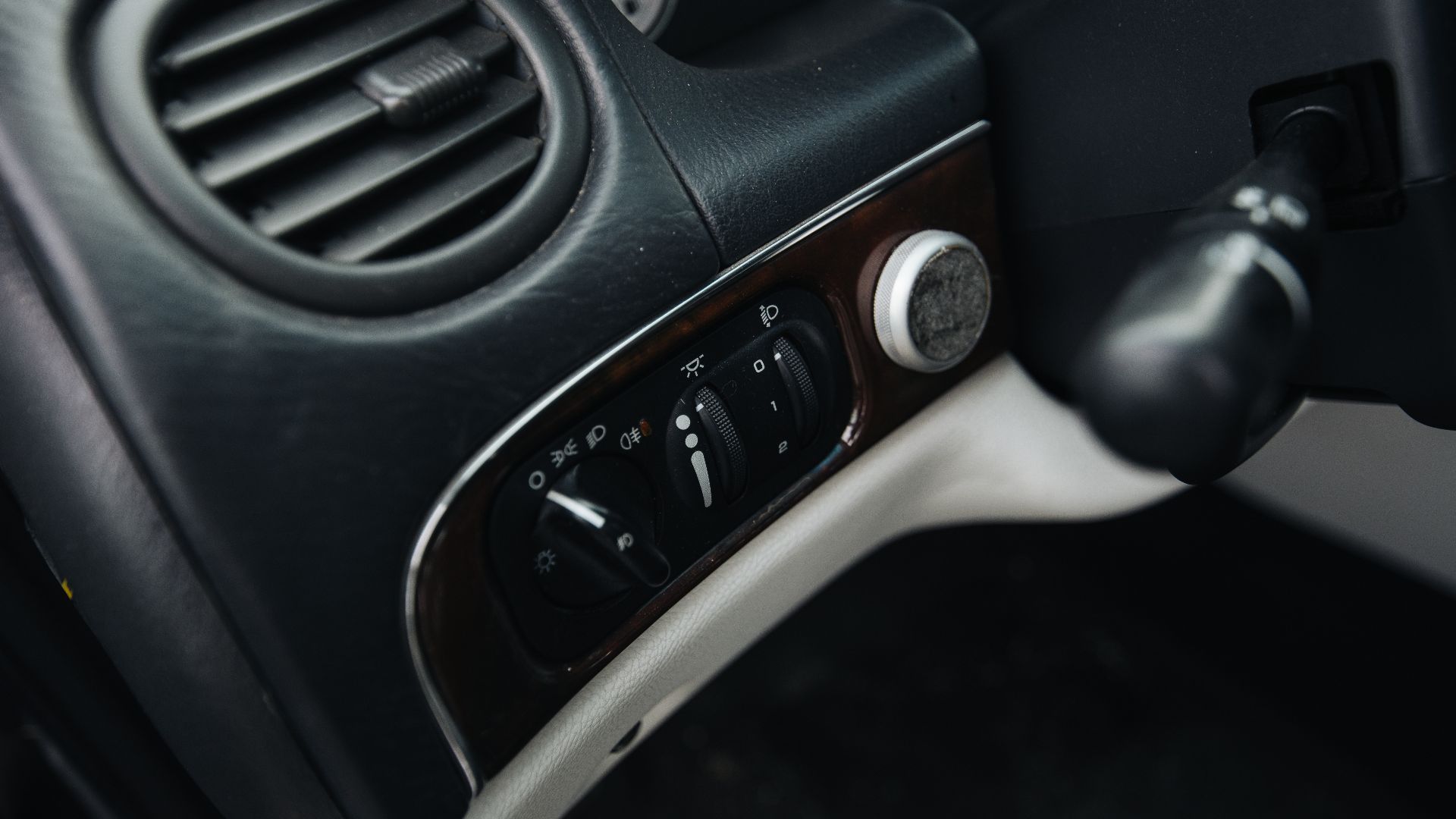
Many cars let you adjust the sensitivity of automatic wipers using the same stalk or dial that once controlled intermittent speed. Increasing sensitivity may make the blades react sooner to moisture. Unfortunately, owners sometimes assume that dial controls wiping frequency when, in automatic mode, it may actually be changing the sensor’s threshold.
 Shixart1985, Wikimedia Commons
Read The Owner’s Manual—Yes, Really
We know. Telling a seasoned car owner to read the manual feels like reminding a mechanic which end of a screwdriver to hold. Still, automatic-wiper behavior varies considerably between vehicles. The manual may explain snow limitations, sensitivity settings, windshield-cleaning requirements, or situations where the manufacturer specifically recommends manual operation.

Windshield Replacement Can Change Everything
If the trouble began after windshield replacement, pay attention. Rain sensors need proper optical contact with the glass, often through a special gel pad or adhesive interface. Incorrect installation, bubbles, contamination, or incompatible aftermarket glass can interfere with readings even though the rest of the wiper system appears perfectly healthy.
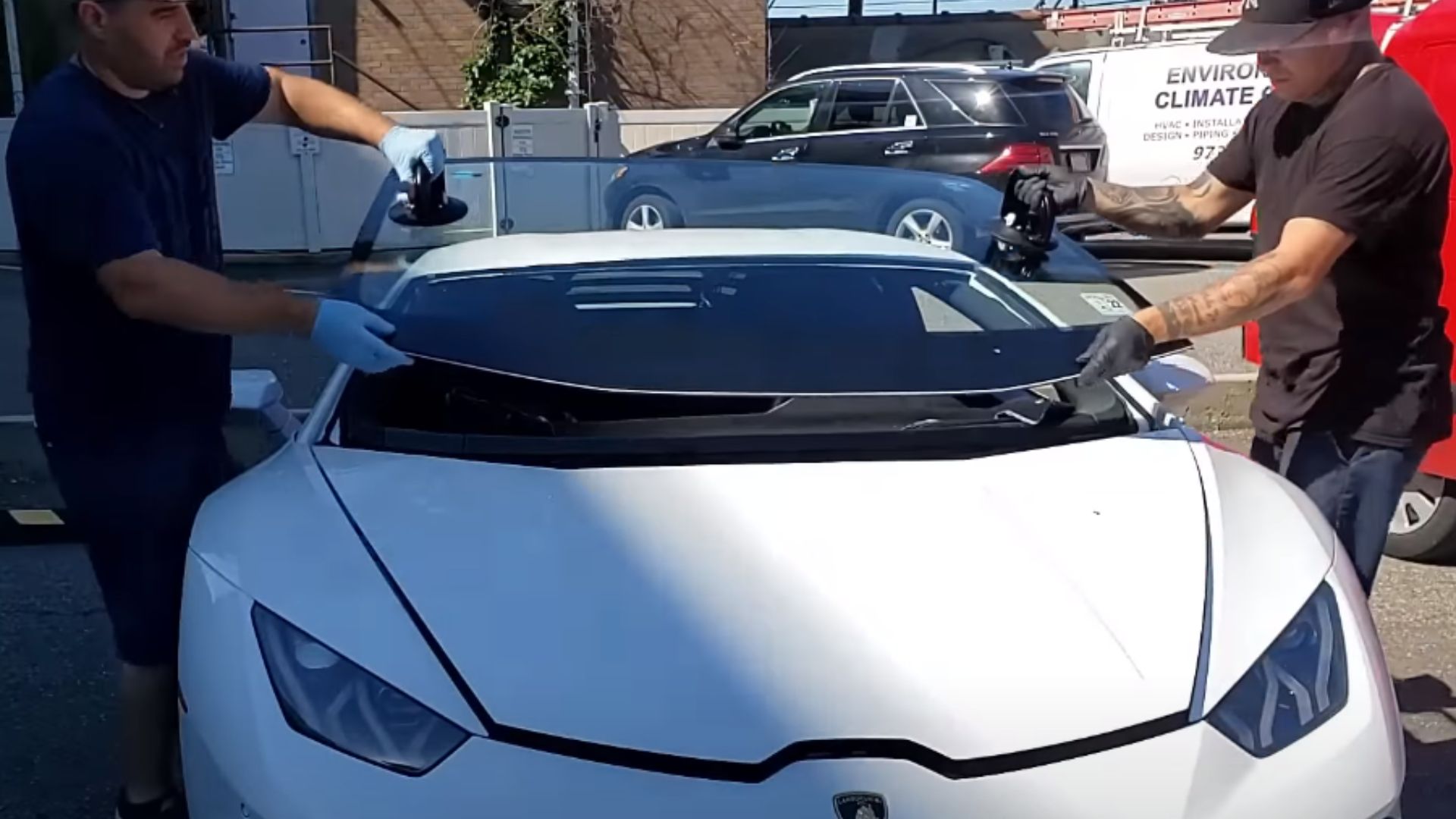 Jorgeelmv64, Wikimedia Commons
Sensor Calibration May Be Necessary
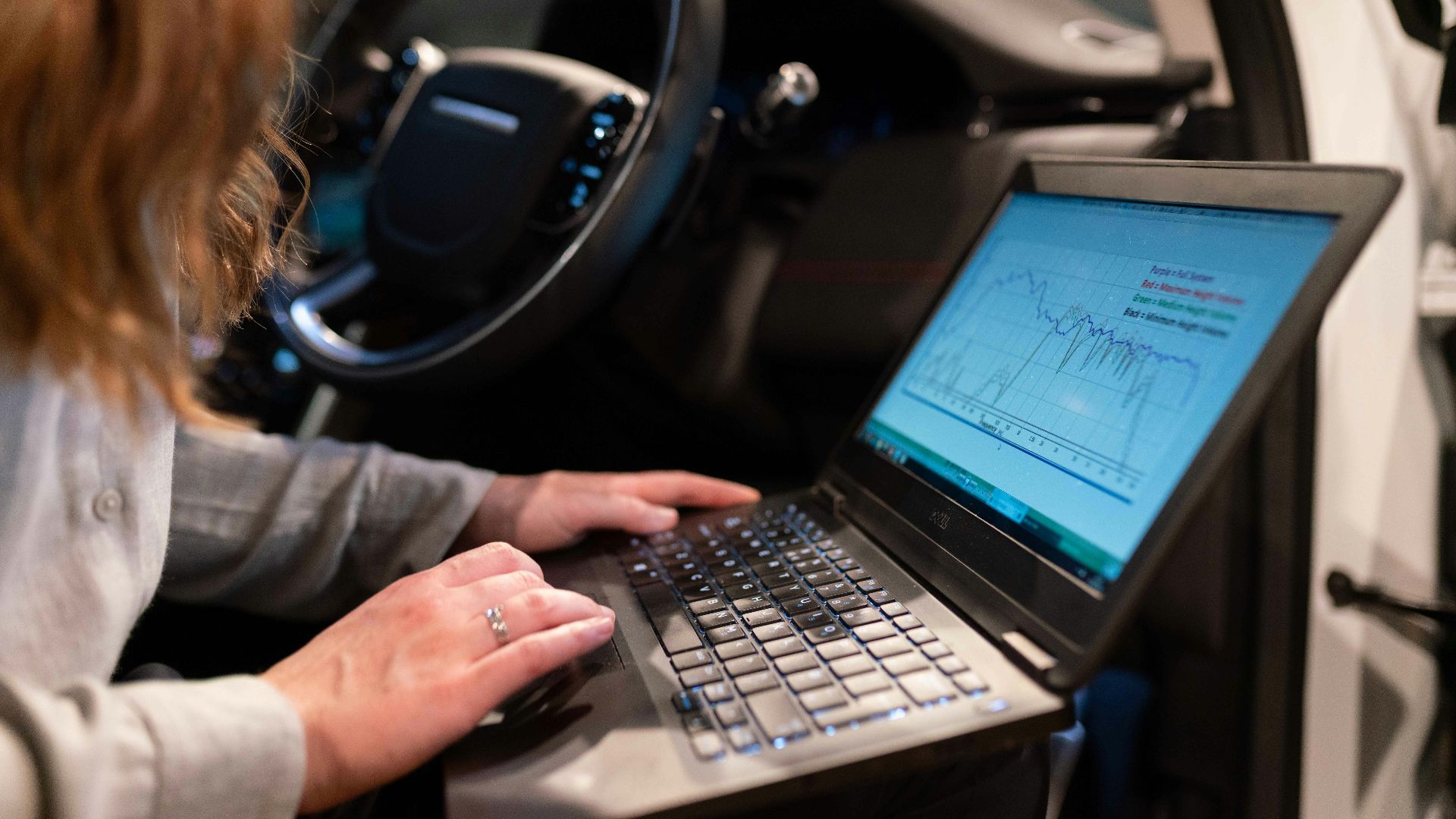
Depending on the vehicle, replacing the windshield or disturbing equipment around the mirror may require sensor initialization or calibration. Modern windshields increasingly serve as mounting platforms for cameras and sensors. What used to be “replace glass, clean fingerprints, send customer home” can now involve diagnostic computers and calibration procedures worthy of an aircraft hangar.
Software Can Also Affect Wiper Behavior
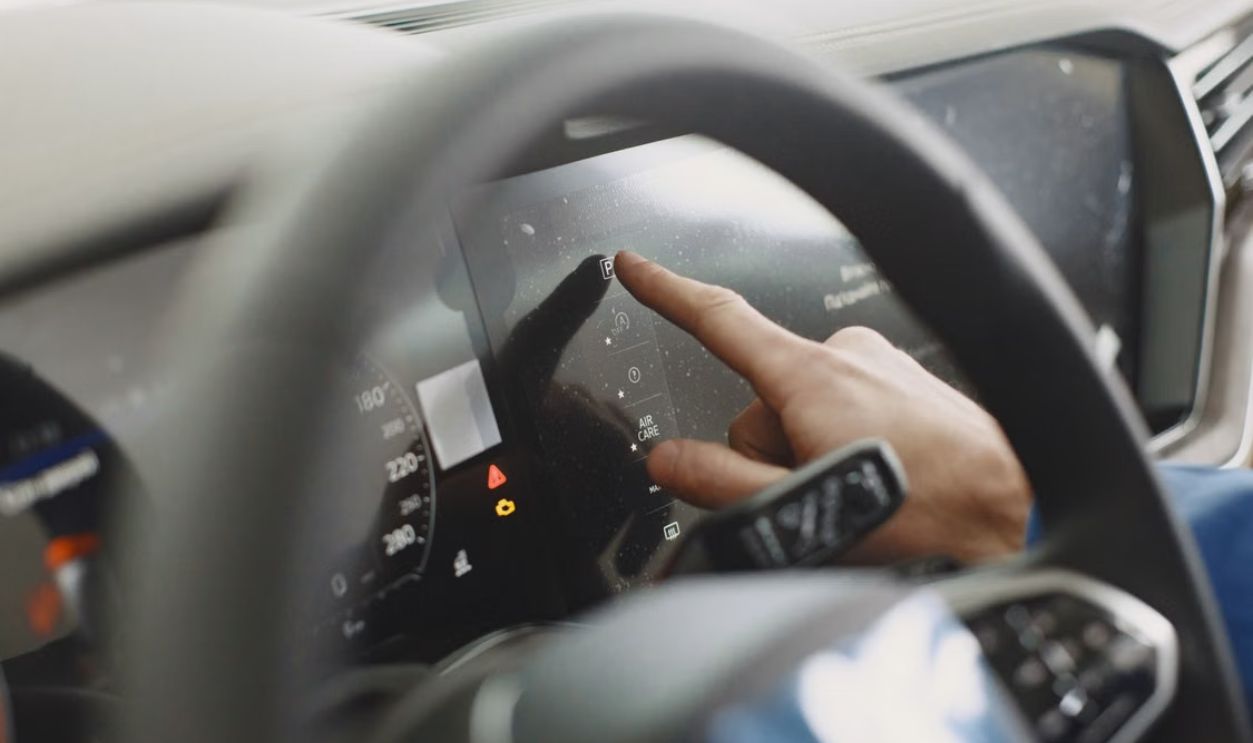
Modern vehicles increasingly control wiper logic through software. Manufacturers occasionally release updates intended to change sensor sensitivity or improve behavior under particular conditions. A dealership may therefore find no broken hardware while still having a software update available. It is worth asking specifically whether any technical service information applies to your vehicle.
Ask The Technician To Reproduce The Problem
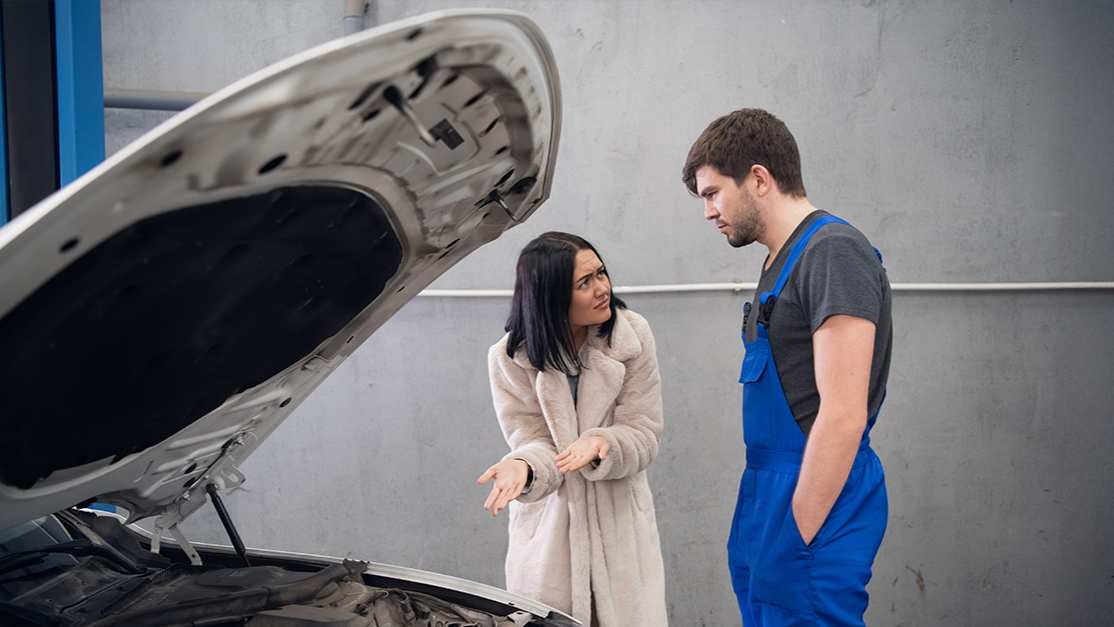
“Fails in snow” is difficult to diagnose inside a warm service bay on a dry Tuesday afternoon. Explain exactly what happens: light snow, heavy wet snow, highway spray, temperatures near freezing, or after ice accumulates. Details help the technician determine whether you are seeing normal limitations or something genuinely abnormal.
Video Evidence Can Be Useful
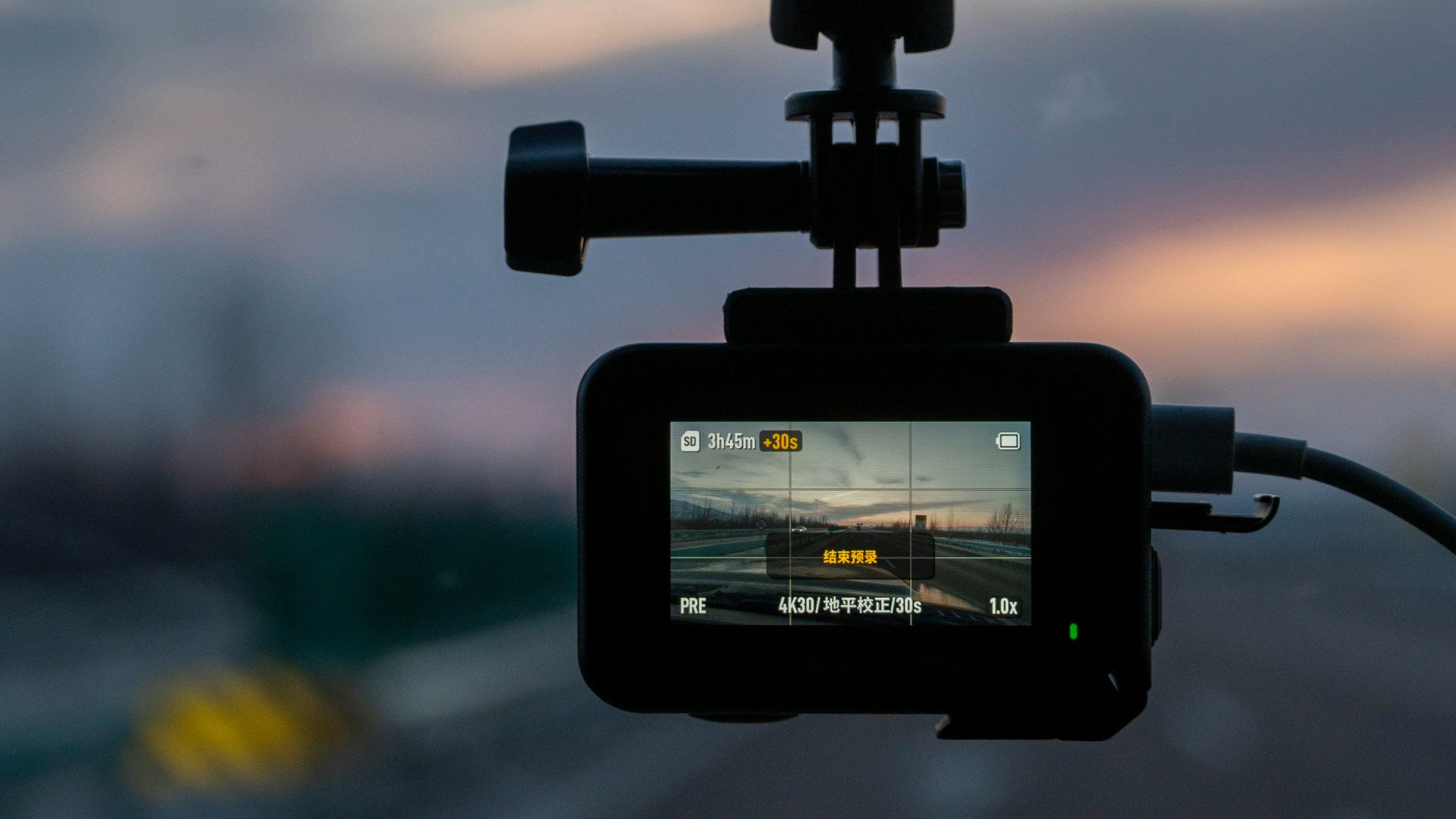
If it can be done safely, have a passenger record the behavior when the problem occurs. Showing the service adviser a snow-covered windshield while the automatic wipers remain motionless is far more useful than saying, “They act weird sometimes.” Modern problems occasionally require modern evidence—even if that evidence lives on your phone.
Compare It With A Similar Car
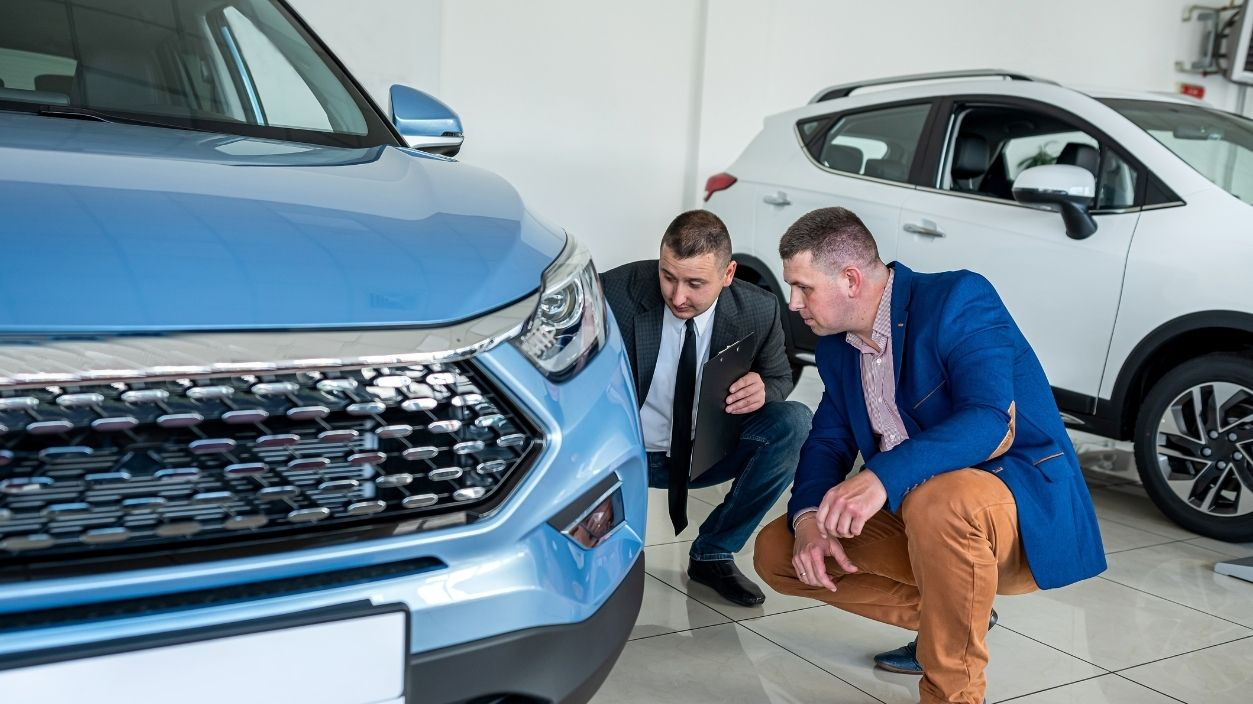
Dealers sometimes determine whether behavior is normal by comparing your car with another vehicle of the same model. If both systems behave similarly under identical conditions, the problem may indeed be a design limitation. If yours sits there contemplating life while the other car wipes normally, further diagnosis becomes much easier to justify.
When “Normal” Deserves A Second Opinion
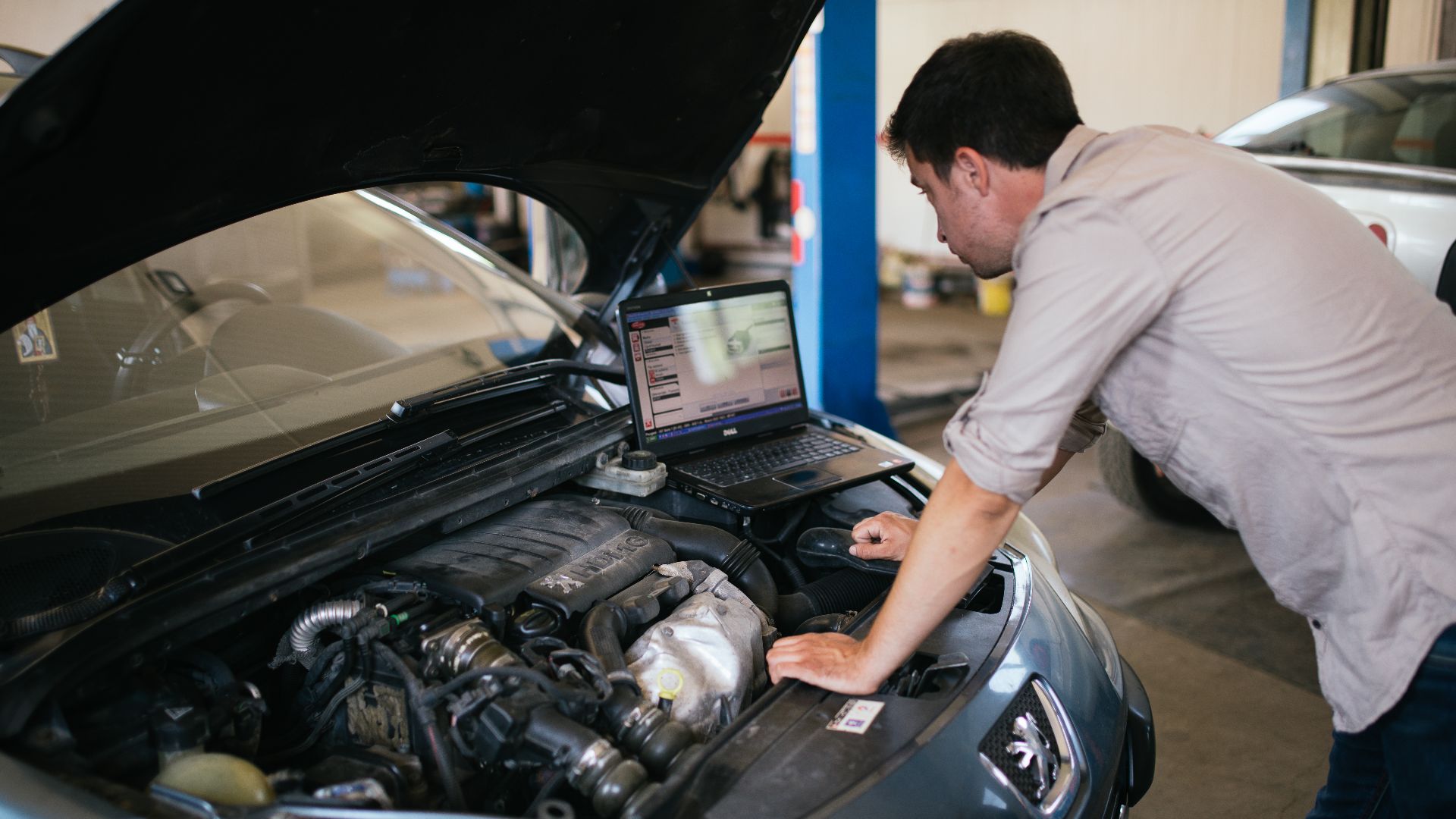
If visibility becomes seriously compromised, the sensor behaves erratically even during ordinary rain, or the system changed dramatically from how it used to operate, do not automatically accept “working as designed.” Another dealership or experienced independent shop may identify windshield installation problems, sensor faults, wiring issues, or software problems the first inspection missed.
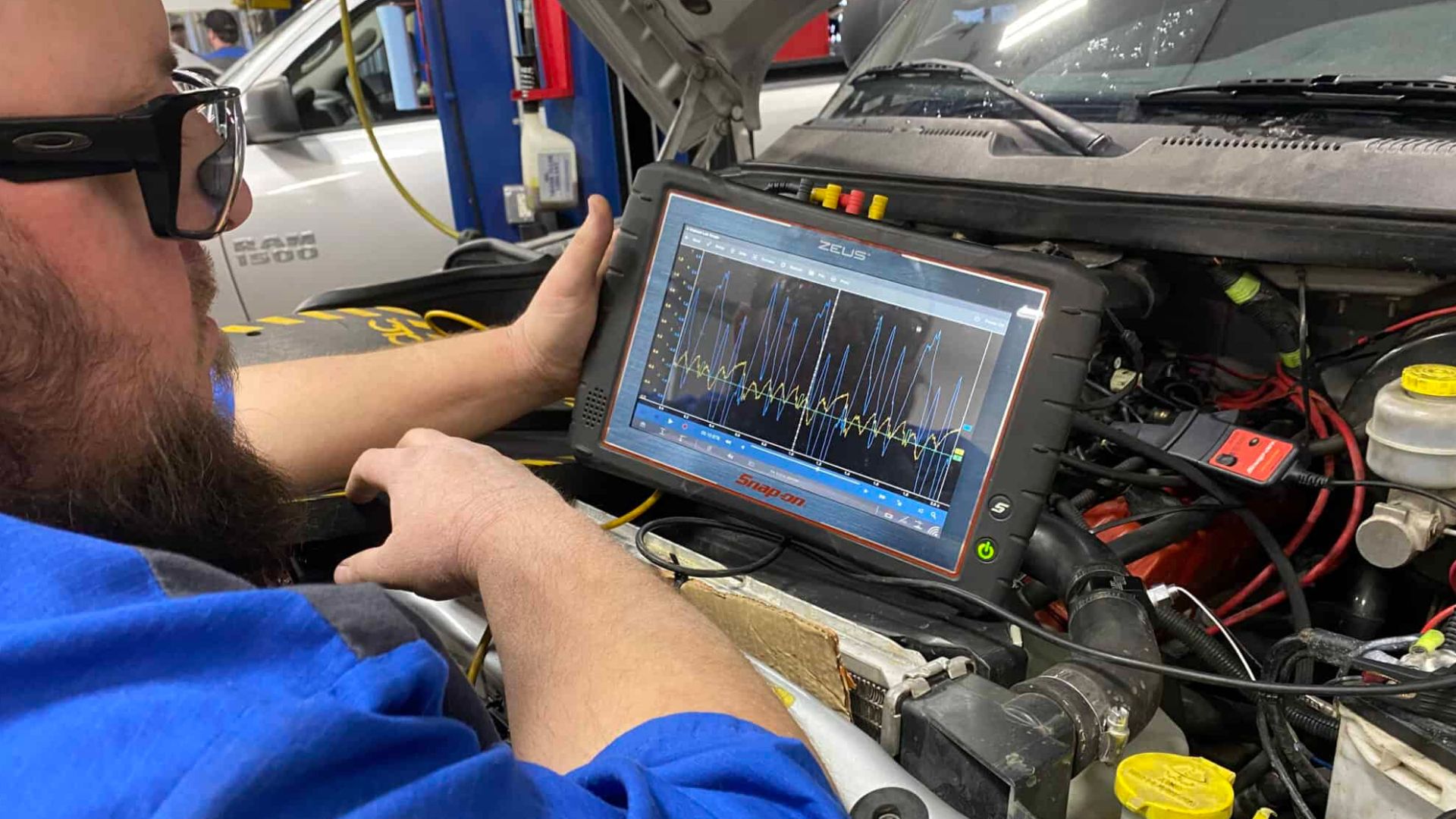 Modern Auto Service: Advanced Vehicle Diagnostics in Fruitland, ID, Wikimedia Commons
Old-School Controls Had An Advantage
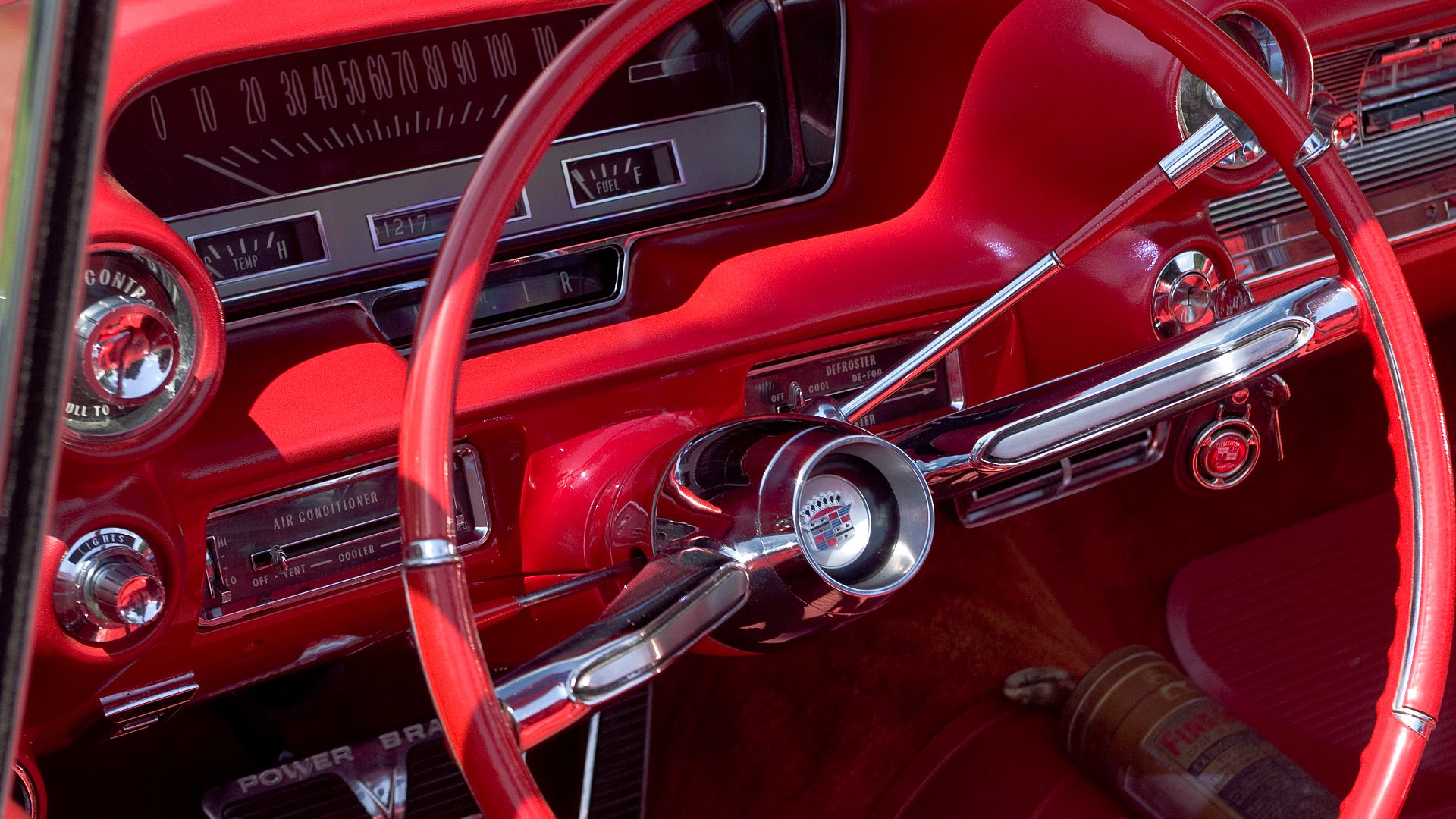
There is something wonderfully uncomplicated about a mechanical-looking stalk marked LOW, HIGH, and INTERMITTENT. You moved it, the wipers moved, and nobody needed software revisions. Automatic systems can genuinely improve convenience, especially during changing rainfall, but snow exposes the limits of replacing straightforward driver inputs with algorithms.
The Best Solution May Be Your Hand
During serious winter weather, manual control remains the most dependable option. Clear snow and ice before driving, keep good blades installed, maintain plenty of winter washer fluid, and switch the automatic system off when it starts making questionable decisions. Your eyes remain significantly better at judging visibility than a small infrared sensor.
“Working As Designed” Is Not The Same As Perfect
Your dealership may be telling the truth when it says the automatic wipers are functioning exactly as designed. Unfortunately, the design may simply be better at handling rain than snow. Automatic wipers are helpful technology, not magic. When winter overwhelms them, there is no shame in taking control yourself—just like drivers always did.

You May Also Like:
The $3.3 Million Plymouth Is One Of Just Five Ever Made—And They Called It “The White Elephant”