Common Sense
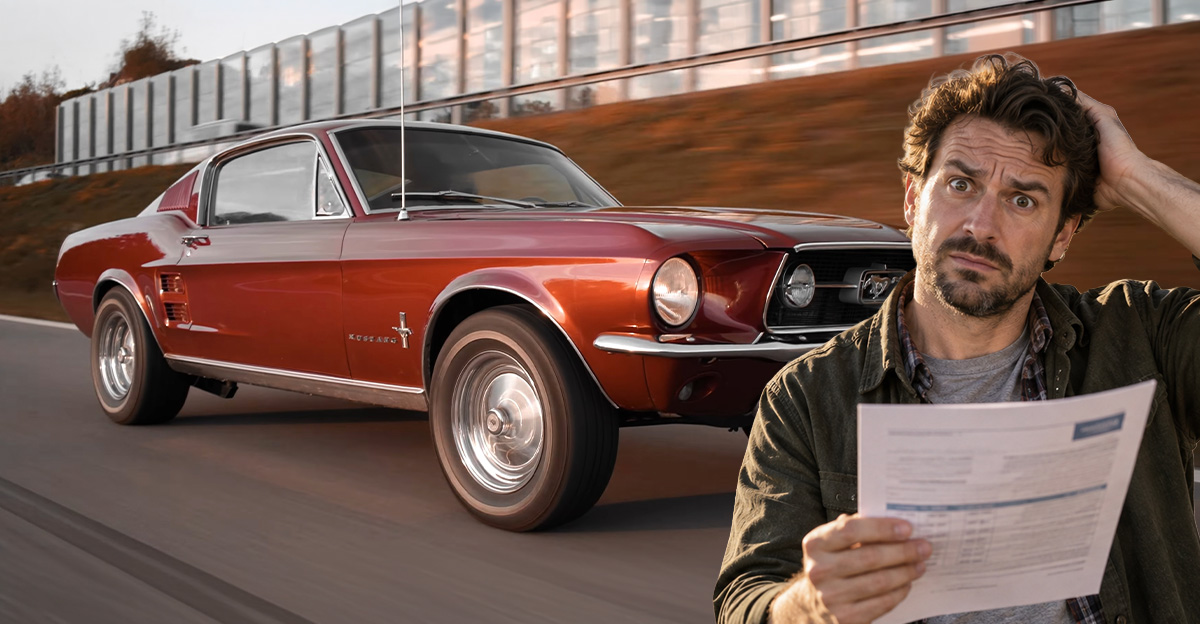
You grew up with the idea that a cold engine needs time to warm up, especially in freezing weather. It was just common sense. Now your son is telling you that doesn’t matter for today’s cars. Other people have told you the same thing. You’re wondering whether the old advice is outdated, or if skipping warm-ups is quietly hurting engines and drivetrains.

Older Drivers Were Taught To Warm Up
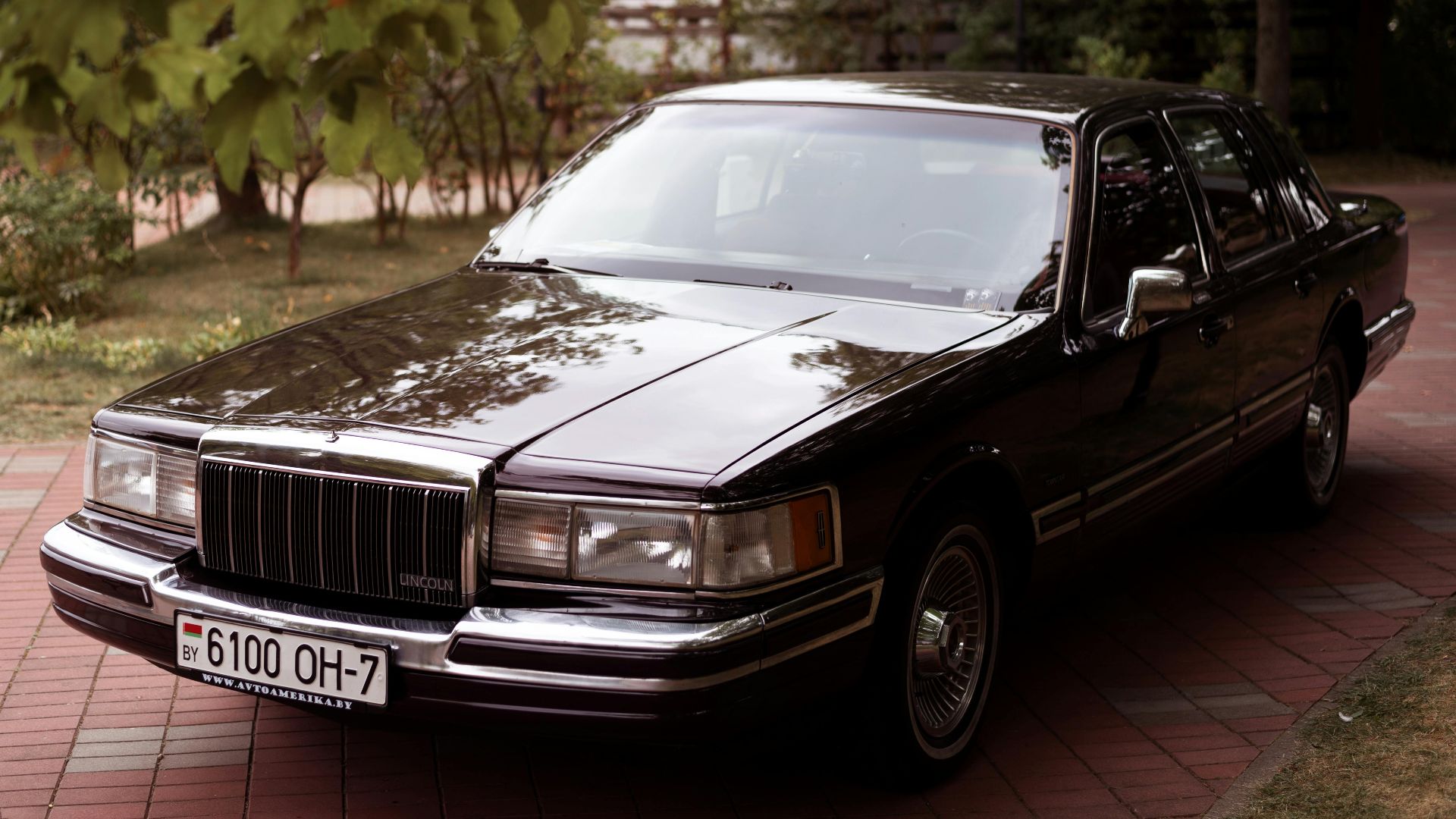
The key thing to remember is that when you were growing up, engines had carburetors that needed time to reach proper operating conditions. Cold starts meant poor fuel atomization, rough idle, and higher wear. Letting the engine idle was what allowed the oil to circulate and prevent stalling. That advice was perfectly reasonable and became second nature for generations of drivers.
Modern Fuel Injection Changed Things
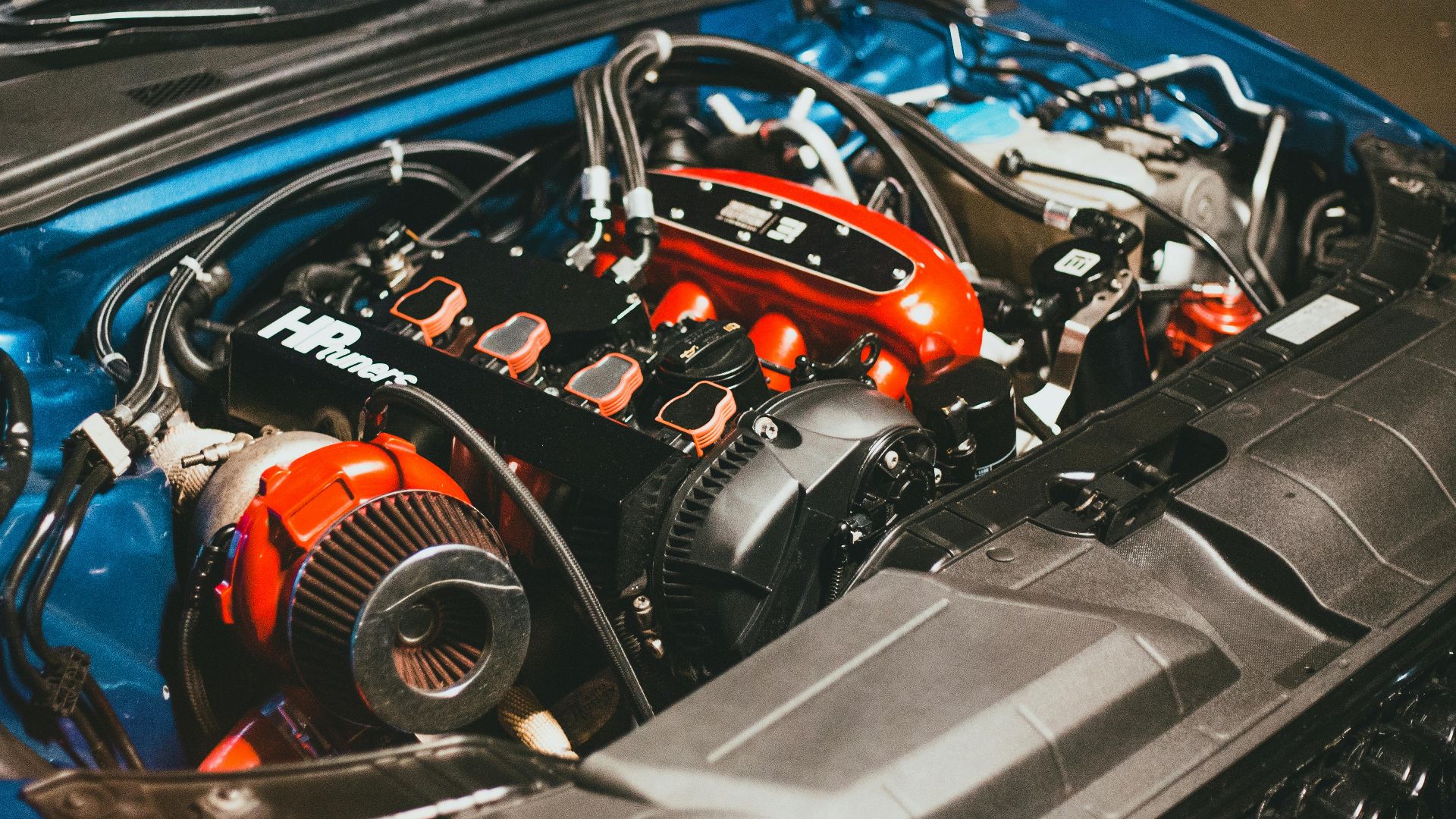
Modern engines now use electronic fuel injection, sensors, and computers to adjust instantly for cold starts. They deliver the precise fuel and air mixtures needed even when it’s freezing outside. That’s why modern cars start so much more easily than they used to, and don’t require long idle warm-ups just to run smoothly.
What Automakers Actually Recommend
Most manufacturers now recommend starting the car and driving just gently within about the first thirty seconds or so. Prolonged idling is discouraged partly because it wastes gas and also increases emissions. From a strictly engine-focused perspective, light driving warms the engine up a lot faster and more evenly than just sitting still in the driveway or parking lot idling.
Gentle Driving Is Still Important
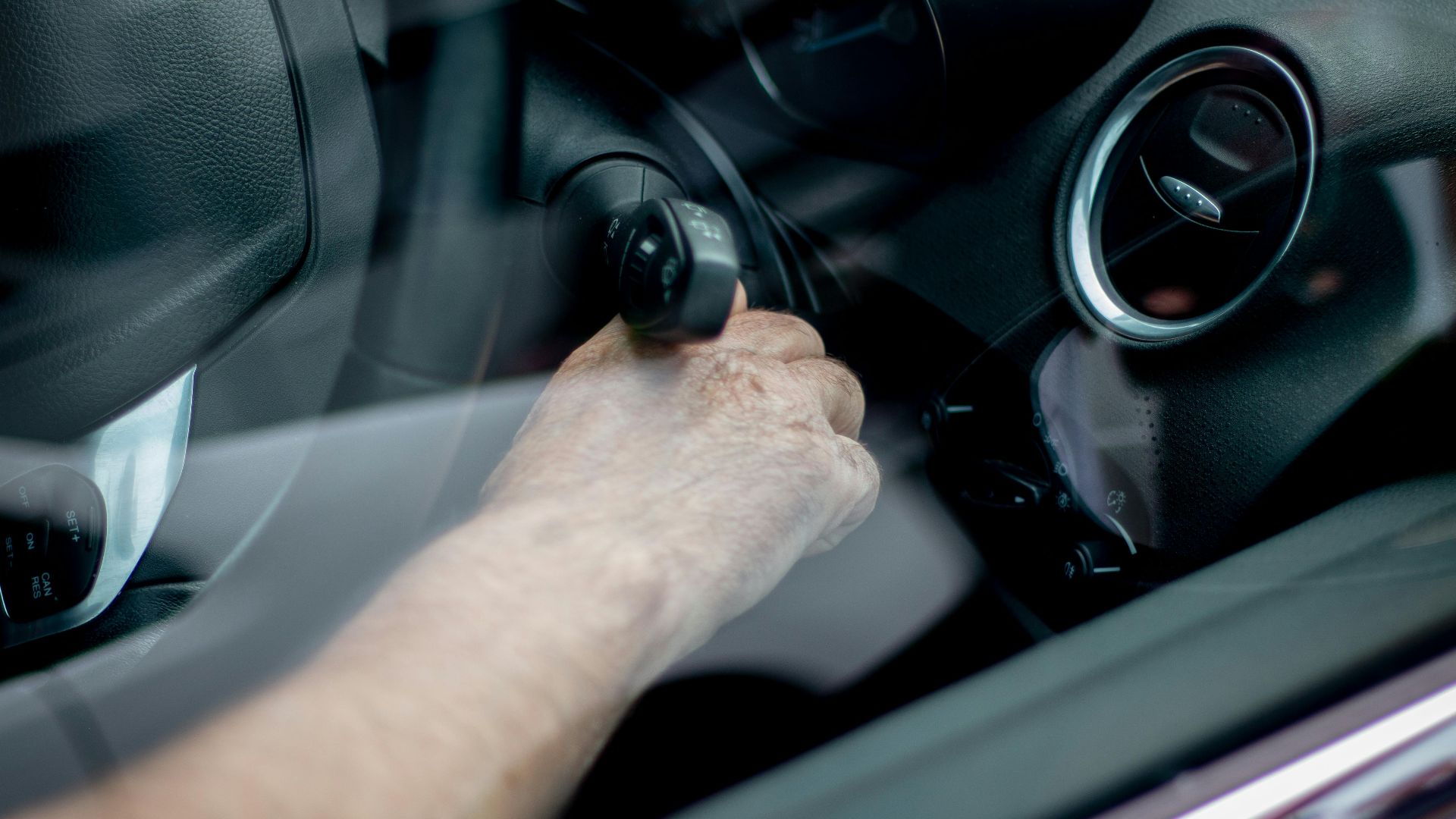
Even though idling isn’t required, immediately flooring it after a cold start is still a bad idea. Cold oil is thicker and doesn’t do as good a job lubricating. Relaxed, gentle acceleration allows the oil pressure to stabilize and the components to expand gradually.
 Karolina Grabowska www.kaboompics.com, Pexels
The Emissions Argument Against Idling
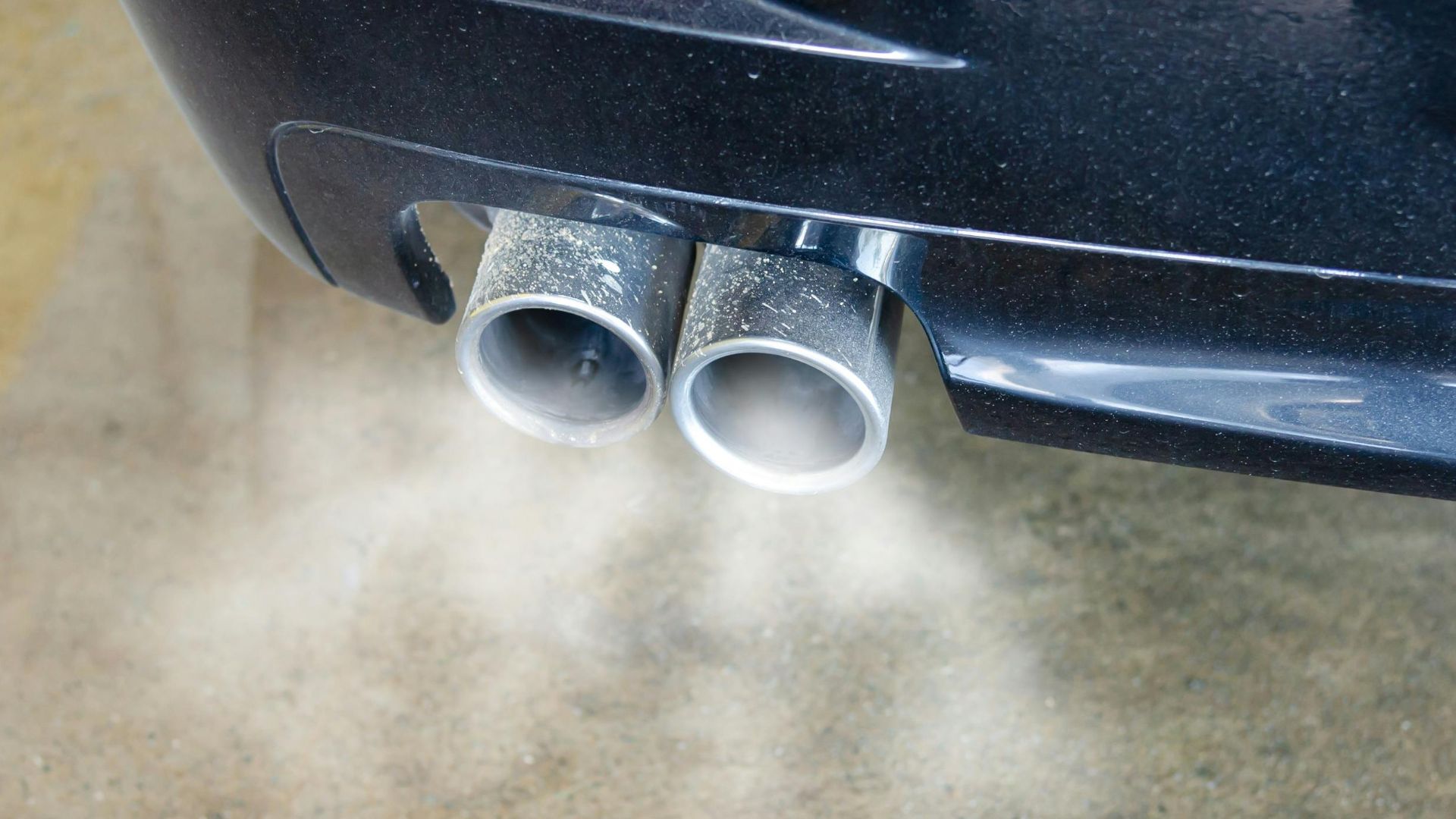
Extended idling of course generates more emissions because the engine is running cold for longer. Catalytic converters work best when they’re hot, and idling delays that process. Environmental regulations and fuel economy standards are a strong influence on the modern advice against warming up vehicles the old-fashioned way.
Where Your Instinct Might Still Be Right
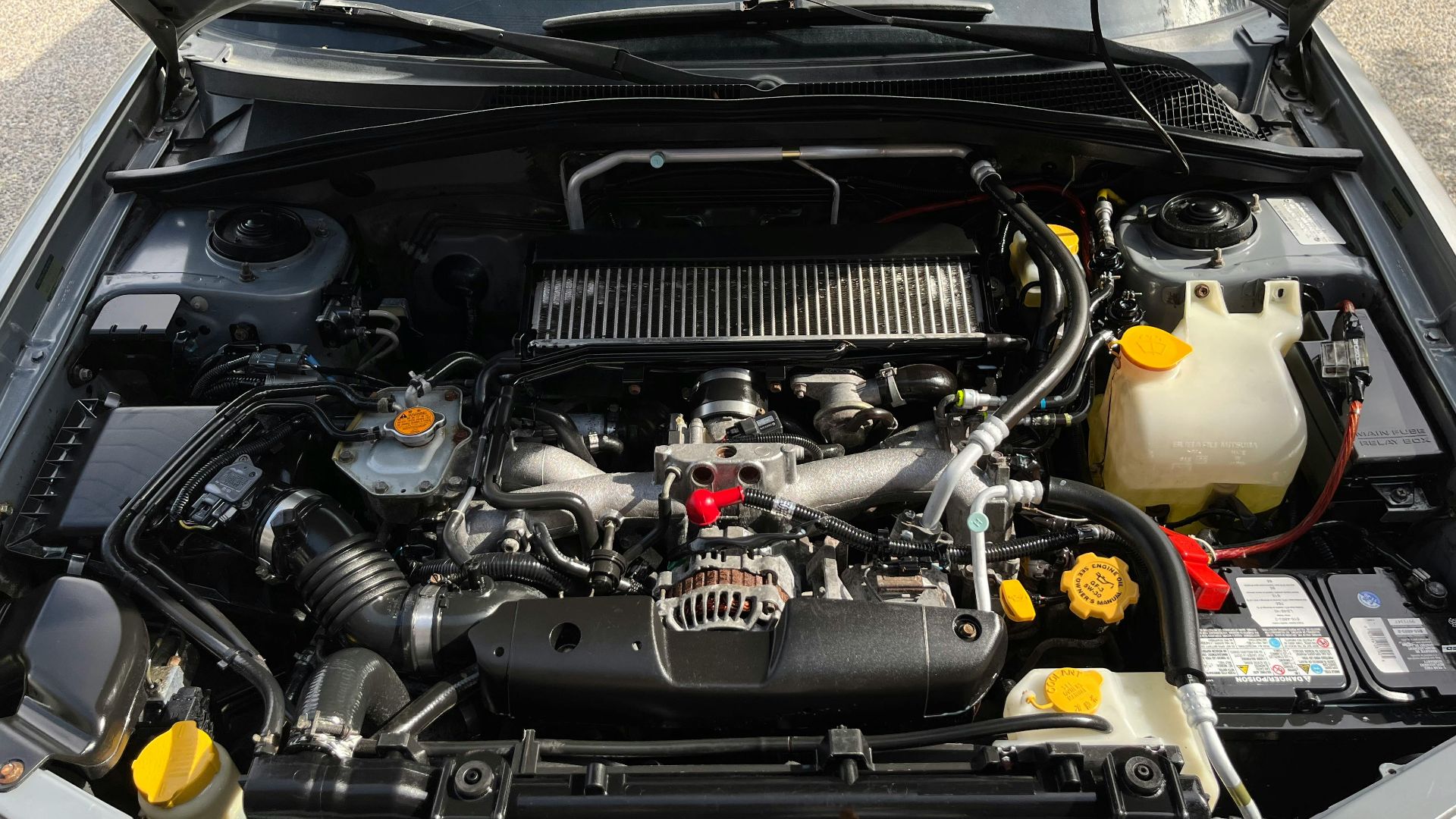
While engines warm up faster when they’re driven, cold weather affects more than just the engine. Rubber seals, belts, and gaskets tend to be stiff when it’s cold out. Allowing a brief idle gives these other components time to stabilize.
The Transmission Often Gets Ignored
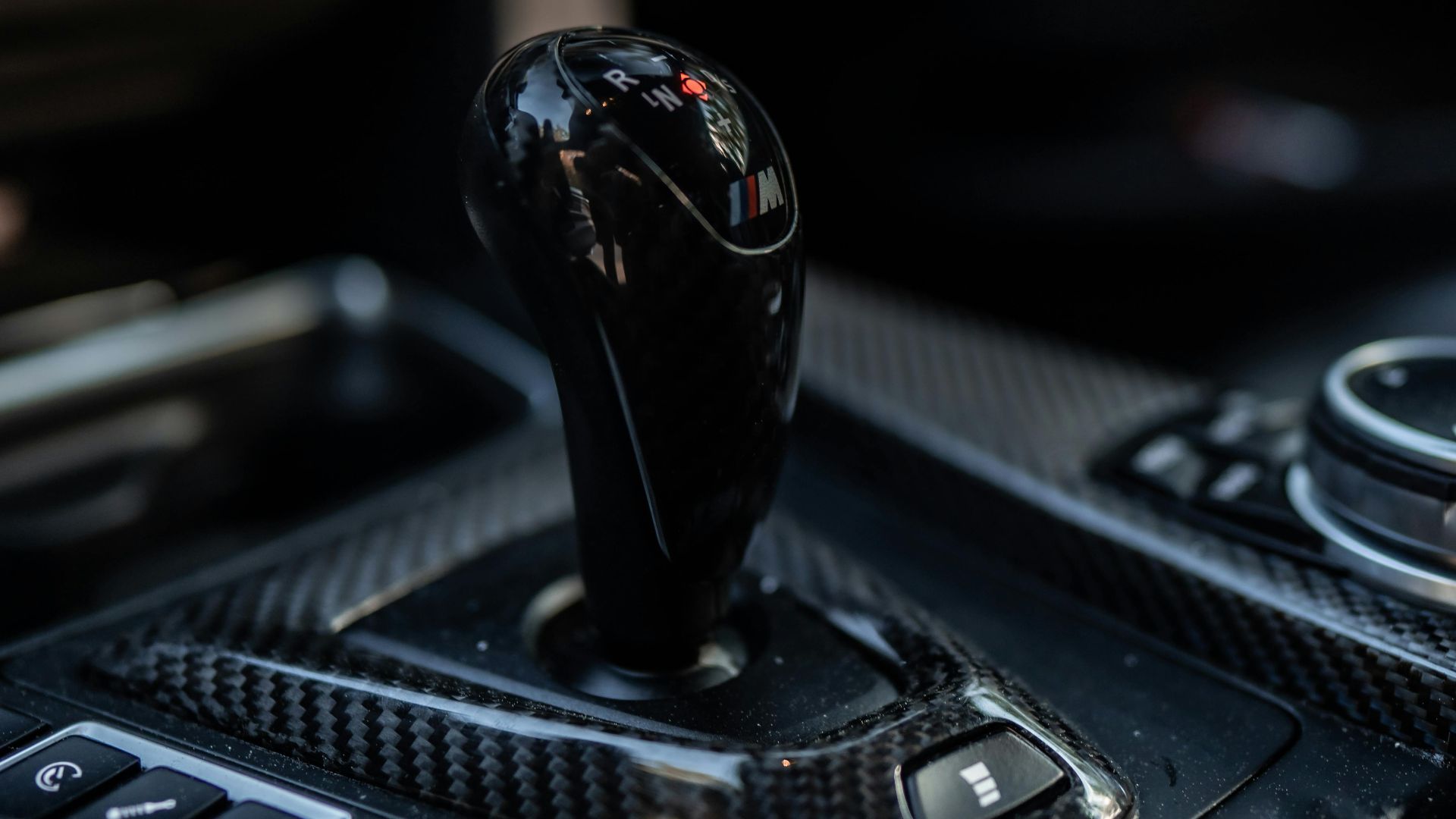
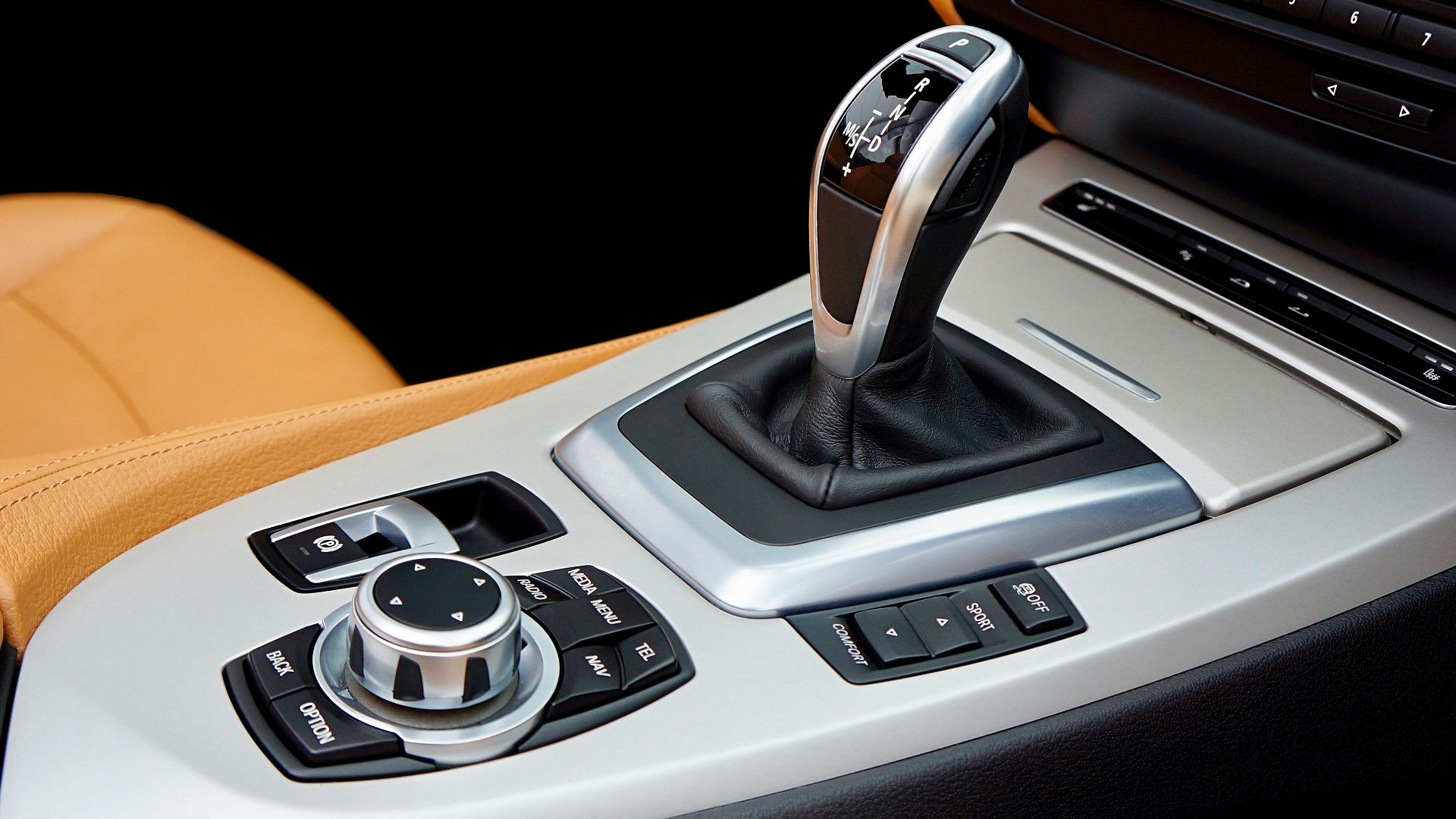
One point that a lot of drivers miss out on is the transmission. Unlike the engine, the transmission warms up a lot more slowly. Transmission fluid thickens in cold weather and needs some time and gentle use to warm up properly.
Why Transmission Warm-Up Matters
Cold transmission fluid doesn’t flow as easily, and this in turn can cause delayed shifting or harsher gear changes. Driving aggressively immediately after startup stresses the internal components. Even if the engine is fine, the transmission could still be cold.
Driving Slowly Is Its Own Warm-Up
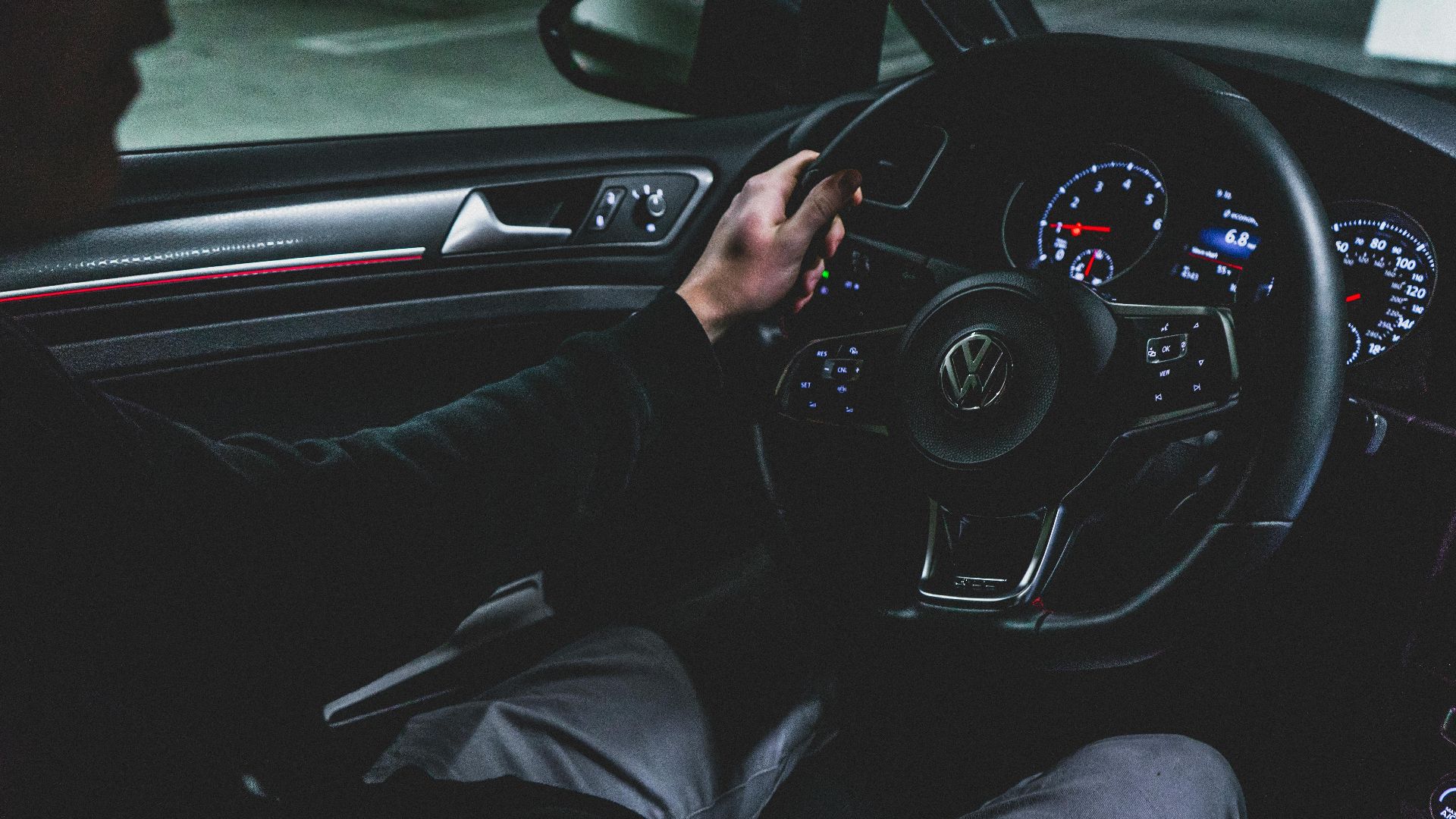
Your son is not entirely wrong provided that he starts driving gently. Slow, steady driving warms the engine and transmission in unison. That approach combines today’s engineering realities with a dose of common-sense old-school caution.
Why Idling Still Feels Reassuring
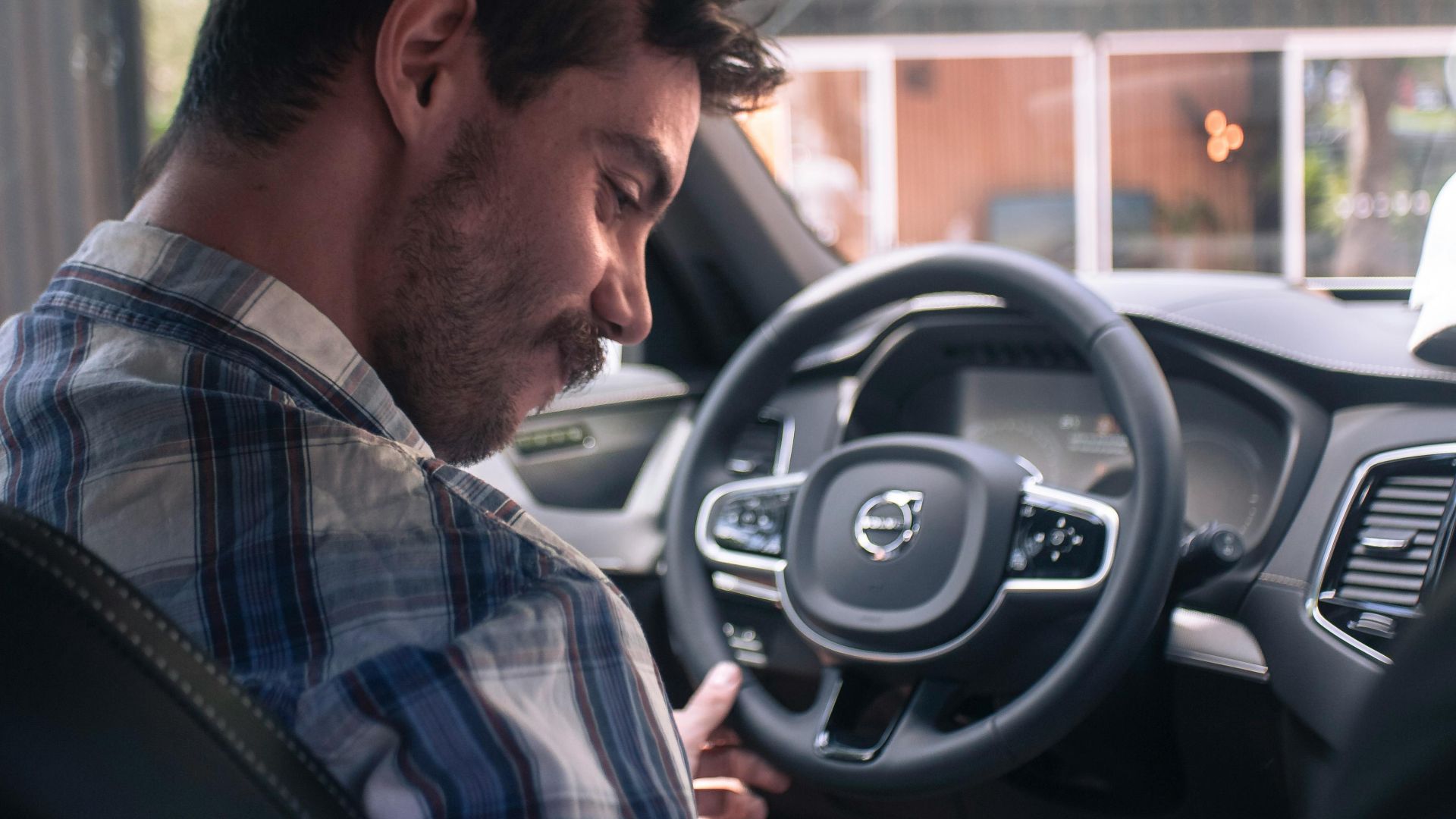
For many drivers, warming up feels like the right thing to do. You hear the idle smooth out, feel heat start flowing, and you know fluids are circulating. It it’s been snowing out, you’re going to want the interior to have time to warm up anyway while you remove snow and ice. Even if modern engines objectively don’t need it as much, that reassurance is hard to shake when you want to keep something expensive in proper working order.
Remote Starts And Cold Weather Habits
Remote starting systems complicate this debate a little bit. Automakers sell them, but on the other hand they also discourage long idling. People like to use them for cabin comfort, not engine health. That’s a kind of mixed messaging that fuels confusion, and makes it hard to tell whether warming up is practical advice or just a comfort habit.
How Cold Is “Cold”?
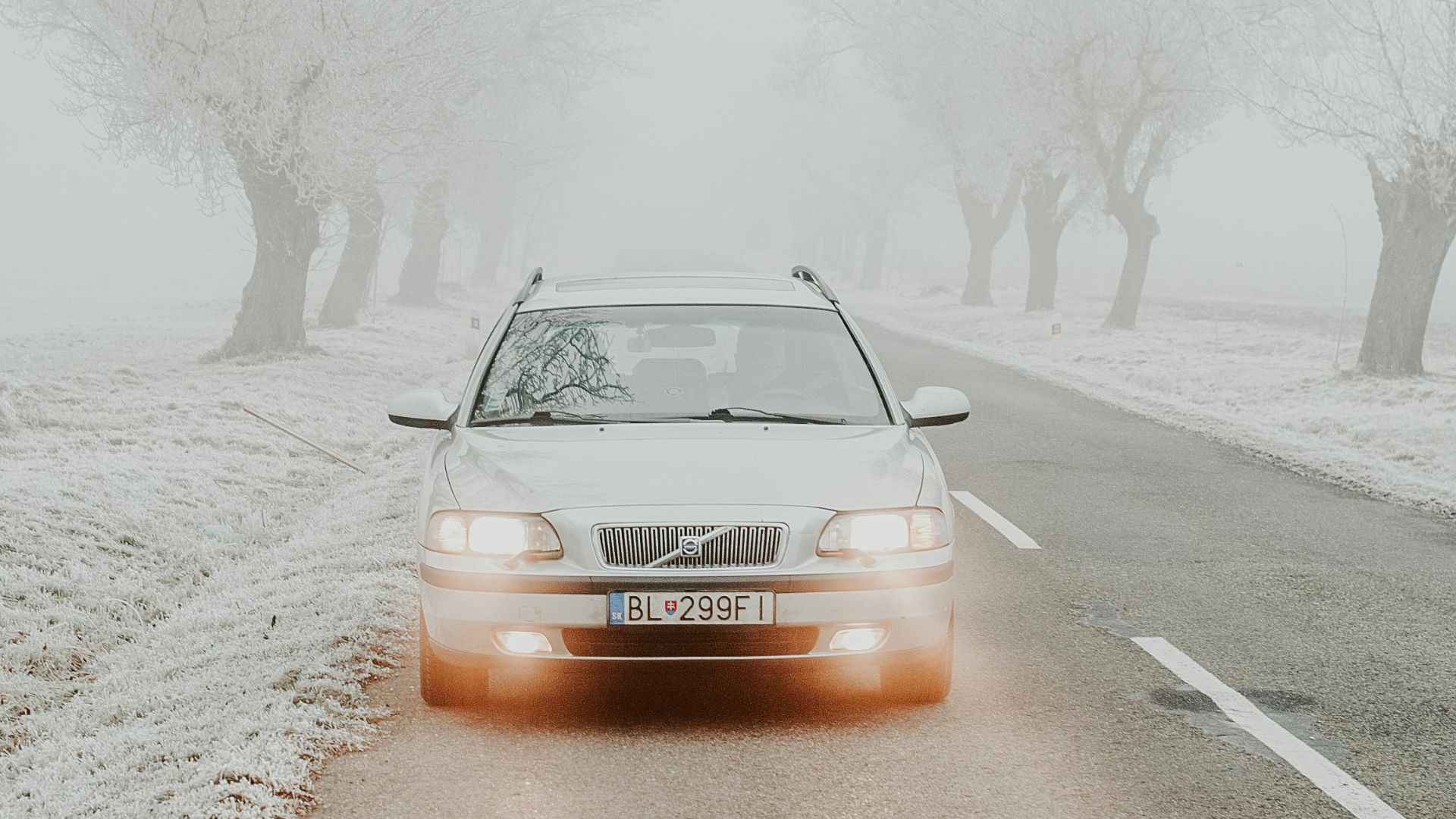
In deeper cold, some kind of warm-up will almost always make sense. If the car sits overnight at below 0 Fahrenheit, it's a good idea to give the car 2 or 3 minutes of warm-up time before you start moving. Oil can be extremely thick, batteries struggle, and driveline components also stiffen. In those kinds of true deep winter conditions, letting the car idle for a bit before driving gently can greatly reduce stress, even if it’s not necessary to do so in milder winter temperatures.
 Helena Jankovicova Kovacova, Pexels
Turbocharged Engines Add Another Layer
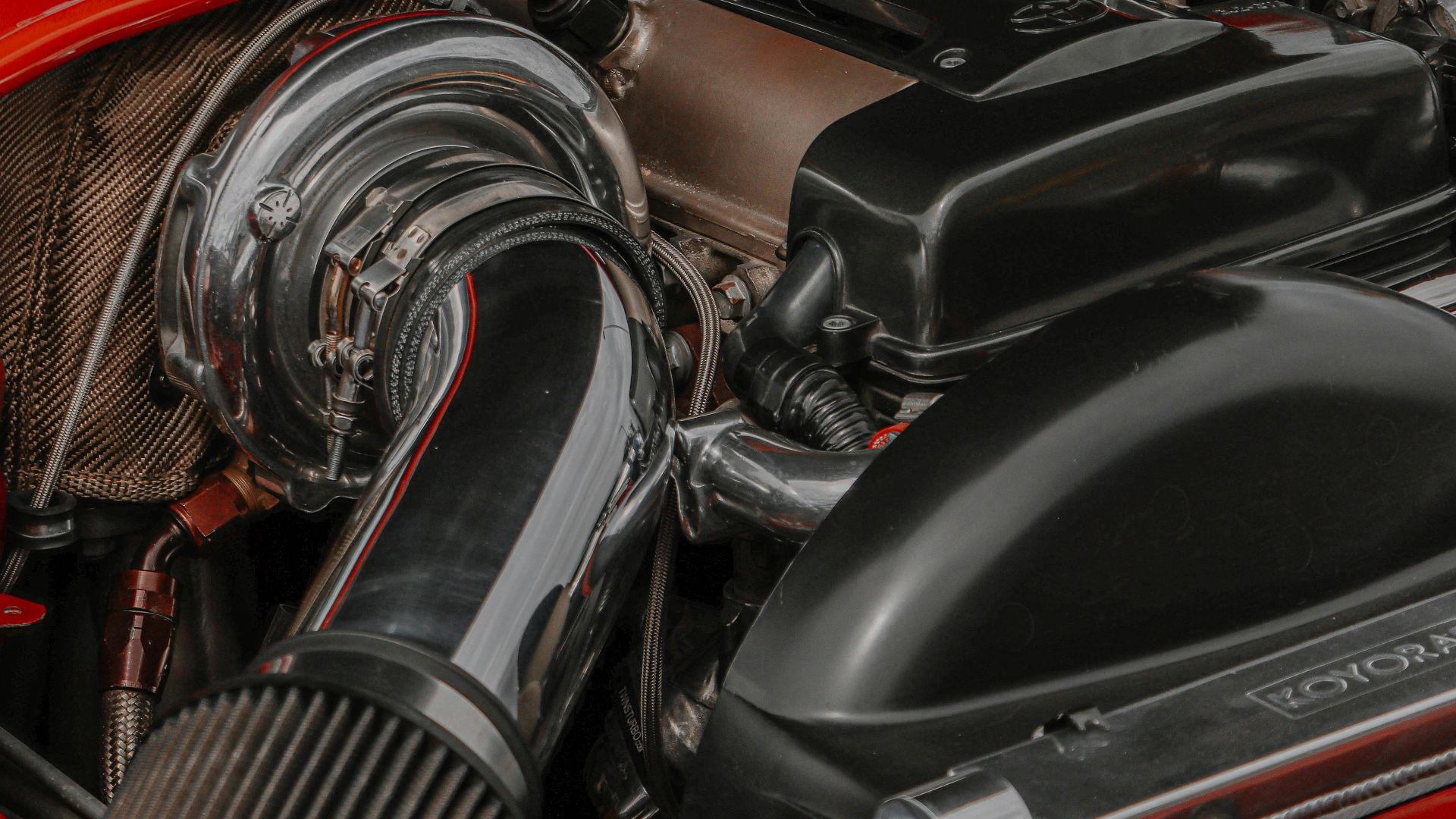
Turbo engines rely on oil flow for protection. Cold oil means slower lubrication. So while extended idle still isn’t required, giving the engine a moment or two before you get moving and avoiding the boost until warm is especially important for whatever turbo longevity you’re hoping for.
Why The Advice Sounds Conflicting
The reason it seems like you hear slightly different answers on this matter is because both sides are partially right. Engines don’t need long idle warm-ups anymore, but the drivetrains do still benefit from gradual temperature changes. Modern guidance has simplified the message, perhaps too much.
 Kostiantyn Zavhorodnii, Pexels
What “No Warm-Up Needed” Really Means
When people say modern cars don’t need warm-ups, they usually mean you don’t need to idle for five or ten minutes before starting out. It doesn’t mean that ice cold starts followed by immediate aggressive driving are harmless or recommended.

What To Tell Your Son
A reasonable compromise is simple advice. Just start the car, wait briefly, then drive gently for the first few minutes. Avoid high RPMs, hard acceleration, or towing anything until the vehicle reaches its full operating temperature.

Impact On Long-Term Wear
Small habits add up over the years. Gentle warm-ups might not show immediate obvious benefits, but they do reduce the cumulative wear on engines and transmissions. That’s going to matter most to those who plan to keep their vehicles long term instead of replacing them every few years.
Cultural Shift In Driving Advice
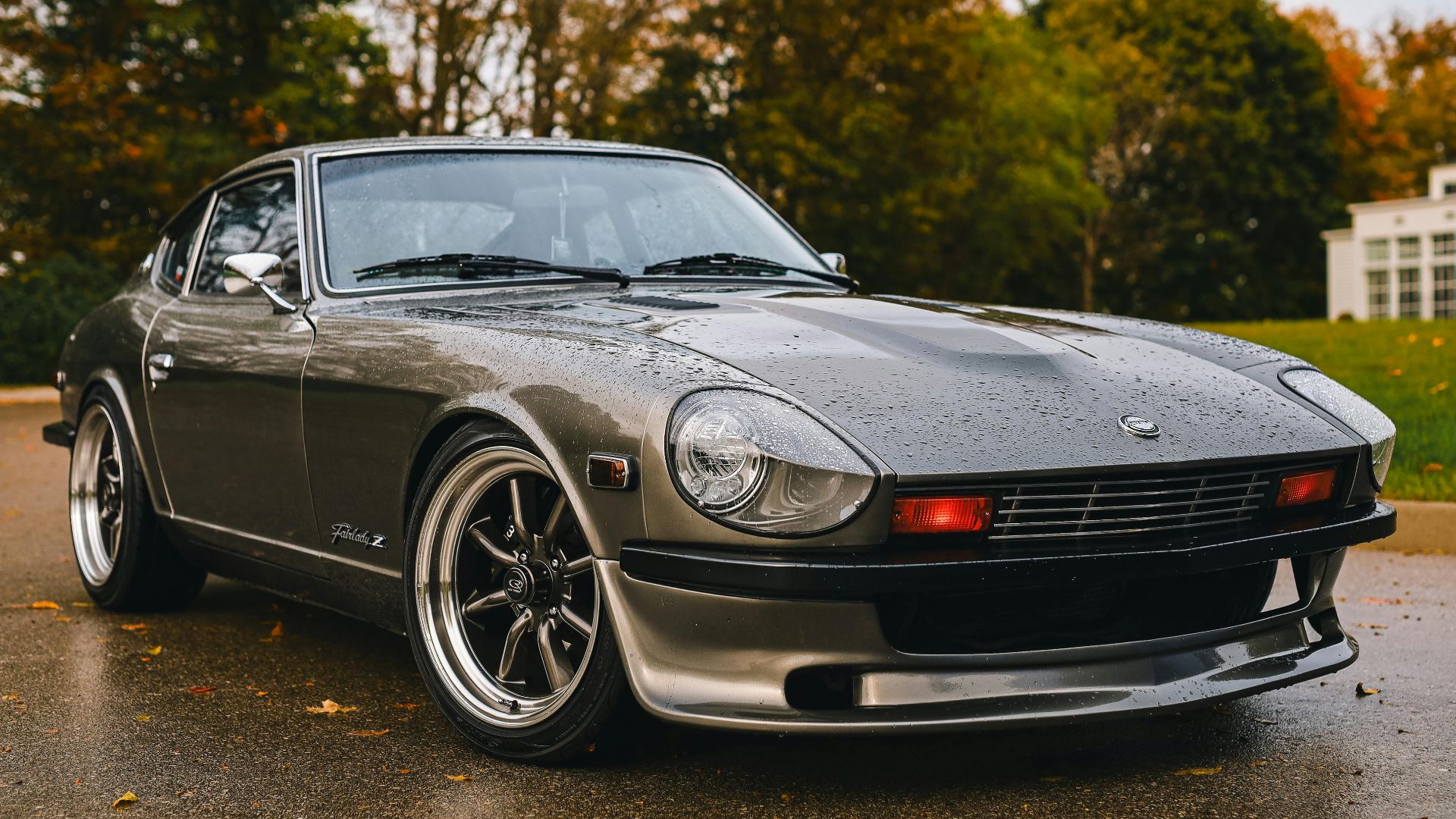
Not all of this shift is purely mechanical. Emissions rules, fuel economy targets, and changing ownership patterns all play a role in the evolution of modern automotive advice. Cars have tended to be treated more and more over the years as disposable appliances instead of machines meant to last decades.
You’re Not Wrong
You’re not wrong to question today’s wisdom. While it’s true that today’s cars don’t need long idle warm-ups, they still need some mechanical sympathy. Engines, transmissions, and drivetrains all do better with gradual warming. The smartest approach mixes modern engineering with the cautious common-sense attitude you grew up with.

You May Also Like:
Cars That Boomers Grew Up Driving That Wouldn't Pass Today's Safety Standards