
When Your Neighbor's Tree Becomes Your Problem
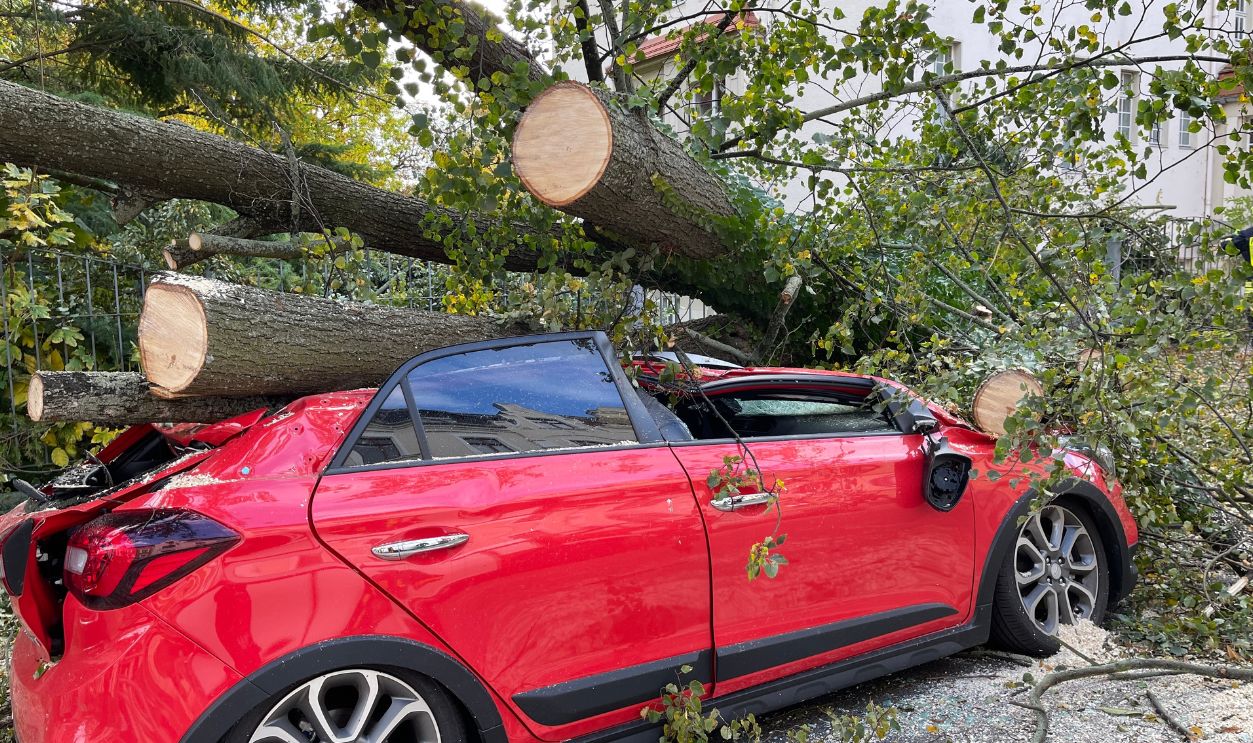
You wake up after a terrible storm and discover your neighbor's enormous tree resting on your car. The damage looks expensive, and surely their insurance should cover it, right? Unfortunately, determining who pays isn't quite that straightforward.
 New Africa, Shutterstock Images
The Tree's Location Doesn't Decide Who Pays
You might assume that because the tree belonged to your neighbor, they're automatically responsible for the damage. However, insurance generally focuses on what caused the tree to fall, not simply where it was growing.
 picture alliance, Getty Images
Your Comprehensive Coverage Usually Comes First
If your car has comprehensive insurance, you're probably covered. This protection generally pays for damage from falling trees, branches, and other objects. It usually applies even when the tree originated on someone else's property, subject to your deductible.
 Skrypnykov Dmytro, Shutterstock
Liability-Only Insurance Is A Different Story
Unfortunately, carrying only liability coverage won't normally help repair your damaged vehicle. Liability insurance covers certain damage you cause to other people and their property. Without comprehensive protection, you may have to cover repairs yourself unless someone else is responsible.

A Healthy Tree Changes Everything
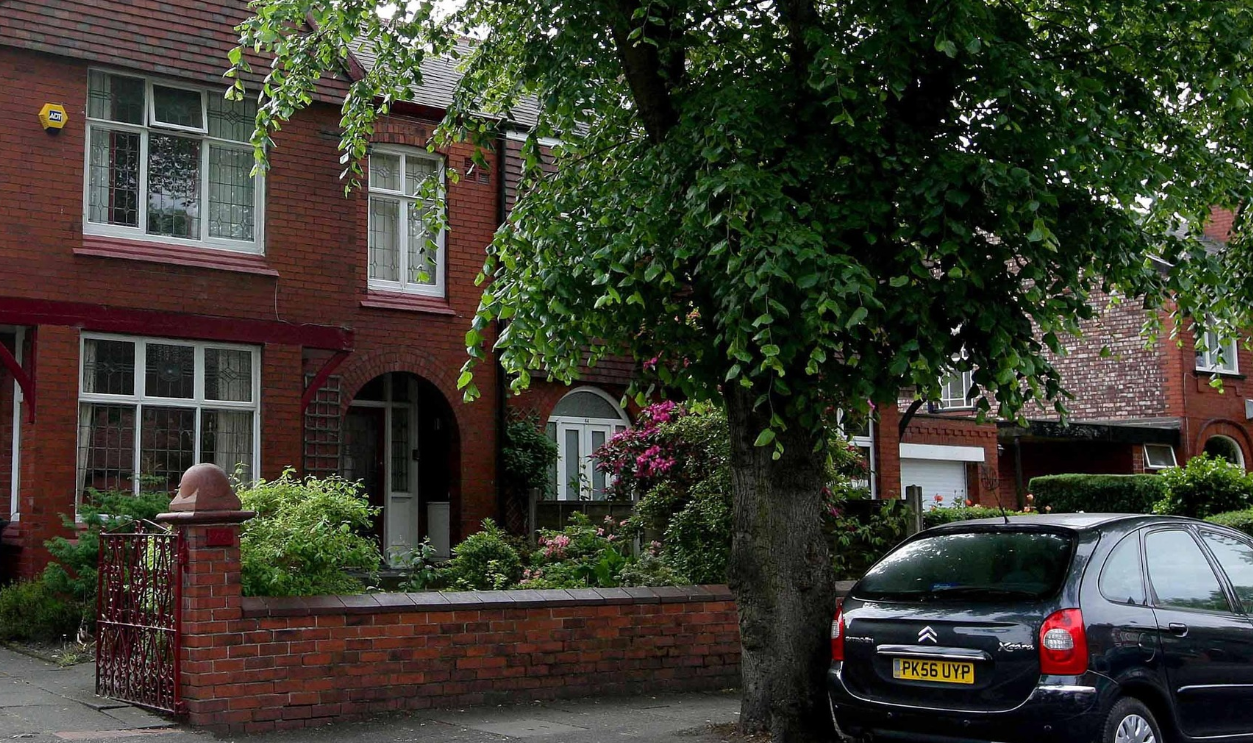
Suppose your neighbor maintained their perfectly healthy tree, but powerful winds uprooted it anyway. In most cases, they wouldn't be considered responsible. Storm damage involving healthy trees is generally treated as an unavoidable natural event rather than someone's mistake.
 Dave Thompson - PA Images, Getty images
But A Neglected Tree Is Another Matter
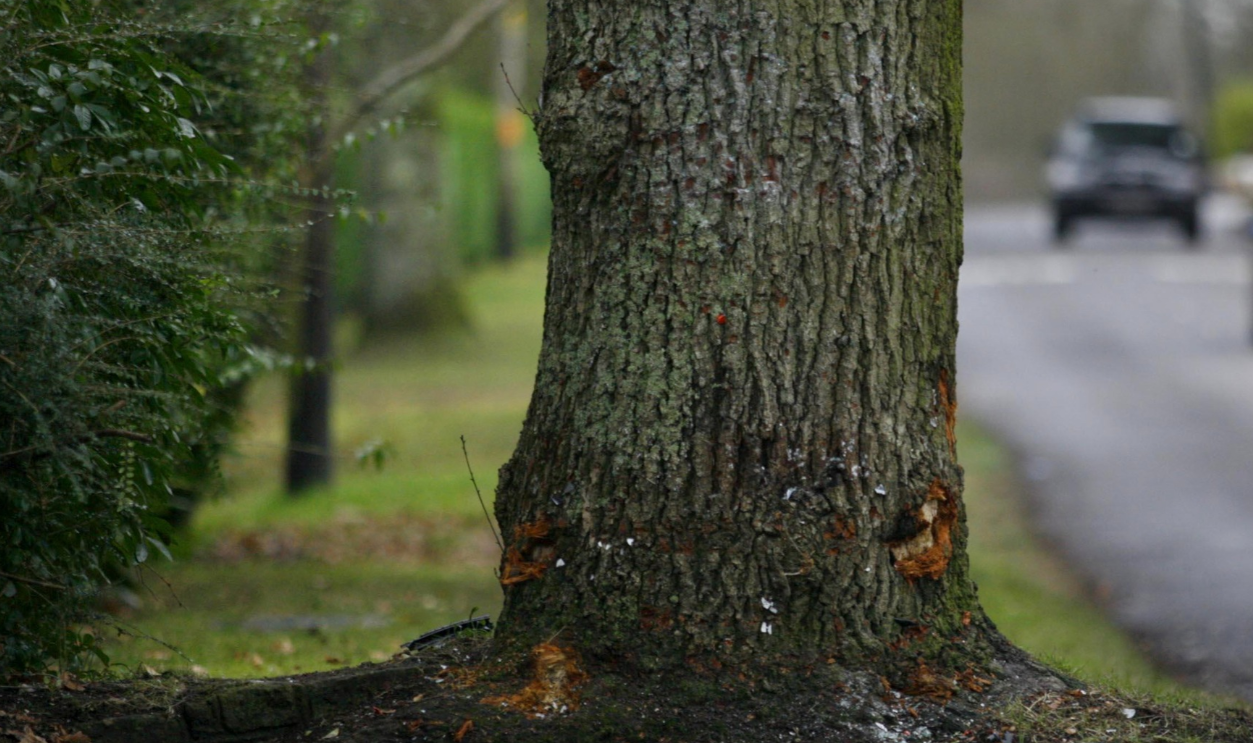
Things become more complicated if the tree was visibly decaying, damaged, or dangerously unstable before the storm. If your neighbor failed to address a hazard they knew or reasonably should have known about, they could potentially be responsible.
 Chris Ison - PA Images, Getty images
Previous Complaints Could Become Important Evidence
Did you previously warn your neighbor that the tree looked dangerous? Written messages, photographs, or documented complaints may help establish what they knew before it fell. That evidence could make a significant difference when responsibility is disputed.

An Arborist's Opinion May Strengthen Your Case
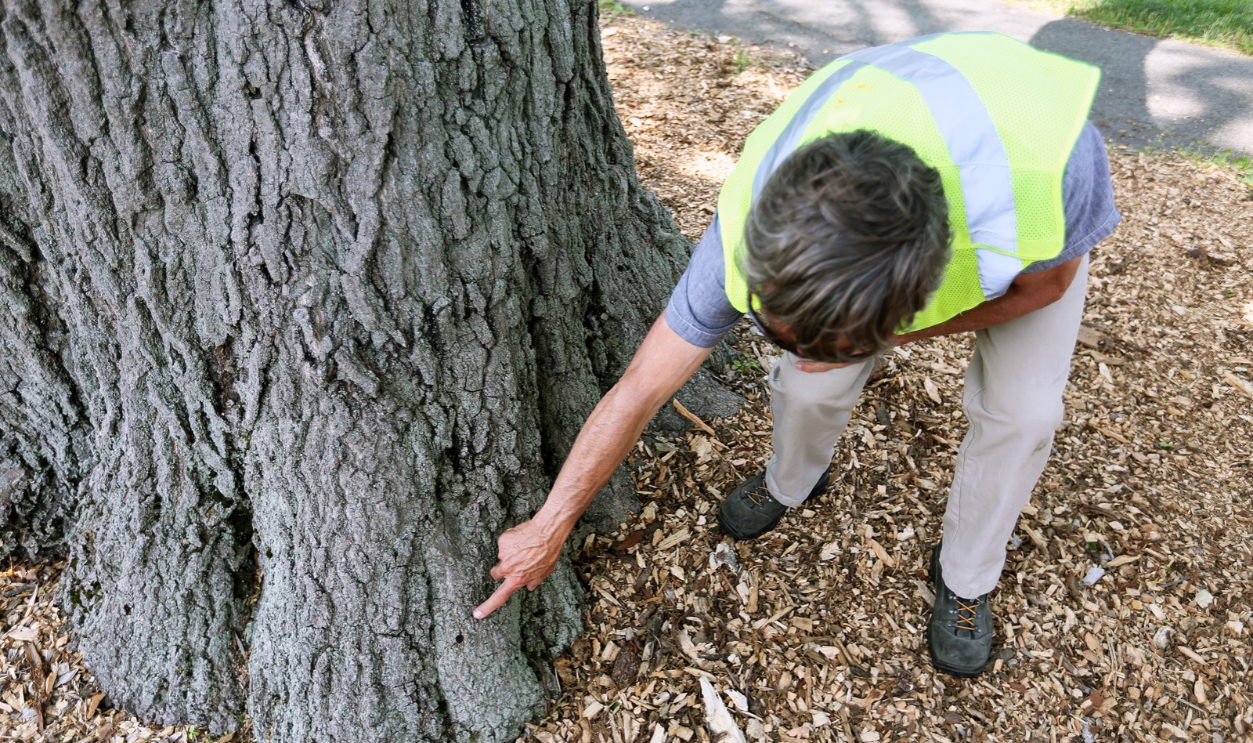
Professional tree assessments can be valuable when determining whether a dangerous condition existed before the storm. For example, an earlier recommendation to remove a deteriorating tree could support your position that your neighbor had sufficient warning.
 Portland Press Herald, Getty images
Your Neighbor's Homeowners Insurance Might Pay
If your neighbor is found responsible for failing to address a known hazard, their homeowners liability coverage may help compensate you. However, their insurer will examine the circumstances, available evidence, policy terms, and applicable state rules before determining coverage.

Your Own Homeowners Policy Probably Won't Help
Here's another frustrating surprise: your homeowners insurance generally doesn't cover damage to your automobile. Even when the car was parked in your driveway, the damage usually belongs under comprehensive auto coverage rather than your home's property protection.

A Falling Branch Counts Too
The entire tree doesn't need to collapse for comprehensive coverage to apply. A large branch crashing onto your windshield or roof is generally treated similarly. What matters is that a falling object caused damage covered by your policy.
Driving Into A Fallen Tree Is Different
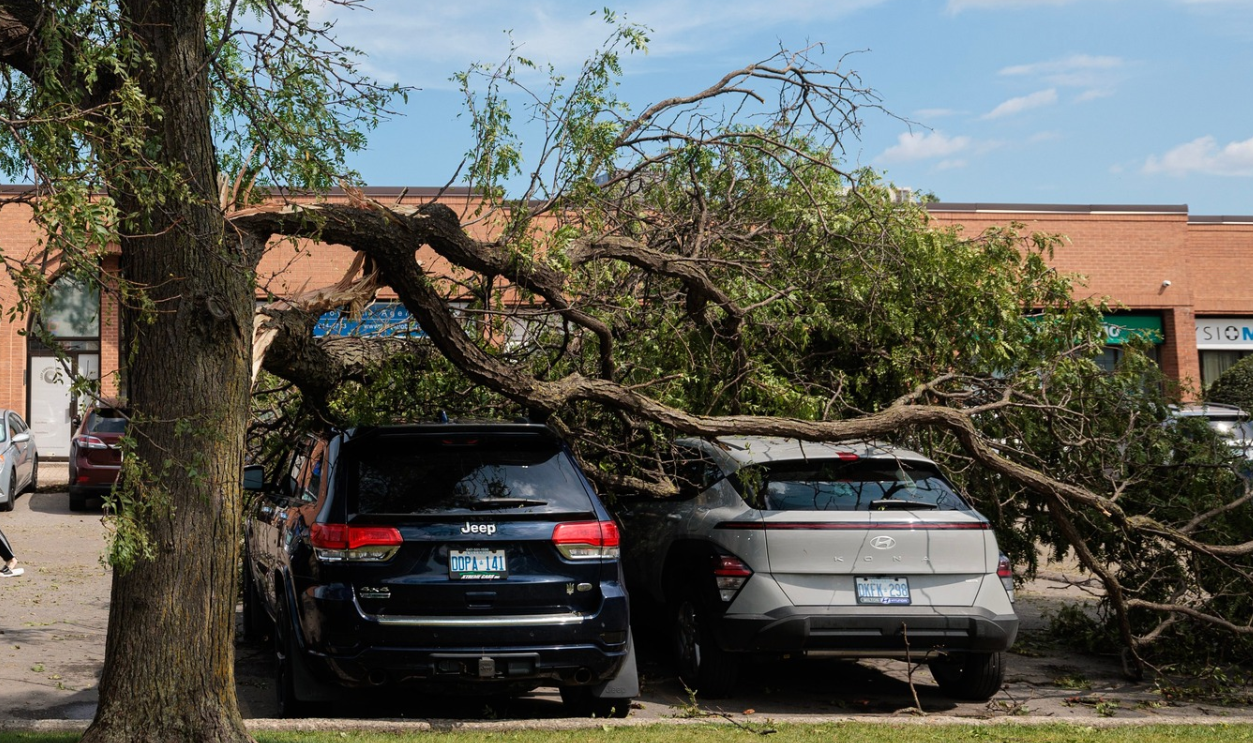
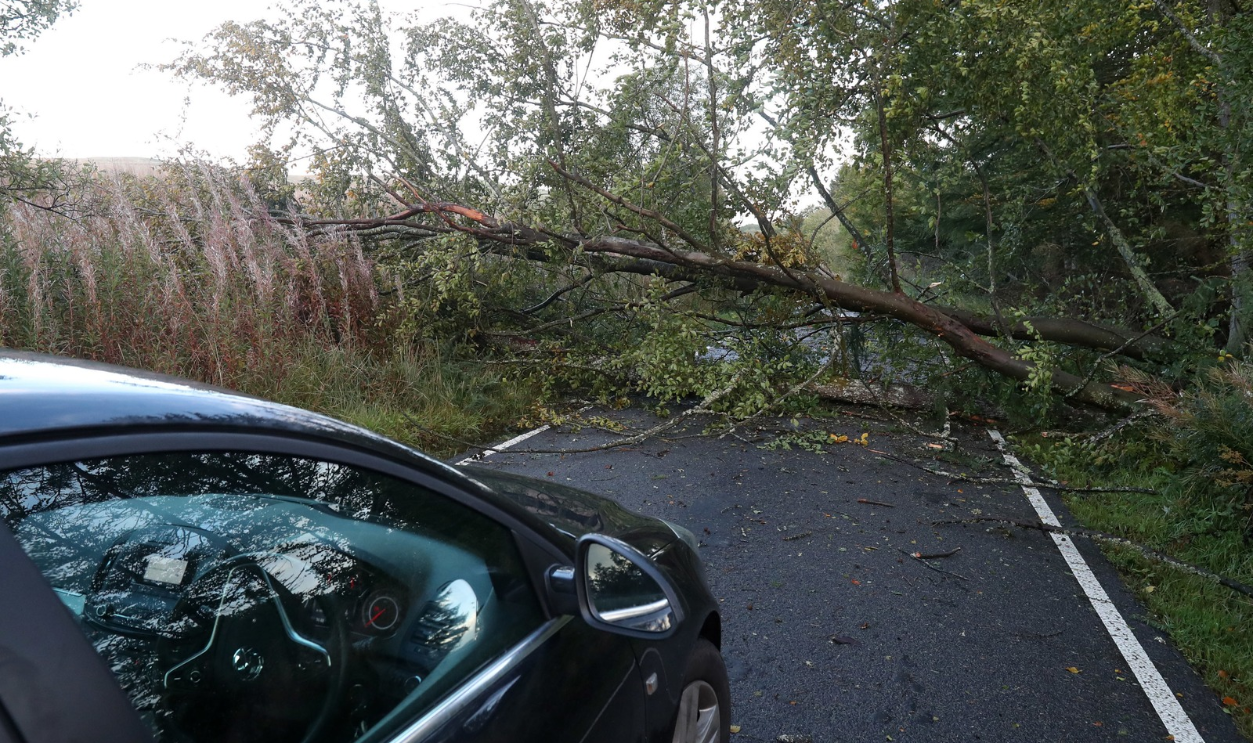
Timing matters more than you might expect. When a tree falls onto your vehicle, comprehensive coverage usually applies. But if you drive into a tree already lying across the road, your insurer will generally consider that a collision claim.
 Andrew Milligan - PA Images, Getty images
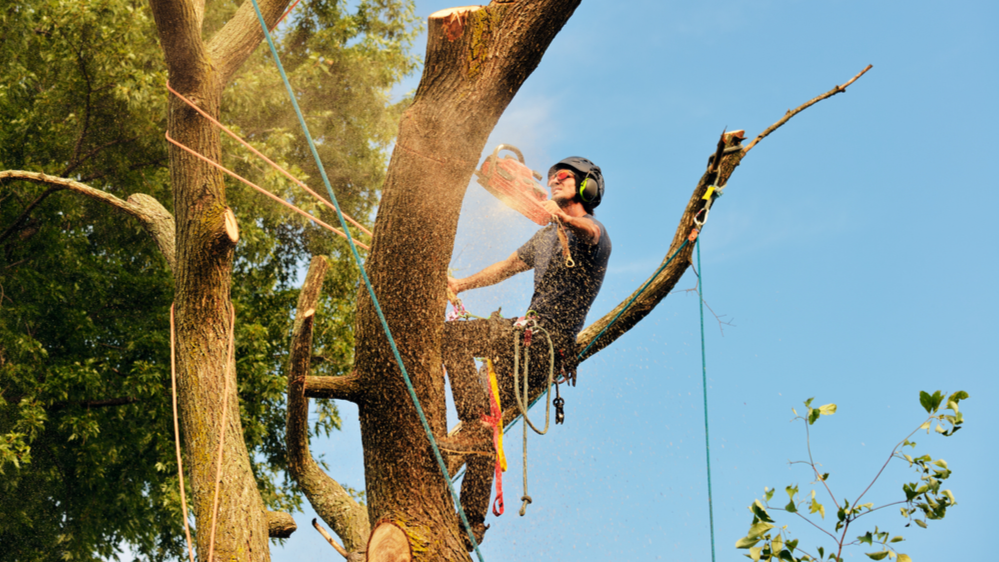
What If A Tree Removal Company Caused It?
Sometimes the damage isn't caused by weather alone. If workers accidentally drop a tree or branch onto your vehicle, the responsible contractor's liability insurance may cover the damage. Your insurer can help determine how to pursue reimbursement.
What If The Tree Belonged To The City?
A tree growing on public property doesn't automatically make the local government responsible. As with privately owned trees, evidence of a known hazard may matter. Municipal responsibility also depends on applicable state and local requirements.
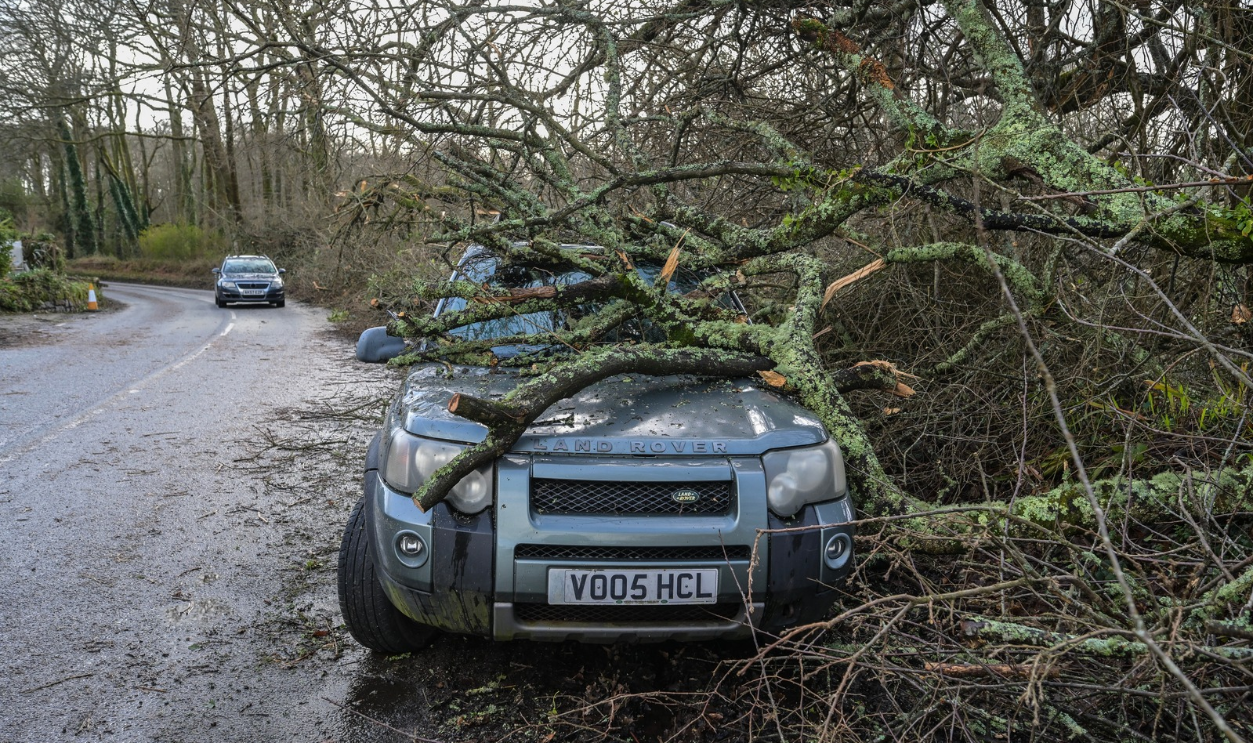
Don't Approach The Car Until It's Safe
Before worrying about the insurance claim, check for hanging branches, unstable trunks, and fallen electrical lines. Damaged trees can remain dangerous after a storm. Keep your distance from hazards and contact the appropriate emergency or utility services.
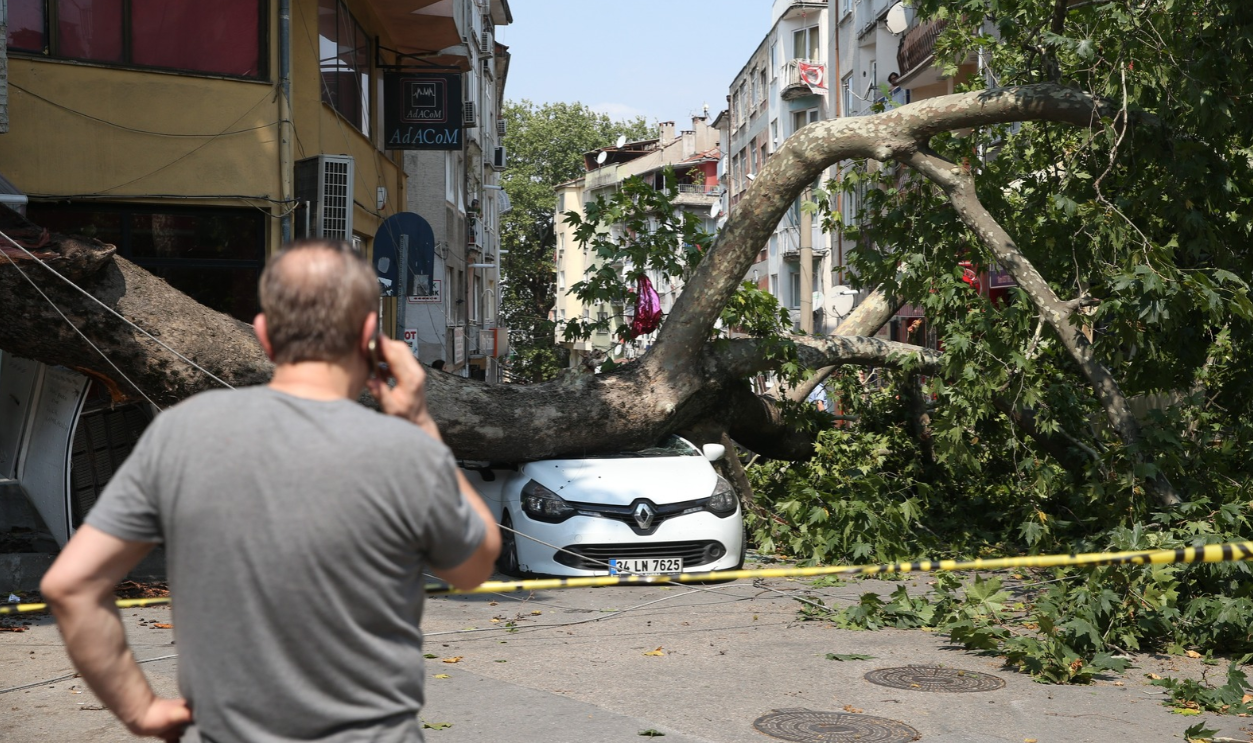
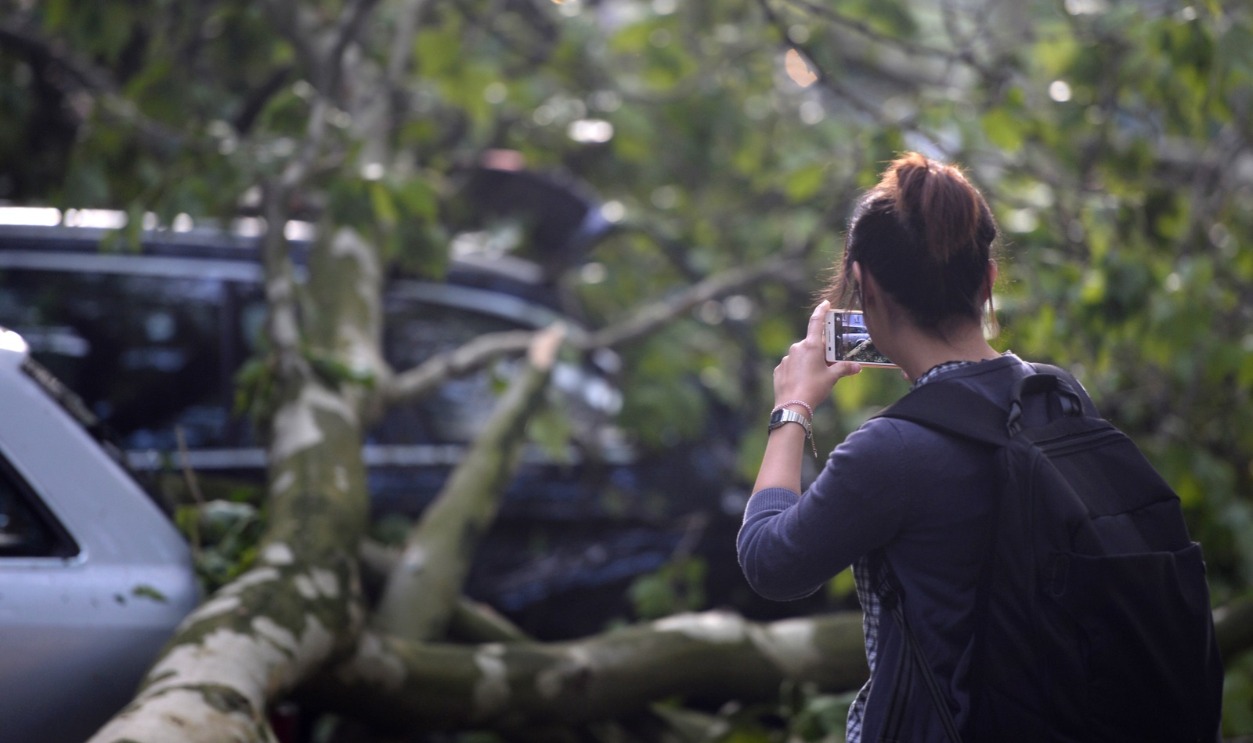
Photograph Everything Before Cleanup Begins
Take clear photographs of your damaged vehicle, the fallen tree, and the surrounding area whenever it's safe. Capture visible decay or broken branches, too. These images can help your insurer document damage and investigate possible responsibility.
 picture alliance, Getty images
Contact Your Insurance Company Promptly
Don't assume your neighbor will handle everything. Contact your own auto insurer and explain exactly what happened, even if you believe someone else was responsible. Your insurer can review your coverage and explain the next steps.

Let The Insurance Adjuster Evaluate The Damage
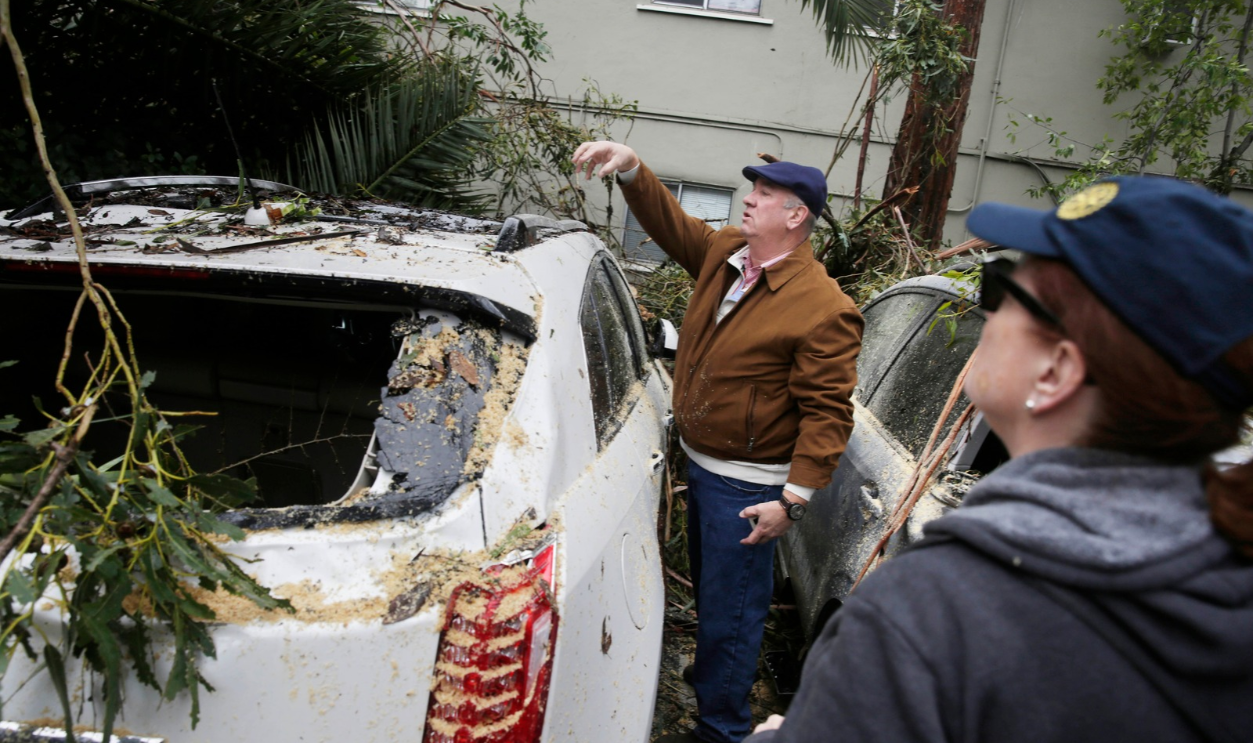
Your insurer may inspect the vehicle directly or evaluate photographs before approving repairs. Avoid authorizing major work without discussing the process first. If a repair shop discovers additional damage, it should coordinate the revised estimate with your insurer.
 San Francisco Chronicle/Hearst Newspapers, Getty images
Keep Every Receipt Related To The Incident
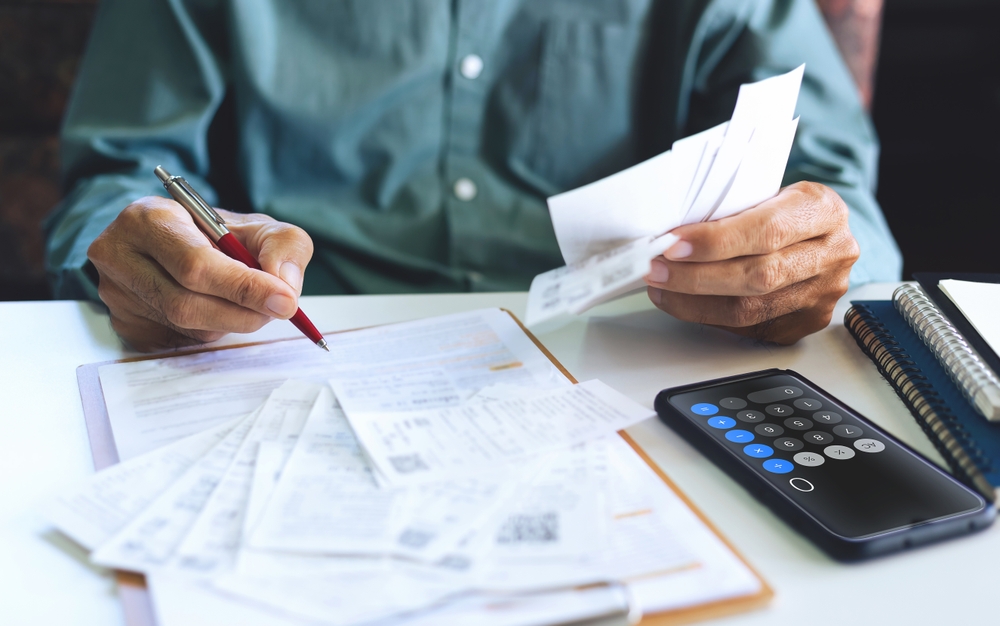
Towing, temporary protection, and other necessary expenses can accumulate quickly. Save invoices, photographs, and correspondence concerning the damaged vehicle. Whether particular expenses qualify for reimbursement depends on your coverage and the circumstances of the claim.
You'll Probably Still Pay A Deductible
Having comprehensive coverage doesn't necessarily mean repairs are free. If repairs cost $3,000 and your comprehensive deductible is $500, your insurer would generally cover the remaining $2,500. Your policy determines the actual amount you're responsible for paying.
 Natthawadee Jana, Shutterstock
You Might Eventually Recover That Deductible
If your insurer determines another party is responsible, it may pursue reimbursement through a process called subrogation. Successful recovery could also return some or all of your deductible, depending on the recovery and applicable state rules.

Tree Removal Is A Separate Insurance Question
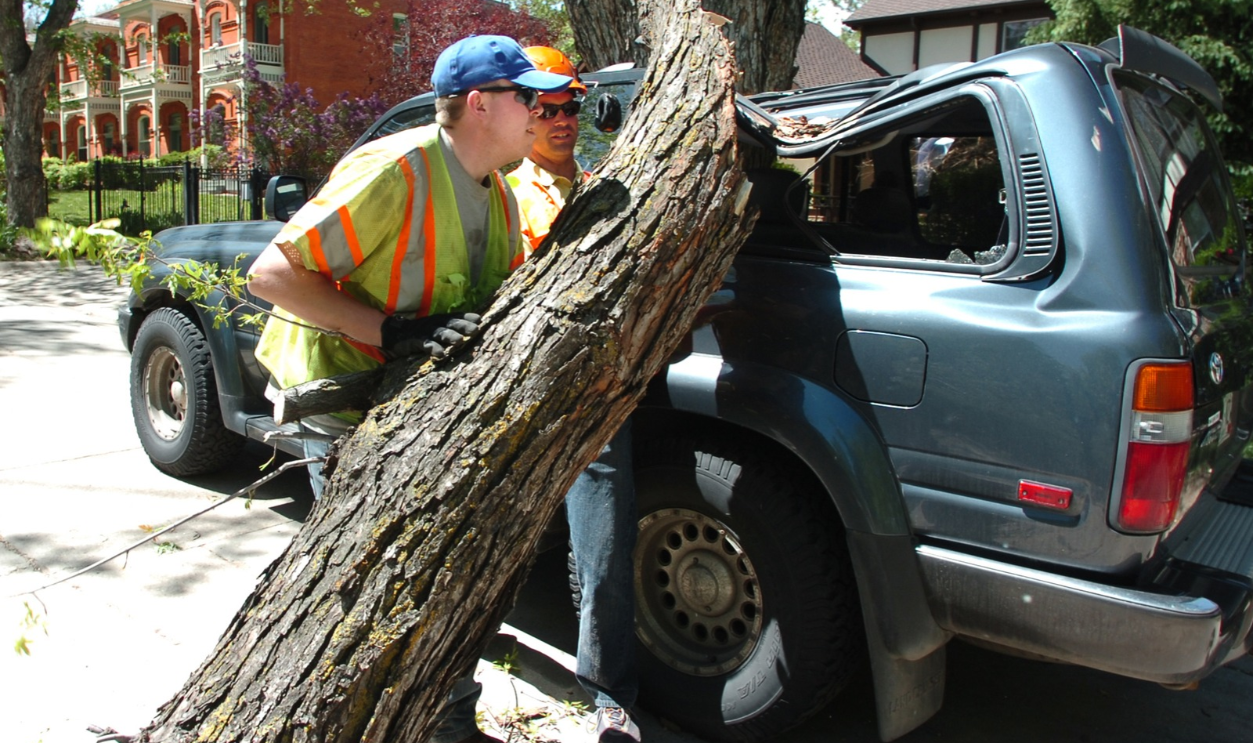
Removing the fallen tree isn't necessarily handled the same way as repairing your vehicle. Coverage depends on where the debris landed and what it damaged. Homeowners policies may provide limited removal coverage in certain circumstances, including blocked driveways.
 MediaNews Group/Boulder Daily Camera via Getty Images, Getty images
What Happens If Your Car Is Totaled?
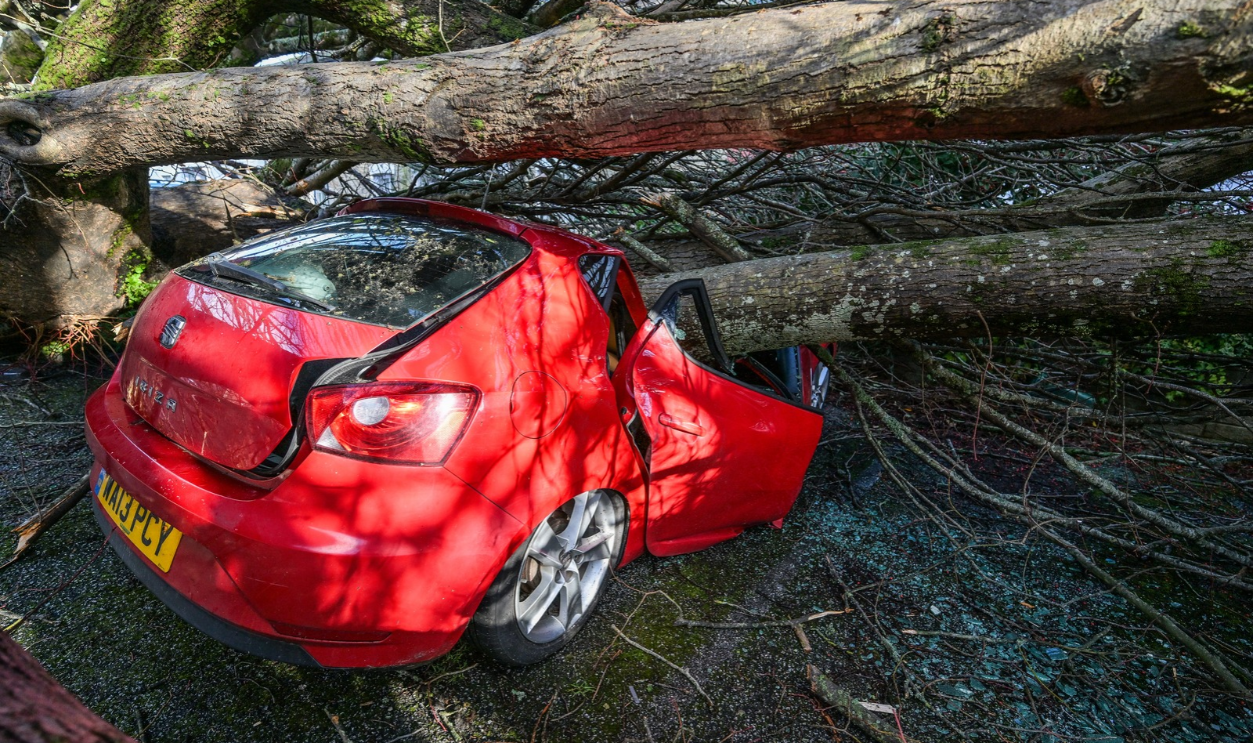
A sufficiently damaged vehicle may be declared a total loss rather than repaired. Comprehensive insurance generally pays according to the vehicle's actual cash value, subject to policy terms and deductibles, rather than automatically providing a brand-new replacement.
Don't Assume Your Rental Car Is Covered
If you need temporary transportation, check whether your policy includes rental reimbursement. Comprehensive coverage alone doesn't guarantee this benefit. Rental reimbursement generally requires a qualifying covered loss, and daily limits or maximum payment periods may apply.
 Vodafone x Rankin everyone.connected, Pexels
Could Filing The Claim Increase Your Premium?
Possibly, although an increase isn't automatic. Claims history can influence insurance pricing and renewal decisions, subject to state rules. Before filing a relatively small claim, compare your expected insurance payment with your deductible and discuss potential consequences with your insurer.

What If Nobody Agrees About Who Should Pay?
If your insurer denies coverage or offers an unsatisfactory settlement, request a written explanation and provide supporting documentation. You can also contact your state's insurance department about unresolved claim-handling disputes. Ultimately, the strongest approach is understanding your coverage and preserving evidence.
You May Also Like: