The Bargain That Started Getting Expensive
When I found an inexpensive used car with surprisingly low mileage, it seemed like the perfect deal. The odometer suggested plenty of life remained, and the purchase price was comfortably within my budget. But after several trips to the repair shop, I'm beginning to wonder whether I overlooked something important.

Low Mileage Doesn't Tell The Whole Story
Mileage is an important consideration when buying a used car, but it isn't a complete measure of mechanical condition. Consumer Reports explains that vehicles driven infrequently can develop problems even without accumulating many miles. Age, maintenance, and storage conditions all influence how well a vehicle holds up. That means a car with 40,000 miles isn't automatically healthier than one with 90,000 miles.

The Problem With Cars That Sit Around
A vehicle that spends months parked might seem better preserved than one driven every day. However, Consumer Reports warns that prolonged inactivity can contribute to dead batteries, brake corrosion, deteriorating seals, and other problems. Cars are designed to operate regularly, and extended storage requires appropriate maintenance. Suddenly, that barely driven bargain might not look quite so attractive.
Rubber Parts Keep Aging Anyway
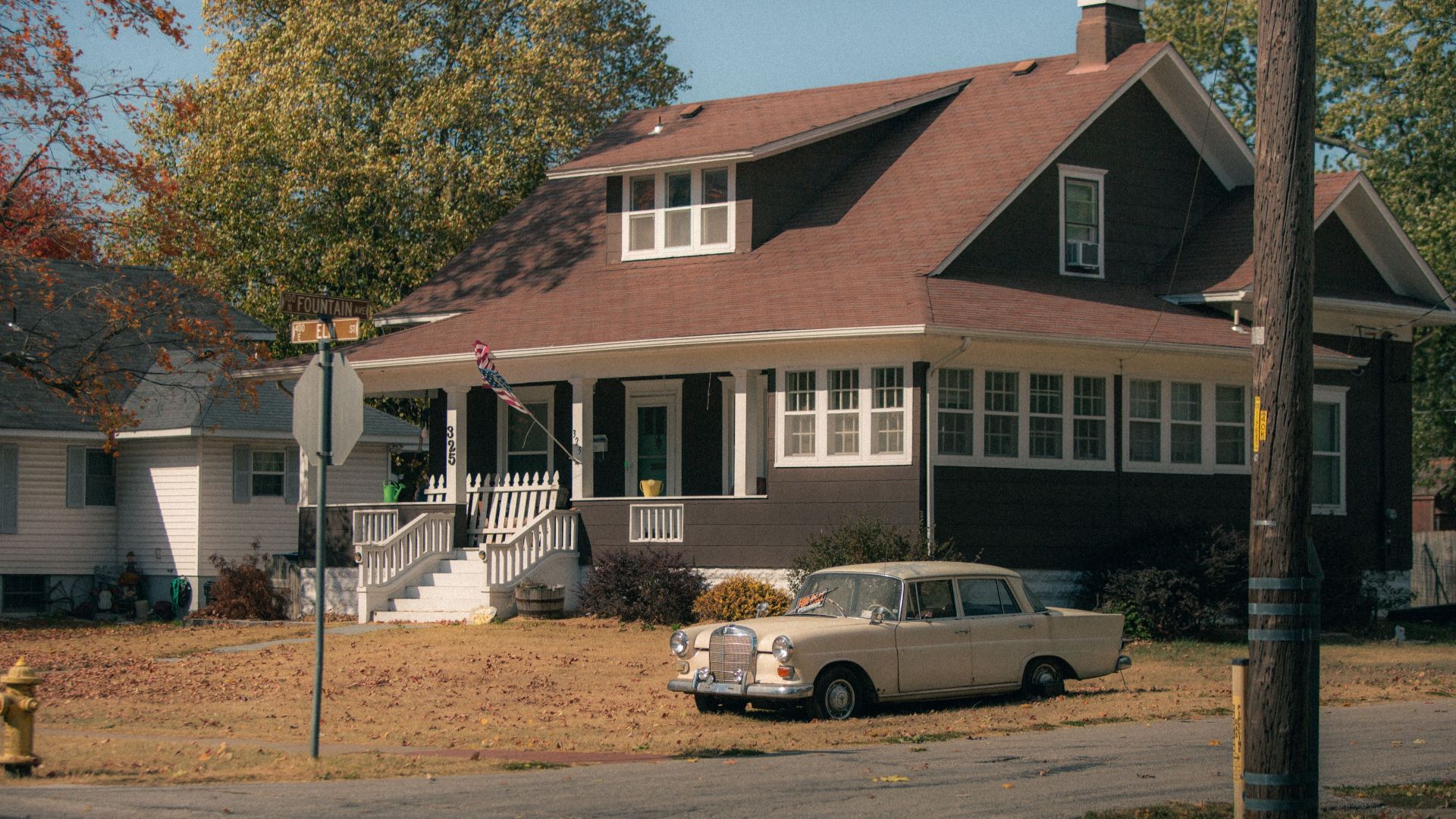
Low mileage doesn't stop rubber components from deteriorating over time. Consumer Reports identifies dried-out seals and resulting leaks as potential problems when vehicles sit unused for extended periods. A car can therefore develop fluid leaks despite having relatively little wear from driving. When several aging components need attention together, the resulting repair bills can become frustrating.
Those Tires Might Be Older Than They Look
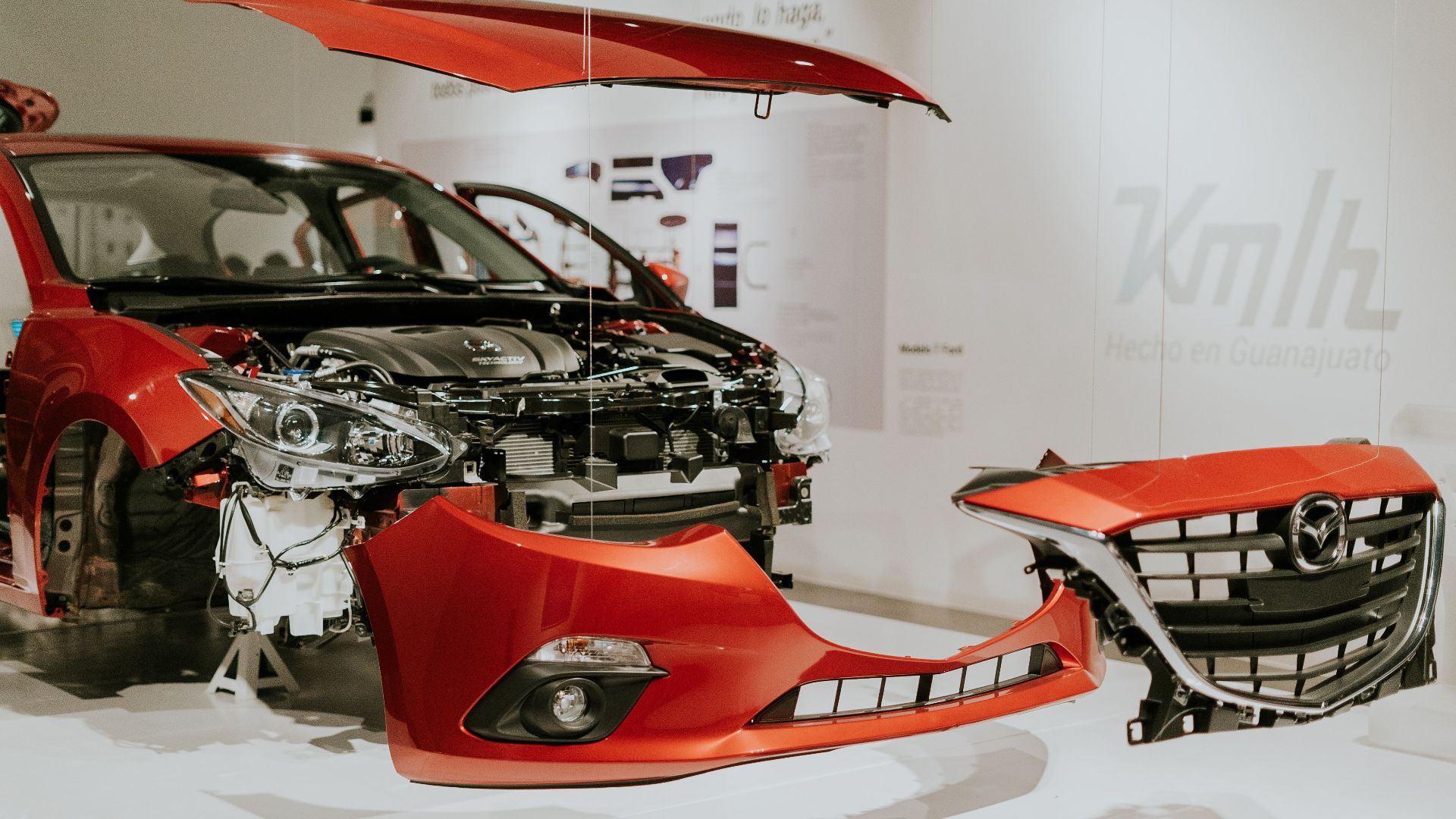
A used car's tires deserve attention beyond their remaining tread depth. The National Highway Traffic Safety Administration warns that tires deteriorate as they age, even when they haven't been driven extensively. The agency also notes that some vehicle and tire manufacturers recommend replacing tires after a specified number of years, regardless of tread wear. Checking the tire identification number and the manufacturer's recommendations can reveal whether apparently healthy tires are approaching replacement age.
The Battery Might Have Been Neglected
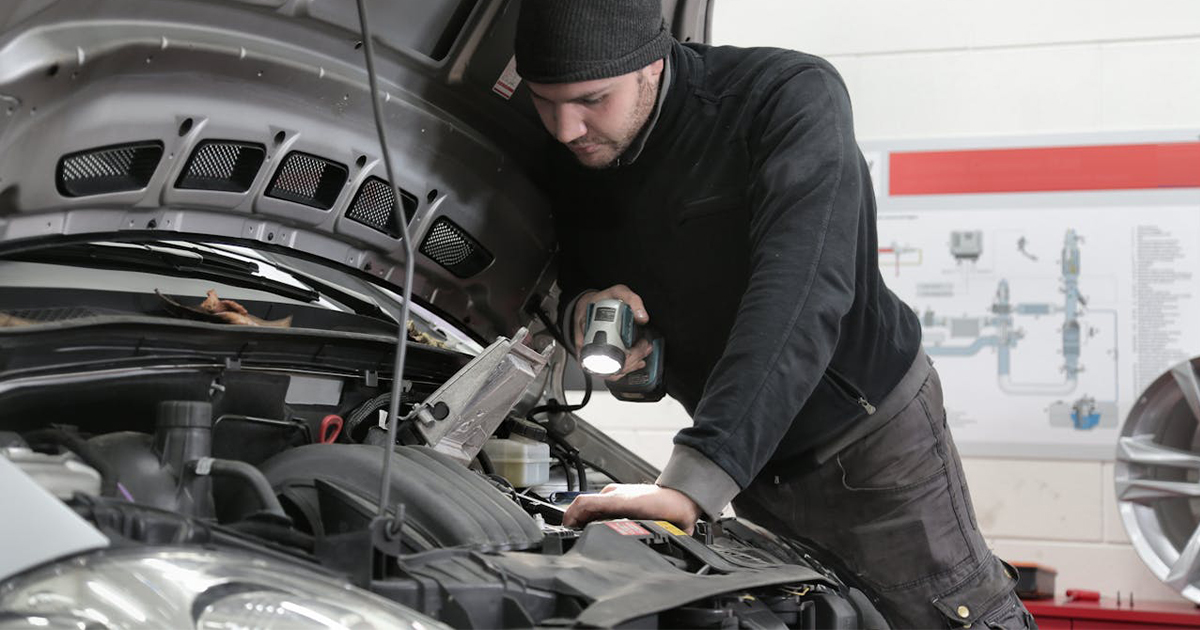
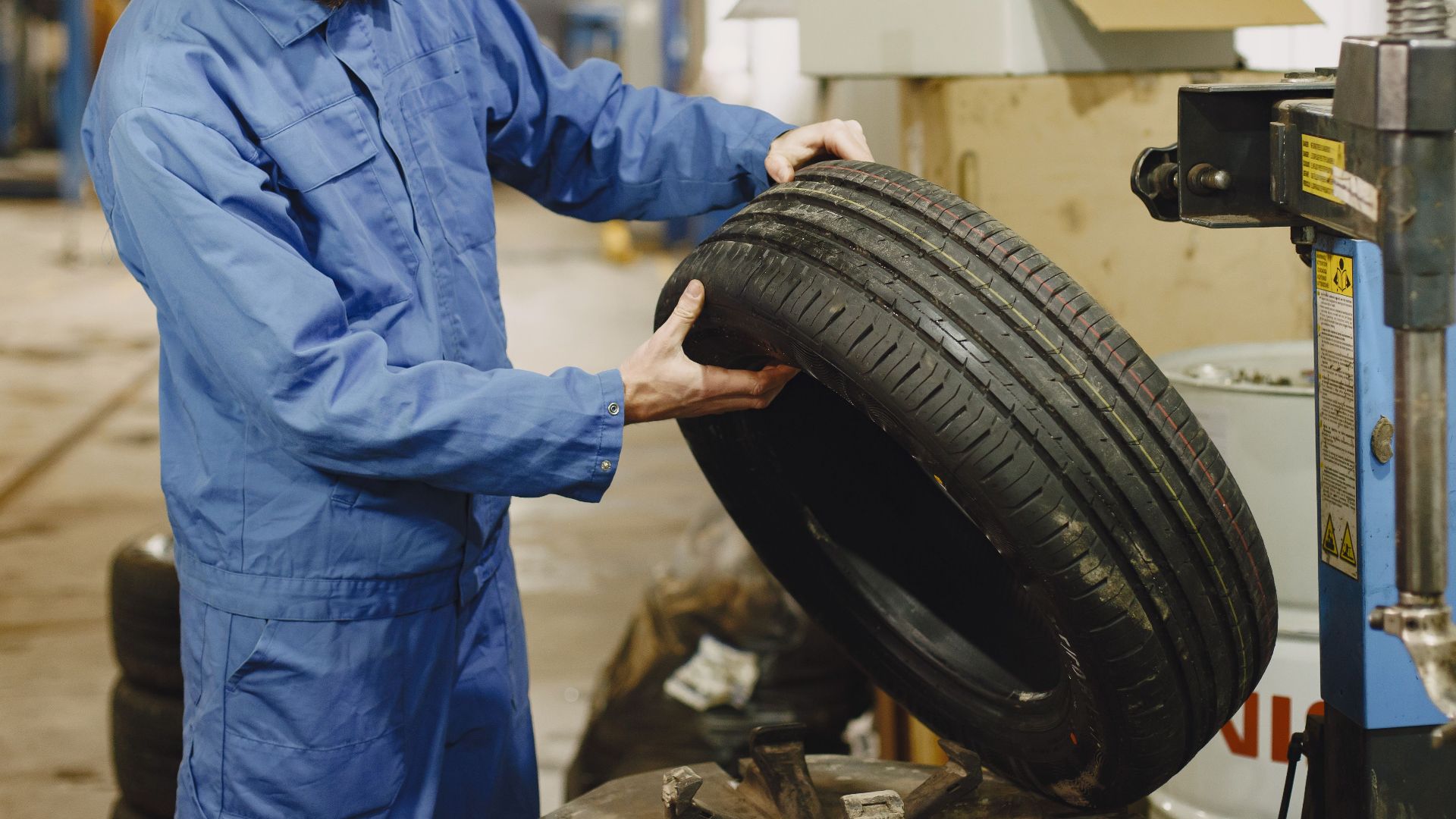
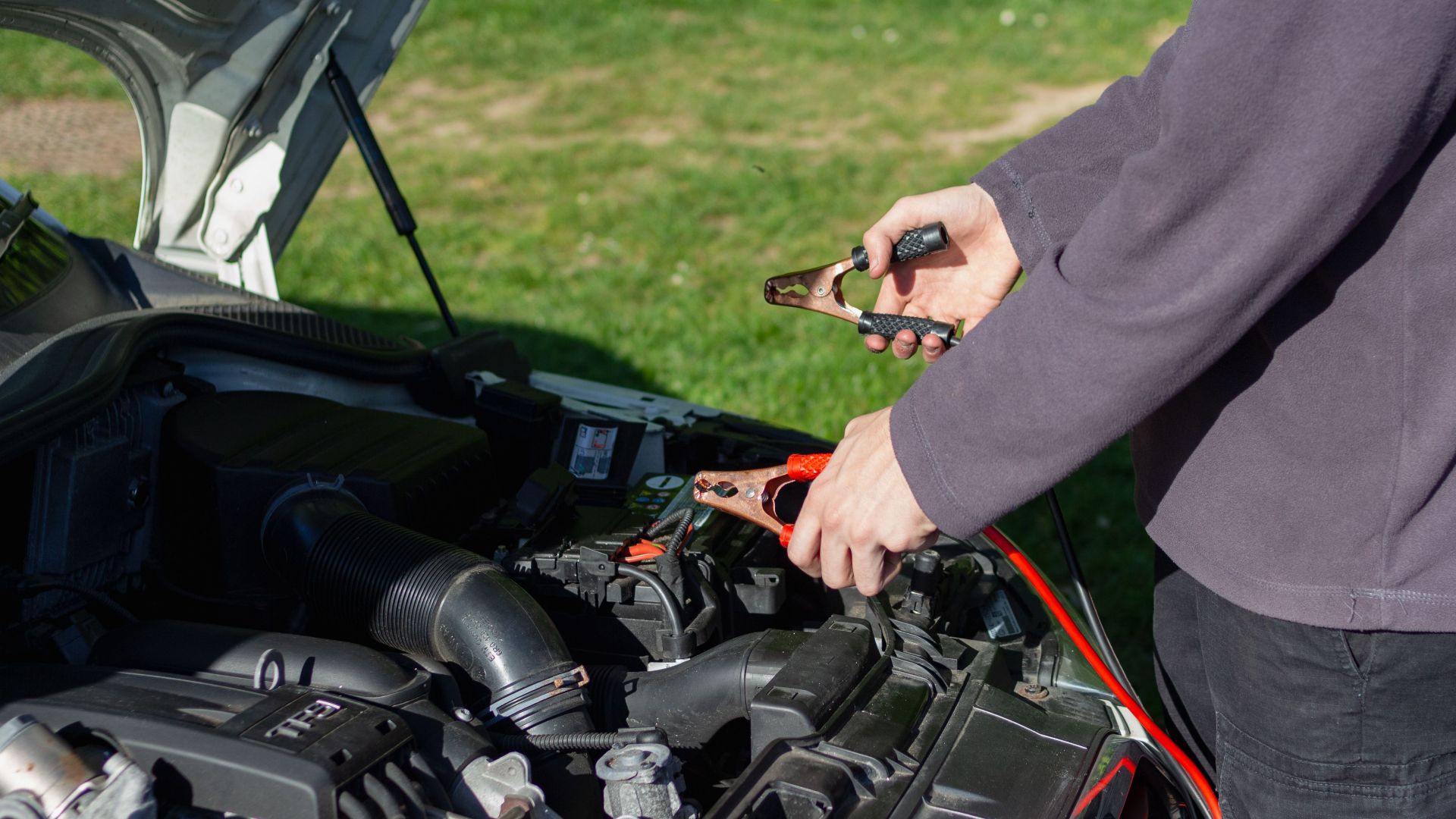
A car that sits for extended periods can experience battery problems even if the engine has barely been used. Consumer Reports lists dead batteries among the common consequences of leaving vehicles parked for long stretches. A battery that repeatedly discharges may eventually need replacement, adding another expense to an otherwise inexpensive purchase. Testing the battery and charging system can help determine whether the problem is simply an aging battery or something more complicated.
 Daniel @ bestjumpstarterreview.com, Pexels
Rust Doesn't Care About The Odometer
A low-mileage vehicle isn't necessarily protected from corrosion. Consumer Reports notes that brake components can rust while a vehicle sits, particularly when exposed to moisture. Surface rust on brake rotors may clear during normal driving, but more serious corrosion can require mechanical attention. A proper inspection is especially important when the car has spent substantial time outdoors or in a damp environment.

Short Trips Can Create Their Own Problems
Not every low-mileage car spends its life completely stationary. Some are used almost exclusively for short errands, which may prevent the engine from reaching normal operating temperature for long periods. Manufacturer maintenance schedules sometimes classify repeated short-distance driving as severe service, depending on the vehicle and operating conditions. That makes the previous owner's driving habits worth investigating alongside the odometer reading.

Maintenance Matters More Than A Small Number
An older car with low mileage may still be overdue for important maintenance. Manufacturers commonly specify service intervals based on time, distance, or whichever limit comes first. Engine oil, brake fluid, coolant, and other service items may therefore require attention even when the vehicle hasn't traveled far. The owner's manual provides a much more reliable guide than mileage alone.
Missing Service Records Are A Warning Sign
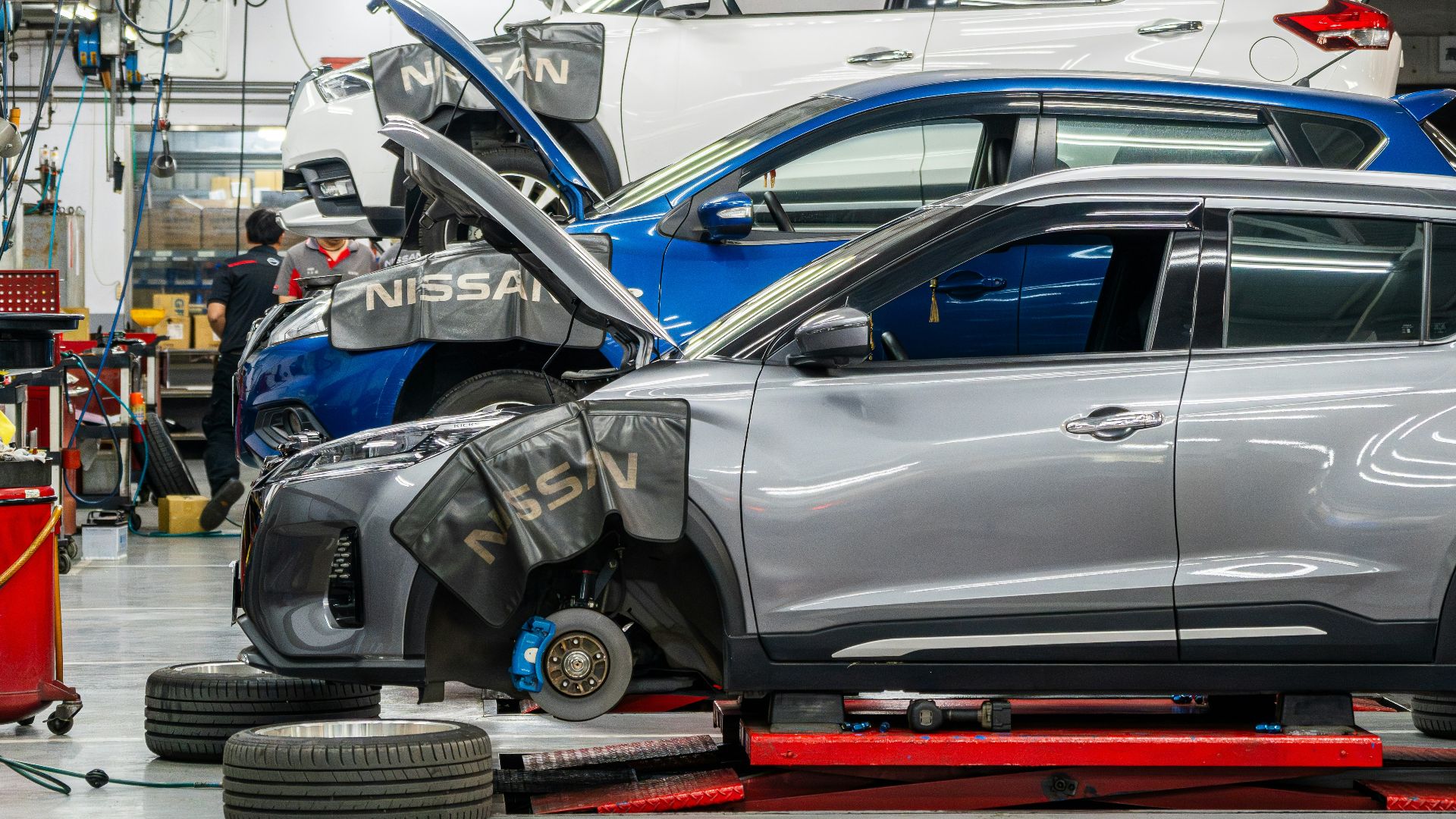
A low odometer reading tells me how far the car has traveled, but not how carefully it was maintained. The Federal Trade Commission recommends researching a used vehicle's repair records and obtaining a vehicle history report before purchasing it. These records may reveal maintenance gaps or previous problems that aren't immediately obvious. Without documentation, a buyer has less evidence that the car received the care it needed.

The Cheap Price Might Have Had A Reason
A low asking price can be attractive, but it shouldn't replace careful research. The FTC recommends comparing used vehicles based on their condition, repair history, mileage, and expected ownership expenses. A car priced below comparable listings may deserve extra scrutiny rather than immediate celebration. What initially looks like a bargain could become less appealing once necessary repairs are included.

The Inspection I Wish I'd Paid For
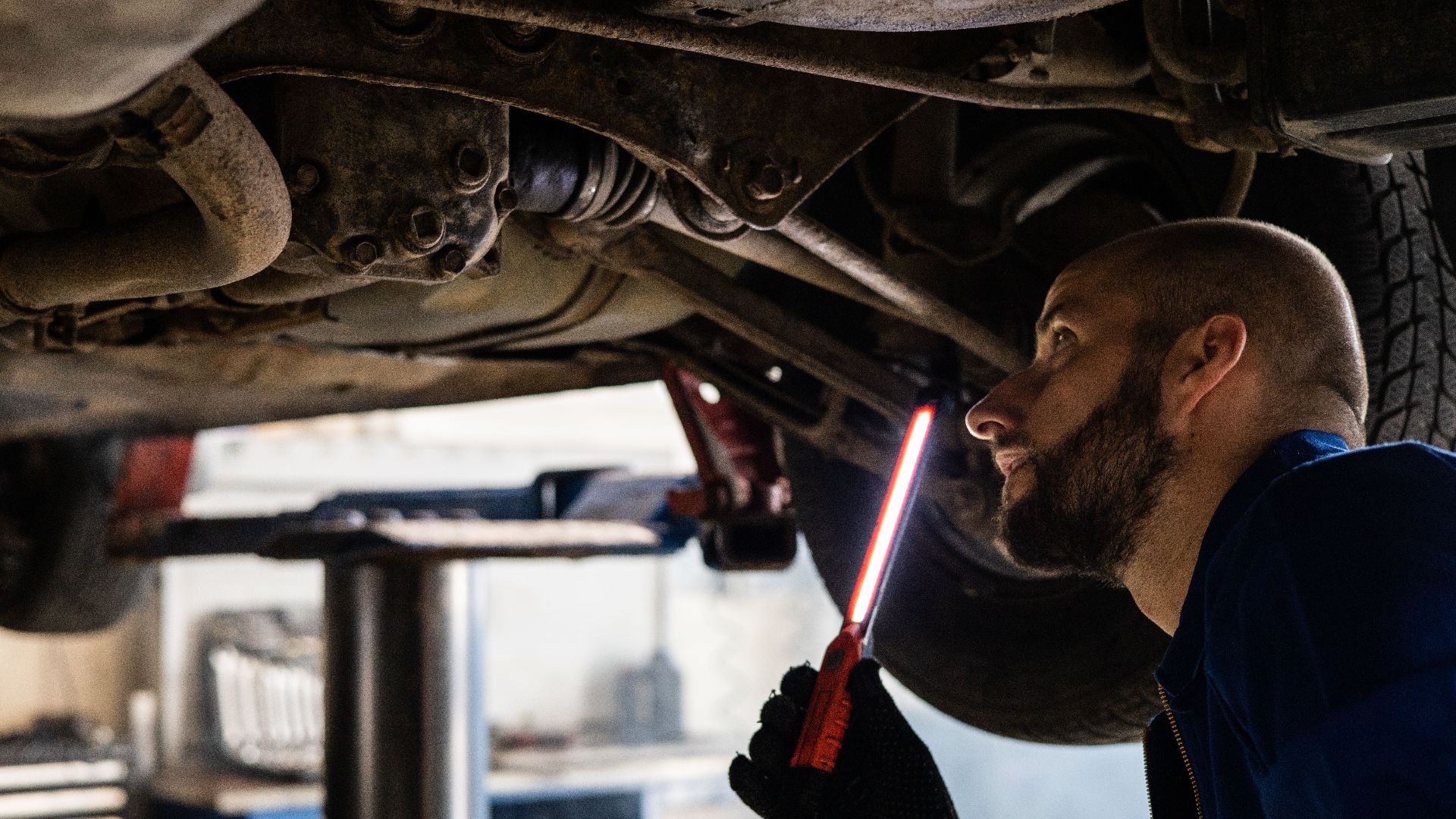
One of the most valuable steps before buying a used vehicle is arranging an independent mechanical inspection. The FTC specifically recommends having a mechanic examine the car, even when a dealership claims it has already been inspected. A vehicle history report cannot reliably identify every existing mechanical problem. Paying for an inspection before purchasing could reveal expensive issues while there's still an opportunity to walk away.
A Clean History Report Isn't A Guarantee
Vehicle history reports can provide useful information about accidents, ownership, title status, and reported repairs. However, the FTC cautions that these reports generally do not provide a complete picture of a vehicle's mechanical condition. Some problems may never appear in the available records. A clean report should therefore support a physical inspection, not replace one.

The Previous Owner's Habits Matter
Two cars with identical mileage can have very different maintenance histories. One may have received regular servicing and appropriate storage care, while another may have gone long periods without attention. Consumer Reports emphasizes that vehicles driven infrequently still need maintenance to remain roadworthy. Asking about storage, driving patterns, and service history can provide valuable context that mileage alone cannot offer.

The Repairs Might Be Catch-Up Maintenance
Not every repair bill means a car is mechanically unreliable. AAA distinguishes routine maintenance from unexpected repairs, and older vehicles may need several overdue services close together. Replacing aged tires, servicing fluids, and addressing worn brakes could restore a neglected car to better condition. The important distinction is whether those expenses resolve existing problems or whether new failures keep appearing.,
One Expensive Repair Doesn't Always Mean Disaster
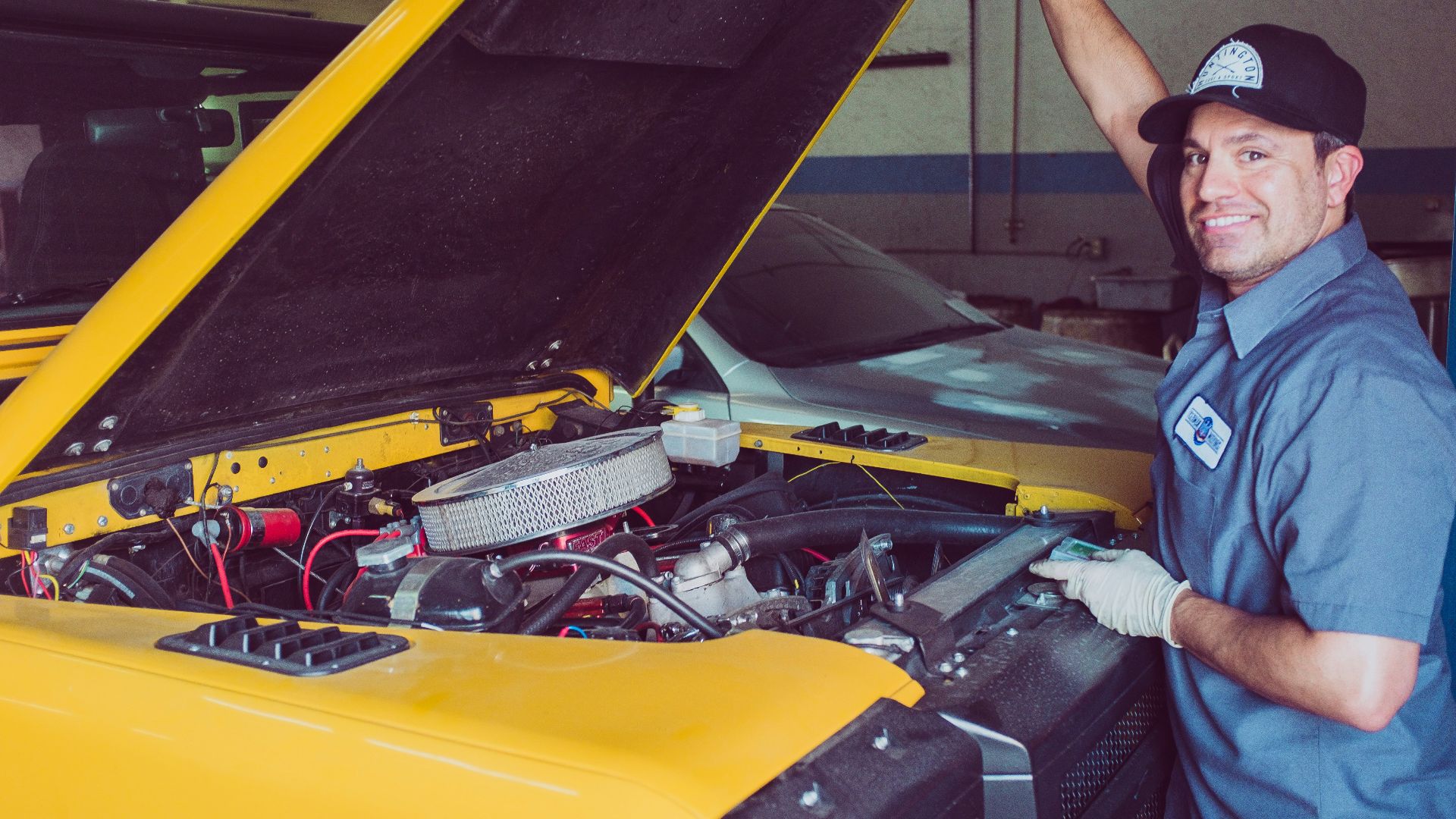
A large repair estimate can make selling the vehicle immediately seem attractive. However, Consumer Reports points out that repairing an existing car may be considerably cheaper than replacing it. A $2,000 repair could be financially reasonable if it provides several more years of dependable transportation. The decision depends on the vehicle's overall condition and what other repairs are likely to follow.
Repeated Breakdowns Are A Different Story
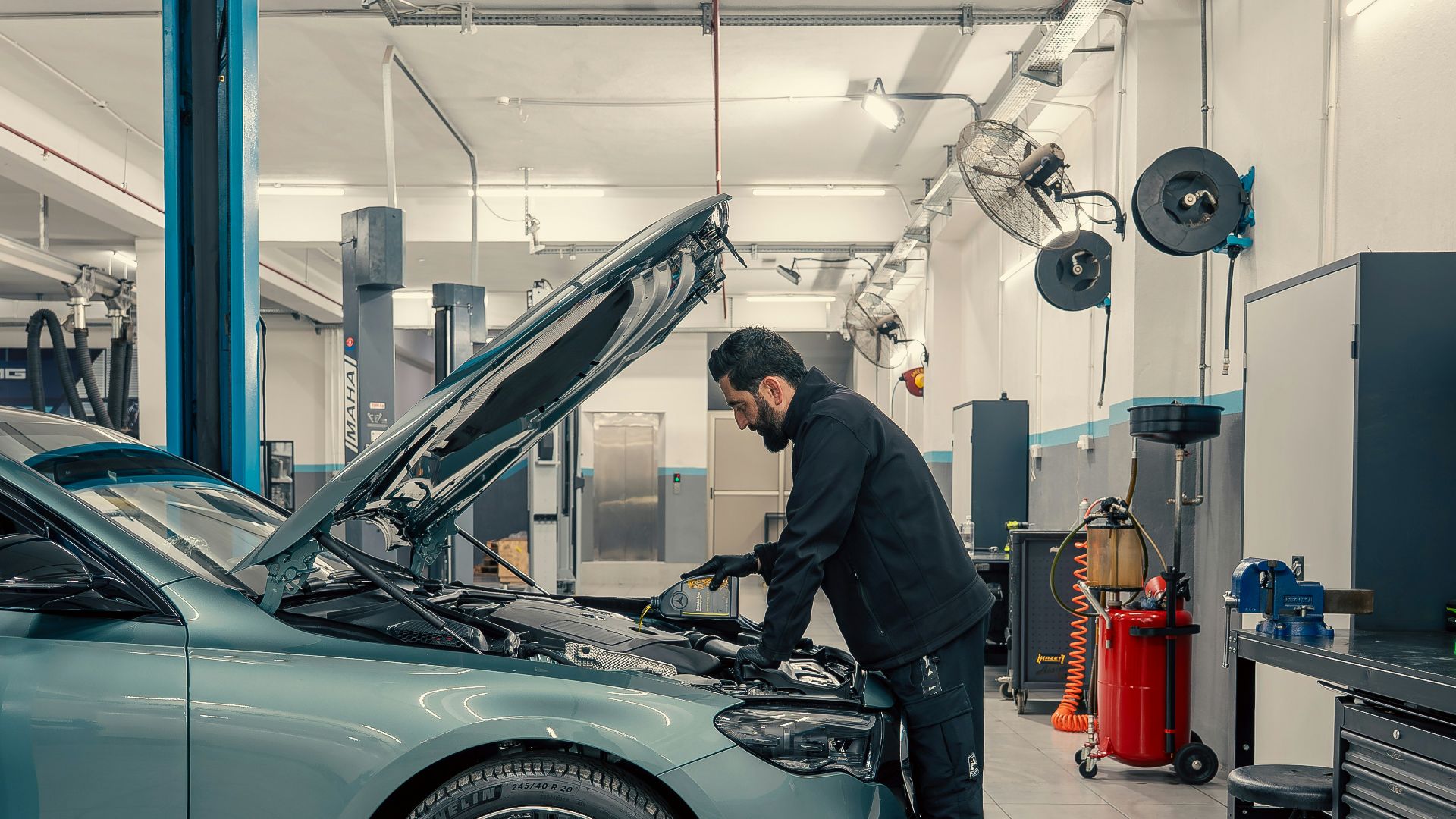
One isolated repair is easier to justify than a pattern of unpredictable failures. Consumer Reports recommends reconsidering ownership when a vehicle becomes chronically expensive to maintain. Repeated breakdowns also create inconvenience, particularly when the car is needed for commuting or family responsibilities. At some point, reliability becomes just as important as the money spent.

Get A Complete Mechanical Assessment
Rather than approving repairs one at a time, I'd ask a trusted mechanic to evaluate the entire vehicle. CAA-Quebec recommends a detailed inspection before deciding whether to repair or replace an aging car. The assessment should examine major systems, including the engine, transmission, brakes, suspension, and structural condition. A written report can help distinguish urgent problems from maintenance that can reasonably wait.

Ask Which Repairs Are Actually Urgent
A long repair estimate can feel overwhelming, especially after several unexpected bills. However, not every recommended service necessarily needs to happen immediately. AAA emphasizes maintaining critical safety systems and addressing mechanical problems before they become more expensive. Asking the mechanic to separate safety-related repairs from preventive maintenance and optional work makes budgeting easier.

Don't Ignore The Possibility Of A Recall
Some mechanical or safety problems may be covered by a manufacturer's recall rather than requiring an ordinary paid repair. The National Highway Traffic Safety Administration provides a vehicle identification number lookup for checking outstanding safety recalls. Recall remedies are generally provided without charge under applicable federal requirements. Checking the VIN is worthwhile before paying for work that might qualify for a free manufacturer remedy.

Check Whether Any Warranty Still Applies
Buying a used vehicle doesn't always mean accepting every repair expense personally. The FTC explains that dealer-sold used vehicles may have written warranties, implied warranties, or applicable manufacturer coverage. Protection depends on the sales agreement, vehicle, jurisdiction, and specific problem involved. Reviewing the paperwork could reveal coverage that wasn't obvious when the first repair bill arrived.

An As-Is Sale Doesn't Answer Everything
If the vehicle was sold as-is, the dealer may have disclaimed responsibility for many subsequent mechanical problems. However, the FTC explains that state laws differ regarding whether and how dealerships can exclude implied warranties. Some jurisdictions provide protections that cannot simply be dismissed by an as-is statement. Anyone facing a major problem shortly after purchase should review the sales documents and applicable consumer protection rules before assuming there are no options.

Compare Repair Costs With Replacement Costs
The next decision should involve more than comparing a repair estimate with the car's original purchase price. Consumer Reports recommends evaluating repair costs against the expense of replacing the vehicle, including financing and other ownership costs. Another used car might also arrive with an uncertain maintenance history. Keeping the current vehicle can make sense if its problems are understood and the expected costs remain manageable.
 https://kaboompics.com/, Pexels
Run The Numbers Before Giving Up
Imagine a used car needs $1,800 in repairs, but a mechanic expects those repairs to provide another two years of dependable service. Spread over 24 months, that hypothetical expense works out to $75 per month. Consumer Reports recommends considering repair costs in relation to the additional time a vehicle is expected to remain useful. The calculation isn't a guarantee of future reliability, but it provides a more practical comparison than reacting to the repair bill alone.
 https://kaboompics.com/, Pexels
The Purchase Price Is Already Spent
It's tempting to keep repairing a troublesome vehicle because of everything already invested in it. However, previous spending cannot be recovered simply by approving another repair. The financially useful question is whether the next expense will provide enough additional transportation value to justify it. Comparing future repair costs with replacement alternatives helps keep the decision focused on what happens next.

A Maintenance Budget Can Prevent Surprises
Even an inexpensive car needs money set aside for ongoing maintenance and unexpected failures. AAA recommends maintaining a dedicated repair fund rather than assuming a paid-off vehicle will be inexpensive to operate. Older vehicles may require additional financial flexibility because age-related components can need attention close together. Setting aside money each month won't prevent repairs, but it can make them less disruptive.
 https://kaboompics.com/, Pexels
Sometimes Selling Is The Smarter Choice
There are situations where continuing to repair a vehicle becomes difficult to justify. CAA-Quebec recommends considering replacement when upcoming expenses exceed the vehicle's value or the required investment no longer makes financial sense. Serious structural problems, repeated major failures, and unreliable transportation can all influence that decision. A low original purchase price shouldn't pressure someone into keeping a car that no longer meets their needs.

So Did I Actually Make A Mistake?
Buying a cheap, low-mileage used car wasn't necessarily a mistake, but treating low mileage as proof of excellent condition may have been. Consumer Reports and the FTC both emphasize that maintenance history, mechanical inspections, and overall condition matter when evaluating used vehicles. If the current repairs address neglected maintenance and the car is otherwise sound, keeping it could still be financially sensible. But if major failures continue, the smartest decision may be to stop chasing the original bargain and find something more dependable.

You May Also Like: