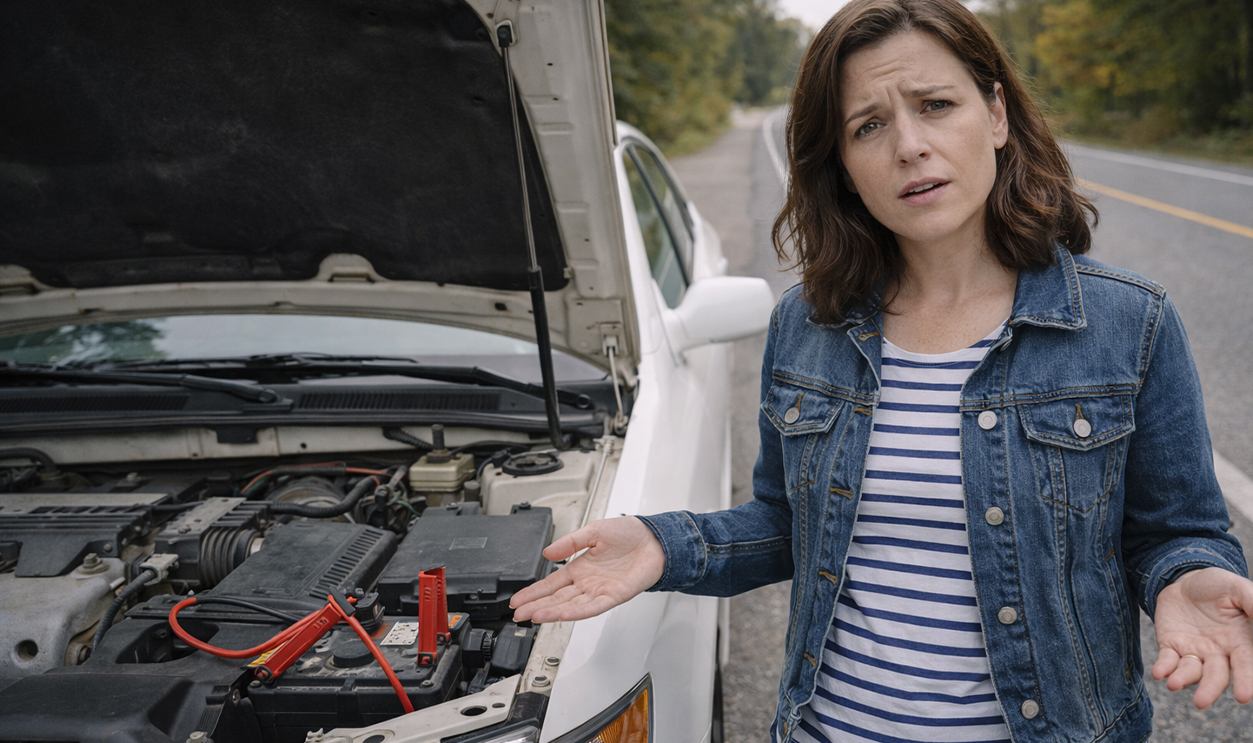
How A Battery Turns Into An Expensively Bad Day
Car batteries are funny: when they work, nobody thinks about them. But when they don’t? Suddenly you’re late for work, stuck in a parking lot, begging someone for a jump—or paying for a tow over a part that could’ve been protected with a few simple habits. Most battery failures aren’t random. They’re caused by tiny mistakes drivers make over time. If you want your battery to last, these are the bad habits you should avoid.
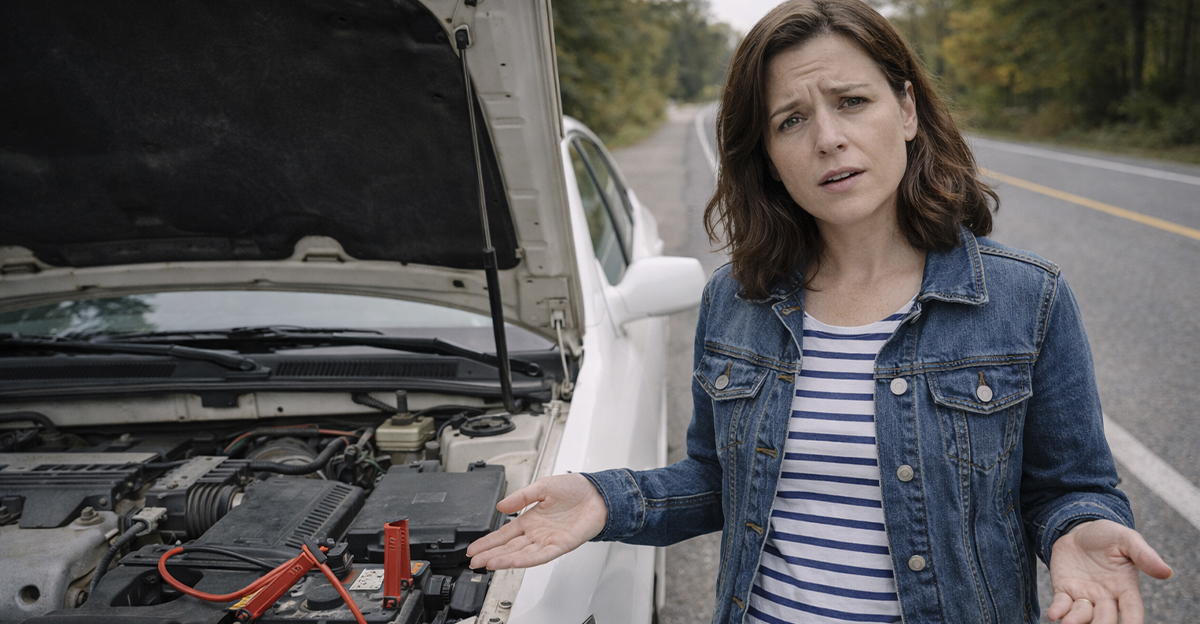
Leaving Lights On “Just For A Minute”
Headlights, dome lights, and trunk lights are classic battery killers. Even if you think it’s only for a short time, a battery that’s older or already weak can drain fast. One absent-minded mistake can leave you clicking the ignition like it’s going to magically change its mind.

Letting The Car Sit Too Long Without Driving
Batteries slowly discharge even when the car is off. If your vehicle sits for weeks (or even a couple of weeks in cold weather), the battery may drop below the voltage needed to start. Short trips don’t help much either—they don’t fully recharge the battery.
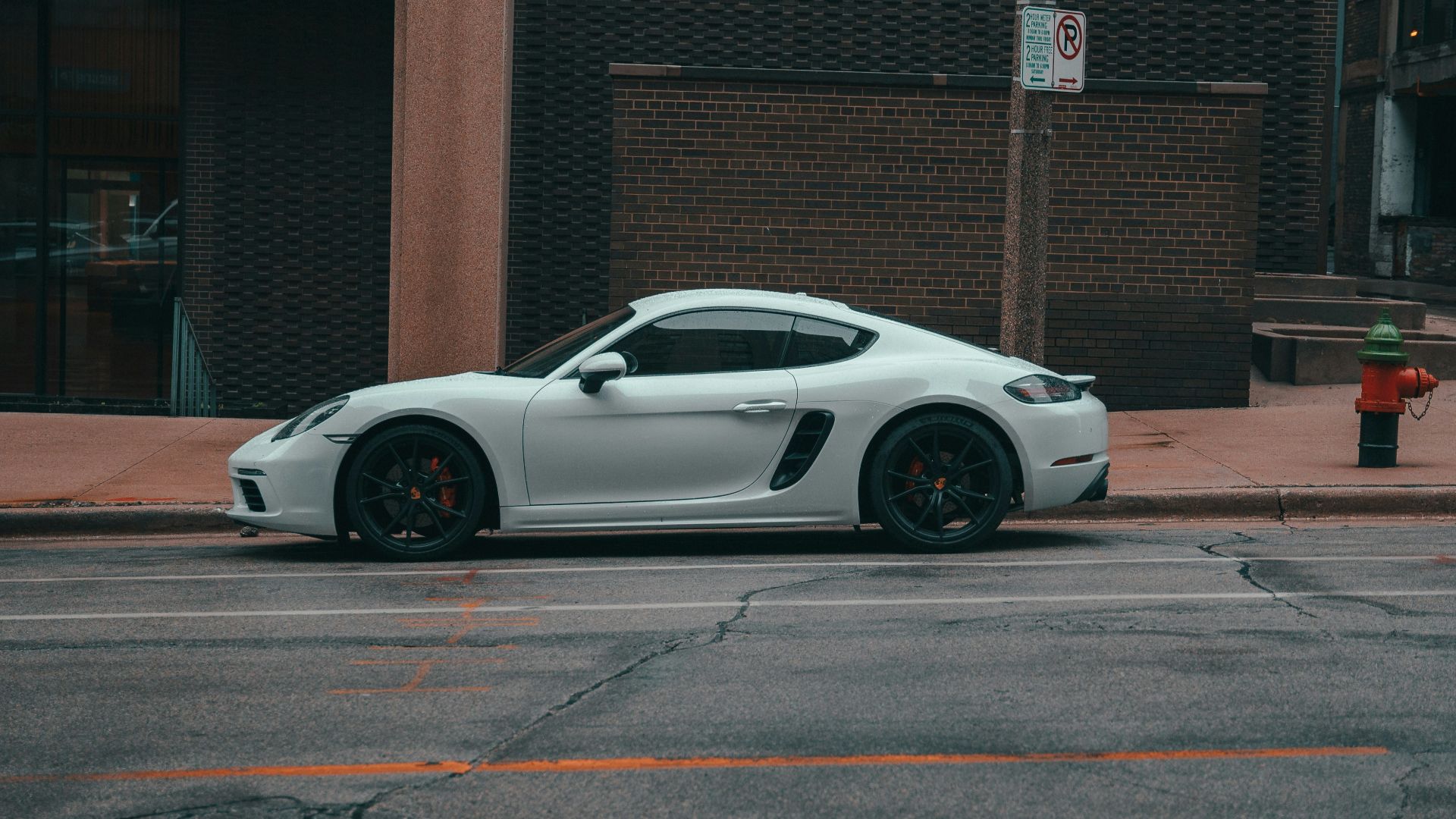
Only Taking Short Trips
If you mostly drive 5–10 minutes at a time, your alternator often doesn’t have enough time to recharge what the battery used to start the engine. Over time, this creates a constant “battery deficit,” which weakens the battery and shortens its lifespan.
 Karolina Grabowska www.kaboompics.com, Pexels
Ignoring A Slow Crank
If your car starts, but it sounds sluggish—like it’s struggling to turn over—that’s a warning. People ignore it because the car still starts…until one morning it doesn’t. A slow crank is basically your battery begging for help.
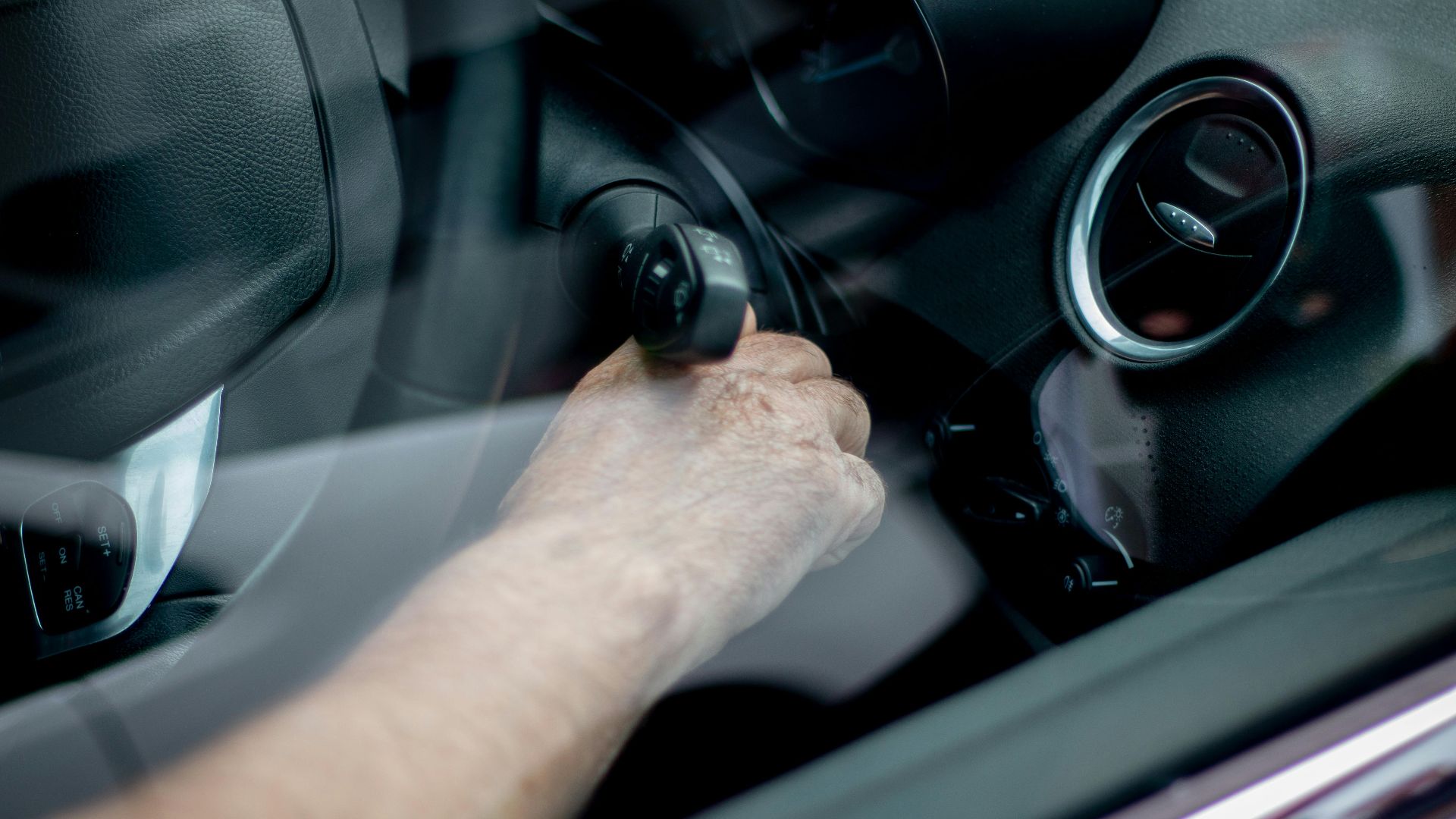
Assuming The Battery Is The Problem Every Time
Sometimes the battery is fine and the alternator is failing, or the starter is dying. Jump-starting repeatedly without diagnosing the cause can mask the real issue. If the alternator isn’t charging properly, the battery will keep draining no matter how new it is.
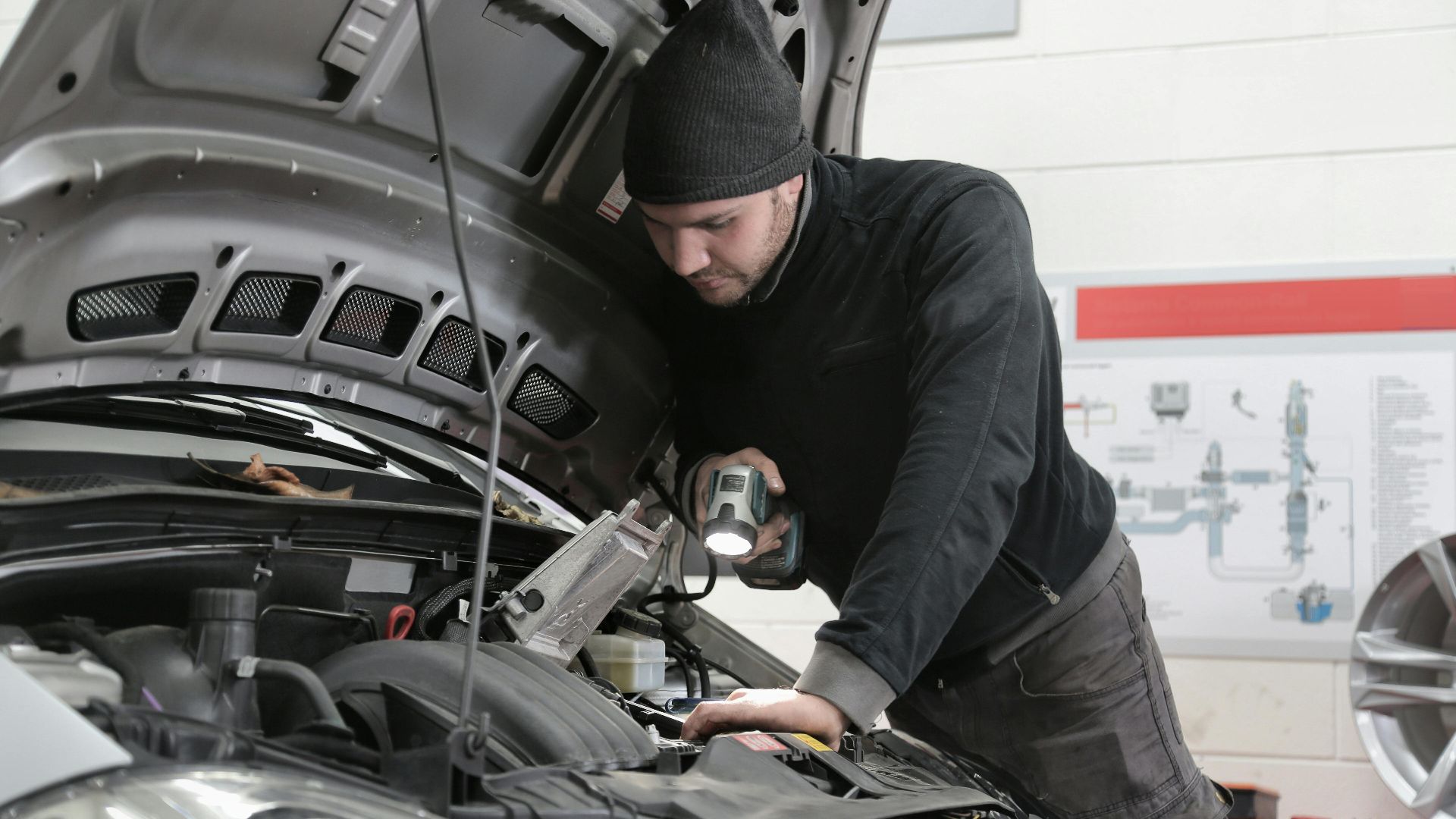
Not Cleaning Corrosion On Battery Terminals
Corrosion blocks electrical flow, making it harder for the battery to deliver power. The battery may be healthy, but the connection is weak, so the car struggles to start. A little white/blue crust at the terminals can turn into a no-start situation fast.
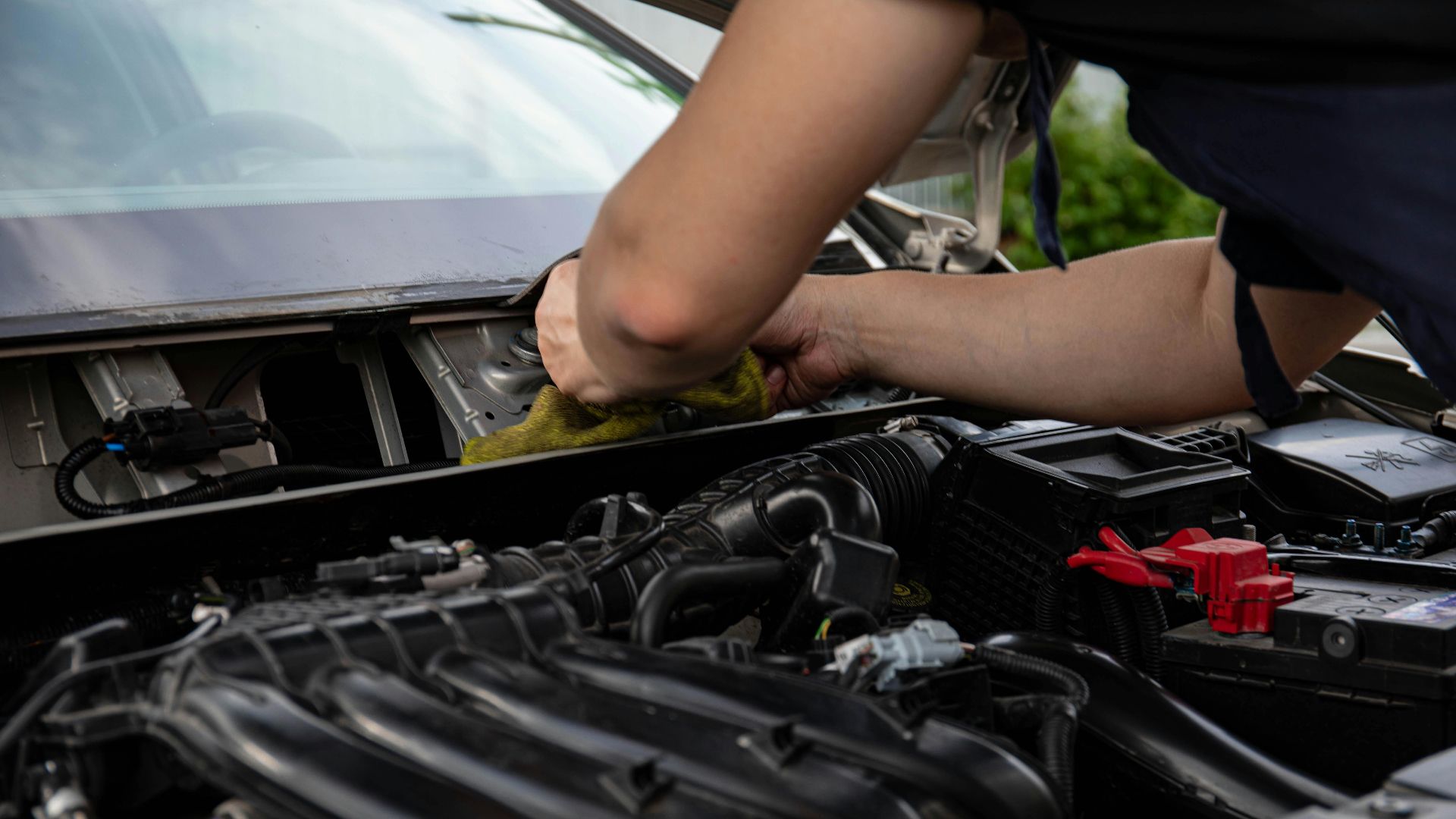
Over-Tightening Battery Terminal Clamps
Yes, loose clamps are bad, but overly tight clamps can damage terminals or crack battery posts. Once that happens, you can get intermittent starts, poor charging, or constant electrical issues. Tight is good. Hulk-tight is not.
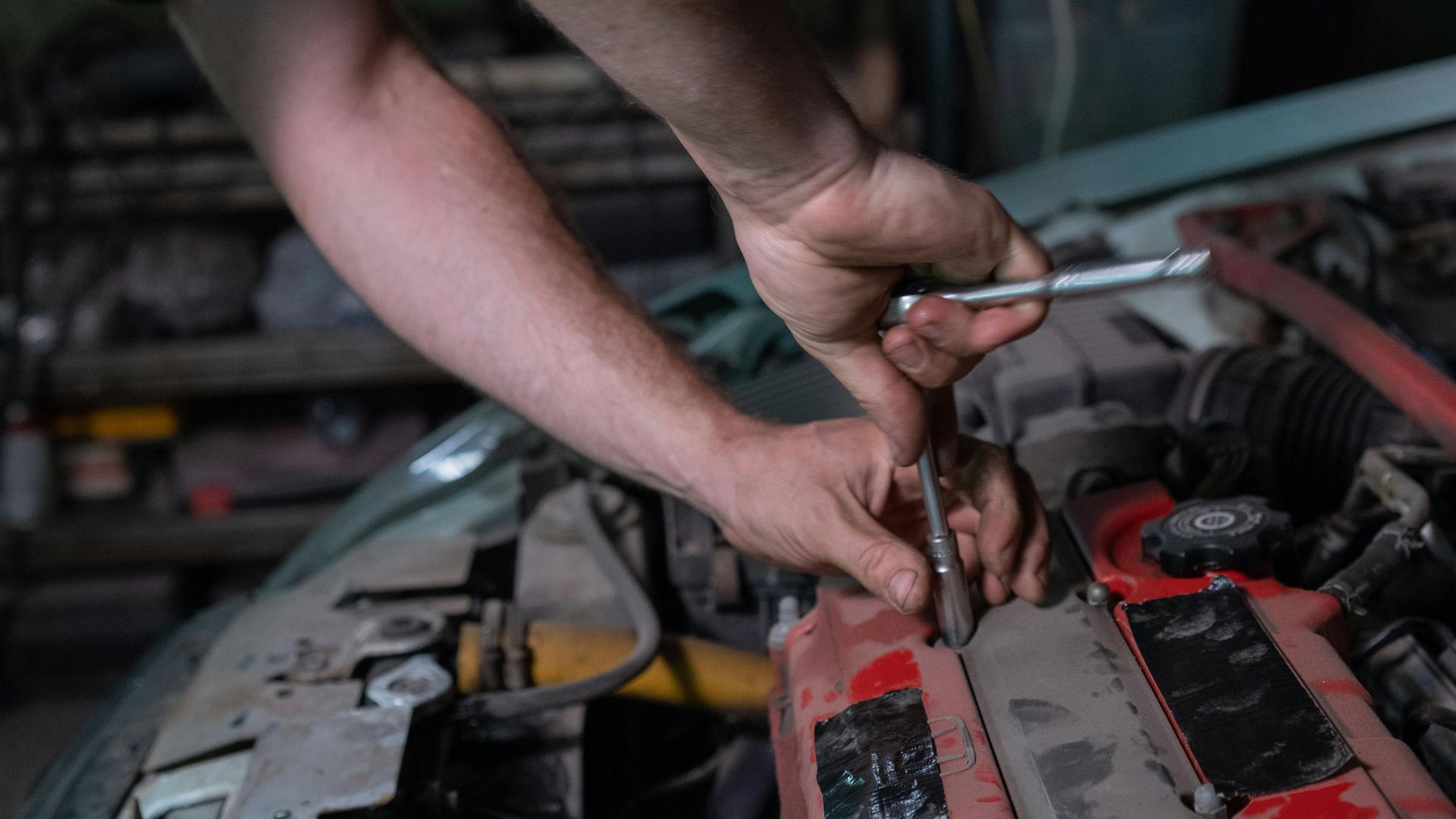
Driving With A Loose Battery
If the battery isn’t properly secured, vibrations can damage internal plates. That shortens battery life dramatically and can even cause sudden failure. It’s especially common after DIY battery replacement when the hold-down bracket isn’t tightened correctly.
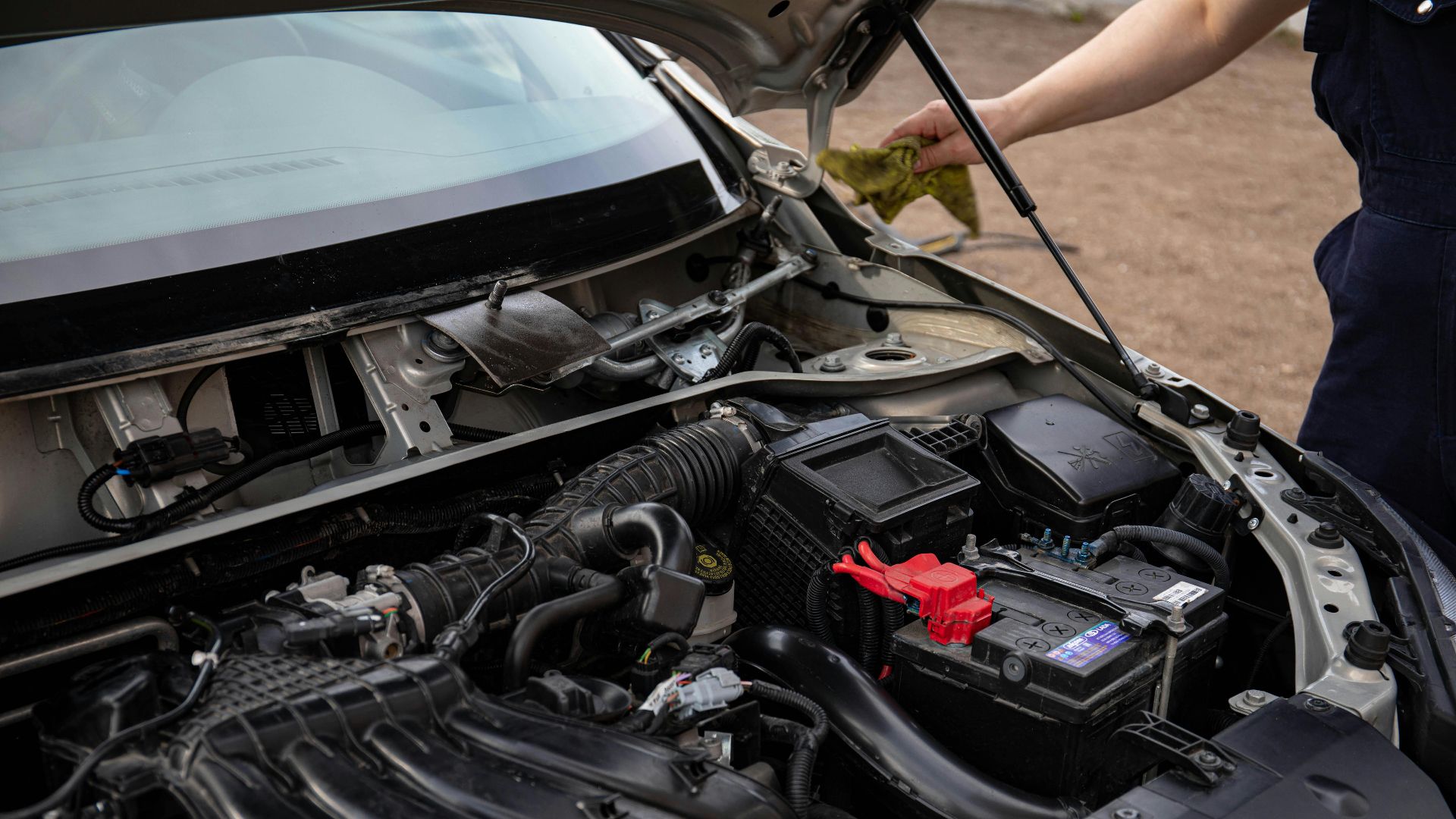
Using The Wrong Battery Size Or Type
Not all batteries are interchangeable. Installing the wrong group size, cold cranking amps (CCA), or battery type (AGM vs. standard) can cause poor performance and premature failure. In modern cars, the wrong battery can also trigger electrical system faults.
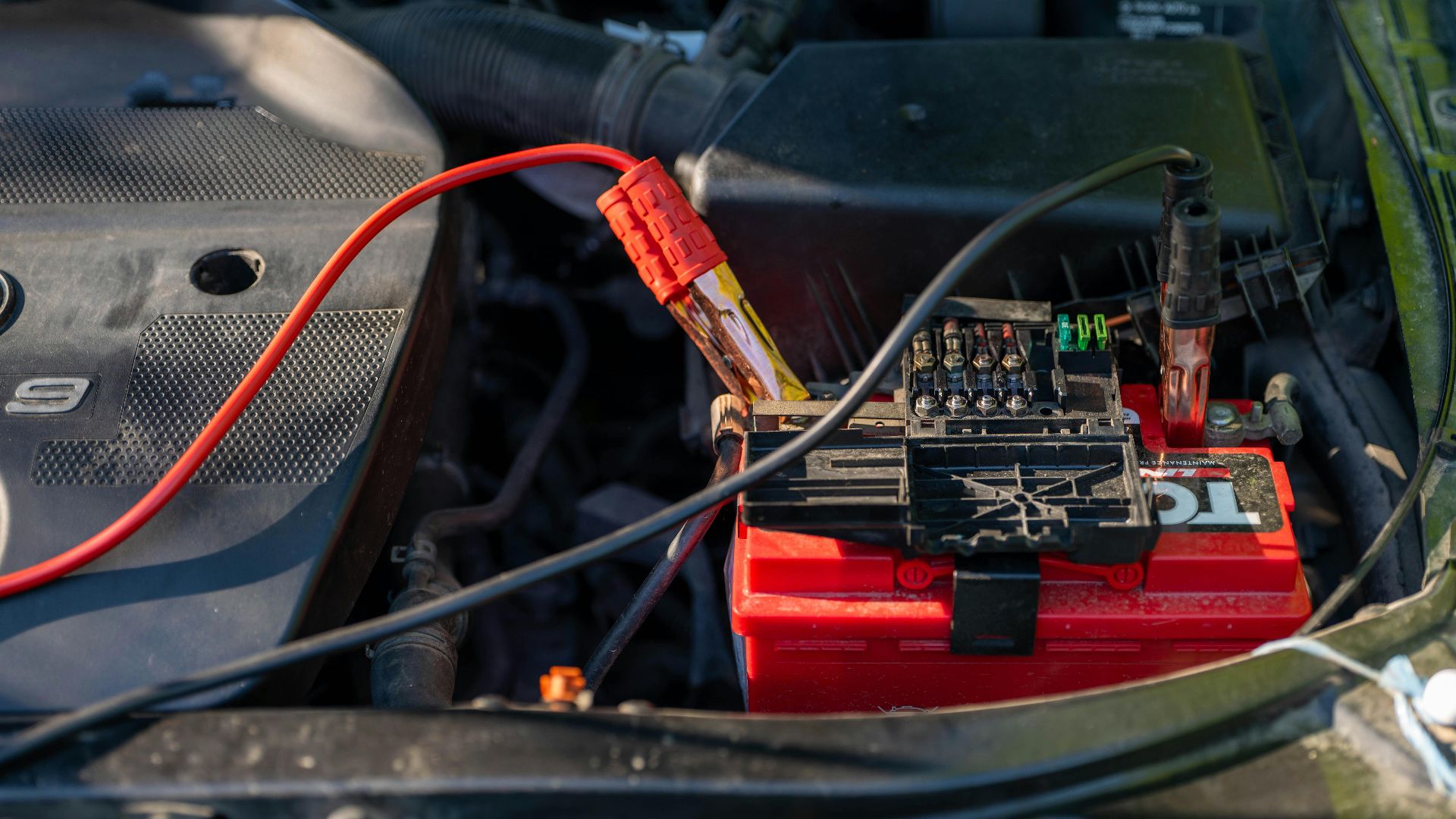
Skipping Battery Testing During Routine Maintenance
A battery can be “kind of working” for months before failing. Many shops can test voltage and load capacity in minutes. Skipping this quick check means you miss the chance to replace a dying battery on your schedule—not in a grocery store parking lot.
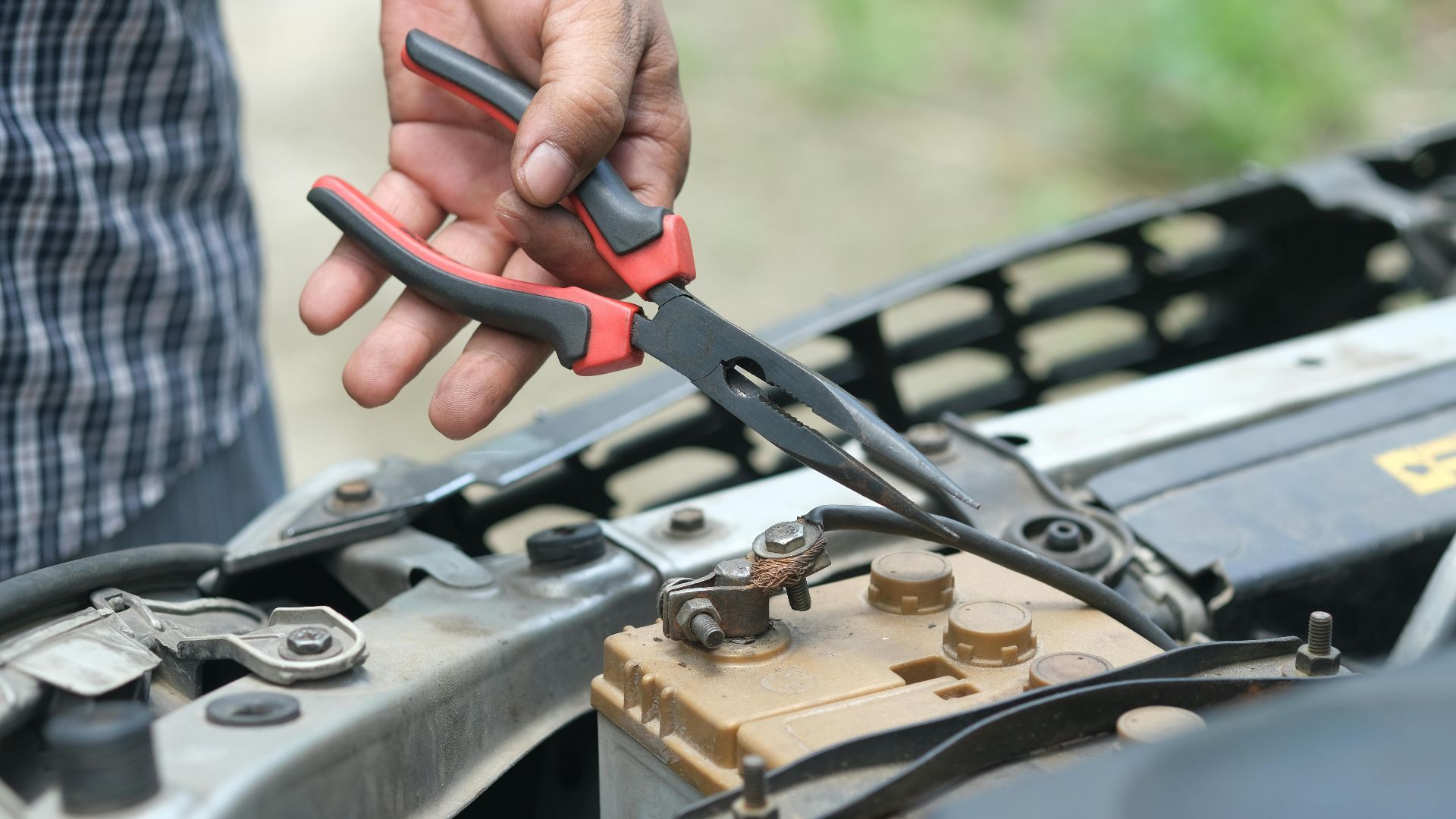
Not Replacing A Battery That’s Past Its Prime
Most car batteries last about 3–5 years, depending on climate and driving habits. Waiting until the battery is totally dead is the worst strategy because failure usually happens at the most inconvenient time possible (cold mornings are a favorite).
 Natalia Kokhanova, Shutterstock
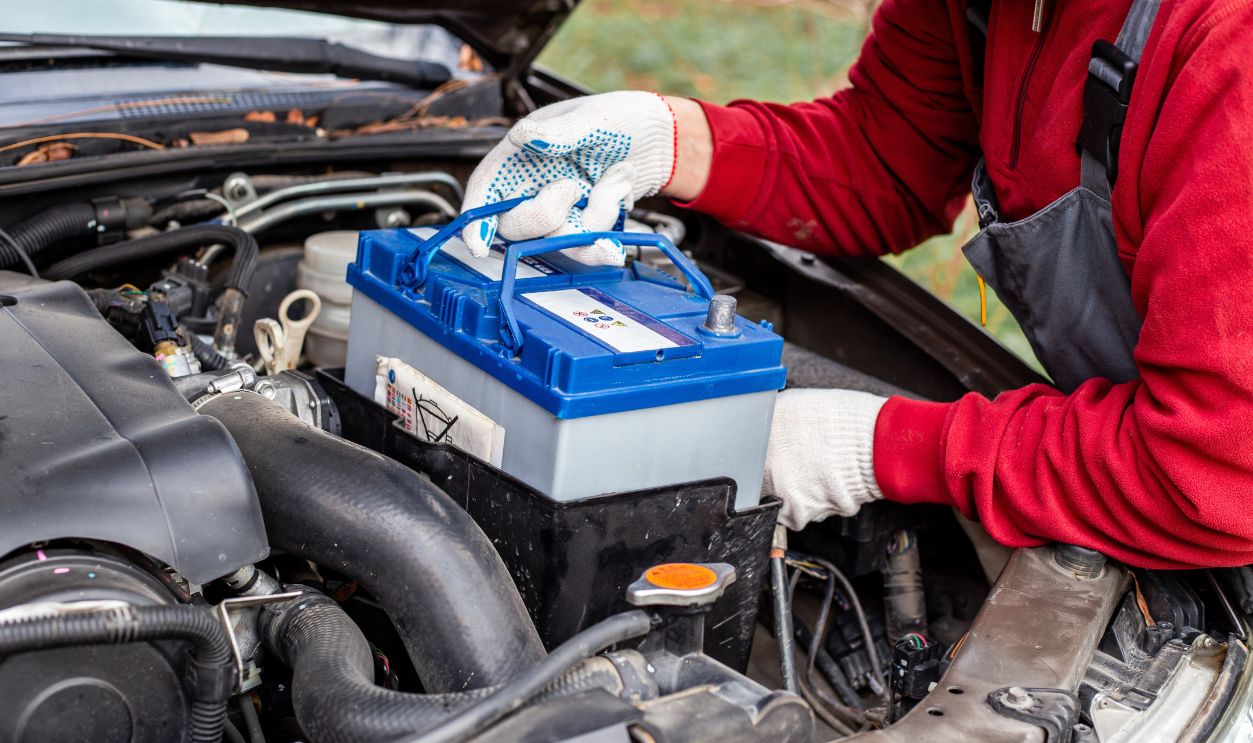
Leaving Accessories Running With The Engine Off
Listening to the radio, charging devices, running interior lights, or leaving the fan on while parked drains the battery. If the engine isn’t running, the alternator isn’t charging—so you’re pulling power straight from the battery with no replacement.
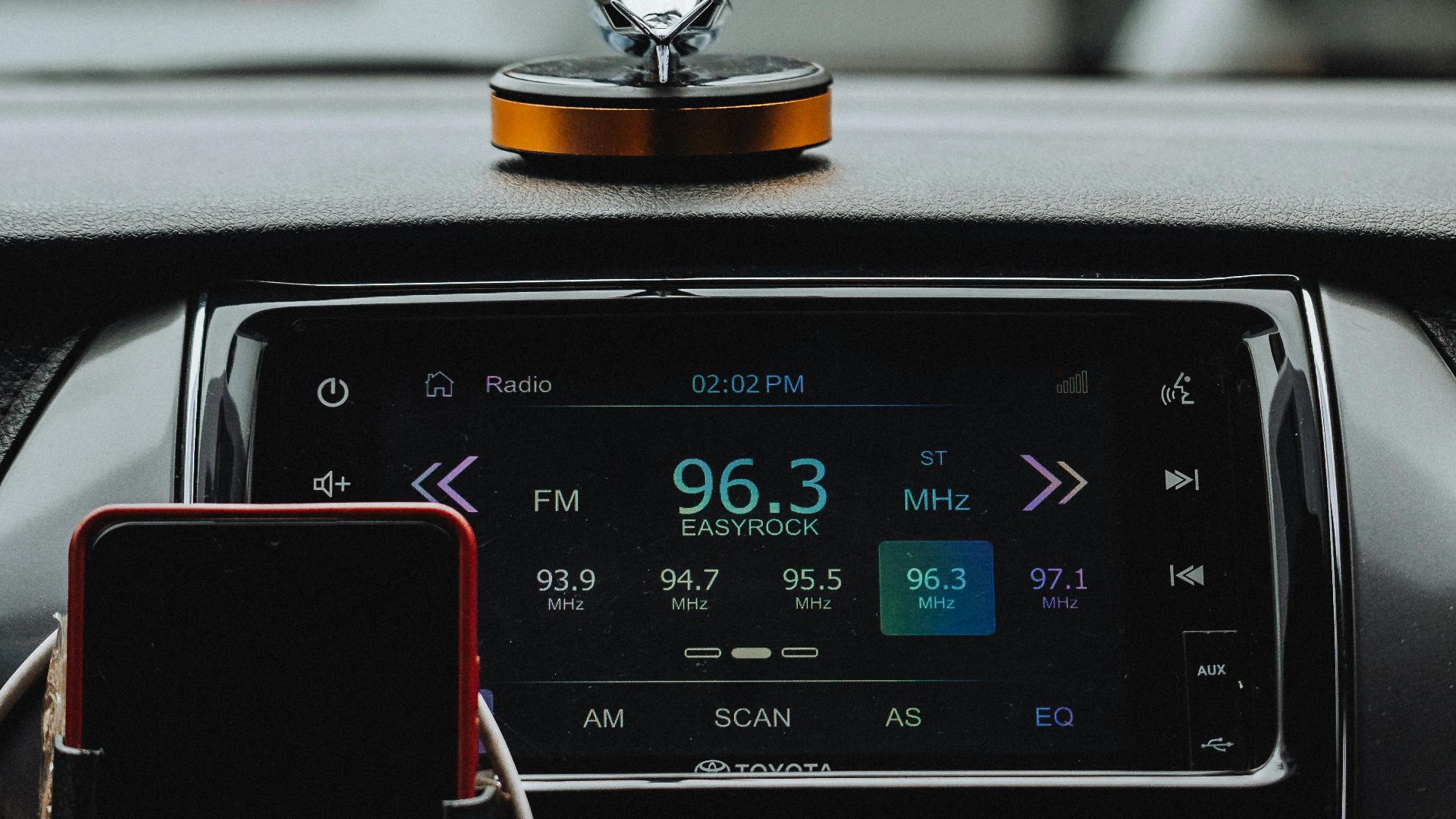
Charging Too Many Devices At Once
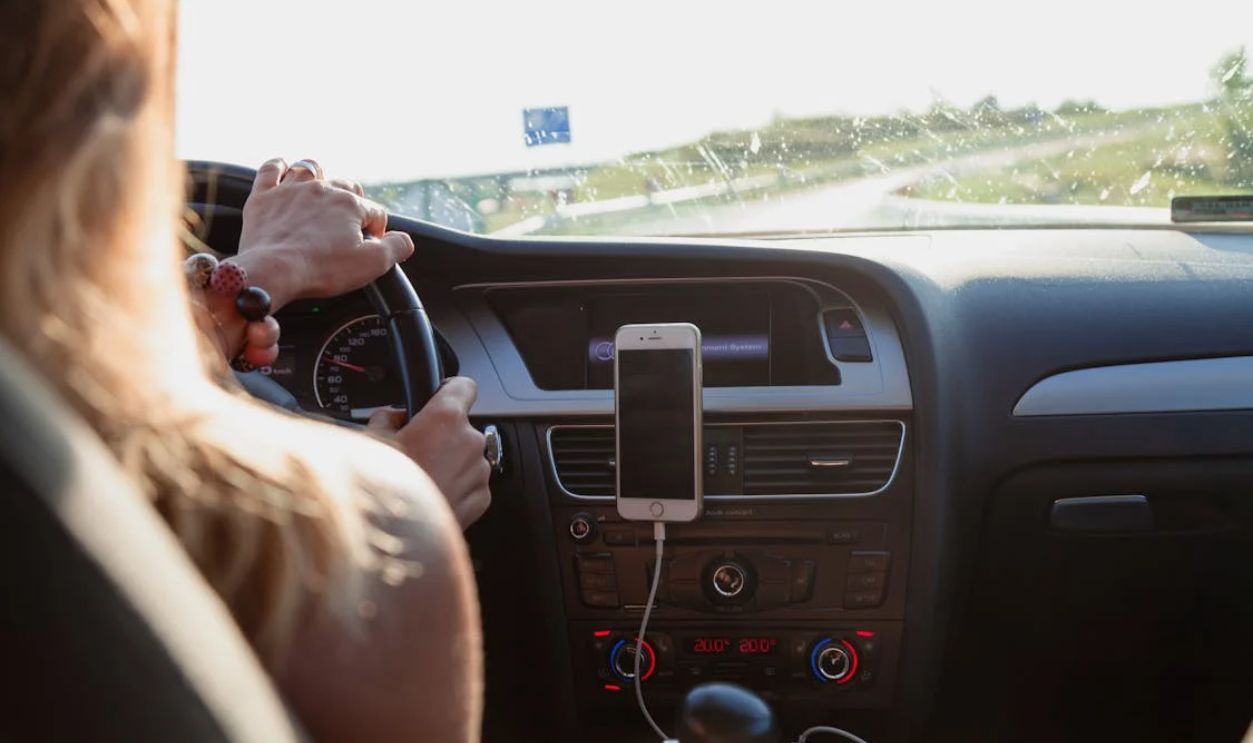
Multiple USB devices, inverters, mini-fridges, dashcams, and other gadgets can strain the electrical system—especially in older cars. Even if the battery doesn’t die instantly, the constant load can shorten battery life and contribute to drain issues.
Not Turning Off Aftermarket Electronics
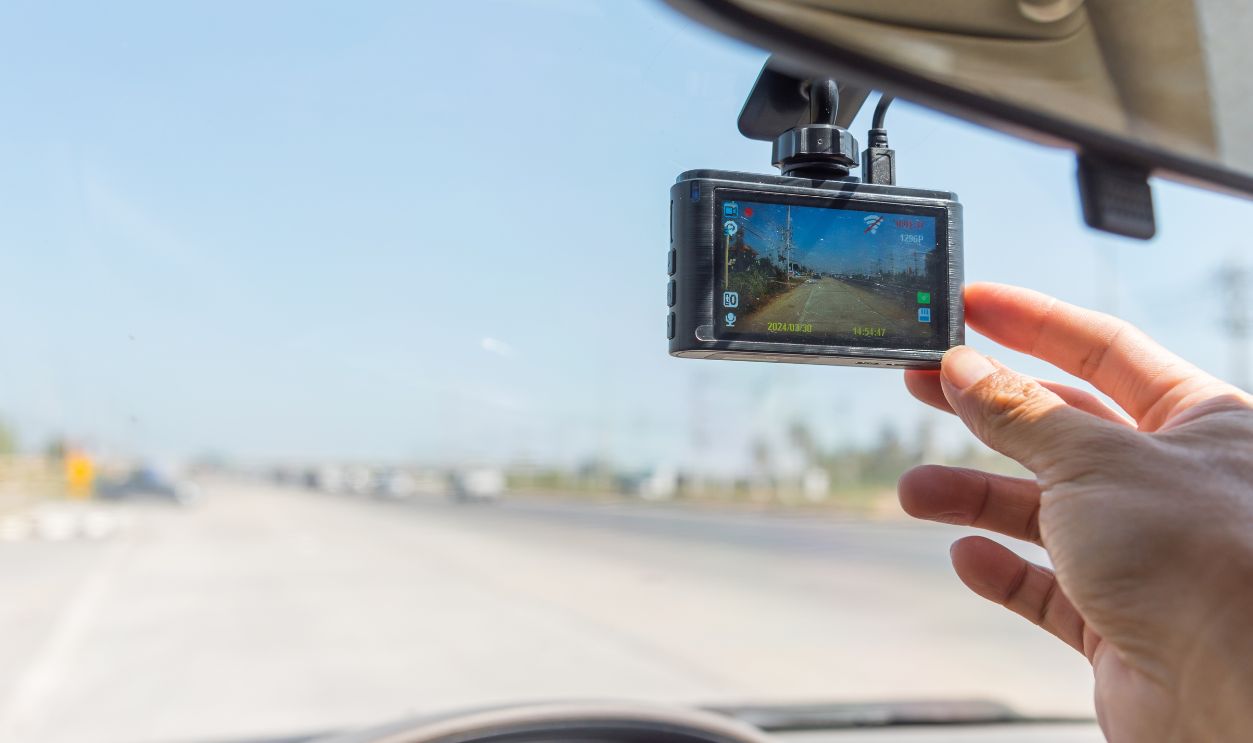
Dash cams, underglow lights, subwoofers, and remote start systems are common sources of parasitic drain. If installed incorrectly, they can draw power even when the car is off. Many “mystery dead battery” situations come from aftermarket add-ons.
Ignoring Parasitic Drain Symptoms
If your battery dies overnight or after sitting for one day, something is draining it. People often replace the battery repeatedly without finding the real cause. A parasitic draw test can pinpoint the problem before it keeps ruining new batteries.

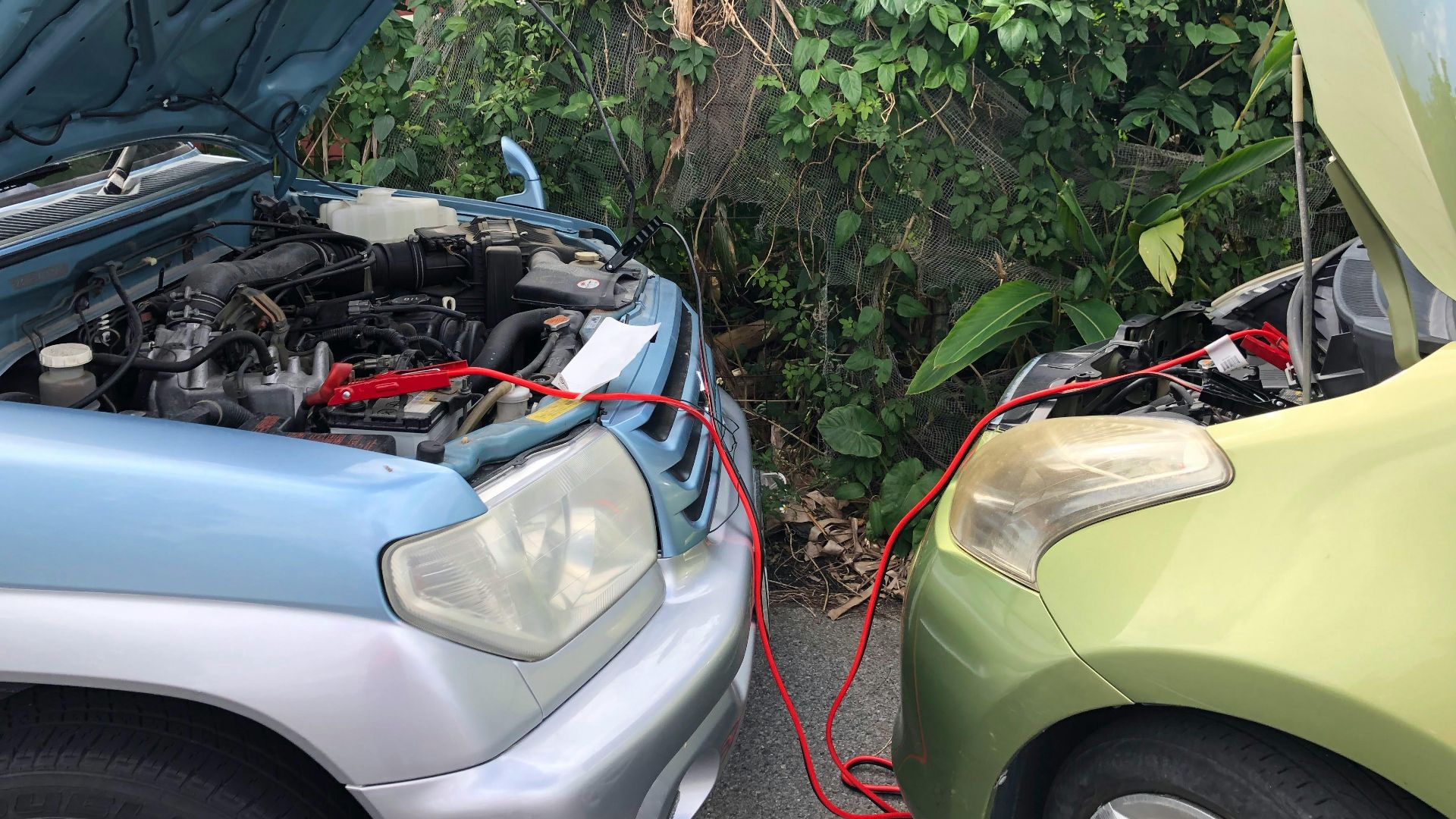
Jump-Starting Incorrectly
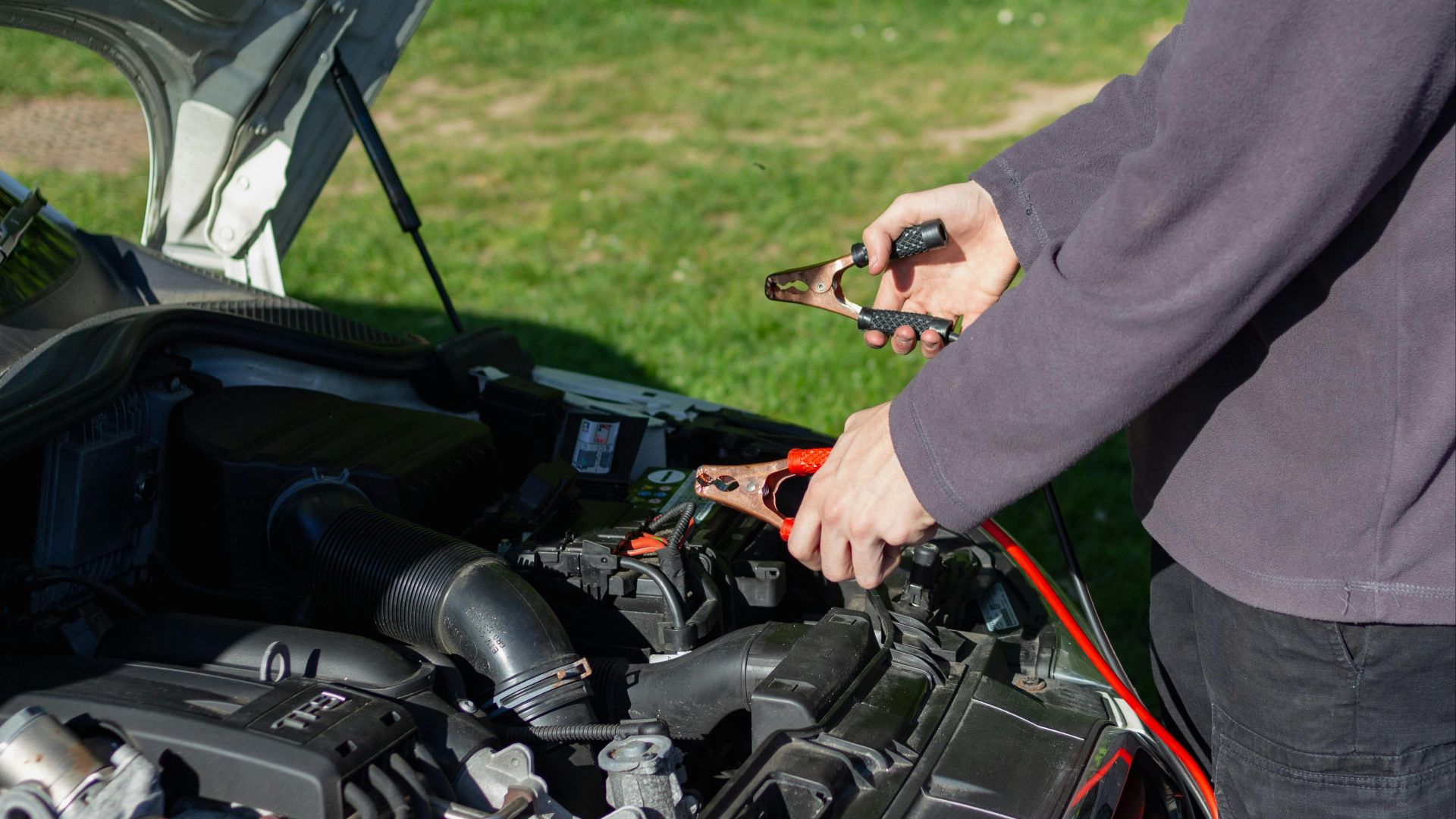
Jump-starting mistakes can fry fuses, damage electronics, or even cause battery explosions in extreme cases. Mixing up positive and negative connections or attaching cables in the wrong order is more common than people admit—and it can turn a dead battery into a much bigger repair.
 Daniel @ bestjumpstarterreview.com, Pexels
Letting The Battery Freeze
A fully charged battery is far less likely to freeze. But a low-charge battery in freezing temperatures can freeze internally, damaging plates and killing the battery permanently. This is why weak batteries often “die” right when winter hits.

Ignoring Alternator Warning Signs
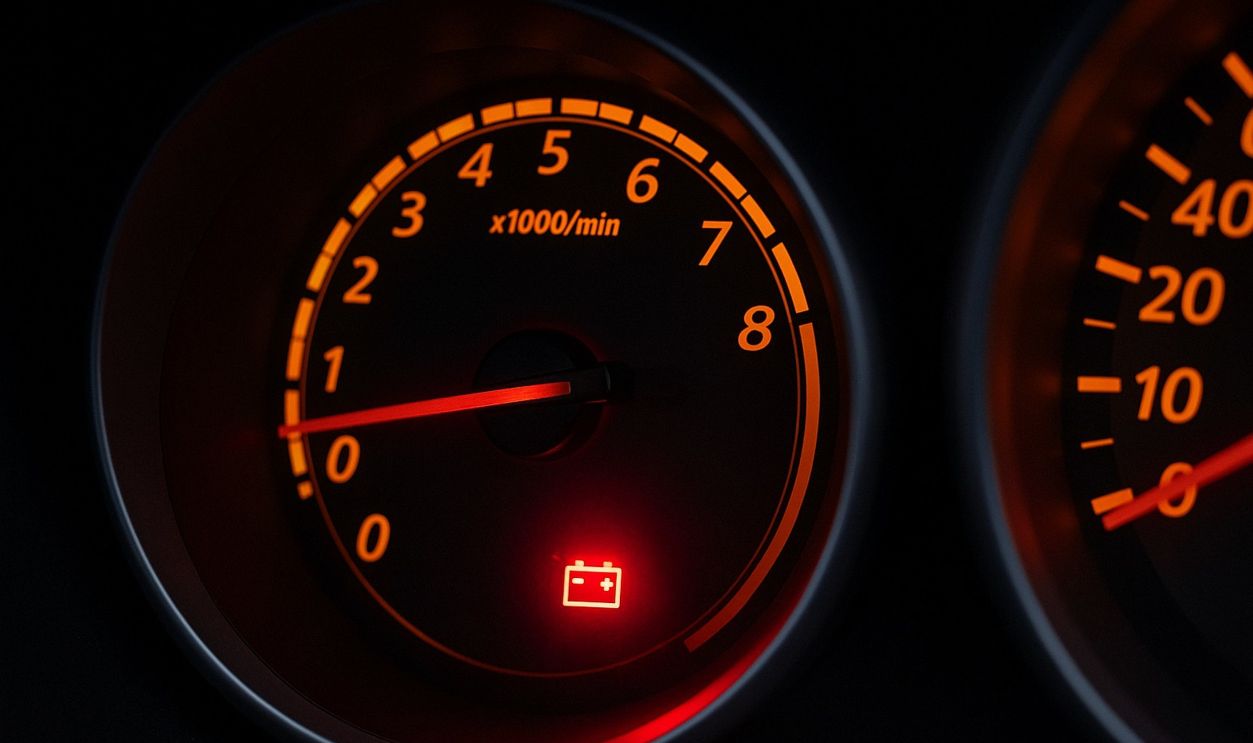
Dimming headlights, flickering dash lights, weird electrical glitches, or a battery light on the dashboard can indicate alternator trouble. If the alternator isn’t charging properly, your battery is running the entire car alone—and it won’t last long.
Not Protecting The Battery In Extreme Heat
Heat is brutal on batteries. High temperatures evaporate battery fluid and speed up chemical breakdown. Drivers in hot climates often get shorter battery life and more sudden failures, especially if the battery is exposed and not heat-shielded.

Assuming A Jump Means You’re “Good To Go”
Jump-starting gets the car running, but it doesn’t mean the battery is healthy. If you shut the engine off too soon, it may not restart. Many drivers get stranded twice in the same day because they treat a jump like a fix instead of a temporary rescue.
Final Thoughts
Car batteries don’t usually fail out of nowhere—they fail because they’re slowly weakened by neglect, short trips, bad connections, extreme temperatures, or electrical drain. The good news is that most of these mistakes are easy to avoid. A little attention (and occasional terminal cleaning) can save you from being stuck with a dead car at the worst possible moment.
You May Also Like:
Car Repairs You're Putting Off That Could Cost You Thousands
The Most Common Car Repair Scams—And How to Avoid Them
RV Maintence Made Simple: Common Problems And Their Easy Fixes