That Shiny Bodywork May Have Been Hiding A Much Bigger Problem
The car looked remarkably clean for its age, and the seller specifically described it as rust-free. Then your mechanic started looking underneath the paint and found thick body filler covering corrosion that could cost thousands to repair. Vintage cars inevitably hide surprises, but this is different from discovering an old alternator or worn suspension.
First, Find Out How Bad The Rust Really Is
Before confronting the seller, get a complete picture of the damage. Surface rust beneath an old repair is very different from perforated floor pans, rotten rocker panels, weakened frame sections, or corrosion around suspension and body mounting points. Ask the mechanic or restoration shop to identify exactly which areas are affected and whether any of them create a structural or safety concern.

Body Filler By Itself Isn't Proof Of Anything
Body filler is routinely used during legitimate collision and restoration work to smooth minor imperfections before painting. Finding some on a 40- or 50-year-old vehicle isn't shocking. What matters is what lies underneath it. Filler applied over properly repaired sheet metal is one thing. Thick layers used to bridge rust holes or disguise severely corroded panels are something much more concerning.
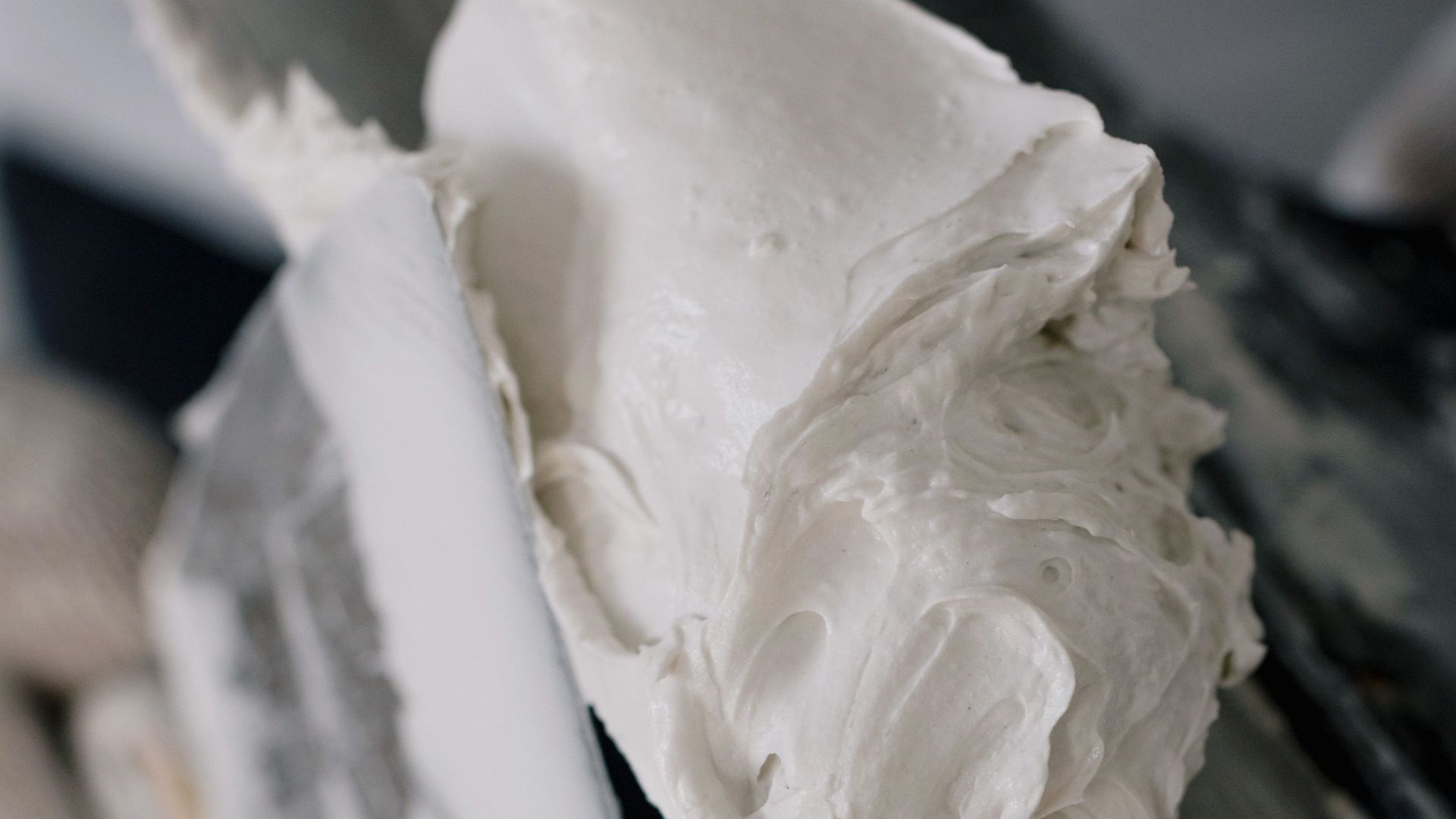
Filler Over Rust Can Hide An Enormous Repair
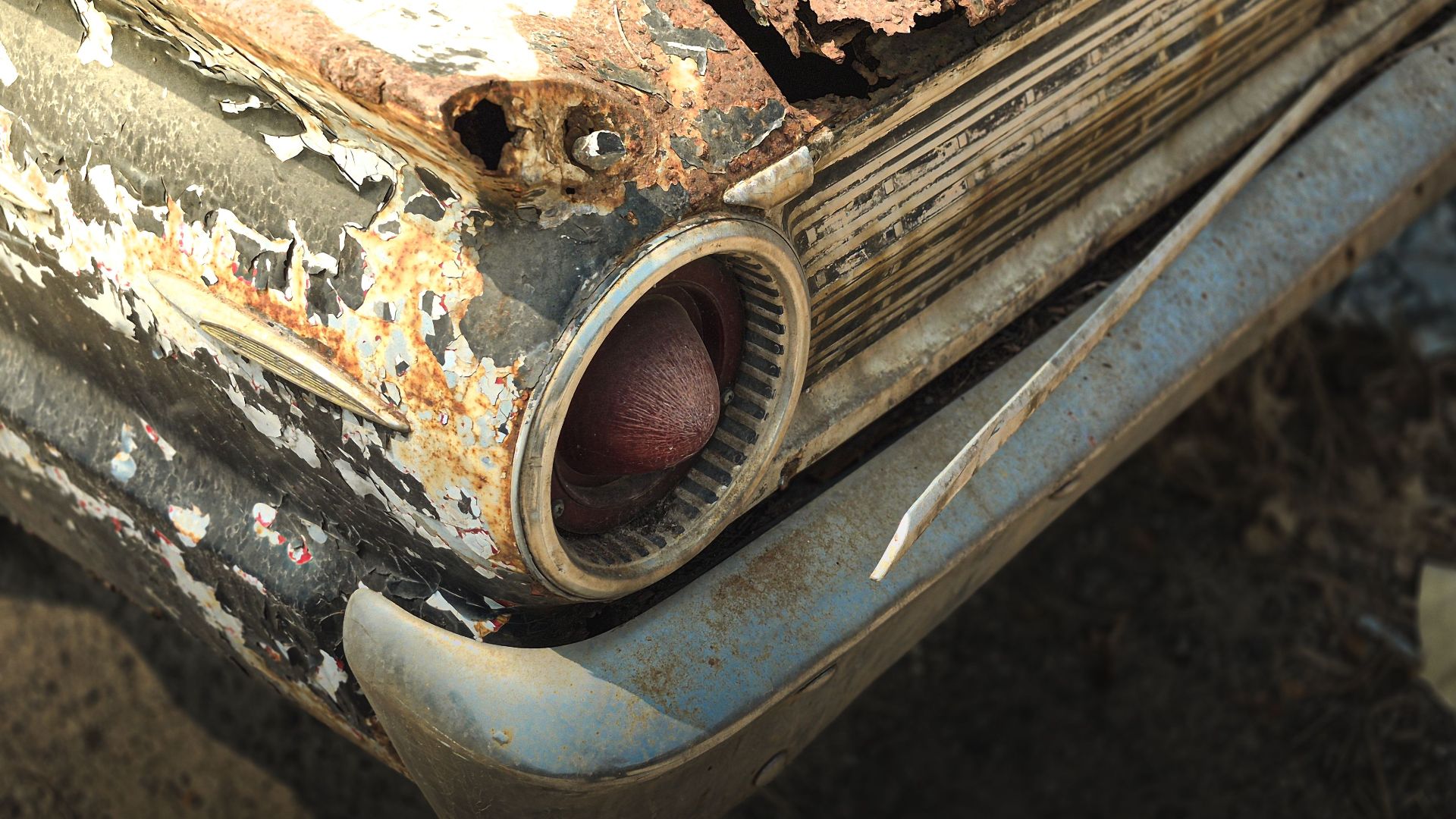
Once corrosion has eaten through a panel, simply covering the damage doesn't restore the missing steel. Proper rust repair may require cutting away weakened metal and welding in replacement sections. That can become especially expensive on rocker panels, floors, quarter panels, cab mounts, frame rails, or other complicated areas. A car that looked cosmetically beautiful can therefore need major metalwork underneath.
Structural Rust Changes The Stakes
If the hidden corrosion affects the frame, unibody structure, suspension mounting areas, seat-belt anchors, or other load-bearing parts, treat the discovery as more than a cosmetic disappointment. Have a qualified shop determine whether the car remains safe to drive. If the structure is badly compromised, transporting it rather than continuing to drive it may be the safer choice until repairs are evaluated.
Stop Before You Strip The Whole Car
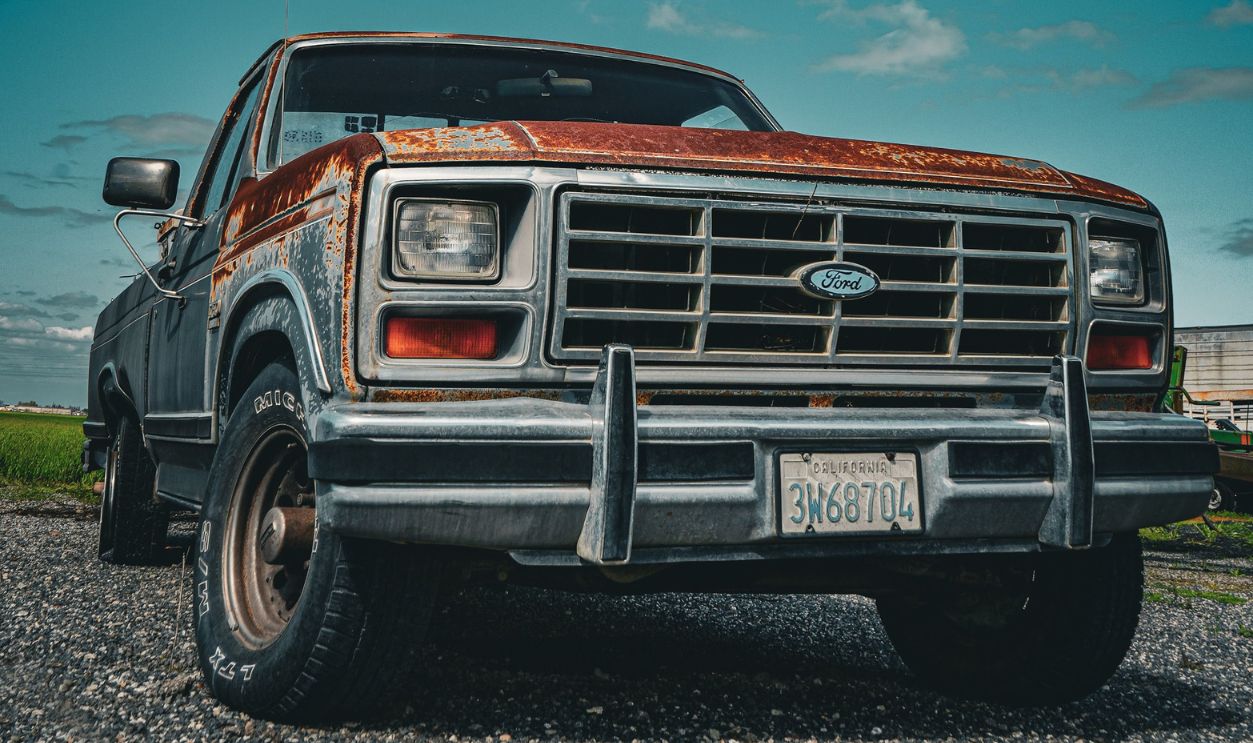
The instinct may be to start grinding away filler immediately to discover everything that's underneath. If you think you may pursue the seller, document the car first. Extensive disassembly can destroy evidence showing exactly how the corrosion was concealed. Take photographs and video of the paint, filler, exposed rust, underside, and each stage of investigation before repairs dramatically change its condition.
Get The Findings In Writing
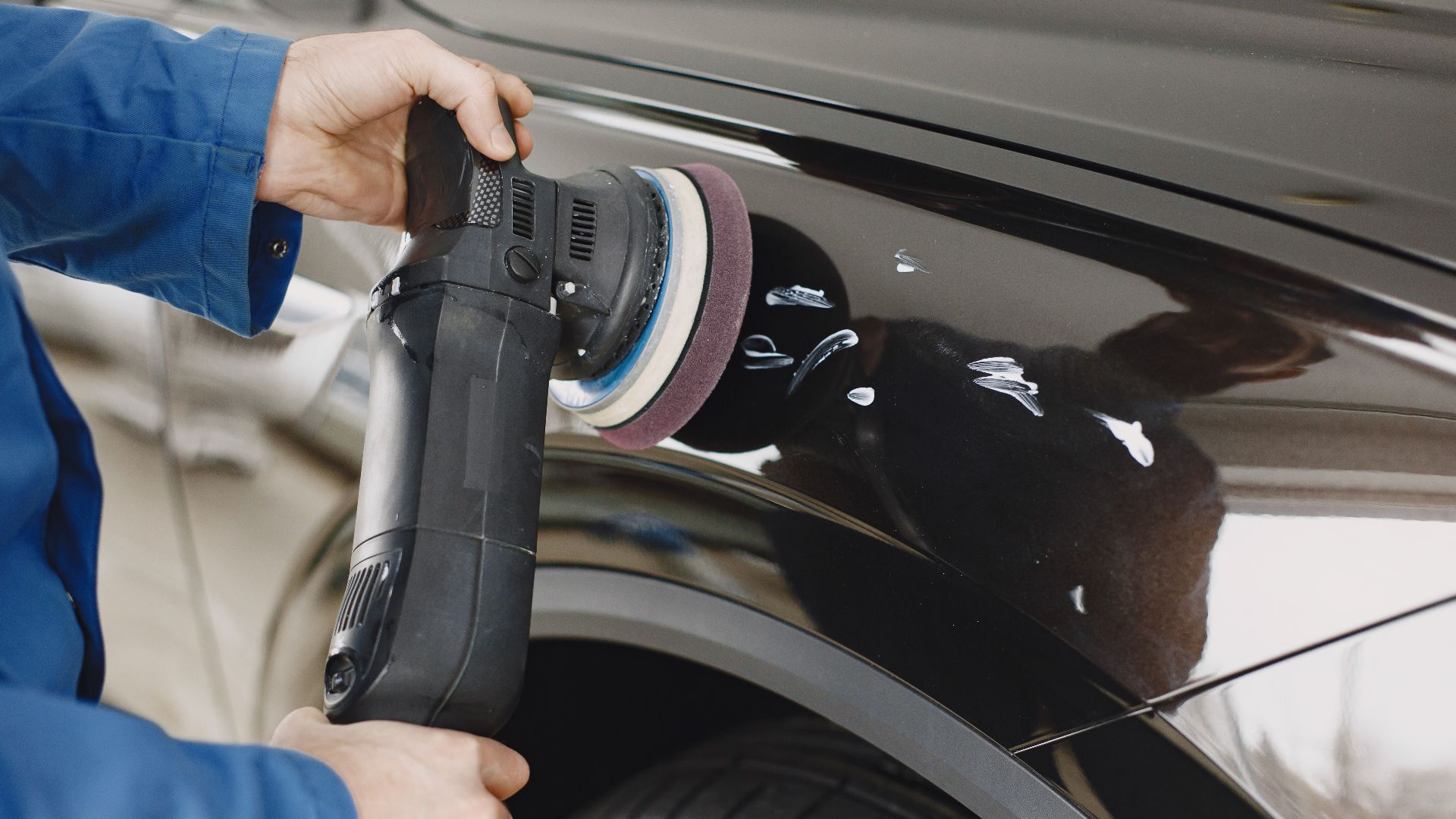
Ask the mechanic or restoration specialist for a written report describing what was found, where it was located, and why the damage appears older than your ownership. Have the shop include the VIN, mileage, photographs, and estimated repair costs where possible. A written professional assessment is far more useful in a dispute than telling the seller, “My mechanic says the whole car is rotten”.

A Paint-Thickness Gauge Can Reveal More
Professional detailers, body shops, appraisers, and inspectors sometimes use paint-thickness gauges to identify areas containing unusually heavy coatings or previous bodywork. On steel-bodied classics, a magnet can also help reveal areas containing substantial filler, although it isn't a substitute for professional inspection. Hagerty specifically recommends checking older vehicles for inconsistent magnet attraction and other evidence of filler or previous rust repair.

Save The Original Advertisement Immediately
If the seller's listing is still online, take screenshots now. Save the photographs, description, seller profile, date, asking price, and particularly any language describing the body as “rust-free,” “no rust,” “solid,” “never repaired,” or similar. Listings disappear quickly after cars are sold, and a precise written statement can become some of the strongest evidence you have.

Save Your Messages With The Seller Too
Texts, emails, marketplace messages, and other conversations can matter just as much as the advertisement. Maybe you specifically asked whether there was rust under the paint and the seller replied, “Absolutely none”. Maybe the seller said the body had never been repaired. Preserve the entire conversation rather than cropping out a single sentence so the context and dates remain clear.

The Exact Phrase “Rust-Free” Could Matter
There's a difference between vague sales puffery and a factual statement about the vehicle's condition. “Beautiful for its age” leaves plenty of room for interpretation. “Rust-free body with no filler” is much more specific. Fraudulent-misrepresentation claims generally turn on false representations, the seller's knowledge or recklessness, the buyer's reliance on them, and resulting financial harm. Specific written claims can therefore become important evidence.

“As Is” Doesn't Necessarily Answer Every Question
An as-is sale generally places much of the risk of ordinary defects on the buyer and can eliminate certain implied warranties where state law allows it. But an as-is clause isn't necessarily permission to deliberately lie about or actively conceal a material defect. The outcome depends heavily on state law and the facts, particularly what the seller said and whether you can show the condition was intentionally hidden.

Proving The Seller Knew Is Often The Hard Part
Serious rust alone doesn't establish foul play. A private owner could genuinely have bought the car after the bad repair was already completed and never known what was underneath the paint. Your position becomes stronger if you find evidence connecting that seller to the concealment, such as restoration invoices, old photographs, advertisements showing prior damage, messages discussing bodywork, or evidence that the filler and repainting were performed during their ownership.

Active Concealment Can Be More Significant Than Silence
There's also a difference between failing to mention a hidden flaw and taking steps to disguise it. Legal concepts surrounding fraudulent concealment can apply when someone intentionally hides a material fact so another person won't discover it. Fresh undercoating sprayed over corrosion, recently applied filler bridging holes, or deliberately covered rust may deserve closer examination, especially when combined with explicit claims that the car was rust-free.

Dealer And Private Sales Can Follow Different Rules
Your options may depend greatly on who sold the car. Most used-car dealers are subject to the FTC's Used Car Rule and must provide a Buyers Guide explaining whether the vehicle is sold as-is or with warranty coverage. Private sellers generally aren't subject to that federal dealer rule, leaving state contract, fraud, and consumer laws particularly important.

Check The Buyers Guide If A Dealer Sold It
If you purchased from a dealership, find the Buyers Guide you received with the car. The FTC requires most used-car dealers to disclose whether the vehicle is sold as-is or with a warranty, and the Guide becomes part of the sales transaction. Compare it with the contract and any written promises the dealer made about the vehicle's condition.
 Hryshchyshen Serhii, Shutterstock
State Law Can Give Buyers Additional Protection
Used-car protections vary enormously across the country. Some states permit broad as-is dealer sales, while others restrict them or impose additional warranty requirements. New York, for example, provides significant statutory protections for qualifying dealer-sold used vehicles. Don't assume advice about a purchase in another state applies to yours; check your attorney general, DMV, or consumer-protection agency.

Contact The Seller Before Authorizing Major Repairs
Once you have documentation, tell the seller what was discovered and provide the written inspection. Keep the conversation factual rather than immediately accusing anyone of fraud. Explain the specific discrepancy between the advertised condition and the shop's findings and ask how the seller proposes to resolve it. Their response can itself become useful evidence.
 Zoriana Zaitseva, Shutterstock
Decide What Resolution You Actually Want
Depending on the circumstances and your state's law, you might ask the seller to take the car back, contribute toward the rust repair, reimburse a specific amount, or negotiate a partial refund that reflects the vehicle's true condition. Knowing what outcome you're prepared to accept makes the discussion much more productive than simply demanding that the seller “make it right”.

Get A Realistic Restoration Estimate First
Hidden corrosion can turn a small dispute into a very large one. Ask a restoration or collision specialist to estimate what it would take to repair the damage correctly rather than simply covering it again. That could mean replacing floors, rockers, quarter panels, frame sections, or other metal. You need a credible number before deciding whether keeping the car makes financial sense.

Find Out What The Car Is Worth In Both Conditions
The financial damage isn't necessarily identical to the repair estimate. A $20,000 repair on a $15,000 car creates a very different decision from the same repair on a collectible worth $80,000 when properly restored. Consider getting a vintage-vehicle appraiser's opinion of what the car was worth as represented and what it's worth with the concealed corrosion disclosed.

Get A Second Specialist's Opinion If The Stakes Are High
If you're considering a lawsuit or asking the seller to refund tens of thousands of dollars, one inspection may not be enough. Have another independent classic-car restoration or body specialist inspect the vehicle before major work begins. Two professionals independently reaching similar conclusions can strengthen your position and reduce arguments that the first shop exaggerated the damage.

Dealer Buyers Have Complaint Options
If a dealership sold the vehicle and won't address an alleged misrepresentation, your state attorney general, motor vehicle dealer regulator, or consumer-protection agency may accept complaints. The FTC also accepts reports involving deceptive dealer practices. These agencies don't necessarily recover money for every individual buyer, but a complaint can create useful pressure and document the issue.

Small Claims Court May Fit A More Modest Dispute
If you're seeking a relatively limited repair contribution or loss in value, small claims court may offer a way to pursue the dispute without the expense of full-scale litigation. Dollar limits and procedures vary by state. Bring the advertisement, bill of sale, messages, inspection reports, photographs, repair estimates, and evidence showing why you relied on the seller's representation.
 https://kaboompics.com/, Pexels
Larger Losses May Justify A Consumer Attorney
If the vehicle was expensive, the corrosion is structural, or you're seeking to unwind the entire sale, talk with an attorney familiar with vehicle fraud or consumer law in your state. Timing can matter, particularly if you're seeking rescission rather than merely damages. An attorney can also assess whether the facts support breach of contract, fraudulent misrepresentation, concealment, or a state consumer-protection claim.

“Rust-Free” Can Mean More Than Ordinary Used-Car Optimism
Buying a vintage vehicle always involves some risk, and an old car isn't automatically misrepresented simply because hidden deterioration appears later. But extensive filler concealing serious corrosion is worth investigating when the seller expressly described the car as rust-free. Preserve the evidence, get independent written assessments, establish what proper repairs will cost, and compare those findings with exactly what you were told. The stronger the evidence that a material condition was knowingly disguised or falsely described, the harder it becomes to dismiss the problem as simply part of buying an old car.
You May Also Like:
I bought a classic car at an auction, and now my mechanic says the VIN looks altered. What do I do?