
A Clean Report Isn't A Crystal Ball
You bought a used car partly because its history report looked reassuringly uneventful. Then you discover evidence of a major repair that never appeared anywhere. Unfortunately, that can happen. Vehicle history reports are valuable shopping tools, but even the companies producing them acknowledge that they don't know everything that has happened to every car.
What A Vehicle History Report Actually Is
Think of a vehicle history report as a collection of records, not a complete automotive biography. Providers gather information from government agencies, insurers, police departments, repair facilities, auctions, dealerships, and other sources. If an event reaches one of those sources and gets shared, it may appear. If it doesn't, the report may remain silent.

Why Major Repairs Can Go Missing
There is no little black box inside your car automatically reporting every fender replacement, transmission swap, or frame repair. History-report companies depend on outside organizations supplying information. CARFAX specifically notes that not every accident or damage event is reported to it, which is why a missing repair is entirely possible.
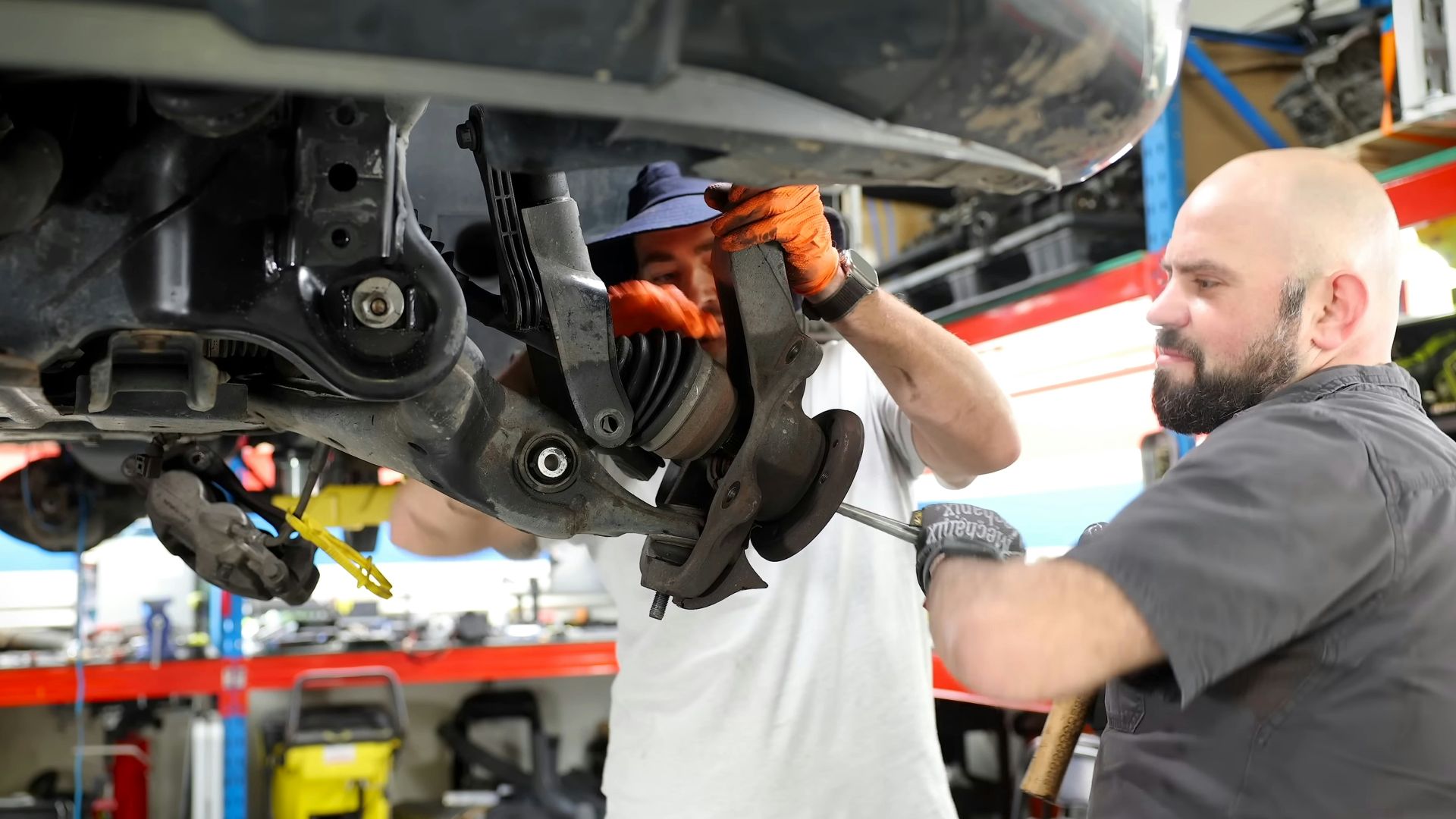 Bengkel Mobil Matic Bandung, Unsplash
Not Every Body Shop Reports
Suppose an owner crunches a quarter panel and has a local independent body shop straighten everything out. If that shop doesn't send information to the history-report provider, the repair may leave no obvious digital trail. A perfectly legitimate repair can therefore happen without ever producing that ominous little “damage reported” entry buyers expect.

Cash Repairs Can Vanish
Repairs handled privately are especially easy to miss. If somebody backs into a garage post, pays a shop directly, and never contacts their insurer or police, few outside organizations necessarily know what happened. Ten years later, a buyer can receive a report that looks spotless even though several thousand dollars of bodywork occurred.

Insurance Claims Help, But Not Always
Insurance records are an important source of accident information, particularly after serious collisions. But owners don't file claims for every incident, insurers don't necessarily supply every type of record to every commercial provider, and reporting practices differ. That means “no insurance loss reported” should never be translated into “this car has never been damaged.”

Police Reports Don't Catch Everything
Police-generated collision information can also make its way into vehicle databases. The catch is obvious once you think about it: police aren't called to every accident. Parking-lot bumps, single-car mishaps, driveway incidents, and privately settled collisions may never generate a police report in the first place.

Dealership Service Records Aren't Universal
Service history can look wonderfully detailed when a car has spent its life visiting participating dealerships. But that doesn't mean an empty service section proves the oil was never changed. Maintenance completed by independent mechanics, owners, specialty garages, or nonparticipating dealerships may never appear on a commercial report.

Different Reports See Different Things
One overlooked trick is checking more than one reporting service. Databases aren't identical, and their commercial data arrangements vary. Experian has acknowledged that no single vehicle-history source can be fully comprehensive because not every automotive incident gets reported. One provider may therefore contain an entry that another completely misses.

Clean Title Doesn't Mean Clean Car
“Clean title” is another phrase buyers sometimes give too much power. It generally means the title doesn't carry a particular brand such as salvage or flood. It doesn't guarantee the vehicle has never crashed. A heavily repaired car can potentially retain an ordinary title if the damage never triggered the applicable state's branding requirements.
NMVTIS Has A Different Job
The federal National Motor Vehicle Title Information System is particularly useful for checking title brands, reported odometer information, salvage history, and certain total-loss records. It isn't meant to provide a diary of ordinary mechanical repairs. Federal guidance specifically notes that NMVTIS doesn't contain vehicle repair histories.

Mechanical Problems Often Never Appear
That distinction matters if your mysterious “major repair” involved an engine, transmission, cooling system, or electrical problem rather than a collision. The FTC warns that history reports typically won't list mechanical problems. A car could have swallowed a transmission at 60,000 miles, received another one, and still have an uneventful-looking history report.

Timing Can Create Gaps
Reports also aren't necessarily frozen forever on the day you download them. Records can arrive later as reporting organizations update databases or old information is processed. A report you viewed when shopping may therefore differ from one pulled months or years later. Save the exact report you relied on when purchasing the vehicle.

Repairs Can Cross State Lines
Geography adds another complication. Title terminology and damage thresholds vary among states, meaning identical damage may be treated differently depending on where it happened. NMVTIS itself warns that states use different standards for categories such as salvage. That's one reason buyers should investigate a vehicle's history across jurisdictions rather than concentrating only on its current title.

Start With The Paper Trail
If you've discovered an undisclosed repair, don't immediately start accusing everyone within shouting distance. First document what you've found. Obtain invoices, photographs, inspection findings, part numbers, paint-meter readings, or dealership records that indicate what was repaired and approximately when. Establishing facts gives you far more leverage than simply saying the car “looks like it was wrecked.”
 Quality Stock Arts, Shutterstock
Get A Second History Report
Run the VIN through another reputable commercial history service. You're looking for entries your original report didn't contain: auction announcements, accident information, structural-damage notes, mileage changes, servicing, ownership transfers, or insurance events. Two imperfect databases viewed together can tell you considerably more than either one viewed alone.
 Michiel1972 at Dutch Wikipedia, Wikimedia Commons
Check NMVTIS Too
For a U.S. vehicle, check an approved NMVTIS provider as well. Its focus on title brands, salvage records, total-loss information, and odometer reporting makes it a useful companion to commercial reports. Don't expect oil-change receipts, though. NMVTIS was designed mainly to help uncover title, theft, salvage, and fraud concerns.
 Downtowngal, Wikimedia Commons
Inspect The Car Independently
Next, book an independent inspection, preferably with a technician experienced in collision damage if that's your concern. The FTC explicitly says a vehicle history report is not a substitute for an independent inspection. That advice applies even to vehicles advertised as certified or previously inspected by a dealer.

Ask For Paint And Structural Clues
A good inspection can reveal stories databases missed. Technicians may notice overspray, mismatched paint thickness, disturbed factory seam sealer, replacement welds, uneven panel gaps, altered fasteners, or repairs around structural components. None automatically prove the vehicle is dangerous, but they can help establish the scale and quality of previous work.
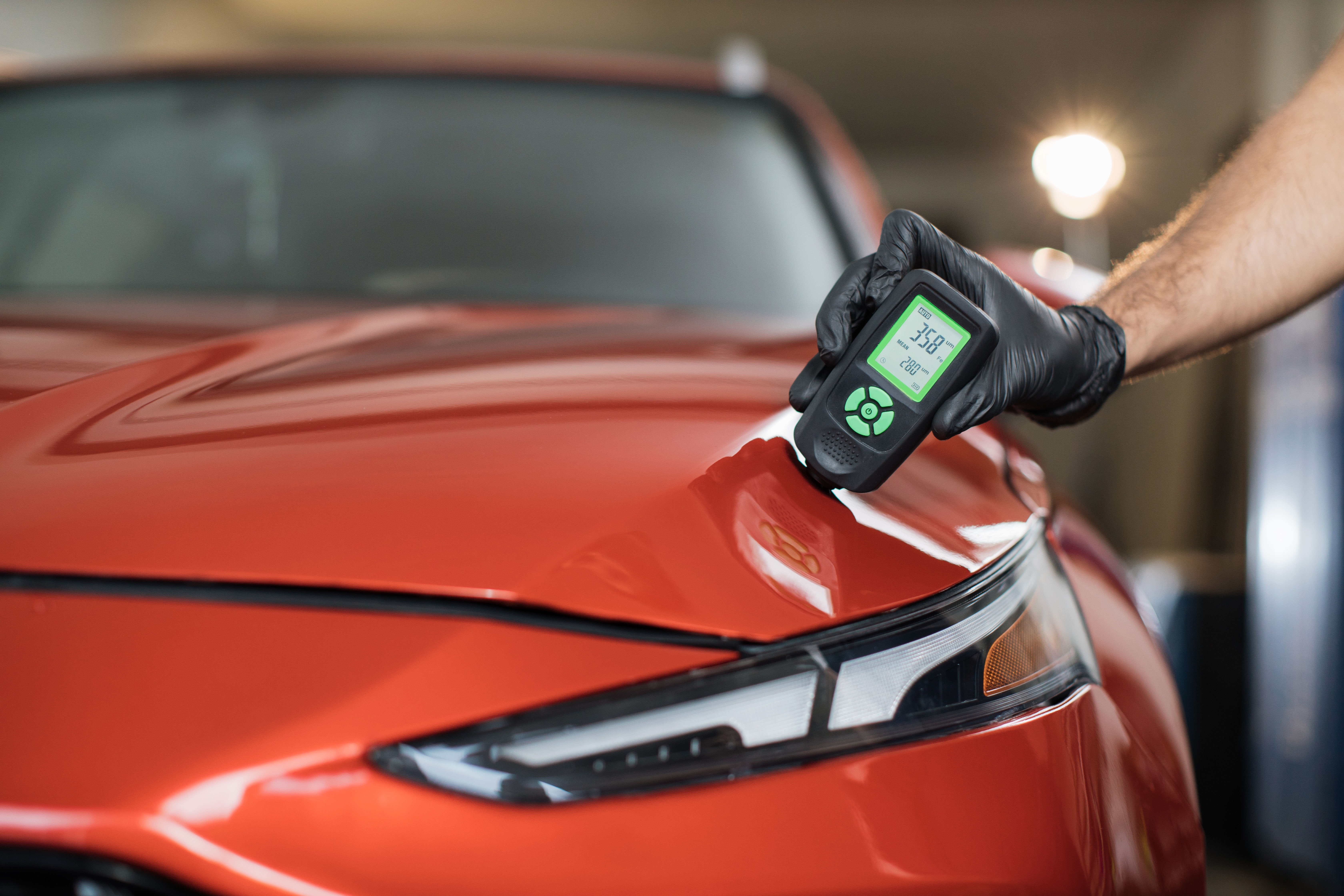
Get A Diagnostic Scan
Modern cars store a remarkable amount of electronic information. A comprehensive diagnostic scan can sometimes reveal problems involving airbags, restraint systems, driver-assistance hardware, or modules that were replaced or improperly repaired. If your mystery repair involved a collision, pay particular attention to warning lights and safety systems rather than concentrating only on shiny body panels.
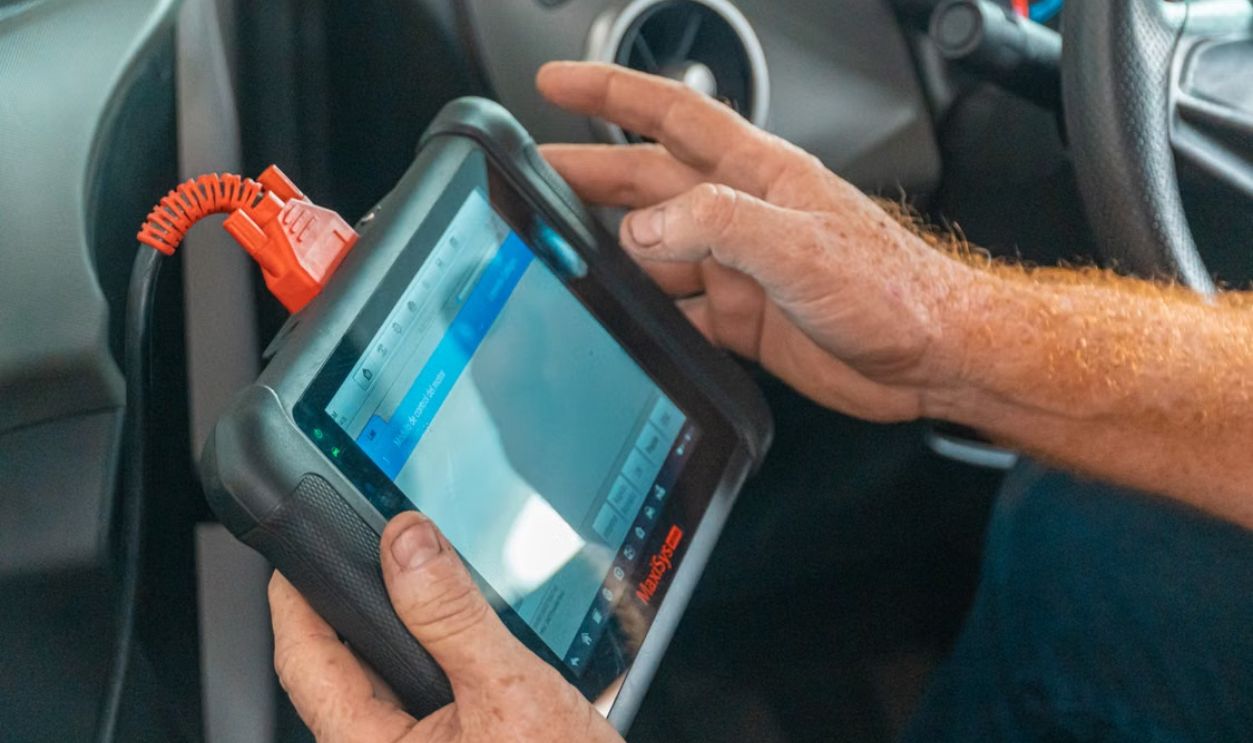 Jose Ricardo Barraza Morachis, Pexels
Look At Tire And Alignment Clues
Uneven tire wear, a steering wheel that won't sit straight, persistent pulling, or alignment measurements that can't be brought comfortably into specification deserve attention. Plenty of innocent mechanical issues can cause those symptoms, but combined with evidence of previous structural repairs, they can provide another clue that the car's history is more complicated than advertised.
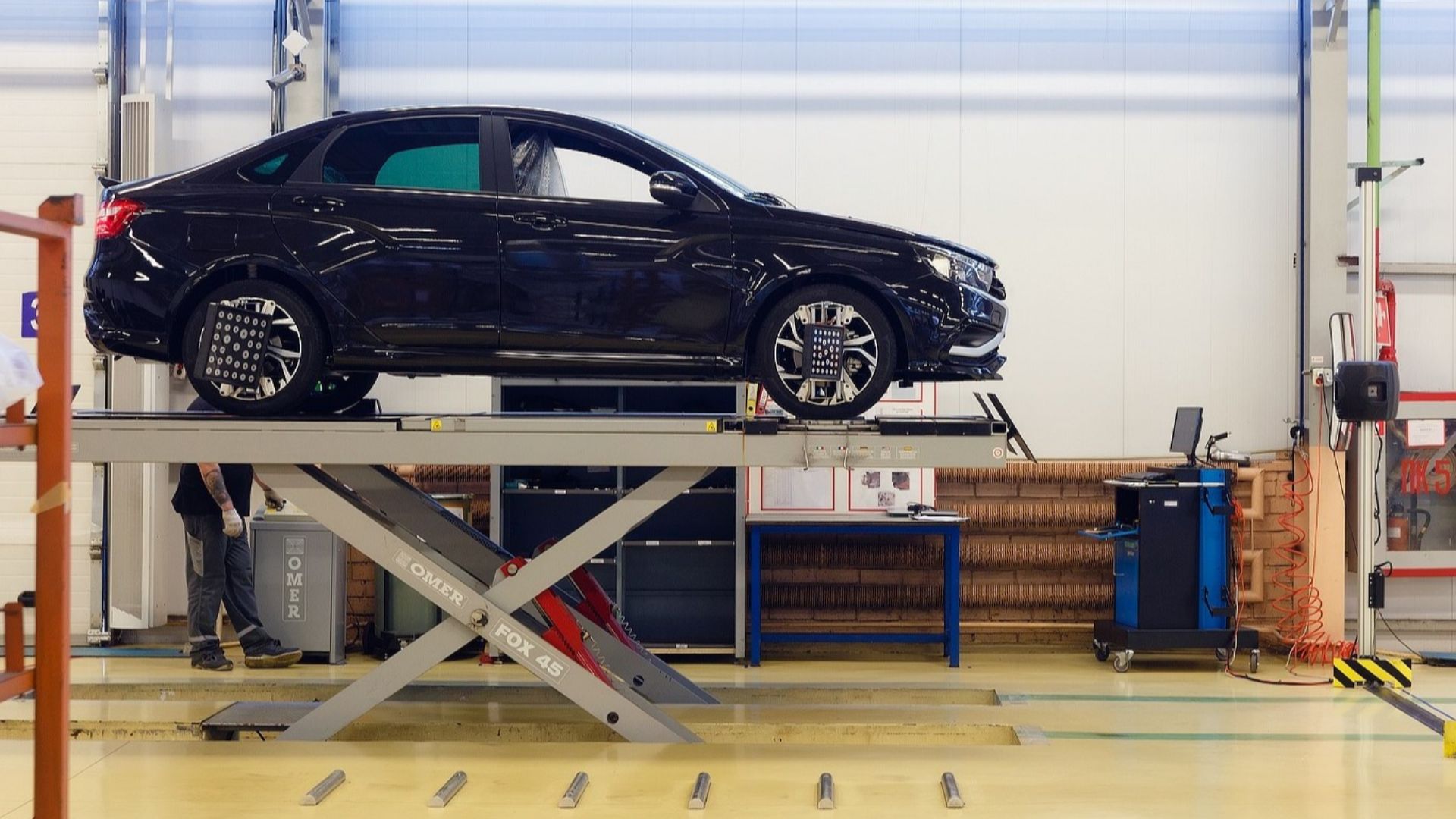 Dmitry Racer, Wikimedia Commons
Ask The Seller In Writing
Contact the seller and calmly explain what you've discovered. Ask whether they knew about the repair and request any supporting records. Keep the conversation in writing where possible. You're trying to establish what the seller represented before the sale, what they actually knew, and whether any important facts were omitted or contradicted.

Compare The Listing To The Contract
Dig out the original advertisement, purchase agreement, Buyers Guide, emails, texts, and screenshots. A report merely showing “no accidents reported” is different from a seller explicitly promising “never damaged” or “never in an accident.” Exact wording may become important if you later dispute what you were told.

If You Already Bought It
Your options depend heavily on how the car was sold, whether there was a warranty, what the seller represented, and the laws where the transaction occurred. Don't assume discovering old damage automatically lets you return the vehicle. Likewise, don't assume an “as is” sale excuses every possible misrepresentation. Preserve your evidence before deciding what to do.

When Misrepresentation May Matter
If a dealer specifically told you there had been no major damage despite knowing otherwise, that's very different from a database simply failing to contain the information. Consumer remedies vary by state, so substantial disputes may justify contacting your state consumer-protection agency or attorney general. The FTC also accepts complaints concerning dishonest dealership practices.

Build Your Own Used-Car Safety Net
For your next used car, treat history reports as one layer of protection. Run the VIN through more than one useful source, check NMVTIS, research open recalls, examine service documentation, test-drive carefully, and arrange an independent inspection. NHTSA also provides a VIN-based tool for checking unrepaired safety recalls.

The Report Is A Tool, Not A Verdict
So, do vehicle history reports leave things out? Absolutely, and the companies behind them openly acknowledge that possibility. That doesn't make the reports worthless. They're excellent screening tools. Just remember the golden rule of used-car shopping: a clean report means nobody reported certain trouble. It doesn't necessarily mean that trouble never happened.

You May Also Like: