Winter Rust Protection Gone Wrong
Winter road salt can quietly destroy a vehicle's underbody, brake lines, and structural components. Rustproofing can help, but choosing the wrong treatment or applying it incorrectly may leave your car vulnerable. Before paying for another undercoating treatment, make sure you're not making one of these surprisingly common mistakes.
Assuming New Cars Don't Rust
Modern vehicles have better factory corrosion protection than older cars, but they're not immune to rust. Road salt, moisture, and flying gravel can eventually compromise protective coatings, particularly around wheel wells, suspension components, and underbody seams. Drivers in heavily salted regions should inspect these areas regularly, even on relatively new vehicles.
Confusing Undercoating With Oil Spraying
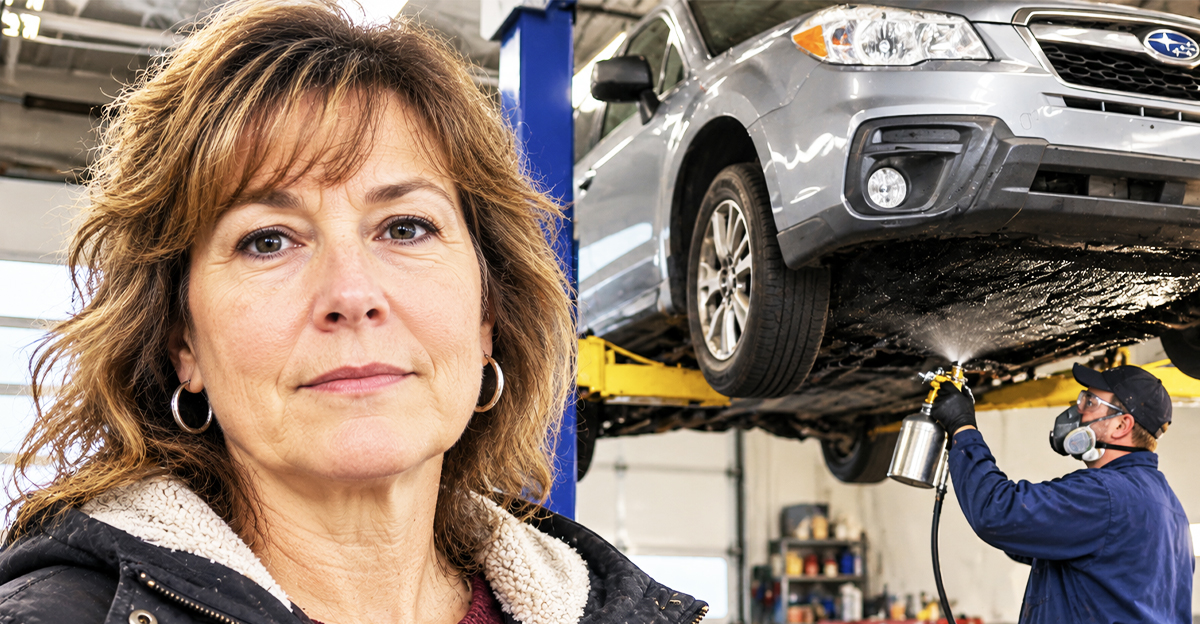
Not all rustproofing treatments work the same way. Rubberized undercoatings form a physical barrier against moisture and road debris, while oil-based treatments penetrate seams and crevices. Wax-based products offer another option. Each has advantages, but choosing the wrong product for your vehicle's condition can reduce its effectiveness or create additional problems.
Applying Coatings Over Existing Rust
Covering rust doesn't make it disappear. Loose corrosion, dirt, and flaking factory coatings can prevent protective products from adhering properly. Some penetrating oil treatments can help slow further corrosion, but thick coatings applied over deteriorating metal may conceal worsening damage. Significant rust should be assessed and properly treated before any protective coating is applied.
Rustproofing A Dirty Or Wet Car
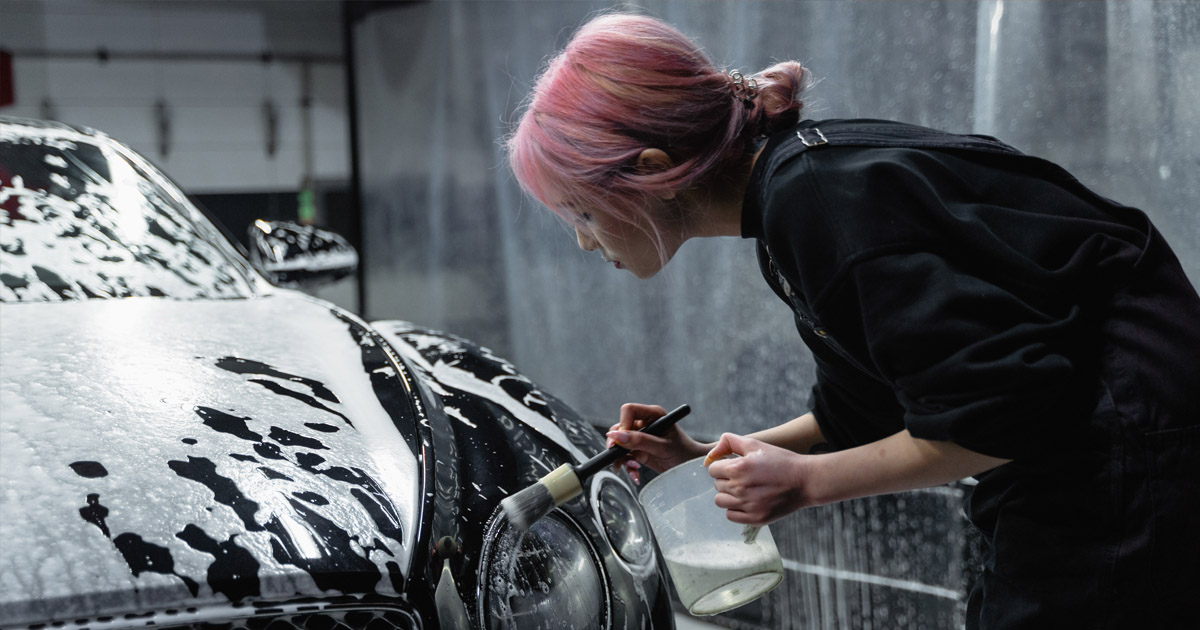
Proper preparation is essential. Applying certain undercoatings over road grime, salt, or moisture can interfere with adhesion and leave corrosion-causing contaminants underneath. Many products require clean, dry surfaces. Ask your installer how the vehicle is prepared and whether the treatment can be safely applied in damp conditions.
Choosing The Wrong Time
Waiting until the first snowstorm isn't ideal. Late summer and early fall offer a convenient opportunity to inspect, clean, and protect your vehicle before road salt arrives. However, winter application isn't automatically ineffective. A professional shop with suitable preparation and drying equipment may still provide an effective treatment.
Spraying Parts That Need Protection
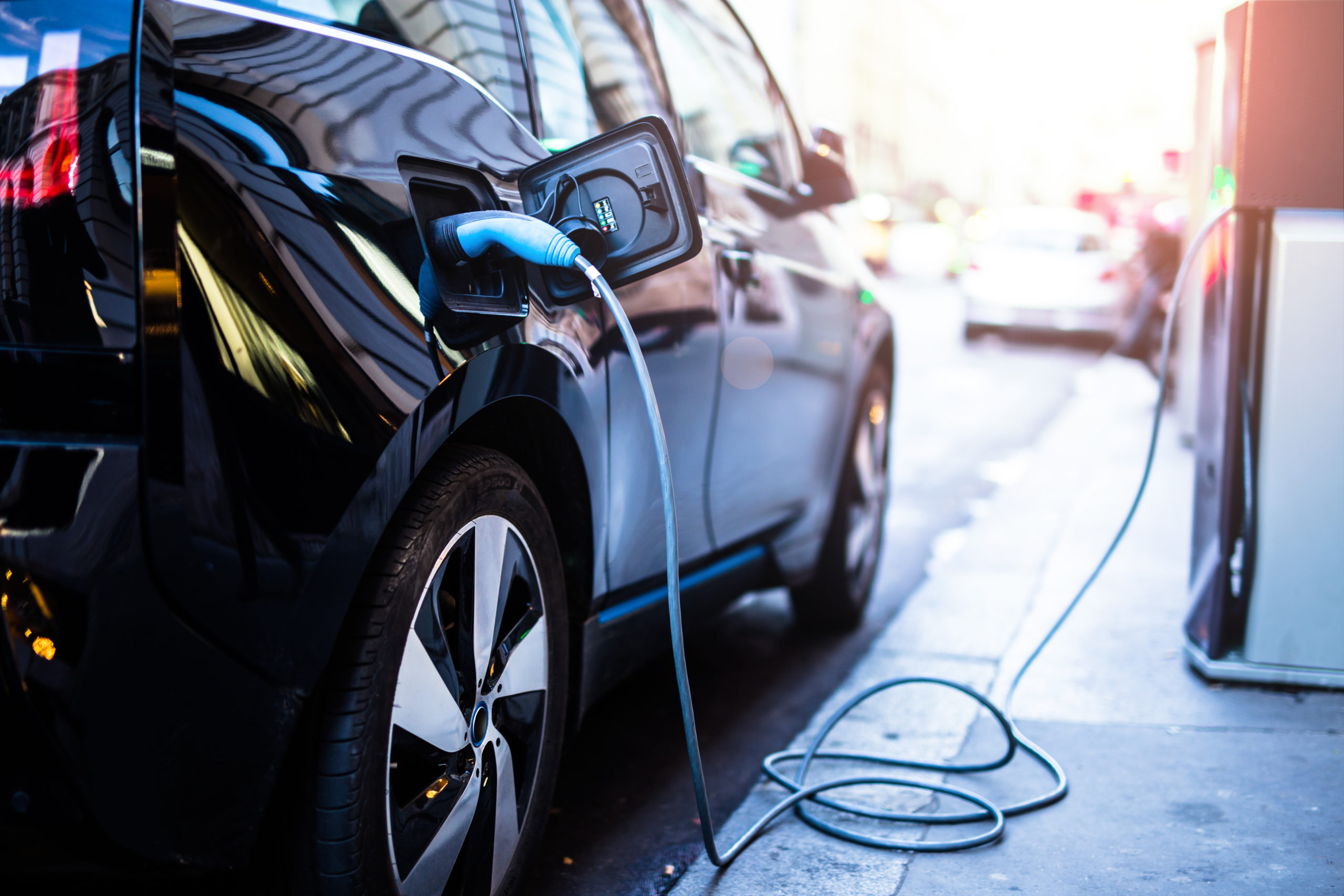
More rustproofing isn't necessarily better. Protective sprays should never be applied indiscriminately to brake components, hot exhaust parts, belts, or other moving equipment. Some vehicles also have sensitive electrical connections and specialized underbody components. Follow the product instructions and vehicle manufacturer's recommendations, particularly when treating electric or hybrid vehicles.
Forgetting About Hidden Cavities
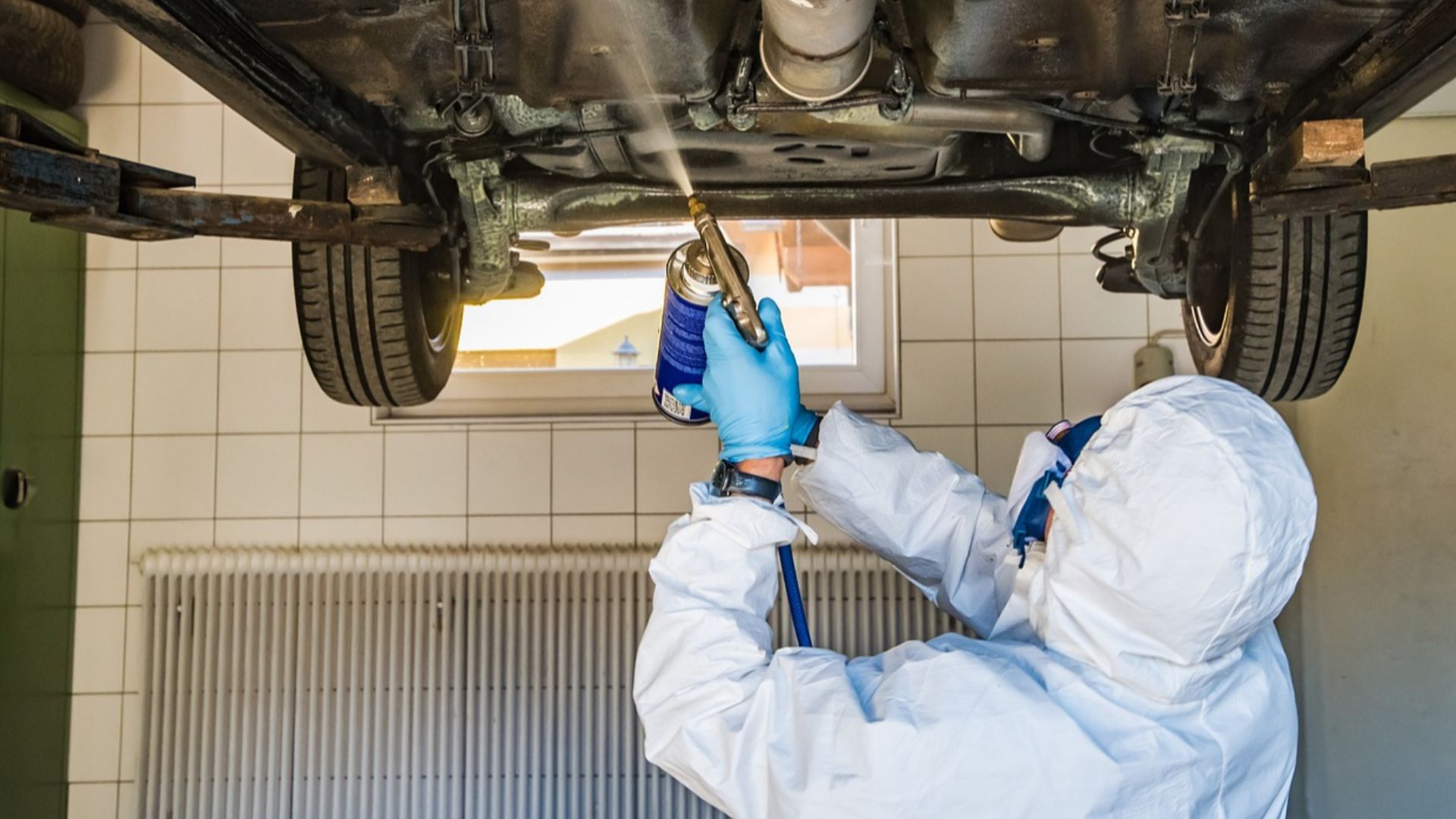
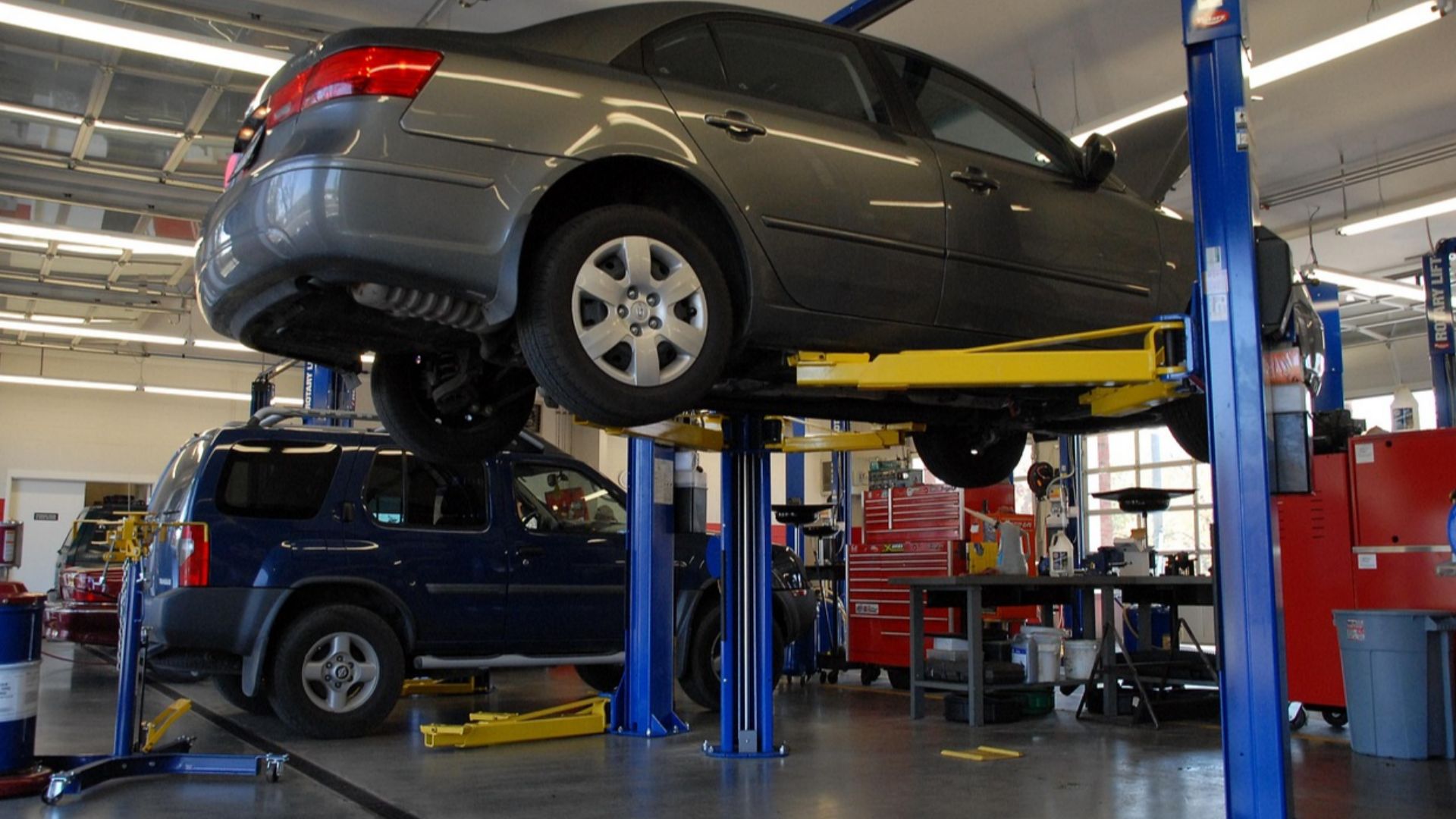
Rust often begins where drivers cannot easily see it. Door bottoms, rocker panels, wheel arches, and enclosed seams can collect moisture and road salt. Simply spraying the visible underside may leave these areas unprotected. A thorough rustproofing service should address appropriate hidden cavities using products and application methods designed for those locations.
Assuming One Treatment Lasts Forever
Rustproofing isn't always a one-time investment. Oil-based treatments may require annual reapplication, especially in regions with heavily salted roads. Other products can last longer, depending on their formulation and exposure. Follow the treatment manufacturer's schedule and inspect the coating periodically rather than assuming a single application guarantees permanent protection.
Skipping Winter Car Washes
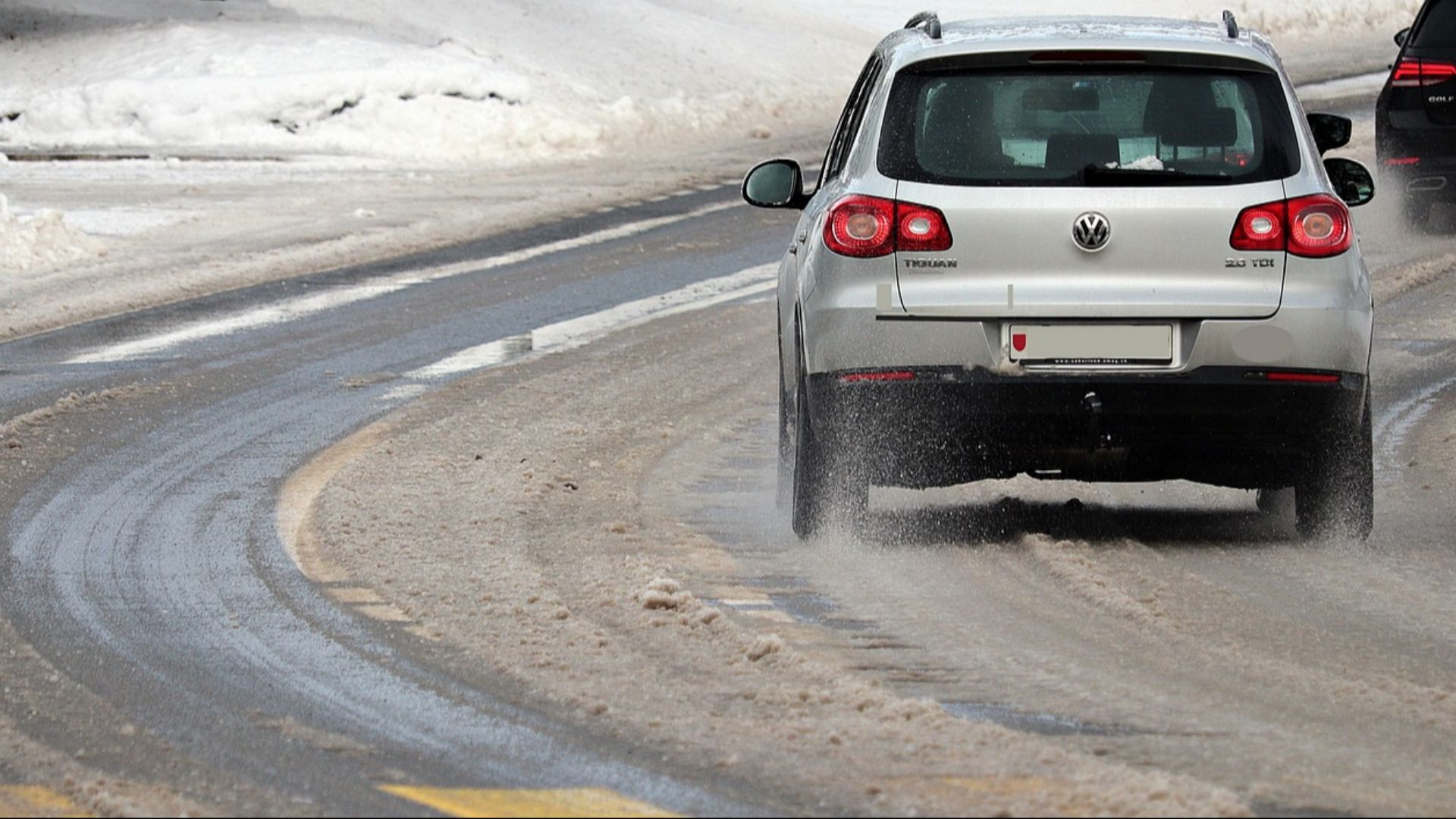
Even properly rustproofed vehicles benefit from regular washing. Road salt accumulates around wheel wells, suspension components, and exposed metal surfaces. AAA recommends washing the entire vehicle, including its undercarriage, throughout winter. Choose a car wash with an underbody rinse, and remember that rustproofing supplements regular maintenance rather than replacing it.
Paying For Unnecessary Protection
One final mistake is assuming every vehicle needs an expensive dealership rustproofing package. Modern cars already have factory corrosion protection, and Consumer Reports advises against costly dealer-applied undercoating. However, drivers who keep vehicles for many years in heavily salted regions may benefit from additional protection. Consider your climate, vehicle condition, ownership plans, and warranty before spending money.
The bottom line? Rustproofing works best as part of a broader corrosion-prevention strategy, not as a substitute for inspections, proper repairs, and regular winter washing. Choosing an appropriate treatment and having it applied correctly matters more than simply covering the underside of your car.
You May Also Like:
My car failed inspection because of a tiny rust hole. What happens if I ignore it?
Sources: 1, 2, 3, 4, 5, 6, 7, 8, 9, 10