That Recall Followed You Home
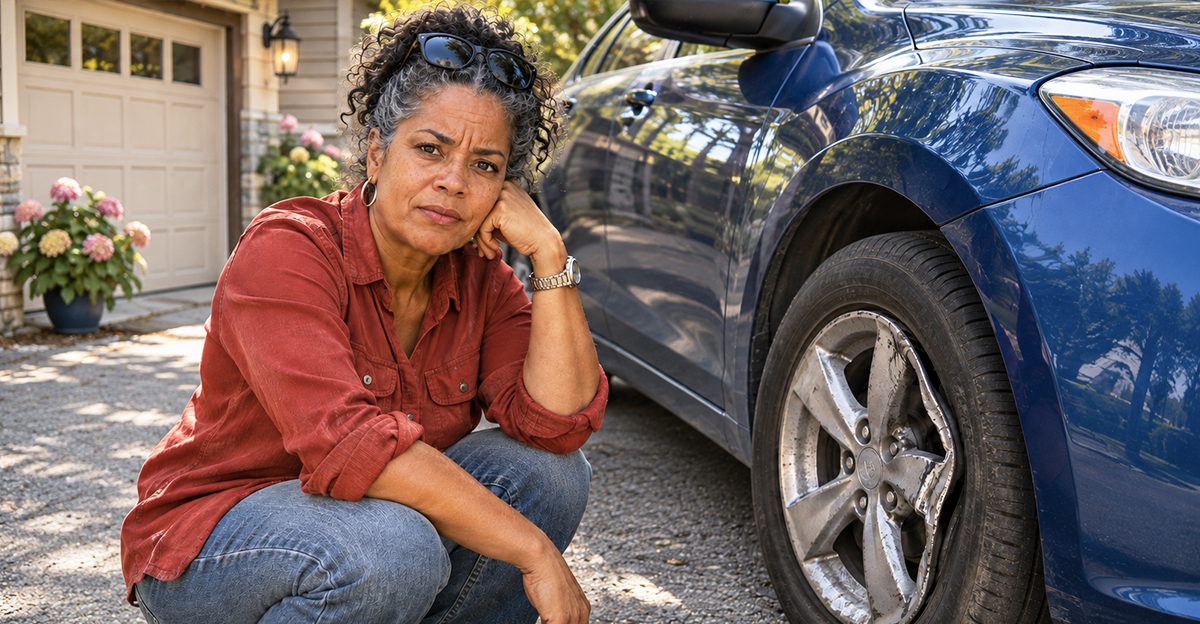
You bought a used vehicle, only to discover an outstanding safety recall the previous owner never addressed. Now you're wondering whether the manufacturer still owes you a free repair. The good news is that most qualifying recalls remain free for subsequent owners.
 Ushuaia studio, Shutterstock.com
Yes, Second Owners Still Qualify
Federal recall protections generally apply to the vehicle, not just its original purchaser. That means buying secondhand doesn't automatically eliminate your eligibility. Even if several people owned the car before you, the manufacturer may still owe you the repair.

Your Warranty Doesn't Control Recall Coverage
Your factory warranty might have expired years ago, but that doesn't automatically matter. Safety recalls operate separately from ordinary warranty coverage. A manufacturer generally cannot reject an otherwise eligible recall repair simply because your warranty has expired.
An As-Is Purchase Doesn't Change Everything
Buying a vehicle as-is generally means accepting certain repair responsibilities. However, that agreement doesn't cancel an automaker's federal recall obligations. If the vehicle qualifies for a free safety recall remedy, the seller's warranty terms don't eliminate it.
The Seller Might Not Have Broken Any Rules
Surprisingly, federal rules generally permit dealerships to sell used vehicles with unresolved recalls. New vehicles face stricter restrictions. However, misleading claims about a used vehicle's recall status can still raise consumer protection concerns, depending on the circumstances.
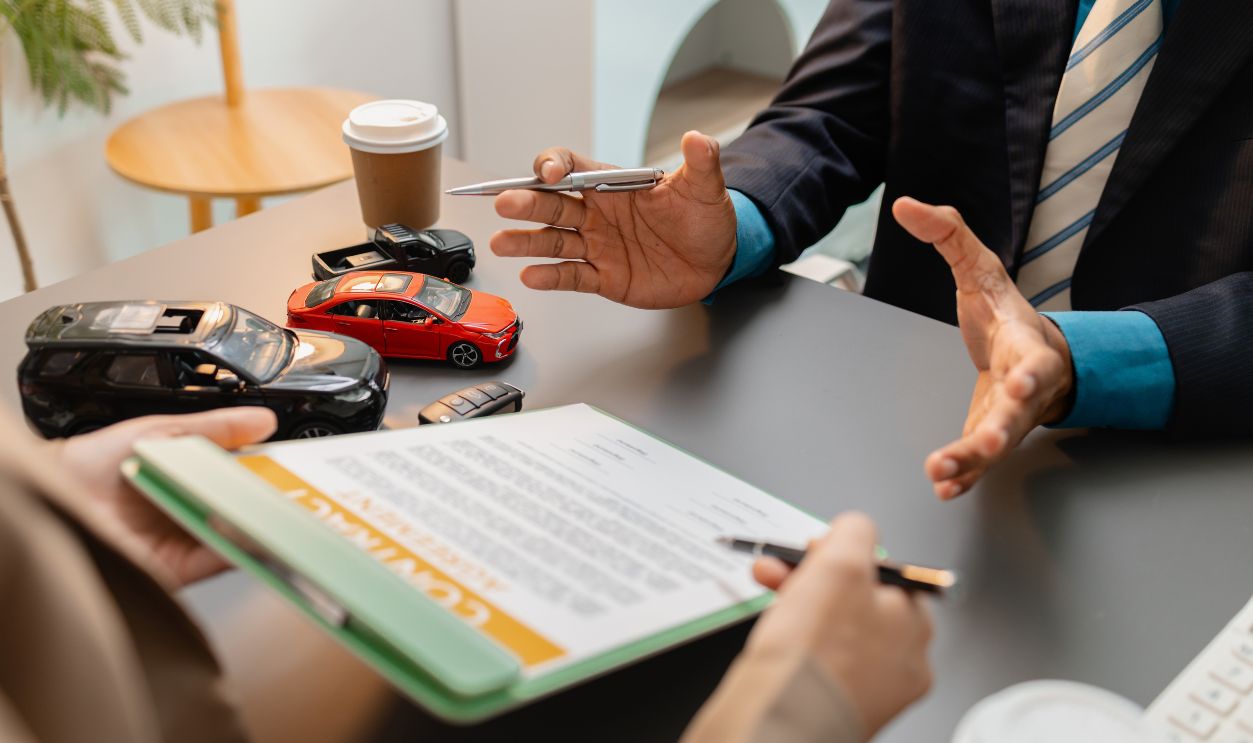
Start With Your Vehicle's VIN
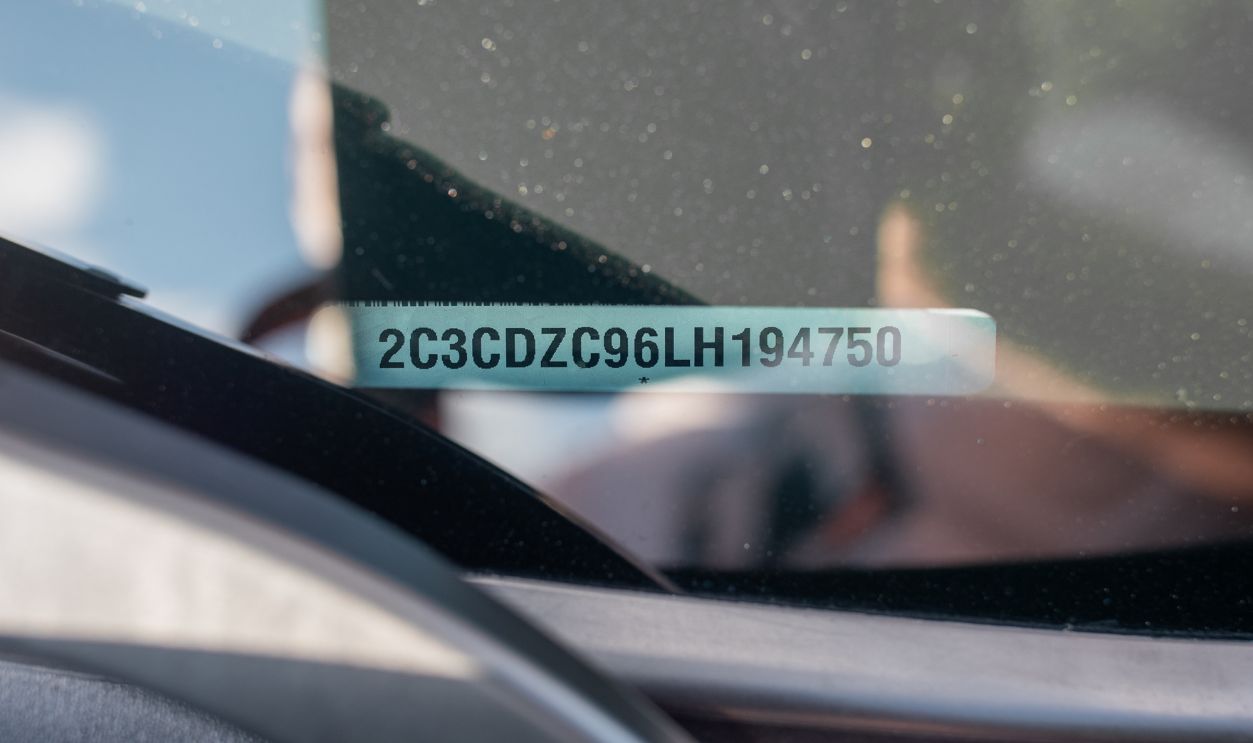
Your vehicle identification number is the key to identifying outstanding recalls. This unique 17-character code usually appears near the driver's side windshield. You can also find it on registration paperwork and sometimes your insurance documents.
Check The Official Recall Database
Visit the National Highway Traffic Safety Administration's recall website and enter your VIN. The search identifies unresolved recalls reported by participating manufacturers. You can also search using your license plate, although VIN searches avoid potential registration-data errors.

Read The Recall Description Carefully
An open recall record identifies the safety concern and usually describes the manufacturer's planned remedy. Look for the campaign number, affected component, and recommended precautions. These details help you explain the problem when scheduling service.
Zero Results Doesn't Guarantee Everything Is Fine
NHTSA's database has limitations. Recently announced recalls may not immediately appear because manufacturers are still identifying affected vehicles. If you're concerned about a specific problem, contact the manufacturer directly rather than relying entirely on one search.
Older Recalls Can Disappear From Search Results
NHTSA's VIN search generally covers safety recalls from the previous 15 calendar years. Older campaigns might not appear, even when unresolved. For an aging used vehicle, request a more complete recall history directly from its manufacturer.
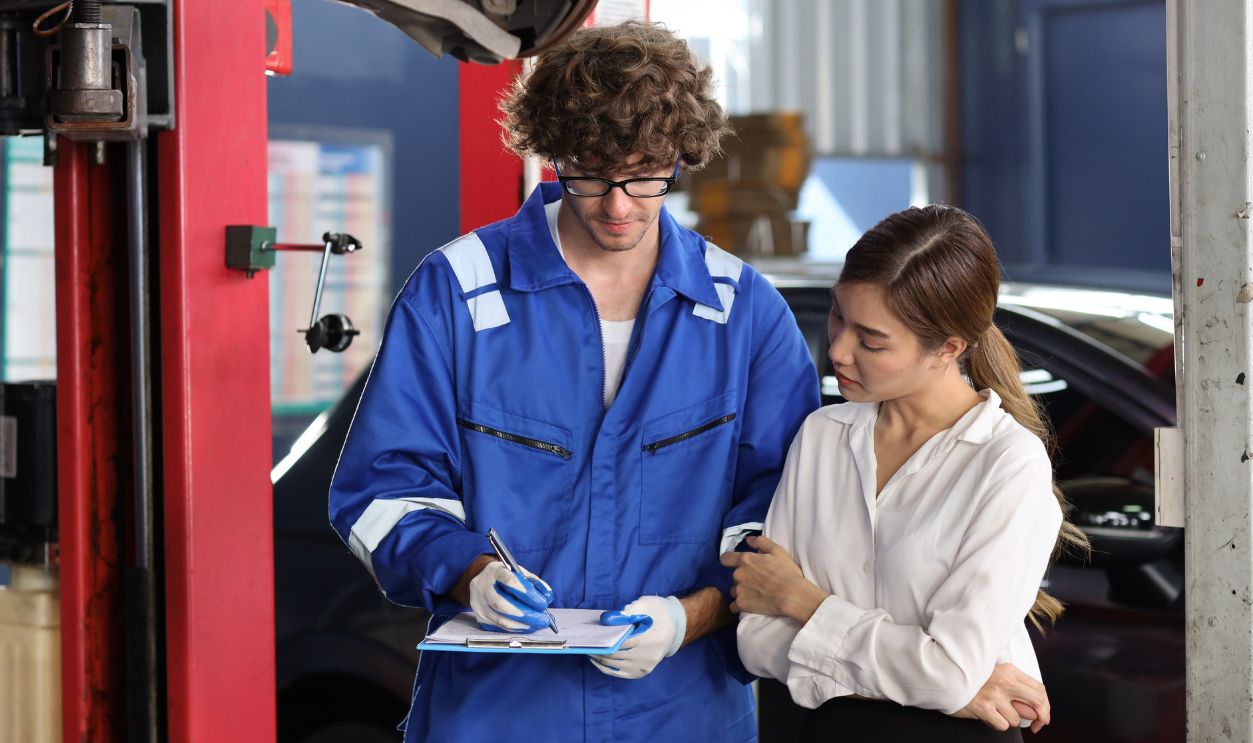
A Safety Recall Doesn't Simply Expire
NHTSA explicitly states that vehicle recalls never expire. An unresolved safety problem doesn't become harmless because time passes. However, the continuing existence of a recall and the manufacturer's obligation to provide free repairs are separate questions.

There Is A Fifteen-Year Rule
Federal requirements generally exempt manufacturers from providing free vehicle recall remedies when the original purchase occurred more than 15 calendar years before the recall determination. This exception matters particularly for older used vehicles, although manufacturers can offer additional coverage.
 Sergei Gontsarov, Shutterstock
The Original Sale Date Matters
The 15-year calculation starts when the first purchaser bought the vehicle, not when you acquired it used. Importantly, the relevant comparison is against the recall's initiation date, not simply the date you request service years afterward.
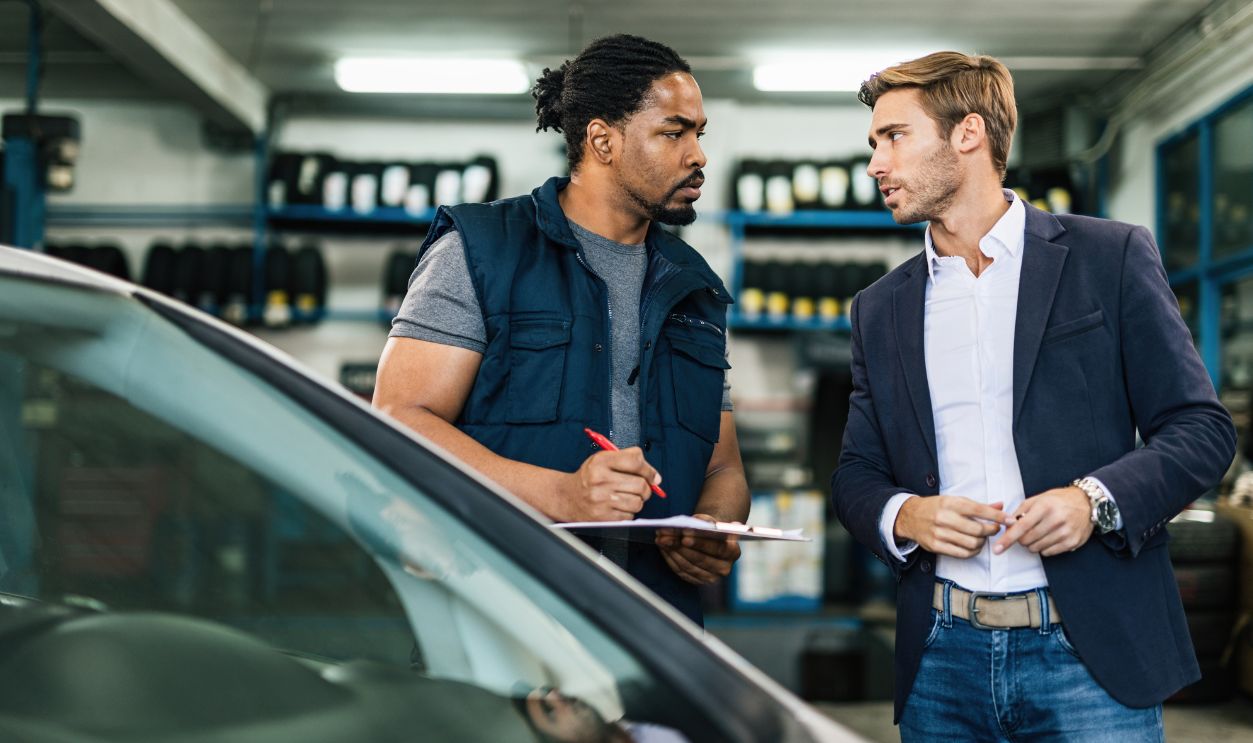
Tire Recalls Have Different Deadlines
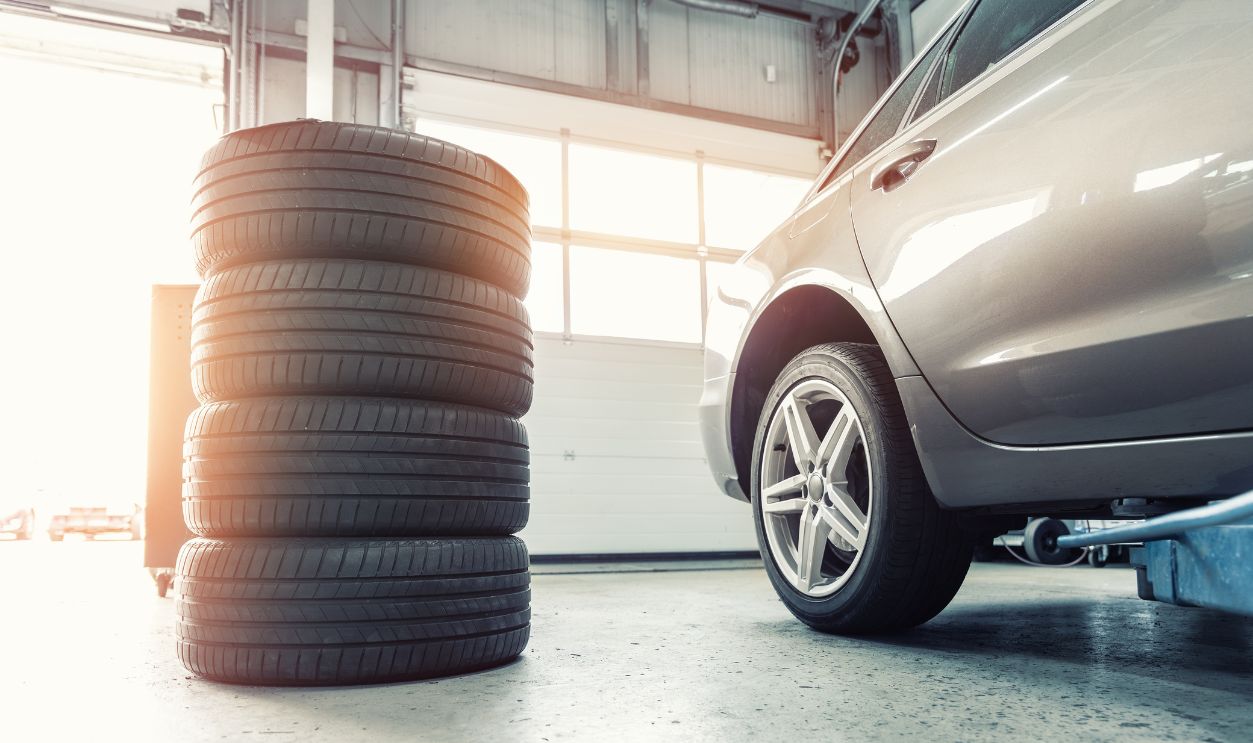
Recalled tires follow separate federal rules. Their free-remedy age threshold is generally five years, and owners ordinarily must present qualifying tires within 180 days of notification or replacement availability. Check the particular campaign before assuming vehicle rules apply.
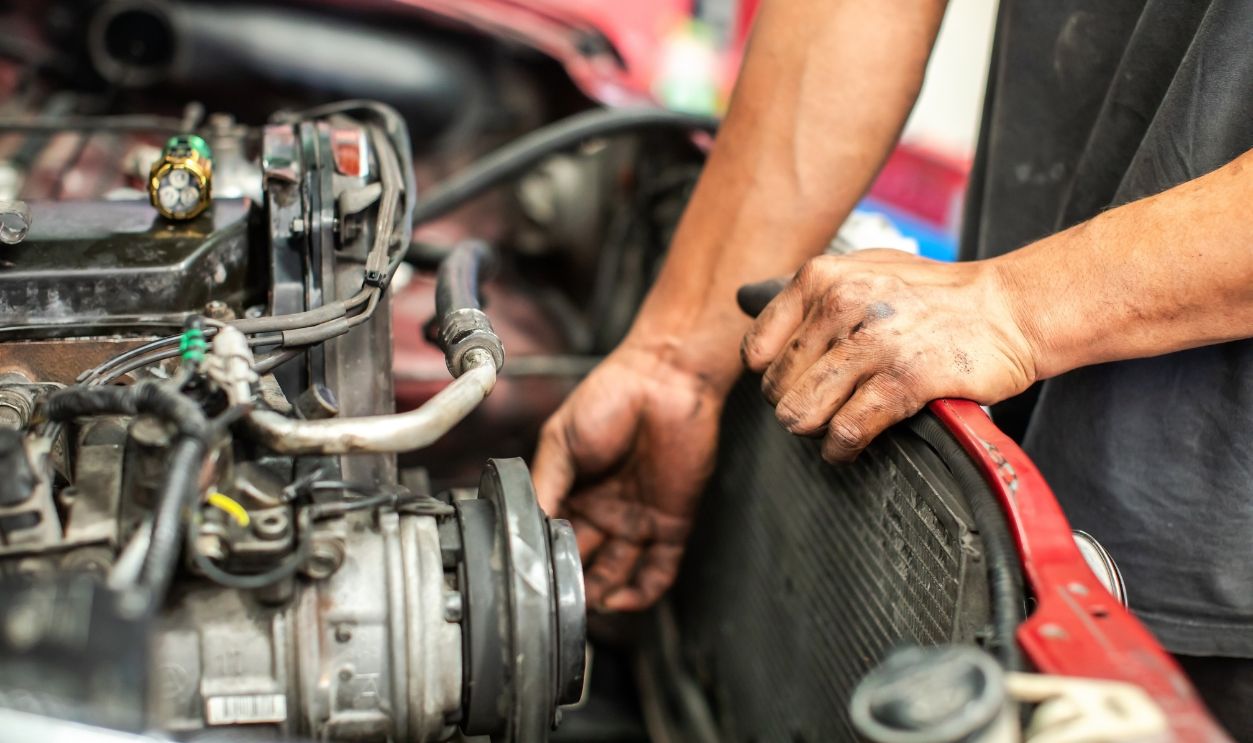
Older Vehicles May Still Receive Free Repairs
Even outside the federal age requirement, manufacturers can voluntarily offer free recall remedies. Contact the automaker and ask whether the campaign remains covered. Don't assume a dealership's initial answer settles the matter without checking manufacturer policy.
 koonsiri boonnak, Shutterstock
Tell The Manufacturer You're The New Owner
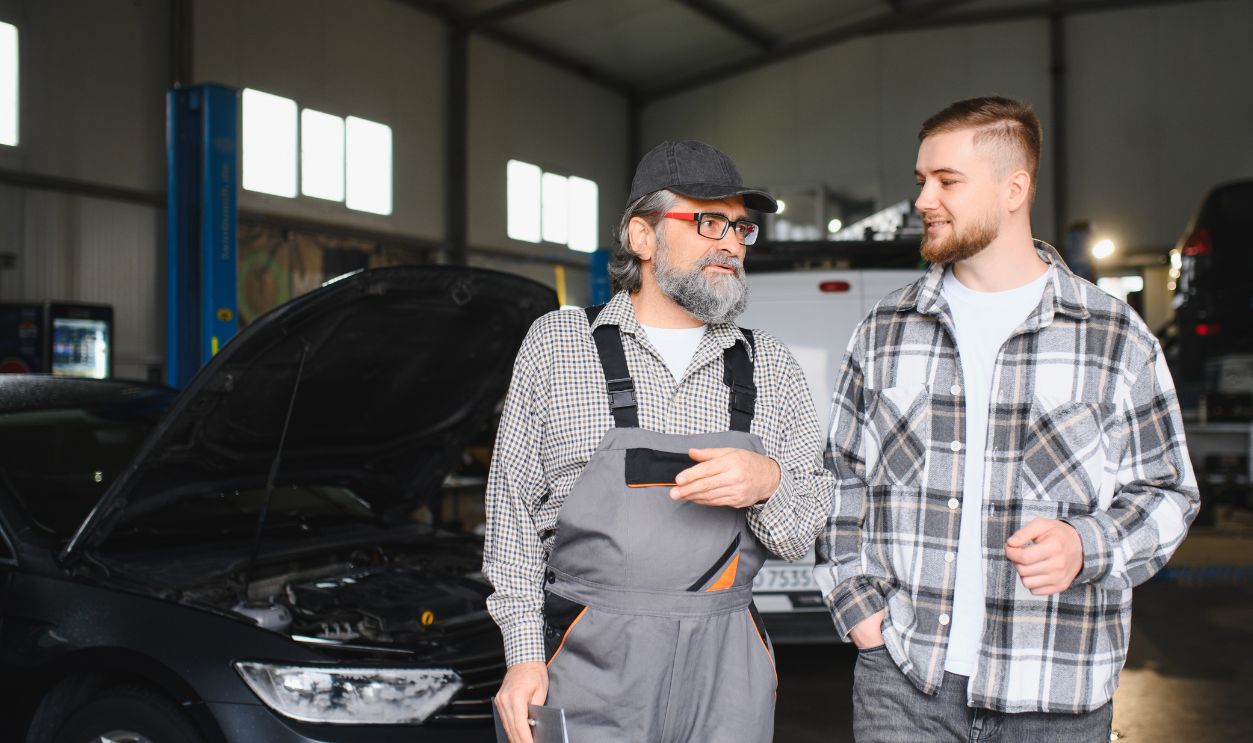
Manufacturers notify registered owners about safety recalls, but ownership records aren't always current. Contact the automaker to update your information. This helps future recall notices reach you rather than disappearing into the previous owner's mailbox.
 Hryshchyshen Serhii, Shutterstock
You Don't Need The Original Recall Letter
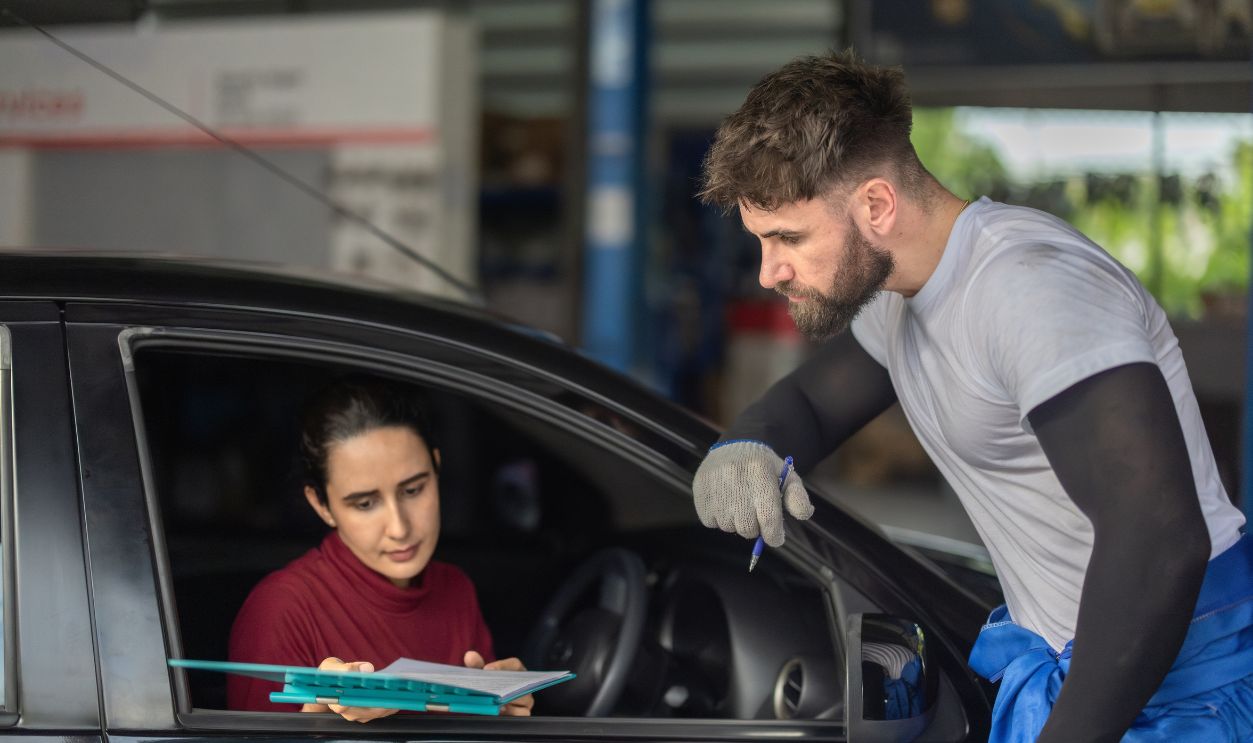
Missing paperwork doesn't automatically prevent you from requesting a recall repair. Your VIN allows the manufacturer or dealership to identify applicable campaigns. Contact an authorized service department and ask it to verify outstanding recall work.
Visit An Authorized Brand Dealership
Recall repairs are generally performed through the manufacturer's authorized service network. You don't have to return to the dealership that sold you the vehicle. Contact a participating dealer for your car's brand and arrange the required service.

The Covered Repair Should Cost Nothing
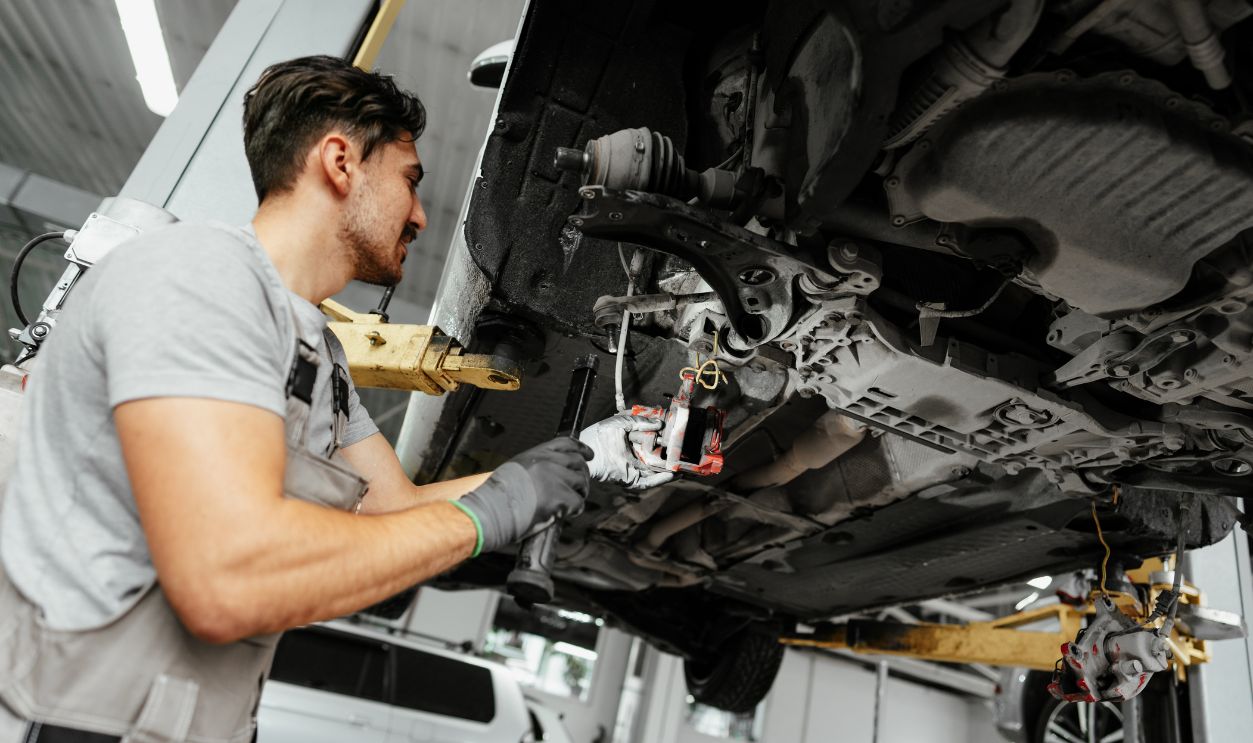
Eligible recall remedies must be provided without charge. That includes the work necessary to correct the identified safety defect. However, unrelated maintenance and repairs aren't automatically free simply because your vehicle is visiting the dealership.
The Manufacturer Chooses The Remedy
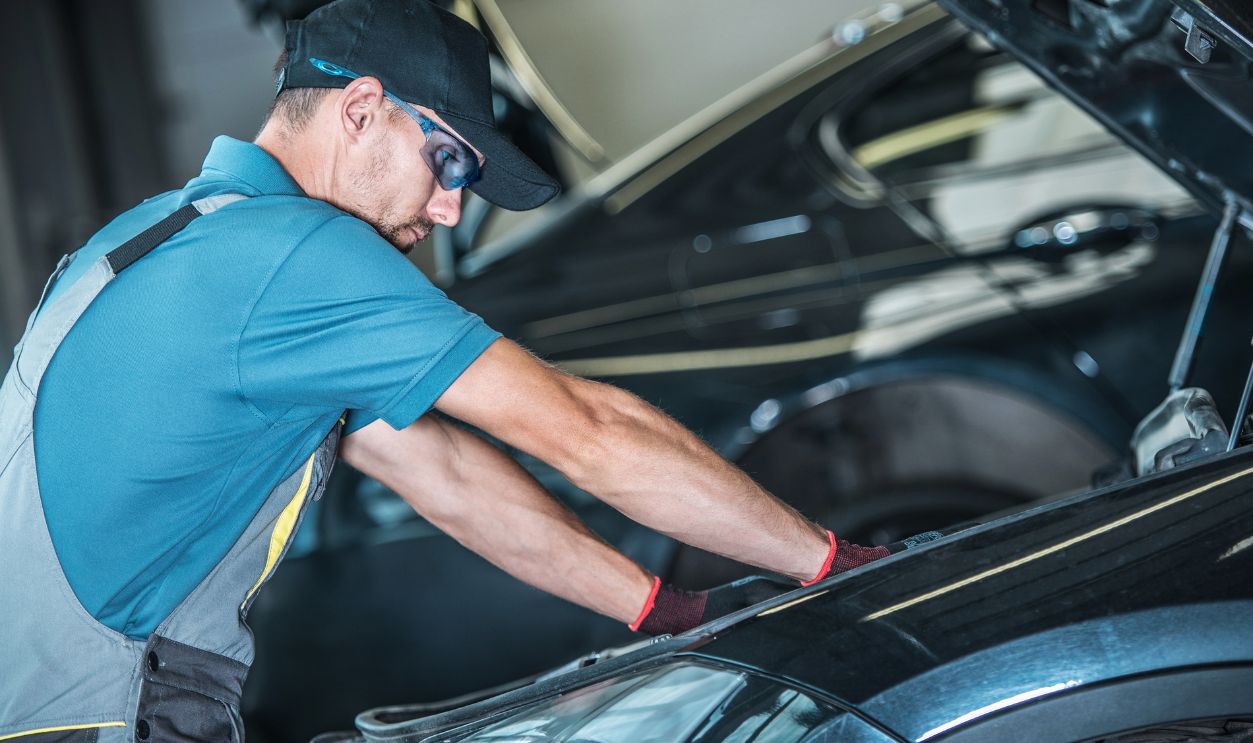
Federal rules permit manufacturers to repair affected vehicles, provide qualifying replacements, or offer refunds subject to depreciation. Most owners receive a specific repair. Discovering a recall doesn't automatically entitle you to a replacement vehicle or purchase-price refund.
Pay Attention To Safety Warnings
Some recalls require special precautions while owners await repairs. Manufacturers might instruct you to park outside or avoid particular vehicle functions. Follow the instructions associated with your specific recall rather than assuming every recalled vehicle presents identical risks.
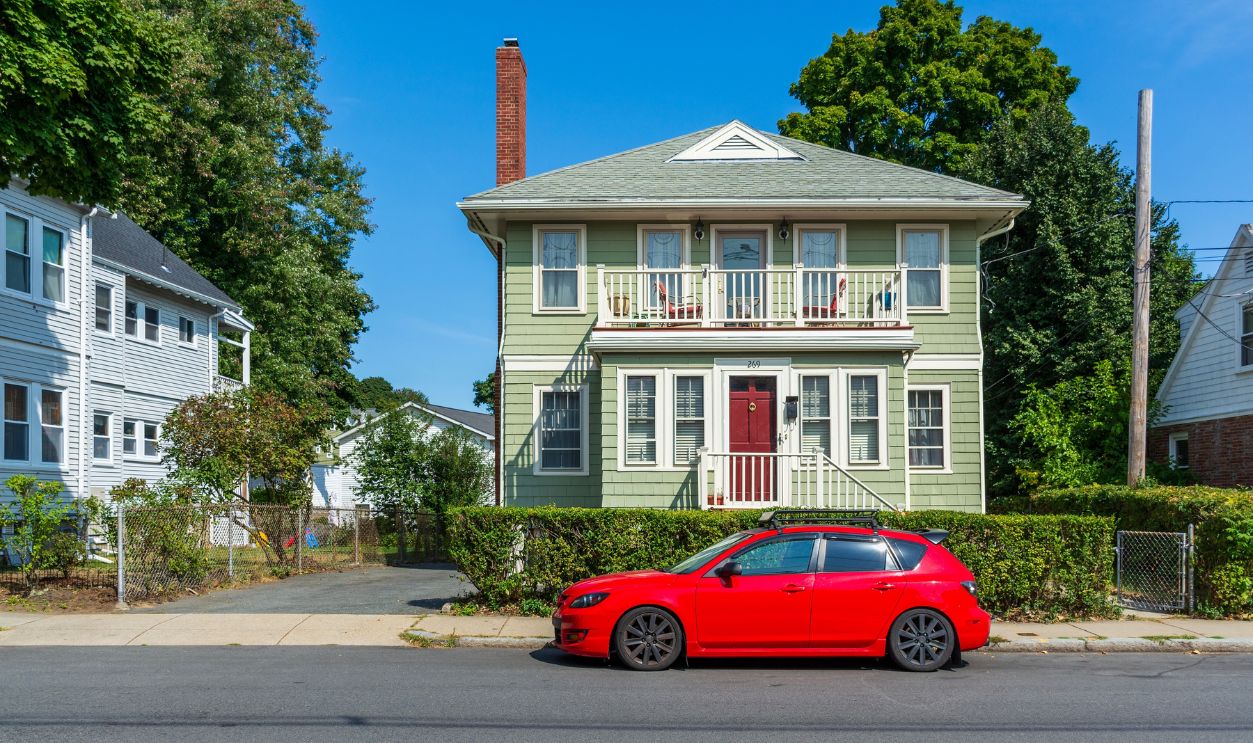
A Do-Not-Drive Warning Is Serious
Certain recalls involve immediate safety concerns. NHTSA has issued do-not-drive warnings for specific vehicles affected by defective Takata air bags. If your vehicle receives such a warning, contact the manufacturer about safe transportation and repair arrangements.
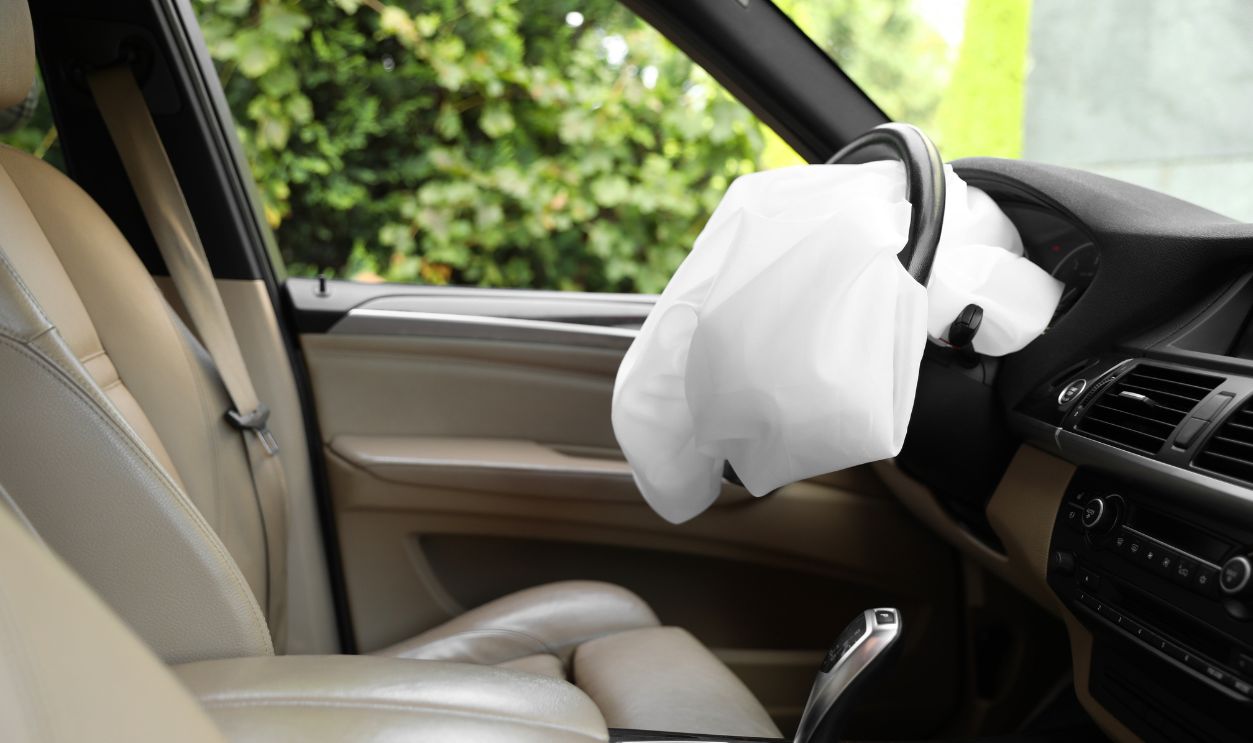
Replacement Parts Might Not Be Ready
A recall announcement doesn't guarantee that replacement parts are immediately available. Manufacturers sometimes need time to develop repairs and distribute components. When remedies remain unavailable, interim notifications can explain precautions until the final repair becomes possible.
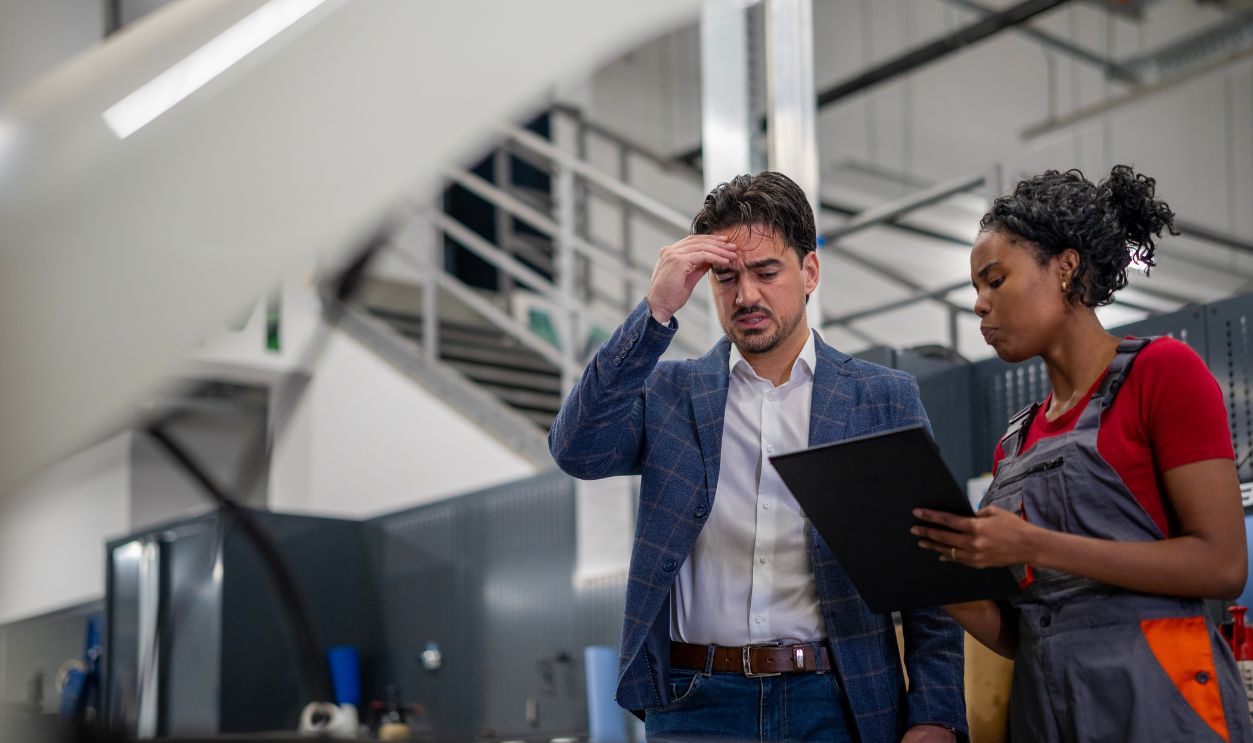 Anastasija Vujic, Shutterstock
Ask About Transportation While You Wait
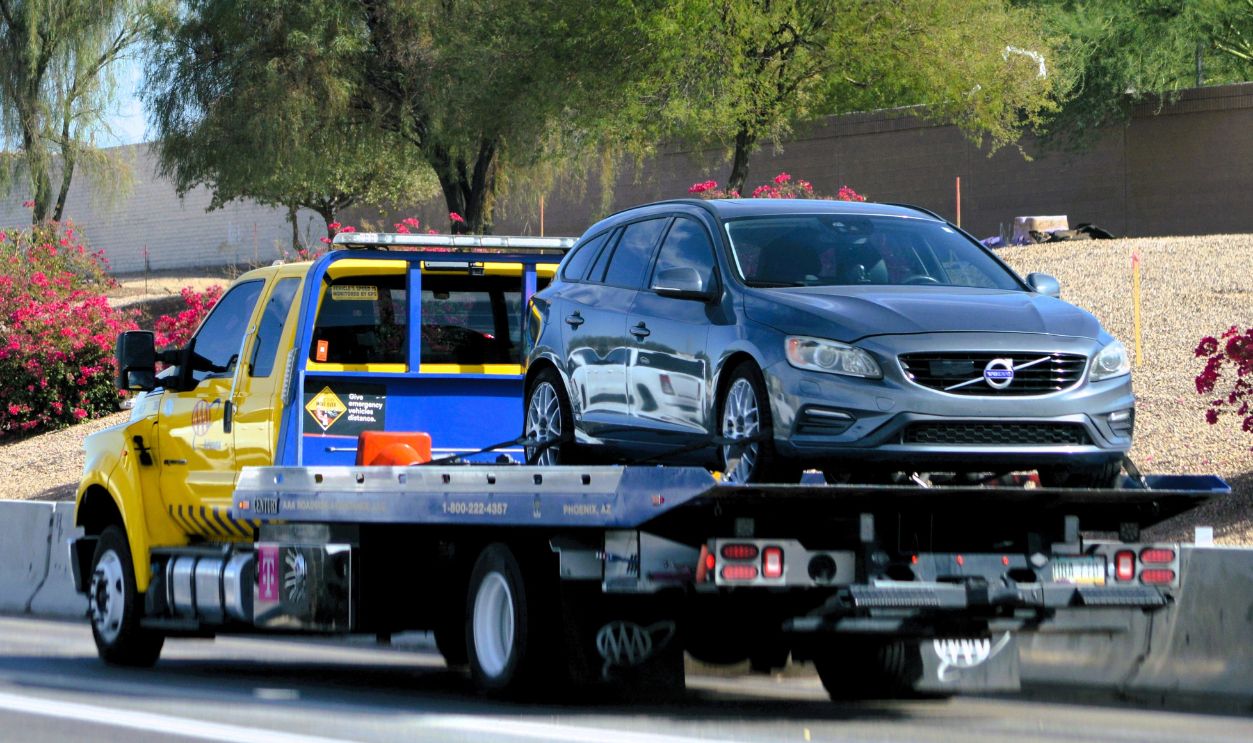
Some recall campaigns provide loaner vehicles, towing, or alternative transportation arrangements. However, manufacturers and dealerships aren't universally required to provide free loaners. Ask what assistance applies to your specific campaign, especially when driving is discouraged.
 Around the World Photos, Shutterstock
Already Paid For Repairs? Check Reimbursement
If you previously paid to correct a problem later covered by a recall, you might qualify for reimbursement. Eligibility depends on timing, documentation, and the manufacturer's approved reimbursement program. Contact the manufacturer before assuming every previous repair qualifies.

Keep Your Repair Receipts
Reimbursement requests may require invoices identifying the vehicle, repair, amount paid, and relevant dates. Keep those records alongside recall notices. Manufacturers generally must respond to a completed reimbursement claim within 60 days under federal regulations.
What If A Dealership Refuses?
First, contact the manufacturer and explain the refusal. NHTSA advises owners to report problems obtaining eligible recall repairs. You can submit a complaint through its website or contact the Vehicle Safety Hotline at 888-327-4236.
 Frame Stock Footage, Shutterstock
What If The Recall Repair Doesn't Work?
Manufacturers must provide adequate remedies within a reasonable time. Federal rules provide additional options when repairs are unsuccessful, including replacement or refund under qualifying circumstances. Document persistent problems and contact the manufacturer before pursuing further remedies.
Keep Checking Even After The Repair
Completing one recall doesn't protect your vehicle from future campaigns. NHTSA recommends checking recalls regularly and offers automatic alerts through its SaferCar app. The bottom line: buying used doesn't ordinarily mean surrendering your right to an eligible free recall repair.
You May Also Like: