That First Rainstorm Can Reveal A Lot
Nothing seemed unusual when you handed over the money, but then the first heavy rain arrived and water started dripping from sunroof. Discovering a hidden problem after buying a used car is frustrating enough, but if there are also signs that someone tried to hide the problem, the issue becomes much bigger than an unexpected repair bill.
Stop The Water Before Arguing With Anyone
Before chasing the seller, protect the car from additional damage. Move it somewhere covered if possible, remove standing water, and dry wet carpets and upholstery. Moisture left beneath carpeting can encourage mold, odors, corrosion, and electrical problems. Don’t permanently repair or dismantle everything yet, though. If you believe the problem was deliberately concealed, you may need to preserve evidence of how the car looked when you discovered it.
 Juanacosta84, Wikimedia Commons
Photograph Exactly What You Found
Take pictures before cleaning away suspicious evidence. Photograph water stains, wet carpet, dripping trim, rust, silicone or other sealant, stained headliners, disconnected drains, towels stuffed behind panels, and anything else suggesting an earlier attempt to hide the leak. Record where the water appears after rain. A vague statement that “the sunroof leaks badly” is much weaker than dated photographs showing water entering the same area repeatedly.
 Pinpinplaysroblox, Wikimedia Commons
Save The Original Advertisement
Go back and screenshot the listing before it disappears. Save claims such as “excellent condition,” “no issues,” “garage kept,” “fully inspected,” or anything specifically discussing the roof, interior, water damage, or condition. Also preserve texts and emails with the seller. If you directly asked whether the vehicle had leaks or water damage and received a clear denial, that exchange could become much more important than a generic sales description.

Write Down What The Seller Told You
Memories become surprisingly fuzzy once money is involved. Make a timeline while the transaction is still fresh. Record when you inspected the car, what questions you asked, what the seller said, when you purchased it, when the first leak appeared, and what evidence you found afterward. Include names of anyone who was present. If the dispute eventually reaches a consumer agency, attorney, or small-claims court, a contemporaneous timeline can be far more useful than trying to reconstruct the conversation months later.

Get The Leak Properly Diagnosed
Don’t assume the glass itself is necessarily leaking. Sunroof assemblies typically manage some water through drainage channels, and clogged or disconnected drains can allow water into the cabin. Leaks can also originate from body seams, windshield areas, seals, or other openings and merely appear near the sunroof. Have a reputable dealer, independent shop, body shop, or water-leak specialist determine the actual source before accusing the seller of hiding a specific defect.
Ask The Shop To Document What It Finds
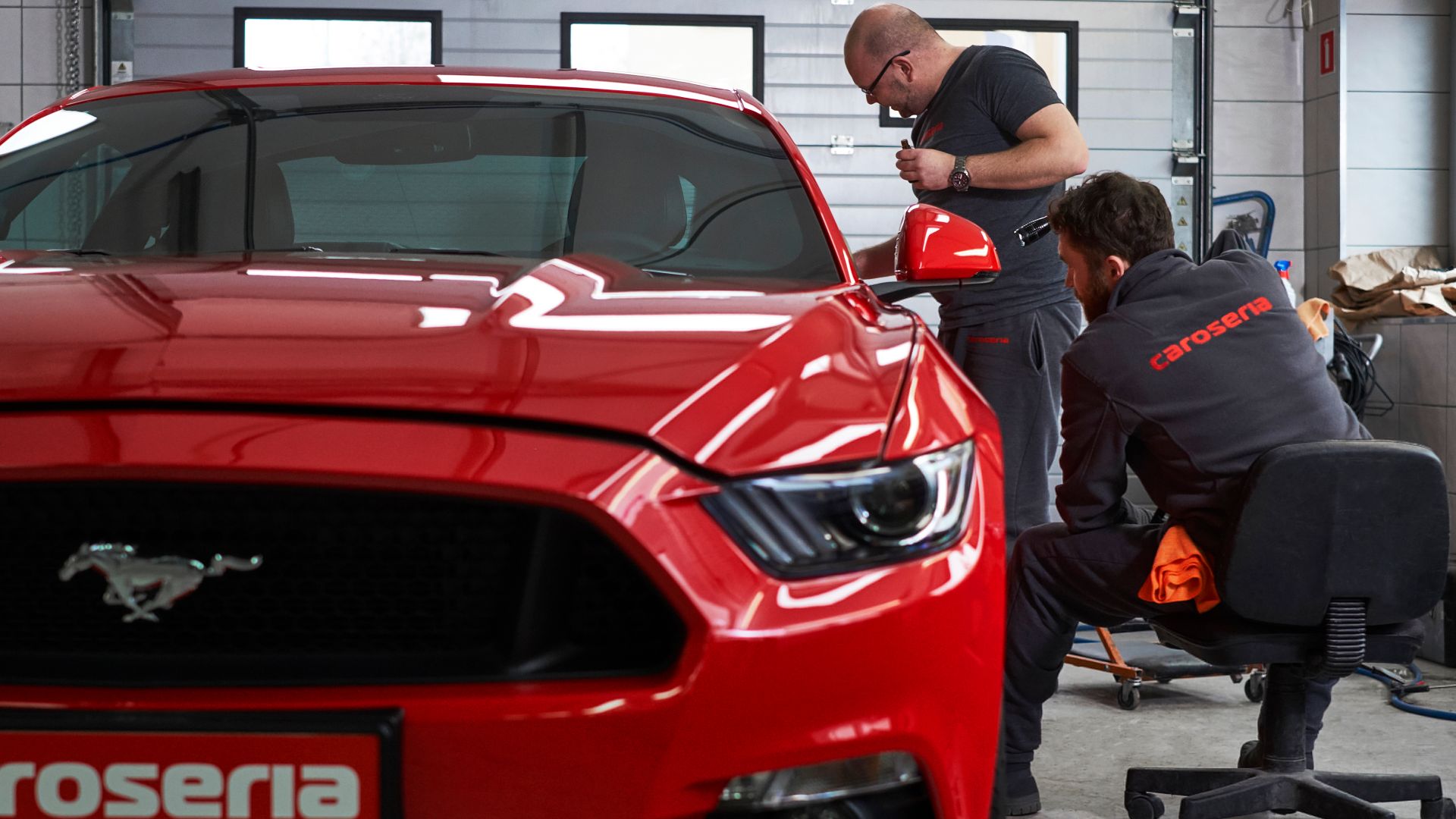
Tell the technician that the car was recently purchased and you suspect the problem existed beforehand. Ask for written findings rather than only a verbal diagnosis. Useful documentation might identify clogged drains, deteriorated seals, corrosion, previous sealant, staining, improperly installed parts, or signs that the leak has existed for some time. A professional saying, “This has clearly been leaking for months,” is much more useful than your own suspicion that it probably has.
 Sergei Gontsarov, Shutterstock
Find Out How Far The Water Traveled
The obvious drip may be the cheapest part of the problem. Water can travel behind trim panels and beneath carpeting before becoming visible. Ask the shop to inspect the headliner, floor padding, wiring connectors, electronic modules, seat mounting areas, and other components in the leak path. Consumer Reports warns that water exposure can cause corrosion and electrical problems that may not reveal themselves immediately. A $300 drain repair can be a very different situation from thousands of dollars in hidden electrical damage.

Get A Written Repair Estimate
You need numbers before deciding how aggressively to pursue the seller. Ask the shop to separate the cost of stopping the leak from the cost of repairing damage it already caused. Replacing a drain tube or resealing something may be relatively inexpensive, while replacing a headliner, carpet padding, corroded electronics, or a complete sunroof assembly can become costly quickly. A detailed estimate turns the dispute from “my car leaks” into a specific financial claim.

Check For Previous Repair Records
Vehicle-history reports don’t capture every repair, but they’re still worth reviewing. Look for dealership visits, body-shop entries, interior repairs, glass work, or repeated service shortly before the sale. If the seller gave you maintenance records, examine those too. A prior invoice mentioning “water intrusion,” “sunroof drains,” or “wet carpet” could provide unusually strong evidence that the problem was known before you bought the vehicle.

Call The Manufacturer’s Dealer Too
For a recurring leak, contact a dealership for the vehicle’s brand and ask whether there are technical service bulletins, warranty extensions, recalls, or common repair procedures associated with water intrusion on that model. A technical service bulletin isn’t the same thing as a recall and doesn’t automatically guarantee a free repair, but it can help establish a known failure pattern and give your mechanic a better idea of where to look.

Check Whether Any Factory Warranty Remains
A used car can sometimes retain part of its original manufacturer warranty, depending on its age, mileage, warranty terms, and ownership history. If coverage remains, ask whether the leaking component qualifies. Don’t assume that buying secondhand automatically erased every factory protection. Just remember that damage caused by neglect or an unresolved leak may be treated differently from the failed component that originally allowed water inside.

Read Your Service Contract Carefully
If you bought an extended service contract, pull it out before paying for repairs yourself. These contracts vary enormously. One might cover a failed sunroof motor but exclude seals, weatherstripping, drain cleaning, water damage, or pre-existing conditions. Follow its claim procedure exactly, including any requirement to obtain authorization before repairs begin. Having a service contract doesn’t necessarily mean this particular problem is covered, but it’s worth checking before spending your own money.

If A Dealer Sold The Car, Find The Buyers Guide
For dealer purchases, locate the FTC Buyers Guide you received with the vehicle. It should state whether the car was sold with a dealer warranty or “as is,” where state law permits that type of sale. The warranty section can dramatically affect who is expected to pay for repairs. FTC rules require dealers to provide the final Buyers Guide reflecting the terms of the sale, so don’t rely only on what somebody at the dealership now remembers.

“As Is” Matters, But It Isn’t The End Of Every Question
An “as is” sale can severely limit warranty rights because the buyer generally accepts responsibility for problems that arise after purchase, subject to state law. But warranty coverage and alleged deception aren’t necessarily the same issue. If a seller actively concealed a known defect or made a material misrepresentation about the vehicle, different state consumer-protection or fraud rules may come into play. Don’t assume those two words automatically make every form of seller conduct untouchable.

State Law Can Give Used-Car Buyers More Protection
Federal rules provide a baseline, but used-car protections vary significantly from state to state. Some states restrict “as is” sales or require certain dealer warranties on qualifying vehicles. Massachusetts, for example, provides statutory warranty protection for many dealer-sold used vehicles meeting its age, mileage, and price requirements, while New Jersey also has a used-car lemon law covering certain dealer sales. Check the rules where you bought the car rather than assuming advice from another state applies to you.

Dealer Sales And Private Sales Are Very Different
If the car came from a dealership, you may have the FTC Buyers Guide, a written warranty, state dealer regulations, and formal consumer-protection channels available. Private-party sales generally come with fewer automatic protections, and state lemon laws often don’t cover them. That doesn’t necessarily mean a private seller can intentionally lie without consequence, but proving misrepresentation may require stronger evidence and a more direct legal claim against the individual.
 YAKOBCHUK VIACHESLAV, Shutterstock
Give The Seller A Chance To Respond
Once you have photographs, a diagnosis, and an estimate, contact the seller in writing. Keep the message factual. Explain when the leak appeared, what the shop found, why you believe it predated the sale, and what resolution you’re requesting. That might be a repair, reimbursement, contribution toward the cost, or reversal of the sale in a sufficiently serious situation. Avoid beginning with threats. A clear documented request gives the seller an opportunity to solve the problem before it escalates.

With A Dealer, Move Up The Chain Quickly
If the salesperson dismisses you, contact the used-car manager or general manager. Send the supporting documents rather than retelling the entire story over the phone. Dealers have more incentive to resolve a well-documented complaint when it involves possible undisclosed damage, questionable inspection claims, or evidence that staff may have known about the problem. Ask for the dealership’s response in writing, especially if it refuses assistance.
 f.t.Photographer, Shutterstock
Don’t Let The Seller Destroy Your Evidence
If the dealer offers to inspect the car, that may be perfectly reasonable, but photograph everything first and retain copies of outside diagnostic reports. Ask for a repair order documenting what the dealer finds and what work it performs. You don’t want the car returned with fresh sealant and dry carpeting but no explanation of the original condition. Documentation matters particularly if the leak returns or you later need to show that the defect existed before the dealership attempted a repair.

Your Auto Insurance Probably Isn’t The First Place To Look
Ordinary maintenance problems and pre-existing defects generally aren’t what auto insurance is designed to pay for. A sudden covered event, such as storm damage, can raise a different insurance question, but a long-standing leak discovered after purchasing the vehicle is more likely to become a warranty, seller-disclosure, or repair issue. If you think a specific recent event caused the water intrusion, describe that event accurately to your insurer and let the carrier determine whether coverage applies.

File Consumer Complaints If The Dealer Won’t Cooperate
If you believe a dealer concealed or misrepresented the defect and refuses to resolve the matter, document your complaint with the appropriate agencies. The FTC accepts reports involving dealership practices, and your state attorney general or consumer-protection agency may offer additional help. The CFPB may be relevant where the dispute involves vehicle financing or a lender. Complaints don’t guarantee reimbursement, but they create a formal record and can sometimes prompt a more serious response from the business.

Small Claims Court May Be Practical For A Repair Bill
If the dispute involves a manageable amount of money, small-claims court may be more practical than hiring an attorney for full litigation. Limits and procedures vary by state, but the strongest case will normally be built from documents: the advertisement, messages, purchase paperwork, photos, diagnostic report, repair estimate, and evidence suggesting the defect existed before the sale. Walking into court with a wet-carpet story alone is considerably weaker than walking in with a complete timeline.

Bigger Damage May Justify A Lawyer
If water has damaged expensive electronic modules, created serious mold problems, or substantially reduced the vehicle’s value, the stakes may justify speaking with an attorney familiar with consumer or auto-sales law. The same is true when the evidence of concealment appears unusually strong. An attorney can assess state fraud, warranty, deceptive-practices, or rescission remedies without assuming that every hidden used-car defect automatically entitles the buyer to unwind the sale.

The Cover-Up Can Matter As Much As The Leak
A used vehicle developing a leak shortly after purchase doesn’t automatically prove the previous owner did anything wrong. Cars fail, drains clog, and seals age. What changes the picture is evidence that somebody knew about the condition and took steps to conceal it or gave you misleading information before the sale. Preserve that evidence, get an independent diagnosis, learn what your paperwork and state law actually provide, and approach the seller with specific facts and costs rather than suspicion alone.

You May Also Like: