“Too Old To Repair” Can Sound More Final Than It Really Is
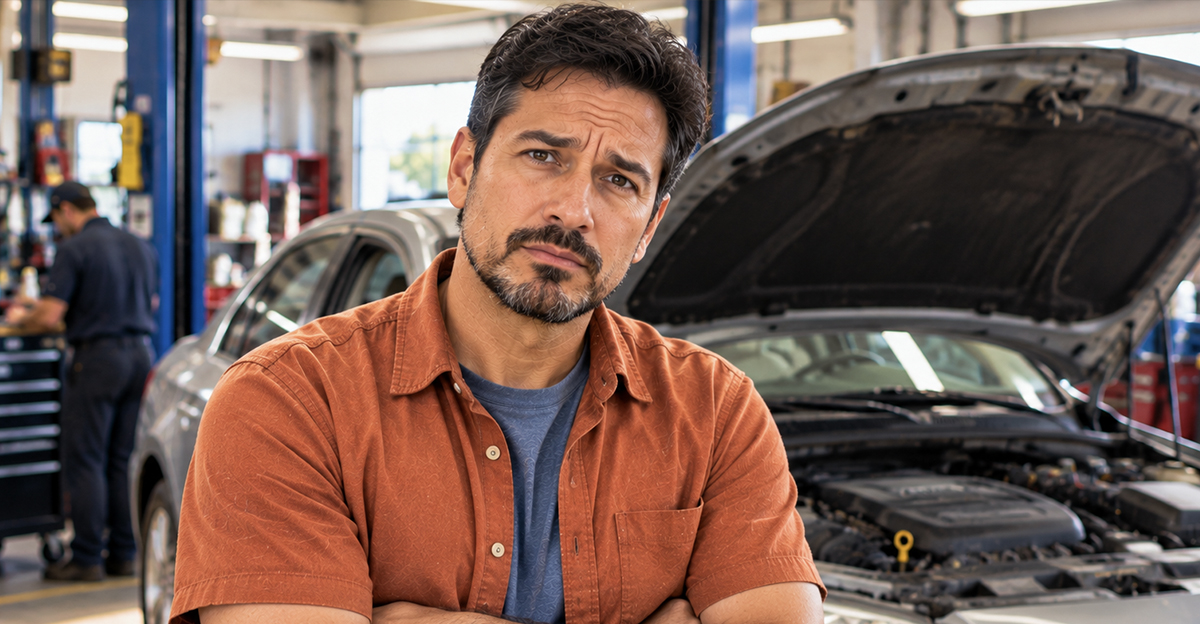
It’s unsettling to hear that an otherwise usable car has supposedly reached the end of the road because one replacement part can’t be ordered. That sometimes happens, especially with obscure models or discontinued electronics, but a mechanic saying “I can’t get the part” doesn’t necessarily mean nobody can.
“Too Old” May Really Mean “Too Difficult For This Shop”
General repair shops make money by completing jobs efficiently. Spending hours searching salvage yards, calling specialty suppliers, or shipping a component to a rebuilder may not fit their normal business model. A mechanic can therefore be completely reasonable in declining the repair without the vehicle itself being beyond saving. Your first question should be whether the problem is truly impossible or simply outside that shop’s normal workflow.
Get The Exact Part Number
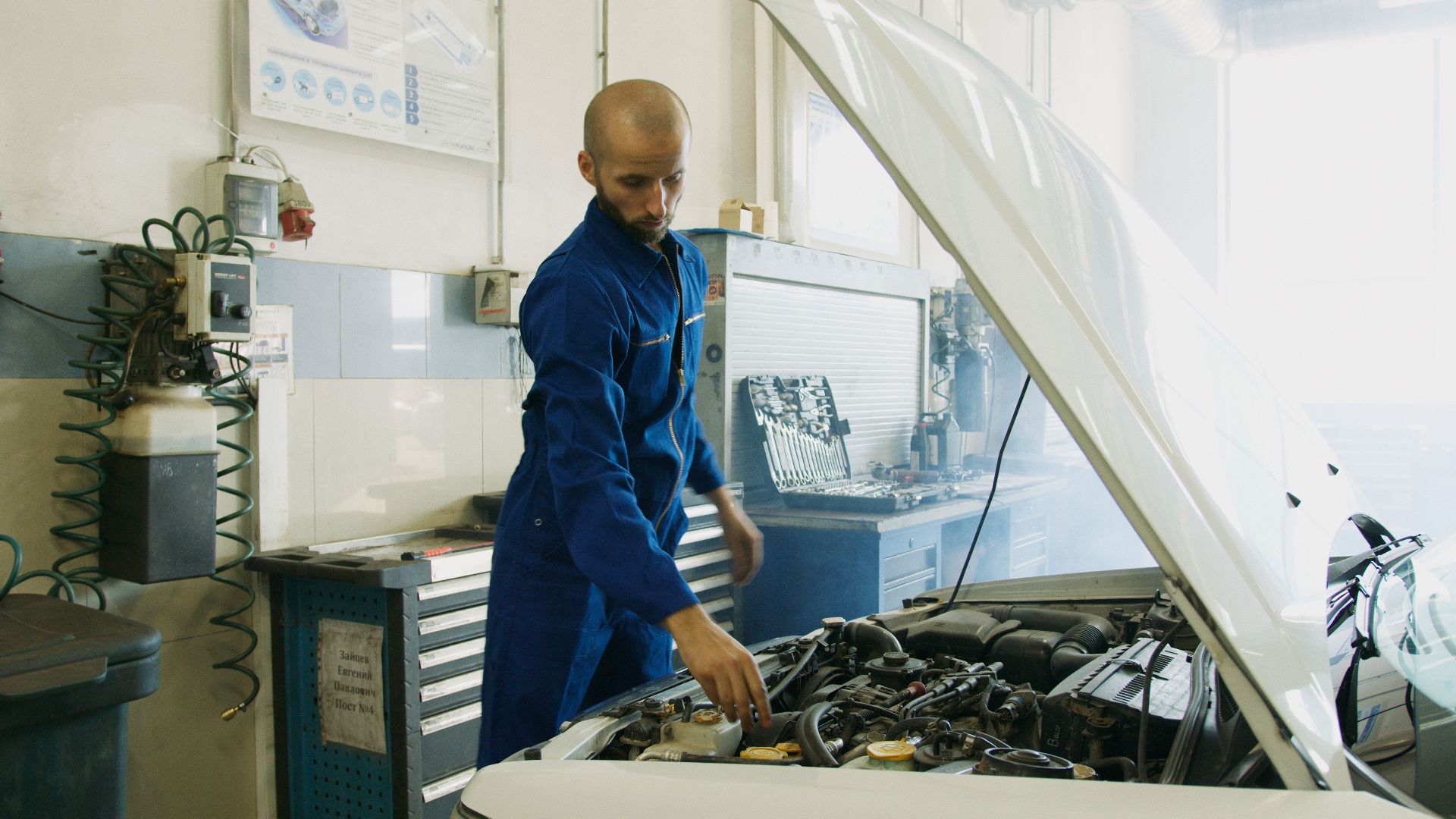
Don’t leave with only “the transmission computer is discontinued” or “they don’t make that hose anymore". Ask for the exact component name, original equipment part number, and any superseding numbers the shop found. Also ask whether the problem is that the manufacturer discontinued it, the normal supplier is out of stock, or no acceptable substitute exists. Those are three very different situations.

Discontinued By The Manufacturer Doesn't Mean Gone Forever
Automakers eventually stop stocking many components for older vehicles. That doesn’t make every surviving example disappear overnight. Independent warehouses, dealerships with old inventory, aftermarket manufacturers, specialty vendors, salvage yards, and private collectors may still have the part. The search simply becomes less convenient than clicking “order” through the dealership’s normal parts system.
Get A Second Opinion Before Retiring The Car
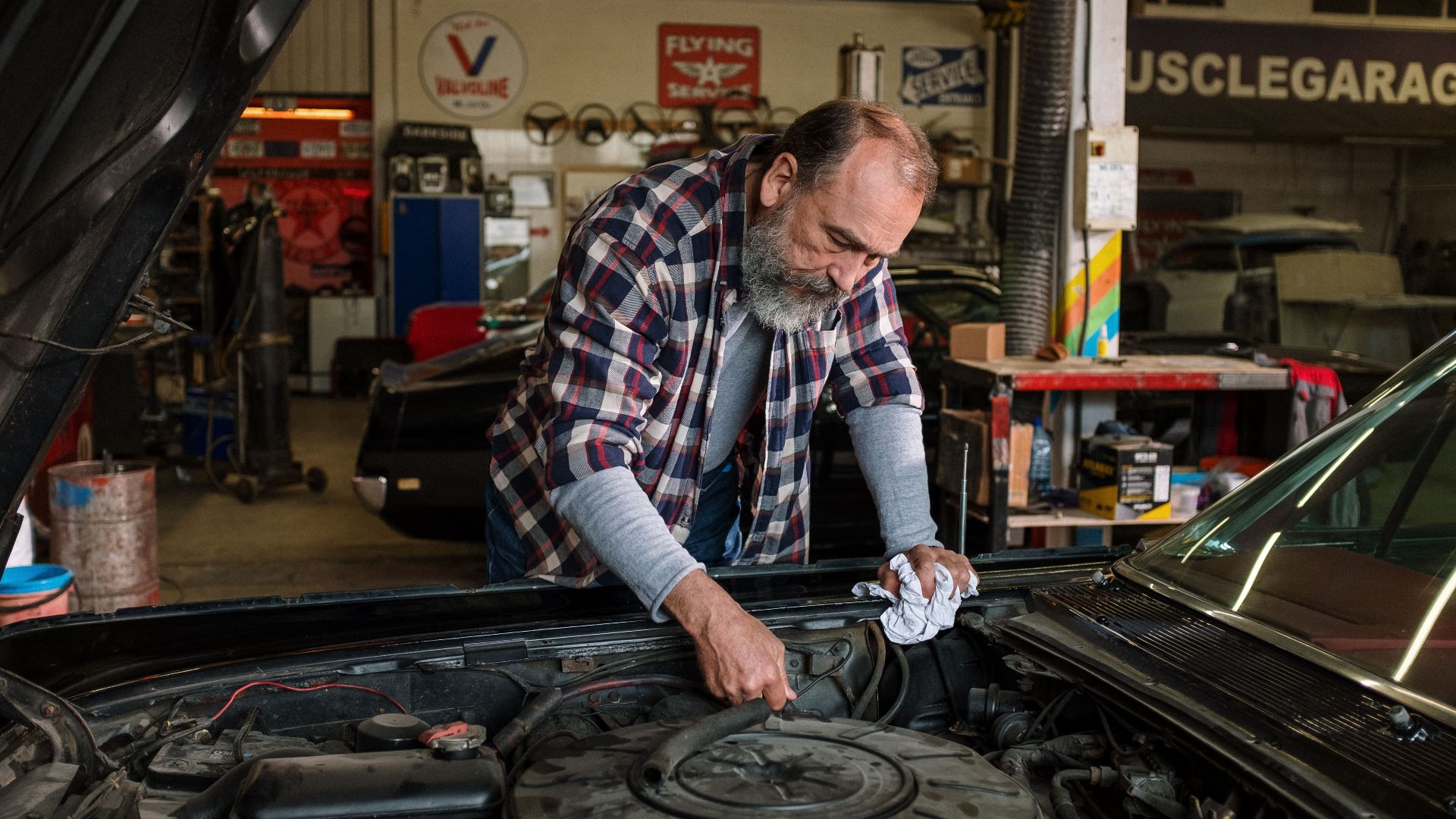
Consumer Reports recommends getting another opinion when an expensive repair could determine whether an older vehicle gets replaced. Another mechanic may know a supplier the first shop doesn’t, or may recognize that the supposedly unavailable assembly can be repaired rather than replaced. A second diagnosis can also confirm whether that rare component is actually what failed in the first place.

Find A Shop That Specializes In Your Make
Older European cars, Japanese imports, discontinued American brands, and unusual luxury models often develop their own specialist repair communities. A mechanic who sees one example every five years may struggle to source parts that a marque specialist orders routinely. Search for independent shops concentrating on the manufacturer, vehicle era, or particular model before accepting that the supply chain has ended.
Aftermarket Parts Can Keep Old Cars Alive
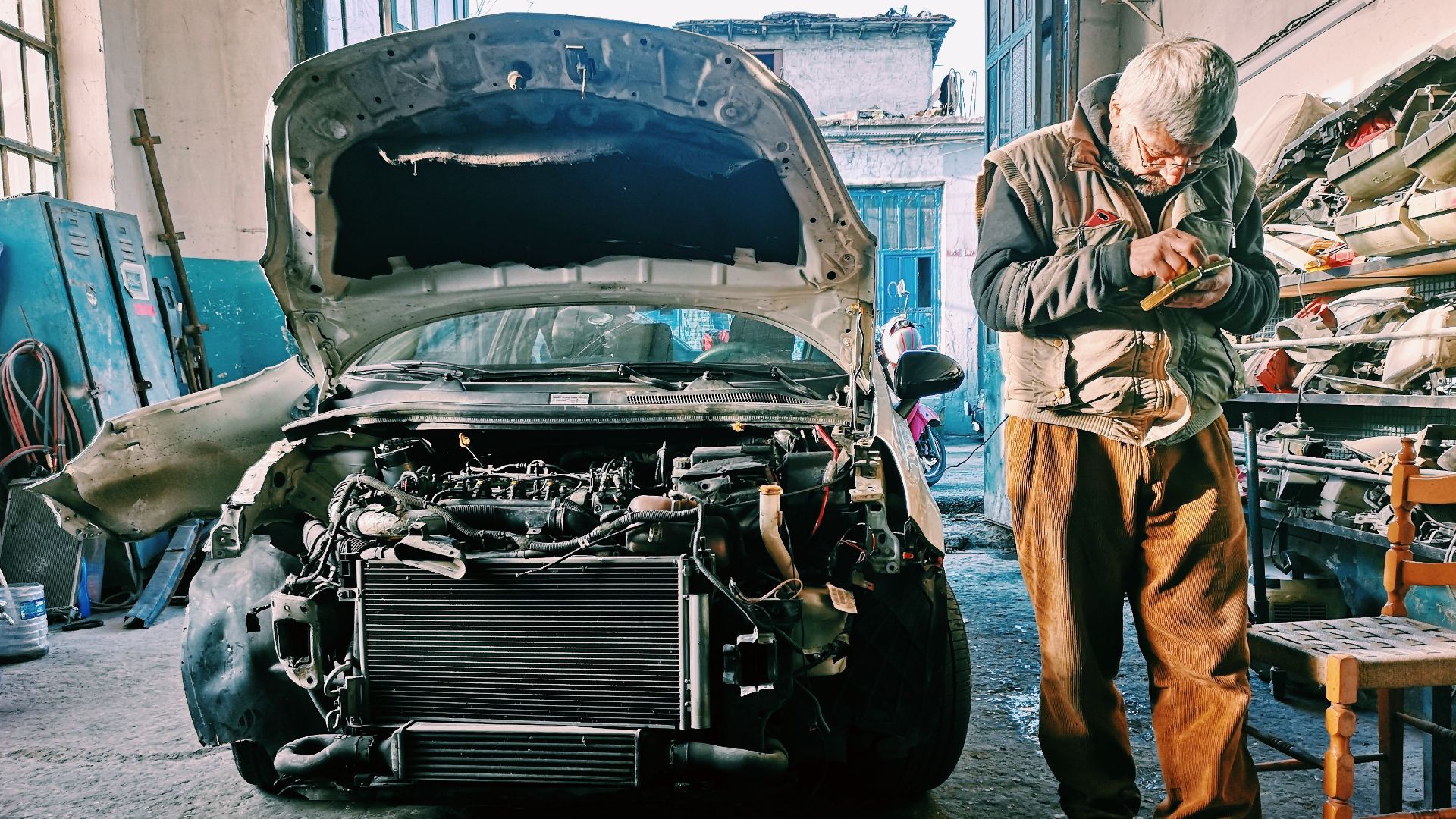
Factory parts aren't the only option once a car is outside warranty. The Auto Care Association says independent shops increasingly rely on aftermarket, remanufactured, and used components because they can provide better availability and lower cost. Popular vehicles may retain surprisingly strong aftermarket support decades after production ends, particularly for brakes, suspension, ignition, cooling, and routine mechanical components.
Remanufactured Parts Can Solve Bigger Problems
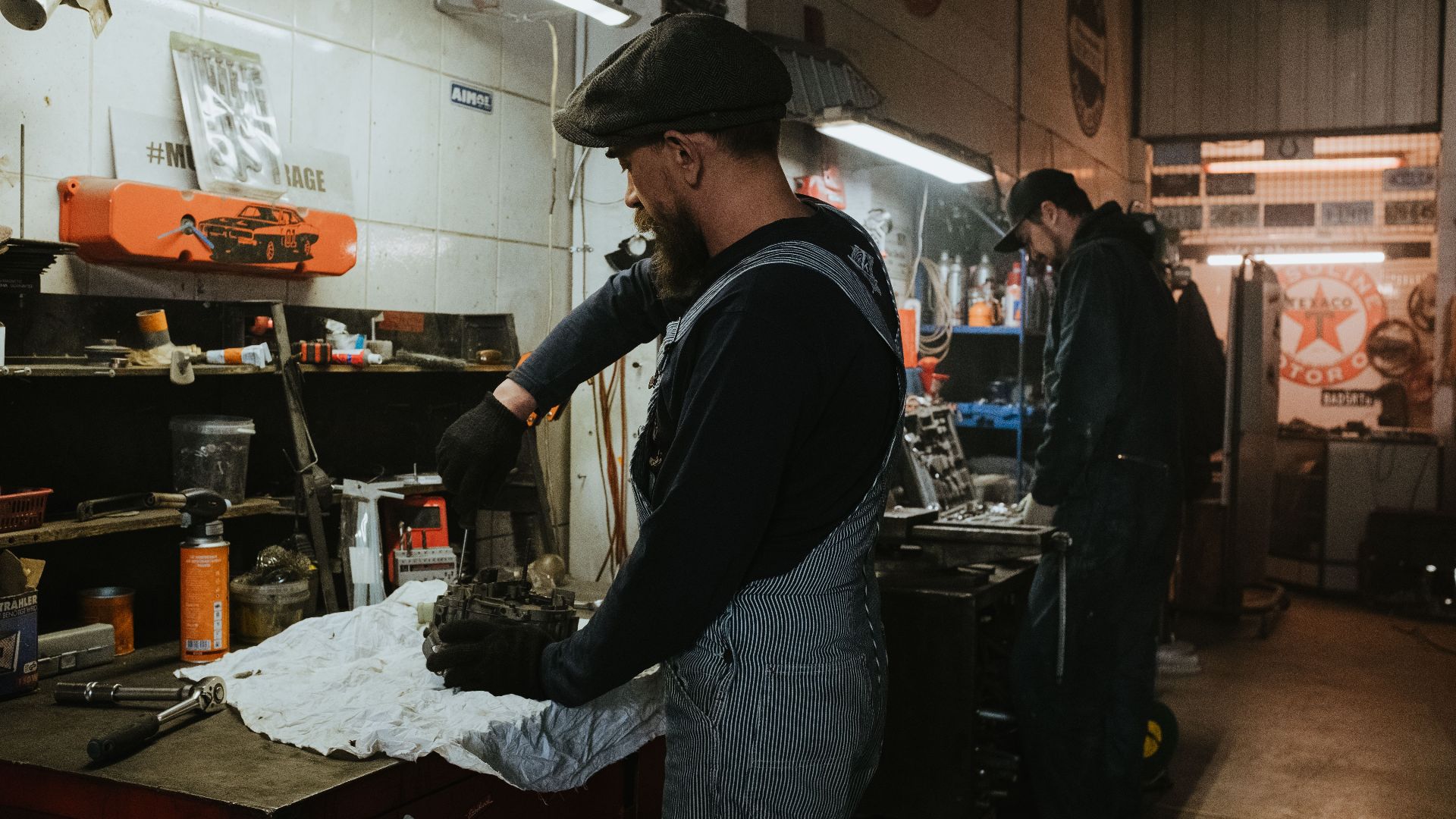
Starters, alternators, steering racks, brake calipers, transmissions, engines, electronic modules, and other components are commonly available in remanufactured form for some older vehicles. Instead of building an entirely new part, a remanufacturer restores an existing core and replaces worn components. Availability and quality vary, so ask about the rebuilder, warranty, and whether your original unit must be returned as a core.
Sometimes Your Original Part Can Be Rebuilt
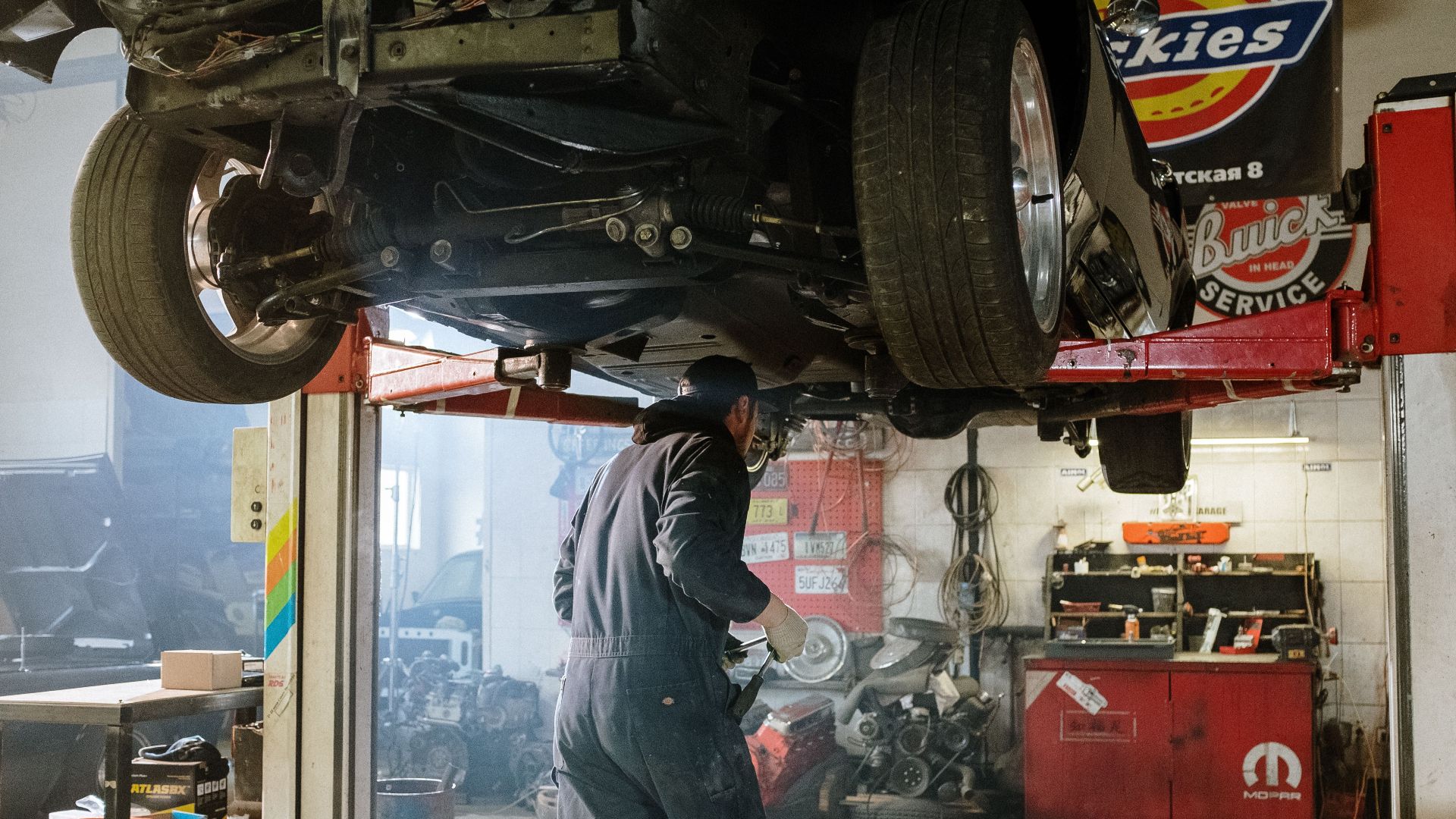
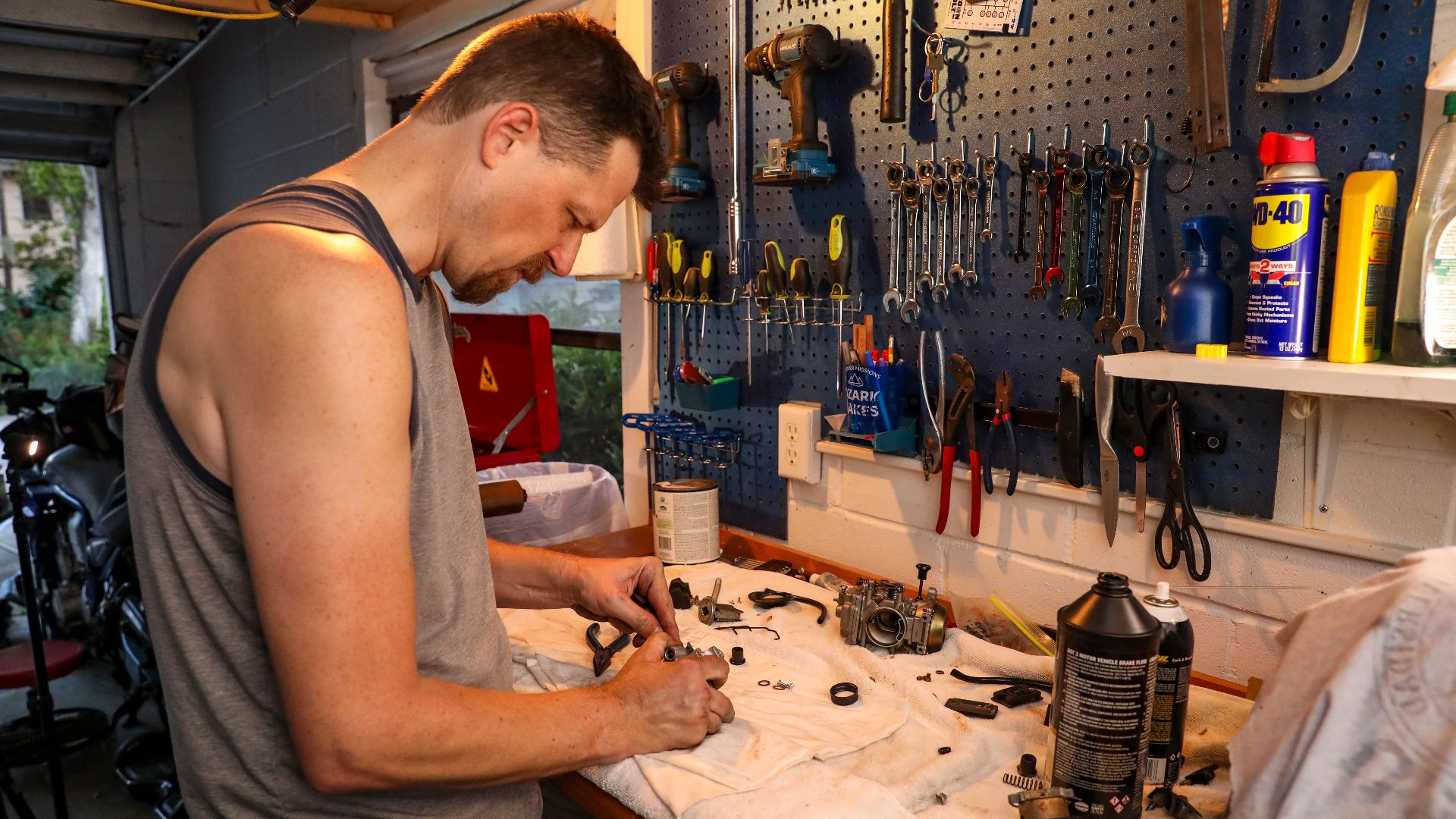
If replacements have disappeared completely, repairing the component already on the car may be the best solution. Carburetors, distributors, gauges, brake boosters, power-steering components, radiators, transmissions, starters, alternators, and various electronics can often be rebuilt by specialists. The local mechanic may not provide that service, but they may be willing to remove the part and reinstall it after a specialist restores it.
 Rich Niewiroski Jr., CC BY 2.5, Wikimedia Commons
Salvage Yards Can Become A Valuable Parts Department
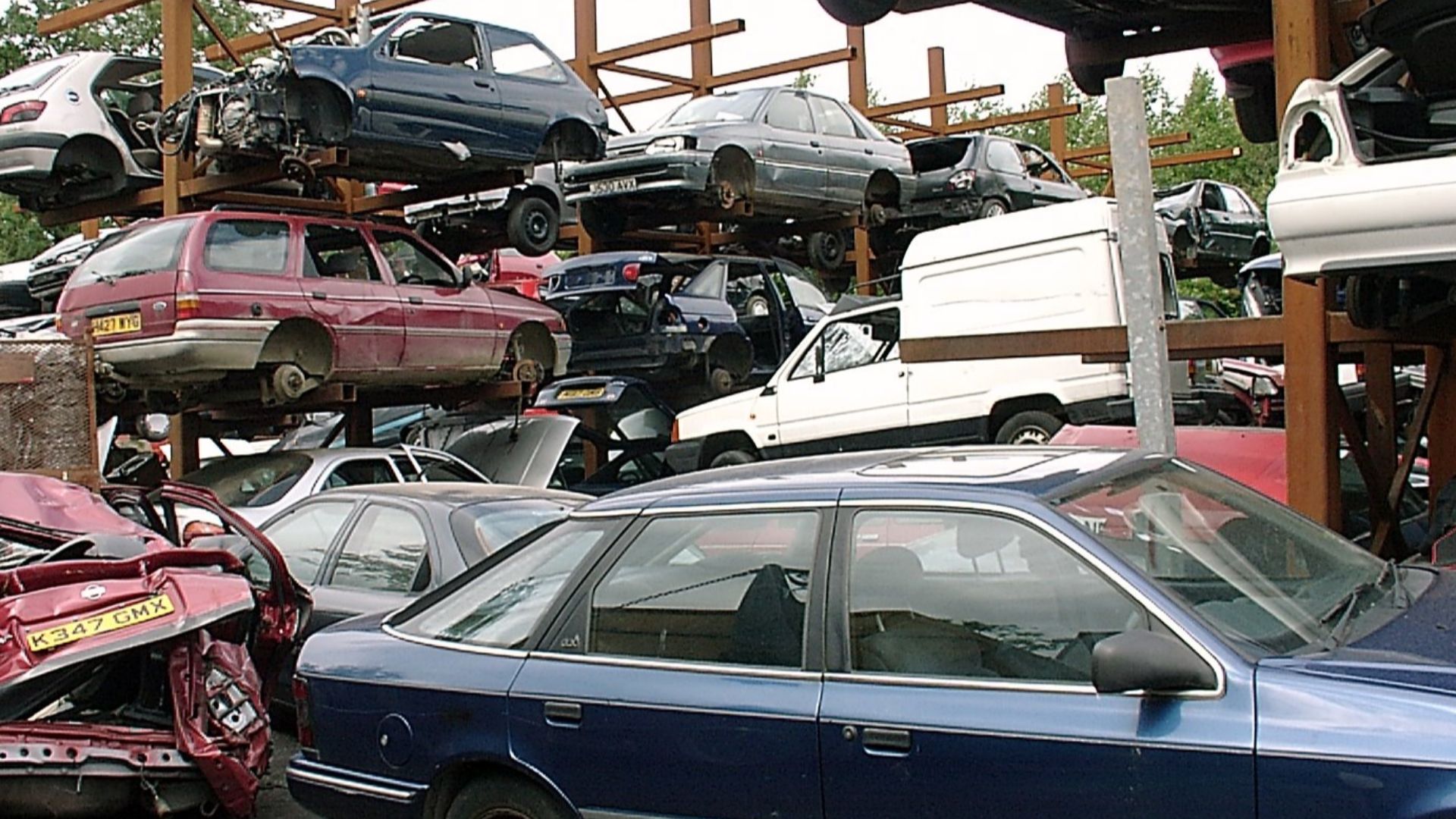
Used parts become more attractive when new replacements no longer exist. A salvage-yard door, knuckle, control module, bracket, seat frame, window regulator, or dashboard component may keep a car operating for years. Online salvage networks can also search inventories far beyond your local yard. For critical mechanical components, however, condition matters enormously, so make sure the shop is comfortable installing the used part.
 Snowmanradio at English Wikipedia (Original text: snowmanradio), Wikimedia Commons
New Old Stock Is Still Out There
“New old stock,” usually shortened to NOS, refers to unused original components that have survived in old dealership inventories, warehouses, collections, or private stashes. Hemmings and other collector-car marketplaces still list new, used, and refurbished parts for vehicles that disappeared from showrooms decades ago. NOS can be perfect for rare trim or mechanical pieces, although scarcity can make prices surprisingly high.
 Bodgan Vacarcuic, Shutterstock
The Same Part May Have Been Used On Several Cars
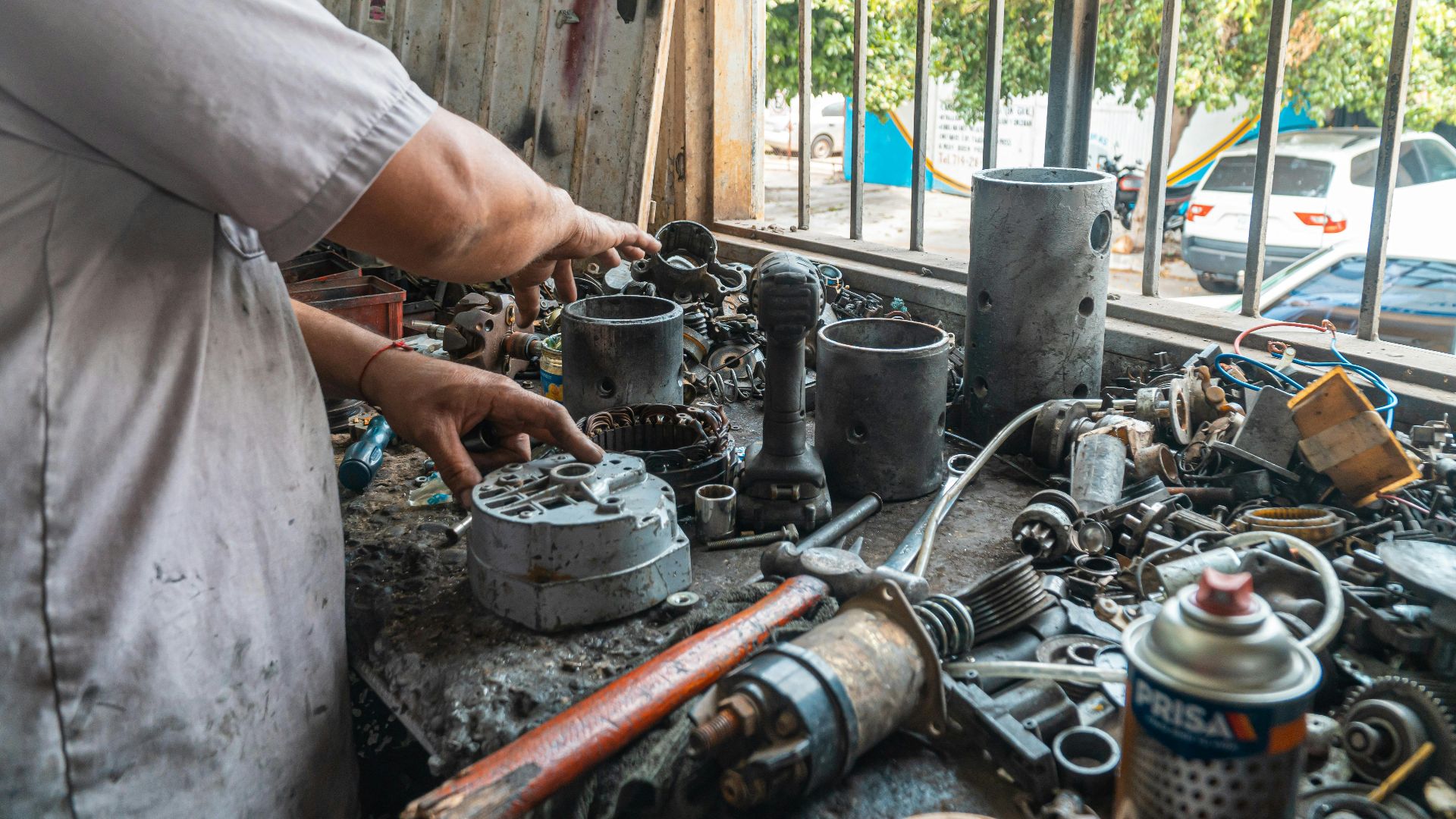
Automakers frequently share mechanical components across multiple models, brands, and years. Your discontinued sedan may use the same alternator, sensor, switch, bearing, transmission component, or engine part as a much more common vehicle. A specialist who knows the platform may be able to cross-reference the original number to another application even when a catalog claims your specific model has no replacement.
 Jose Ricardo Barraza Morachis, Pexels
Owner Clubs Often Know Where The Parts Are Hiding
Enthusiast communities can become invaluable once conventional parts catalogs stop helping. Brand clubs, model-specific forums, Facebook groups, and restoration communities often know which suppliers reproduce rare components, which modern parts can substitute, and which member has three spares sitting in a garage. Hagerty specifically points owners of older cars toward enthusiast resources when difficult parts need to be located.

A Parts Car Can Solve More Than One Problem
If the vehicle is rare and you intend to keep it for years, purchasing a damaged or mechanically failed donor can sometimes make sense. One parts car might provide switches, trim, glass, brackets, body panels, electronic modules, interior pieces, and dozens of small components that would otherwise require individual searches. Storage and disposal are obvious drawbacks, so this strategy makes more sense for dedicated long-term owners than ordinary commuters.

Fabrication Can Replace Some Unavailable Parts
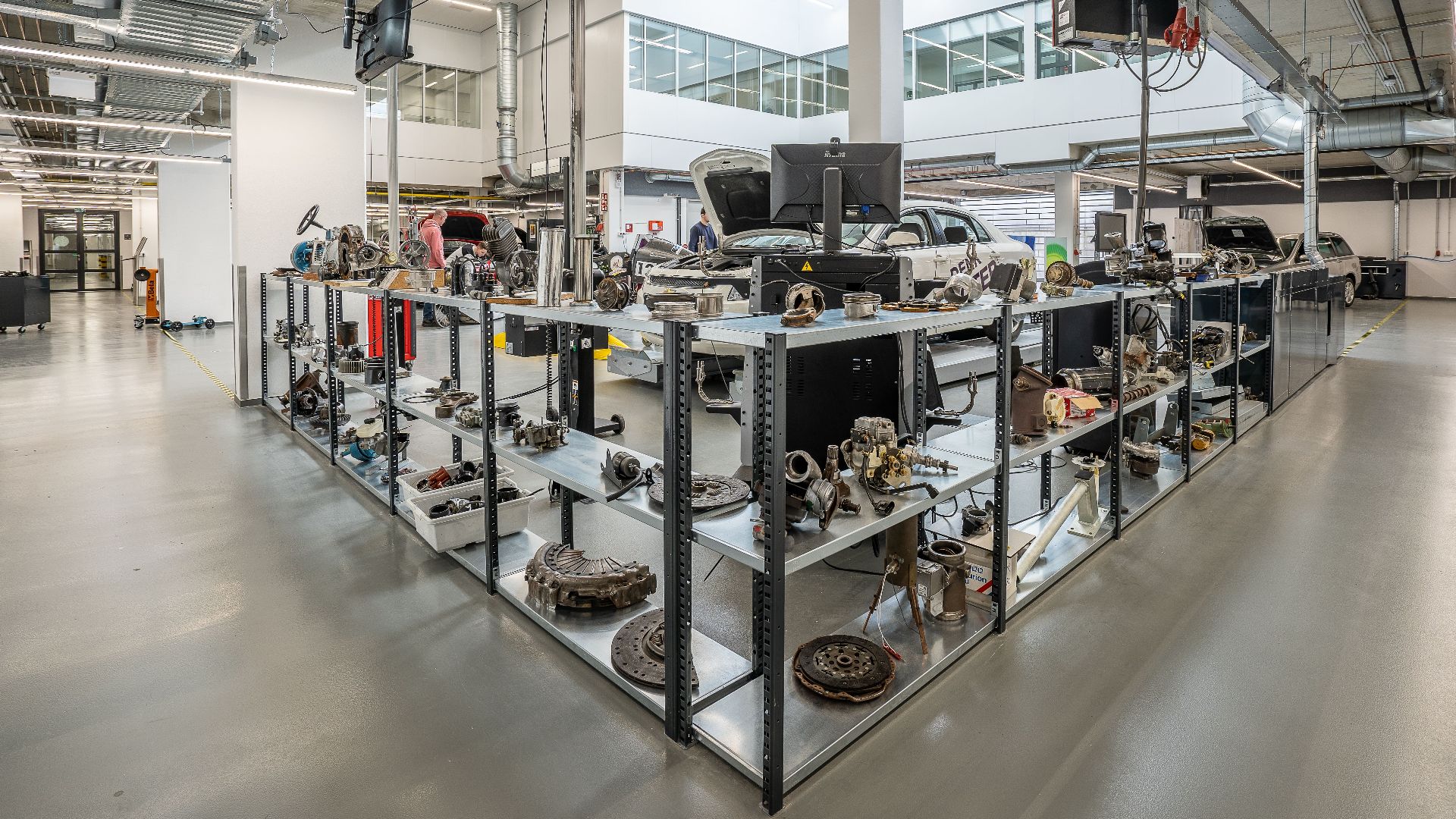
Not every component has to come from a factory box. Exhaust sections, simple brackets, metal lines, bushings, hoses, body pieces, and certain mechanical components can sometimes be fabricated or adapted by a competent specialty shop. Classic-car restoration businesses routinely solve problems this way. The important distinction is whether the substitute can safely perform the original part’s function rather than merely looking similar.
 Mike van Schoonderwalt, Pexels
Electronic Modules May Be Repairable Too
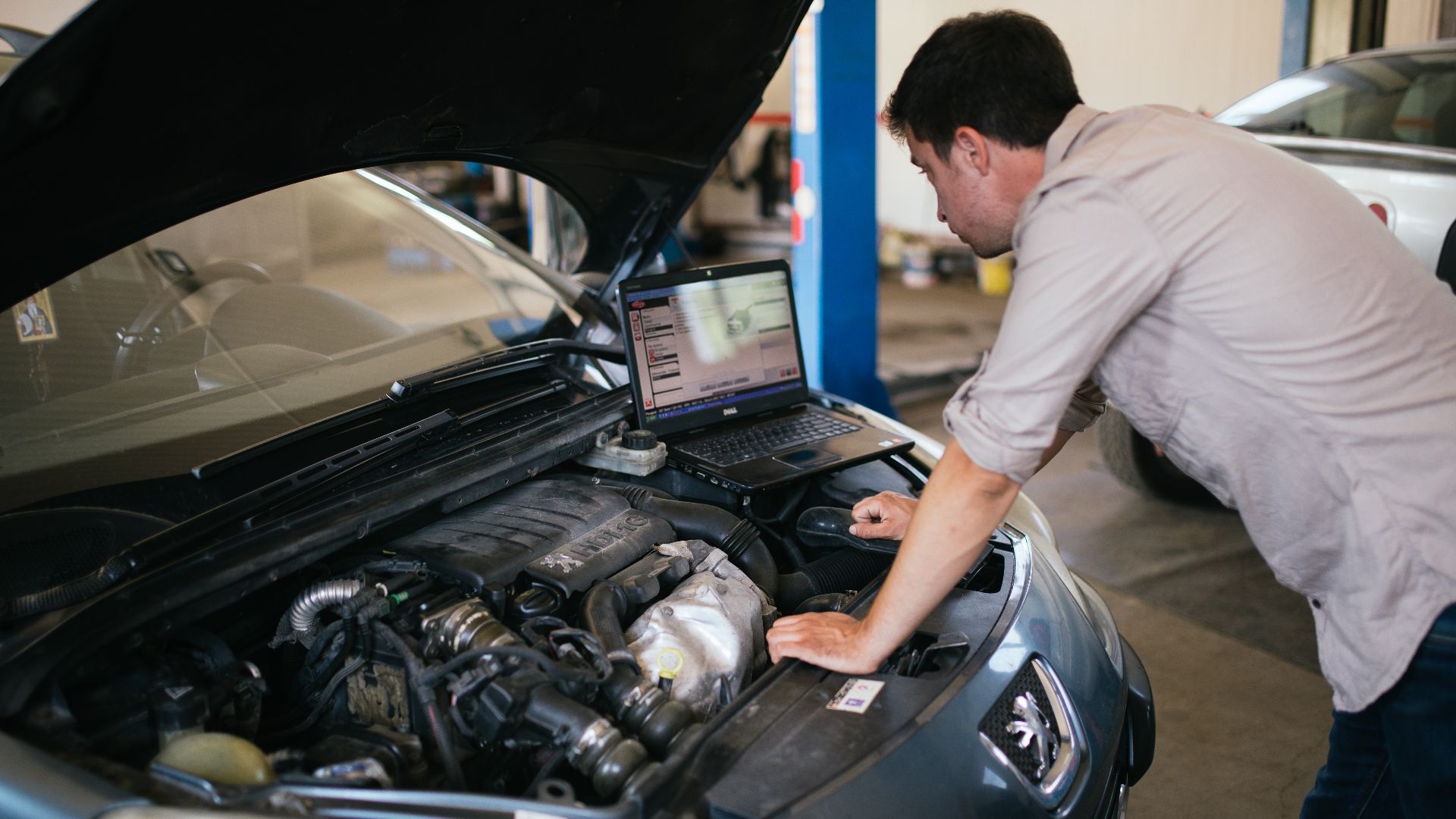
Old electronics create some of the hardest parts shortages because a manufacturer may discontinue an entire control module even though only a relay, capacitor, solder joint, display, or internal component has failed. Specialty electronics rebuilders may repair engine computers, instrument clusters, climate-control panels, ABS modules, radios, and other units. Ask whether the failed module can be tested and rebuilt before hunting for an expensive unknown used replacement.
 Shixart1985, Wikimedia Commons
3D Printing Can Help With Certain Small Pieces
Modern fabrication has made some unobtainable plastic components easier to reproduce. Clips, knobs, bezels, vent pieces, trim, covers, and other noncritical items may be candidates for 3D printing or small-scale reproduction. That doesn’t mean someone should print a suspension component or brake part in their garage. Use reproduction technology where the material and application make sense, not simply because the original piece is unavailable.
Overseas Suppliers May Still Support The Car
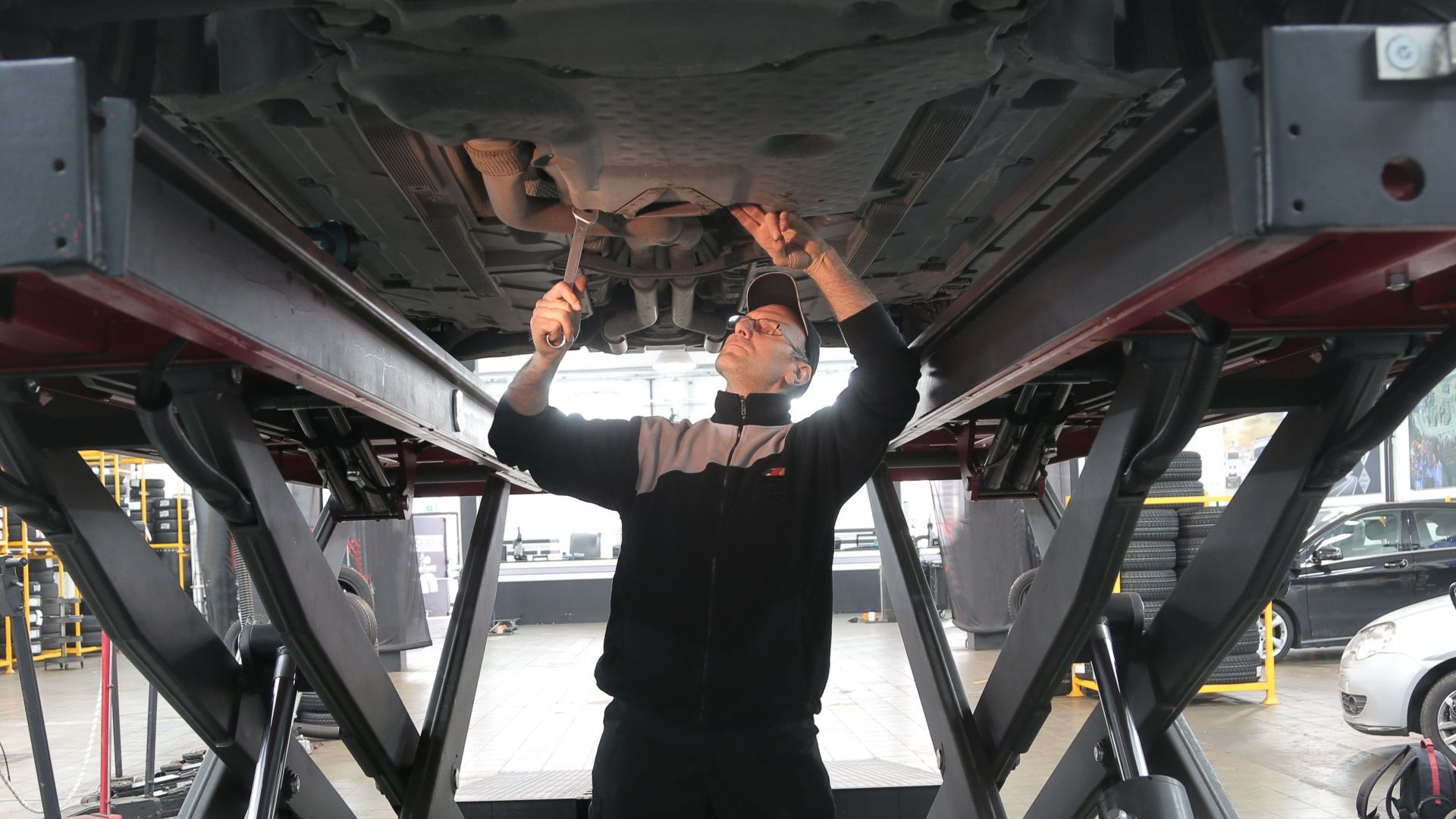
A model that disappeared from American roads may remain common elsewhere. European, Japanese, Australian, or other overseas suppliers can sometimes provide components that American distributors abandoned years ago. Before ordering, verify the part number and vehicle specification carefully because engines, emissions equipment, steering configurations, lighting, and electronics can differ between markets. Shipping and returns can also make mistakes expensive.

Check For An Open Recall Before Paying For A Rare Part
If the unavailable component is connected to a safety recall, search the VIN through NHTSA before buying anything yourself. Consumer Reports notes that manufacturers sometimes continue performing recall repairs voluntarily even on vehicles beyond the period when federal law requires a free remedy. Parts shortages can still complicate older recalls, but asking the manufacturer costs nothing.

Safety-Critical Parts Need A Higher Standard
Creativity has limits when brakes, steering, suspension, airbags, seat-belt systems, tires, or structural components are involved. A mystery used airbag or improvised steering component isn't worth keeping an old car alive. If a qualified specialist can't obtain, rebuild, or safely substitute a crucial component, the lack of parts can become a legitimate reason to stop driving the vehicle.
Ask How Long The Search Could Take
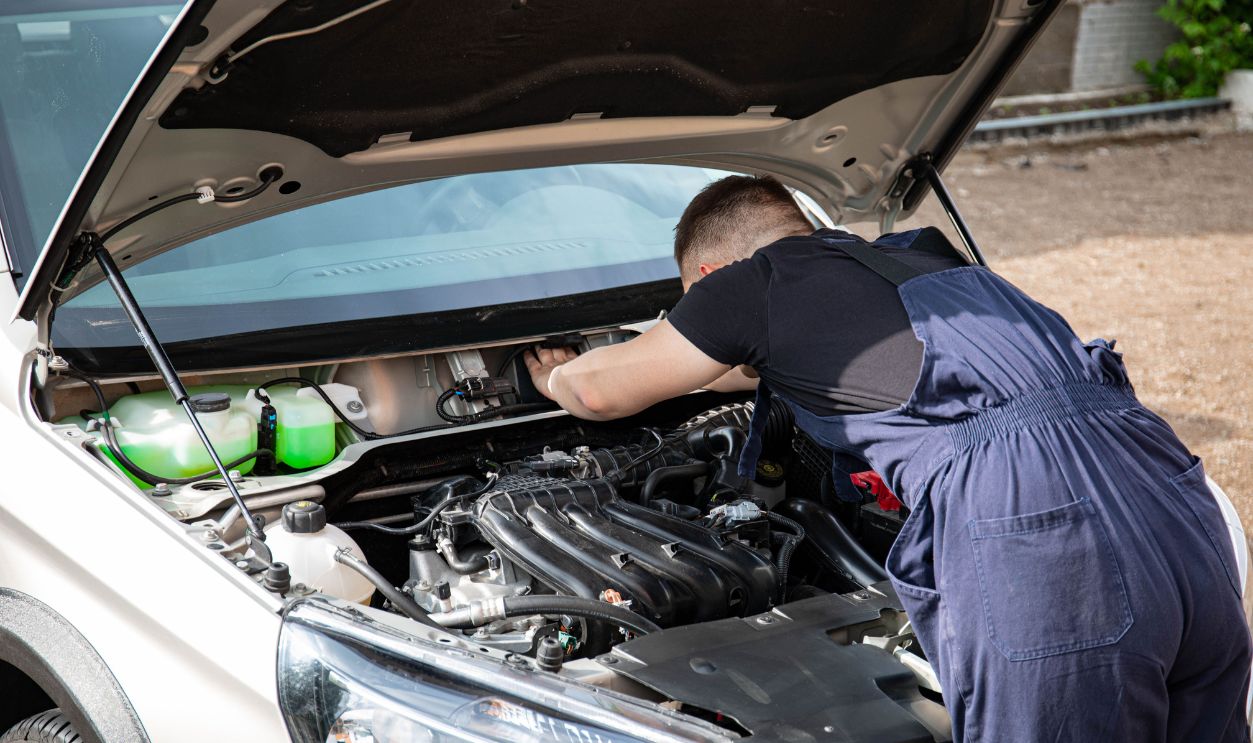
A repair that is technically possible may still leave your only car unusable for months. Consumer Reports notes that parts delays and technician shortages can lengthen repair times as vehicles age. Ask whether the shop expects days, weeks, or an open-ended search. Keeping a sentimental weekend car waiting for three months is very different from losing the commuter you depend on every morning.

Get A Full Estimate Before Solving One Rare Part
Finding the unobtainable $700 component can feel like victory until the shop points out another $4,000 of work. Ask for an assessment of the entire vehicle before launching an expensive parts hunt. Rust, transmission problems, oil consumption, failing air conditioning, worn suspension, and electrical trouble can change whether rescuing one discontinued component makes financial sense.

Compare The Repair With The Cost Of Replacing The Car
A repair costing more than the vehicle’s resale value isn't automatically irrational. Consumer Reports points out that fixing an older car can still cost less than replacing it, especially when another used vehicle would bring monthly payments, taxes, registration, and potentially higher insurance costs. Divide the repair by how much longer you realistically expect to keep the car rather than comparing the bill only with its trade-in value.
 https://kaboompics.com/, Pexels
Start Stocking Vulnerable Parts If You Plan To Keep It
Once parts scarcity becomes noticeable, ask a specialist which components are becoming difficult to source. Keeping a spare sensor, switch, module, trim piece, or other known failure item may make sense if you intend to own the vehicle indefinitely. Don't fill the garage indiscriminately, but buying one genuinely scarce component before the last remaining inventory disappears can prevent a future minor failure from sidelining the car.
Parts Availability Can Eventually Decide When It's Time To Move On
An old car doesn't become unrepairable on its birthday. Many vehicles survive decades because aftermarket companies, rebuilders, salvage yards, specialists, and enthusiast communities keep supplying what dealerships no longer can. But there eventually comes a point where a critical part can't be sourced safely, repairs become chronically delayed, or keeping the car running requires more money and effort than you're willing to spend. Before reaching that conclusion, get the exact part number, call a specialist, investigate rebuilt and used options, and get a second opinion. “My shop can't find it” is worth taking seriously, but it isn't always the same thing as “this car can never be fixed".

You May Also Like: