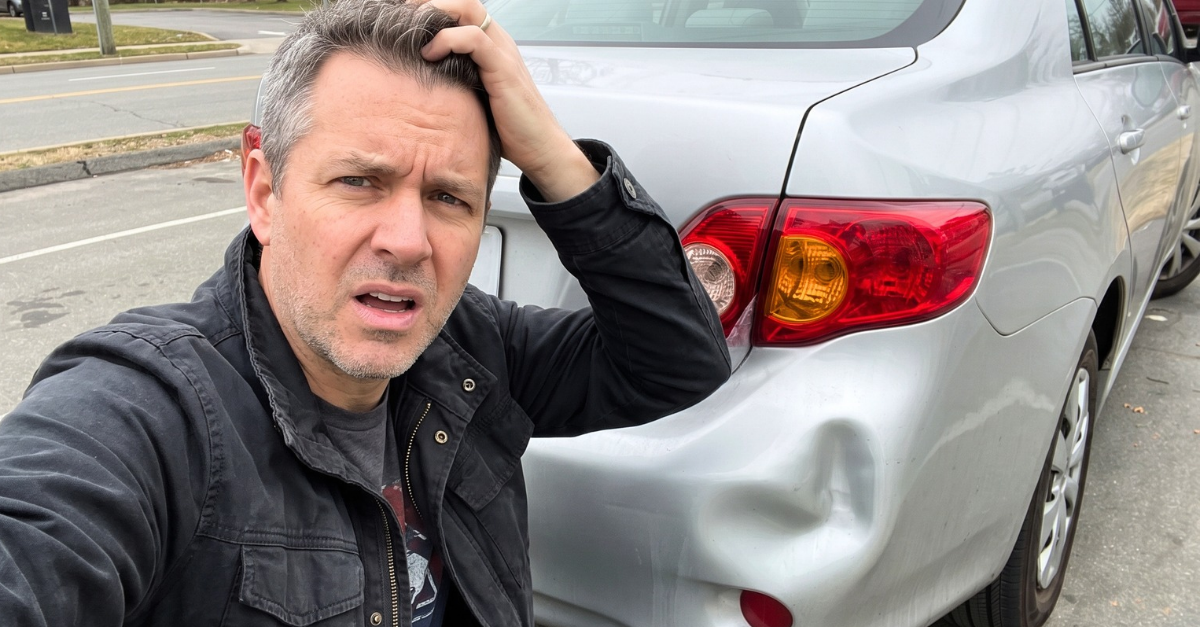
A Small Crash With A Big Consequence
It barely looked damaged. Your first car suffered what seemed like a minor accident, but now your insurance company says it's a total loss, and the explanation has less to do with the crash itself than you might expect.
Your Car Doesn't Have To Be Destroyed To Be Totaled
Most drivers picture a totaled car as something crushed beyond recognition. In reality, insurance companies can declare a vehicle a total loss even when it could technically be repaired. The decision often comes down to whether repairing the car makes financial sense compared with its value. That distinction can be especially frustrating when your car still looks perfectly usable.

The Insurance Company Is Doing Different Math
Insurers generally compare the cost of repairs with the vehicle's actual cash value, which reflects its worth immediately before the accident. Depending on state law and the insurance policy, the calculation may also consider the damaged vehicle's salvage value. Some jurisdictions establish specific total-loss thresholds, while others use broader economic calculations. Your car can therefore be written off without suffering catastrophic physical damage.
 I Believe I Can Fly, Shutterstock
Backordered Parts Can Change Everything
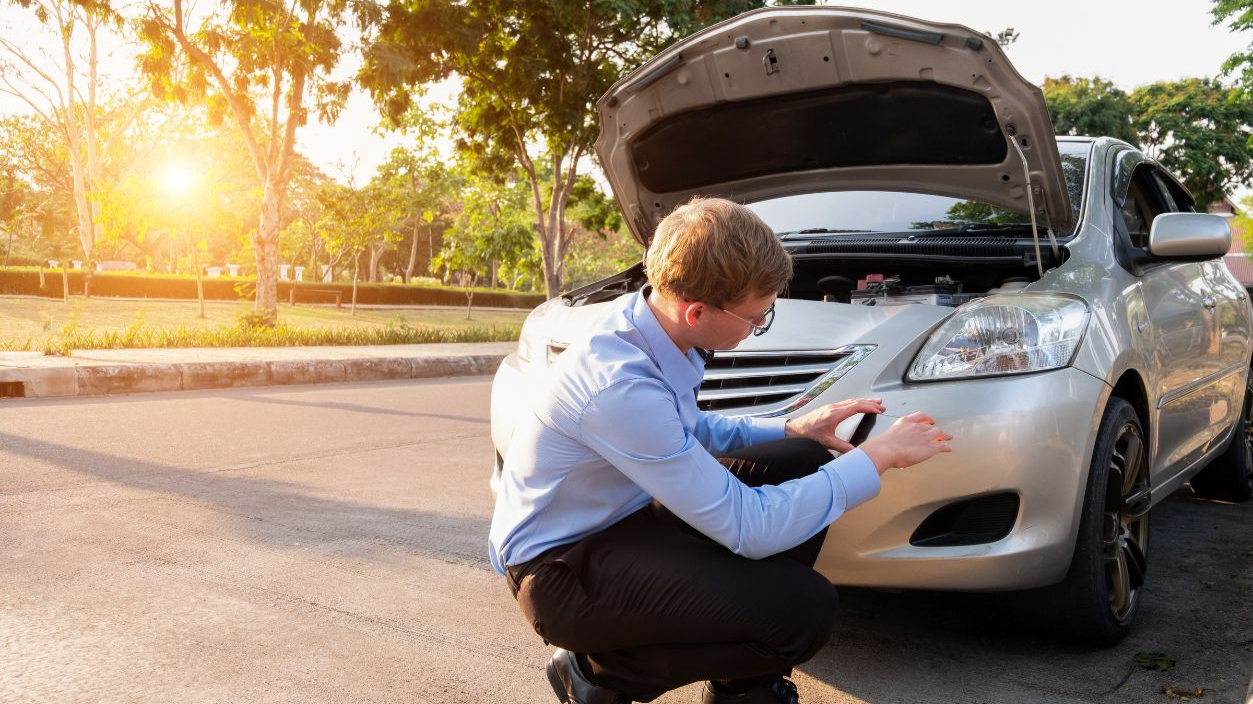
A repair that initially looks straightforward can become complicated when replacement parts aren't available. Collision repair industry reports have documented delays involving electronic components, sensors, and other automotive parts. CCC Intelligent Solutions noted in its 2025 research that supply chain problems continued to create unpredictable repair timelines. A vehicle waiting for one unavailable component can become considerably more expensive to return to service.
The Repair Estimate Isn't The Whole Story
The initial estimate usually reflects the damage a technician can identify during the first inspection. Once repairs begin, technicians sometimes discover additional problems that require supplementary estimates and insurer approval. California's Department of Insurance specifically describes this process in its consumer guidance. A repair that initially appeared affordable can therefore become more expensive as the full extent of the damage becomes clear.

Waiting Can Become Expensive Too
When a vehicle sits in a repair shop for weeks, costs beyond replacement parts can enter the picture. Depending on the circumstances, these may include storage charges, rental transportation, and additional administrative expenses. CCC's 2025 industry analysis specifically identified longer repair cycles and increased rental exposure as concerns for insurers. Those expenses can influence the economics of repairing a borderline total-loss vehicle, although the applicable rules and policy determine which costs count.
Your Rental Car Could Affect The Calculation
Suppose your insurance policy covers temporary transportation while your vehicle is being repaired. A prolonged parts delay could mean the insurer continues paying rental expenses while the damaged car remains unavailable. CCC has identified extended rental exposure as one consequence of automotive supply chain disruptions. However, rental coverage limits and total-loss calculation rules vary, so a rental bill does not automatically justify totaling your vehicle.
 Farragutful, Wikimedia Commons
A Missing Sensor Can Stop The Entire Repair
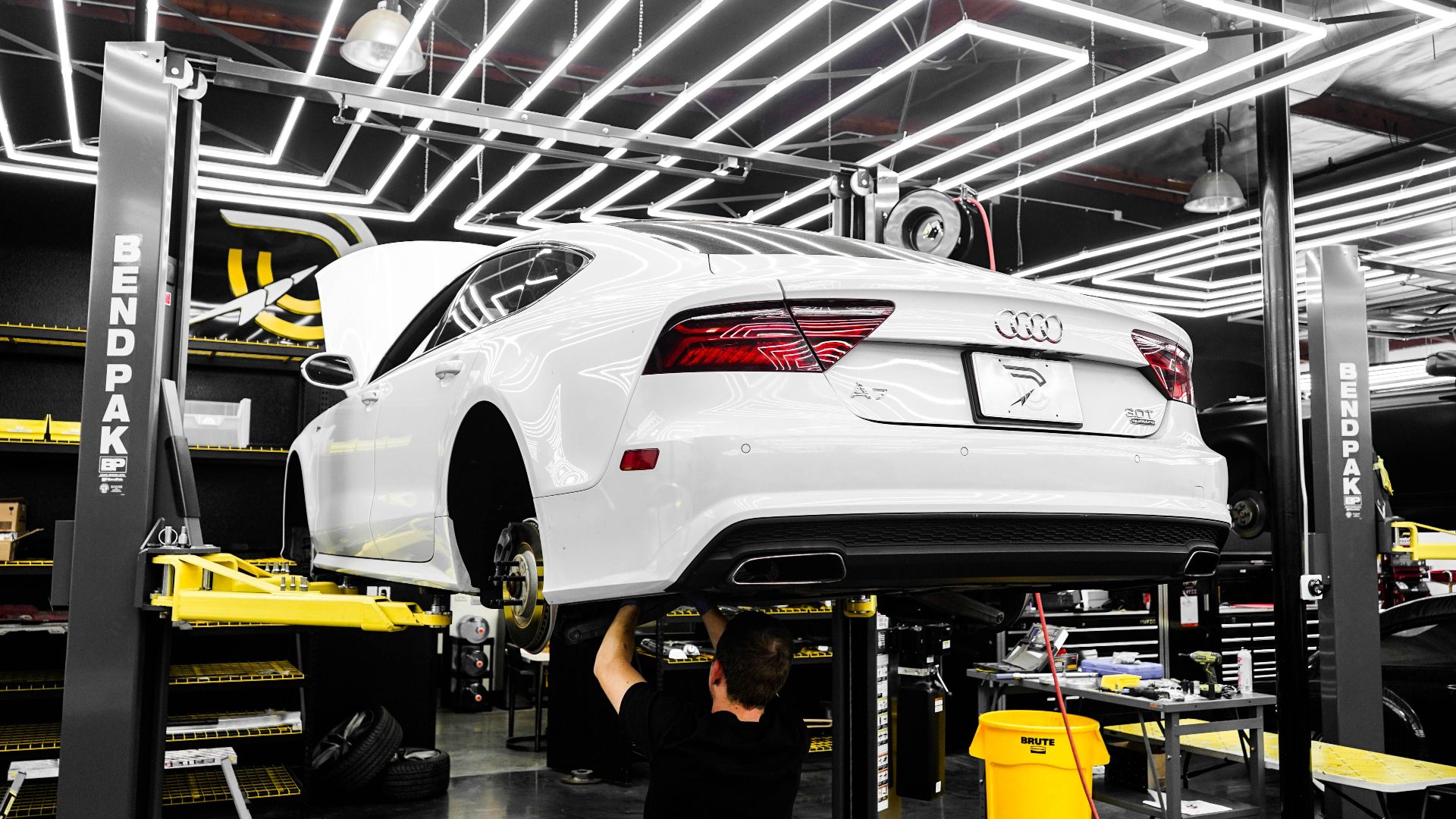
Modern vehicles frequently incorporate cameras, radar sensors, and other electronic systems into components that once performed simpler functions. Even relatively modest collision damage can require electronic diagnostics and safety-system calibration. CCC's research identifies growing vehicle complexity as a significant factor affecting collision repair costs and procedures. If an essential replacement component is unavailable, the repair shop may be unable to complete the job safely.
Your Car's Age Makes A Difference
An older vehicle generally has less market value than an otherwise comparable newer one, although condition and demand still matter. That lower value leaves less financial room for expensive collision repairs. CCC reported that more than 72% of its total-loss valuations in 2025 involved vehicles at least seven years old. A repair bill that would be reasonable for a newer car might be economically unjustifiable for an aging first car.
Even A Popular Car Can Face Parts Delays
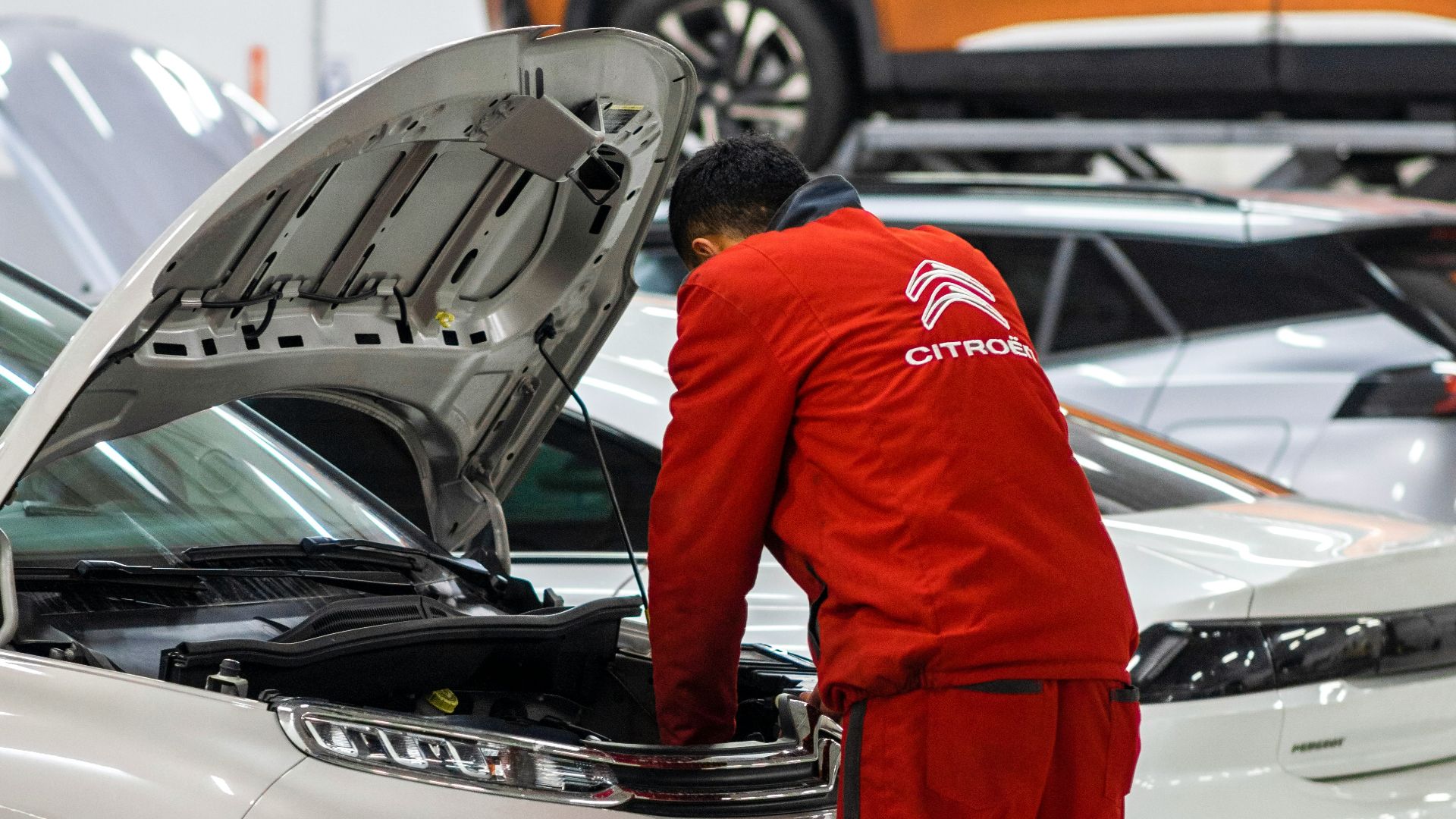
Owning a common model doesn't guarantee that every replacement component will be immediately available. Automotive parts move through manufacturing, distribution, and shipping networks that can experience interruptions. CCC's fourth-quarter 2025 report described continuing bottlenecks involving electronic components and imported parts. A common vehicle can therefore become difficult to repair when the particular component it needs is unavailable.
 Bengkel Mobil Matic Bandung, Unsplash
The Parts Shortage Isn't Necessarily Your Fault
You didn't cause a manufacturing delay, and you probably had no control over when replacement components would become available. Nevertheless, the insurer's obligation is generally defined by your coverage and applicable law, not by whether you caused the parts shortage. The National Association of Insurance Commissioners explains that collision coverage typically pays for covered damage up to the vehicle's value. That can leave owners disappointed when they want their original car repaired rather than replaced.

A Total Loss Is Sometimes An Economic Decision
Imagine your car was worth $8,000 immediately before the crash, and the initial repair estimate came to $4,500. Additional damage, unavailable components, and projected expenses might eventually make the repair economically unattractive. These figures are illustrative rather than a universal insurance formula. The exact point at which a vehicle becomes a total loss depends on the applicable state rules, policy language, and insurer's calculations.

You Should Ask For The Full Explanation
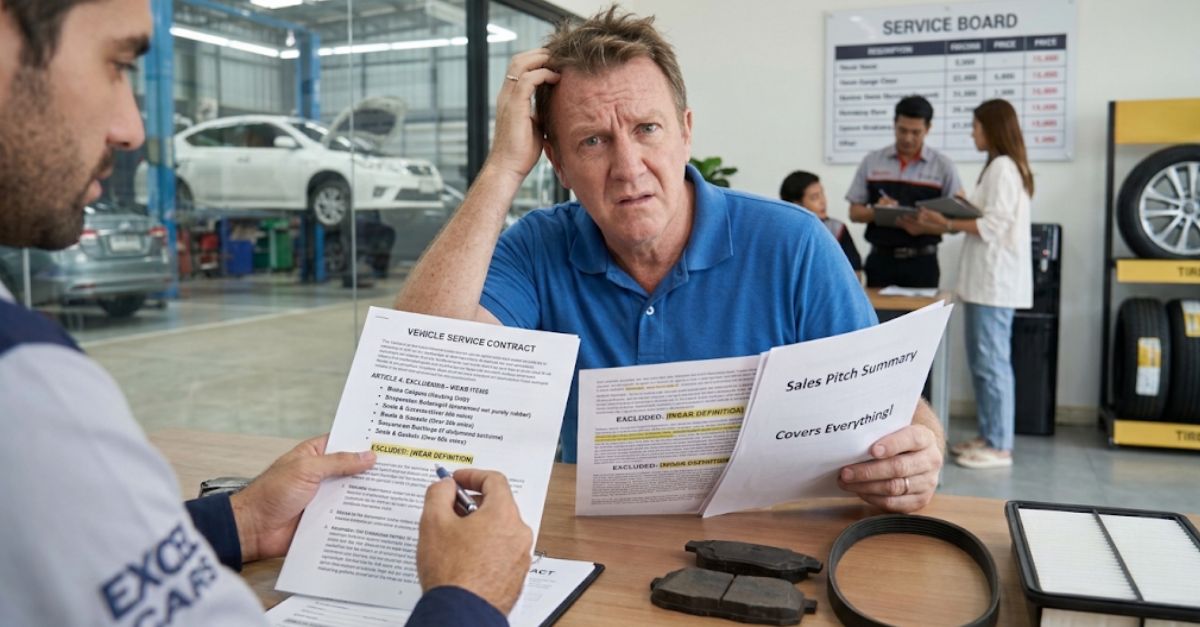
If your insurer declares the car totaled, request a written explanation of how that decision was reached. Ask for the repair estimate, the vehicle valuation, and any documented costs or delays that influenced the decision. Washington's insurance regulator specifically recommends requesting a total-loss valuation report to understand the insurer's figures. You should also ask which state rule or policy provision supports the total-loss determination.

Your Car's Value Matters More Than Your Memories
Your first car might represent years of saving, independence, and personal memories. Unfortunately, a standard actual-cash-value insurance settlement generally reflects the vehicle's market value rather than its sentimental importance. Insurers usually consider comparable vehicles, age, condition, mileage, and equipment when determining that value. This can be especially disappointing when you've maintained an older vehicle carefully and expected to keep driving it for years.

The Insurance Company's Offer Isn't Always Final
If you believe the settlement undervalues your car, you can challenge the insurer's calculations. The Texas Department of Insurance advises consumers to research local listings, obtain dealer quotes, and document special equipment or vehicle features. Washington's insurance regulator also explains that policyholders may have access to independent appraisal procedures. A well-supported disagreement is more useful than simply telling the adjuster that the car means a lot to you.
 Monkey Business Images, Shutterstock
Comparable Cars Can Strengthen Your Argument
Search for vehicles matching your car's make, model, year, trim, mileage, and general condition. Local advertisements and dealer listings can help demonstrate what similar vehicles cost in your market. The Texas Department of Insurance specifically recommends collecting this evidence when disputing a total-loss valuation. Remember that advertised prices aren't necessarily final selling prices, so your comparisons should be realistic and well documented.
Maintenance Records Might Help Your Case
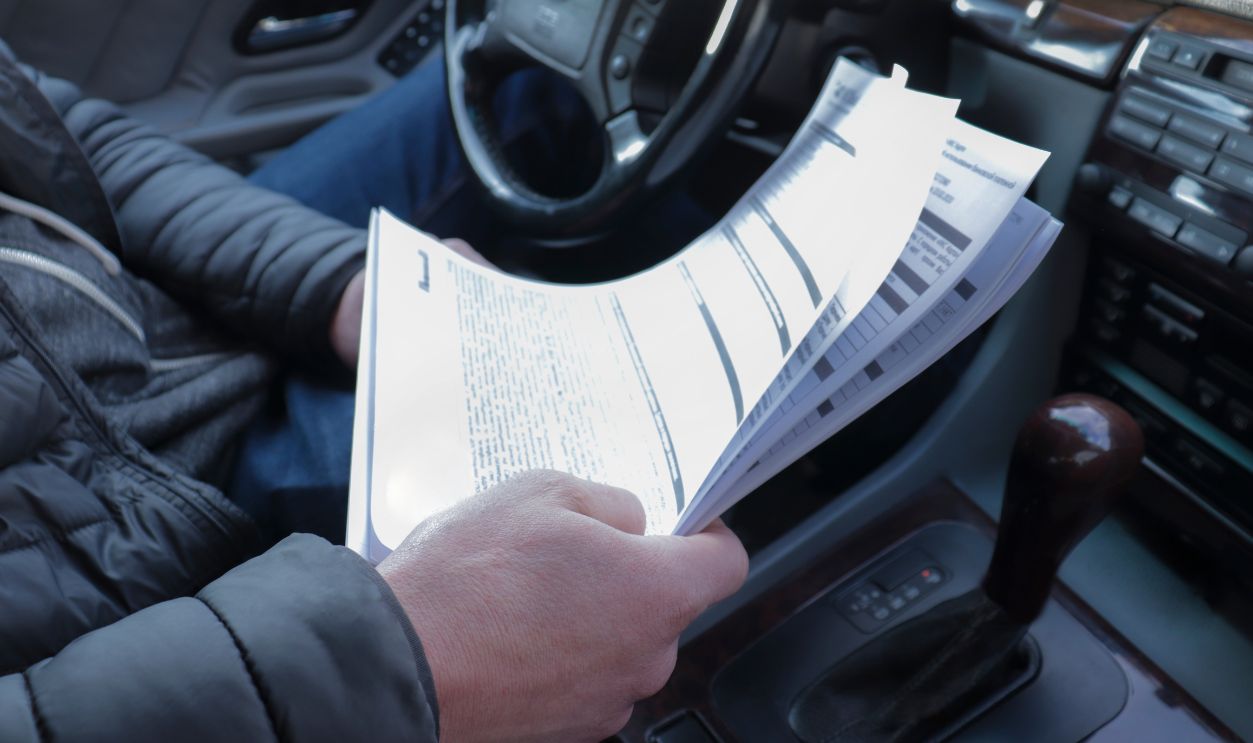
Keeping detailed service records can be useful when challenging the condition assumptions in a valuation. Receipts for recent major repairs, replacement components, and documented maintenance may support an argument that your car was in better condition than the insurer assumed. However, spending $2,000 on repairs doesn't automatically increase the vehicle's market value by $2,000. The goal is to establish an accurate pre-accident condition and valuation, not simply recover every dollar you've spent maintaining the vehicle.
 Natallia Ustsinava, Shutterstock
You Might Be Able To Keep The Car
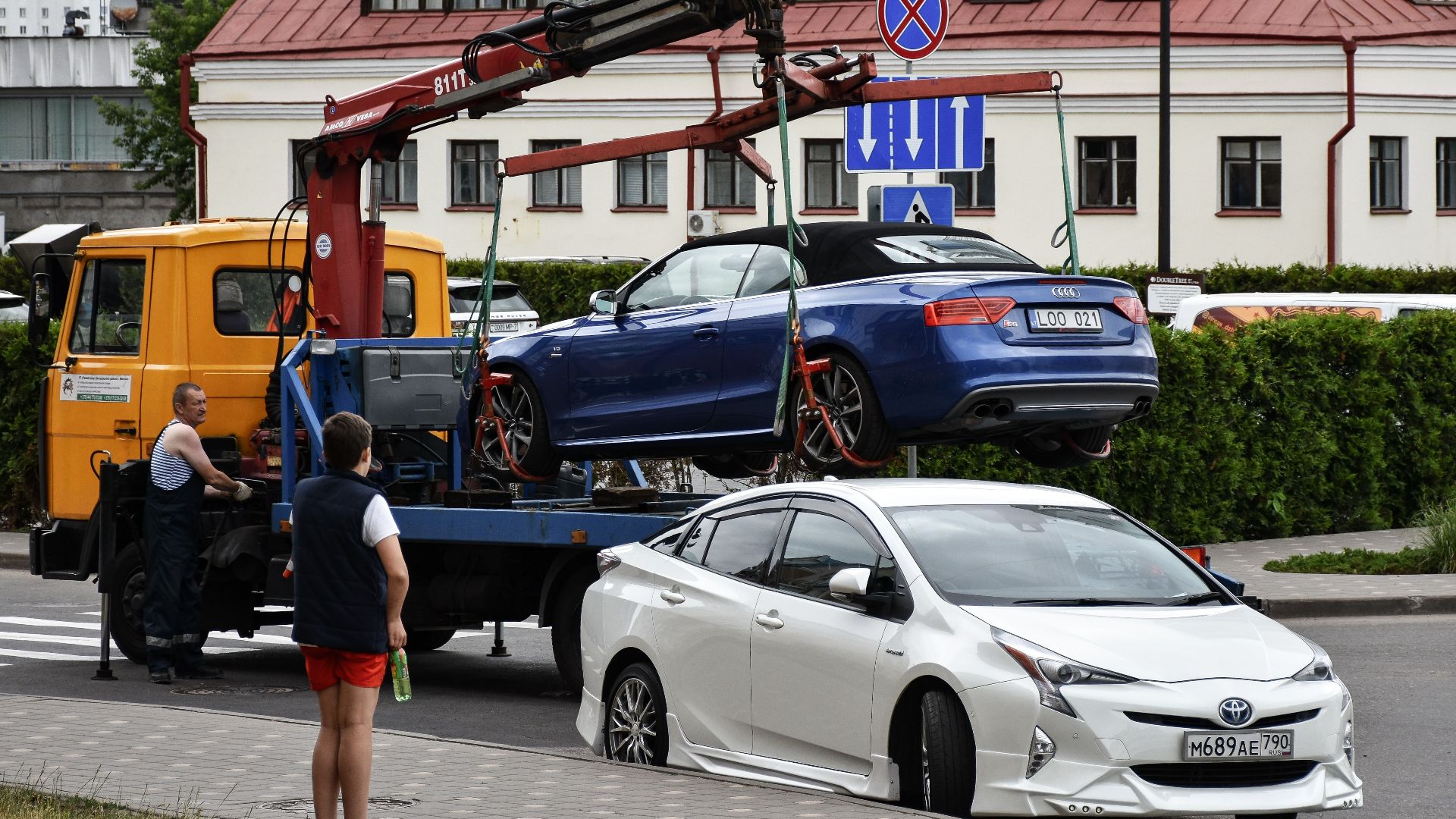
A total-loss declaration doesn't always mean you must immediately surrender your vehicle. The Texas Department of Insurance explains that owners can sometimes retain a totaled car and receive a settlement reduced by its salvage value. This arrangement is commonly called owner-retained salvage. However, eligibility, title requirements, financing restrictions, and insurance consequences vary by jurisdiction.
Keeping It Comes With Complications
A totaled vehicle may receive a salvage title or another damage-related designation, depending on local law. Texas warns that a previously salvaged vehicle can become more difficult to insure or sell. You may also need to complete repairs and satisfy inspection or title requirements before returning it to public roads. Keeping your first car can therefore create additional expenses and responsibilities that extend well beyond the original accident.
The Missing Part Could Still Be A Problem
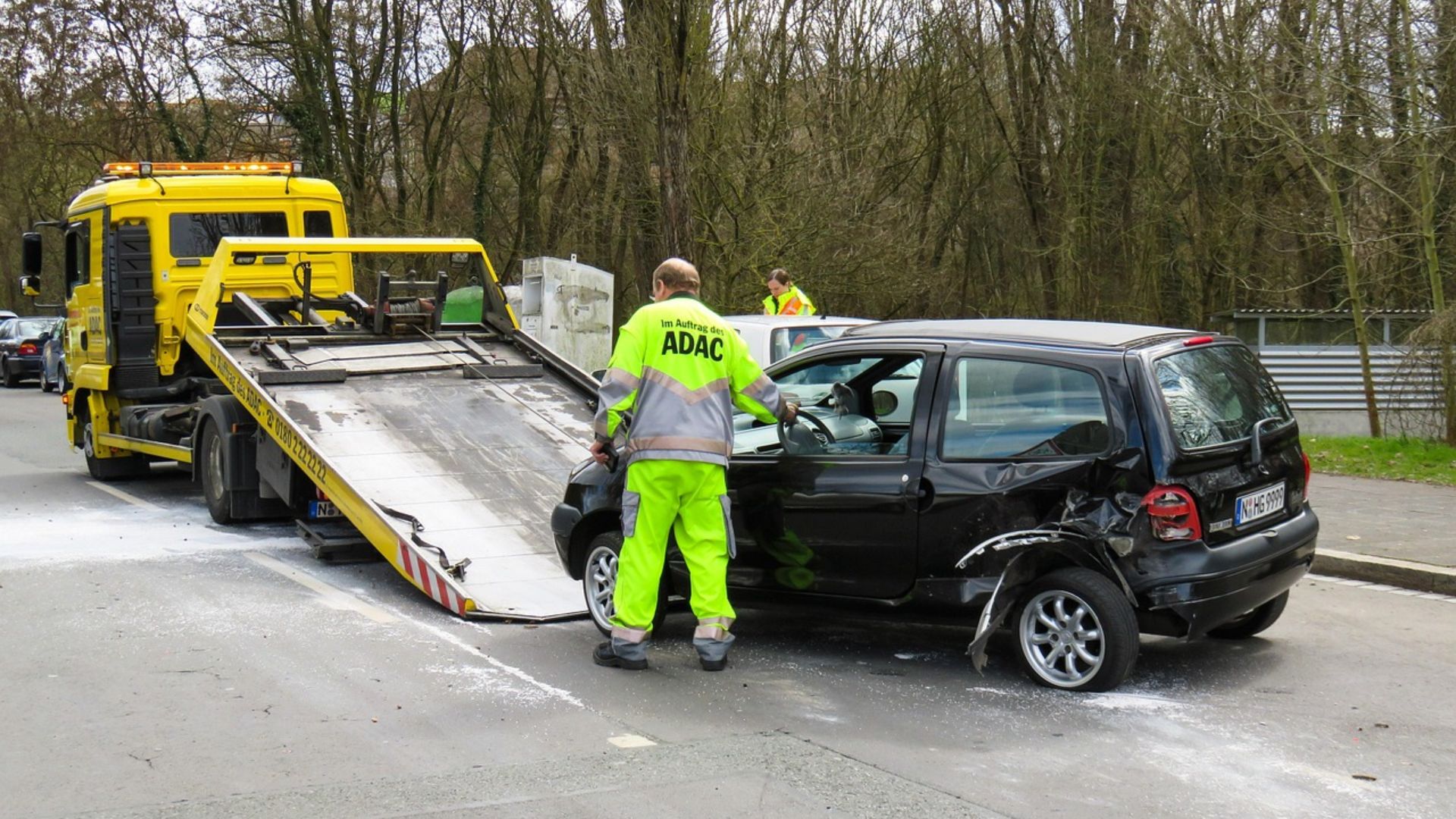
Even if you're allowed to retain your car, the unavailable component doesn't suddenly become easier to obtain. You would need to arrange repairs yourself and ensure that the vehicle satisfies applicable safety and roadworthiness requirements. Some replacement parts may be available through alternative suppliers or salvage operations, but suitability and manufacturer repair procedures matter. Before choosing owner-retained salvage, get a realistic assessment from a qualified repair shop.
Your Insurance Settlement May Not Pay Off Your Loan
If you're still financing the vehicle, the insurance payout may be less than the amount you owe. Standard actual-cash-value coverage generally compensates you for the car's value rather than your outstanding loan balance. California's Department of Insurance warns that borrowers remain responsible for unpaid loan balances after a total loss. This can leave you making payments on a vehicle you can no longer drive.
GAP Insurance Could Make A Big Difference
Guaranteed Asset Protection, commonly called GAP coverage, is designed to address certain differences between a vehicle's insured value and its outstanding financing balance. The Texas Department of Insurance recommends checking your purchase documents and insurance policy to see whether you have this protection. Coverage limits, exclusions, deductibles, and eligibility requirements depend on the particular contract. GAP coverage also generally doesn't provide extra money simply because you need a replacement car.

Your Rental Coverage Could End Sooner Than Expected
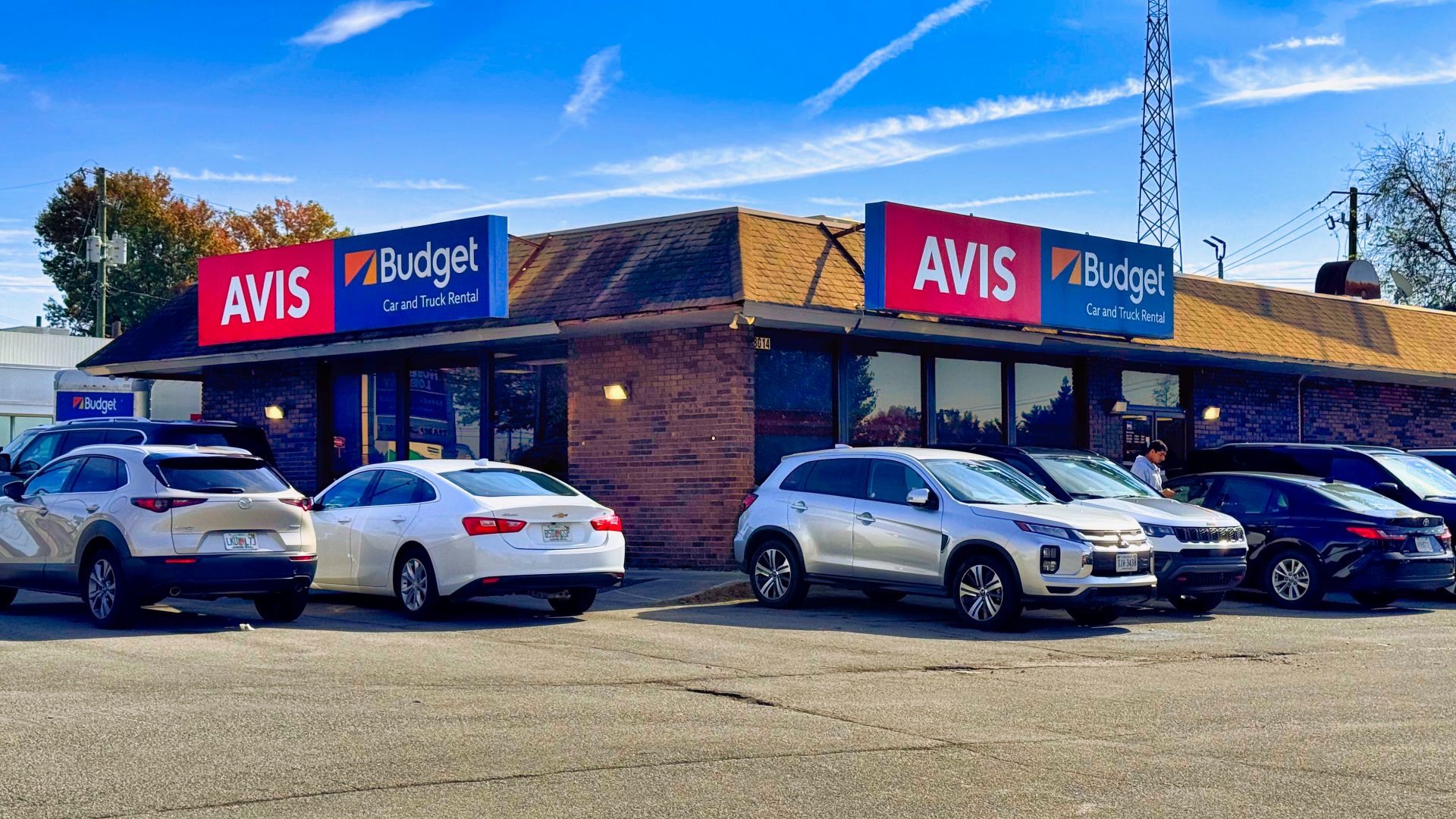
Drivers sometimes assume a rental vehicle remains covered until they purchase another car. However, California's Department of Insurance explains that rental reimbursement commonly ends when the vehicle is repaired, the claim is paid, or the policy's time limit is reached. Other jurisdictions and third-party liability claims may follow different rules. Ask your insurer for the exact rental termination date in writing so you aren't surprised by additional charges.
 Harrison Keely, Wikimedia Commons
Your Deductible Still Matters
If you make a collision claim under your own policy, your deductible generally reduces the amount the insurer pays. California's insurance regulator also explains that insurers may attempt to recover claim expenses from an at-fault third party through a process called subrogation. Depending on the outcome and applicable rules, you may recover some or all of your deductible. Being involved in a total-loss claim doesn't automatically mean the deductible disappears.

You Can Challenge More Than The Dollar Amount
Sometimes the disagreement isn't simply about what the car was worth. You might believe the vehicle could reasonably be repaired, or that the insurer relied on inaccurate repair estimates. California's Automobile Claims Mediation Program explicitly recognizes disputes involving repair methods, total-loss decisions, and vehicle valuations. Whether you can use mediation, appraisal, or another review procedure depends on your jurisdiction, policy, and type of claim.
 Tualek Photographer, Shutterstock
Before You Accept, Get Everything In Writing
Request the final valuation report, itemized settlement calculation, deductible information, and any salvage deductions. Confirm whether taxes and registration-related fees must be included under your state's rules, since those requirements differ. Ask when rental coverage ends and whether the insurer needs the vehicle's title, keys, or additional documentation. Keeping a complete written record makes it easier to identify errors and pursue a review if necessary.

Losing Your First Car Doesn't Mean Losing Your Options
A minor-looking accident can become a total loss when repair economics, unavailable parts, and the vehicle's value no longer line up. However, you can still question the valuation, request supporting documentation, explore owner-retained salvage, and examine your insurance coverage before agreeing to a settlement. The most important thing is understanding exactly why the insurer made its decision and what the financial consequences will be. Your first car might not be repairable under the insurance company's calculations, but that doesn't mean you have to accept those calculations without asking questions.

You May Also Like:
How To Extend The Life Of Your Vehicle's Engine