Your Parking Spot Feel Likes Yours, The Law Might See It Differently
Even if it isn't necessarily affecting you directly, a neighbor using your reserved parking space feels personal and intrusive—but whether you can legally have that car towed depends on who controls the property, what your condo or HOA rules say, and what state or local towing laws require.
Start With the Biggest Question: Who Controls the Property?
This is the key issue. If the space is part of an apartment complex, condo association, or HOA-run property, the owner or property manager usually controls towing decisions. In a lot of places, a resident cannot just order a tow from a shared lot unless the rules or local law clearly say they can.

Your Lease or HOA Rules Matter Most
Before you do anything, check your lease, condo documents, or HOA parking rules. Look for terms like “exclusive use,” “assigned parking,” “guest parking,” and towing enforcement. If the documents say the space is assigned to you but only management can approve a tow, that is the rule that controls, even if your neighbor is obviously in the wrong.

Exclusive Use Does Not Always Mean You Can Handle It Yourself
A spot can be assigned to you without giving you the power to remove someone else’s car. That catches a lot of people off guard. You may have the right to park there, but the landlord, HOA board, or property manager may still be the only one allowed to call the tow company.
 Srdjan Randjelovic, Shutterstock
State Laws Often Put Tight Limits on Private Property Tows
Private property towing is heavily regulated in many states because it can be abused. Laws often cover signs, approval, payment, notice, and who is allowed to request a tow. If those rules are not followed, the tow can be challenged, and the person who asked for it could end up with a legal problem.
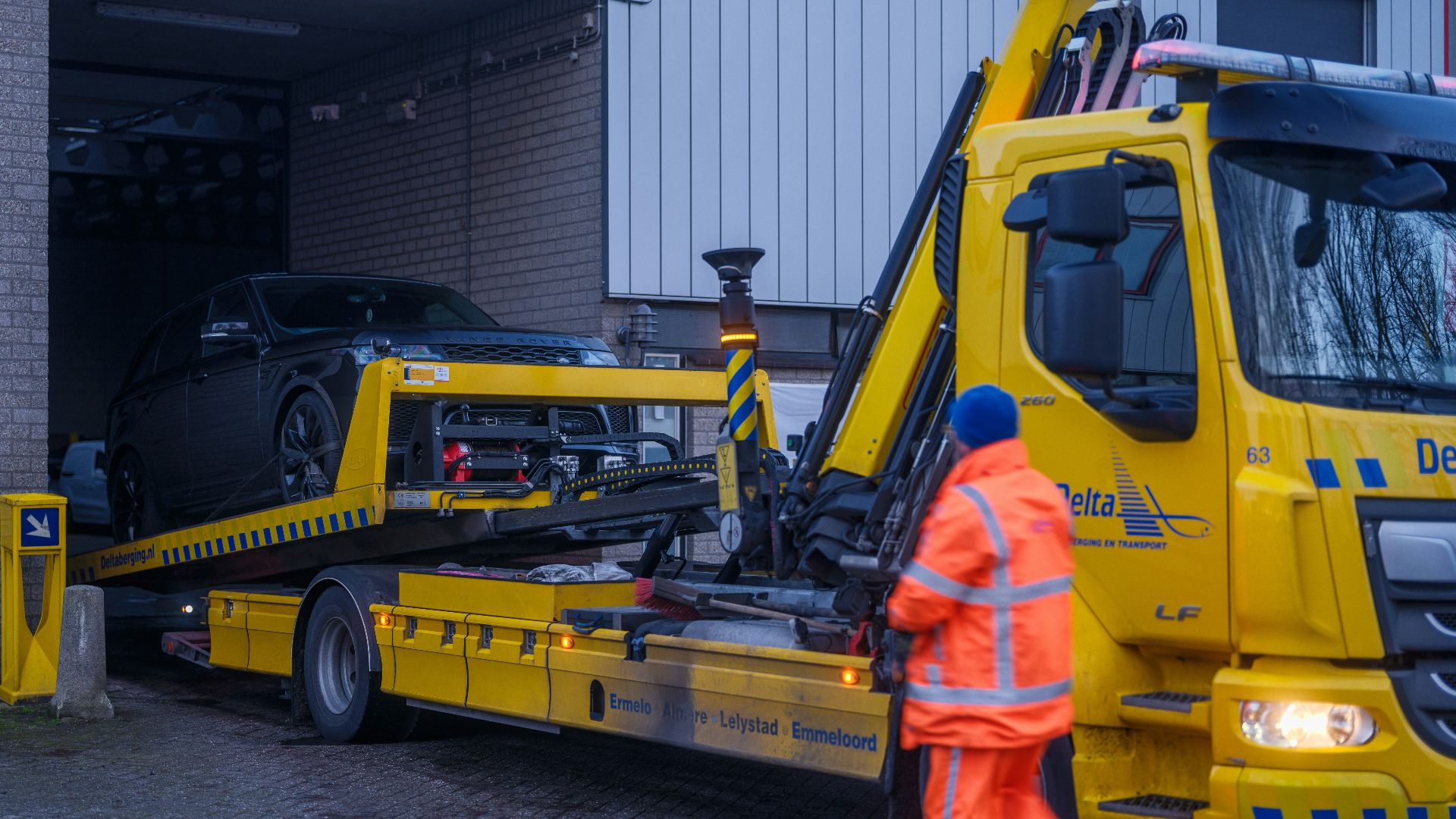
California Shows How Detailed These Rules Can Be
California Vehicle Code section 22658 lays out detailed rules for towing vehicles from private property. It covers who can authorize a tow, what signs may be required, and how towing works in residential settings. The takeaway is simple: an assigned space does not automatically give you towing authority.
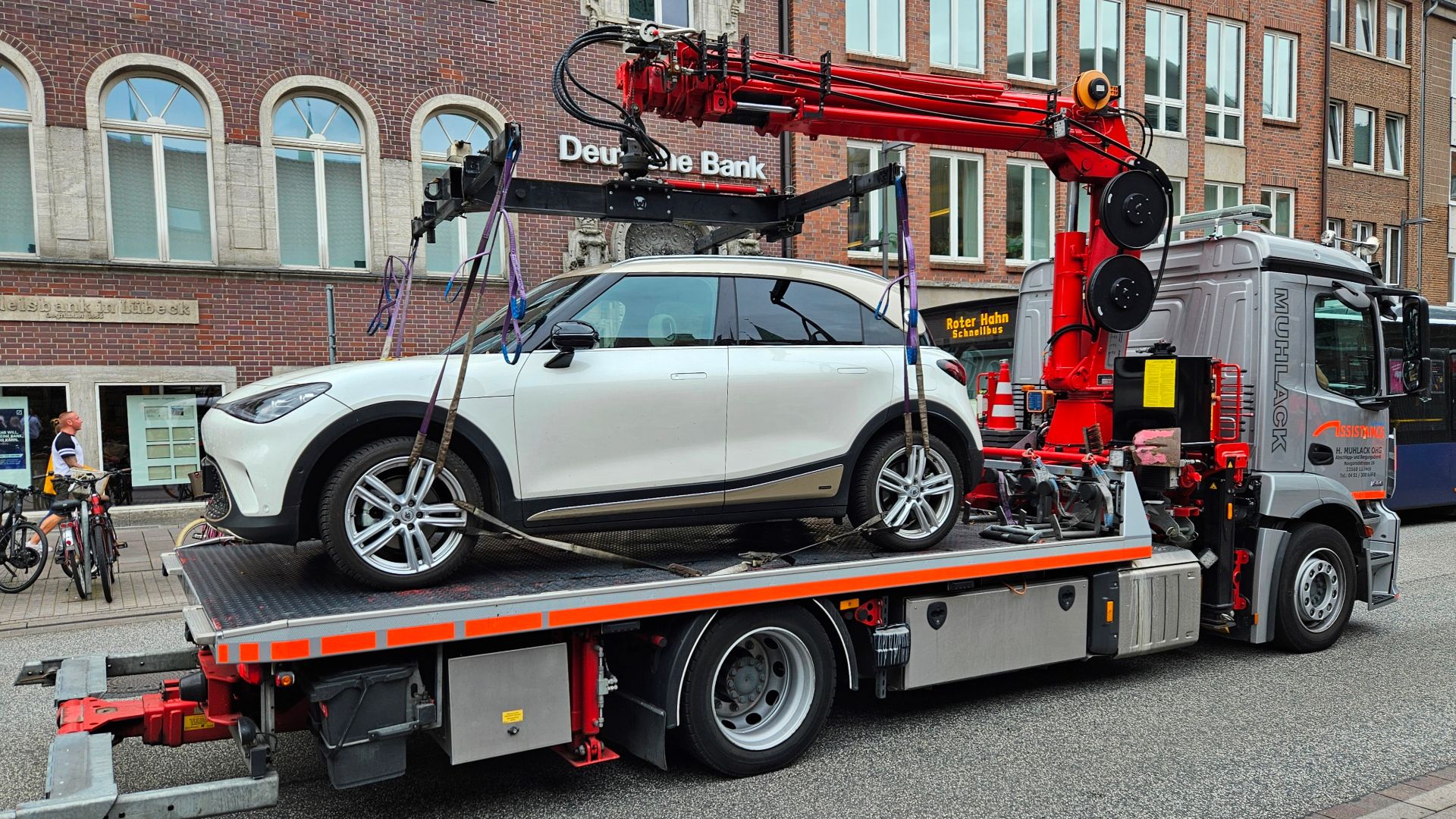
Florida Has Tight Private Tow Rules Too
Florida Statutes section 715.07 governs private property towing and spells out how the process must work. The law covers authorization, rates, signage, and what towing operators must do. So if you live in Florida, a neighbor’s bad parking habit does not let you skip the rules.
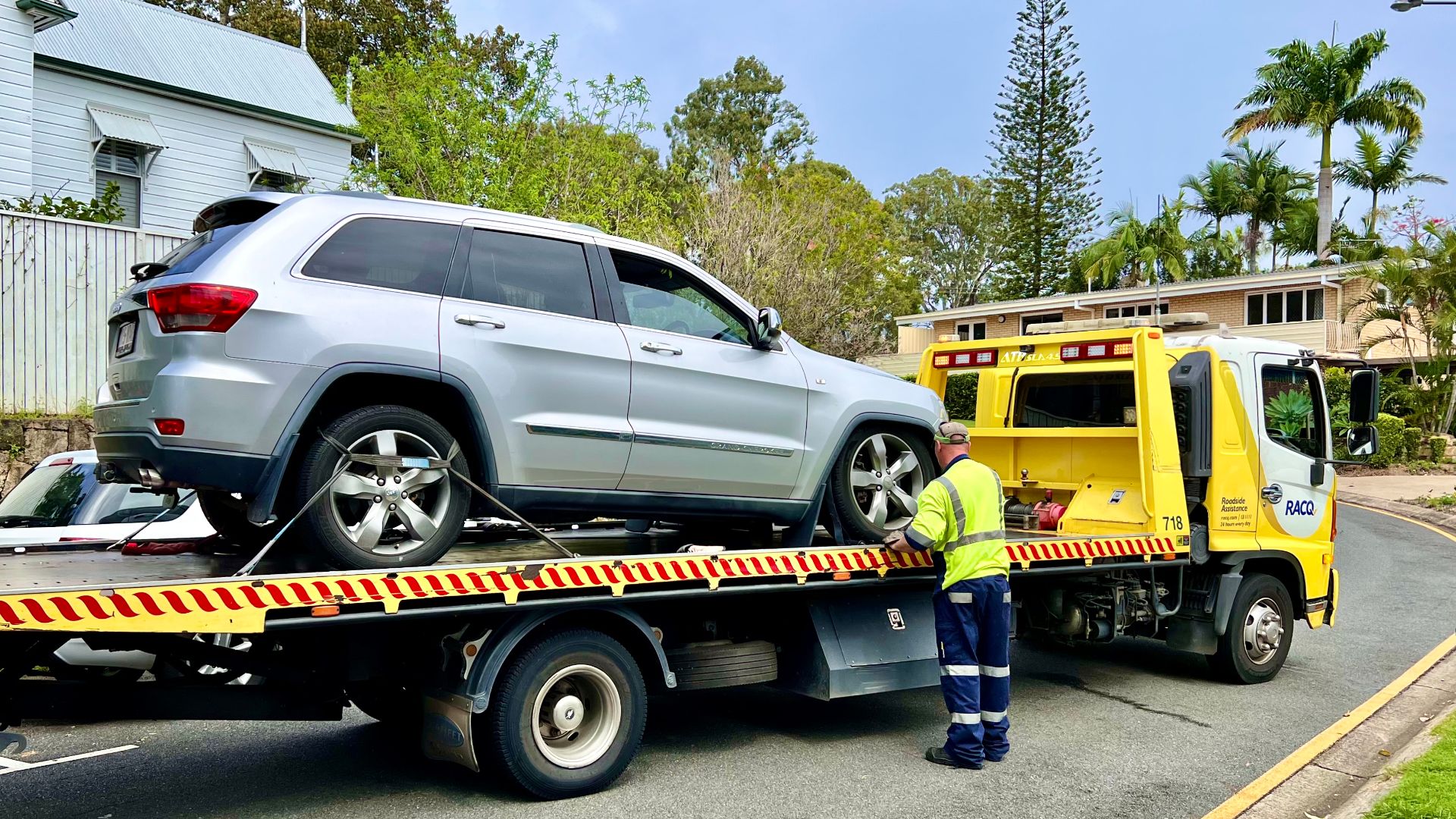
Texas Also Regulates Towing From Private Lots
Texas regulates private property towing through state law and the Texas Department of Licensing and Regulation. The state explains when a vehicle can be towed, what signs are needed, and how drivers can file complaints. In other words, the real answer is usually not a simple yes or no. It is whether your documents and your state’s rules allow it in that situation.
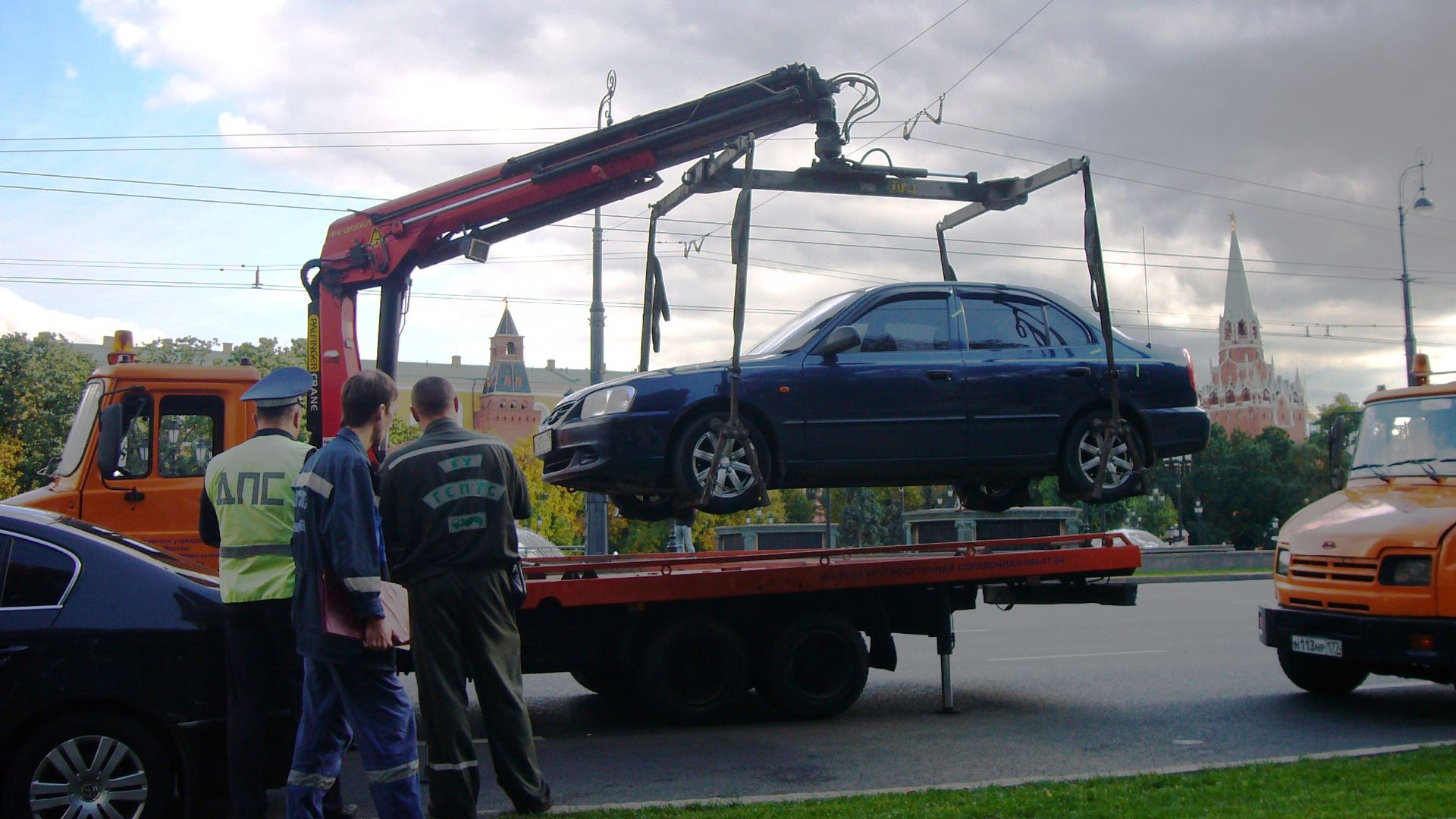 L.P. Dzhepko, Wikimedia Commons
State Agencies Keep Saying the Same Thing
Public guidance from state agencies tends to line up on this issue. The property owner or an authorized agent is usually the one who can approve a private property tow. If a resident acts alone without clear authority, things can get messy in a hurry.
One Sign Can Change the Whole Situation
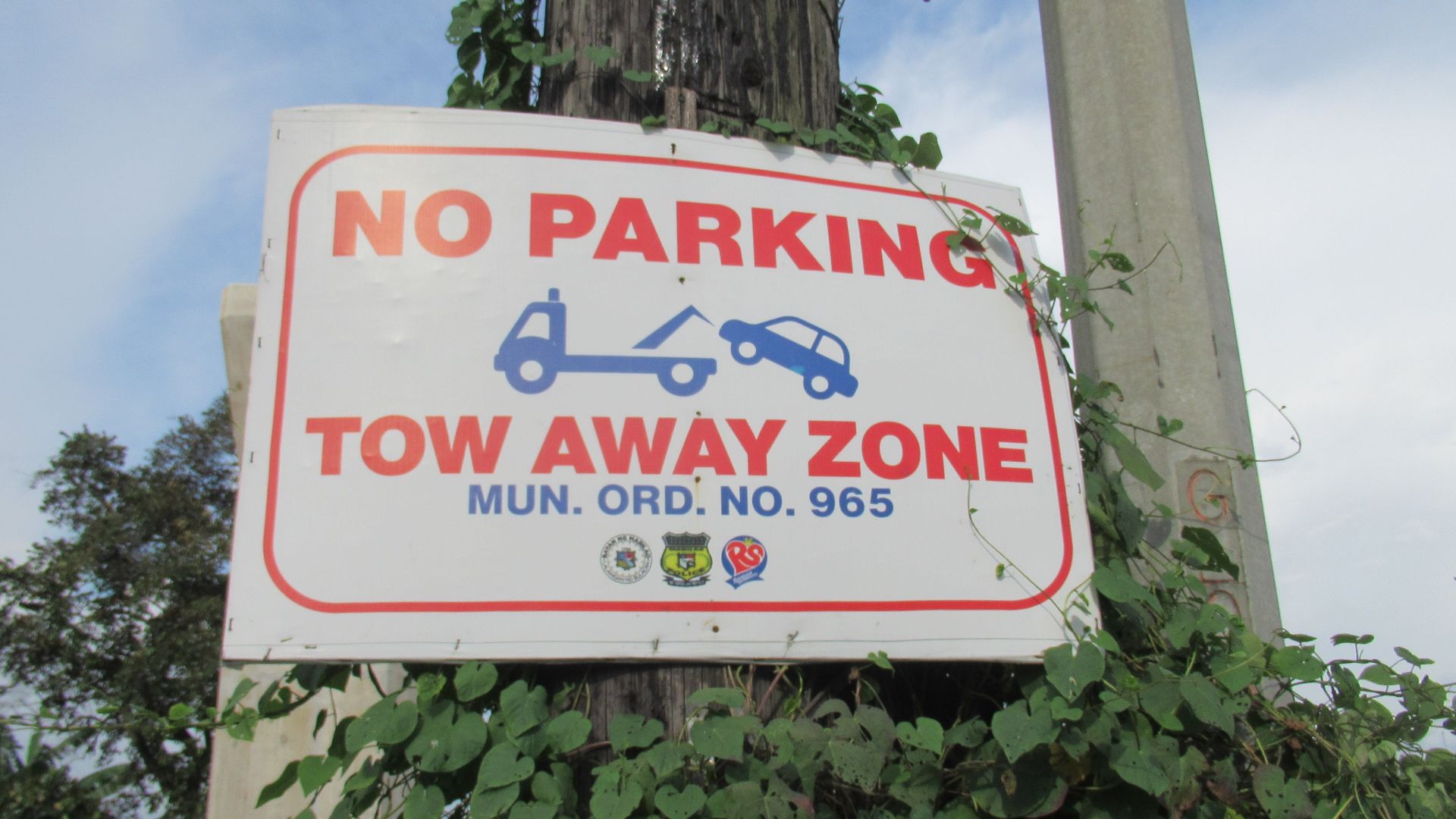
Walk the lot and check for towing signs. Many state laws require specific signs at entrances or near parking areas before unauthorized vehicles can be towed. If the required sign is missing or does not meet the legal standard, the tow may not be allowed or may be easier to challenge.
Do Not Count on the Tow Company to Figure It Out for You
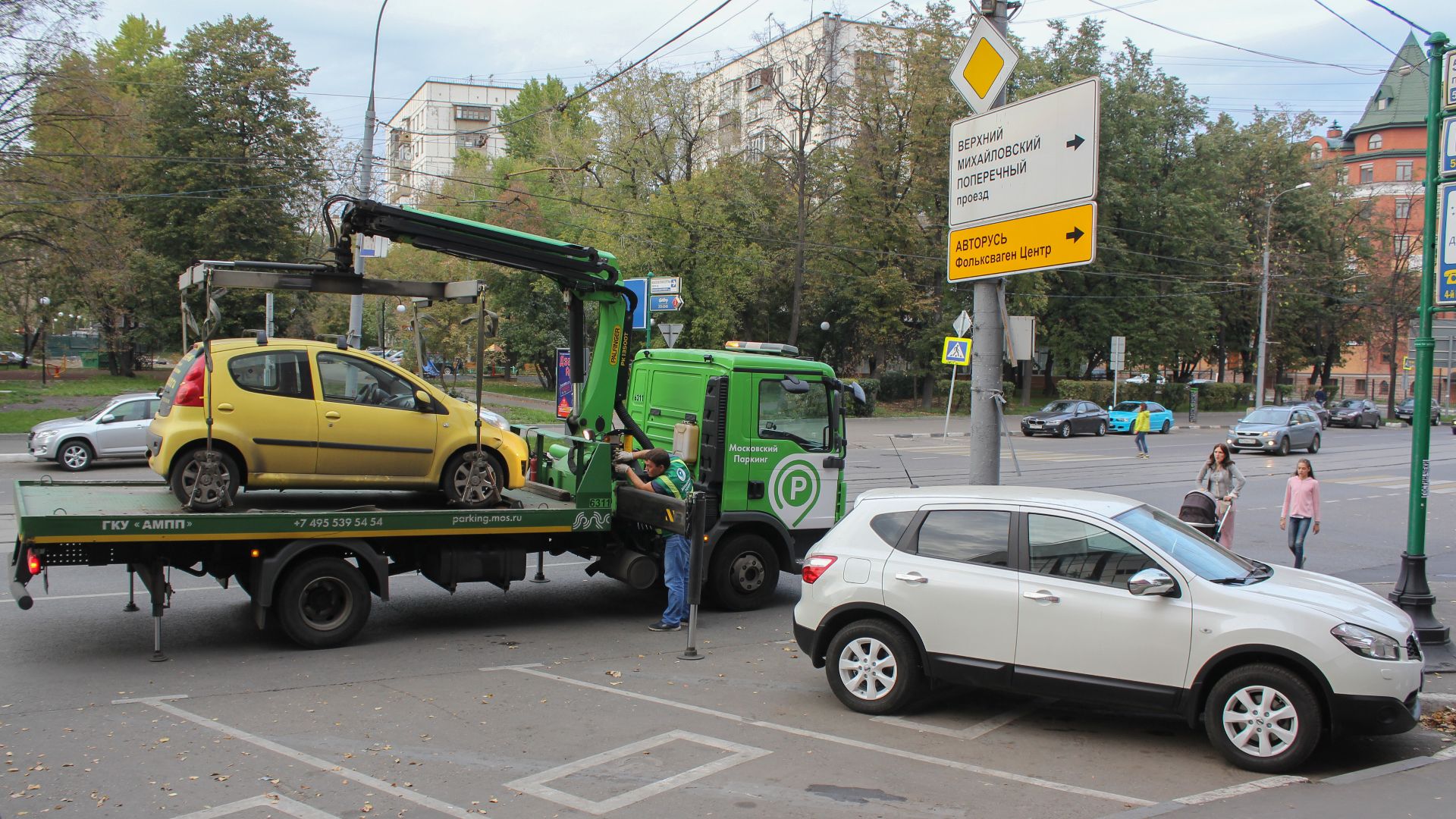
Some people assume they can just call a tow company and leave the decision to the operator. That is risky. Legitimate tow companies usually ask whether you are the property owner or an authorized agent, because towing without proper approval can create liability for them too.
Your First Move Should Be Documentation, Not Payback
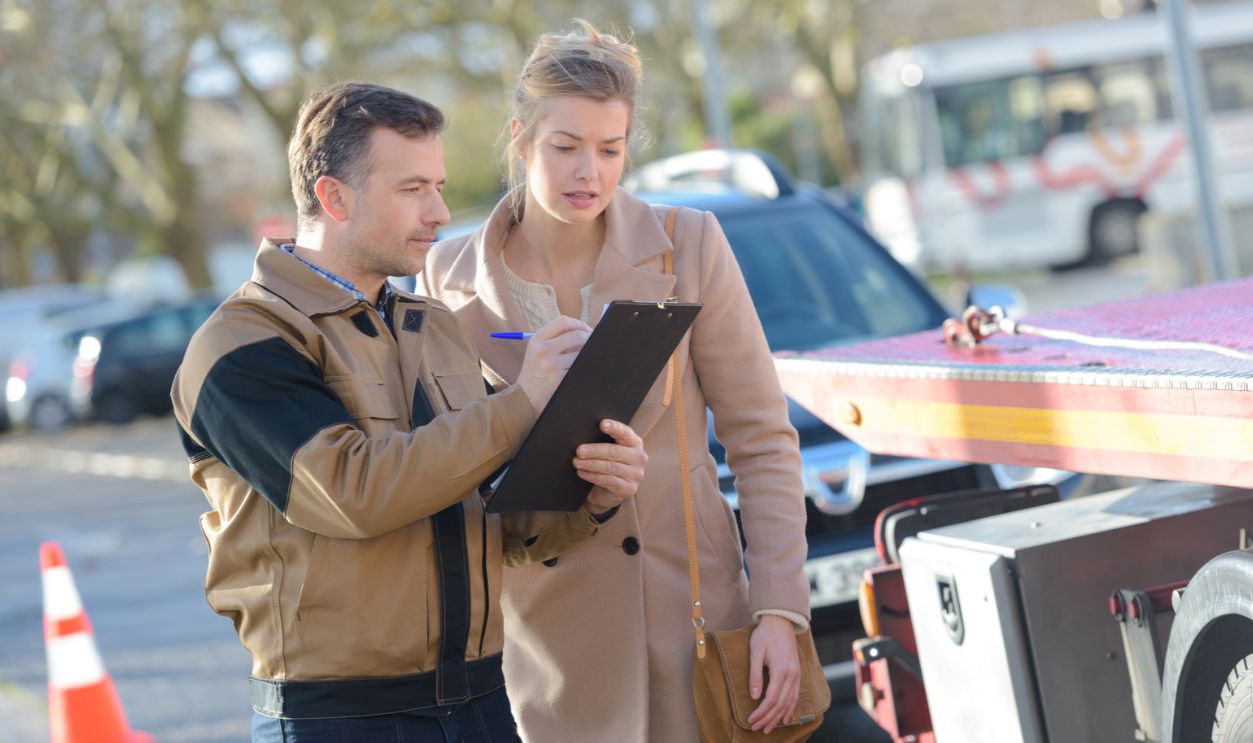
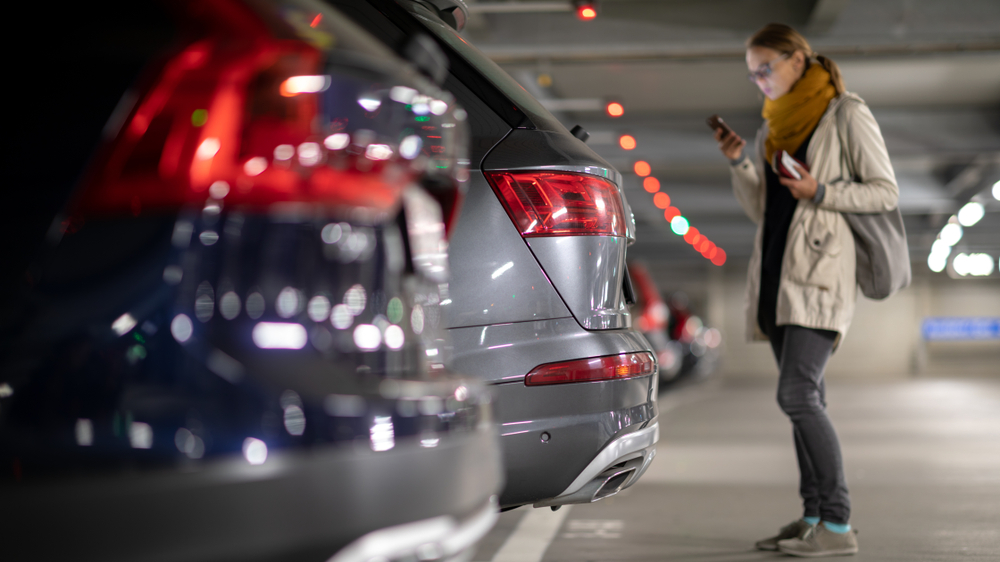
Start building a clean record. Take date-stamped photos of the car in your assigned space, note the time, and save any texts or emails about the problem. A simple log showing repeated violations is often what pushes a landlord or HOA to act, especially if this keeps happening while you are away at work.

Tell Your Neighbor Once, Calmly and in Writing if You Can
If it feels safe, give your neighbor one direct, polite warning. Keep it short and factual. Tell them the space is assigned to you and ask them not to park there again. Written communication helps because it shows you tried the easy fix before escalating.

Then Contact Management Right Away
If you live in an apartment complex or condo community, let management know early. Send photos, your vehicle details, the space number, and a short timeline of repeat incidents. Ask clearly whether management will authorize a tow if the neighbor parks there again.

Be Precise When You Say “Assigned Space”
When you make the complaint, be specific. Say the spot is assigned to your unit under your lease or community rules, and attach the page if you have it. That makes it harder for management to brush it off as just a neighbor argument.

Some Communities Already Have a Towing Process
Many HOAs and apartment complexes already use a contracted tow company and have written enforcement steps. In those cases, the community may need to tag the car first, confirm the violation, or have a manager place the call. If that system exists, follow it exactly.

If Management Will Not Act, Ask for a Clear Written Answer
If the office keeps dragging its feet, ask who has towing authority and what steps are required. Ask whether they will approve a tow on your behalf if the car shows up again. A written response can matter later if the dispute turns into a lease or HOA enforcement issue.

Public Streets and Private Lots Are Not the Same
If your assigned space is actually on a city street or in a curb zone controlled by local government, different parking rules may apply. In that case, local parking enforcement or the police may be the right contact, not a private tow company. Check the signs and confirm who controls the area before you make a call.

Disabled Parking and Fire Lanes Follow Different Rules
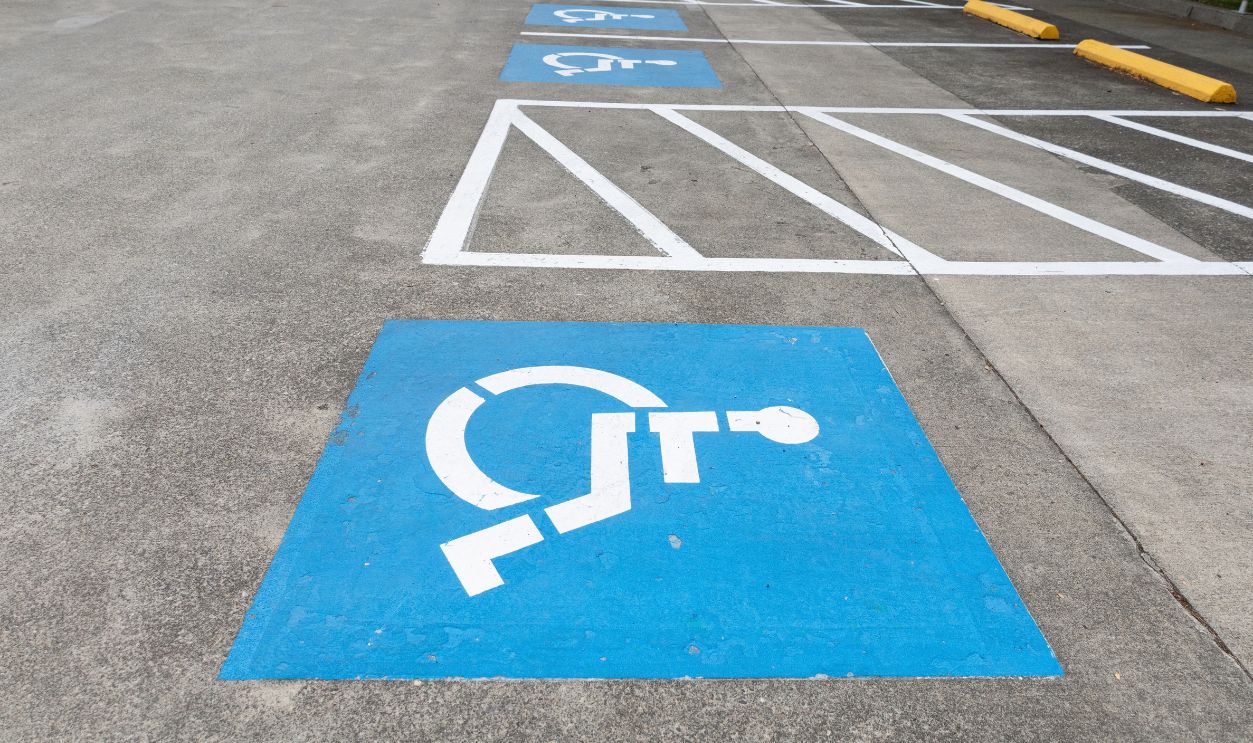
If the car is blocking a marked accessible space or a fire lane, enforcement may be faster and stronger. Those situations can involve law enforcement or code enforcement because safety and access rules come into play. Even then, stick to the facts and do not assume more authority than you have.
Think Twice Before Blocking the Car In
It may be satisfying to trap the neighbor’s car and force a confrontation. In real life, that can start a whole new dispute and may break property rules or local law. It is usually much smarter to document their violation than create one of your own.

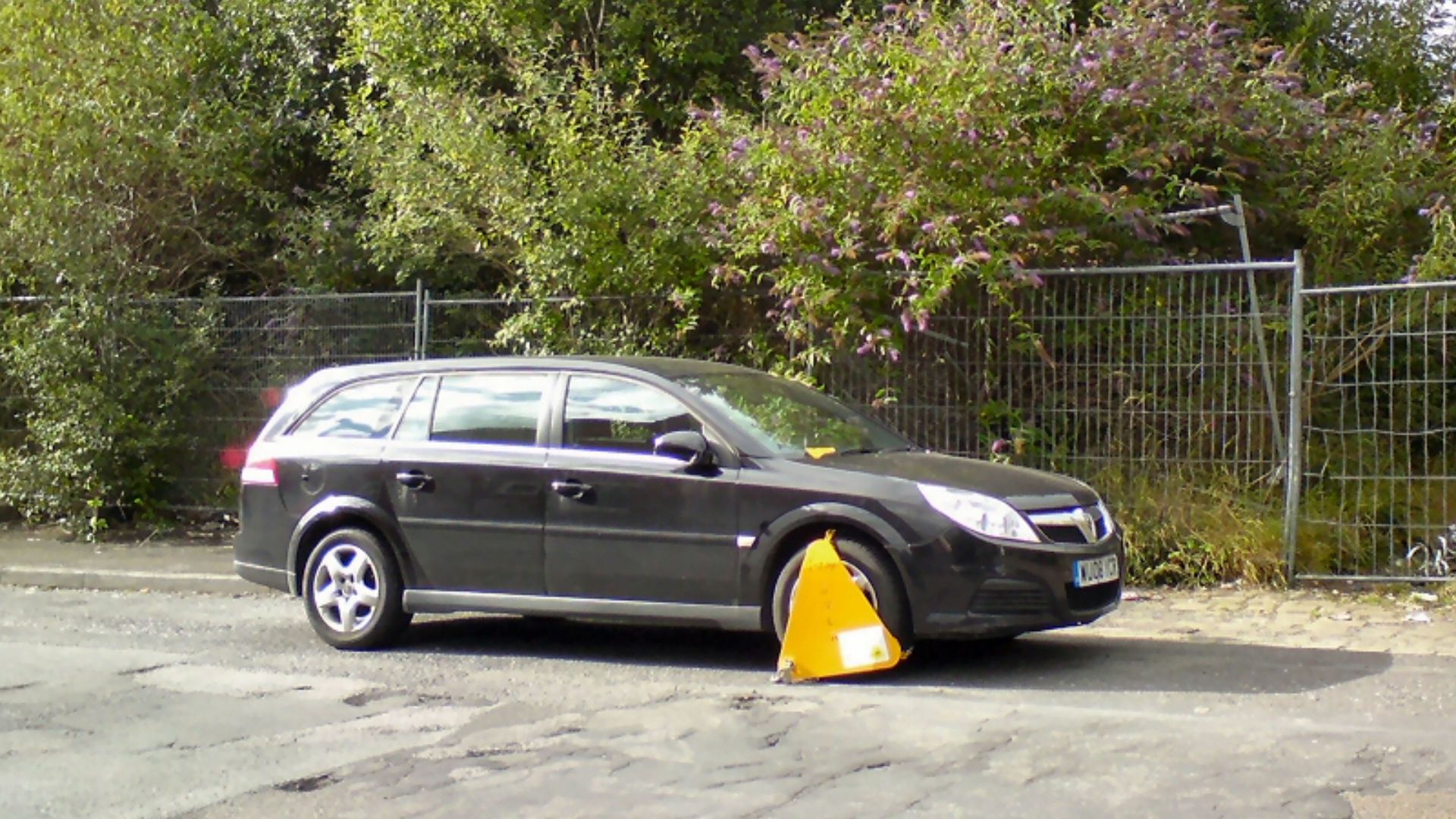
Do Not Touch the Car or Try Your Own Boot
Leaving a note is one thing. Touching the car, deflating tires, or using a boot is something else entirely. Those moves can expose you to civil claims or even criminal accusations. The same goes for threatening messages, which can quickly shift attention away from the original parking problem.
 Gerald England , Wikimedia Commons
If You Pay for the Spot, This May Also Be a Lease Issue
If the assigned space comes with your rent or a separate parking fee, repeated interference may be more than just irritating. It may raise the question of whether the landlord is providing something you are paying for. That gives you another angle when you push management to fix it.
 l i g h t p o e t, Shutterstock
In an HOA, the Board May Need to Step In
Condo and homeowner associations often have parking rules in their governing documents. If your neighbor is breaking those rules, the board may be able to warn, fine, or tow through the community’s usual process. That is another reason to keep your complaint factual, organized, and backed up with photos.

Calling the Police Usually Is Not the First Move
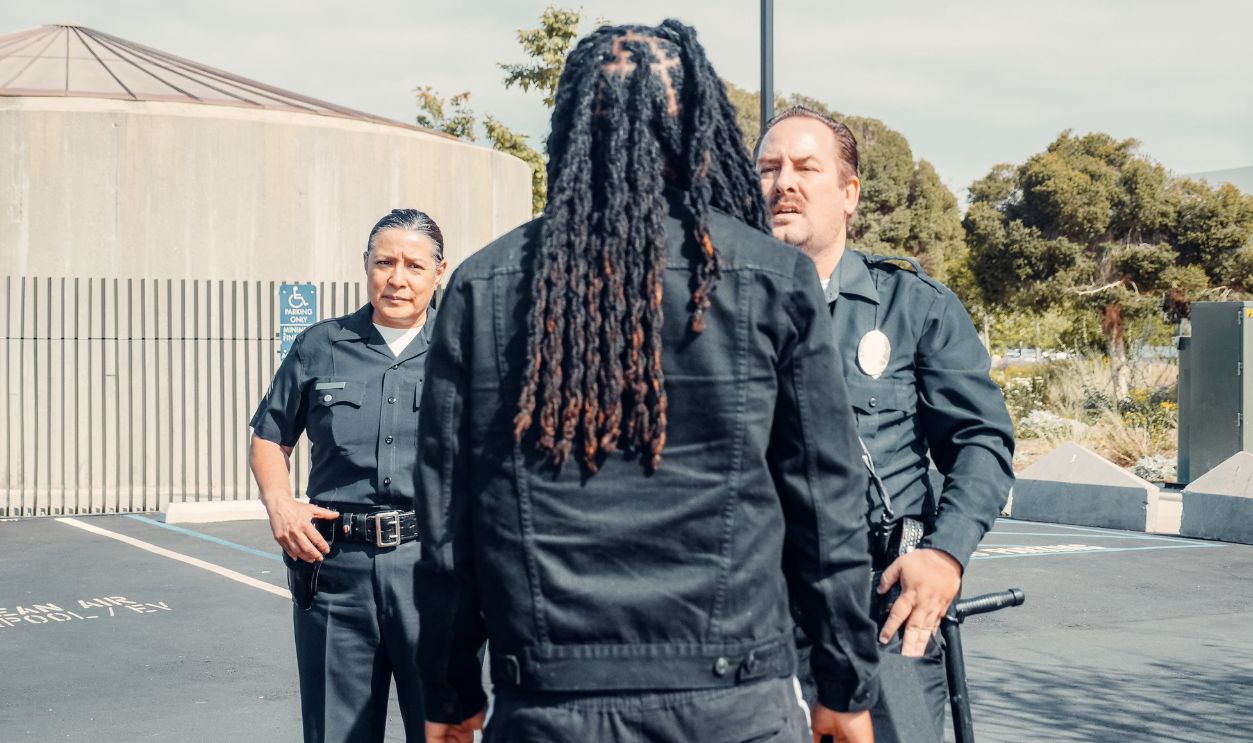
For a basic assigned-space dispute on private property, police may see it as a civil issue or a property management matter unless some other law is being broken. That does not mean you are out of options. It usually means your best shot is management, HOA enforcement, or the property’s towing policy.
So, Can You Have the Car Towed?
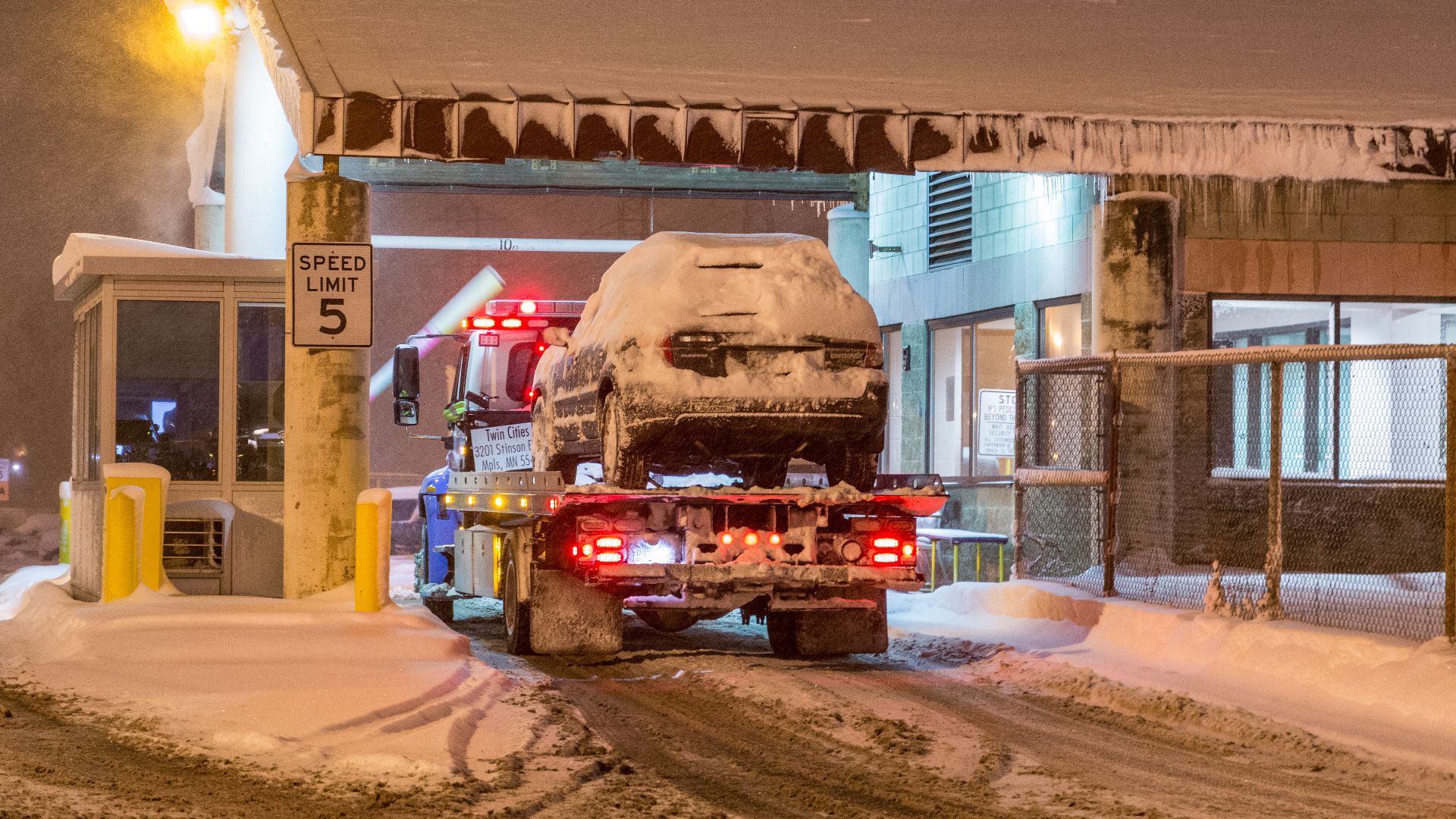
Sometimes, yes, but only if you actually have legal or contractual authority to do it. In many apartment and HOA settings, the answer is no, not on your own, because the property owner or authorized manager has to approve the tow under state law and community rules. The fastest safe path is to confirm the rules, document the problem, and get written approval before any truck is called.
 Tony Webster from Minneapolis, Minnesota, United States, Wikimedia Commons
The Smartest Move Is a Strong Paper Trail
A neighbor taking your assigned parking space is frustrating, but a sloppy response can make things worse. Your best move is a calm record, a clear complaint, and a towing process that follows your lease and state law. It may not be dramatic, but it is the approach most likely to get your spot back and keep it that way.