When Nobody Wants To Put It On A Lift
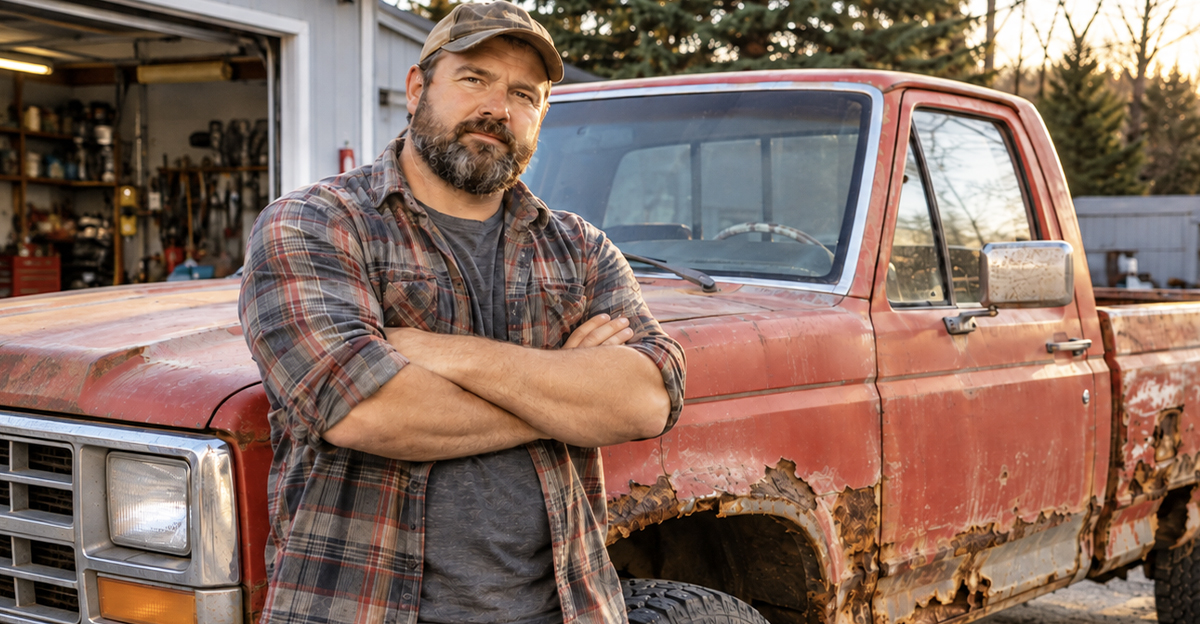
You expected an old pickup restoration to involve rust. What you probably didn’t expect was shop after shop refusing to touch it altogether. That doesn’t automatically mean the truck belongs in a scrapyard, but multiple refusals are a warning worth taking seriously.
Severe corrosion can turn an ordinary mechanical repair into structural fabrication, and the first job is figuring out exactly how much sound metal is still underneath the truck.
A Mechanic Saying “No” Isn’t Necessarily A Death Sentence
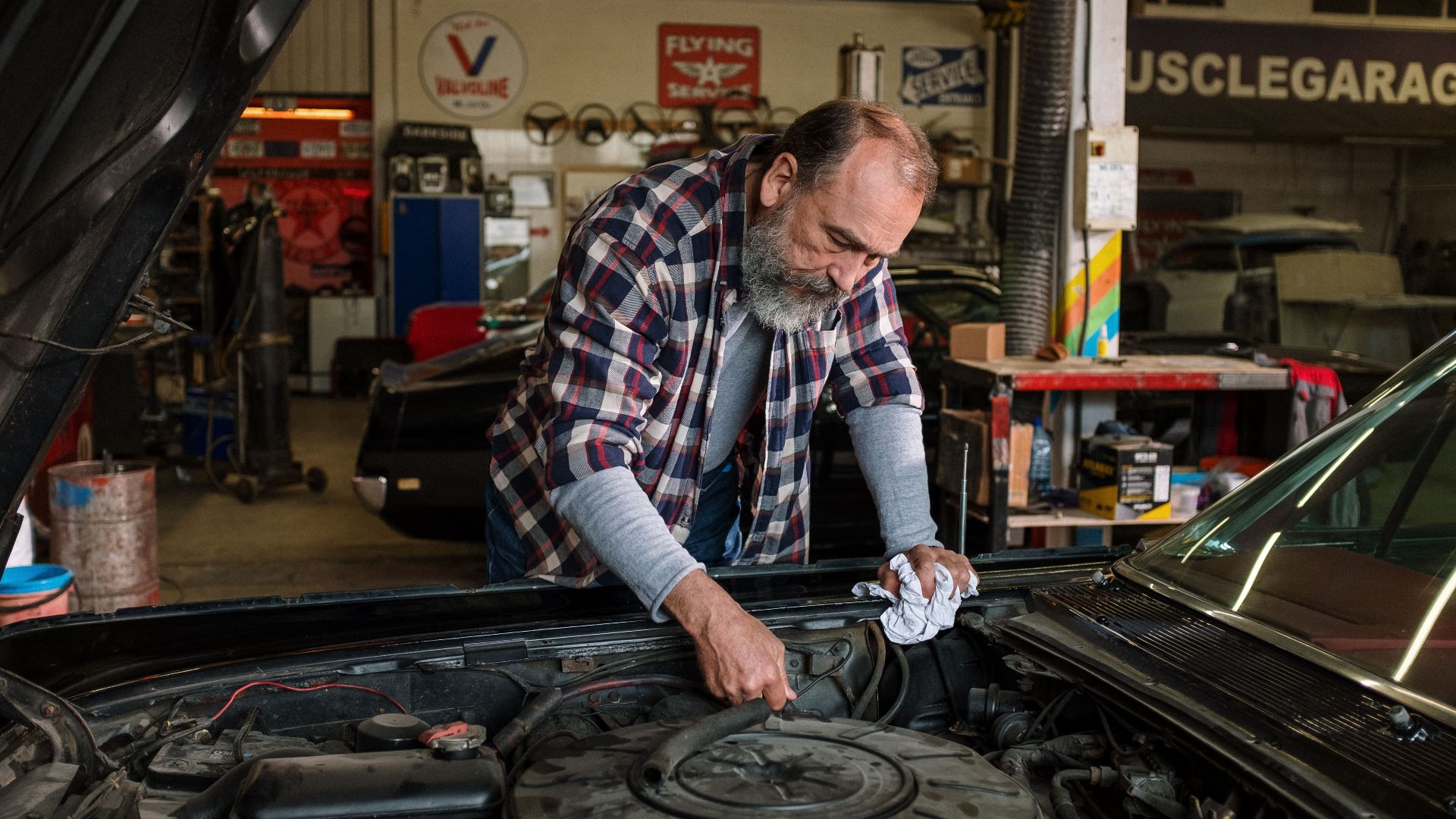
Most general repair shops are set up to replace brakes, suspension parts, engines, and other components, not reconstruct badly corroded frames and bodies. A mechanic may turn the truck away because the job falls outside the shop’s equipment, expertise, insurance tolerance, or available time. That’s different from a restoration specialist examining the truck and determining that it genuinely can’t be repaired safely.
But Don’t Ignore Several Shops Giving The Same Warning
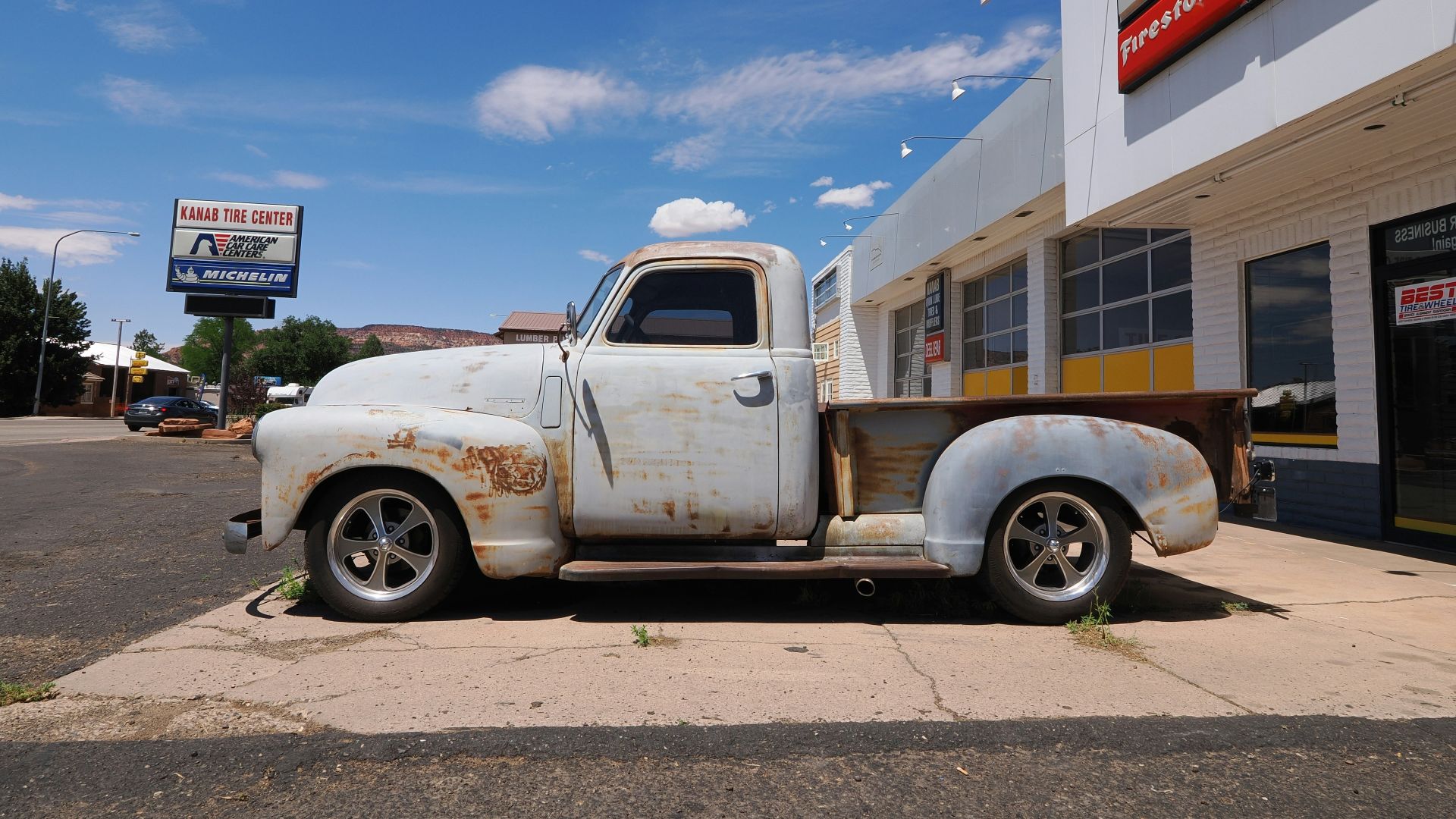
If every technician who sees the pickup immediately backs away, resist the temptation to assume they’re all being overly cautious. Serious frame corrosion can affect suspension mounting points, steering components, body mounts, fuel-system supports, and the truck’s ability to carry loads safely. At some point, this stops being a cosmetic restoration project and becomes structural reconstruction.
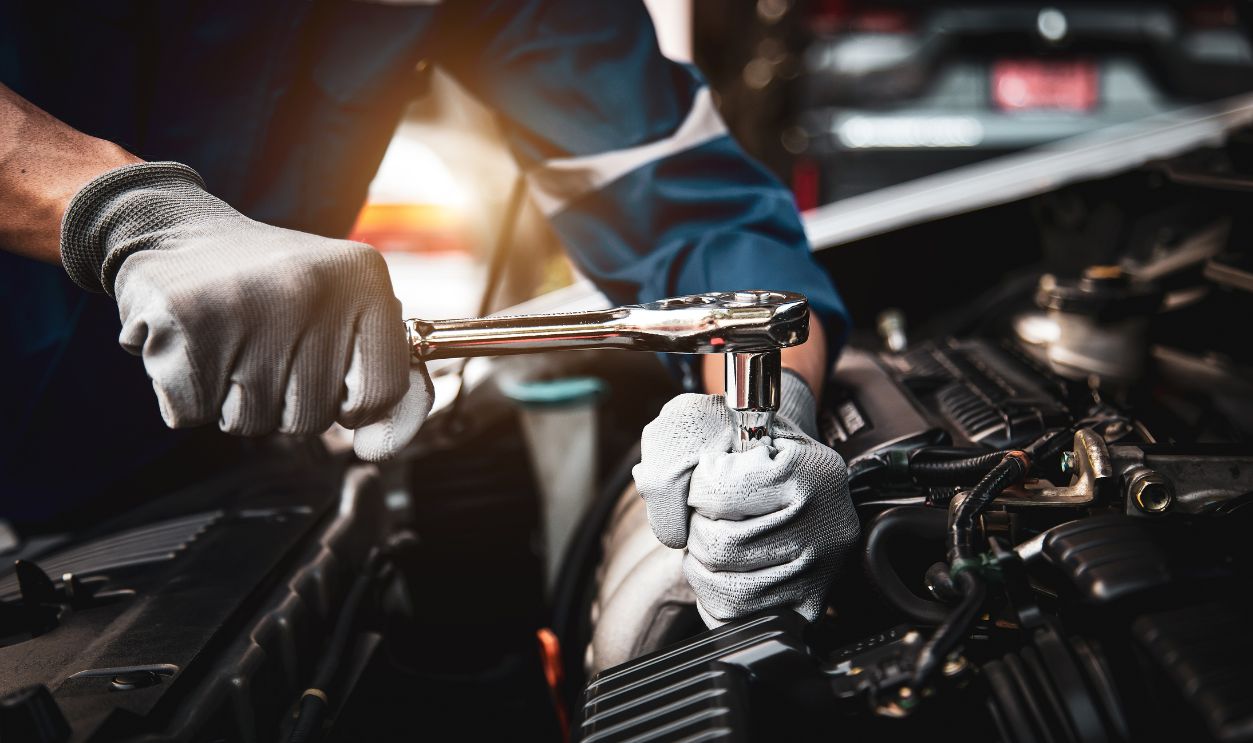 Eakrin Rasadonyindee, Shutterstock
Figure Out Whether The Rust Is Cosmetic Or Structural
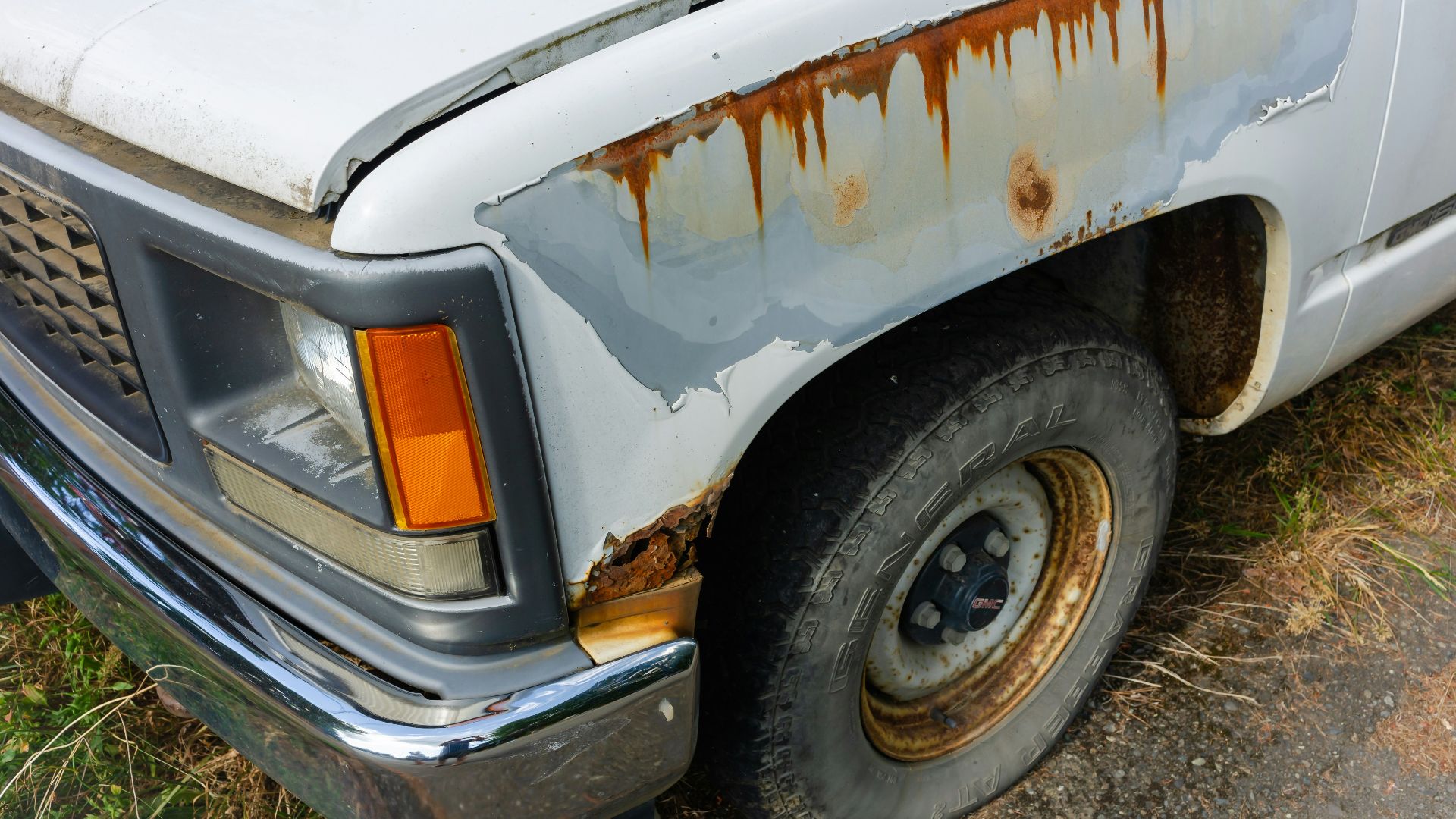
Surface rust on a bumper, bedside, or fender can look terrible without making the truck unsafe. Structural rust is different. Perforated frame rails, weakened crossmembers, rotted suspension mounts, compromised cab mounts, or metal that has become paper-thin can affect the vehicle’s strength. That distinction should drive practically every decision that follows.
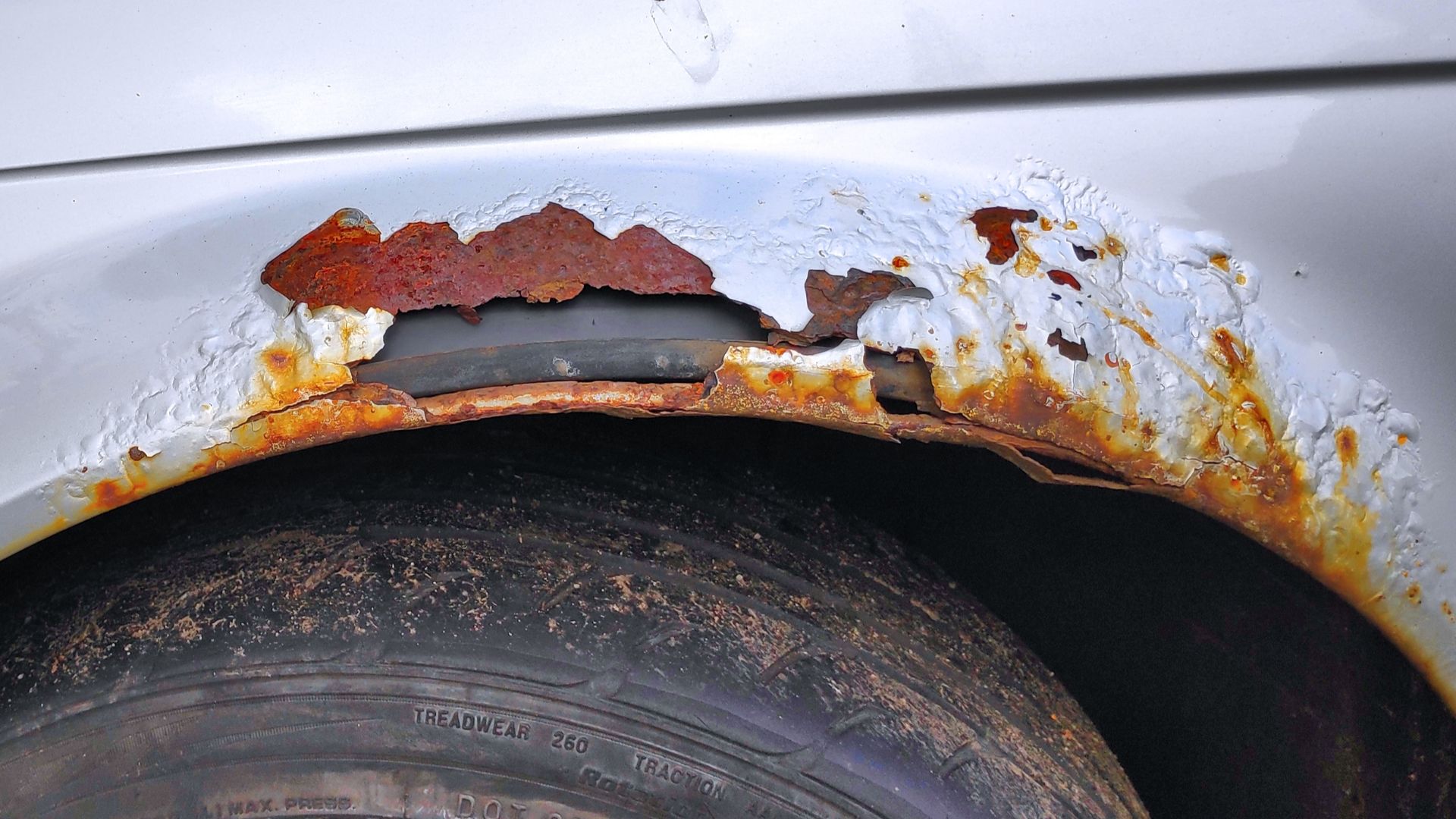 Marek Ślusarczyk (Tupungato) Photo portfolio, Wikimedia Commons
The Frame Is The Big Question
On a traditional body-on-frame pickup, the chassis is the foundation supporting the drivetrain, suspension, cab, and bed. Severe corrosion there deserves far more attention than rusty outer sheet metal. Some state inspection programs specifically reject frames that are perforated or weakened by corrosion, although the exact standards vary. Before spending money on paint or mechanical upgrades, determine whether the foundation underneath everything else is salvageable.
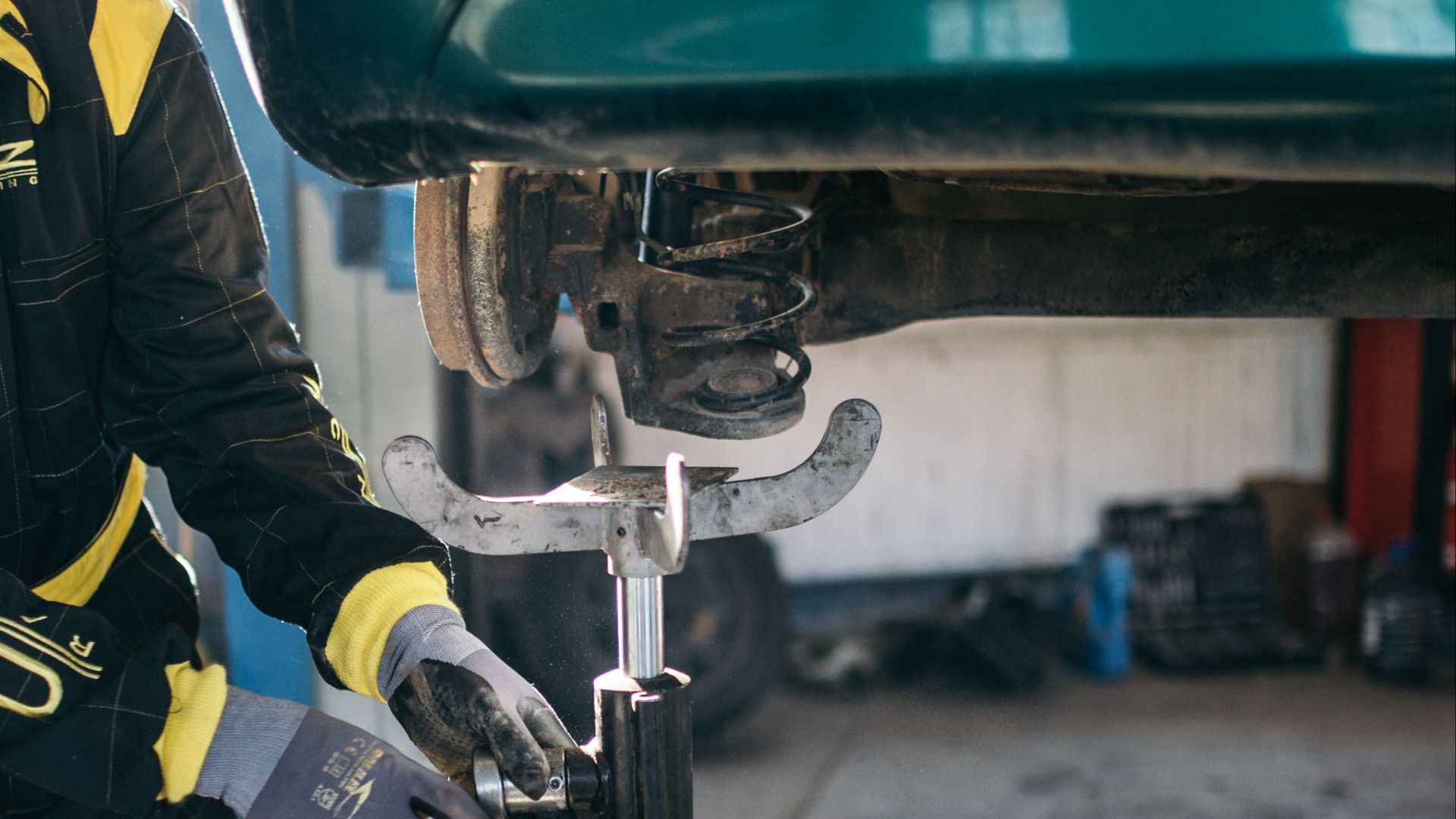 Shixart1985, Wikimedia Commons
There’s A Reason A Shop May Refuse To Lift It
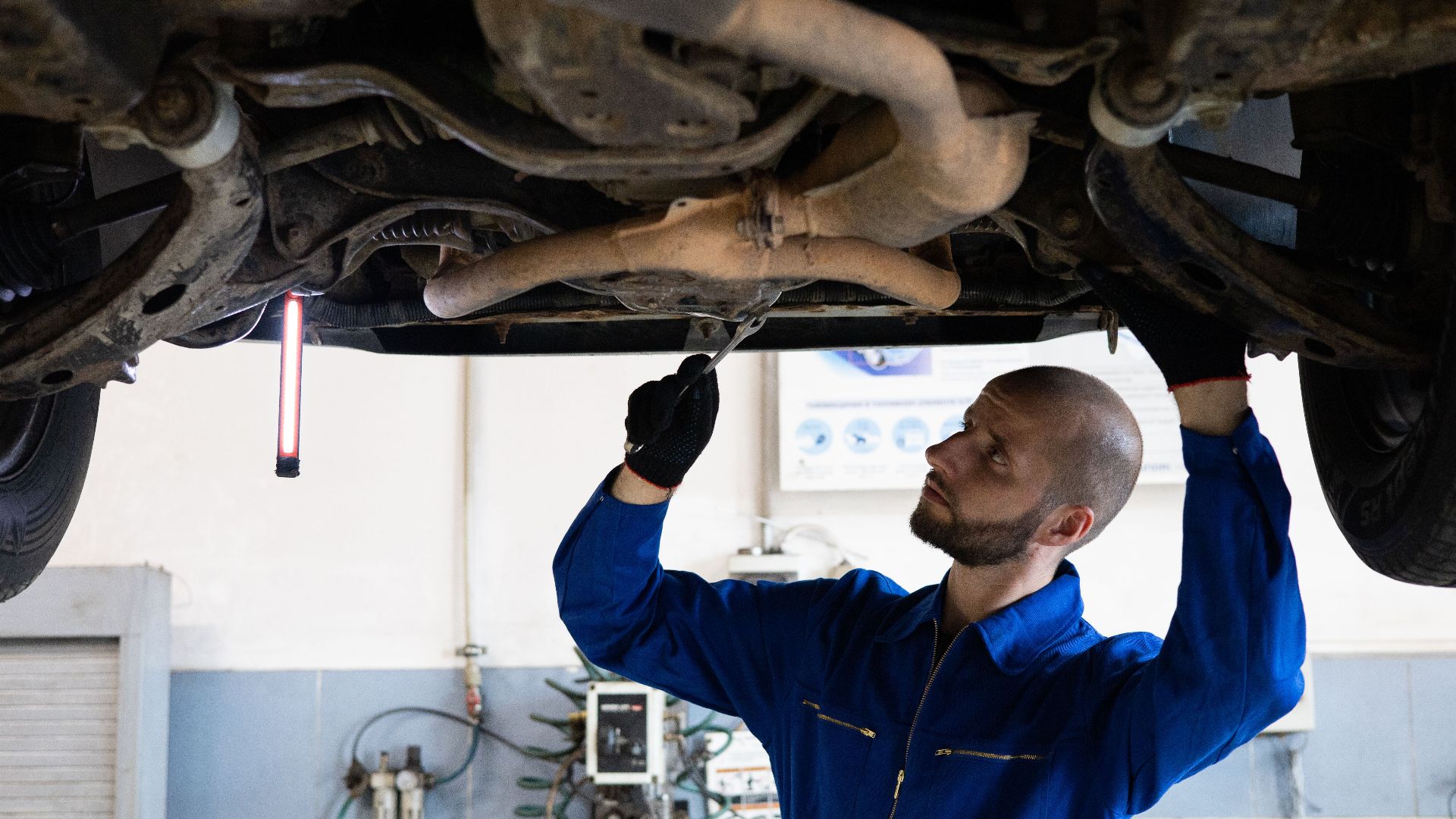
A badly rusted truck can create a problem before the mechanic even removes a wheel. Automotive lift guidance warns technicians to inspect vehicle lifting points for corrosion or damage that could affect support. If the designated lift areas are badly compromised, raising the vehicle can create risks for both the truck and the technician standing underneath it. A refusal to put it on a two-post lift may therefore be a safety decision rather than laziness.
Ask Every Shop What Specifically Scared Them Off
Instead of accepting “too rusty” as the entire diagnosis, ask what they found. Are the frame rails perforated? Are the spring hangers failing? Are the cab mounts disappearing? Is the concern simply that bolts will break during ordinary repairs? Different answers lead to different solutions. Get photographs if possible so you can show a restoration specialist exactly why the previous shops refused the job.
You Probably Need A Different Kind Of Shop
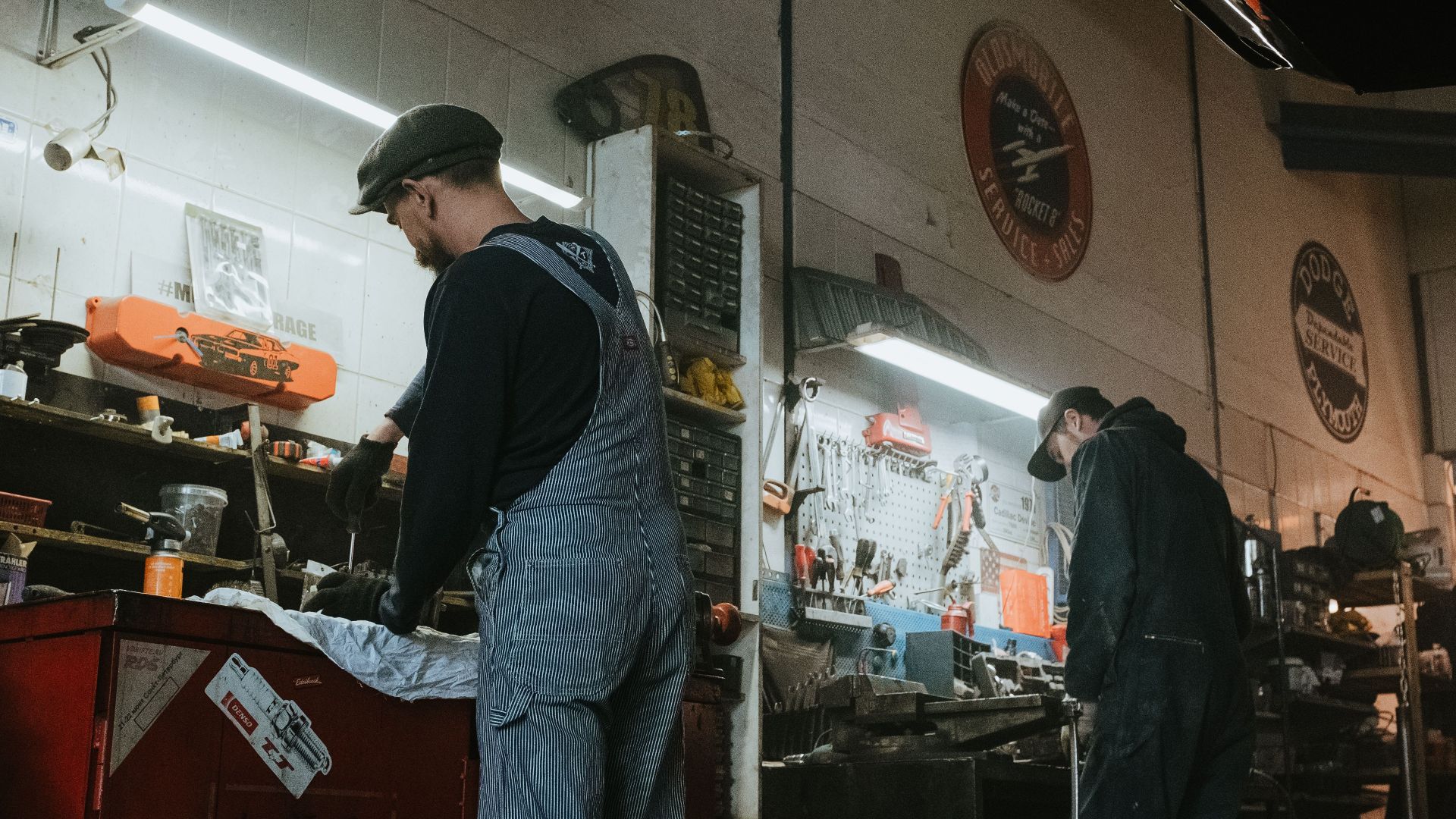
Start searching for classic-truck restoration shops, collision facilities experienced in frame work, automotive fabrication shops, or businesses specializing in rust repair. Ask specifically whether they repair structural corrosion on body-on-frame trucks. Welding ability alone isn’t enough; you want someone accustomed to evaluating load-bearing automotive structures and deciding whether a repair, partial reconstruction, or complete frame replacement makes sense.
Have The Truck Transported If Its Structure Is Questionable
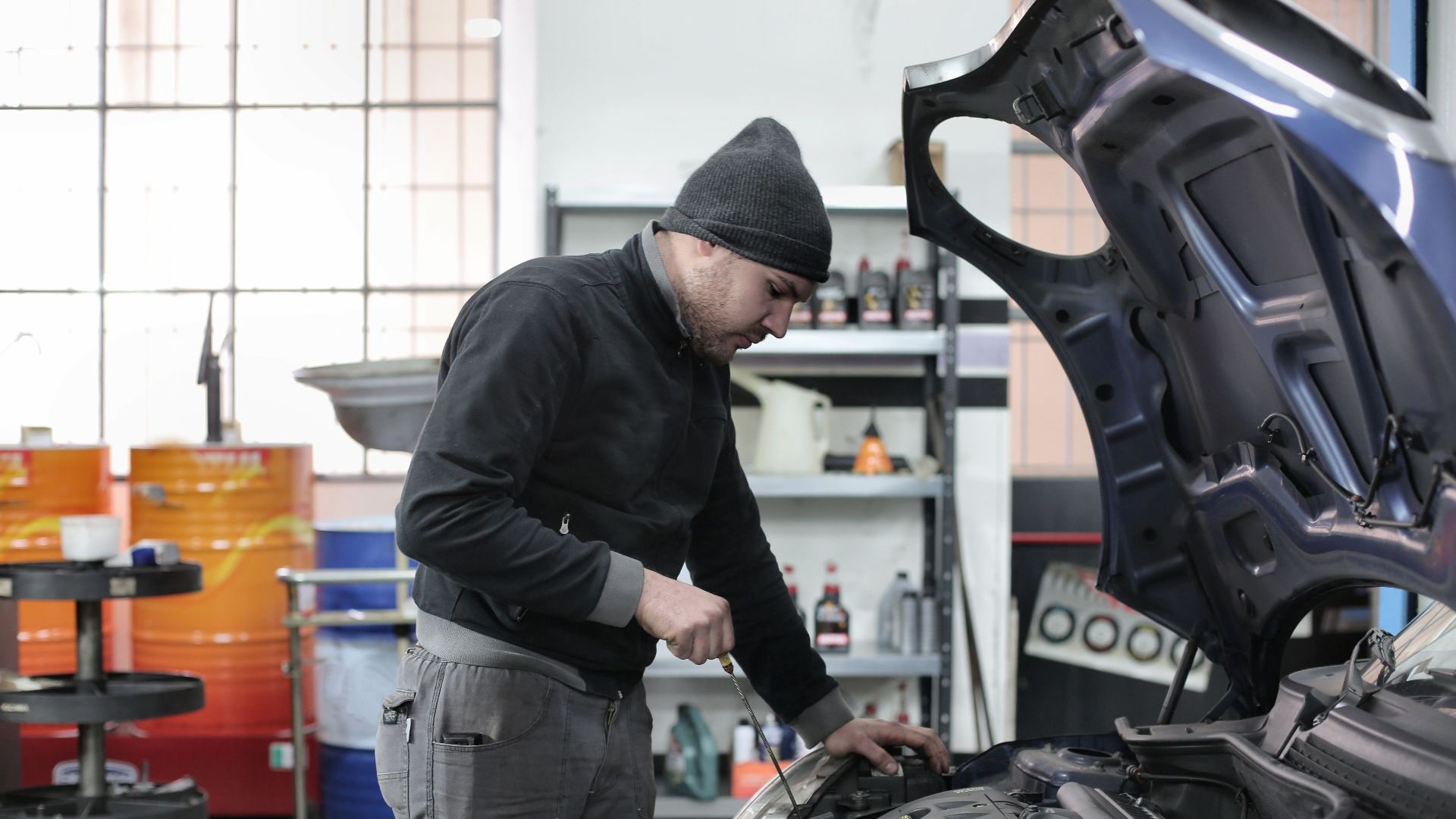
If there are holes around suspension mounts, steering attachment points, spring hangers, or badly weakened frame sections, don’t prove the truck is still roadworthy by driving it across town. A rollback tow is cheap compared with losing a suspension attachment or experiencing structural failure on the road. Let the restoration shop decide whether it’s safe to drive after inspecting it.
The First Inspection May Make The Truck Look Worse
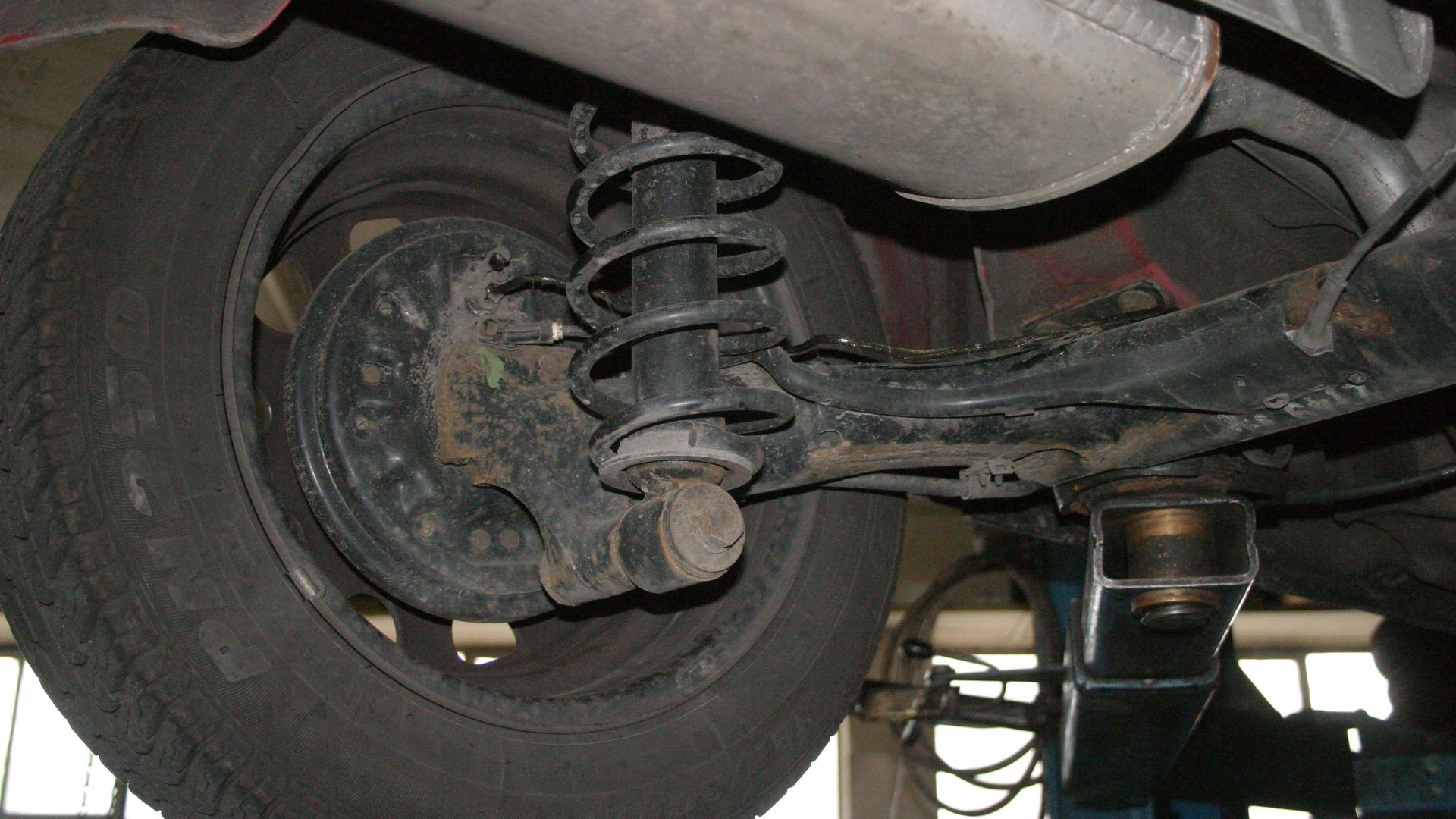
Restoration shops often need to remove heavy scale, undercoating, dirt, or old repairs before they can determine how much healthy steel remains. Media blasting can reveal holes and thin areas that weren’t obvious beforehand. That feels like the restoration process created more rust, but really it exposed damage that was already hiding underneath. A realistic estimate should come after the extent of the corrosion is understood.

Pay Special Attention To Mounting Points
Rust near a flat section of frame is one thing. Corrosion around suspension brackets, steering mounts, spring hangers, shock mounts, engine mounts, transmission supports, or body mounts can be much more consequential because those areas carry concentrated loads. Ask the specialist to identify every structurally important attachment point and whether there is enough sound surrounding metal for a proper repair.
Check For Old Repairs Hiding Under The Rust
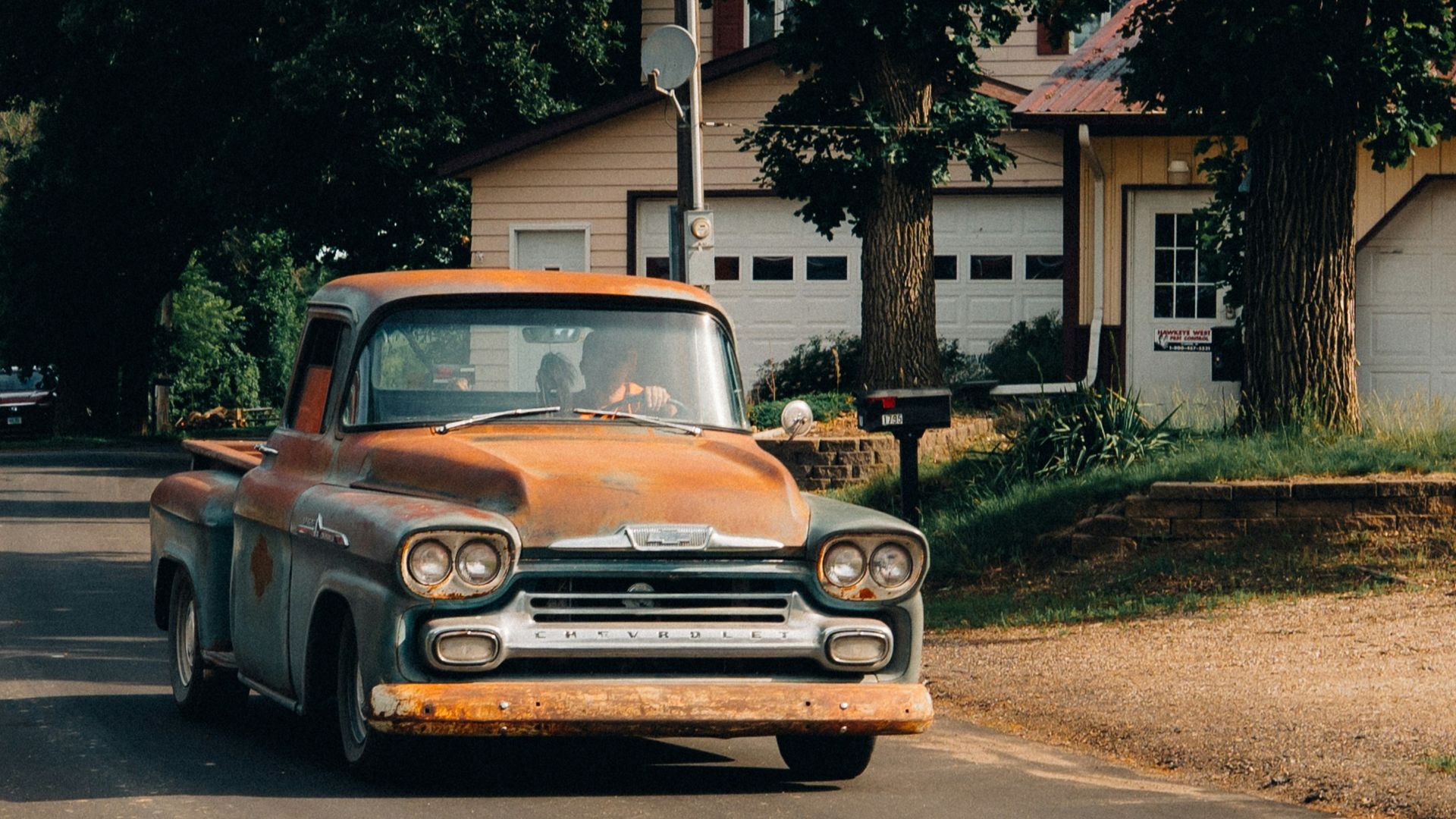
An old pickup may have been patched long before you owned it. Look for welded plates, overlapping steel, unusual undercoating, crude brackets, or frame sections that don’t match the opposite side. A previous repair isn’t automatically bad, but welding new steel onto an already questionable old patch can turn into layers of increasingly dubious metal. Sometimes removing an earlier repair reveals a much larger job underneath.

Search The VIN For Corrosion Campaigns And Recalls
Before paying for major frame work, check the VIN through NHTSA and contact the manufacturer. Some pickups and SUVs have had corrosion-related recalls, warranty extensions, or service campaigns over the years. Toyota, for example, previously ran extensive frame-corrosion programs on certain Tacoma, Tundra, and Sequoia models in salt-heavy regions. An old program may no longer apply to your specific vehicle, but it costs nothing to check before funding the repair yourself.

Rusty Body Panels Are Usually The Easier Part
Fenders, doors, bedsides, cab corners, rocker panels, and even complete pickup beds can often be replaced or reconstructed more easily than a rotten structural frame. Popular classic trucks have enormous reproduction-parts support, sometimes including complete body panels. If the chassis is solid, ugly body rust may be a manageable restoration challenge rather than a reason to abandon the project.
Structural Patches Have To Reach Solid Steel
A legitimate frame repair isn’t just a metal plate welded over whatever rust remains visible. Damaged material may need to be cut back until sound steel is reached, then replacement material must be shaped and welded appropriately. Restoration examples from professional suppliers show frame repairs beginning by removing weakened metal rather than covering it up. A beautiful weld attached to paper-thin steel is still a bad repair.
Not Every Frame Should Be Patched
If corrosion is isolated, a properly engineered repair may be practical. If rust extends through long sections of both rails, multiple crossmembers, suspension mounts, and internal boxed areas, replacing patches one after another can become both expensive and questionable. At some point, installing a better frame may involve less uncertainty than attempting to rebuild the original one piece by piece.

A Complete Frame Swap Can Save A Truck
For desirable older pickups, another original frame or a reproduction chassis can sometimes provide the foundation for a proper rebuild. A frame swap is major work because the body, drivetrain, suspension, brake lines, fuel system, wiring, and numerous smaller components may need to be removed or transferred. But when the original frame is extensively rotten, starting again with sound structure can be the cleaner restoration strategy.
Donor Frames Need Careful Inspection Too
Don’t buy another 40-year-old frame simply because someone pressure-washed it and painted it black. Inspect it before purchase, especially inside boxed sections and around suspension mounts. A donor chassis from the same salt-heavy region may simply be a slightly less rusty version of what you already own. Ideally, have the restoration shop evaluate it before you pay for shipping and teardown.

Frame Swaps Can Create Paperwork Questions
Before replacing the chassis, check how your state identifies and titles older vehicles. Depending on the truck and jurisdiction, identification numbers may appear on the frame as well as the body, and major reconstruction can create inspection or documentation requirements. Keep purchase receipts and photographs of the donor or replacement chassis, and ask your DMV about the process before grinding, welding, or painting over identification markings.
Get A Whole-Project Estimate, Not Just A Frame Quote
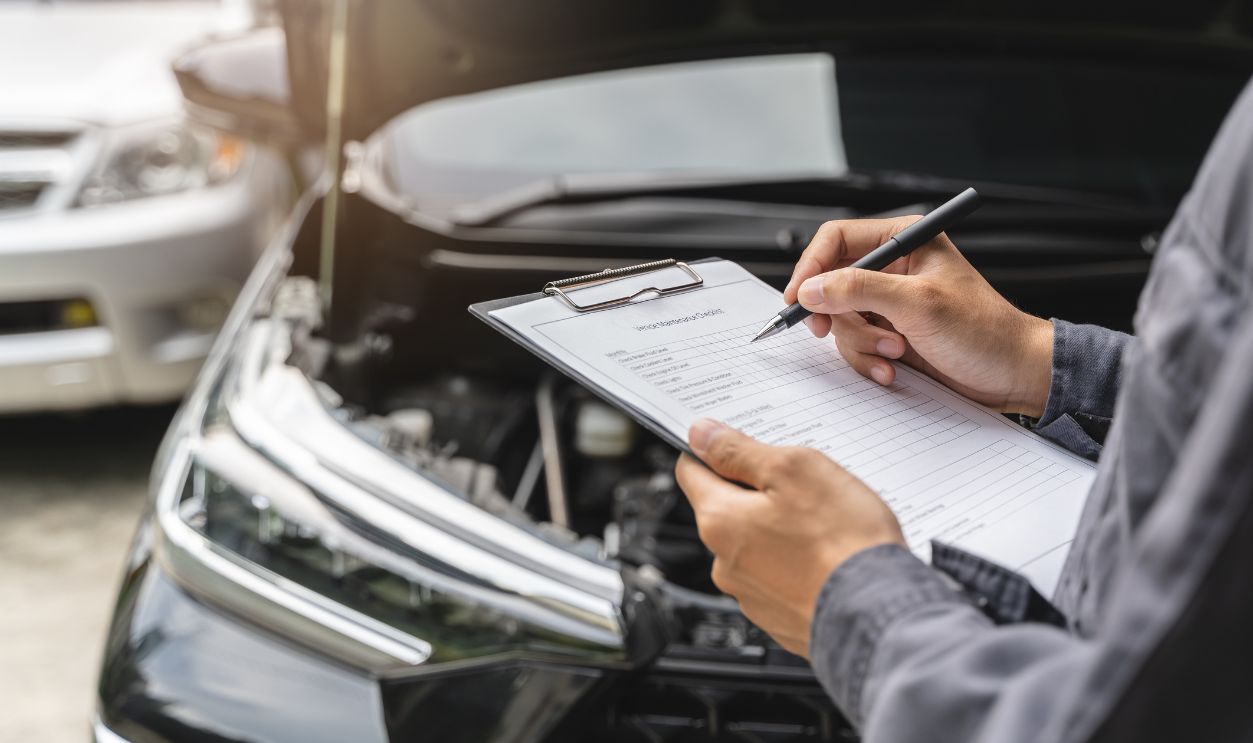
A $6,000 structural repair doesn’t mean you’re $6,000 away from having a restored truck. Once disassembly begins, the shop may find rusty brake lines, seized suspension hardware, deteriorated fuel lines, damaged body mounts, worn bushings, exhaust problems, and corroded electrical connections. Ask for a realistic range covering the structural repair and the likely work needed to put the truck safely back together.

Rust Restoration Has A Habit Of Snowballing
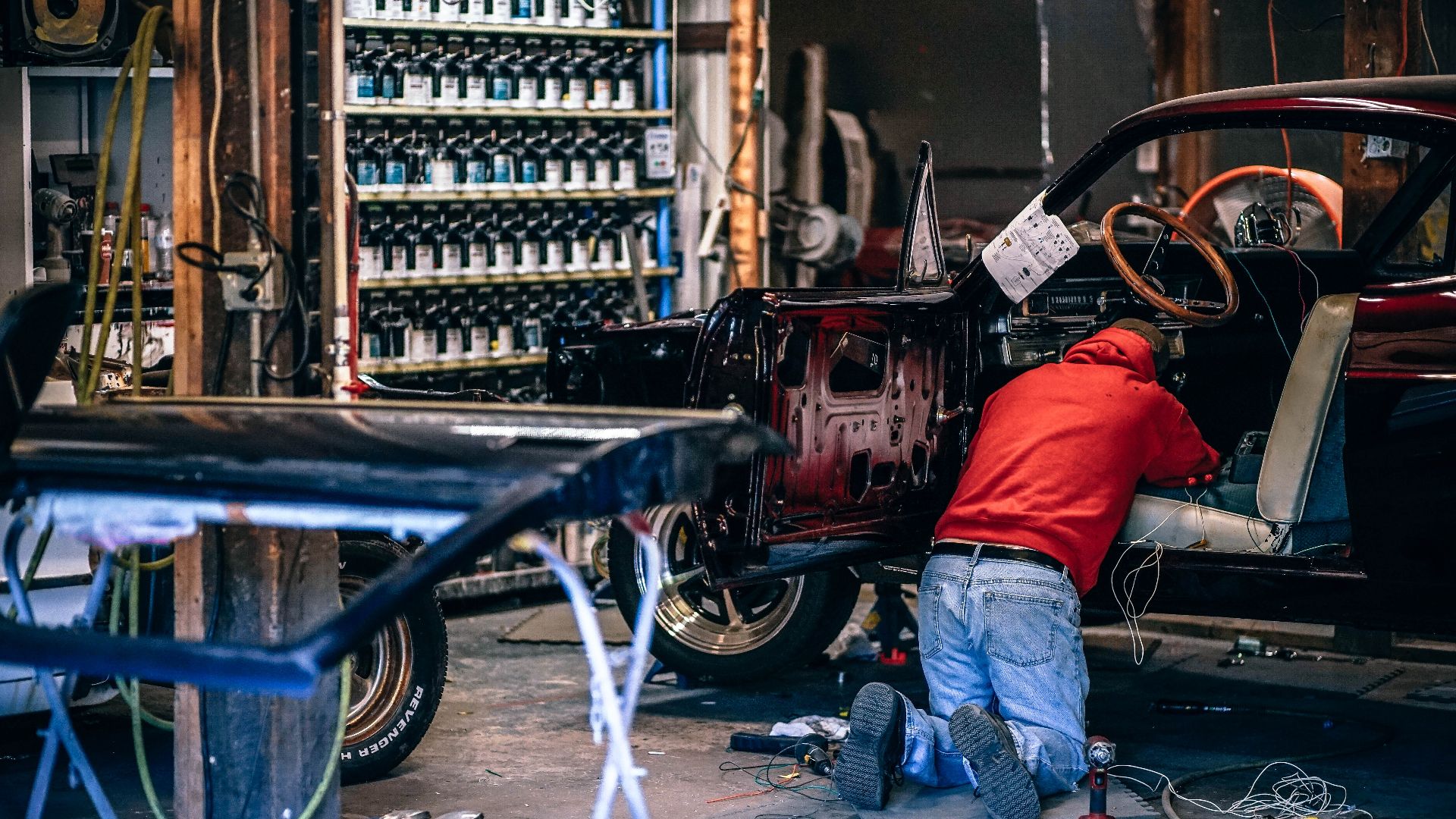
The first rusty cab mount leads to removal of the carpet, which reveals a rotten floor, which connects to a bad rocker, which leads to a cab corner. That’s normal restoration territory, but it can destroy a budget built around repairing one visible hole. Decide in advance how much money you’re willing to put into discovering the next problem because disassembly frequently uncovers more than anyone could see at the initial inspection.
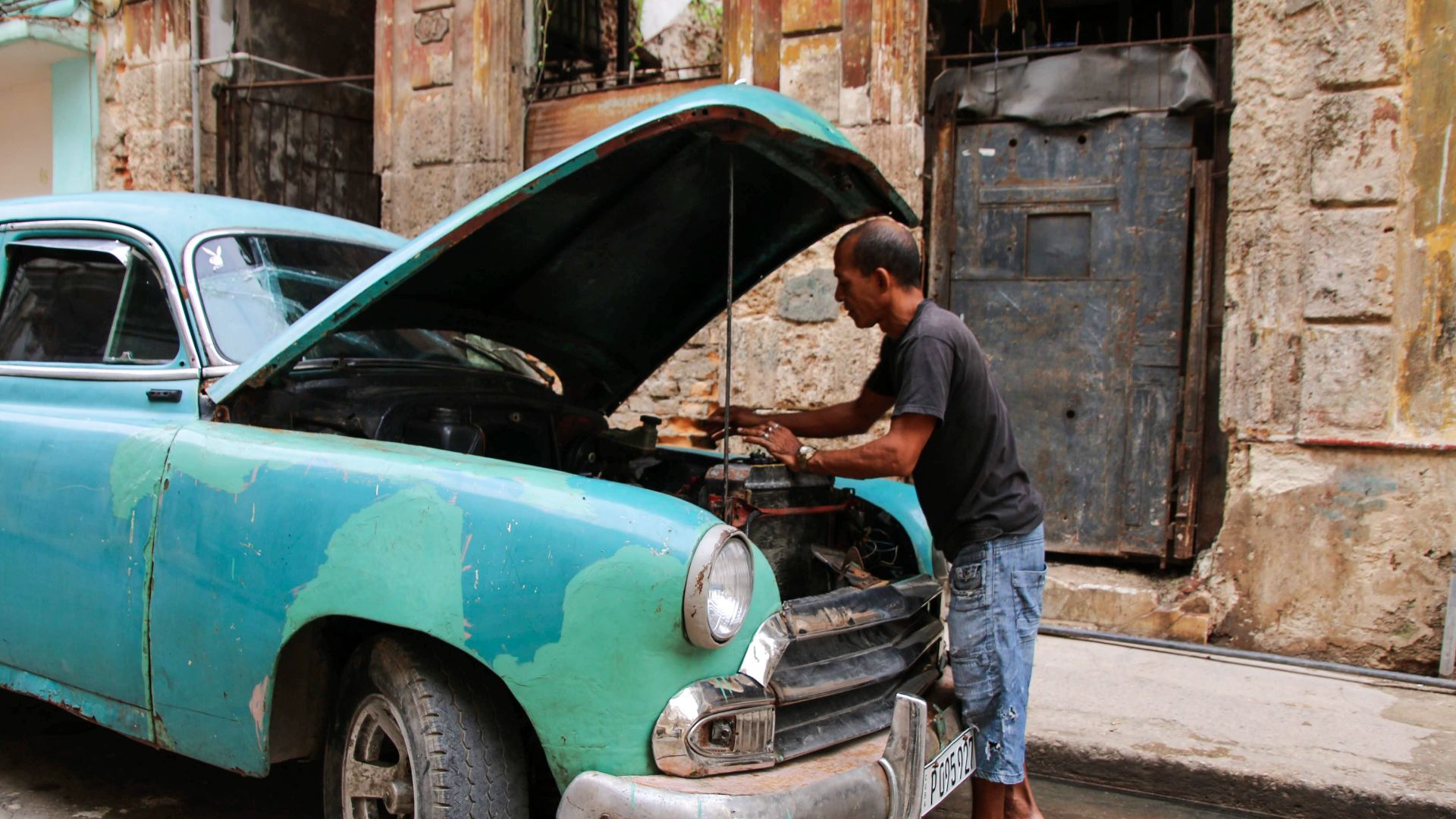
 Igor Ovsyannykov igorovsyannykov, Wikimedia Commons
Decide What Kind Of Truck You Actually Want At The End
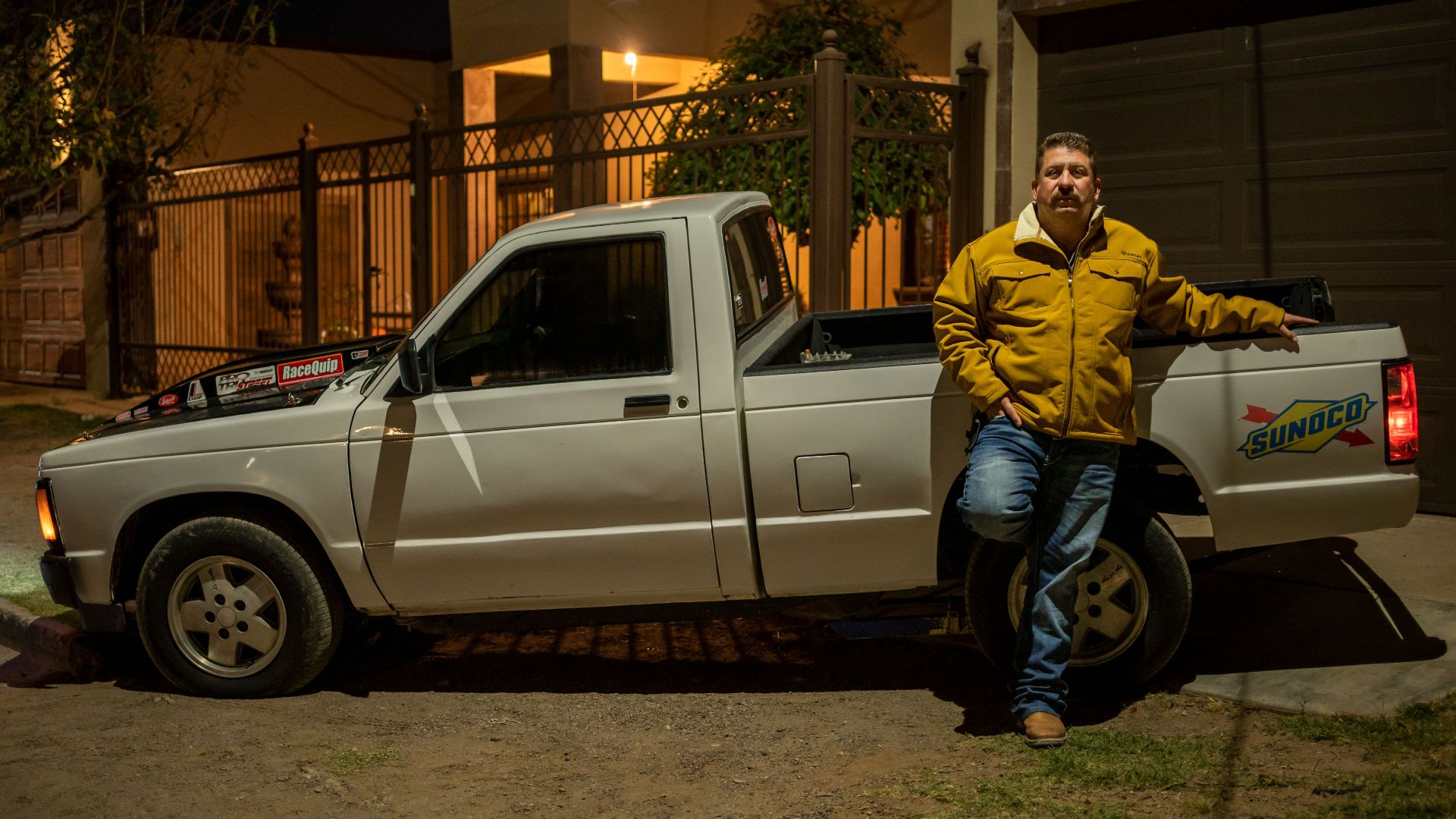
A safe weekend driver requires a different level of work from a concours restoration. If your goal is simply to preserve Grandpa’s pickup and drive it locally, you may not need flawless factory-correct metal everywhere. If you want a show-quality restoration, nearly every rusty panel may need to be replaced or rebuilt. Tell potential shops what outcome you expect so their estimates aren’t solving a much bigger problem than you actually have.

Compare The Restoration Cost With Your Reason For Doing It
Old trucks don’t have to make financial sense to be worth restoring. Sentimental value can absolutely justify spending more than the finished vehicle would sell for. Just make that decision consciously. Find out the truck’s approximate restored market value, estimate the total project cost, and decide how much of the difference you’re comfortable treating as the price of preserving something important rather than an investment you expect to recover.
 Daniel Paquet from Regina, Canada, Wikimedia Commons
You Can Restore It In Stages Once The Structure Is Safe
The whole project doesn’t necessarily need to happen at once. If a specialist can make the frame, suspension mounts, steering, brakes, and fuel system structurally safe first, cosmetic work can sometimes wait. The bed can look rough for another year. Paint can wait. Interior upholstery certainly can. Prioritizing structural safety keeps a limited budget from disappearing into shiny parts while the chassis underneath remains questionable.
Protect The Metal Properly Once The Repair Is Finished
New steel can begin rusting all over again if the finished repair isn’t protected. A serious restoration normally includes cleaning and preparation followed by appropriate primer, coatings, seam protection, and attention to internal frame areas where moisture can collect. The goal isn’t merely to replace missing metal but to make sure the same sections don’t quietly start corroding again as soon as the truck returns to salted roads or damp storage.

“Too Rusty For My Shop” Isn’t The Same As “Impossible To Restore”
Your regular mechanic may be completely justified in refusing the truck and still not be the person qualified to pronounce it dead. Get a structural assessment from someone who actually restores or fabricates frames, find out exactly how much good metal remains, and compare repair, frame replacement, and total restoration costs. Some trucks really are too far gone to rebuild sensibly. Others simply need to move from a repair bay into a restoration shop where rust is part of the job rather than a reason to turn the keys back over.
You May Also Like:
My car failed inspection because of a tiny rust hole. What happens if I ignore it?