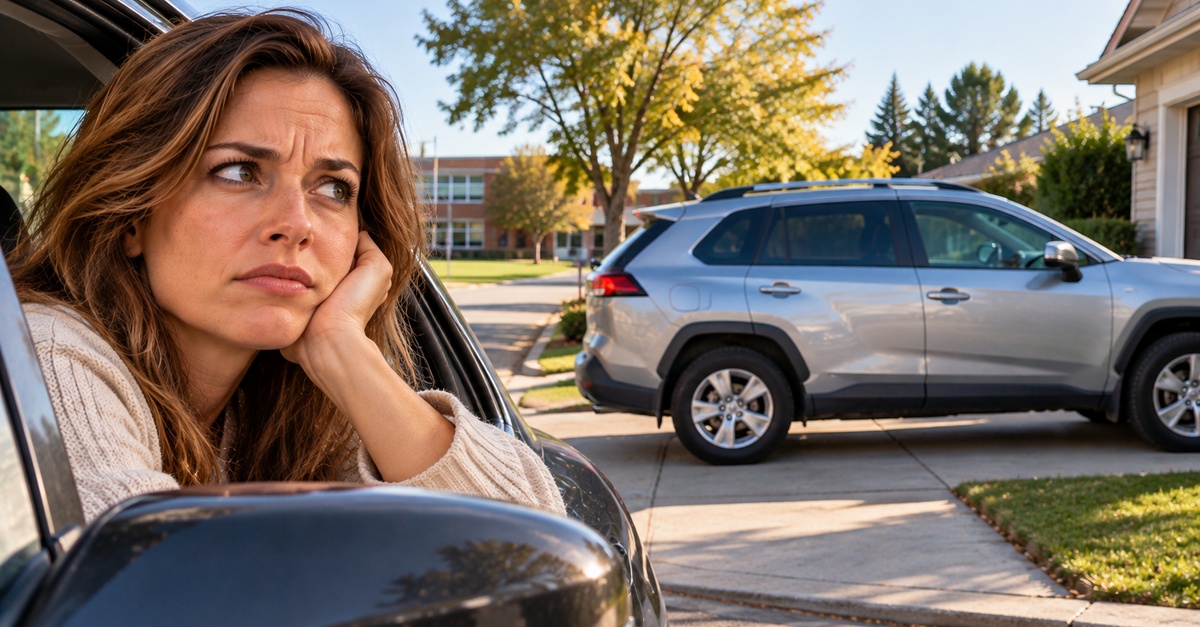
When Safety Upgrades Raise Questions
You installed aftermarket safety features because you wanted your car to be safer. Then your insurance agent started asking questions like a detective in a crime drama. What was installed? Who installed it? Was it certified? Did it change the car? Suddenly, your good deed felt suspicious.

Why Your Agent Started Asking
Insurance companies are not just curious for fun. They price risk, and every change to your vehicle can affect that risk. Even safety upgrades can raise questions because the insurer needs to know whether the car is actually safer, more expensive to repair, or modified in a way they did not expect.

Not All Safety Features Are Equal
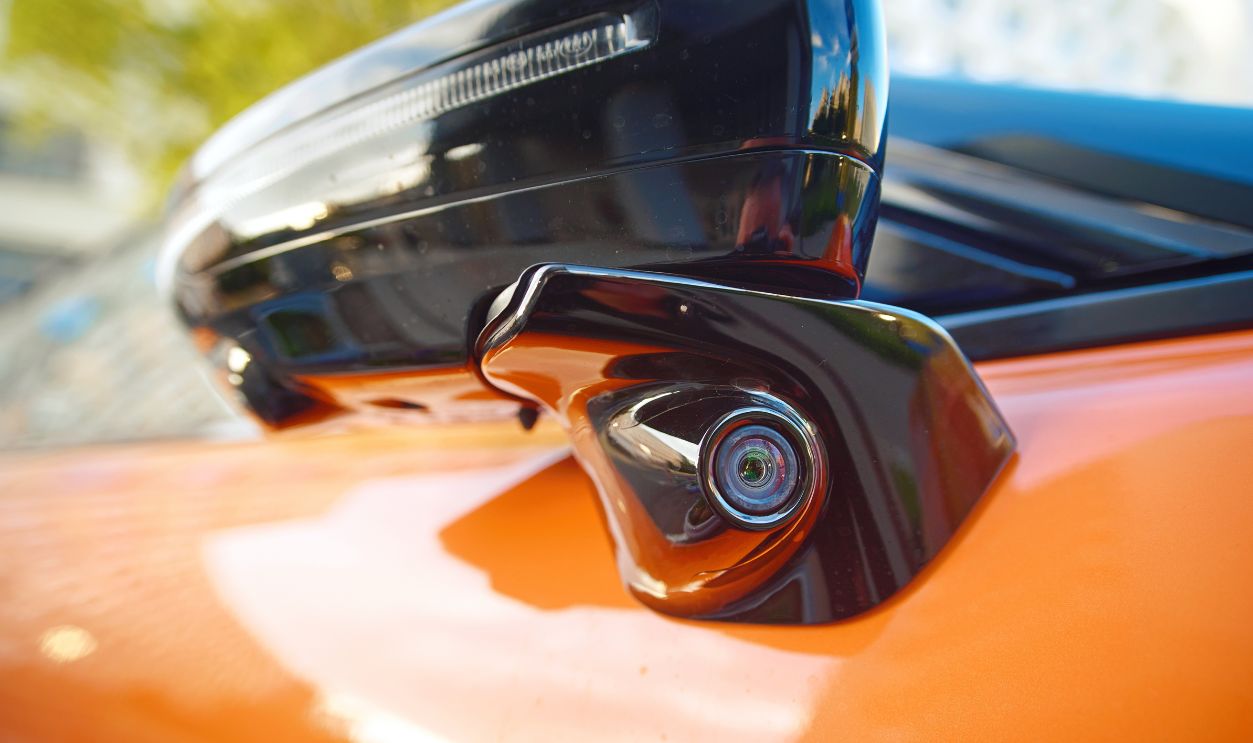
A dashcam, blind-spot monitor, backup camera, parking sensor, or collision warning system can all sound helpful. But insurers may view them differently. Some are simple add-ons. Others connect to electronics, steering, braking, or visibility systems. The deeper the system reaches into the car, the more questions it may trigger.
The Big Question Is Installation
One of the first things your agent wants to know is who installed the equipment. A professional installation usually looks better than a weekend driveway job with loose wires and mystery brackets. That does not mean DIY is automatically bad, but insurers like clean paperwork and proof that everything was done correctly.

Paperwork Is Your Friend
Receipts, product manuals, installation records, photos, and warranty documents can make the conversation much easier. Without paperwork, your agent may only hear, “I added electronic parts to my car.” With paperwork, they see what was installed, when it was installed, and whether a qualified person handled the job.

Safety Upgrades Can Help
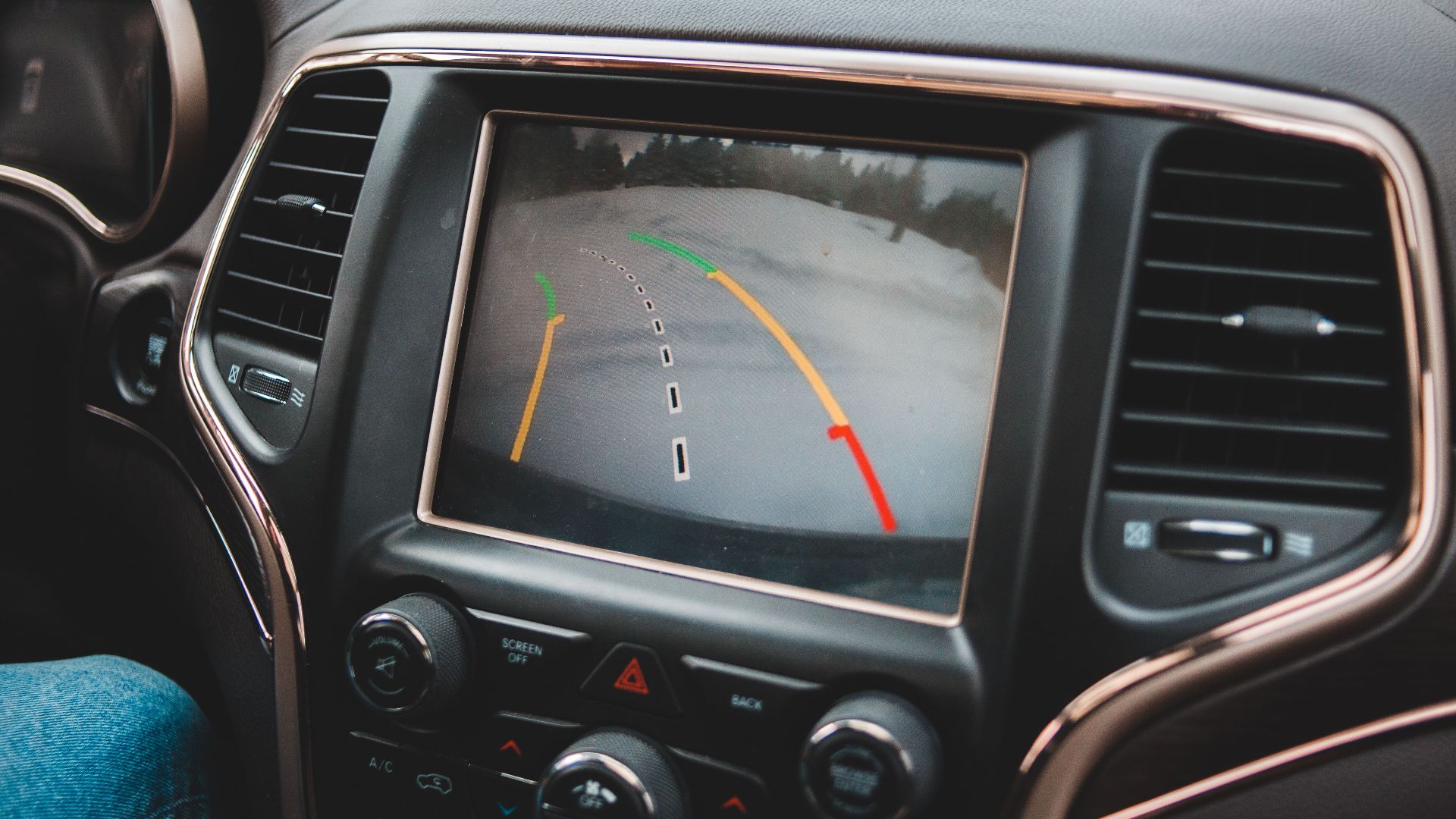
Some aftermarket safety features may help reduce accidents, theft, or claim disputes. Dashcams can show what really happened in a crash. Backup cameras can help avoid parking lot bumps. Alarm systems and GPS trackers can make theft less appealing. In some cases, those features may even help your insurance situation.
But Discounts Are Not Guaranteed
This is where many drivers get disappointed. Just because you installed a safety device does not mean your premium will drop. Insurers usually offer discounts only for features they recognize, approve, or include in their rating system. Your upgrade may be smart, useful, and still not worth a formal discount.

Why The Third Degree Happens
Your agent may ask detailed questions because they need to update your policy accurately. If the feature changes the vehicle’s value, repair cost, theft risk, or electrical system, the insurer wants to know. It may feel personal, but usually it is just risk paperwork wearing a cheap trench coat.

Aftermarket Means Extra Attention
Factory safety features are easy for insurers to understand because they come built into the car’s original specifications. Aftermarket features are different. They vary by brand, quality, installation method, and compatibility. Two drivers can say they added a “collision warning system” and mean two very different things.
Electronics Can Complicate Repairs
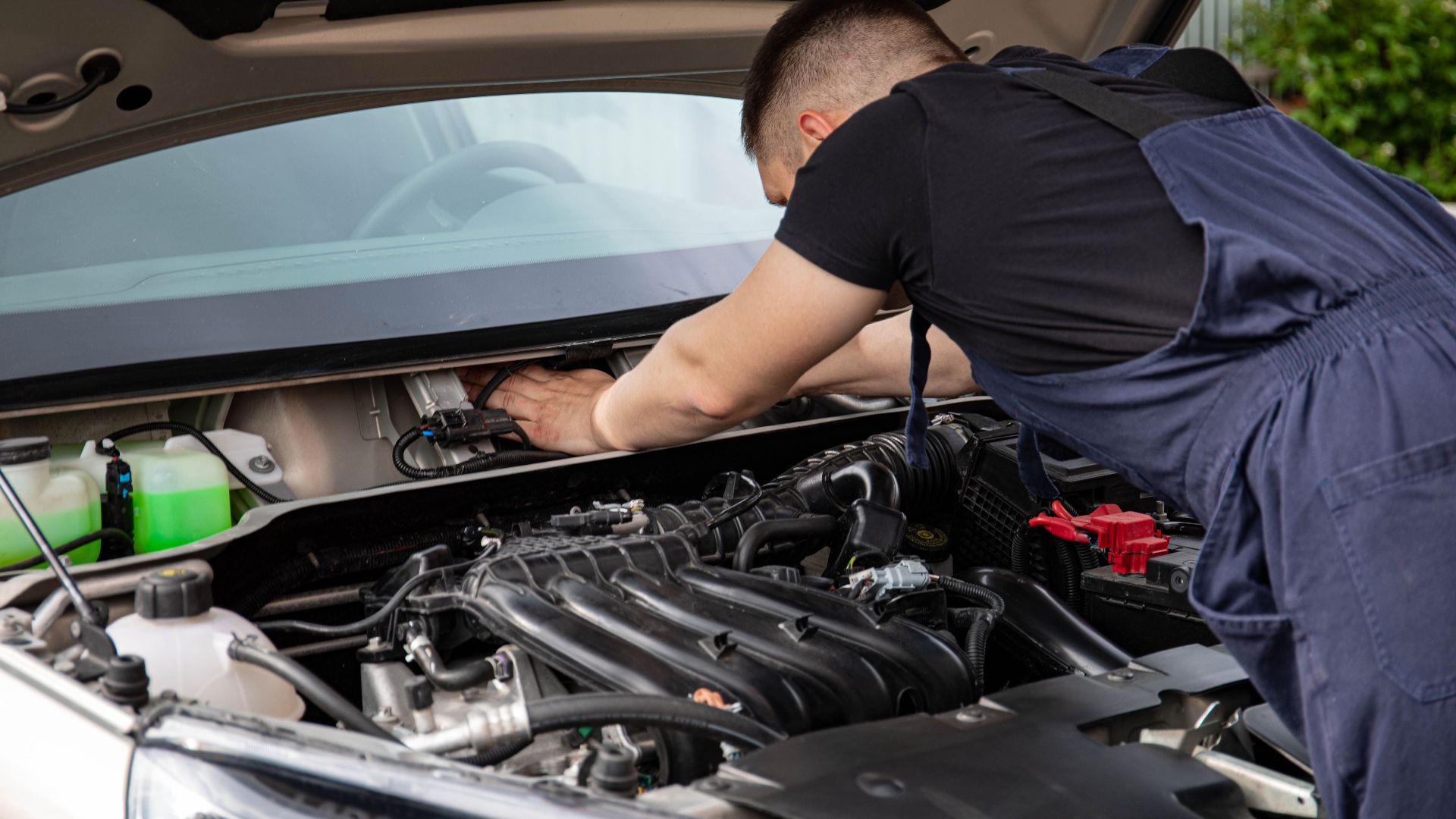
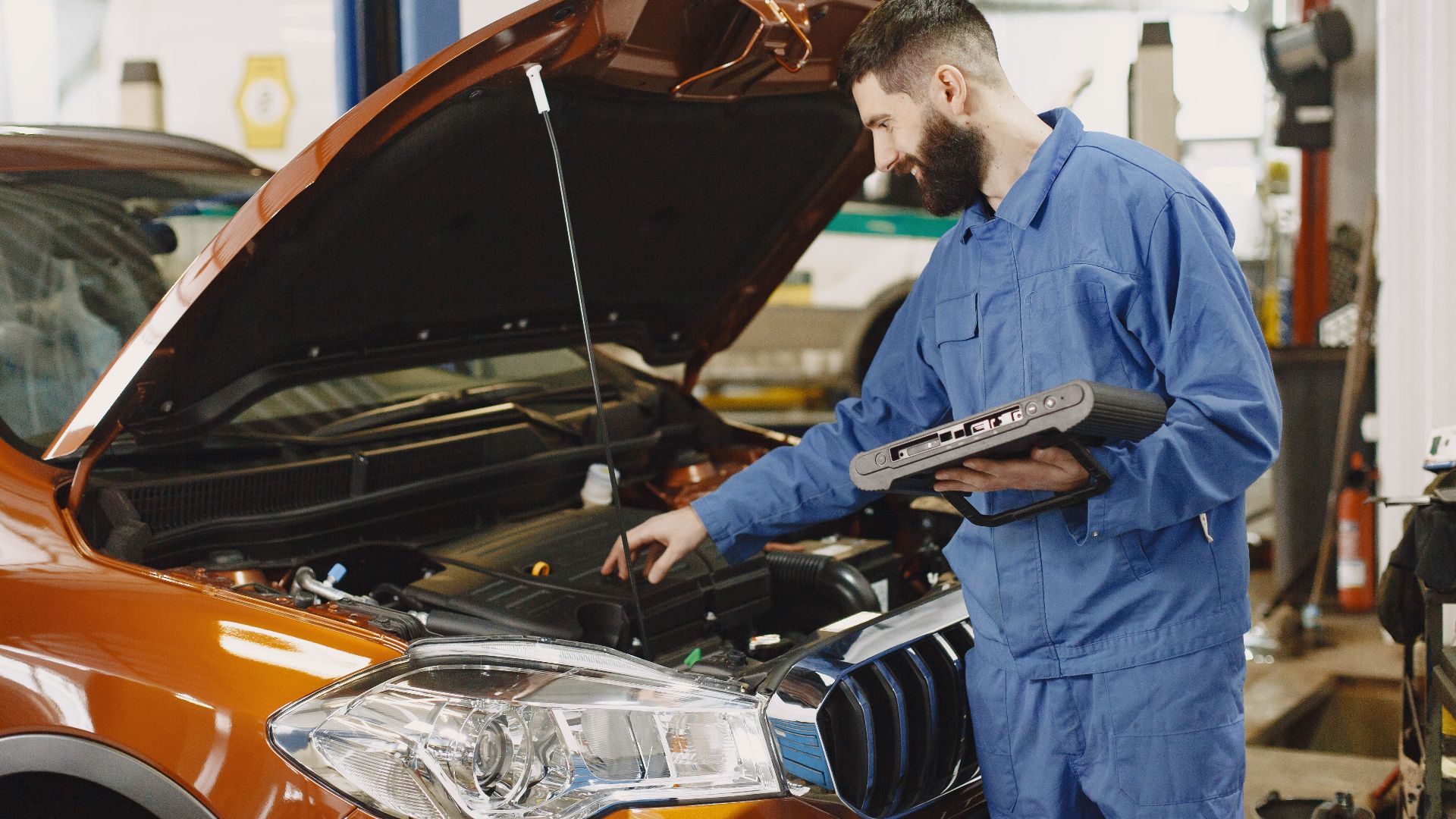
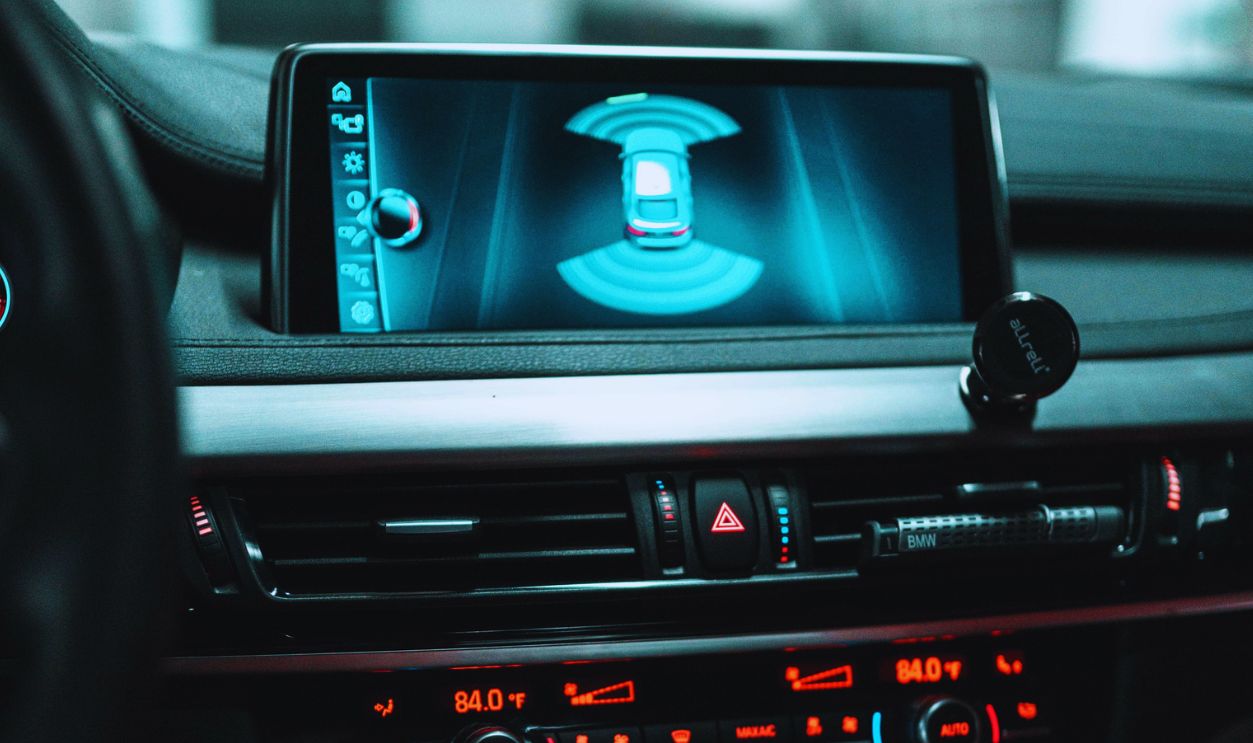
Modern cars are rolling computers, and adding equipment can make repairs trickier. A camera, sensor, or alert system may need calibration after a windshield replacement, bumper repair, or electrical fix. If the insurer might have to pay more after a claim, they will want to understand what was added.
Some Upgrades Change The Car’s Value
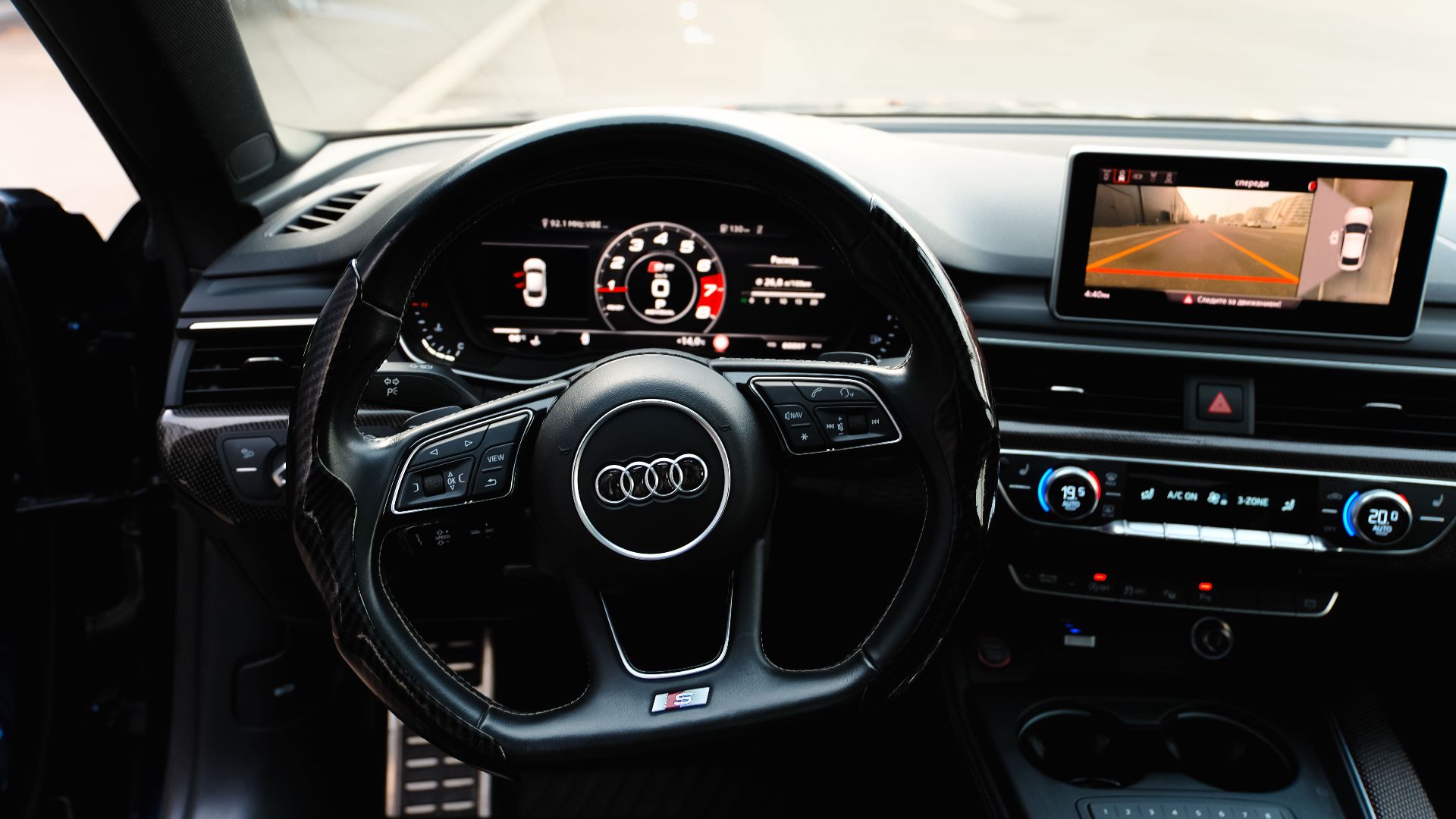
If you add a high-end security system, camera setup, or advanced driver-assistance kit, your car may be worth more than it was before. That sounds great until you remember insurance policies need accurate values. If the equipment is not listed, it may not be fully covered after theft, fire, or a crash.
 Kostiantyn Zavhorodnii, Pexels
Your Agent May Be Protecting You
The questions can feel annoying, but they may save you trouble later. Imagine paying for safety equipment, getting into an accident, and then learning the insurer never knew it existed. Properly reporting the upgrade helps reduce confusion when you actually need your coverage.

Some Modifications Make Insurers Nervous
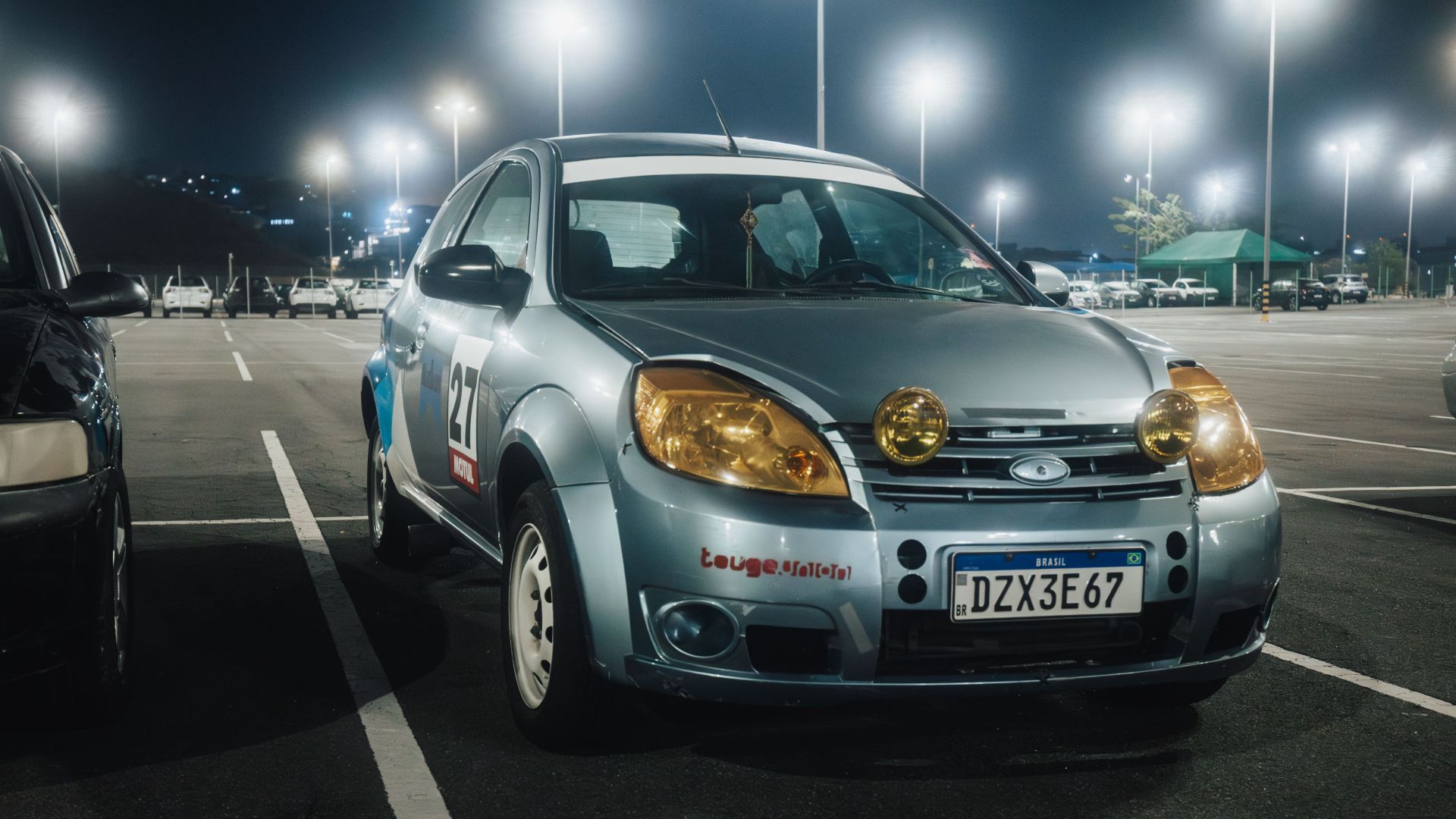
Not every safety-related add-on is harmless. Extra lighting, homemade camera systems, wiring changes, or devices that interfere with factory sensors can raise concerns. Even well-meaning upgrades can create problems if they distract the driver, block visibility, or affect how original safety systems operate.
Tell Them Before A Claim
The worst time to mention a modification is after something has already gone wrong. If you install safety equipment, tell your insurer soon after. That gives them a chance to document it properly, explain whether it affects your policy, and tell you what proof they need.

Ask About Approved Devices
Before spending money, ask your insurance company whether certain devices qualify for discounts or need special reporting. Some insurers may have preferred anti-theft devices, tracking systems, or safety technologies. A quick call before installation can prevent a much longer conversation afterward.

Dashcams Are Usually Straightforward
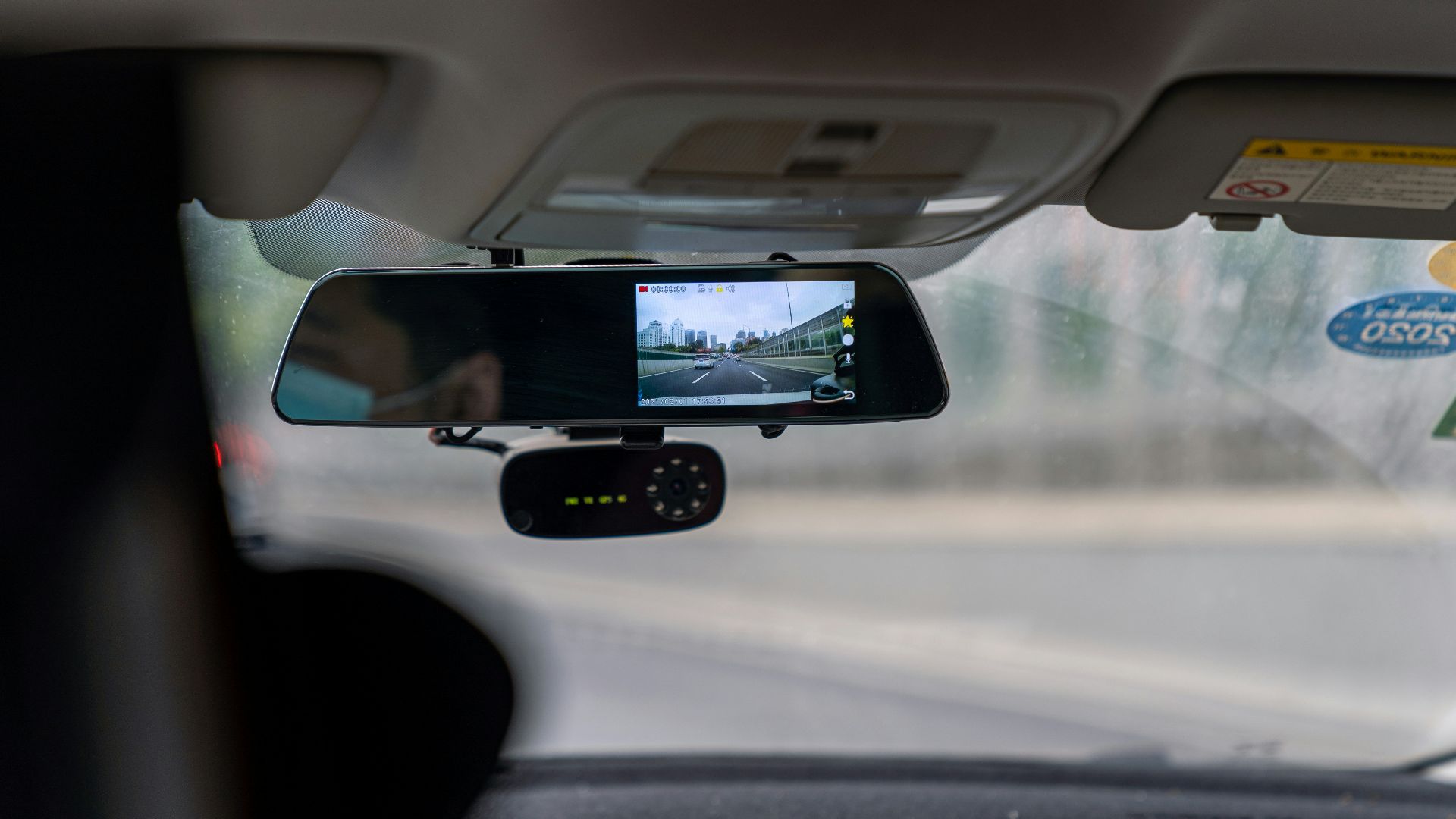
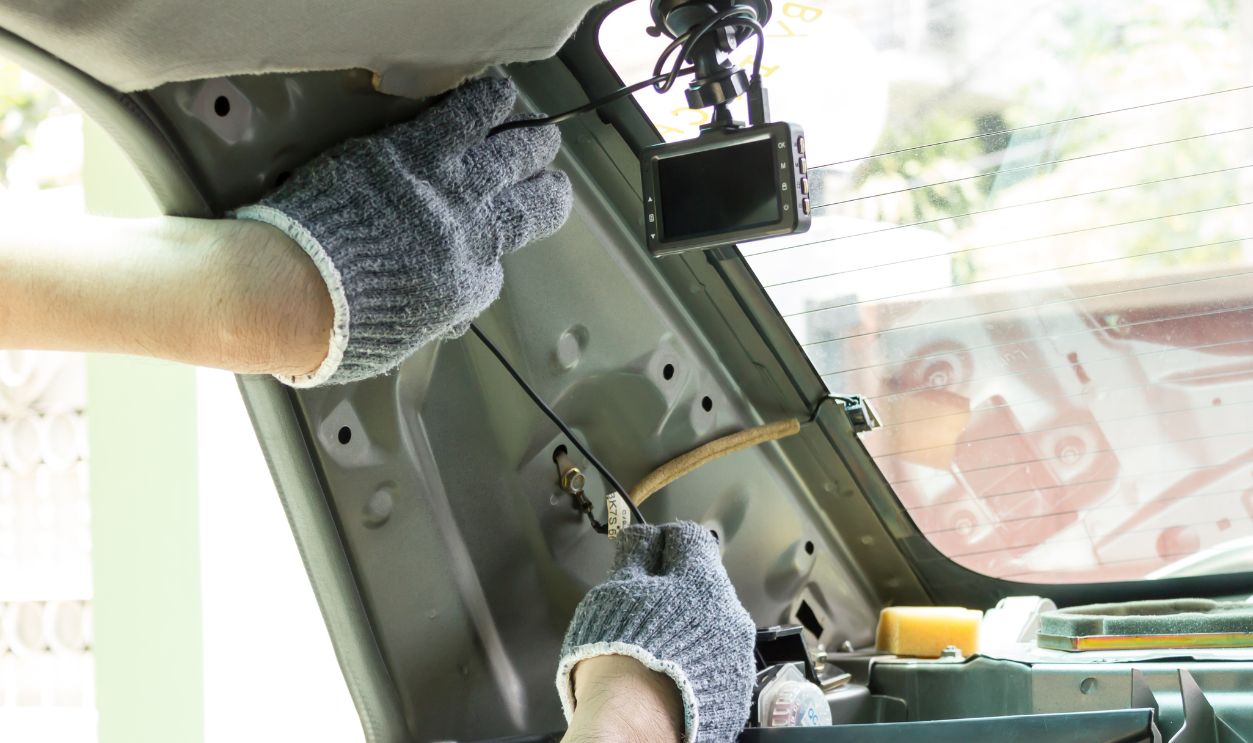
Dashcams are one of the easiest safety add-ons to explain. They usually do not control the car or alter major systems. Still, your insurer may ask whether it records continuously, has GPS, or was hardwired. A simple plug-in dashcam may raise fewer questions than a permanently wired setup.
Anti-Theft Devices Get Attention
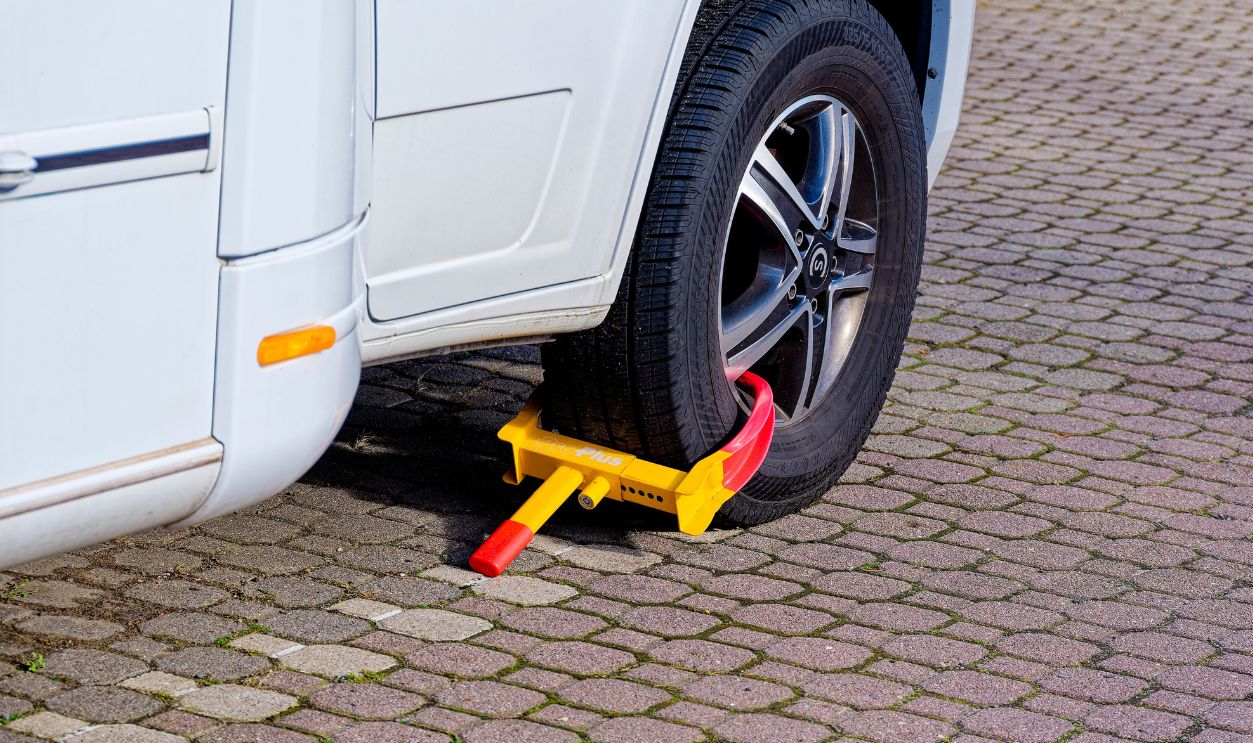
Alarms, immobilizers, steering locks, and GPS trackers can matter to insurers because theft claims are expensive. These devices may help, especially in areas with high vehicle theft. But again, the insurer may want proof of installation and details about the device before offering any benefit.
Driver-Assistance Kits Are Trickier
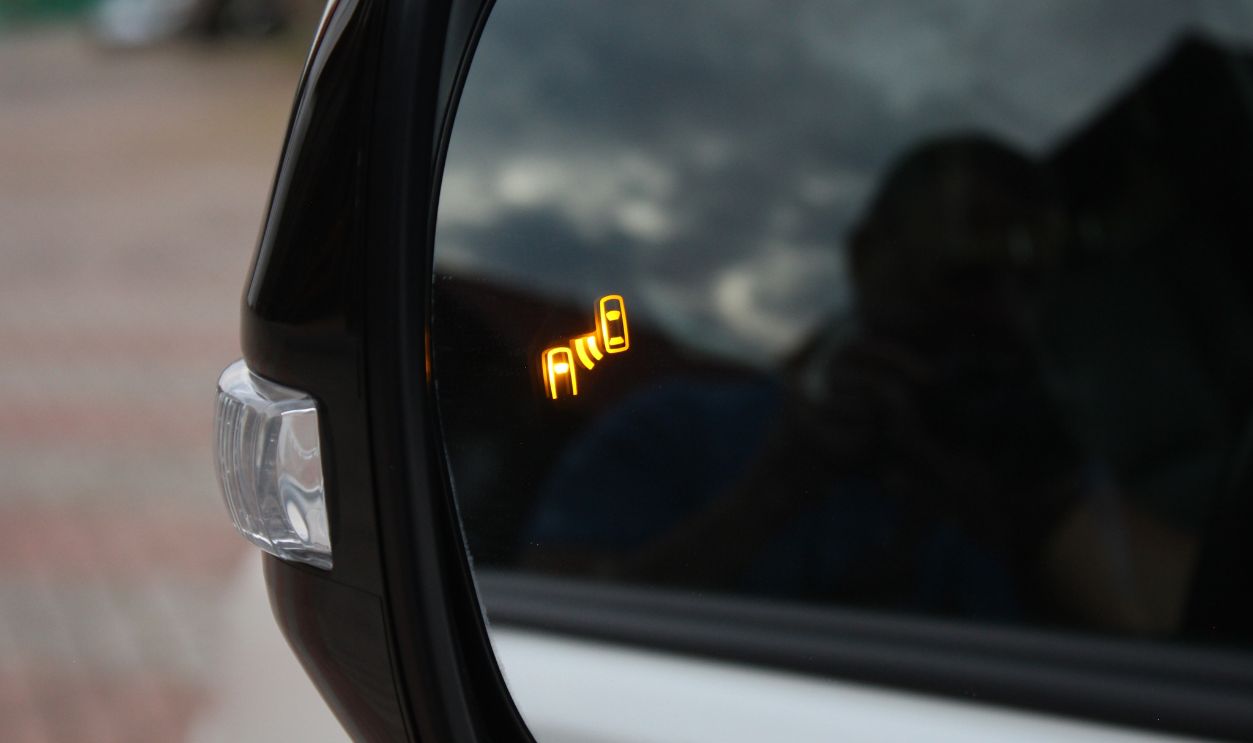
Aftermarket lane warnings, blind-spot alerts, and collision warning systems can be useful, but they may also require careful setup. If the system gives false alerts or is poorly placed, it could become a distraction. Insurers may want to know whether it is passive, advisory, or tied into vehicle controls.
Don’t Oversell The Upgrade
When talking to your agent, avoid saying the car is now “basically crash-proof” or “impossible to steal.” That can make the conversation weird fast. Just explain what the device does in plain terms. Safety features reduce certain risks, but they do not make any car invincible.

Keep Photos Of The Install
Photos can be surprisingly helpful. Take pictures of the installed equipment, mounting points, wiring areas, and serial numbers if available. These can support your records if the vehicle is stolen, damaged, or inspected. It is boring now, but beautiful later when everyone needs proof.
Check Your Policy Language
Some policies treat aftermarket equipment differently from factory equipment. There may be limits on custom parts, electronics, accessories, or permanently installed devices. Your agent can explain whether your upgrade is automatically covered or whether you need extra coverage for the added equipment.

It May Depend On Your State
Insurance rules and pricing systems can vary by state. One insurer may care a lot about a certain feature, while another may barely mention it. That is why your friend’s easy experience does not always predict yours. Insurance is not famous for being simple or consistent.

The Car Itself Still Matters Most
Safety add-ons do not erase the basics. Your driving record, ZIP code, claims history, vehicle model, mileage, and coverage choices usually matter much more. An aftermarket camera or sensor may help, but it probably will not overpower the larger factors that shape your premium.

Be Honest And Specific
The best approach is simple: be honest, specific, and calm. Tell your agent what you installed, why you installed it, and whether it was professionally fitted. Provide documentation if asked. You do not need to sound like an engineer. You just need to be clear.

Shop Around If Needed
If your insurer treats a reasonable safety upgrade like you installed a rocket launcher, it may be worth comparing quotes. Different companies handle modifications differently. Just make sure you disclose the equipment to each insurer so the quotes are fair, accurate, and useful.

It’s Not Always Like That
No, it is not always like that. Some upgrades barely raise an eyebrow. Others bring a full round of questions. The difference usually comes down to the type of device, how it was installed, whether it changes the car’s value, and how your insurer handles modifications.
Safer Is Still Smarter
Installing safety features is usually a good thing, even if the insurance conversation feels clunky. The trick is to document everything, tell your insurer early, and understand that a safer car is not always an automatically cheaper car. Sometimes the real win is avoiding the accident in the first place.

You May Also Like: